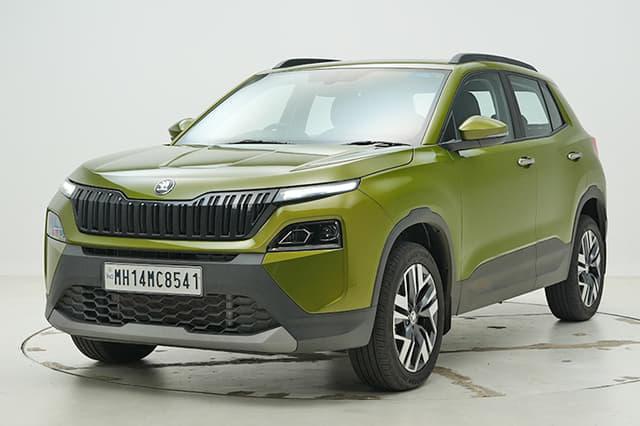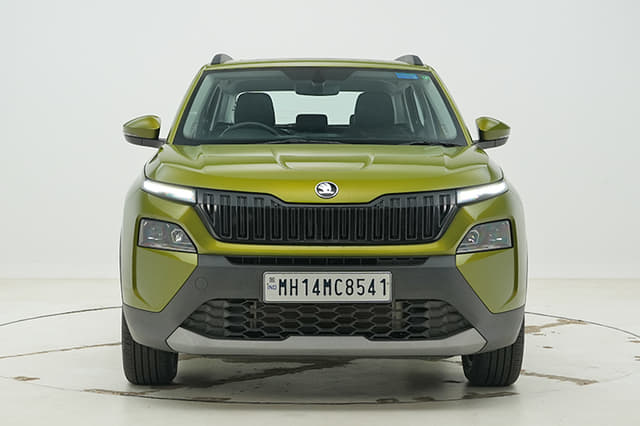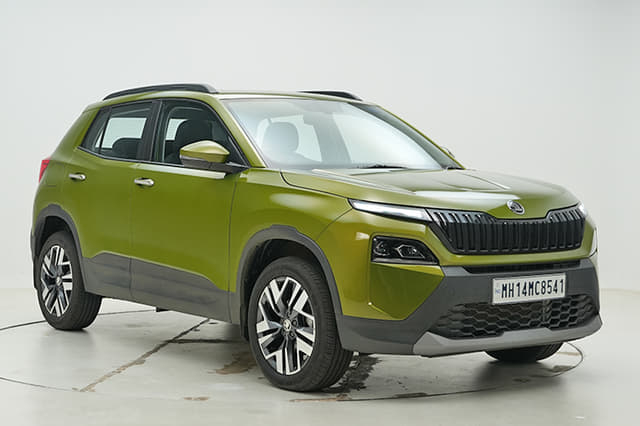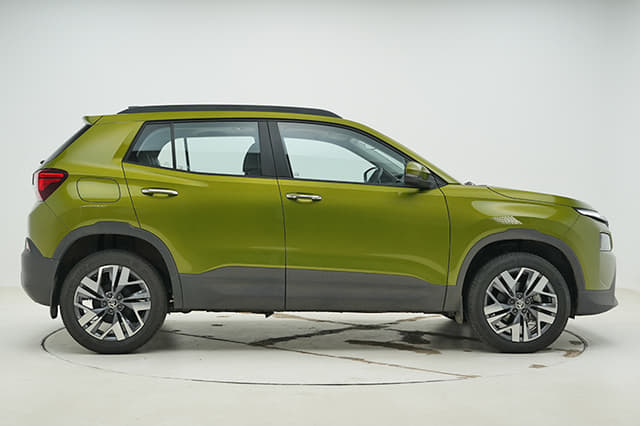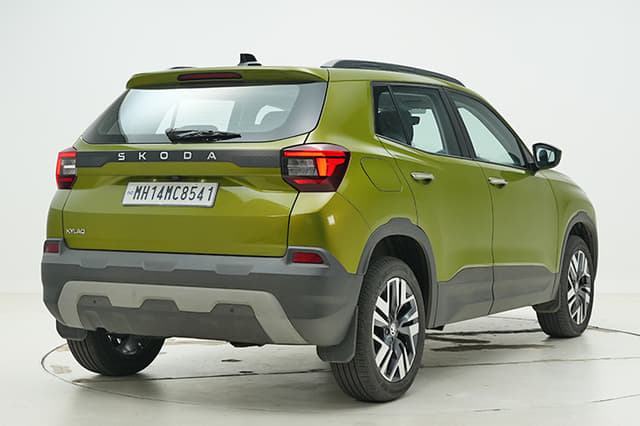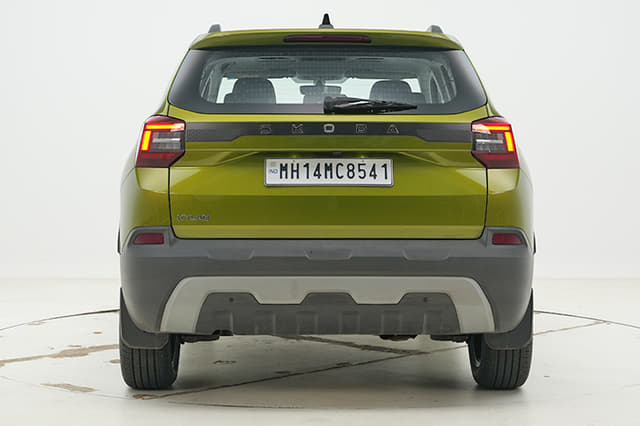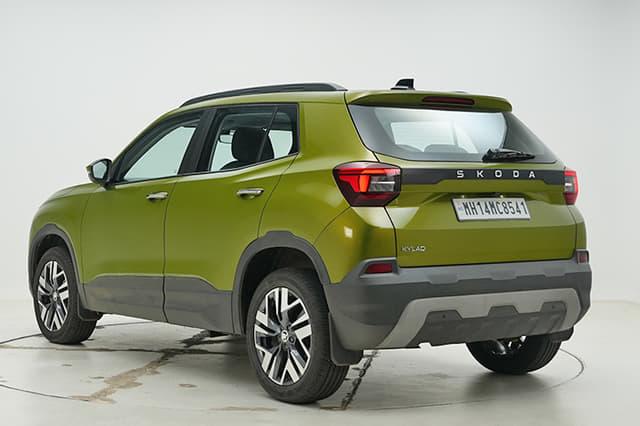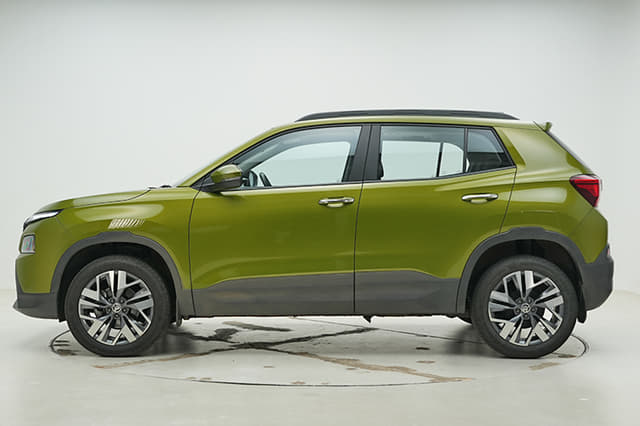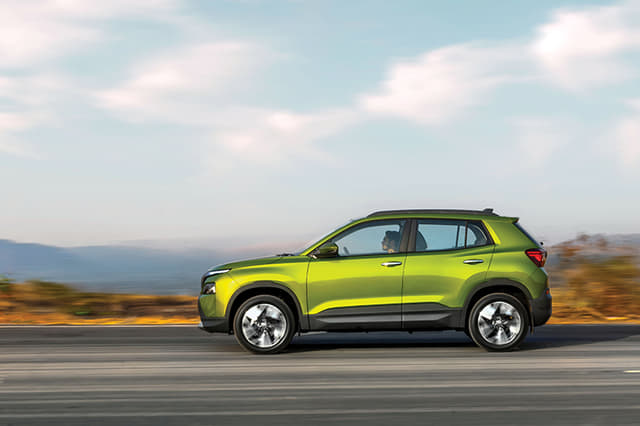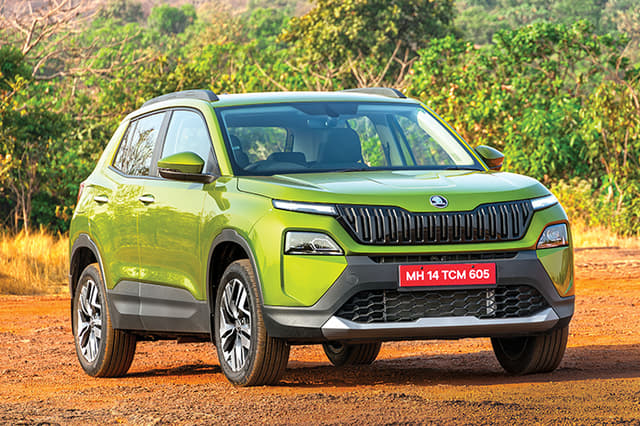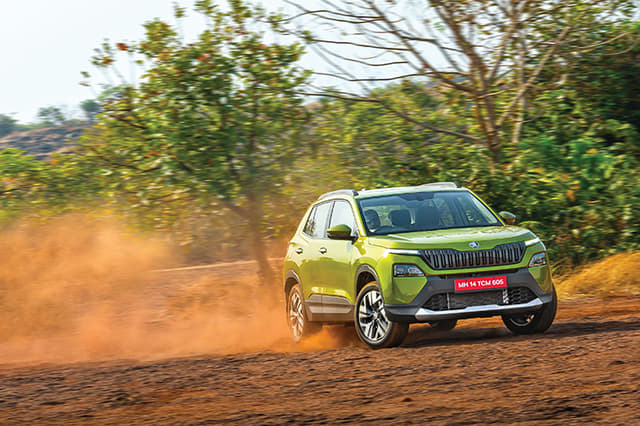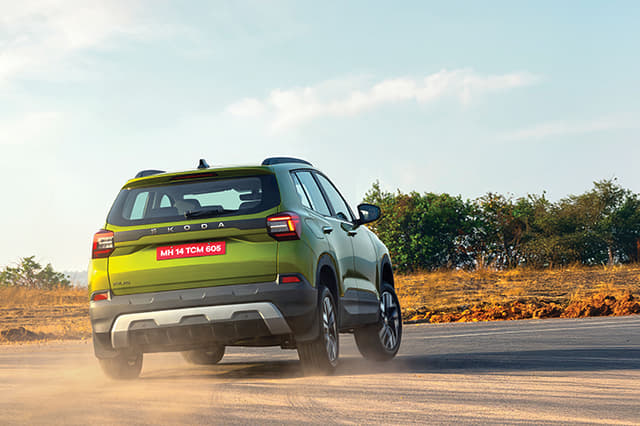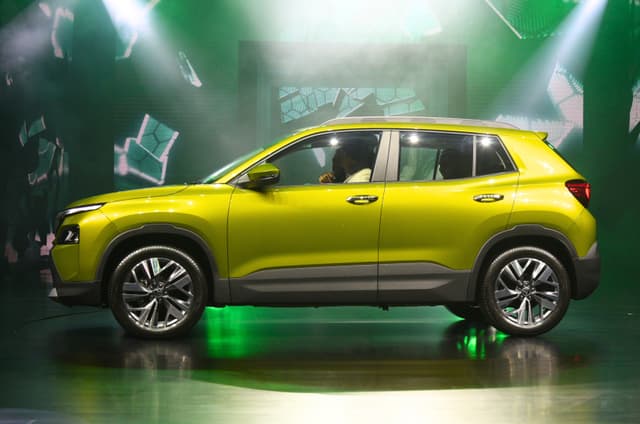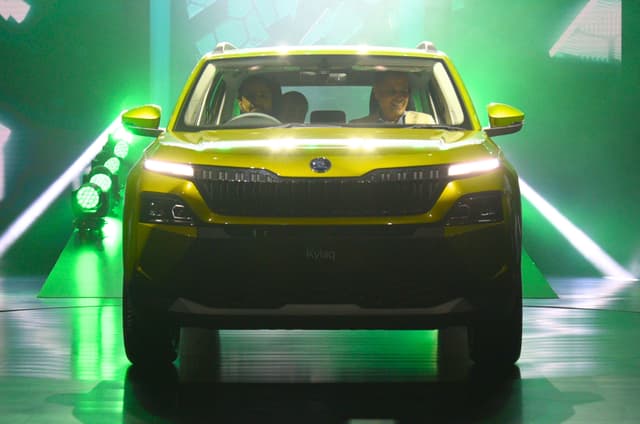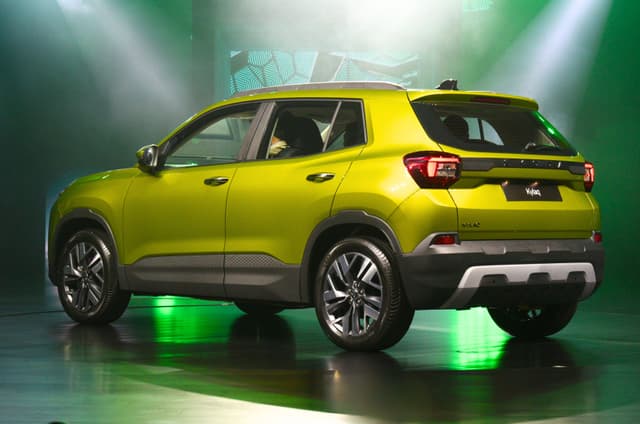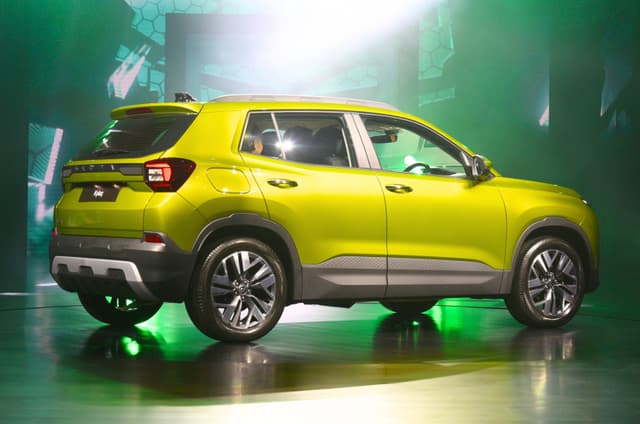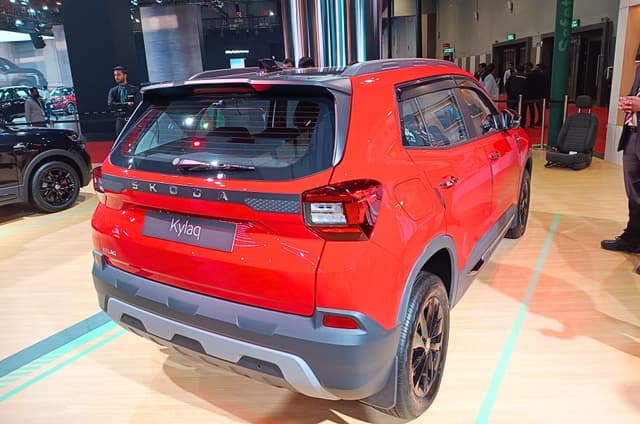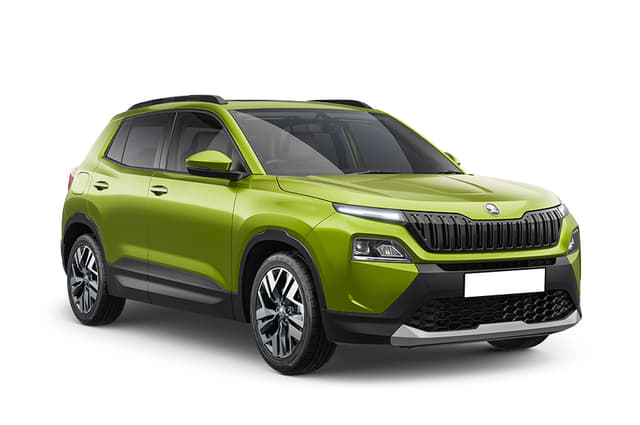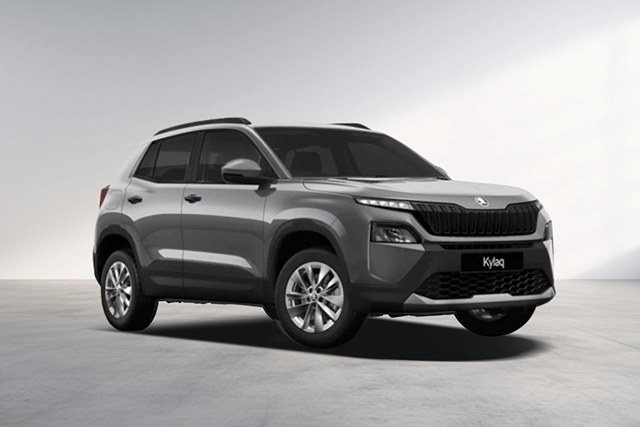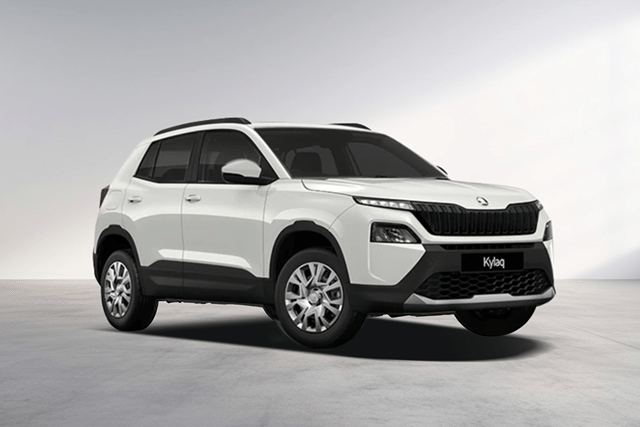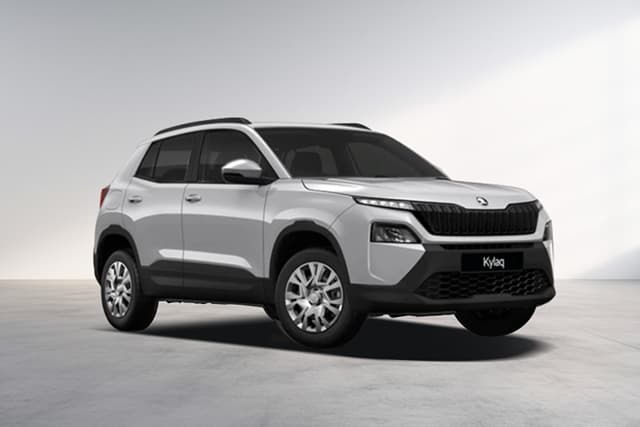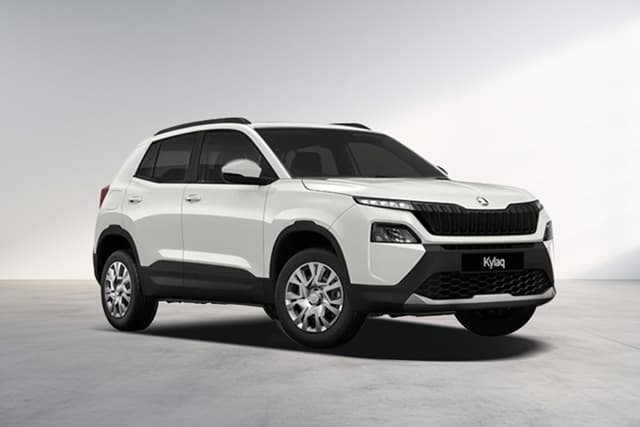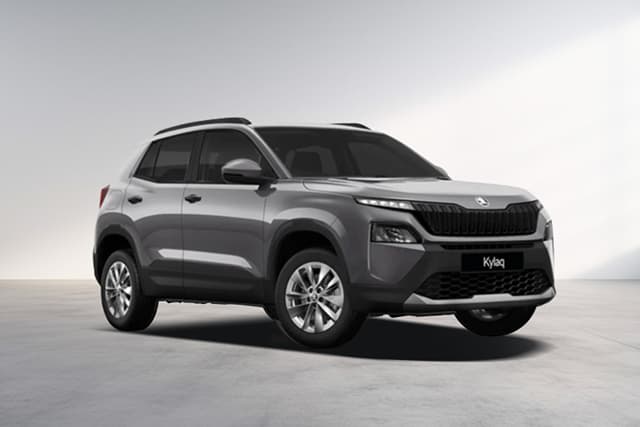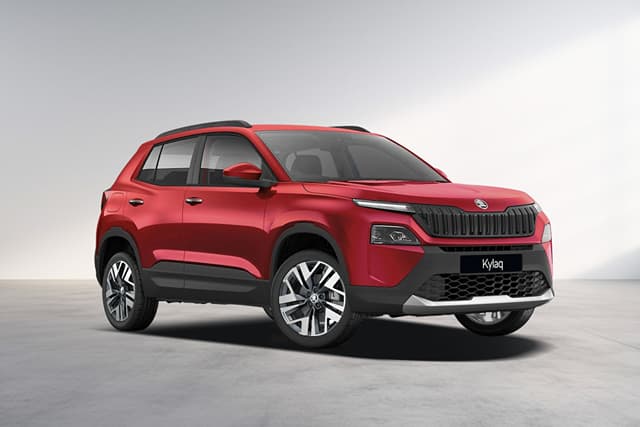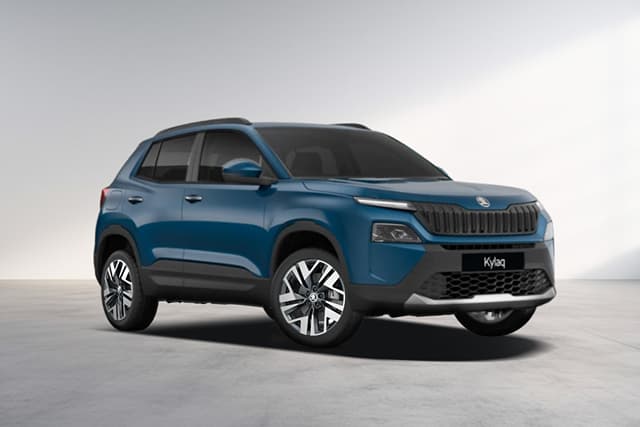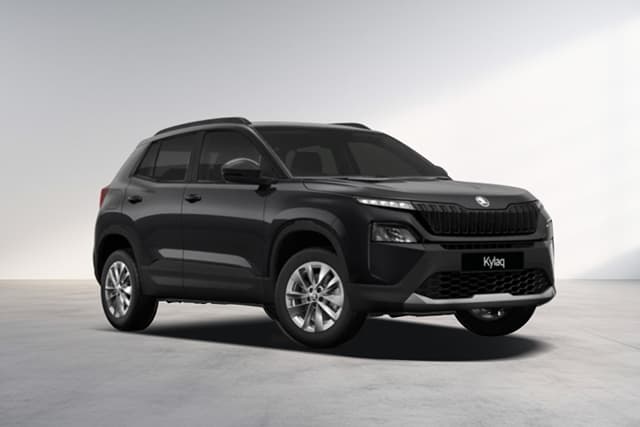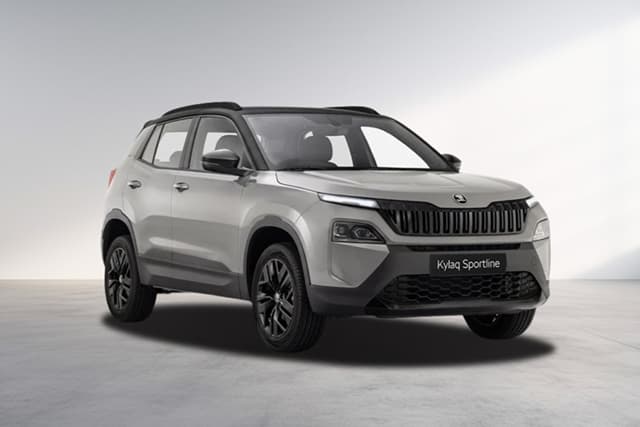

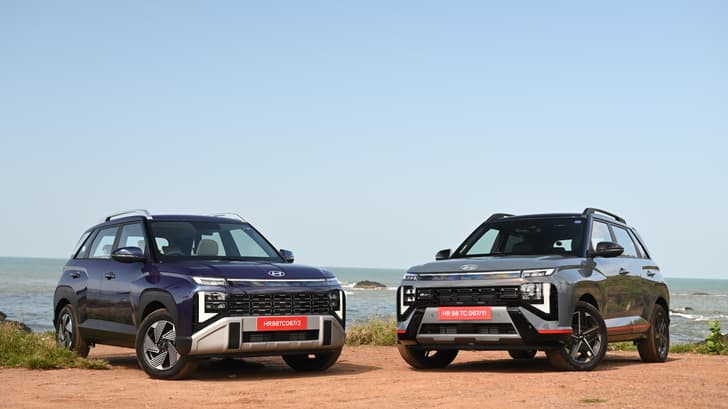
Sonet vs Kylaq in Bangalore
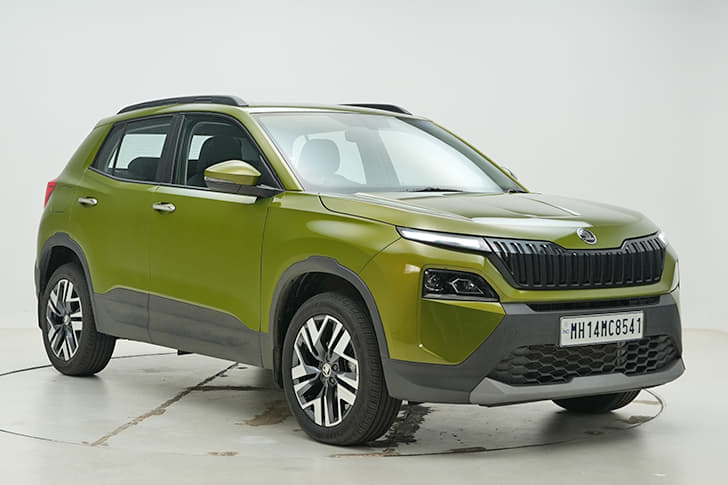


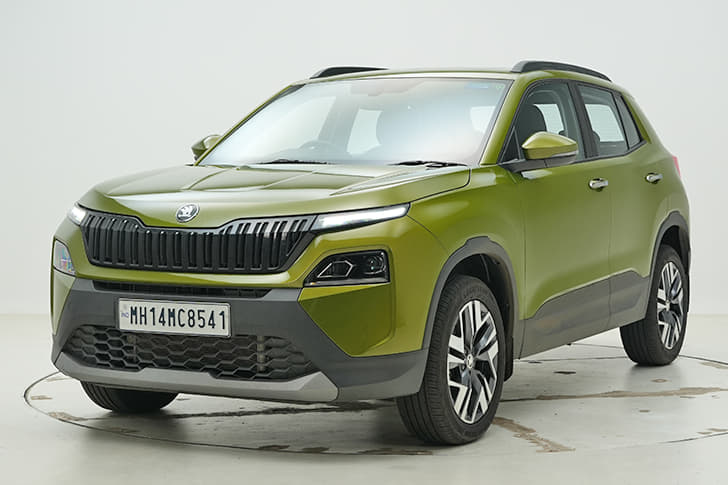
Skoda Kylaq price in Nalgonda
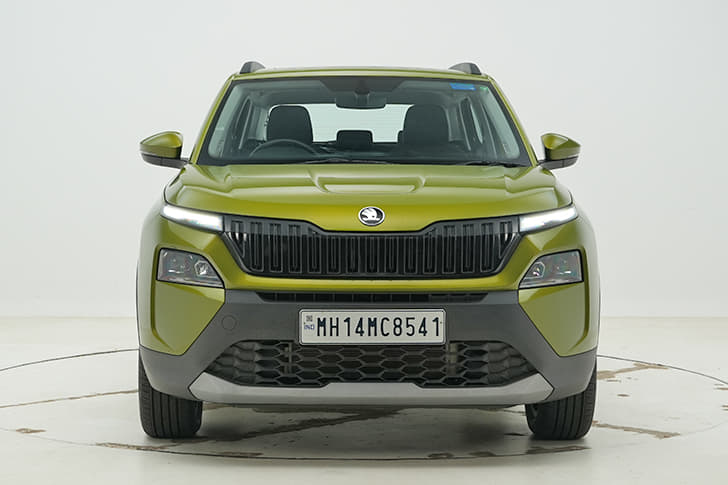
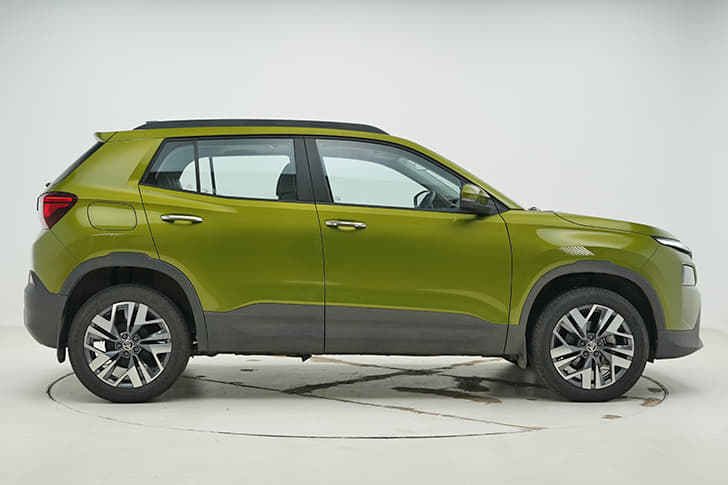


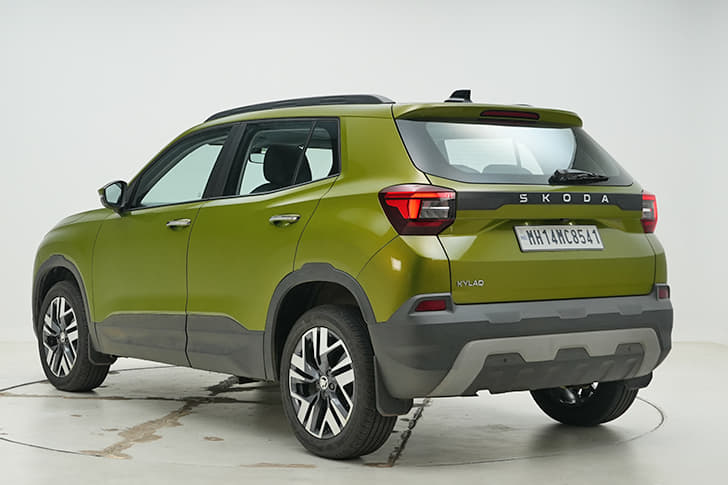
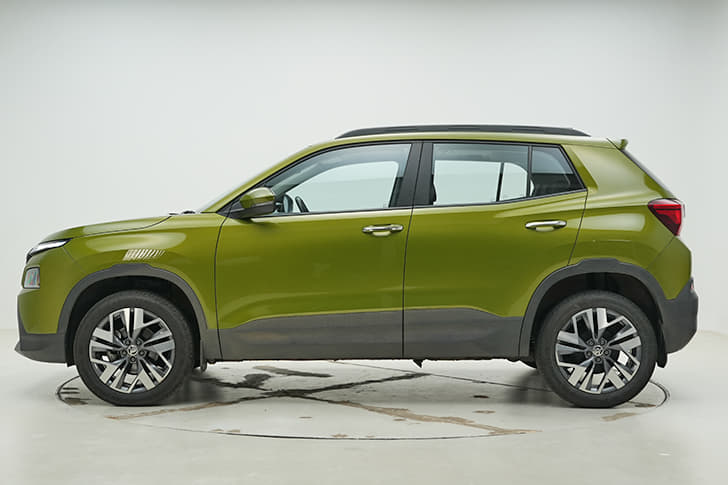
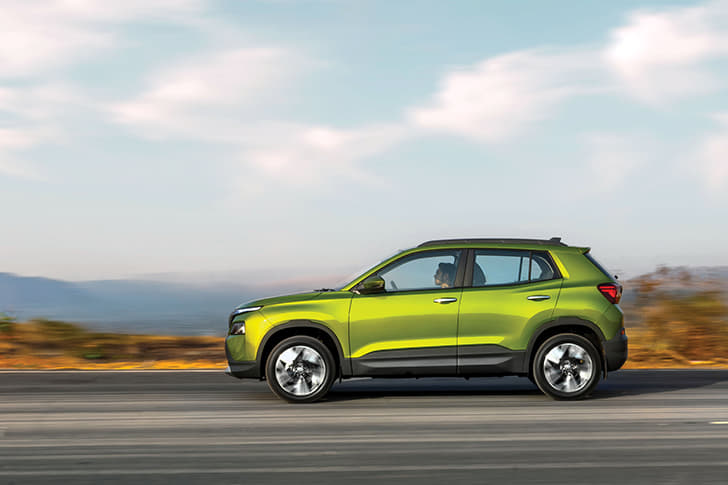
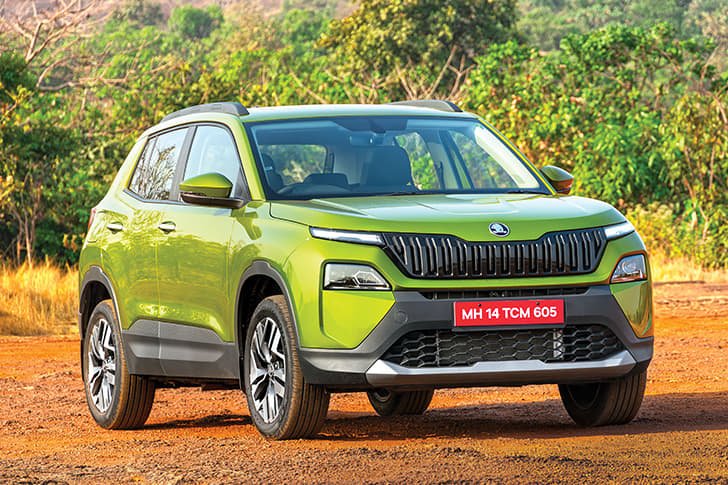
* Estimated on-road price. Final amount may vary.
* Estimated on-road price. Final amount may vary.
* Estimated on-road price. Final amount may vary.
* Estimated on-road price. Final amount may vary.
* Estimated on-road price. Final amount may vary.
* Estimated on-road price. Final amount may vary.
* Estimated on-road price. Final amount may vary.
* Estimated on-road price. Final amount may vary.
* Estimated on-road price. Final amount may vary.
* Estimated on-road price. Final amount may vary.
* Estimated on-road price. Final amount may vary.
* Estimated on-road price. Final amount may vary.
* Estimated on-road price. Final amount may vary.
No dealers available in Nalgonda
We don't have authorised Skoda dealers here
Tell us about your experience
Skoda Kylaq Official Brochure
Download the complete brochure with specs, features, and variants.






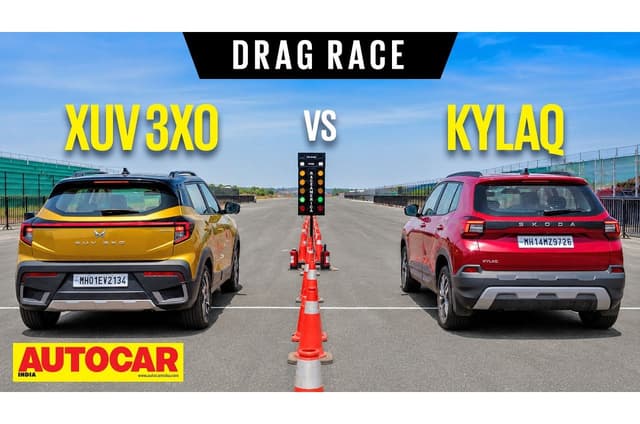


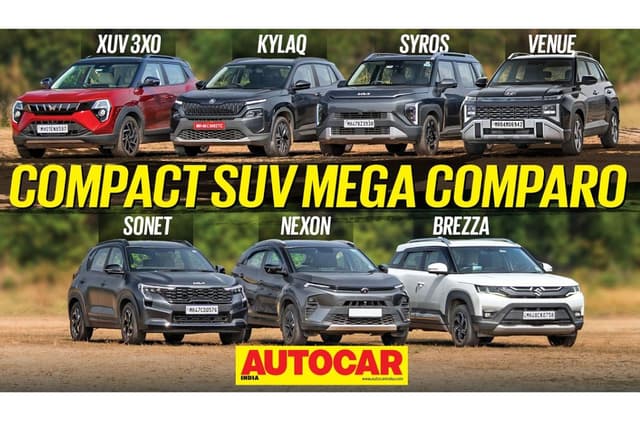
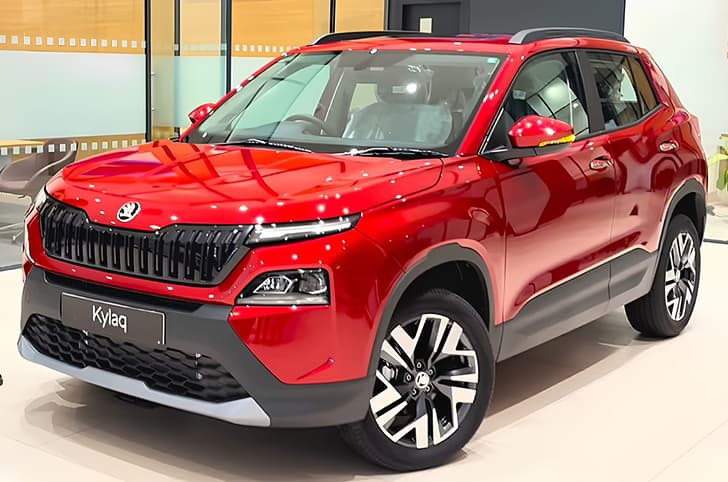
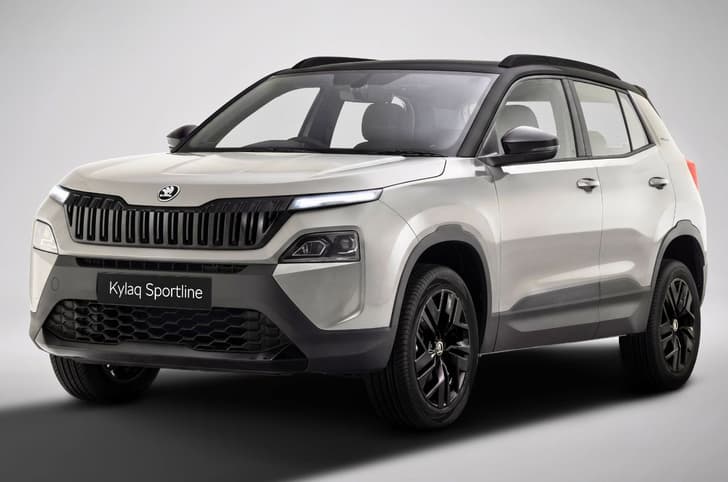
The Kylaq’s starting price is similar to the Tata Nexon and Mahindra XUV 3XO, which are also offered with a similarly powered turbo-petrol engine. Turbo-petrol engines offered with other rivals like Venue, Sonet, Magnite and Fronx have a higher starting price. The Kylaq also has one of the most affordable top-spec trims with a turbo-petrol engine in the segment at ₹13.09 lakh.
In terms of real-world performance, as well as the overall drive experience, the Kylaq is one of the best compact SUVs currently. However, it falls short in terms of equipment like a 360-degree camera and ADAS, which rivals offer. It is value-for-money if for you the driving experience precedes the requirement of premium features.
I’ve almost finalised the Skoda Kylaq Signature Automatic, and I really like the car. However, I’m a little worried about Skoda’s long-term service and maintenance costs, especially after the warranty period. I’m planning to keep the car for around 7–8 years. Would you recommend taking the Service Maintenance Package (SMP) along with the car? Is it worth the additional cost considering regular servicing and potential maintenance expenses? Also, compared with the Brezza and Nexon, how is the Kylaq Signature Automatic in terms of long-term reliability, service costs and parts replacement? Would really appreciate your advice before I make the final purchase decision.

 Skoda KylaqMaruti Suzuki BrezzaTata Nexon
Why would anyone pay Rs 3-5 lakh more for a 1.5-litre naturally aspirated petrol SUV like the Honda Elevate over a 1.0-litre turbo-petrol car like the Skoda Kylaq, especially when the Kylaq offers more torque and a torque-converter automatic? The turbo produces around 178Nm from 1,800rpm, while the naturally aspirated engine makes about 145Nm at around 4,300rpm. The turbo should also lose less power at altitude, and the torque-converter automatic avoids the concerns associated with a dry-clutch DCT. Is the Elevate really worth the premium for long-term reliability and refinement?
Skoda KylaqHonda ElevateHi, I recently asked you guys between Kia Sonet HTK Plus (O) Turbo DCT & Hyundai Venue HX 5 Turbo DCT for a 2-member family with 70% city and 30% highway running. You suggested Sonet HTK Plus (O) since it is cheaper and has more good to have features. I am also considering Skoda Kylaq Signature AT with their DHC infotainment upgrade. Do you still suggest the Sonet or will you prefer Kylaq over this? I am a new driver and will be driving in Bangalore traffic occasionally.
Skoda KylaqKia SonetI am looking for an automatic SUV under Rs 14 lakh, preferably with a torque-converter or CVT gearbox. The car will primarily be used for city driving, with occasional highway trips and long-distance journeys. I am leaning towards a petrol model rather than an EV, as I feel EV charging infrastructure is still not widely available. My main priorities are mileage and long-term reliability. I have shortlisted the Maruti Suzuki Brezza, Skoda Kylaq, Hyundai Venue and Mahindra XUV 3XO.
Maruti Suzuki BrezzaSkoda KylaqMahindra XUV 3XOHyundai VenueHi Autocar Team, I’m looking to replace my current Tata Punch Accomplished Dazzle Sunroof AMT. I’m not very happy with the AMT gearbox and specifically want to move to a smoother automatic for Hyderabad traffic. My hard on-road budget is Rs 15 lakh. The car will mainly be used by my wife and me, along with our kid, so I’m looking for something that offers good safety, comfort, an automatic transmission, and a sunroof. My biggest priority is long-term ownership and reliability. I plan to keep the car for at least 6-8 years, so it should be reasonably easy and affordable to maintain, with good parts availability and decent resale value. Could you please suggest which car and variant you would personally recommend within a Rs 15 lakh on-road budget in Hyderabad? I’m currently considering cars such as the Maruti Brezza, Kia Sonet, Škoda Kylaq, and other compact/mid-size SUVs, but I’m open to better options. If you had Rs 15 lakh as a hard maximum budget and were replacing a Punch AMT, which car would you shortlist and why?
Maruti Suzuki BrezzaTata PunchSkoda KylaqKia Sonet| Cities | On road price |
|---|---|
Warangal | ₹9.00 - ₹16.11 Lakh |



Last Updated on: 17 Oct 2026