autocar-logo
Delhi
Mahindra

Mahindra cars in India (17)

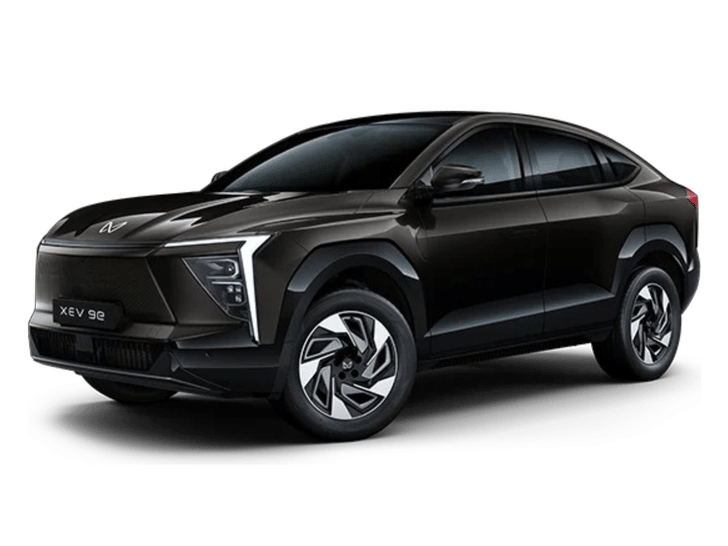
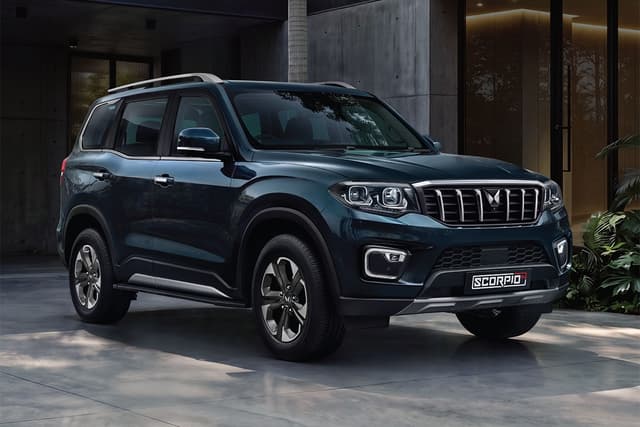
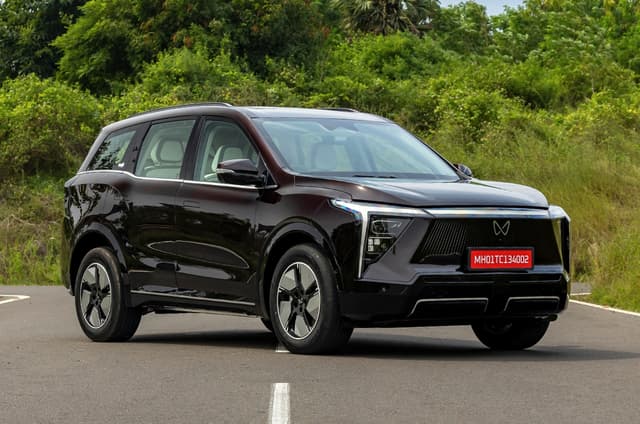
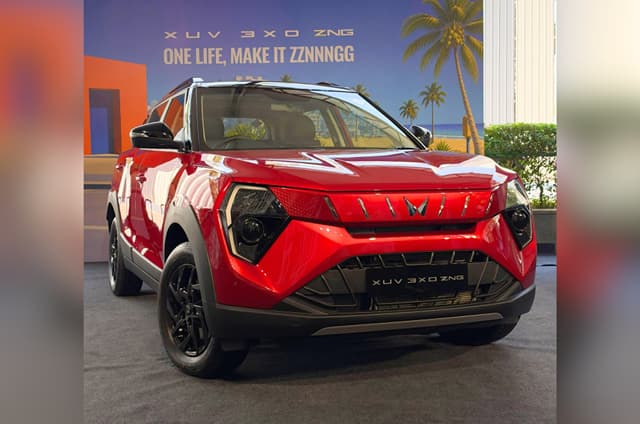
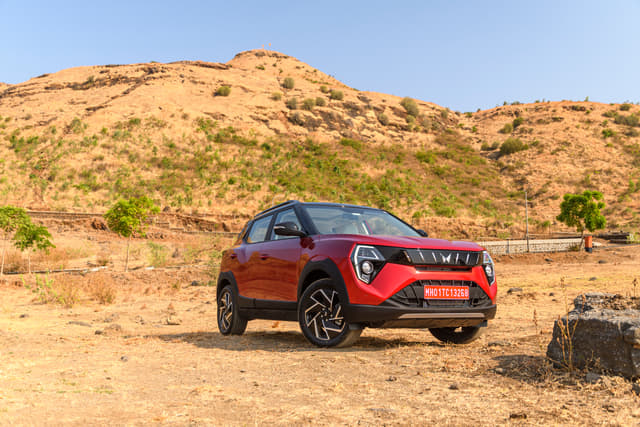
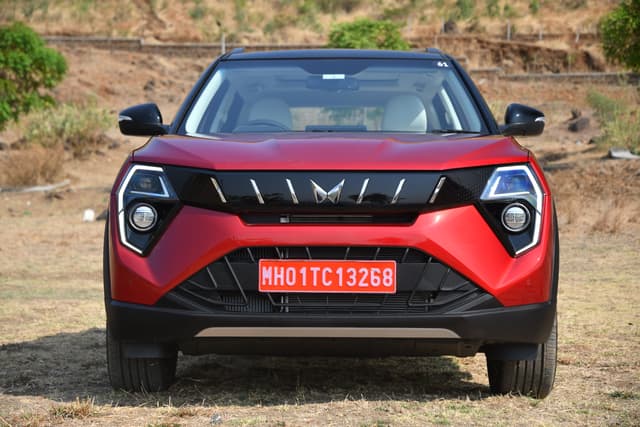
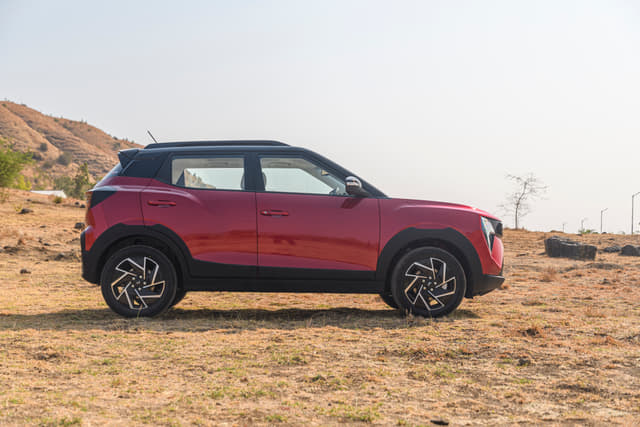
Currently, there are 17 Mahindra cars in India, with 14 on sale and 3 upcoming models. The Mahindra lineup includes 17 SUVs, with no sedans, hatchbacks, MPVs, or convertibles.  The Mahindra car price starts at ₹7.37 lakh and goes up to ₹30.50 lakh (ex-showroom). The Mahindra cheapest car is the XUV 3XO, while the most expensive is the XEV 9e.


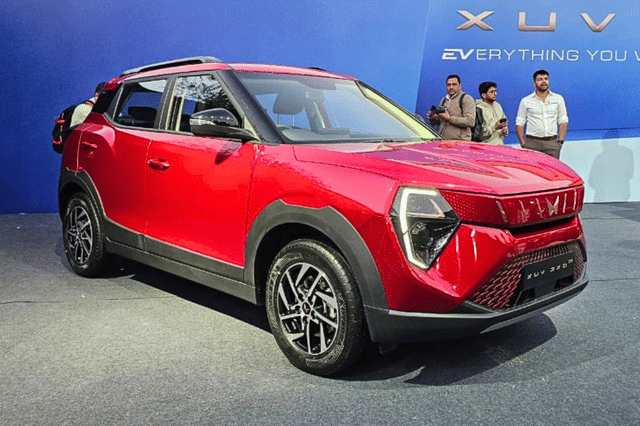
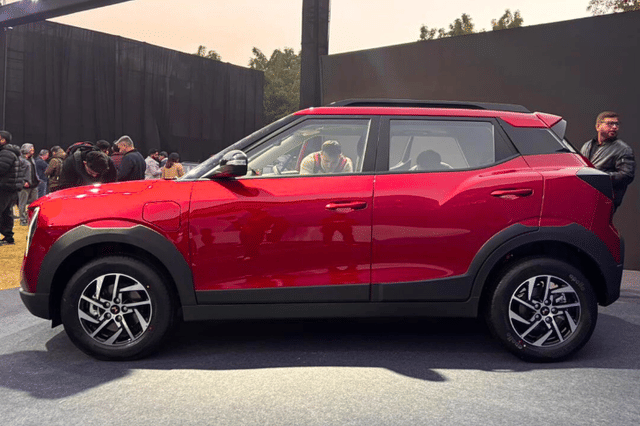
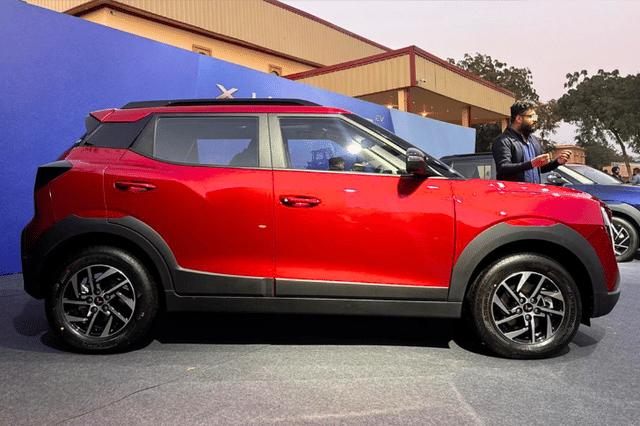
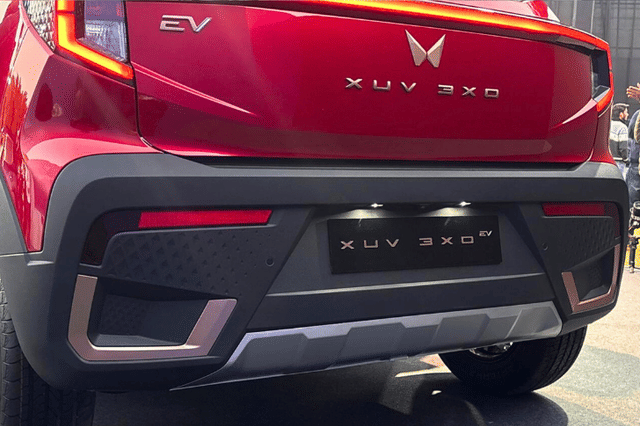
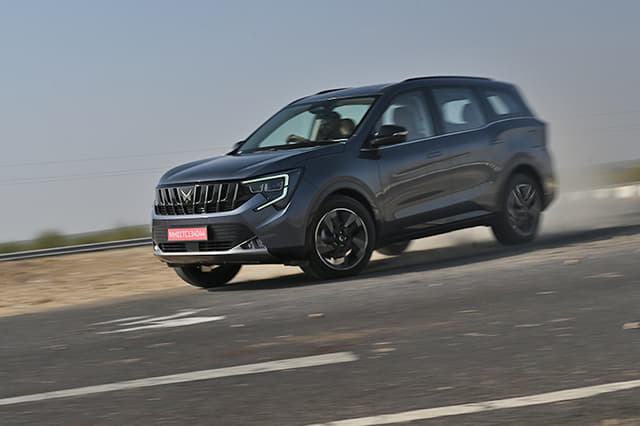
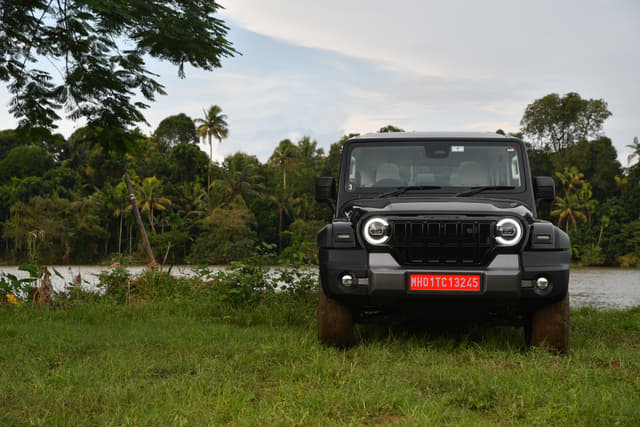
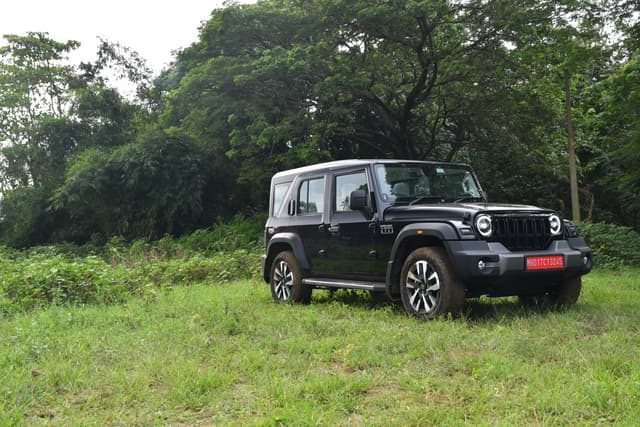
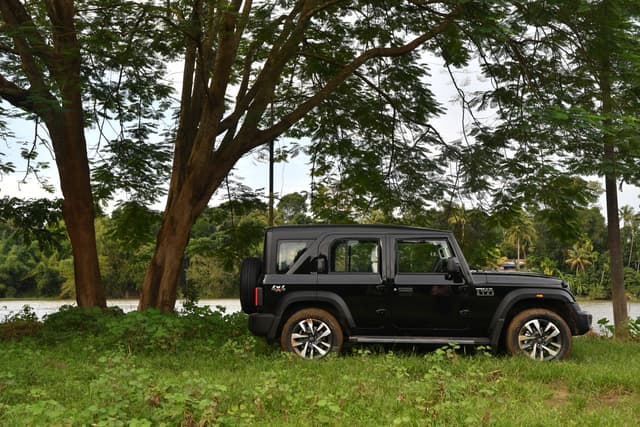
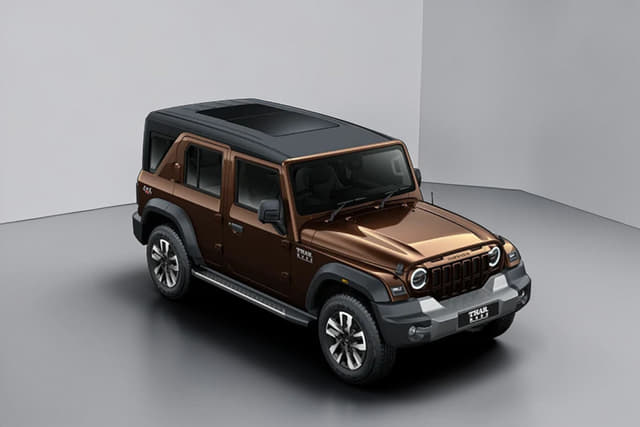
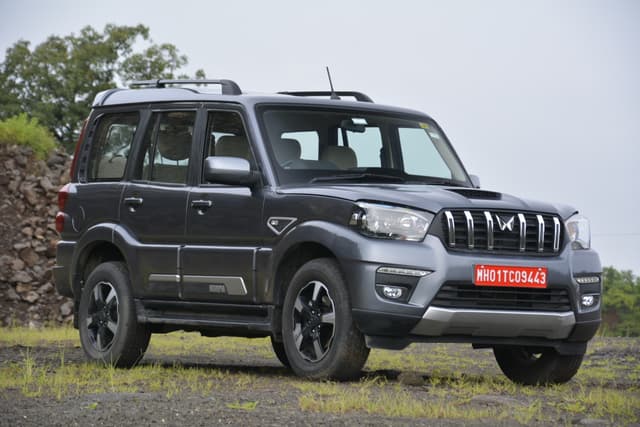
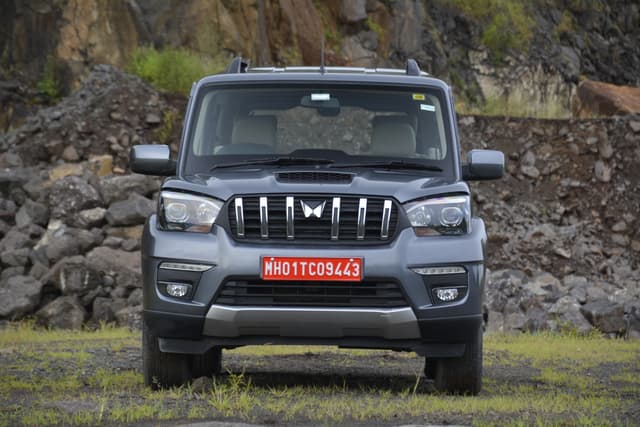
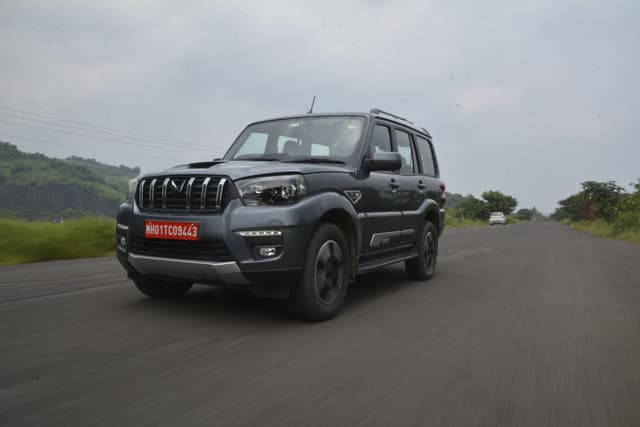
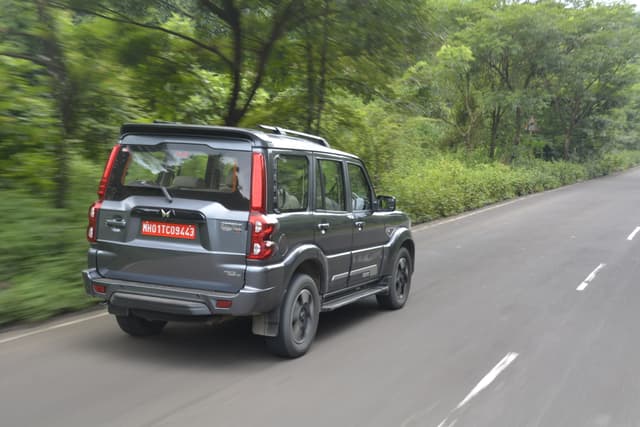
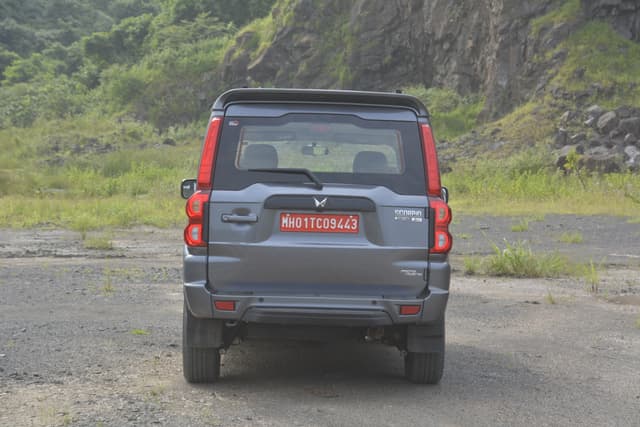
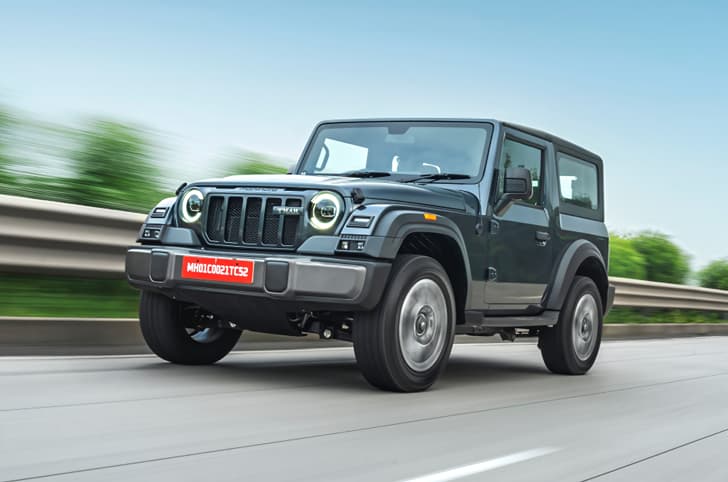
The most popular Mahindra car models in India are the Thar, Thar Roxx, Scorpio Classic, Scorpio N (the highest-selling Mahindra car), XUV 7XO (recently updated from XUV700), and XUV 3XO. Mahindra cars are available with petrol, diesel, and electric options. The newest Mahindra car is the XUV 3XO EV. It was launched on 6 January 2026 and is priced between ₹13.89 lakh and ₹14.96 lakh (ex-showroom).


Mahindra Cars Price List (February 2026)


The Mahindra car price in India ranges from ₹7.37 lakh for the XUV 3XO to ₹30.50 lakh for the XEV 9e. The top 5 popular Mahindra cars and their prices are: Thar Roxx (₹12.39 - ₹22.25 lakh), Scorpio Classic (₹12.98 - ₹16.70 lakh), Scorpio N (₹13.49 - ₹24.34 lakh), XUV 7XO (₹13.66 - ₹24.92 lakh), and XUV 3XO (₹7.37 - ₹14.55 lakh). View the latest Mahindra car prices of all models in the table below:


Mahindra Car

Price (Ex-showroom)

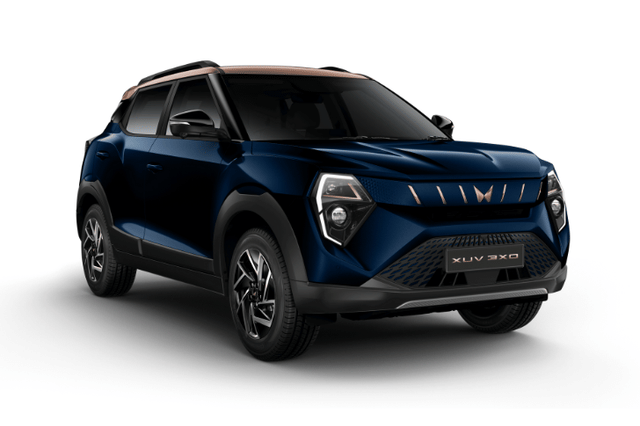
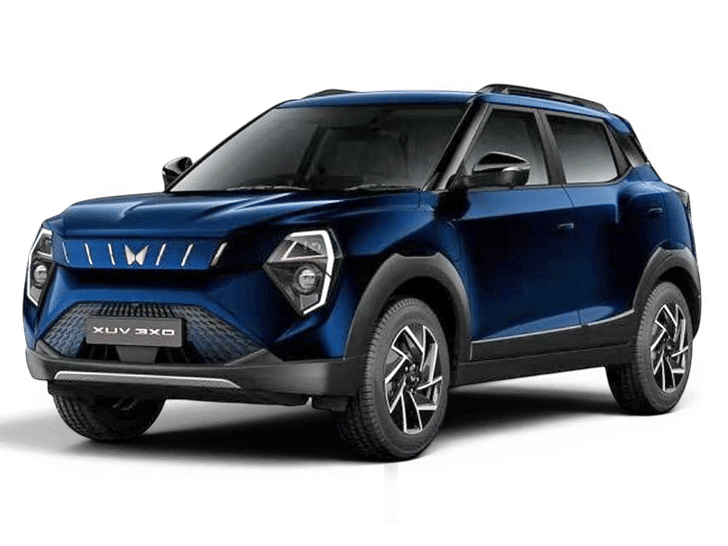
Mahindra XUV 3XO

₹7.37 lakh - ₹14.55 lakh

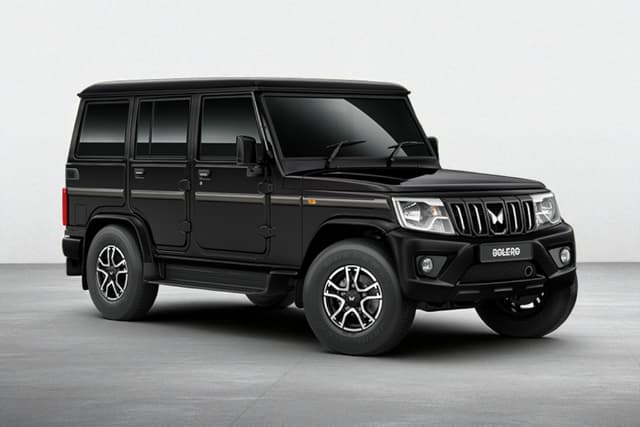
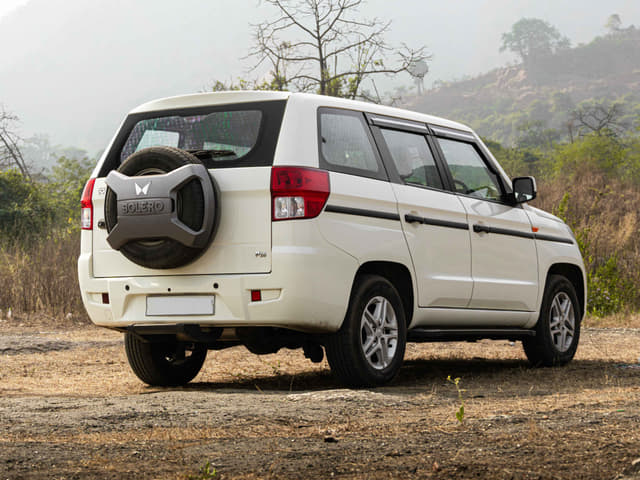
Mahindra Bolero

₹7.99 lakh - ₹9.69 lakh

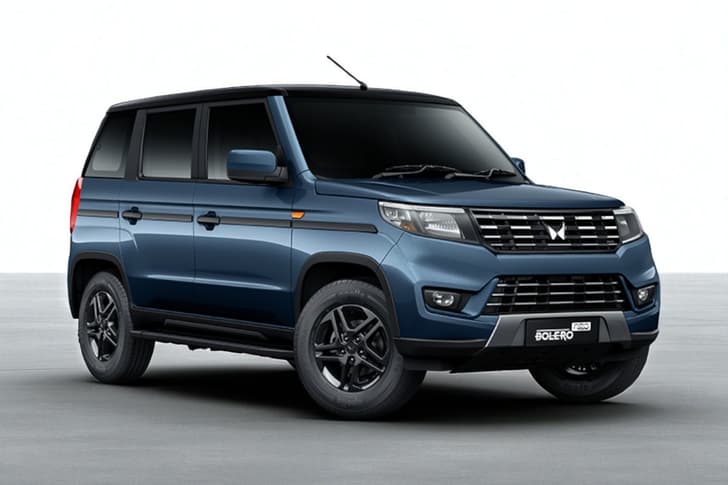
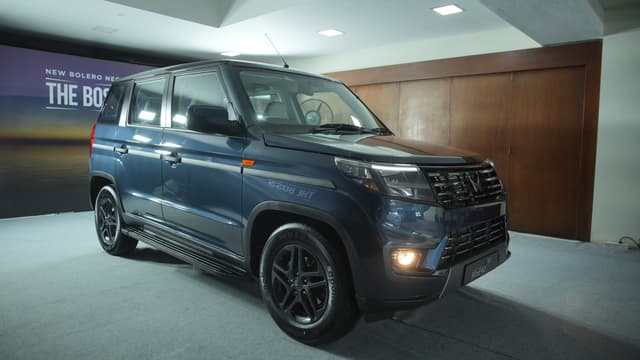
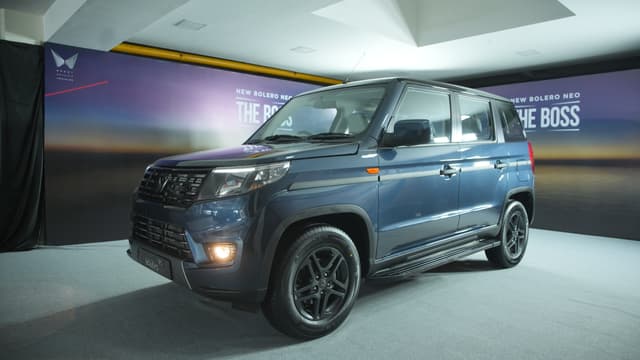
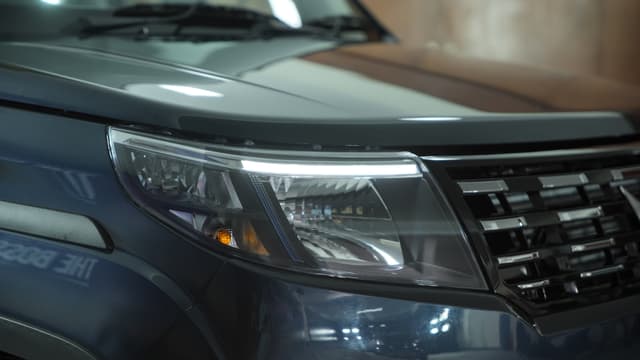
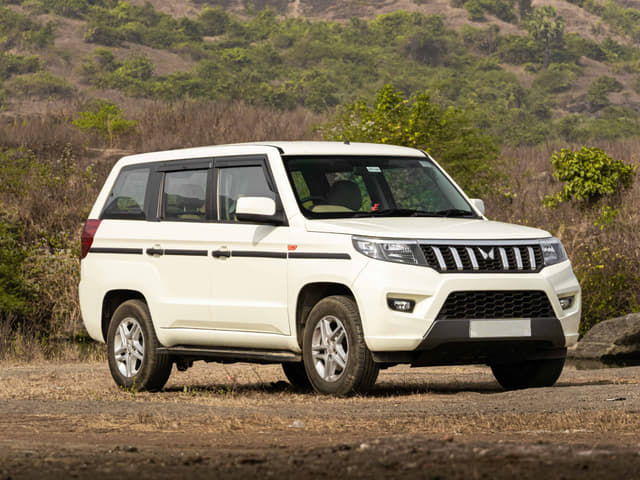
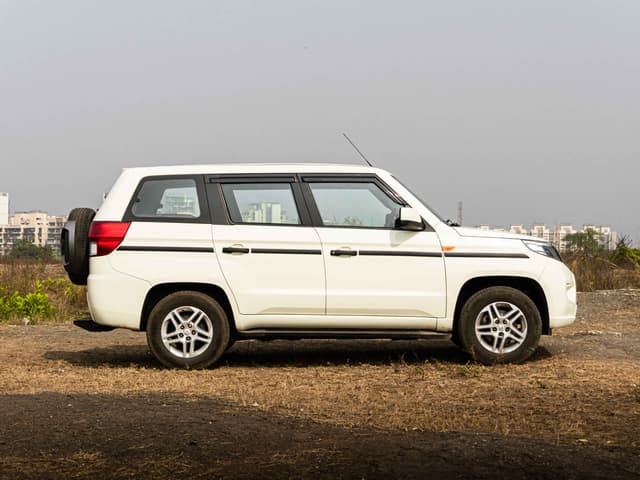
Mahindra Bolero Neo

₹8.69 lakh - ₹10.49 lakh

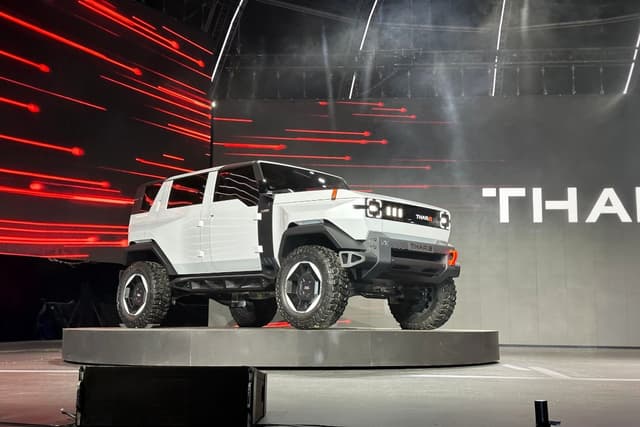
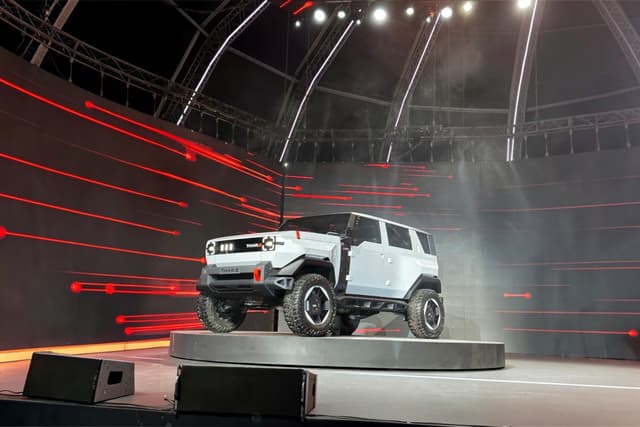
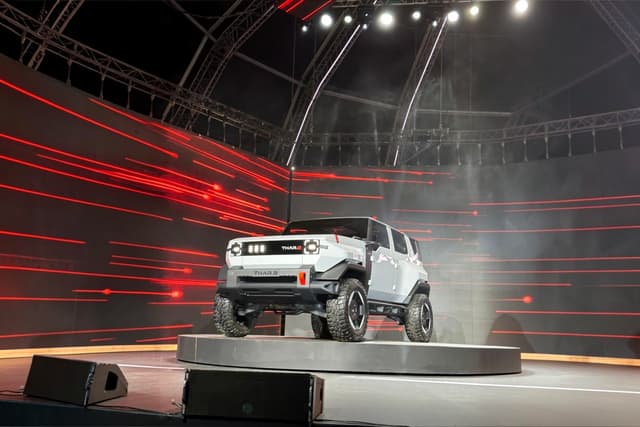
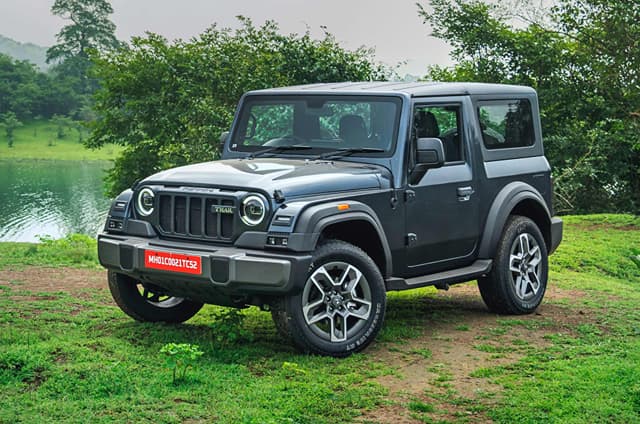
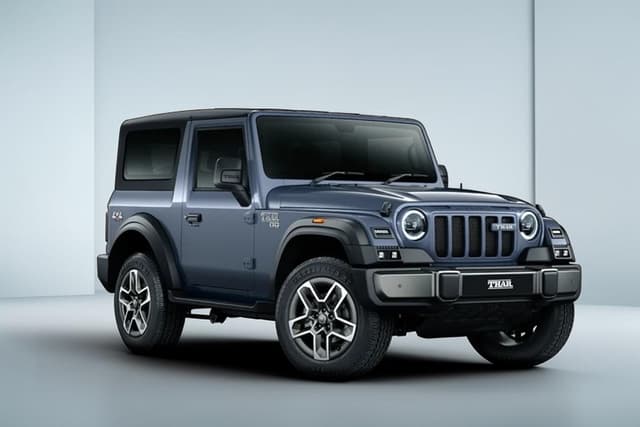
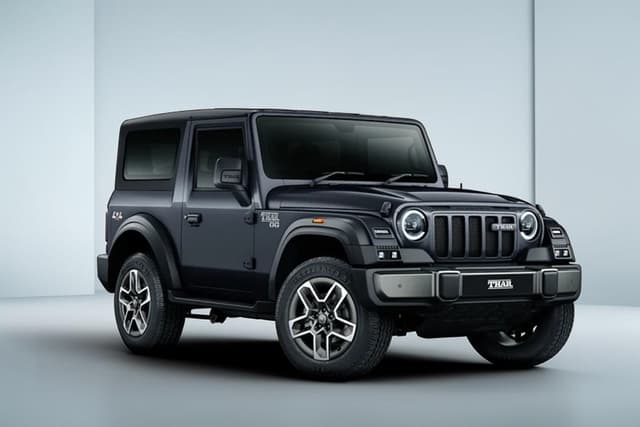
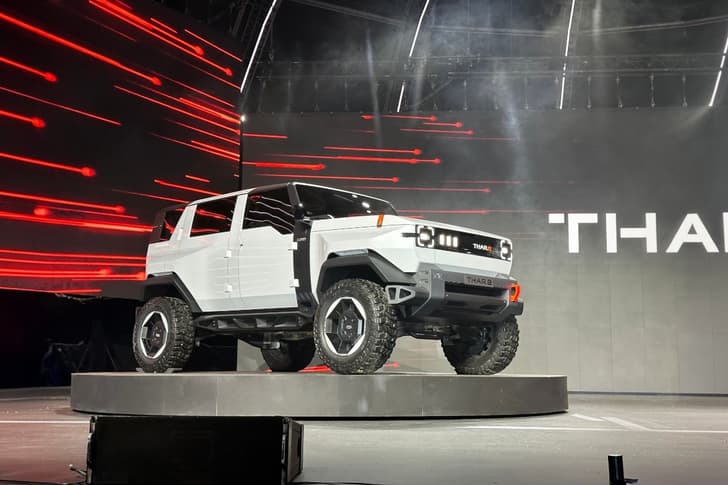
Mahindra Thar

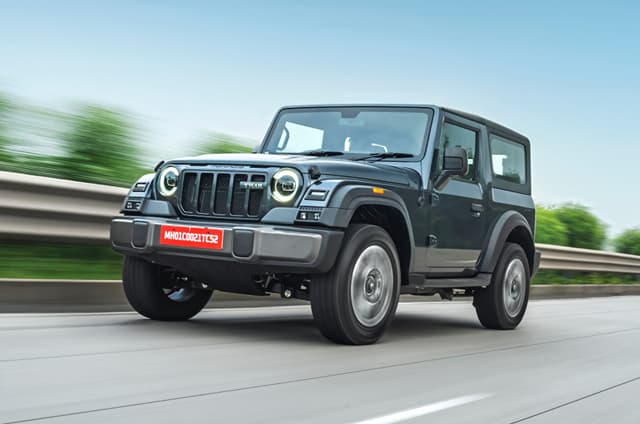
₹9.99 lakh - ₹17.19 lakh

Mahindra Bolero Neo+

₹10.90 lakh - ₹11.95 lakh

Mahindra Thar Roxx

₹12.39 lakh - ₹22.25 lakh

Mahindra Scorpio Classic

₹12.98 lakh - ₹16.70 lakh

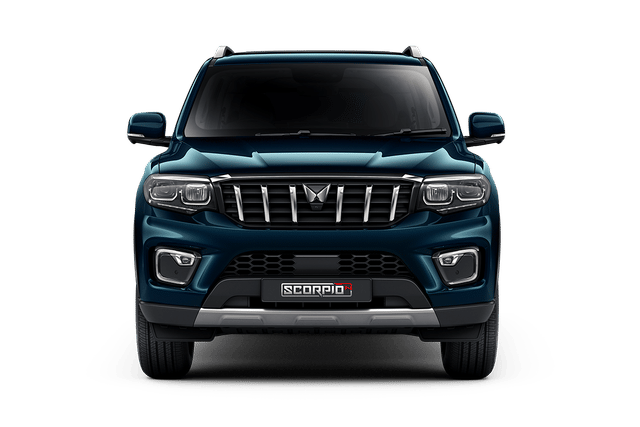
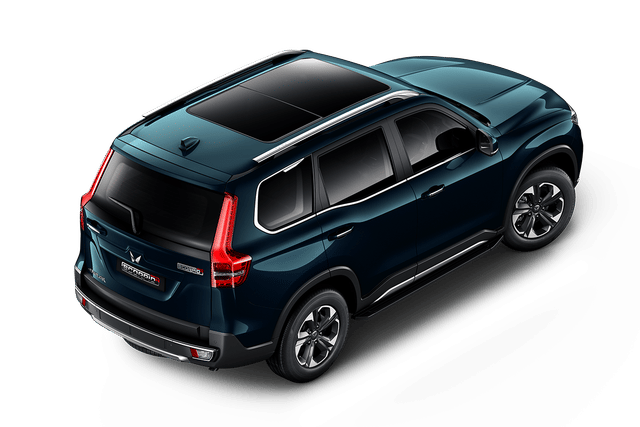
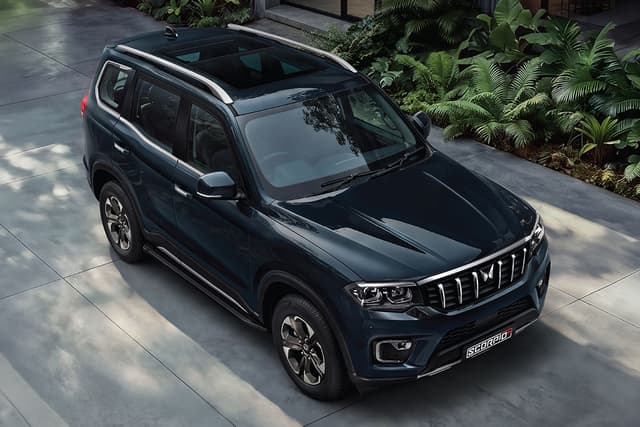
Mahindra Scorpio N

₹13.49 lakh - ₹24.34 lakh

Mahindra XUV 7XO

₹13.66 lakh - ₹24.92 lakh

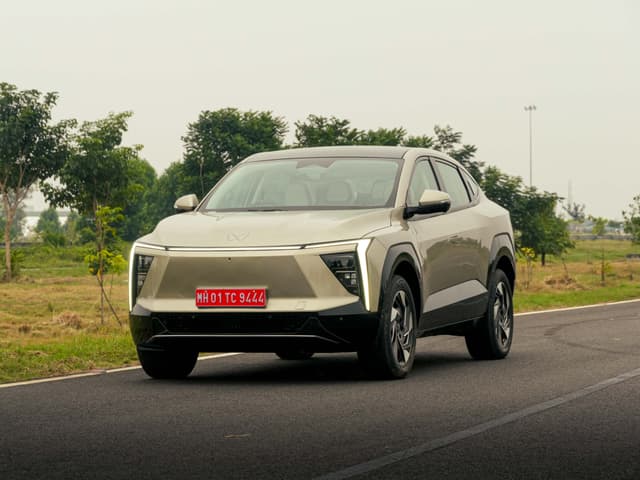
Mahindra XUV 3XO EV

₹13.89 lakh - ₹14.96 lakh

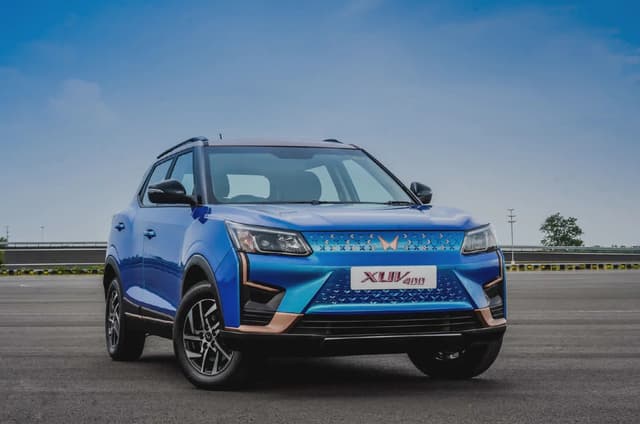
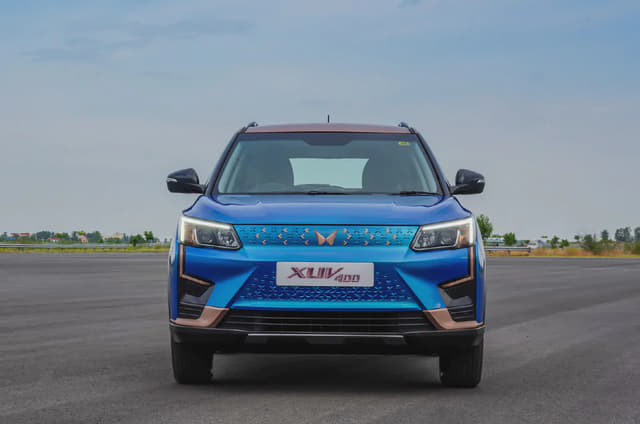
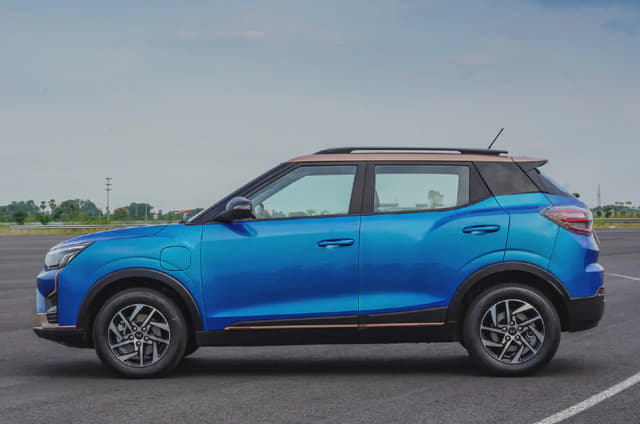
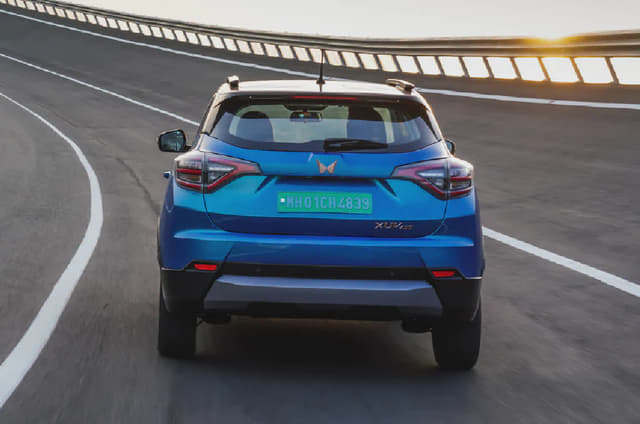
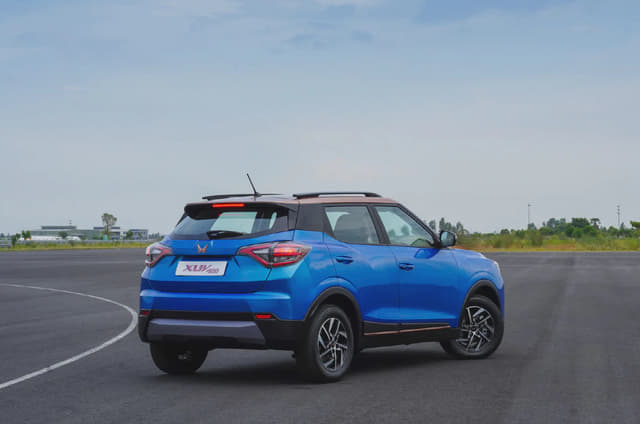
Mahindra XUV400

₹15.49 lakh - ₹17.49 lakh

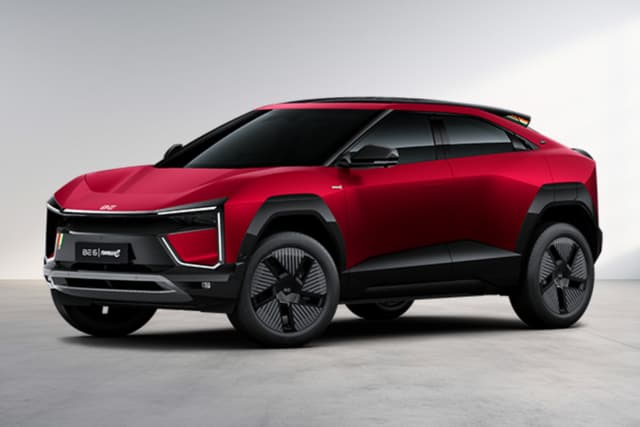
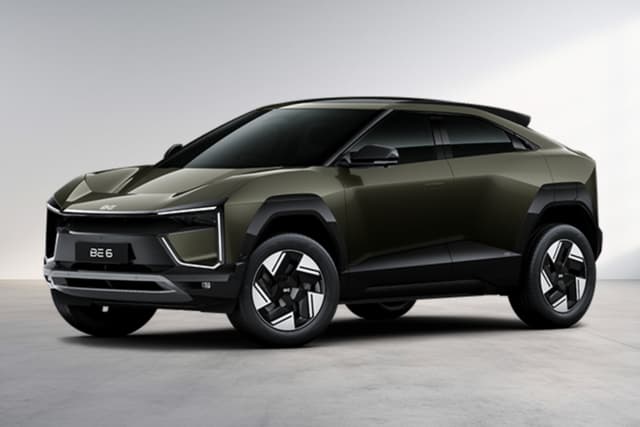
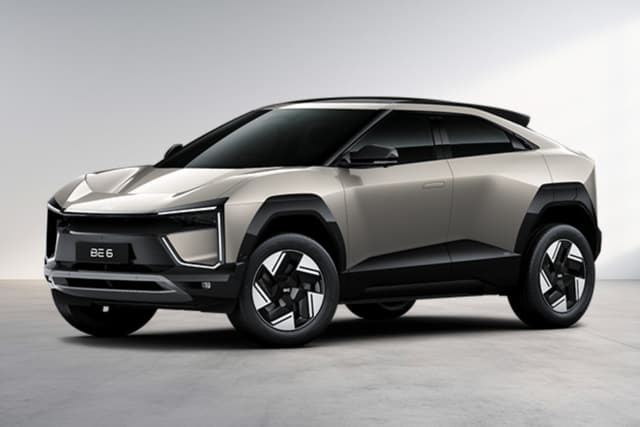
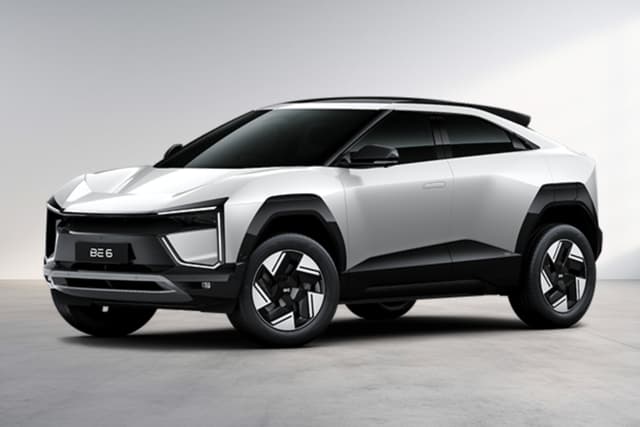
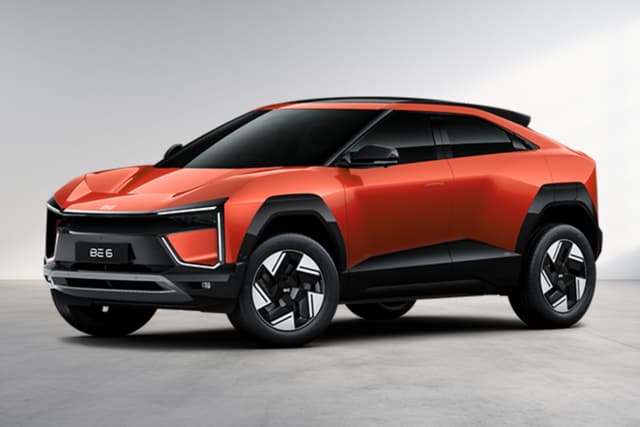
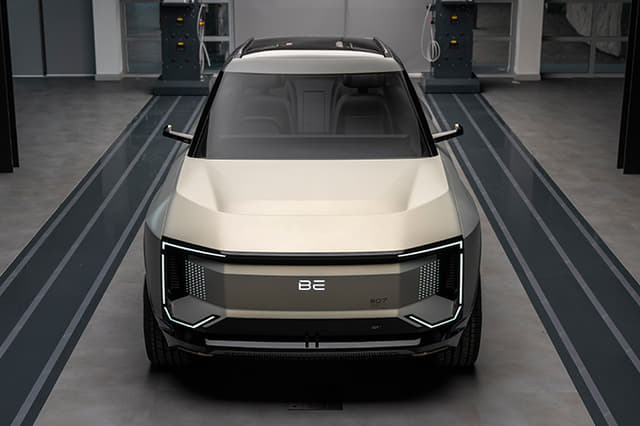
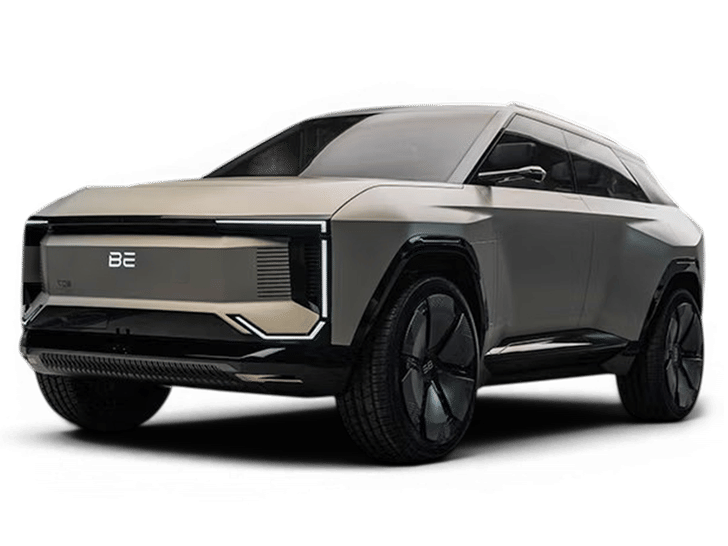
Mahindra BE 6

₹18.90 lakh - ₹26.90 lakh

Mahindra XEV 9S

₹19.95 lakh - ₹29.45 lakh

Mahindra XEV 9e

₹21.90 lakh - ₹30.50 lakh


Mahindra New Car 


There are 3 new Mahindra cars set to launch in India:
 

  • Mahindra Scorpio N facelift
    • Expected price: ₹14.00 lakh - ₹26.00 lakh
    • Expected launch: Early 2026
    • Engine: 2184 cc
    • Fuel Type: Diesel
    • Transmission: Manual


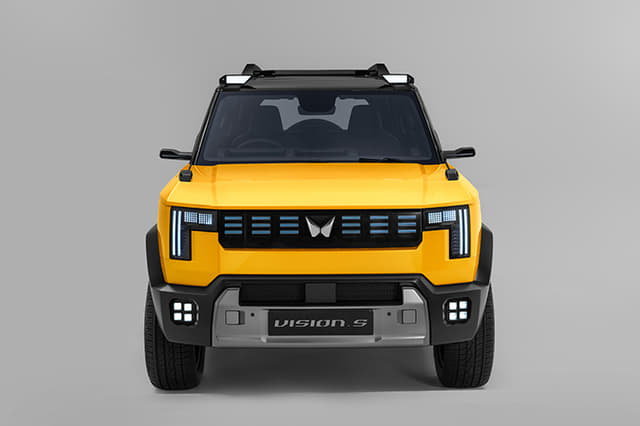
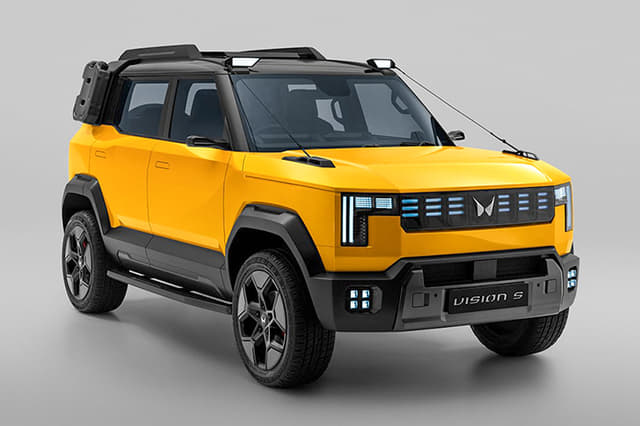
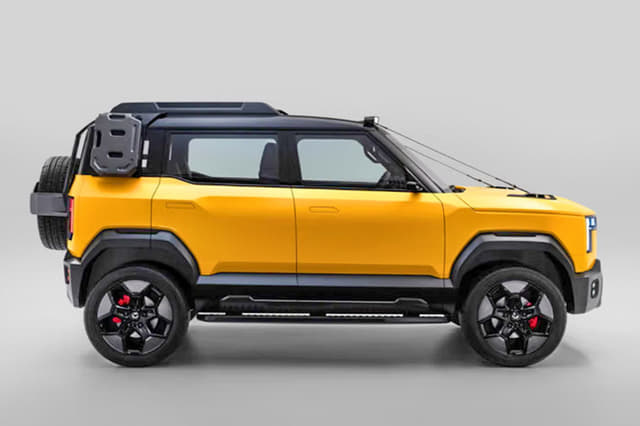
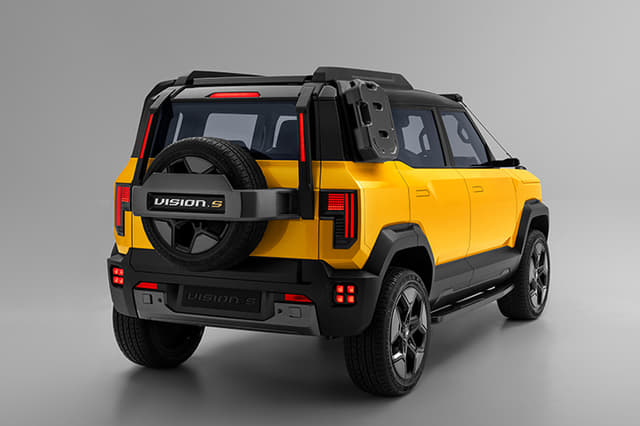
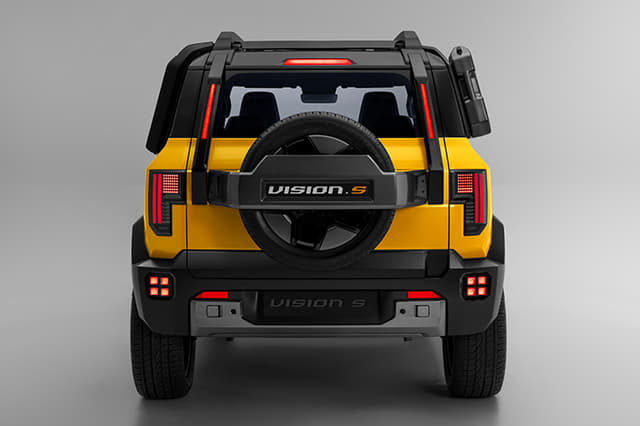
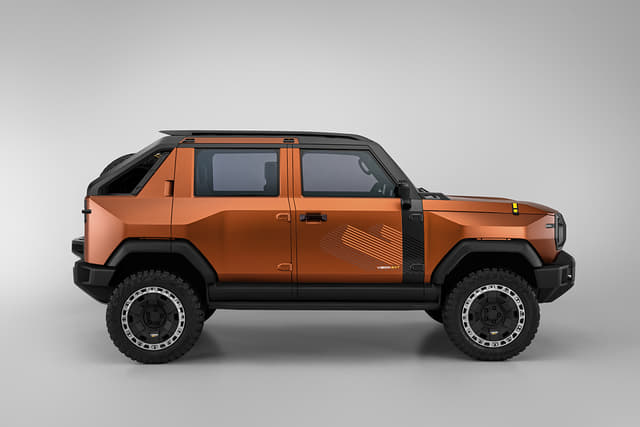
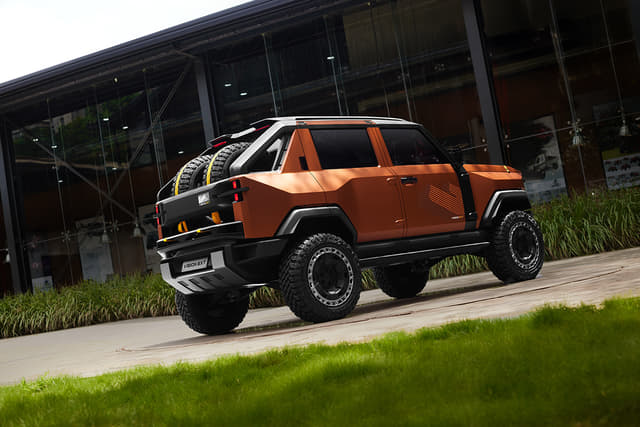
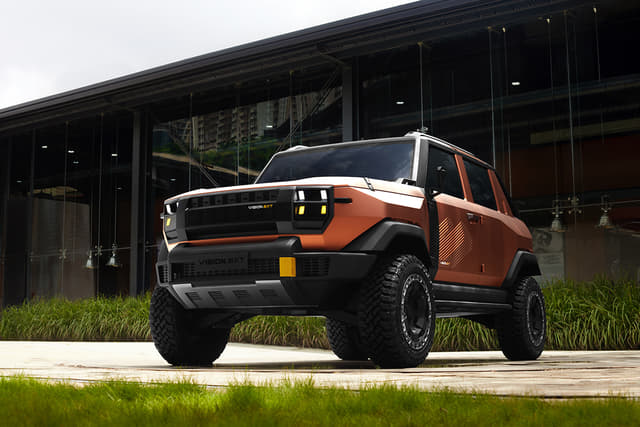
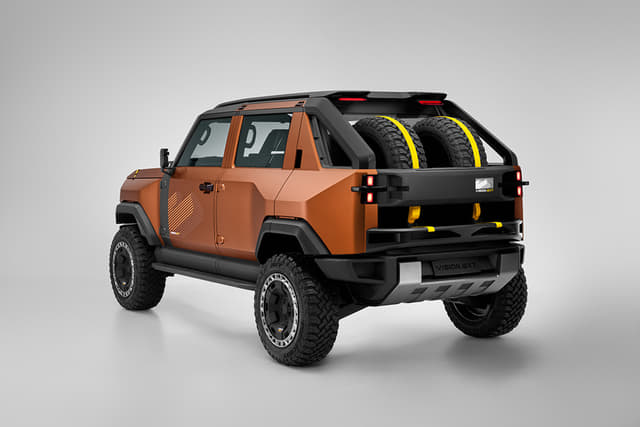
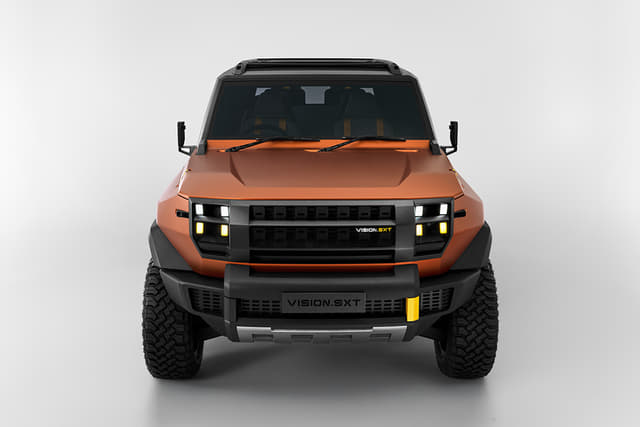
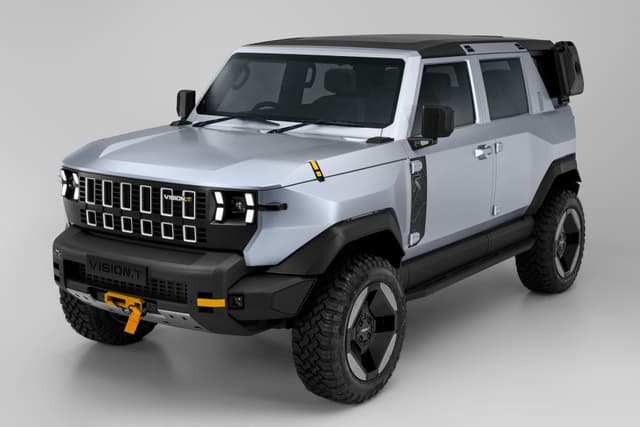
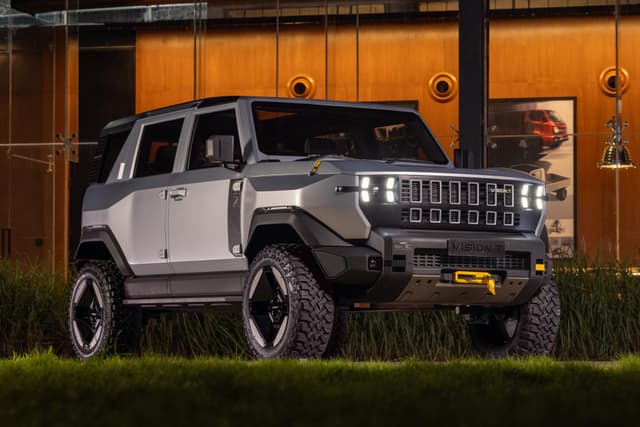
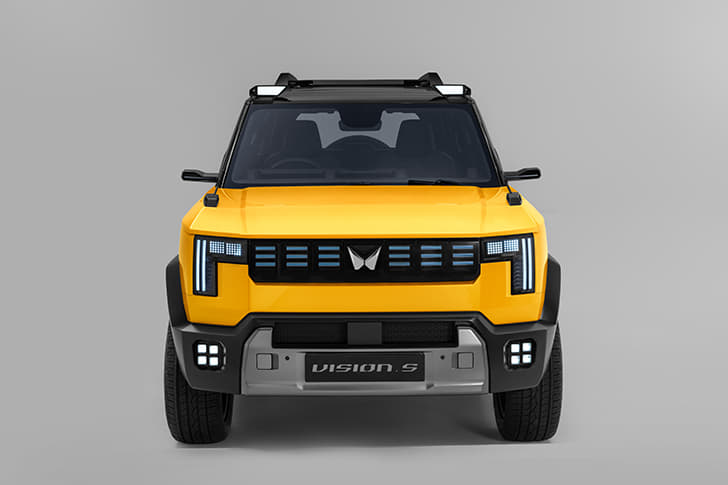
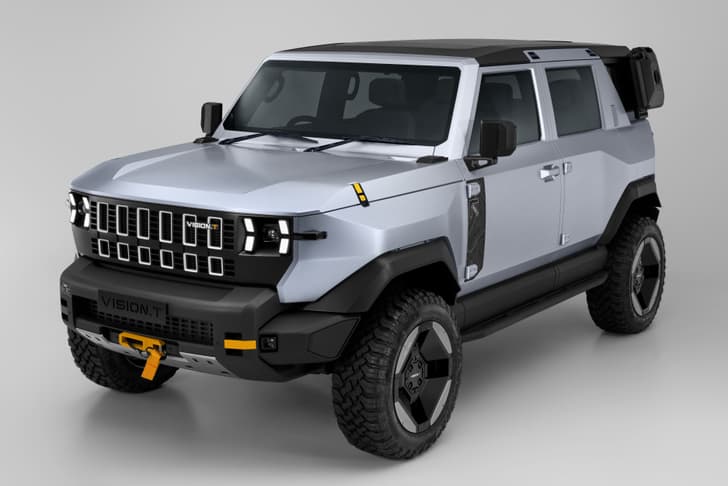
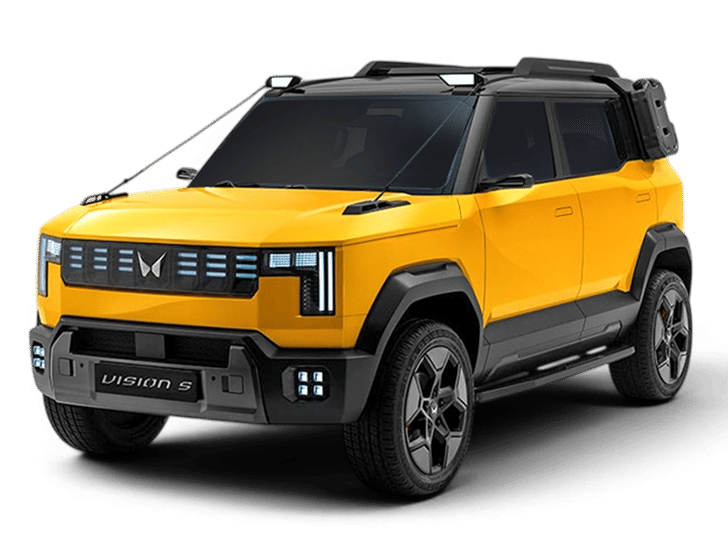
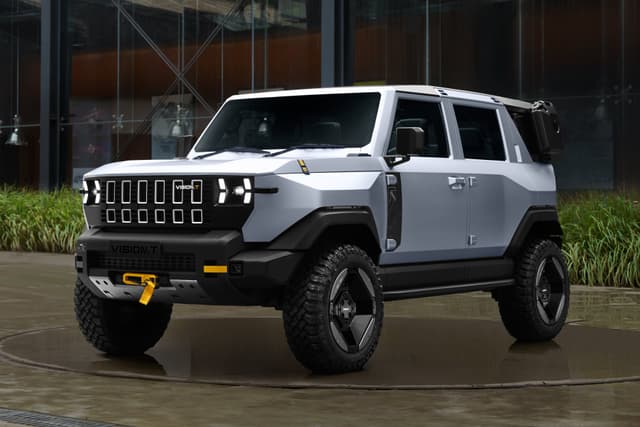
  • Mahindra Vision S
    • Expected price: ₹7.50 lakh - ₹13.00 lakh
    • Expected launch: 2027
    • Engine: To be revealed
    • Fuel Type: Petrol
    • Transmission: Automatic


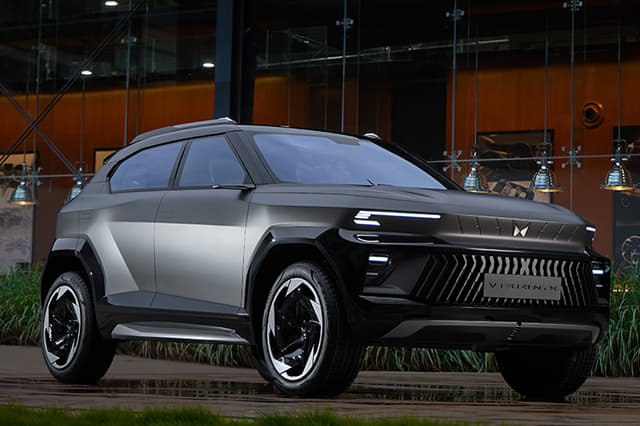
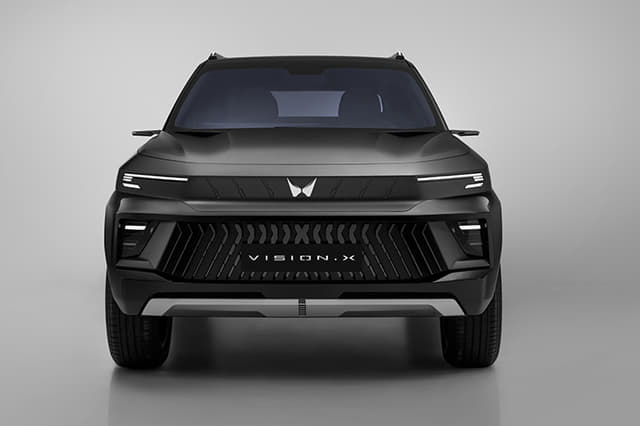
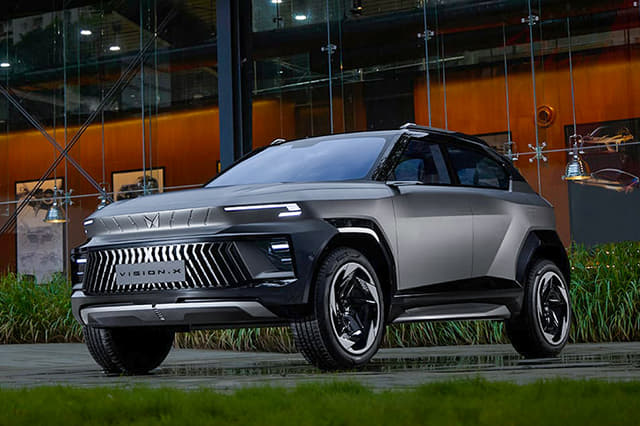
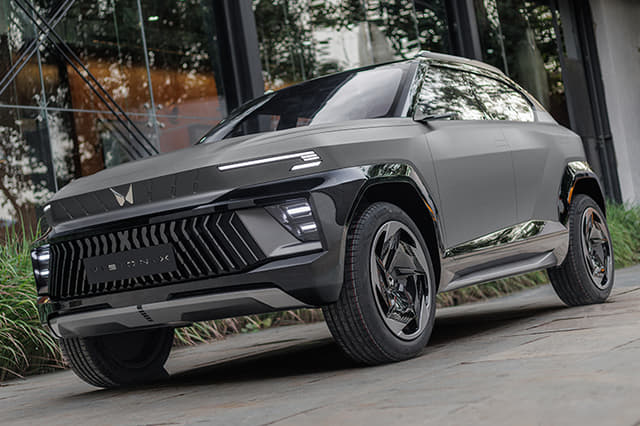
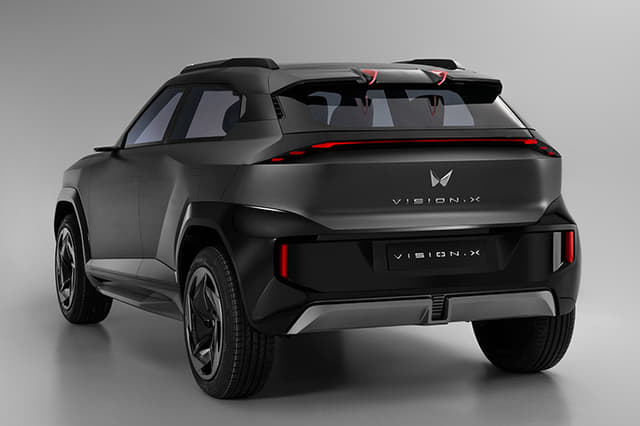
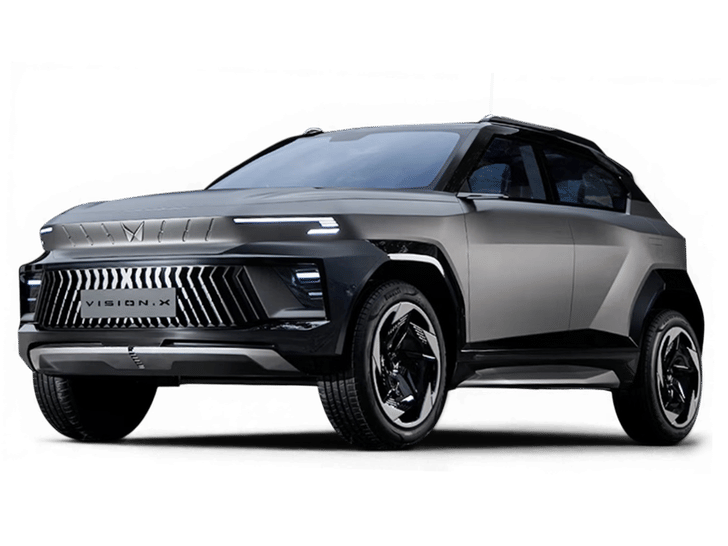
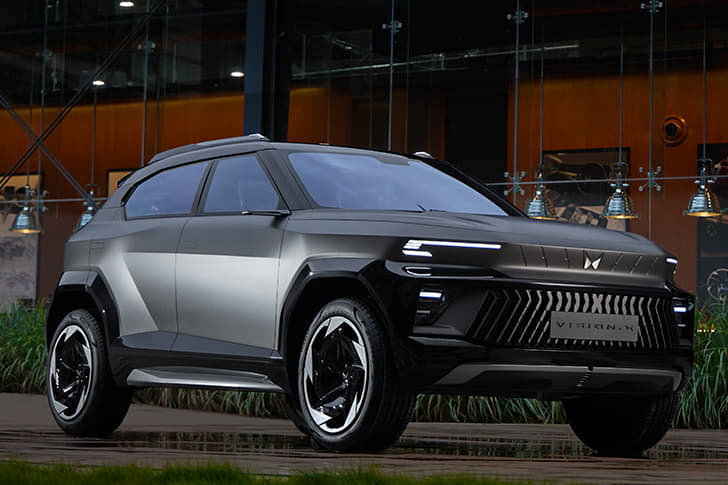
  • Mahindra Vision X
    • Expected price: ₹25.00 lakh - ₹30.00 lakh
    • Expected launch: 2027
    • Engine: To be revealed
    • Fuel Type: Petrol
    • Transmission: Automatic


Mahindra Electric Car


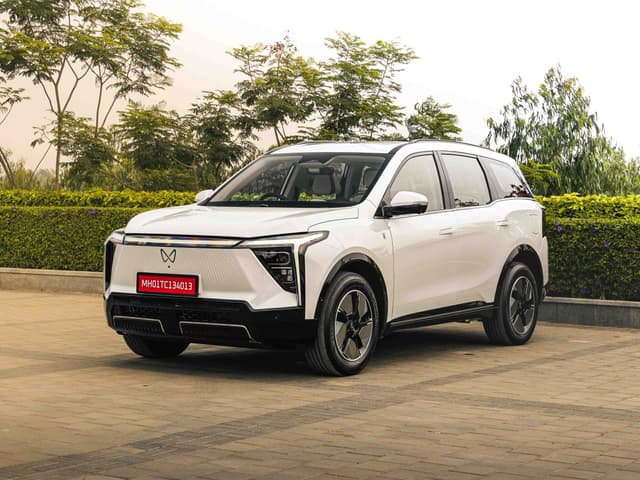
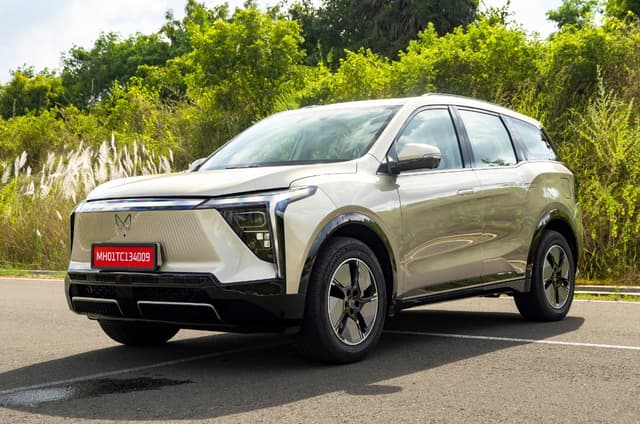
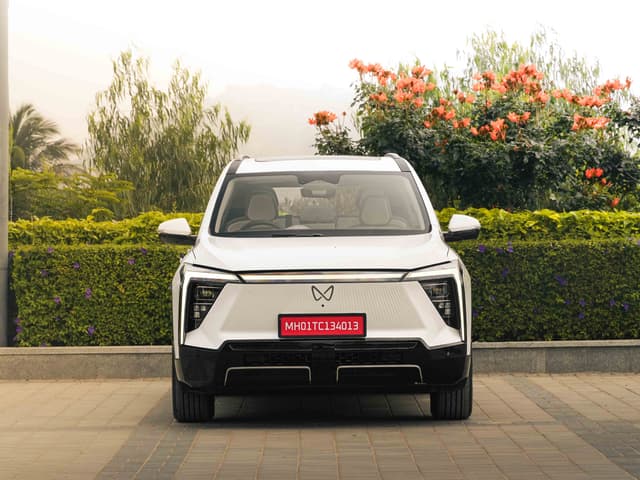
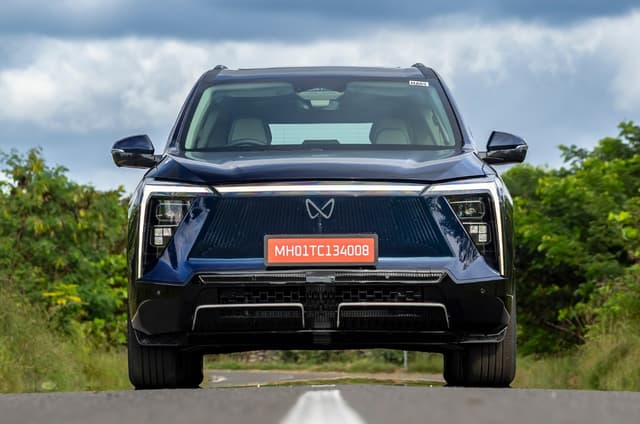
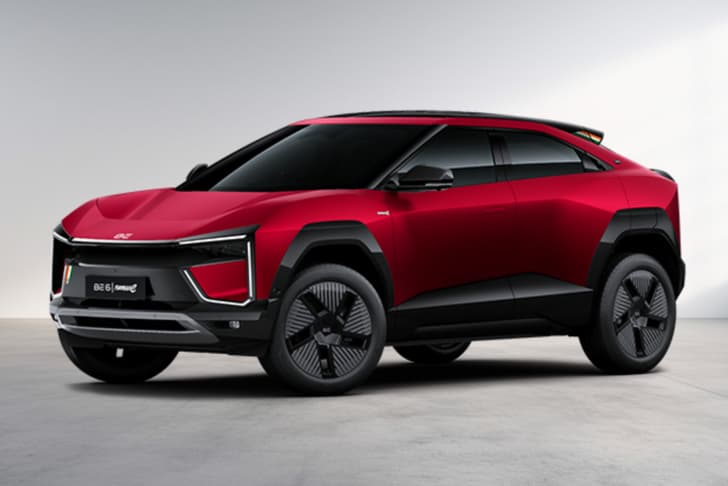
The Mahindra electric car price ranges between ₹13.89 lakh and ₹30.50 lakh. Presently, there are 5 Mahindra EV cars for sale in India: XUV400, BE 6, XEV 9S, XEV 9e, and recently launched XUV 3XO EV. The cheapest Mahindra electric car is the XUV 3XO EV, while the most expensive is the XEV 9e.


Mahindra Cars - Latest Updates

  • 6 January 2026: Mahindra launched XUV 3XO EV at ₹13.89 lakh.
  • 6 January 2026: The new Mahindra XUV 7XO, a facelifted XUV700, starts at ₹13.66 lakh (ex-showroom). Pre-bookings have closed, with fresh bookings reopening on 14 January 2026.
  • 8 December, 2025: Mahindra XUV700 facelift, a.k.a., XUV7XO, will debut on Jan 5, 2026.
  • 2 December, 2025: November 2025 car sales sees Mahindra reclaim second spot as Tata slips to third.
  • 27 November, 2025: Mahindra has introduced the XEV 9S at a starting price of ₹19.95 lakh.
  • 26 November, 2025: Mahindra has launched the BE 6 Formula E Edition at ₹23.69 lakh.
Show more
Can't decide which car to buy?
Ask our experts and get answers to all your cars related queries.

FAQs

The Mahindra car price starts at ₹7.37 lakh for the XUV 3XO and goes up to ₹30.50 lakh for the XEV 9e (ex-showroom). 

The Mahindra electric car range includes 5 models: XUV400, BE 6, XEV 9S, XEV 9e, and XUV 3XO EV.

There are seven Mahindra 7 seater cars available for sale in India: Scorpio N, XEV 9S, XUV 7XO, Scorpio Classic, Bolero Neo, Bolero, and XUV700.

The Mahindra SUV car price in India starts at ₹7.28 lakh for the XUV 3XO and goes up to ₹30.50 lakh for the XEV 9e (ex-showroom).

Currently, there is no Mahindra CNG car on sale in India.

Yes. Mahindra offers 5 models with variants priced under ₹10 lakh: Thar, Bolero Neo+, Bolero, XUV 3XO, and the upcoming Mahindra Vision S. Vision S is expected to start at ₹7.50 lakh (ex-showroom).

The Mahindra top model car in terms of pricing is the XEV 9e, with prices going up to ₹30.50 lakh (ex-showroom).

Mahindra 5 seater car choices include the XEV 9e, BE 6, Thar Roxx, XUV 3XO, XUV400, and XUV 3XO EV.

Yes, 9 out of 16 Mahindra cars that are available for sale come with an automatic transmission option. These cars are - XEV 9e, BE 6, XEV 9S, Scorpio N, Thar, Thar Roxx, XUV700, XUV 3XO, and XUV400.

The Mahindra car on road price varies by city, starting at around ₹8.28 lakh in Delhi for the XUV 3XO and going up to about ₹32.33 lakh for the XEV 9e in major metros.

No. Currently, there is no Mahindra car under 5 lakh in India.

No, Mahindra does not sell a car under 8 lakh. The entry point starts at ₹7.28 lakh for the XUV 3XO, but the on-road cost is higher.

The Mahindra diesel car lineup includes the Scorpio N, Thar, Bolero Neo+, Thar Roxx, Bolero Neo, Bolero, Scorpio Classic, XUV 7XO, XUV700, and XUV 3XO.

Buyers looking for Mahindra cars with a sunroof can consider models such as the XEV 9e, BE 6, Scorpio N, Thar Roxx, XUV700, XUV 3XO, and XUV400. Availability of the sunroof depends on the variant chosen.

Need an expert opinion on your car related queries?

Trending Questions on Mahindra Cars - Answered by Autocar Experts

A
Asked by: Azharon Feb 27, 2026

I want to buy a car with a budget of ₹16-18 lakh ex-showroom under my employer’s car lease policy. My usage is very light, around 1000 km per month. I currently have a Swift VXi on which I’ve done 30,000 km in 4 years. The car is used mostly in the city with occasional highway trips. I want a petrol manual with a good driving experience like my Swift. I am confused between Kia Seltos, Toyota Hyryder, Skoda Kushaq, and Honda Elevate. Should I consider extending my budget for an XUV 7XO AX7 or should I wait for the Hyundai Creta update (I like the Dark Edition)? Please suggest the most valuable car in this budget with its recommended variant.

If the driving experience is the top priority, the Skoda Kushaq will be the right pick for you. It's got punchy turbo-petrol engines, and handling is very enjoyable. The updated Kushaq launches next month and packs in a few more features, and also stronger air conditioning. While Skoda has not announced prices as yet, you should get a fully-loaded 1.0 TSI with a manual gearbox within your budget. 

Of the other options, the Honda Elevate is also worth considering. Engine performance and handling are good, but refinement isn't great for this segment. 

The Mahindra XUV 7XO AX7 is great, but it might be too large for your requirements. Also, fuel economy is lower than the alternatives on your list. The Hyundai Creta is a practical pick, and the 1.5 petrol engine and manual gearbox are easygoing, but unexciting. 

S
Asked by: Shashankon Feb 26, 2026

Hello, I currently drive a VW Virtus GT and absolutely love it. Lately my office commute has changed, and I now have to travel about 50 km a day in Hyderabad traffic, so my fuel bills are increasing. I want to know if switching to an EV is suitable and advisable, as I’m worried about EV after-sales maturity in India and charging infrastructure on highways (like queues at charging stations). Please advise if switching to an EV is a good idea, and if so, which model within the same budget would give me a similar feel to the Virtus.

If your commute is no more than 50km a day, then yes, an EV could be a good solution for you. It will certainly bring down your running costs compared to a petrol car. After-sales service is not an issue; in fact, EVs require far less maintenance and upkeep than ICE cars. It's mostly consumables - like brake pads - that get changed with subsequent services. 

However, what takes a hit is resale value, which for an EV is nowhere as strong as for an ICE car. As for charging infrastructure, it's always advised to have a charger installed at home or at work (or both) to reduce reliance on the public charging network. As it is still developing, and in some regions it is unreliable. 

In and around a big city like Hyderabad, however, you shouldn't have too much of a problem. You should, however, plot at least 2-3 charging options on any highway journey you make, as functionality and queues are potential hurdles. 

As for which EV to buy, none will give you quite the same thrill as a Volkswagen Virtus GT, especially in the same budget. But you can try out the Mahindra BE6 or the Vinfast VF6, both of which are fast and fun to drive, with a solid build.

S
Asked by: Santhosh Mahadevanon Feb 25, 2026

Hi, I am planning to buy a car for our family, which will be primarily used by my dad and occasionally by me as well. Currently, he drives a Maruti Ciaz diesel. The plan was to go for an SUV with a budget of ₹18-21 lakh. We were thinking of the Hyundai Creta Diesel Automatic or the Maruti Suzuki Grand Vitara Strong Hybrid. Alternatively, we also had the new Kia Seltos and new XUV700 in mind, given their price range. His main priorities are: Smooth driving experience (including smooth suspension) Very good rear seat space (including legroom - as the Ciaz offers very good space) Good luggage space Decent mileage (13-15 km/l in city and 18-20 km/l on highways) Low maintenance and minimal headaches for 5-6 years Considering these, can you guide us on which could be the best option and the specific model we should go for? The expected driving range would be more than 500 km per month.

If you want very good legroom that matches the Honda Ciaz and a smooth driving experience, the Mahindra XUV 7XO 2.2 diesel AT is a good choice. Mahindra has upgraded the rear suspension, and the ride quality and handling have improved significantly. 

Rear seat space is excellent, and luggage space is very good, especially with the third row folded down. The trade-off is that the 7XO is a big, heavy SUV. It doesn’t feel as nimble in city traffic and tight parking, and it isn’t very efficient compared to the other options.

If fuel efficiency is a higher priority for you, then the Maruti Suzuki Grand Vitara strong hybrid (or its mechanically similar cousin, the Victoris hybrid) will give you much better economy. It delivers smooth performance, easy city driving and the efficiency figures you’re aiming for. 

The Hyundai Creta diesel AT is also a solid, more efficient choice than the 7XO, with a comfortable ride and easy usability in town traffic.

After the Ciaz, you’ll likely feel most at home in the 7XO because of the space and comfort it offers. But if you prefer better efficiency and a slightly smaller, easier-to-live-with package, the Grand Vitara hybrid or the Creta diesel automatic are both good alternatives within your budget.

K
Asked by: Krish Mehtaon Feb 25, 2026

Want to buy a 5-seater car between 25-30 lakh. My daily driving is around 40 km. My priorities are having a fun-to-drive and comfortable car. I am open to electric options as well.

If you are considering an electric car, the VinFast VF7 stands out as an excellent choice. In its higher variants, which fall within your budget, it gets a dual motor setup producing around 350 hp and can do 0 to 100 kph in just over 6 seconds.
At this price point, you will not find a quicker accelerating five seater. More importantly, it is not just fast in a straight line. The ride is comfortable, the cabin is spacious, and it feels well-suited for daily driving as well as longer journeys.
Other EVs you could also look at include the Mahindra BE 6 and the Tata Harrier EV AWD, both of which have strong performance and a fun-to-drive nature. But the VinFast remains the quickest and most exciting option on pure performance.
If you prefer an internal combustion engine, the Mahindra XUV 7XO turbo petrol automatic is a very good option. The petrol engine is powerful, smooth and refined, and with the recent facelift, Mahindra has improved the suspension setup as well. As a result, it now offers a more comfortable ride without losing its engaging driving character, making it a good balance between fun and comfort for daily use.
V
Asked by: Vrushankon Feb 24, 2026

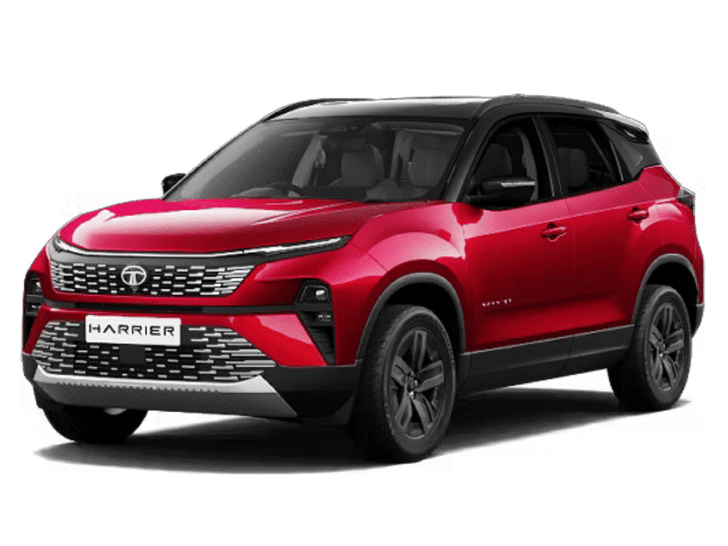
Hello, currently I am using a Nexon and wish to upgrade my car within a price range of up to ₹35 lakh. Driving comfort is my top priority, and my usage will be around 70% city and 30% highway, with an average of 30km per day. My personal choices are, looks-wise, the Harrier (new petrol), and engine-wise, the XUV 7XO. Are there any other options in this price range, or should I wait for any new releases like JSW’s rumoured cars?

The Tata Harrier's road presence is impressive, and its 1.5-turbo-petrol engine is surprisingly powerful too. If you're in the market for one, it is a capable, well-rounded car. However, as you rightly mentioned, the Mahindra XUV 7XO's larger 2.0-litre turbo-petrol has an edge in terms of performance, smoothness and refinement. It also has an edge in terms of ride comfort, and its lighter steering makes it easier to drive in the city, too.
JSW is likely to introduce its version of the Jetour T2 i-DM (plug-in hybrid) in the latter half of 2026, so you could wait for that if you'd like. That aside, there aren't any more new options expected in that price range.
R
Asked by: Rejish Radhakrishnanon Feb 24, 2026

I am looking to upgrade my current car, and my choices are the XUV 7XO and the MG Majestor, which I’m guessing would be almost twice as expensive as the 7XO. I have always been a fan of the Endeavour, so I thought the Majestor would tick those boxes, but I’m unsure if it’s worth the wait.

The MG Majestor will sit in a completely different league compared to the Mahindra XUV 7XO, and yes, it is expected to be almost twice as expensive. Early indications suggest an on-road price of around Rs 50 lakh, with a formal price announcement expected next month. It would make sense to wait for that, because pricing will ultimately determine how compelling it really is.
From our brief drive, the MG Majestor feels like a significant step forward over the MG Gloster it effectively replaces. It’s more polished, the cabin feels properly premium, and there’s a real sense of space and road presence. In fact, the interior ambience and equipment levels feel a notch above both the Ford Endeavour and the Toyota Fortuner. If what you loved about the Endeavour was that big, imposing, body-on-frame SUV feel with a commanding driving position, the Majestor should tick many of those boxes.
The Mahindra XUV 7XO, on the other hand, plays in a very different space. It’s not as large or as imposing, but in its segment, it is genuinely impressive. For its price, it offers strong performance, good driving dynamics, generous space for its footprint and a surprisingly plush, well-finished interior. It feels modern, easy to live with and far more manageable in everyday urban use.
So the real question is what you want from your upgrade. If you’re chasing that full-size SUV presence and are willing to pay for it, the Majestor is worth waiting for, at least until the price is revealed. If the pricing stretches beyond what feels reasonable, the XUV 7XO remains a brilliant, well-rounded option that delivers a lot of car for the money, even if it doesn’t have the same size or road presence.
S
Asked by: Shrinivason Feb 24, 2026

I have been using a 2025 Honda CR-V Touring in the USA, and I recently shifted back to India. My budget for a new car is around ₹25 lakh. Could you suggest a car that is close to the Honda CR-V in terms of features, fuel efficiency, space, and reliability?

You could shortlist the Kia Seltos and the Mahindra XUV 7XO. Both are excellent midsize SUVs that will fall within your budget. Both are feature-rich, spacious and reliable. Since fuel efficiency is something you're concerned about, you could consider their diesel versions. If you're open to electric cars, the Hyundai Creta Electric is a fantastic option.
S
Asked by: Satishon Feb 23, 2026

Hi, currently I have a Creta diesel manual and am planning to buy a 7-seater SUV. We are a family of six, including three kids (10-13 yrs). My monthly running is around 700-800 km with occasional highway trips of about 1,000 km every 2-3 months. My budget is ₹25-28 lakh. I’m thinking of the XUV 7XO AX7 version, but I’m worried about mileage, ethanol blending in petrol, DPF issues, and maintenance costs in the diesel version - and I want to keep the car for 8-9 years. I’m also inclined towards the XEV 9s EV version since it has more power, a sliding second row, a usable frunk, and long-range battery capacity. I can install a home charger. But I’m unsure about the resale value and battery replacement costs. What’s your opinion?

Of the two options on your shortlist, the Mahindra XEV 9S suits your requirements better. It's got a significantly better third row with more adjustability and space than you get on the XUV 7XO. Third row space and comfort will become more important as your kids grow. 

The fact that you can install a charger at home also eliminates a big hurdle to living with an EV. EVs typically don't hold their value as well as petrol or diesel cars, but you also have to factor in lower ownership and running costs over your usage. 

As for your concerns on the XUV 7XO, the petrol engine is tuned to run on ethanol blends and will not give issues. However, fuel economy is on the lower side. The diesel engine will not give issues provided care is taken as per the manufacturer's recommendations. 

A
Asked by: Ankiton Feb 23, 2026

I am looking to upgrade my 11-year-old Baleno and want to stick to a petrol automatic with a budget of around ₹20-22 lakh. I am considering either the XUV 7XO or the Tata Safari. With the Safari, I would get the Adventure X+ AT, which has some ADAS functions, while the 7XO offers more flashy features that I might not need. My running is around 100-1200 km per month, with about three outstation trips per year of around 1000 km each. Kindly suggest.

The Tata Safari is a great choice for you. It is spacious, comfortable, and the petrol engine delivers quite well on performance. While we are yet to put it through our instrumented fuel efficiency testing, it is likely to be a bit more efficient than the Mahindra XUV7XO, which is tuned more for a very spirited and lively drive. 

The Tata Safari Adventure X+ variant also gets a long list of features. So you should be quite satisfied there, and the third row of seats is better than on the 7XO, should you need to use them. 

J
Asked by: Jayanth Reddyon Feb 23, 2026

Hi, I want to buy my second car with a budget of ₹30 lakh. I am confused between the Harrier Empowered 75 model and the Mahindra XEV 9e Pack Three. I have test-driven both cars. My usage is mainly on the highway, about 3,000 kilometres monthly. I need a reliable car with more real-world range and good service support. Please advise which of the two is the best option for me.

Both the Tata Harrier EV and the Mahindra XEV 9e make for very good highway cars. However, between the two, we would lean towards the Mahindra XEV 9e as the overall better package.
The XEV 9e feels more like a ground-up EV, whereas the Harrier EV is derived from the combustion-engine Harrier. As a result, the Mahindra feels a touch more refined and slightly more stable at highway speeds. Both cars ride well and are smooth to drive, but the XEV 9e feels a bit more rounded and cohesive as a complete product.
What really tilts the decision in Mahindra’s favour is the range. In our highway range tests, the XEV 9e delivered an impressive 488km, about 95km more than we achieved with the Harrier EV. For someone like you, doing around 3,000km a month largely on highways, that extra real-world range makes a meaningful difference and reduces charging frequency.
The Harrier EV does offer a comfortable ride and a smooth driving experience, and Tata’s service network is fairly widespread. But when you combine better real-world range, slightly stronger highway manners and the more purpose-built EV feel, the XEV 9e Pack Three comes across as the stronger choice for your usage.

Last Updated on: 24 Feb 2026