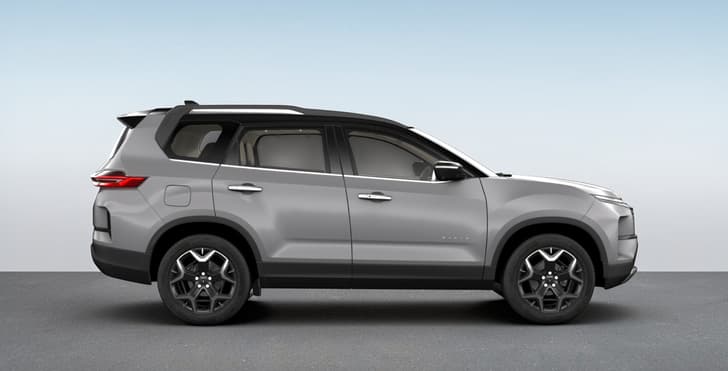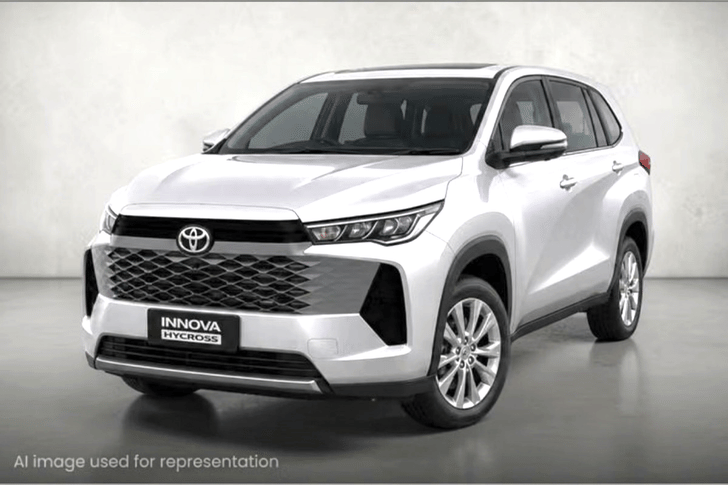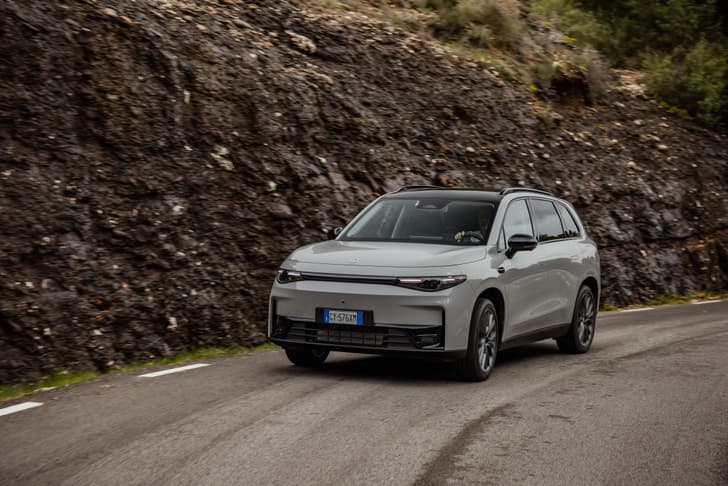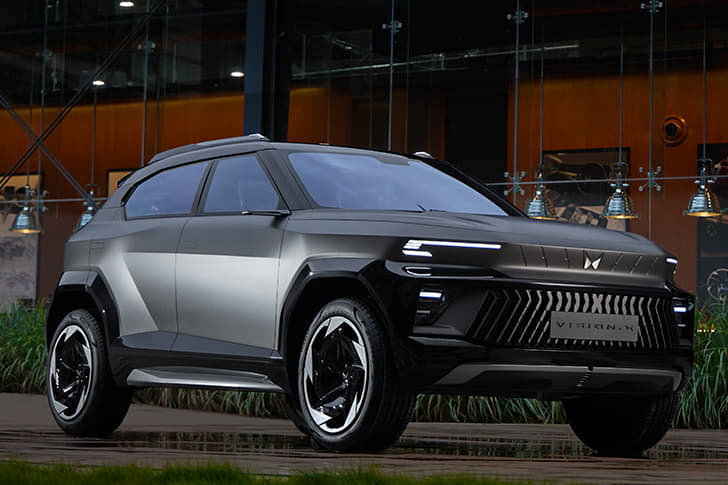
Kia Seltos or XEV9E: Buy?

Last Updated on: 12 Oct 2026
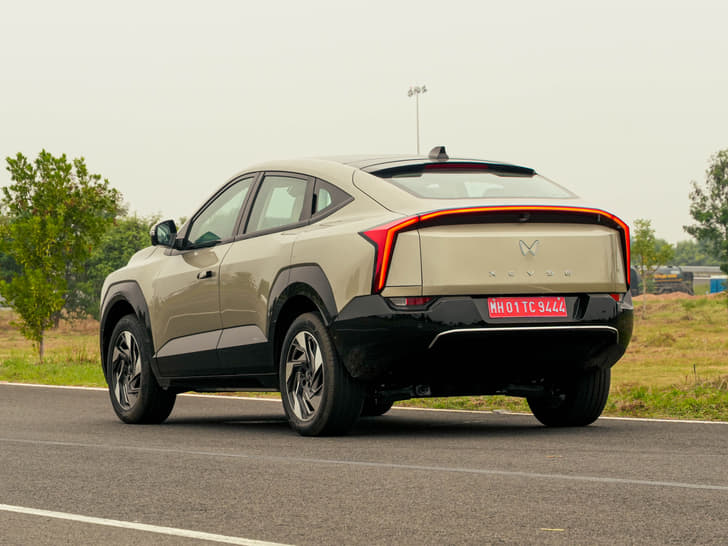
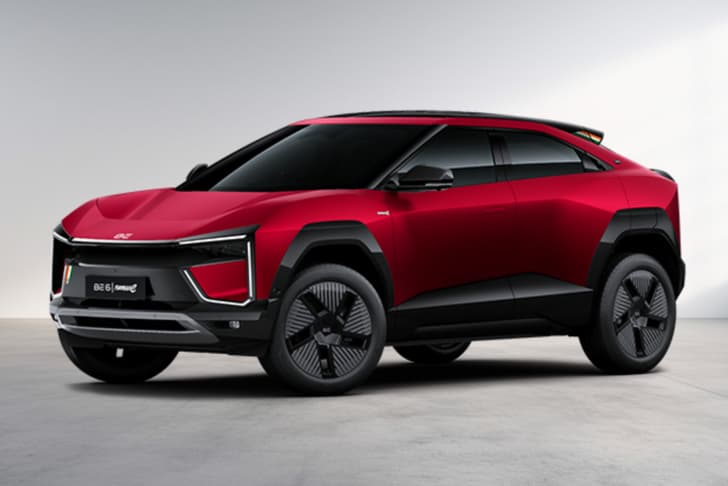
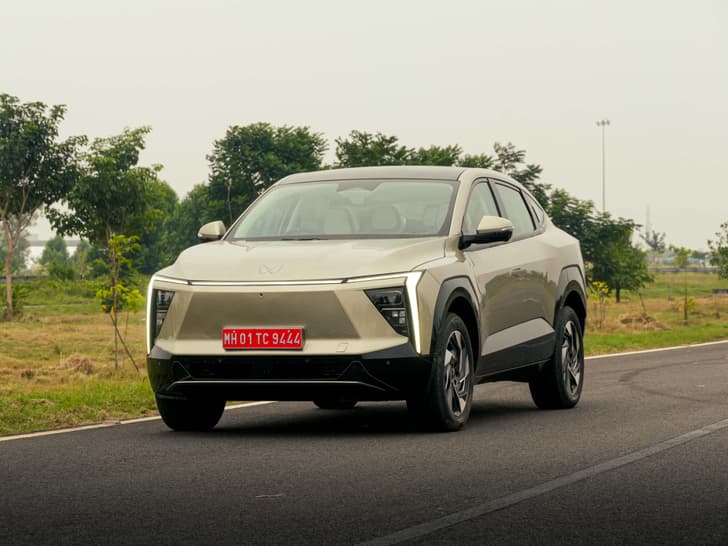
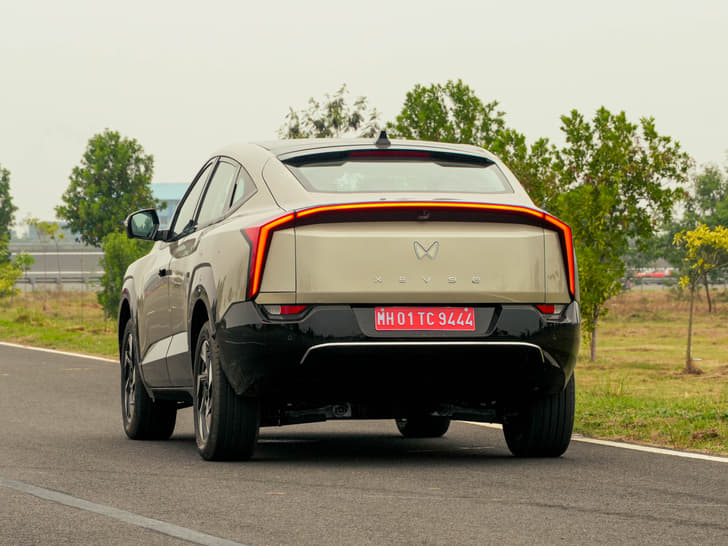
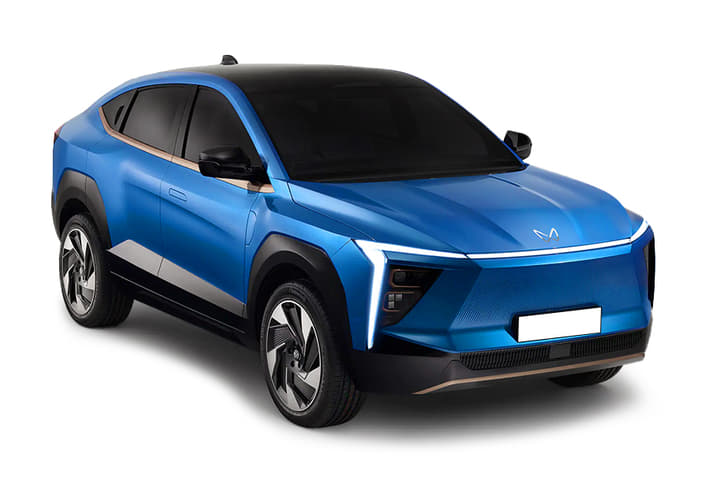
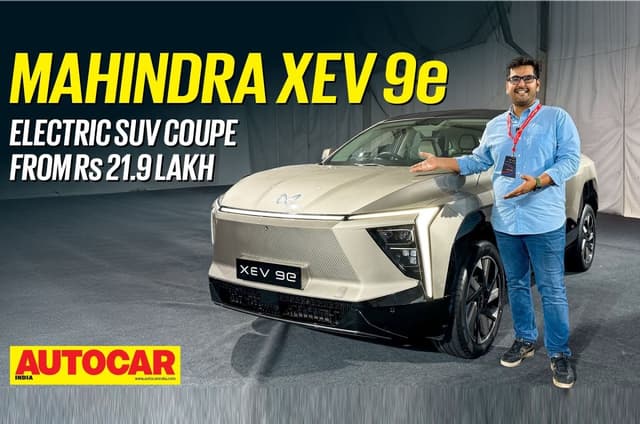
The XEV 9e range is built in two layers. Battery size comes first, splitting it into 59kWh and 79kWh versions, and the feature tier follows within each. Across that structure, Mahindra offers 5 variants for 2026, from the Pack One 59kWh up to the Pack Three 79kWh.
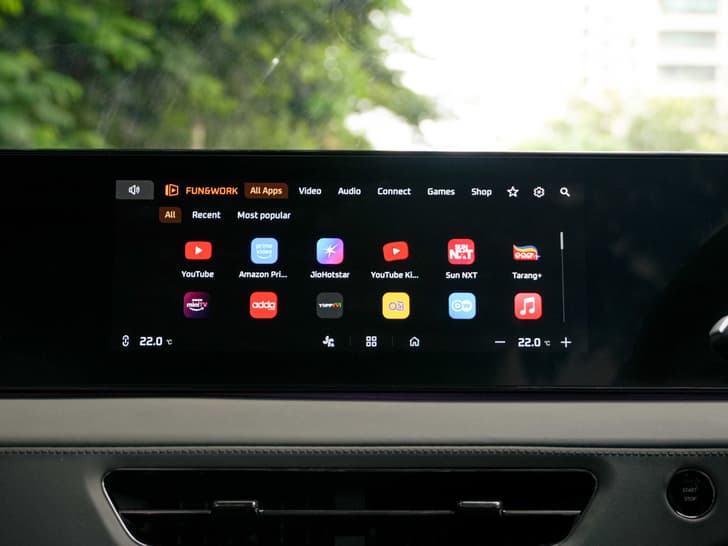
Pack One to Pack Two: adds adaptive cruise control, a fixed glass sunroof, a Harman/Kardon sound system, driver’s seat memory and cornering headlights. The base model makes do with fabric seats and a digital cluster
Pack Two 59kWh to Pack Two 79kWh: brings leatherette upholstery and the larger battery while carrying over the rest of the Pack Two feature list
Pack Three Select adds blind spot monitoring, auto parking, front ventilated seats and auto pop-out door handles over the Pack Two tiers
Pack Three 79kWh: tops the range with rear cross-traffic collision avoidance, ambient lighting and puddle lamps alongside the largest 79kWh battery
If your EV is mainly a daily commuter, the Pack One 59kWh or cover the essentials without paying for the 79kWh pack’s extra range. If you plan regular highway runs, or want the fullest safety and comfort package, the Pack Three 79kWh is the better fit. It pairs that extra range with the most complete feature list in the range.
Mahindra XEV 9e Official Brochure
Download the complete brochure with specs, features, and variants.
Hear from the
Join the Discussions


I currently drive a Jeep Compass Diesel 4x2 and want to change my vehicle within a budget of Rs. 25-30 lakh. My annual running is around 10,000 km, with most of my driving being in the city and 4-5 highway trips a year. Please suggest whether I should go for an EV, petrol or diesel. I have shortlisted the following models: Mahindra XUV 7XO, Mahindra XEV 9e, Toyota Innova Hycross, and Kia Seltos Or is there any other option I should consider? Please suggest.
Assuming that you can arrange for home charging, given that you've shortlisted the Mahindra XEV 9E, it is the one to go for. It packs in strong performance, this Mahindra car is comfortable, and despite its size, it is surprisingly easy to drive. With home charging, your running costs will be very low. And finally, with a real-world range of 450-500km, as well as its ultra fast charging capability, the XEV 9E is a good choice for those occasional highway drives too.If you're keen on getting a petrol-automatic, the Mahindra XUV 7XO and Kia Seltos are options you must certainly consider.
Hello Autocar, I'm planning to buy an EV with a budget of around Rs. 20-22 lakh (ex-showroom). Although I can stretch it a bit if it's worth it. The models that I'm currently considering are Tata Sierra Adventure 75, Tata Harrier EV Adventure 65 and Mahindra XEV 9e 59 kWh (base variant). My usage will be around 70% city driving. I also own a 2025 Hyundai Creta Petrol CVT, so I'm looking for an EV that genuinely feels like an upgrade rather than just a different powertrain. Among these, I liked the XEV 9e the most, but I'm a bit concerned about the long-term practicality and battery life of the 59 kWh pack, since it's the smallest battery among the three. Which one would you recommend, and is there any other EV in this price range that I should consider?
Go for the Mahindra XEV 9e 59 kWh. It is the most complete electric car from the ones you're considering and will genuinely feel like an upgrade over your Creta. The Sierra and Harrier EV are good cars, but the XEV 9e feels more premium, more modern and more sorted as an overall package. Going for the smaller 59 kWh battery should not be a concern since it is still a large pack, and Mahindra’s battery management system is well engineered. The car is also more efficient than the Tata EVs, so real-world range is not as far behind as the numbers would suggest. The only reason to stretch to the larger battery is if you regularly do very long highway runs. For your 70% city usage, the 59 kWh pack is more than sufficient. The Sierra EV is the better Tata EV, but the XEV 9e is the better car overall.
Totally confused between XUV 7XO diesel auto and XEV 9E. My yearly usage is 10 to 15k kms. My usage will be primarily as a 5-seater. Among these two, which car has better ride and handling?
Pick the XUV 7XO diesel automatic for the better ride-handling balance. Over broken roads and big speed breakers, it stays calmer, and with five on board, it keeps its composure without that side-to-side bob you often feel in heavier SUVs. At highway speeds, it tracks straight, the steering has a natural weight, and body control feels more reassuring when you need to change lanes or brake hard.The XEV 9e does feel flatter through bends thanks to the battery’s low position, so quick direction changes are tidy, but its extra weight makes sharp edges and patchy city tarmac come through more firmly, and the braking feel is less consistent. On a long drive with family and bags, the Mahindra diesel’s suspension tuning feels more relaxed and confident.One caveat. In city traffic, the XEV 9e is quieter and smoother, so if most of your 10-15k km each year are short urban runs, you might enjoy that. But for mixed use as a five-seater, the XUV 7XO rides better and feels more secure.
Hi team, I am planning to buy an EV SUV. The budget is around 30 lakh. My priority is reliability and service support. Shortlisted Harrier QWD, VF7 AWD, and XEV 9e. Please suggest. Any chance Mahindra launching AWD variant soon? Thanks in advance.
For your requirement, we would pick the Mahindra XEV 9e. It feels the most complete package here, with a large battery, strong real-world range and a cabin experience that genuinely feels special and premium. It also benefits from Mahindra’s much stronger sales and service footprint compared to a new entrant like VinFast.The Tata Harrier EV QWD is undeniably quick and impressive, but its range is meaningfully lower than the XEV 9e, which makes the Mahindra the easier long-term ownership proposition if range matters to you. Tata’s service reach is strong, but consistency can still vary depending on your city and dealership.The VF7 AWD is the wildcard. It is quick, fun and interesting, but VinFast’s sales and service network in India is still very limited compared to Mahindra and Tata, which makes it a harder recommendation when reliability and support are explicitly your top priorities.
Hi, I am looking for my first EV. My daily driving is around 50 km from home to office, so I am looking for an EV priced around Rs. 25 lakh. I liked the Mahindra XEV 9S Pack 2, although it is slightly over my budget. I also like the MG Hector Tomahawk EV, which falls within my budget. I am confused between the two. Please guide me on which one would be a better choice for my requirements.
The MG Hector Tomahawk EV is definitely worth waiting for before making the final decision. On paper, it is a very strong proposition, especially at the price you are considering, and it could prove to be better value than the XEV 9e.However, the Tomahawk EV is a completely new product, so it is difficult to give a definitive verdict based purely on specifications. Real-world range, ride comfort, performance, refinement, charging experience and overall usability will only become clear after we have driven and tested it properly.The XEV 9s, meanwhile, is the more established choice and has already demonstrated that it is a capable, premium EV. If you are comfortable stretching your budget, it remains the safer choice today.But with your 50km daily commute and home charging, there is no particular need to rush into the XEV 9s.
The Mahindra XEV 9e is available in five variants, offering a choice between 59kWh and 79kWh battery packs and 7.2kW or 11.2kW charging options. The variant lineup includes:
Pack One (59kWh), Pack Two (59kWh & 79kWh), Pack Three (79kWh), and Pack Three Select (59kWh).
No, XEV 9e is a 5-seater car.
The Mahindra XEV 9e base model Pack One 59kWh costs Rs. 21.90 lakh (ex-showroom).
Pack Three Select (59kWh) is the top variant of Mahindra XEV9e priced at Rs. 30.50 lakh (ex-showroom).