Mahindra Cars Under 20 Lakh in India (15)

Mahindra Cars Under 20 Lakh offer a significant step up from the Rs 15 lakh bracket, mainly through higher variants of its larger SUVs. The range also expands with the XUV400 and BE 6 SPORTEQ, giving buyers a wider choice of petrol, diesel and electric powertrains.
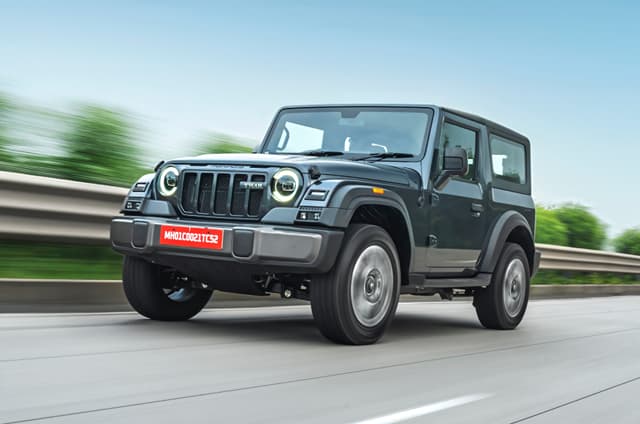
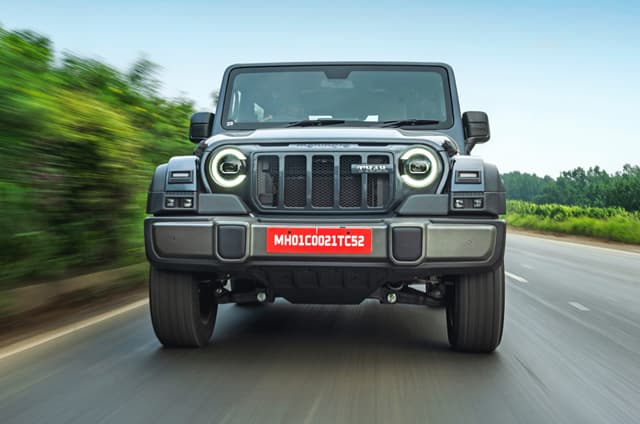
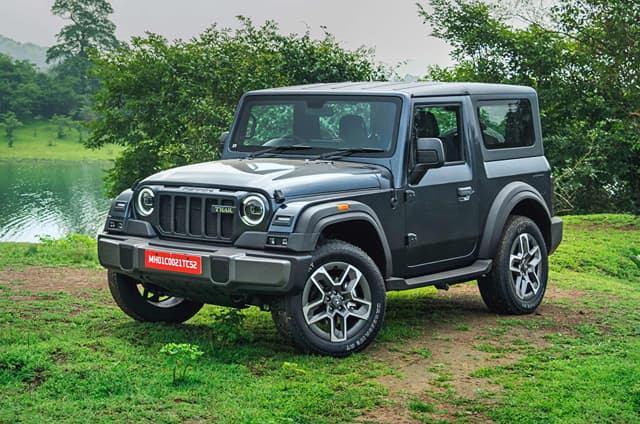
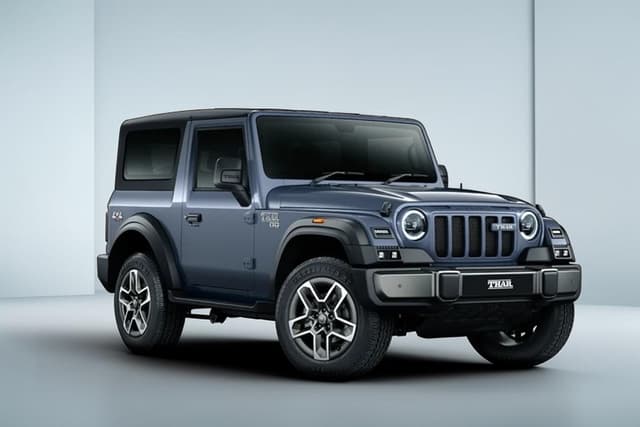
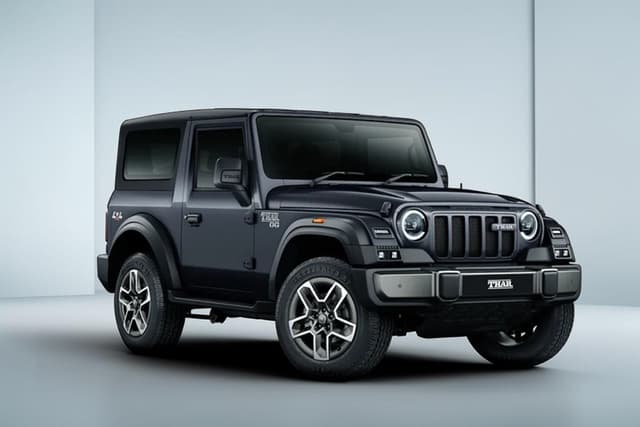
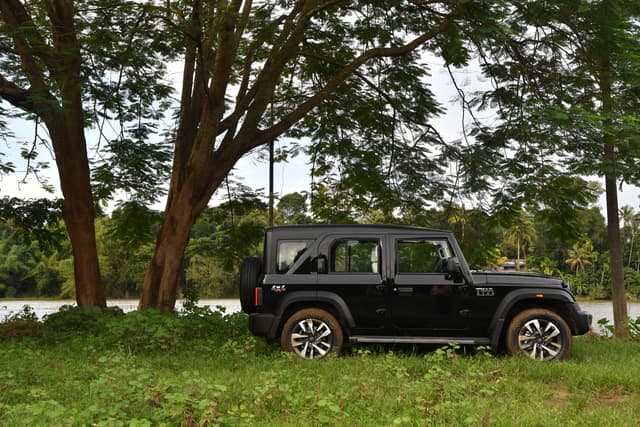
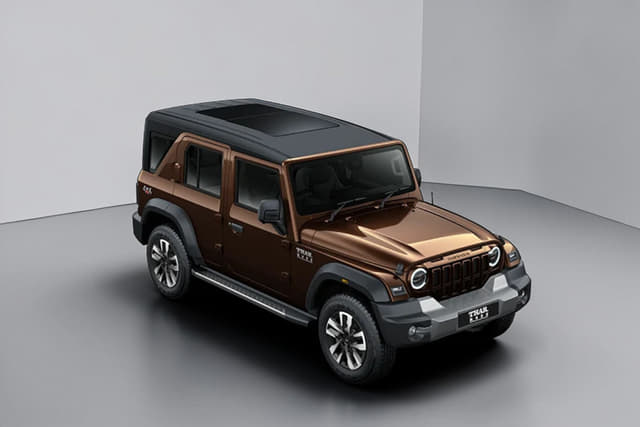
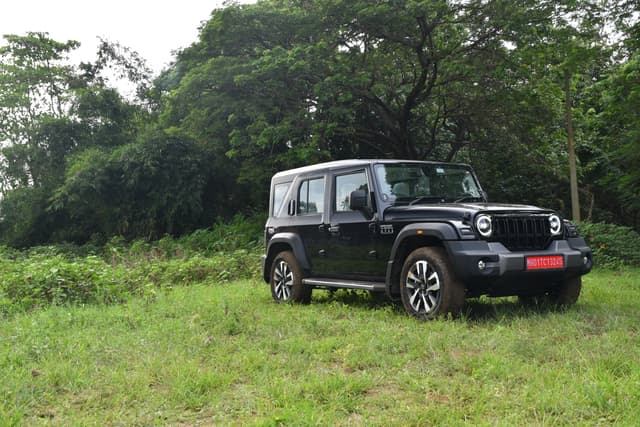
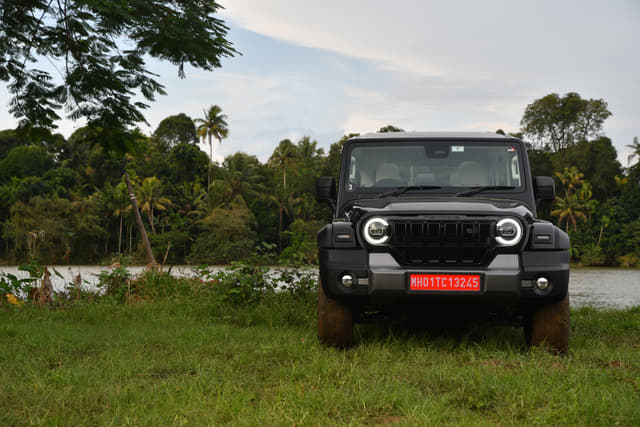
The Thar and Thar Roxx get a wider spread of variants within this budget, including both petrol and diesel options. This makes the two lifestyle SUVs accessible in more configurations, with the Thar retaining its more off-road focused character and the Thar Roxx offering greater practicality with its five-door layout.
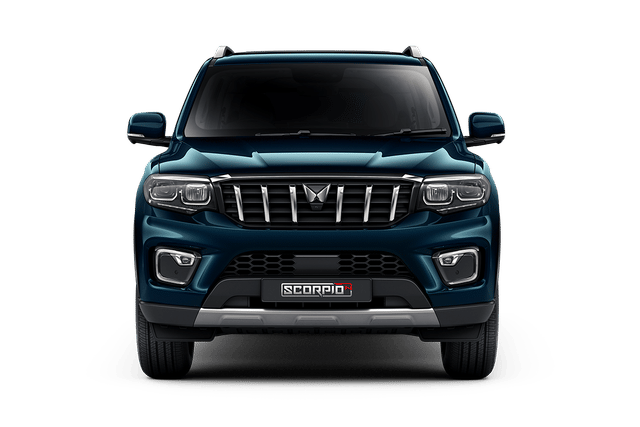
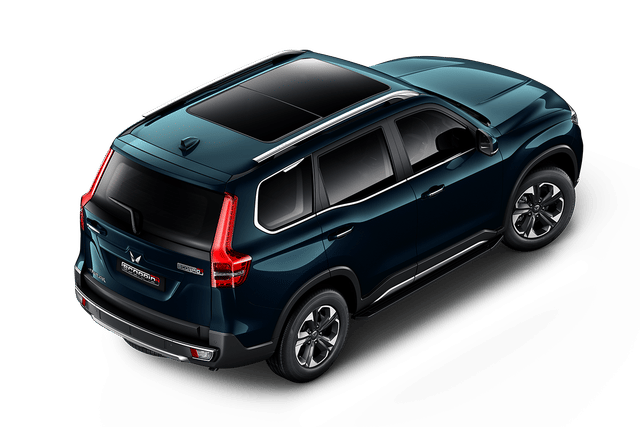
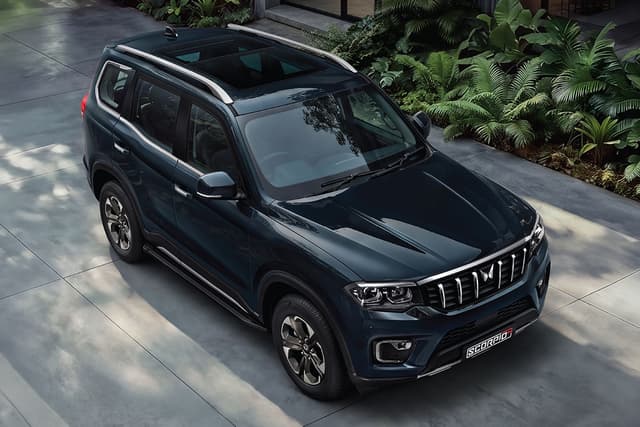
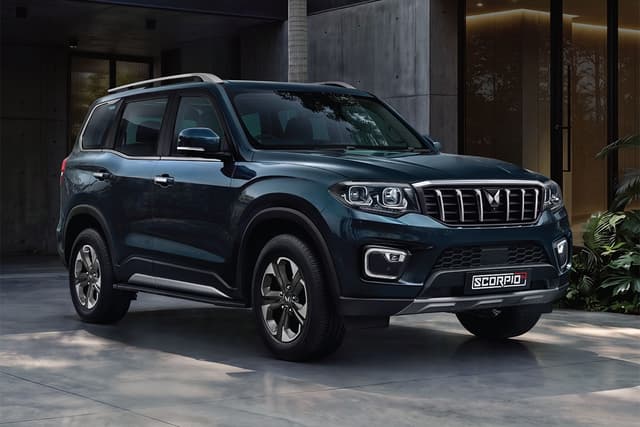
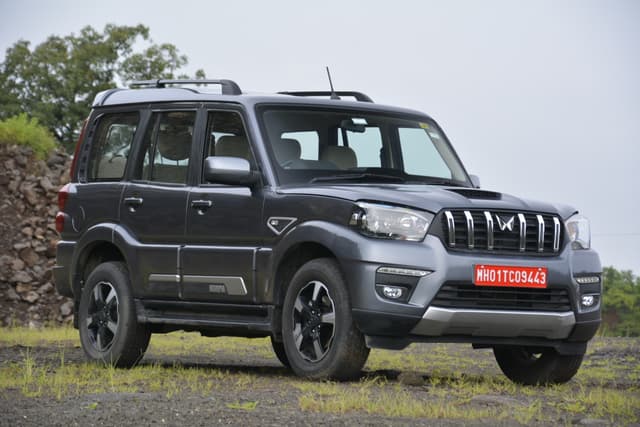
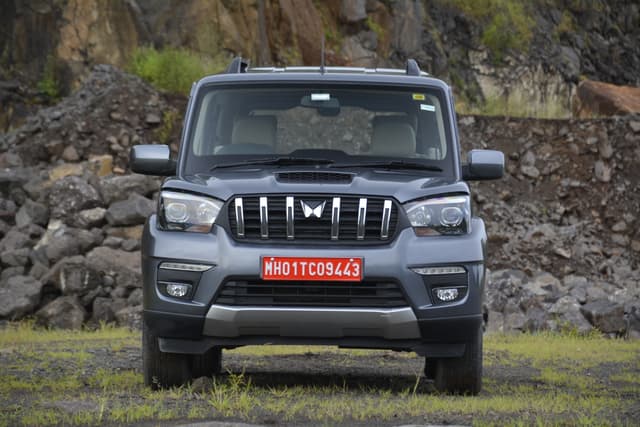
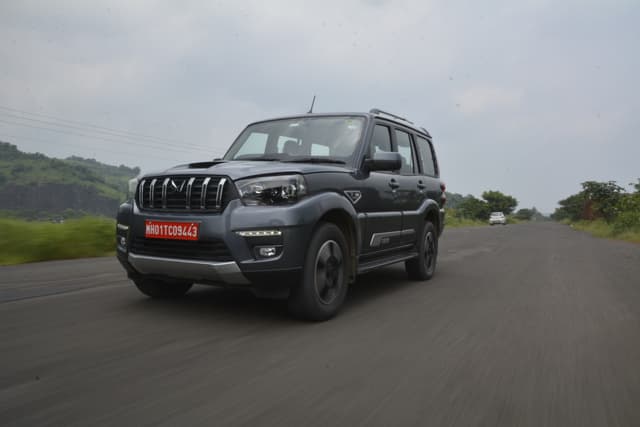
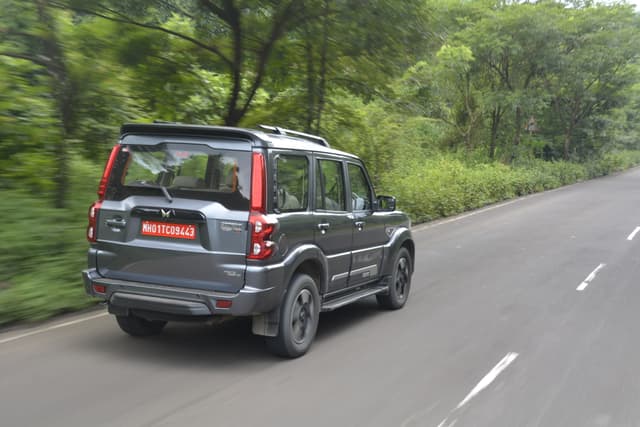
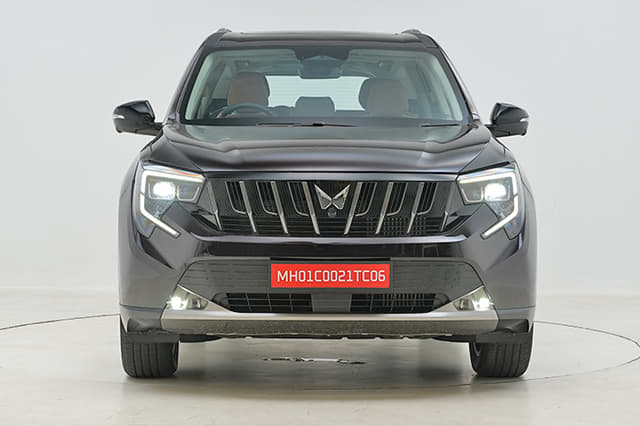
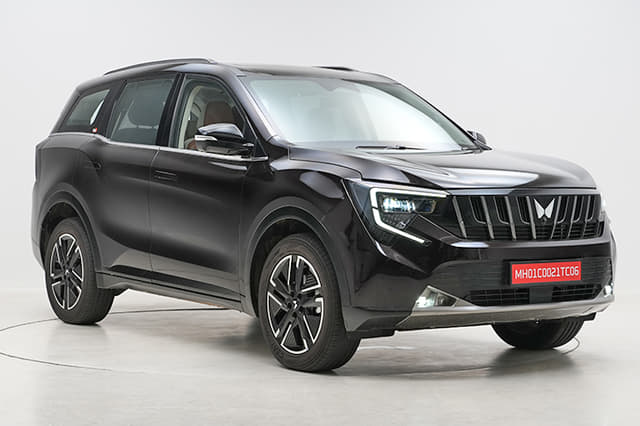
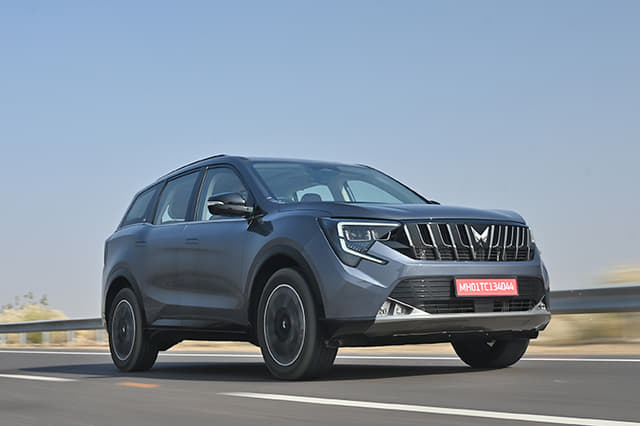
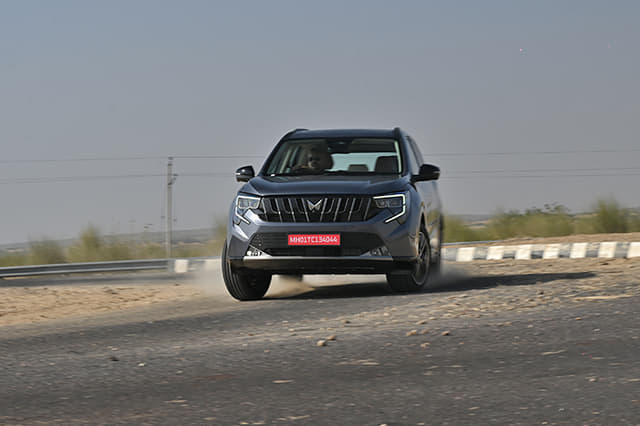
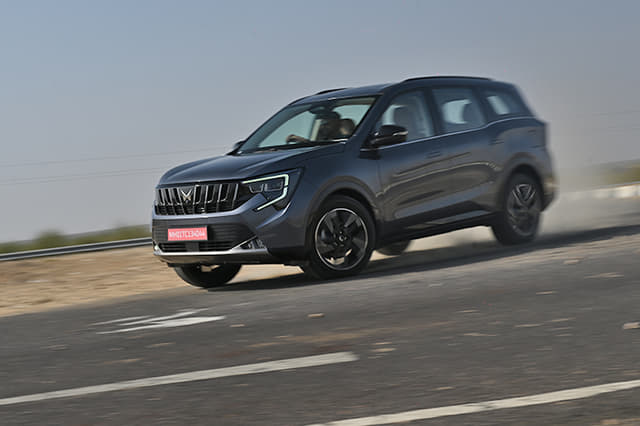
The larger Scorpio-N and XUV 7XO also see more variants enter the bracket, bringing a wider choice of engines, gearboxes and equipment. The Scorpio Classic remains the simpler alternative, with a diesel-manual setup and seven or nine seat configurations.
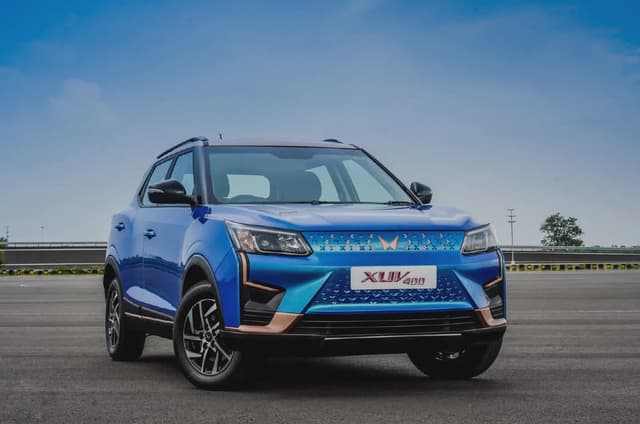
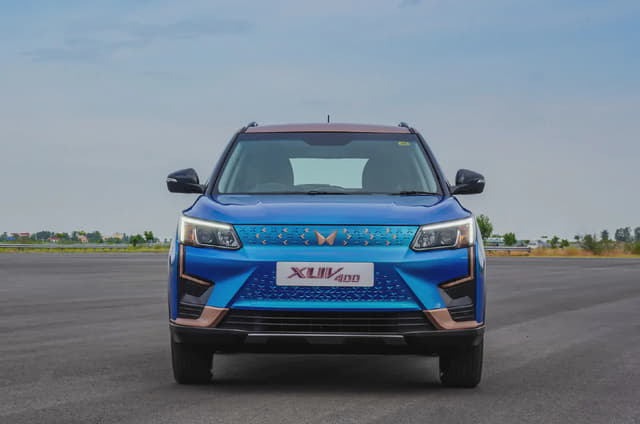
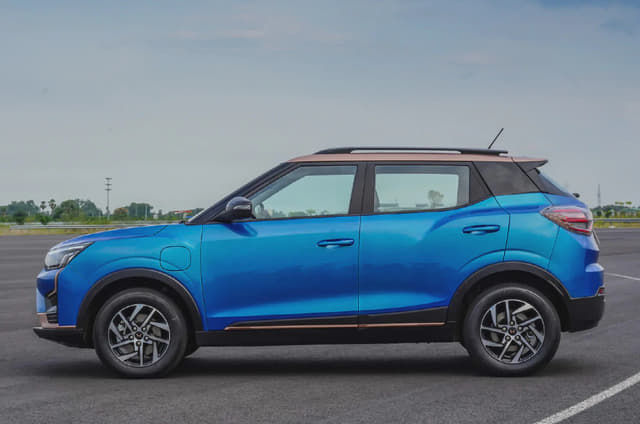
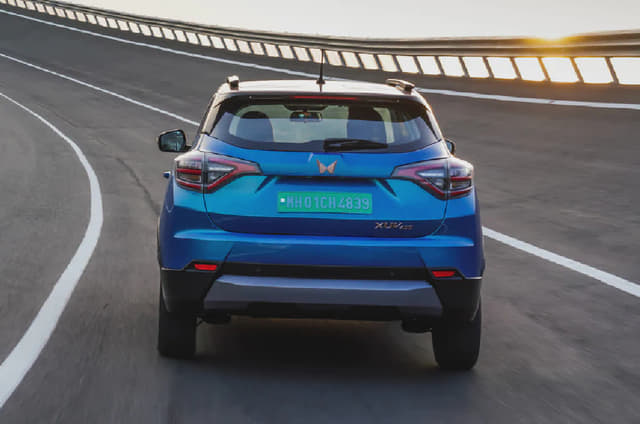
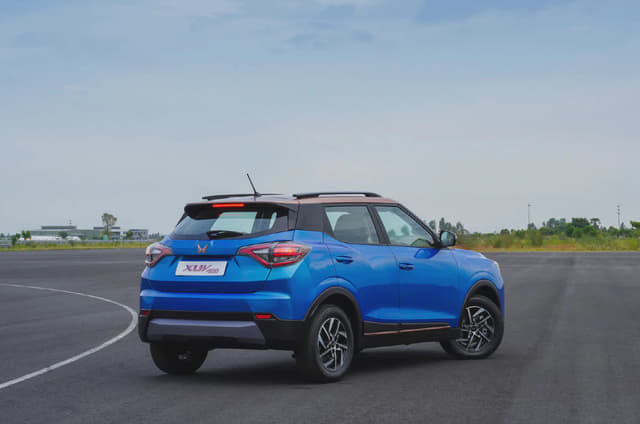
The electric range adds another layer of choice. The XUV400 is available in three variants with two battery options, offering a claimed range of up to 456km. The BE 6 SPORTEQ takes a more modern, performance focused approach, although only the SPORTEQ One 59kWh variant at Rs 19.45 lakh falls within the Rs 20 lakh ex-showroom limit. It has a claimed range of 548 km and rear-wheel drive.
Mahindra Cars Under Rs 20 Lakh vs Rivals
Mahindra’s Rs 20 lakh range overlaps with some of the strongest SUVs in the market. However, each Mahindra model has a different reason to stand out, whether it is four-wheel drive hardware, a body-on-frame platform, a wider powertrain choice, or a long range electric setup.
Mahindra model | Closest rivals | Why consider Mahindra |
Thar | Maruti Jimny, Force Gurkha | Offers petrol and diesel engines with both RWD and 4WD options. |
Thar Roxx | Tata Sierra, Hyundai Creta, Kia Seltos | Offers a body-on-frame chassis with available 4WD, unlike these mainstream monocoque SUVs. |
Scorpio-N | Tata Safari, Hyundai Alcazar | Offers a proper 4WD system with a low-range transfer case. |
XUV 7XO | Tata Safari, Hyundai Alcazar | Offers a 2.0 litre turbo-petrol engine with 203hp, giving it a stronger performance focus. |
XUV400 | Tata Nexon EV, Hyundai Creta Electric | Offers up to a claimed 456 km range with the larger battery. |
BE 6 | Tata Curvv EV, Hyundai Creta Electric | Uses a rear wheel drive layout and a 59kWh battery in the variants within this bracket. |
The comparison also shows why the Mahindra range is difficult to boil down to a single rival. The Thar and Scorpio-N offer hardware that most mainstream SUVs in this price range do not, while the XUV 7XO provides a broader mix of powertrains and equipment. On the electric side, the XUV400 and BE 6 take different approaches, with the former focusing on range and the latter on a newer, RWD EV platform.


Filter your search


Filter your search


Filter your search



Filter your search


Mahindra Cars Under 20 Lakh - FAQs
Yes. The top end Mahindra Thar LXT 2.2 Diesel AT 4x4 is available within Rs 20 lakh, with an ex-showroom price of Rs 17.99 lakh.
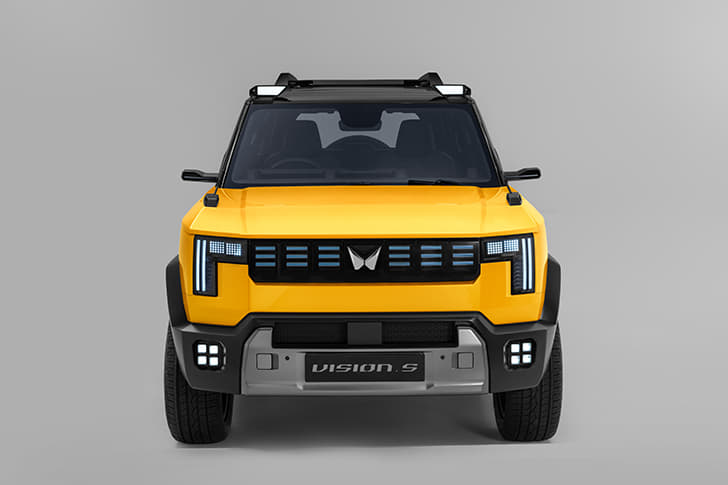
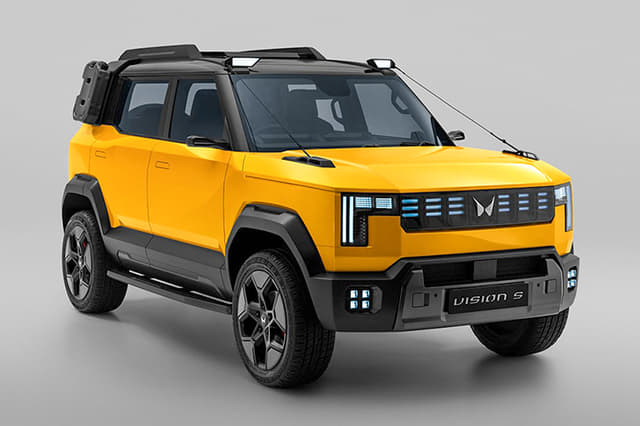
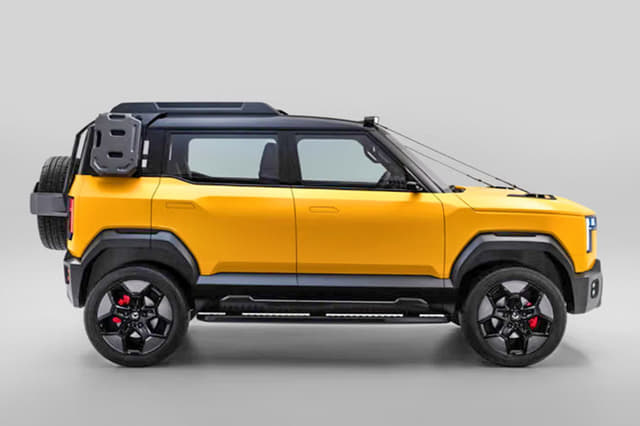
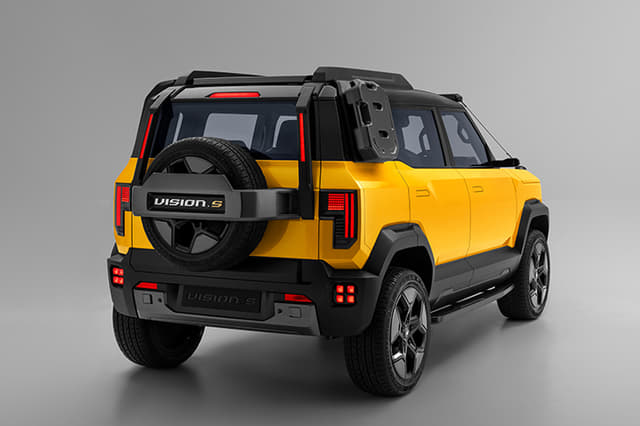
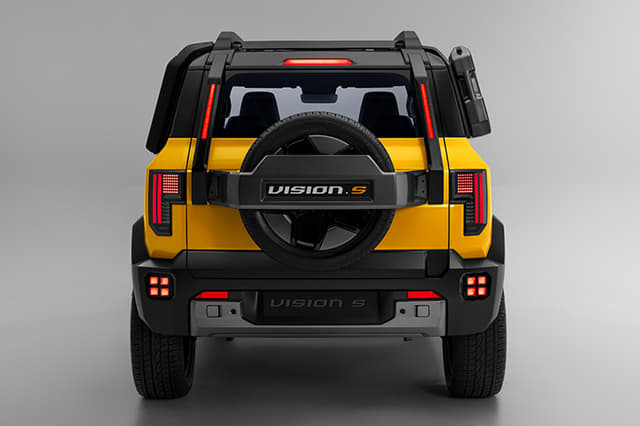
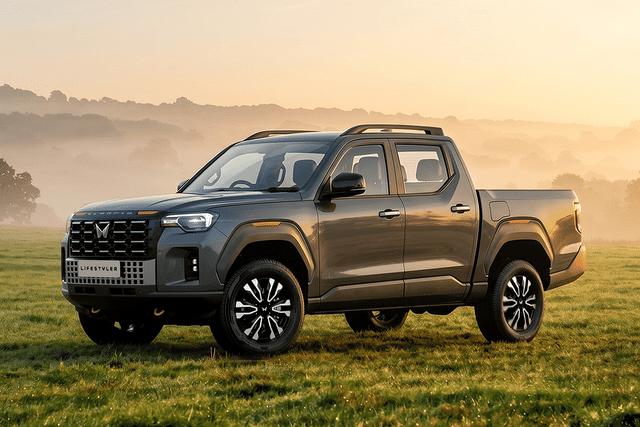
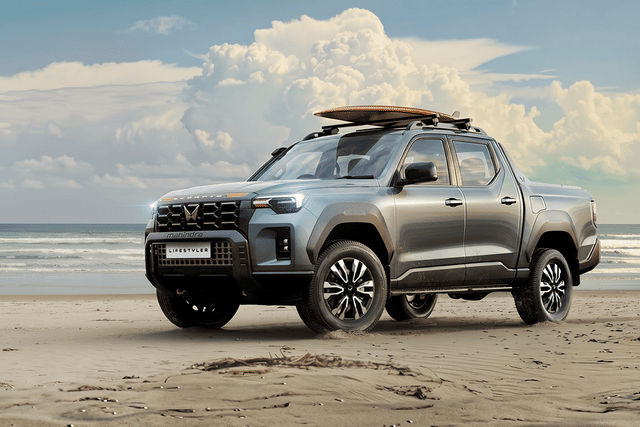
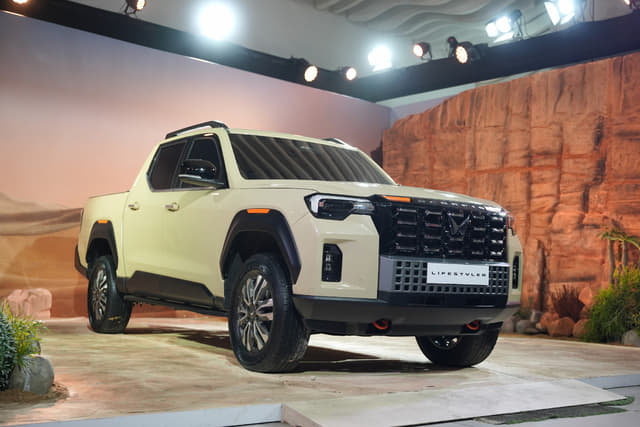
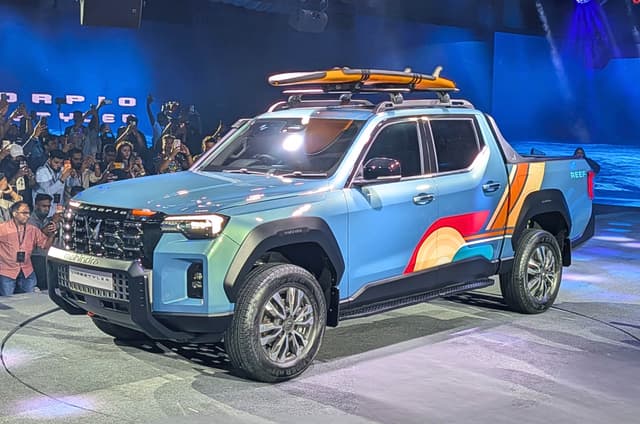
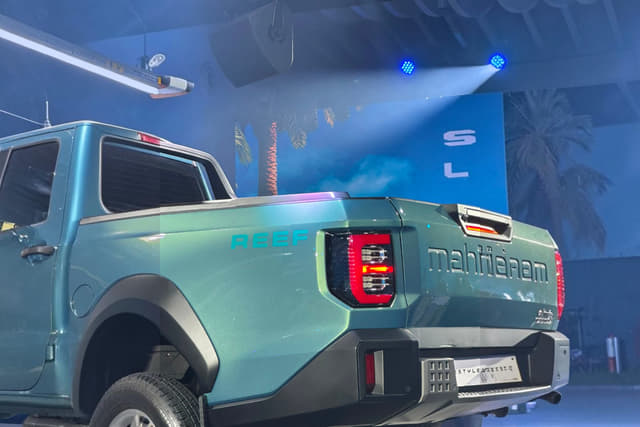
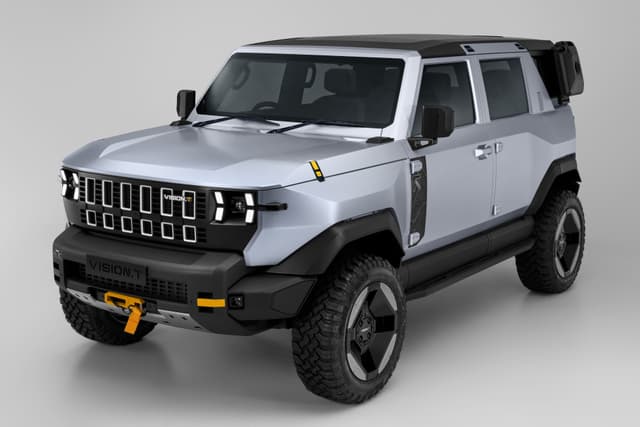
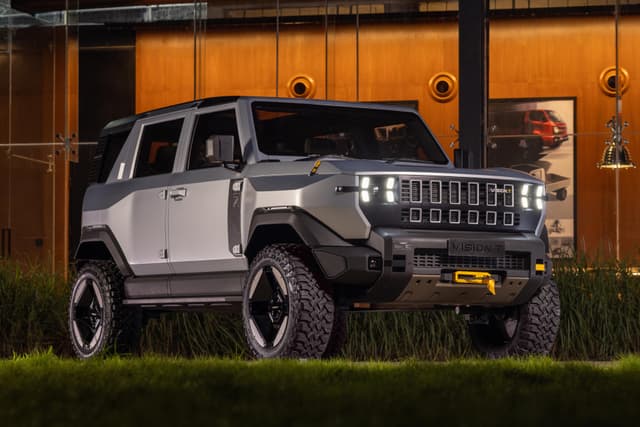
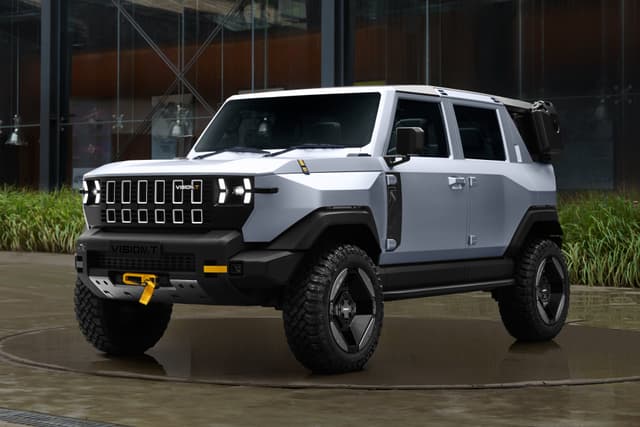
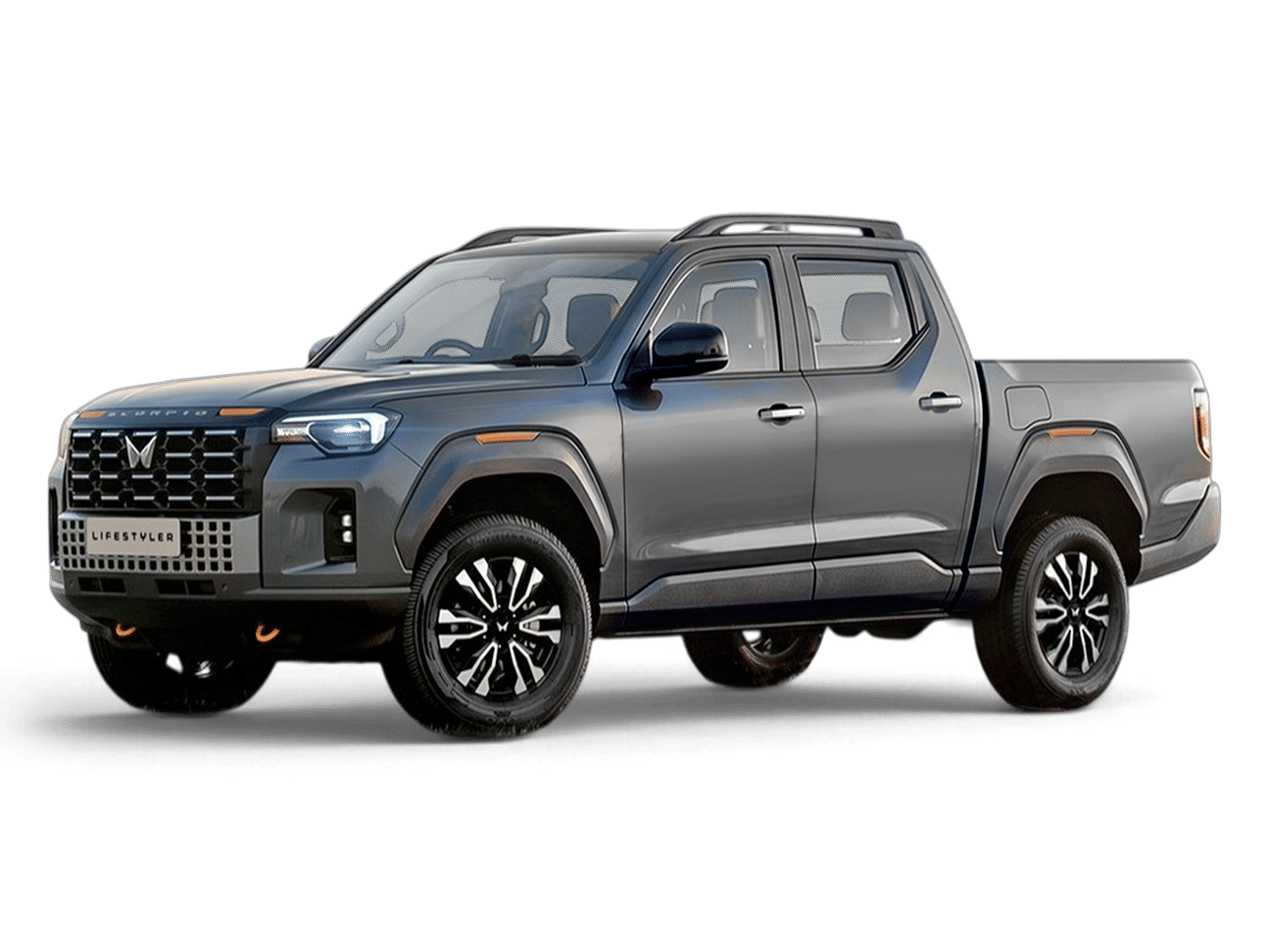
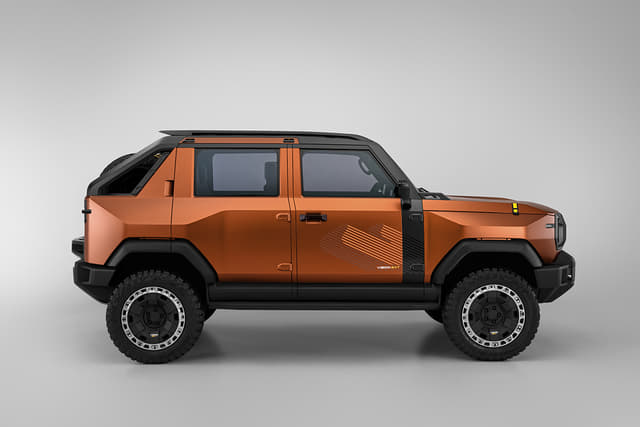
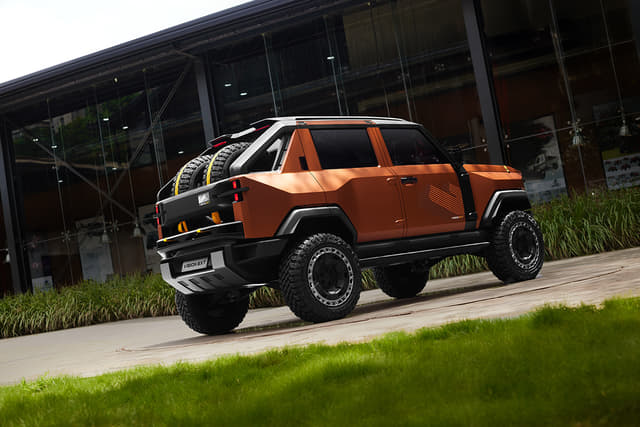
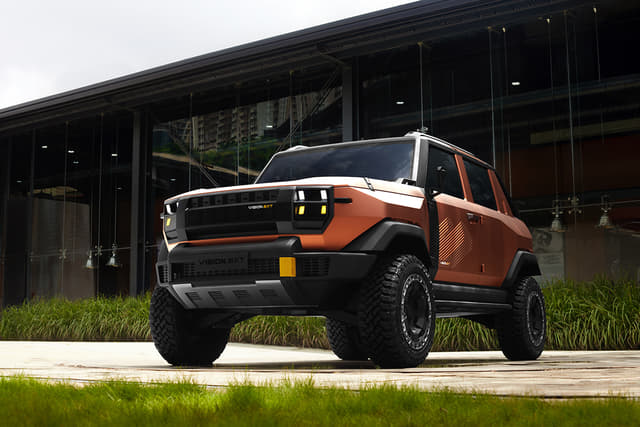
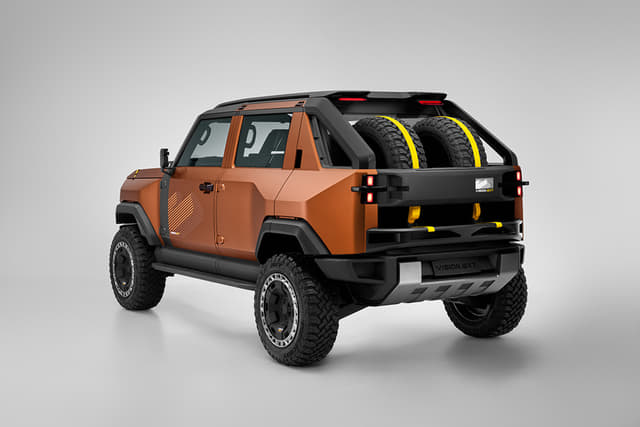
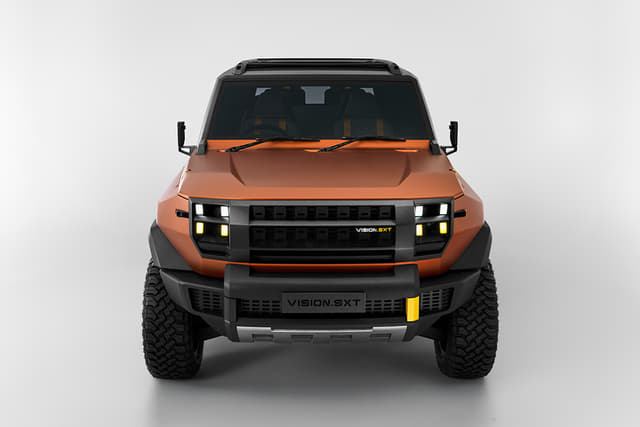
The upcoming Mahindra Vision.T and Scorpio Lifestyler pickup are expected to fall within the Rs 20 lakh ex-showroom bracket. The Vision.T is expected to be priced around Rs 12.5 lakh to Rs 20 lakh, while the Scorpio Lifestyler is expected to start below Rs 19.79 lakh. Final prices are yet to be confirmed by Mahindra.
Yes. Both the Mahindra Scorpio-N and XUV 7XO are available with a 2.0-litre turbo-petrol engine within the Rs 20 lakh ex-showroom budget.
Trending Questions on Mahindra Cars - Answered by Autocar Experts
I want to buy a compact SUV (petrol, automatic) under a budget of Rs. 12-13 lakh. Help me decide between Brezza, Venue, Kylaq, XUV 3XO and Amaze (since it is a compact Sedan) considering that the mileage within city should not be less than 13-14kpl.
Between your picks, the Maruti Suzuki Brezza 1.5-litre automatic is your best bet since city fuel efficiency is your main priority. The Hyundai Venue, Skoda Kylaq and Mahindra XUV 3XO all use turbo-petrol engines, which aren't particularly known for their fuel efficiency in the city. That said, achieving your target of 13-14kpl in city driving with any of these cars will require a very sedate driving style.The Brezza also comes with a smooth-shifting 6-speed torque converter automatic, which makes driving in the city very easy. One drawback is that, its interior won't feel as modern as the Hyundai Venue. The Honda Amaze is another good choice, but being a compact sedan, it won't feel as spacious as the Brezza.
I’m planning to buy a car with an on-road budget of around Rs 16 lakh. It will be on a corporate lease, so good fuel efficiency would help financially. We’ll drive 600-800 km a month. Would a diesel automatic Kia Sonet or Hyundai Venue be a good choice, or would a petrol suit my usage better? I’ve noticed that most petrol automatics in this range use a DCT. Is a DCT good for Bengaluru traffic, or is a torque converter better suited to stop-go driving? I’m really confused by the options in this budget, so please help. I currently drive a Ford Figo diesel manual.
With your monthly running of just 600- 800 km, we would recommend a petrol automatic over a diesel. The additional cost of buying a diesel is unlikely to be recovered through fuel savings at this level of usage. Also, with predominantly urban driving, a modern diesel's DPF can become a concern if the car does not regularly get sufficiently long runs to complete regeneration. Coming from your Ford Figo diesel, you may find the petrol's running costs higher, but the lower usage makes it the more sensible choice.For Bengaluru traffic, a torque converter automatic would be preferable to a DCT. DCTs are perfectly usable, but repeated crawling in heavy stop-start traffic can make them feel jerky at low speeds and less smooth than a torque converter.We would shortlist the Mahindra XUV 3XO petrol AT and Skoda Kylaq AT. Both get six-speed torque converter automatics. The 3XO has a stronger 1.2-litre turbo-petrol engine with 200Nm, a spacious cabin and a comfortable ride. The Kylaq is more compact, feels engaging to drive and is easier to manoeuvre and park in tight spaces.
My budget is under Rs 12 lakh, and I want a petrol manual car. I currently drive a 17-year-old Maruti Dzire diesel and am looking to replace it with a compact SUV. My priorities are good highway performance, safety, decent fuel efficiency and a spacious cabin. I will sometimes drive the car myself, but it will mostly be chauffeur-driven. I have shortlisted the Mahindra XUV 3XO MPFi, but some people have advised me against buying it, leaving me unsure about its reliability. Should I go ahead with it or consider other options? At this price, I can also get the Hyundai Venue HX5+ and Maruti Victoris LXi. What would you suggest?
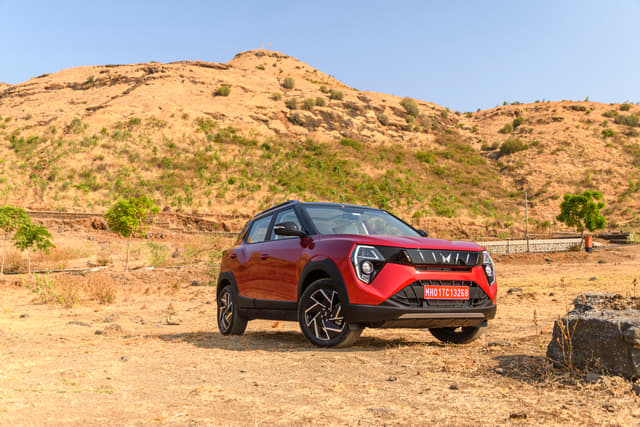
The Mahindra XUV 3XO is a great choice for your needs. It has good performance on the highway, decent efficiency and a 5-star Bharat NCAP safety rating. If you are being chauffeured and spend time in the back seat, you'll find the seat is wide and comfortable, with good space too. Reliability is also quite good, though some owners report electronic glitches.Among your alternatives, the Maruti Victoris LXi is larger overall and therefore roomier, but being the base model, it will feel a bit bare-bones. The Hyundai Venue HX5+ is a better choice, offering a good balance of features and passenger comfort. However, if you want the most space in the sub-4-meter SUV segment, consider the Kia Syros. It has a very spacious and comfy back seat and a large boot. It is offered with the same 1.0-litre turbo petrol as the Venue, so highway performance is good too.Overall, the XUV 3XO is a solid choice, but if you are not convinced, then consider the Venue or the Syros.
Hi, I’ve been driving a 2011 Ford Fiesta Classic 1.4 turbo-diesel as my primary car in Northeast India (Assam, Meghalaya, Arunachal Pradesh and elsewhere) through plains, hills, mud, snow and floods, often fully loaded with four people. I recently renewed its lapsed 15-year registration for another five years. The car is maintained in pristine condition, and I love its low-end torque and excellent fuel efficiency. However, it’s time to switch to a petrol car, and I need advice on a new car for the same driving conditions within a budget of Rs 17-18 lakh. Should I choose a turbo-petrol or a naturally aspirated engine to get similar driving dynamics, given that the terrain I drive on won’t change? I prefer a manual gearbox, especially for the hills, and I understand that petrol engines are thirstier. I’m nearly 48 and plan to keep the car for a long time, as I did with the Ford. Please leave out Hyundai, Kia and Maruti Suzuki, as I’ve had my fill of them. Thanks in advance. Dr
Given your experience with the 1.4-litre diesel Ford Fiesta, we would suggest looking at the Mahindra XUV 3XO T-GDi manual first, followed by the Renault Duster 1.3 Turbo manual. Both offer strong performance, which will be important when driving through the hills of the North East with four passengers and luggage.The XUV 3XO's 1.2-litre turbo-petrol engine produces 131hp with good low- and mid-range response. It is compact, easy to manoeuvre and offers a comfortable ride. The Duster has a comfortable ride and a more engaging chassis, while its 163hp, 280Nm 1.3-litre turbo-petrol engine offers considerably stronger performance. However, the Duster's tendency to stall when moving off from a standstill can be frustrating, particularly on steep inclines, so we would place it second.
I have a 2013 Volkswagen Polo petrol, and my parents are retired. I need an automatic car that’s easy for them to get in and out of, with a very comfortable ride, excellent NVH levels and more rear-seat space. My usage is very low, about 5,000-7,000 km a year, mainly in the city, and I plan to keep the car for more than eight years. My budget is Rs 20 lakh. My shortlist includes the Mahindra XUV 3XO turbo-petrol, the Skoda Kushaq 1.0 AT and the Hyundai Creta IVT. I skipped the Kia Seltos because of its size. Which of these is the best, or are there any better options?
The Hyundai Creta 1.5 petrol IVT would be our clear recommendation for your requirements. It has a comfortable seating position, wide-opening doors, a spacious rear seat and a plush ride. Its naturally aspirated petrol engine paired with the IVT is also very smooth in city traffic.The Skoda Kushaq 1.0 AT is enjoyable to drive and has supportive seats, but its low-speed ride is firmer, and its engine and gearbox combination isn't as smooth as the Creta's IVT. The Mahindra XUV 3XO TGDi AT offers excellent performance and a comfortable rear seat, but its ride has a slightly firm edge and its boot is relatively small.
Last Updated on: 12 Nov 2026