Autocar India

Sedan cars in India (46)
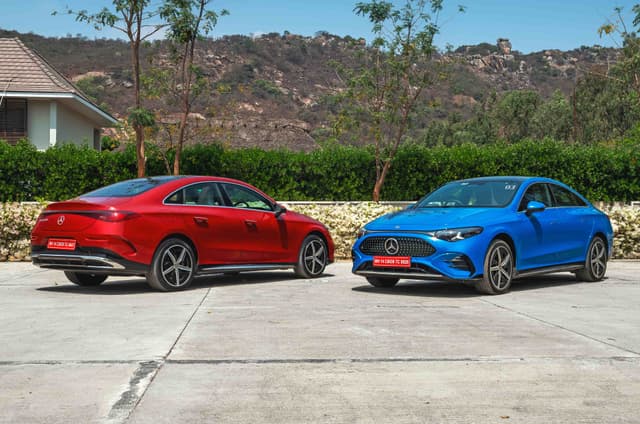
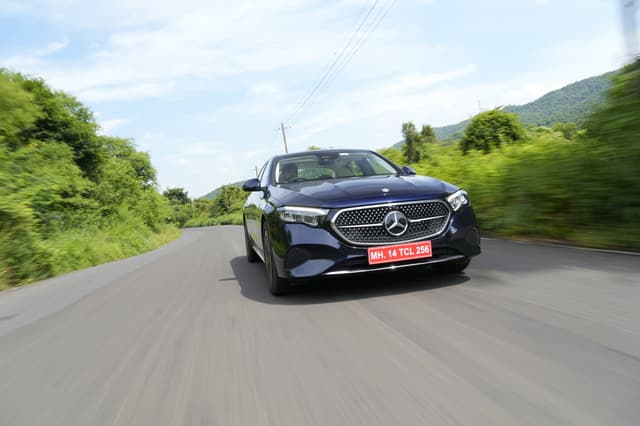
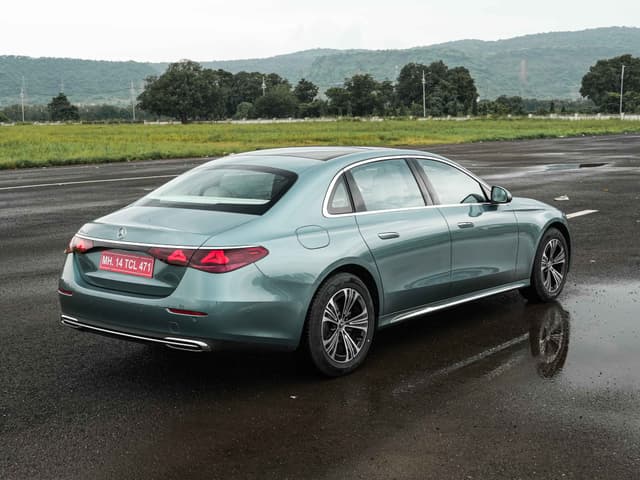
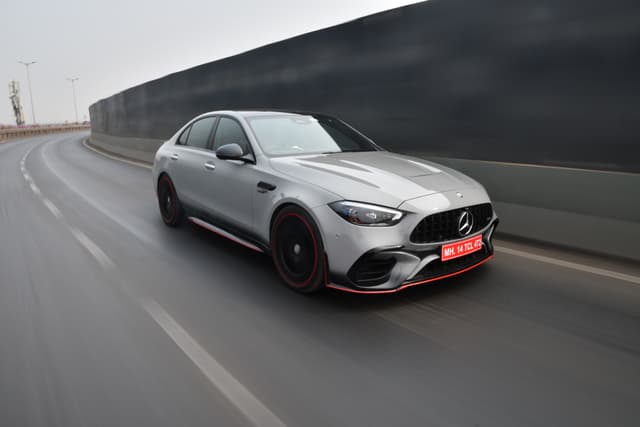
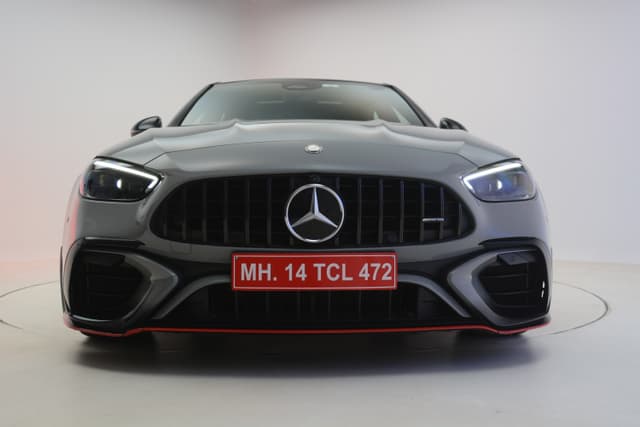
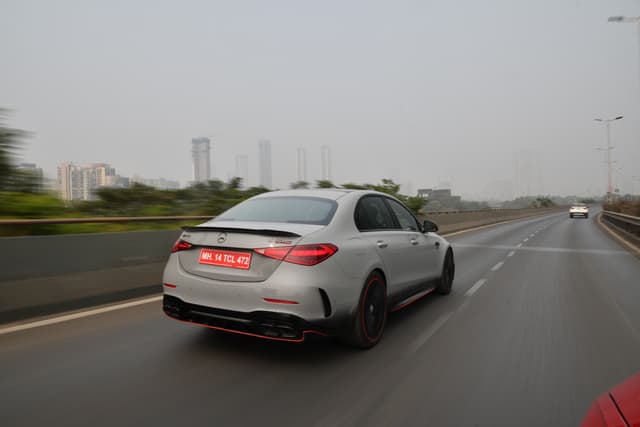
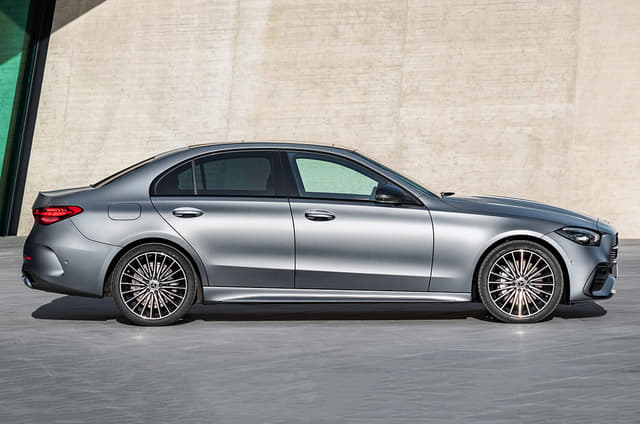
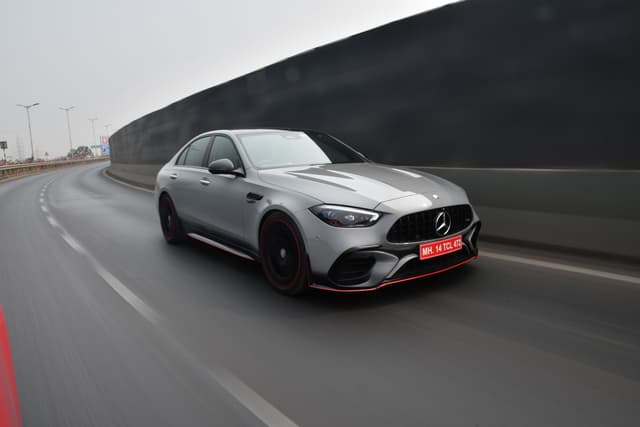
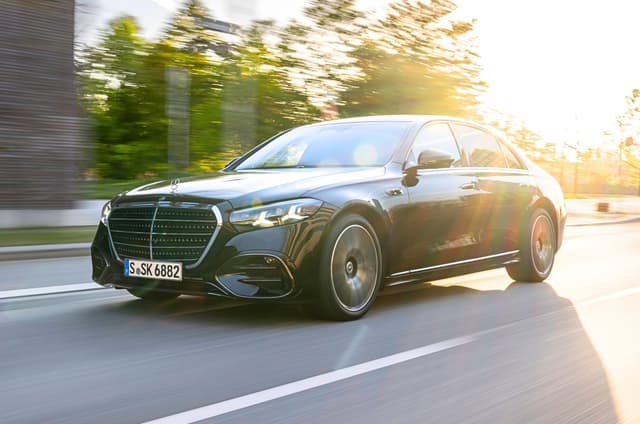
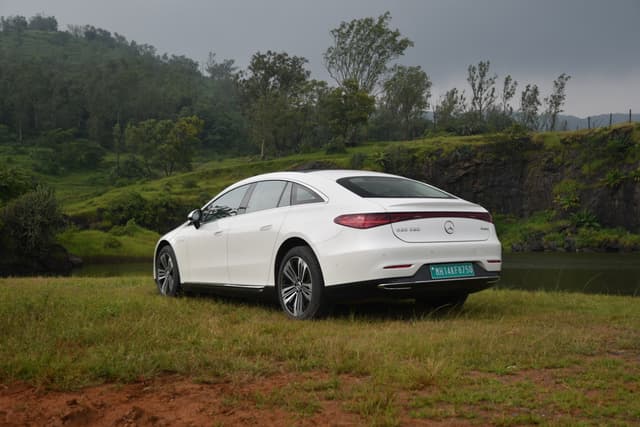
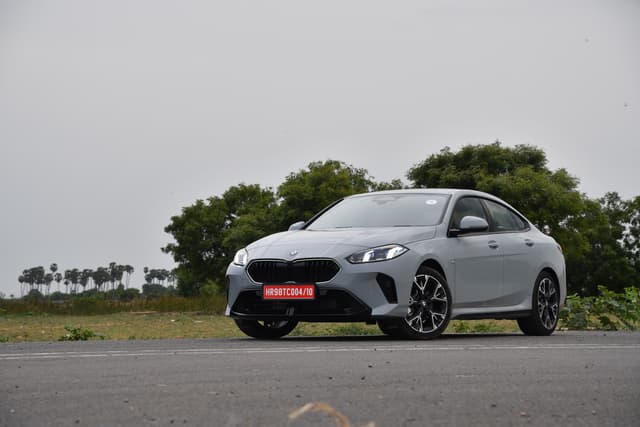
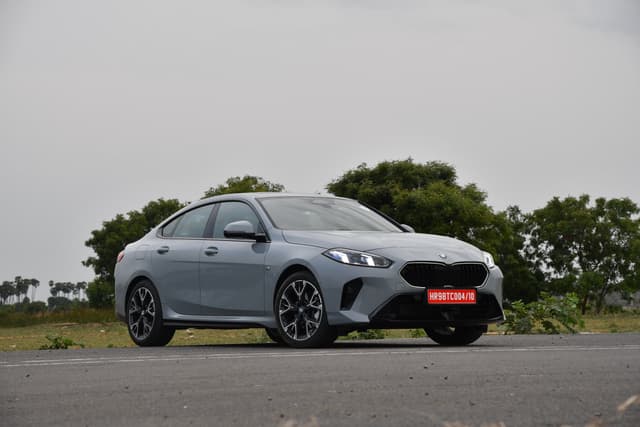
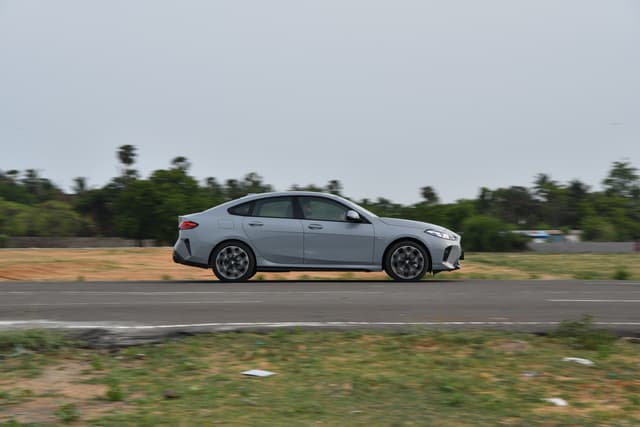
A sedan typically features a three-box design, wherein the engine bay, passenger cell and boot are distinctly separate sections. Sedans can be further classified into subcompact, compact, mid-size and full-size categories. Some of the popular manufacturers that sell mass-market sedans in India include the likes of Hyundai, Honda, Maruti Suzuki, Skoda and Volkswagen. Popular luxury sedans come from marques that include Audi, BMW and Mercedes-Benz.

Show more
Upcoming
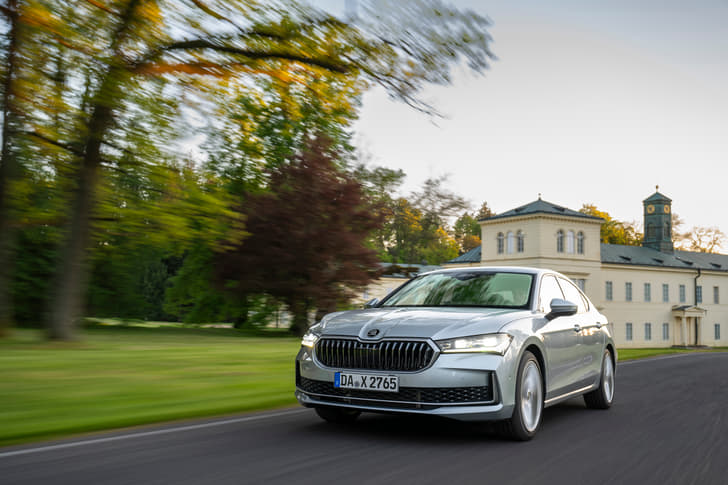
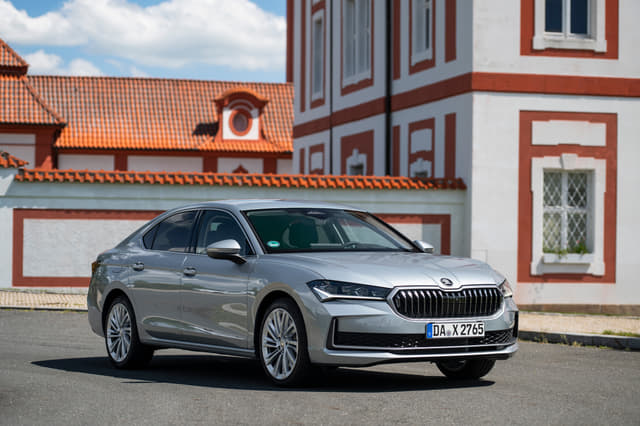
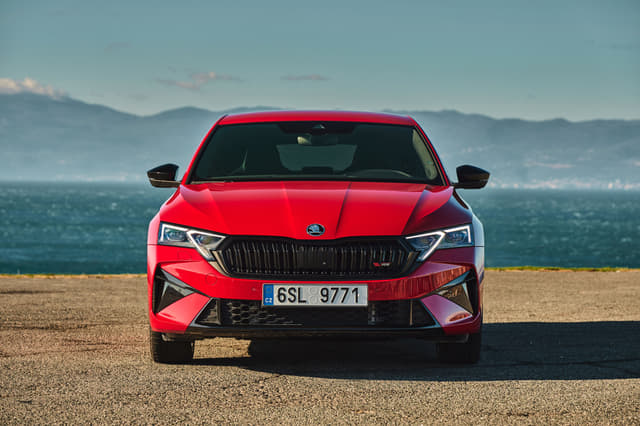
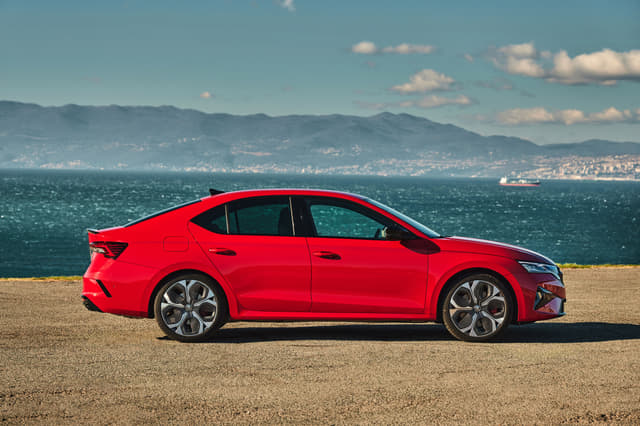
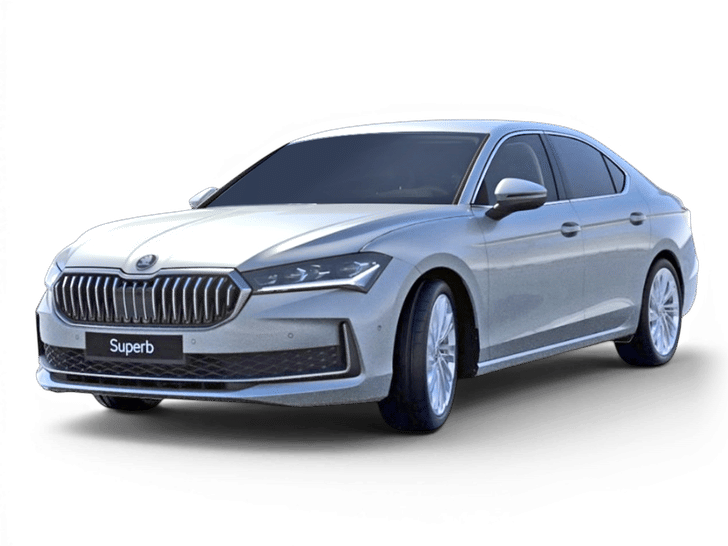
Skoda Superb Front Right Three Quarter
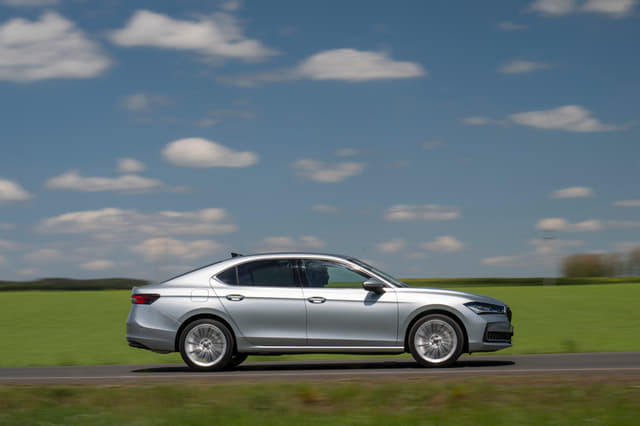
Skoda Superb Alloy Wheels
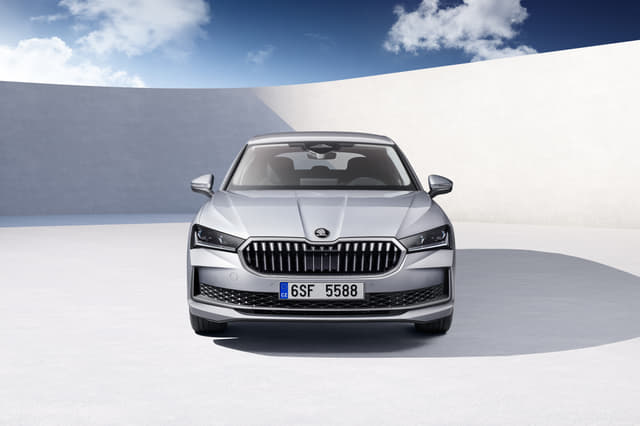
Skoda Superb Front View
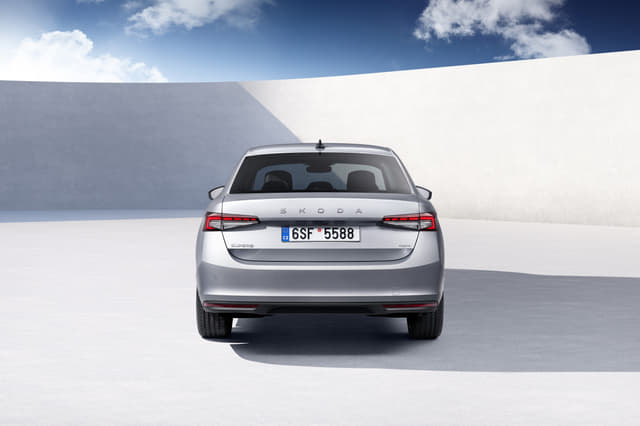
Skoda Superb Rear View
Skoda Superb Front Right Three Quarter
8
2026
Exp. Launch
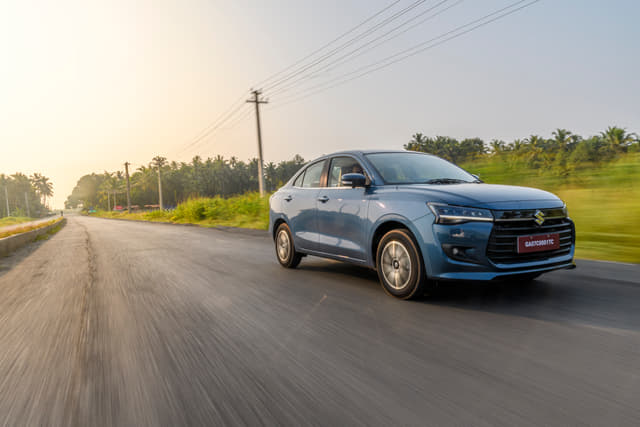
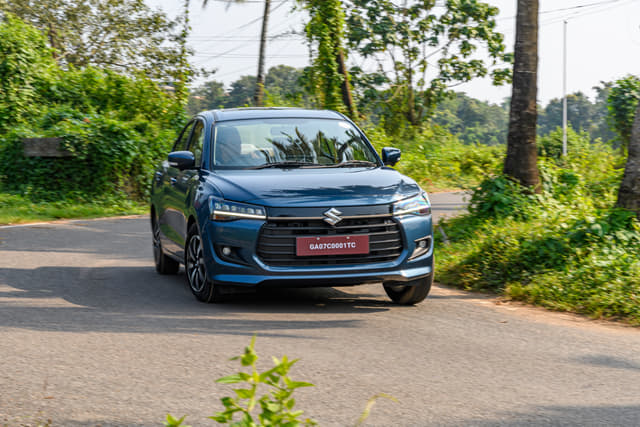
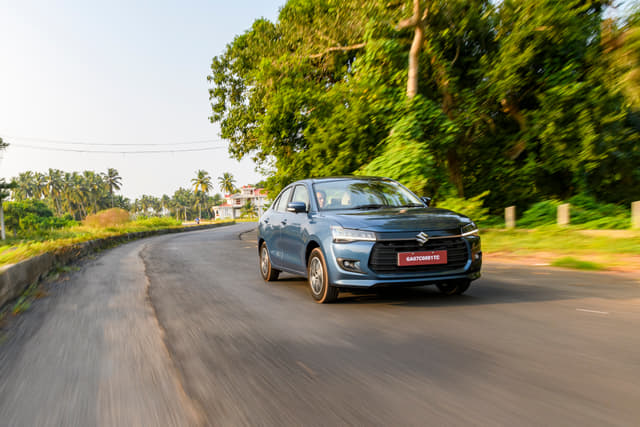
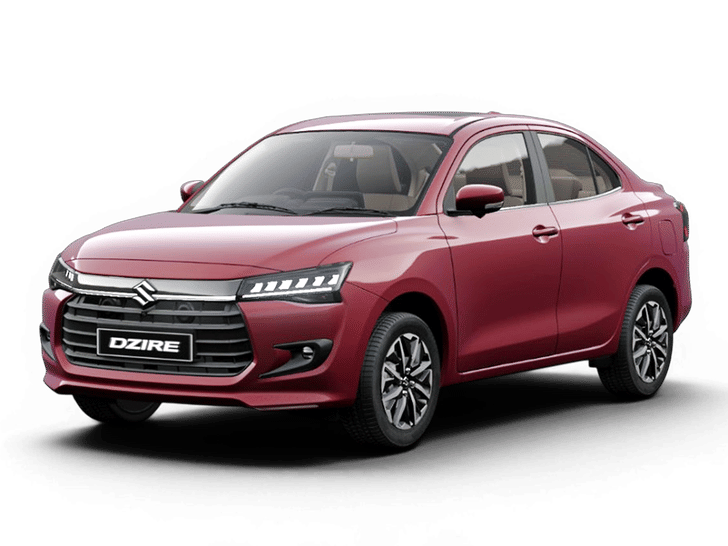
Maruti Suzuki Dzire Front Right Three Quarter
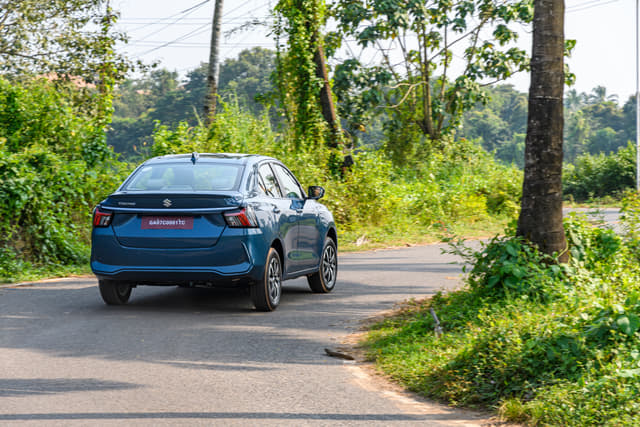
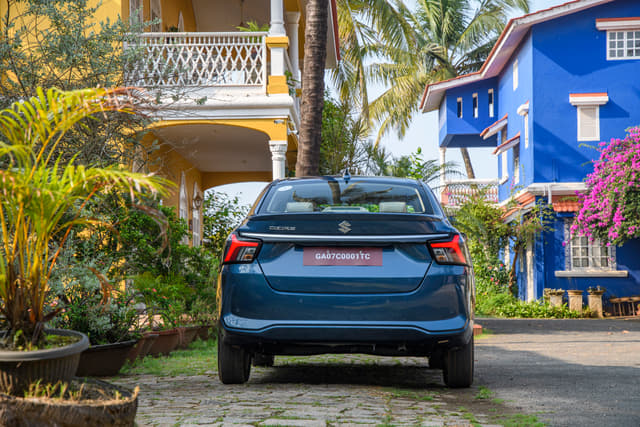
Maruti Suzuki Dzire Rear View
8
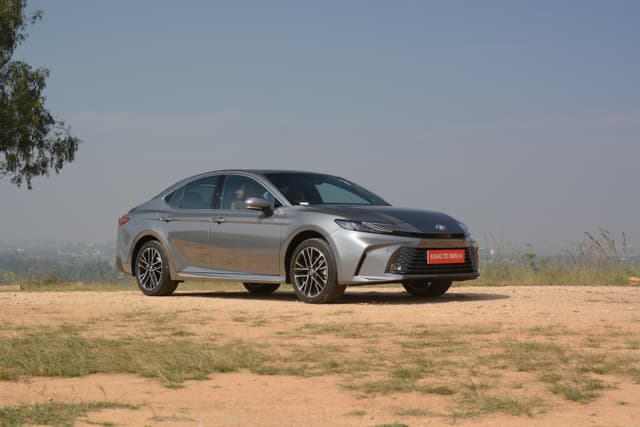
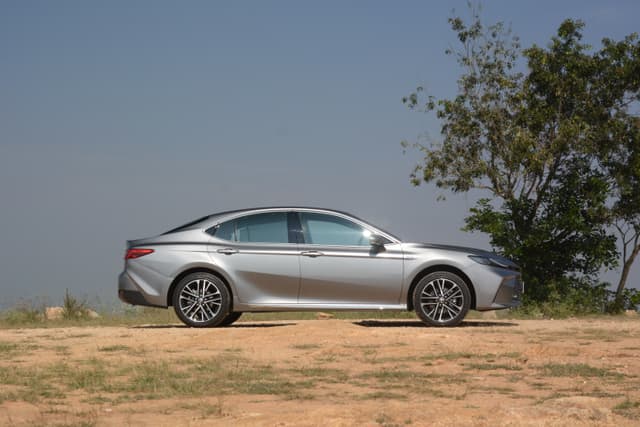
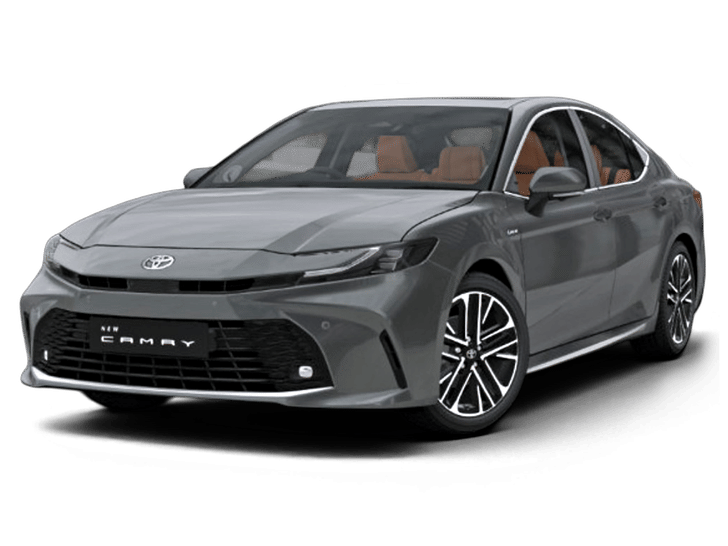
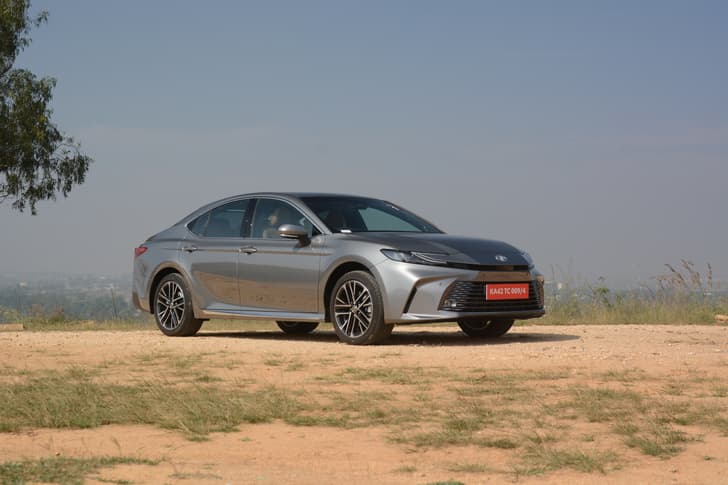
Toyota Camry Front Right Three Quarter
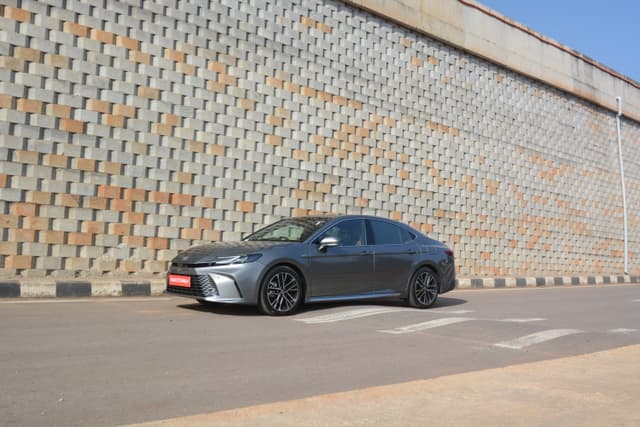
Toyota Camry Front Left Three Quarter
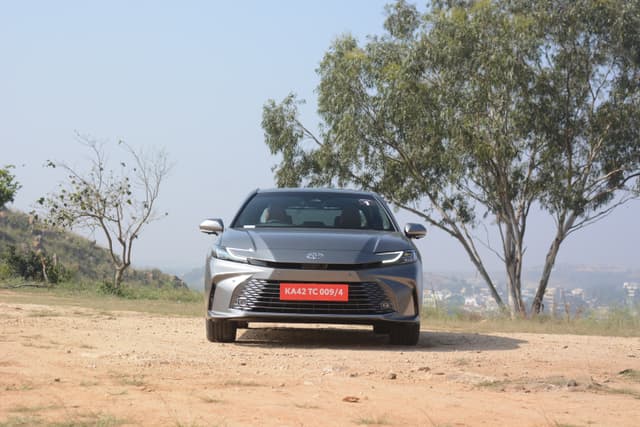
Toyota Camry Front View
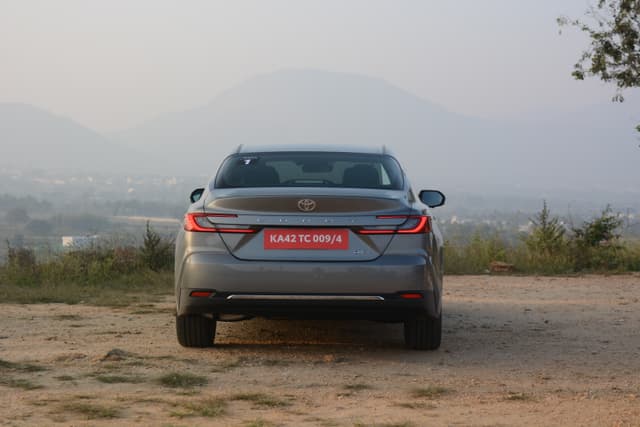
Toyota Camry Rear View
8
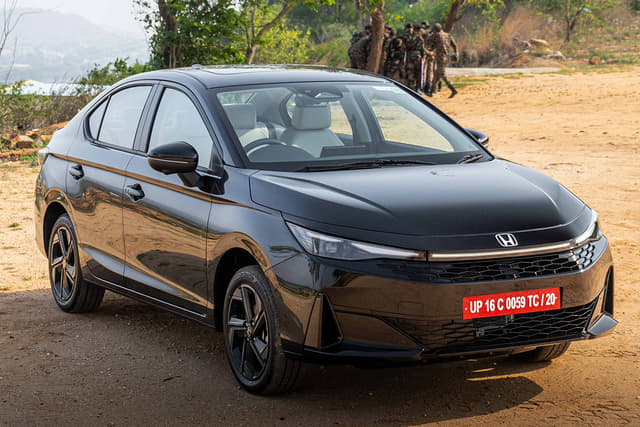
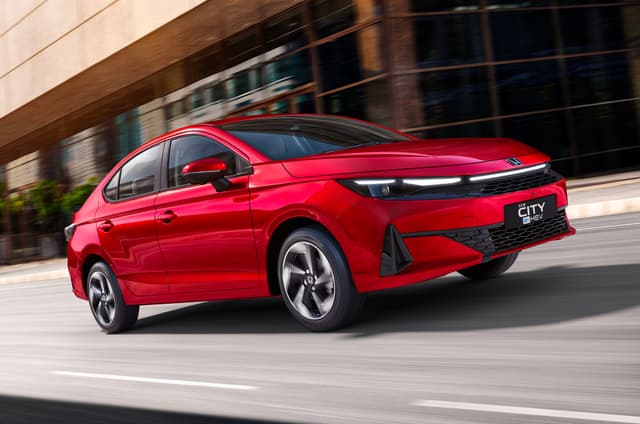
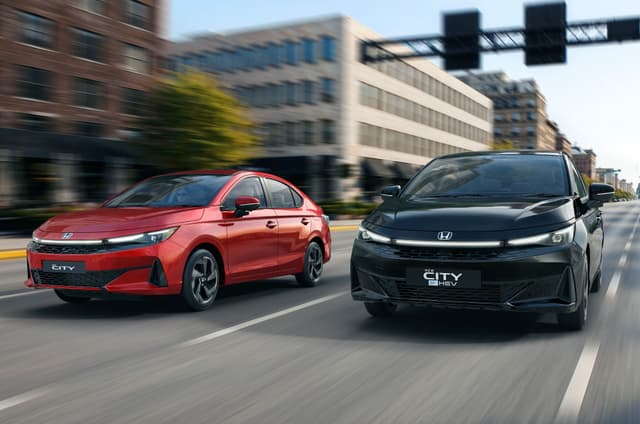
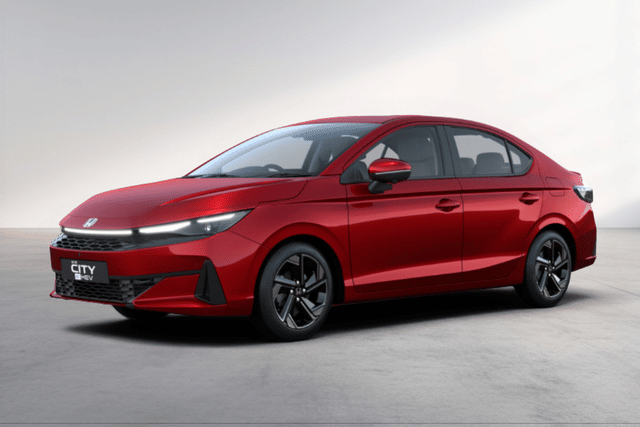
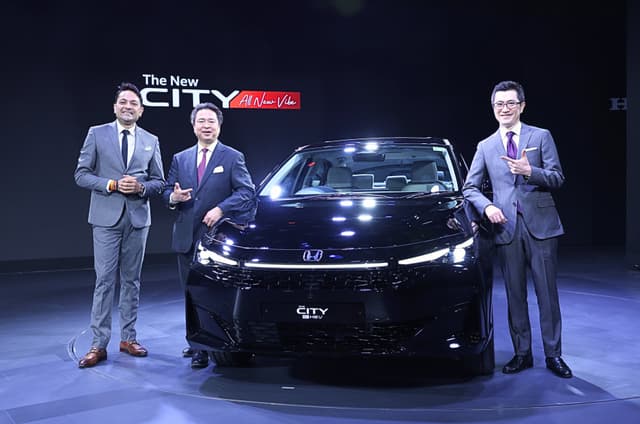
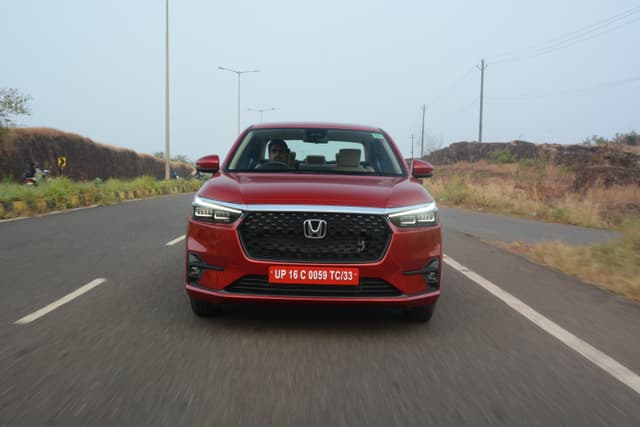
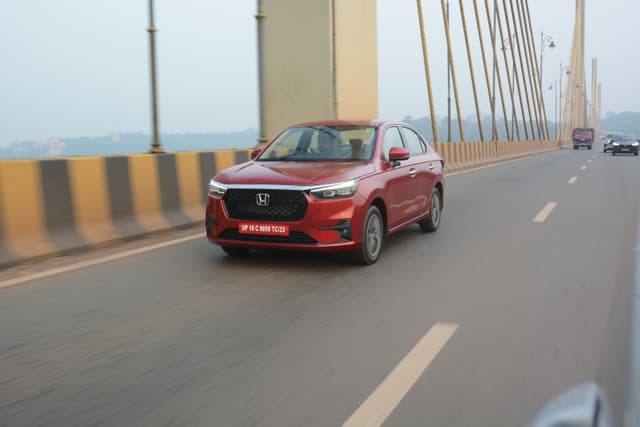
Honda City
Honda City
Honda City
Radiant Red Metallic color image
Honda City
7
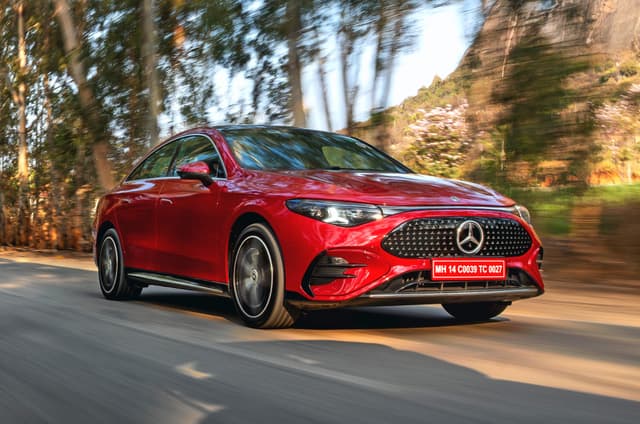
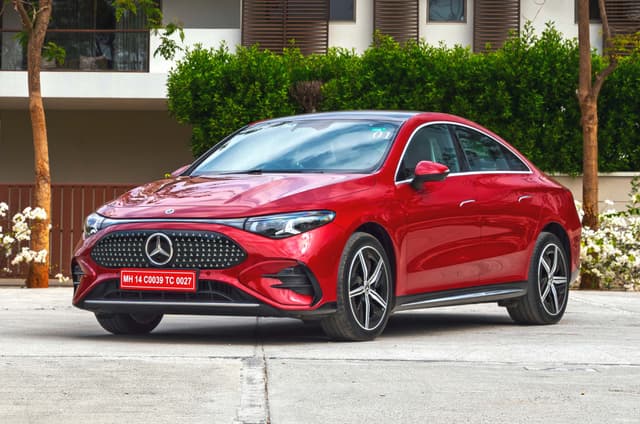
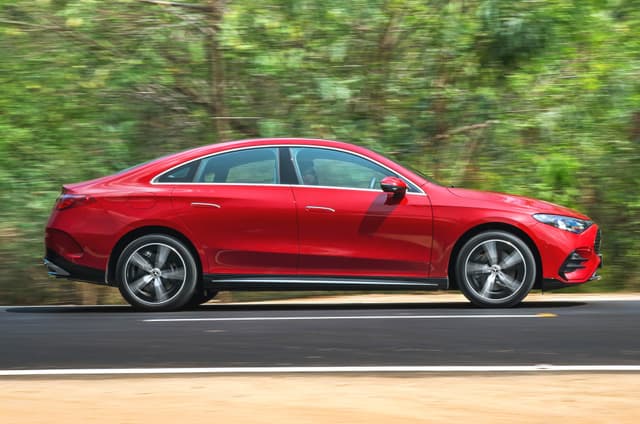
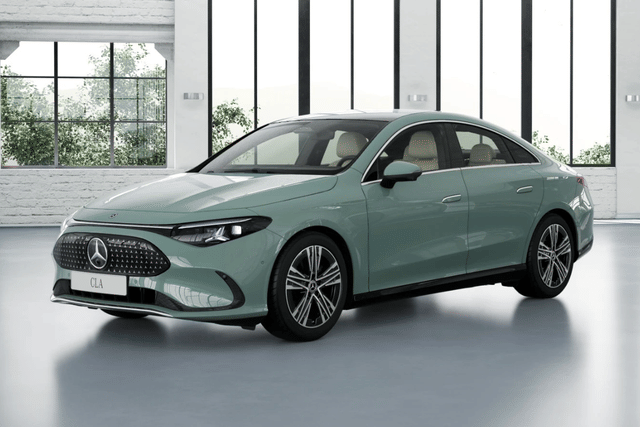
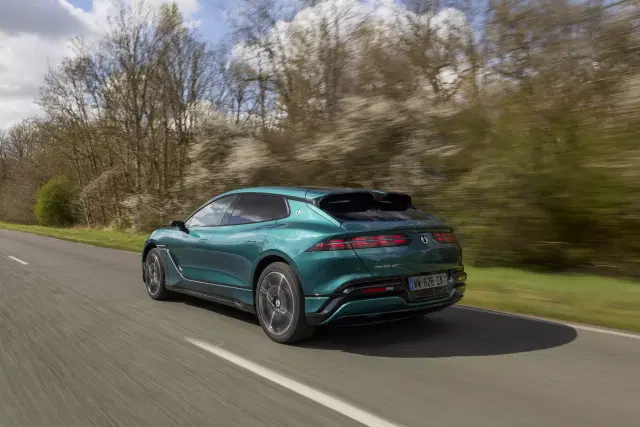
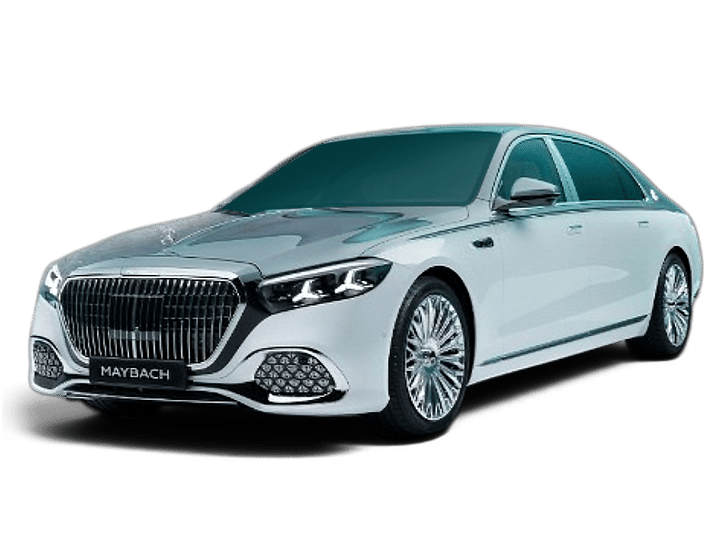
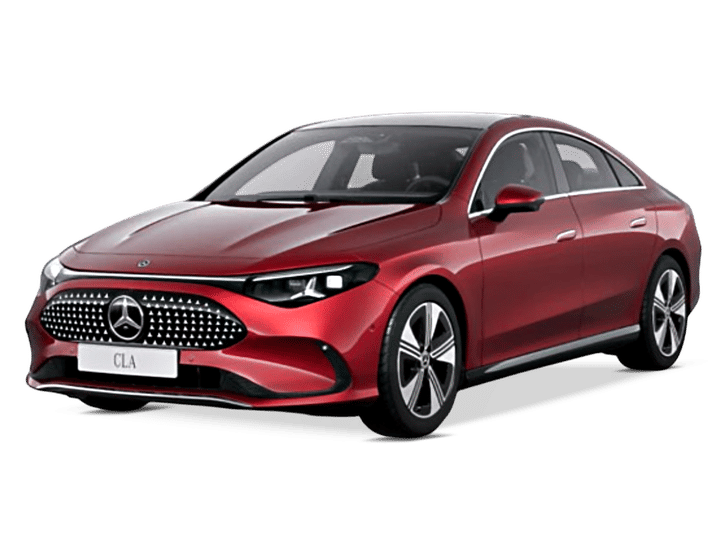
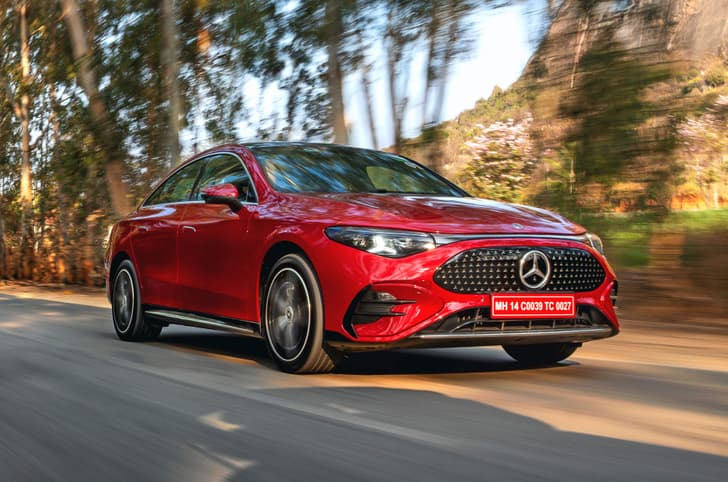
Mercedes-Benz CLA Electric
Aqua Mint color image
8
Electric icon
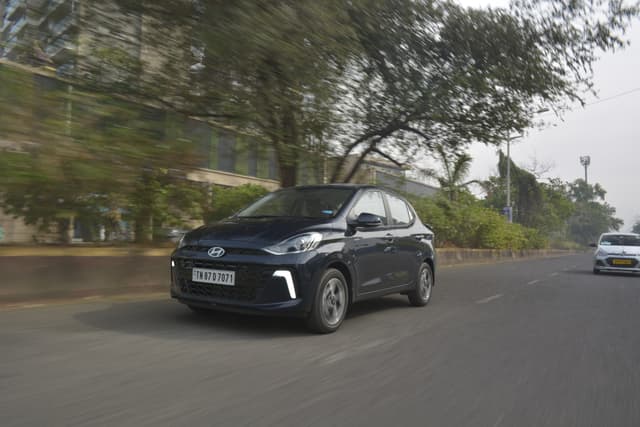
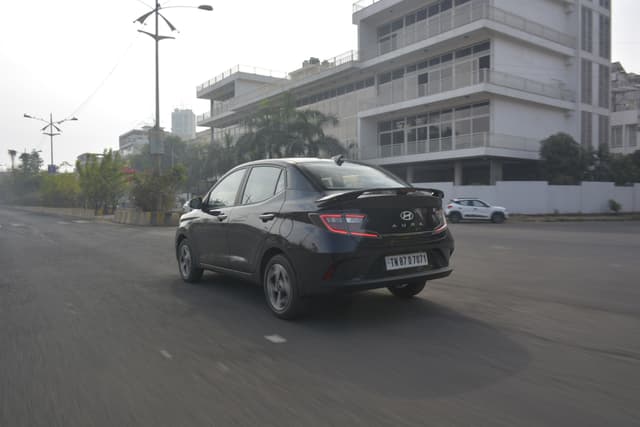
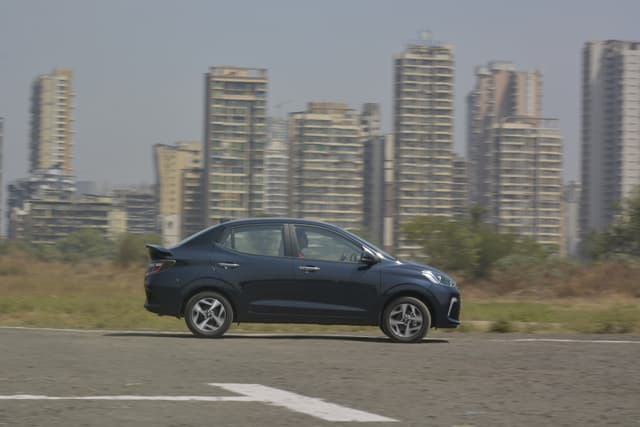
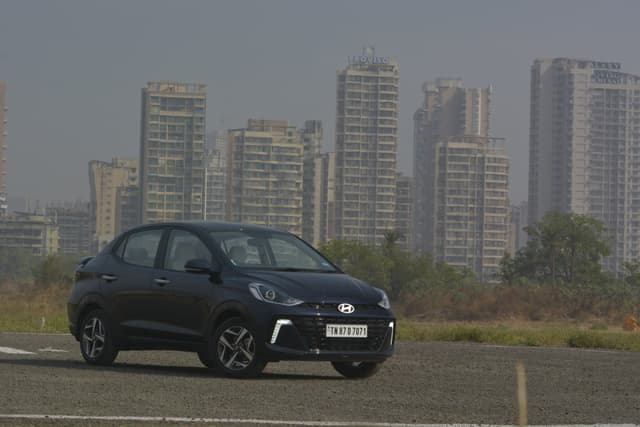
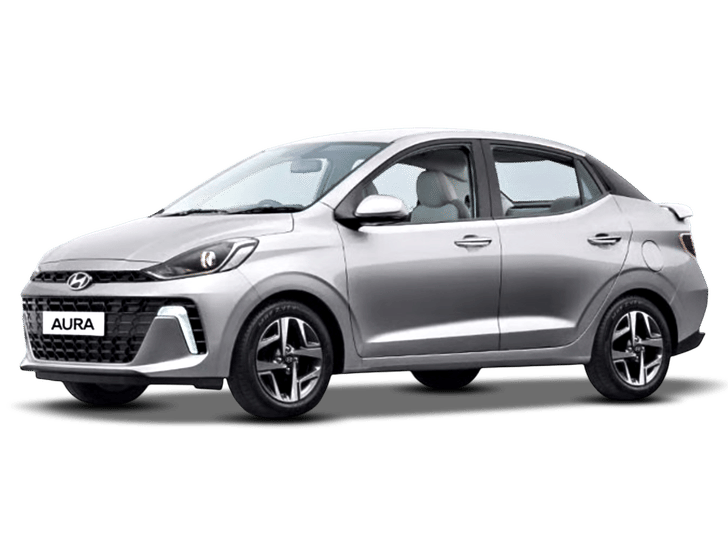
Hyundai Aura Front View
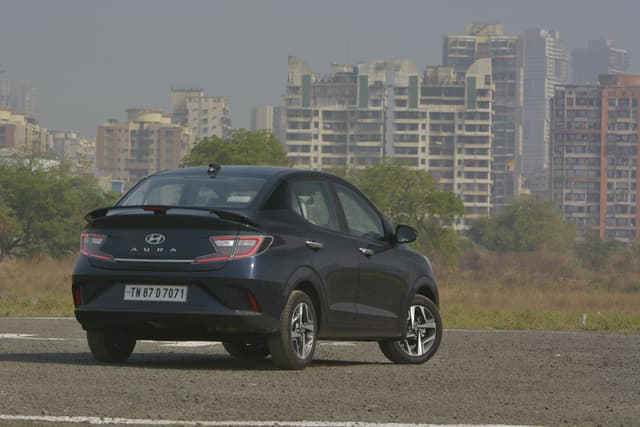
Hyundai Aura Rear View
Hyundai Aura Alloy Wheels
Hyundai Aura Front Right Three Quarter
7
Titanium Black color image
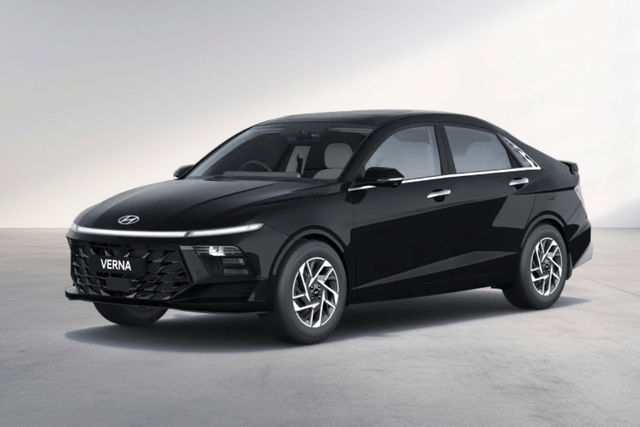
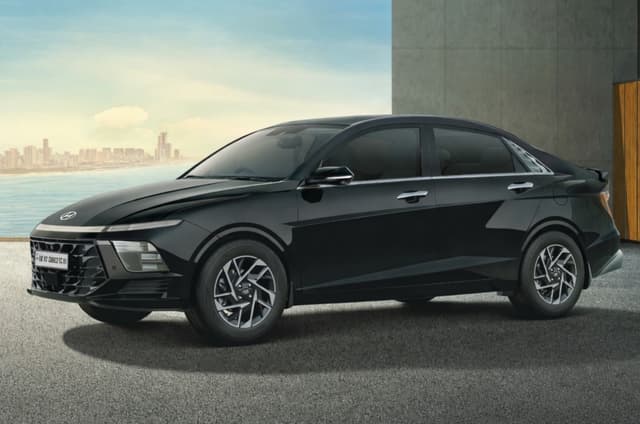
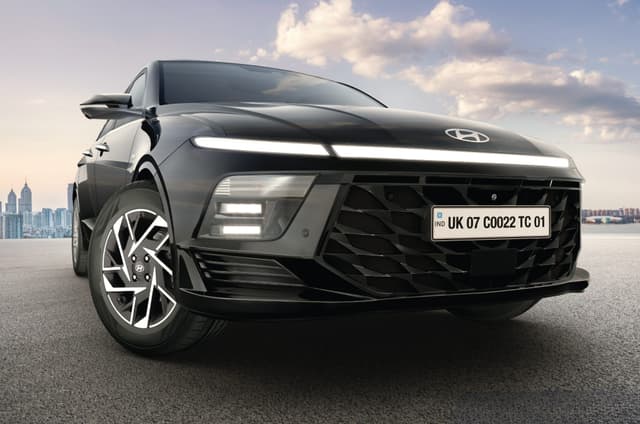
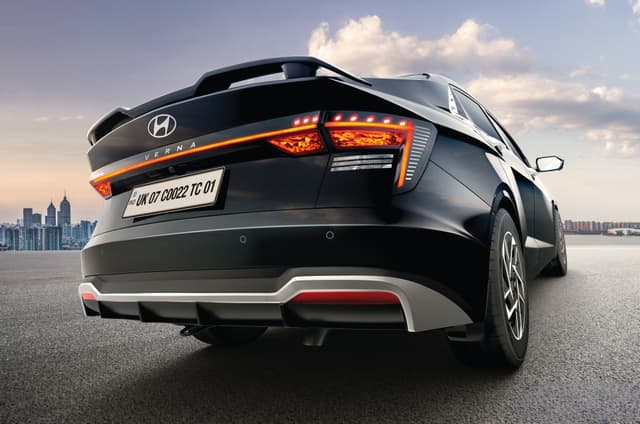
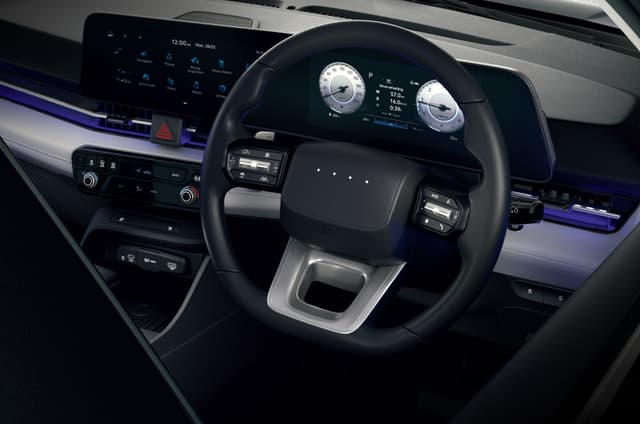
Hyundai Verna
Hyundai Verna
Hyundai Verna
Hyundai Verna
8
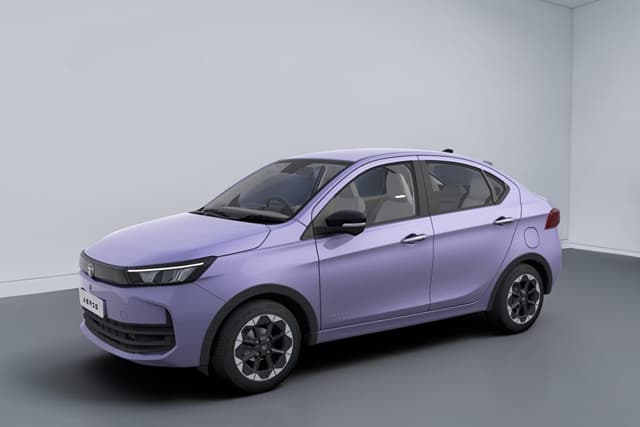
Tata Tigor Front Right Three Quarter
Tata Tigor Front Left Three Quarter
Tata Tigor Rear View
Tata Tigor Front Right Three Quarter
6
Upcoming
Audi A5
Audi A5
Audi A5
Audi A5
Audi A5
8
2026
Exp. Launch
Upcoming
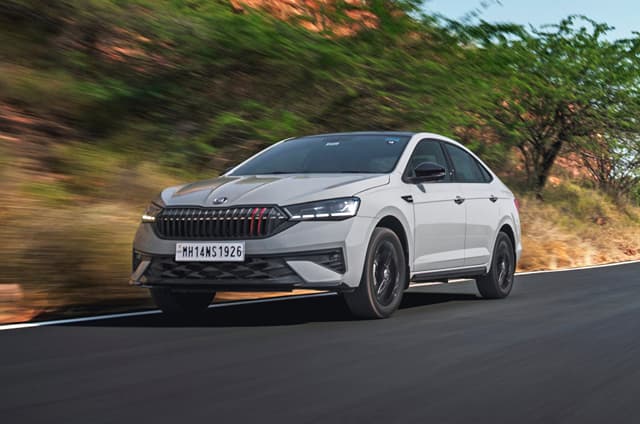
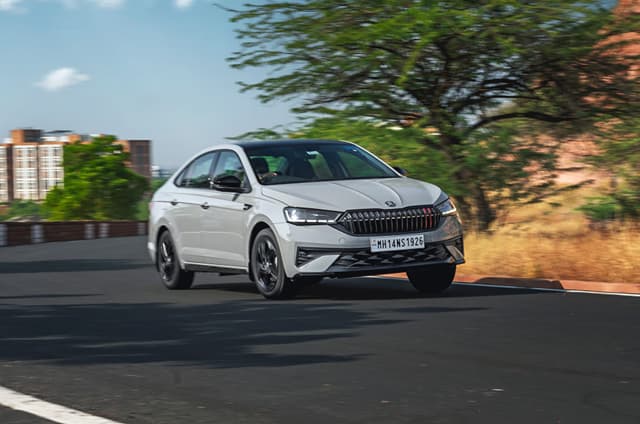
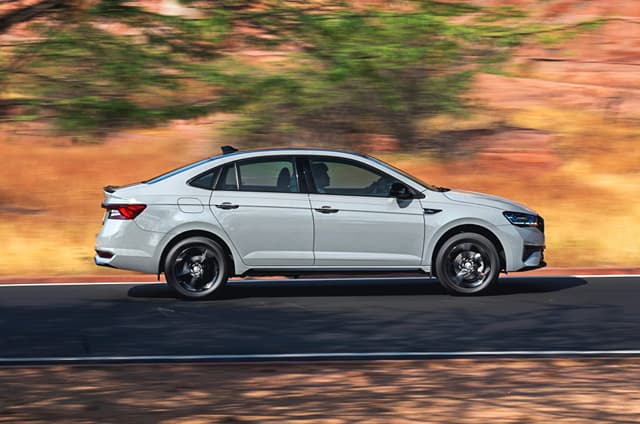
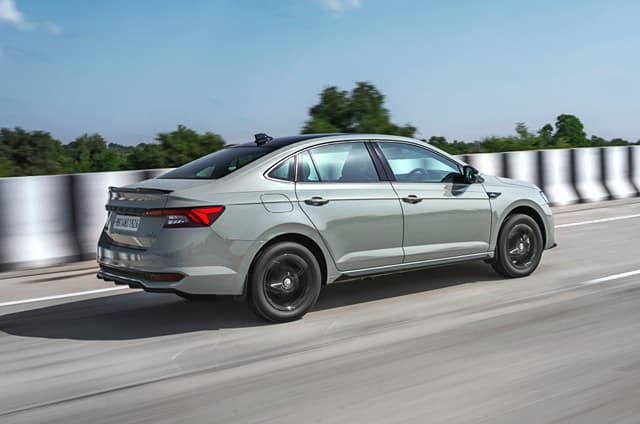
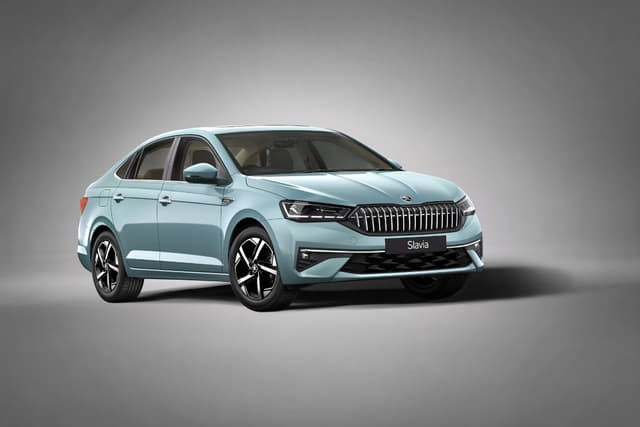
Skoda Slavia facelift
August 18, 2026
Exp. Launch
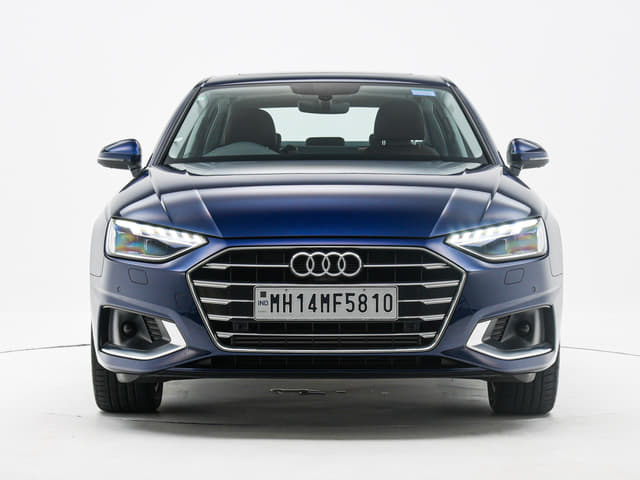
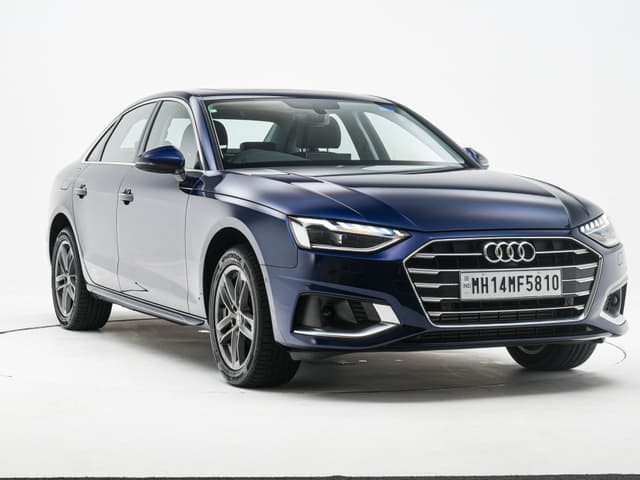
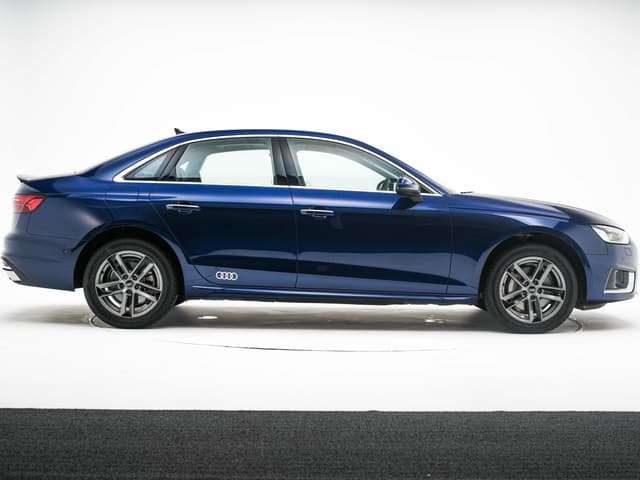
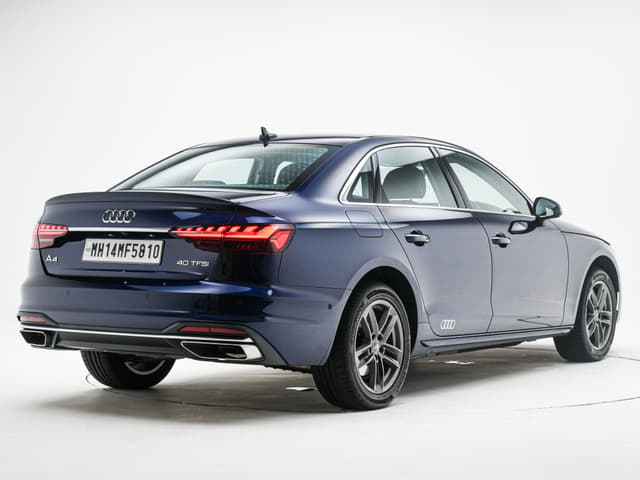
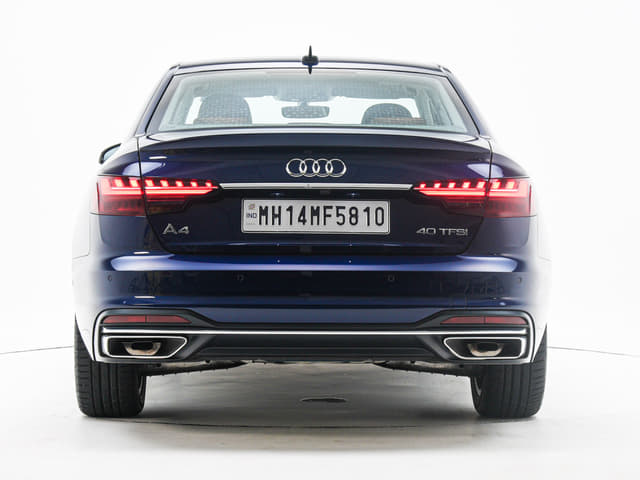
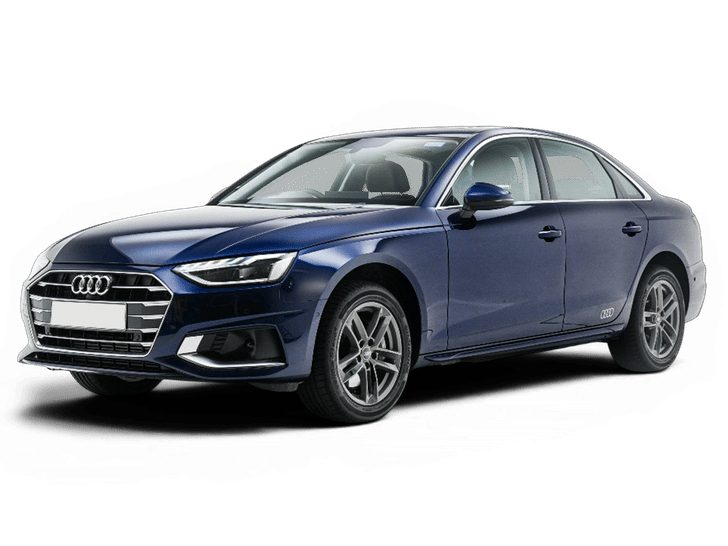
Audi A4
Audi A4
Audi A4
Audi A4
Audi A4
8
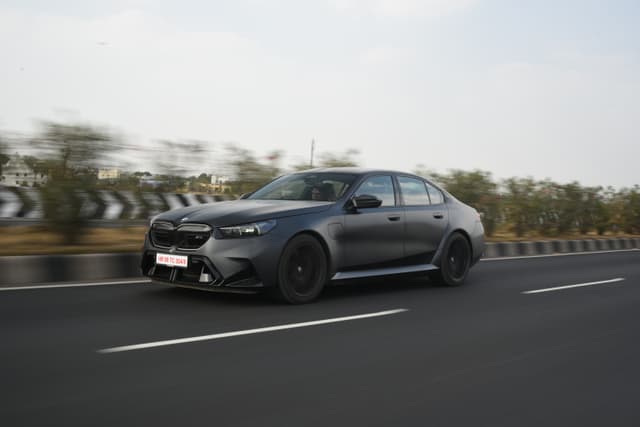
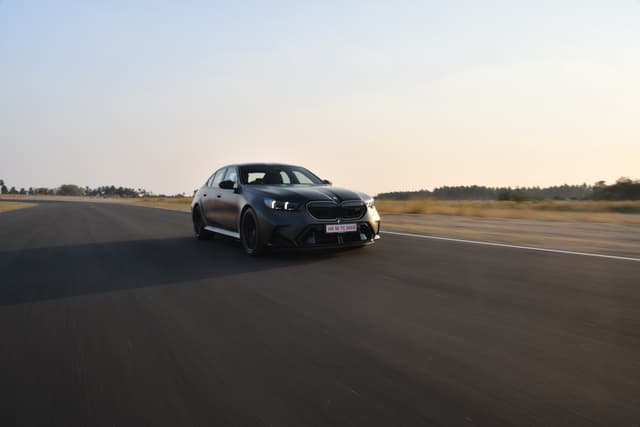
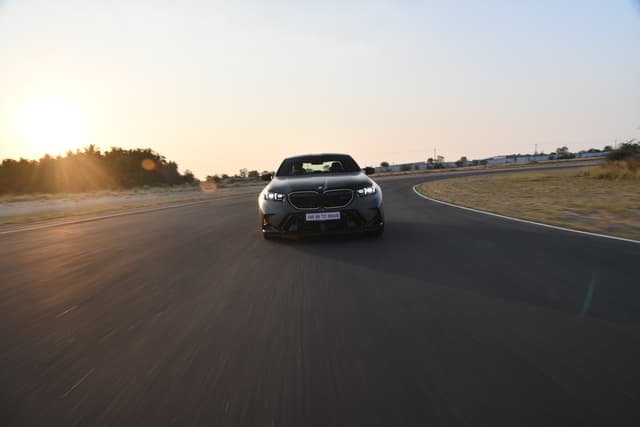
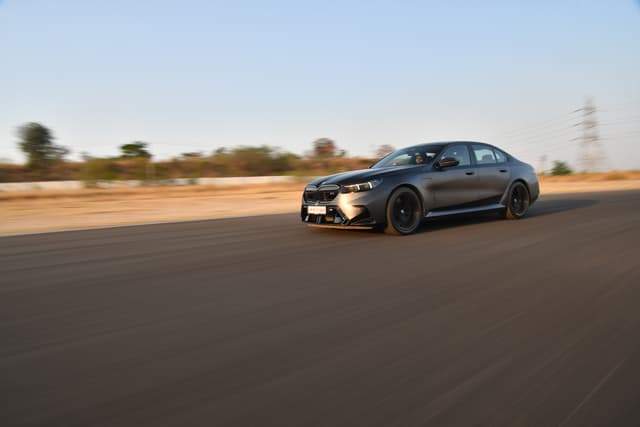
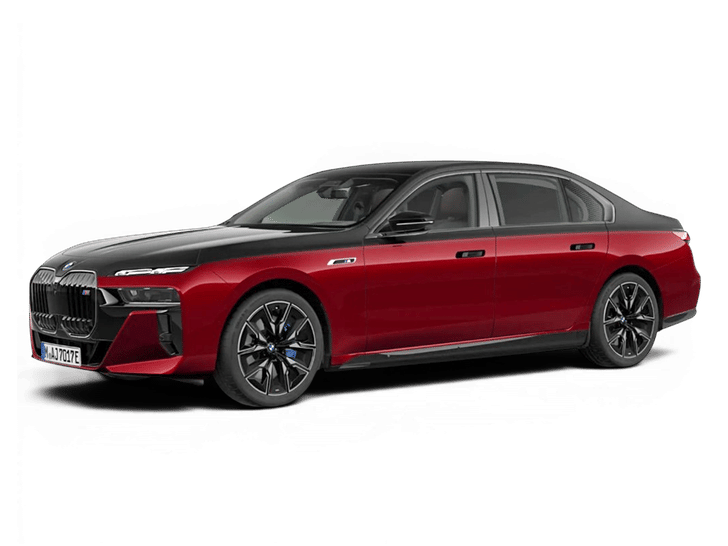
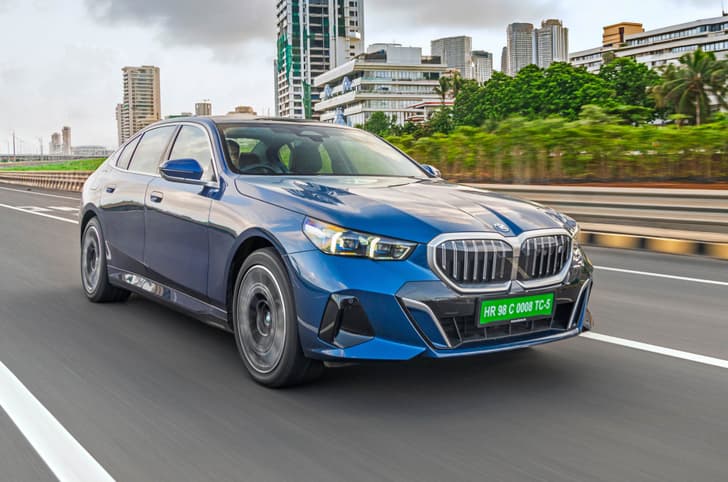
BMW M5 Front Right Three Quarter
BMW M5 Front View
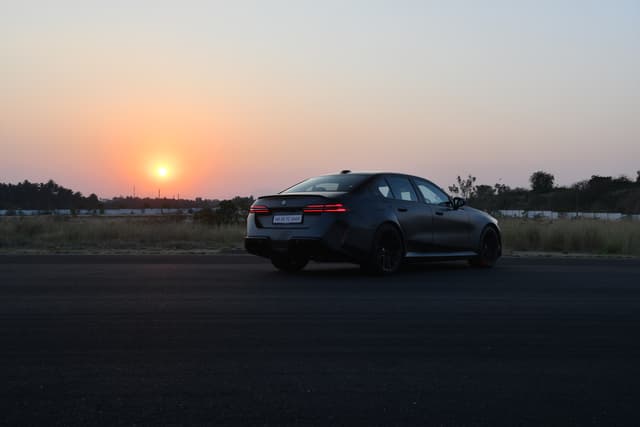
BMW M5 Rear View
BMW M5 Front Right Three Quarter
8

Sedan Cars - FAQs

Sedans usually sit lower to the ground than SUVs, which means they are not top heavy and have a lower centre of gravity. Because of this, automakers are better able to tune the suspension for a cushier ride, while the better driving dynamics comes from a reduced rolling effect in the corners.

Since the boot of a typical sedan is an entirely separate part of its body, manufacturers can design a boot with fewer compromises than most other body types. This segregation between luggage and occupants also allows brands to optimise the cabin for more space and comfort. Furthermore, the lower loading lip of a sedan's boot makes it easier to load heavier items.

Yes, the average sedan is lighter than the average SUV as the latter tends to be larger in general. Lower weight naturally reduces fuel consumption, which makes sedans more efficient than an SUV of a comparable segment.

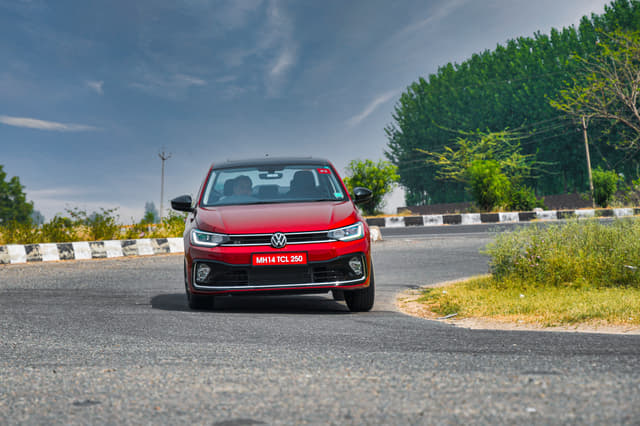
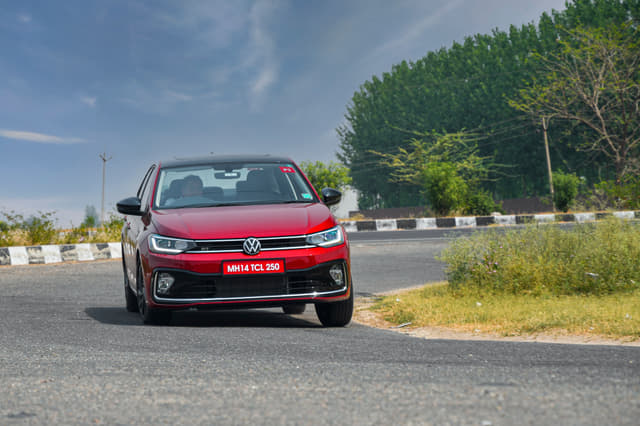
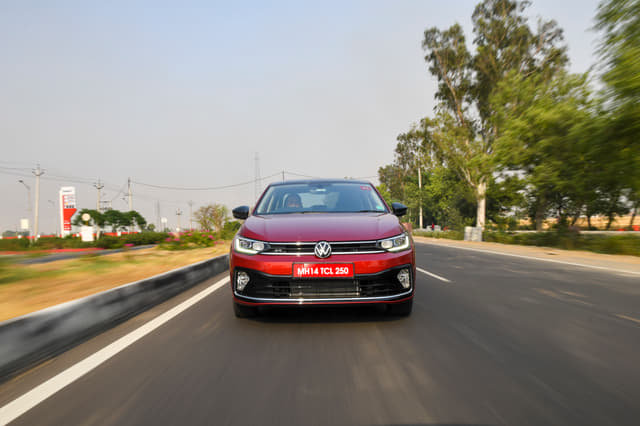
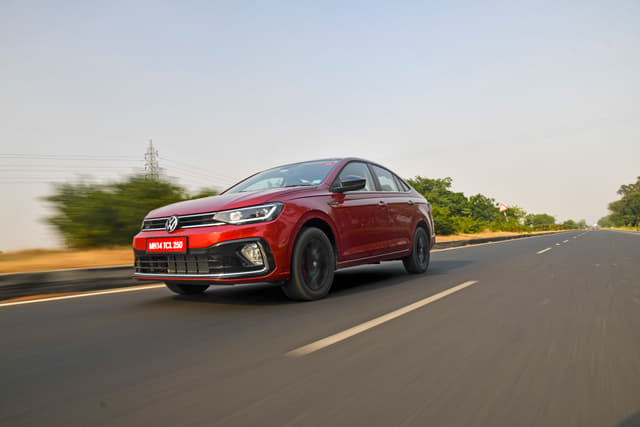
If you enjoy driving in a spirited manner and have a budget of around Rs 20 lakh, then the Volkswagen Virtus and Skoda Slavia are great options. The stiff MQB A0 IN platform and a well-calibrated steering allows these sedans to change directions swiftly and with confidence. When equipped with the 1.5-litre engine and dual-clutch automatic gearbox, the Virtus and Slavia feel particularly sporty and engaging to drive.

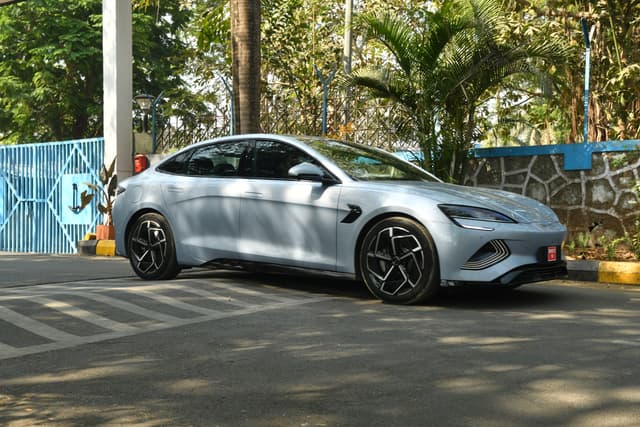
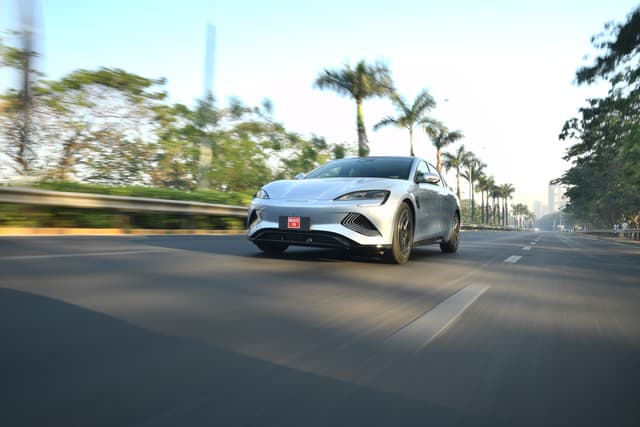
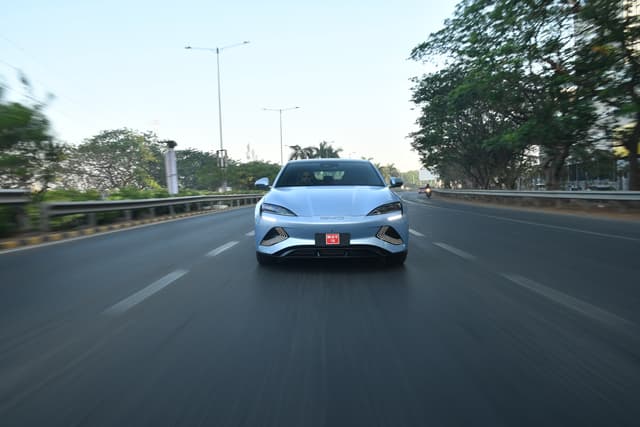
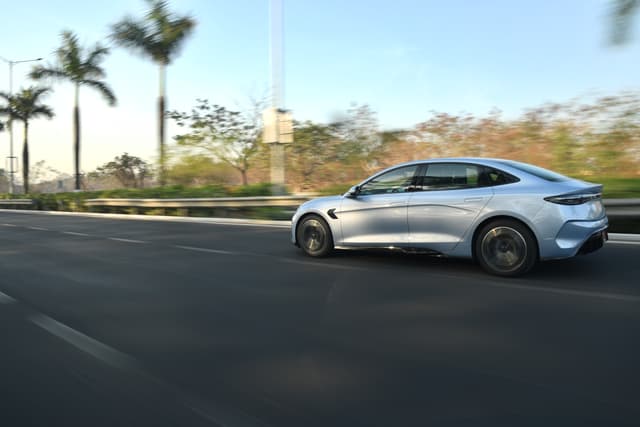
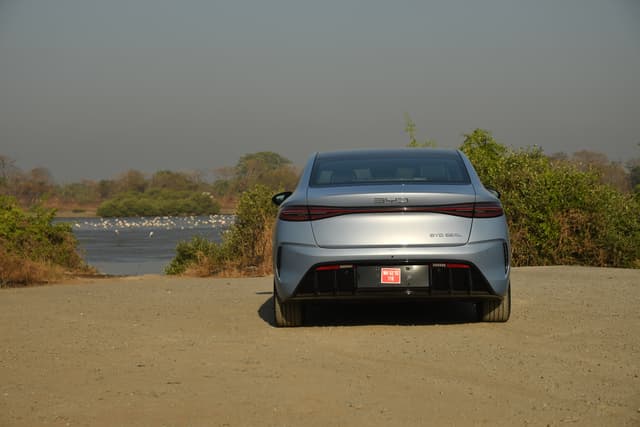
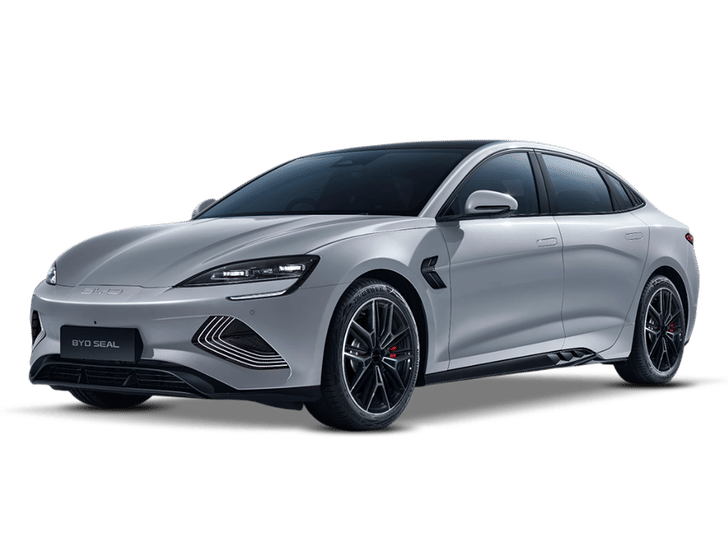
If you are worried about scraping the ground, you must know that ground clearance alone isn't a factor. Most sedans have an adequate amount of space between the underbody and the ground beneath. What matters more is the suspension setup (softly sprung ones can sink, leading to clearance issues), wheelbase (a longer wheelbase can increase the chance of scraping the belly), and overhangs (these can get caught at steep ramps or large speed-breakers). For example, an Honda Amaze or a BYD Seal can scrape their underbodies when loaded with occupants and luggage.
Need an expert opinion on your car related queries?

Trending Questions on Cars - Answered by Autocar Experts

5d

Hi, I own a Kia Sonet, which I am extremely disappointed with. About 99% of my driving is in the city, and my budget for a new car is around Rs 15-16 lakh. My priorities are a sedan with a smooth and comfortable ride, particularly over city speed breakers and potholes, along with good mileage, relatively low and hassle-free maintenance, reasonable running costs, and good after-sales service. Unfortunately, I have found the Kia Sonet disappointing in all these areas. I am therefore looking for a decent sedan that better suits my requirements. I also believe sedans generally offer a smoother and more comfortable ride than many of the newer compact SUVs. Please correct me if I am wrong and suggest some suitable options within my budget.
Verified
8h

Given your priorities, the Honda City is the clear recommendation. It is a proven sedan with a comfortable ride, excellent reliability and low maintenance costs. The suspension is well-tuned for city use, and it handles speed breakers and potholes with a level of composure that many compact SUVs struggle to match. Honda's service network is strong, and ownership experience is generally hassle-free. The petrol engine is smooth and efficient, making it a great fit for predominantly city driving.Your observation about sedans is largely correct. A well-engineered sedan like the City often delivers a smoother and more settled ride than many compact SUVs, especially over broken city roads.If you want a more premium feel and a slightly softer ride, the Hyundai Verna is also worth considering. It is a comfortable and refined sedan with good service support, but the Honda City remains the more proven long-term ownership proposition.The key is to avoid turbo petrol engines with DCT gearboxes, as they can be less suited to stop-start city traffic. The naturally aspirated petrol engines in the City and Verna are smooth, reliable and well suited to your usage.Overall, the Honda City is the most sensible and satisfying choice for your requirements.

Vehicle
Vehicle
1w

Looking for a sedan that fulfils the following criteria, in order of preference: Smooth, non-bumpy ride that doesn’t wobble over potholes and speed breakers Good mileage Relatively low maintenance costs Comfortable rear seats with good legroom, as the car will be chauffeur-driven Budget: Rs. 12–16 lakh Usage: 95% in city traffic Please suggest suitable sedans based on the above criteria, ranked from highest to lowest preference. Brands such as Honda, Hyundai, Skoda and Volkswagen are preferred. I am currently using a Kia Sonet, which is absolutely disappointing in all the above respects. Thanks, Dr Chinwalla

Verified
1d

For your requirements, the Honda City is what we would recommend. It offers the most comfortable rear seat in the segment, with excellent legroom and a well-cushioned bench that makes this Honda car ideal for chauffeur-driven city use. The ride quality is also very well judged, with the suspension absorbing potholes and speed breakers without the car feeling bouncy or unsettled. Honda’s reputation for reliability and relatively low maintenance costs further strengthens its case, and the City’s petrol engine is efficient enough for your predominantly city driving.The Hyundai Verna 1.5 MPI would be the second choice. It offers a comfortable ride and a premium cabin experience, but the rear seat is not as spacious or as comfortable as the City’s, which is a key consideration for your usage. And while the mileage is good, it's not quite as good as the City's. The Skoda Slavia and Volkswagen Virtus are both good cars, but their ride quality is firmer, and they are not as well suited to chauffeur-driven city use.Overall, the Honda City is the best fit for your requirements and budget. It delivers the right balance of comfort, ride quality, efficiency and ownership experience for a predominantly city-driven sedan.

Vehicle
Vehicle
Vehicle
Vehicle
3d

I currently drive a 2018 Polo GT TSI. Now, I am looking for a new primary car; the Polo will continue as a secondary city car. The purpose of the primary car is a more comfortable back seat for my elderly parents, and I will have a weekly, once- or twice-a-week intercity expressway commute of about 300 km a day. So, comfort on the highway is also very important. Should I go with an EV? If so, which one? Or should I opt for the Virtus GT, as I enjoy my Polo a lot, or consider any other sedan? Budget: Up to Rs. 30 lakh OTR in Karnataka.

Verified
3d

Given your requirements, the Volkswagen Virtus GT is the most sensible choice. You already enjoy your Polo GT TSI, and the Virtus GT builds on that formula with a more powerful 1.5 TSI engine, a larger and more comfortable cabin, and a genuinely enjoyable driving experience. It is one of the best driver's cars in the segment, and it is also well suited to long expressway runs.The back seat is a significant step up from the Polo, with good legroom and a comfortable seating position for your parents. The ride is on the firmer side, but it is well controlled at highway speeds, and the car feels stable and confidence-inspiring on long journeys.On the EV question, a 300km round trip once or twice a week is right on the edge of what most mainstream EVs can comfortably manage without charging stops in the real world. While cars like the Tata Harrier EV and XEV 9S can technically do it, you would be running the battery down to low levels, and charging infrastructure is still not consistent enough to make this a stress-free experience. The Virtus GT, on the other hand, is completely hassle-free on long highway runs.Overall, the Virtus GT strikes the best balance between driving enjoyment, rear seat comfort and long-distance usability. It is the car you are most likely to still enjoy owning after five years. If you can wait a few months, however, Volkswagen is launching a facelifted version that should get a few more features.

Vehicle
Vehicle
Vehicle
4d

I am currently using my dad's Maruti Ritz and wish to upgrade to a more premium sedan or SUV. My current shortlist includes the Toyota Hyryder Strong Hybrid, Skoda Slavia, and Honda City e:HEV. Several thoughts and concerns keep coming to mind regarding each vehicle. The Hyryder is not a proper SUV, and its 3-cylinder engine has more vibration than 4-cylinder engines. The Slavia's 4-cylinder engine is giving single-digit fuel efficiency, especially with the E20 fuel concerns. I am also worried about the long-term maintenance of its turbo engine. The City e:HEV is priced above Rs. 20 lakh, attracting luxury tax, and its on-road price goes beyond Rs. 25 lakh. I am not sure whether the cost-benefit equation will work in favour of the City. The Slavia facelift is also around the corner. I wish to keep my next car for at least 10 years.

Verified
4d

Based on your requirements, the Toyota Urban Cruiser Hyryder Strong Hybrid is the most sensible upgrade. Your concerns about the 3-cylinder engine are understandable, but in the hybrid, the petrol engine is assisted by the electric motor, which smooths out the power delivery and reduces the typical 3-cylinder vibrations. This Toyota car also delivers excellent fuel efficiency, especially in city driving, which will make a significant difference over a 10-year ownership period. While it may not be a "proper" SUV in the traditional sense, it offers a higher seating position, good ground clearance and a comfortable ride, making it a practical and premium upgrade from the Ritz.The Honda City e: HEV is a strong alternative, but the higher price pushes it into a different budget bracket, and the cost-benefit equation becomes harder to justify. The Skoda Slavia is a great driver's car with a smooth 4-cylinder engine, an extremely practical cabin and strong performance, but if efficiency is a high priority, it is best to stick to the strong hybrid. The Slavia will receive an update soon, which will also feature a new gearbox which replaces the earlier Aisin-sourced 6-speed torque converter (AQ250) with a newer Aisin 8-speed torque converter (AQ300). This will be exclusive to the 1.0-litre engine and will be a bit more efficient too. However, in comparison to a strong hybrid, nothing really comes close. Overall, the Hyryder Strong Hybrid offers the best balance of efficiency, reliability and ownership experience for your needs.

Vehicle
Vehicle
Vehicle
4d

Hi, I own a 9 years old Baleno and am planning to upgrade the car but am really confused which one to choose. I want a 5-seater car for highway and city driving with automatic transmission under 18 lakh. I need a reliable car that I can use for atleast next 7 to 8 years. The car must have Adas level 2 but sunroof is not required.

Verified
4d

Based on your requirements, the Mahindra XUV 3XO AX7L automatic is the best fit. It is a genuinely spacious 5 seater with a wide rear bench, a strong turbo petrol engine and a well-tuned automatic gearbox that makes both city and highway driving easy. It also offers Level 2 ADAS, which is a key requirement for you, and the AX7L variant sits comfortably within your Rs. 18 lakh budget. The 3XO is also one of the safest cars in the segment, with a 5-star Bharat NCAP rating, and Mahindra's service network has improved significantly in recent years. The only real drawback is the boot, which is on the smaller side for the segment, but as a 5 seater it is one of the best options available today. If you want a more premium cabin and a larger boot, the Kia Seltos HTX automatic is the alternative to consider, but it will push your budget closer to Rs. 20 lakh and you will have to compromise on ADAS availability at that price point. Overall, the XUV 3XO AX7L is the most balanced and value-for-money choice for your needs.

Vehicle
Vehicle

Last Updated on: 16 Aug 2026