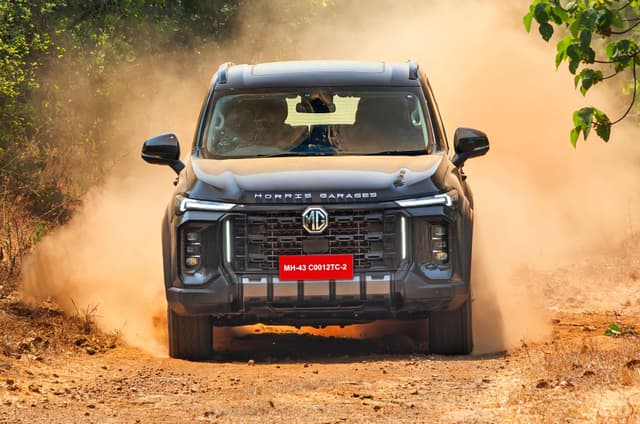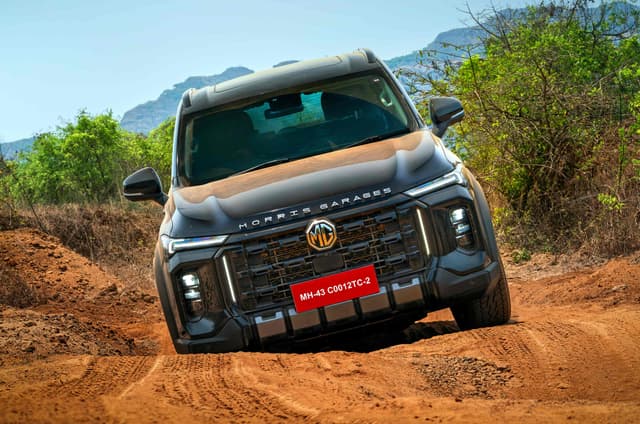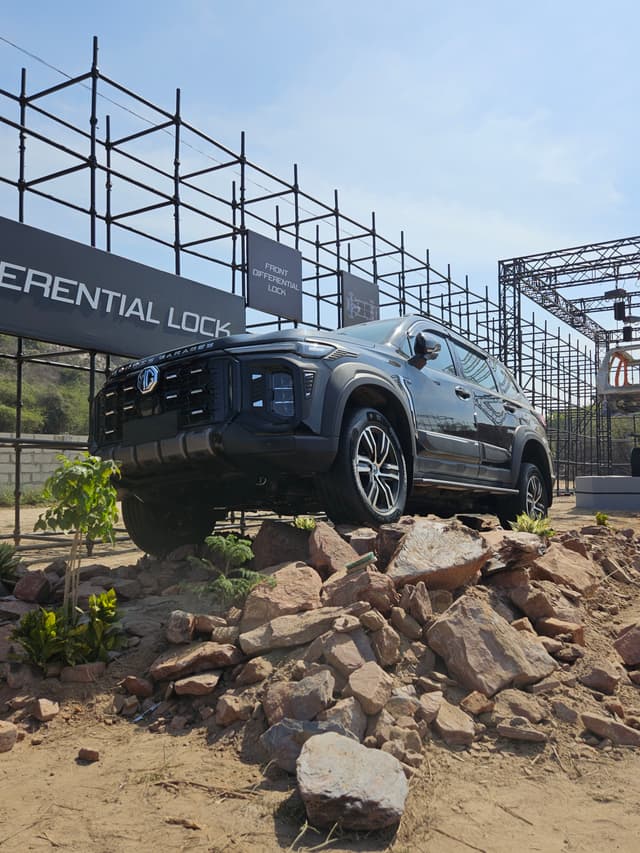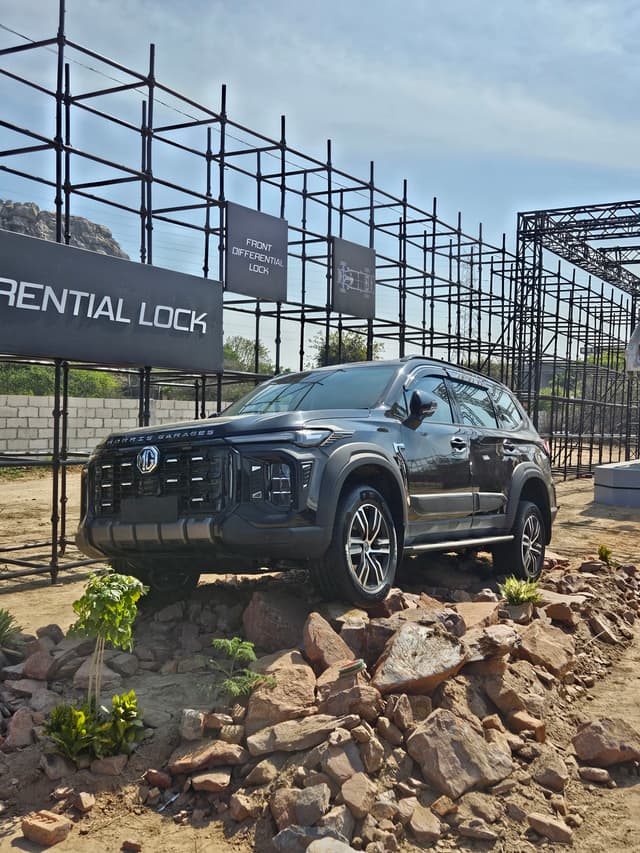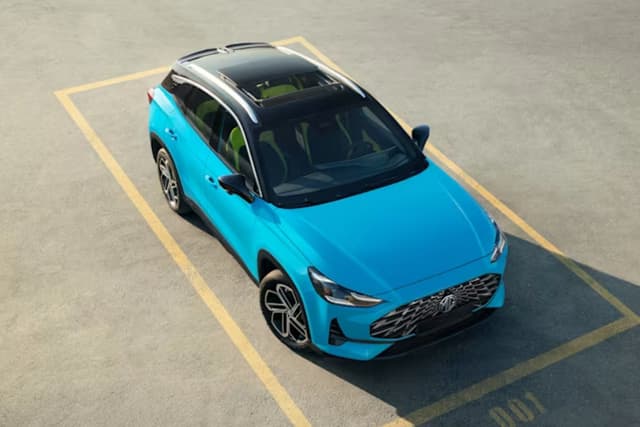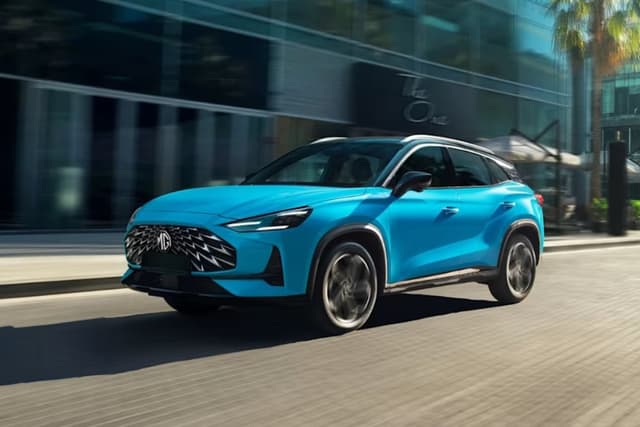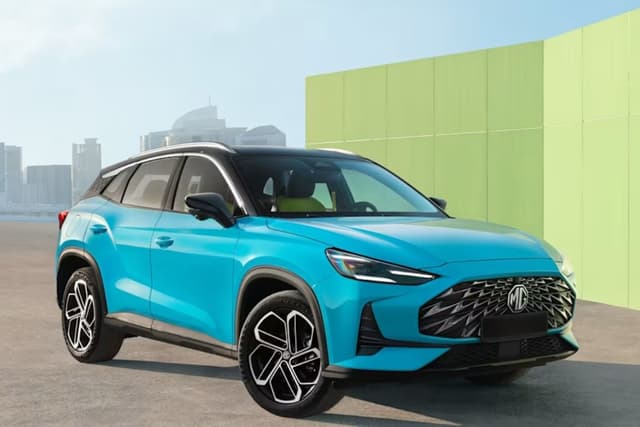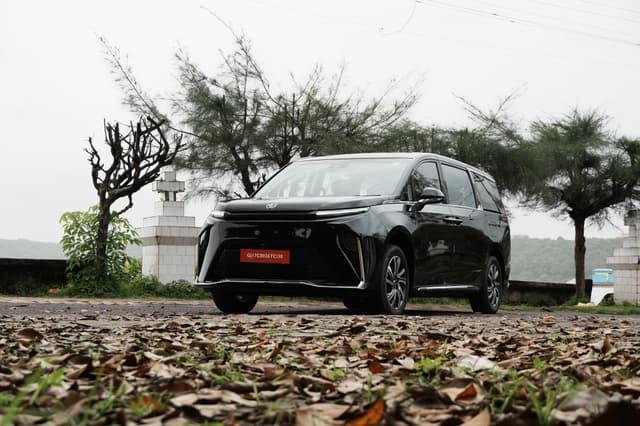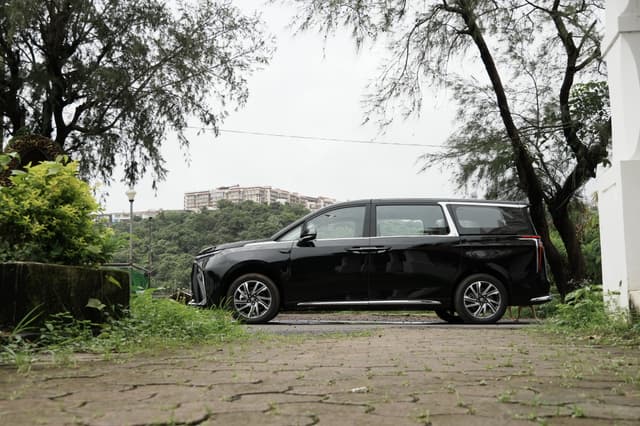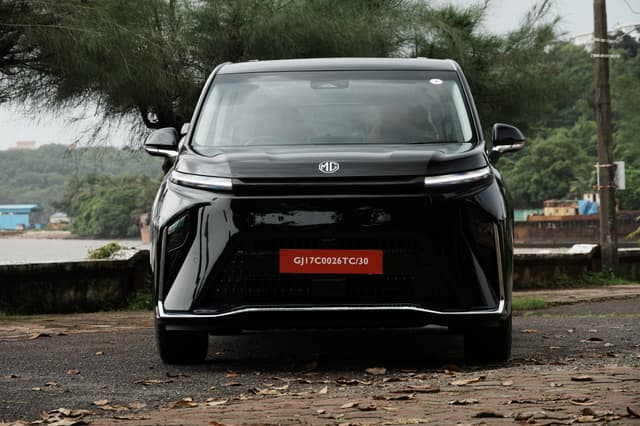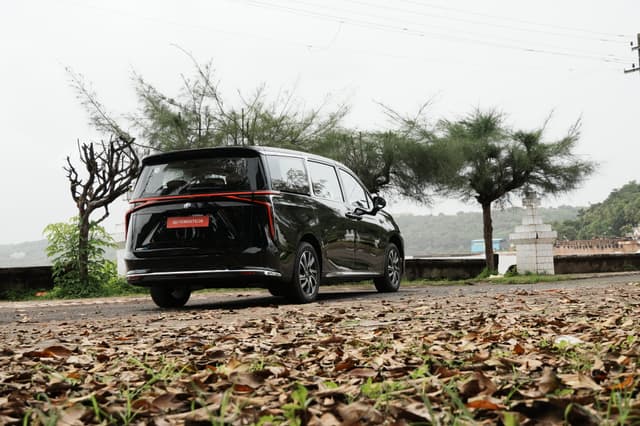

MG cars in India (11)
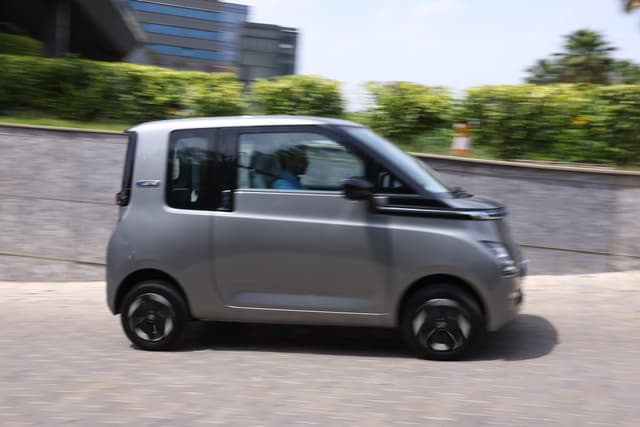
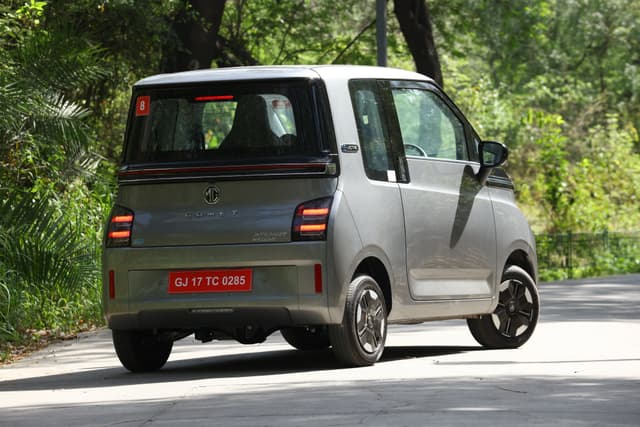
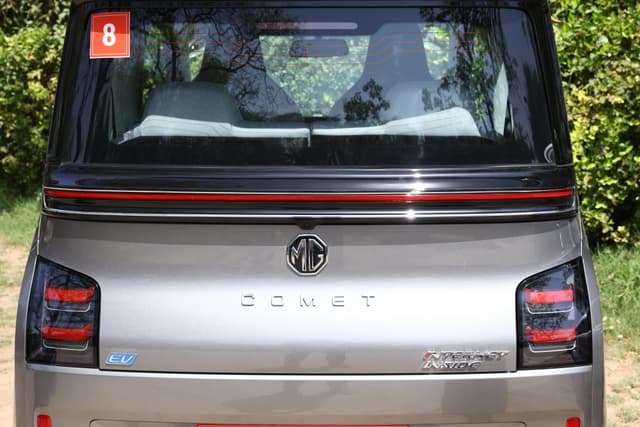
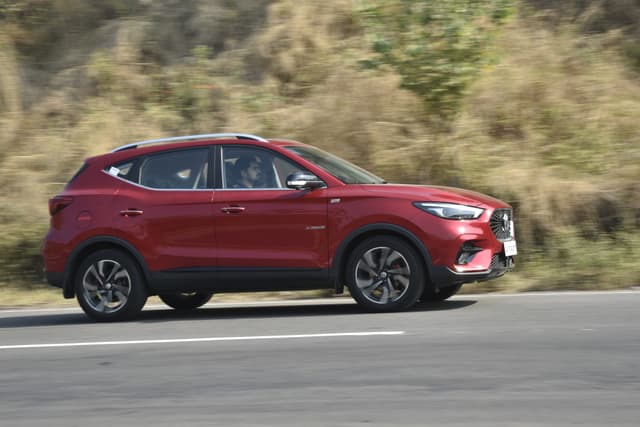
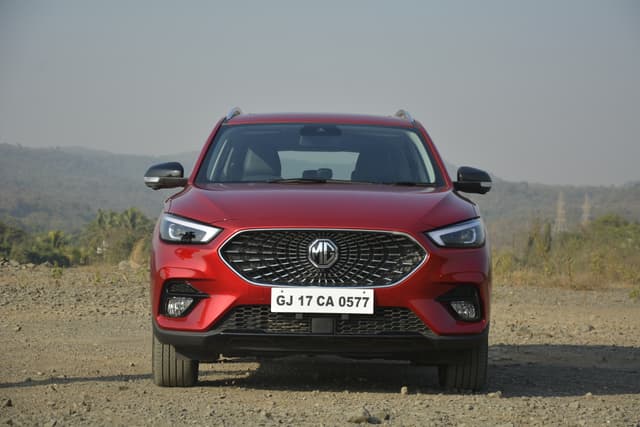
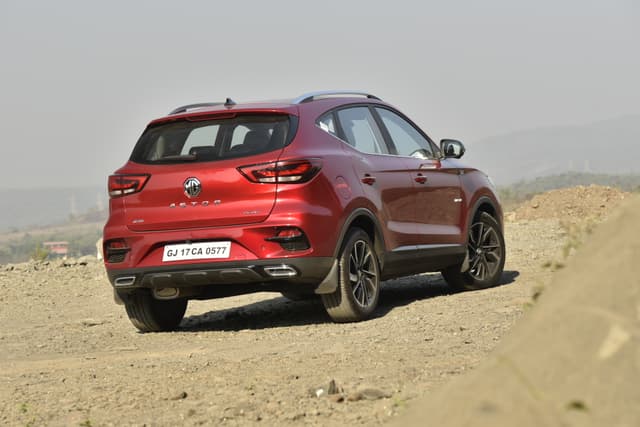
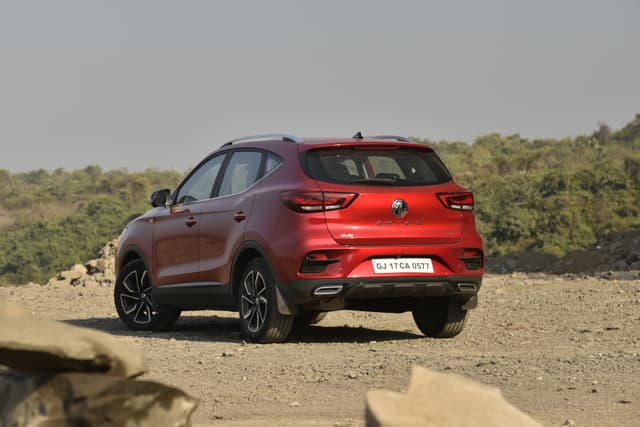
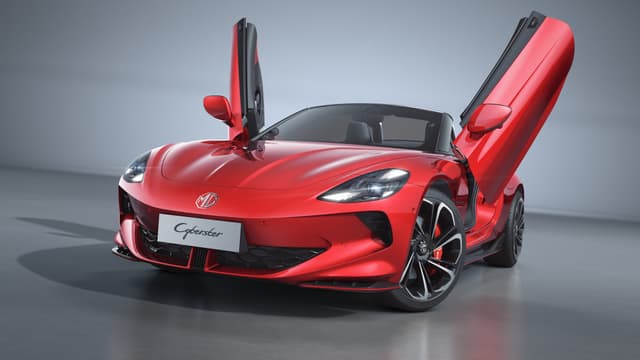
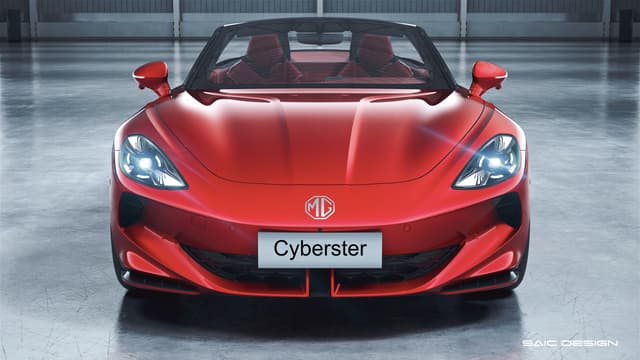
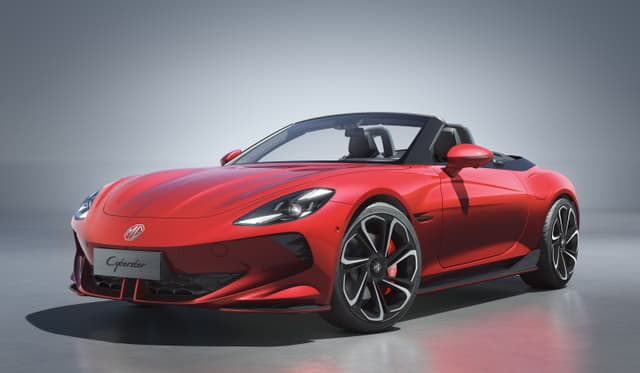
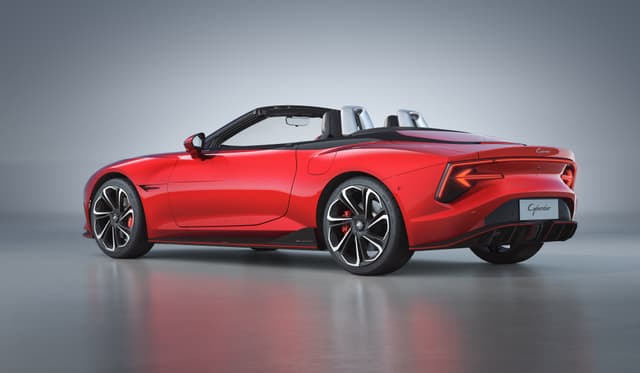
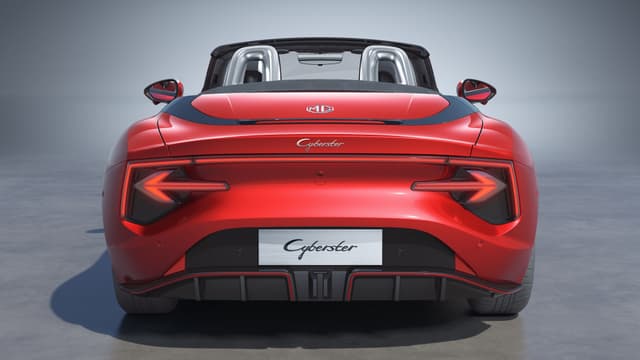
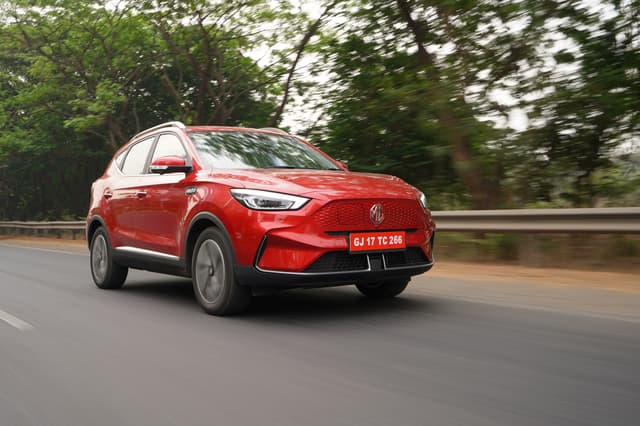
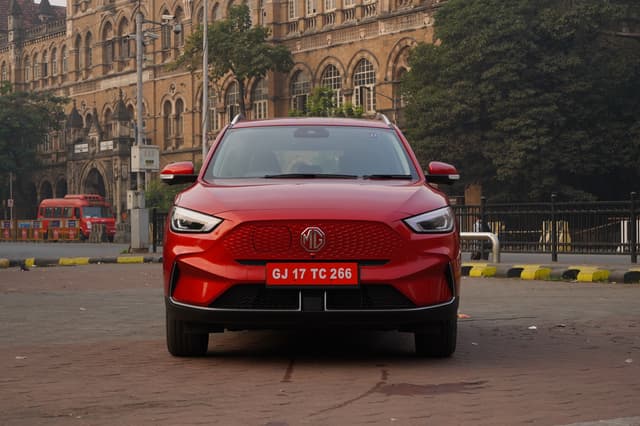
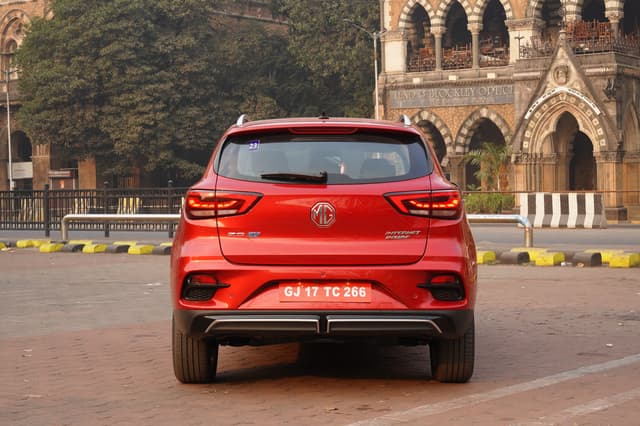
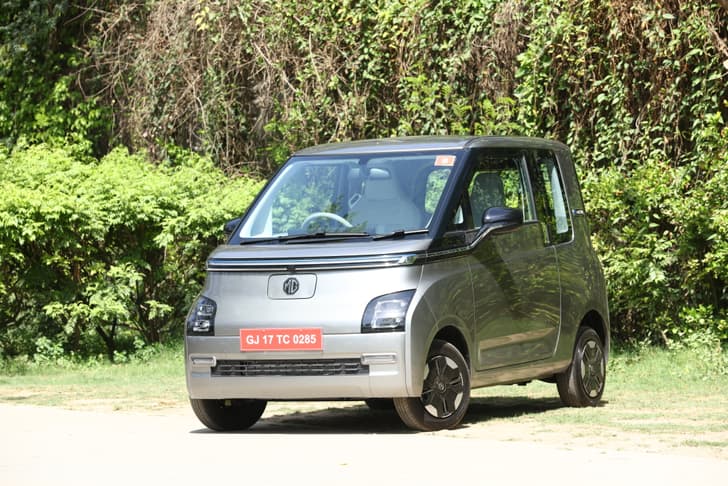
As of now, there are 11 MG cars in India, out of which 8 are on sale, and 3 are upcoming. The MG car price starts at ₹7.50 lakh and goes up to ₹74.99 lakh (ex-showroom). The cheapest MG car is the Comet, whereas the most expensive is the Cyberster.
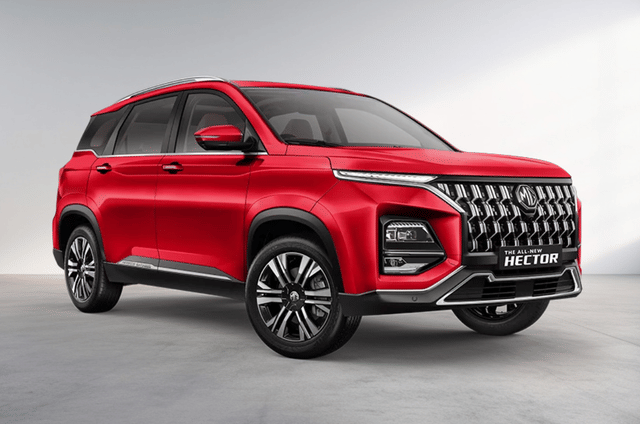
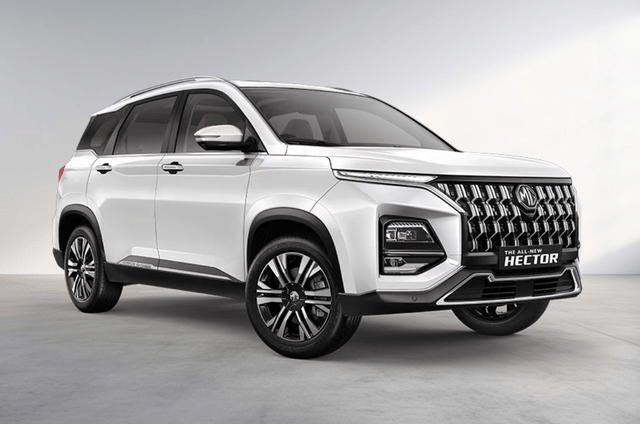
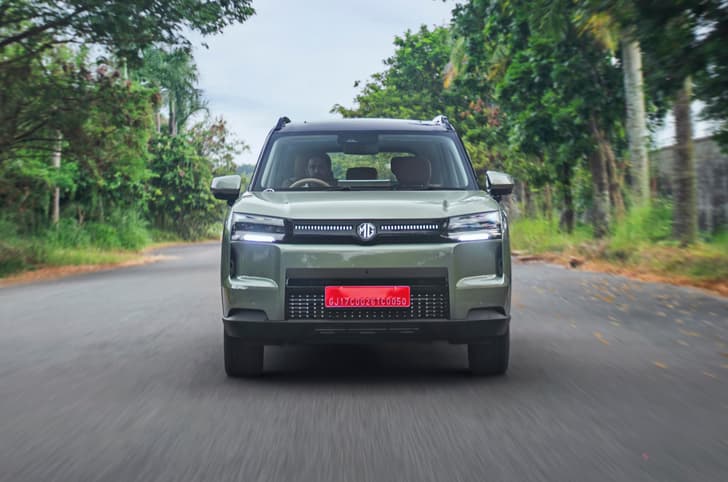
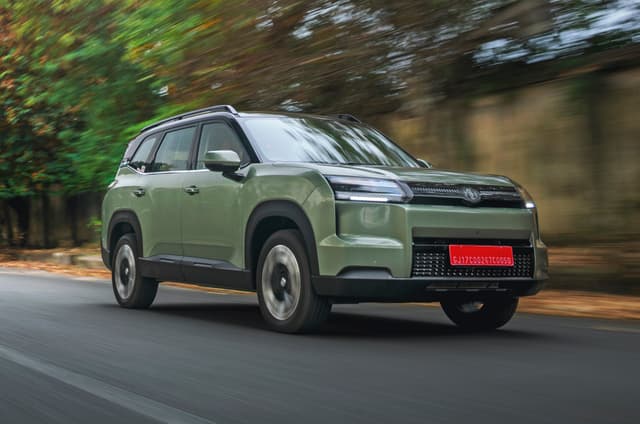
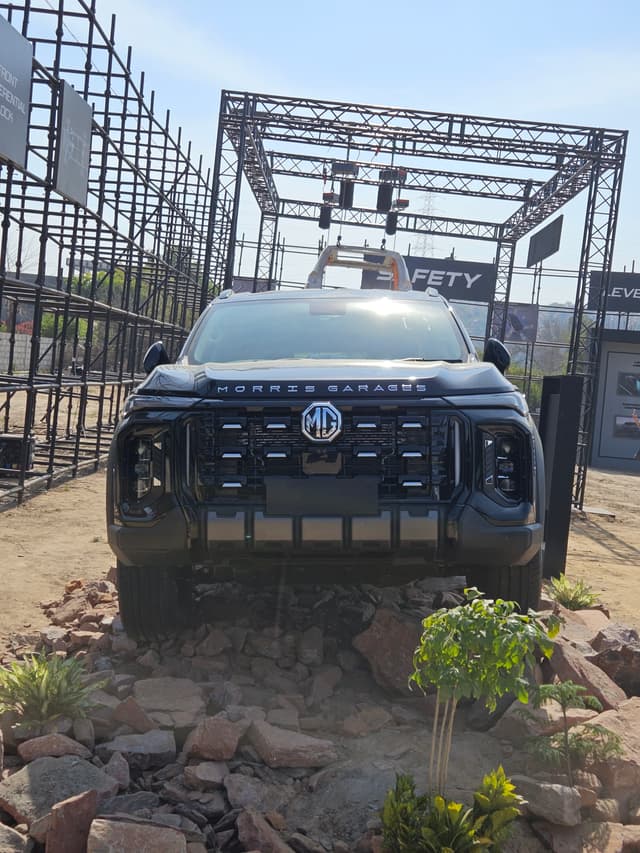
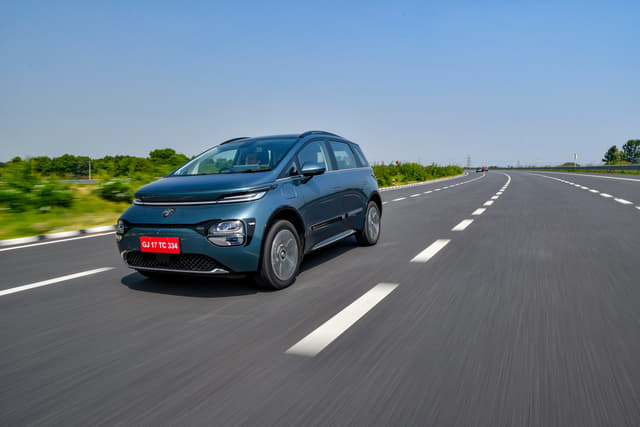
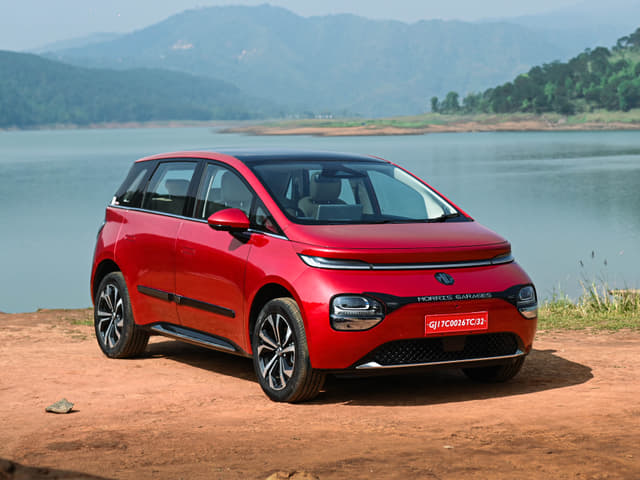
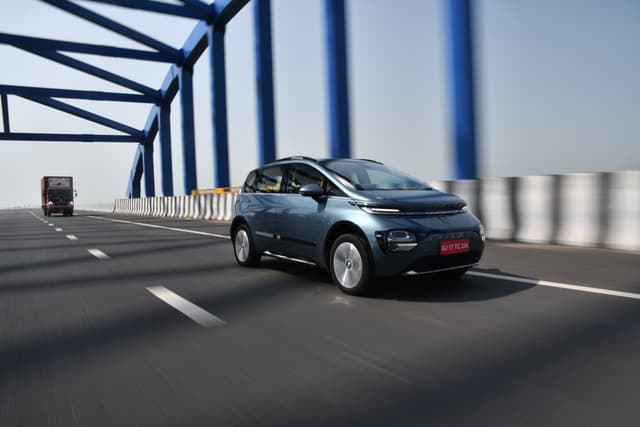
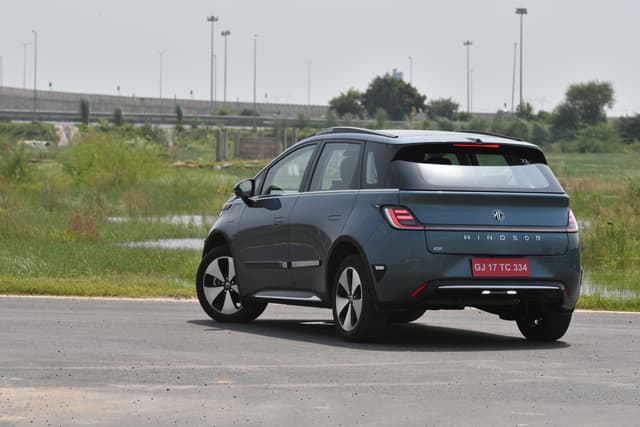
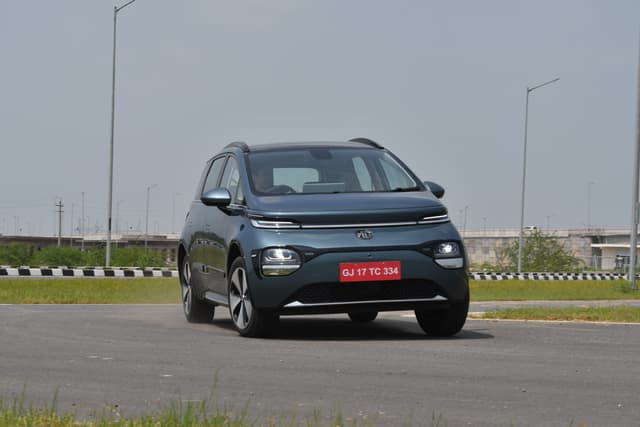
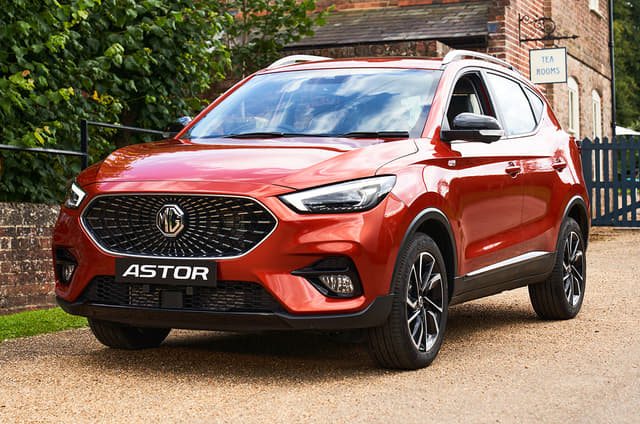
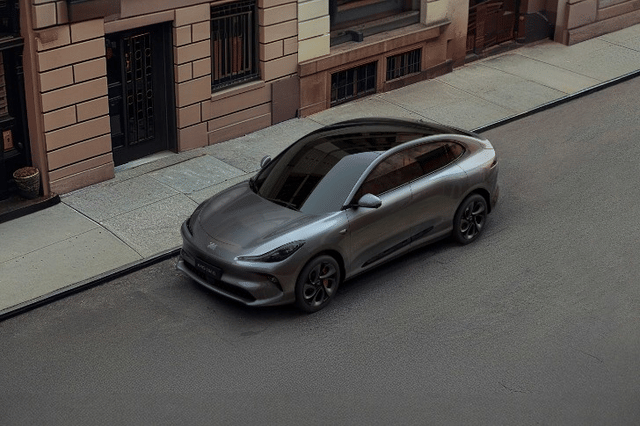
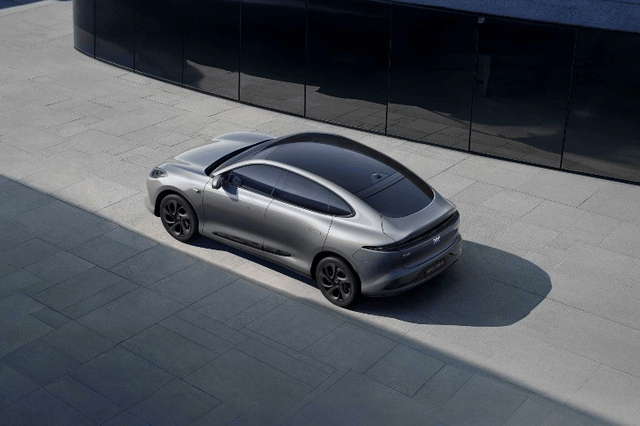
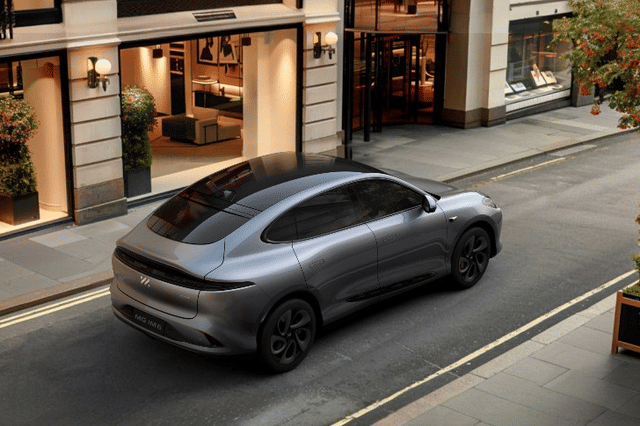
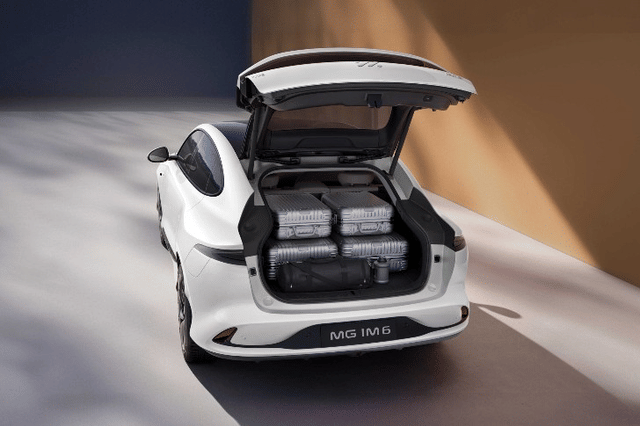
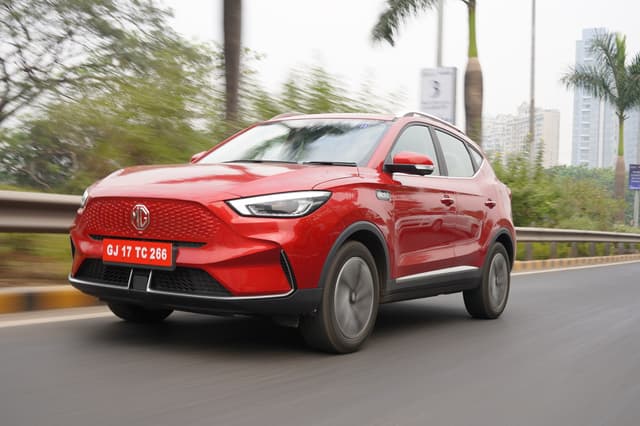
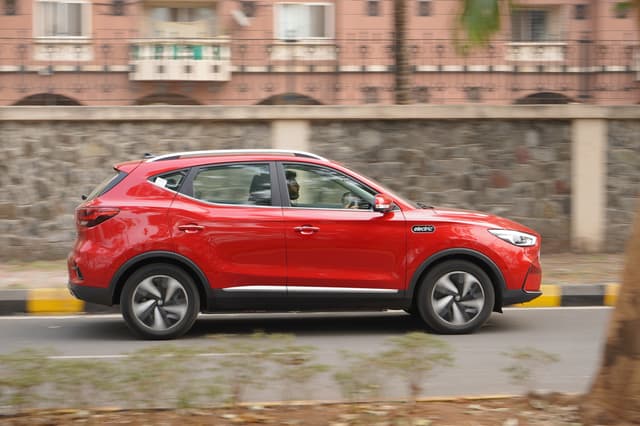
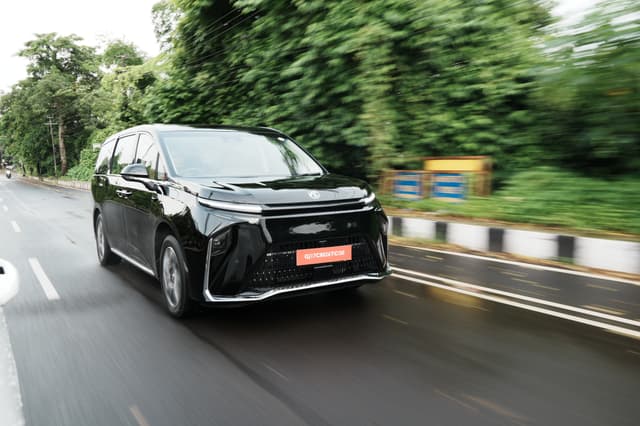
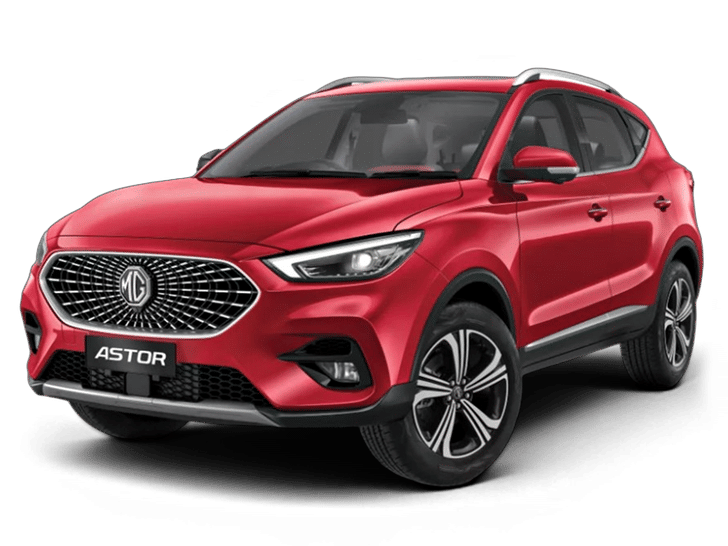
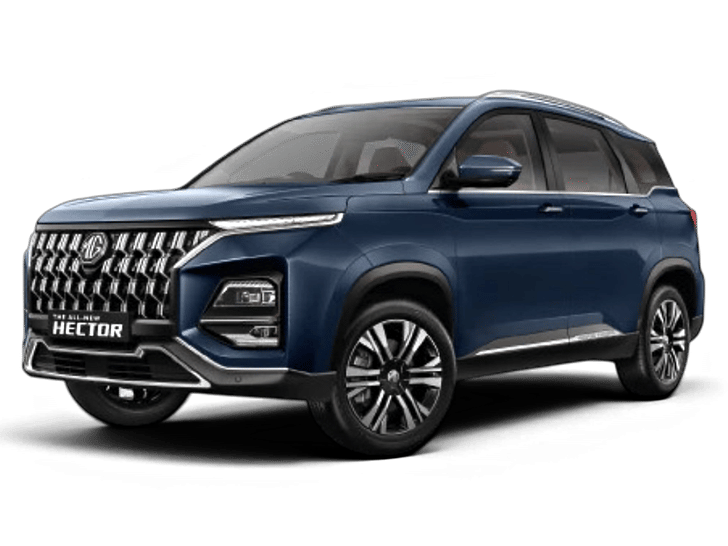
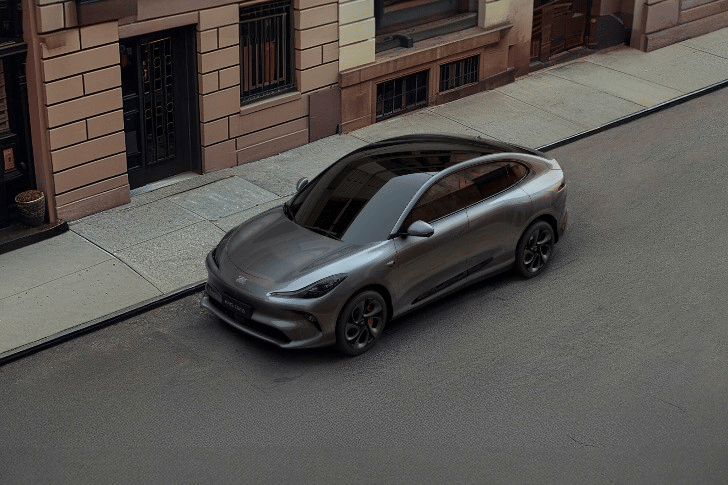
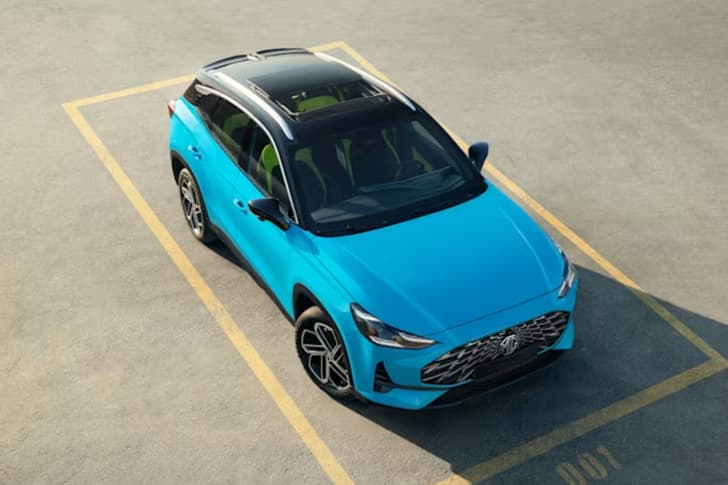
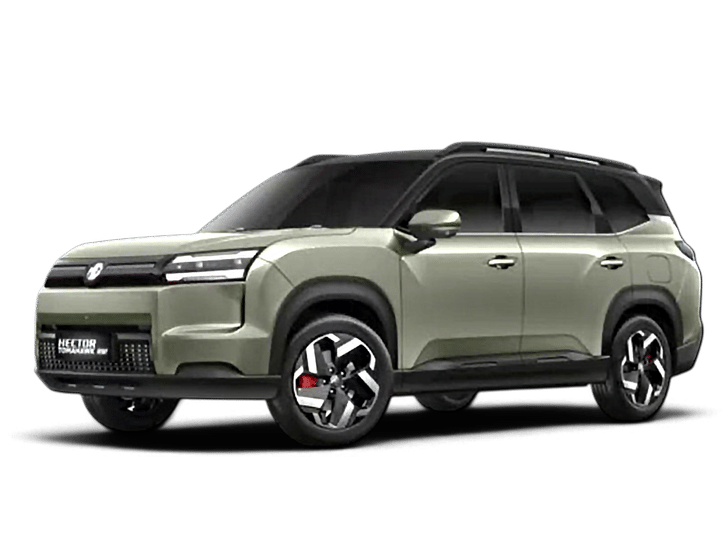
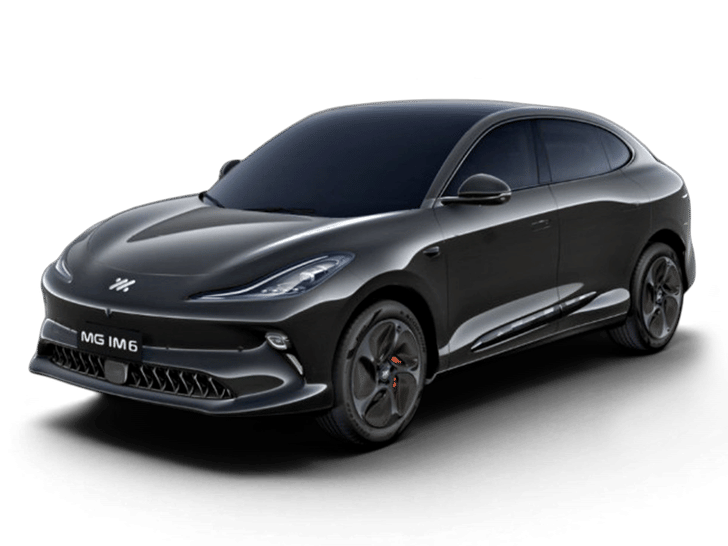
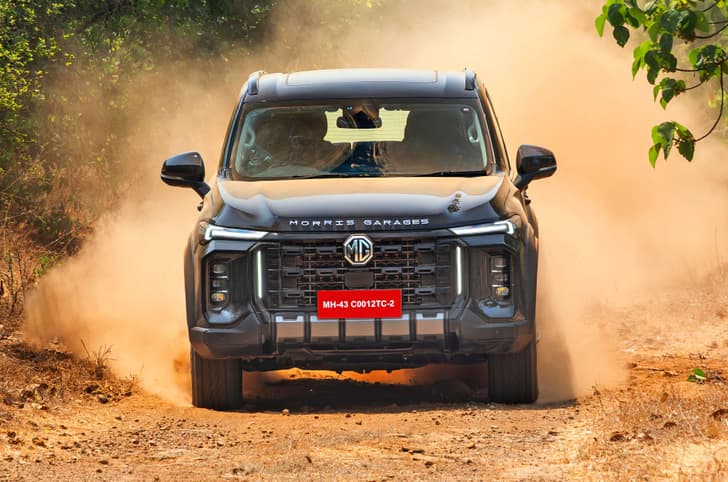
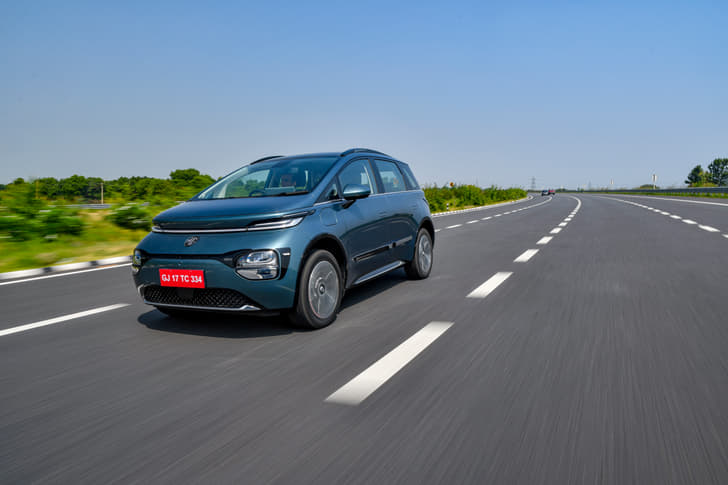
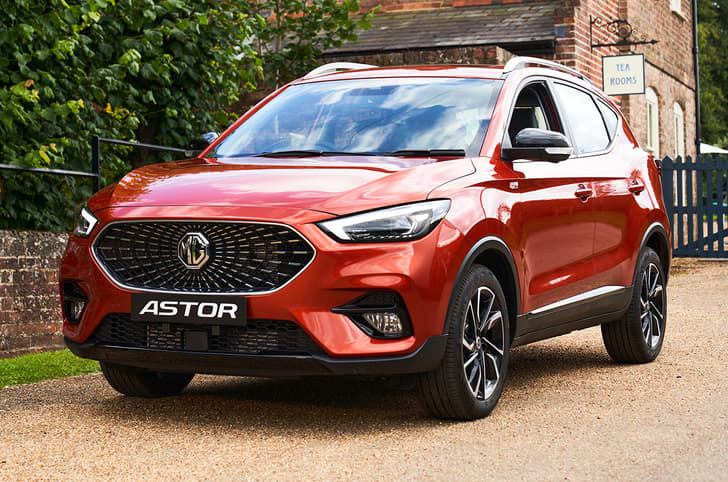
The MG cars available for sale in India are: Comet, Astor, Windsor, Hector, ZS EV, Gloster, M9, and Cyberster. The three upcoming MG cars that are expected to launch in India are: Majestor, IM6, and New Astor. The MG Majestor is expected to be priced between ₹40.00 lakh and ₹45.00 lakh. Meanwhile, the MG IM6 is expected to range between ₹55.00 lakh and ₹60.00 lakh. The MG New Astor is estimated to fall between ₹12.00 lakh and ₹17.00 lakh (ex-showroom).
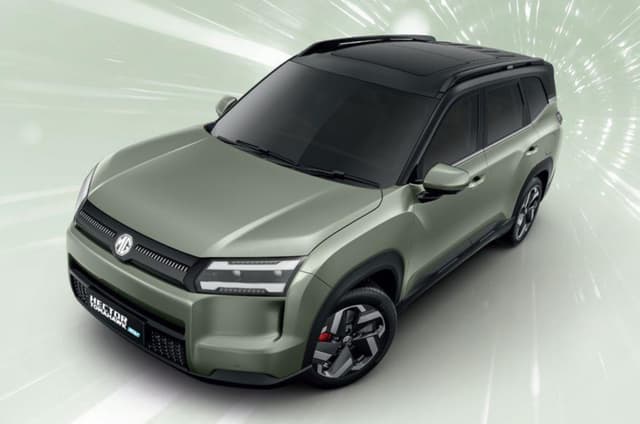
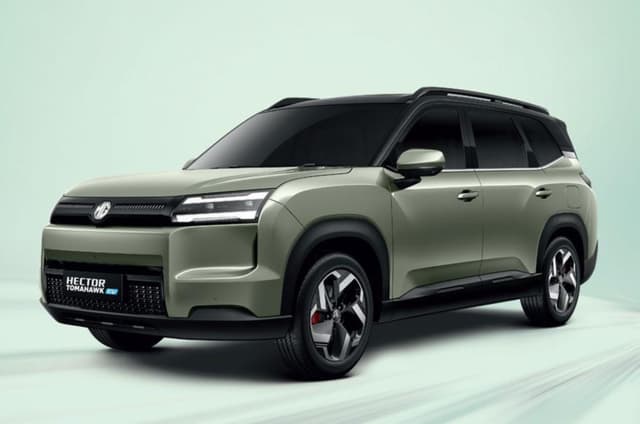
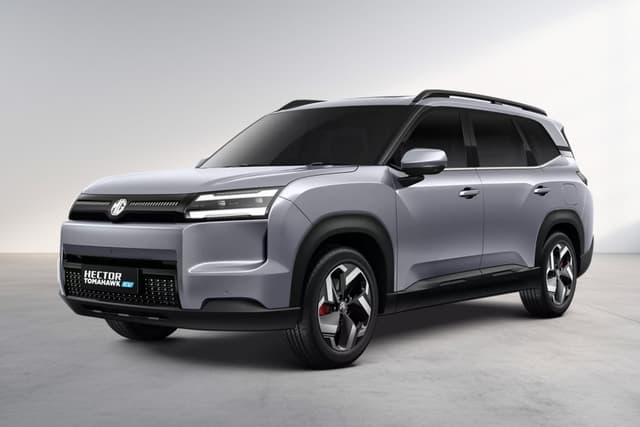
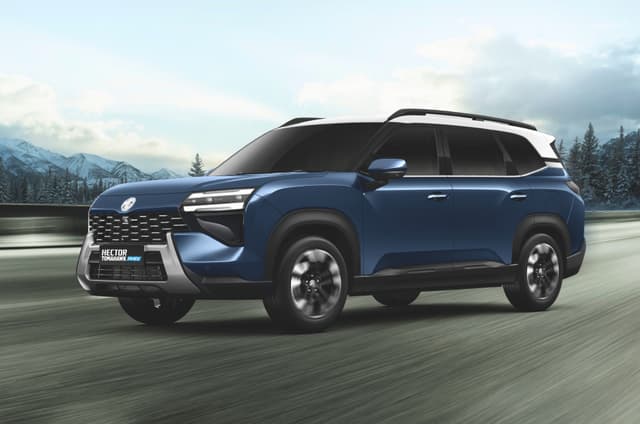
The Morris Garages India lineup includes 7 SUVs, 2 MPVs, 1 hatchback, and 1 convertible. The most popular MG cars in India are the Windsor, Hector, Astor, Gloster, and Comet. MG cars are available with petrol, diesel, and electric fuel type options.
Morris Garage, or MG Motor India, has been around in the country since 2019. This British car brand is currently owned by Chinese automotive giant SAIC Motor Corporation. MG Motor entered India with its first facility in Halol, Gujarat, and set up its corporate office in Gurugram, Haryana. The Hector was the first MG car launched for the Indian market.
MG Car Price List in India (April 2026)
View the latest MG car price of all the models available for sale in India:
Model Name | Price (ex-showroom) |
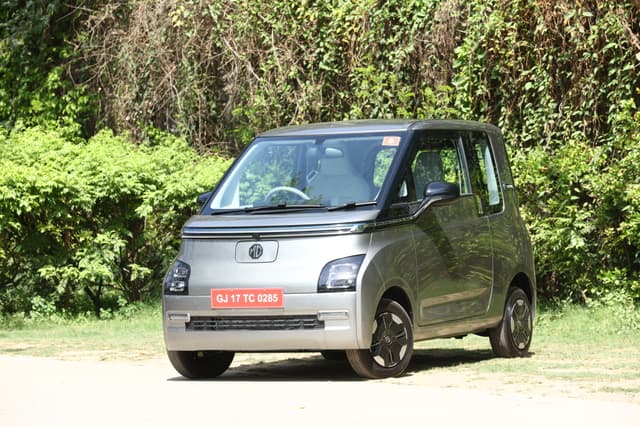
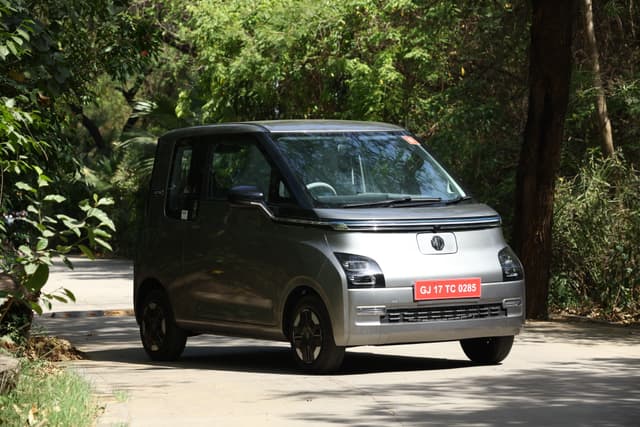
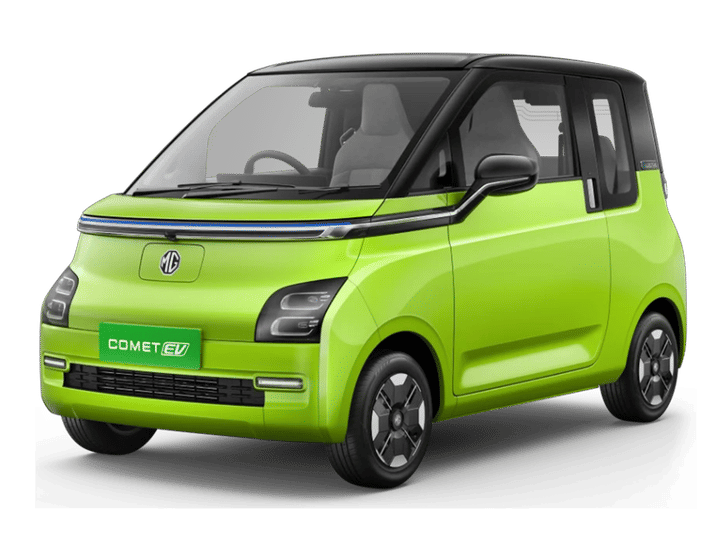
MG Comet | ₹7.50 lakh - ₹9.97 lakh |
MG Astor | ₹9.79 lakh - ₹15.30 lakh |
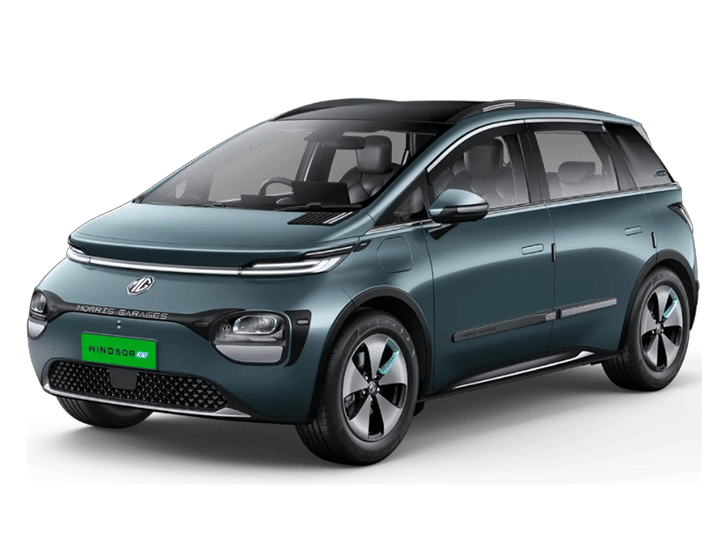
MG Windsor | ₹14.00 lakh - ₹18.50 lakh |
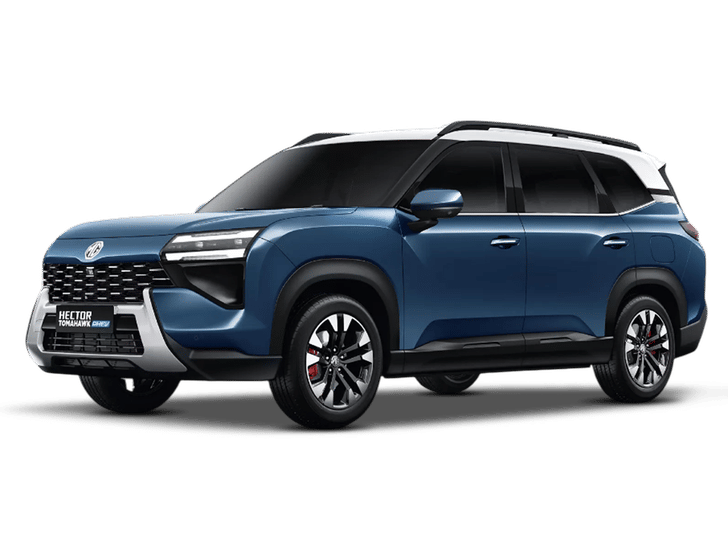
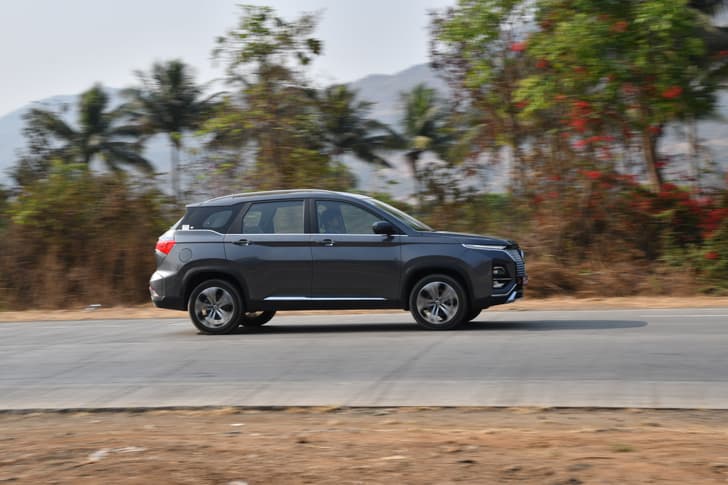
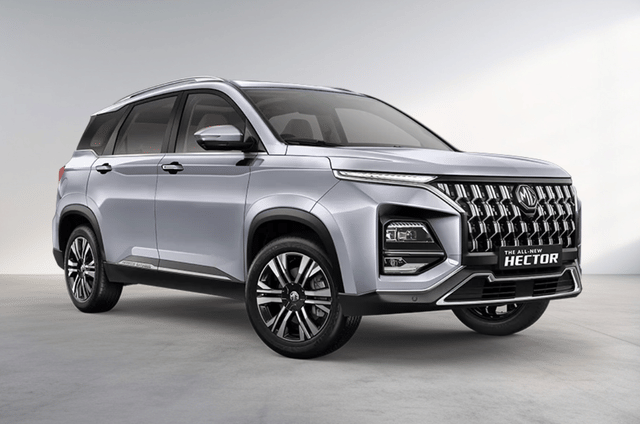
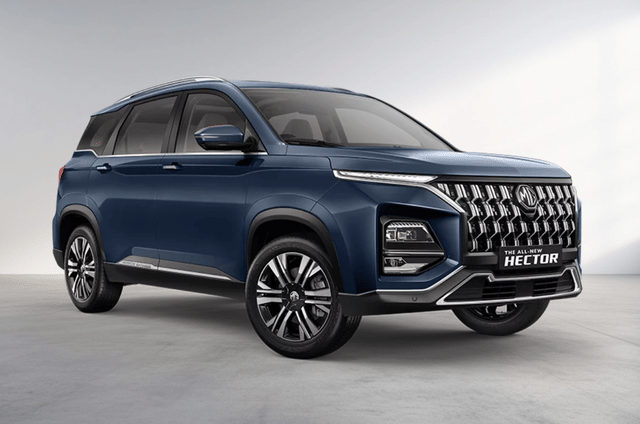
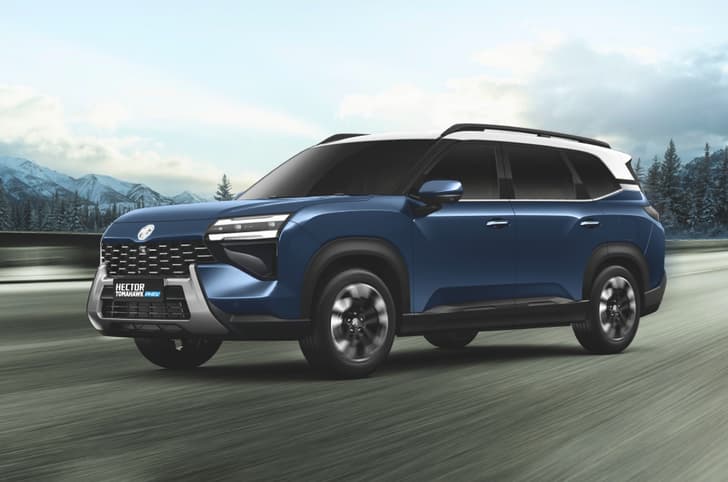
MG Hector | ₹11.99 lakh - ₹19.49 lakh |
MG ZS EV | ₹17.99 lakh - ₹20.50 lakh |
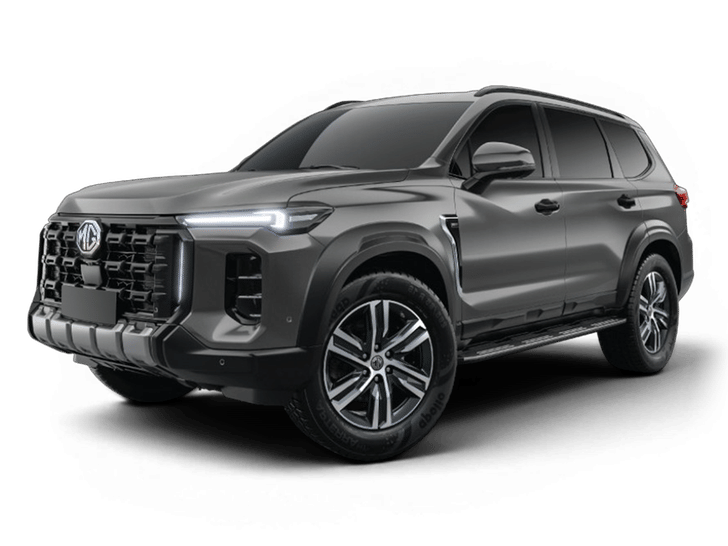
MG Gloster | ₹42.49 lakh - ₹46.24 lakh |
MG M9 | ₹70.90 lakh |
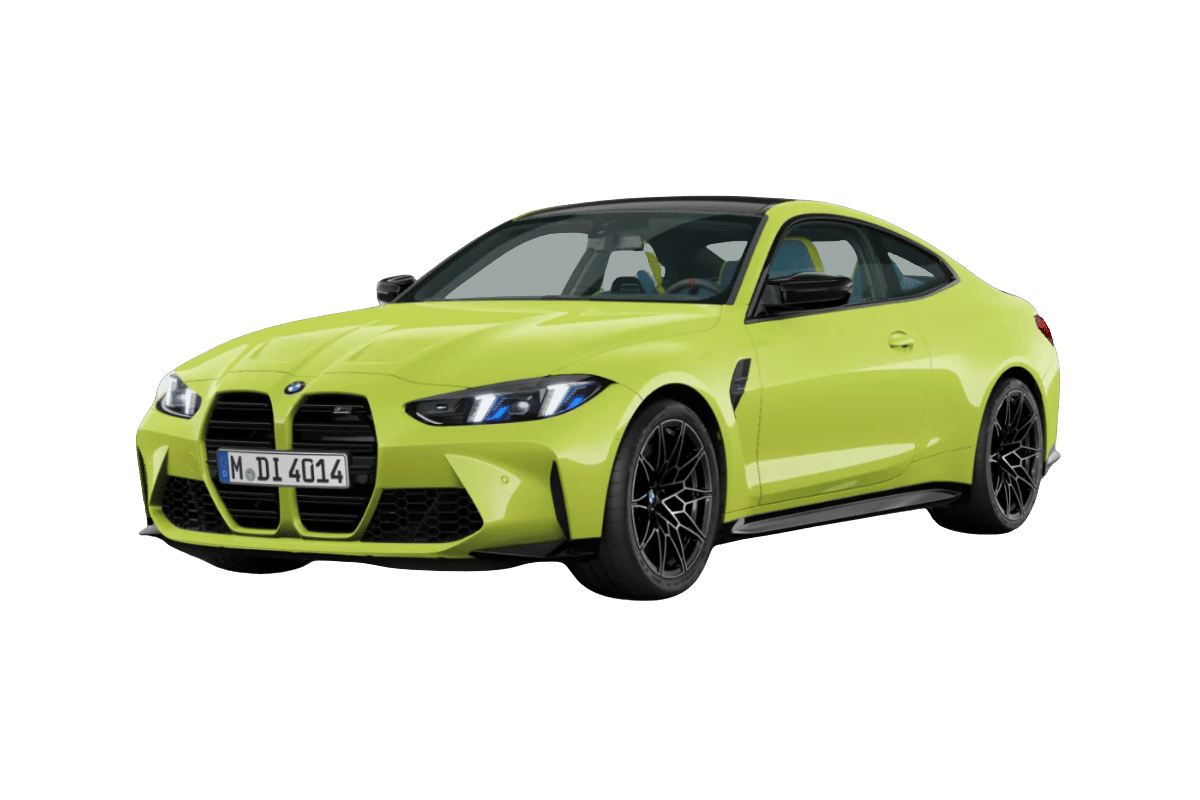
MG Cyberster | ₹74.99 lakh |
MG New Car List
The MG new car list includes three cars:
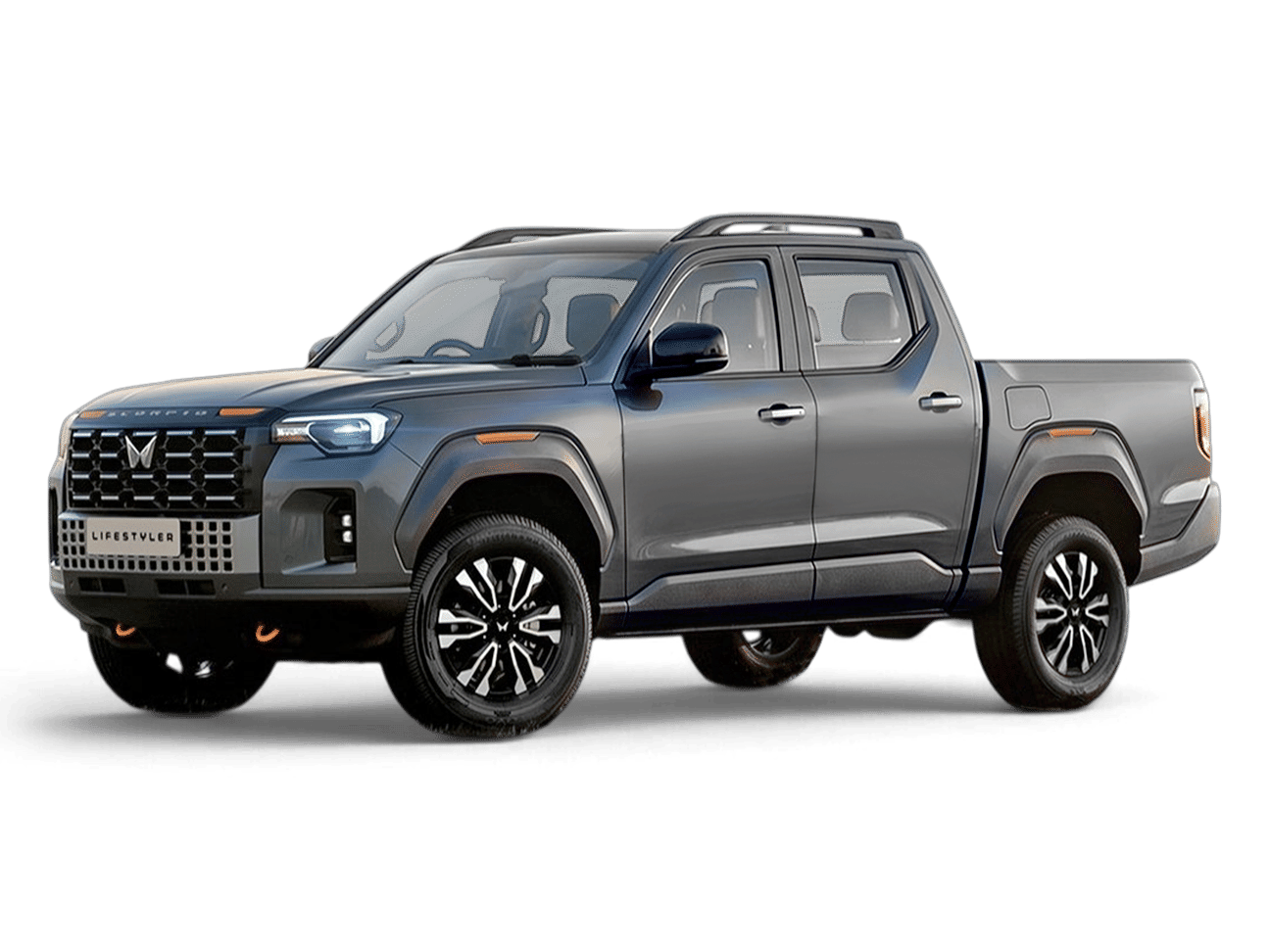
MG Majestor
- Estimated Price: ₹40.00 - ₹45.00 lakh (ex-showroom).
- Expected Launch: April, 2026
- Fuel Type: Electric
MG IM6
- Estimated Price: ₹55.00 - ₹60.00 lakh (ex-showroom).
- Expected Launch: 2026
- Fuel Type: Electric
MG New Astor
- Estimated Price: ₹12.00 - ₹17.00 lakh (ex-showroom).
- Expected Launch: 2027
- Fuel Type: Petrol
MG Electric Cars
The MG EV car prices range between ₹7.50 lakh and ₹74.99 lakh. Presently, there are 5 MG electric cars for sale in India: Comet, Windsor, ZS EV, M9, and Cyberster. The cheapest MG electric car is the Comet, while the most expensive is the Cyberster.
MG Car - Latest Updates (April 2026)
- 11 March 2026: MG announced benefits of up to ₹70,000 on Windsor EV.
- 7 March 2026: JSW MG Motor developing new Astor and ZS EV replacements on a modular platform, launch expected in 2027.
- 5 January 2026: MG Windsor became India’s top-selling EV in 2025, with 46,735 units sold.
FAQs
MG stands for Morris Garages. It is a British-origin automotive brand that now operates in India as MG Motor India.
MG Motor India has been operating since 2019, with its first facility in Halol, Gujarat, and a corporate office in Gurugram.
MG electric car prices range between ₹7.50 lakh and ₹74.99 lakh, depending on the model.
Yes. MG cars are available in petrol, diesel, and electric variants.
Yes. There are three 7-seater cars in the MG India lineup: Gloster, M9, and Hector.
There are two upcoming MG cars expected to launch in 2026: the Majestor and the IM6.
Currently, there are 11 MG cars in India, with 8 on sale and 3 upcoming.
The top models are the Windsor, Hector, Astor, Gloster, and Comet.
Yes. The MG EV lineup includes Comet, Windsor, ZS EV, M9, and Cyberster.
Popular SUV models that are currently available for sale in India include the Astor, Gloster, Hector, and ZS EV.
The MG Comet is the lowest price car in the brand’s lineup, starting at around ₹7.50 lakh (ex-showroom).
Yes. The MG Cyberster is an electric sports car currently available in the Indian market.
The MG Comet is categorized as a small car, designed for city use with compact dimensions.
No. MG does not currently sell any sedans in India. The lineup includes hatchbacks, 7 SUVs, 2 MPVs, and 1 hatchback, and 1 convertible.
The Morris Garages car price in India starts at ₹7.50 lakh for the Comet.
The MG car price in India starts at ₹7.50 lakh and goes up to ₹74.99 lakh.
The Cyberster is the top model in the Morris Garages India lineup.
Trending Questions on MG Cars - Answered by Autocar Experts
Raghu
•1dI need advice on choosing between the MG Windsor EV and the Tata Curvv EV. Given the ongoing discounts, the Curvv EV variants are now priced similarly to the Windsor EV. My daily usage is mostly in the city, covering around 60-80 km, along with frequent weekend highway drives. While the Windsor EV offers better rear seat space, my primary concerns are safety and ride comfort, especially since I will be travelling with a small child. I would also like to understand how useful ADAS features are on Indian roads. Do they genuinely improve safety, or can they become a hassle, such as sudden braking, particularly in heavy bumper-to-bumper traffic during daily commutes? Which of these two EVs would be the better choice for my needs?

Autocar India
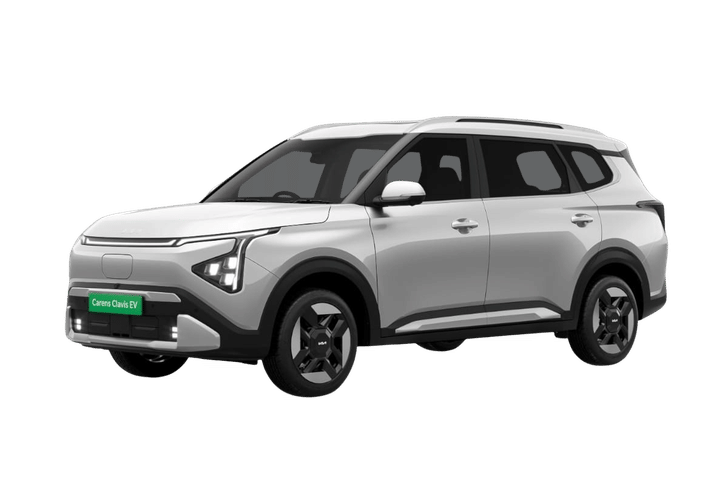
The Tata Curvv EV rides better, and the suspension handles rough roads well, so your child will not get tossed around. Its rear seat space is reasonable, although its sloping roofline limits headroom for tall adults.As you've rightly mentioned, the MG Windsor feels much roomier, and it's got a huge boot too. However, most functions are embedded in its slow-to-respond touchscreen, and its ride comfort isn't as good as Tata's either. Alternatively, you could check out the Vinfast VF6 and Kia Carens Clavis EV, both of which are (pricier) excellent alternatives to the Curvv EV.As far as ADAS goes, these certainly provide an extra layer of safety, and can be a life-saver in case the driver isn't paying attention. However, it can occasionally feel intrusive, especially in bumper-to-bumper conditions. When other road users cut you off, you could be taken by surprise and slam on the brakes. Hence, it would be better to leave these off for the city, and use them only on the highway.
gaurav kedia
•1dI am planning to buy a small car like the MG Comet for my daily commute, as both my home and workplace are located in narrow lanes. However, I would like to explore alternatives other than the MG Comet.

Autocar India
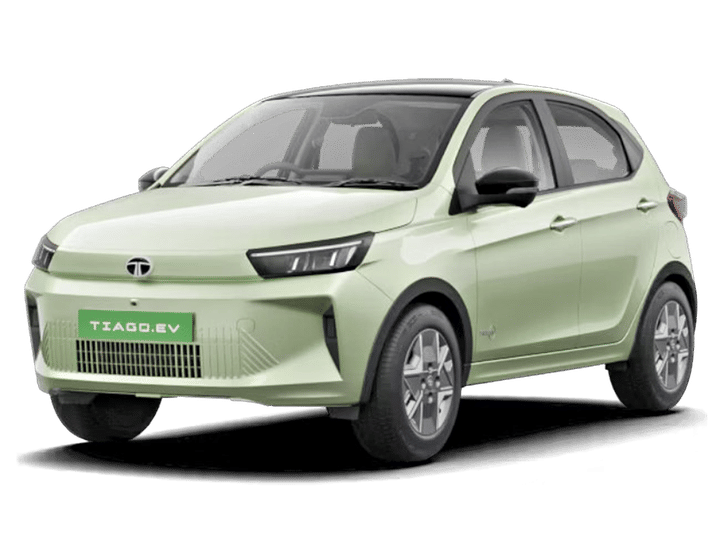
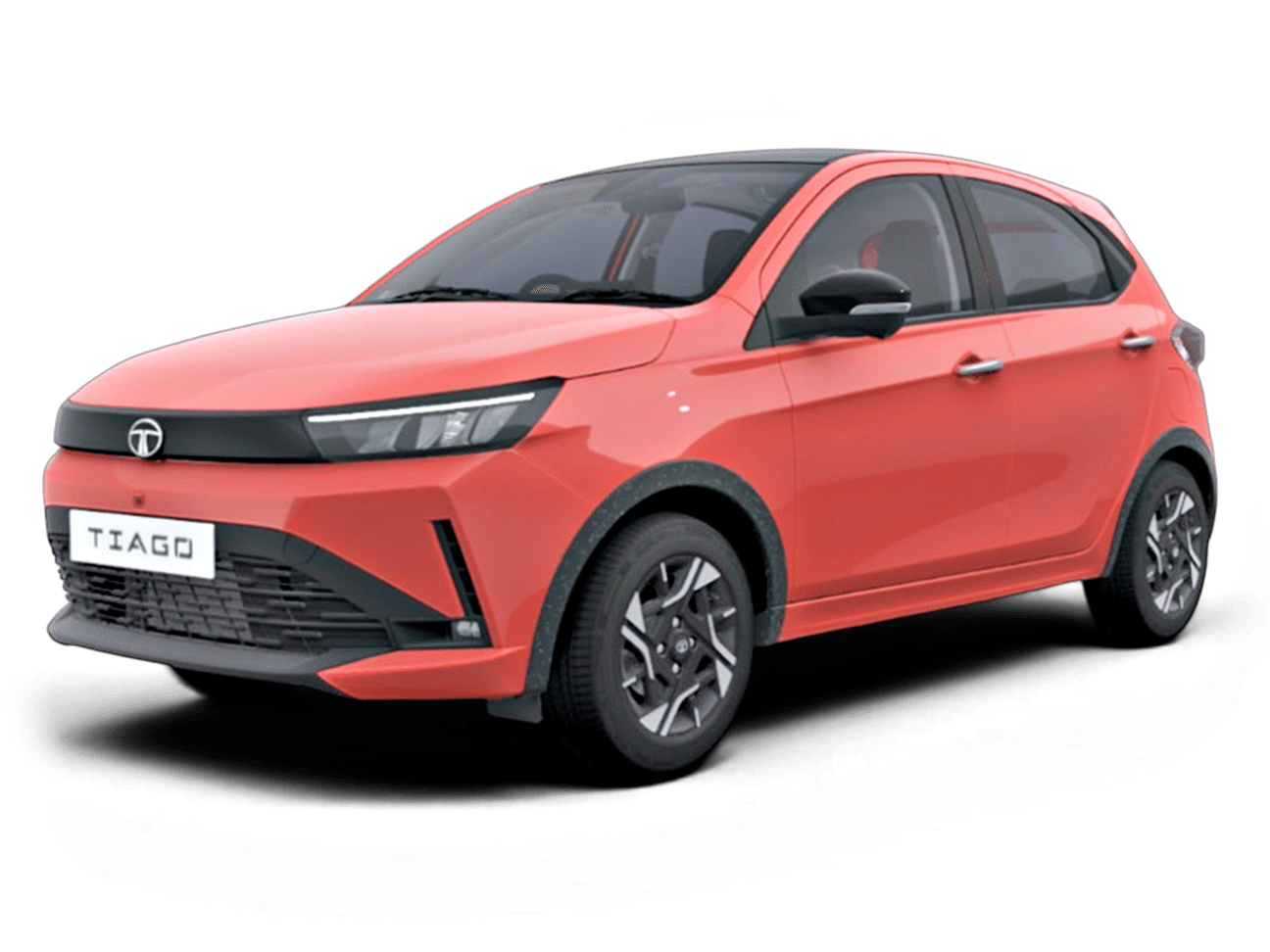
Consider the Tata Tiago EV with the larger 24kWh battery pack. It is a more well-rounded car than the MG Comet EV; it drives better, is better equipped and more practical. It also has rear doors and a larger, more usable boot and supports DC fast charging. It is obviously larger than the MG Comet, but it is a fair trade-off considering the added usability. However, the Comet’s tiny footprint means the Tiago can’t quite match it for maneuverability. If that is a bigger priority than the usability the Tiago otherwise offers, then there is really nothing else like the Comet on the market today.On your test drive, try a tight U-turn, reverse into a tight spot, and crawl in slow traffic to see how it responds at very low speeds.
Siddhaant singh
•1dI am currently facing difficulty upgrading from a 2021 MG Hector Petrol DCT (top variant). My parents own this car and are looking for a meaningful upgrade within a budget of around ₹35 lakh. They have test-driven the Tata Safari, Tata Harrier, and Tata Sierra but were not impressed with the overall quality and comfort. They are also open to considering smaller cars, as size is not a major concern.

Autocar India
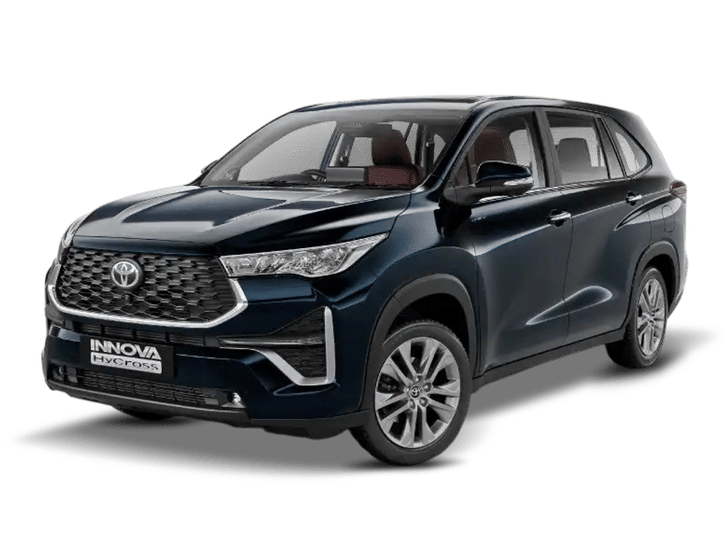
Go for the Mahindra XUV 7XO AX7 L petrol automatic for your parents, it feels like a true step up from the MG Hector in smoothness, ride comfort and overall finish, while staying within your Rs 35 lakh budget. Coming from the Hector DCT, they will straight away notice the gearbox feels calmer in slow traffic. The seats are supportive, the suspension takes bad roads well, and the cabin stays quiet, which makes long drives easier. It also brings stronger safety and driver-assist tech, a clearer 360 camera and a more modern screen setup, and Mahindra’s service reach is wide across India.One thing to be aware of is that the size of the XUV 7XO will make it a bit more cumbersome to manoeuvre in traffic than the Hector.If third row comfort matters more, look at the Toyota Innova Hycross VX(O) Hybrid. It is very quiet, easy to drive, and the third row is more usable than the Mahindra's, though it can have a long waiting period.On the test drive, do a 20-minute loop with slow stop-go traffic and a rough patch to judge the low-speed smoothness and how well the car takes bumps.
KJ
•2dI am planning to buy a car with a budget of ₹18-19 lakh. My initial choice was the Kia Seltos, but I have noticed that similarly sized EVs like the MG Windsor EV and Mahindra BE 6 (Pack One) are available in a similar price range due to ongoing discounts. My usage is around 800 km per month, mostly within the city (Delhi-NCR), along with occasional outstation trips once or twice a year. Given this, does it make sense to switch to an EV for my usage pattern? Should I spend around ₹18 lakh on a Kia Seltos HTK(O) IVT, opt for a similarly priced variant at around ₹16.5 lakh, or choose an EV like the Windsor at ₹19 lakh and benefit from lower running costs?

Autocar India
Go for the Kia Seltos HTK (O) DCT for your 800 km a month in Delhi NCR and one or two long trips a year, it is the easiest, least-stress choice in your budget. In daily city traffic, the DCT automatic, feels very smooth and makes stop-and-go driving simple. The Seltos is roomy for family use, rides well, and Kia’s service reach in and around Delhi is strong, so ownership is straightforward. For the rare outstation run, you just fill up and go, with no planning around chargers or range.One thing to be aware of is that the 1.5-litre NA engine isn't the most enthusiastic when pushed on the highway. If saving on fuel is your main goal, an EV will help, but at 800 km a month, the extra money you pay upfront will take time to come back.If you have private parking with a socket for home charging, look at the MG Windsor EV Pro. It is smooth and cheap to run in the city, but expect to plan charging stops on highway trips.
NAVNATH AWARI
•4dI have a budget of ₹50 lakh and am considering options like the Toyota Fortuner, Mahindra XEV 9E, and XUV7XO. While I appreciate the Fortuner’s reliability, it feels outdated compared to newer competitors. I am also inclined towards the newer Mahindra models, but my past service experience with Mahindra and Tata makes me hesitant.

Autocar India
Go for the Toyota Innova Hycross ZX(O) strong-hybrid automatic - it gives you Toyota-level reliability without feeling old, and it fits your 50 lakh budget well. Compared to the Fortuner, the Hycross feels much more up to date inside, rides far more comfortably over broken roads, and is easier to drive in traffic thanks to the smooth hybrid automatic (it blends an electric motor with the petrol engine, so starts and low-speed moves are very quiet and smooth). Toyota’s service reach and consistency across India are still the safest bet, and resale will be strong. If you mostly drive with family, you’ll also like the roomy second row, the high seating, and the safety tech that helps on highways.One thing to be aware of: this isn't a tough off-road SUV like the Fortuner, so if you truly need 4x4 or plan to tackle rough trails, it won’t suit you. Also, the boot with all three rows up is limited, so check if that works for your trips.If you want a more premium feel and sharper drive and are okay with petrol-only, look at the Skoda Kodiaq L&K - it feels very modern and is great on highways, but service quality depends on your city. If you want a big, plush SUV with 4x4 and lots of features, the MG Gloster Savvy is worth a look, though it is huge to park, and resale won’t match Toyota.Given your past Mahindra/Tata service worries, the Hycross is the stress-free choice.
Bhasker Gandham
•4dHi Sir/Madam, Thank you for your valuable assistance and advice. I am planning to buy an EV and have been considering the MG Windsor Pro Exclusive. However, I have held off my decision after coming across several reviews mentioning a stiff suspension and not-so-effective air conditioning. Could you please advise whether these are real deal-breakers, or if there are better alternatives I should consider? My usage will be approximately 30% city and 70% highway.

Autocar India
The MG Windsor EV’s ride is indeed on the firmer side, and that’s something we’ve pointed out in our review as well. On broken roads and sharp bumps, it doesn’t feel very plush, but at higher speeds, it settles down and is quite stable. The air-conditioning isn’t the strongest in the class, yet in normal use, it does the job and is not a major weakness.Given the price, space and long list of features the Windsor offers, there’s very little that matches it for sheer value, so these compromises are something most buyers can live with.However, if you don’t really need that much space and mostly drive yourself, the Maruti Suzuki e Vitara is worth considering. It has a more comfortable ride, better overall refinement and an efficient air-con system, which will matter on long highway runs and in hot weather.
Ajay Gautam
•5dI am looking for a 7-seater family car for moderate usage, with a maximum budget of ₹50 lakh (on-road). I am also willing to wait for a couple of months for new launches.

Autocar India
Go for the Toyota Innova Hycross Hybrid ZX(O) 7-seater costing up to Rs. 50 lakh on road, it suits a family best for comfort, space and easy driving. For moderate use, the petrol-hybrid is the sweet spot: it pairs a petrol engine with an electric motor to help in traffic. So it always feels smooth like an automatic and keeps fuel use in check without any charging. The second row is wide and very comfortable, the ride is calm on most roads, and the driving position is easy for all heights. Toyota’s service reach is strong across India, and resale is usually high, which matters in long-term family ownership.One thing to be aware of: with all three rows in use, the boot is small, so plan for that. Also, top trims with larger wheels can feel a bit firm on sharp bumps, so check this on a test drive.If you want more power and lots of features for less money, look at the Mahindra XUV 7XO diesel automatic 7-seater. It is quick, safe and gets driver-assist features that help on highways, but the third row is tighter, and the city ride can feel busier. If you often carry seven adults and drive on rough roads, the MG Gloster 7-seater is big, comfy and feels tough. With a calm highway gait, just note that it is very difficult to park and MG’s service network is smaller than Toyota’s.Overall, the Innova Hycross Hybrid is the most family-friendly and hassle-free pick; during the test drive, load all three rows and drive over broken patches to be sure the comfort works for your family.
Ankit Mehra
•5dI currently drive a Jeep Compass Model S Petrol, and my annual driving includes 5,000km in the mountains, 5,000km on highways, and 5,000km in Delhi NCR. I am looking for a bigger 7-8 seater SUV with more premium features that can accommodate a baby seat along with six additional passengers.

Autocar India
Check out the Volkswagen Tayron and Skoda Kodiaq, which are both new-generation models that have recently been launched. They represent a significant upgrade in terms of not just size but performance and refinement as well, compared to your Jeep Compass. They're essentially the same car underneath, with the same powertrain and mechanical makeup, though they have some features and design differences.Crucially, the Skoda Kodiaq is offered in a few different variants, while the Tayron comes in just one fully-loaded version - though we hear lower trim levels will be introduced in time. The 204hp 2.0-litre petrol is incredibly strong and smooth, and there's AWD as standard, which should serve you well on your mountain drives. Space in the third row is not great, but it will suffice with some adjustment. Both SUVs can, however, accommodate child seats.If you want a more spacious 7-seater and you don't mind a diesel engine, check out the upcoming MG Majestor, which is an even larger vehicle.
JV
•6dI am looking to buy a compact car for my family, with an annual running of 30,000–40,000 km. My father strongly prefers diesel vehicles, while I am also considering an electric vehicle within a ₹20 lakh budget. We currently own a 2017 Hyundai i20 (top model), which is nearing 3 lakh km and needs replacement. The new car will be used mostly for city driving, along with occasional long trips of 300-500 km. We also have a 2021 Jeep Compass 4x4 Model S, which has clocked 1.2 lakh km and will be retained, although its fuel efficiency is around 11 km/l. Given our usage and long-term ownership plans (up to 3 lakh km), should we opt for an electric vehicle, a diesel car, or a hybrid? We also have an 8 kW solar setup at home with surplus power generation. I am considering EVs like the Tata Punch EV, Tata Nexon EV, MG Astor EV (if launched), and the upcoming Kia Syros EV. For diesel options, I am looking at the Kia Sonet, Hyundai Creta, and Tata Curvv. However, while I like Tata cars, I have some concerns about after-sales service. Could you suggest the most suitable electric or diesel automatic options for my needs?

Autocar India
With your kind of usage of 30,000-40,000 km a year, mostly city driving, long-term ownership and an 8 kW solar setup, going electric makes a lot of sense. Running costs will be significantly lower, especially since you can charge at home using surplus solar, and the smooth, silent nature of an EV suits city driving perfectly.The Tata Nexon EV Long Range is still one of the most well-rounded options here. It offers a good balance of range, practicality and ease of use, and can handle your occasional 300-500 km trips with one planned charging stop. It is also a proven product with a wide user base.However, since you have concerns about Tata’s service, it is worth considering alternatives. The MG Windsor EV with the larger battery pack is a strong option. It offers more space, a more premium feel and a bigger battery, which helps with range and reduces charging stops. The Maruti Suzuki e-Vitara is another promising option, especially from a long-term ownership perspective, thanks to Maruti’s strong service network and reliability.Diesel is still a valid fallback. If you prefer complete flexibility and do not want to depend on charging infrastructure at all, options like the Hyundai Creta diesel automatic or Kia Sonet diesel automatic make sense, offering strong mileage and effortless highway performance.So, the decision comes down to priorities. Given your high running and solar setup, an EV is clearly the smarter long-term choice. Among EVs, the Nexon EV is the proven option, the Windsor EV offers more space and range, and the e Vitara is the safest bet for long-term ownership. Diesel should only be considered if you want maximum convenience without planning charging stops.
DEEPAK JOSEPH
•1wI am considering buying a used MG Hector Savvy Pro CVT or a Hyundai Creta IVT. Which one would be the better choice, especially considering I have back and knee issues?

Autocar India
Choose the used MG Hector Savvy Pro CVT; its taller seating and 2750 mm wheelbase give easier ingress and a cushier ride that’s kinder to sore backs and knees.With joint pain, getting in and out matters most. The Hector’s higher hip‑point means less knee bend, and the broader front seats support your thighs better on longer drives. Its 2750 mm wheelbase (about 140 mm longer than the Creta’s 2610 mm) helps the body stay flatter over potholes and speed breakers, reducing back jolts. The CVT’s smooth take‑off and creep also cut the little shunts in stop‑go traffic that often aggravate back discomfort. Since you’re eyeing a used unit, ride comfort depends heavily on condition, but when healthy, the Hector is notably plusher.The one thing you give up is easy manoeuvrability; the Hector’s turning circle is roughly 0.5 m larger than the Creta IVT, so U‑turns and tight basement slots take more effort.If most of your driving is in crowded city lanes or very tight parking, consider the Creta SX(O) IVT instead; it’s about 350 mm shorter, feels easier to place, and will strain your knees less while parking.Another point to consider is that the Hector is quite thirsty and not as fuel-efficient as the Creta
Last Updated on: 8 Apr 2026