6-seater cars in India (15)
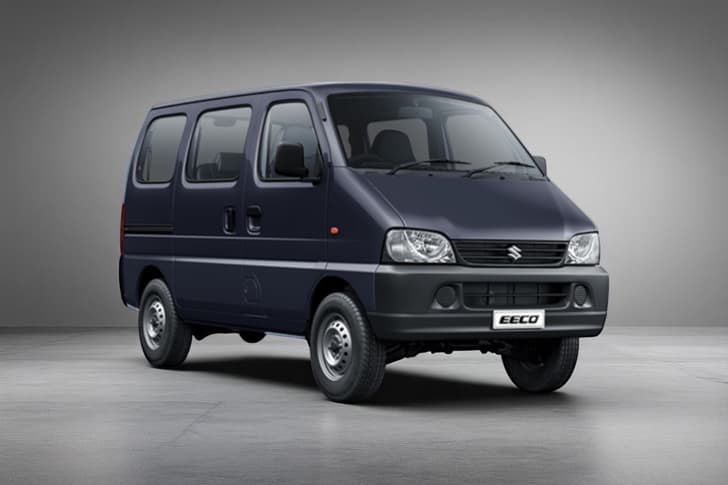
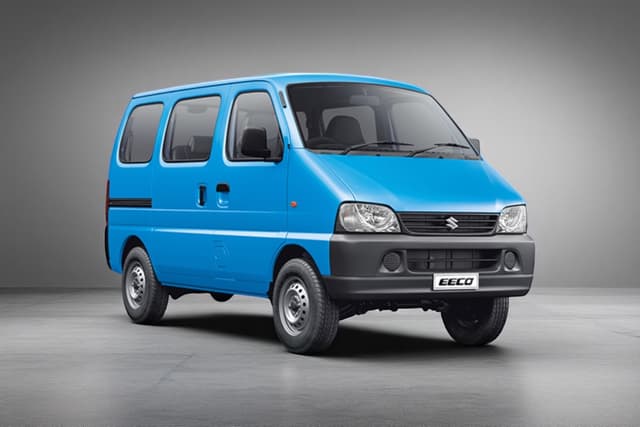
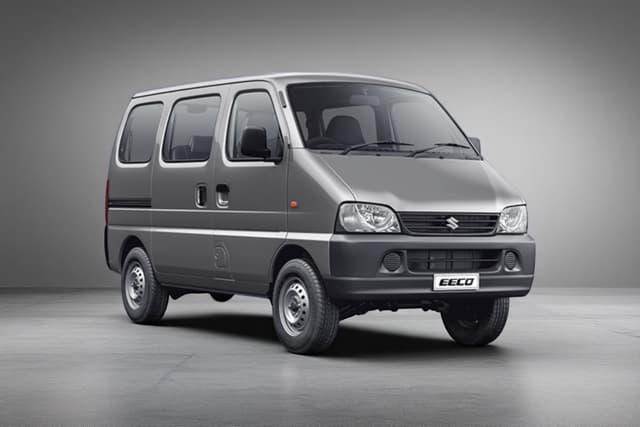
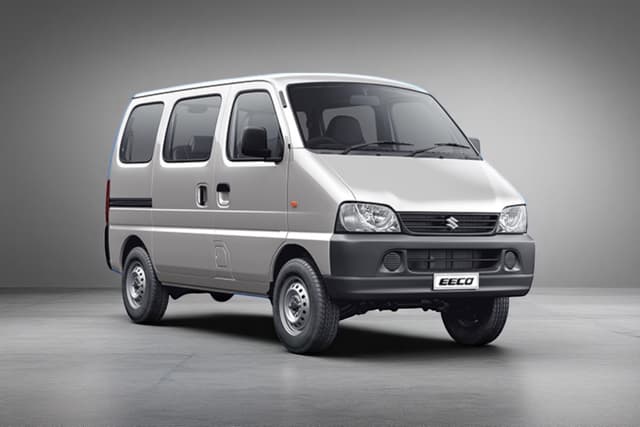
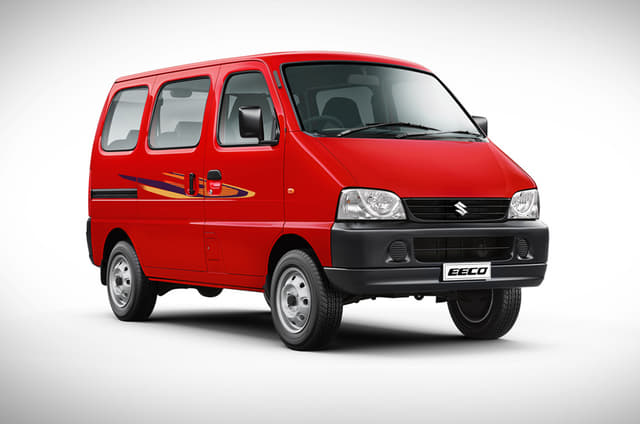
The 6 seater car segment doesn’t have too many options, but brands like Mahindra, Kia, and MG do offer some practical choices. The most affordable 6 seater car in India is the Maruti Suzuki Eeco, starting at ₹5.21 lakh (ex-showroom).
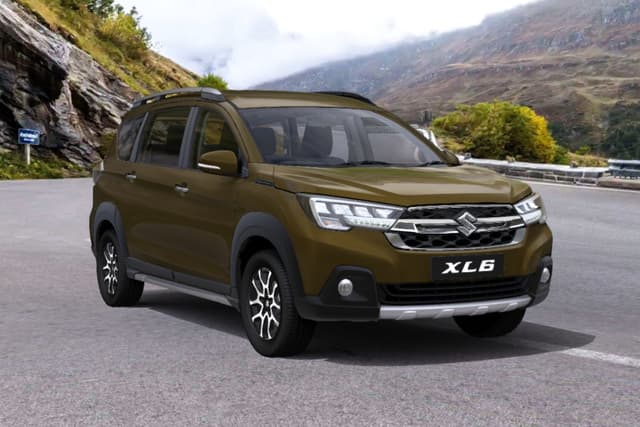
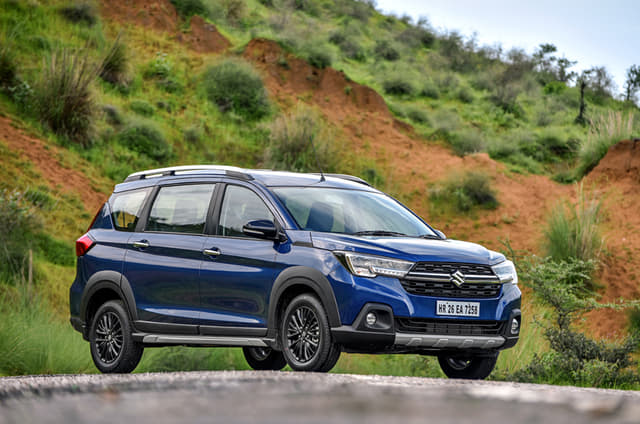
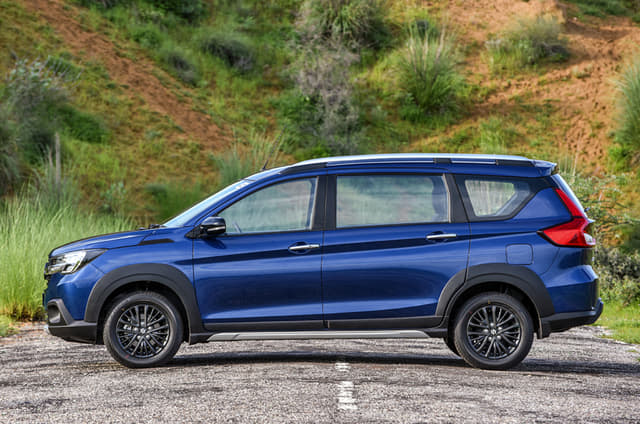
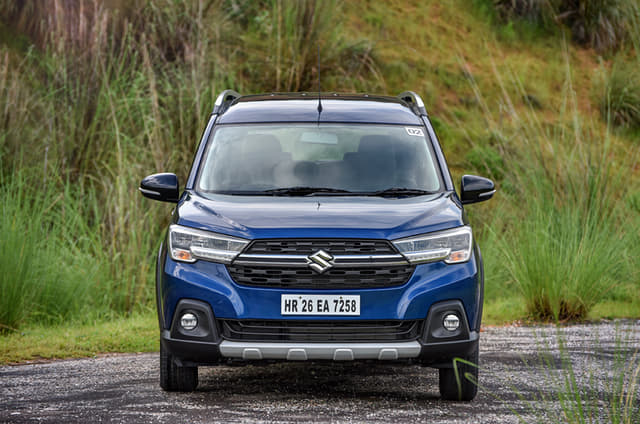
Choosing the best 6 seater car depends on your budget and needs, like mileage, safety, and comfort. Models such as the Maruti Suzuki XL6 and Hyundai Alcazar provide good mileage and features, making them great for families and long trips.
Key Highlights of 6 Seater Cars:
Benchmark | Detail |
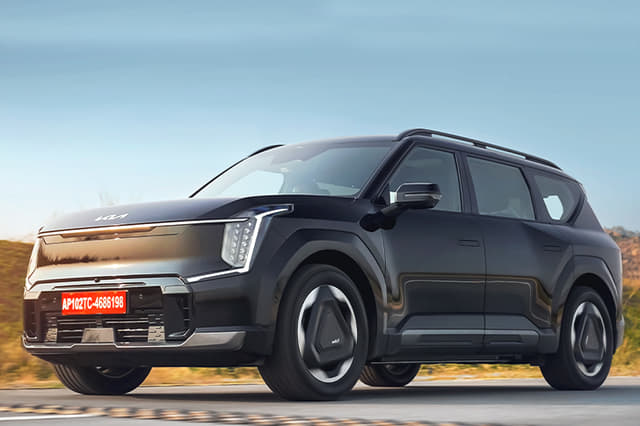
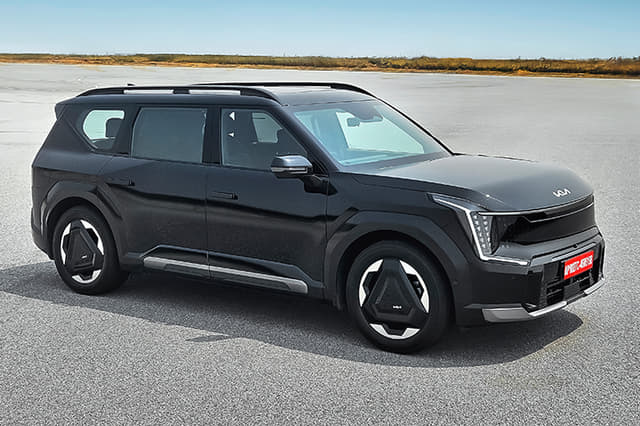
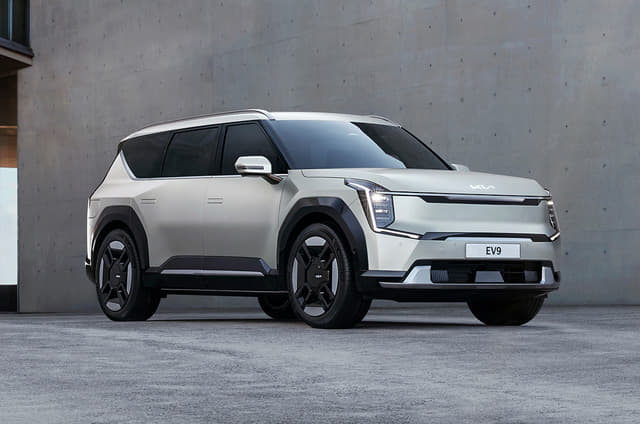
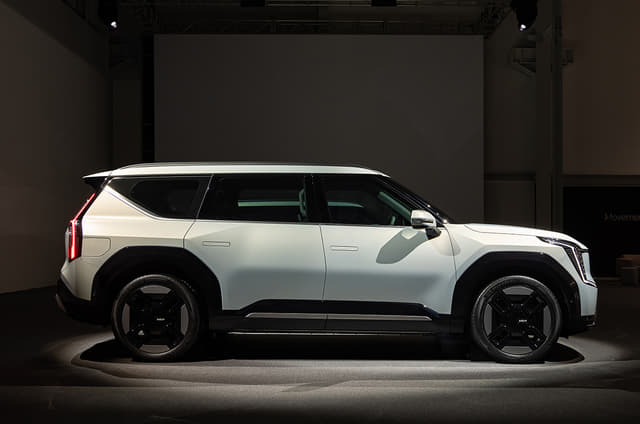
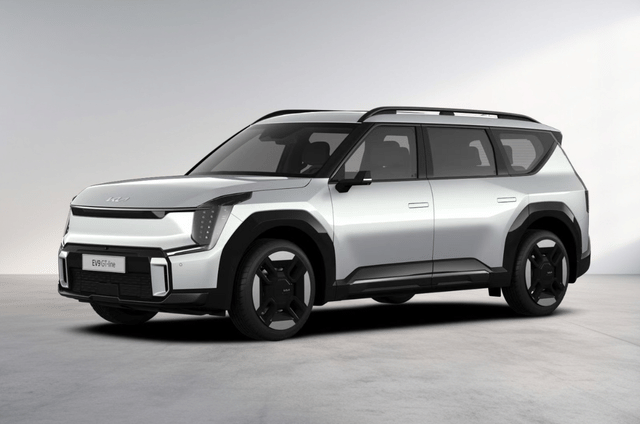
Most Expensive | Kia EV9 (₹1.30 Cr) |

Most Affordable | Maruti Suzuki Eeco (₹5.21 - ₹6.36 Lakh) |
Highest Mileage | Maruti Suzuki Eeco (26.8 kpl) |
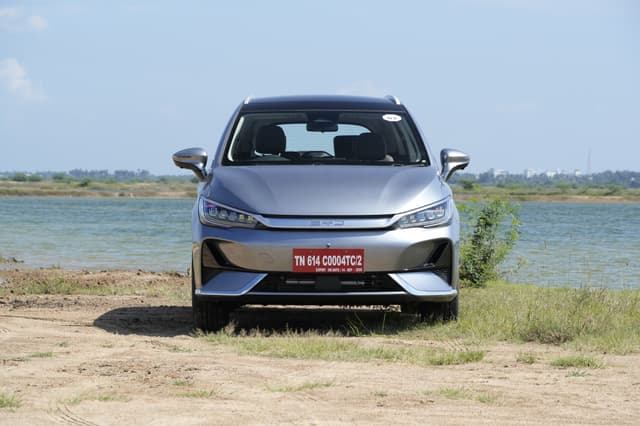
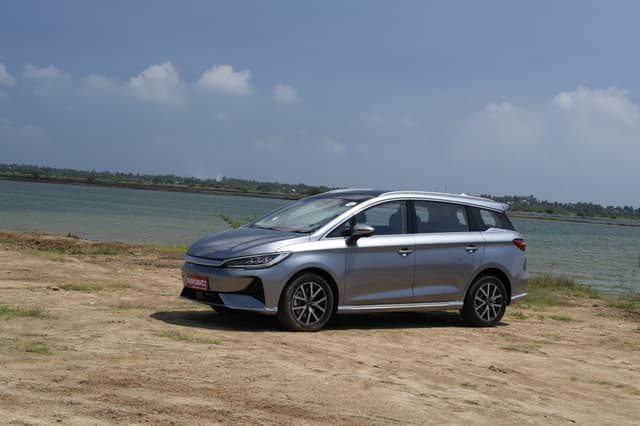
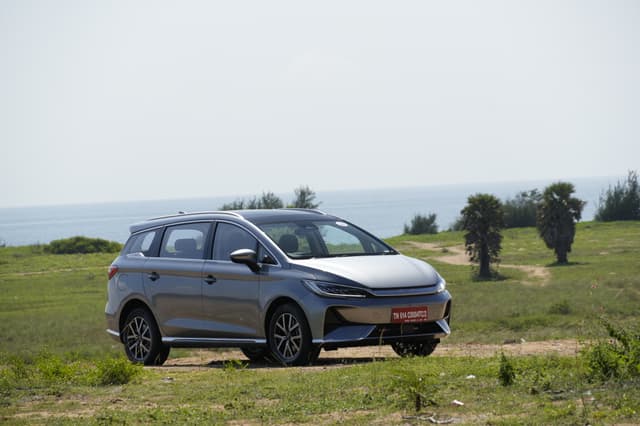
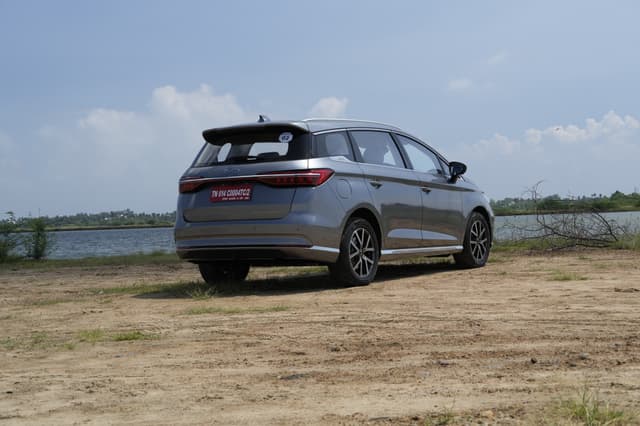
Electric | BYD eMax 7, Kia EV9 |
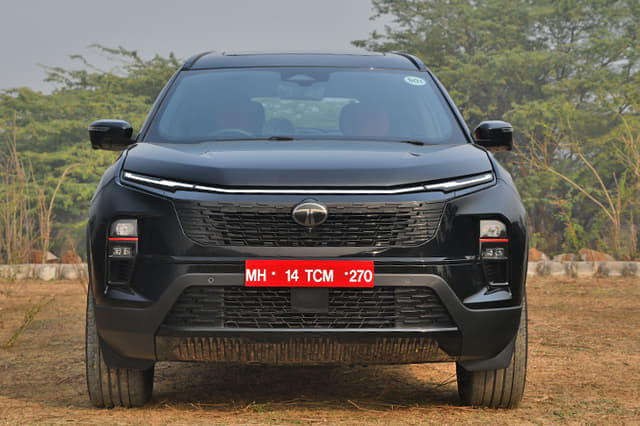
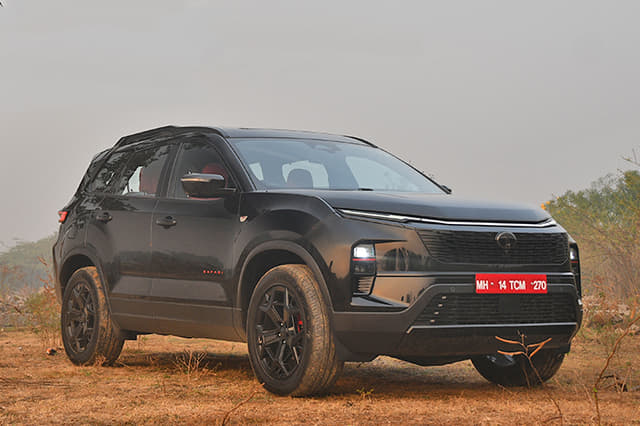
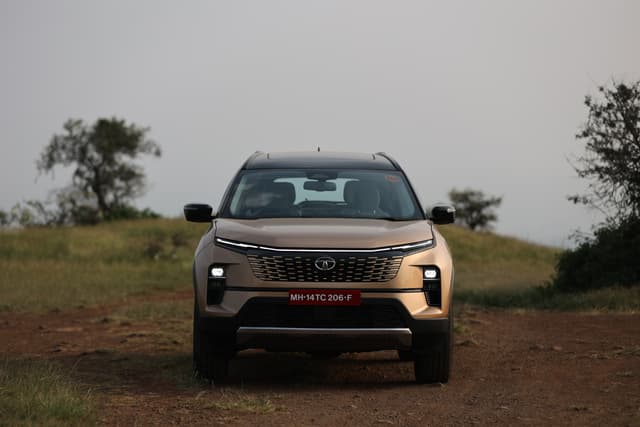
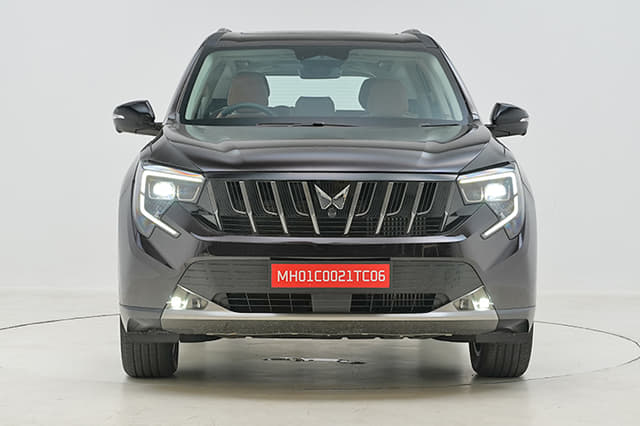
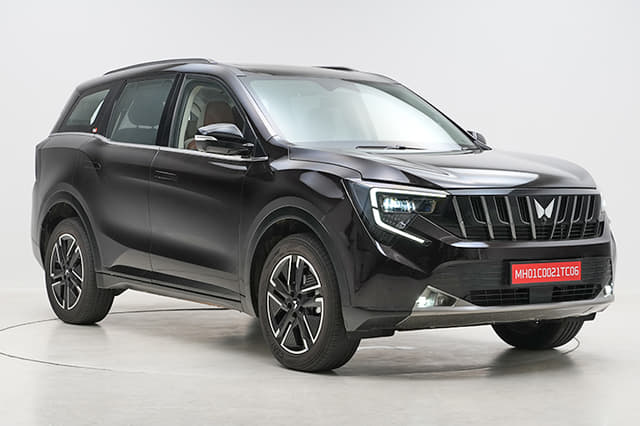
5-star Safety Rating | Mahindra XUV700, Tata Safari, Mahindra Scorpio N |


Find cars by body type


Find cars by body type


Find cars by fuel type
6-seater Cars - FAQs
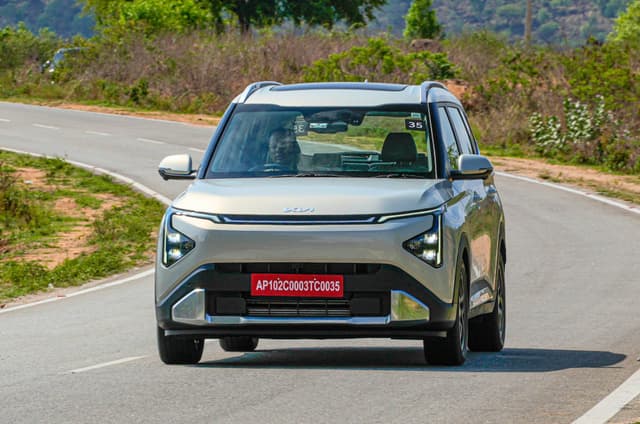
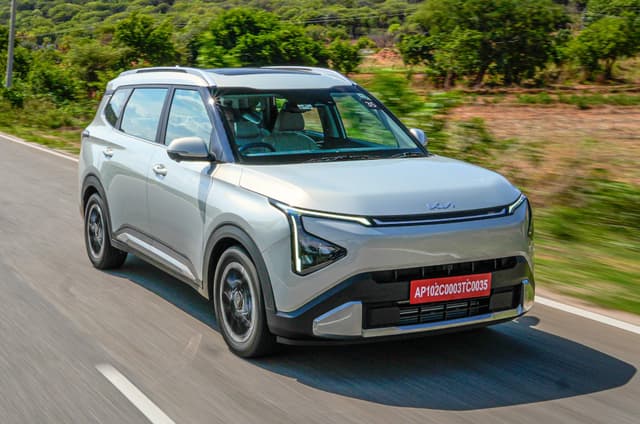
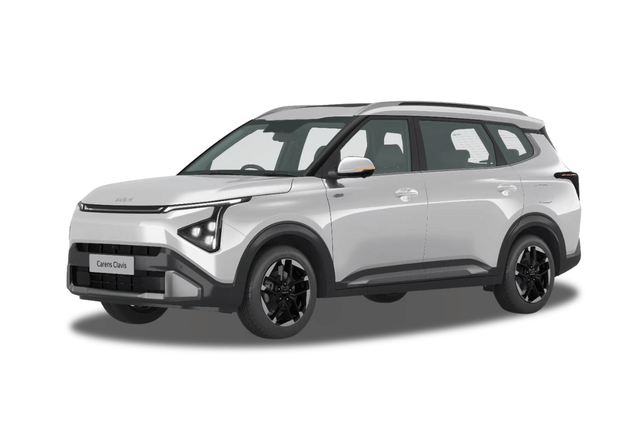
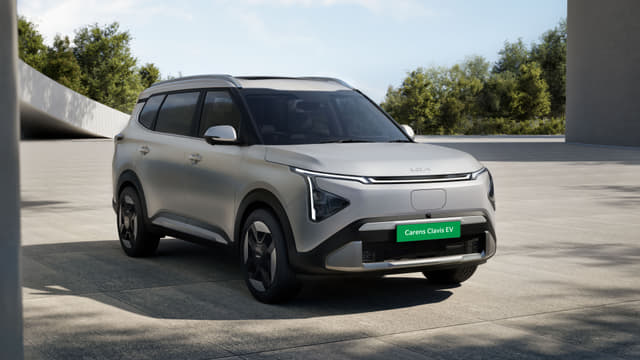
Some of the best 6 seater cars include the Mahindra XUV700, Tata Safari, and Kia Carens Clavis.
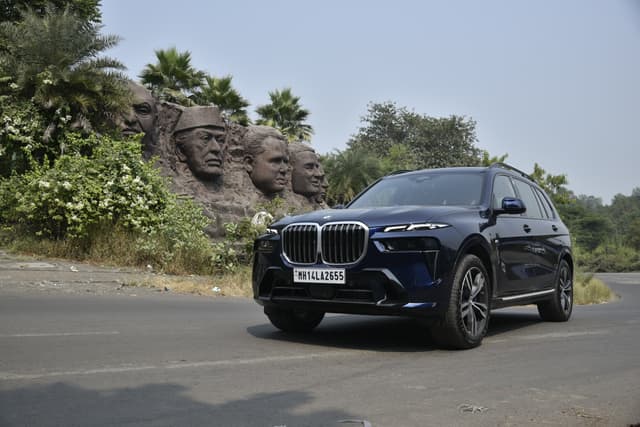
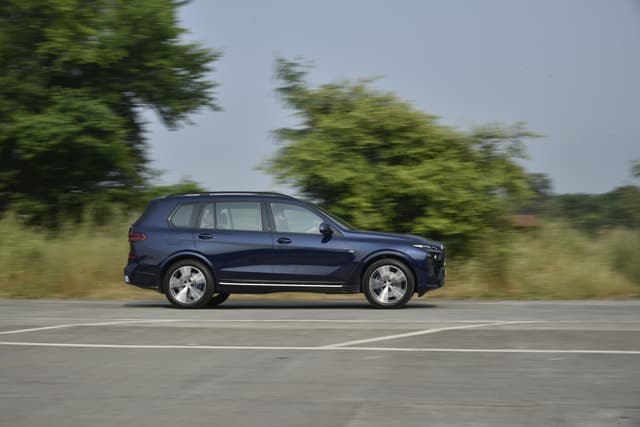
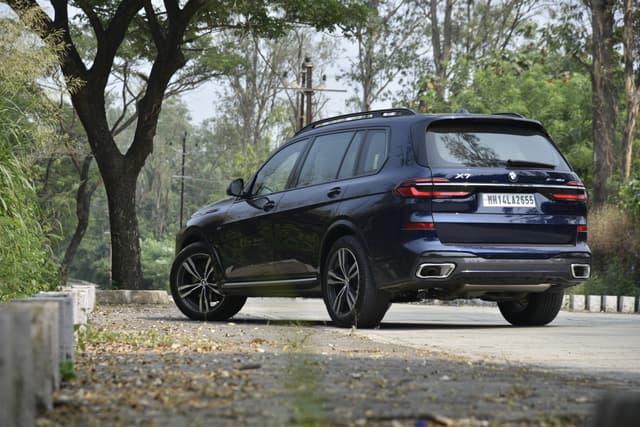
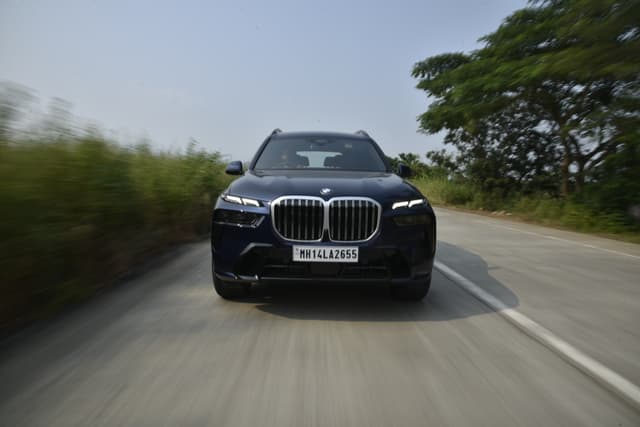
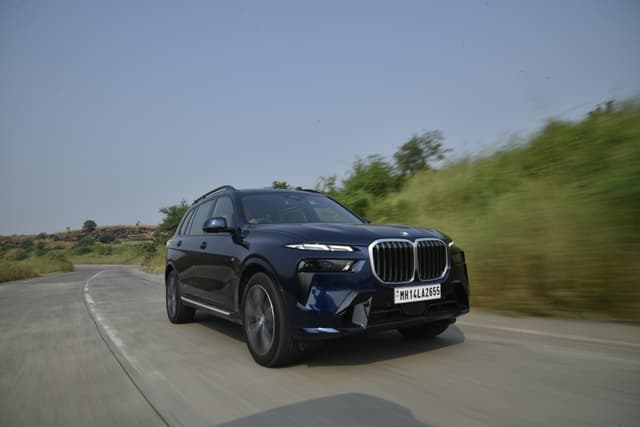
The 6 seater car price ranges from Maruti Suzuki Eeco at ₹5.21 lakh to BMW X7 priced at ₹1.25 crore (ex-showroom).
Buyers looking for 6 seater cars under 10 lakhs can consider the Maruti Suzuki Eeco, priced between ₹5.21 to ₹6.36 lakh (ex-showroom).
The most affordable 6 seater car is the Maruti Suzuki Eeco with a starting price of ₹5.21 lakh (ex-showroom).
Kia EV9 (₹1.30 Cr) is the most expensive 6 seater car.
Maruti Suzuki Eeco delivers 26.8 kmpl, making it a 6 seater car with highest mileage.
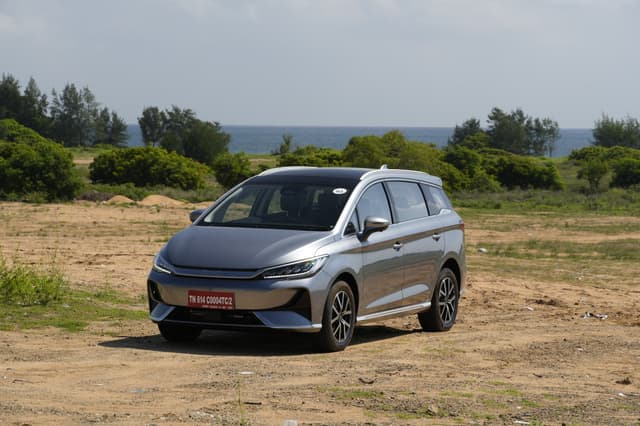
BYD eMax 7 and Kia EV9 are among the electric 6 seater cars currently available for buyers in India.
Some 6 seater cars with 5-star safety rating include Mahindra XUV700, Tata Safari, and Mahindra Scorpio N.
Trending Questions on Cars - Answered by Autocar Experts
I am thinking of buying the Toyota Hycross GX variant. The reasons for my choice are its reliable engine, trustworthy service network, and spacious cabin that can comfortably accommodate six family members. Could you please let me know if this is the right choice in the Rs. 30 lakh price bracket?
Yes, the Toyota Innova HyCross GX is a very sensible choice in the Rs. 30 lakh bracket, especially given your priorities. The 2.0-litre petrol engine is smooth, reliable and well-suited to long-term ownership, while Toyota’s service network and reputation for durability are among the strongest in the country. Where the HyCross really stands out is as a family car, it offers genuinely comfortable seating for six, a spacious and practical cabin, and a ride quality that makes long journeys easy. The GX variant also strikes a good balance between essential features and value, without pushing the budget unnecessarily. The only real drawback is that the petrol engine is not as fuel-efficient as the hybrid variants, but the hybrid versions are significantly more expensive and may not justify the premium unless your running is very high. Overall, the HyCross GX is a dependable, comfortable and practical family car that should keep you happy for many years.
My budget is Rs. 15 lakh. We are a family of four adults and two young kids (12 and 6 years old). Occasionally, we also travel with my two in-laws. Which is the best manual petrol car with good mileage, easy servicing, and easily available spare parts?
To buy a car under Rs. 15 Lakh for a family of four adults, two young children, and occasional trips with your in-laws, the priority should be space, comfort, and low running costs. The Kia Carens Clavis 1.5-litre NA petrol manual is the best fit here. It is one of the few cars in this price range that genuinely accommodates seven people comfortably, has a proven and reliable petrol engine, delivers decent fuel efficiency and benefits from Kia’s strong aftersales support. The sliding second row makes access to the third row easier, and the overall ownership experience is hassle-free. The only drawback of this Kia car is that the boot space is limited with all three rows up, but for your usage pattern, it strikes the right balance between practicality and cost of ownership.
I want to buy a six-seater petrol automatic. Which should I choose between Alcazar and Carens Clavis? Please analyse and suggest.
While both the Alcazar and Carens Clavis share the same 160hp 1.5-litre turbo petrol engine and 7-speed dual-clutch automatic, the Kia car is simply the better family car. Its MPV design translates into easier access to the third row, more usable space for six adults and a more comfortable third row, making it the more practical choice if you'll regularly use all six seats.The Alcazar fights back with its SUV styling, slightly more premium ambience and higher ground clearance. If those are priorities and the third row will only be used occasionally, it's a compelling option. However, if your focus is on carrying the family in comfort, the Clavis has the edge thanks to its roomier cabin and more practical layout.Both offer a similar ownership experience, safety kit and powertrain, so the decision really comes down to practicality versus image
Hi Experts, thank you for your previous advice! Based on your recommendation, I booked the Toyota Innova Hycross GX(O) Petrol 6-seater in Avant-Garde Bronze in Hyderabad, with delivery promised for August-end. However, I am facing massive FOMO due to the heavily camouflaged 2027 facelift spotted testing, and ongoing fuel confusion. Since I plan to keep this car for 15-20 years, I urgently need your final guidance on whether to cancel or take delivery: The Facelift (Expected Jan 2027): Is it worth cancelling and waiting 12-18 months for? Will I miss out on major cosmetic/interior design changes? Will Toyota bring safety tech like ADAS down to this Petrol GX(O) trim, or will it remain exclusive to the Rs. 35 lakh+ Hybrids? If the updates are genuinely worth it, I am willing to wait. My concern is fuel, warranty and resale over 20 years. The current car is E20-ready. Given my 15-20 year ownership plan, if E20 fuel is discontinued in the future like E5/E10, will filling up E25/E30 void my Toyota engine warranty? Will an E20-rated car suffer a massive hit in resale value when E30 becomes the national standard? Does an E30-compliant engine offer any real longevity or mechanical benefit for my low running of 4,000 km/year over two decades? Should I cancel now, or happily proceed with my August delivery? Best regards, Aarav Mehta.
Take delivery of the Hycross GX(O) petrol in August and do not wait for the facelift. The 2027 update will bring cosmetic changes and likely some interior tweaks, but it is unlikely to fundamentally change the ownership experience of the GX(O) petrol. Toyota typically reserves ADAS and more advanced safety tech for higher trims, and there is no strong indication that the GX(O) petrol will suddenly gain those features with the facelift. More importantly, the Hycross is already a fundamentally strong product with a proven powertrain, excellent reliability and a reputation for long-term durability, which is exactly what matters for a 15-20 year ownership plan.On the fuel front, your concerns are understandable but largely overblown. This petrol car is E20-compliant, and there is no official roadmap beyond E20 at this stage. Even if higher ethanol blends are introduced in the future, manufacturers typically engineer a margin of tolerance into their engines, and the impact is usually limited to a slight drop in fuel economy rather than any catastrophic mechanical issue. At 4,000 km a year, the difference is negligible over two decades. Resale value is driven far more by the Hycross’s reputation for reliability than by marginal changes in ethanol compliance.The only reason to wait would be if you are genuinely unhappy with the current GX(O) specification and are hoping for a major feature upgrade. Otherwise, you are better off taking delivery now and enjoying a car that is already one of the most dependable long-term ownership propositions on the market.
I am planning to buy a proper three-row diesel SUV, with a 6-seat configuration. I have shortlisted the top models of safari (ultra) and 7xo ax7L. Both have some advantages over the other in terms of features. I need expert feedback on driveability, driver comfort and overall comfort across all rows. I am thoroughly confused as to this decision. To add: This will be my second car. I have booked a Tiago EV for everyday office commute, and these will replace my Duster top-end diesel automatic. 7 seater I will use mainly with family on weekend trips and long trips Thanks in advance
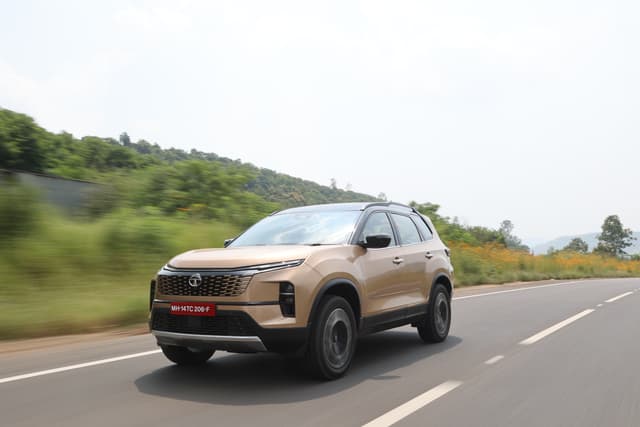
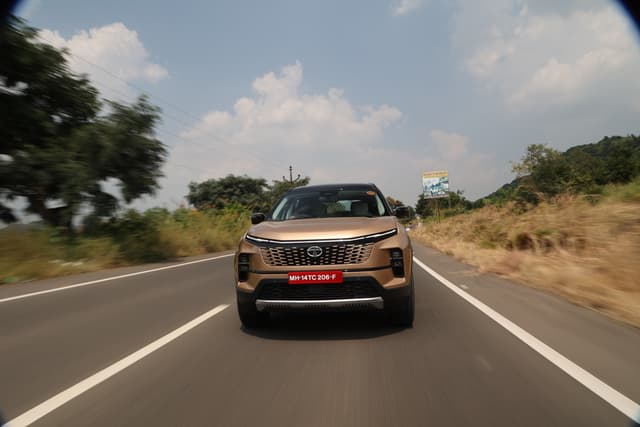
Pick the Tata Safari 6-seat. It keeps the family happiest on long trips thanks to the comfiest ride and the most adult-friendly third row in this class. The suspension soaks bad roads, it stays settled at highway speeds, and the captain seats are wider with better thigh support. The third row sits a touch higher, has better recline and vents, so even two adults can manage a few hours without grumbling. Luggage space with all rows up is tight on both.Behind the wheel, the Safari is a relaxed mile muncher. The driving position is upright, visibility is great, seats are supportive, and the automatic is smooth. It is not the quickest to kick down, the engine is gruff and not as refined as the Mahindra, and there is some lag at low speeds, but on open roads, it cruises quietly. Coming from a Duster automatic, the ride upgrade is big.The Mahindra XUV 7XO AX7L is the sharper drive with a stronger diesel and snappier responses, and its ADAS feels better tuned. If you often climb hills fully loaded or love brisk overtakes, it makes life easier. For all-row comfort, choose the Safari.
Last Updated on: 7 Aug 2026