



autocar-logo
Delhi

Last Updated on: 05 Feb 2026

Kia Carens Clavis EV
Autocar score
8
โ‚น19.05 - โ‚น25.99 Lakh
On road price, Delhi
Delhi
Startingโ‚น27,512 /month
EMI calculator

The Kia Carens Clavis EV is the electric counterpart to the ICE-powered Kia Carens Clavis. Its price ranges between Rs 17.99 lakh to Rs 24.49 lakh (ex-showroom). 
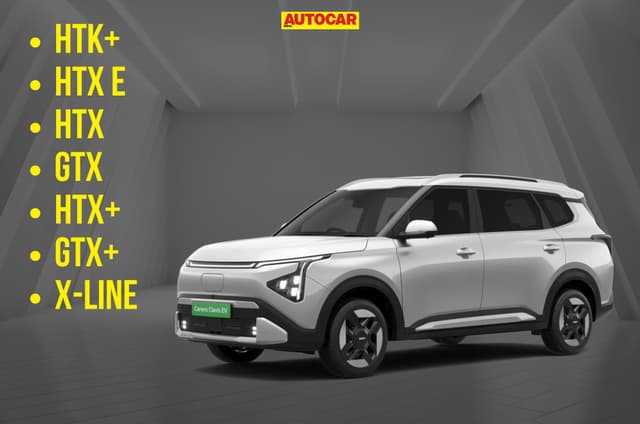
The Kia Carens Clavis EV variants include 6 options spread across three primary trims: HTK Plus, HTX, and HTX+. Kia offers the Carens Clavis EV with two battery pack options: a 42 kWh (Standard Range) and a 51.4 kWh (Extended Range).
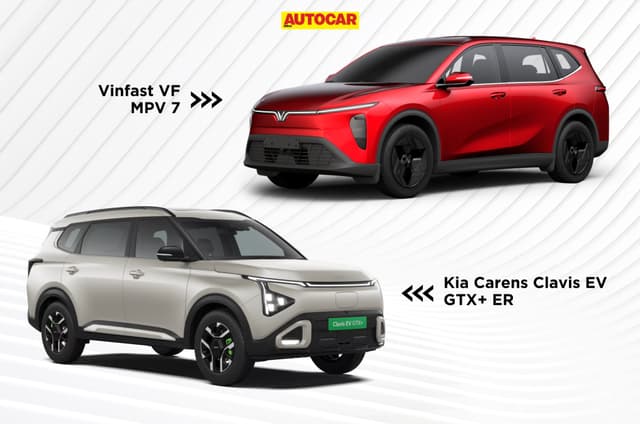
Kia Carens Clavis EV claimed range is between 404km to 490 km on a full charge, depending on the model. It rivals the BYD eMax 7
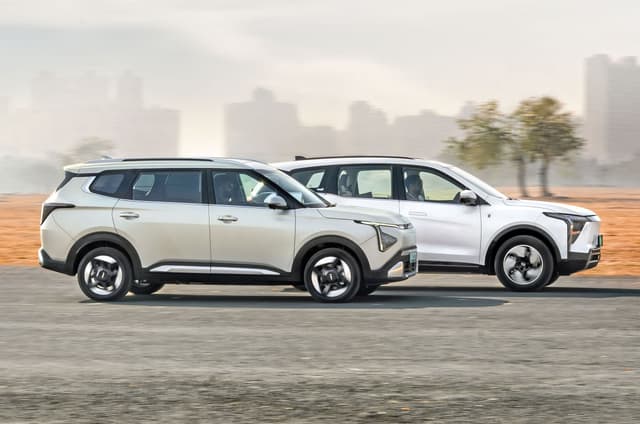
Key Highlights of Kia Carens Clavis EV
  • The Kia Carens Clavis EV is the first mass-market electric offering from Kia in India.
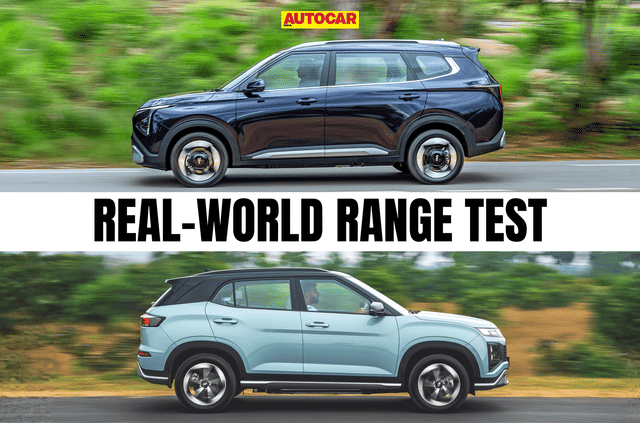
  • Most affordable all-electric three row MPV
  • Unlike its ICE sibling, it is only sold as a 7-seater.
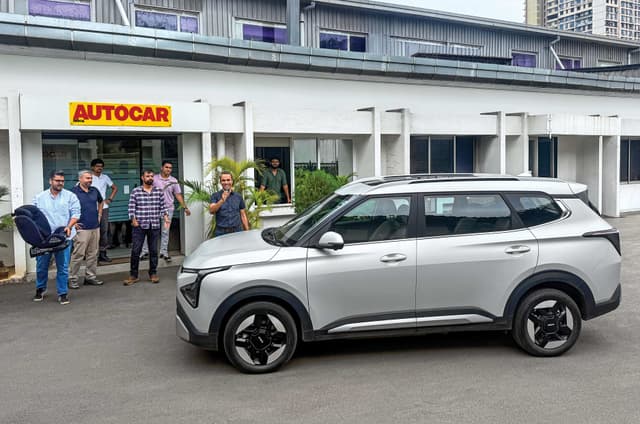
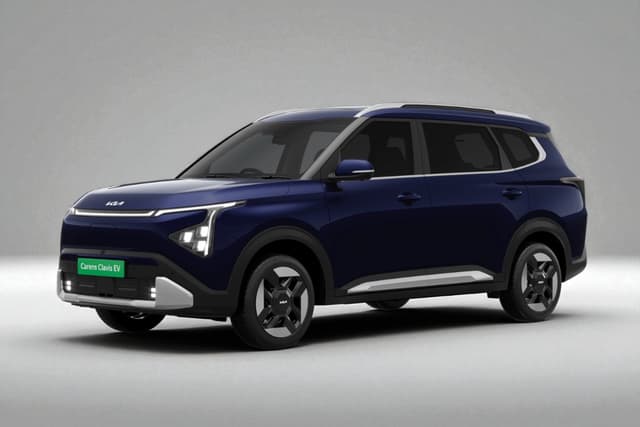
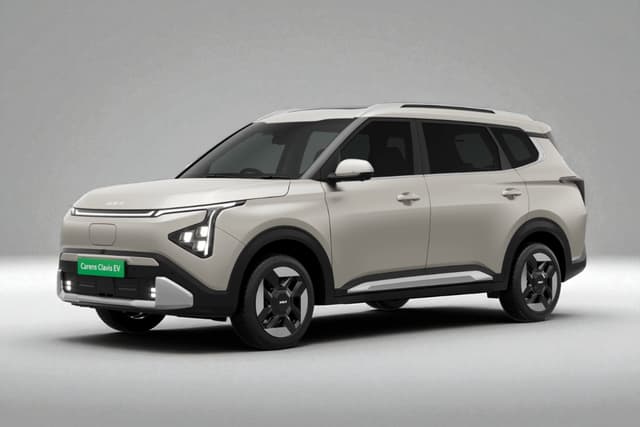
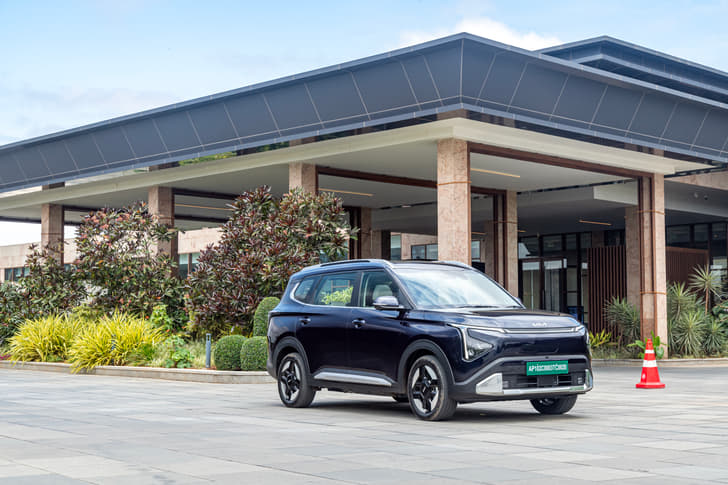
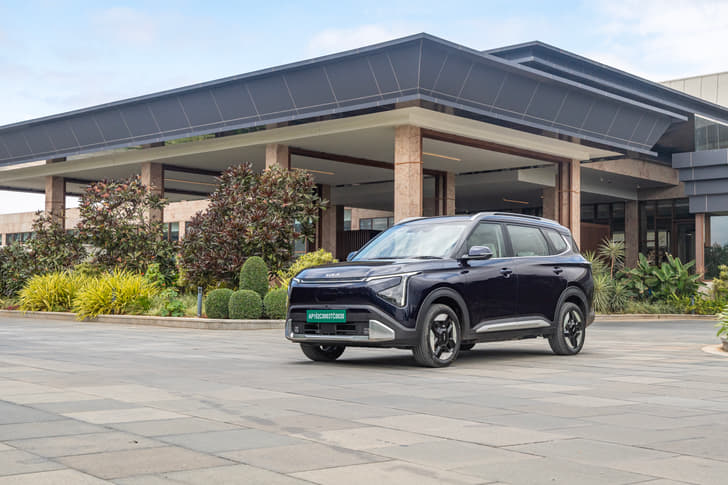
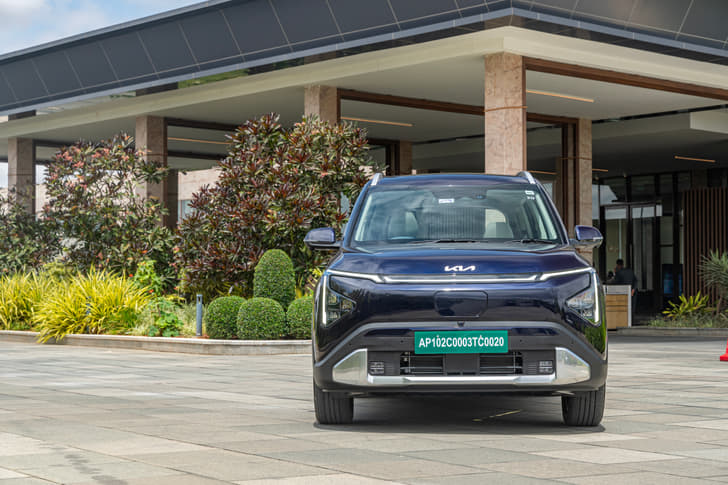
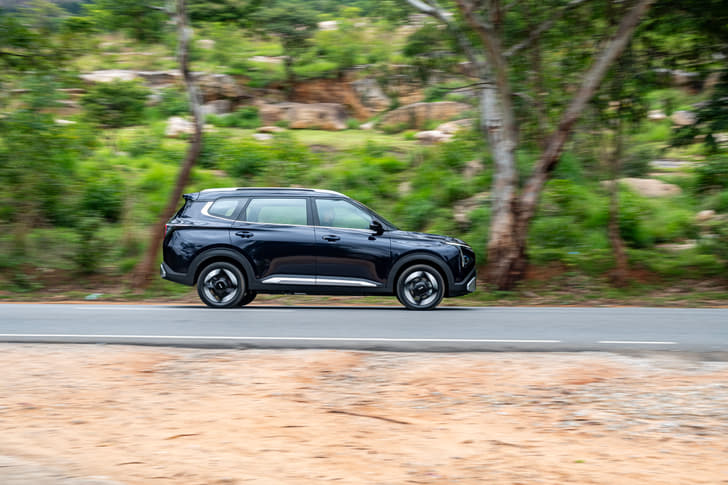
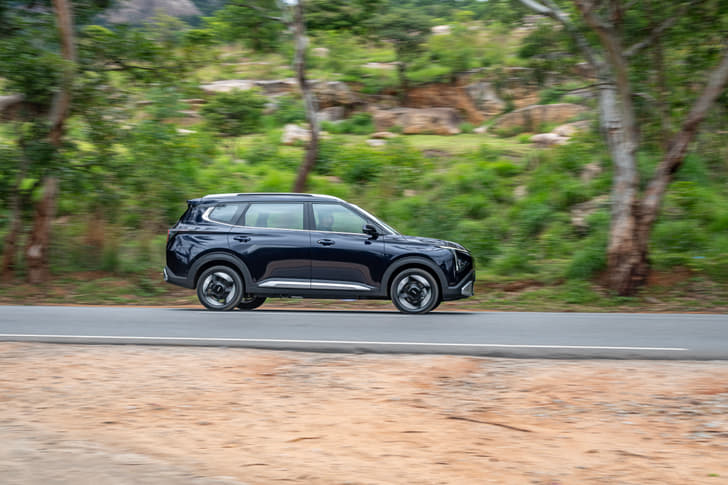
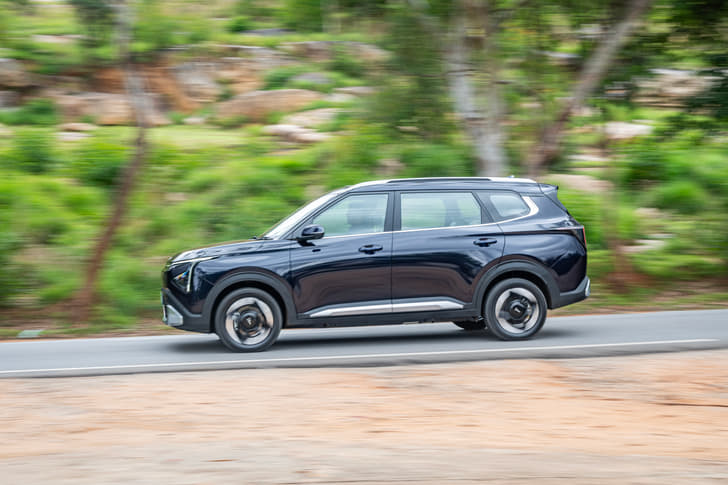
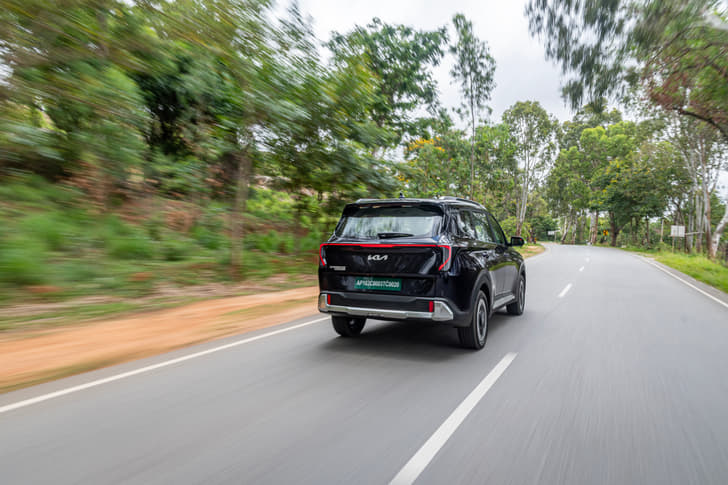
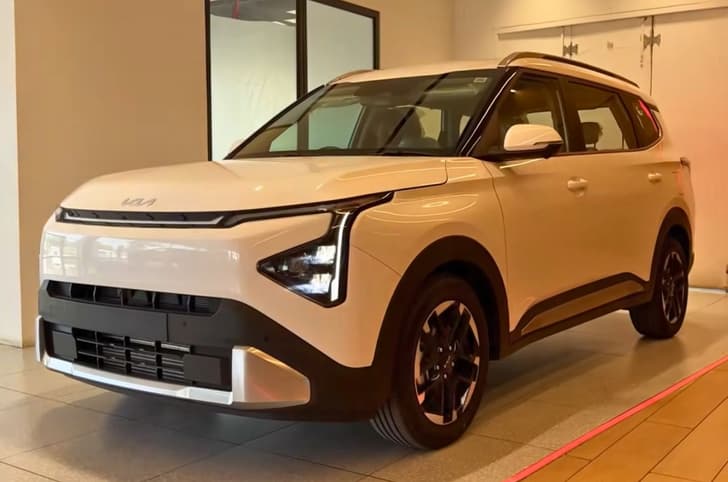
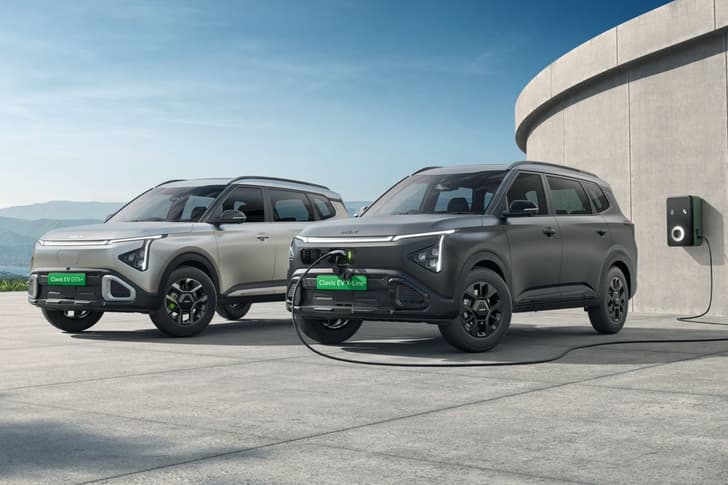
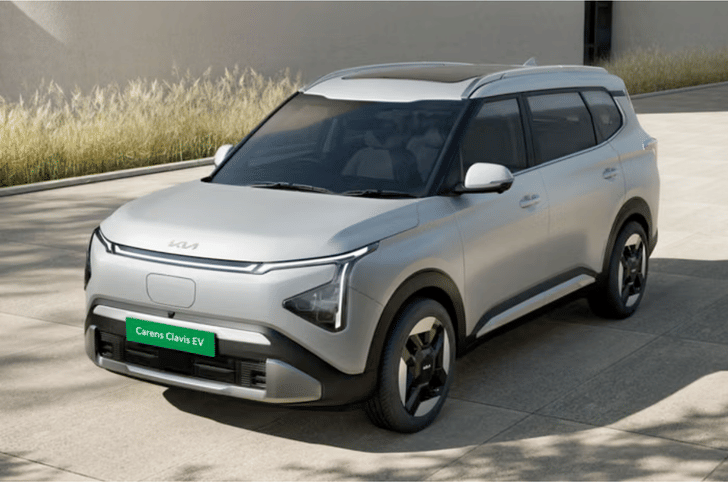
  • It features EV-exclusive styling such as a blanked-off front grille, front-mounted charging port, and aero-optimized alloy wheels.
  • The EV comes with two battery choices: a 42 kWh pack producing 135hp and a 51.4kWh pack producing 171hp.
  • Key features include a dual 12.3-inch panoramic displays, front seat ventilation, manual boss mode, 4-way powered driver seat, air purifier panoramic sunroof, 8-speaker Bose sound system, wireless phone charger and connected car tech
  • Safety kit includes six airbags,  ABS, EBD, ESC, hill start assist, hill descent control, front and rear parking sensors, and 360-degree camera
Show more

Kia Carens Clavis EV Latest Updates
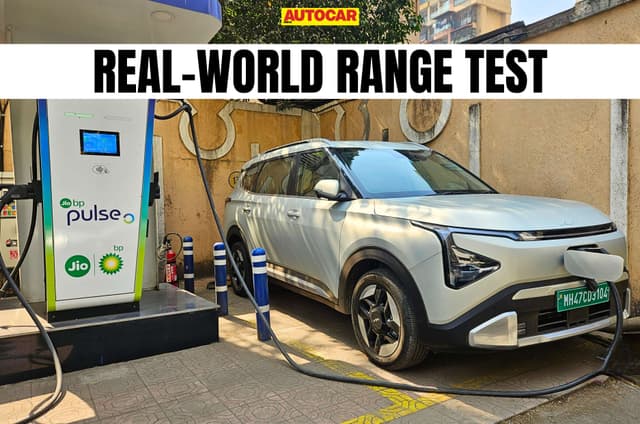
  • October 2025: Kia Carens Clavis EV HTX E launched at Rs 19.99 lakh
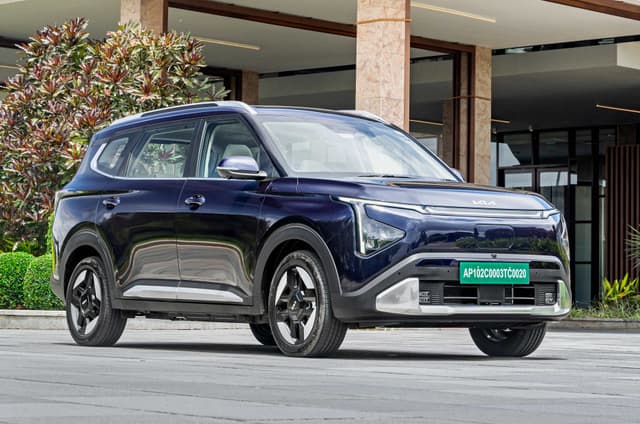
  • July 2025: Kia Carens Clavis EV launched in India as most affordable three row EV
  • June 2025: Claimed Kia Carens Clavis EV range is 490km on a single charge.
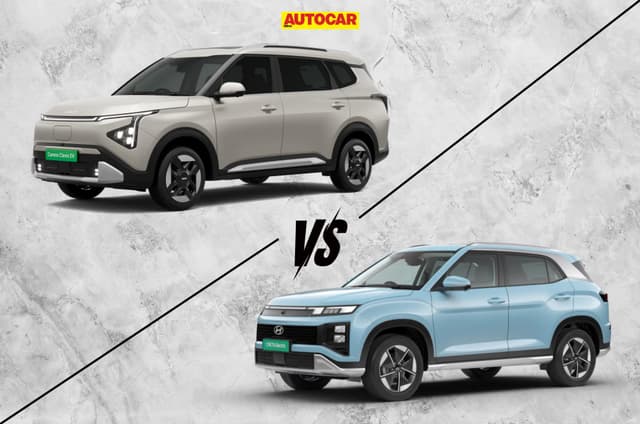
  • June 2025: Carens Clavis EV will get a 7-seat layout  at launch
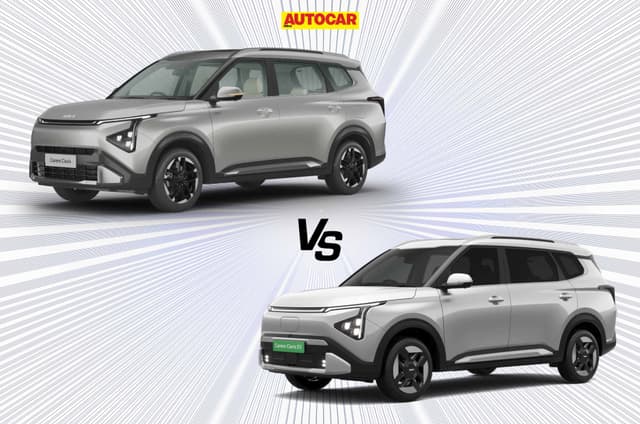
  • June 2025: Kia Carens Clavis EV confirmed for July 15 launch.
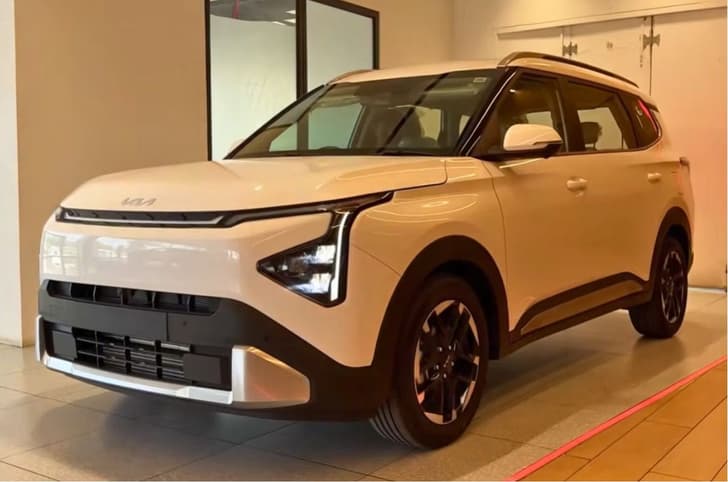
  • May 2025; Kia Carens Clavis launched as Carens facelift. 
Show more

Kia Carens Clavis EV Features and specifications
Our Rating
8
Mileage
404 km - 490 km
Fuel Type
Electric
Transmission
Auto
Seats
7
Body Style
MUV
Doors
5
Claimed Electric Motor Range
490 km
Warranty Distance
Unlimited km
Warranty Duration
3 Years
View all specifications

Kia Carens Clavis EV price & variants
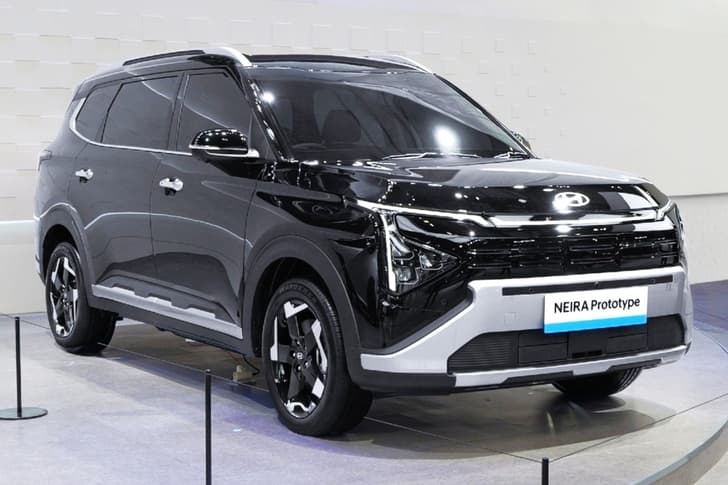
Kia Carens Clavis EV price starts at Rs 17.99 lakh for the entry level HTK+ variant with the 42kWh battery pack and goes all the way upto Rs 24.49 lakh for the HTX+ ER with the 51.4kWh battery pack. (both ex-showroom) 
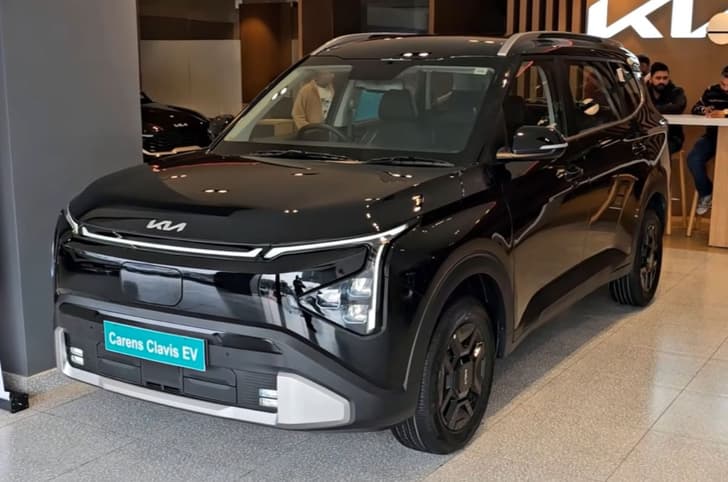
The Kia Carens Clavis EV variants include 6 options spread across three primary trims: HTK Plus, HTX, and HTX+.
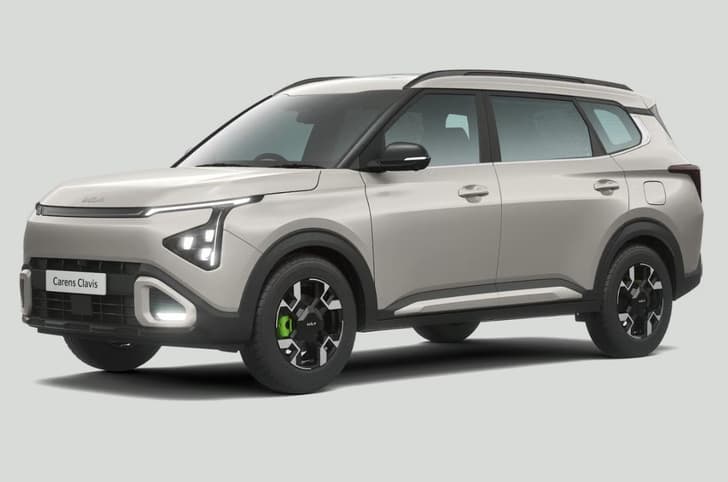
The 42kWh battery pack is sold with HTK+ and  HTX trims while the 51.4kWh battery pack is sold with the HTX and HTX+ trims. 

On road prices for the model range between Rs  19.05 lakh and Rs  19.05 lakh depending on the trim and city you purchase from.


Show more
VariantsOn road price
Kia Carens Clavis EV HTK+
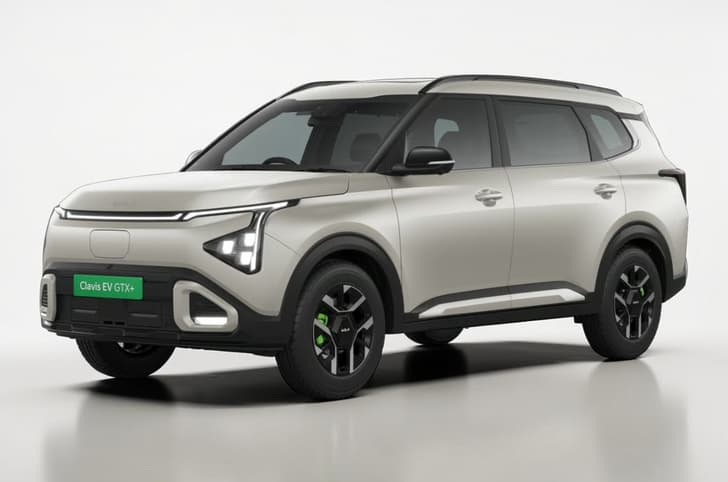
Electric | Auto
โ‚น19.05 Lakh
Cruise control
Airbags
Integrated (in-dash) music system
Touch screen infotainment system
Rear camera
Kia Carens Clavis EV HTX E
Electric | Auto
โ‚น21.15 Lakh
Kia Carens Clavis EV HTX
Electric | Auto
โ‚น21.77 Lakh
Driver fatigue alert
360 view camera
Ambient interior lighting
Cruise control
Sunroof
Kia Carens Clavis EV HTX E ER
Electric | Auto
โ‚น23.36 Lakh
Kia Carens Clavis EV HTX ER
Electric | Auto
โ‚น23.88 Lakh
Driver fatigue alert
360 view camera
Ambient interior lighting
Cruise control
Sunroof
Kia Carens Clavis EV HTX+ ER
Electric | Auto
โ‚น25.99 Lakh
Driver fatigue alert
360 view camera
Adaptive cruise control
Ambient interior lighting
Cruise control

Kia Carens Clavis EV Official Brochure

Download the complete brochure with specs, features, and variants.

Kia Carens Clavis EV expert review

Autocar score
8

We like

  • Practical, comfortable and well-finished interior

  • Brisk performance even with a full load

We don't like

  • Not ideal for long distance travel

  • Significantly pricier than ICE Clavis

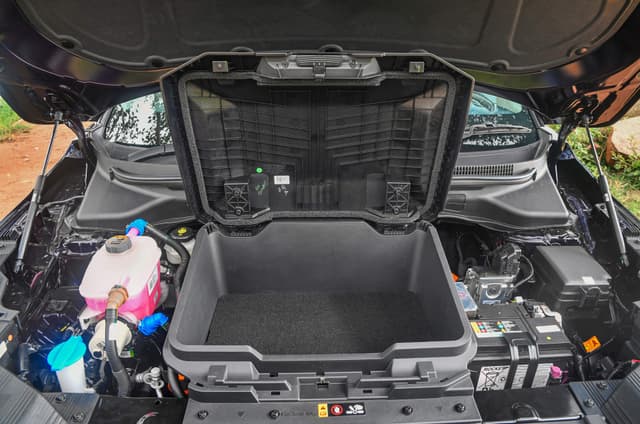
The Kia Carens Clavis EV doesnโ€™t radically change the MPVโ€™s shape but introduces EV-specific styling cues that set it apart from its petrol/diesel siblings. A glowing light bar above the grille, a central charging flap, new active-aero bumper elements and aero-optimised 17-inch wheels give the EV a purposeful yet familiar look. The bonnet hides a 25-litre frunk useful for storing charging cables.

Underneath, the EV shares much with the Creta Electricโ€™s architecture, with the battery pack tucked within the wheelbase, helping maintain usable interior packaging. Two battery options are offered: a 42 kWh pack with 135 hp/255 Nm and a 51.4 kWh Extended Range version with 171 hp/255 Nm, both driving the front wheels.

Inside, the Clavis EV cabin feels familiar to anyone who has sat in the ICE version, with a smart dash and twin-screen layout. EV-specific touches include a floating centre console with integrated cupholders and controls for ventilation and drive modes. A roomy feel and good ergonomics continue to define the interior.

Seats are comfortable with partial power adjustment for the front row, and the steering offers rake and reach adjustment. The middle row remains flexible and comfortable, with 60:40 split sliding seats and generous recline. A powered seat tumble makes access to the third row effortless.

The third row is usable for average-sized adults, and boot space with all seats up accommodates soft bags. Folding the rear rows expands luggage space for longer trips or bulky loads.

In extended range form, the Clavis EV feels brisk for an MPV, with Kia claiming a 0-100 km/h time of about 8.4 seconds โ€” impressive for a seven-seater electric family mover. Power delivery is smooth with plenty of low-end pull, making overtaking and loaded cruising easy. Normal mode delivers more than adequate performance for everyday use, and even Eco mode feels competent.

Cabin refinement is a highlight. The EVโ€™s electric drivetrain is quiet, and road and wind noise are well contained, creating a serene environment that complements relaxed cruising and family conversations.

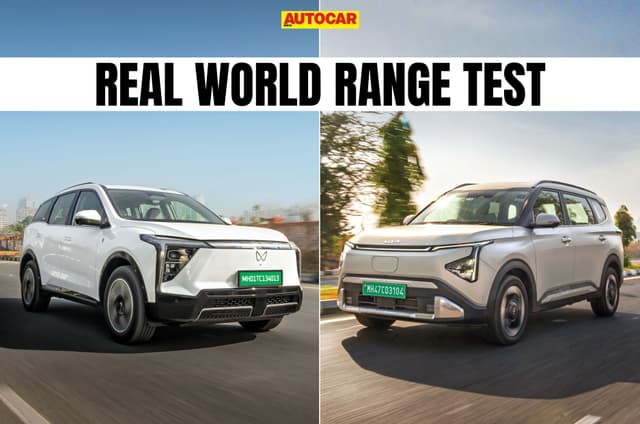
Official figures state up to 404 km range for the 42 kWh version and 490 km for the larger battery, though real-world testing during the Autocar India review put the Extended Rangeโ€™s practical range closer to 320-350 km, especially on hilly roads. DC fast charging can bring the battery from 10 to 80 percent in about 39 minutes, and AC charging to full takes around 4-4.75 hours depending on pack size.

This makes the Clavis EV well suited to daily drives and moderate highway runs, though it may not be ideal for frequent long-distance travel without planning around charging stops.

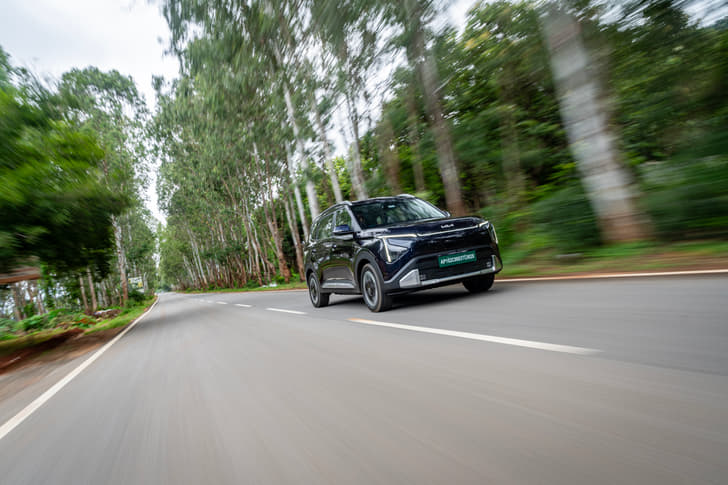
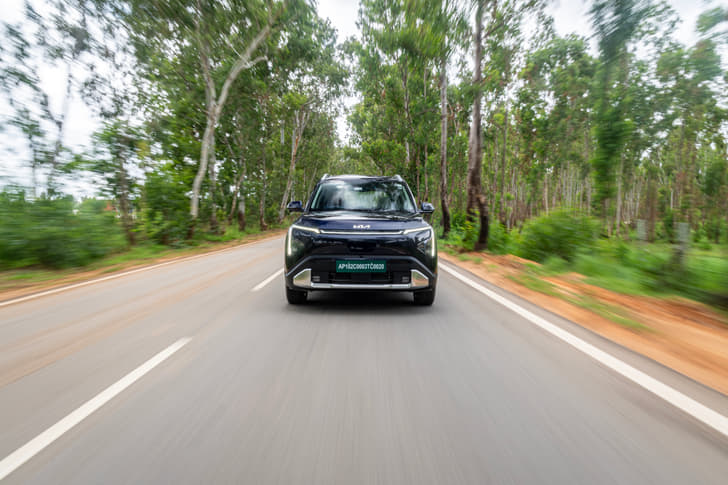
The Clavis EVโ€™s ride comfort remains a strength despite the extra weight of the battery pack. Kia has retuned the suspension to handle the mass, and the result is a composed ride that softens most road imperfections. Sharp speed breakers can cause a firm impact before the suspension settles, but overall comfort for passengers across all three rows is good.

Steering is light and easy, aiding city driving and low-speed manoeuvres, while higher-speed stability feels assured. Regen braking, adjustable via paddleshifters, works well with adaptive cruise to modulate speed and can even enable a one-pedal driving feel at its strongest setting.

The Clavis EV inherits the Carensโ€™ feature list, with a generous offering of tech and convenience equipment. Higher trims get dual high-res screens, a 360-degree camera and advanced driver aids, while the EVโ€™s adaptive systems work well with regen and cruise control for a relaxed driving experience.

Safety gear includes multiple airbags, stability control and parking aids, making it competitive for its segment.

Reviewed by: Nikhil Bhatia

Kia Carens Clavis EV mileage

The Kia Carens Clavis EV range is officially rated at up to 490km. It is expected to get the same 42kWh and 51.4kWh battery packs as the Hyundai Creta EV, along with a front-mounted electric motor. Output numbers for both powertrains are likely to be similar to the Creta EV, but since the Carens Clavis EV is larger, expect slightly lower claimed range and performance figures.

Show more
Fuel typeDisplacementTransmissionMileage
Electric42 kWhAuto404 km
Electric51.4 kWhAuto490 km

Kia Carens Clavis EV Images

Explore all angles of the Kia Carens Clavis EV with detailed images of its exterior, interior, and features.

Front View Image - 19236
Front Right Three Quarter Image - 19237
Front Right Three Quarter Image - 19238
Rear Right Three Quarter Image - 19239
Alloy Wheels Image - 19240
Full Cabin View (Top Angle) Image - 19241
Charging Ports Image - 19242
Front Left Three Quarter Image - 19526
Right Side View Image - 19532
Front View Image - 19549
Full Cabin View (top Angle) Image - 19550
Instrument Cluster Image - 19557
Digital Tachometer Image - 19561
Dashboard Image - 19563
Instrument Cluster Image - 19569
Left Side View Image - 19592
Armrest Image - 19596
Digital Instrument Cluster Image - 19599
Front Left Three Quarter Image - 19608
Exterior Door Handle Colour Body Coloured Image - 19615
Alloy Wheels Image - 18826
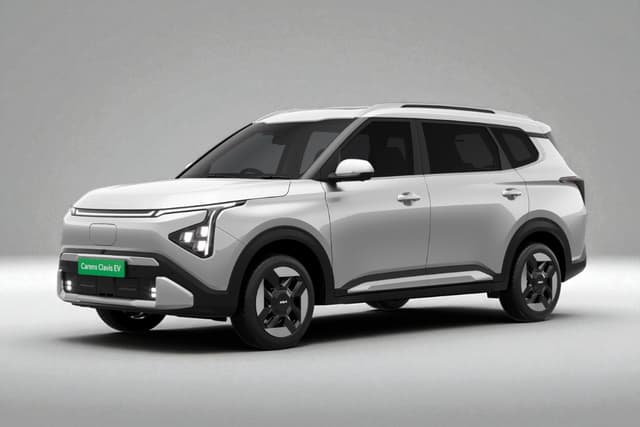
Color Ivory Silver Matte Image - 19230
Color Glacier White Pearl Image - 19231
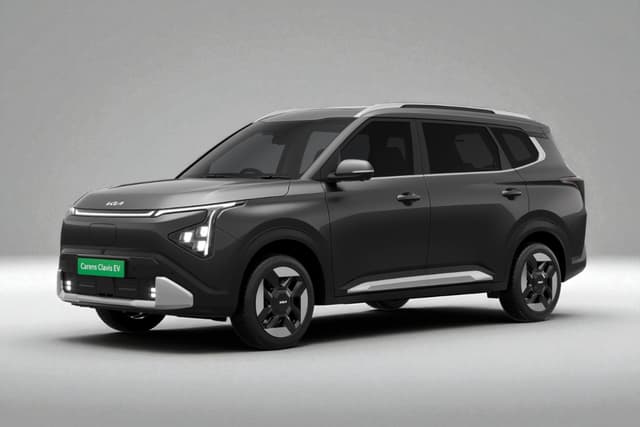
Color Pewter Olive Image - 19232
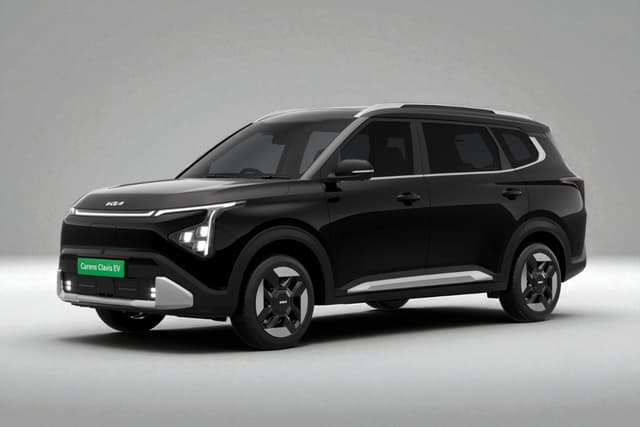
Color Aurora Black Pearl Image - 19233
Color Imperial Blue Image - 19234
Color Gravity Grey Image - 19235

Kia Carens Clavis EV videos

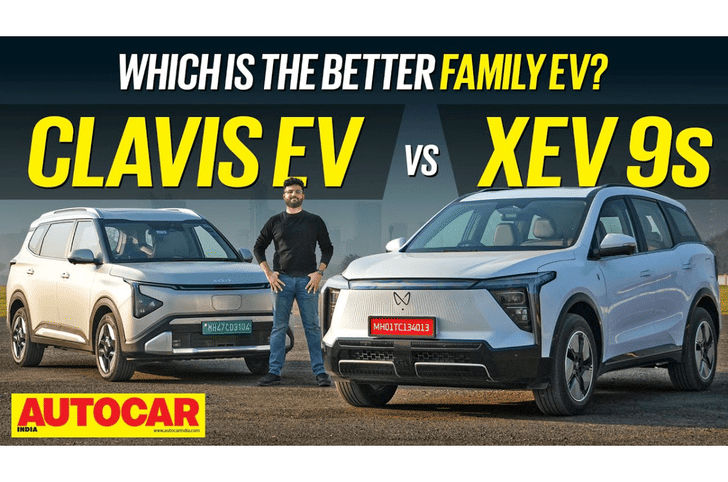
Catch our video coverage of the Kia Carens Clavis EV, highlighting its bold design, proportions and modern features for MPV buyers. Our Walkarounds and review showcase interior layout, exterior styling, handling and powertrain details.

Show more

Kia Carens Clavis EV Colours

Kia Carens Clavis EV FAQs

The Kia Carens Clavis EV is available with two battery options: a 42 kWh pack (Standard Range) and a 51.4 kWh pack (Extended Range)

Using a 100 kW DC fast charger, the Kia Carens Clavis EV can charge from 10% to 80% in approximately 39 minutes. A full charge via an 11 kW AC home charger takes between 4 to 4 hours 45 minutes.

nlike the standard ICE model, the Kia Carens Clavis EV is strictly offered in a 7-seater configuration.

The Kia Carens Clavis EV comes with a Level 2 ADAS suite, 6 airbags as standard, ESC, all-wheel disc brakes, and a 360-degree camera.

Yes, the higher trims of the Kia Carens Clavis EV feature a Dual Pane Panoramic Sunroof.

The claimed range is 404 km for the 42kWh battery and 490 km for the 51.4kWh battery.

The Kia Carens Clavis EV comes with 6 options spread across the HTK Plus, HTX, and HTX+ trims.

The Standard Range produces 135hp, while the Extended Range produces 171hp. The motor produces 255 Nm of torque across all variants.

The cabin includes dual 12.3-inch screens, a panoramic sunroof, ventilated front seats, an 8-speaker Bose sound system.

The frunk has a capacity of 25-litres.

Need an expert opinion on your car related queries?

Trending Questions on Kia Carens Clavis EV - Answered by Autocar Experts

A
Asked by: Avinash Tallamon Feb 22, 2026

I am considering buying an EV with a โ‚น15-20 lakh budget. My strong contender is the MG Windsor EV. Some of my friends have advised against the brand, citing quality and safety concerns. Is there any truth to these concerns? Please also advise on any other cars in this price segment. My primary use case is family use, and another important consideration is that the vehicle needs to be handicap-friendly or allow for handicap-friendly modifications.

The MG Windsor EV is a good, value-for-money option in the market. Owners have been largely satisfied with their purchase, with no particular known flaw or fault with the vehicle. We suspect that the advice you've been getting seems to be hearsay rather than first-hand experience. 

Yes, the user-experience isn't the easiest as most functions are embedded in the rather slow touchscreen. However, this is something that, as an owner, you will get used to. What you will appreciate, though, is the sheer cab and boot space on offer, which for its price seems unmatched. 

Since you have a budget of Rs 20 lakh, we'd recommend you seriously consider the entry-level Kia Carens Clavis EV, which is a three-row electric MPV. It is a lot more expensive than the MG Windsor EV, but it feels more premium and more polished. 

You will have to reach out to a reputed specialized service provider to discuss the possibilities of modifications on either of these two cars to make them handicap-friendly.

B
Asked by: Bhadraon Feb 3, 2026

My daily driving is between 80-120 km, mostly on the Hyderabad ORR. Once a month, I also visit my native place, which is 350 km one way from Hyderabad. Iโ€™m looking to replace my 2021 Grand i10 Nios, most likely with an EV. My budget is around โ‚น14-18 lakh. Please suggest.

With usage that high, especially highway usage, we do not recommend getting an electric car, at least not at present. While the need for cost savings is understandable, such high daily usage will require daily charging, which will quickly shorten the battery's life. Moreover, a 350km one-way trip will require an EV with a very long range, and most in this price bracket will not do it comfortably, so at least one charging stop is imperative.
Instead, we recommend a strong hybrid SUV like the Maruti Suzuki Victoris, or if you can wait until Diwali, the new Renault Duster hybrid, as it offers the best of both worlds - low running costs as well as flexibility.
If you are still set on having an EV, you would need at least a mid-size EV, such as the Tata Curvv EV, Mahindra BE 6, Hyundai Creta Electric, or Kia Carens Clavis EV, in order to have enough comfortable range, but those would be outside your budget of Rs 18 lakh.
K
Asked by: Kamleshon Feb 2, 2026

My running is approximately 5,000 km per year, entirely within the city. Should I go for an EV or an automatic petrol car in the โ‚น20-25 lakh price range? I am considering an EV mainly for tax savings (40% tax deduction), but I am unsure whether petrol would be better. Please guide me on what makes more sense financially, as well as from a maintenance perspective.

Since your annual usage is so low, and all within the city, an electric car makes a lot of sense, both from the point of view of tax savings and due to much lower running costs. However, our advice is not to rely on the public charging network alone, and instead ensure you have a charger installed at your home or place of work, if not both. If you do have to make an occasional outstation trip, plan carefully and pick a route with multiple public chargers along the way, topping up in small amounts as you go.
As for which car you should choose, there are plenty of options. If you want the best all-rounder with maximum efficiency, get the Hyundai Creta Electric. If you require more space, the Kia Carens Clavis EV is a great option. If you want ultimate value for money, try the Vinfast VF7. And if you want a dramatic and exciting EV with some compromises to practicality, check out the Mahindra BE 6.
S
Asked by: sreeon Jan 23, 2026

I own a 2021 Ertiga that has done 30,000 km. I primarily use it for my office commute, with 2-3 long-distance trips per year (about 200-500 km). My office commute is a solo drive, but outside of the office, I use it as a family car for four people and occasionally up to six (including two kids). Iโ€™m considering upgrading to an EV, but Iโ€™m confused about which option to choose among the different ranges - Hyundai Creta EV, Tata Harrier EV, and Mahindra XEV 9S. I plan to hold this vehicle for at least 4โ€“5 years and prioritise passenger comfort and driving pleasure. Please suggest which EV I should choose.

Considering that you may occasionally need more than five seats and plan to keep the car for at least four to five years, we would recommend opting for a six or seven-seater. Because of this, the Hyundai Creta EV and the Tata Harrier EV can be ruled out, as both are strictly five-seaters.

The Mahindra XEV 9S is very competitively priced and comes loaded with features. The downside is the ride quality, especially in the second and third rows. It can feel a bit too soft due to the suspension setup. This is not much of an issue in city driving, but at highway speeds on uneven surfaces, the car tends to bounce as the suspension takes time to settle.

Since you had also shortlisted the Hyundai Creta EV, we would suggest taking a look at the Kia Carens Clavis EV, as it uses the same powertrain and battery. It works better as a six or seven-seater, thanks to a more spacious third row compared to the 9S, where even adults can travel in reasonable comfort. While it is not as powerful as the Mahindra XEV 9S. It still offers more than enough performance even with a full load, and the suspension feels more comfortable overall.

One important thing to note is the battery size. The Clavis EV has a smaller battery pack compared to the XEV 9S. In real-world usage, the Mahindra can deliver over 450 km on a full charge. While the Clavis EV is likely to offer closer to 350 km of realistic range.

Y
Asked by: Yudhvir Talwaron Jan 22, 2026

I wish to buy EV and replace my Hyundai Creta 2019. I want a comfortable family car for mainly city drive which shouldbe able to carrymy golf set in the boot.. I am 82 years old therefore good driving comfortable car. Please suggest

If you're happy with your 2019 Creta, the ideal switch for you will be a Hyundai Creta Electric. It's a relaxed, easy to drive and very likeable EV. Range is good, so you won't need to plug it in all that often, and there's ample boot space too. However, we would urge you to try fitting your golf set into be absolutely sure. 

Alternatively, you could look at the Kia Carens Clavis EV. It's got the same attributes as the Creta Electric (the two models are related) with the added flexibility of a third row of seats. With the last row of seats folded, your golf set should fit comfortably in the vehicle.  

P
Asked by: PREETHAM RODRIGUESon Jan 22, 2026

Hi, I have a budget of Rs 20 lakh and typically keep my cars for at least 10 years. My annual running is around 12,000 km. I am confused between the Kia Seltos HTE(O) petrol or diesel automatic, Kia Carens Clavis EV, and Hyundai Creta EV. Which would be the best buy?

Your annual mileage of 12,000 km is not very much, and it will take years to recover the higher purchase price of an electric car. Plus, the depreciation of an EV after 10 years is likely to be quite poor. Still, EVs have other benefits, such as almost zero pollution, a smooth, effortless driving experience, and ultra-low running costs. If you have a charging station at home and are doing a round trip of around 300-400km on the highway, an EV makes more sense.
Between the Kia Carens Clavis EV and the Hyundai Creta Electric, the Clavis is a more spacious car, offers a third row, and is cheaper too. This is a good option and our pick over the Creta, which isnโ€™t as functional as the Carens Clavis. The only reason to buy the Creta EV is its superior range, which is crucial for long-distance driving.
P
Asked by: PREETHAM RODRIGUESon Jan 20, 2026

Hi, I currently own a Hyundai Elantra CRDi (2012) and Iโ€™m planning to change it. I usually keep my cars for at least 10 years. My budget is โ‚น20 lakh and my annual running is about 12,000 km, including a daily run of 20 km. This time I want an automatic, so Iโ€™ve shortlisted the new Kia Seltos diesel HTE(O), Kia Carens Clavis EV, Hyundai Creta EV, or a used 2-year-old Tata Harrier or Mahindra XUV700. I know these options are from different segments and power sources, and Iโ€™m open to that. My concern is that after 12 years of use, if I sell a diesel car, I might get only about โ‚น3 lakh, whereas if I buy an EV and use it for 12 years, wonโ€™t I get at least โ‚น2 lakh+ back while saving on fuel and service costs? I make a 350 km trip only twice a year, and both diesel and EV cars cost almost the same with EVs offering more features. Iโ€™m confused โ€” isnโ€™t it a good plan to go for an EV?

Since you are able to purchase a new Kia Seltos or Carens Clavis EV, we would suggest you not look at a used Tata Harrier or XUV700, as these are quite close in size, performance and features. If you are buying used, it makes sense to get something from two segments above. 

As to your query about a diesel or electric, yes, both are not likely to have a high resale value. There's certainly a cloud over diesel's long term future, and the pre-owned EV market is too nascent to judge future potential. 

We would, however, recommend the EV as you will be keeping your car for about 10 years, and in that time with your running you would save on fuel bills. Between the Hyundai Creta electric and the Clavis EV, we would suggest the Kia as it's very similar mechanically. But also offers you the benefit of the third row of seats, which is quite spacious and usable. 

I
Asked by: Idrishon Jan 6, 2026

With a budget of โ‚น22 lakh, which seven-seater hybrid car without a sunroof should I consider?

There is no hybrid 7-seater available in India.  The only one you could look at is the Toyota Fortuner, but that is a mild hybrid system and is priced at over Rs 50 lakh. If you are looking for a seven seater and something with a very low running cost, you could consider an electric car, assuming you have charging at home or work. The Kia Carens Clavis EV would be a good option in this case.    
A
Asked by: Abilash kumaron Dec 28, 2025

I am looking to buy a new 7-seater EV and am confused between the XEV 9S and the Harrier EV. I plan to go on long trips and am unsure whether to choose an EV or an ICE vehicle. I also prefer a car without a sunroof. Please advise.

Between the two EV options you have shortlisted, only the Mahindra XEV 9S gets a seven-seating configuration. It is good to drive, has a respectable real-world highway range, and its entry-level variants are great value for money. Do note that a panoramic sunroof is available across all variants of the Mahindra XEV9S.
Another impressive 7-seater is the Kia Carens Clavis EV. While it is more compact and doesnโ€™t have the same road presence as the XEV9S, and its range is lower, as a seven-seater, it remains an excellent, no-nonsense choice.
A
Asked by: Abhinav Sharmaon Dec 26, 2025

I have been using a Verna Diesel 1.6-litre for the past 8 years, and it has served me well in terms of fuel efficiency. My average monthly running is around 2,500km. Due to the diesel ban in Delhi NCR and the need for a more comfortable car, I am now looking to switch to an EV (XEV 9S or the Harrier EV). I am not very particular about having too many features. I have been waiting for bookings to open for the XEV 9S, but with the launch of the new Seltos, should I consider that as well?

We would recommend taking a test drive of the Mahindra XEV 9S before making a final decision, as its suspension can feel a bit too soft on undulating roads.
Since you are also considering the Tata Harrier EV, which is a 5-seater, it makes sense to look at the XEV 9E as well. The Harrier EV is comfortable to drive and rides well, and the dual motor AWD option is available at a lower price than the XEV 9E. The Mahindra XEV 9e, however, stands out with more features, more comfortable seats, a larger boot, better range, and faster charging.
The new Seltos is a well-rounded product, but given your requirements, the running costs of the petrol automatic will be significantly higher than the electric cars you are considering. If you are keen on a Kia EV, the Carens Clavis EV is also a strong package. While it does not offer the same range as the XEV 9E or the Harrier EV, it is a polished EV with a comfortable ride, adequate performance, and a third row that is spacious and comfortable enough for adults as well.
Can't decide which car to buy?
Ask our experts and get answers to all your car related queries.