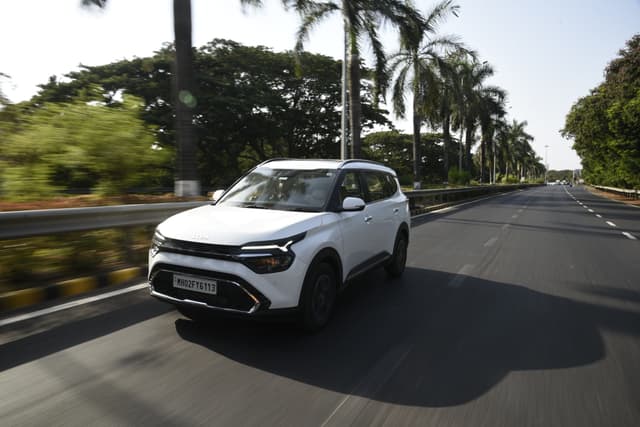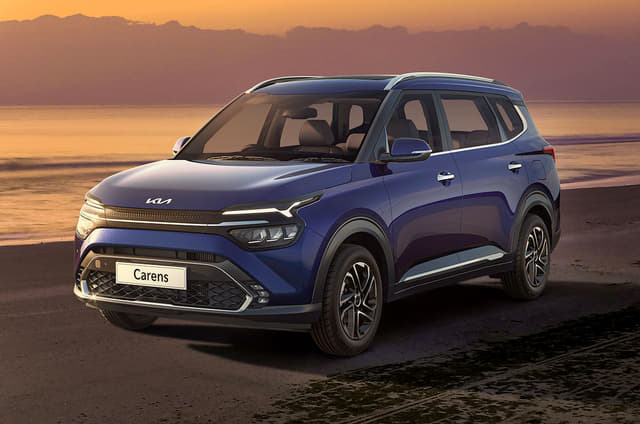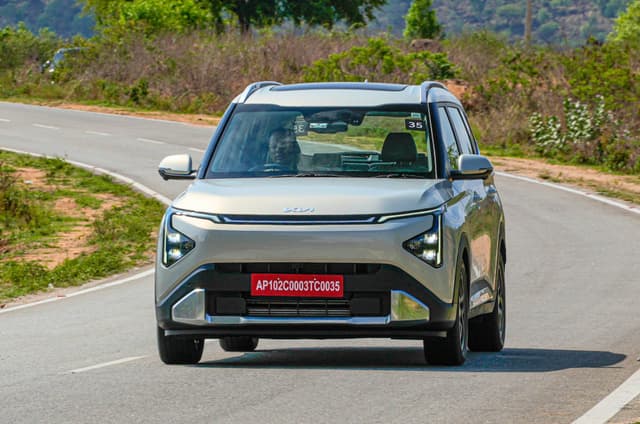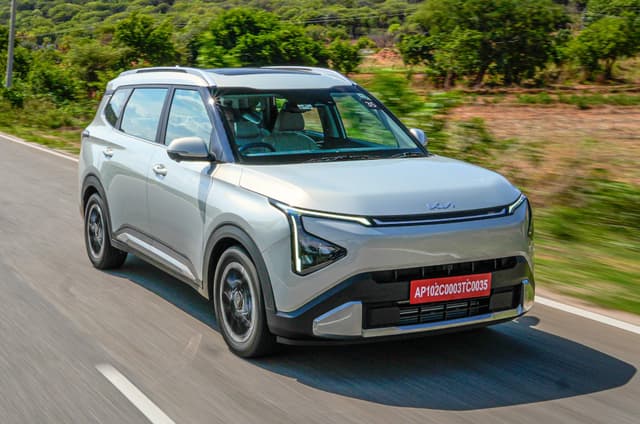





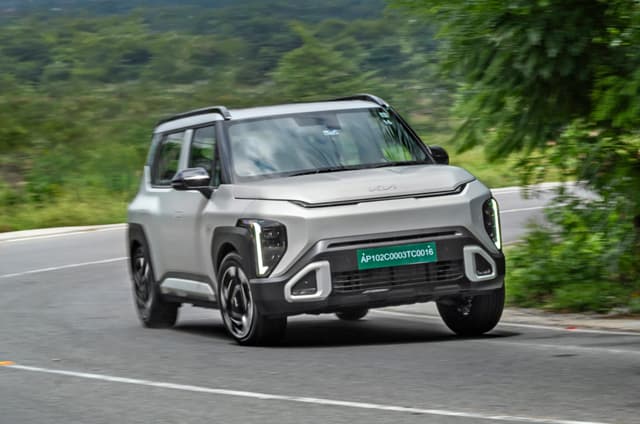
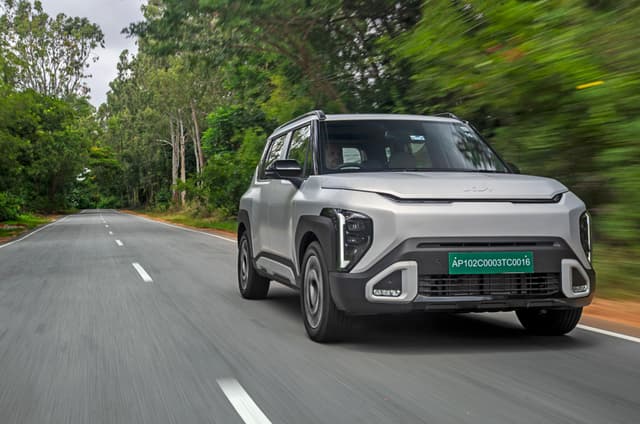
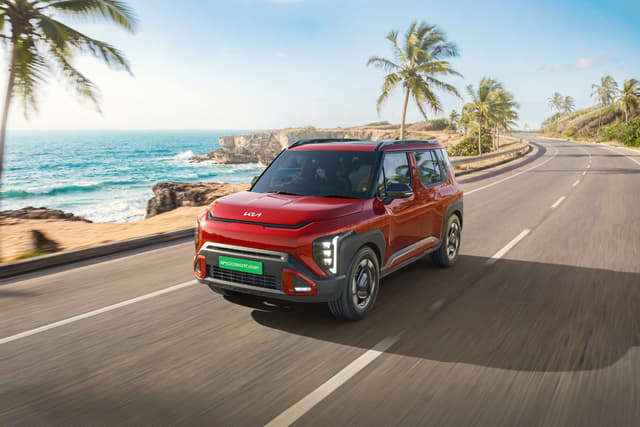
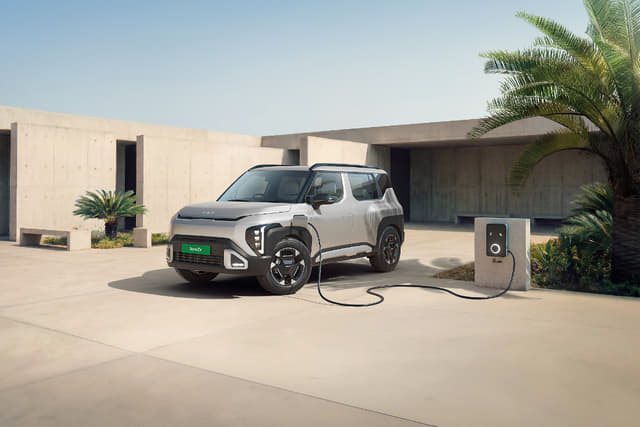
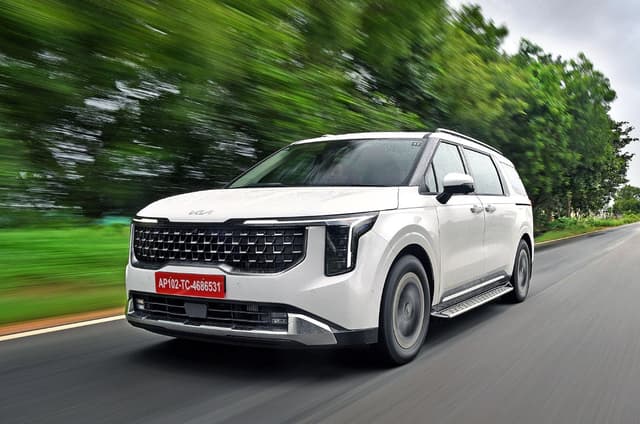
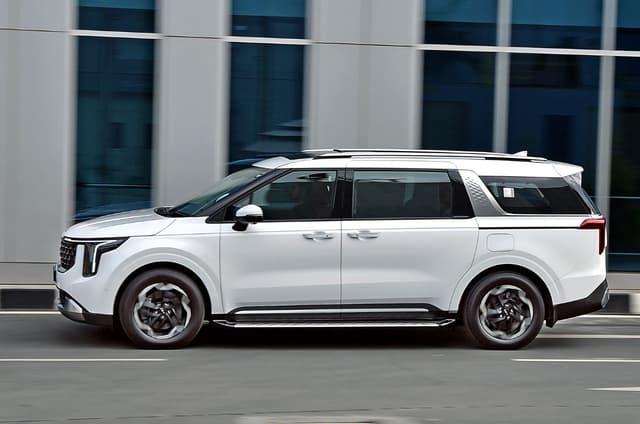
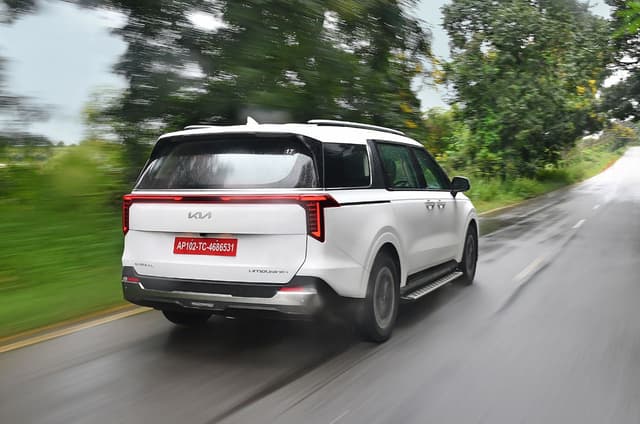
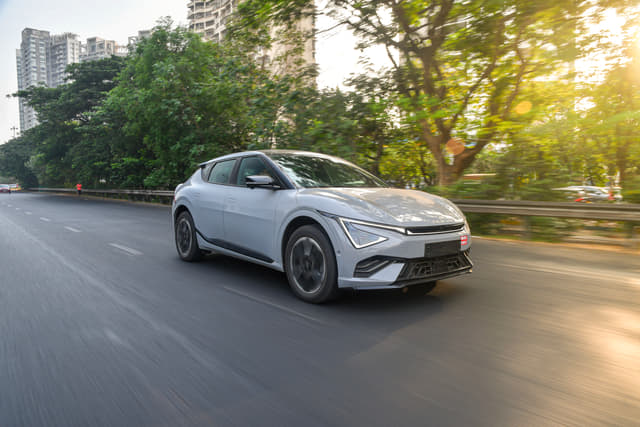
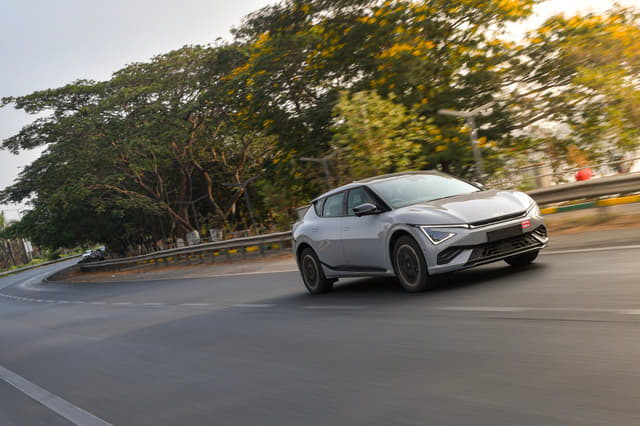
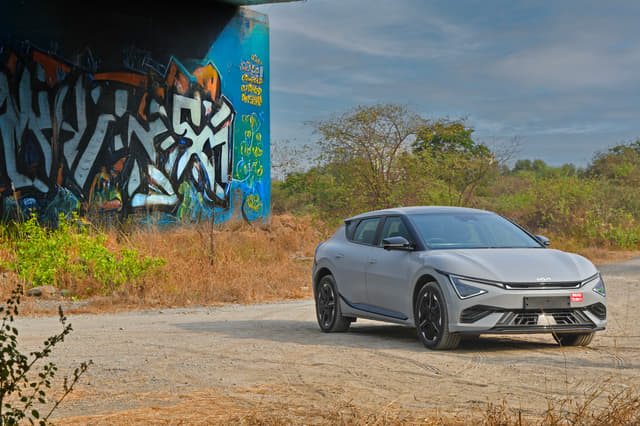
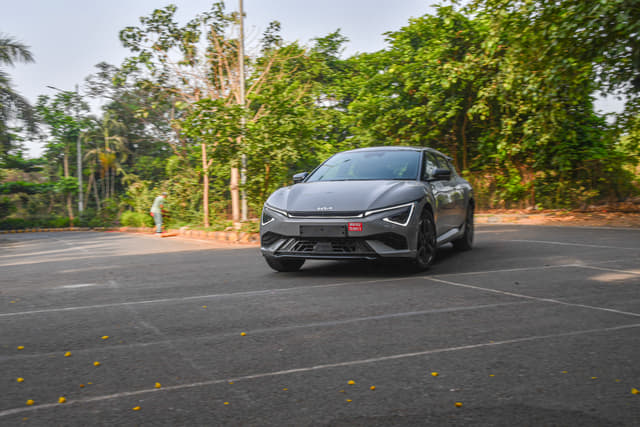
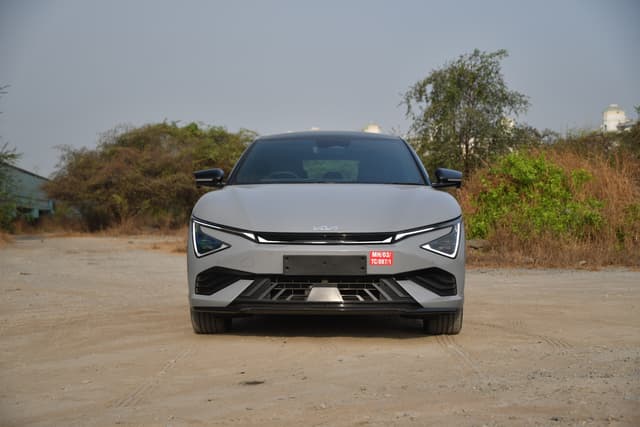
Kia cars in India (11)
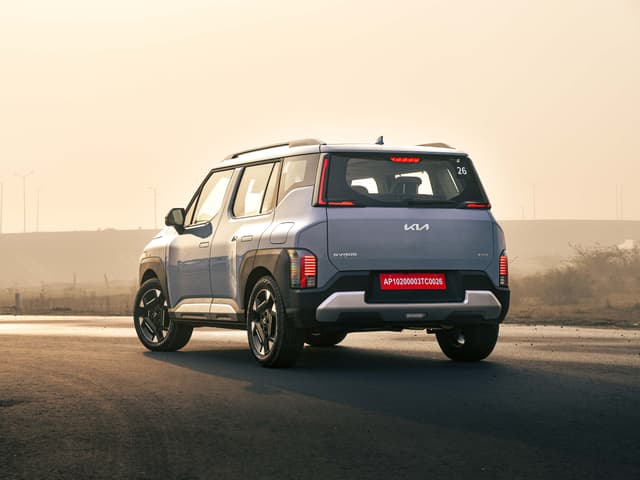
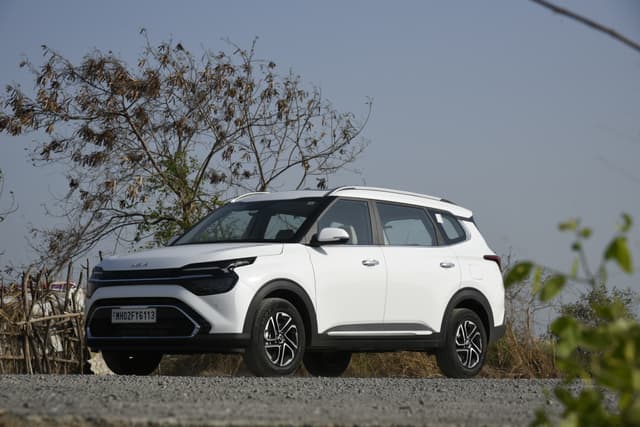
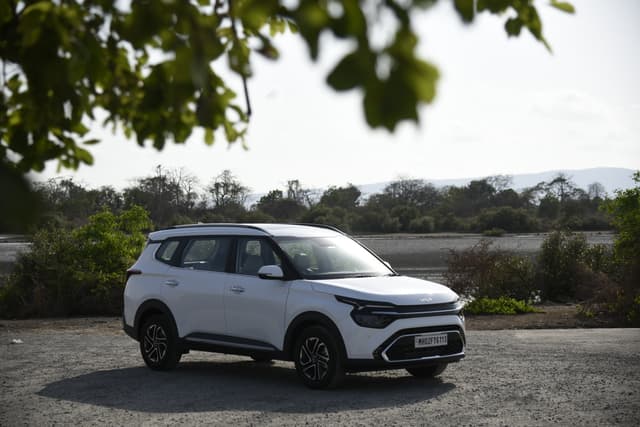
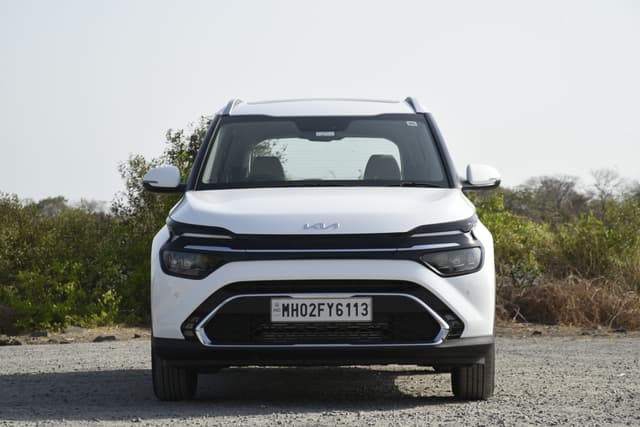
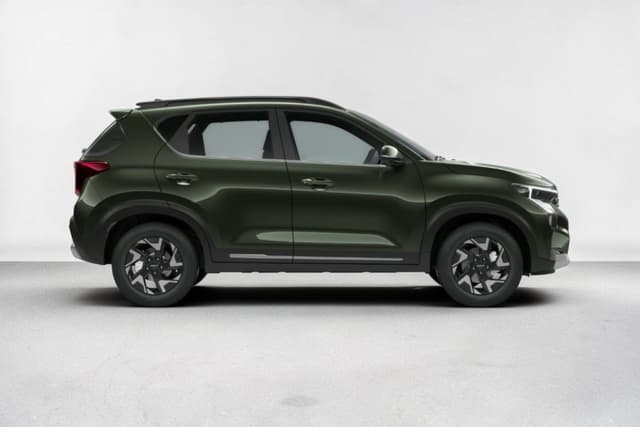
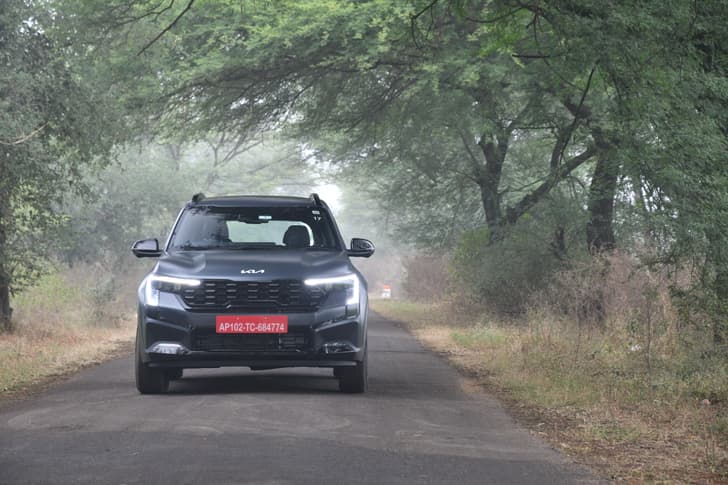
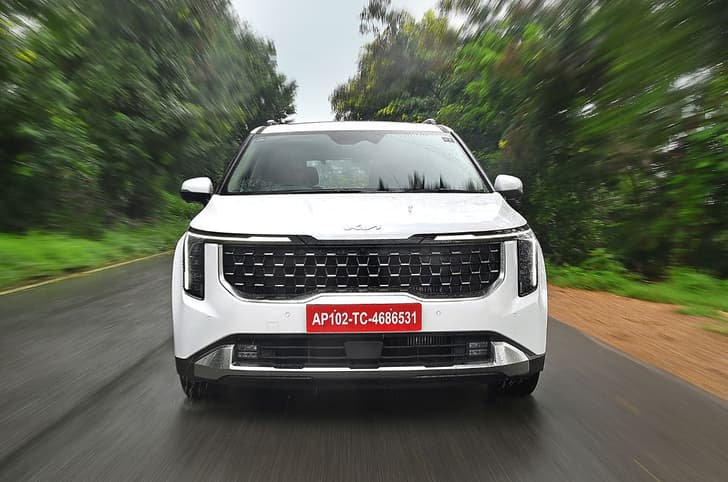
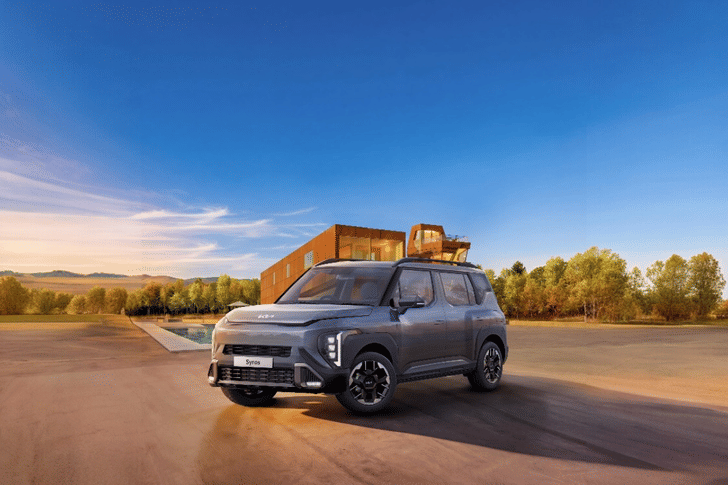
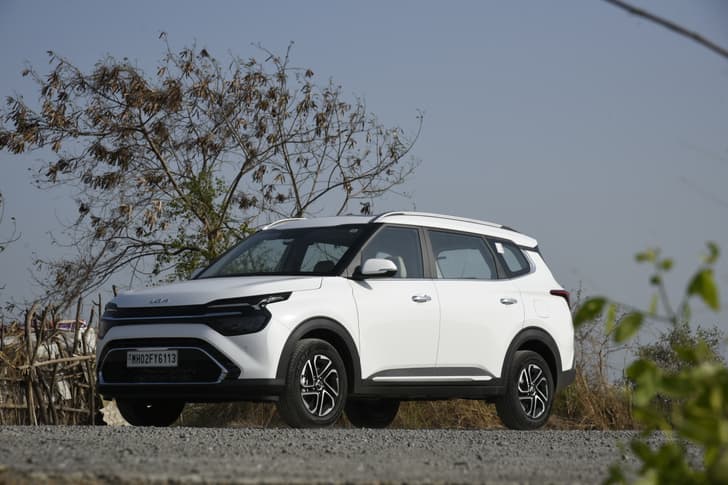
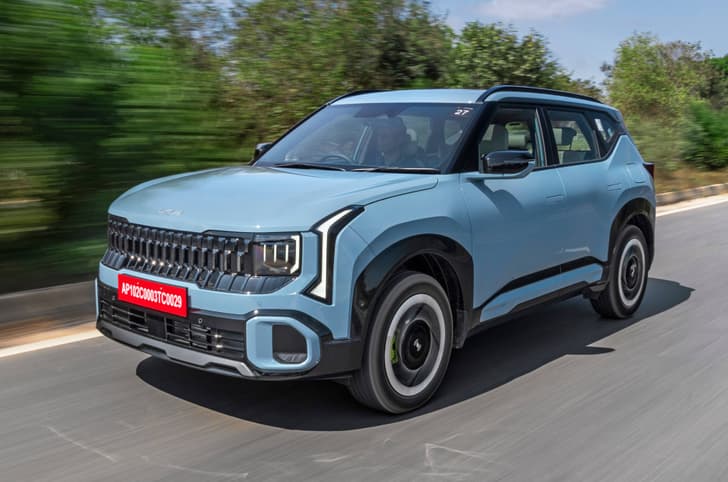
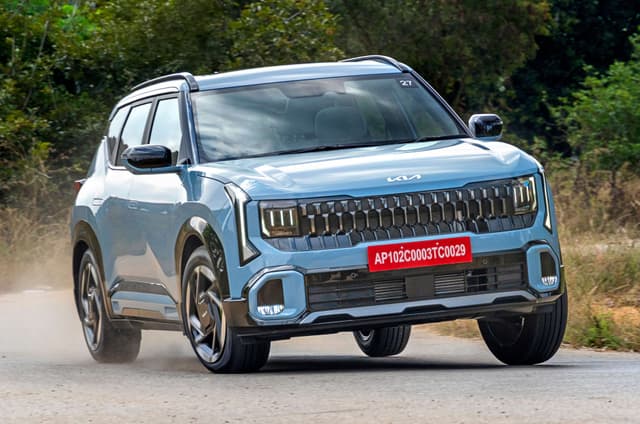
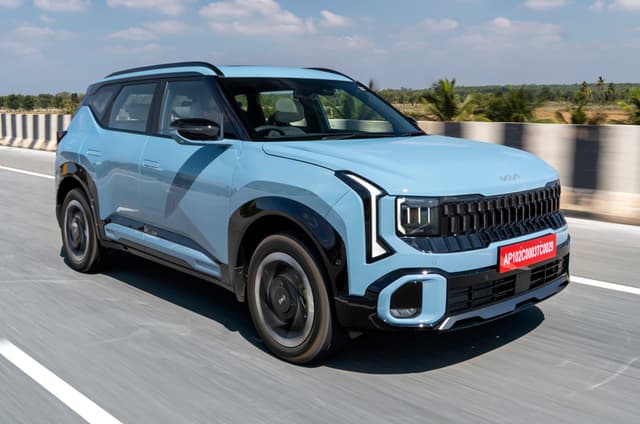
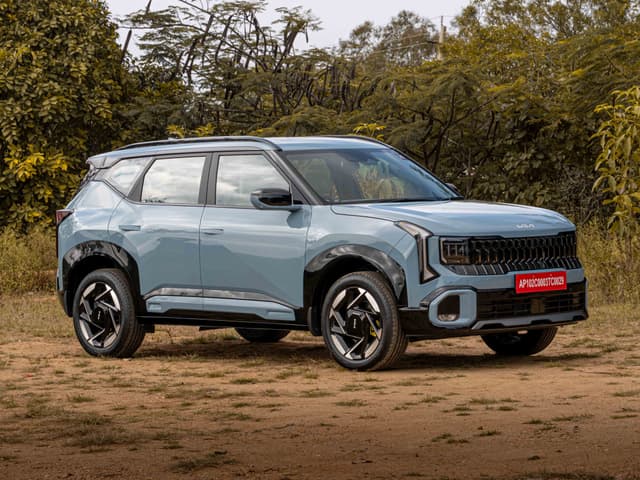
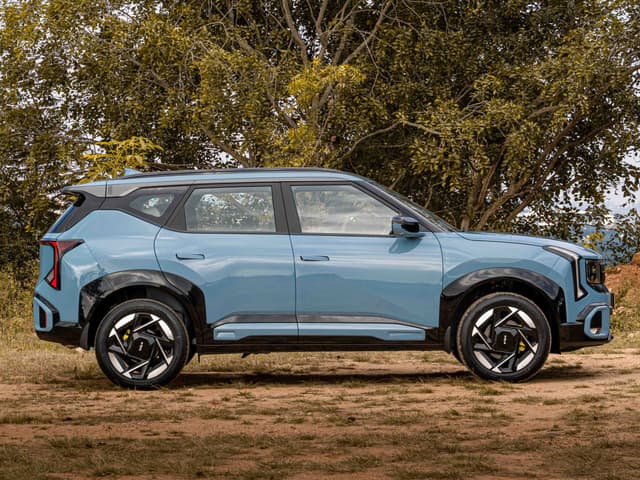
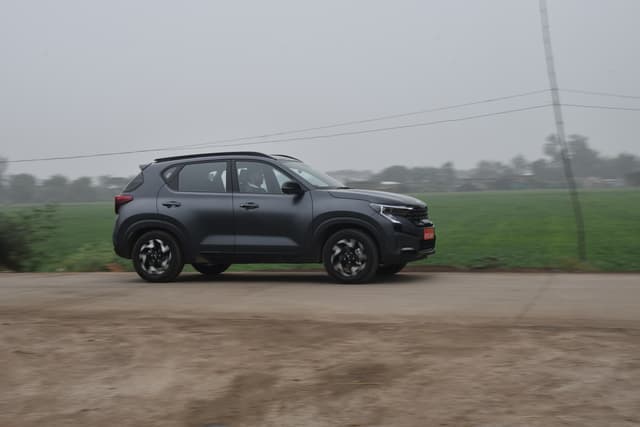
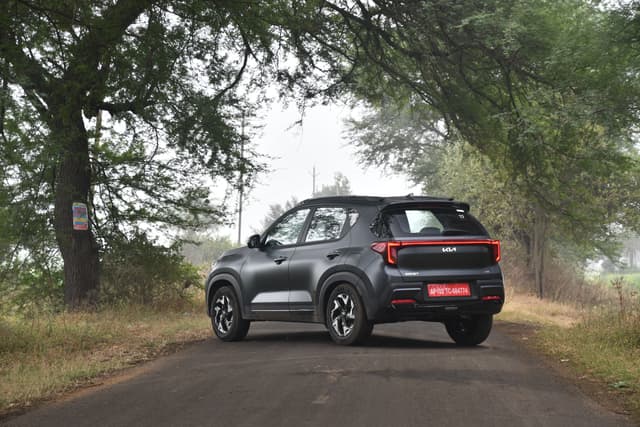
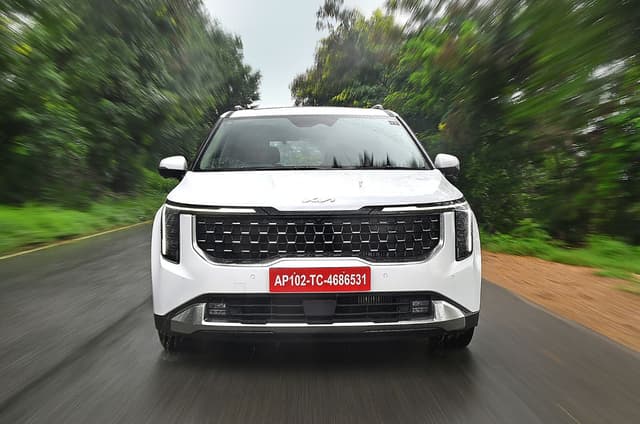
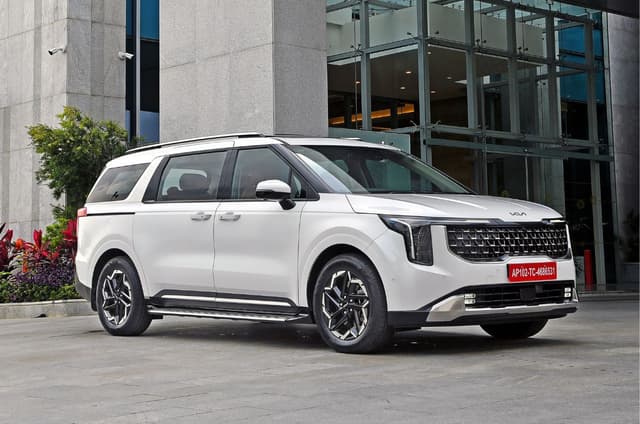
As of now, there are 11 Kia cars in India, out of which 9 are available for sale, and 2 are upcoming. The Kia car price starts at โน7.30 lakh and goes up to โน1.30 crore. The cheapest Kia car in India is the Sonet, whereas the most expensive model in the lineup is the EV9.
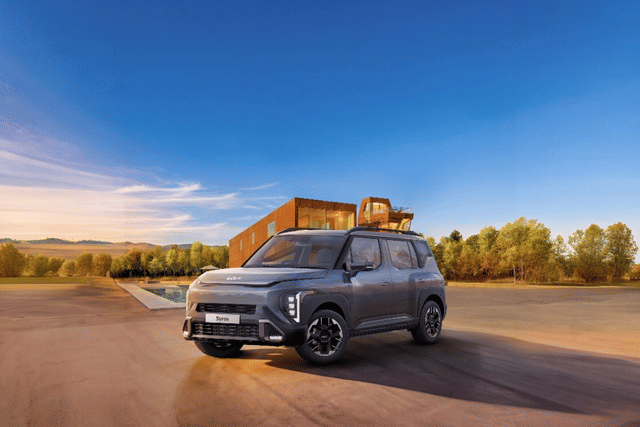
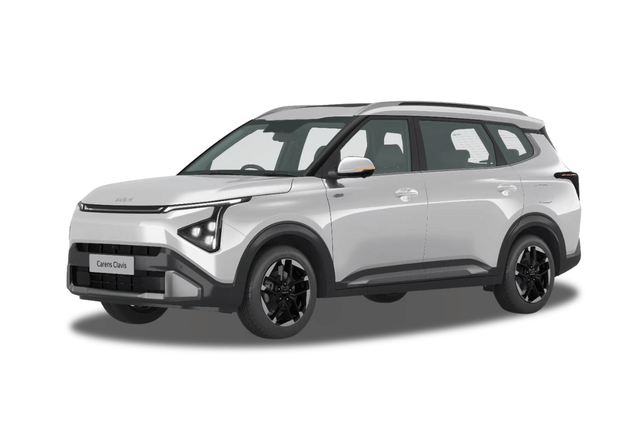
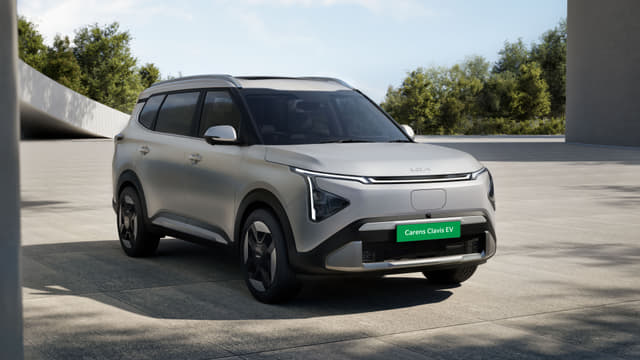
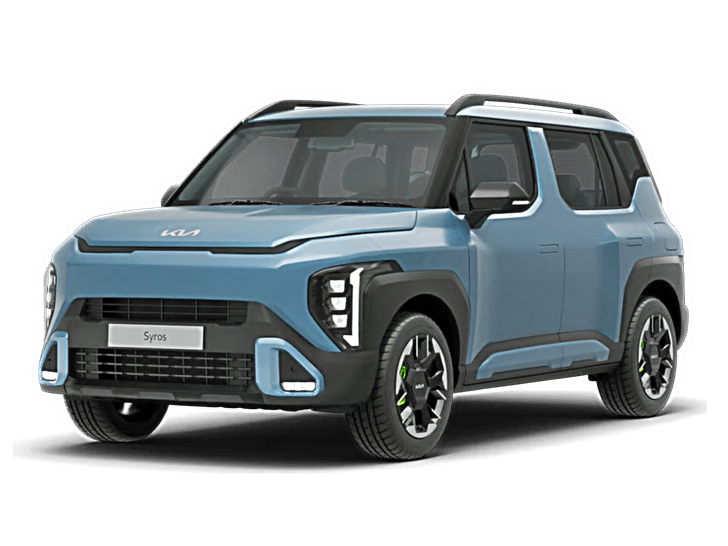
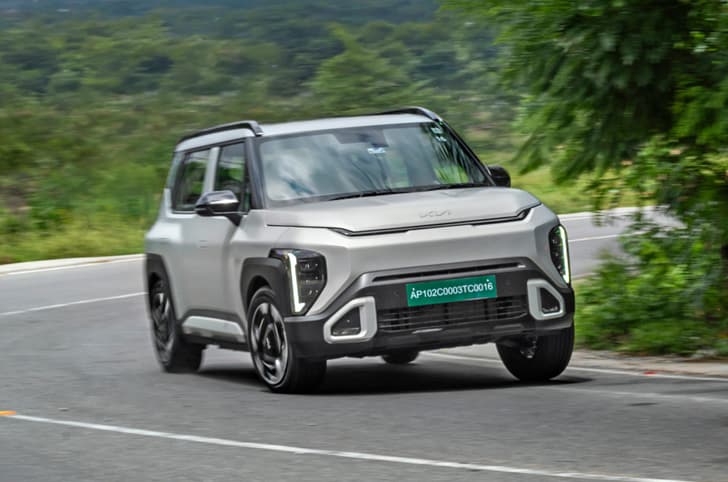
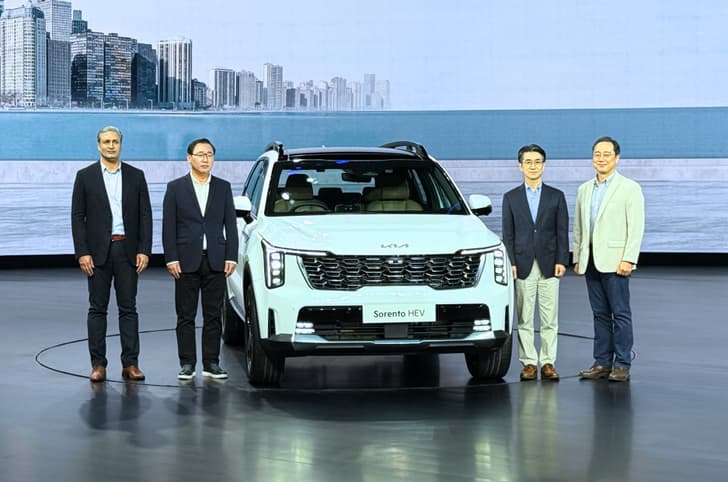
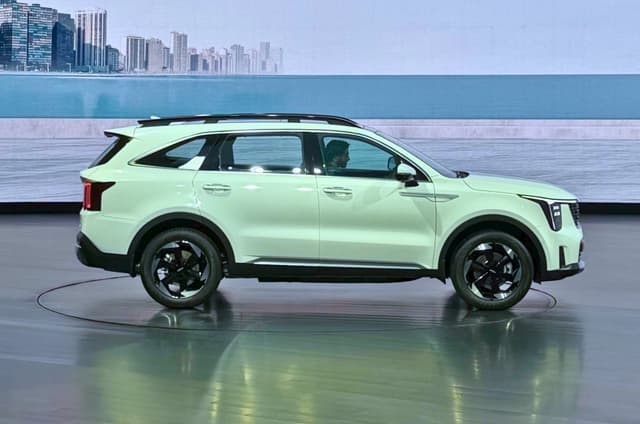
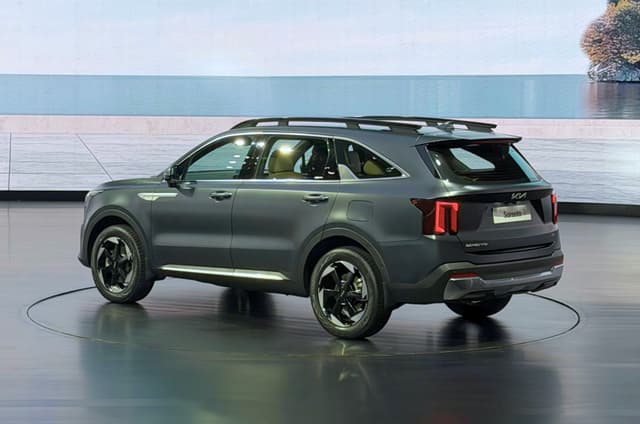
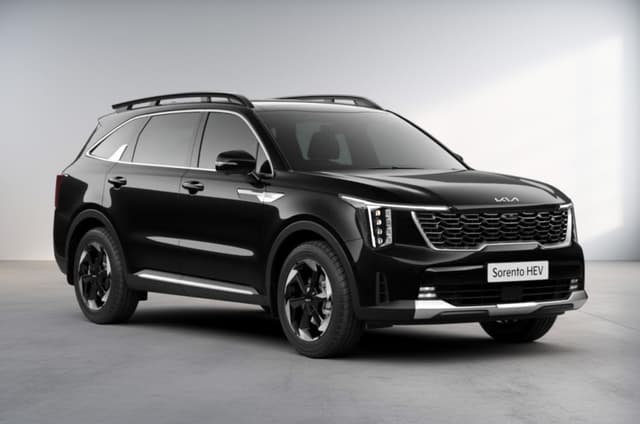
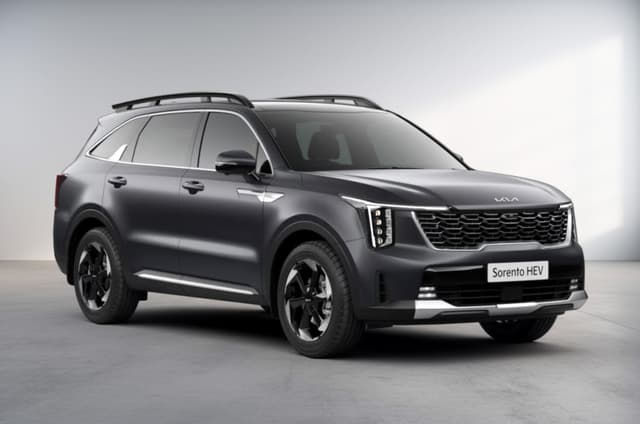
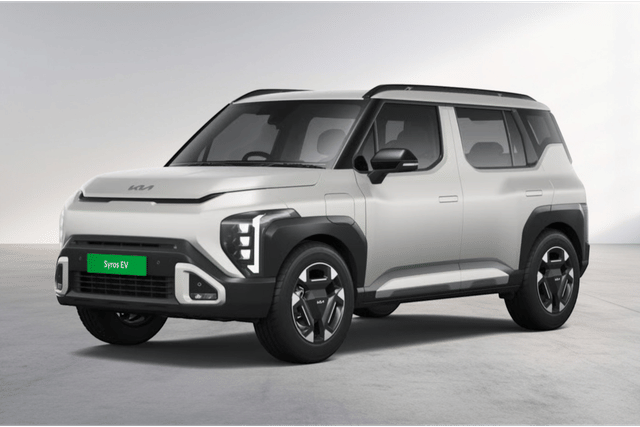
The Kia cars available for sale in India are: Seltos, Carnival, Sonet, Syros, EV6, Carens Clavis, Carens Clavis EV, Carens, and EV9. The two upcoming Kia cars that are expected to launch in 2026 are: Sorento and Syros EV. The Kia Sorento is expected to be priced between โน30.00 lakh and โน35.00 lakh. Meanwhile, the Kia Syros EV is expected to fall between โน15.00 lakh and โน18.00 lakh.
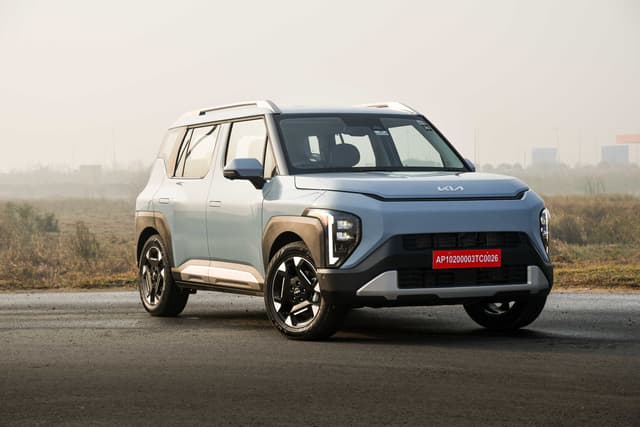
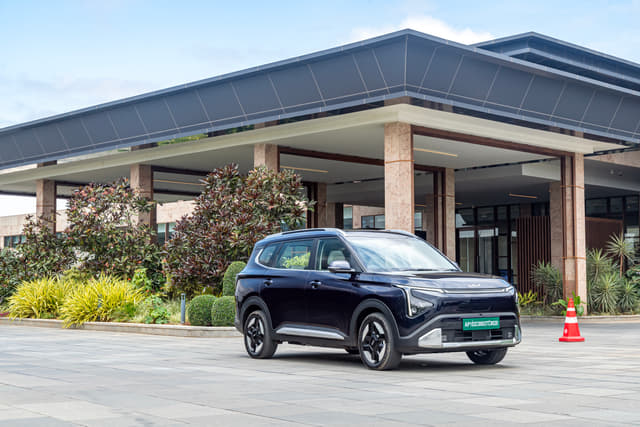
Kia entered the Indian market in 2019 with the launch of the Kia Seltos SUV. The company manufactures cars at its Penukonda plant in Andhra Pradesh. This South Korean brand offers a total of 11 models in India: 4 MPVs and 7 SUVs. The Kia India line-up includes petrol, diesel, and electric car options.
Kia Cars Price List in India (March 2026)
View the latest Kia car price of all the models available for sale in India:
Kia Car | Price (Ex-showroom) |
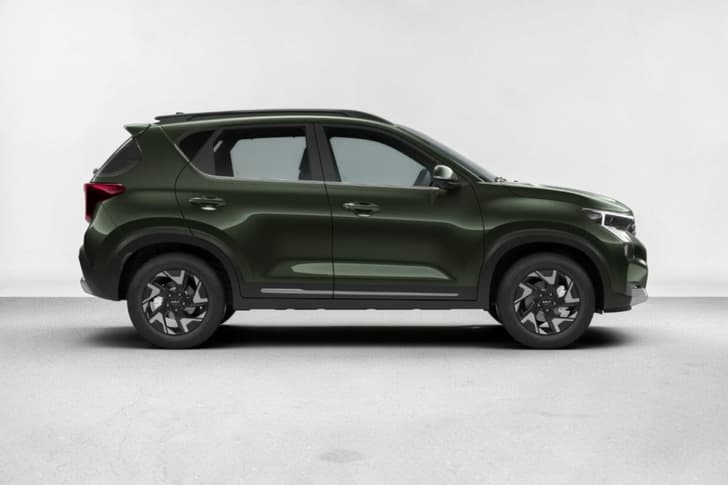
Kia Sonet | โน7.30 lakh - โน14.00 lakh |
Kia Syros | โน8.67 lakh - โน15.94 lakh |
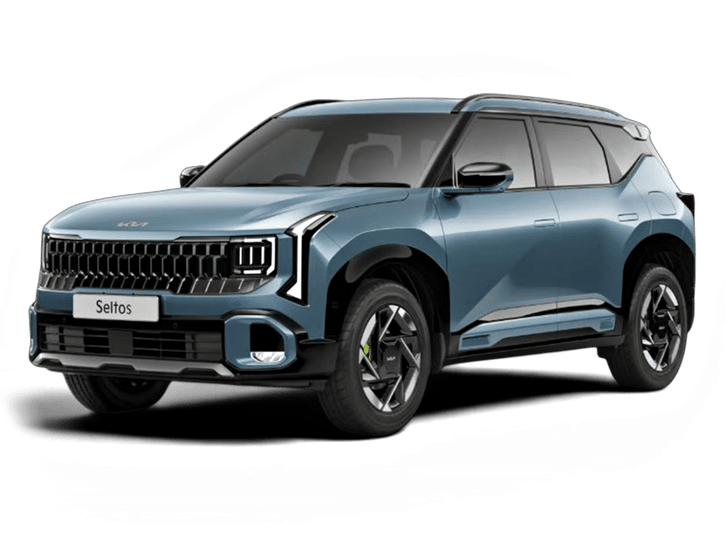
Kia Seltos | โน10.99 lakh - โน19.99 lakh |
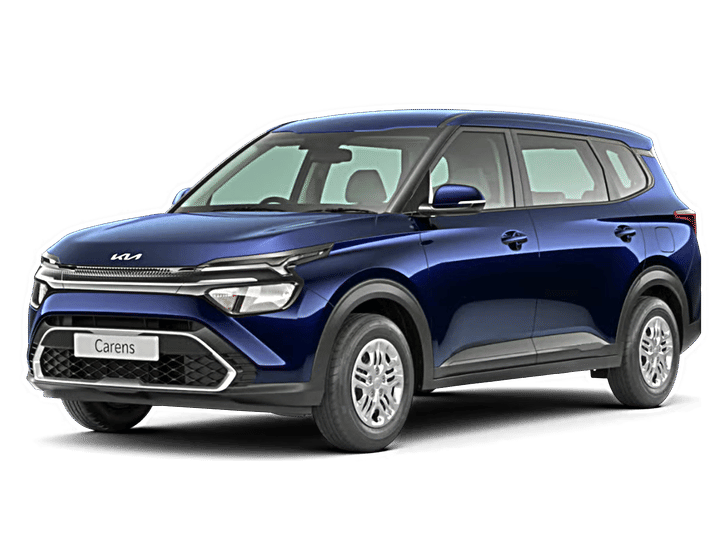
Kia Carens | โน10.99 lakh - โน12.77 lakh |
Kia Carens Clavis | โน11.08 lakh - โน20.71 lakh |
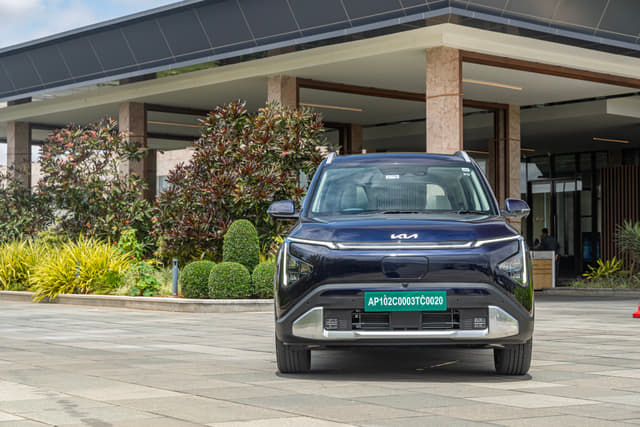
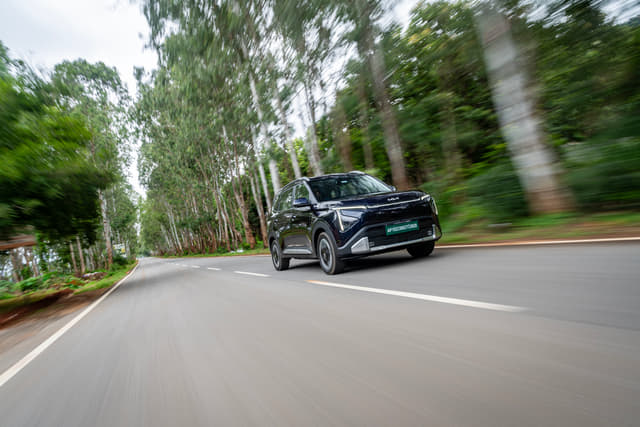
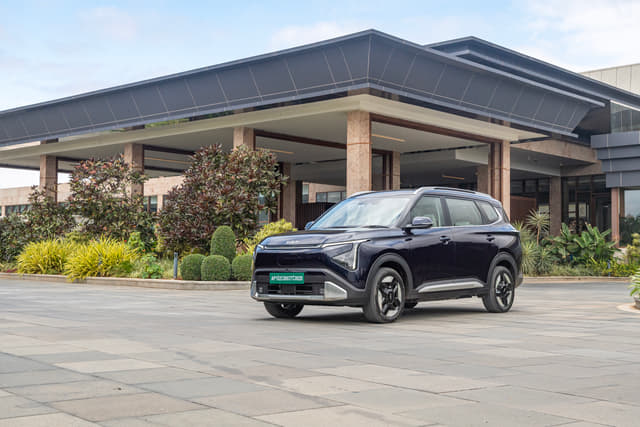
Kia Carens Clavis EV | โน17.99 lakh - โน24.49 lakh |
Kia Carnival | โน59.42 lakh |
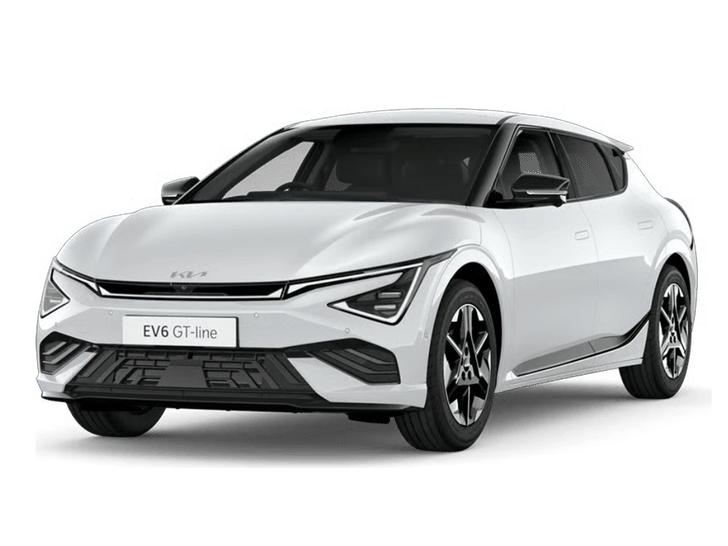
Kia EV6 | โน65.97 lakh |
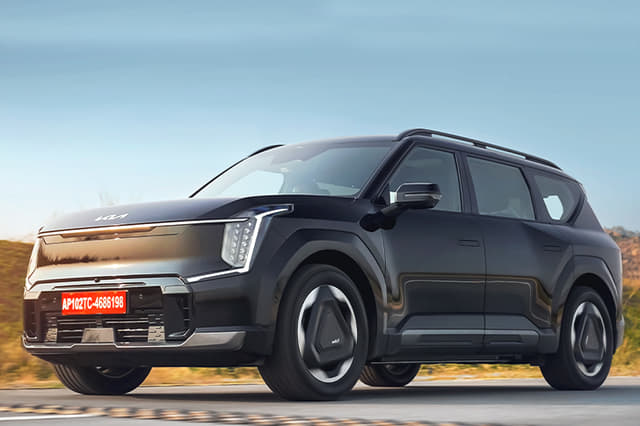
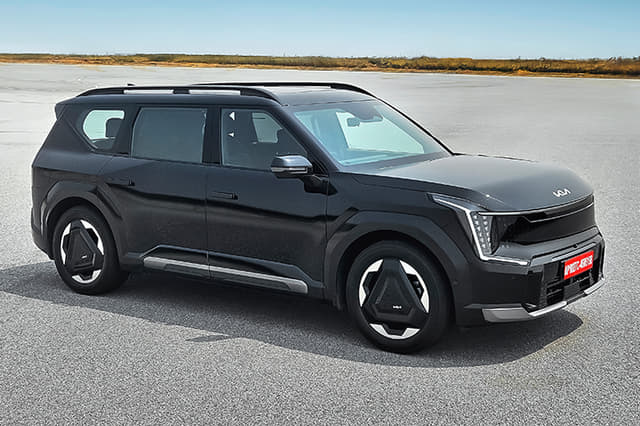
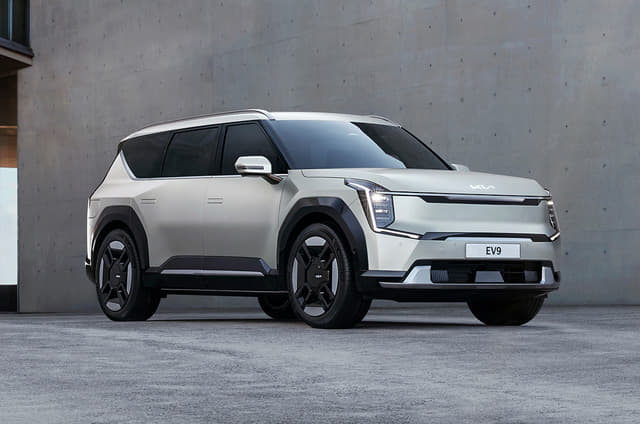
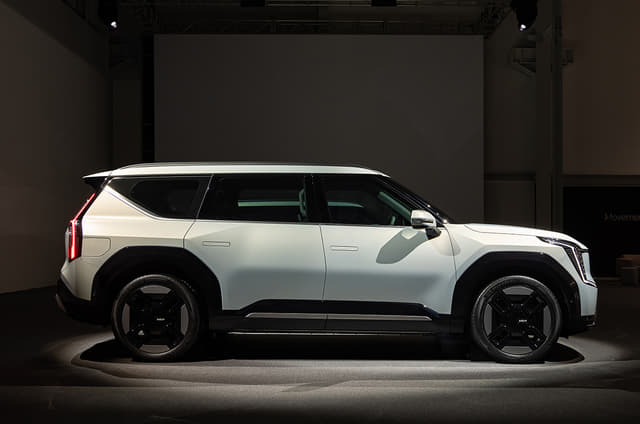
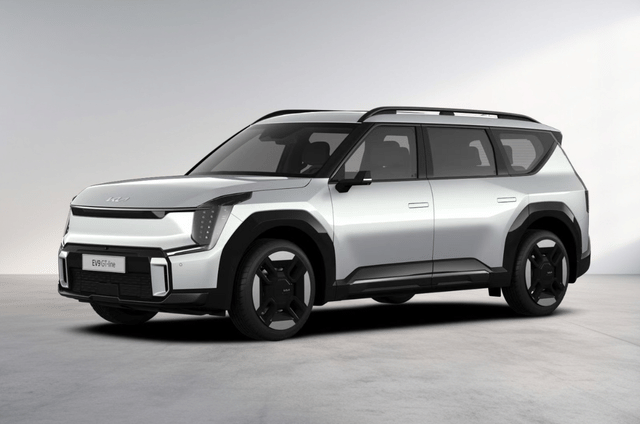
Kia EV9 | โน1.30 crore |
Kia Electric Cars in India (March 2026)
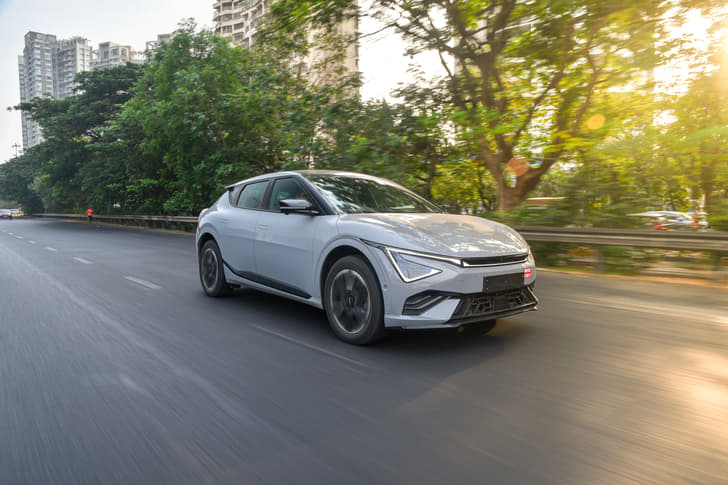
The Kia electric car price in India starts at โน17.99 lakh and goes up to โน1.30 crore. The most affordable Kia electric car is the Carens Clavis EV, while the most expensive model is the EV9. Once the upcoming Syros EV gets launched it will become the cheapest Kia electric car in India.
View the latest price of all Kia electric cars, along with other details like range and charging time in the table below.
Kia Electric Car | Price (Ex-showroom) | Range (Km) |
Kia Carens Clavis EV | โน17.99 lakh - โน24.49 lakh | 404km - 490km |
Kia EV6 | โน65.97 lakh | 663 |
Kia EV9 | โน1.30 crore | 561 |
Kia 7 Seater Cars in India (March 2026)
There are four Kia 7 seater cars in the Indian market: Carnival, Carens Clavis, Carens Clavis EV, and Carens. The Kia 7 seater car price starts at โน10.99 lakh and goes up to 59.42 lakh (ex-showroom). The cheapest 7 seater Kia car is the Carens, while the most expensive model is the Carnival.
View the latest price of all Kia 7 seater cars in the table below:
Kia 7-Seater Car | Price (Ex-showroom) |
Kia Carens | โน10.99 lakh - โน12.77 lakh |
Kia Carens Clavis | โน11.08 lakh - โน20.71 lakh |
Kia Carens Clavis EV | โน17.99 lakh - โน24.49 lakh |
Kia Carnival | โน59.42 lakh |
Kia Sedan Cars (March 2026)
Kia sedan cars are not currently available in India. The lineup of Kia cars in India mainly consists of SUVs, MPVs, and electric models. Globally, Kia continues to sell sedans, and if market demand grows, future Kia cars in India may also include a dedicated sedan offering.
Upcoming Kia Cars in India (March 2026)
As of March 2026, the following Kia cars are expected to arrive in the showrooms:
1. Kia Syros EV
- Expected Price: โน15.00 lakh to โน18.00 lakh
- Estimated Launch: Early 2026
2. Kia Sorento
- Expected Price: โน30.00 lakh to โน35.00 lakh
- Estimated Launch: Mid 2026
Kia Cars - Latest Updates (March 2026)
- 18 March 2026: Kia India introduces GT-Line and X-Line trims along with a 6-seater option for the Carens Clavis EV lineup.
- 02 January, 2026: Kia has introduced the new Seltos in India, priced from Rs 10.99 lakh onwards.
- 12 December, 2025: Kia Seltos hybrid to launch in India by 2027.
- 10 December, 2025: Kia has unveiled the new Seltos ahead of its January 2, 2026 launch.
FAQs
As of {{current_month}} {{current_year}}, there are 11 Kia cars in India. Out of these, 9 models are currently available for sale and 2 are upcoming.
Kia car price in India start at โน7.30 lakh and go up to โน1.29 crore (ex-showroom).
The Sonet is the cheapest among all Kia cars in India. Its price starts from โน7.30 lakh (ex-showroom).
The EV9 is the most expensive model in the current Kia India lineup. It is priced at โน1.30 crore (ex-showroom).
The Kia cars in India that are currently on sale are: Seltos, Carnival, Sonet, Syros, EV6, Carens Clavis, Carens Clavis EV, Carens, and EV9.
Yes. The upcoming Kia cars in India include 2 models, the Syros EV and the Sorento. Both models are expected to launch in 2026.
The Kia Sorento is expected to be priced between โน30.00 lakh and โน35.00 lakh (ex-showroom).
The Kia Syros EV is expected to be priced between โน15.00 lakh and โน18.00 lakh (ex-showroom).
Kia manufactures its cars at the Penukonda plant in Andhra Pradesh.
Kia cars in India include 4 MPVs and 7 SUVs. The brand currently offers petrol, diesel, and electric car options.
The Kia electric car price in India starts at โน17.99 lakh and goes up to โน1.30 crore (ex-showroom). The Carens Clavis EV is the most affordable electric model, while the EV9 is the most expensive.
Among the Kia electric cars in India, the EV6 offers a claimed range of 663 km, which is the highest in the current lineup.
There are four Kia 7 seater cars in India: Carnival, Carens Clavis, Carens Clavis EV, and Carens.
Kia sedan cars are not currently available in India. The Indian lineup mainly consists of SUVs, MPVs, and electric models.
The Kia top model is the EV9.
There are 4 7-seater cars available in the Kia India line up. The Kia 7 seater car price starts at โน10.99 lakh for the Carens, and goes up to โน59.42 lakh for the Carnival.
Trending Questions on Kia Cars - Answered by Autocar Experts
I am confused about choosing between the Kia Sonet and the Hyundai Verna. Please suggest which car/SUV and model I should choose. My driving is mostly in the city, around 900-1,000 km per month. My budget is โน10-12 lakh. A.K. Dinodia Patiala.
I want to buy an SUV that will mostly be used for city commuting and occasional long drives once a month. Can you suggest which is the best among the new Seltos, Grand Vitara, Toyota Hyryder, Victoris, and Creta?
I am currently driving a Hyundai i10 Era 2012 model with 61k on the odometer. I am the first owner, and these days my monthly driving is a maximum of 400 km. Now I am planning to purchase a new car. I mostly drive with family in 80% of cases, with 4 adults and 1 child, along with a fully loaded boot. My priorities are safety, mileage, and a good infotainment system. I drive 70% on highways and 30% in the city. I am open to both sub-4 metre and above-4 metre cars, and I prefer an SUV. Which car is best?
Hello Autocar Team, I am planning to buy a new car. My monthly running will be around 500 km, and I also have a second home that is connected by a 1 km stretch of rough, unpaved (kuccha) road. At times, when the entire family travels together, we require seating for up to 7 people. Considering these requirements, would the Kia Carens Clavis be a suitable option for my needs, or should I look at other alternatives?
For your requirement, the Kia Carens is actually a very good fit, and yes, it makes sense to consider it. Your usage is quite low at around 500 km per month, so a petrol automatic or manual is the right choice. Diesel is not required and may not suit such low running.
The biggest reason the Carens works for you is the flexibility of 7 seats. It is also a comfortable car, especially for family usage. The ride quality is well-suited for city and highway driving, and the second and third rows are usable, which is important in your case.
For your 1 km kuccha road, the Carens can handle it without any issues as long as you drive carefully. The suspension is compliant enough for mild rough roads, but it is not a hardcore SUV. So you will need to go slowly over bad patches.
If you want something more rugged with better ground clearance, you can also consider the Tata Safari. It is better suited for rough roads and has a stronger SUV stance. While it is not as flexible or practical as the Carens as a 7-seater, it is still decent for family use. It is also a better 7-seater than something like the Mahindra XUV 7XO, where the fixed middle row makes the third row less flexible and more cramped.
Go for the Kia Carens if your priority is comfort, space and flexibility for family use. Consider the Tata Safari if you want better rough-road ability and a more rugged feel, but with some compromise on third-row practicality.
I am planning to buy a car with a budget of around โน13 lakh. I am a new driver, and my usage will be mostly in Delhi NCR with occasional highway trips. I am confused between the Skoda Kylaq Signature Plus AT and the Kia Sonet HTX DCT. I intend to keep the car for at least 10 years. Could you please suggest which would be the better choice for long-term ownership, considering reliability, ease of driving, comfort, and maintenance?
We would suggest you go ahead with the Skoda Kylaq. The Kylaq comes with a torque convertor gearbox, which is the smoothest type of autobox around, you will really appreciate this in heavy city traffic. Moreover, in city conditions, a torque convertor gearbox is also likely to give you a better and more reliable long-term service experience than a dual clutch transmission.
The Kylaq is also newer than the Kia Sonet, and since you are keeping the car for a longer period of time, this could help retain value better. The Sonet will also be updated in about a year, so you will very soon have an older car.
I am planning to buy the Kia Seltos 2026 diesel manual. I am confused between the HTK and HTX variants. I do not want the HTK(O). Is the โน3 lakh difference in cost worth the upgrade? Or can I get the necessary aftermarket upgrades? I am not a fan of the sunroof and would prefer to avoid it. I would want front parking sensors, fog lamps, leather seats, and a good sound system.
I am confused between the new Skoda Kushaq MT base model and the Seltos base model MT. Both come in a similar price bracket. Usage: Family, occasional driving, hardly 3 to 5k km in a year, as I already have one daily driving car. The Alto K10 was driven 22k km in 8 years, so the old car will remain. We are not selling it. The new car will be used on occasion. Road conditions: Mostly bad roads, rarely good roads.
I am confused between the Tata Sierra, Kia Seltos, and Tata Harrier as a first-time buyer. My priorities are safety, features, comfort, and long-term ownership, along with the availability of ADAS features. I am specifically looking for a petrol automatic, with a usage split of around 50% city (tier-1 and tier-2) and 50% highway driving. I would appreciate your advice on which of these would be the best choice for my needs. Additionally, how reliable are dry-clutch DCT gearboxes in the long run? I am concerned about potential issues and whether I might regret choosing an IVT (CVT) in the Seltos. Also, Tata has a good dealership and service network in my area, which is an added advantage.
Go for the Kia Seltos, the car is a very good all-rounder and provides a good balance of comfort, features and safety as well as being a good option for the long term. As for your query on the gearbox, yes, DCTs can heat and cause issues in the long run if driven in a lot of traffic. However, in Kia's case, IVT indicates a CVT, which is a generally more reliable option than a DCT.
Coupled to the 1.5 litre naturally aspirated petrol engine, the IVT is quite smooth when driven in everyday situations. It has very little of that 'rubberband' effect where, during acceleration, the revs rise more than the corresponding vehicle speed.
I am planning to buy a new car for my family of five, including a 3-year-old child. My driving will be around 60% in the city and 40% on highways, with a monthly running of approximately 1,500 km in a tier-3 city. I also take a trip to Vrindavan every 1-2 months. We plan to keep the car for over 7 years, so space, low running cost, and safety are my top priorities. My budget is between โน15-20 lakh. I am considering the Kia Seltos HTX (A) IVT. Would this be a suitable choice for my requirements, or are there better alternatives I should consider?
Yes, the Kia Seltos HTX IVT is a good option for you. It offers a roomy cabin, smooth driving, and a robust safety kit. Your usage of mostly city driving will benefit from the convenience of the smooth-shifting IVT, which will be far easier than a manual in Punjabโs Tierโ3 city traffic.
The Seltosโ rear bench can seat three better than most in this class, and installing a child seat is simple with ISOFIX mounts, helpful for your 3โyearโold. For safety, 6 airbags are standard, come with a safety kit, and although the Kia has not yet been tested by any crash test agency, it is expected to score highly, thanks to its new-gen global platform.
Highway stability is good, which will help on your Vrindavan trips every 1-2 months and though the engine isn't the strongest in the Seltos range, it is more than powerful enough. The one thing you give up is the absolute lowest running cost versus a diesel or strong hybrid, but it is not bad enough to be a deal breaker in what is otherwise a great all-around package.
Hi Autocar Team, I am confused between the new Skoda Kushaq facelift automatic and the Kia Seltos HTK(O) IVT. My usage is around 90% city driving, covering approximately 40 km daily. Could you please advise which would be the better option for long-term ownership, considering comfort, after-sales service, and overall reliability?
Of the two, you should go for the Kia Seltos HTK (O) IVT. For your 40km daily use, that's 90 percent in the city, the smooth CVT and lighter steering will make dayโtoโday driving a lot easier.
Despite being the larger vehicle, the Seltos feels a bit lighter on its feet and easier to manoeuvre. Though the new 8-speed torque converter auto is in the Kushaq facelift. It is a vast improvement and a match for the Kia CVT on smoothness; the engine's turbo lag at low RPMs can catch you out at crawling speeds, such as in slow-moving traffic. The one thing you give up with the Seltos IVT is midโrange punch. Its 1.5-litre naturally aspirated petrol engine may be smooth, but it doesn't have the same solid surge of torque of the Kushaq's 1.0 TSI engine, once its turbocharger kicks in.
Last Updated on: 19 Mar 2026