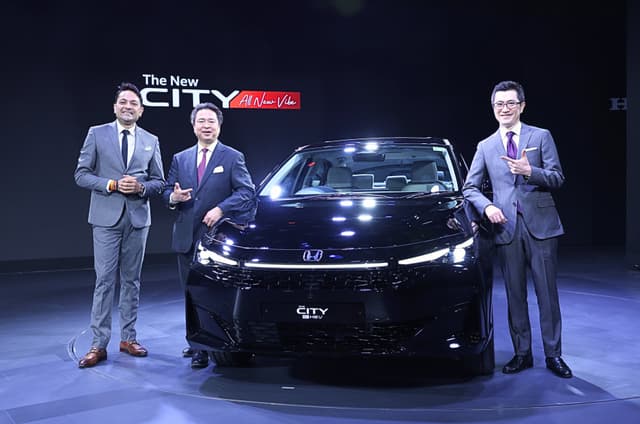
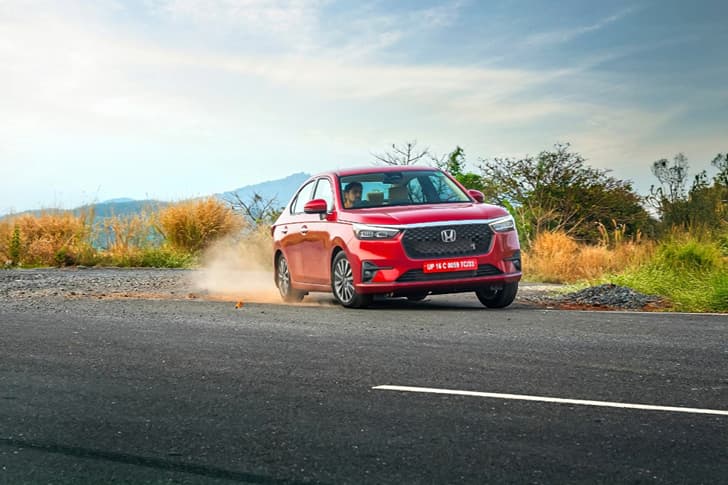
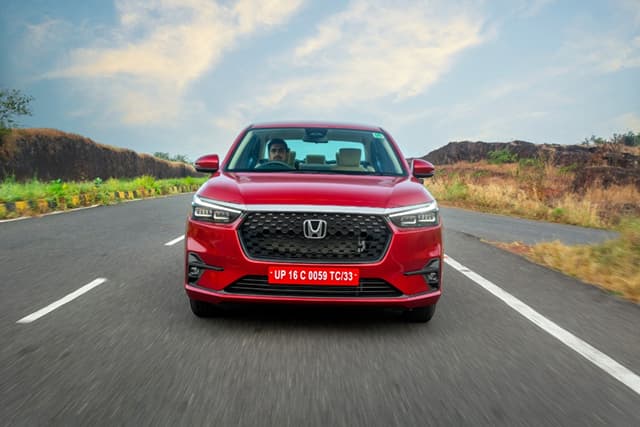
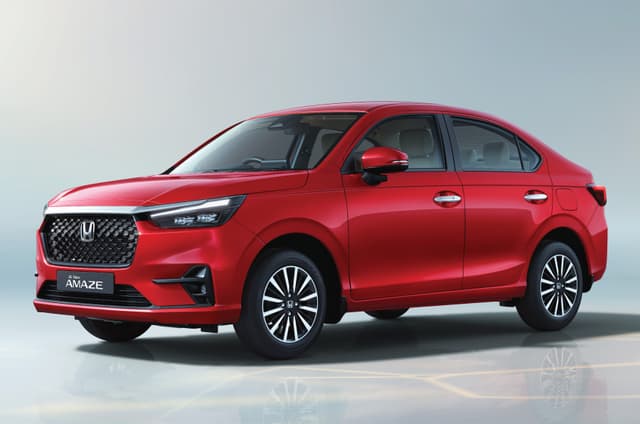
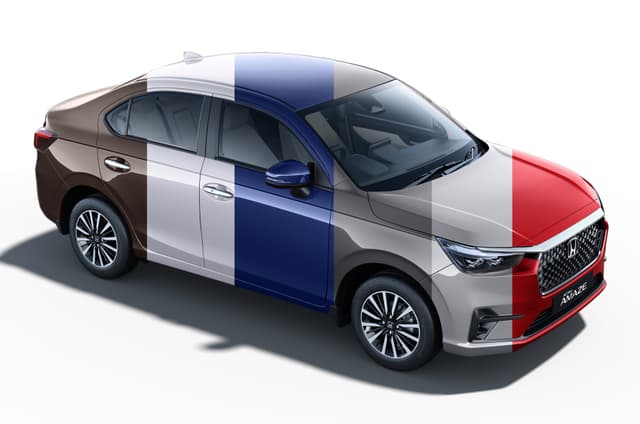
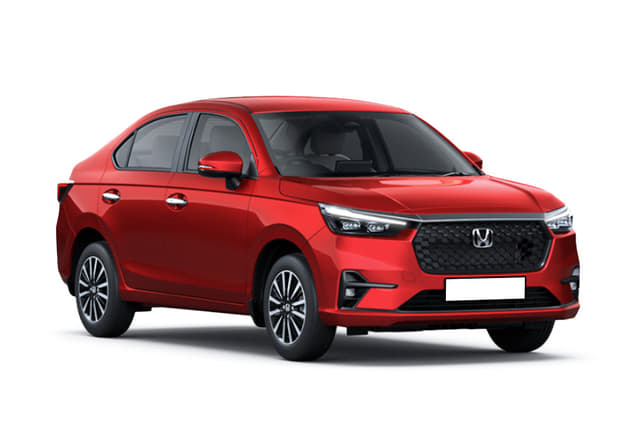
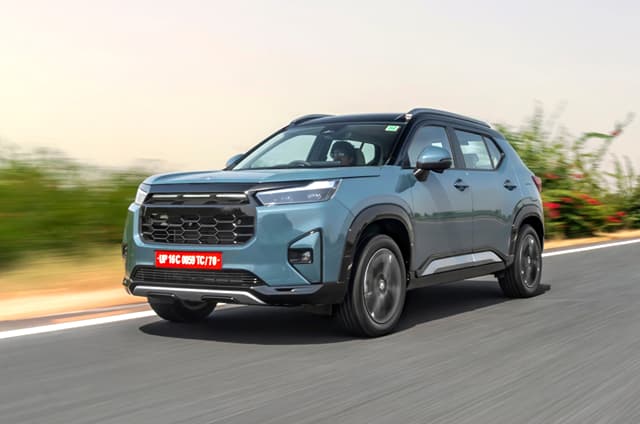
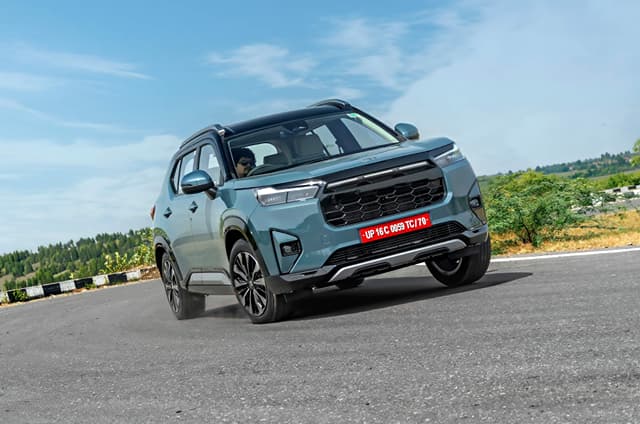
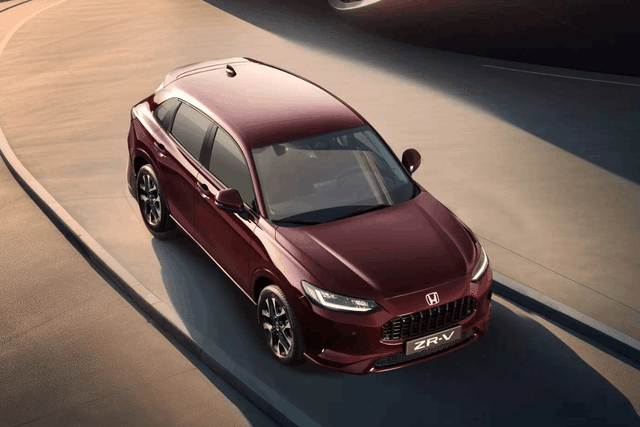
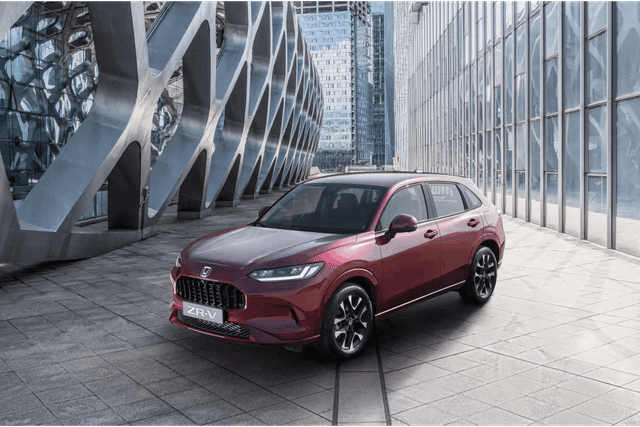
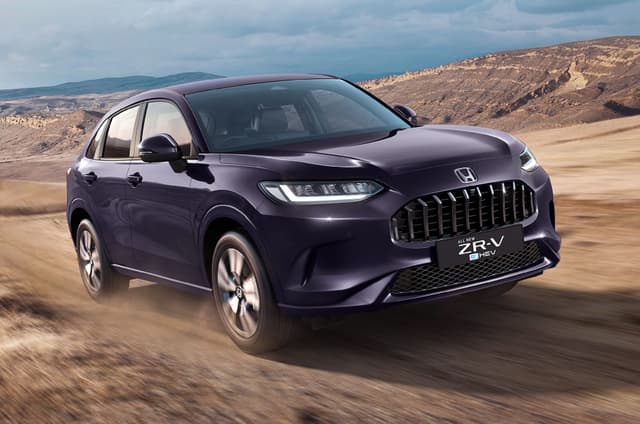
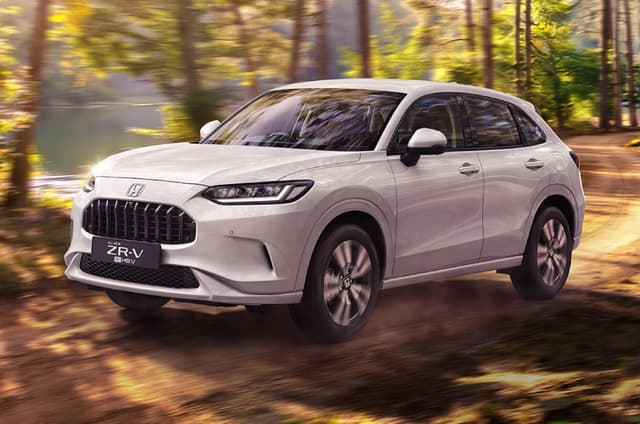
As of now, there are 7 Honda cars in India, of which 4 are available for purchase, and 3 are upcoming. Honda car prices in India range from Rs 7.65 lakh to Rs 48 lakh.
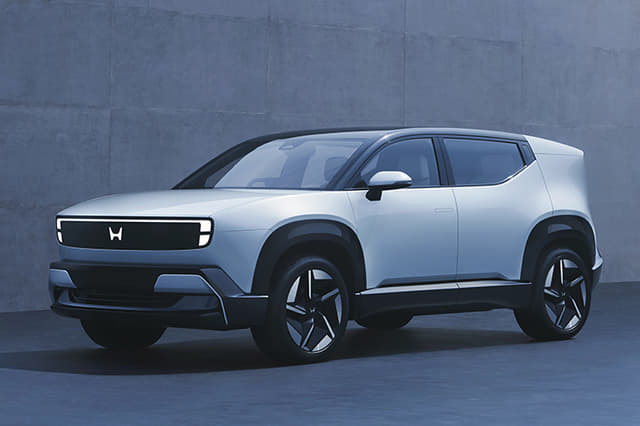
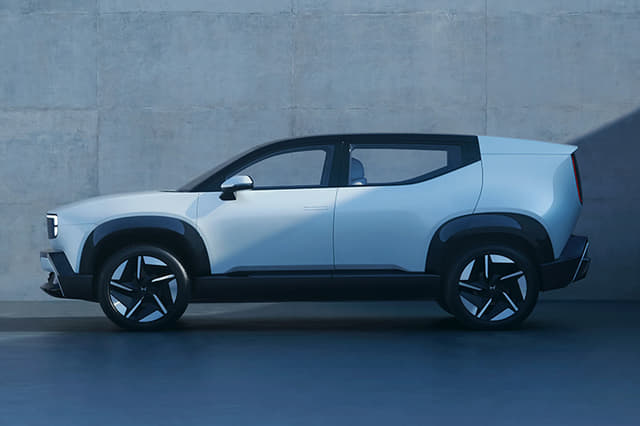
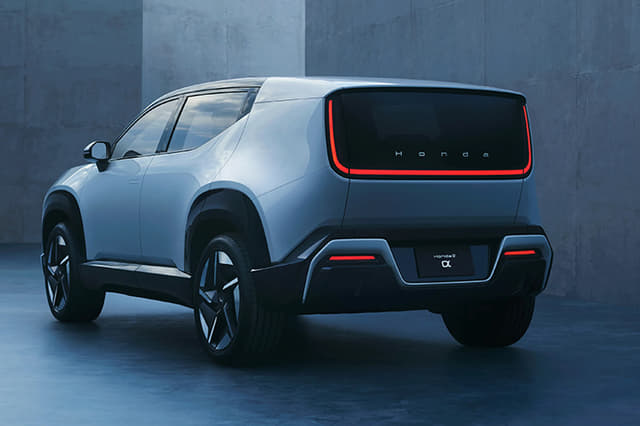
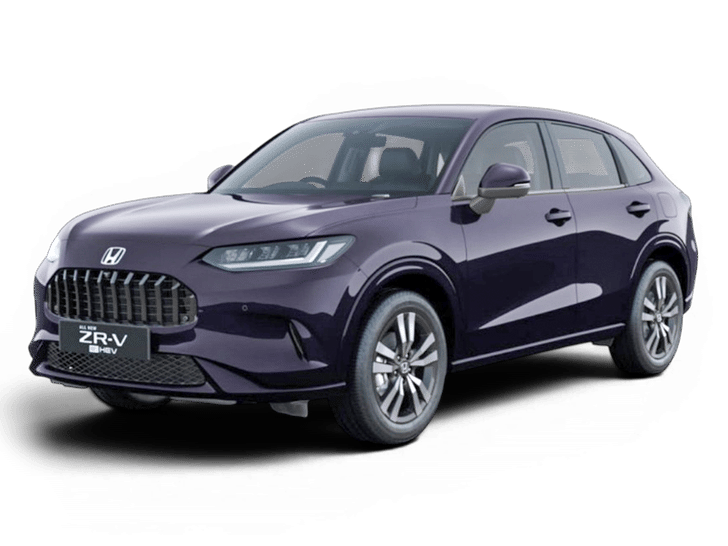
Honda is a Japanese carmaker known for its refined engineering, smooth petrol engines and focus on reliable long-term ownership. In India, it has traditionally competed with brands like Maruti Suzuki, Hyundai and Tata in the mass-market space. But now, as per us at Autocar India, the brand is moving towards the premium segment with the launch of ZR-V, a fully imported hybrid SUV. Plus, the upcoming Prelude coupe and 0 Alpha electric SUV will help push the brand further in that direction.
Honda Cars in India: Highlights
Benchmark
Model
Detail
Cheapest Honda car
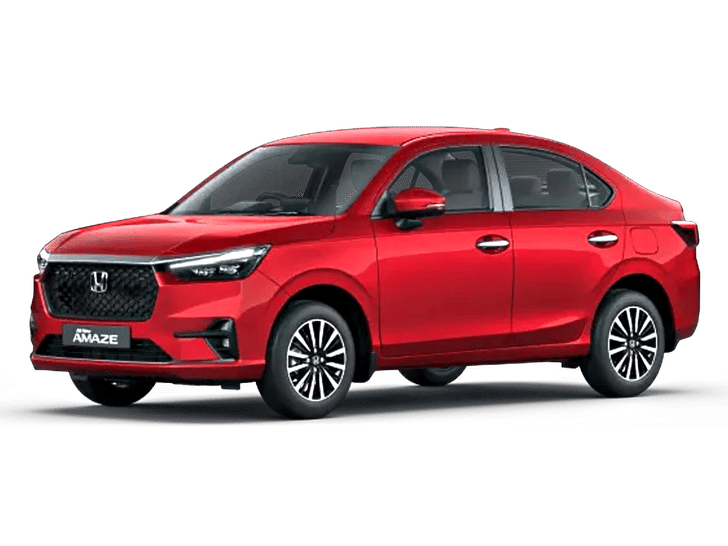
Amaze
Rs 7.65-10.00 lakh
Most expensive Honda car
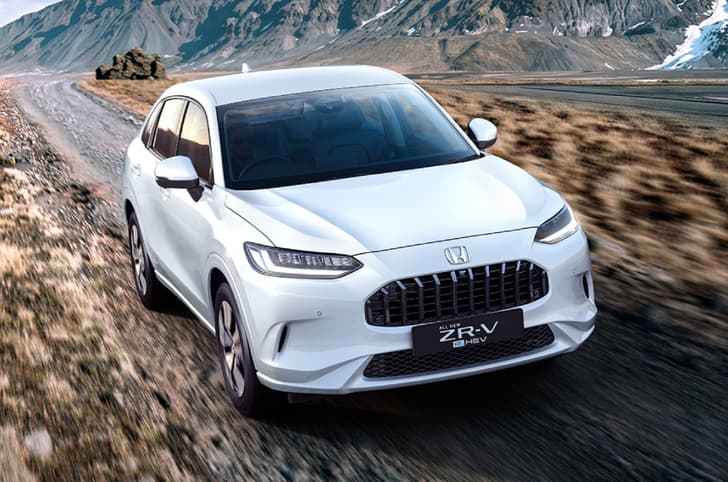
ZR-V
Rs 47.99 lakh
Newest model in the line-up
ZR-V
Launched on 25 July 2026
Only Bharat NCAP 5-star rated Honda car
Amaze
Scored 28.33/32 in adult occupant protection
Only Honda model sold as a CBU import
ZR-V
Fully imported from Japan in limited batches
Only strong-hybrid Honda car on sale
ZR-V
2.0-litre petrol-hybrid, claimed 22.8kpl
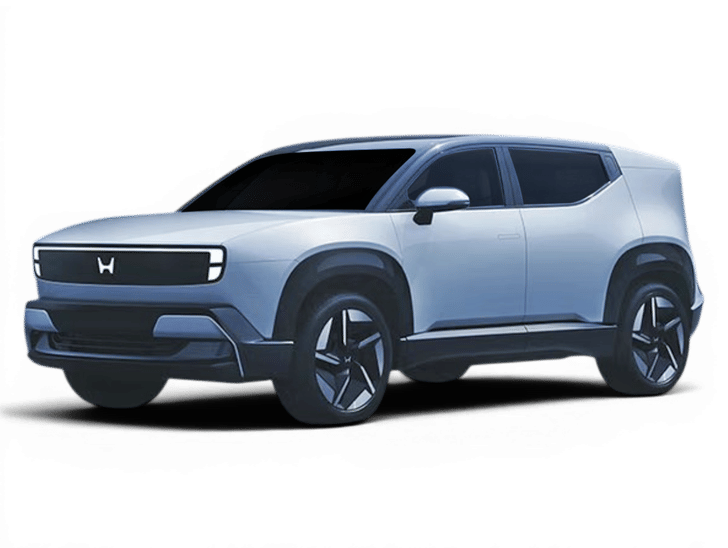
Honda's first electric SUV in India
0 Alpha
Expected launch in 2027
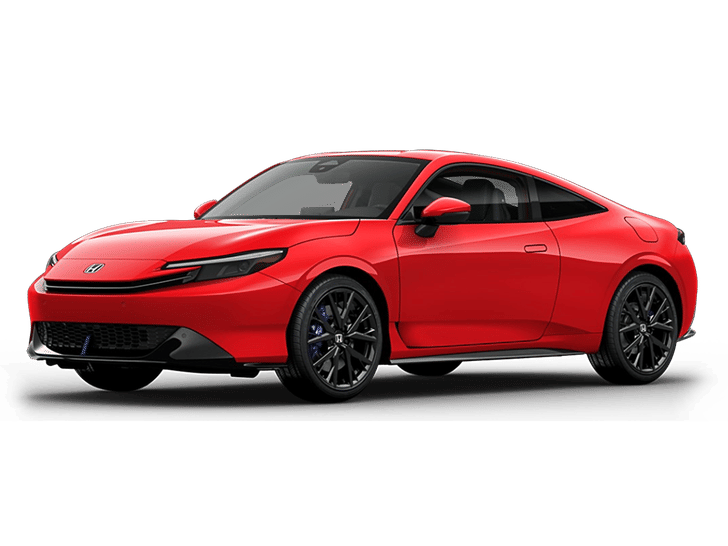
Honda's first two-door model in India
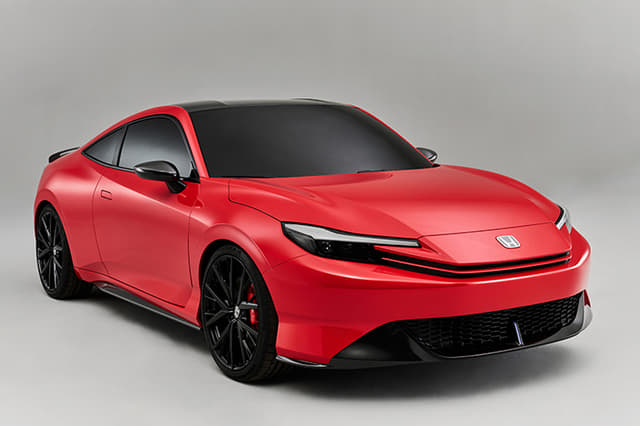
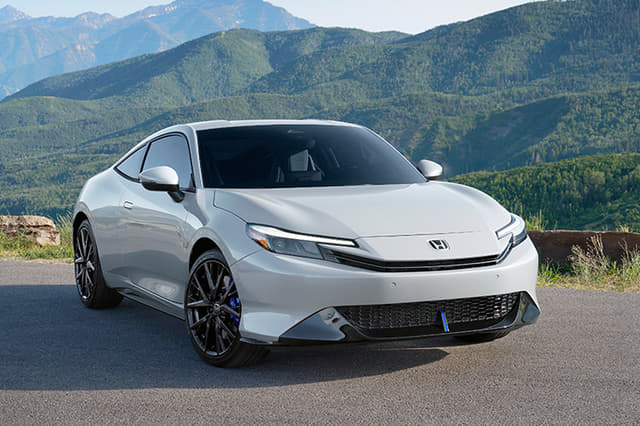
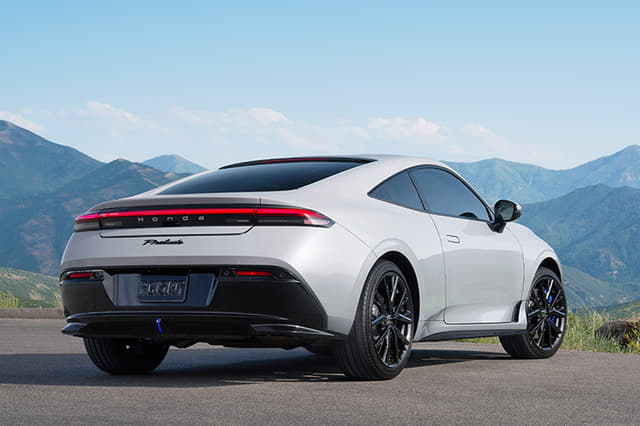
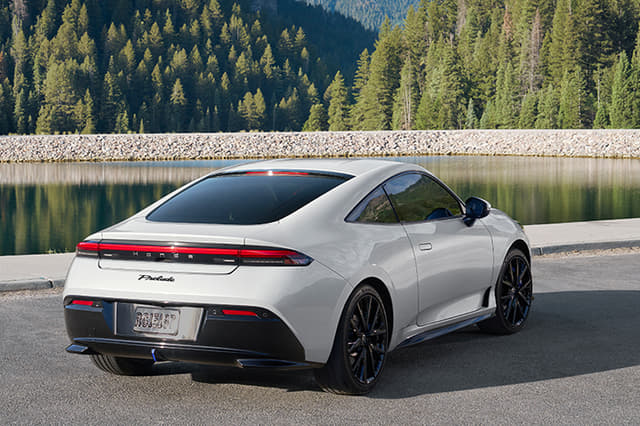
Prelude
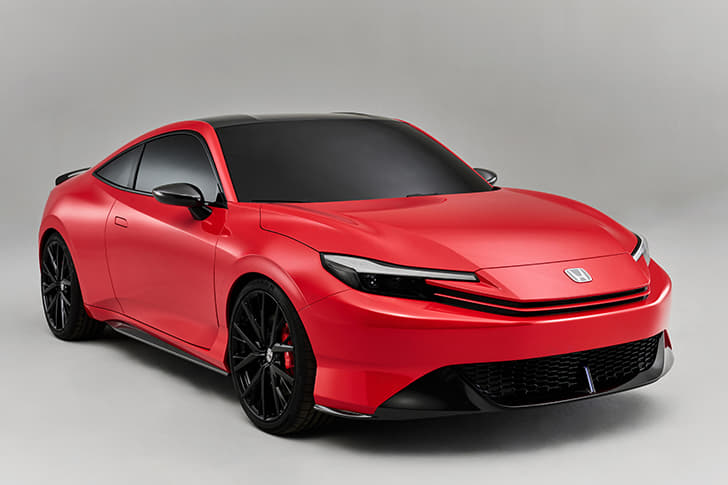
Two-door hybrid coupe, expected late 2026
Upcoming Honda cars in India
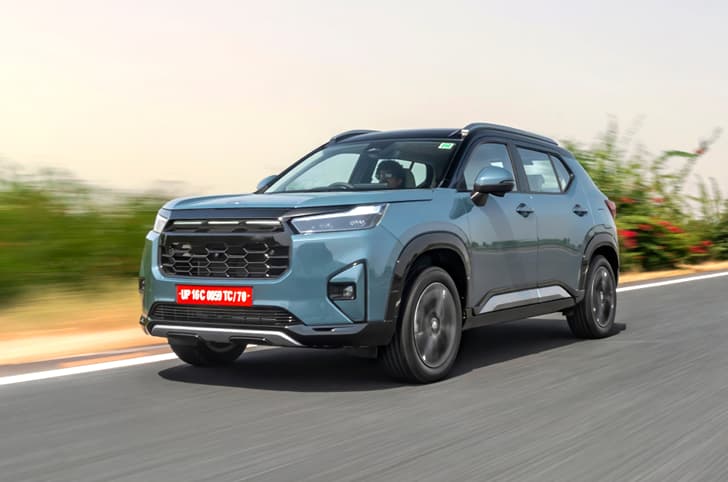
Elevate facelift, Prelude
Both expected by late 2026
Where Honda cars are made
Tapukara plant, Rajasthan
Honda Cars India's only manufacturing facility
There is a wide gap between the Elevate and the ZR-V, nearly about Rs 31 lakh, and as per the current scenario, Honda currently has no model to bridge it. And, once 0 Alpha and Prelude arrive, as per our understanding, this gap will widen even further.
How is Honda's After-Sales Service?
Based on the questions we received from real owners through our Ask Autocar Anything section, here’s what we can say about Honda’s after-sales service:
Honda’s mechanics are factory-trained and use proper diagnostic tools.
Routine car services generally cost between Rs 2,500 and Rs 11,562, depending on the fuel type and service interval, so it’s not at the higher end.
Some owners have reported service centers pushing unnecessary add-ons or overcharging for basic repairs. But this varies by city and by dealership and isn’t a brand-wide pattern.
Genuine parts are usually accessible for popular Honda cars like City, Amaze, and Elevate, though getting specific replacement parts can sometimes take extra time depending on dealer stock.
Owners have reported that Honda's Smart Workshop app is useful for getting real-time updates during a service. However, the app is currently available only in certain cities, like Mumbai, Pune, Hyderabad, and Jaipur.
Several long-term owners who have been driving a City or Amaze for over a decade told us that mechanical reliability is the key reason they stayed loyal to the brand and would recommend it to their acquaintances.
For buyers, our takeaway is to check reviews of the specific Honda dealership in your city before buying, rather than assuming a uniform experience.
How Safe Are Honda Cars?
Honda Car
Testing Body
Adult Occupant Protection
Child Occupant Protection
Honda Amaze (3rd-gen)
Bharat NCAP
5 stars (28.33/32)
4 stars (40.81/49)
Honda City
Not tested by Bharat NCAP
Not rated
Not rated
Honda Elevate
Not tested by Bharat NCAP or Global NCAP
Not rated
Not rated
Honda ZR-V
Not yet tested
Not rated
Not rated
Important points to consider:
The Amaze is currently the only Honda car in India available for purchase with an official Bharat NCAP rating. It comes standard with 6 airbags, ISOFIX child-seat anchors, ESC, and seatbelt reminders across all six variants.
The City and Elevate have not been independently crash-tested in India.
The ZR-V, being a low-volume CBU import, is unlikely to be tested by Bharat NCAP at all.
Upcoming Honda Cars in India
As per us, the Elevate facelift, expected in late 2026, is likely to get minor exterior and interior updates and some new features, rather than major mechanical changes.
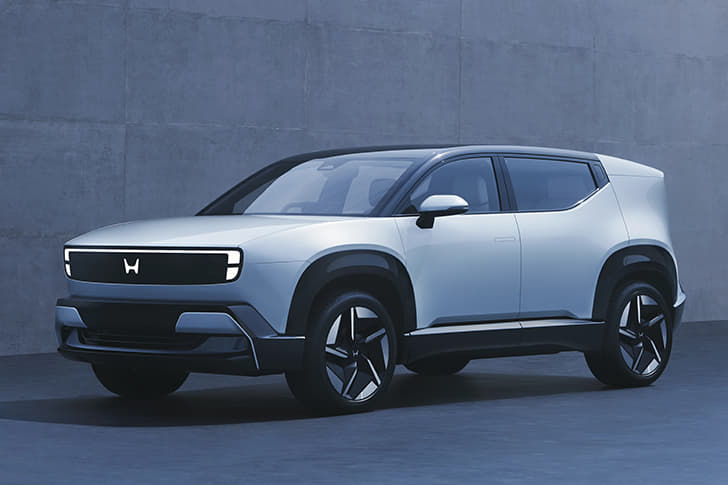
The 0 Alpha, due in 2027, will be Honda's first electric SUV for India and will also mark the brand’s push toward more premium and enthusiast-focused models.
The Prelude, a two-door hybrid coupe expected in late 2026, will be Honda's first two-door car in India. This car will be aimed more at building the brand than driving sales.
Which Honda Car Suits Your Usage?
Your usage
Best match
Why?
First car, tight budget, mostly city driving
Honda Amaze
The rear seat is more accommodating, there’s good legroom, and the CVT makes daily city driving easy.
Chauffeur-driven or rear-seat comfort is a priority
Honda City
The rear seat is comfortable and the ride stays stable without being wobbly or jerky.
Elevated driving position and easier ingress for elderly passengers
Honda Elevate
The higher seating makes it easier to get in and out, especially for elderly passengers.
A strong-hybrid powertrain for lower running costs
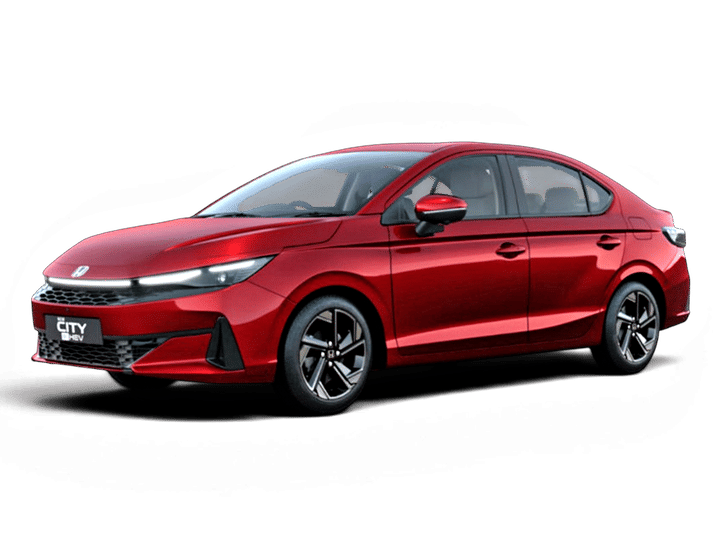
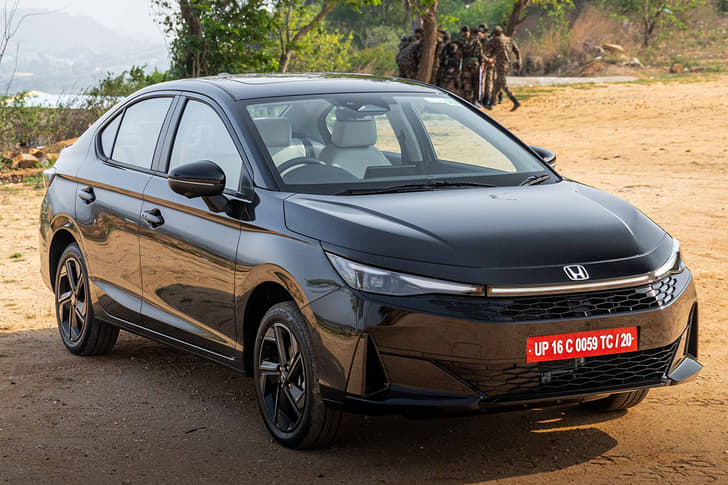
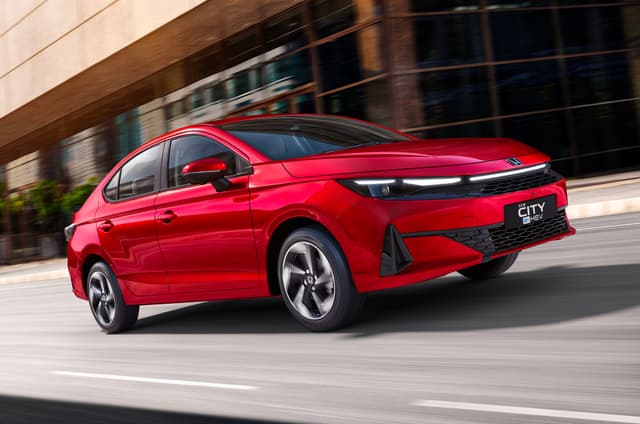
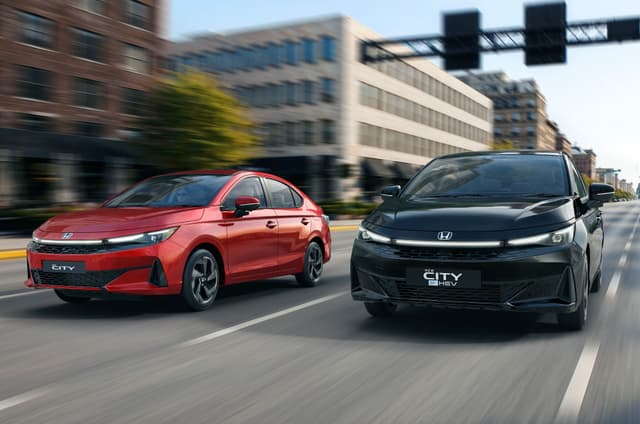
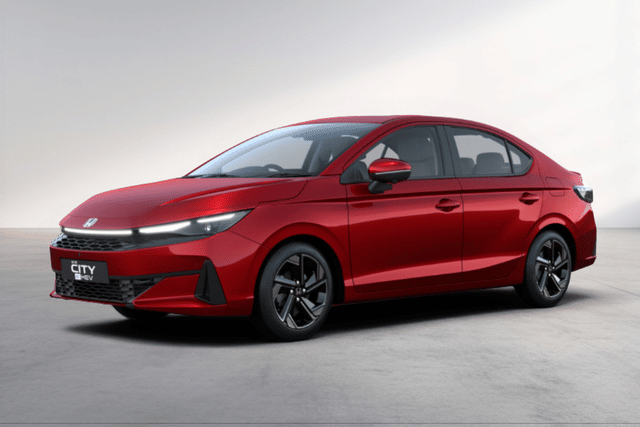
Honda City e:HEV
The strong-hybrid system runs on electric power for a large part of city driving, which cuts fuel costs without giving up boot space or rear-seat comfort.
Honda badge and hybrid tech, budget is not a constraint
Honda ZR-V
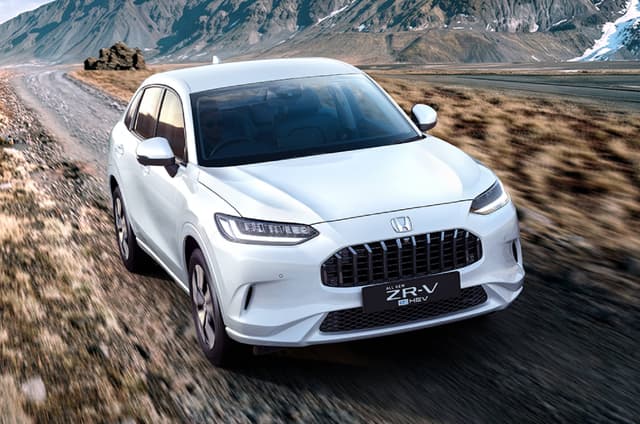
It's Honda's only CBU import in India that comes loaded with kit and uses the brand's most advanced hybrid powertrain.
Trending Questions on Honda Cars - Answered by Autocar Experts
•2d
Hi, I am thinking of replacing Toyota Corolla (2006 model) with a car under the budget of Rs. 20 - 22 lakh. Which car do you suggest replacing the trustworthy Corolla with as it has served me very well. I am considering the VW Virtus/ Skoda Slavia, VW Taigun /Skoda Kushaq and Honda City Hybrid.
424
•2d
Hi, I wanted to upgrade from Honda Jazz. I am looking for an automatic car that I could hold on for at least 10 years. My budget is Rs. 12 to 18 lakh. My monthly commute is 1200 km. Should I go for a petrol or an EV. I am considering an EV over 10 years that could be financially beneficial? But on the contrary, I'm concerned about the reliability of EV since there is no mass market which has held EV for 10 years as of now. (except for Reva or Logan EV).
344
•4d
Hi Autocar Team,
I am currently driving a 2014 Honda City diesel and am looking to replace it with an EV. A few options I have in mind are the Mahindra BE 6 Pack One, Tata Sierra Pure 63 kWh, and MG Windsor EV. My budget is under Rs. 20 lakh. I would appreciate your suggestions and recommendations.
347
•1w
Hi Autocar Team,
I am looking to buy a new automatic car within a budget of Rs. 16 lakh. I have been driving a second-hand manual Hyundai i10 for almost a year now. My usage is mainly within city limits, often in traffic, with occasional highway drives. Could you suggest the best options that offer good value for money and a comfortable driving experience?
545
•3d
Hi, I am Shailesh. I am a first time owner and comfortable with a budget of Rs. 10.50 lakh (on-road). I have compared it across segments like Dzire VXi AGS, Honda Amaze V CVT, Skoda Kylaq Classic Plus Automatic and Fronx Delta Plus AGS. I want to buy it for my 65 year old mother as well as for my daily commute to office in Pune traffic. I prefer an automatic and safe car with highly comfortable back seat, but the variants should have most of the essential features such as seat height adjustment, rear AC vents. The car should be low maintenance and offer hassle free service experience. I want a car that delivers decent mileage and no sunroof would be great. I would like to keep the car for the next 5 to 7 years without any issues (possibly for 10 years). I want it to be compliant with future ethanol blends such as E25 or E27 and that is why Brezza NA VXi TC came into my mind and it is available for Rs. 12.50 lakh. My monthly running would be around 600 to 800km. Which car makes sense for me considering my driving would include 72% running in the city and 28% on highway. I am planning to get Brezza VXi NA Manual at Rs. 10.50 lakh but I would like your opinion.
Overall a nicely balanced vehicle to drive with peace and comfort. No unnecessary features and a smooth rider in both city and highway. So far having a good experience for the last 10months since I purchased it.
As a big Honda fan, ZRV has let down Honda lovers. The under-thigh support for rear passengers isn't good. At 48 lakhs ex-showroom, there will be very few buyers. Overall, ZRV might flop in India. Honda should think about bringing the CR-V here.
Honda's car prices start at 6.98 lakh and go up to 21 lakh (ex-showroom), depending on the model and variant selected.
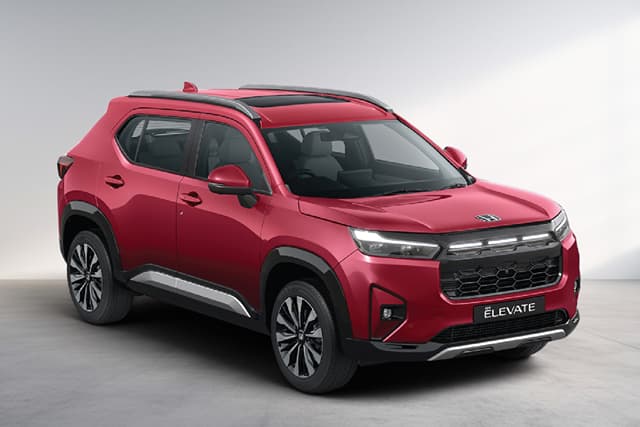
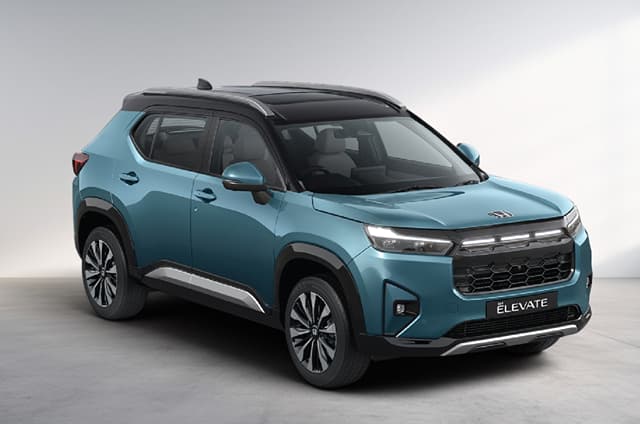
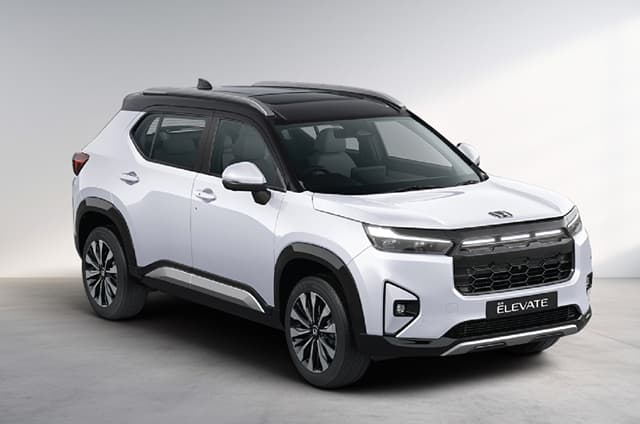
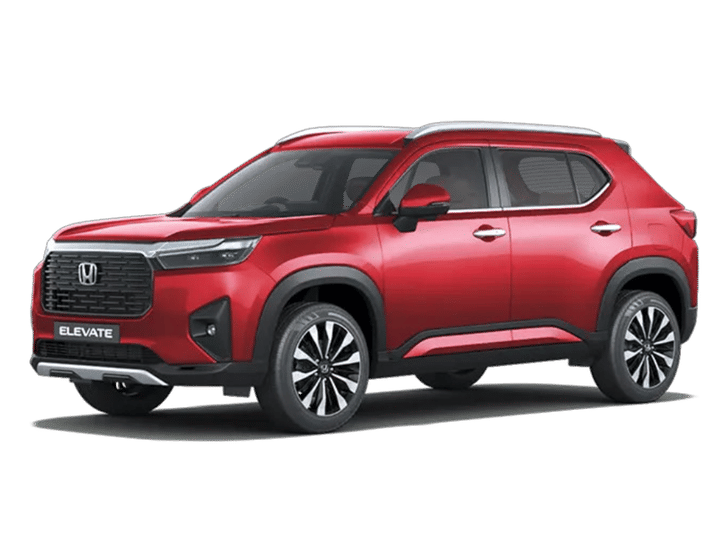
Honda currently sells one SUV in India, the Honda Elevate. Its ex-showroom price starts at ₹11.68 lakh.
Honda offers two sedans in India: Amaze and City. The Amaze is priced between ₹6.98 lakh and ₹10 lakh. Meanwhile, the Honda City price starts at ₹12.08 lakh and goes up to ₹21 lakh (ex-showroom).
Yes. There are three new Honda cars scheduled to launch in India. The list includes: Honda ZR-V, Honda Elevate facelift, and Honda Prelude. All are expected to launch in 2026. The brand has also unveiled the 0 Alpha concept.
Need an expert opinion on your car related queries?