


Vinfast cars in India (4)
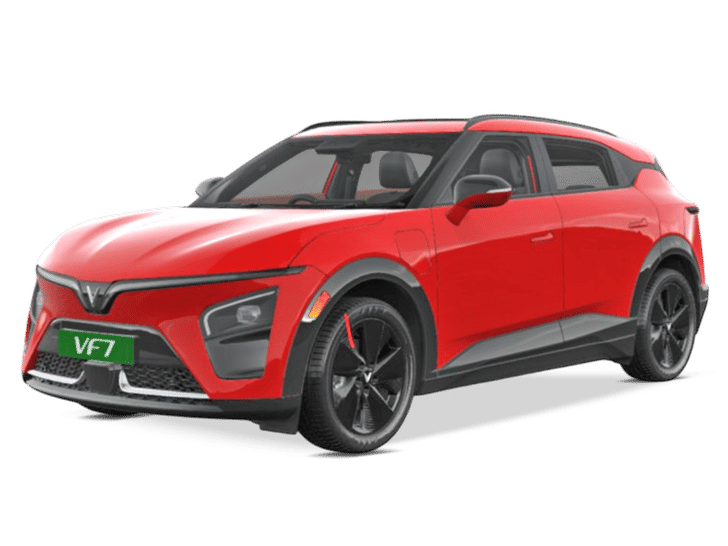
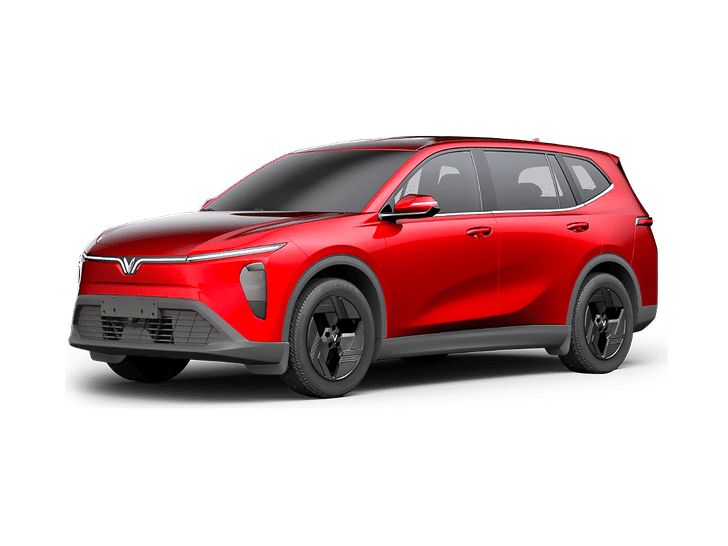
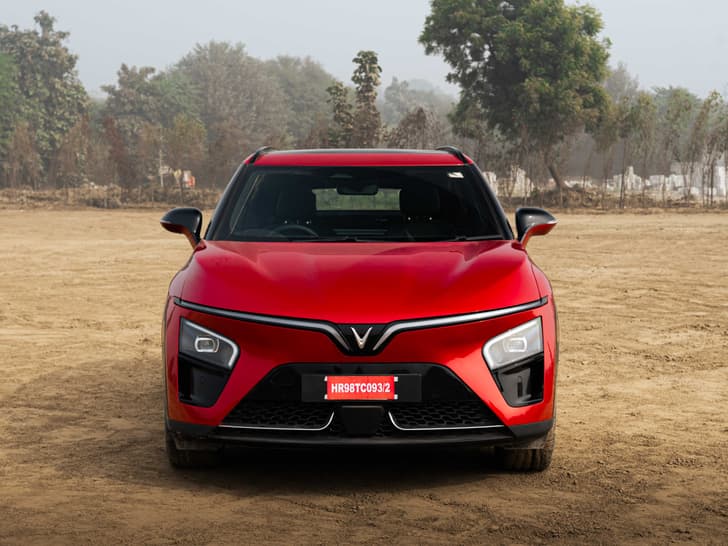
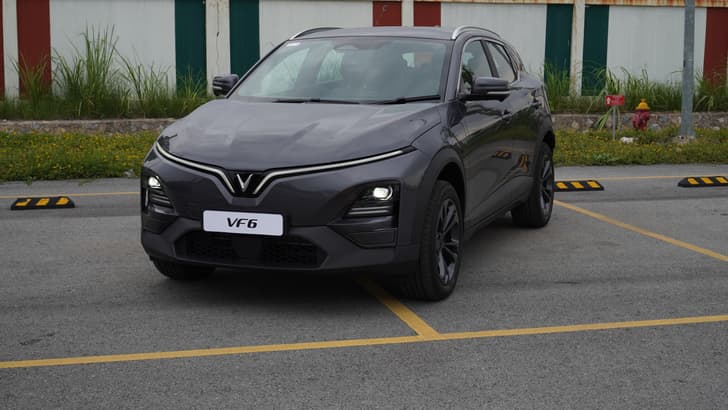
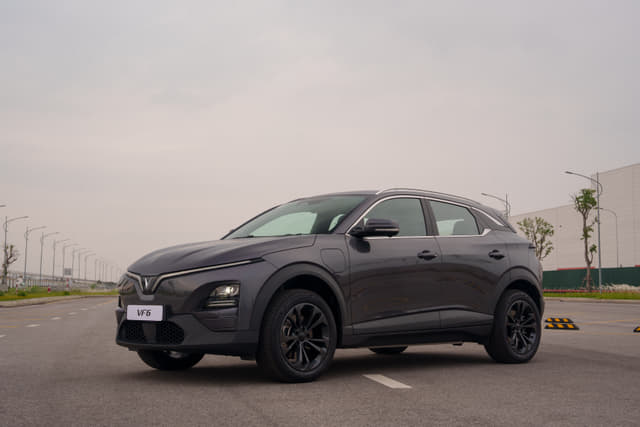
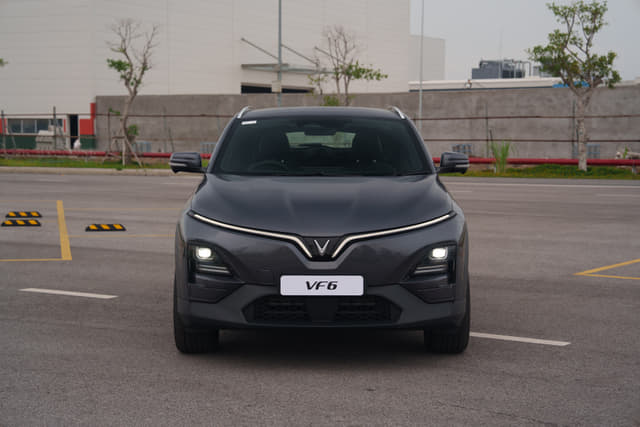
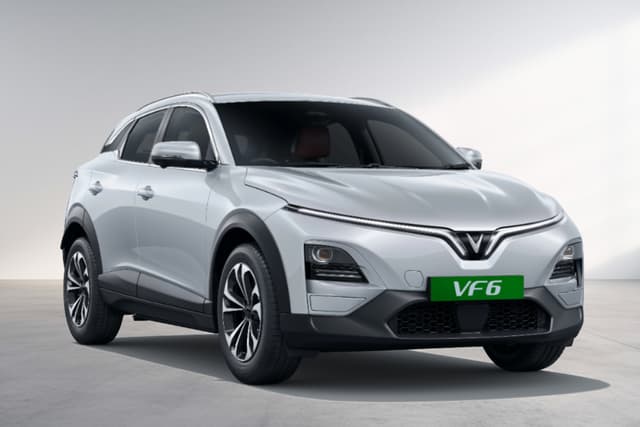
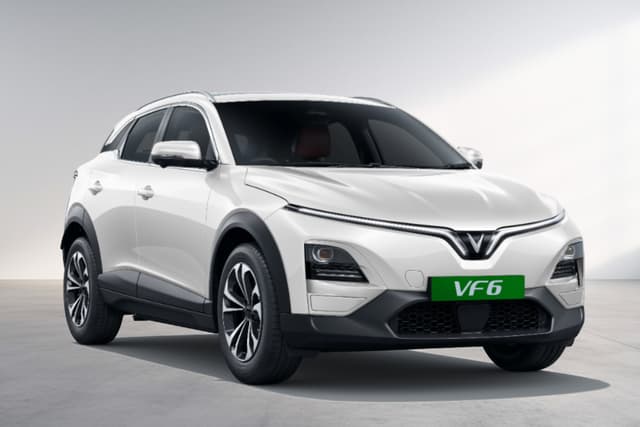
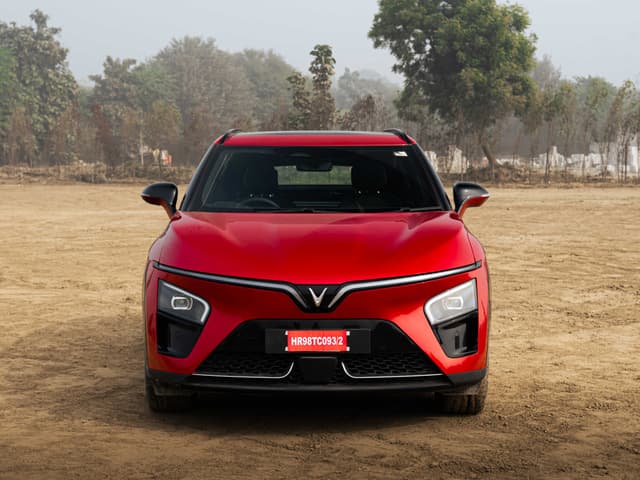
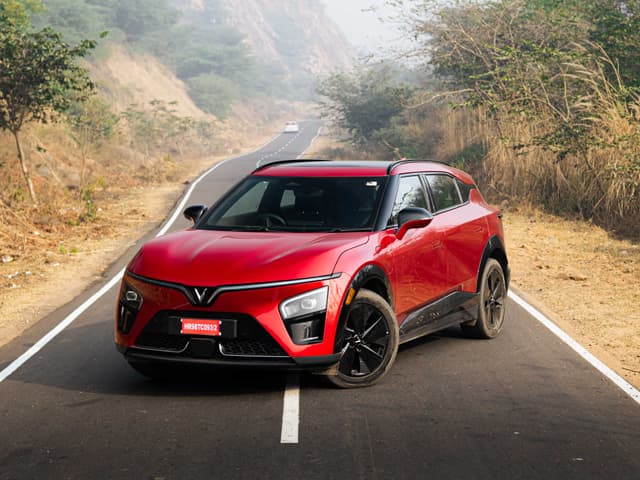
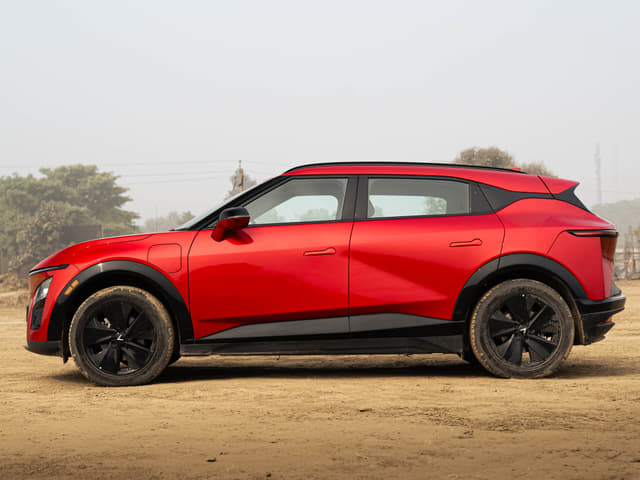
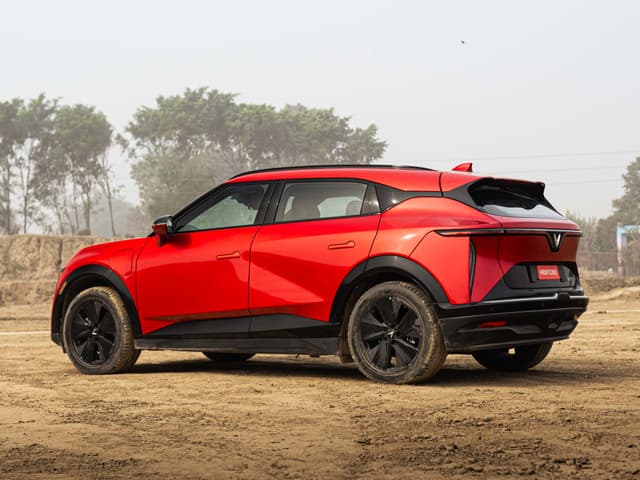
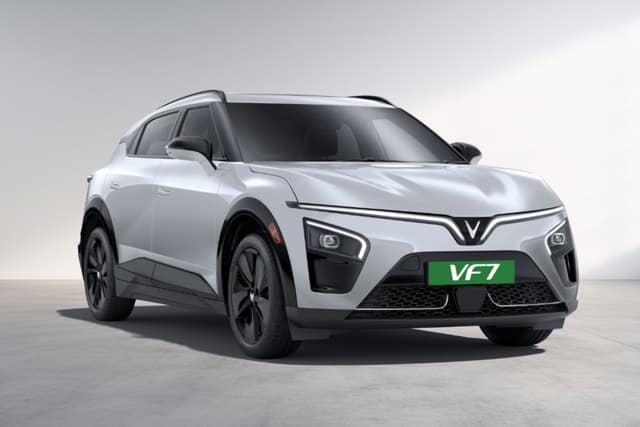
Vinfast was established in 2017 as the automotive arm of the Vingroup, a Vietnamese conglomerate. It officially entered the Indian market in September 2025. Vinfast is currently an EV-only brand, though it used retail combustion-powered vehicles internationally until 2022. The company inaugurated its first EV assembly plant outside of Vietnam in Thoothukudi, Tamil Nadu, in August 2025. Some of the more popular Vinfast models in India include the VF6 and VF7 SUVs.


Find cars by body type


Find cars by body type
Vinfast Cars - FAQs
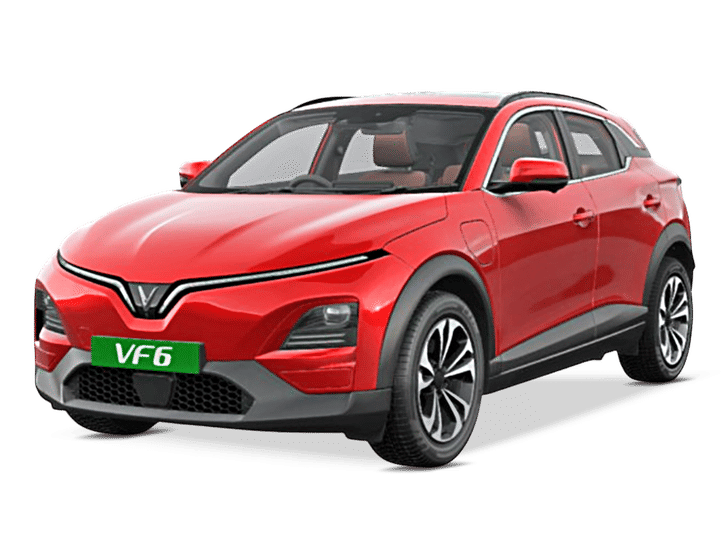
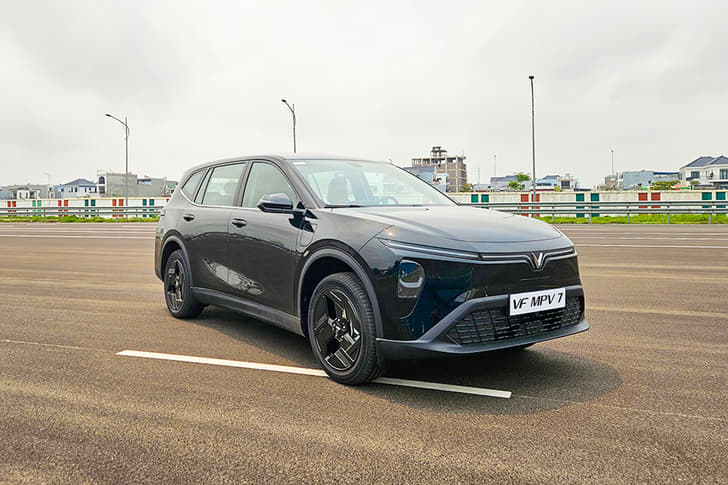
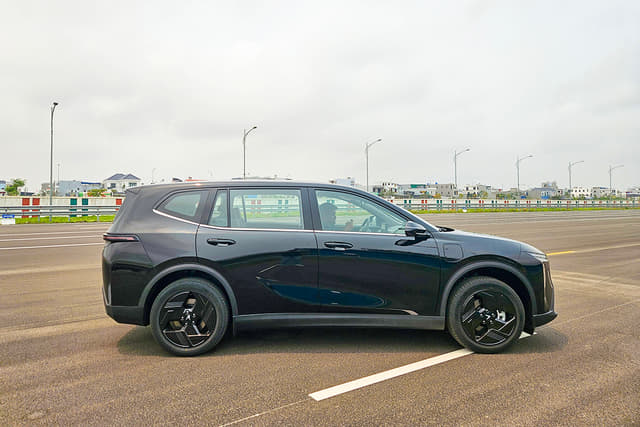
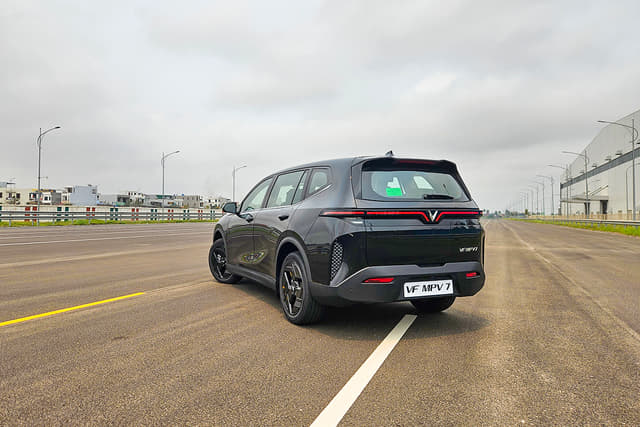
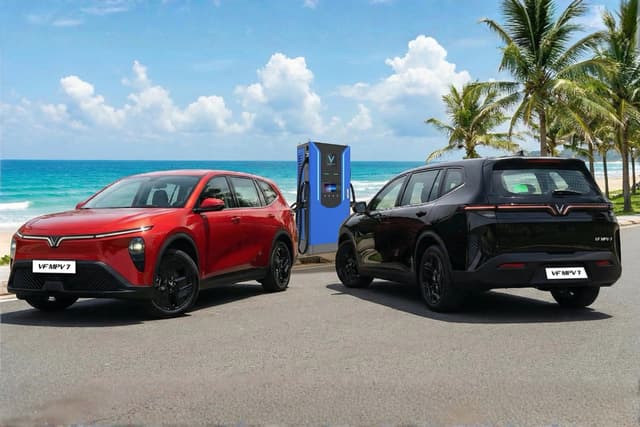
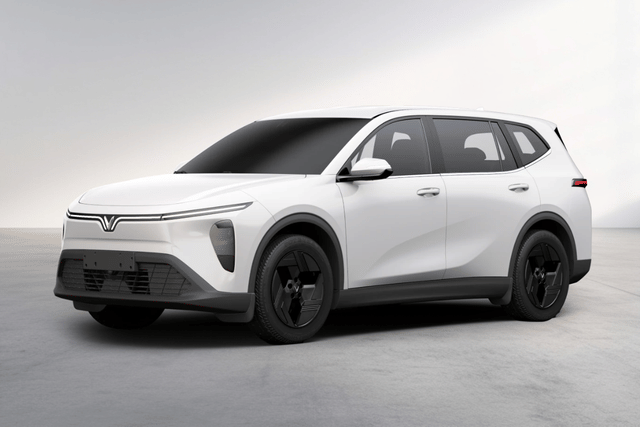
As of July 2026, there are three Vinfast models on sale in India: the VF6, VF7, VF MPV 7 and Limo Green. The VF6 and VF7 are 5-seat SUVs, whereas the other two are 7-seat MPVs.
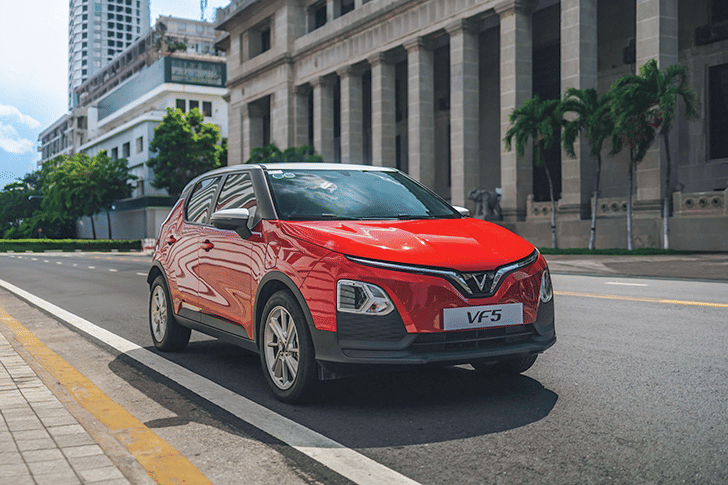
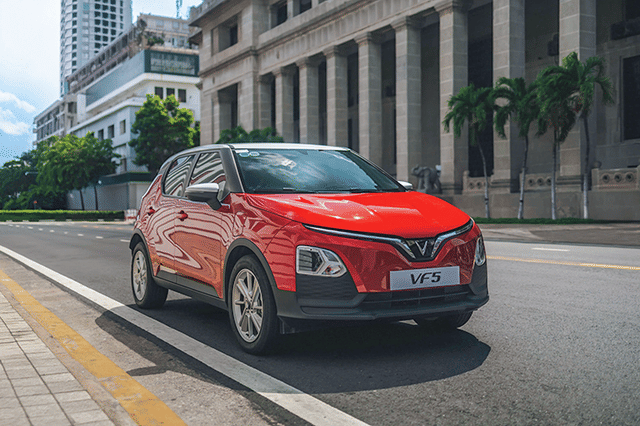
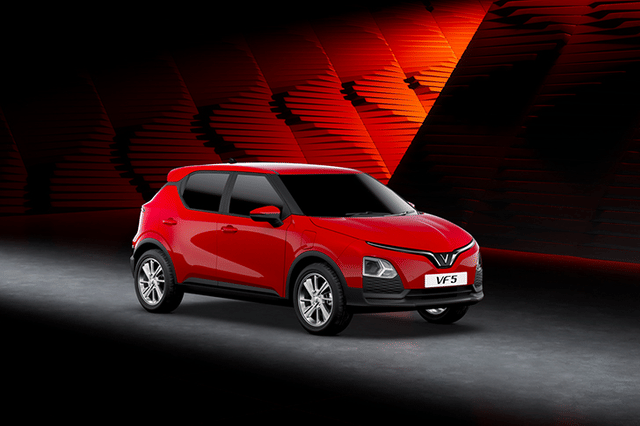
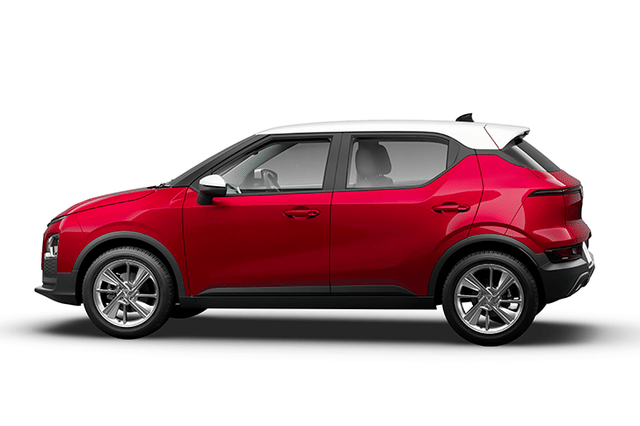
Yes, the Vinfast VF5 could be launched sometime in 2026, and the all-electric hatchback is estimated to be priced between Rs 10.00 lakh and Rs 12.00 lakh (ex-showroom).
If you have a budget of under Rs 30 lakh (ex-showroom) and want a stylish electric SUV with good driving dynamics, punchy performance, premium interiors and a sense of relative exclusivity on the road, then Vinfast SUVs are worth checking out.
Considering that the brand is relatively new and doesn't have a widespread dealership or after-sales service network in India, you may not want to rush into buying a Vinfast car without checking out alternatives from more established marques such as BYD and Kia, which have comparable offerings.
Trending Questions on Vinfast Cars - Answered by Autocar Experts
Can I buy the MG ZS EV in 2026? I am getting the Exclusive Plus model for Rs. 18.5 lakh on-road.
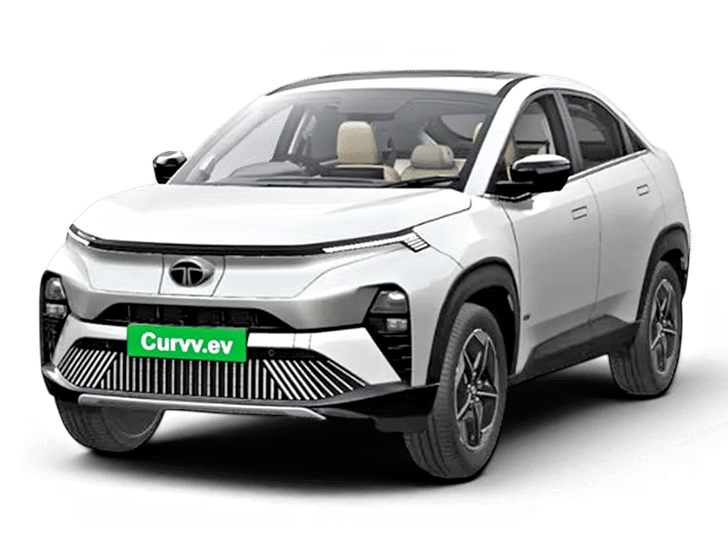
The MG ZS EV has been around since 2021, and it has barely been updated since. As of today, there are far more modern, better equipped, and more efficient electric cars available in the market. So even though the pricing is attractive, we'd advise you to consider a newer car instead. For Rs. 18.5 lakh on-road, you can consider the Kia Syros EV, Vinfast VF6, Tata Curvv EV, or even the MG Windsor.
I’m planning to buy an electric SUV in Delhi with an on-road budget of Rs. 20-21 lakh. My usage will mainly involve a 30-40 km daily office commute, along with occasional weekend highway trips. The VinFast VF6 Wind Infinity has caught my attention because of its design, features, and range, but I’m hesitant about its after-sales support, service network, resale value, and long-term reliability. Given my requirements, would you recommend the VF6, or is there a better EV in this price range that offers a more dependable ownership experience?
Given your usage pattern of a 30-40 km daily commute with occasional highway trips, the VinFast VF6 Wind Infinity is a tempting option with its strong range and feature set. However, your concerns about after-sales support, service network and long-term reliability are valid. VinFast is still a relatively new player in India, and while the company is making efforts to establish a service network, it does not yet have reach of more established brands. So it really boils down to the support you have in your area. If there is a dealer close to you and in the areas you drive to, you could go ahead with the car. As for the company itself, Vinfast is investing in expanding their network and has also massive plans for India for their auto business as well as other businesses like the GSM app based taxi service. From that point of view you need not worry as they are not a fly-by-night operator. If you would however you would prefer an electric car from an established brand, the Mahindra BE6 would be a good option as it too has a striking coupe like design, as this seems to be what you prefer. As an all rounder the Hyundai Creta EV would be a good option.
Hi Team, I have a Ford Fiesta Diesel and am planning to exchange it for a VinFast EV. Would you recommend going ahead with this option? My monthly usage is around 1,000 km.
Go for the VinFast VF6 if you can install a home charger - at 1,000 km a month, you’ll save a lot over diesel, and your daily runs will be quieter and smoother. That usage suits an EV well, because one or two top-ups a week will cover you, and you’ll sidestep the diesel emission filter and clutch hassles that crop up in traffic as a Fiesta ages.The VF6 is the sensible pick here because it is compact enough for city parking but still feels modern and comfortable, and running costs will be far lower than your diesel. The larger VF7 only makes sense if you truly need more space or do frequent long highway days.A point to consider is that VinFast car’s dealer network in India is still growing, so make sure you have a dealer close by. As an option, you can consider the Hyundai Creta EV, which is a very sorted electric car and backed by a wide dealer network.
Between the VinFast VF7 and the BYD Atto 3, which would be the safer ownership choice in India, considering service network, parts availability, and long-term support?
While the VinFast VF7 is an impressive product on paper, BYD cars have a significant head start in India. The BYD Atto 3 has been on sale for longer, BYD has an established dealer and service network, and there are already a meaningful number of cars on the road. That naturally translates into better parts availability of the BYD car, more trained technicians and a clearer picture of long-term ownership costs.With VinFast cars, the biggest unknown isn't the product itself but the ecosystem around it. The company is still in the early stages of building its sales and service network in India, and it will take time before we can confidently assess parts availability, service quality and long-term support.The Atto 3 also benefits from BYD's extensive global EV experience and its proven Blade Battery technology, which has already built a strong reputation for durability and safety.
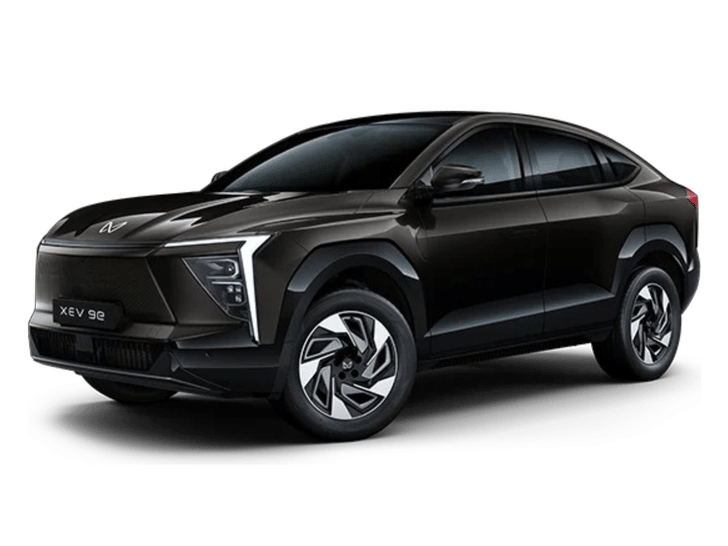
Which would be the better choice among the BYD Sealion 7, Mahindra XEV 9e, and Vinfast VF7? I currently own a Skoda Superb, which is 6 years old, and my ownership experience has been good so far. However, I am considering switching to an EV as a replacement, mainly because I am concerned about potential mechatronics-related repairs and higher maintenance costs as the car ages, even though I have not faced any issues yet. My heart says the BYD Sealion 7 would be the ideal replacement or upgrade for the Superb because of its build quality, premium cabin, and overall feel. However, my mind wonders whether it truly offers good value for money considering its premium price tag, although budget is not a major constraint for me. My daily driving is around 20-30 km, mostly within the city, with only occasional outstation trips. Considering my usage pattern and expectations, which of these EVs would you recommend?
Pick the BYD Sealion 7. It comes closest to your Superb in the way it feels inside and the calm, premium way it goes down the road, and BYD’s EV tech is well proven here. For 20-30km city usage it is smooth, very efficient, and the cabin quality, quietness and ride will feel like a real upgrade that's on par with luxury cars in the same price range.The Mahindra XEV 9e and Vinfast VF7 do sound like good value with the amount of performance and features they offer, but they both belong a size and segment down on the BYD, and that's reflected in the price too. Plus, though feature laden, their cabins will not give you the same plushness you enjoyed in your Skoda Superb. One catch with the Sealion 7 is BYD’s smaller network as compared to Mahindra. But with budget not being a big worry and your usage being mostly in the city, the peace-of-mind of mature EV hardware and genuine upmarket feel makes the BYD car the right call for you. Charge at home and you will need to top up just once every few days.
Last Updated on: 7 Aug 2026