4-seater cars in India (29)
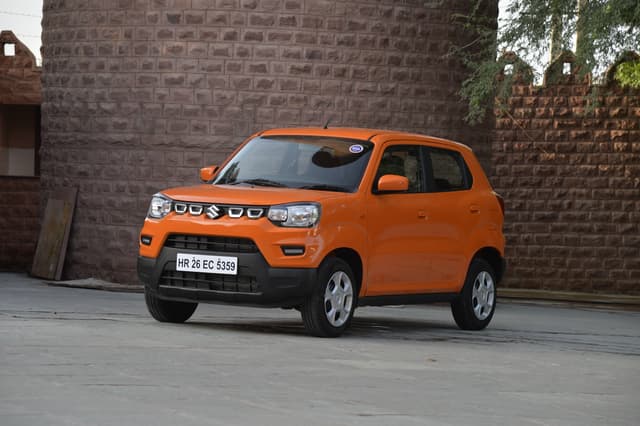
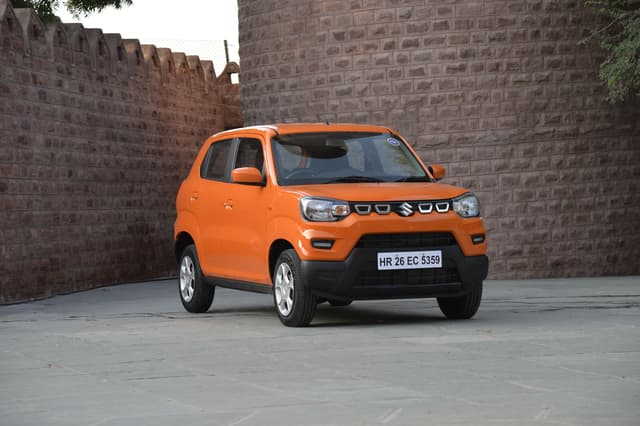
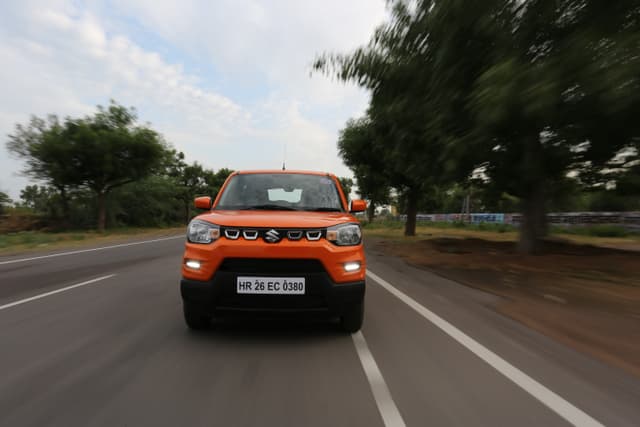
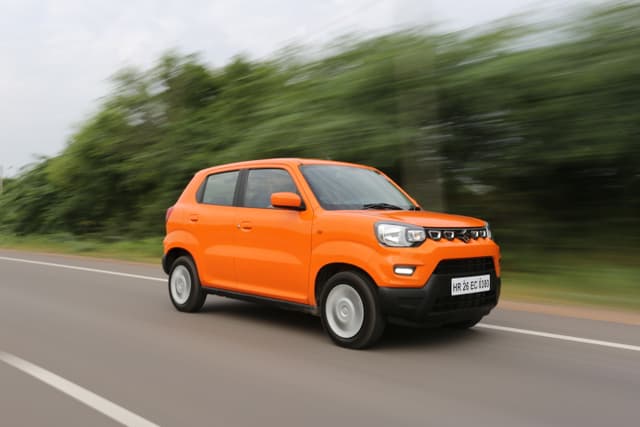
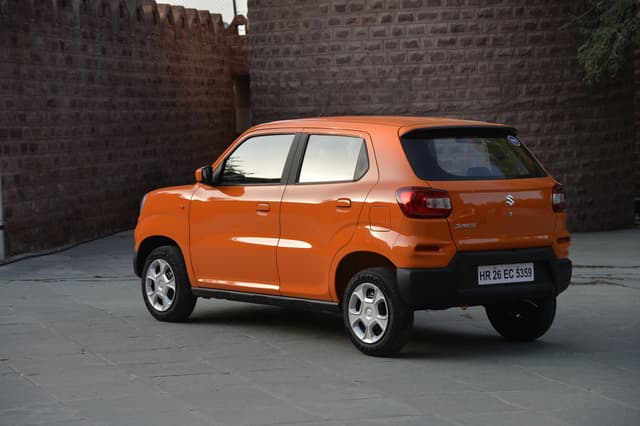
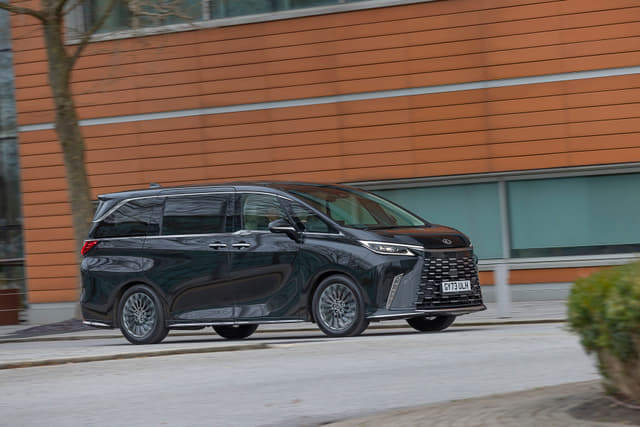
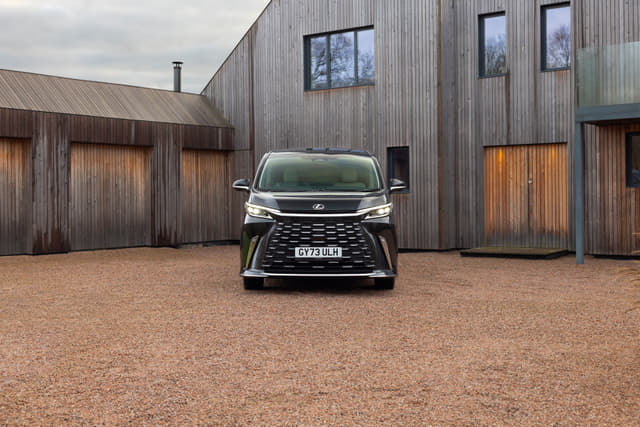
The 4 seater car segment in India is mostly dominated by luxury brands like BMW, Mercedes-Benz, and Rolls-Royce. But for small families or first-time car buyers, the Maruti Suzuki S-Presso is a great choice as a 4 seater car under 5 lakhs.
Key Highlights of Top 4 Seater Cars
Benchmark | Detail |
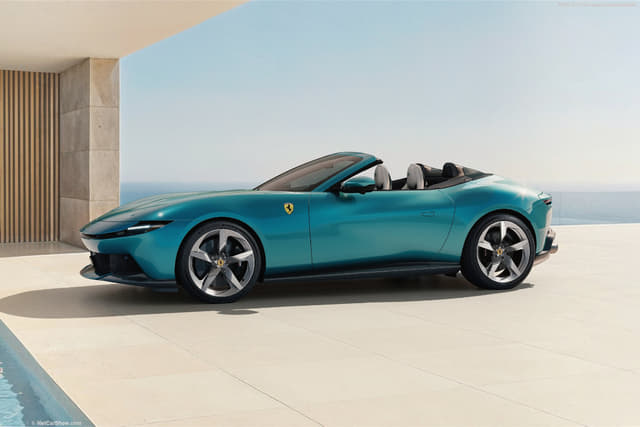
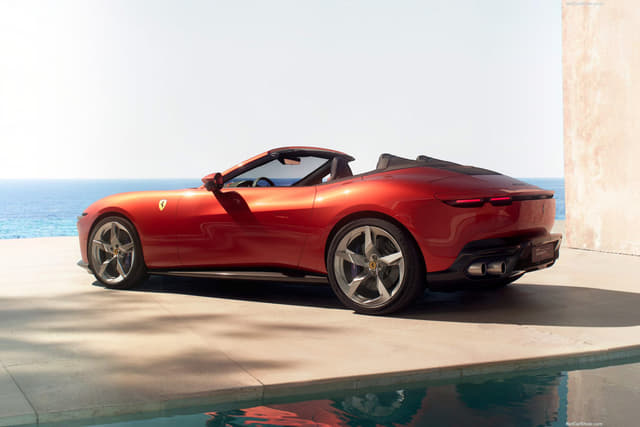
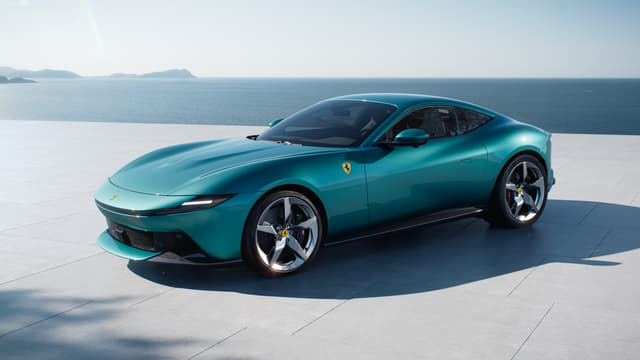
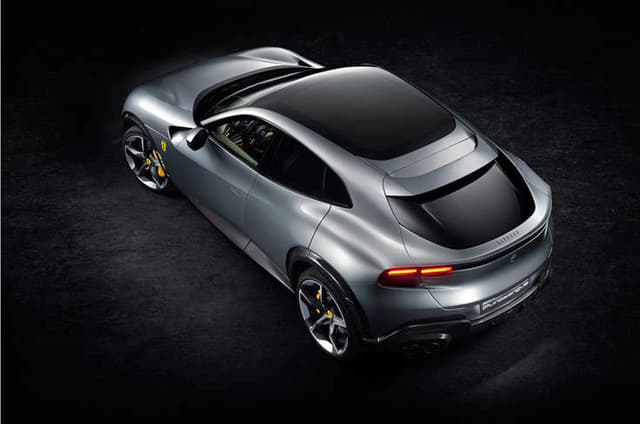
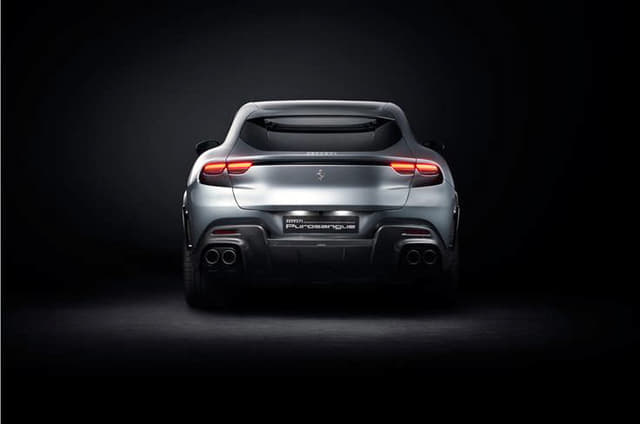
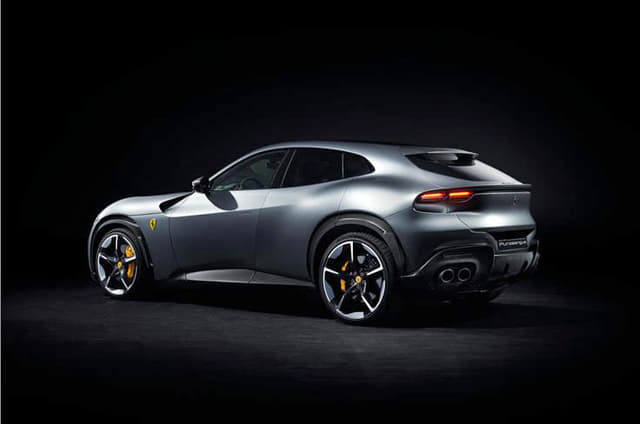
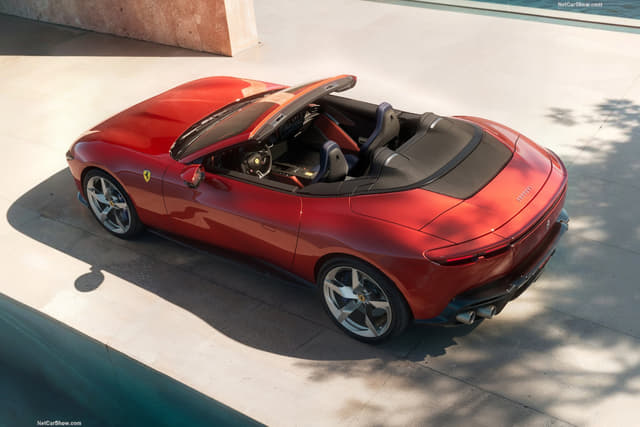
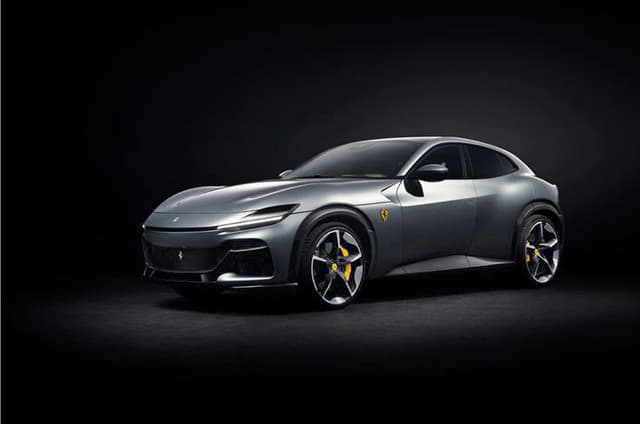
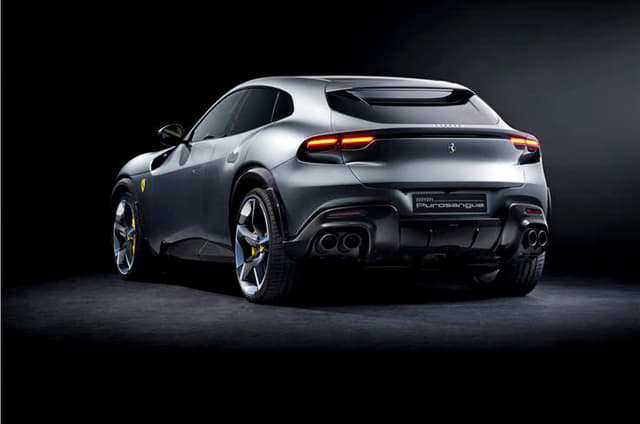
Most Expensive | Ferrari Purosangue (₹10.50 Cr) |
Most Affordable | Maruti Suzuki S-Presso (₹3.50 lakh) |
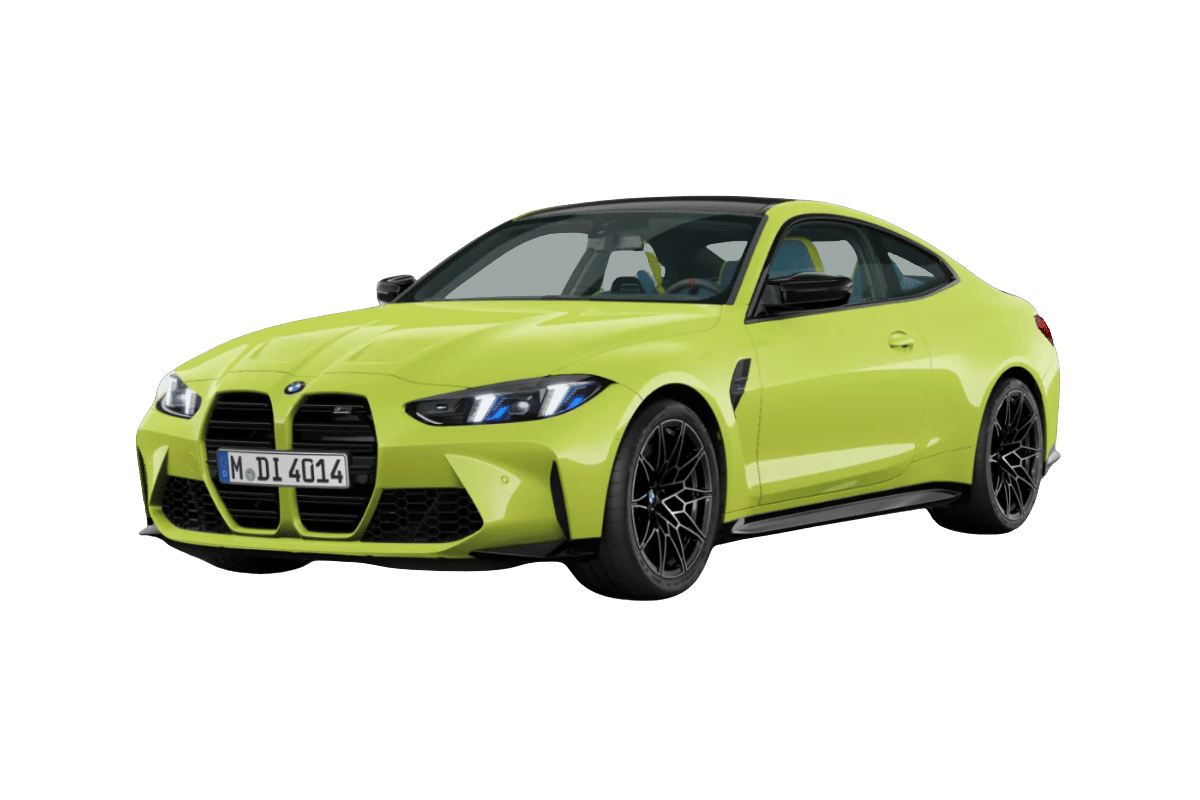
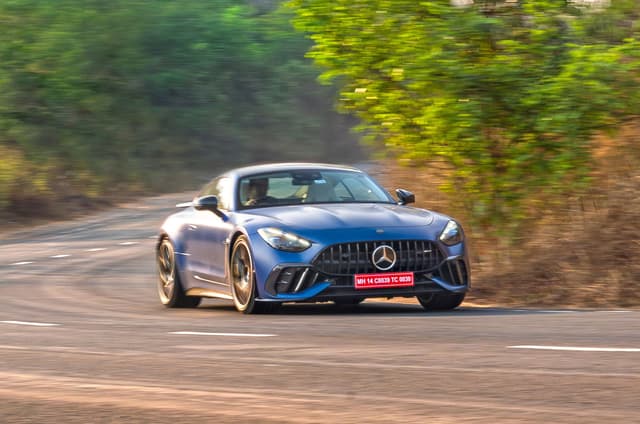
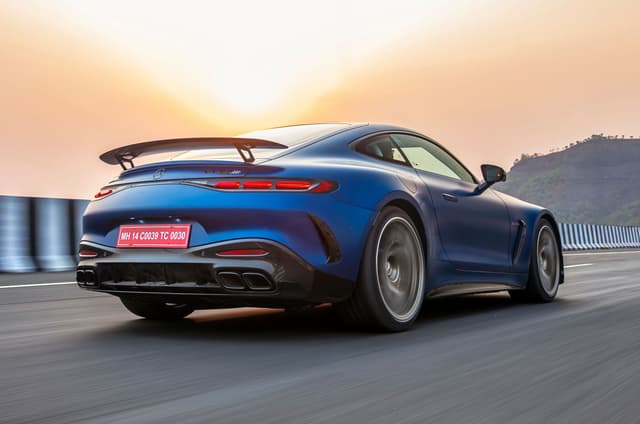
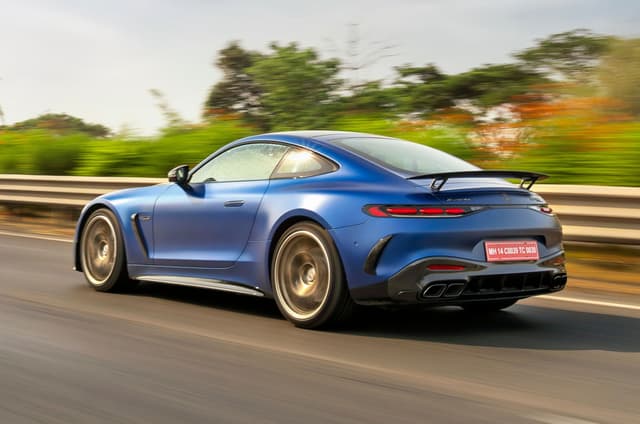
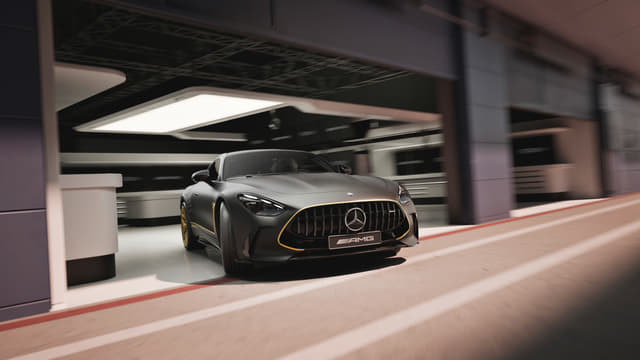
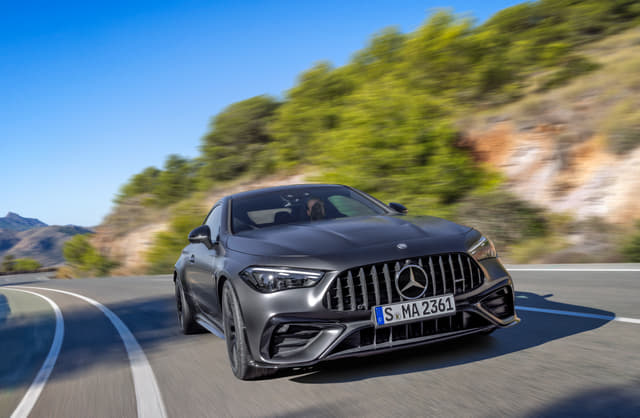
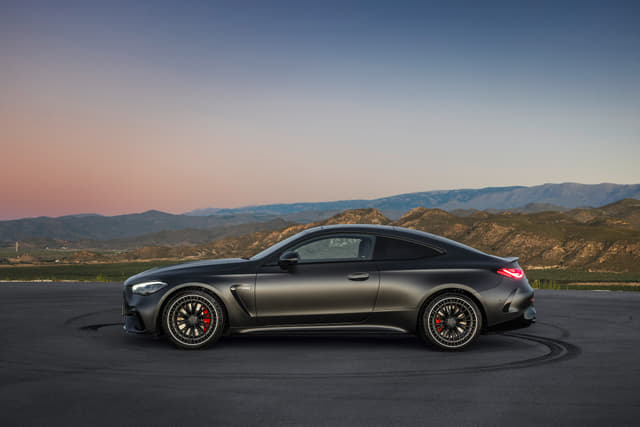
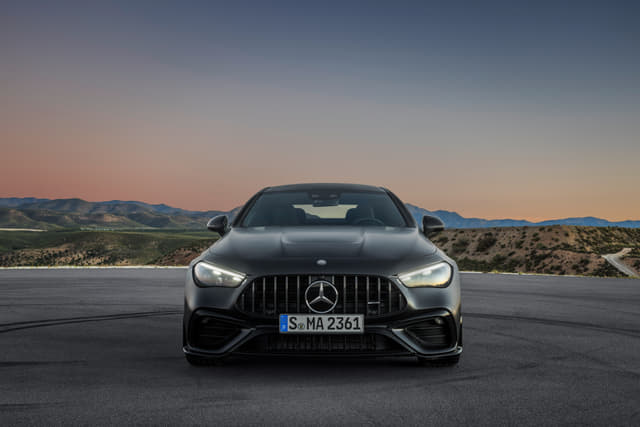
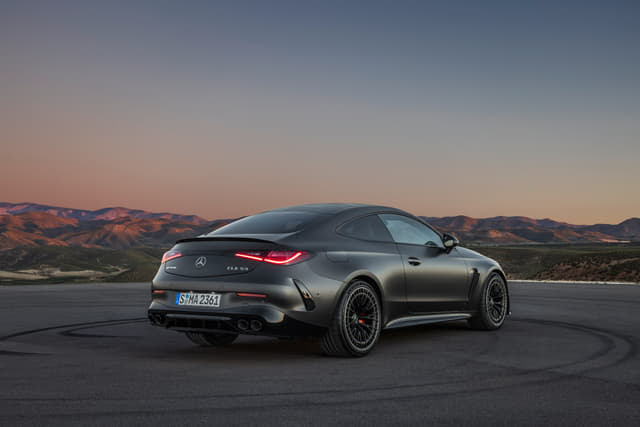
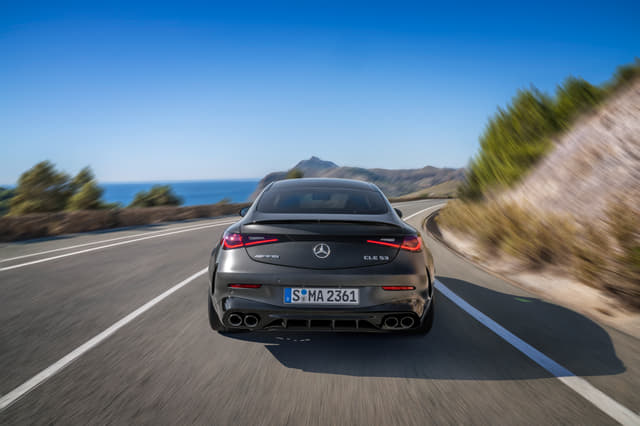
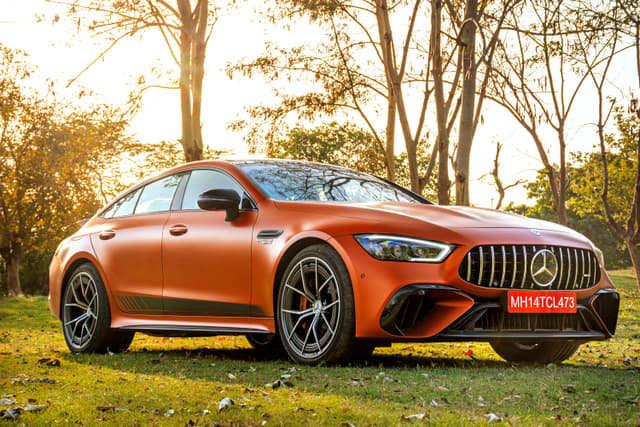
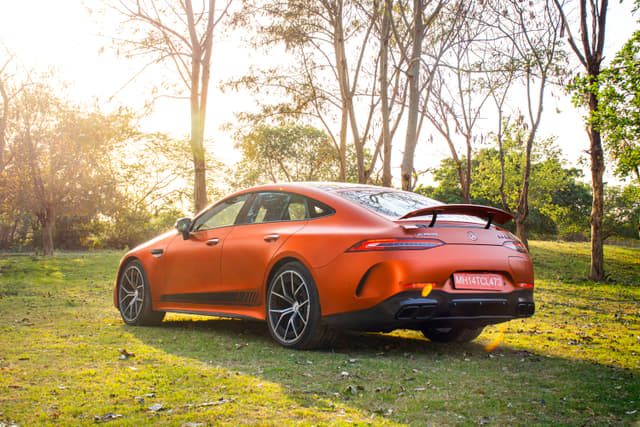
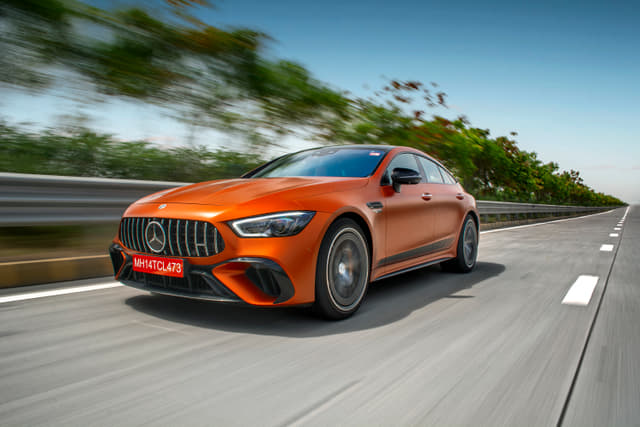
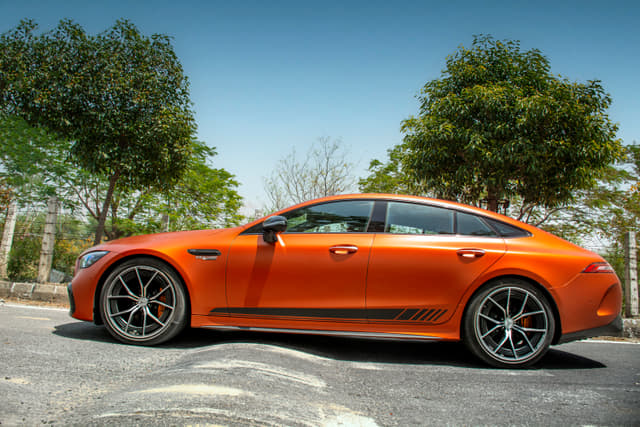
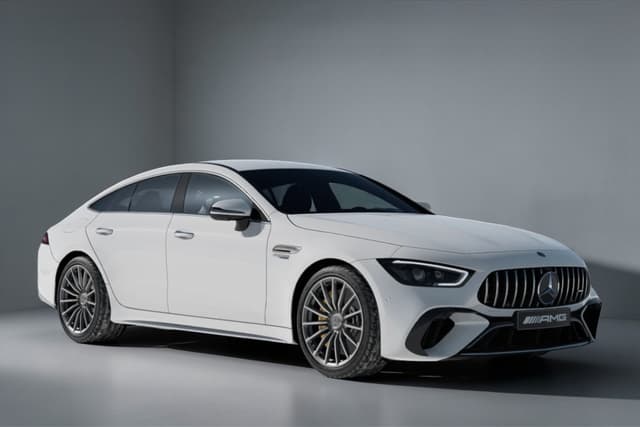
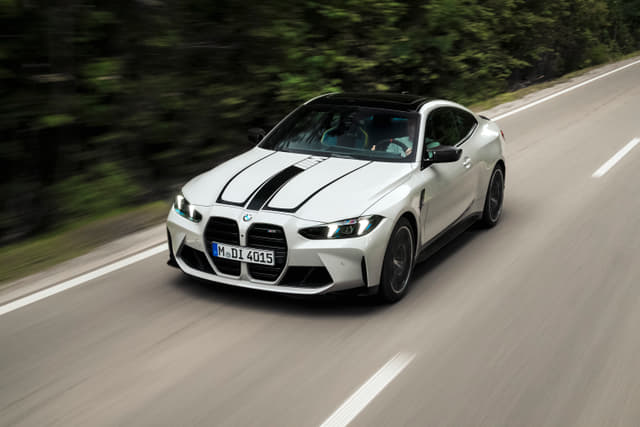
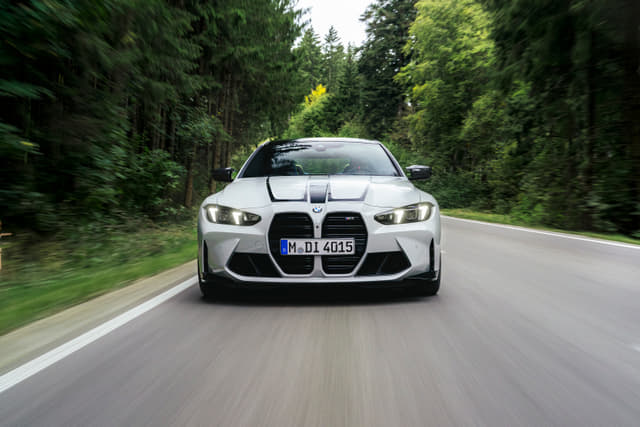
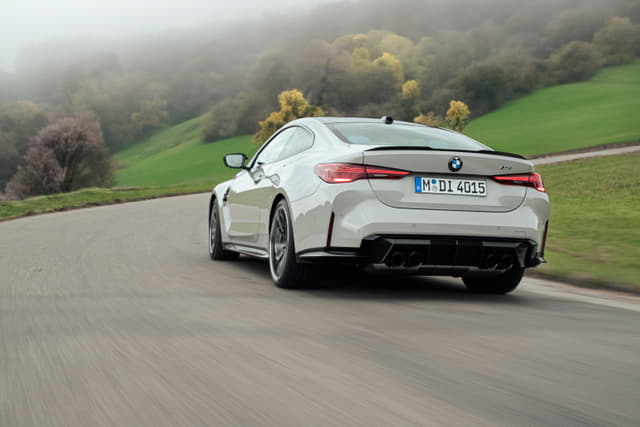
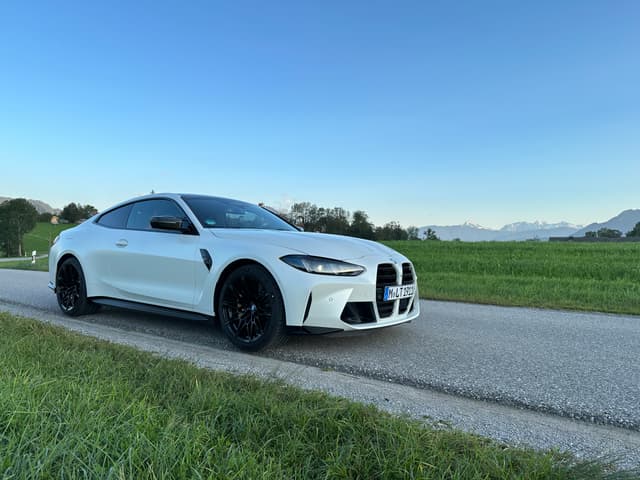
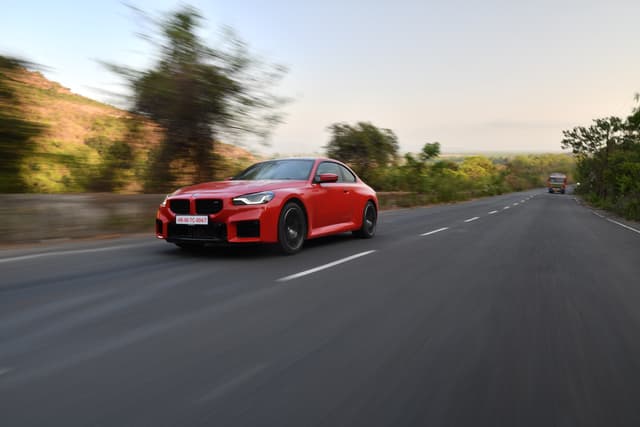
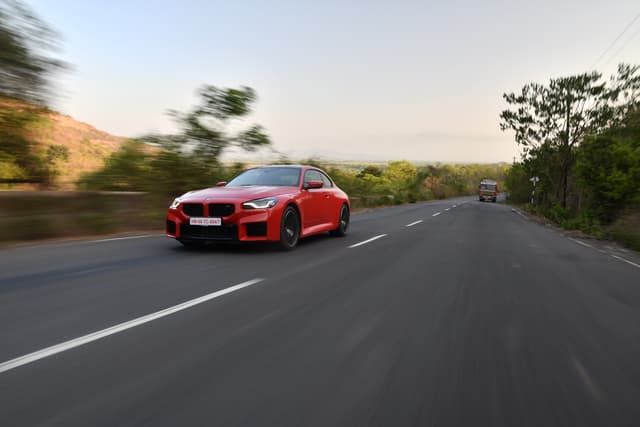
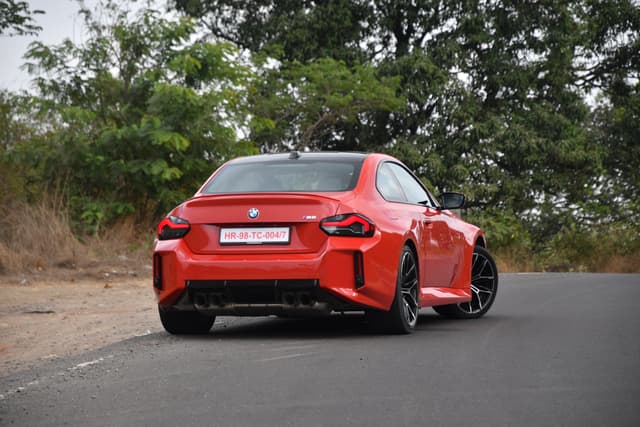
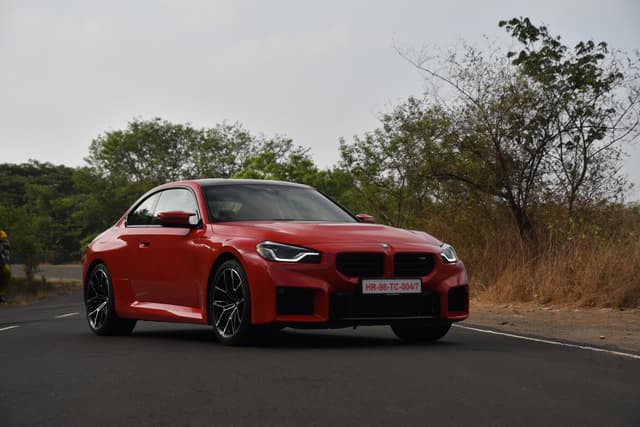
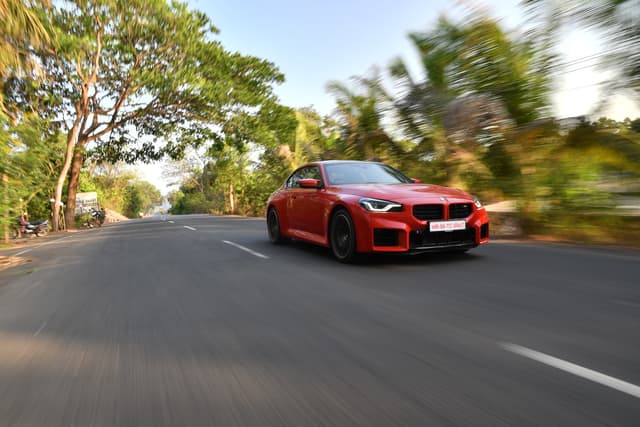
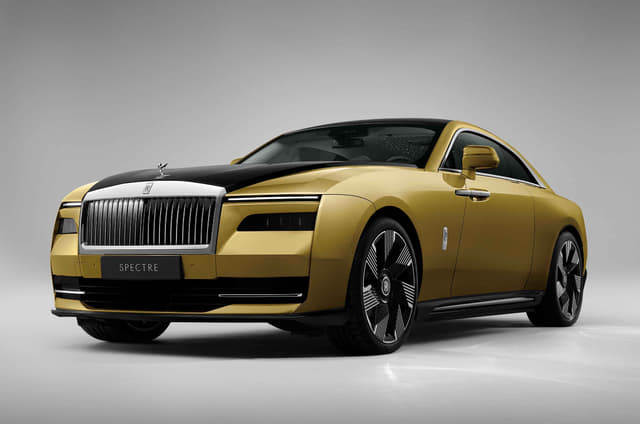
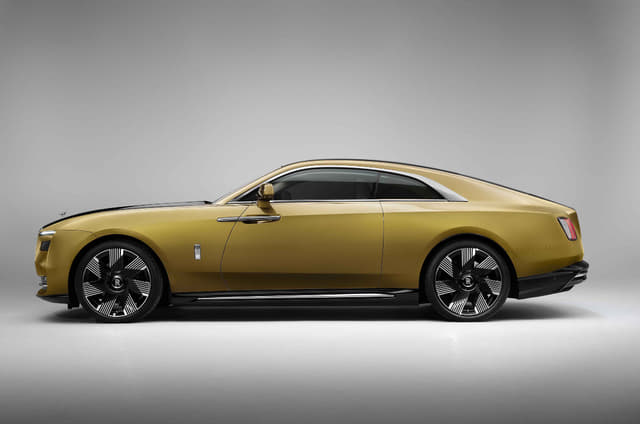
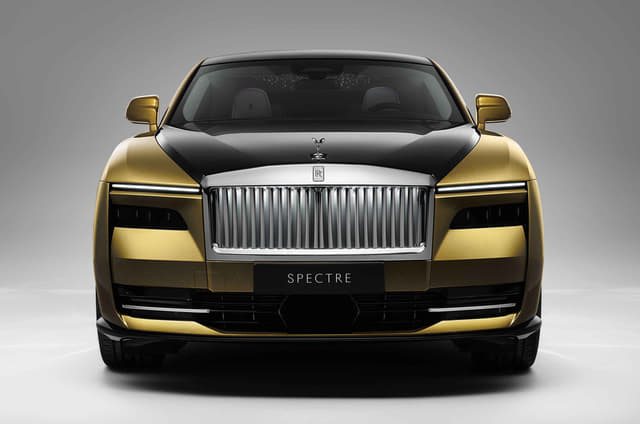
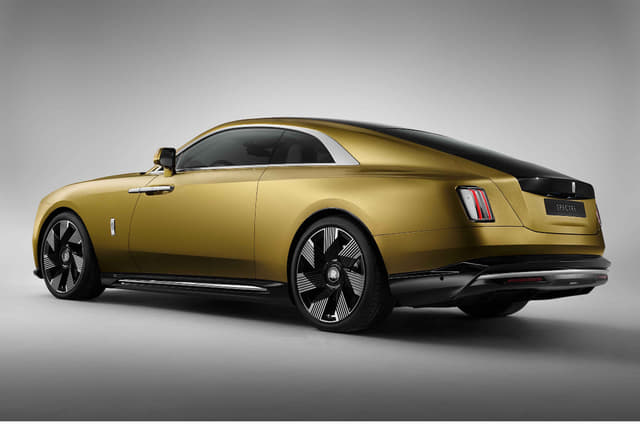
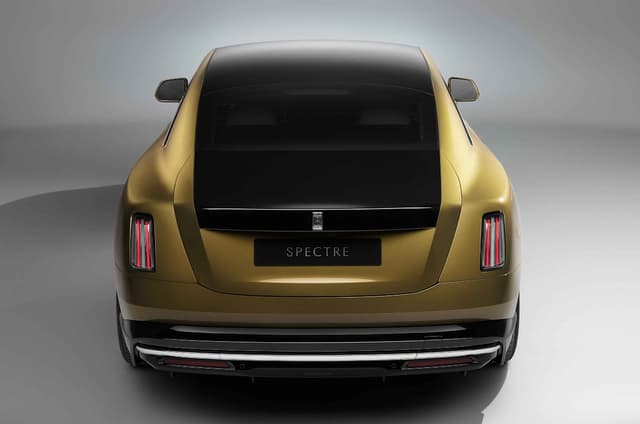
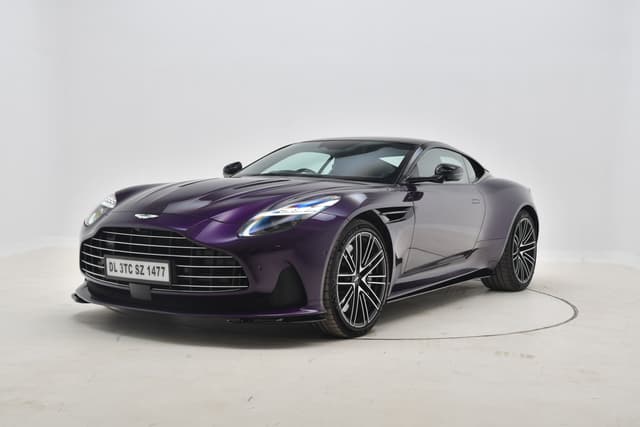
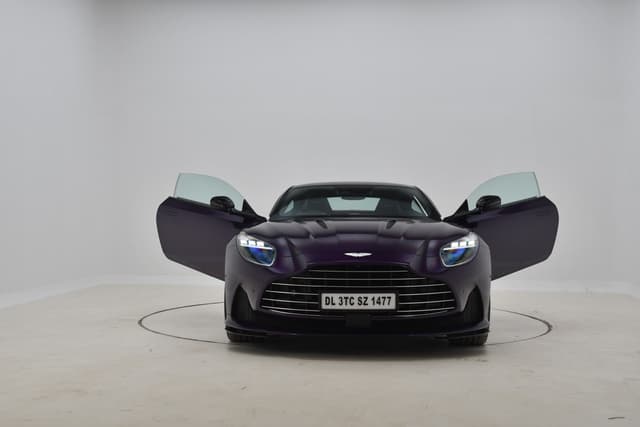
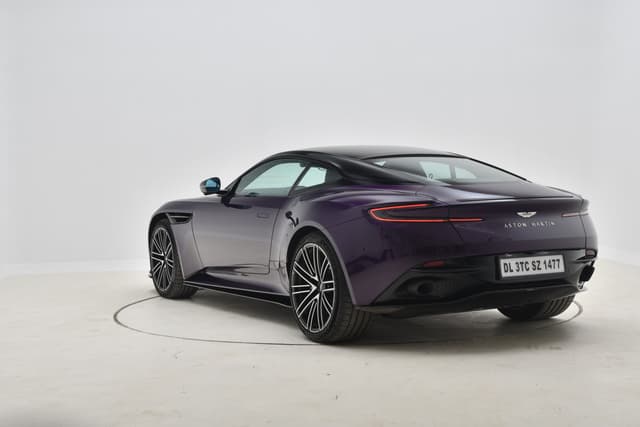
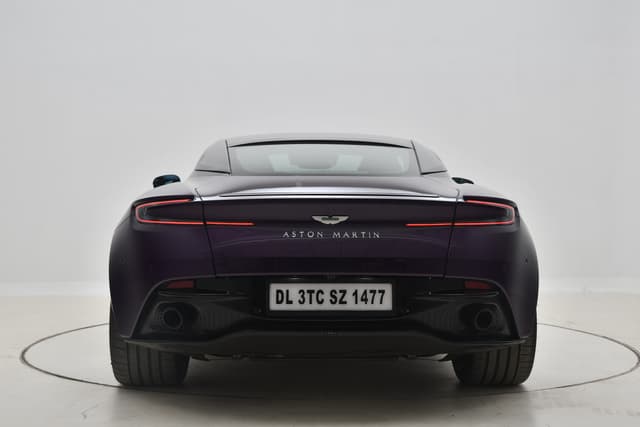
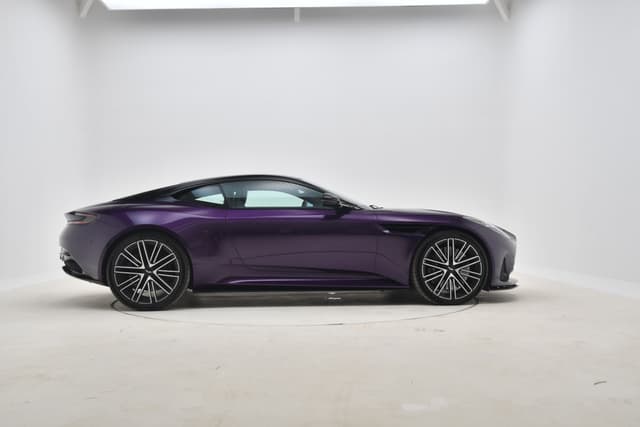
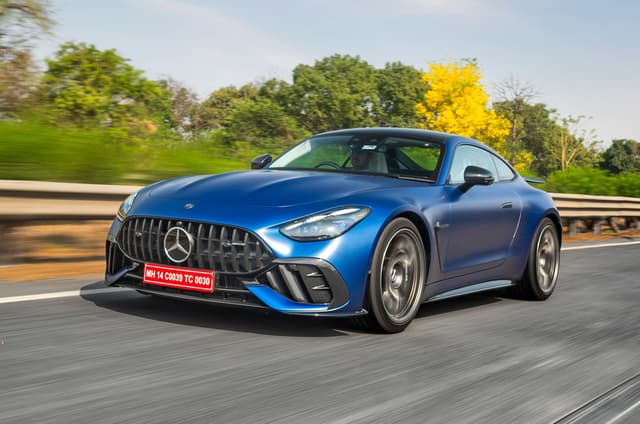
Coupe | BMW M8 Competition, Rolls-Royce Spectre, Mercedes-Benz AMG GT |
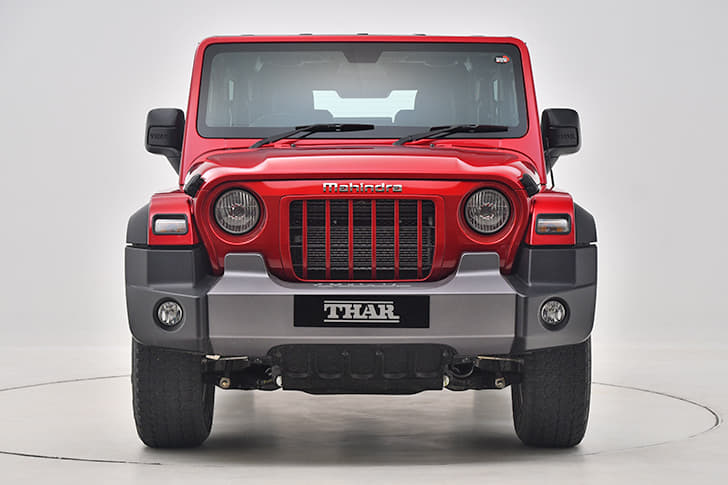
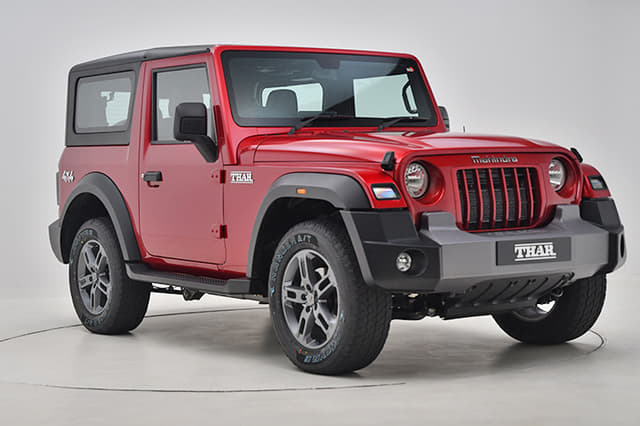
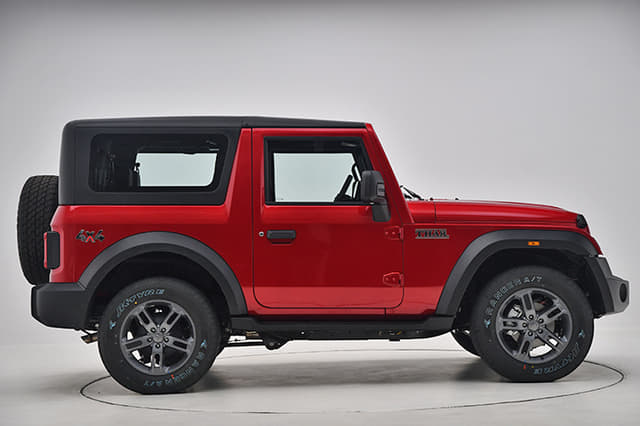
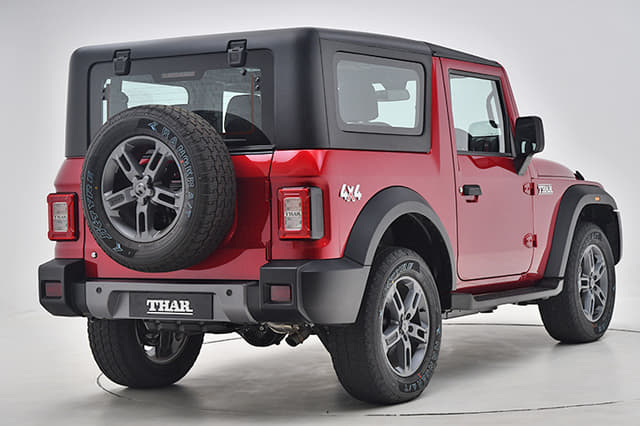
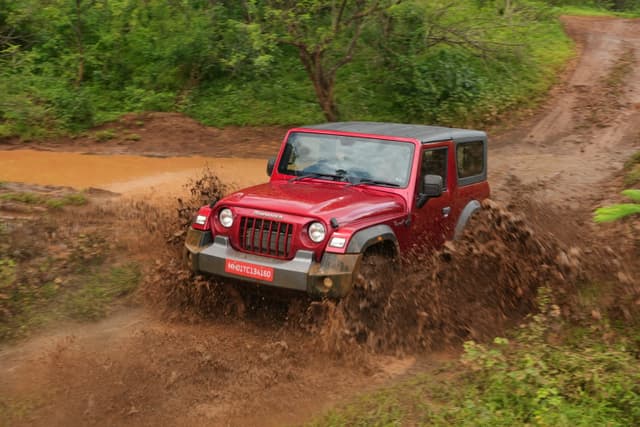
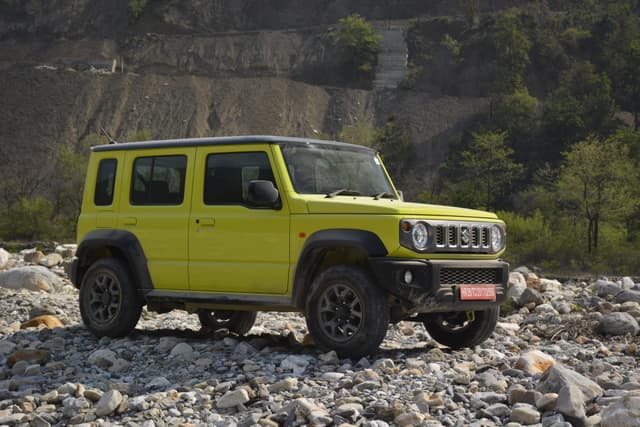
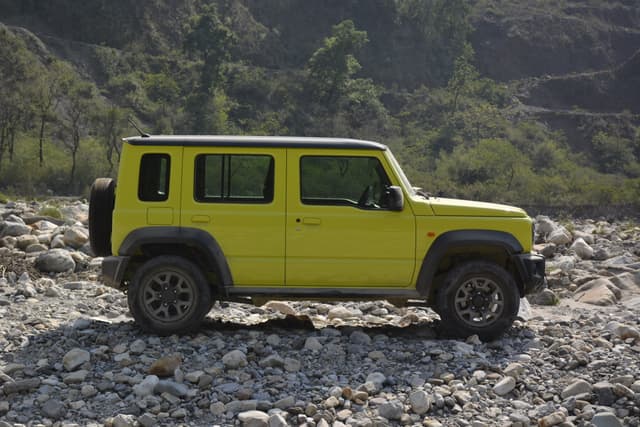
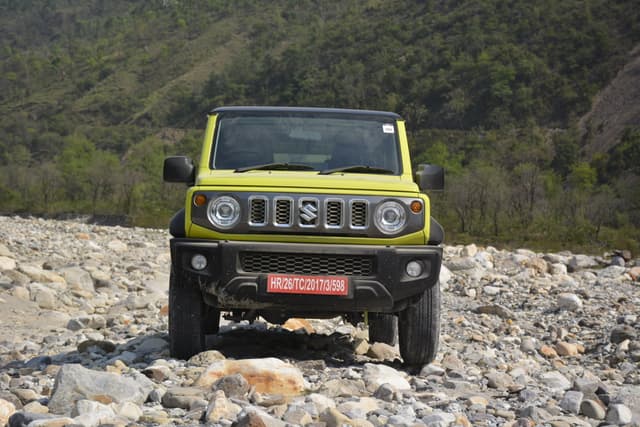
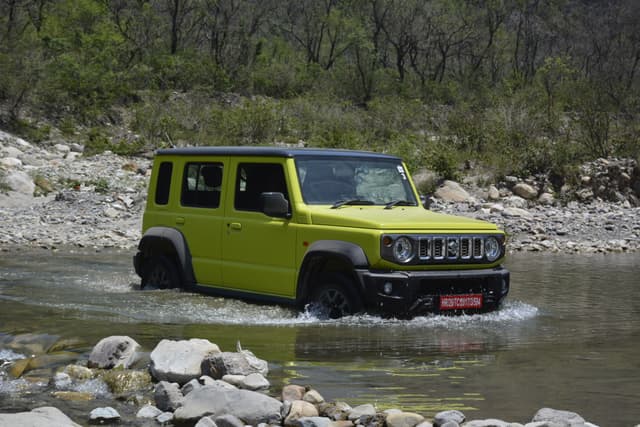
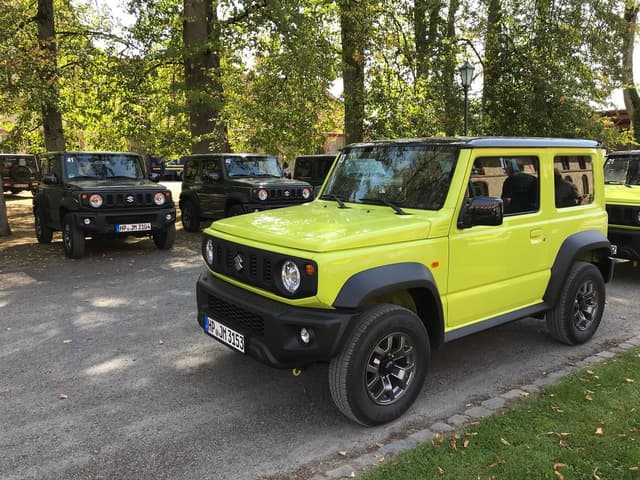
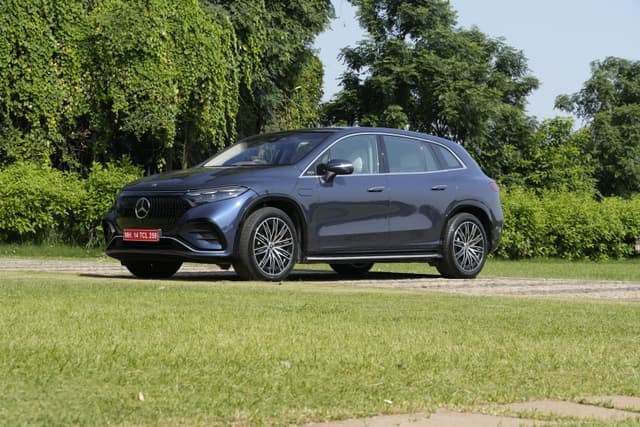
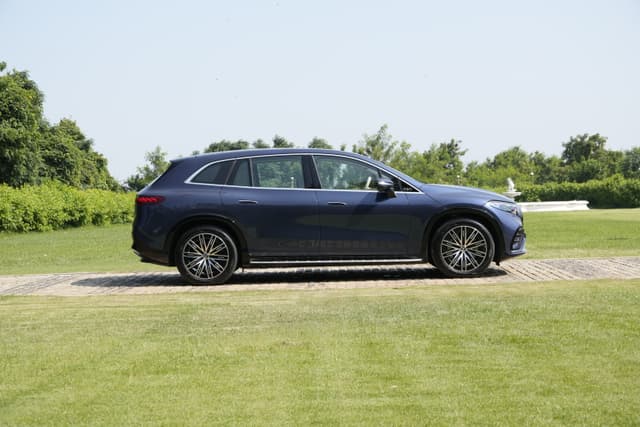
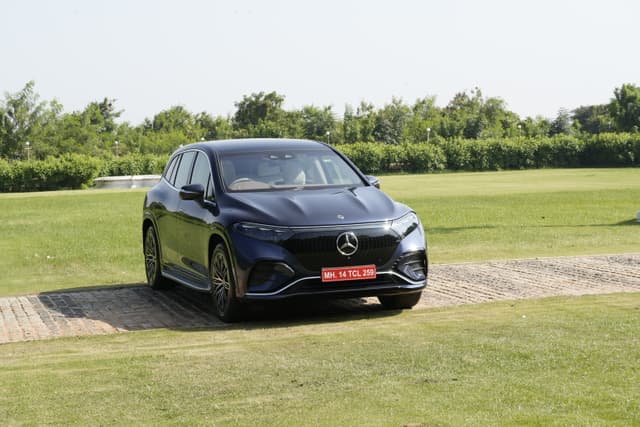
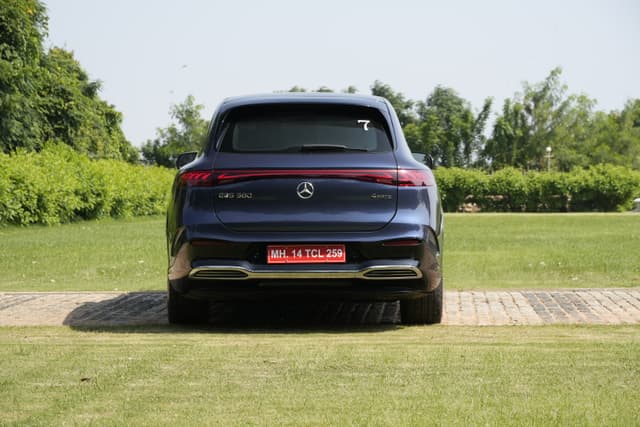
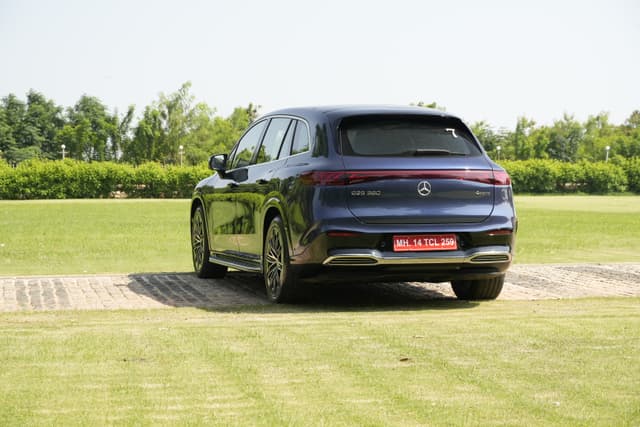
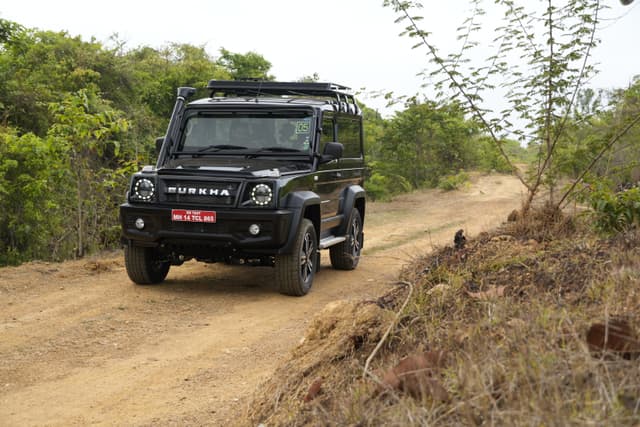
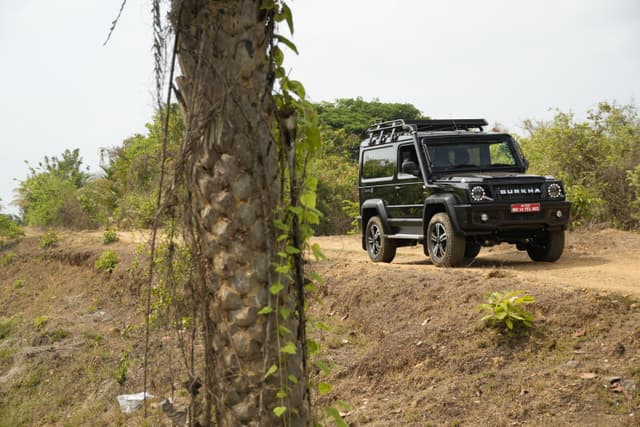
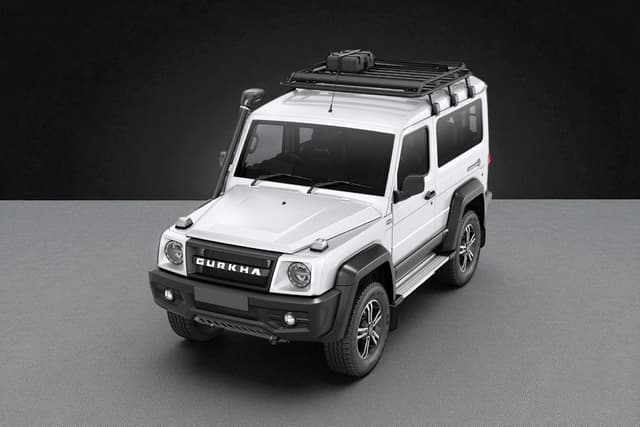
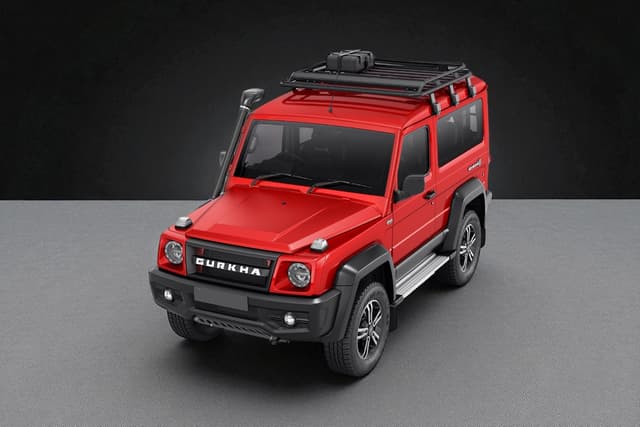
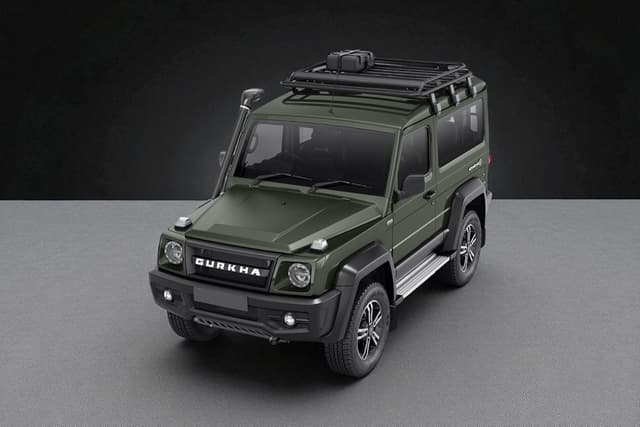
SUV | Mercedes-Benz EQS SUV, Mahindra Thar, Force Gurkha 3 Door |
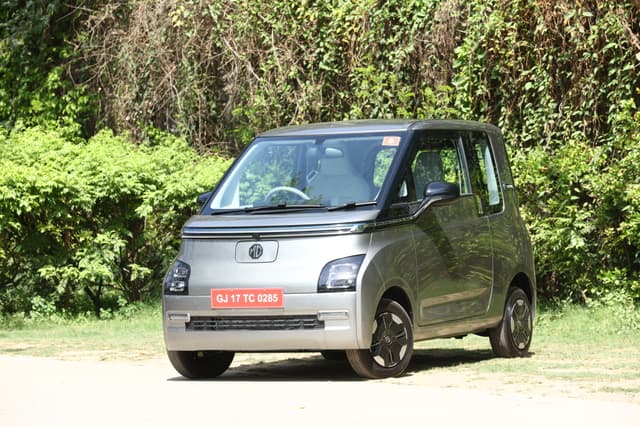
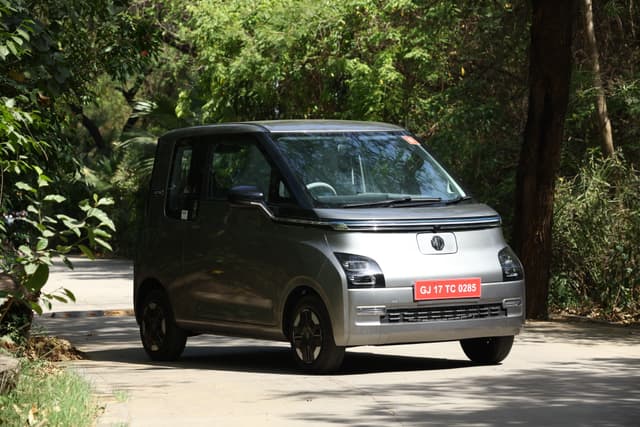
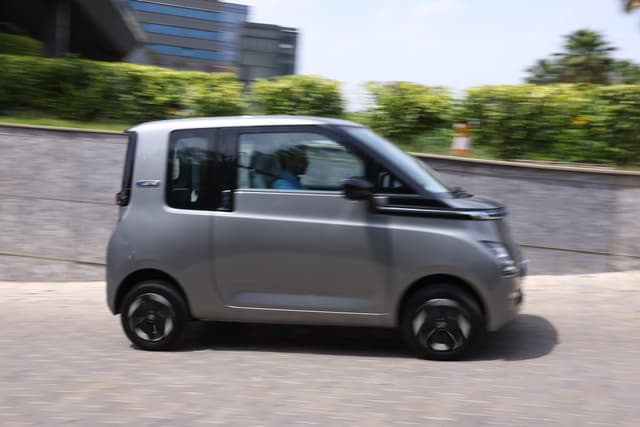
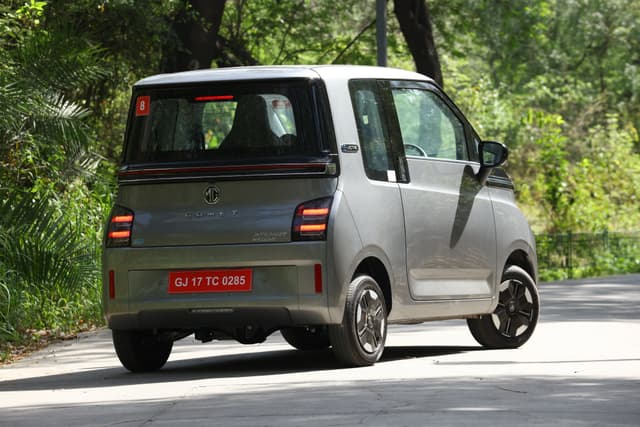
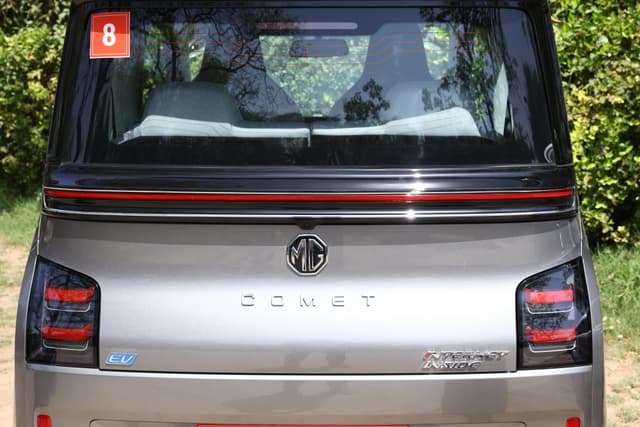
Electric | Mercedes-Benz EQS SUV, Rolls-Royce Spectre, MG Comet |


Find cars by fuel type


Find cars by fuel type


4-seater Cars - FAQs
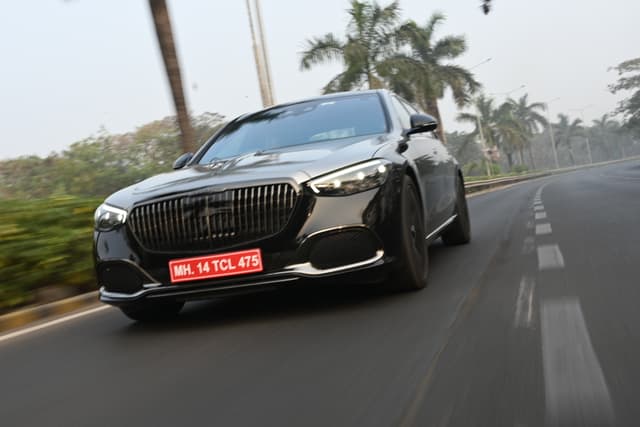
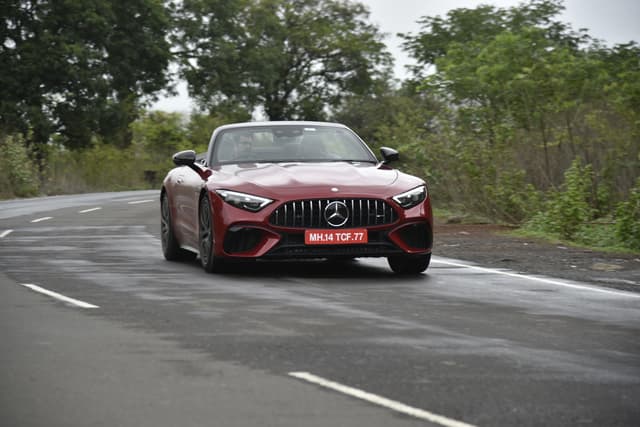
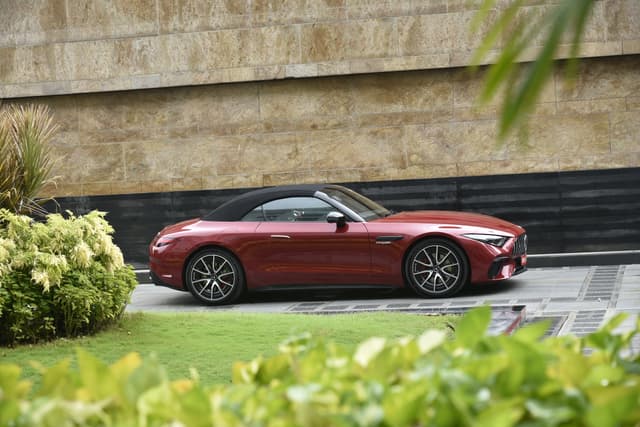
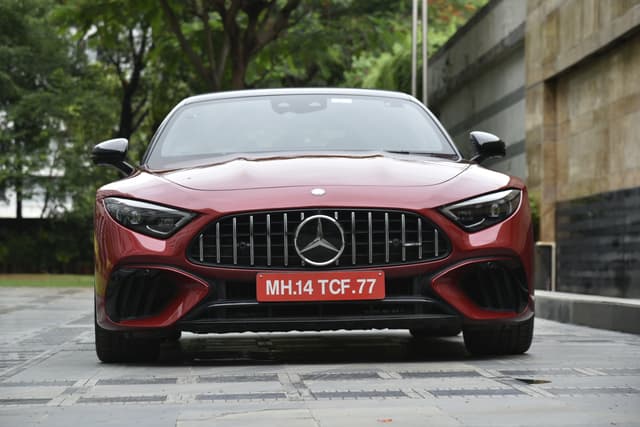
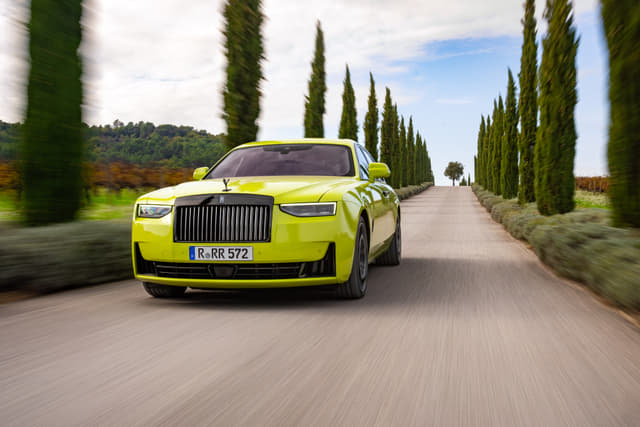
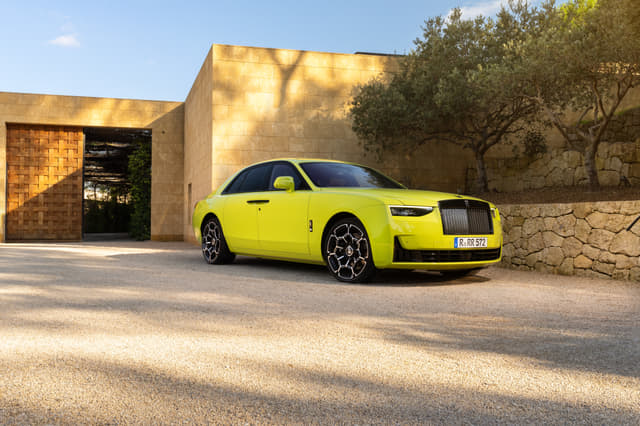
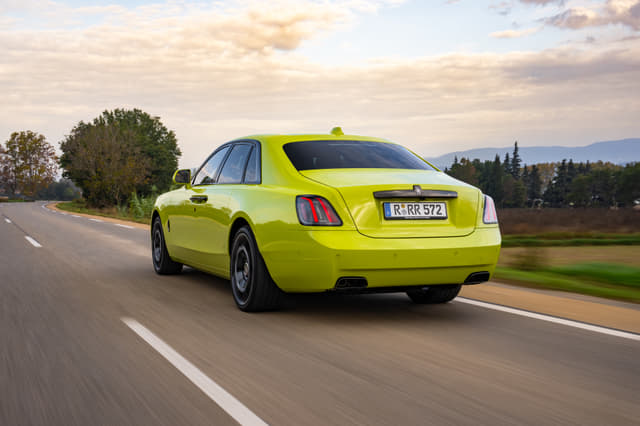
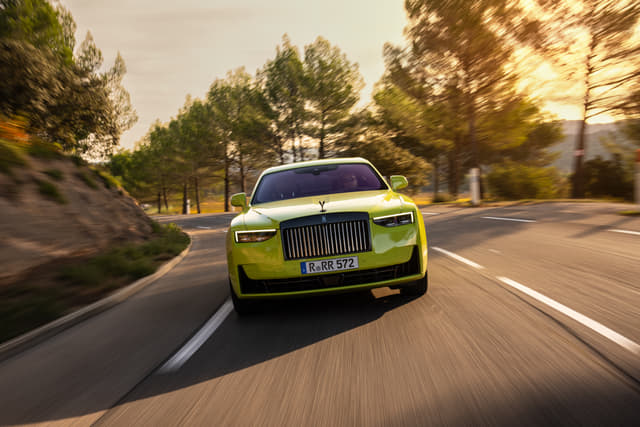
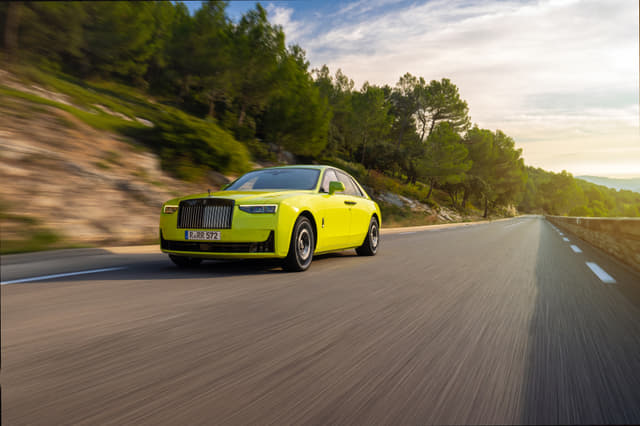
Some of the best 4 seater cars include the Mahindra Thar, Mercedes-Benz AMG GT, MG Comet and Rolls-Royce Ghost,
4 seater car price ranges widely, from the affordable Maruti Suzuki S-Presso at ₹3.50 lakh to luxury options like the Rolls-Royce Ghost priced ₹8.95 crore.
The most affordable 4 seater car in India is the Maruti Suzuki S-Presso, starting at ₹3.50 lakh (ex-showroom).
Ferrari Purosangue is the most expensive 4 seater car priced at ₹10.50 crore (ex-showroom).
Yes, popular 4 seater electric cars include the MG Comet, Rolls-Royce Spectre, Mercedes-Benz EQS SUV.
Currently, the Maruti Suzuki S-Presso, priced at ₹3.50 lakh, is the only 4 seater car under 5 lakhs in India.
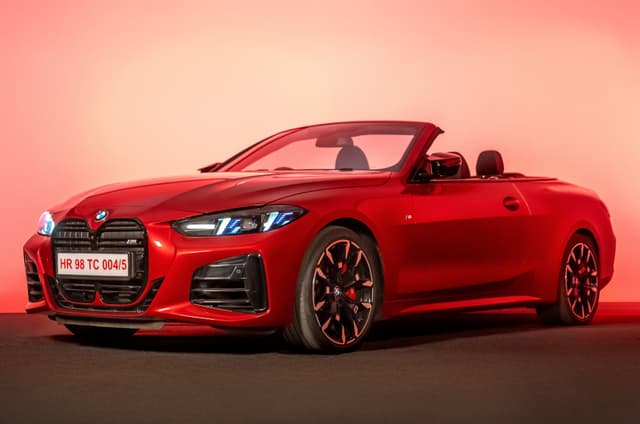
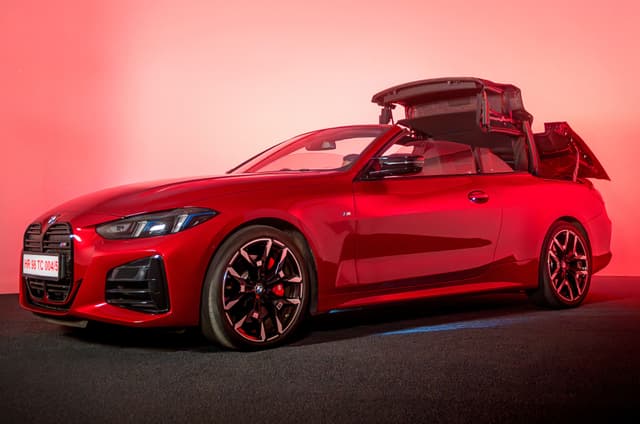
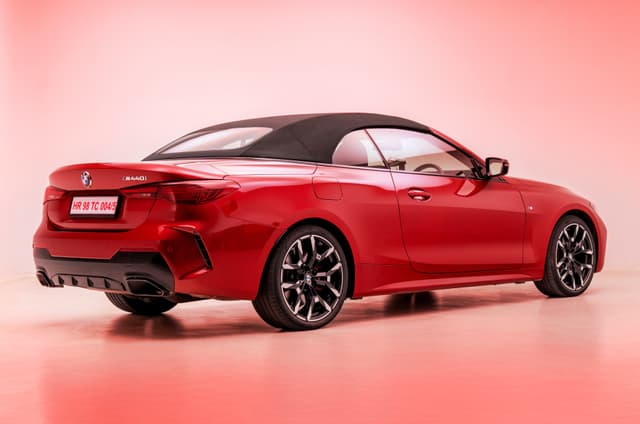
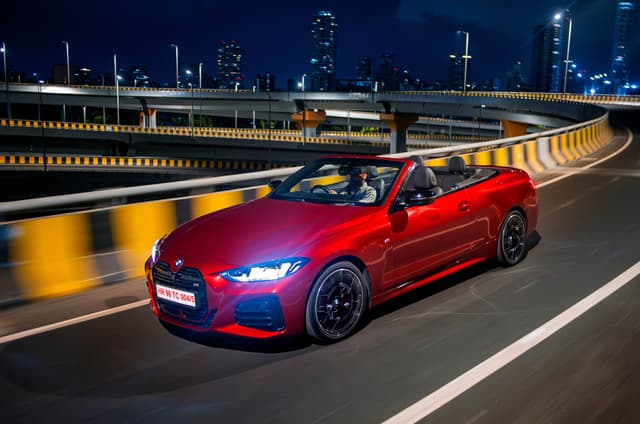
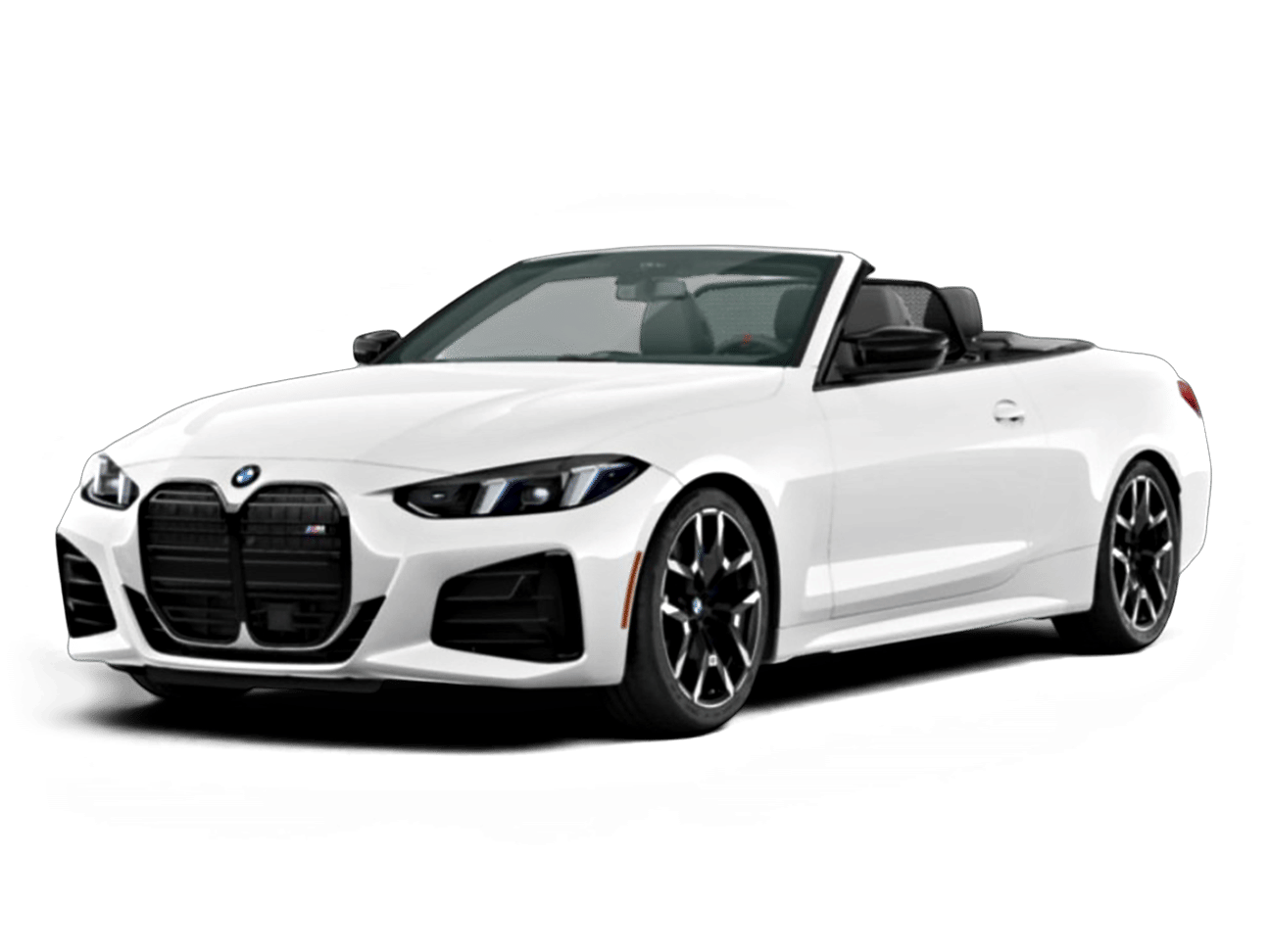
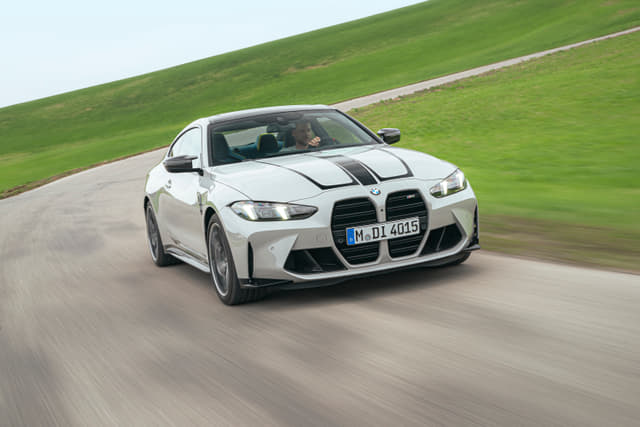
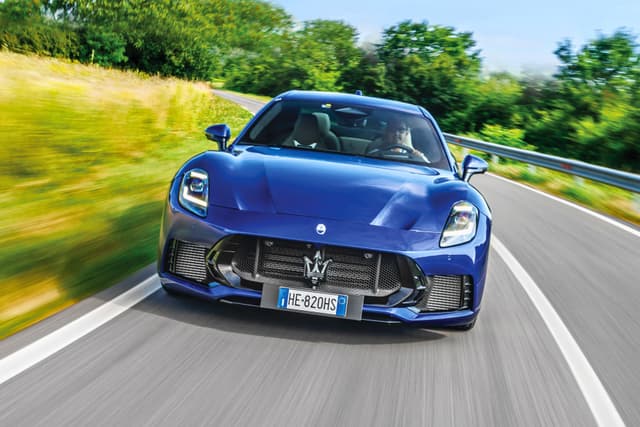
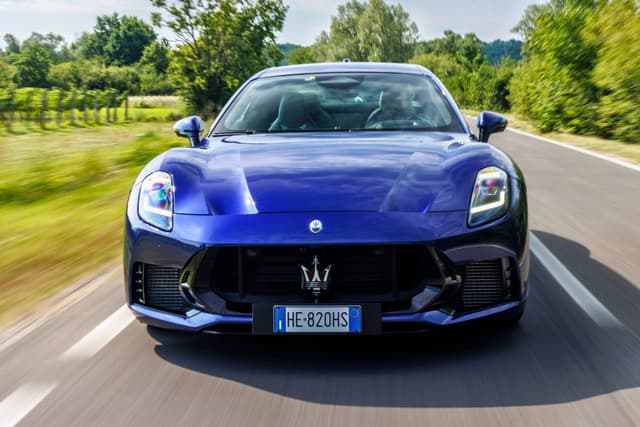
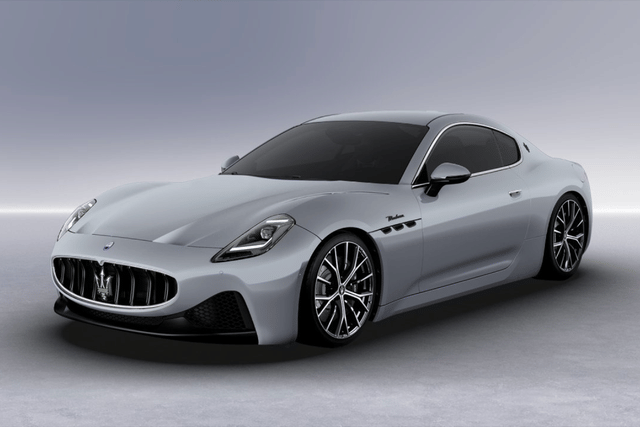
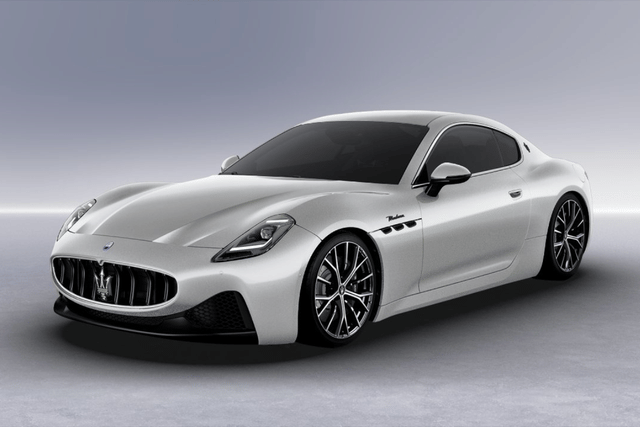
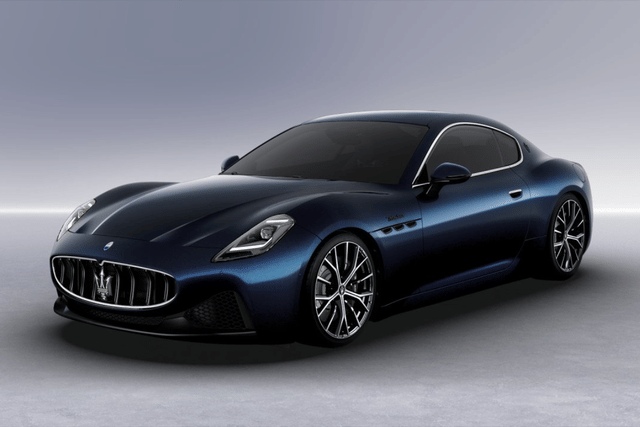
4 seater coupe in India include models such as BMW M4 Coupe, Mercedes-Benz AMG GT and Maserati GranTurismo.
Popular 4 seater SUVs include the Mahindra Thar, Mercedes-Benz EQS SUV, and Force Gurkha 3 Door.
Trending Questions on Cars - Answered by Autocar Experts
I currently drive a 2022 Tata Nexon petrol manual and am based in Delhi NCR. My daily running is around 85 km, and I spend about an hour each day in bumper-to-bumper traffic. This makes driving difficult and tiring, so I am considering exchanging my car for an automatic. My budget, after factoring in the Nexon’s resale value, is around Rs. 12-14 lakh. I need an automatic that is reliable, fuel-efficient, and maintenance-friendly. I am currently considering the Punch EV, Nexon DCA, Brezza AT, and Elevate V CVT, as discounts make the Elevate fit within my budget. I mainly use the car for my office commute of around 85 km daily, with occasional weekend trips of 500-600 km. I have a family of four, and this will be my only car. My office has free EV charging infrastructure, which makes me consider the Punch EV. However, I am concerned about its range on longer weekend trips, so I am also looking at petrol alternatives.
Go for the Honda Elevate V CVT. With your 85km daily commute in Delhi NCR traffic, the CVT automatic will make a huge difference to your fatigue levels, and Honda’s reputation for reliability and low maintenance costs makes it a sensible long-term choice. The Elevate is also a genuinely comfortable family car for four, with a spacious cabin and a relaxed driving experience on both city commutes and weekend highway runs.The Punch EV is tempting given your office charging, but with regular 500- 600 km weekend trips, range planning and charging stops will add unnecessary anxiety. The Nexon DCA is a good upgrade from your current car, but the DCA gearbox is not as smooth or as proven as Honda’s CVT in heavy traffic. The Brezza AT is a solid, reliable option, but the Elevate feels like the more complete family car with better space and a larger boot.The Elevate V CVT is the car you will be happiest with after five years of ownership. It is reliable, easy to live with and well suited to your daily routine and family needs.
I'm confused between two cars and one has noticeably more boot space. Family of four, occasional highway trips and airport runs. For those who've owned both smaller and bigger boots, does the extra space actually matter in daily use?
I am planning to buy an SUV, and my annual running is quite low, around 4,000-5,000 km. Most of my driving will be in the city, with occasional highway trips of around 2,000 km annually. My budget is Rs. 10-12 lakh, and the car will be used by my family of four, including me. Please suggest the best SUV options for my requirements, considering comfort, reliability, safety, performance, mileage, maintenance, and overall long-term ownership.
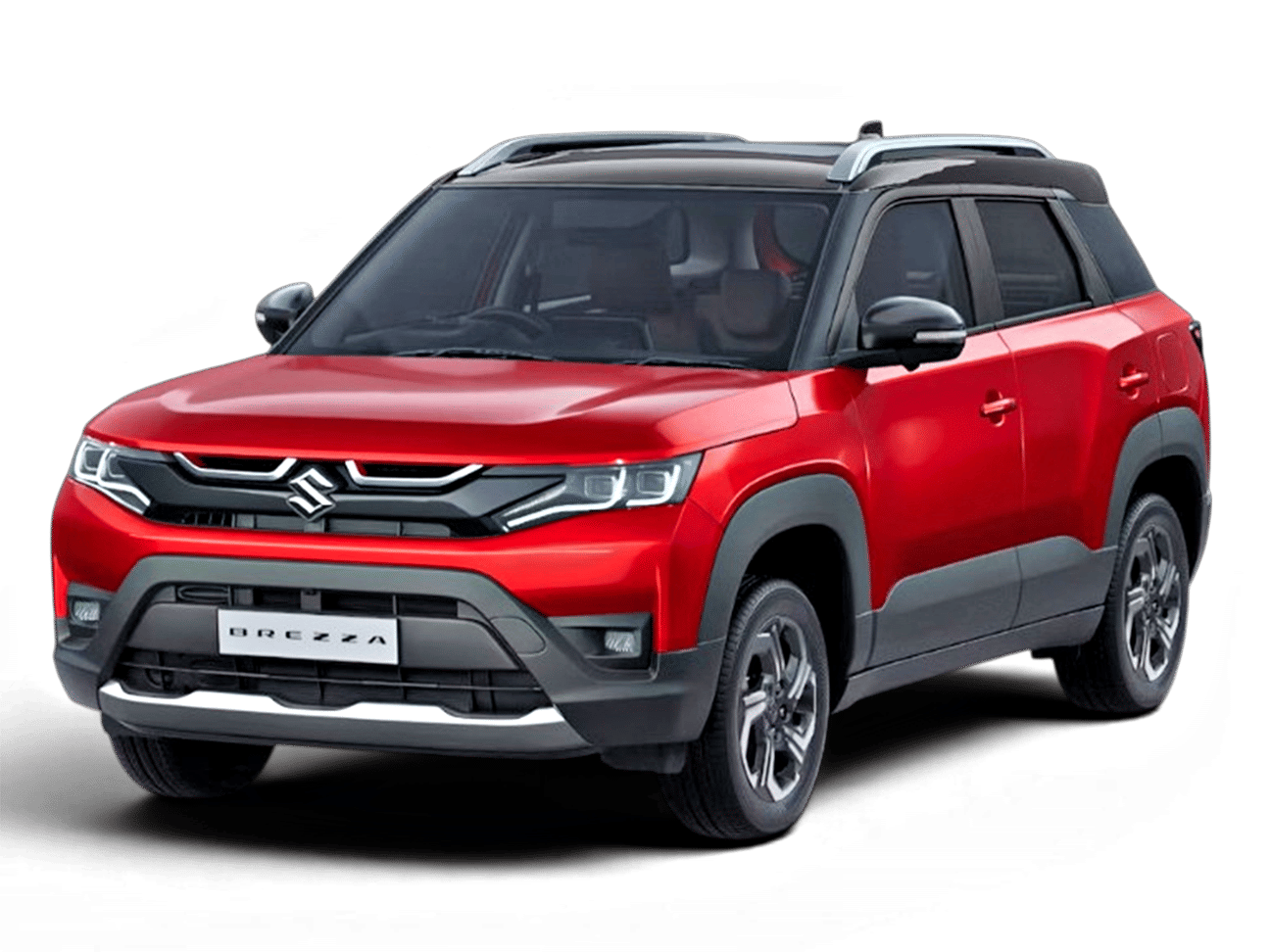
With your low annual running of 4,000-5,000 km and a budget of Rs 10-12 lakh, a petrol compact SUV is the most sensible choice. The Mahindra XUV 3XO is the strongest recommendation here. It offers the most spacious cabin in the segment, making it a genuinely comfortable 5-seater for a family of four, and the turbo petrol engine is punchy enough for occasional highway runs while remaining efficient in the city. This Mahindra car also comes well equipped and offers excellent value for money.The Maruti Suzuki Brezza Turbo is the alternative if you prioritise long-term reliability and low maintenance costs above all else. It is a proven, dependable product with Maruti's extensive service network, and it is also a comfortable 5-seater. The 1.2 petrol versions of the Hyundai Venue and Kia Sonet are also worth considering if you want a more premium-feeling cabin and a wider feature list. They might not have the same performance as the turbo-petrol versions, but their engine is responsive and both are very user-friendly with light controls and good visibility.
I have a Volkswagen Polo 1.6 petrol and am quite happy with it. I am now looking to upgrade to something within a Rs. 20 lakh on-road budget. My usage is around 70% city and 30% highway. I have a family of four, and my priorities are safety, reliability, and long-term ownership. I can be flexible on mileage and resale value. Which car should I consider?
Considering you are coming from a Polo 1.6 petrol, performance and driving enjoyment are clearly important to you. Within your Rs 20 lakh on-road budget, the Taigun 1.0 TSI would be the most natural upgrade. This Volkswagen car retains the solid build quality and engaging driving character you are used to, while giving you a larger, more practical family SUV with strong highway manners. The 1.0 TSI produces 115hp and 178Nm, which is adequate for both city use and highway driving. It is also a comfortable five-seater with a large boot, making it a practical upgrade for a family of four.
My monthly running is around 3000 km mostly on highways. I need a family car for 4 members. For me, family safety and comfort is priority. Which car should I buy between diesel or EV? Suggest me diesel as well as EV under a budget of around 25 lakhs.
With 3,000 km a month, mostly on highways, diesel is the clear recommendation. At that running, the fuel cost advantage of diesel becomes significant, and the long highway stretches play to the strengths of modern diesel engines. EVs are best suited to predictable city commutes with home charging, and while they can do highways, the charging infrastructure and stop planning still add friction on long, frequent trips.For the car, the Mahindra XUV 7XO is the recommendation. It is one of the most comfortable and spacious family SUVs in the segment, with a strong diesel engine that is well suited to highway cruising. It also has a good safety package and a comfortable ride, which is important for long-distance family travel. Within R.s 25 lakh budget, the AX7 variant will be ideal and you can opt between a 6-speed automatic or a less expensive 6-speed manual. Both gearboxes are smooth and easy to use. Also while the XUV 7XO does not get ADAS in this AX7 trim, you still get 6 airbags, a 360° camera, and your essential electronic safety assets as well. It has also scored a perfect 5-star rating for crash safety in Bharat NCAP so that adds some more reassurance as well. It has also scored a perfect 5-star rating for crash safety in Bharat NCAP so that adds some more reassurance as well.
Last Updated on: 17 Sept 2026