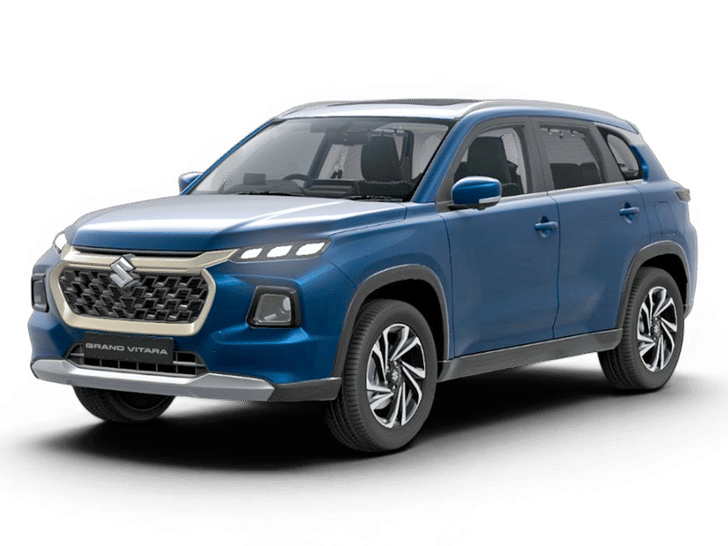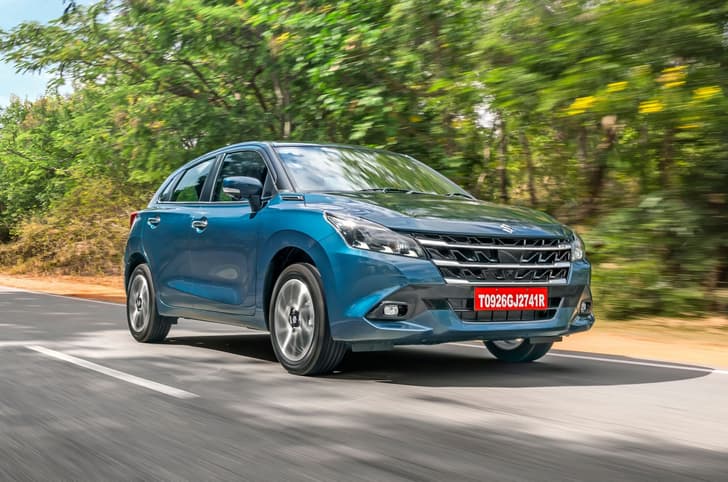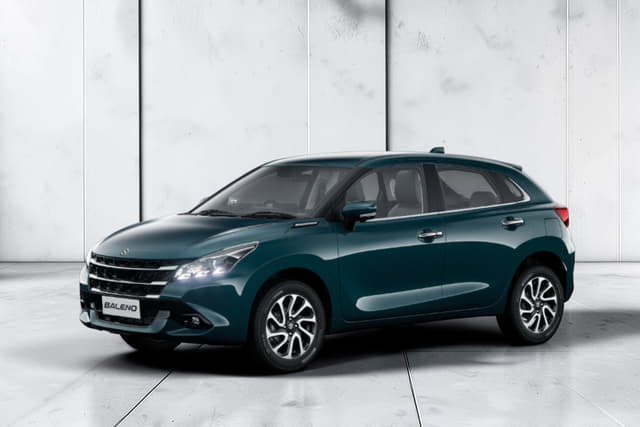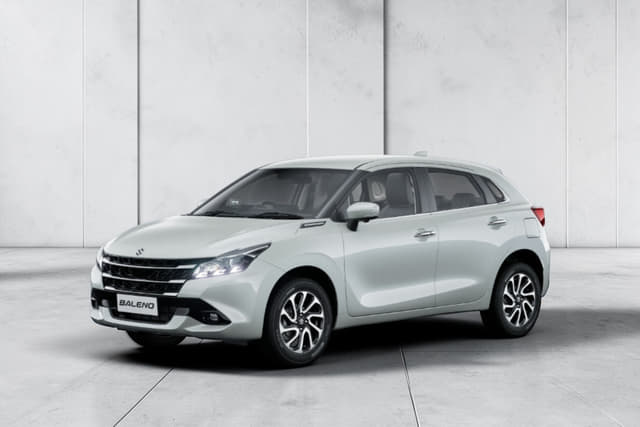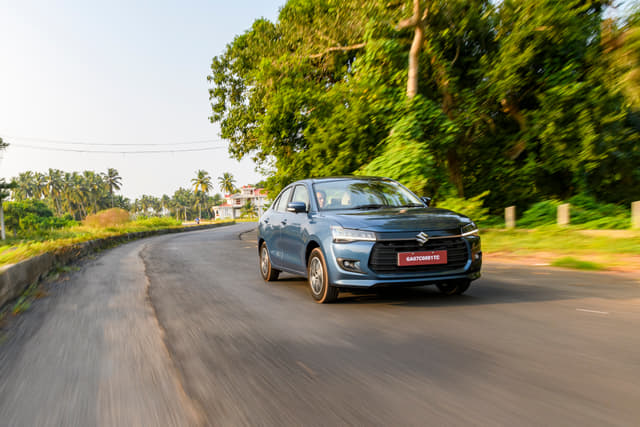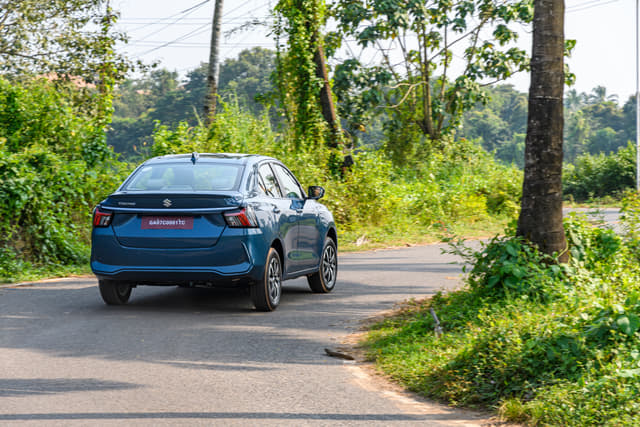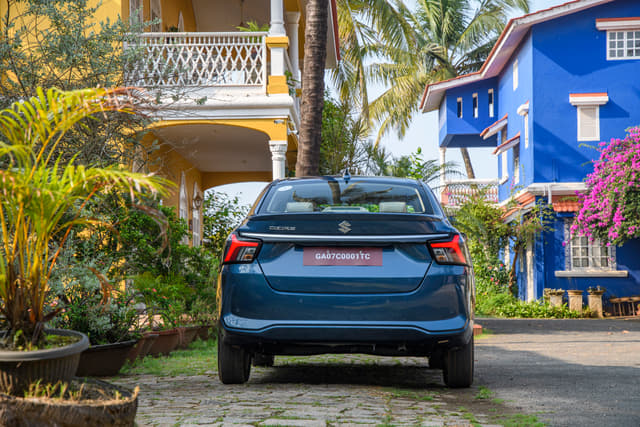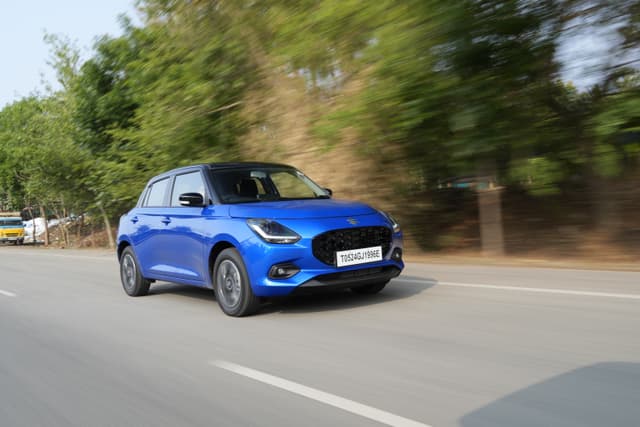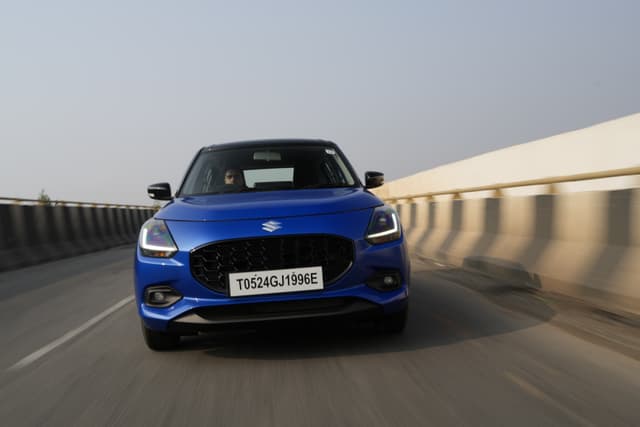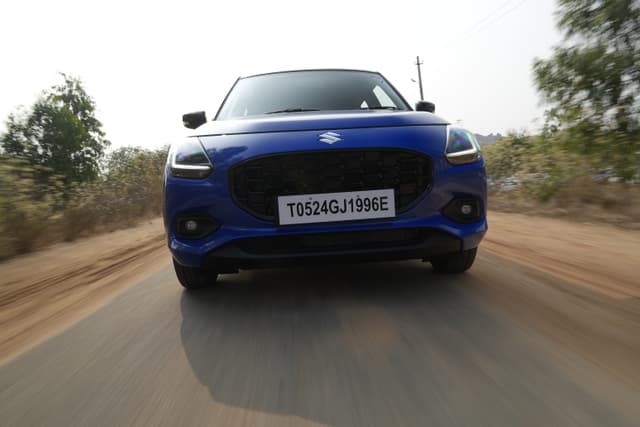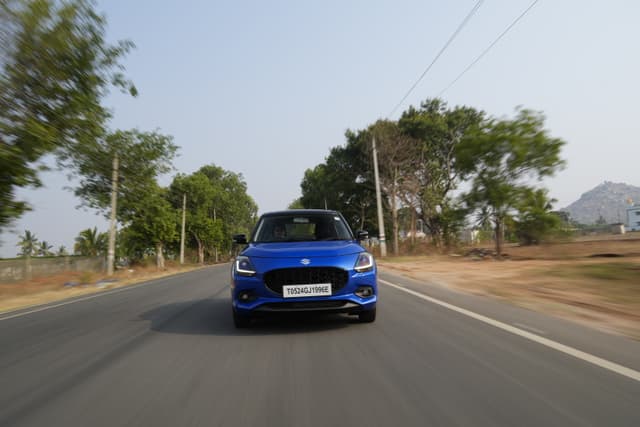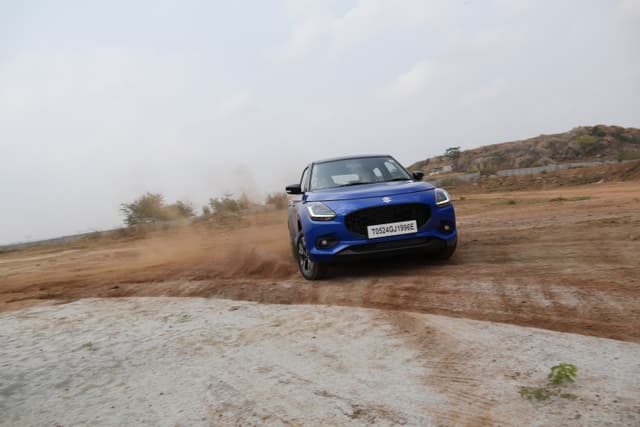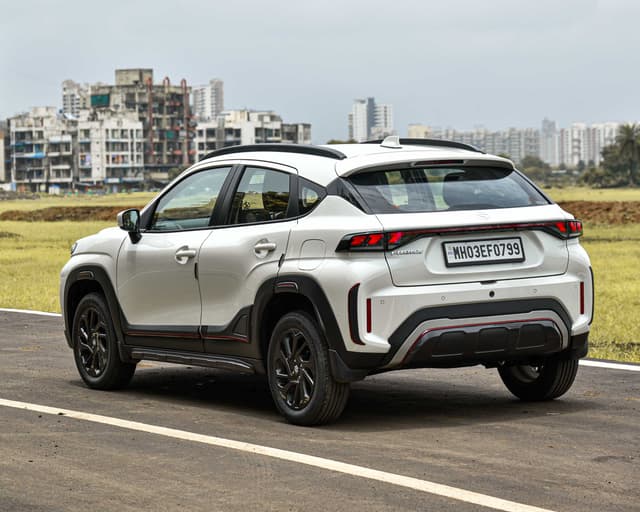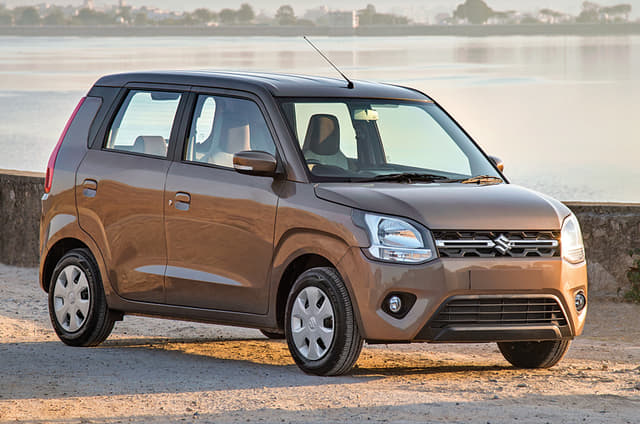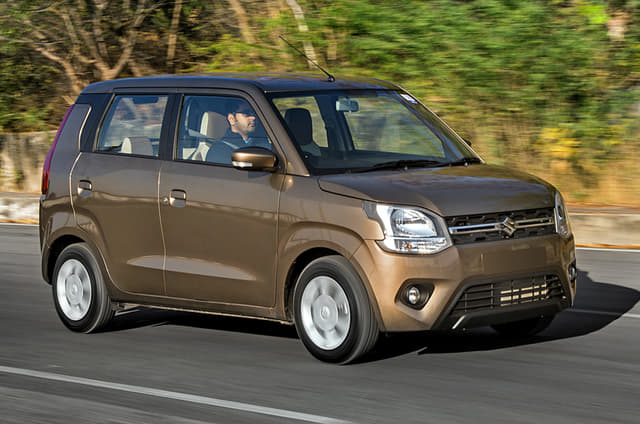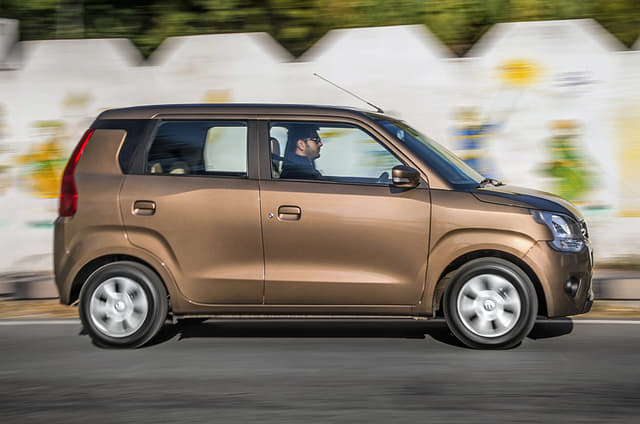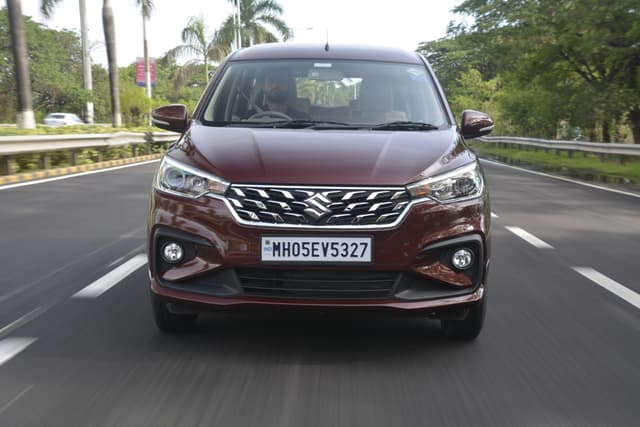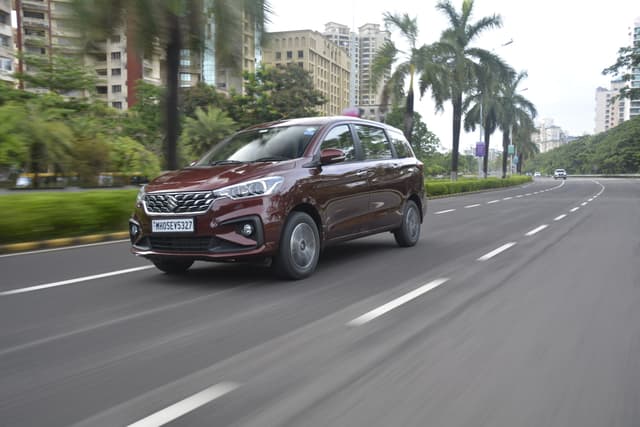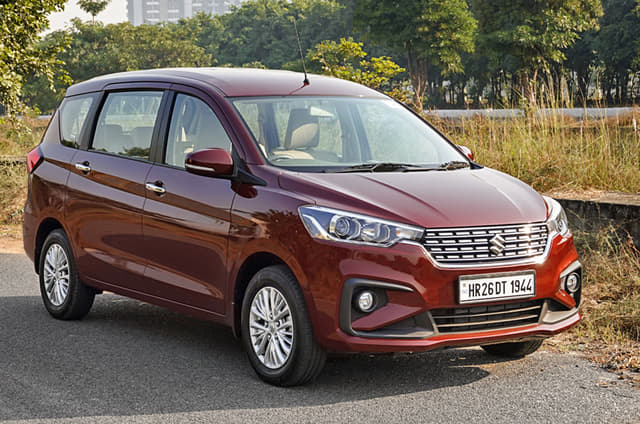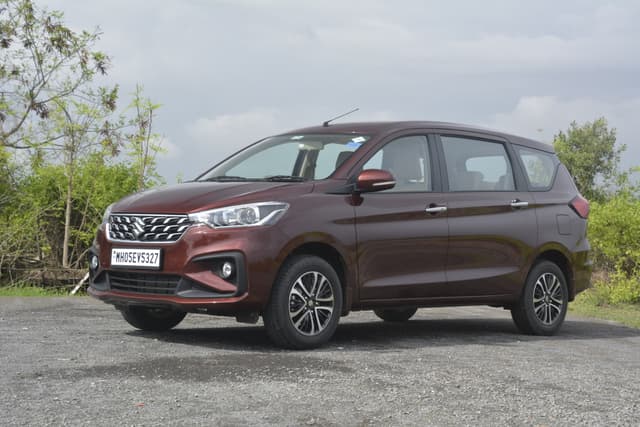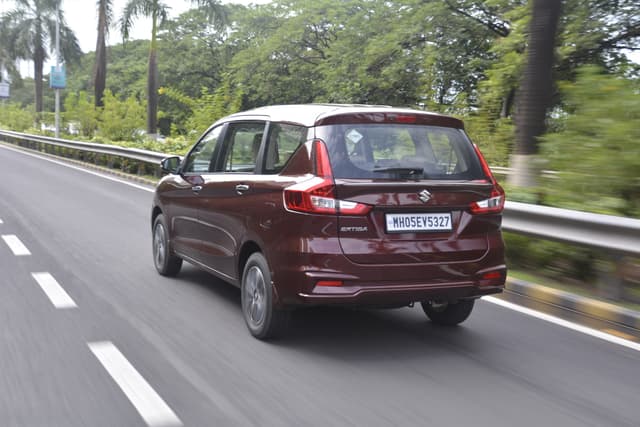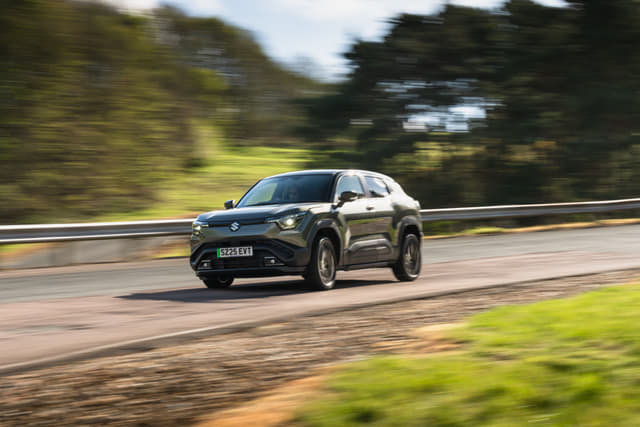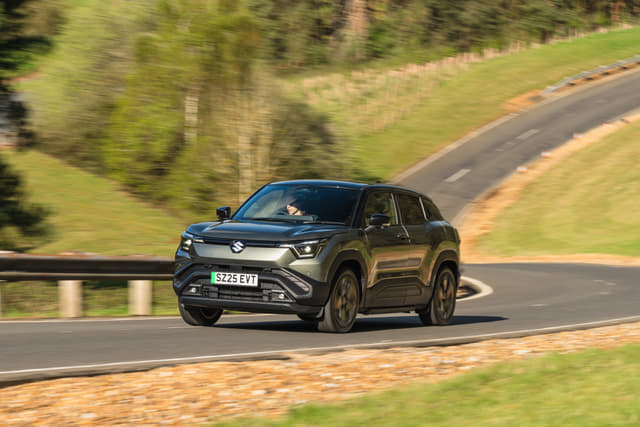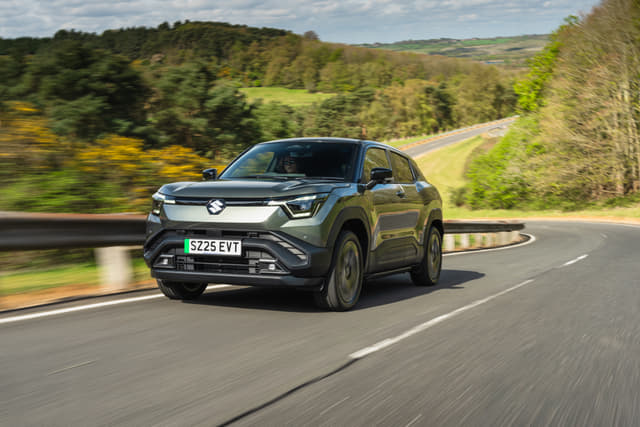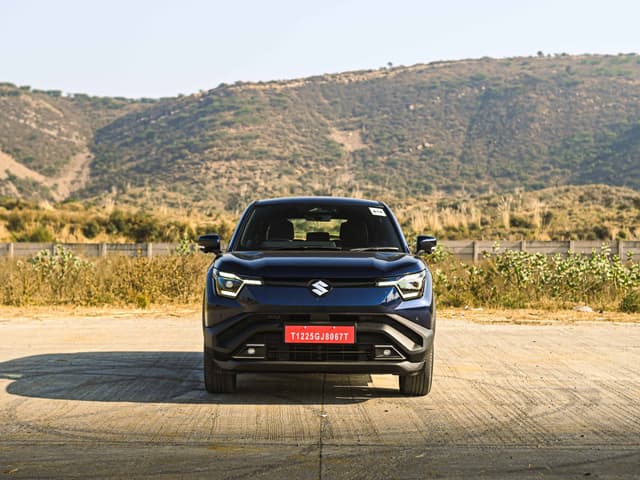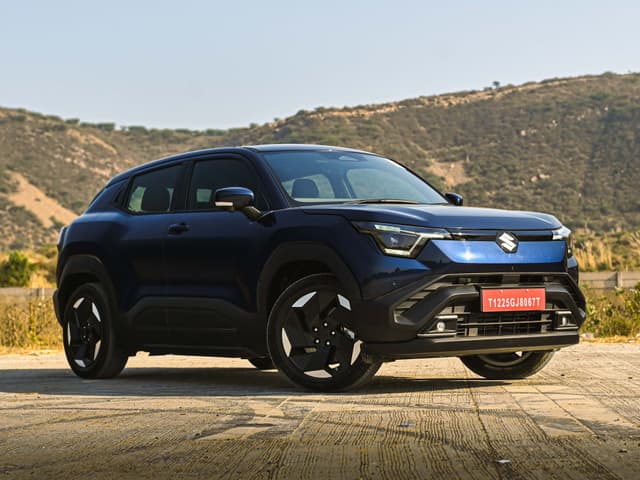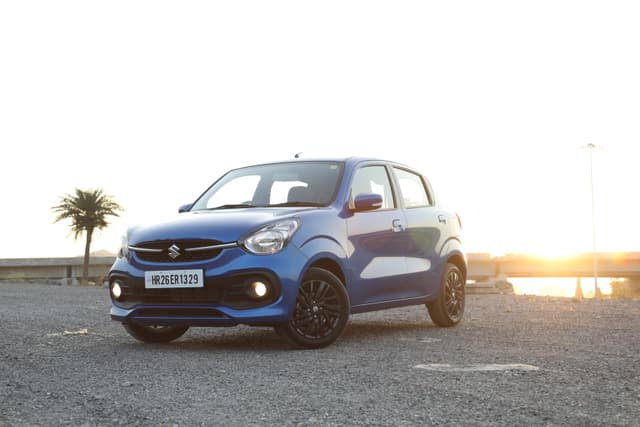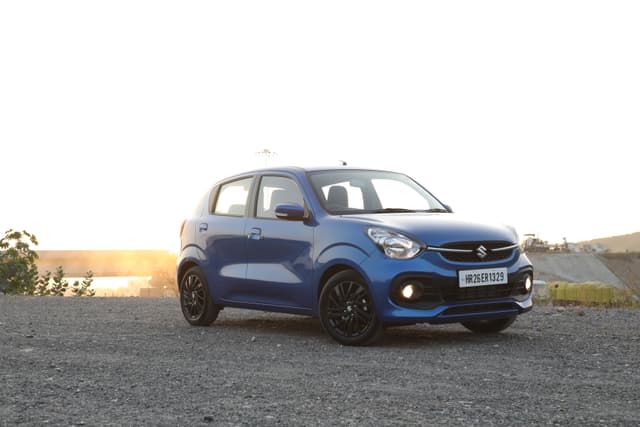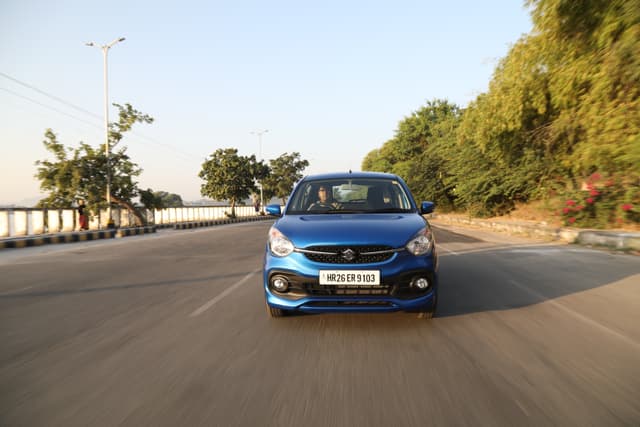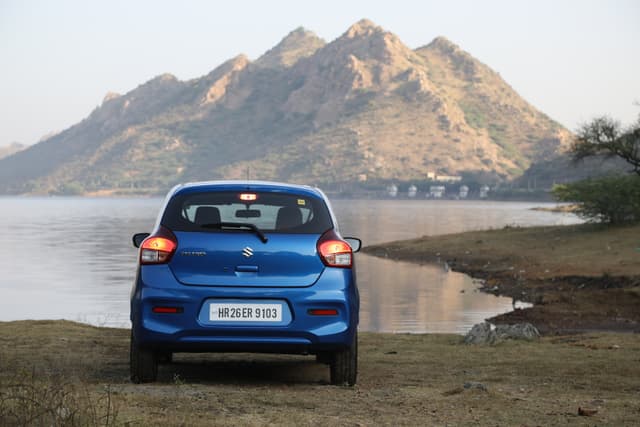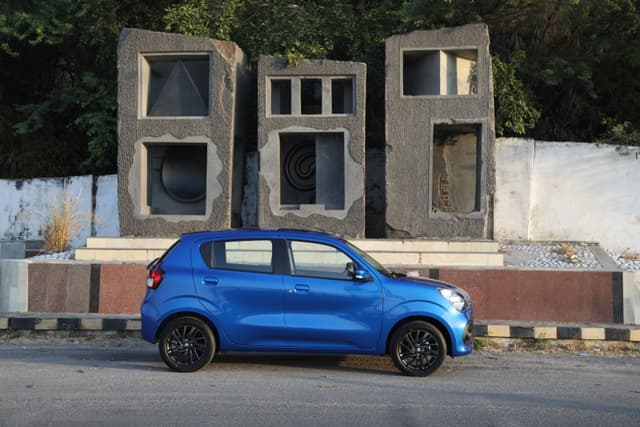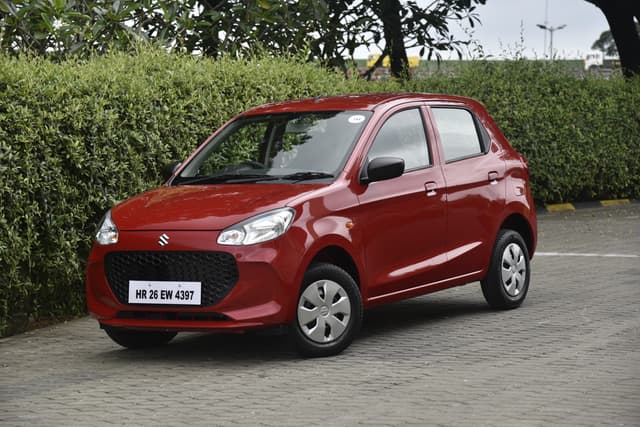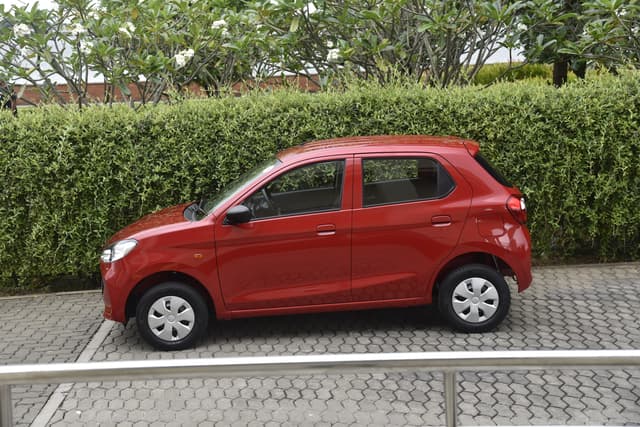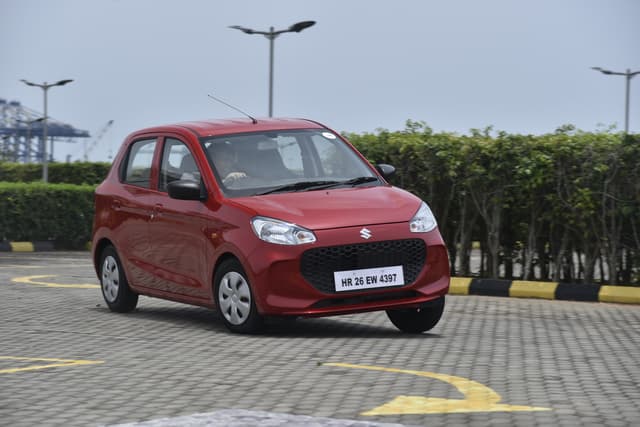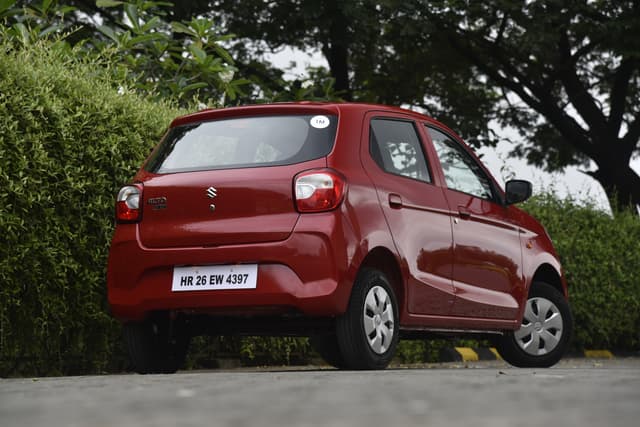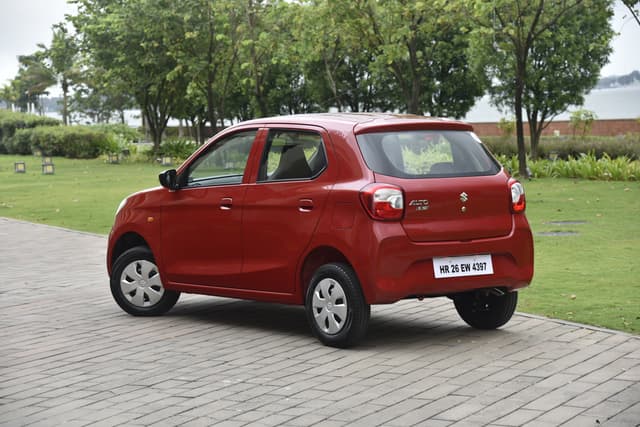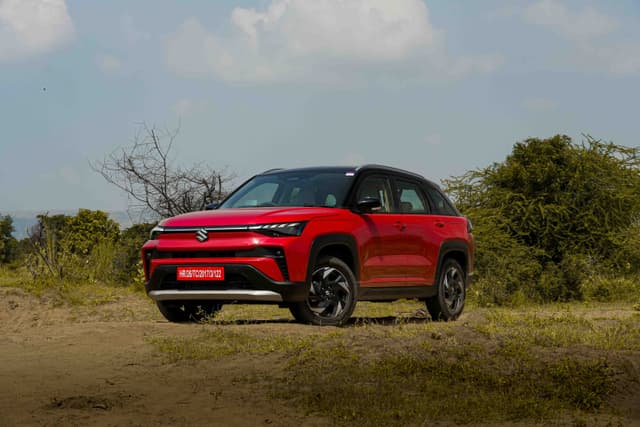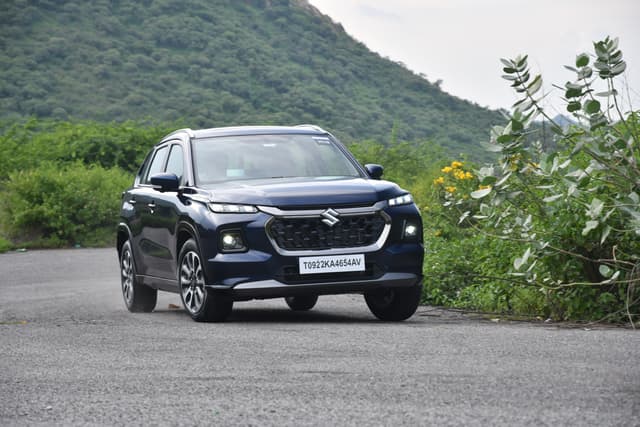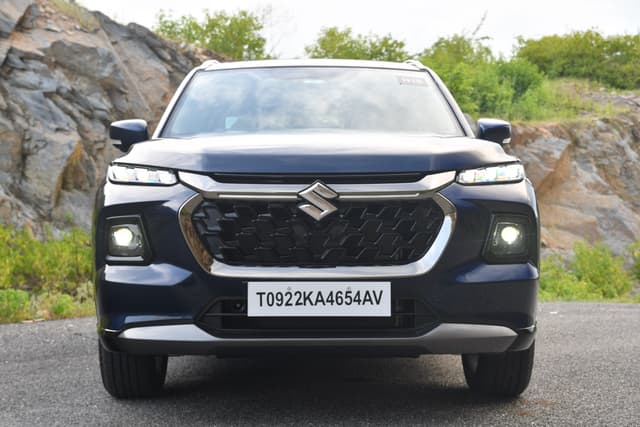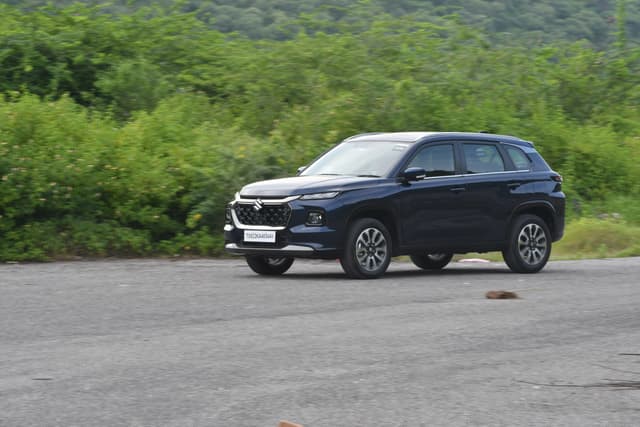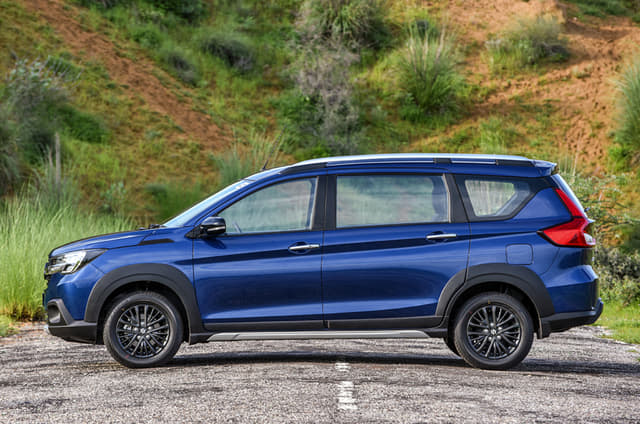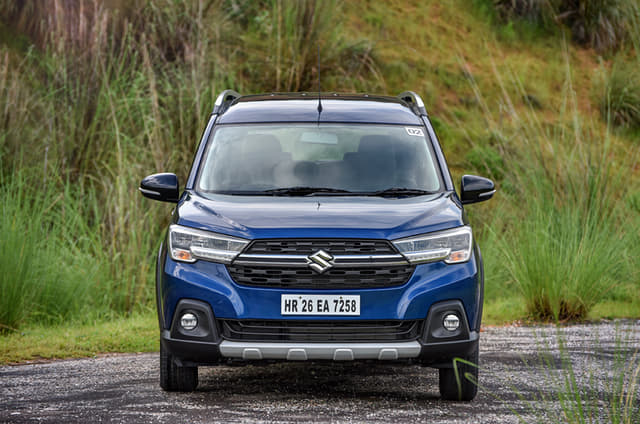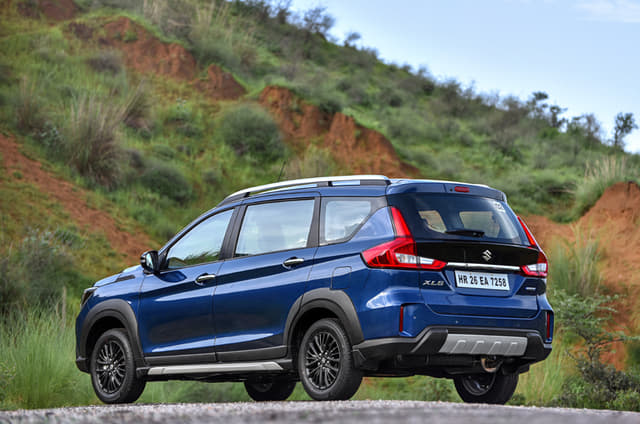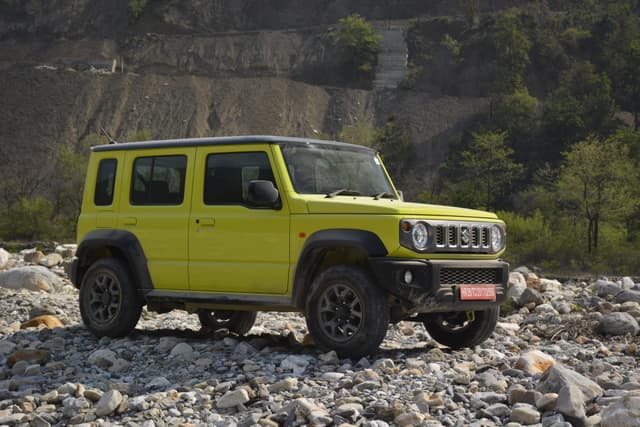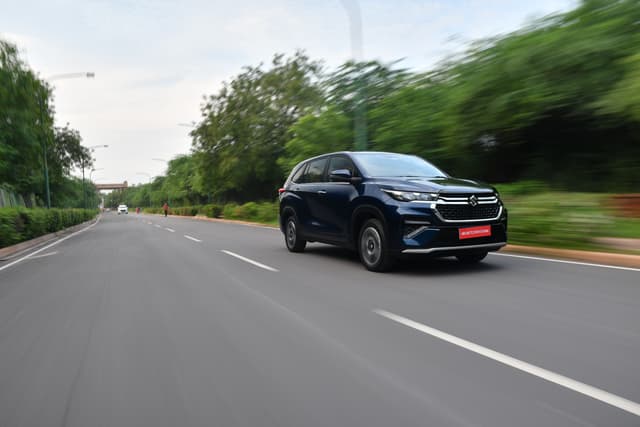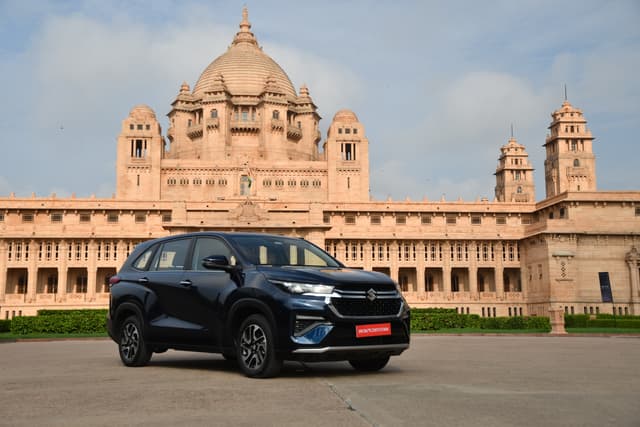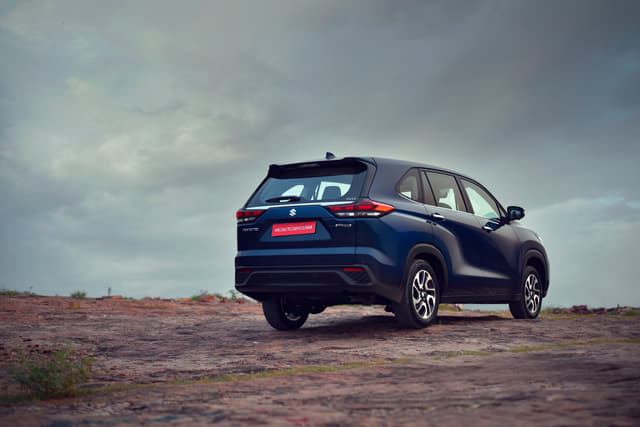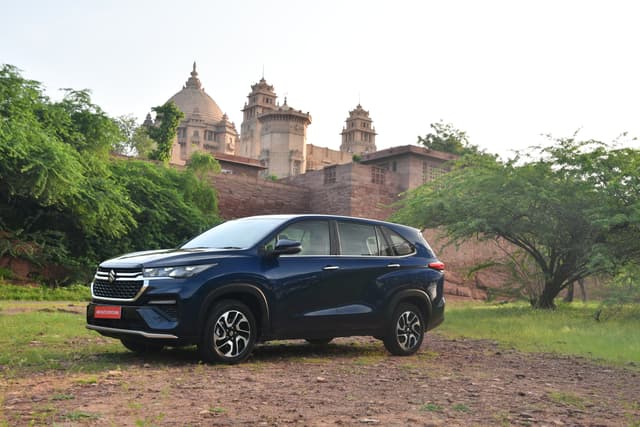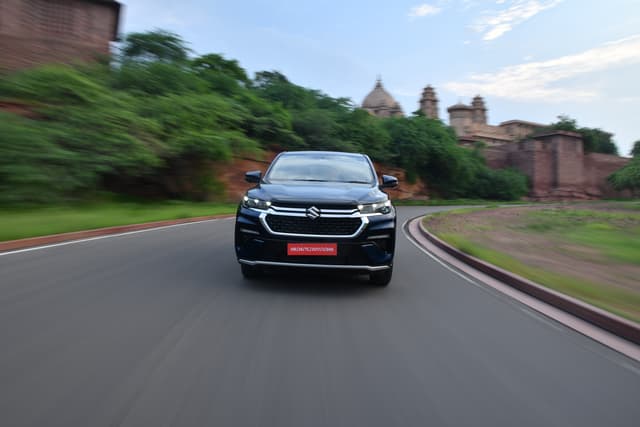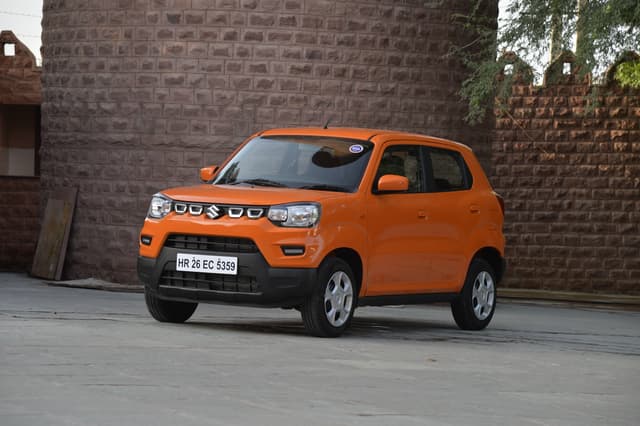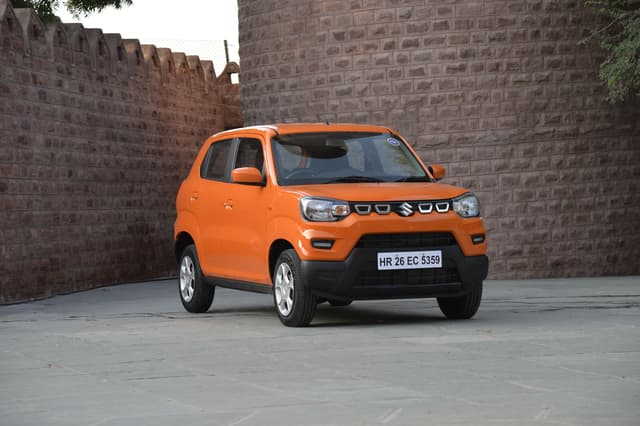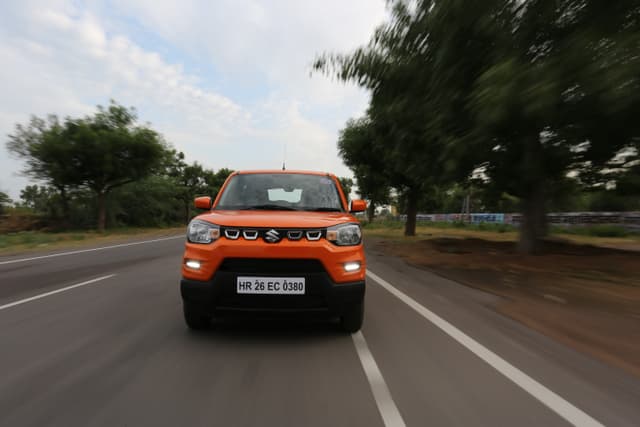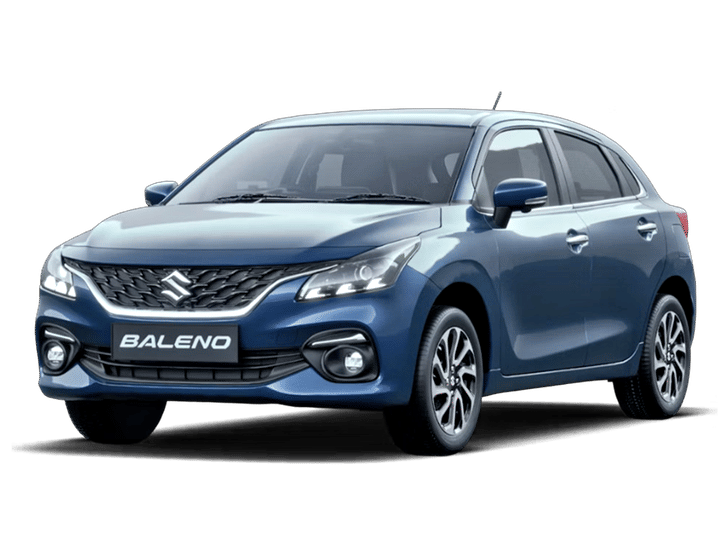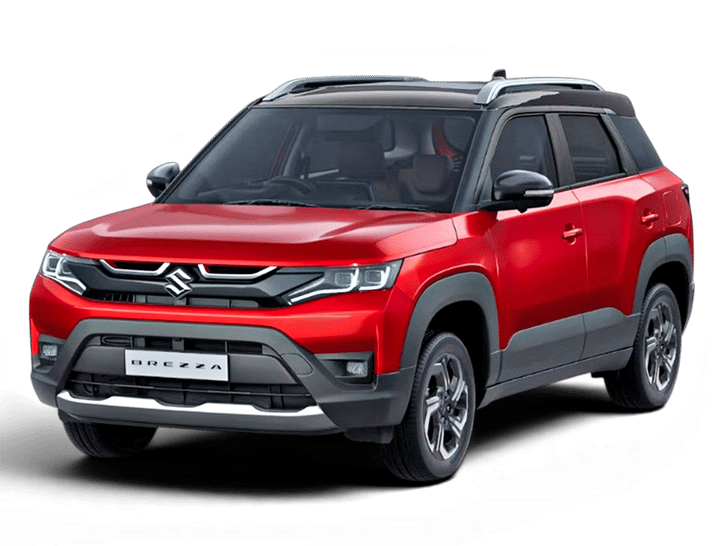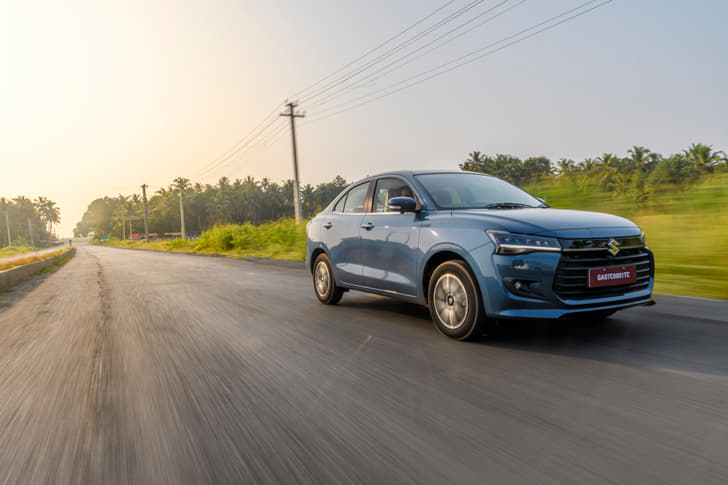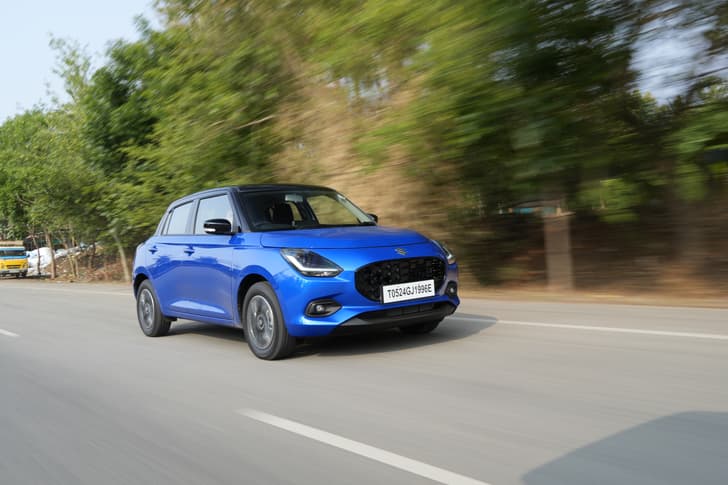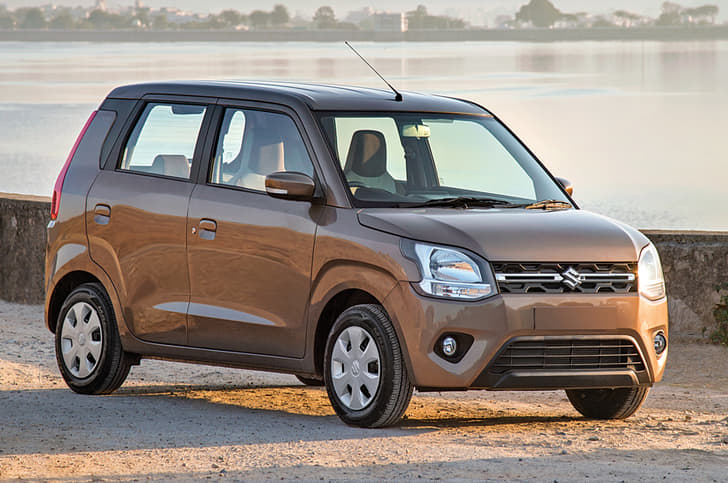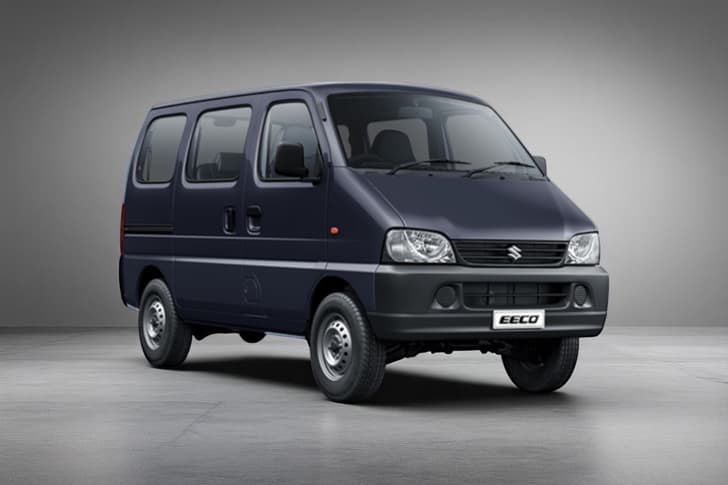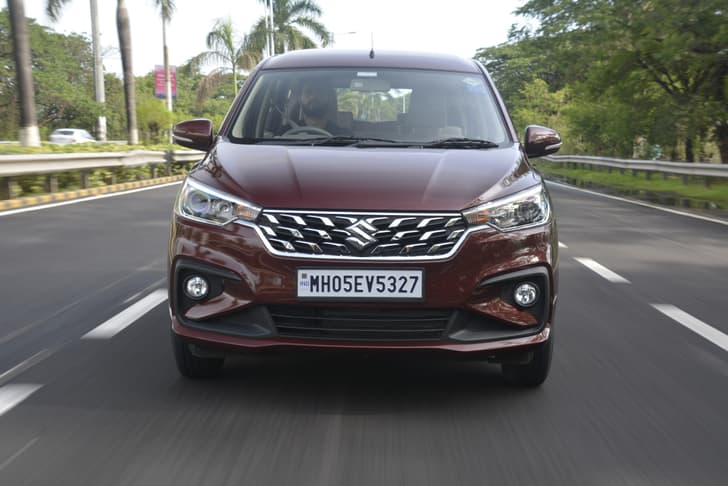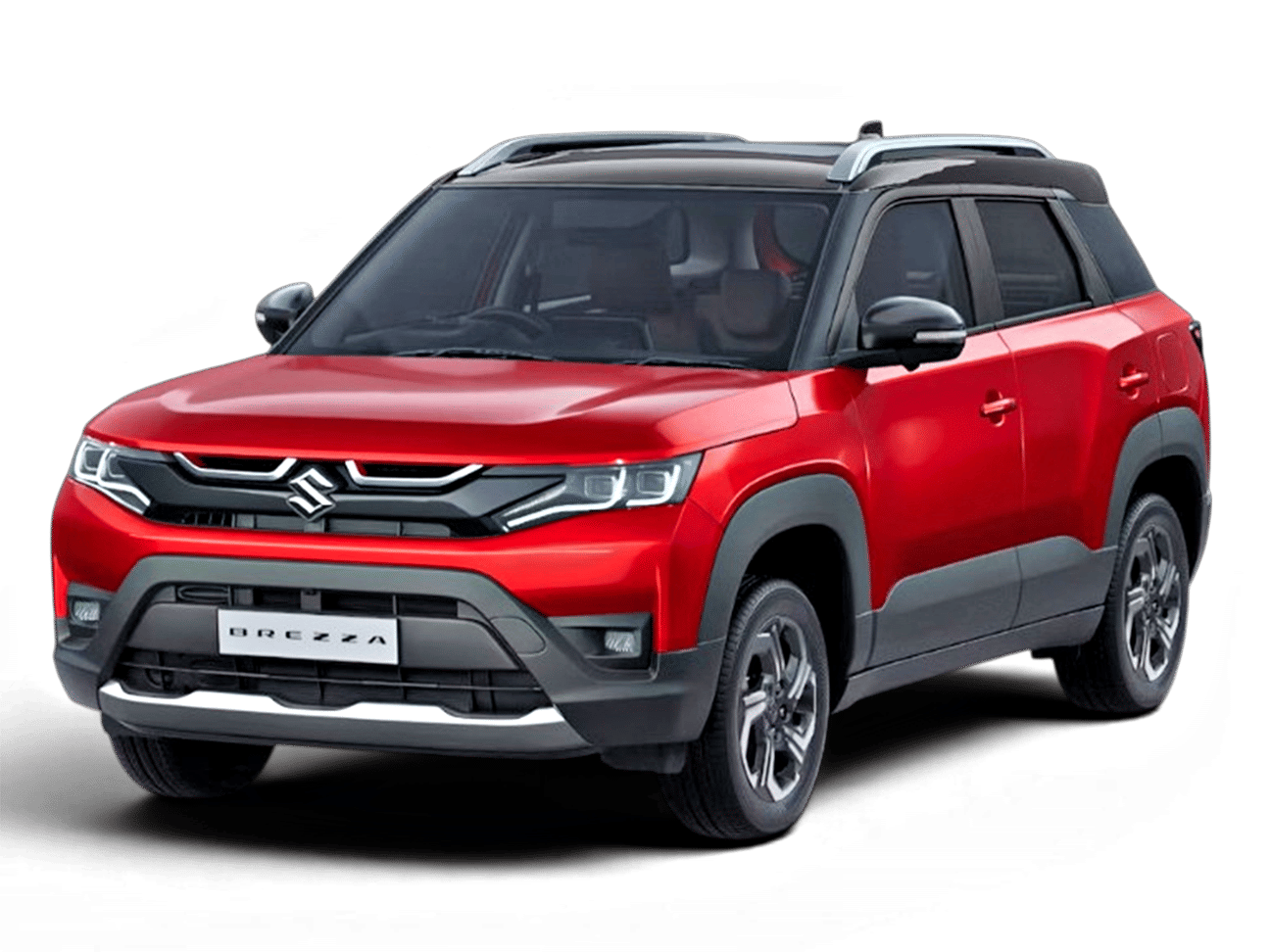
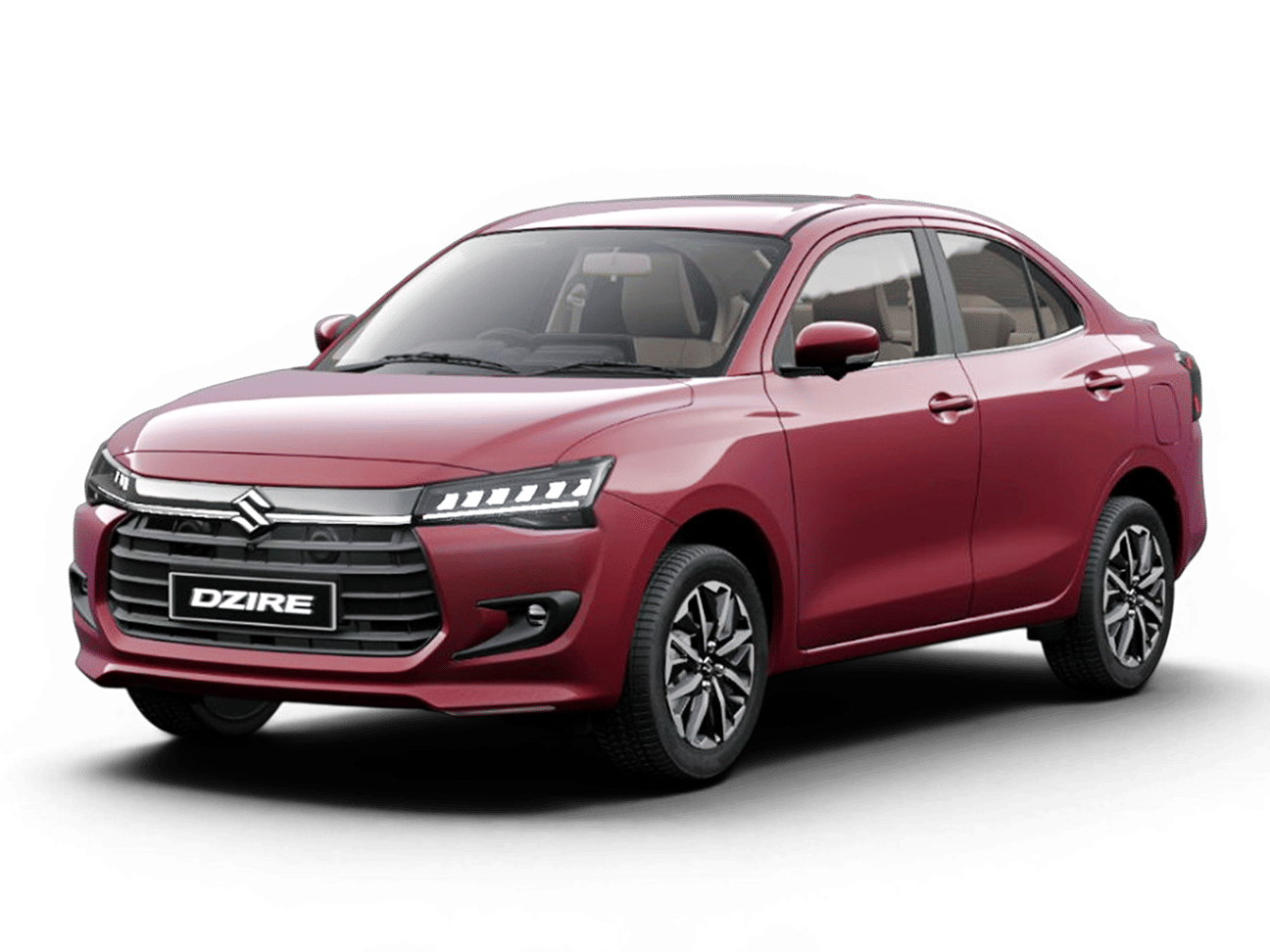

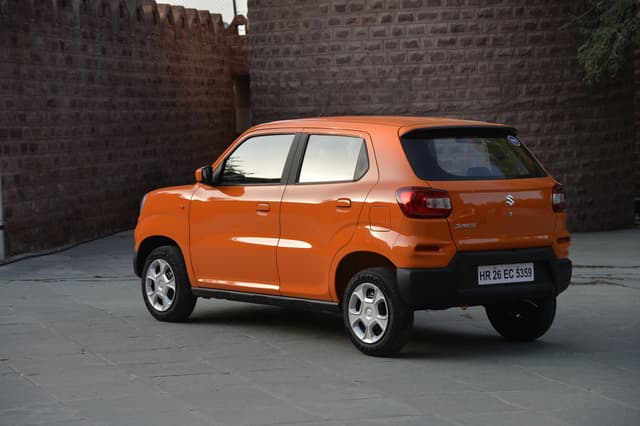
The Maruti car price starts at ₹3.70 lakh and goes up to ₹28.61 lakh in India (ex-showroom). The cheapest Maruti Suzuki car in India is the S-Presso (after GST reduction; earlier it was Alto K10), while the most expensive is the Invicto. As of March 2026, there are 19 Maruti models (1 upcoming) available in India for sale: 7 hatchbacks, 4 MUVs, 6 SUVs, 1 sedan, and 1 crossover.
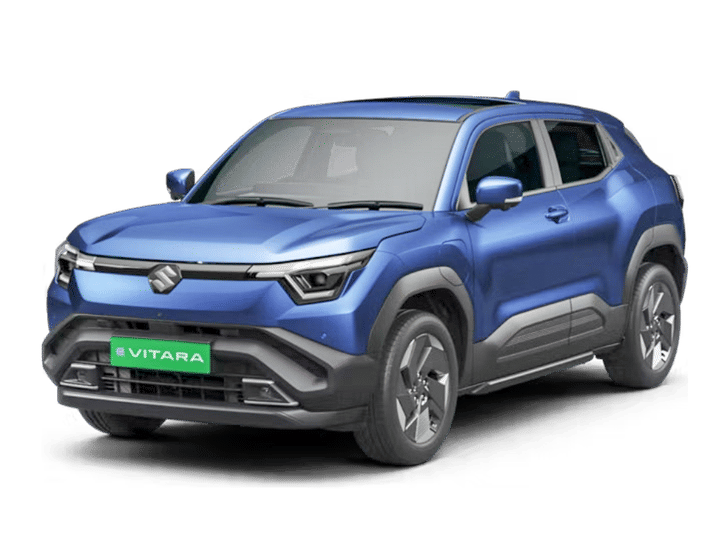
The latest Maruti Suzuki model launched in 2026 is the e Vitara. It is the first Maruti electric car and will rival models like the Hyundai Creta Electric, MG ZS EV, Mahindra BE 6, etc. The cheapest Maruti CNG model is the Alto K10 CNG, priced from ₹4.81 lakh (ex-showroom). Popular Maruti cars in India include the Alto K10, Swift, Brezza, and Ertiga. Some Maruti Suzuki models are co-developed with Toyota, like the Grand Vitara SUV and Invicto.
The brand Maruti Suzuki needs no introduction in India, thanks to its budget-friendly, dependable, and reliable cars. The brand offers something for every budget. The Maruti Suzuki cars in India in 2026 include sedans, MPVs, SUVs, etc., powered by petrol, petrol-hybrid, and petrol-CNG engines across various price points.
Maruti Cars in India (March 2026)
Maruti Suzuki currently offers various models in India across its two retail networks:
Maruti Suzuki Arena (caters to the budget end of the market)
Maruti Suzuki Nexa (caters to the premium end of the market)
Here is a complete list of all Maruti cars, along with their latest ex-showroom prices in India:
Model Name
Price (Ex-showroom)
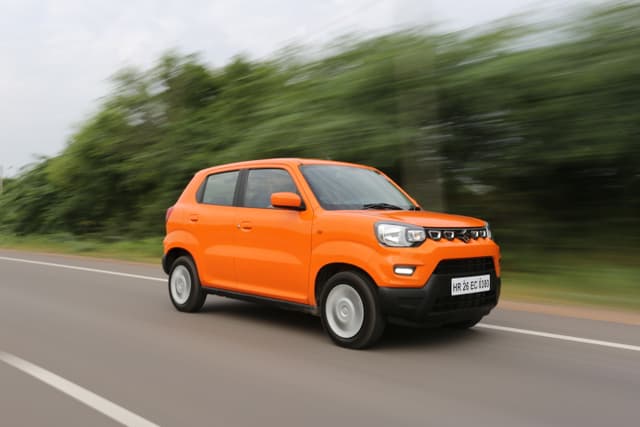
Maruti S-Presso
₹3.50 lakh - ₹5.25 lakh
Maruti Alto K 10
₹3.70 lakh - ₹5.45 lakh
Maruti Celerio
₹4.70 lakh - ₹6.73 lakh
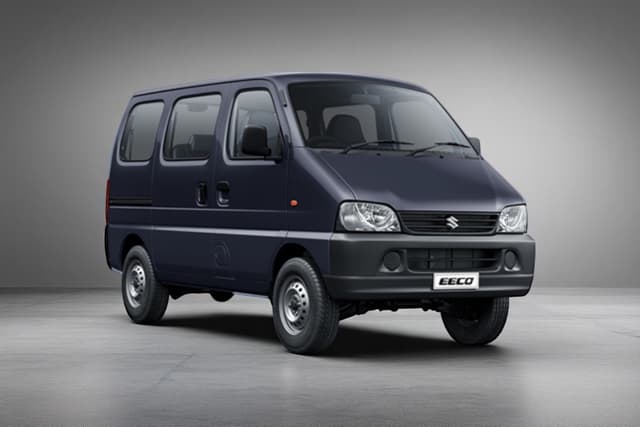
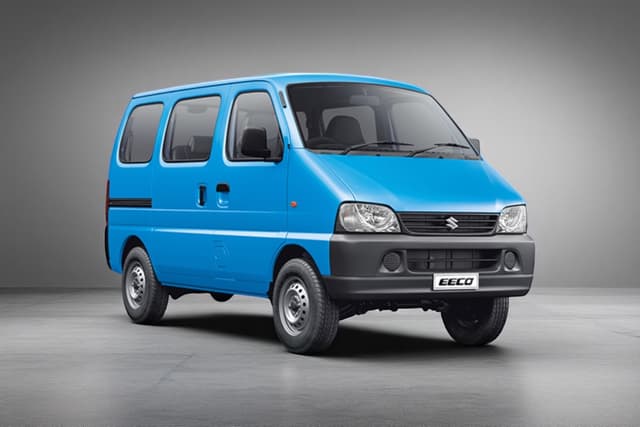
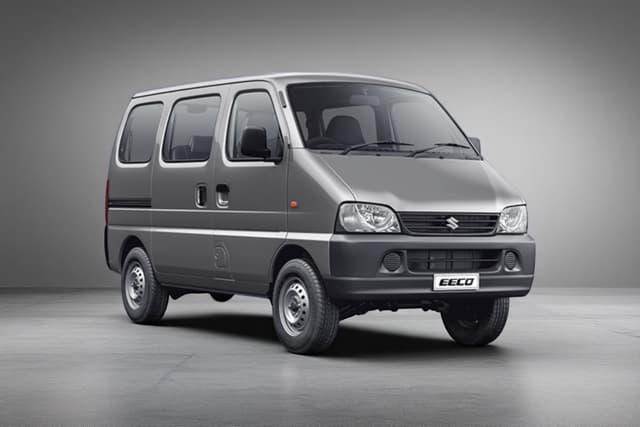
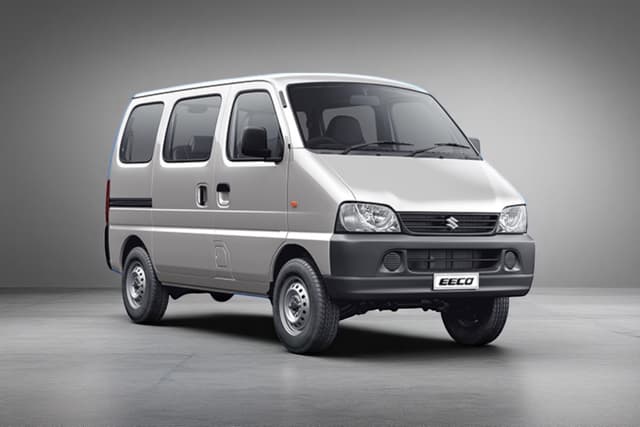
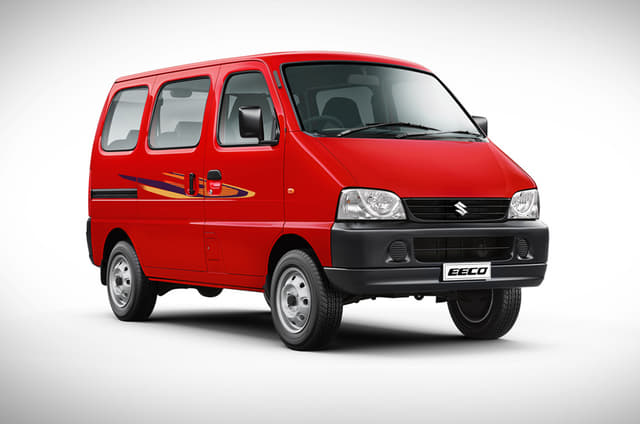
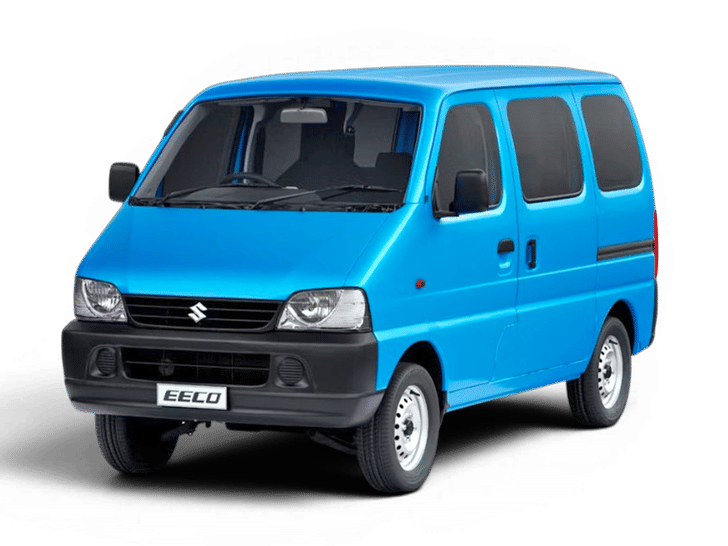
Maruti Eeco
₹5.21 lakh - ₹6.36 lakh
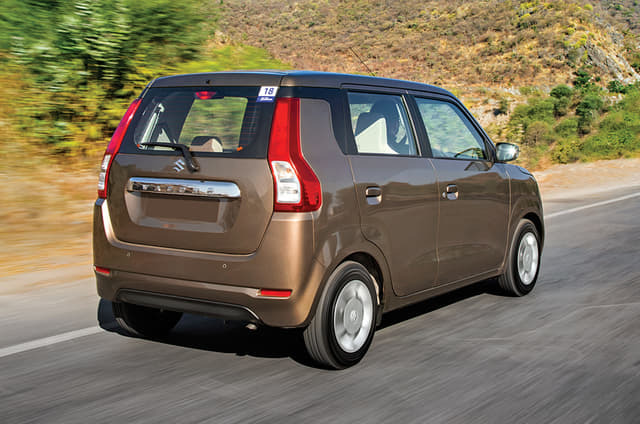
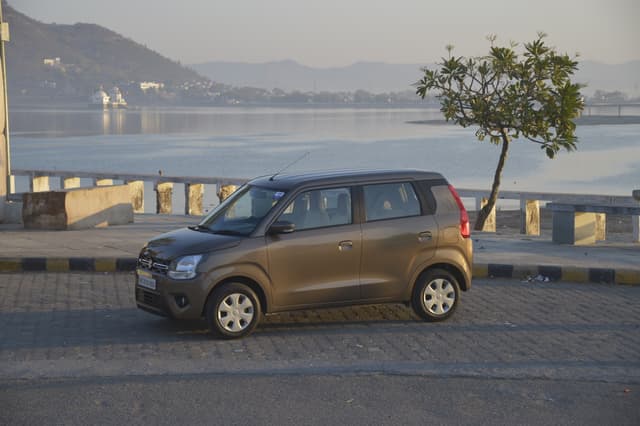
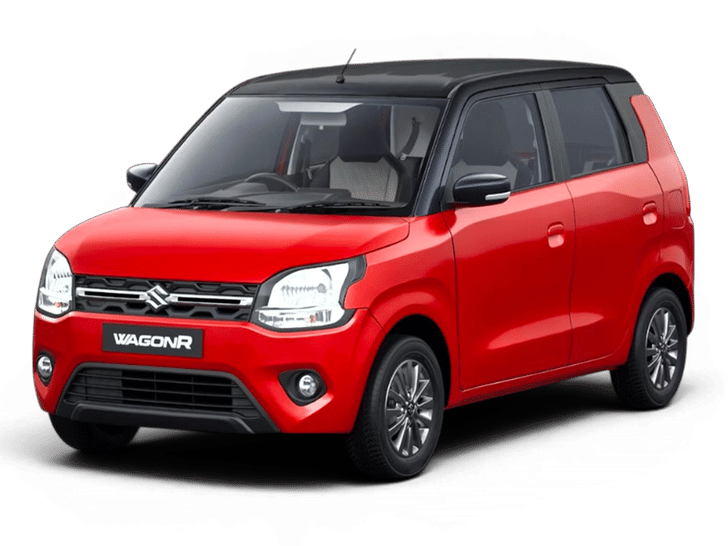
Maruti Wagon R
₹4.99 lakh - ₹6.84 lakh
Maruti Ignis
₹5.35 lakh - ₹7.42 lakh
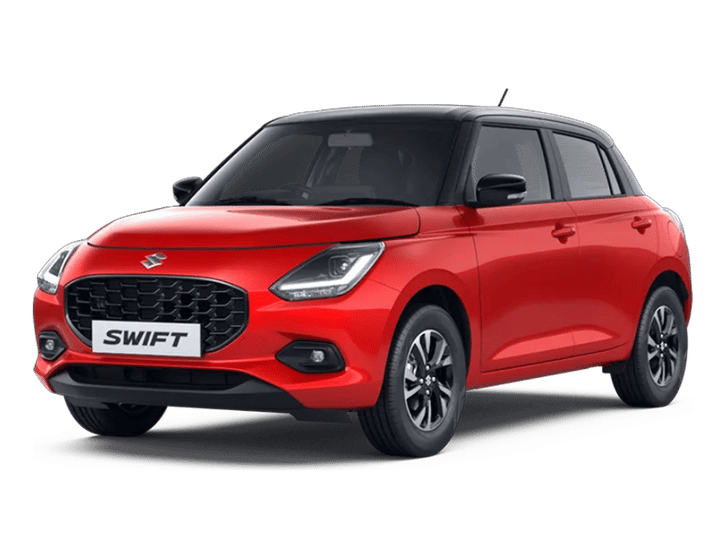
Maruti Swift
₹5.79 lakh - ₹8.65 lakh
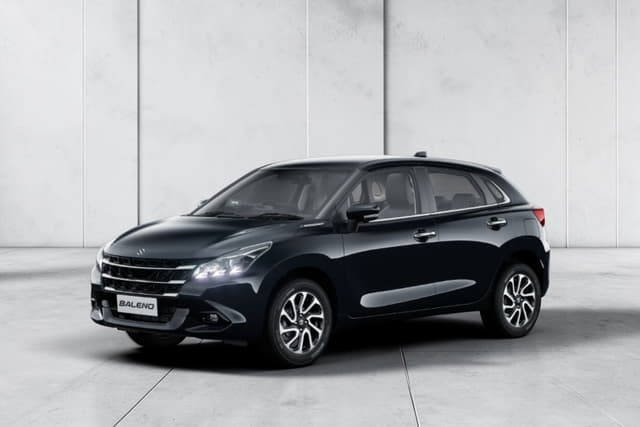
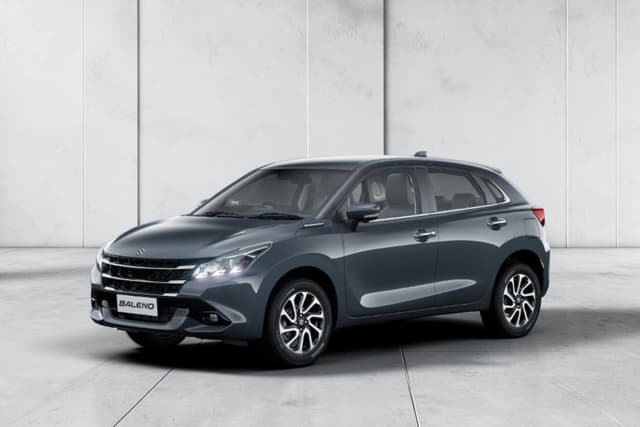
Maruti Baleno
₹5.99 lakh - ₹9.10 lakh
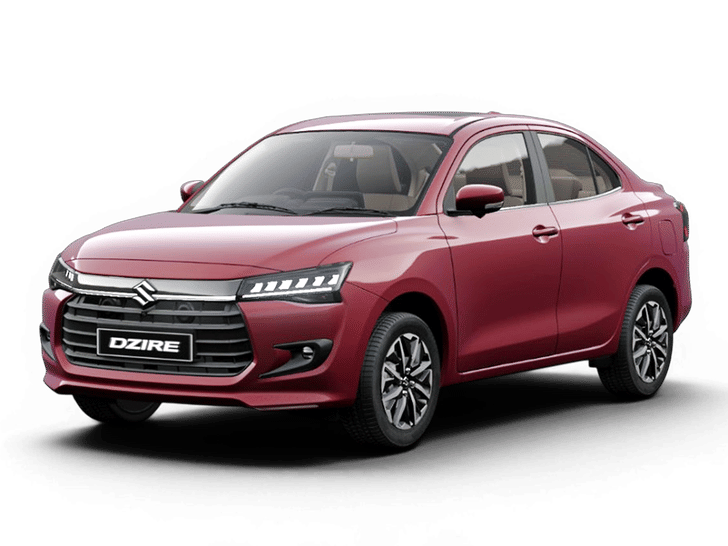
Maruti Dzire
₹6.26 lakh - ₹9.31 lakh
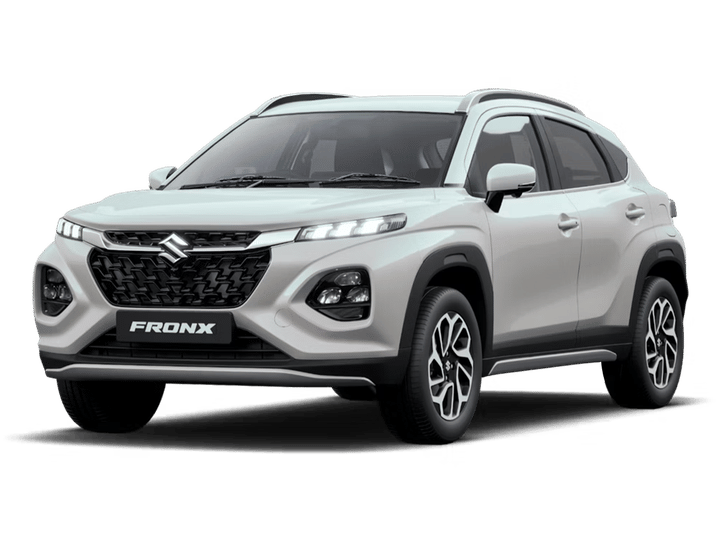
Maruti Fronx
₹6.85 lakh - ₹11.84 lakh
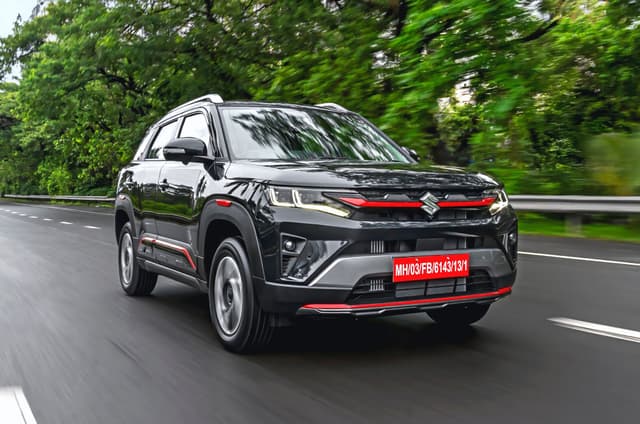
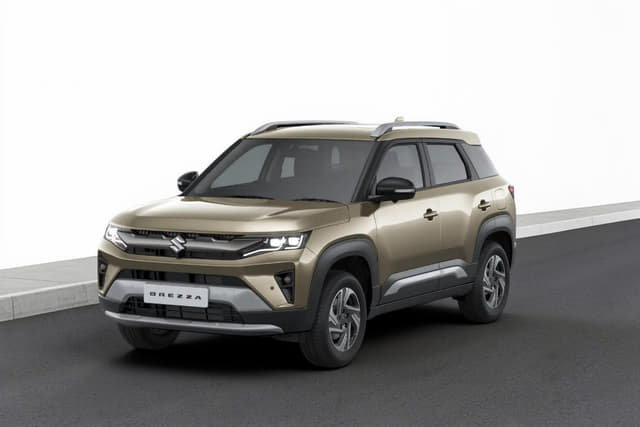
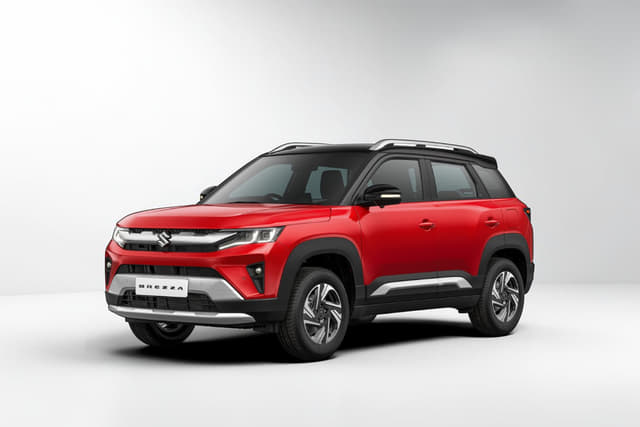
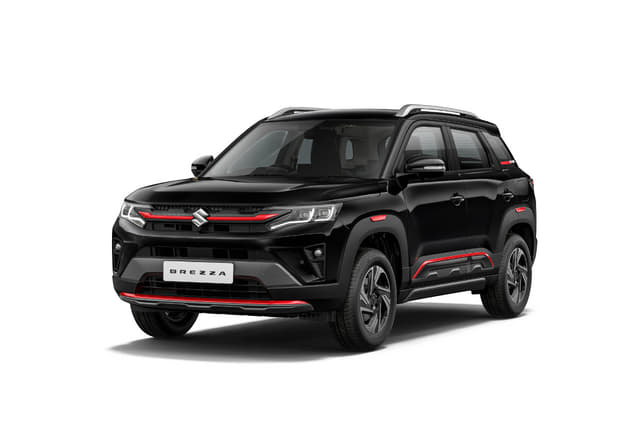
Maruti Brezza
₹8.26 lakh - ₹12.86 lakh
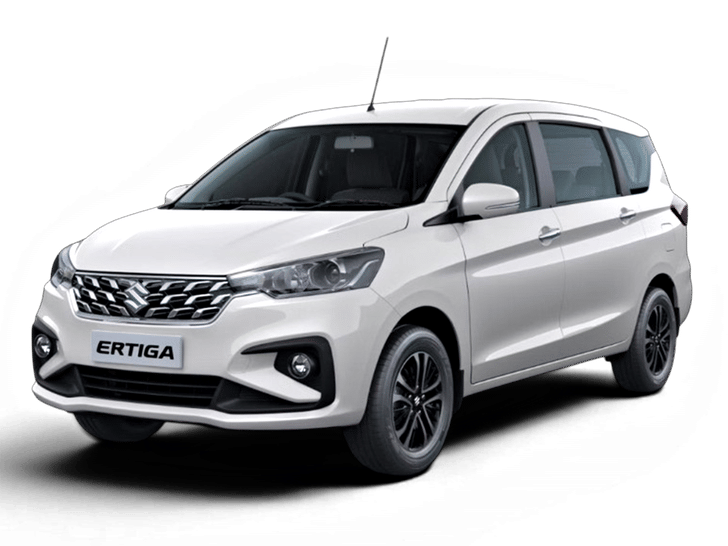
Maruti Ertiga
₹8.80 lakh - ₹12.94 lakh
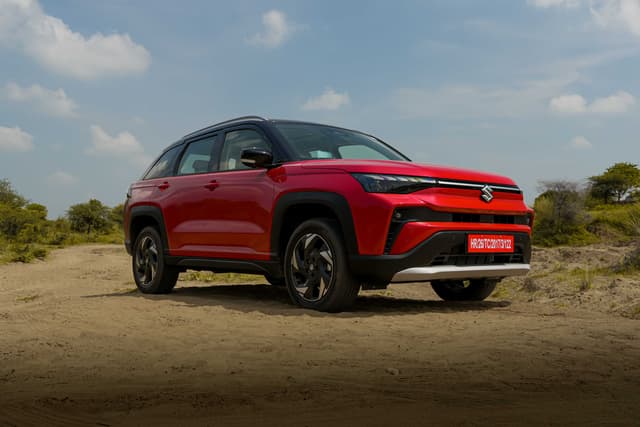
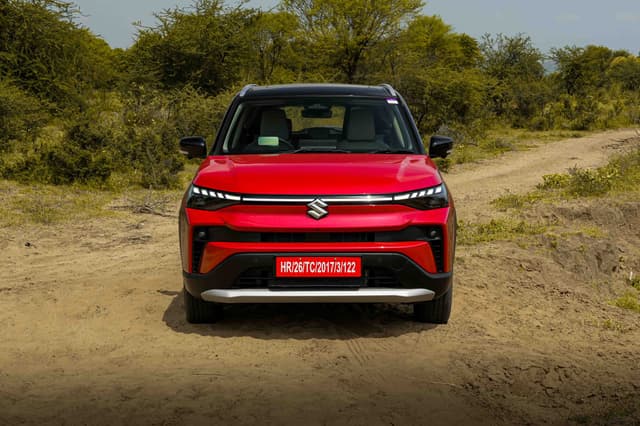
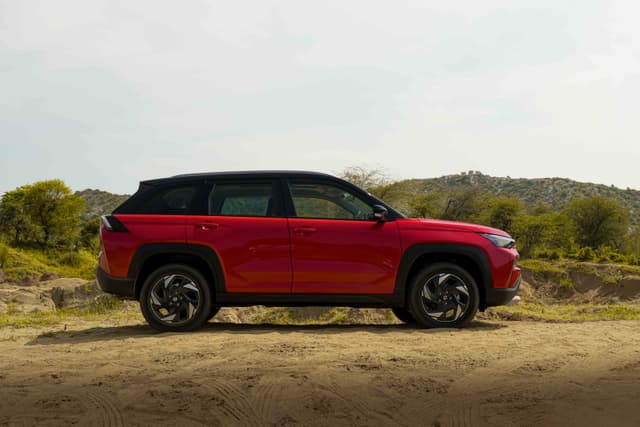
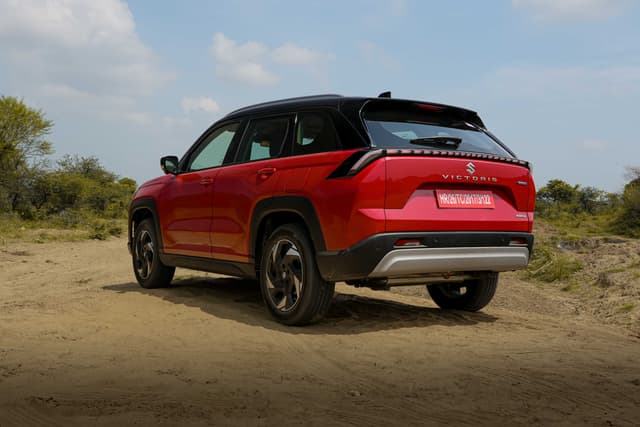
Maruti Victoris
₹10.50 lakh - ₹19.99 lakh
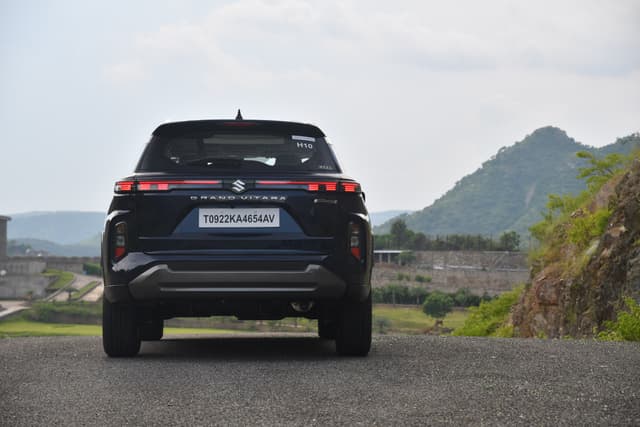
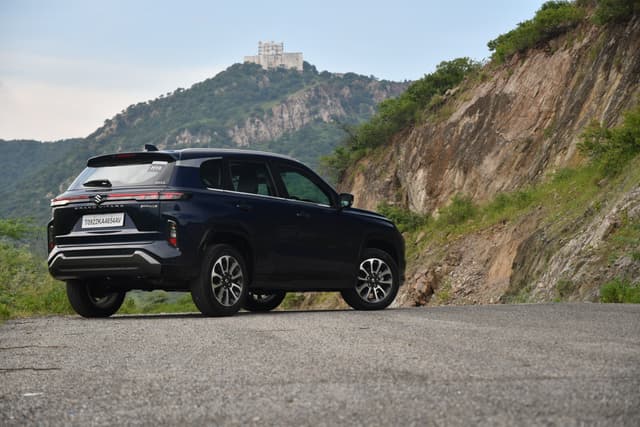
Maruti Grand Vitara
₹10.77 lakh - ₹19.64 lakh
Maruti E Vitara
₹10.99 lakh
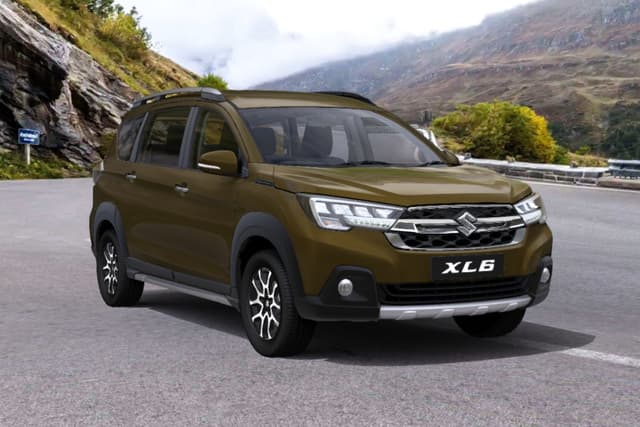
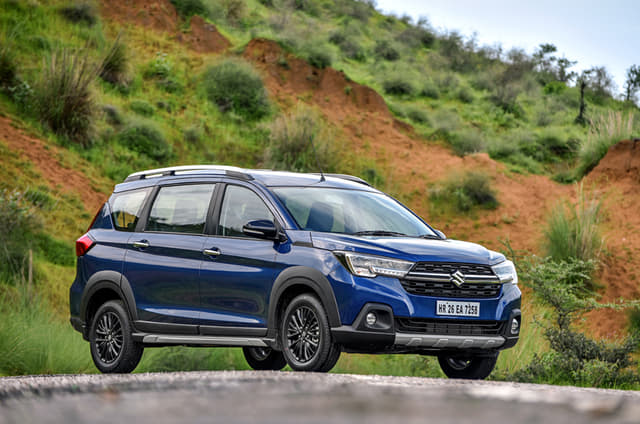
Maruti XL6
₹11.52 lakh - ₹14.32 lakh
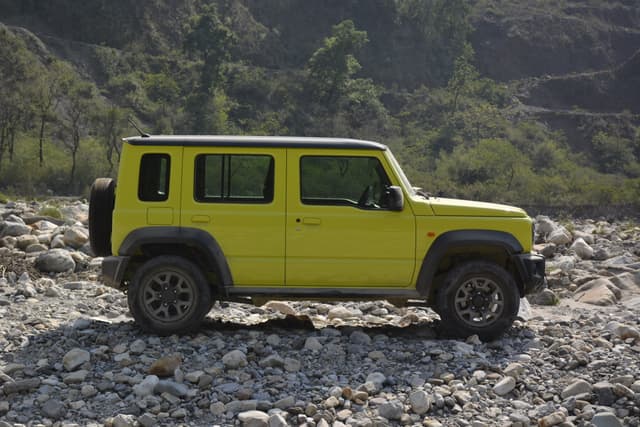
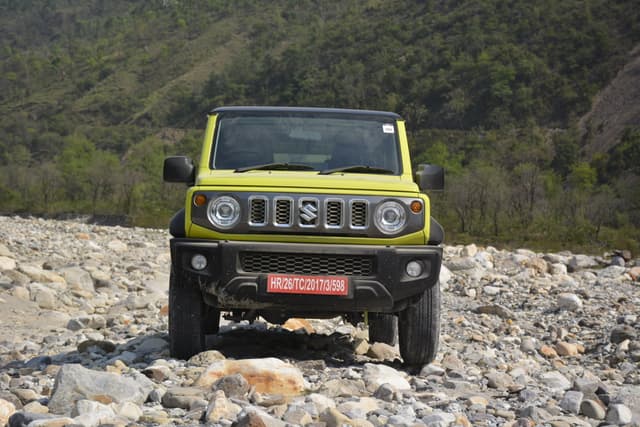
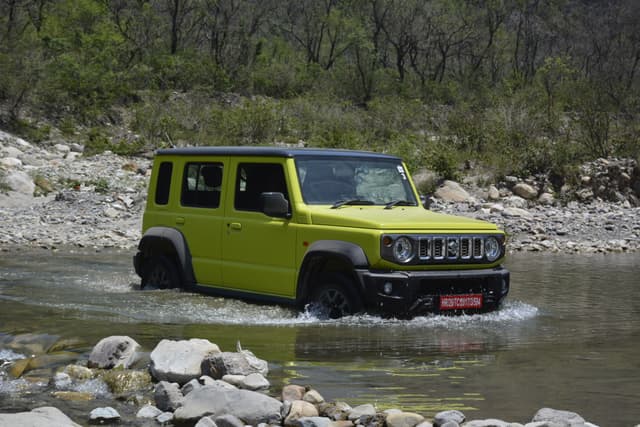
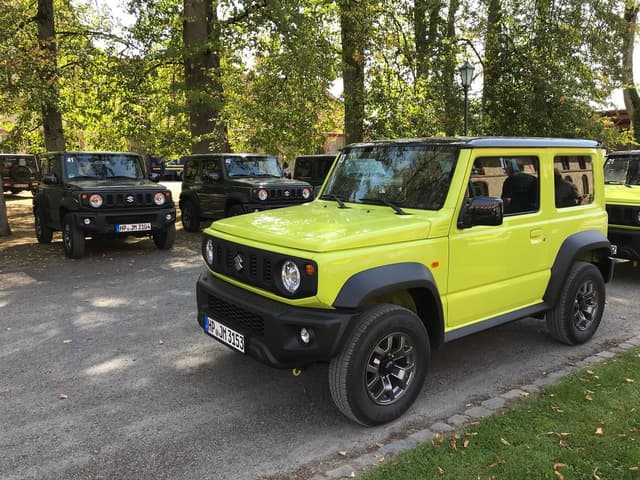
Maruti Jimny
₹12.31 lakh - ₹14.29 lakh
Maruti Invicto
₹24.97 lakh - ₹28.61 lakh
Maruti Suzuki Arena Cars in India
Maruti Suzuki offers 10 models via its Arena outlets (as of March 2026), catering largely to budget-conscious buyers. The Maruti Suzuki Arena line up includes Alto K10, S-Presso, Wagon R, Celerio, Swift, Dzire, Brezza, Eeco, Ertiga, and Victoris. The new Maruti Victoris SUV will take on the HyundaiCreta.
From May 12, 2025, all Maruti Suzuki Arena cars come equipped with 6 airbags as standard, enhancing safety across the range. Vehicles from Arena are commonly known for being budget-friendly and well-suited for city commutes. In India, Arena outlets are present in over 2,500 towns and cities, with more than 3,000 showrooms.
Here are all Maruti Suzuki Arena models, along with their on road prices (after GST cut) in major Indian cities:
Maruti Suzuki Arena Car
Mumbai (on-road)
Delhi (on-road)
Bangalore (on-road)
Chennai (on-road)
Alto K10
₹4.43 lakh - ₹6.45 lakh
₹4.17 lakh - ₹6.07 lakh
₹4.50 lakh - ₹6.61 lakh
₹4.39 lakh - ₹6.40 lakh
S-Presso
₹4.20 lakh - ₹6.22 lakh
₹3.95 lakh - ₹5.85 lakh
₹4.27 lakh - ₹6.38 lakh
₹4.16 lakh - ₹6.17 lakh
Wagon R
₹5.92 lakh - ₹8.06 lakh
₹5.57 lakh - ₹7.78 lakh
₹6.02 lakh - ₹8.26 lakh
₹5.87 lakh - ₹7.99 lakh
Celerio
₹5.58 lakh - ₹7.93 lakh
₹5.25 lakh - ₹7.66 lakh
₹5.68 lakh - ₹8.13 lakh
₹5.54 lakh - ₹7.86 lakh
Swift
₹6.84 lakh - ₹10.15 lakh
₹6.44 lakh - ₹9.80 lakh
₹7.02 lakh - ₹10.41 lakh
₹6.78 lakh - ₹10.06 lakh
Dzire
₹7.38 lakh - ₹10.91 lakh
₹7.13 lakh - ₹10.54 lakh
₹7.57 lakh - ₹11.19 lakh
₹7.32 lakh - ₹10.82 lakh
Breeza
₹9.70 lakh - ₹15.27 lakh
₹9.36 lakh - ₹15.01 lakh
₹9.94 lakh - ₹15.91 lakh
₹9.61 lakh - ₹15.61 lakh
Eeco
₹6.17 lakh - ₹7.50 lakh
₹5.81 lakh - ₹7.25 lakh
₹6.33 lakh - ₹7.69 lakh
₹6.12 lakh - ₹7.44 lakh
Ertiga
₹10.32 lakh - ₹15.36 lakh
₹9.97 lakh - ₹15.10 lakh
₹10.58 lakh - ₹16.01 lakh
₹10.23 lakh - ₹15.75 lakh
Victoris
₹11.23 lakh - ₹23.64 lakh
₹11.23 lakh - ₹23.24 lakh
₹11.23 lakh - ₹24.64 lakh
₹11.23 lakh - ₹24.24 lakh
Maruti Suzuki Nexa Cars in India
Maruti offers 7 models through Nexa outlets (as of March 2026) that cater to premium buyers by offering more feature-rich and stylish models. The Nexa lineup from Maruti includesIgnis,Baleno, Fronx,XL6, Jimny, Grand Vitara, and Invicto.Maruti’s first electric SUV, the eVitara, will also be launched via Nexa.
In India, Nexa outlets are currently present in around 500 cities, and are expected to grow to 650 by the end of 2025.
Here are all Maruti Suzuki Nexa models, along with their on-road prices (after GST cut) in major Indian cities:
Maruti Suzuki Nexa Cars
Mumbai (on-road)
Delhi (on-road)
Bangalore (on-road)
Chennai (on-road)
Ignis
₹6.34 lakh - ₹8.74 lakh
₹5.96 lakh - ₹8.43 lakh
₹6.50 lakh - ₹8.95 lakh
₹6.28 lakh - ₹8.65 lakh
Baleno
₹7.07 lakh - ₹10.67 lakh
₹6.65 lakh - ₹10.30 lakh
₹7.25 lakh - ₹10.94 lakh
₹7.01 lakh - ₹10.57 lakh
Fronx
₹8.07 lakh - ₹14.07 lakh
₹7.79 lakh - ₹13.83 lakh
₹8.27 lakh - ₹14.66 lakh
₹8.00 lakh - ₹14.42 lakh
XL6
₹13.70 lakh - ₹16.98 lakh
₹13.47 lakh - ₹16.70 lakh
₹14.27 lakh - ₹17.70 lakh
₹14.04 lakh - ₹17.41 lakh
Jimny
₹14.63 lakh - ₹16.95
₹14.38 lakh - ₹16.66 lakh
₹15.24 lakh - ₹17.66 lakh
₹15.00 lakh - ₹17.38 lakh
Grand Vitara
₹12.80 lakh - ₹23.23 lakh
₹12.59 lakh - ₹22.84 lakh
₹13.34 lakh - ₹24.22 lakh
₹13.13 lakh - ₹23.82 lakh
Invicto
₹29.75 lakh - ₹34.05 lakh
₹29.00 lakh - ₹33.19 lakh
₹31.00 lakh - ₹35.48 lakh
₹30.25 lakh - ₹34.63 lakh
Maruti Cars - Latest Updates
Here are the latest updates related to the Maruti Suzuki cars as of 2026:
17 February 2026: The e Vitara, the first Maruti electric car launched at ₹10.99 lakh. The battery cost is extra.
December 2025: The Maruti e-Vitara comes with an estimated driving range of up to 543 km on a full charge.
November 2025: Maruti Suzuki e-Vitara scheduled to launch in early 2026, in India.
September 2025: The Maruti Victoris price starts at ₹10.50 lakh and goes up to ₹19.99 lakh, depending on the variant.
September 2025: Maruti Victoris awarded 5-star rating in Global NCAP tests.
Ask our experts and get answers to all your cars related queries.
FAQs
The most expensive Maruti car is the Invicto. It is a premium MUV and is priced between ₹24.97 lakh and ₹28.61 lakh (ex-showroom).
The first Maruti car was the Maruti 800. It was launched in 1983.
The Maruti Suzuki e Vitara, an all-electric SUV, is currently the only electric car from the brand. The e Vitara price starts at ₹10.99 lakh and was launched on 17 Feb, 2026.
The safest Maruti Suzuki car based on Global NCAP crash tests is the latest-gen Dzire. It achieved a 5-star rating for adult occupant protection and a 4-star rating for child occupant protection.
The cheapest Maruti Suzuki car in India is the Maruti S-Presso, priced from ₹3.50 lakh after the GST reduction.
A very sensible upgrade for your needs is the Maruti Suzuki Brezza. Its 1.5-litre naturally aspirated petrol engine offers seamless power delivery with good low-end torque, which makes hill driving easier and more predictable. Unlike turbo petrol engines, there is no turbo lag to deal with, so throttle response on steep inclines and narrow roads feels natural and stress-free.
Another strong point is the Brezza’s suspension. It has good travel and handles broken roads and rough mountain stretches with more finesse, which should address the suspension issues you faced with the Ignis.
If you want a turbo petrol option, the Mahindra XUV 3XO with the torque converter automatic is worth considering. The torque converter gearbox does a good job of masking turbo lag, making power delivery feel smoother and more effortless, especially on inclines. The 3XO also offers a comfortable ride and is one of the most spacious cars in its segment, which is an added advantage for longer trips.
All modern cars today, if maintained well, are engineered to last 10 years or more. Over that period, you should budget for both scheduled services and some wear-and-tear replacements. Given your usage pattern with limited annual running and long idle periods, the way the powertrain behaves when used sparingly becomes more important. Since most of your trips are short and local in Kasaragod, outright performance is less critical than smooth and reliable operation.
Between the Skoda Kylaq Prestige Plus (1.0 TSI with 6-speed torque converter) and the Hyundai Venue HX8 (1.0 Turbo with 7-speed DCT), both should serve you well if maintained properly. However, purely from a mechanical durability standpoint, a conventional torque converter automatic, like the one in the Kylaq, is generally more tolerant of stop-go driving and long-term ownership than a dual-clutch transmission (DCT).
DCTs offer quicker shifts and better efficiency, but they are more complex and can be sensitive to heat and crawling traffic. This is something your sister is likely to encounter in town driving. Over a 10-year horizon, especially with intermittent usage and possible long idle periods, the simpler torque converter setup is typically the safer bet.
That said, both cars use small turbo-petrol engines. Modern turbo engines are reliable, but they are inherently more complex than naturally aspirated (NA) engines. It is due to additional components like the turbocharger and intercooler. If absolute long-term peace of mind is your priority, you could also consider theMaruti Suzuki Brezza, which comes with a 1.5-litre naturally aspirated petrol engine paired to a 6-speed torque converter. An NA engine is mechanically simpler and, in theory, better suited to low annual running and long ownership.
As for the Tata Punch EV, it is an excellent value for money as an EV. However, in your specific case, it may not make complete sense. Your annual usage appears limited, so you won’t significantly benefit from the lower running costs of an EV.
Additionally, the Punch EV is compact with a smaller boot, which may restrict practicality during family visits. Long idle periods are also not ideal for EVs unless the battery state of charge is managed carefully.
If you like the Skoda Kylaq AT, go ahead. It’s a very good car to drive, feels solid, and is the most engaging of the three. Low running will naturally minimise wear and tear, and modern turbo-petrol engines are perfectly fine for city use as long as they’re maintained properly. Don’t overthink the naturally aspirated vs turbo debate purely from a reliability standpoint - upkeep matters more. The Honda Elevate CVT and Maruti Suzuki Grand Vitara are bigger and more spacious, and both are sensible, comfortable choices. The Elevate’s naturally aspirated engine is smooth and predictable, and the Grand Vitara scores well on efficiency. However, neither feels as enjoyable or as tight to drive as the Kylaq. Given your priorities - long-term ownership, decent safety, good NVH and low running - the Kylaq fits well if driving feel matters to you. If space and a more relaxed nature matter more, then the Elevate would be the calmer choice. But purely from the heart-and-head balance, the Kylaq is the one we would pick.
Unfortunately, there's no petrol automatic compact SUV today that will achieve anywhere near 20kpl in the real world, in the city or on the highway. The most efficient petrol compact SUVs are the Maruti Suzuki Fronx or Toyota Urban Cruiser Taisor.
If you want something more spacious, consider the Maruti Suzuki Brezza, though it is slightly less efficient. If you want more efficiency still, though, consider a diesel compact SUV like the Hyundai Venue or Kia Sonet. They are the smoothest and most efficient in the segment, and are more likely to get close to or surpass 20kpl.
Your Maruti Suzuki Grand Vitara strong hybrid (2WD) is actually well suited for a long road trip from Mumbai to Tawang and back, even though it doesn’t have a manual gearbox.
It’s true that with a manual, you can lock yourself into a specific gear and control engine braking more precisely in the hills. That said, the Grand Vitara’s e-CVT is not a conventional rubber-band type CVT. In the strong hybrid system, the e-CVT works in conjunction with the electric motor, so response at low speeds is immediate and smooth.
On steep inclines, the instant torque delivery from the electric motor helps the car move off cleanly without the lag you sometimes associate with traditional automatics.
Another big advantage in the mountains is the ‘B’ (Brake) mode. This increases regenerative braking, which means the car slows down more effectively on descents while also charging the battery more aggressively. On long downhill stretches, which you will encounter plenty of on the way to Tawang, this reduces the need to constantly ride the brakes and adds a layer of control.
With a combined system output of 116hp and 144Nm from the electric motor available instantly, the Grand Vitara hybrid does not feel underpowered in typical hill driving conditions. As long as you drive sensibly, anticipate overtakes and maintain momentum on climbs, it will manage the terrain without drama.
The only thing to keep in mind is that this is a 2WD SUV. So, while it can comfortably handle broken roads and regular mountain terrain, it’s not meant for hardcore off-roading or very slushy, unpaved sections. Check road conditions closer to your travel date and ensure your tyres are in good condition.
Overall, your Grand Vitara is perfectly capable of handling this trip. Drive with a bit of mechanical sympathy, use ‘B’ mode smartly on descents, and you should be able to enjoy the journey as much as the destination
Between the Maruti Suzuki Victoris and the Kia Seltos, the Seltos is the more rounded and future-proof choice in your budget.
The Kia Seltos is a larger, more substantial SUV, and that shows in day-to-day use. It feels more planted on the road, the cabin is wider, and overall space, especially in the rear seat, is noticeably better. If this is going to be a family car, that extra room and comfort will matter more over time than you initially think.
On the engine front too, the Seltos’ 1.5-litre naturally aspirated petrol is stronger and more relaxed. Performance is smoother, and it doesn’t feel strained, especially with passengers on board or at highway speeds. The automatic gearbox pairing is also well sorted for city use. It simply feels like a more mature driving experience.
Yes, the Maruti Suzuki Victoris does return slightly better mileage, and that’s one of Maruti’s traditional strengths. But the difference isn’t so dramatic that it should be the deciding factor, especially if your annual running isn’t extremely high. Over a few years, the fuel savings won’t outweigh the advantages you gain in space, comfort, and overall feel with the Seltos.
Where the Seltos also scores is in perceived quality and features. The cabin design, materials and equipment levels give it a more premium vibe in this segment. If you’re spending Rs16-18 lakh, it should feel special, and the Seltos does that better.
So overall, unless outright fuel efficiency is your top priority, the Seltos serves better as an all-rounder. This Kia car offers more space, better road presence, a stronger engine, and a more upmarket experience.
The Kia Seltos IVT is the best pick for your needs. It's got the smoothest engine-gearbox combo, performance is decent both in town and on highways, and fuel economy is also reasonable. What also makes the Seltos easy to recommend is the fact that it's the roomiest of the three SUVs on your shortlist, making it best for 5 people and luggage.
The Honda Elevate is a practical choice, but is essentially let down by average refinement and an inferior CVT gearbox (versus the Kia's CVT). The Maruti Suzuki Grand Vitara Smart Hybrid is an alternative though cabin space is down on rivals, and performance is dull, especially on highway drives.
If you want very good legroom that matches the Honda Ciaz and a smooth driving experience, the Mahindra XUV 7XO 2.2 diesel AT is a good choice. Mahindra has upgraded the rear suspension, and the ride quality and handling have improved significantly.
Rear seat space is excellent, and luggage space is very good, especially with the third row folded down. The trade-off is that the 7XO is a big, heavy SUV. It doesn’t feel as nimble in city traffic and tight parking, and it isn’t very efficient compared to the other options.
If fuel efficiency is a higher priority for you, then the Maruti Suzuki Grand Vitara strong hybrid (or its mechanically similar cousin, the Victoris hybrid) will give you much better economy. It delivers smooth performance, easy city driving and the efficiency figures you’re aiming for.
The Hyundai Creta diesel AT is also a solid, more efficient choice than the 7XO, with a comfortable ride and easy usability in town traffic.
After the Ciaz, you’ll likely feel most at home in the 7XO because of the space and comfort it offers. But if you prefer better efficiency and a slightly smaller, easier-to-live-with package, the Grand Vitara hybrid or the Creta diesel automatic are both good alternatives within your budget.
If you do not want to wait any longer, going ahead with the Maruti Suzuki Ignis Zeta AGS is a perfectly sensible decision for your usage. For mostly city driving with an occasional highway run once every few months, the Ignis fits the bill well. Its 1.2 litre four cylinder petrol engine is smoother and more responsive than the Punch’s motor, and the AMT calibration feels easy to live with in traffic.
It has good space on the inside, has a comfortable ride quality and, being a Maruti Suzuki, offers a hassle-free ownership experience with low maintenance costs and wide service support.
One important point to keep in mind with the Ignis is safety. When tested by Global NCAP in 2022, it scored a one-star rating, so this is something you should be fully aware of before making a final decision.
If timely delivery, the Ignis Zeta AGS is a good buy. If safety rating and a more rugged feel are higher priorities and you are willing to wait, then sticking with the Tata Punch makes sense.
Since you’ve had a long stint with your Maruti Suzuki Vitara Brezza, it’s understandable that you’re looking at the Maruti Suzuki e-Vitara as a replacement.
You’ve mentioned 900km of city running, which we assume is per month. For that kind of usage, the 49kWh battery should be sufficient. In real-world city conditions, you can expect roughly 250-300km on a full charge, though we have yet to test the range ourselves. For pure urban use, the 49kWh battery is practical and cost-effective.
The larger 61kWh battery would give you more range and flexibility. But given that you already have the Toyota Innova Hycross for highway trips. The smaller battery pack makes more financial sense unless you simply want the added buffer and peace of mind.