Hybrid cars in India (34)
Hybrid cars have moved from being a niche alternative to petrol and diesel cars to a meaningful part of India's passenger-vehicle market. In June 2026, hybrids accounted for 8.3% of India's passenger-vehicle retail sales, compared with 7.8% for EVs. India's hybrid market is largely made up of strong hybrids, with Toyota and Maruti Suzuki accounting for a significant share of the segment.
What is a Hybrid Car?
A hybrid car combines a petrol engine with one or more electric motors and a battery. Depending on the type of hybrid system and driving conditions, the car can use the engine, electric motor, or both. The battery is primarily replenished through regenerative braking, although some systems can also charge it using the engine.
There are three main types:
Hybrid type | How it works | EV-only driving | Typical benefit |
Mild hybrid | A small motor assists the petrol engine | No | Smoother operation and modest efficiency gains |
Strong hybrid / HEV | A larger motor and battery can drive the car | Yes, for short periods | Higher fuel efficiency |
Plug-in hybrid / PHEV | A larger battery can be charged externally | Yes, for longer distances | Longer electric-only driving |
Strong hybrids are the most relevant to India's mainstream hybrid market as they offer electric assistance without external charging.
Hybrid Car Mileage: What Buyers Should Expect
The main efficiency advantage of a strong hybrid comes from its ability to use electric power and recover braking energy, reducing petrol consumption in conditions where a conventional engine would otherwise spend more time idling or operating inefficiently.
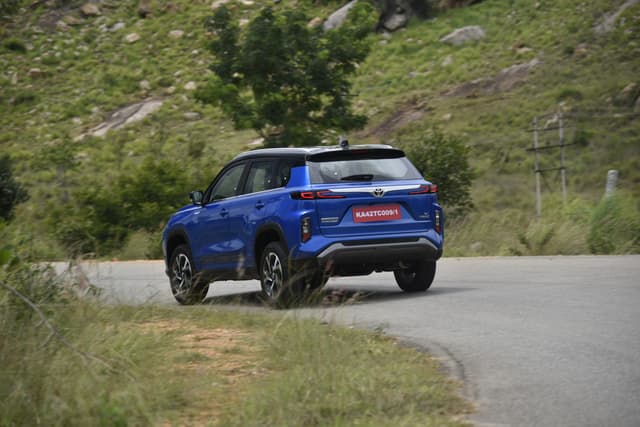
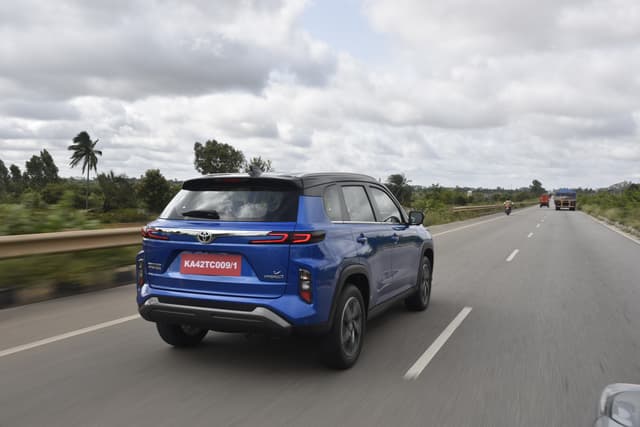
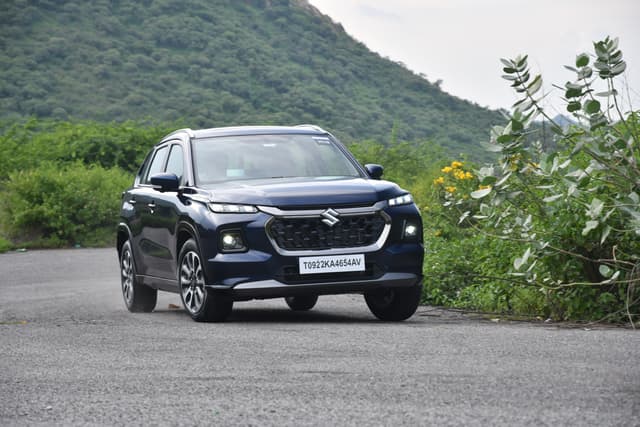
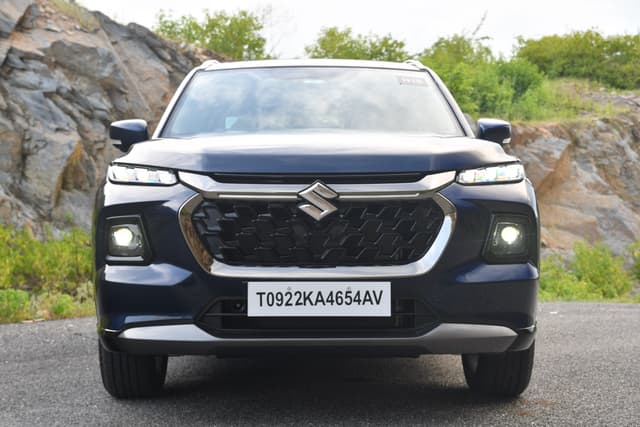
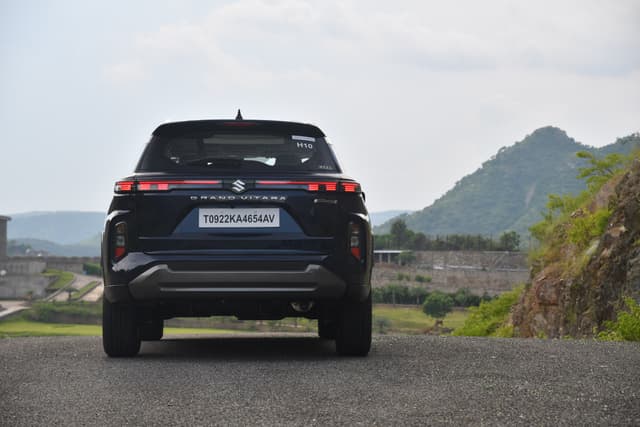
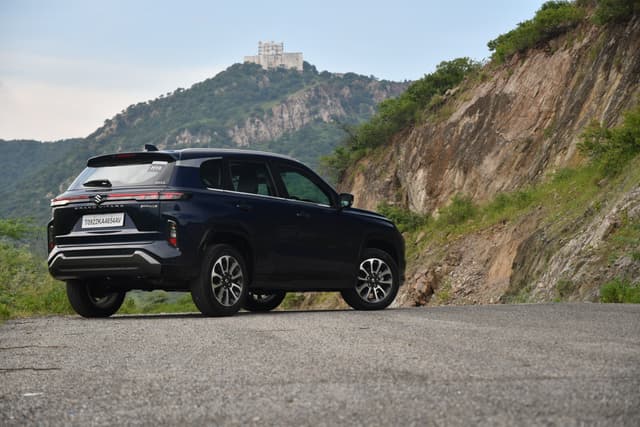
The certified figures in the current Indian line-up range from 23.24kpl for the Innova Hycross and Invicto to 28.65kpl for the Victoris. The Hyryder and Grand Vitara are rated at 27.97kpl, while the Honda City e returns 26.5kpl. City traffic generally provides more opportunities for the hybrid system to recover and reuse energy than steady highway running.
However, mileage is only one part of the equation. The higher upfront cost also matters.
Hybrid Cars and GST in India
The tax treatment of cars changed significantly from September 2025. The current GST structure places small cars at 18 %, while mid-size and large cars, and utility vehicles meeting the specified criteria, attract 40 % GST. The classification depends on factors such as engine capacity, length and, for utility vehicles, ground clearance.
This means older references to hybrids carrying a blanket 43 % or 48 % tax burden are no longer applicable. Also remember that GST is different from state-level road tax and registration charges, which can vary from one state to another. Both purchase price and running costs matter, so it is worth comparing hybrids with other powertrains in India.
Hybrid Vs Petrol Vs Diesel Vs EV
Powertrain | Best suited to | Main advantage | Main drawback |
Petrol | Low or moderate annual running. | Lower purchase cost and broad model choice. | Usually higher fuel consumption. |
Diesel | High highway running and heavy annual use. | Strong fuel economy and long-distance range. | Limited availability and greater mechanical complexity. |
Mild hybrid | Buyers seeking a small efficiency improvement. | Modest assistance without changing driving habits. | Usually no EV-only driving. |
Strong hybrid | Frequent city use and buyers without home charging. | High fuel efficiency and no external charging requirement. | Higher purchase price than the equivalent petrol model. |
EV | Buyers with reliable charging access. | Low running cost and zero tailpipe emissions. | Charging, range, and long-distance planning. |
PHEV | Buyers who can charge regularly and need petrol backup. | Electric driving for daily trips with long-distance flexibility. | High cost and limited availability in India. |
The right choice ultimately depends on how much the car is driven, where it is driven, and how long it will be owned.
Factors To Consider Before Buying A Hybrid Car In India
- Annual Running: The higher purchase price of a hybrid is easier to justify when annual usage is high.
- Driving pattern: Strong hybrids tend to have a greater advantage in stop-start traffic than on steady highway runs.
- Price premium: Compare the hybrid with its equivalent petrol version and calculate the potential fuel saving over the planned ownership period.
- Charging: Strong hybrids do not require external charging. PHEVs do.
- Battery warranty: Check the battery warranty period and kilometre limit before buying.
- Boot space: Battery packaging can affect luggage capacity, so buyers who regularly carry large loads should check the boot.
- Service network: Confirm the availability of authorised service centres and trained technicians, particularly outside major cities.
- Test drive: The transition between petrol and electric power can feel different from a conventional car, making a test drive worthwhile.
These considerations also help narrow down which type of hybrid and which kind of hybrid car will suit different requirements.
Which Hybrid Car Makes Sense For Which Buyer?
Requirement | Suitable examples |
Daily commuting | Maruti Suzuki Victoris Strong Hybrid, Grand Vitara Strong Hybrid, Toyota Urban Cruiser Hyryder Strong Hybrid and Honda City e:HEV. |
Family car with occasional highway use | Maruti Suzuki Grand Vitara Strong Hybrid, Toyota Urban Cruiser Hyryder Strong Hybrid and Honda City e:HEV. |
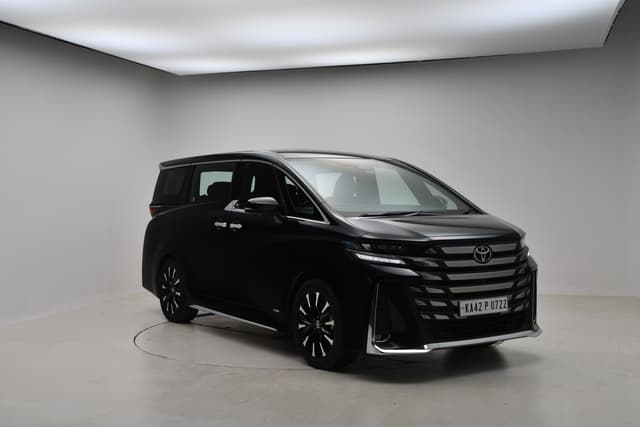
Six- or seven-seat family car | Toyota Innova Hycross Hybrid and Maruti Suzuki Invicto. |
Long-distance travel | Toyota Innova Hycross Hybrid, Maruti Suzuki Invicto and Toyota Camry Hybrid. |
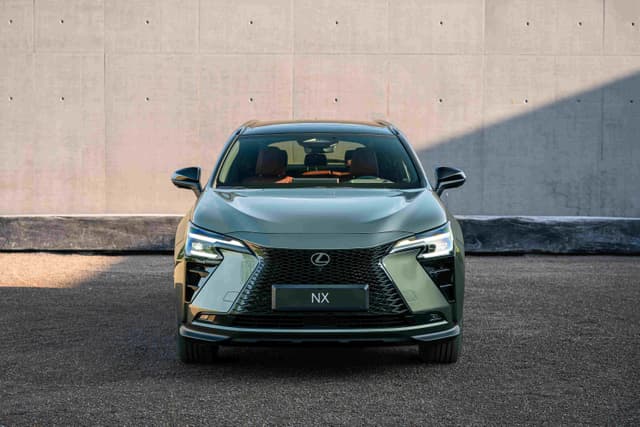
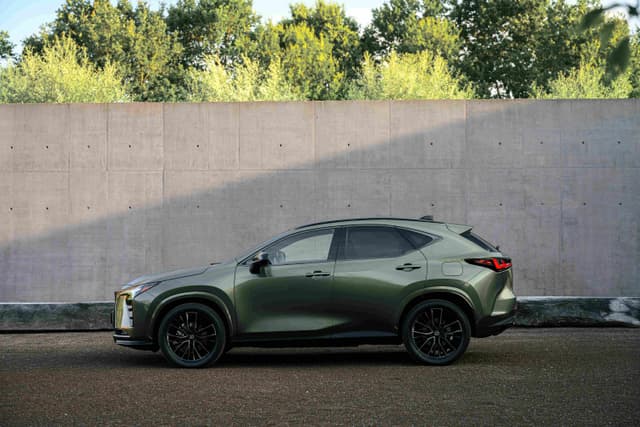
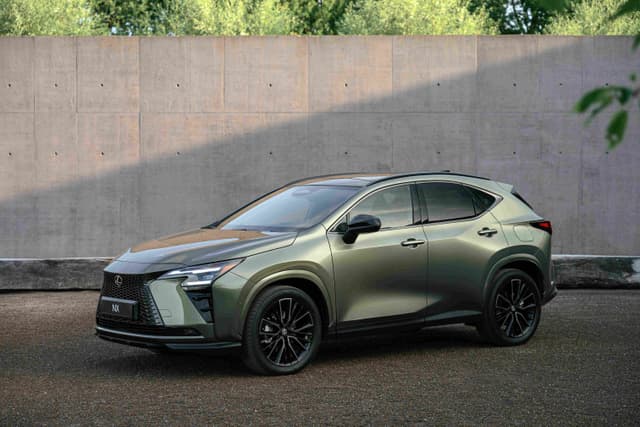
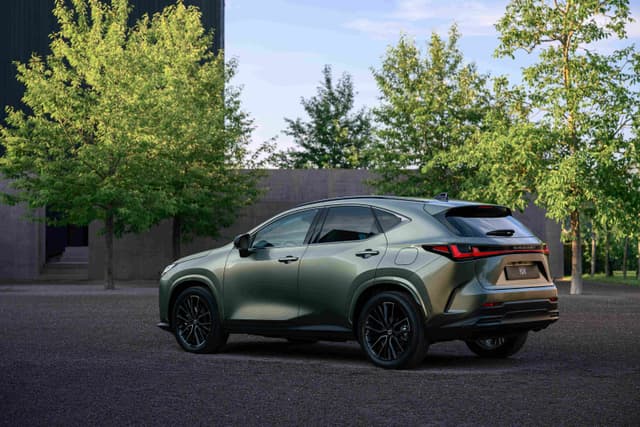
Premium hybrid | Toyota Camry Hybrid, Lexus ES 350h, Lexus NX 350h and Lexus RX 350h. |
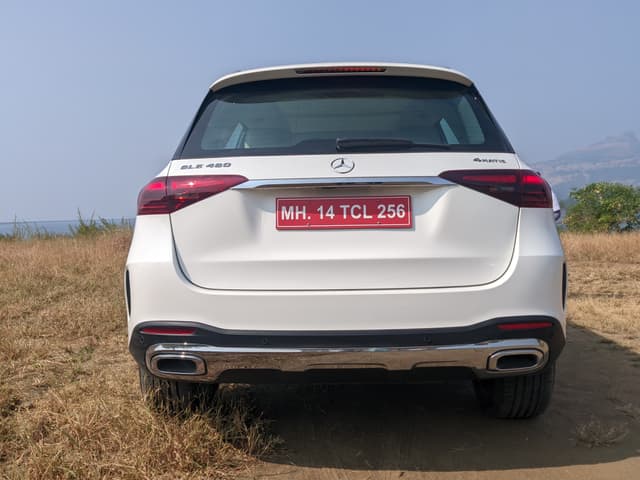
Luxury mild hybrid | Specific mild-hybrid variants of models such as the Mercedes-Benz S-Class and GLS; |
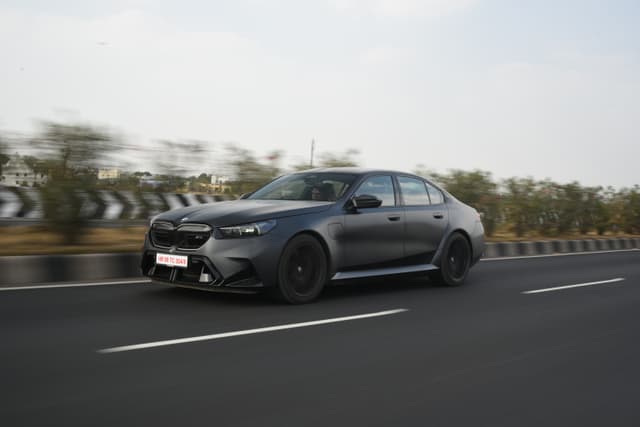
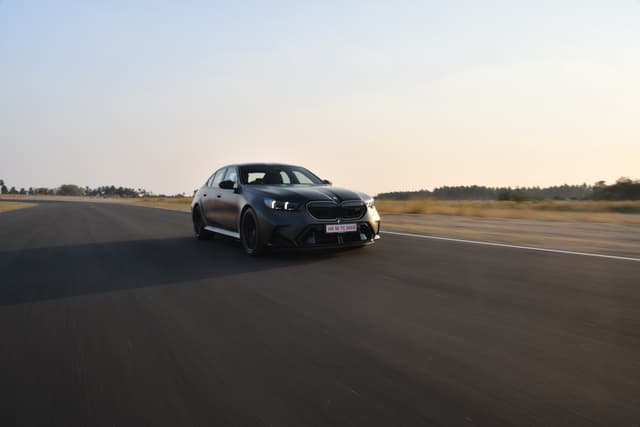
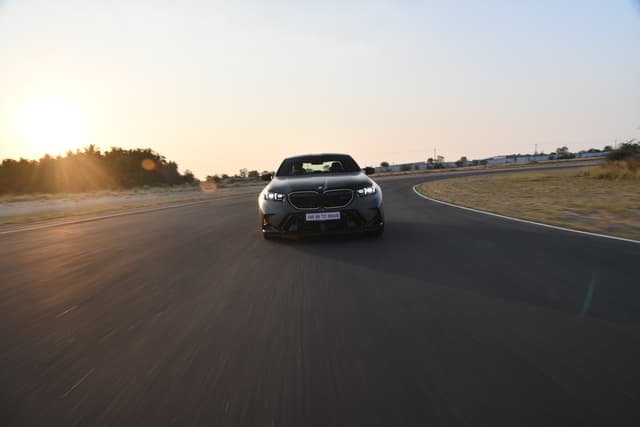
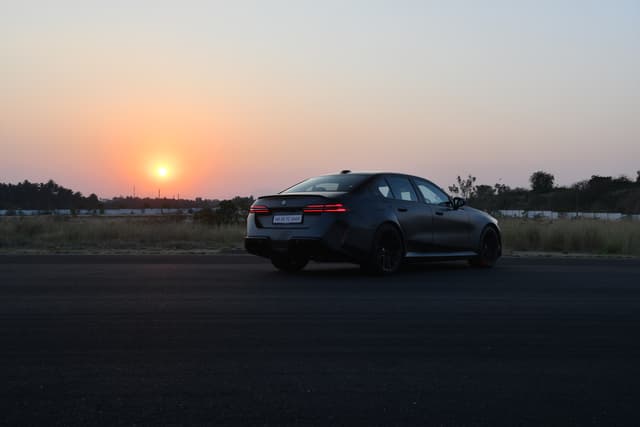
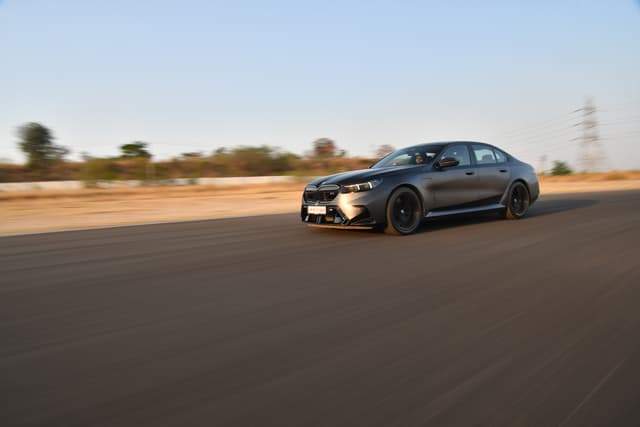
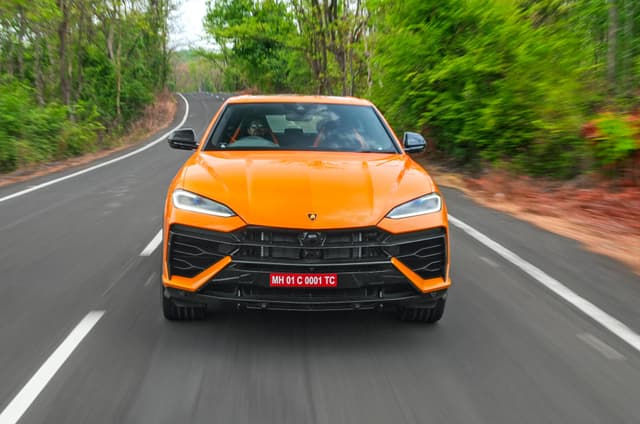
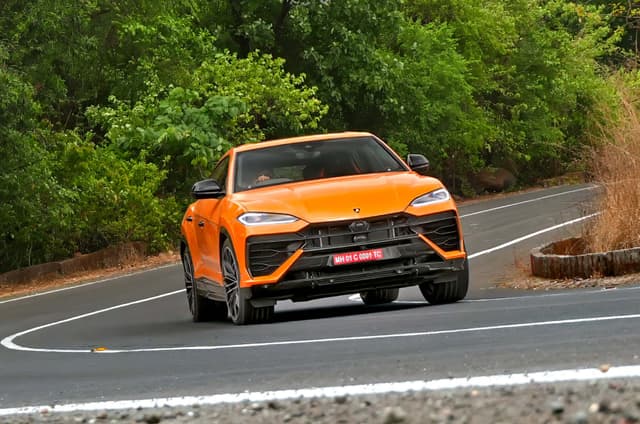
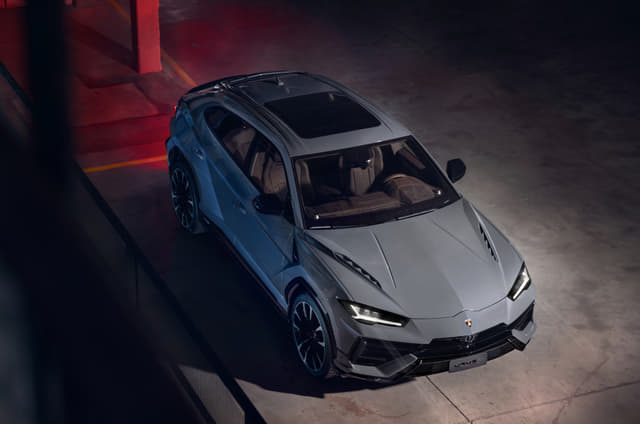
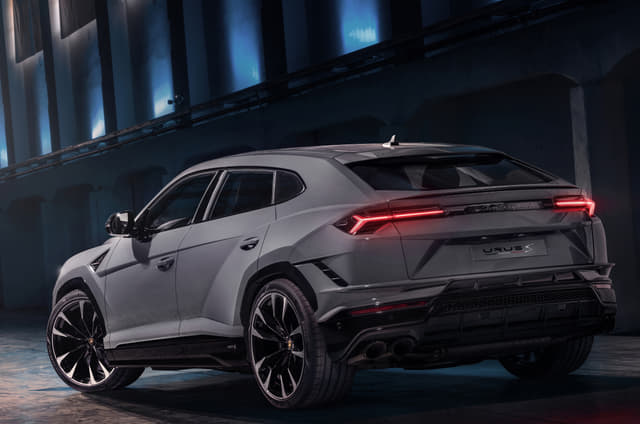
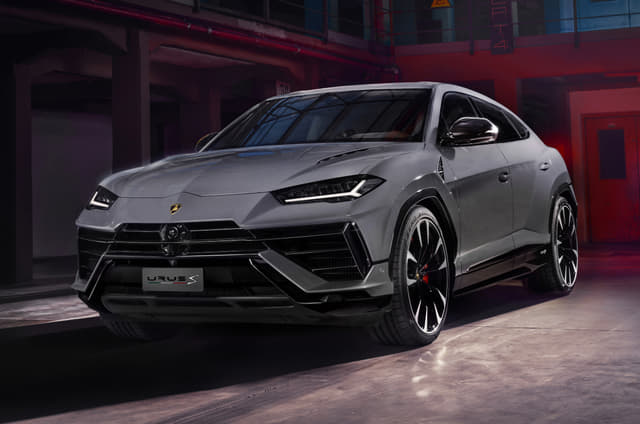
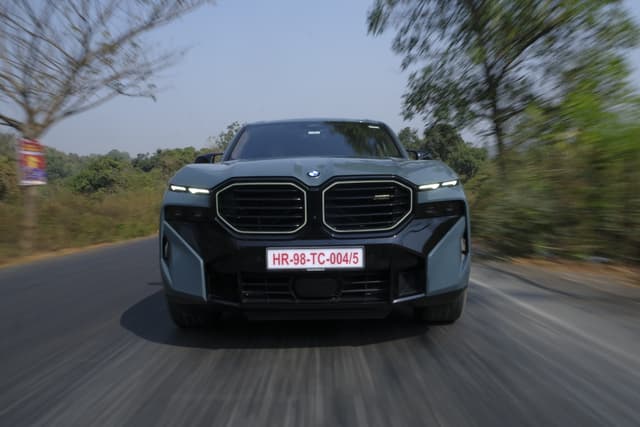
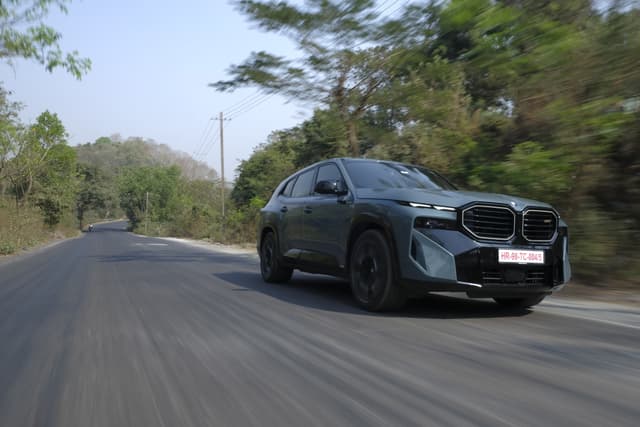
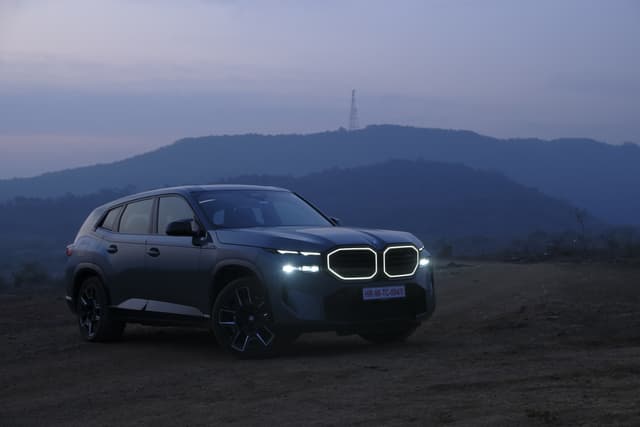
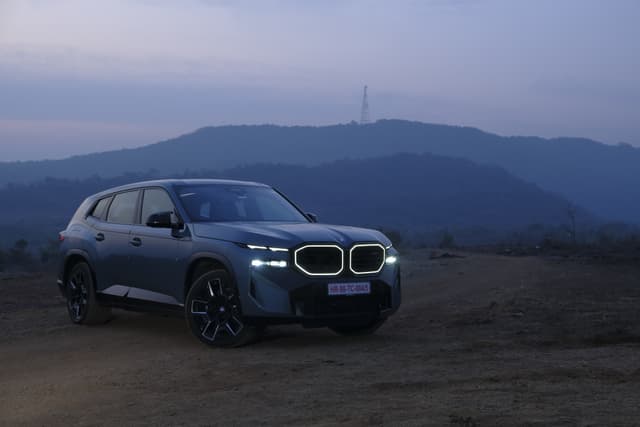
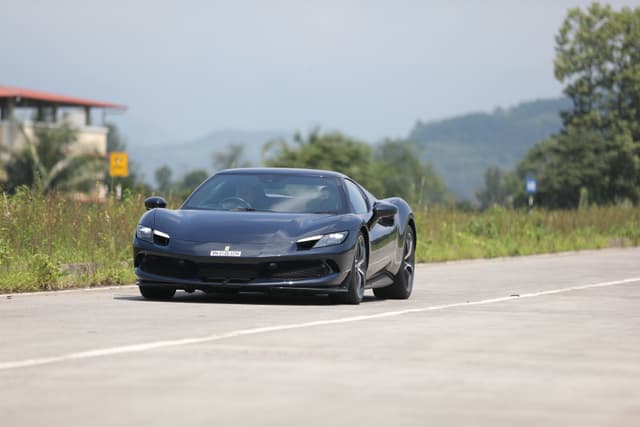
Performance plug-in hybrid | BMW M5 and Lamborghini Urus SE. |
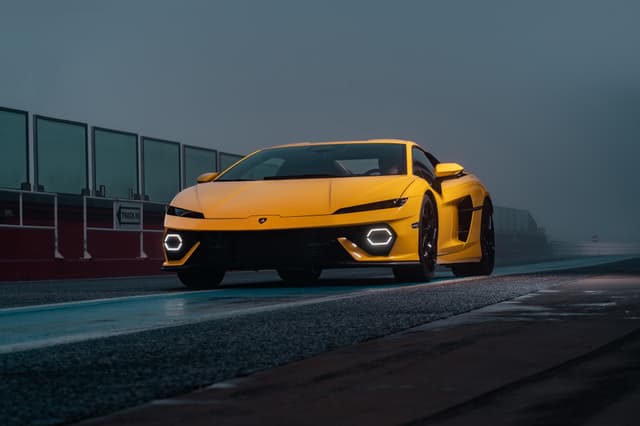
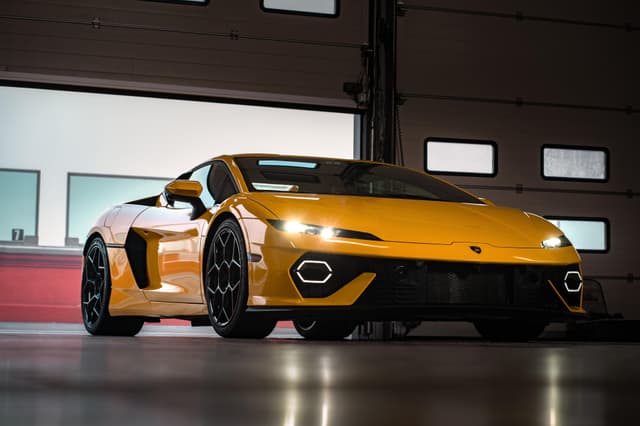
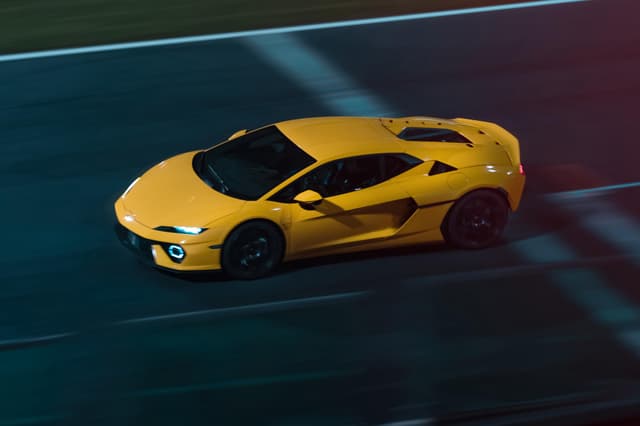
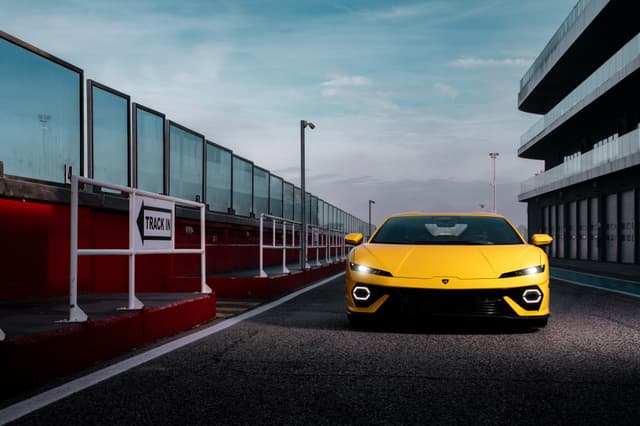
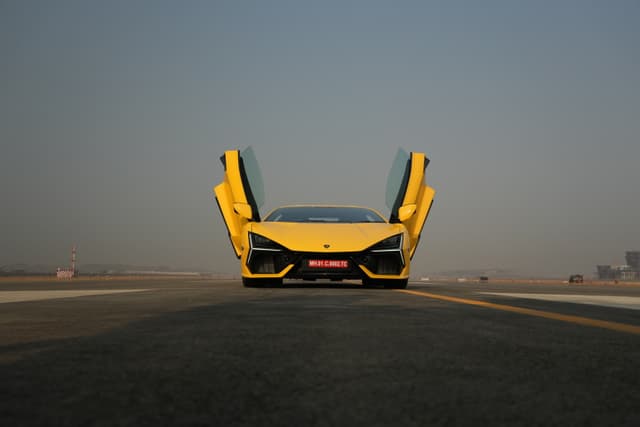
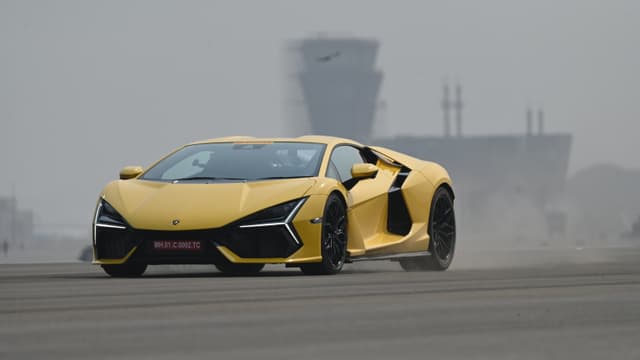
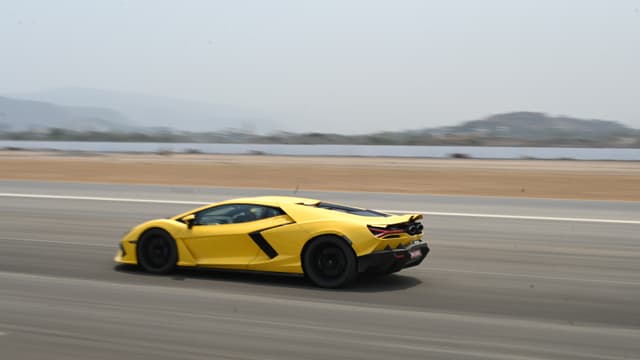
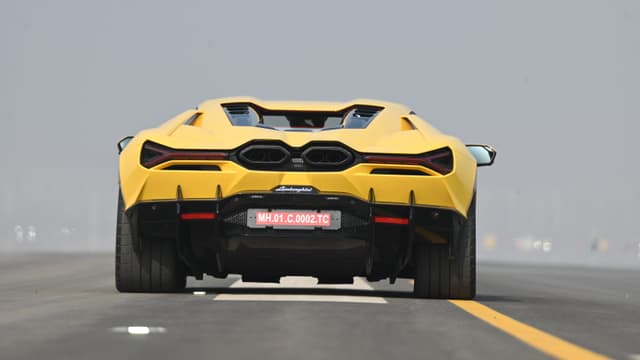
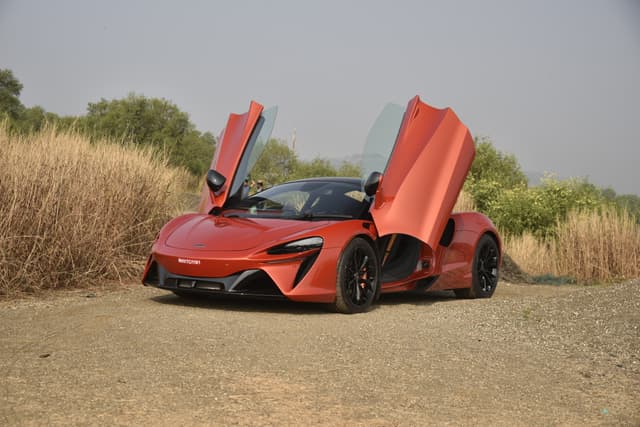
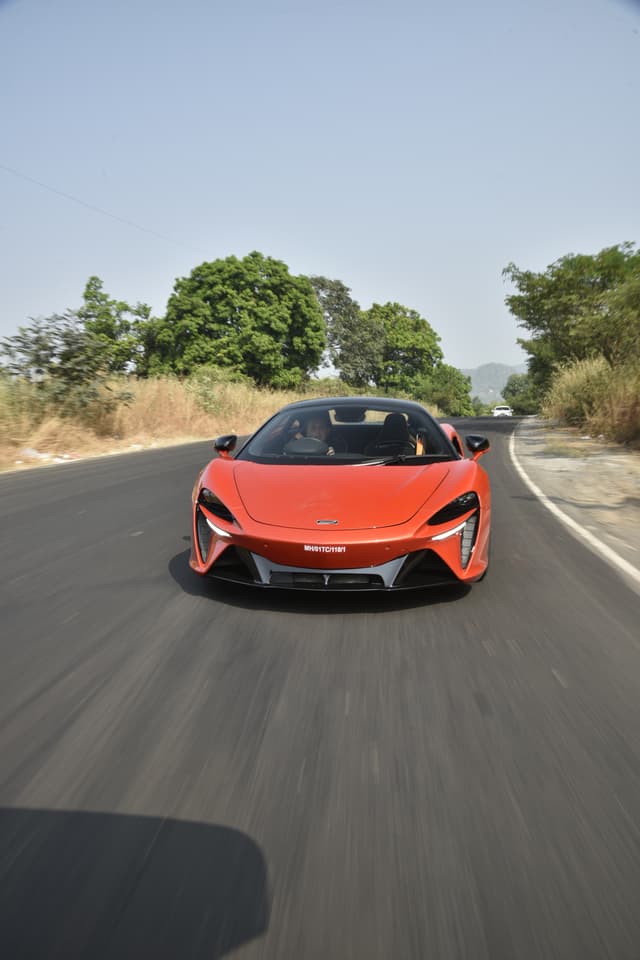
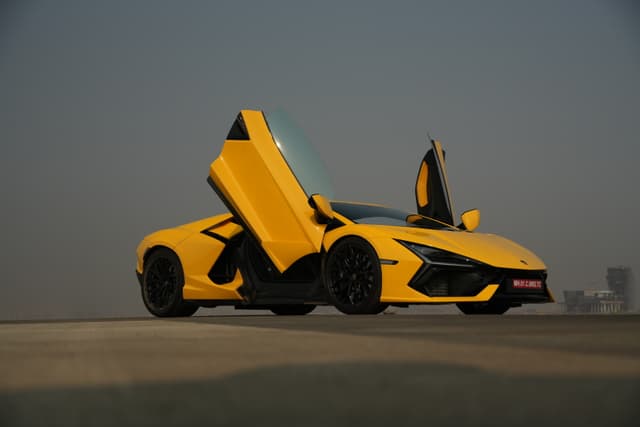
Plug-in hybrid supercar | Lamborghini Revuelto and Lamborghini Temerario. |
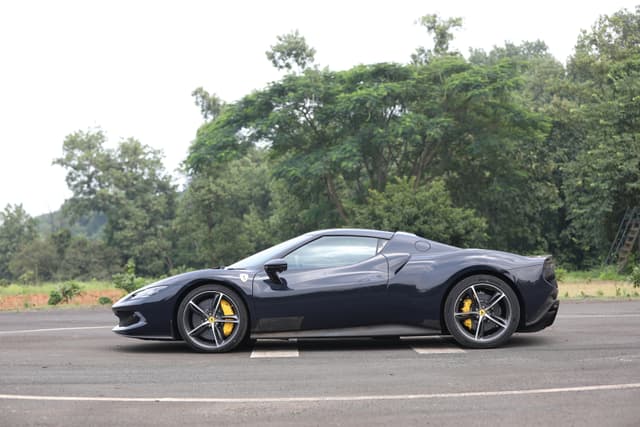
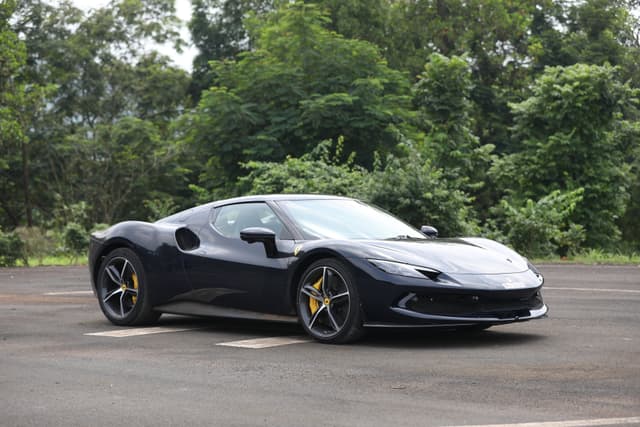
The Maruti Suzuki Grand Vitara is currently the most affordable hybrid car in India, while the Lamborghini Revuelto is the most expensive hybrid car on sale in the country.


Find cars by transmission


Hybrid Cars - FAQs
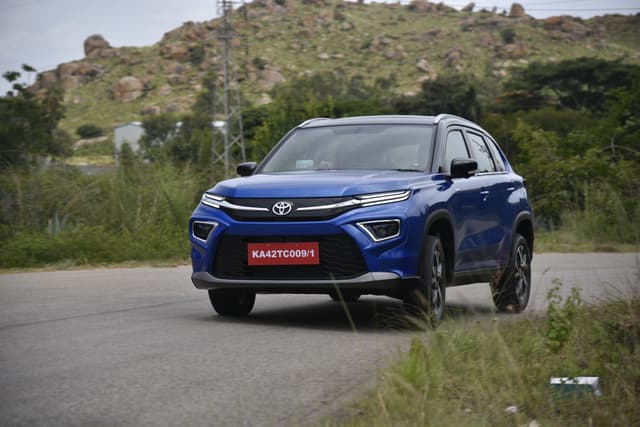
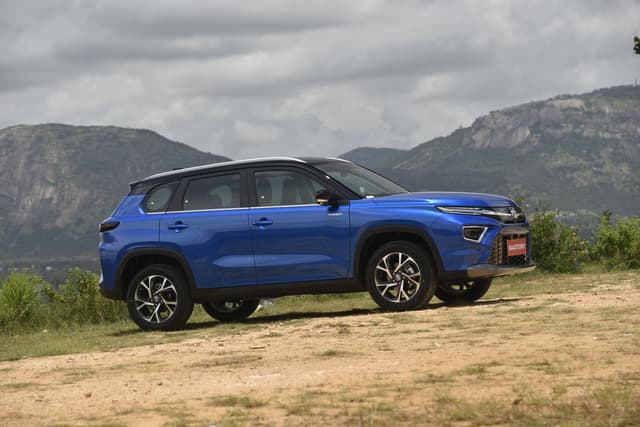
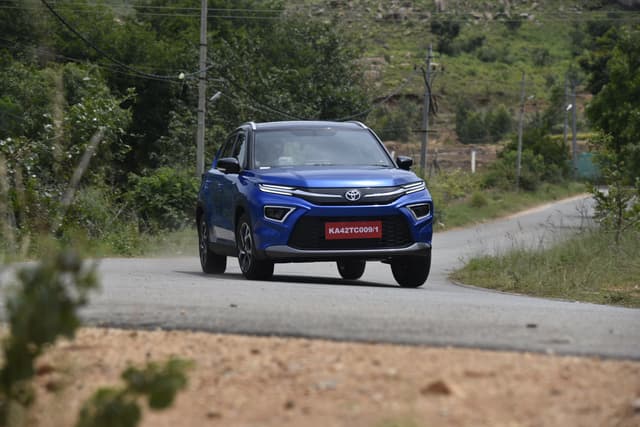
Some of the most popular hybrid cars in India include the Toyota Innova HyCross, Toyota Urban Cruiser Hyryder, Maruti Suzuki Grand Vitara, Honda City e:HEV, Toyota Camry and Maruti Suzuki Invicto.
The Maruti Suzuki Grand Vitara is currently the most affordable hybrid car available in India. It offers strong hybrid technology along with SUV practicality and competitive fuel efficiency.
Strong hybrid cars are particularly well suited to city driving, as they can run on electric power at low speeds and in stop-start traffic, improving fuel efficiency. Models such as the Toyota Urban Cruiser Hyryder, Maruti Suzuki Grand Vitara, Honda City e:HEV and Toyota Innova HyCross are among the most practical options for urban commuting.
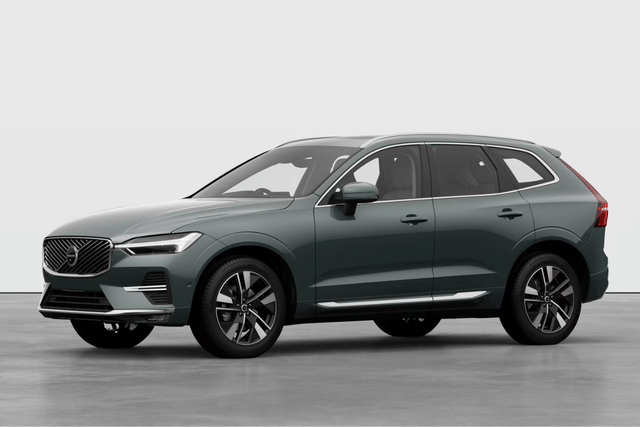
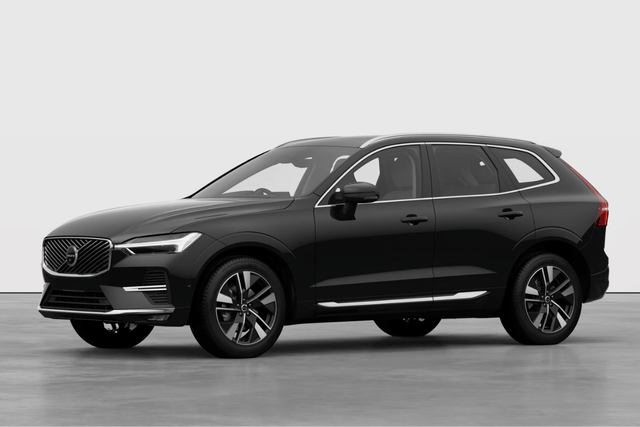
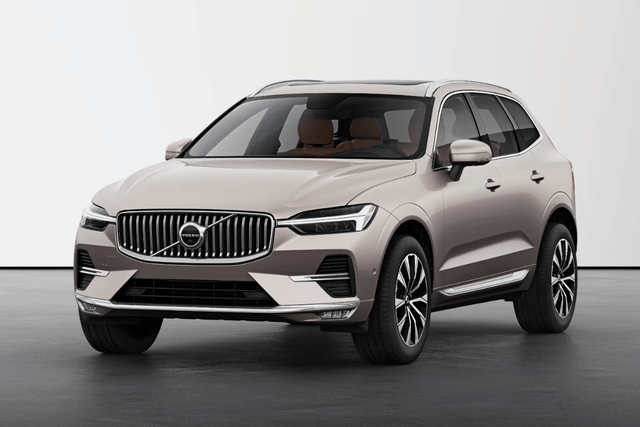
The right hybrid SUV depends on your priorities. The Maruti Suzuki Grand Vitara and Toyota Urban Cruiser Hyryder are popular choices for everyday family use, while buyers looking for a more premium experience can consider models such as the Lexus NX, Volvo XC60 and Lamborghini Urus.
Yes. Hybrid cars are well suited to long-distance journeys as they combine the convenience of a petrol engine with improved fuel efficiency. Unlike electric vehicles, they do not require charging stops, making them a practical choice for buyers who frequently travel on highways.
Trending Questions on Cars - Answered by Autocar Experts
Been driving a Hyryder Hybrid for a few months and city mileage has been the biggest surprise. Highway efficiency isn't dramatically better, but stop-go traffic is where it really shines.
For someone planning to keep the car for a really long time, does a hybrid actually make more sense than a regular petrol? Not talking about just mileage, but curious about maintenance, battery life and resale as well.
There is some confusion and differing opinions about the ideal fuel for the Toyota Hyryder Strong Hybrid, with buyers considering regular 91-octane petrol, Jio-bp petrol or XP95. Which fuel is the most suitable overall for long-term use?
The Toyota Urban Cruiser Hyryder Strong Hybrid is engineered to run on regular 91-octane petrol, and that is exactly what Toyota recommends. The engine is tuned for this fuel, and using higher-octane options like XP95 or premium fuels from Jio BP will not deliver any meaningful performance or efficiency benefit in this car. Higher-octane fuels are designed for high-compression performance engines that can take advantage of the extra knock resistance, which is not the case with the Hyryder's hybrid powertrain.From a long-term ownership perspective, the best approach is to stick to regular 91-octane petrol from a trusted, high-turnover fuel station. That will ensure consistent fuel quality and reliable engine operation. There is no need to spend extra on premium fuels unless you specifically want the additives some of them offer, but even then, the benefits are marginal in a car like this.In summary, use regular 91-octane petrol from a reliable pump and the car will run exactly as Toyota intended.
I am planning to buy the Toyota Innova Hycross GX (Optional) petrol and would like to know its real-world mileage in the city and on the highway. My daily city running is around 15-20km, and I drive approximately 10,000-15,000km a year. I am still confused about whether I should choose the petrol or hybrid version, so I would appreciate some guidance on which would be more suitable for my usage.

With your running of 15-20km a day and 10,000-15,000km a year, the decision between the Toyota Innova Hycross petrol and hybrid comes down to usage pattern and ownership period. The petrol GX Optional is a solid choice, but will only give you 7-9 kpl in the city and 12-13kpl on the highway, depending on traffic and driving style. The hybrid will give you a significant advantage in city mileage, often 16-18kpl or more in traffic, but the difference on the highway is much smaller.The key question is whether the higher upfront cost of the hybrid makes financial sense. At your running, the payback period is not very short, so the hybrid only makes sense if you do a lot of city driving in heavy traffic and plan to keep the car for a long time. If your usage is mixed city and highway and you are looking for a more straightforward ownership experience, the petrol is the better value. The Hycross petrol is a refined, reliable and comfortable MPV, and with your running, it is the more sensible choice.
Hi Autocar Team, I am looking to purchase a hybrid/petrol AMT car/SUV with a budget of Rs 15-21 lakh. My requirements are primarily city usage with monthly long drives, good safety, a spacious rear seat, reasonable boot space, a smooth ride, and good after-sales service support in the Pune region. Kindly suggest a suitable car.
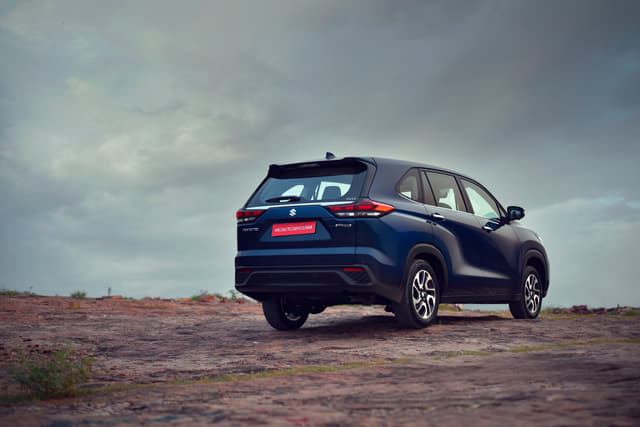
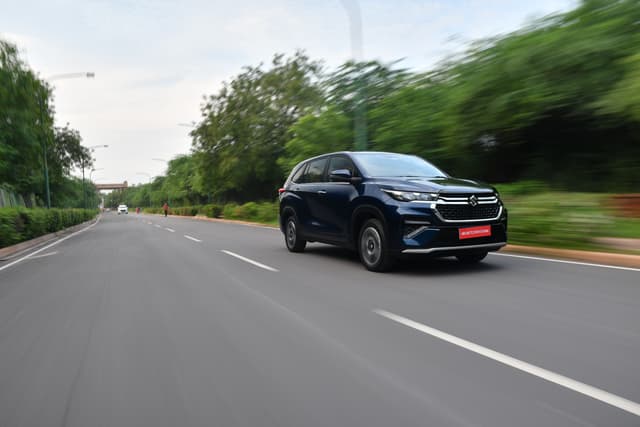
Based on your requirements, the Maruti Suzuki Victoris Hybrid is the most suitable recommendation. It offers a strong hybrid system that delivers excellent fuel efficiency in city driving, a spacious enough rear seat and a reasonably sized boot. The ride quality is comfortable and Maruti's service network in Pune is among the best in the country. The hybrid system also makes a meaningful difference on long drives, where the petrol engine and electric motor work together to deliver smooth and efficient performance. This Maruti Suzuki car is essentially the same car as the Grand Vitara and Toyota Urban Cruiser Hyryder underneath, but it gets a more premium interior and a better feature list, including Level 2 ADAS at a similar price point. If you are open to a non-hybrid option, the Honda Elevate is also worth considering. It offers a spacious cabin, a comfortable ride and Honda's reputation for reliability, but it does not offer the same fuel efficiency advantage as the Victoris Hybrid. Overall, the Victoris Hybrid is the best fit for your requirements and budget.
Last Updated on: 22 Sept 2026