autocar-logo
Delhi
Skoda

Skoda cars in India (9)

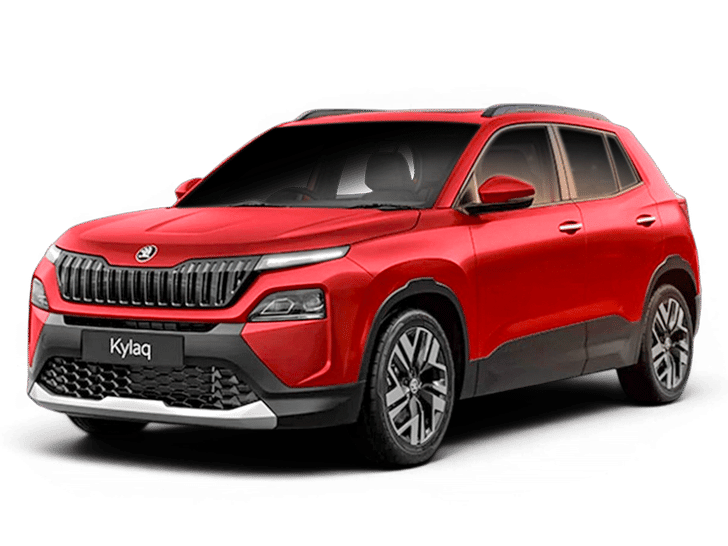
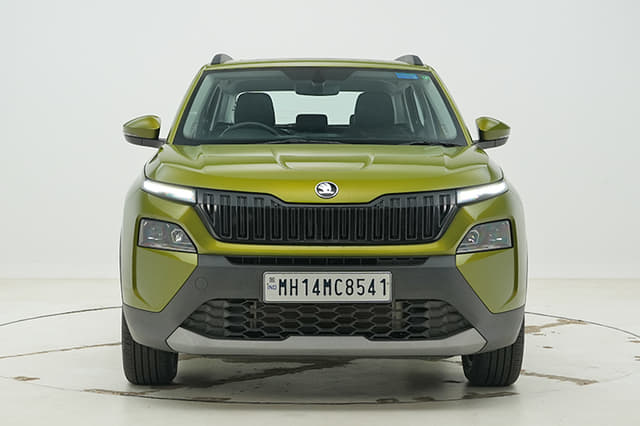
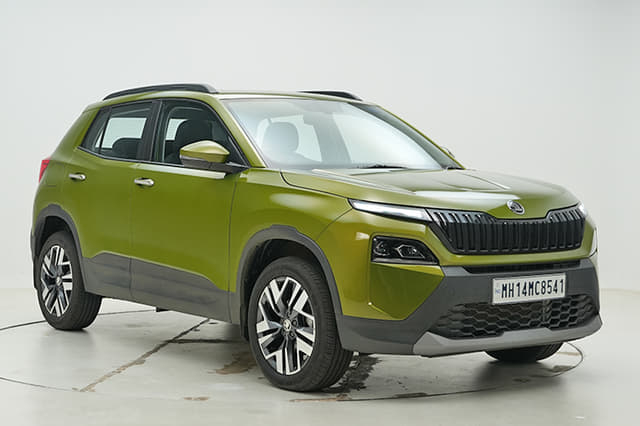
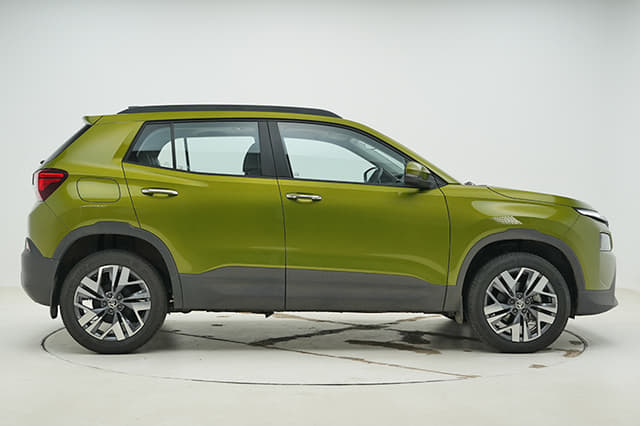
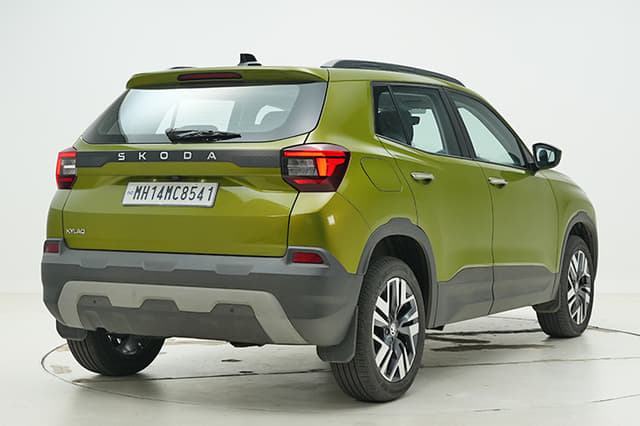
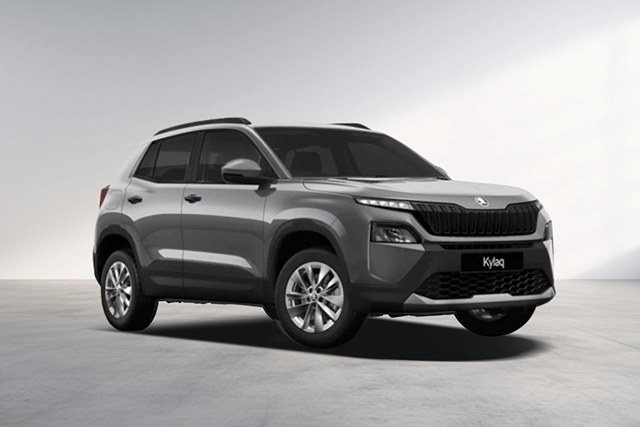
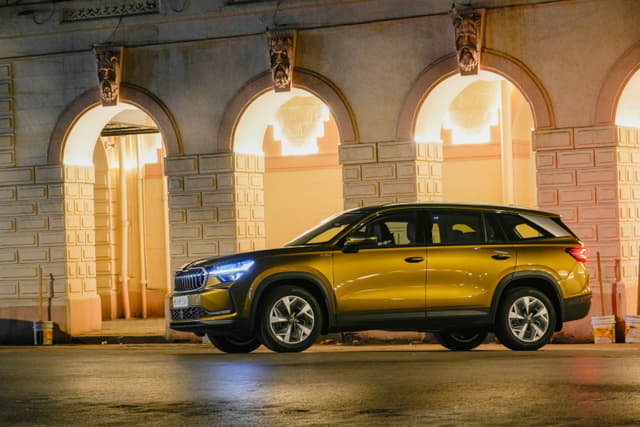
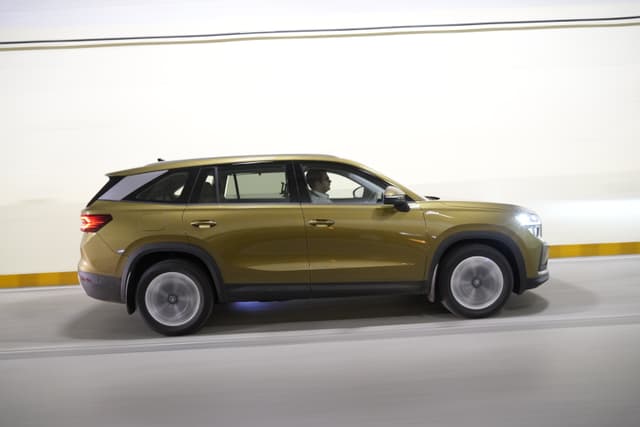
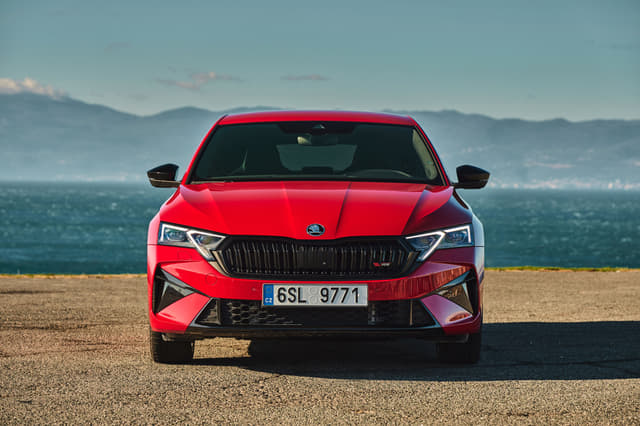
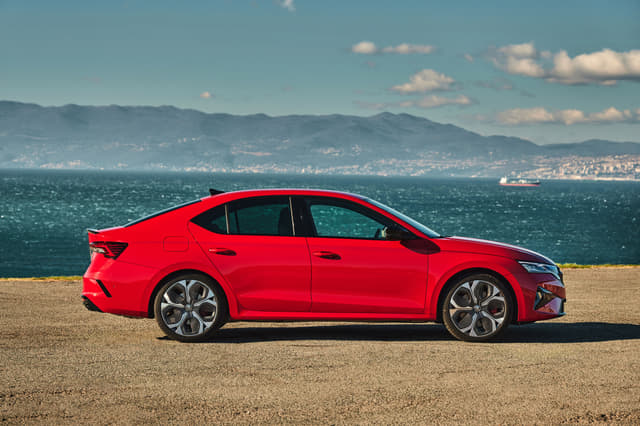
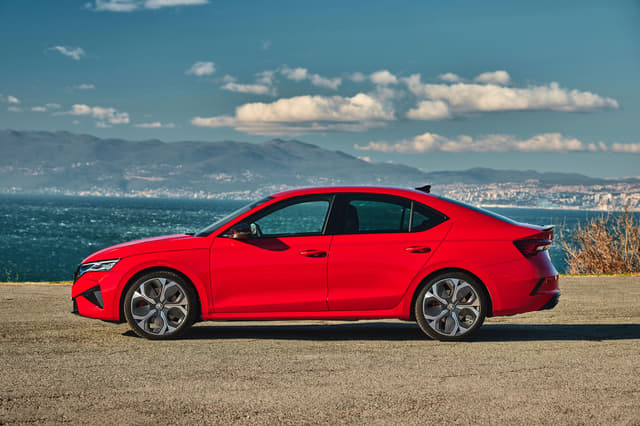
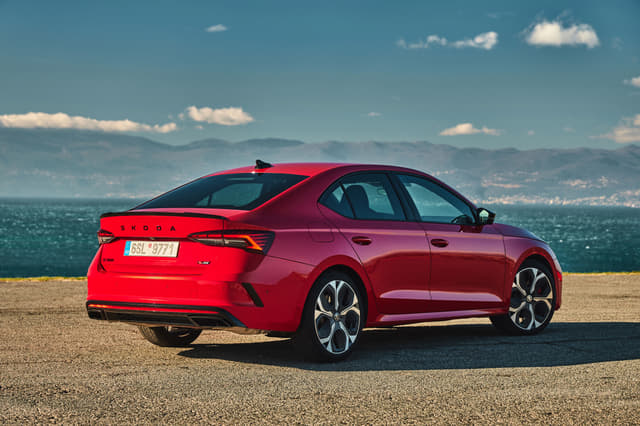
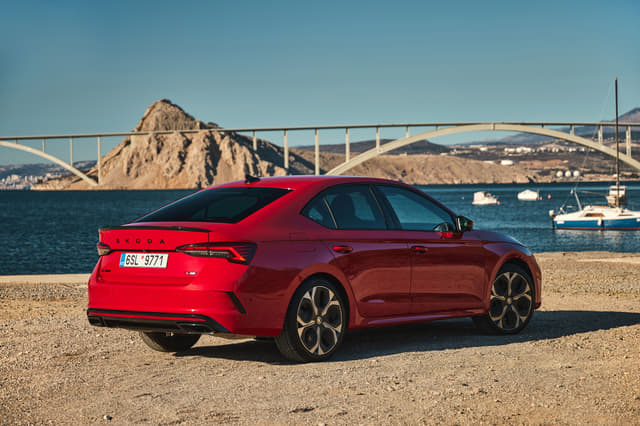
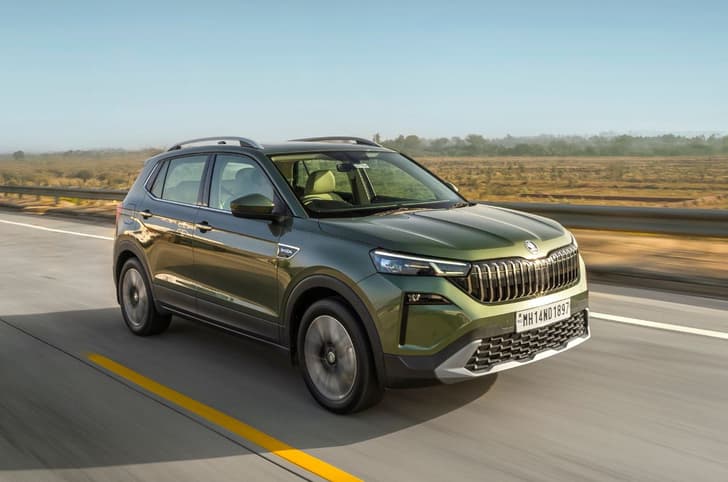
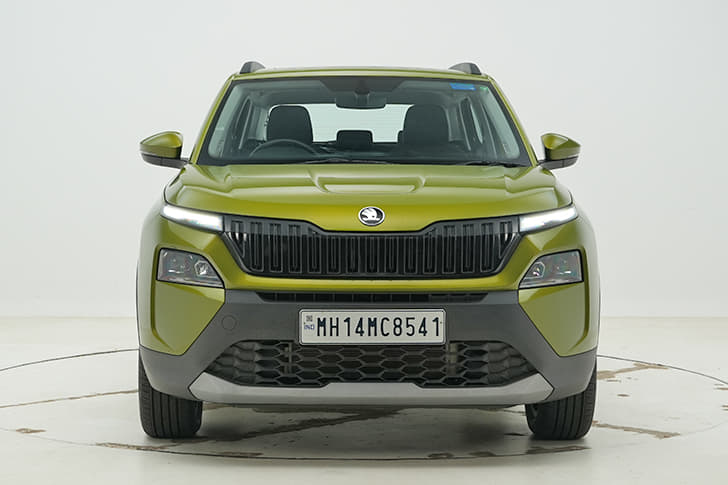
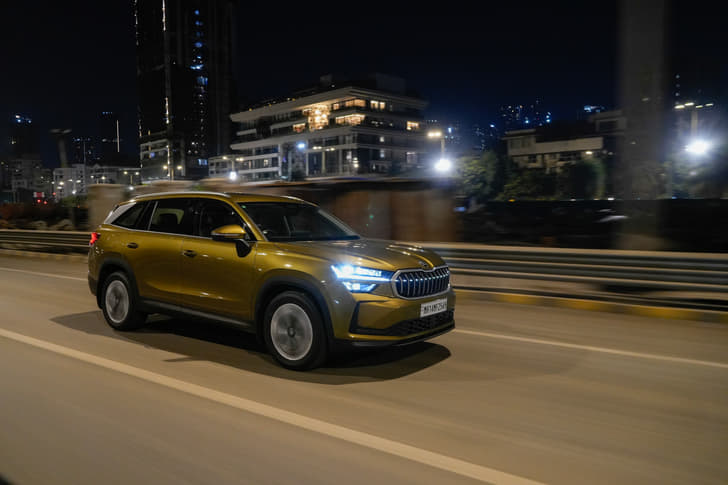
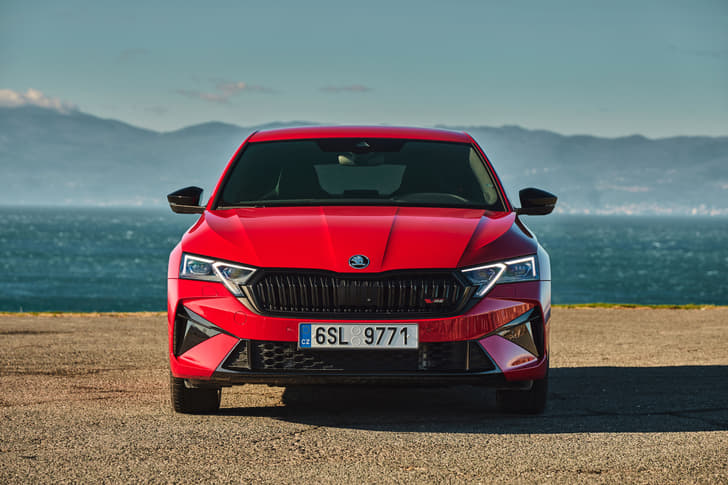
The Skoda car price starts at ₹7.59 lakh and goes up to ₹49.99 lakh. As of March 2026, the Skoda cheapest car is the  Kylaq, while the Octavia RS is the costliest. Currently, there are 9 Skoda cars in India, out of which 5 are on sale, and 4 are upcoming. Skoda cars currently available for sale in India are: Kylaq, Kodiaq Kushaq, Octavia RS, and  Slavia.


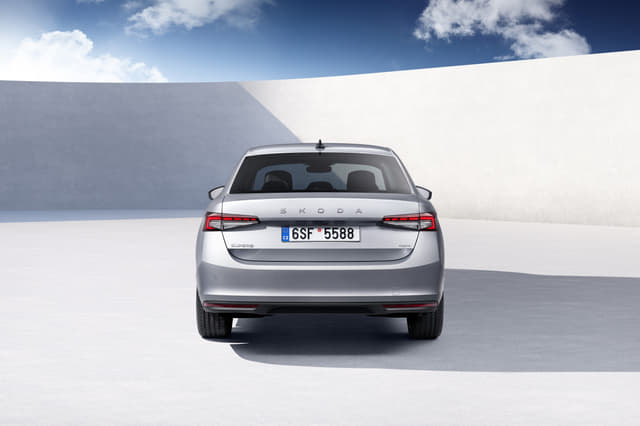
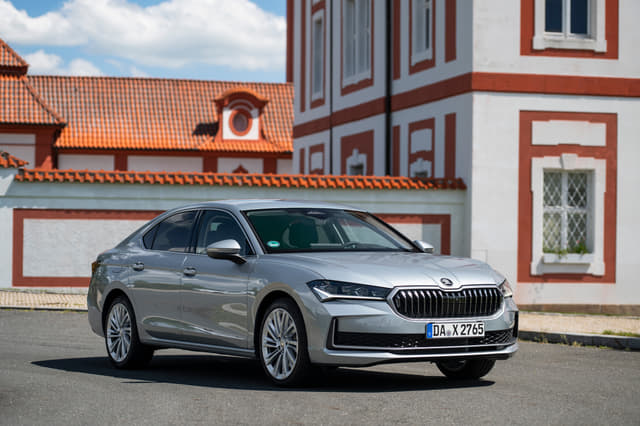
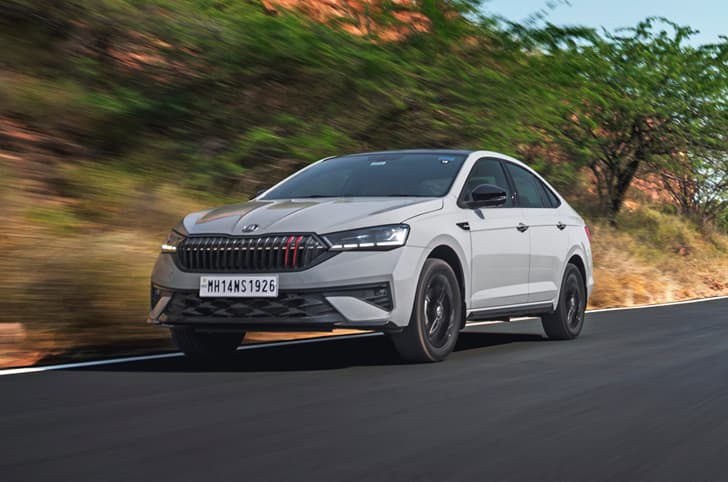
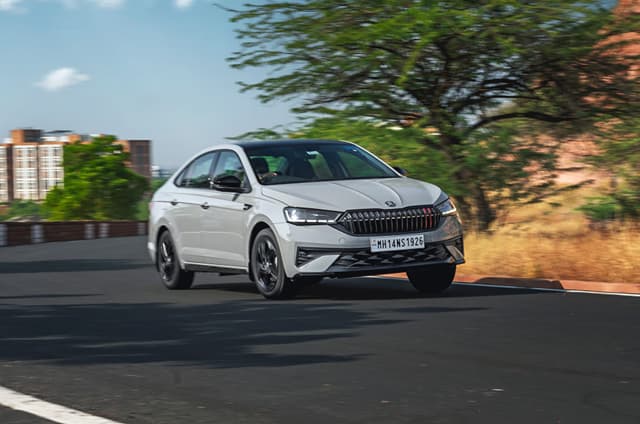
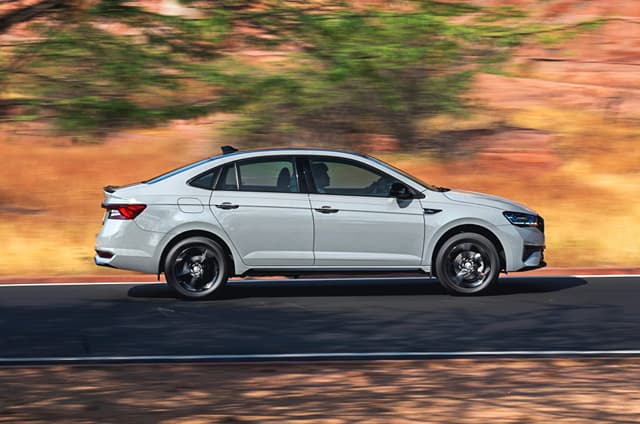
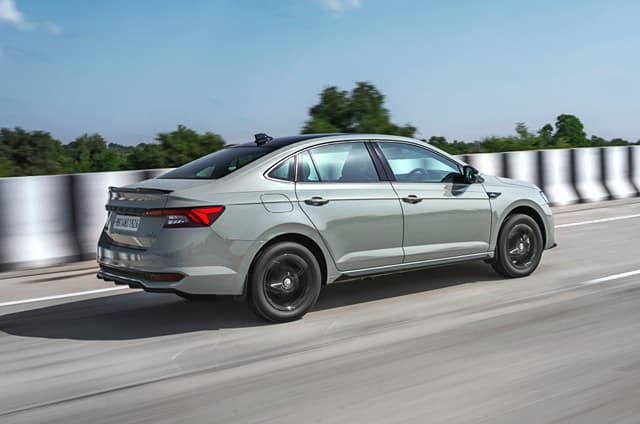
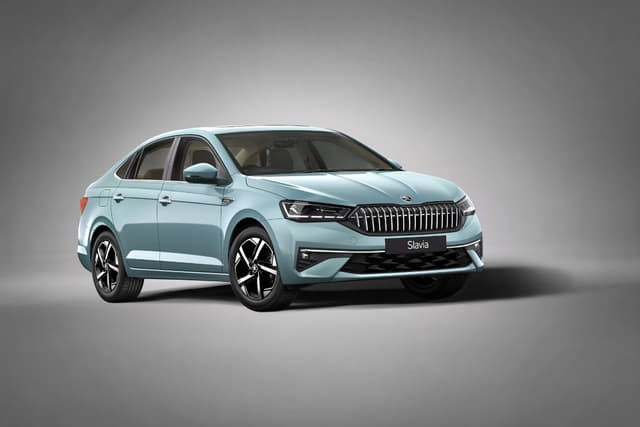
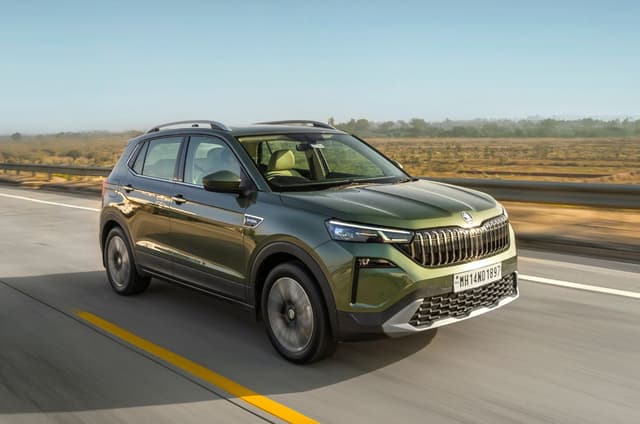
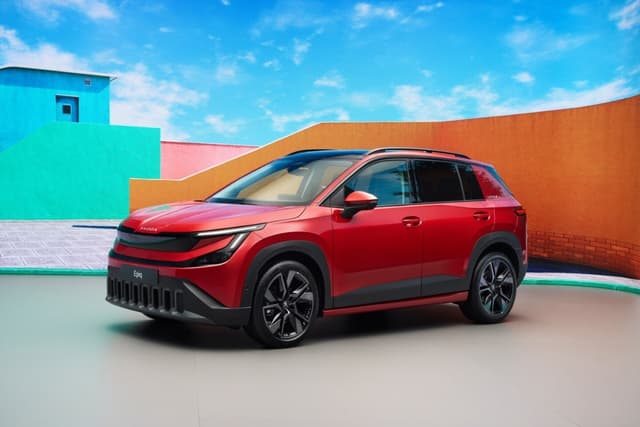
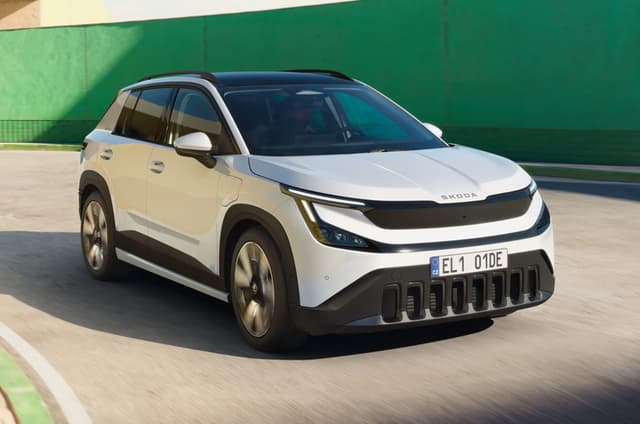
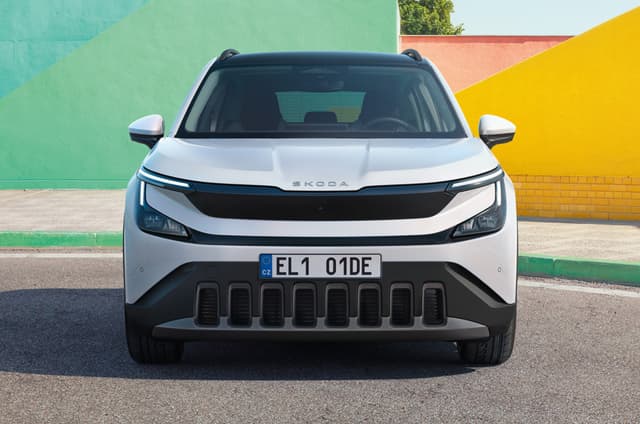
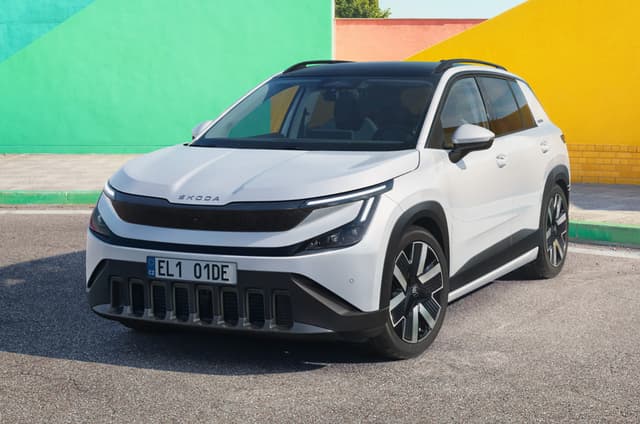
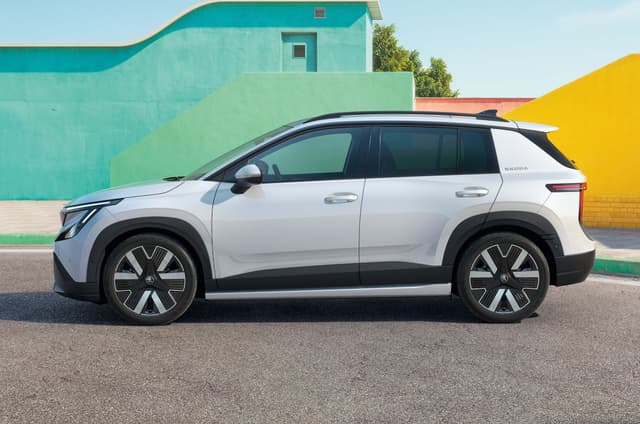
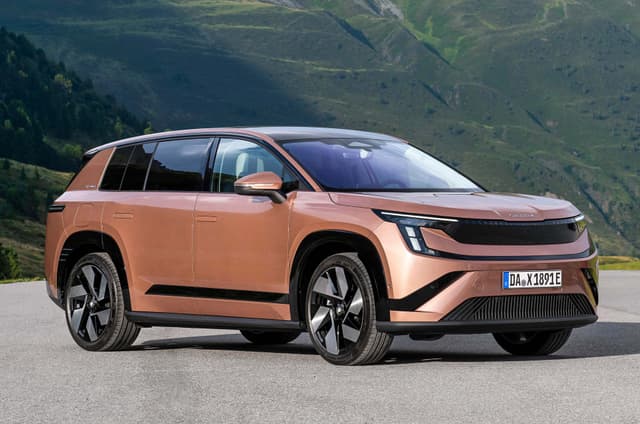
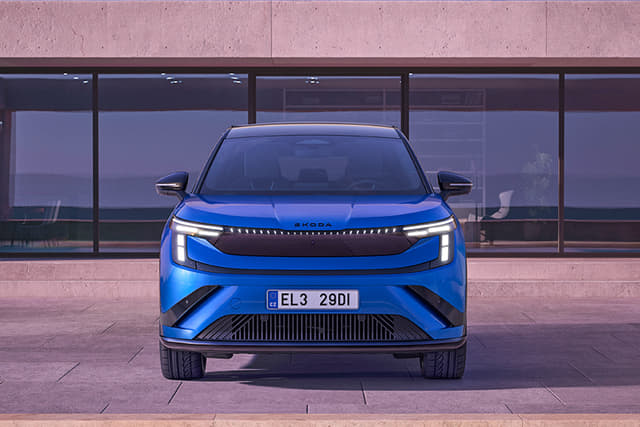
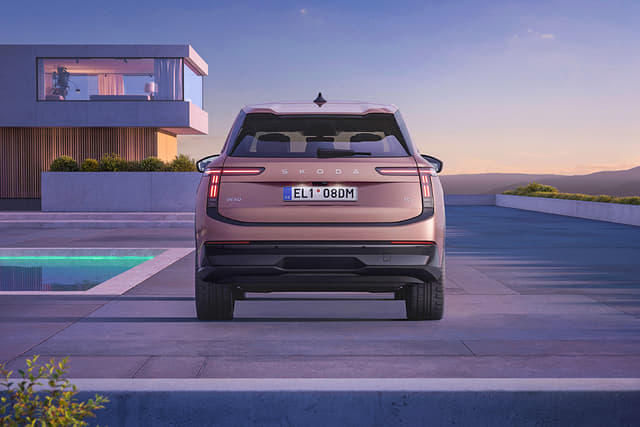
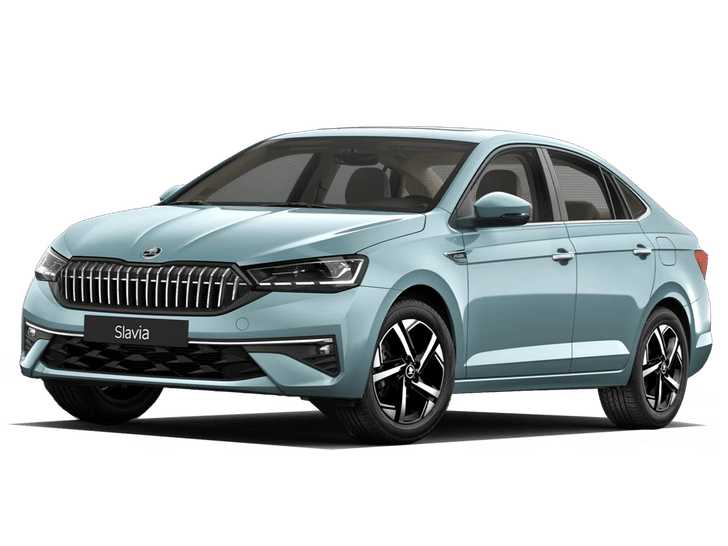
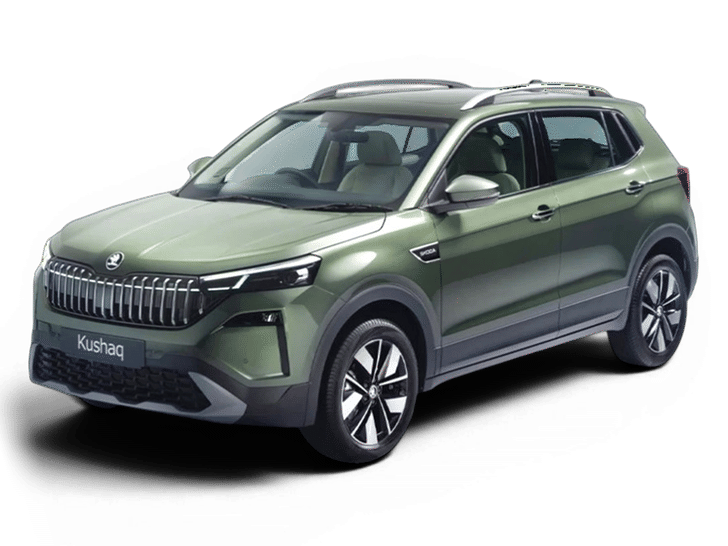
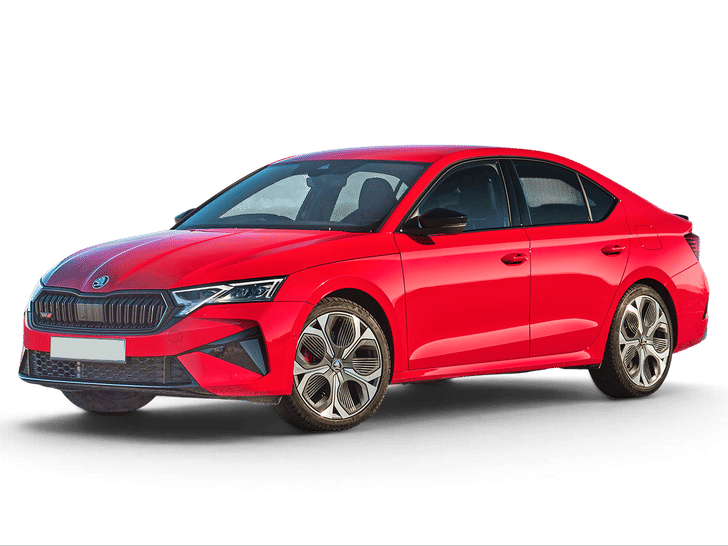
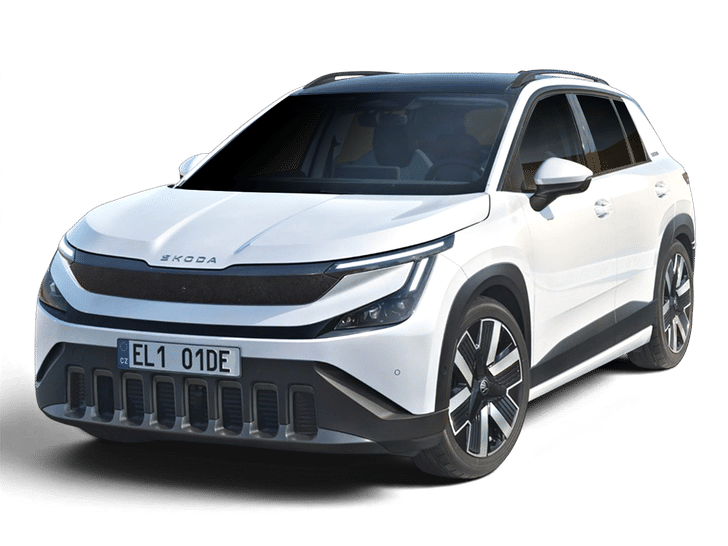
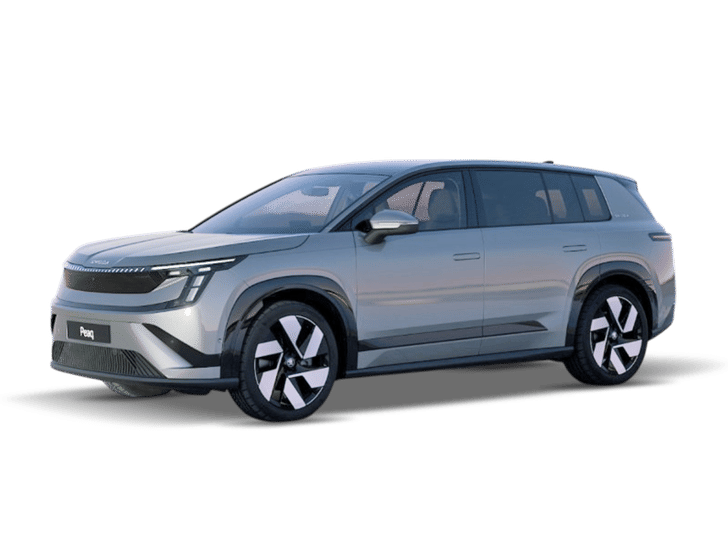
The Slavia and Octavia RS are the only Skoda sedan cars on sale in India. The Skoda SUV cars list includes Kodiaq, Kushaq, and Kylaq. Skoda’s upcoming car launches include the Superb, Kodiaq RS, Peaq and the Kushaq facelift, all expected to arrive in 2026.

Skoda Car Price List (March 2026)

The Skoda car price in India starts at 7.59 lakh for the Kylaq and goes up to ₹49.99 lakh for the Octavia RS. View the latest Skoda car prices in India available for sale in the table below:


Skoda Car

Price (Ex-showroom)

Skoda Kylaq

₹7.59 lakh - ₹12.99 lakh

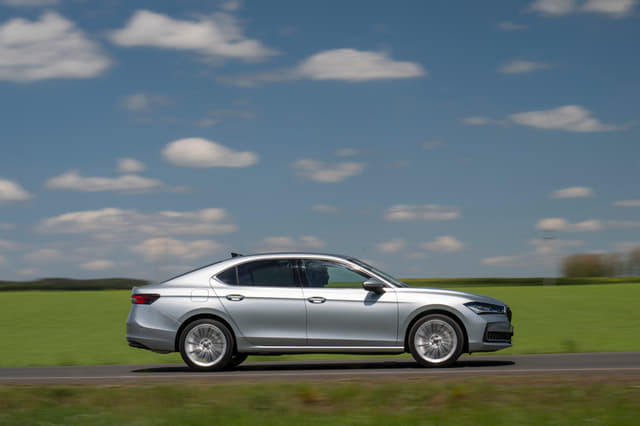
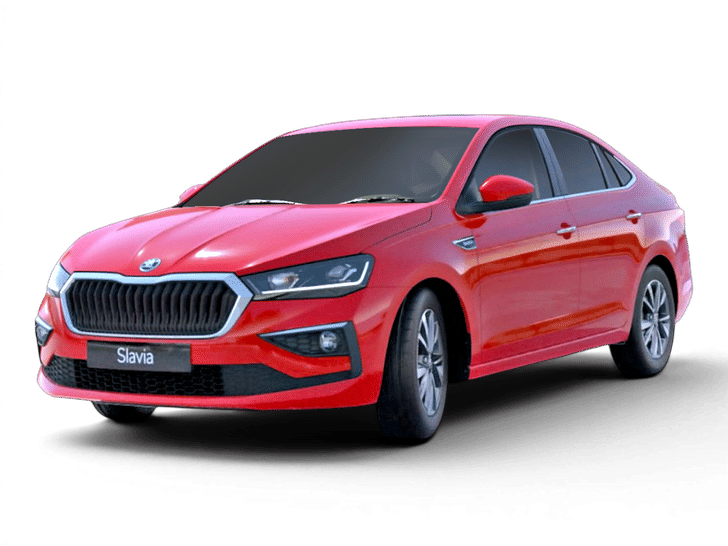
Skoda Slavia

₹10.00 lakh - ₹17.99 lakh

Skoda Kushaq

₹10.66 lakh - ₹18.49 lakh

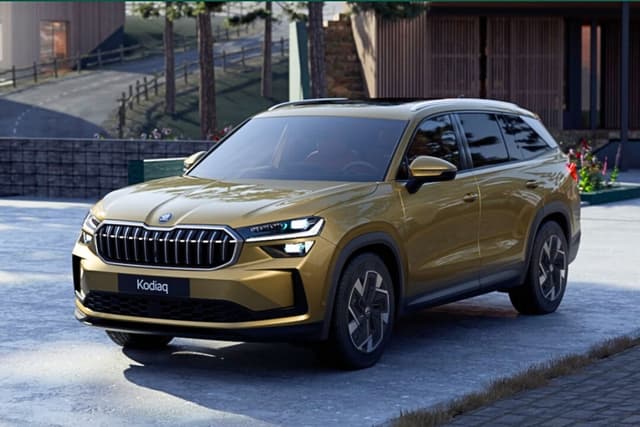
Skoda Kodiaq

₹39.99 lakh - ₹45.96 lakh

Skoda Octavia RS

₹49.99 lakh

Skoda Upcoming Cars

There are 4 upcoming Skoda cars scheduled to launch in India:


  • Skoda Kushaq facelift
    • Estimated price: ₹10.95 lakh - ₹18.79 lakh
    • Expected Launch Date: March 2026
    • Fuel Type: Petrol
    • Body Type: SUV


  • Skoda Kodiaq RS
    • Estimated price: ₹50.00 lakh
    • Expected Launch Date: June 2026
    • Fuel Type: Petrol
    • Body Type: SUV


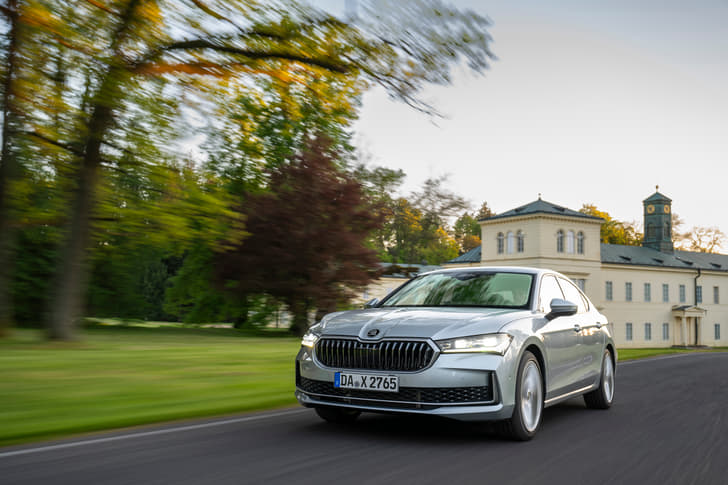
  • Skoda Superb
    • Estimated price: ₹50.00 lakh - ₹55.00 lakh
    • Expected Launch Date: 2026
    • Fuel Type: Petrol
    • Body Type: Sedan 


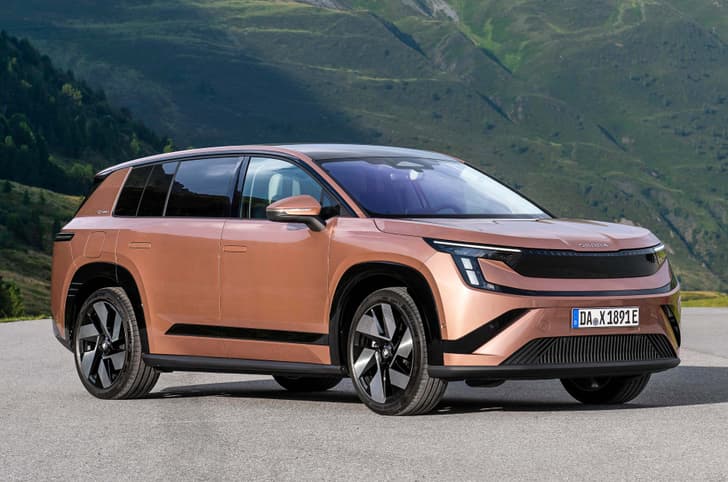
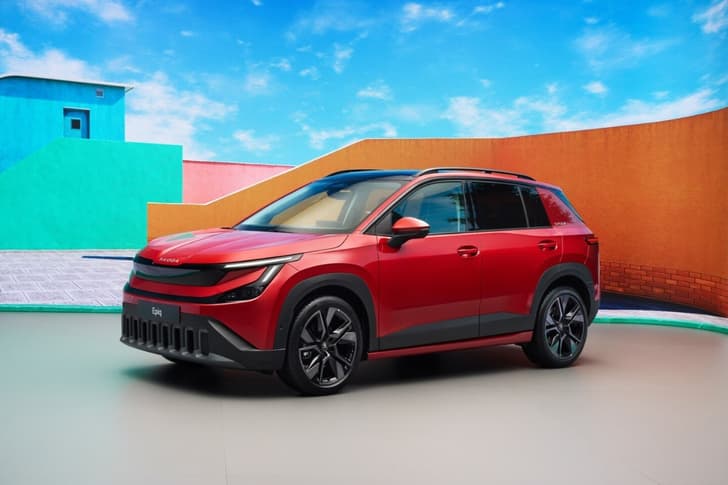
  • Skoda Peaq
    • Estimated price: ₹1.00 crore - ₹1.20 crore
    • Expected Launch Date: 2027
    • Fuel Type: Electric
    • Body Type: SUV

Skoda Cars - Latest Updates


  • 6 January 2026: Skoda hikes prices of Kylaq, Kushaq and Slavia by up to ₹34,000
  • 5 December 2025: Skoda Kushaq facelift, rival to Creta and Seltos, likely to launch in January 2026.
  • 17 October 2025: The new Skoda Octavia RS launched in India at ₹49.99 lakh (Ex-Showroom).
  • 14 July 2025: Skoda reaches a new milestone with 300 customer touchpoints across 170+ cities.
  • 28 April 2025: The brand launched the Skoda Superstars campaign.
  • 17 April 2025: The second-generation Skoda Kodiaq 4x4 SUV debuts in India. Deliveries will start from May 2.
  • 1 April 2025: Skoda Auto celebrates its 25th anniversary in India by achieving its highest-ever monthly sales.
Show more
Can't decide which car to buy?
Ask our experts and get answers to all your cars related queries.

FAQs

The Skoda car price in India starts at ₹7.59 lakh for the Kylaq and goes up to ₹49.99 lakh for the Octavia RS (ex-showroom).

The Skoda Kodiaq is the only Skoda 7 seater car on sale in India. It is priced between ₹39.99 lakh - ₹45.96 lakh (ex-showroom), depending on the variant.

Yes. The only Skoda car under 10 lakh in India is the Kylaq. The Skoda Kylaq price starts at ₹7.59 lakh, ex-showroom.

The Skoda Slavia and Octavia RS are the only sedans on sale in India. The upcoming Skoda sedan car includes the new Superb.

No. Presently, there are no Skoda diesel cars on sale in India. The Skoda India lineup consists of petrol engine options.

The cheapest Skoda car is the Kylaq, with a price starting at ₹7.59 lakh (ex-showroom).

Yes. The Kylaq, Slavia, and Kushaq fall under the ₹20 lakh category.

The Octavia RS 2.0 TSI is the most expensive Skoda car, priced at ₹49.99 lakh (ex-showroom).

Currently, there are 3 SUV cars available for sale in India. The Skoda SUV cars list includes the Kylaq, Kushaq, and Kodiaq.

There are nine Skoda car models in India. Five are currently on sale (Kylaq, Slavia, Kushaq, Kodiaq, Octavia RS), and 4 are upcoming (Superb, Kodiaq RS, Peaq, and Kushaq facelift). 

The Octavia RS is Skoda's most expensive car, priced at ₹49.99 lakh (ex-showroom). 

Skoda's new car launch includes the Superb, Kodiaq RS, Peaq, and Kushaq facelift. All are expected to launch in 2026, except Peaq. It is expected to launch in 2027. 

Need an expert opinion on your car related queries?

Trending Questions on Skoda Cars - Answered by Autocar Experts

S
Asked by: Sourabhon Feb 27, 2026

I am confused between the Volkswagen Kushaq and the Kia Seltos. Space is not a concern for me. Please advise which car is a better choice.

The Skoda Kushaq and Kia Seltos are mid-sized SUVs, but take very different approaches.

The Skoda Kushaq is more driver-oriented. It's got punchy turbo-petrol engines, and the performance is backed by fun handling. On the flipside, the Kushaq isn't as roomy as some rivals and misses some equipment too. 

The Kia Seltos scores for space, comfort and wow features. It's got pleasant engines, but the driving experience isn't as engaging. 

In essence, the Kushaq is the more entertaining package for keen drivers, while the Kia Seltos is the better-rounded product that will appeal to the entire family. 

A
Asked by: Azharon Feb 27, 2026

I want to buy a car with a budget of ₹16-18 lakh ex-showroom under my employer’s car lease policy. My usage is very light, around 1000 km per month. I currently have a Swift VXi on which I’ve done 30,000 km in 4 years. The car is used mostly in the city with occasional highway trips. I want a petrol manual with a good driving experience like my Swift. I am confused between Kia Seltos, Toyota Hyryder, Skoda Kushaq, and Honda Elevate. Should I consider extending my budget for an XUV 7XO AX7 or should I wait for the Hyundai Creta update (I like the Dark Edition)? Please suggest the most valuable car in this budget with its recommended variant.

If the driving experience is the top priority, the Skoda Kushaq will be the right pick for you. It's got punchy turbo-petrol engines, and handling is very enjoyable. The updated Kushaq launches next month and packs in a few more features, and also stronger air conditioning. While Skoda has not announced prices as yet, you should get a fully-loaded 1.0 TSI with a manual gearbox within your budget. 

Of the other options, the Honda Elevate is also worth considering. Engine performance and handling are good, but refinement isn't great for this segment. 

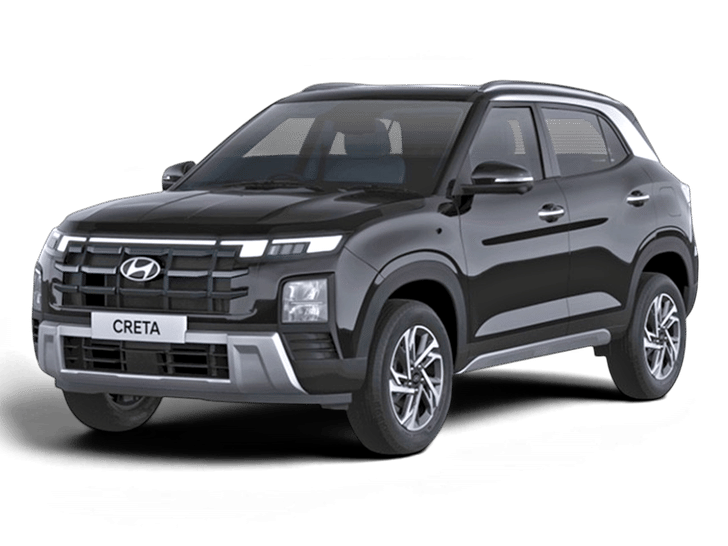
The Mahindra XUV 7XO AX7 is great, but it might be too large for your requirements. Also, fuel economy is lower than the alternatives on your list. The Hyundai Creta is a practical pick, and the 1.5 petrol engine and manual gearbox are easygoing, but unexciting. 

M
Asked by: Mohammed Sirajuddinon Feb 27, 2026

I am an NRI based in Dubai, looking to purchase an automatic SUV for my home in Kasaragod, Kerala. I will be using when I visit couple of times in a year and the car will be primarily used by my sister for local shopping and local commutes, but will also remain idle sometimes. Between the Skoda Kylaq Prestige Plus (1.0 TSI with 6-speed Torque Converter) and the Hyundai Venue HX8 (1.0 Turbo with 7-speed DCT), which powertrain is more mechanically durable for a 10-year ownership cycle? Is buying new punch ev also makes sense? I’m open to other suggestions as well.

All modern cars today, if maintained well, are engineered to last 10 years or more. Over that period, you should budget for both scheduled services and some wear-and-tear replacements. Given your usage pattern with limited annual running and long idle periods, the way the powertrain behaves when used sparingly becomes more important. Since most of your trips are short and local in Kasaragod, outright performance is less critical than smooth and reliable operation.

Between the Skoda Kylaq Prestige Plus (1.0 TSI with 6-speed torque converter) and the Hyundai Venue HX8 (1.0 Turbo with 7-speed DCT), both should serve you well if maintained properly. However, purely from a mechanical durability standpoint, a conventional torque converter automatic, like the one in the Kylaq, is generally more tolerant of stop-go driving and long-term ownership than a dual-clutch transmission (DCT).

DCTs offer quicker shifts and better efficiency, but they are more complex and can be sensitive to heat and crawling traffic. This is something your sister is likely to encounter in town driving. Over a 10-year horizon, especially with intermittent usage and possible long idle periods, the simpler torque converter setup is typically the safer bet.

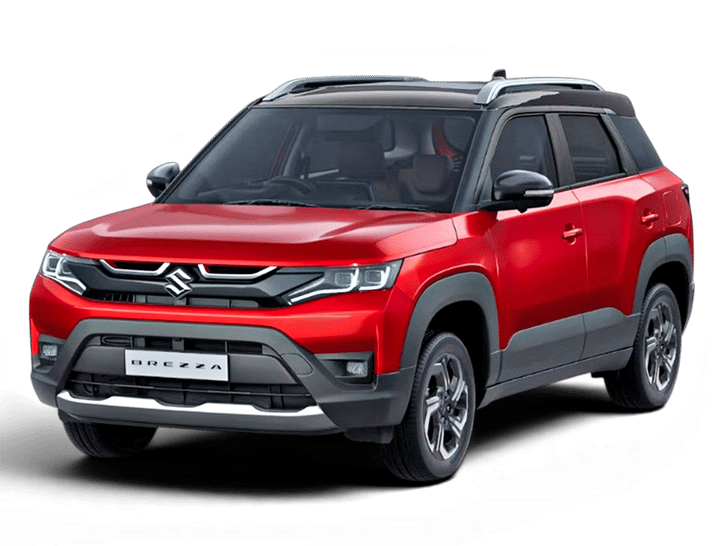
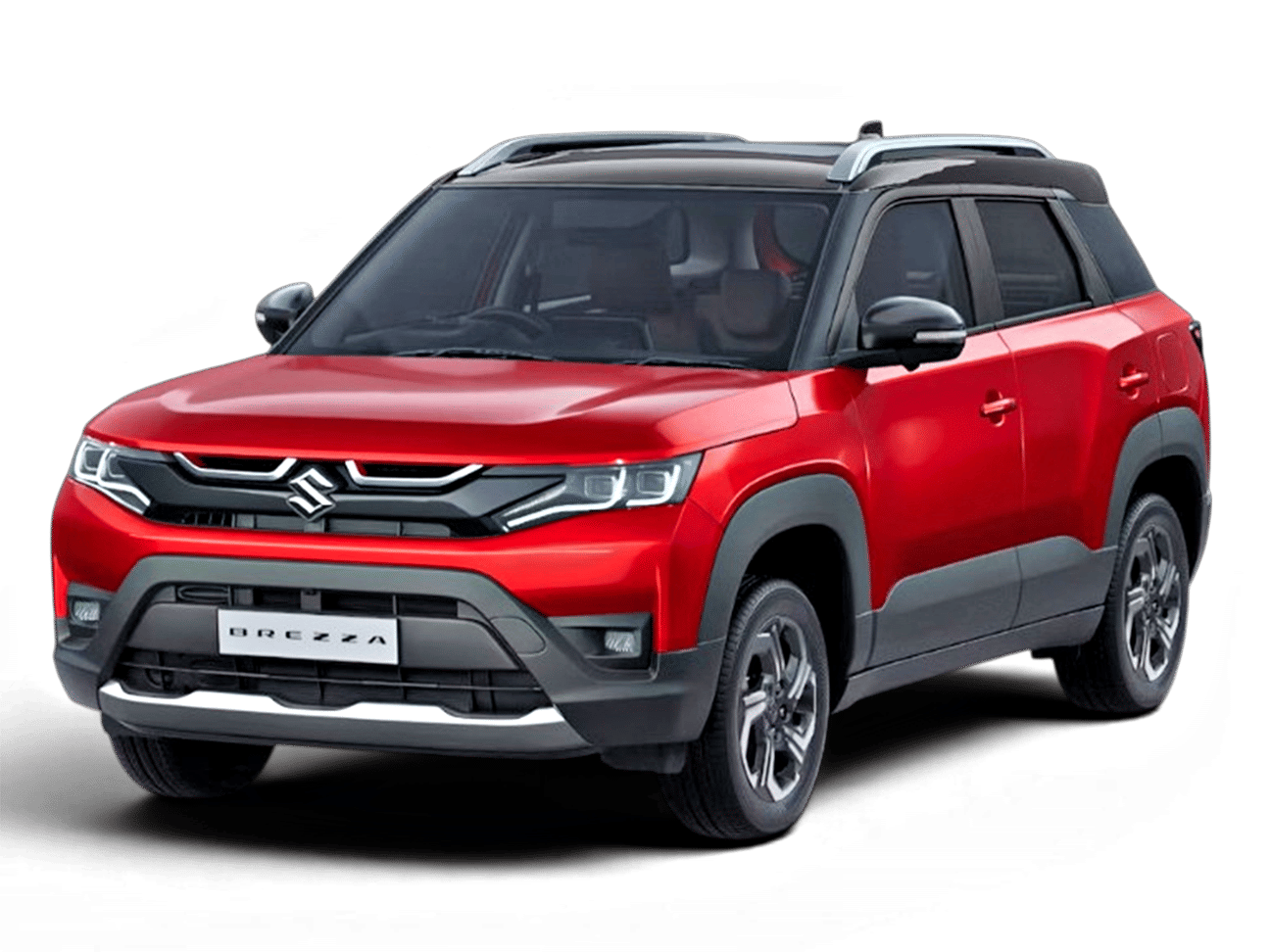
That said, both cars use small turbo-petrol engines. Modern turbo engines are reliable, but they are inherently more complex than naturally aspirated (NA) engines. It is due to additional components like the turbocharger and intercooler. If absolute long-term peace of mind is your priority, you could also consider the Maruti Suzuki Brezza, which comes with a 1.5-litre naturally aspirated petrol engine paired to a 6-speed torque converter. An NA engine is mechanically simpler and, in theory, better suited to low annual running and long ownership.

As for the Tata Punch EV, it is an excellent value for money as an EV. However, in your specific case, it may not make complete sense. Your annual usage appears limited, so you won’t significantly benefit from the lower running costs of an EV. 

Additionally, the Punch EV is compact with a smaller boot, which may restrict practicality during family visits. Long idle periods are also not ideal for EVs unless the battery state of charge is managed carefully.

A
Asked by: Ankushon Feb 25, 2026

Want to buy Kylaq, but I am a newly learned driver. Should I buy it? Please answer.

For a first-time buyer and a new driver, the Skoda Kylaq is a good choice and can help you become a more confident driver. One of its biggest advantages is its size. The Kylaq is compact, making it easier to judge the car’s corners, park in tight spots, and navigate city traffic without feeling overwhelmed. At the same time, the slightly higher seating position gives you good visibility of the road ahead, which really helps when you’re still developing road sense.
The engine is another positive. It’s responsive and peppy, so you won’t have to push it hard to get moving. For a learner, that’s useful; a sluggish car can actually make driving more stressful because you’re worrying about whether it will respond in time. The Kylaq reacts quickly and feels alert, which builds confidence.
That said, you do need to be mindful that it is a quick car. The performance can catch you out if you’re heavy-footed, especially while overtaking or pulling into gaps in traffic. So as long as you drive with a calm right foot and build your judgment gradually, it won’t be an issue.
Overall, yes, the Kylaq is suitable for a new driver. It’s compact, confidence-inspiring and easy to live with. Just take your time, don’t rush your learning curve, and you’ll grow into it comfortably.
D
Asked by: Dasari Ramanon Feb 24, 2026

Hi, I live in a rural area of Telangana where I drive mostly on highways and expressways. I currently own a Honda Amaze diesel and want to upgrade. I am confused between the Skoda Kushaq and the Honda Elevate. Which one should I go for?

The Honda Elevate and Skoda Kushaq are good options for your usage. Given that you use a Honda Amaze, there will be a comfort factor in sticking to the Honda brand with the Elevate. 

The Elevate is a well-engineered product with a robust suspension being one of the highlights. Top versions also get camera-based ADAS, which provides an additional layer of safety, especially on highway drives. Where the Elevate will leave you a bit wanting is in the powertrain. The engine is strong and likes to rev, but doesn't have the mid-range punch of a turbo-petrol. Further, the Elevate's CVT feels basic for this class of SUV. 

The Skoda Kushaq doesn't have the same sense of space as the Elevate. However, the Kushaq has stronger turbo-petrol engines and better gearboxes. The 1-litre turbo feels punchy enough while the more powerful 1.5-litre turbo delivers exciting performance. If you enjoy driving, you'll also love the Kushaq's keen handling. The updated Kushaq that launches soon also promises enhanced AC cooling, which was an issue on the original model.

In essence, the Elevate is a safer, more familiar choice, while the Kushaq will be a more exciting choice for you. 

B
Asked by: Bijinbhaion Feb 23, 2026

I currently own a Honda Brio and plan to upgrade to a C‑segment mid‑size sedan in April 2026. I’m considering the Honda City e:HEV and the Hyundai Verna, both of which are expected to receive facelifts this year. Do you know if the facelifted models will be available for booking in April 2026?

The Honda City eHEV is the strong-hybrid version of the City. It is expensive, but if your running is on the higher side, you can take advantage of its high economy. However, the City is showing its age now, and the interior, although spacious, does not feel up-to-date.
The other option would be the Skoda Slavia, which will also get a facelift soon and will feature an updated equipment list. We would recommend holding on until the Slavia facelift is unveiled so you can make a more informed decision.
The Hyundai Verna facelift is expected a little later, around June 2026, and is also rumoured to feature a strong-hybrid powertrain. That could be worth waiting for if you are thinking of buying a strong-hybrid sedan.
J
Asked by: Jitenderon Feb 23, 2026

Hi, I am currently driving a Toyota Fortuner 4x2 AT, and my daily driving is approximately 100km in the city. I want to upgrade to a new car, with a maximum net budget of ₹50 lakh after exchanging my existing car. I am open to both sedan and SUV options. Kindly suggest a suitable option.

A 100km daily city run is quite substantial, and the big, heavy Toyota Fortuner 4x2 AT isn’t really the most convenient or efficient car for that kind of usage. However, since you are used to the toughness and reliability of the Fortuner, a logical upgrade would be to stay within the Toyota family.
The Toyota Innova HyCross in its strong-hybrid guise is a very sensible option. It offers excellent fuel efficiency, which will really help, given your high daily running. At the same time, it retains typical Toyota traits, like a tough build and strong long-term reliability. Compared to the Fortuner, the HyCross has a more practical and spacious cabin, and the top-spec version, which comfortably fits within your Rs 50 lakh net budget, even gets Ottoman recliners in the middle row, adding a real touch of comfort.
If you’d like to explore an SUV outside Toyota, the Skoda Kodiaq is worth considering. It’s a full-size seven-seater with a stronger focus on comfort and luxury, offering a more urbane and premium feel compared to the hardy Toyotas. The Volkswagen Tayron is essentially the same car underneath, with a slightly different interior treatment and character. Both the Kodiaq and Tayron are better suited to urban driving in terms of refinement and comfort, but the Toyota would still edge ahead in terms of efficiency and long-term peace of mind.
You could also consider the Toyota Camry, which would actually be our pick. Sedans inherently offer better ride comfort and handling balance for city use, and the Camry is spacious, extremely comfortable and easy to get in and out of. For your kind of daily driving, it would feel far more relaxed and effortless while still giving you the Toyota reliability you’re accustomed to.
U
Asked by: Udit Mehraon Feb 20, 2026

Hi, I am planning to buy the Skoda Slavia 1.0 AT but I’m a bit confused about whether I should go for the 1.0 or 1.5 version. My average monthly running will be around 1200 km, mostly on the Noida–Delhi–Gurgaon route, so about 70% city and 30% highway driving. The issue is that I am not getting good deals on the 1.0 right now, and the 1.5 isn’t available in the Sportline trim. I need your suggestion on whether I should wait for the Slavia facelift launch or decide now. Secondly, considering my usage, should I go for the 1.5 or 1.0 Automatic?

The Skoda Slavia 1.0 TSI offers a decent level of performance, and if you are simply looking for a casual, relaxed drive, this will do just fine. The 1.5 litre engine, though, does offer a higher level of performance, so opt for this if you are looking for a fun-to-drive car. 

In the city, the 1.0 litre engine will also be a bit more efficient. On the highway, though, the 1.5 tends to return a better average on account of its cylinder deactivation tech. We would definitely recommend waiting for the updated car, as, besides updated styling, there would be some technical upgrades like an improved AC system. 

R
Asked by: Rohit Nairon Feb 20, 2026

Kia Sonet HTX Diesel AT vs Skoda Kyalq AT - which one should I go for? We are a family of 4-5 people and often go on outings with luggage. Also, for an enthusiast, which one would be better for long drives when comparing both at the same price point?

Between the Kia Sonet and the Skoda Kylaq, the Kylaq is the better choice for you, especially if driving enjoyment and long-distance comfort matter. It is the nicer car to drive, has a more comfortable ride on highways and feels excellent value for money. 

The Sonet is still a good all-round compact SUV, but it is not as engaging to drive as the Skoda Kylaq, particularly in terms of handling. Another factor to keep in mind is that the Sonet is expected to be replaced in about a year. It means there is a chance it could start feeling dated sooner than you would like. The rear seat on the Sonet is also on the tighter side.

Since you have mentioned that there will be occasions when five people travel together with luggage. It is important to note that both the Kylaq and the Kia Sonet are relatively narrow cars and are most comfortable as four-seaters on long trips. If proper five-seat comfort is a priority, the Mahindra XUV 3XO is a strong alternative. Its wider body allows it to accommodate five adults in better comfort. It is also a fun car to drive thanks to its punchy 1.2 turbo petrol engine and well-sorted suspension.

Last Updated on: 3 Feb 2026