Skoda Sedan Cars in India (3)
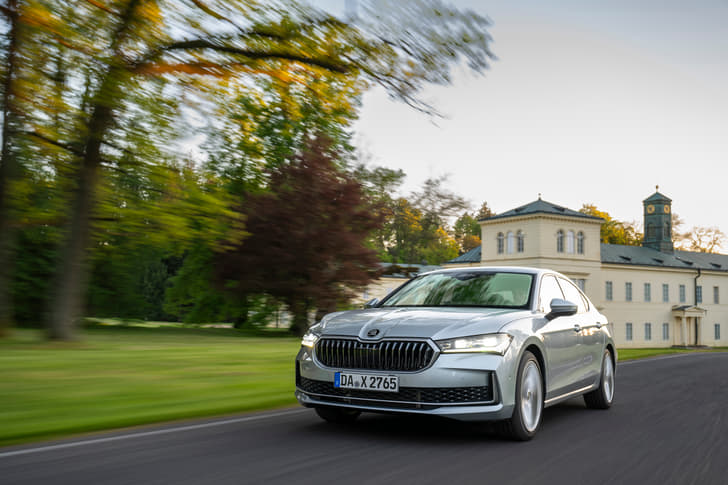
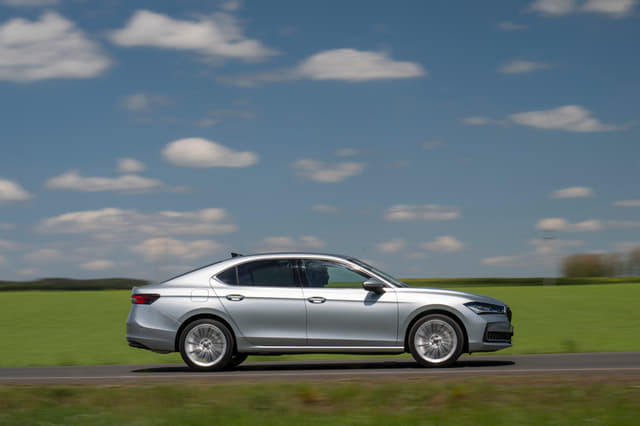
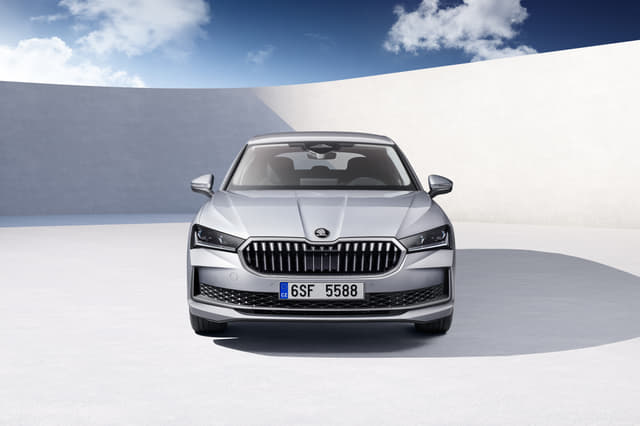
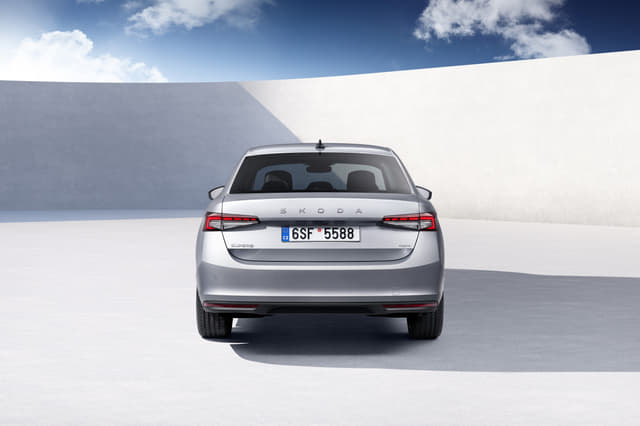
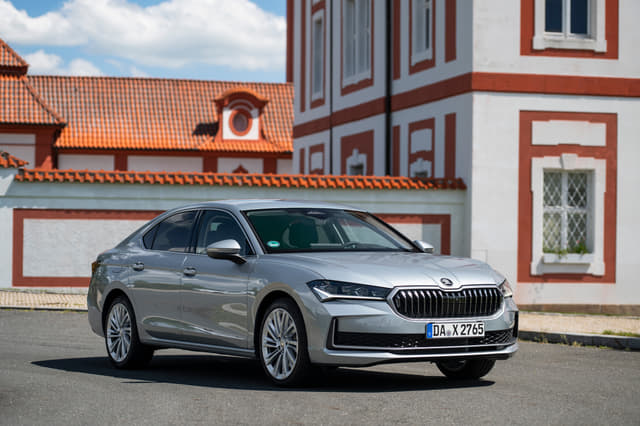
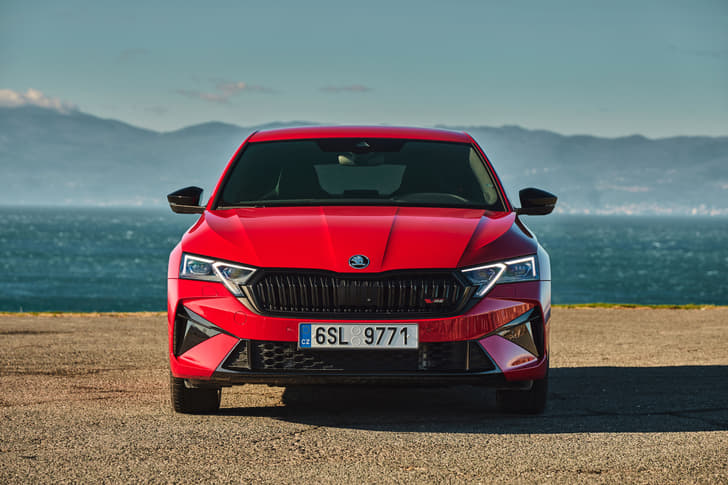
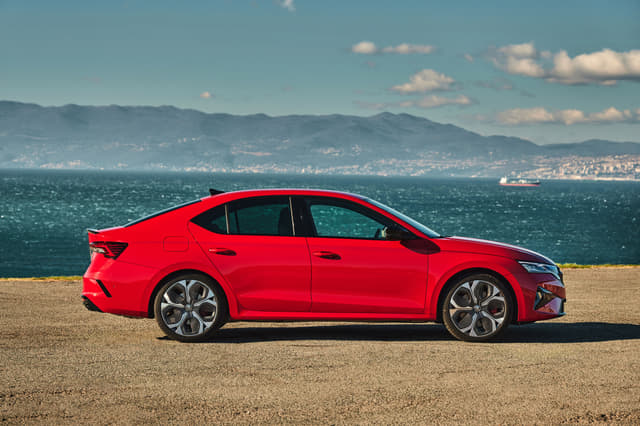
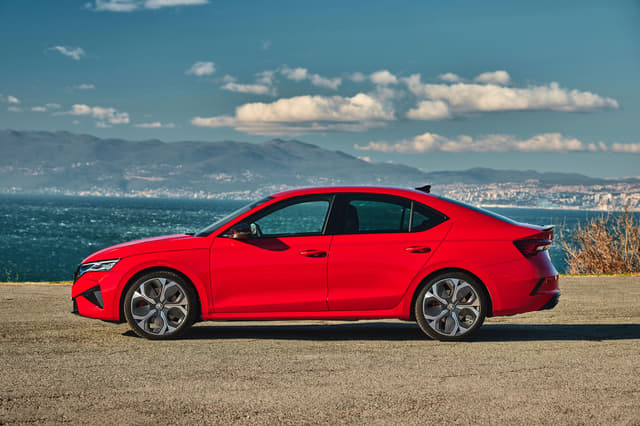
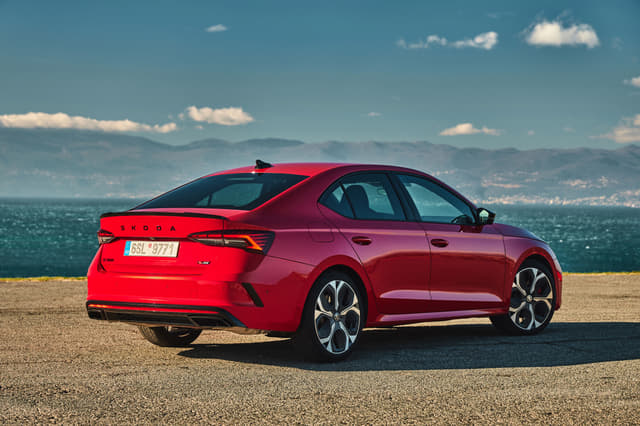
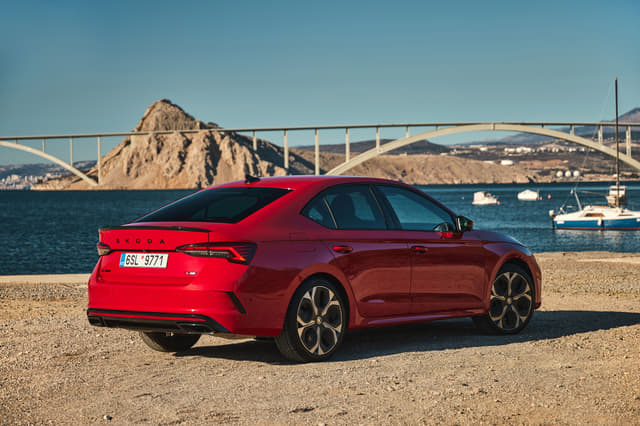
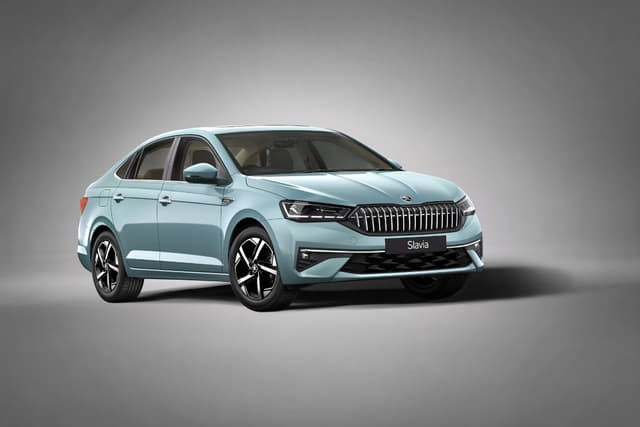
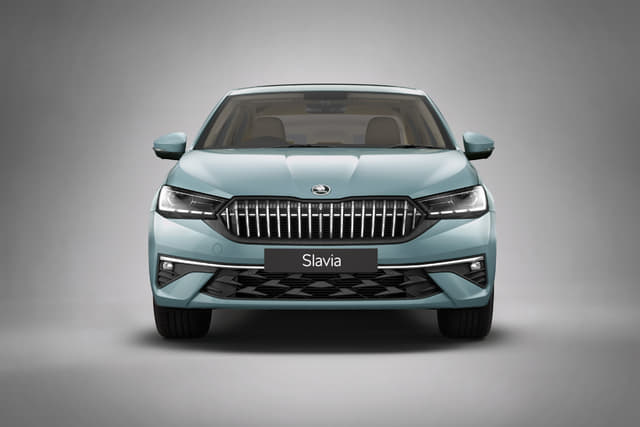
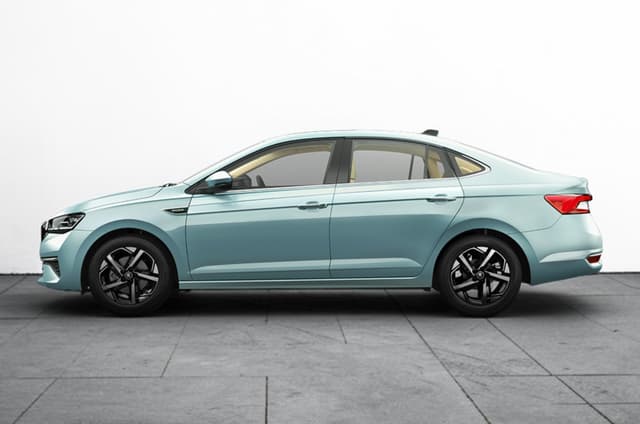
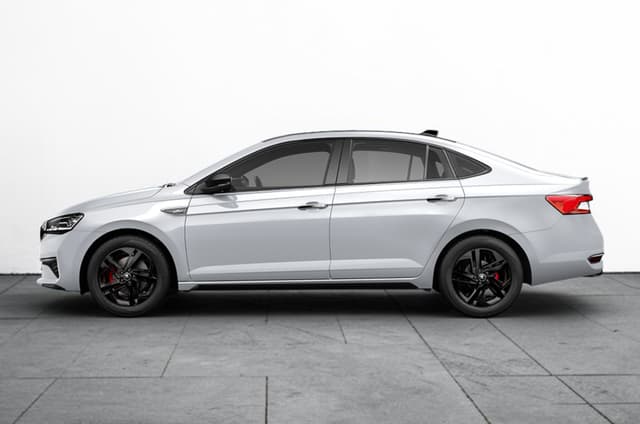
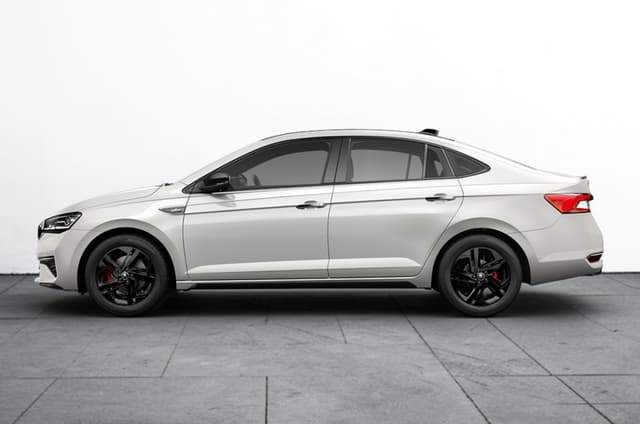
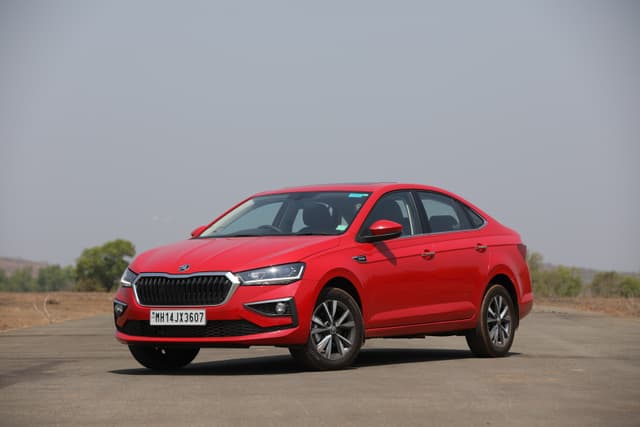
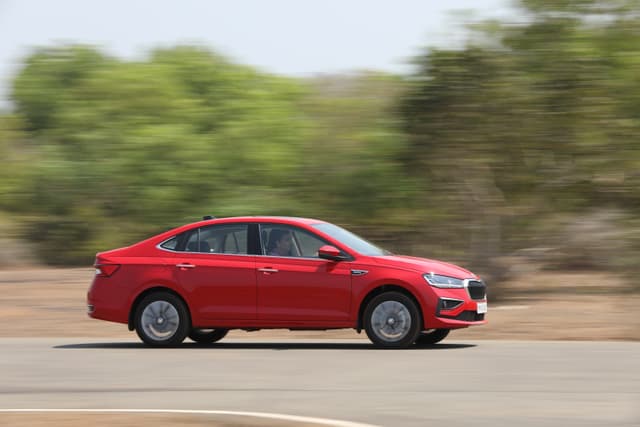
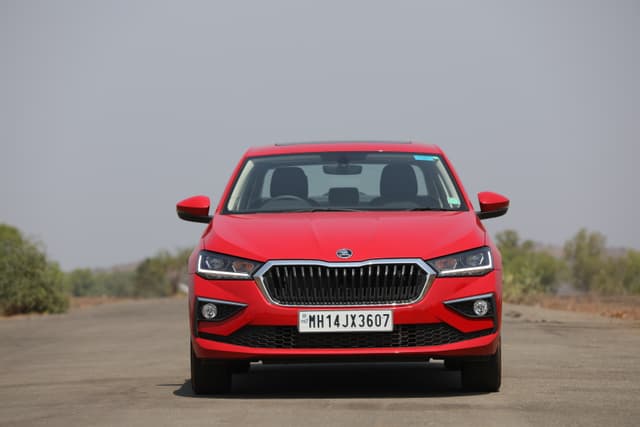
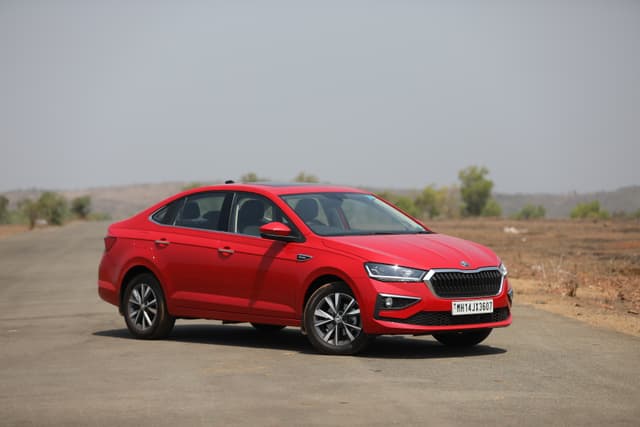
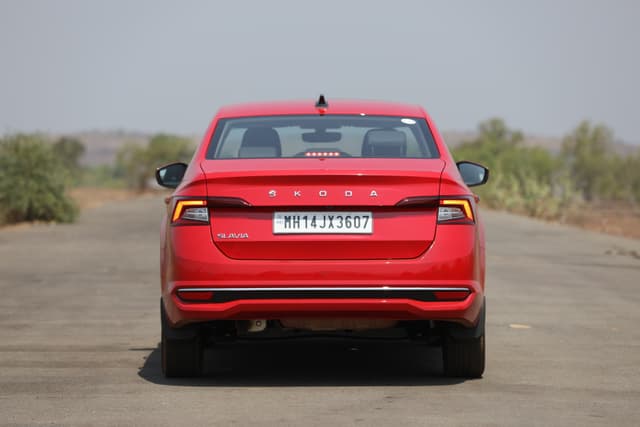
As of August 2026, Skoda sedan cars comprise three models, including two currently on sale and one upcoming launch. The Skoda sedan car price starts at ₹10.00 lakh for the Slavia and goes up to ₹49.99 lakh for the Octavia RS. The upcoming Skoda Superb is expected to be priced between ₹50.00 lakh and ₹55.00 lakh and is planned to launch in 2026.
Among the current Skoda sedan cars in India, the Slavia is available with both manual and automatic transmission options. The Skoda Octavia RS can be had only with a manual transmission. In terms of efficiency, the Slavia offers the highest mileage of up to 20.3 kmpl. Both on-sale models are built with a front-wheel-drive (FWD) layout.
The Skoda sedan car features a list that includes ambient lighting, alloy wheels, cruise control, ABS system, parking sensors, central locking, wireless phone charging, and Android Auto/Apple CarPlay. Additionally, sunroof and ventilated seats are limited to the Skoda Slavia. Skoda Octavia RS offers advanced safety tech, such as a 360-degree camera, depending on the variant.


Filter your search
Skoda Sedan Cars - FAQs
In 2026, Skoda sedan cars are available in three models - Slavia, Octavia RS and Superb (upcoming).
The Skoda sedan car price in India starts from ₹10.00 lakh for the Skoda Slavia.
Among the current Skoda sedan cars, the Octavia RS is the most expensive model with a price of ₹49.99 lakh.
The upcoming model in the Skoda sedan cars lineup is the Superb, which is expected to launch at the end of 2026.
The Skoda sedan car price for the upcoming Superb is estimated to range between ₹50.00 lakh and ₹55.00 lakh.
Among the current Skoda sedan cars in India, the Slavia offers the highest mileage of up to 20.3 kmpl.
Yes, the Slavia in the Skoda sedan car lineup is available with both manual and automatic transmission options.
The Skoda sedan cars in India focus on safety with features such as multiple airbags, ABS system, and other protective technologies.
The Slavia among Skoda sedan cars has received a 5 star safety rating and comes with 6 airbags.
A 360 degree camera feature is available exclusively in the Octavia RS among the current Skoda sedan car lineup.
Trending Questions on Skoda Cars - Answered by Autocar Experts
Looking for a sedan that fulfils the following criteria, in order of preference: Smooth, non-bumpy ride that doesn’t wobble over potholes and speed breakers Good mileage Relatively low maintenance costs Comfortable rear seats with good legroom, as the car will be chauffeur-driven Budget: Rs. 12–16 lakh Usage: 95% in city traffic Please suggest suitable sedans based on the above criteria, ranked from highest to lowest preference. Brands such as Honda, Hyundai, Skoda and Volkswagen are preferred. I am currently using a Kia Sonet, which is absolutely disappointing in all the above respects. Thanks, Dr Chinwalla
For your requirements, the Honda City is what we would recommend. It offers the most comfortable rear seat in the segment, with excellent legroom and a well-cushioned bench that makes this Honda car ideal for chauffeur-driven city use. The ride quality is also very well judged, with the suspension absorbing potholes and speed breakers without the car feeling bouncy or unsettled. Honda’s reputation for reliability and relatively low maintenance costs further strengthens its case, and the City’s petrol engine is efficient enough for your predominantly city driving.The Hyundai Verna 1.5 MPI would be the second choice. It offers a comfortable ride and a premium cabin experience, but the rear seat is not as spacious or as comfortable as the City’s, which is a key consideration for your usage. And while the mileage is good, it's not quite as good as the City's. The Skoda Slavia and Volkswagen Virtus are both good cars, but their ride quality is firmer, and they are not as well suited to chauffeur-driven city use.Overall, the Honda City is the best fit for your requirements and budget. It delivers the right balance of comfort, ride quality, efficiency and ownership experience for a predominantly city-driven sedan.
I am currently using my dad's Maruti Ritz and wish to upgrade to a more premium sedan or SUV. My current shortlist includes the Toyota Hyryder Strong Hybrid, Skoda Slavia, and Honda City e:HEV. Several thoughts and concerns keep coming to mind regarding each vehicle. The Hyryder is not a proper SUV, and its 3-cylinder engine has more vibration than 4-cylinder engines. The Slavia's 4-cylinder engine is giving single-digit fuel efficiency, especially with the E20 fuel concerns. I am also worried about the long-term maintenance of its turbo engine. The City e:HEV is priced above Rs. 20 lakh, attracting luxury tax, and its on-road price goes beyond Rs. 25 lakh. I am not sure whether the cost-benefit equation will work in favour of the City. The Slavia facelift is also around the corner. I wish to keep my next car for at least 10 years.
Based on your requirements, the Toyota Urban Cruiser Hyryder Strong Hybrid is the most sensible upgrade. Your concerns about the 3-cylinder engine are understandable, but in the hybrid, the petrol engine is assisted by the electric motor, which smooths out the power delivery and reduces the typical 3-cylinder vibrations. This Toyota car also delivers excellent fuel efficiency, especially in city driving, which will make a significant difference over a 10-year ownership period. While it may not be a "proper" SUV in the traditional sense, it offers a higher seating position, good ground clearance and a comfortable ride, making it a practical and premium upgrade from the Ritz.The Honda City e: HEV is a strong alternative, but the higher price pushes it into a different budget bracket, and the cost-benefit equation becomes harder to justify. The Skoda Slavia is a great driver's car with a smooth 4-cylinder engine, an extremely practical cabin and strong performance, but if efficiency is a high priority, it is best to stick to the strong hybrid. The Slavia will receive an update soon, which will also feature a new gearbox which replaces the earlier Aisin-sourced 6-speed torque converter (AQ250) with a newer Aisin 8-speed torque converter (AQ300). This will be exclusive to the 1.0-litre engine and will be a bit more efficient too. However, in comparison to a strong hybrid, nothing really comes close. Overall, the Hyryder Strong Hybrid offers the best balance of efficiency, reliability and ownership experience for your needs.
Hello, I currently drive a 2015 Honda City Petrol Manual (Stage 1 Tune) and am planning to upgrade to the Volkswagen Virtus 1.5 GT DSG. My daily commute is around 40-50 km, and I also do monthly highway drives of 400-500 km. Being a sedan enthusiast and with very limited options in the Rs. 20-25 lakh price range, would the Virtus 1.5 GT DSG be a good choice for my requirements? Thank you.
Yes, the Volkswagen Virtus 1.5 GT DSG is a very good upgrade from your 2015 Honda City petrol manual, especially given your usage pattern and preferences. Your daily commute of 40- 50 km combined with regular highway runs of 400- 500 km a month makes the Virtus 1.5 GT a strong fit. The 1.5 TSI engine of this sedan car is genuinely punchy, and the DSG gearbox delivers quick, crisp shifts, making both city driving and highway overtakes effortless. You can expect the Volkswagen Virtus mileage to be around 9 to 12 kpl in the city and 15 to 18 kpl on the highway.The Virtus also has a well-sorted chassis, a comfortable ride and a spacious cabin, which will make your daily commute and long drives more enjoyable.You could also consider the updated Skoda Slavia that's likely to be launched in a few weeks, or wait for the updated Virtus that'll launch towards the end of the year. These cars will have an upgraded air-con unit (like the Skoda Kushaq and VW Taigun) that you will surely appreciate.
I am planning to buy Honda City V CVT. Is it still worth buying the Honda City in 2026 from a long-term (7-10 years) ownership and reliability standpoint? Or should I consider other cars in the segment, such as the Virtus, Slavia, or Verna?
Yes, the Honda City V CVT is still worth buying in 2026 from a long-term ownership and reliability perspective. The City remains one of the most dependable and well-rounded sedans in the segment, with a proven naturally aspirated petrol engine, smooth CVT gearbox and Honda's strong reputation for reliability and low maintenance costs. It is also a very comfortable and spacious family car, with a well-sorted ride and a premium ownership experience.The Volkswagen Virtus and Skoda Slavia are more driver-focused cars with stronger turbo petrol engines and a more engaging driving experience, but they do not have the same long-term reliability track record as the City. You can expect the Volkswagen Virtus mileage to be around 9 to 12 kpl in the city and 15 to 18 kpl on the highway. The Hyundai Verna is a strong all-rounder with a more feature-rich cabin and a more powerful turbo petrol option, and the Verna price starts at Rs 10.99 lakh (ex-showroom), but the City still feels more practical and better suited to long-term ownership. The Hyundai Verna Mileage is up to 13.5kpl in real-world driving.If your priority is a car that you can keep for 7-10 years with minimal fuss, the City remains the safest and most sensible choice in the segment. The only reason to look at the Virtus, Slavia or Verna would be if you specifically want a more powerful turbo petrol engine and good driving dynamics Otherwise, the City V CVT is still the benchmark for long-term ownership.
I currently own a 2010 Hyundai i20 and a 2013 Honda City, and I'm looking to upgrade to a sedan or midsize SUV under Rs 30 lakh as my primary family car for five people. While I enjoy driving, I tend to prioritise features over outright driving performance, which is why I chose the i20 over the VW Polo back then. I had almost booked the Renault Duster Iconic, but the limited rear legroom, awkward rear door handle placement, concerns about the turbo-petrol's fuel efficiency, and the lack of some modern features made me reconsider. I've test-driven the Kia Seltos, and it ticks almost all the boxes, but I'm still struggling to get used to the flush door handles. I also considered the Tata Sierra (quality concerns and lacking the outright luxury or performance of its rivals), Hyundai Creta (feels dated), the Volkswagen/Skoda duo (look too small, and my wife ruled them out), and the Mahindra XUV 7XO (no physical switchgear), but ruled them out. I've been waiting nearly three years for the right car, and now I feel like I'm running out of options. Am I being too picky, or is there another car I should consider?
The Kia Seltos is the right car for you, as it meets your requirements of features, size, space, quality and performance. The flush door handles can be annoying, especially during the rains when they collect dirt inside, but are not a deal-breaker and can be grown accustomed to. The Seltos is the most complete package in this segment: it offers a premium cabin, strong feature list, good rear seat space for five, and a driving experience that strikes a nice balance between comfort and engagement. The turbo petrol is punchy and not as thirsty as some others, and the overall ownership experience is dependable.Your concerns about the other cars are valid, and while no model is perfect, this Kia car feels like the one that suits your needs best. If you're looking for an alternative, don't rule out a sedan. The Skoda Slavia and Volkswagen Virtus are both due for facelifts soon, and the updated versions might be worth your while, offering driving pleasure, space and features in good measure.
Last Updated on: 16 Aug 2026