Replacing 2006 Corolla Options


Last Updated on: 07 Oct 2026
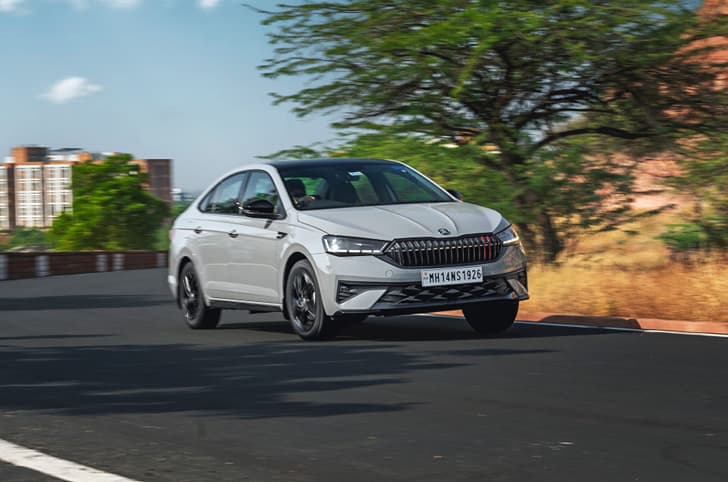
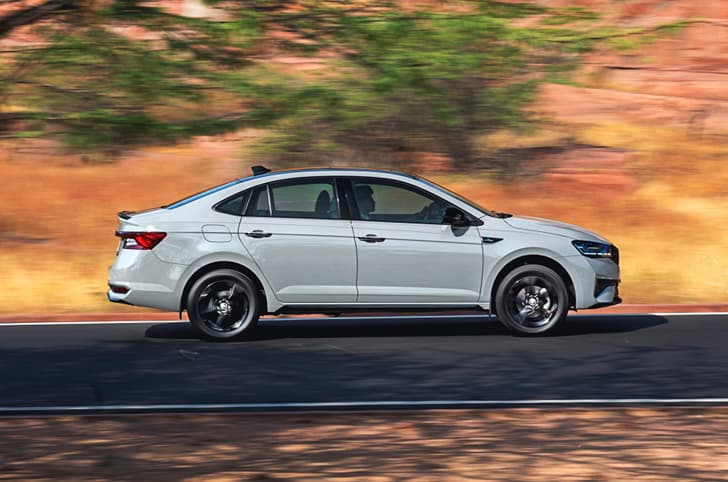
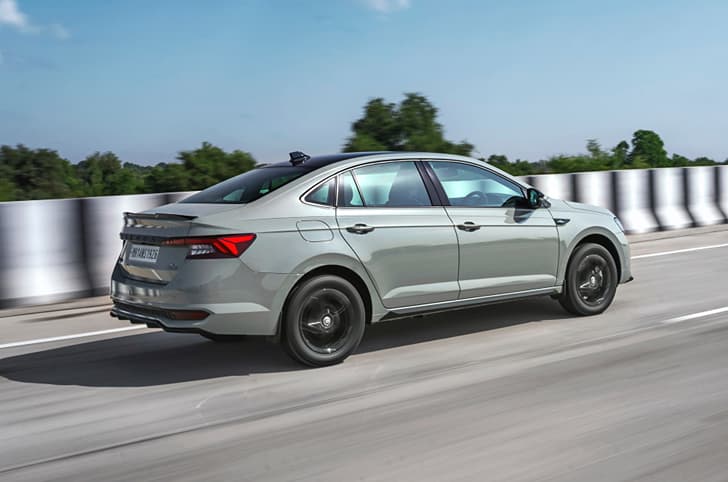
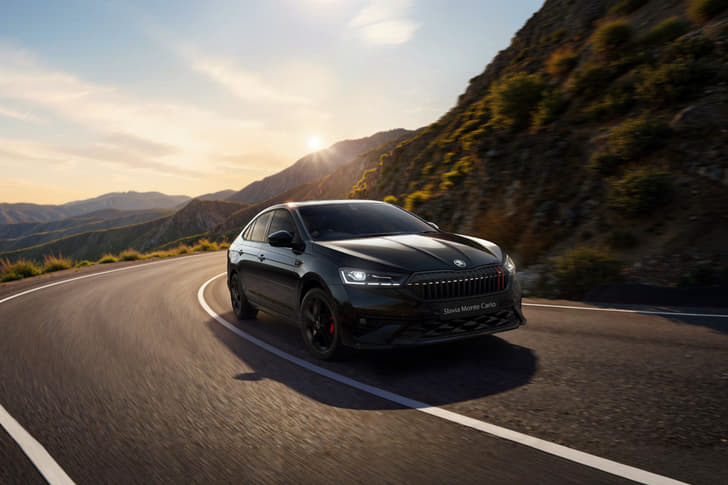
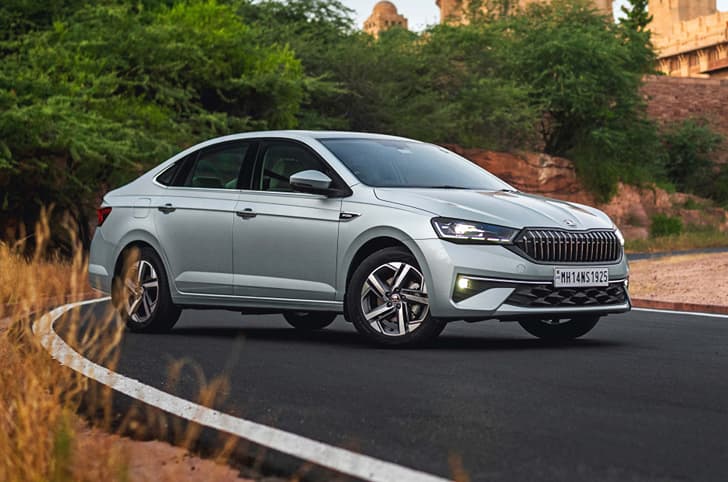
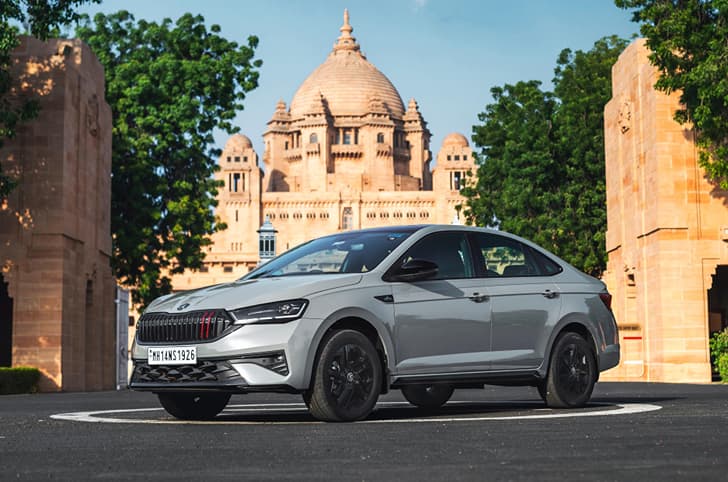
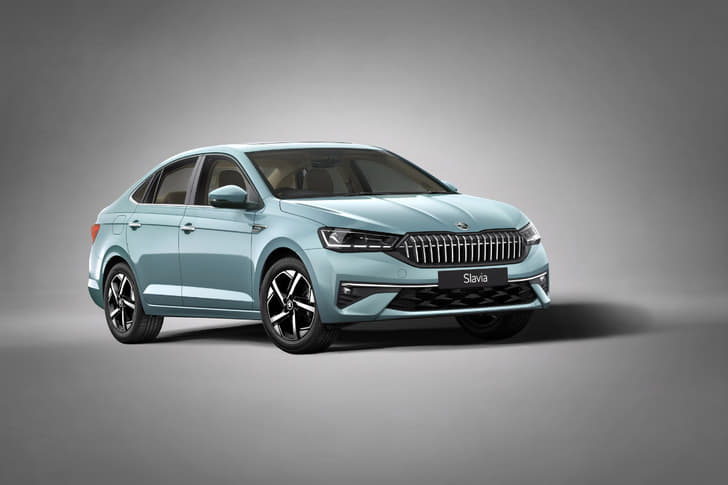
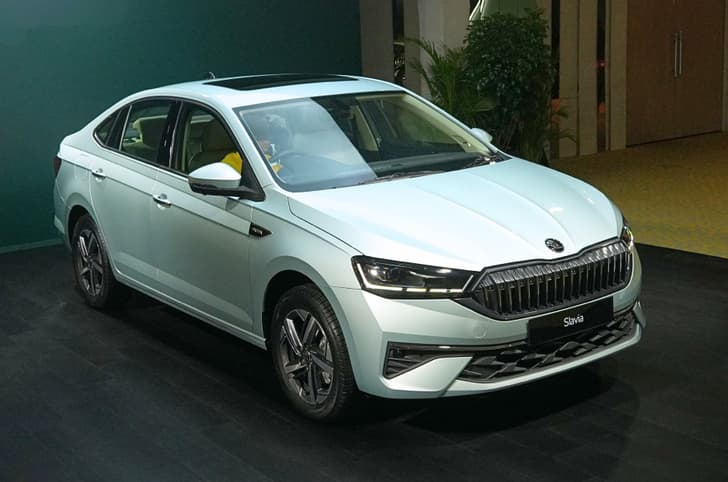
 Electronic Stability ControlPart Digital / Part Analogue Digital Instrument Cluster4 SpeakersAnti Theft ImmobilisationFabric Seat MaterialHill Descent ControlSingle Pane SunroofLeather-wrapped Steering WheelLED headlampsSequential Turn IndicatorsRear Parking CameraFully Digital Digital Instrument ClusterWireless Phone Charging60:40 Rear Seat Backrest SplitFollow Me Home Headlamps360 degree Parking CameraSingle Pane SunroofLED headlampsWireless Phone Charging60:40 Rear Seat Backrest SplitRear Only Massage SeatsSingle Pane SunroofLED headlampsFront Only Ventilated SeatsWireless Phone ChargingRear Only Massage SeatsSingle Pane SunroofLED headlampsFront Only Ventilated SeatsWireless Phone Charging
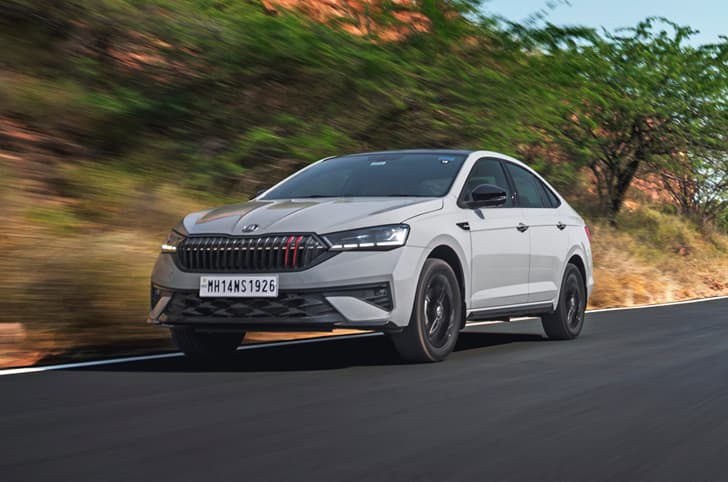
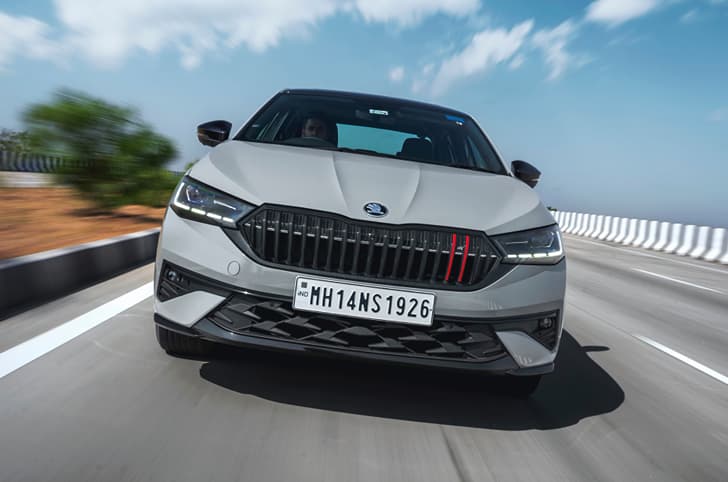
Skoda Slavia Official Brochure
Download the complete brochure with specs, features, and variants.

Hi, I am thinking of replacing Toyota Corolla (2006 model) with a car under the budget of Rs. 20 - 22 lakh. Which car do you suggest replacing the trustworthy Corolla with as it has served me very well. I am considering the VW Virtus/ Skoda Slavia, VW Taigun /Skoda Kushaq and Honda City Hybrid.

 Honda CitySkoda SlaviaVolkswagen VirtusVolkswagen TaigunSkoda KushaqToyota Urban Cruiser Hyryder
I am confused whether I should go with the Slavia 1.5 DSG facelift or the Duster 1.3 Turbo. Since 80% of my weekly driving (which is around 80 km) is in heavy Bengaluru city traffic. Will the Slavia's DSG clutch pose a reliability risk, or is the Duster a safer pick?
Renault DusterSkoda SlaviaHi all, I’m considering buying the Skoda Slavia 1.0-litre facelift automatic, which will be chauffeur-driven. I’d like to know how the suspension and ride quality are from the rear seat, especially over potholes and speed breakers. Does it have any issues with excessive body roll or jerks over rough roads? Also, are there any cooling or AC issues, as I’ve heard some complaints about the older models? I’ve also considered the Honda City, but overall, I preferred the Slavia as it felt far better to drive. Would appreciate genuine feedback from existing owners, particularly on the above concerns. Thanks!
Honda CitySkoda SlaviaI currently own a Jeep Compass and want to get an additional car for my father, with good reliability, unlike the Jeep. My father still drives a 2008 Honda City, and I am torn between a few choices: the Honda City, Skoda Slavia, Nissan Tekton and Toyota Hyryder. Or should I wait for the Virtus facelift or the new-generation Creta? His usage is low, at almost 500 km per month. Please suggest.
Honda CitySkoda SlaviaVolkswagen VirtusToyota Urban Cruiser HyryderNissan TektonI have Ciaz AT (2023 model) that has clocked 60,000 km. Last week, we met an accident with Slavia and my car right side quarter got hit but Slavia didn't have a scratch. For safety purpose, I am planning to change the car for 14.5 lakh but now they are offering Rs. 6.5 lakh. Can I keep the car or move in to new vehicle?
Skoda Slavia