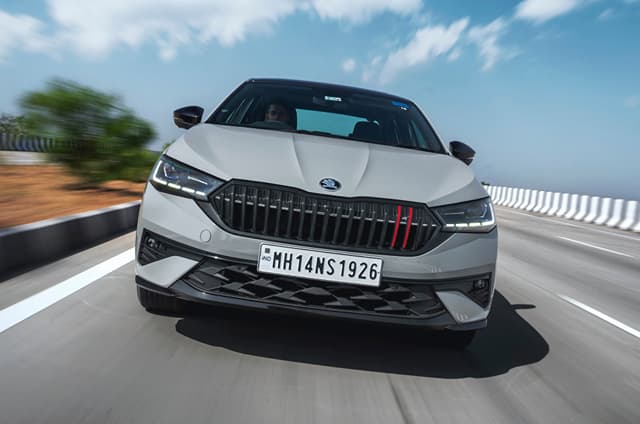
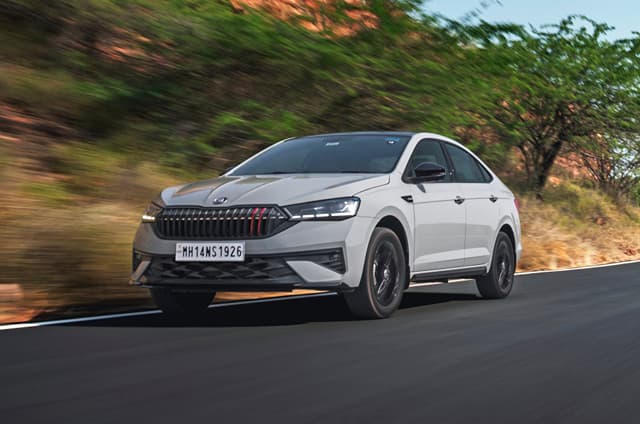
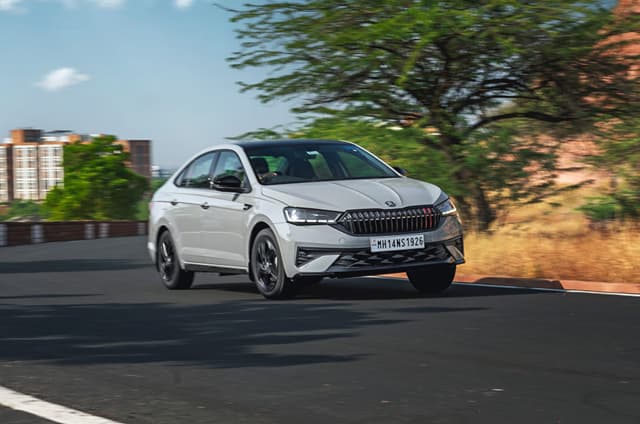
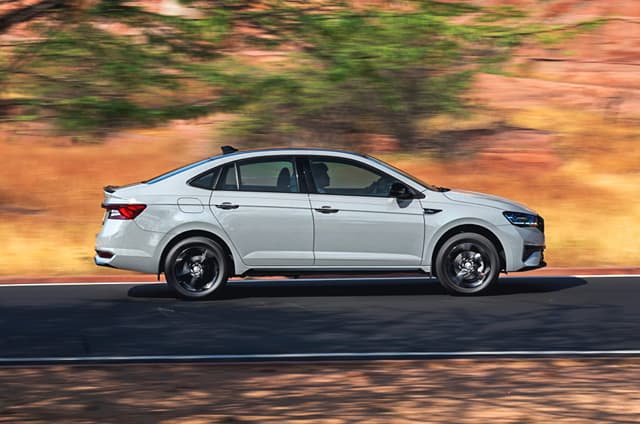
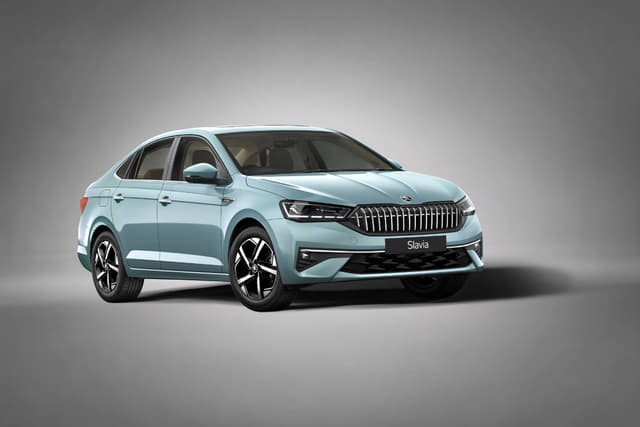
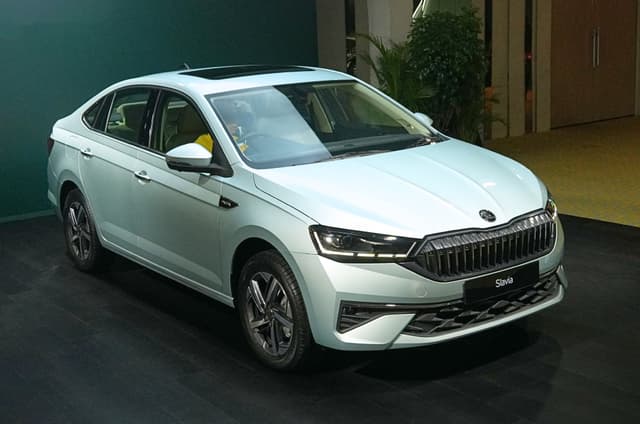
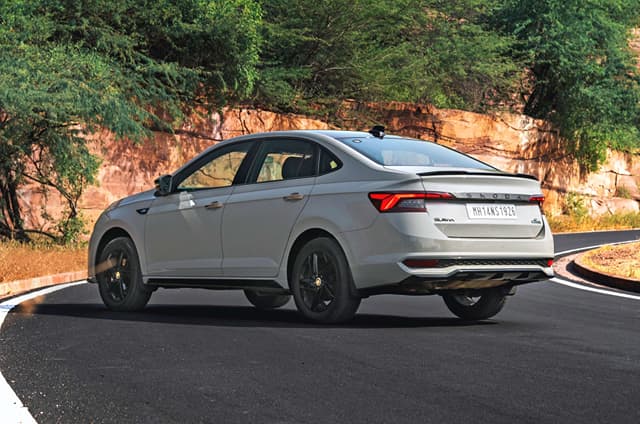
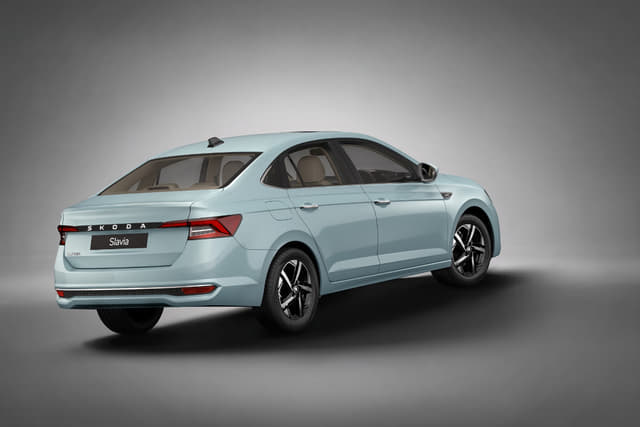
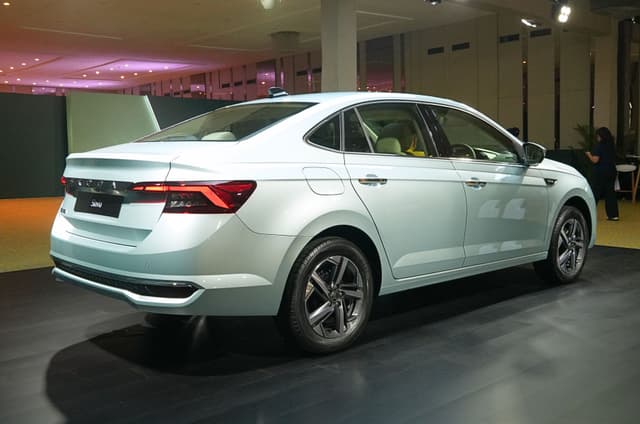
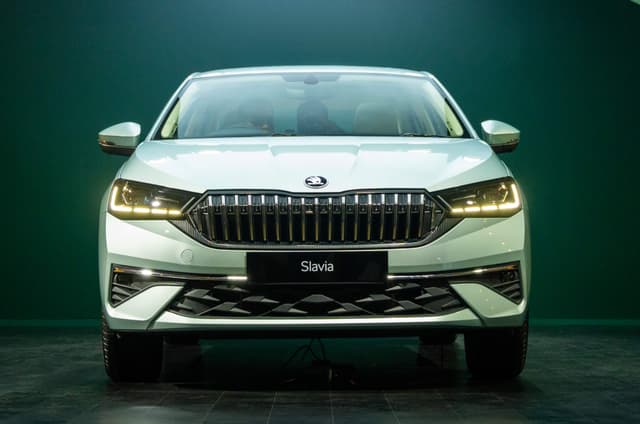
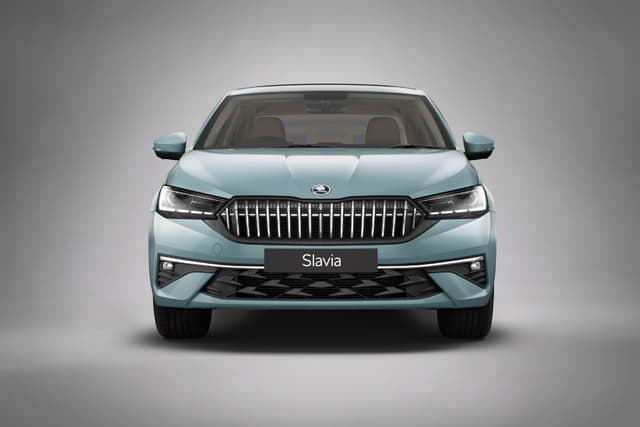
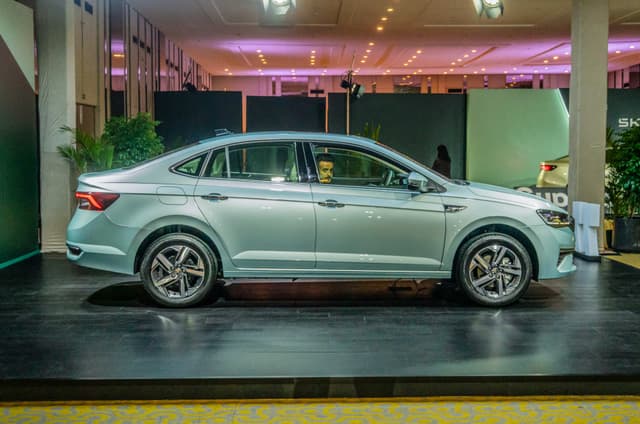
Honda City vs Slavia vs Hyryder


Last Updated on: 26 Oct 2026
Tell us about your experience
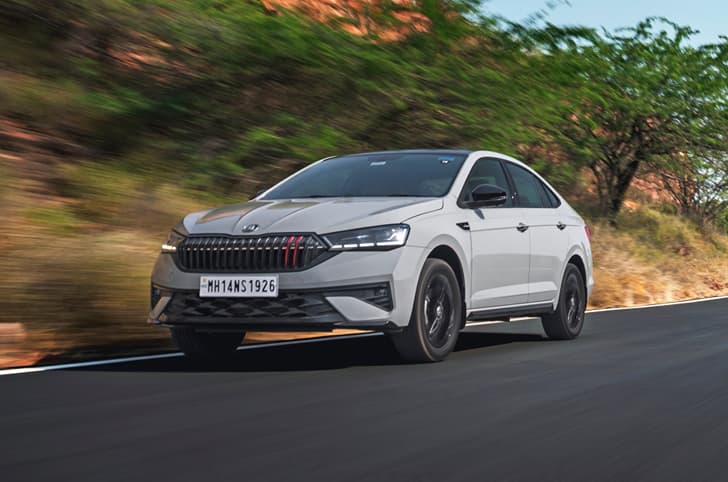
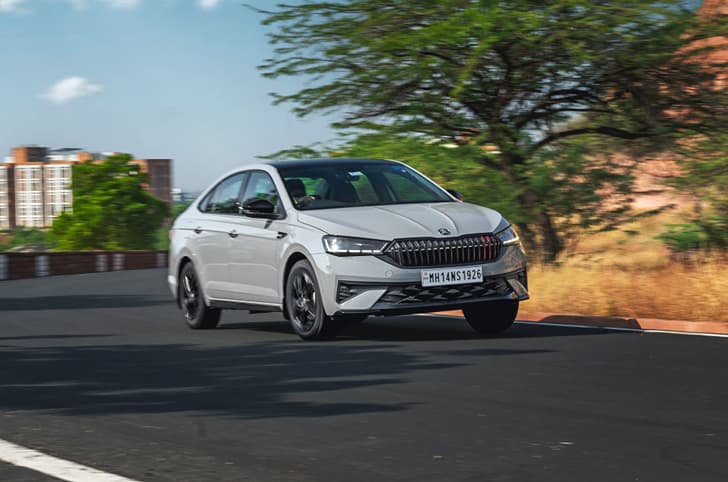
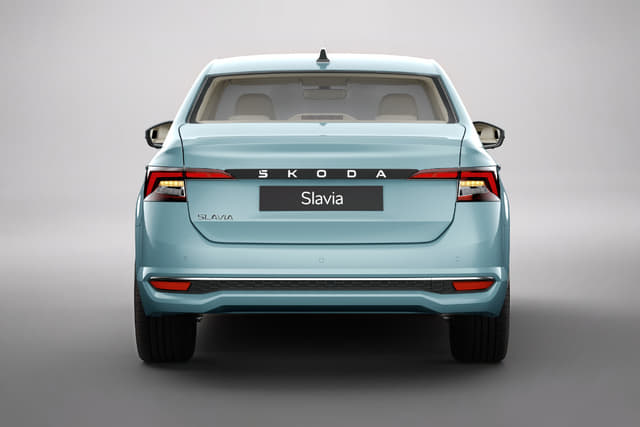
Skoda makes the best sedans in India! This is my second Skoda car, and I absolutely love it.
This sedan is the best for a premium experience under 20 lakhs. I highly recommend it for anyone looking for performance, comfort, space, and style.
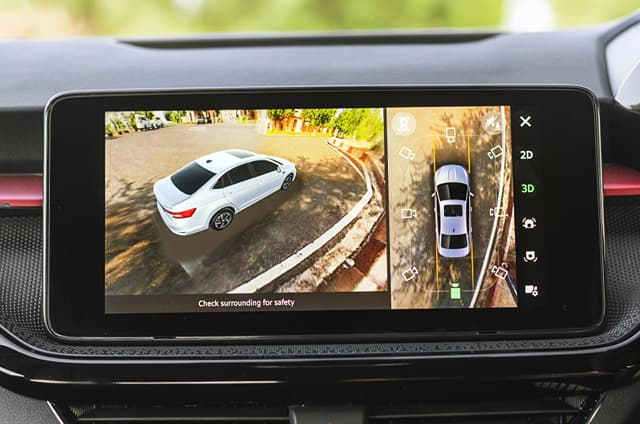
I had a good buying experience, but my driving experience has been disappointing. The mileage is low, and the rear camera quality is poor. The car has some safety concerns, and the touchscreen interface is clumsy.
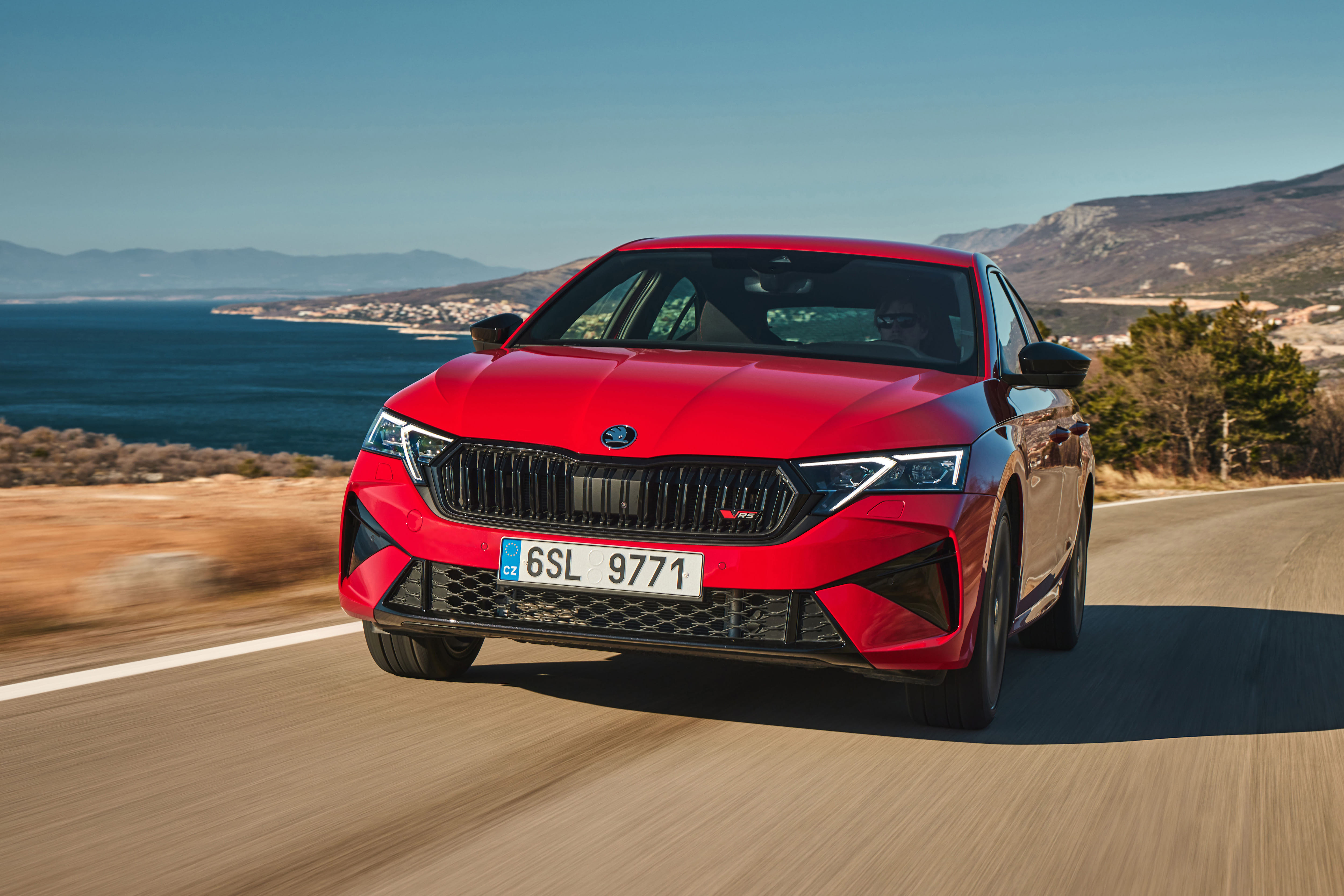
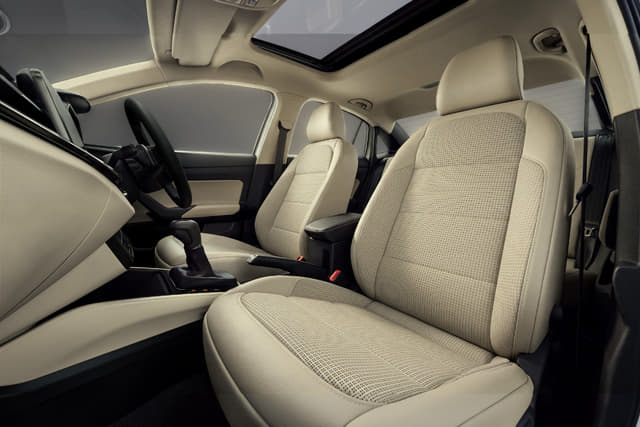
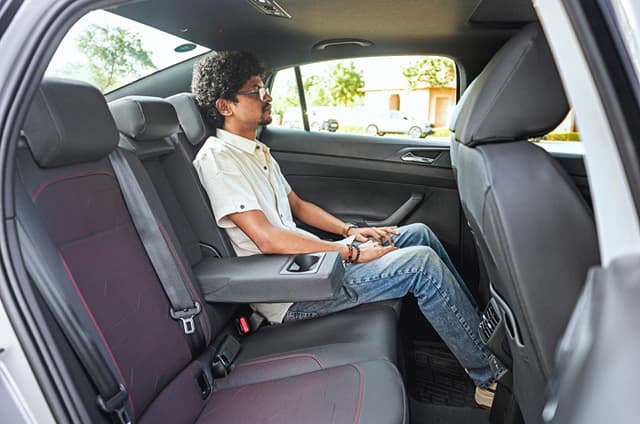
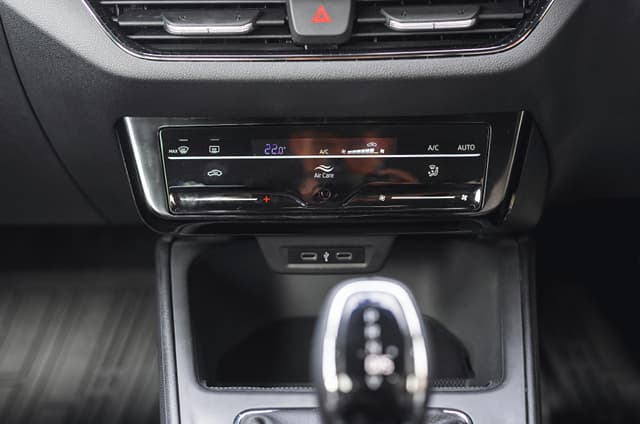
The Skoda Slavia is stylish, safe, and fun to drive. It has a powerful 1.5L engine and a spacious cabin. However, some users find the 1.0L engine a bit unrefined and the AC controls tricky.
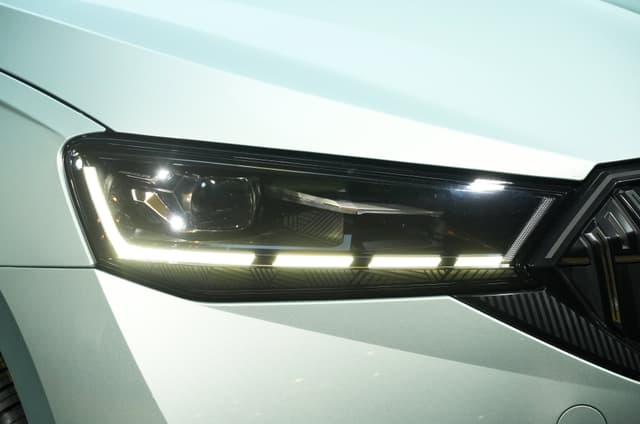
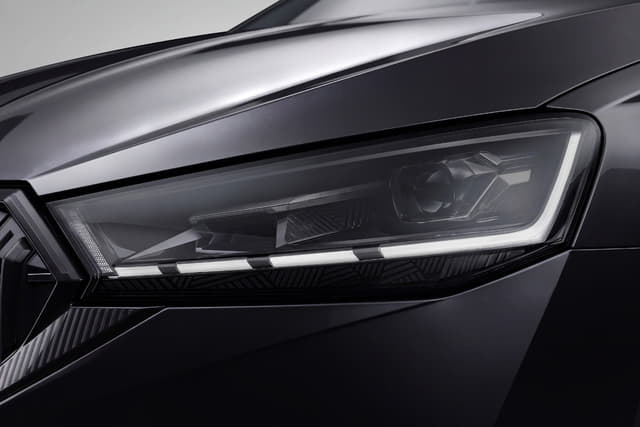
The driving experience is good, but I do hear some engine noise inside the cabin. The comfort and performance are great, and I appreciate the powerful headlamps.
I love driving this car! I was really impressed with the Skoda Slavia top model after my test ride. It offers a smooth drive and comfortable seating.
The Skoda Slavia offers a luxurious driving experience that rivals high-end brands. Its German engineering shines through with strong build quality and precise handling. The 1.5-litre engine delivers smooth power and excellent reliability, making it perfect for both city and highway driving. The interior is well-crafted, and the car is equipped with advanced safety features, enhancing the overall ownership experience.
I easily get 14-16 km/l on the highway with my Skoda Slavia, and it can reach 18 km/l if I drive gently. In heavy city traffic, it drops to about 10-12 km/l. The engine is fantastic, providing 114 bhp and 178 Nm of torque. The ride quality is excellent, and the cabin is spacious with modern features. Overall, the build quality and driving experience make it a joy to own.
Skoda makes a great looking car that really stands out. The safety features are impressive, with multiple airbags and a solid build quality. Plus, they offer a 5-star safety rating.
Awesome car with great performance and looks. Luxury car feelings while driving.
Punchy engines, impressive high speed stability
New 8-speed AT has improved low speed drivability
Feature-rich
Low-speed ride has a firm edge
No manual option with the 1.5
Hi Autocar team, I am looking to buy a new petrol automatic car for my family of three. Most of my driving will be in Bengaluru city, with occasional highway trips of 100-500 km. I prefer a torque-converter automatic or a CVT. We have test-driven the Skoda Slavia 1.0 TSI, Kylaq and Kushaq, Volkswagen Virtus 1.0 TSI, 2026 Honda Elevate facelift, Kia Sonet, Tata Punch AMT, Tata Sierra DCT and the Tata Punch EV with its automatic transmission. I personally liked the Slavia for its performance, handling, ride quality and safety, but I am concerned about EPC warnings and reliability. My wife is a beginner driver who currently drives a manual turbo sedan and a hatchback. She prefers relaxed driving and liked the Honda Elevate CVT more than the Sonet. I enjoy strong performance and effortless overtaking on highways, although neither of us is an outright driving enthusiast. With so many options, which automatic would you recommend?

 Honda ElevateSkoda SlaviaKia Sonet
Hi Autocar India, I currently own a Skoda Slavia 1.0 TSI MT, but since my wife prefers to drive an automatic, I'm planning to sell it and upgrade to either Hyundai Verna 1.5 IVT or 1.5 Turbo DCT. I need a car that feels a little more responsive at the lower end, especially in stop-and-go traffic, as I find my Slavia slightly sluggish in this situation. My monthly running is around 1,000 km, with approximately 70% highway and 30% city driving. Between the two Verna variants, which one would you recommend based on my requirements? Also, are there any SUVs in the similar price range that offer good mileage and better low-end response? I would love to hear your recommendation.
Hyundai VernaHonda CitySkoda SlaviaHonda ElevateHi Autocar Team, I am confused between the Skoda Slavia 1.0 AT and 1.5 DSG. Which would you recommend for long-term ownership? I plan to keep the car for as long as it can reliably handle Bengaluru traffic and highway drives. Please suggest which engine and transmission combination would be more suitable for my needs.
Skoda SlaviaI am a 46 years old man based in Noida and have a family of 3. I’m planning to buy a car in a budget of Rs.15 - 20 lakh and have shortlisted Virtus and Slavia. Should I go for an earlier or 2026 cars that are being offered at Rs. 1 - 1.5 lakh discount. Should I wait for the facelift? I am worried if the 2026 version of Virtus still has the AC issue mentiond in some of the reviews. Should I spend an additional 2.5-3.5 lakh for the 1.5 engine? My driving involves 80% running within NCR and 20% outstation.
Volkswagen VirtusSkoda SlaviaTwo days back, you guys had suggested me Kylaq Sportline AT. I was checking Slavia Classic+ AT and it is almost the same price. It has all the basic features that I need including infotainment and rear view camera that I can get installed either from outside or from the showroom itself. Is it a good idea?
Skoda SlaviaSkoda Kylaq