

Cars under ₹10 lakh in India (60)

Filter your search
Filter your search

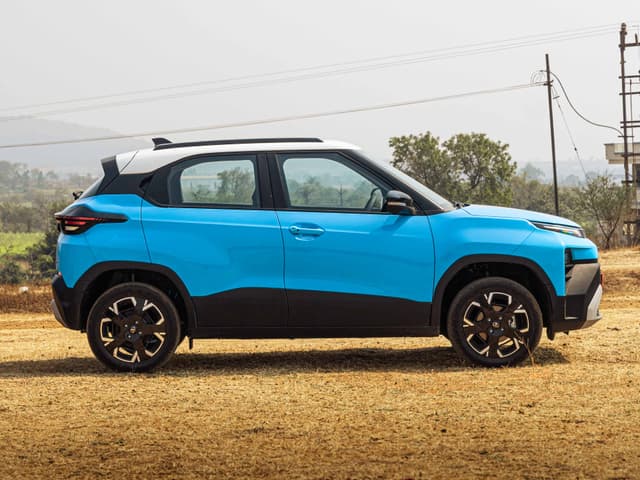
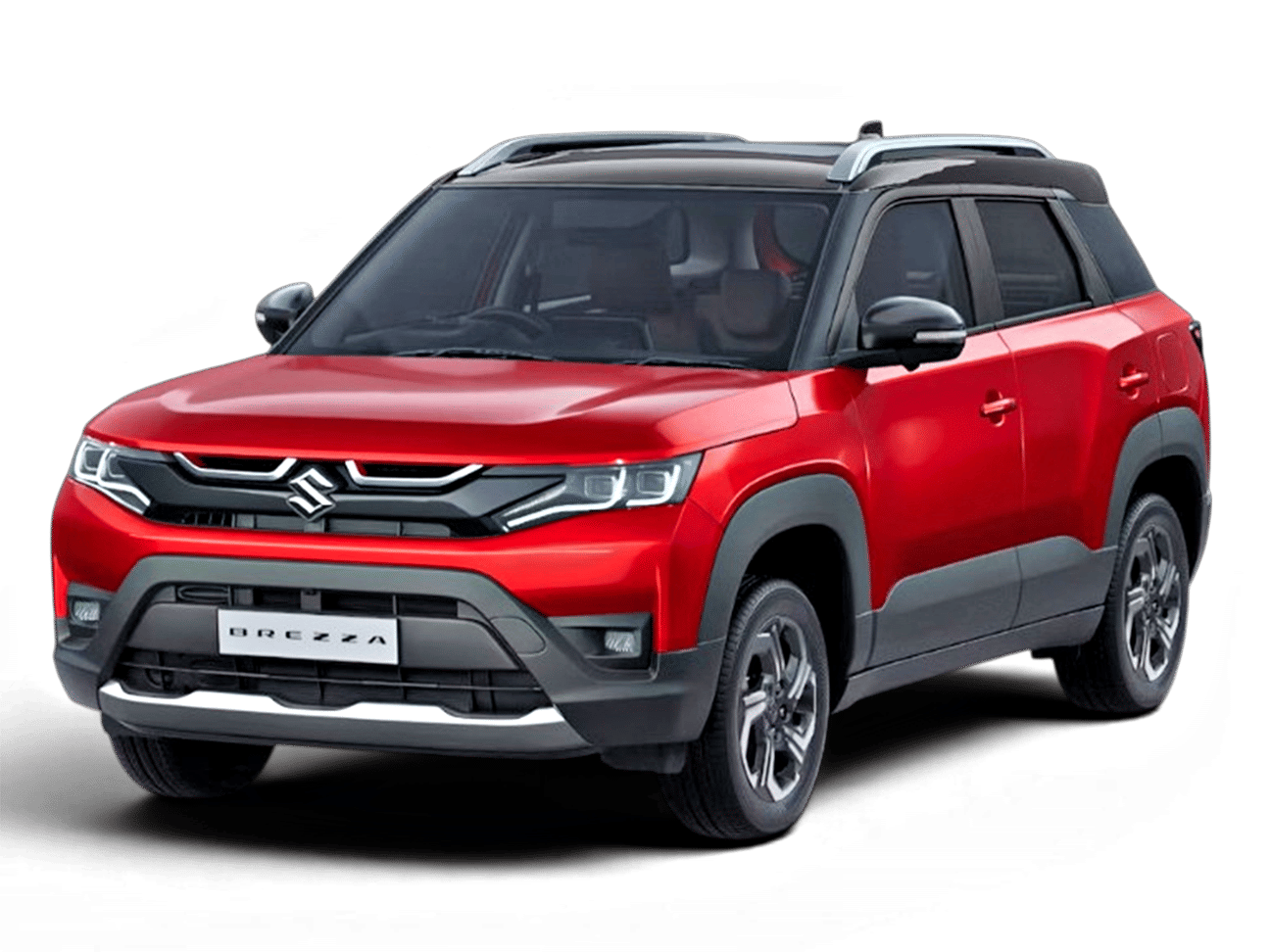
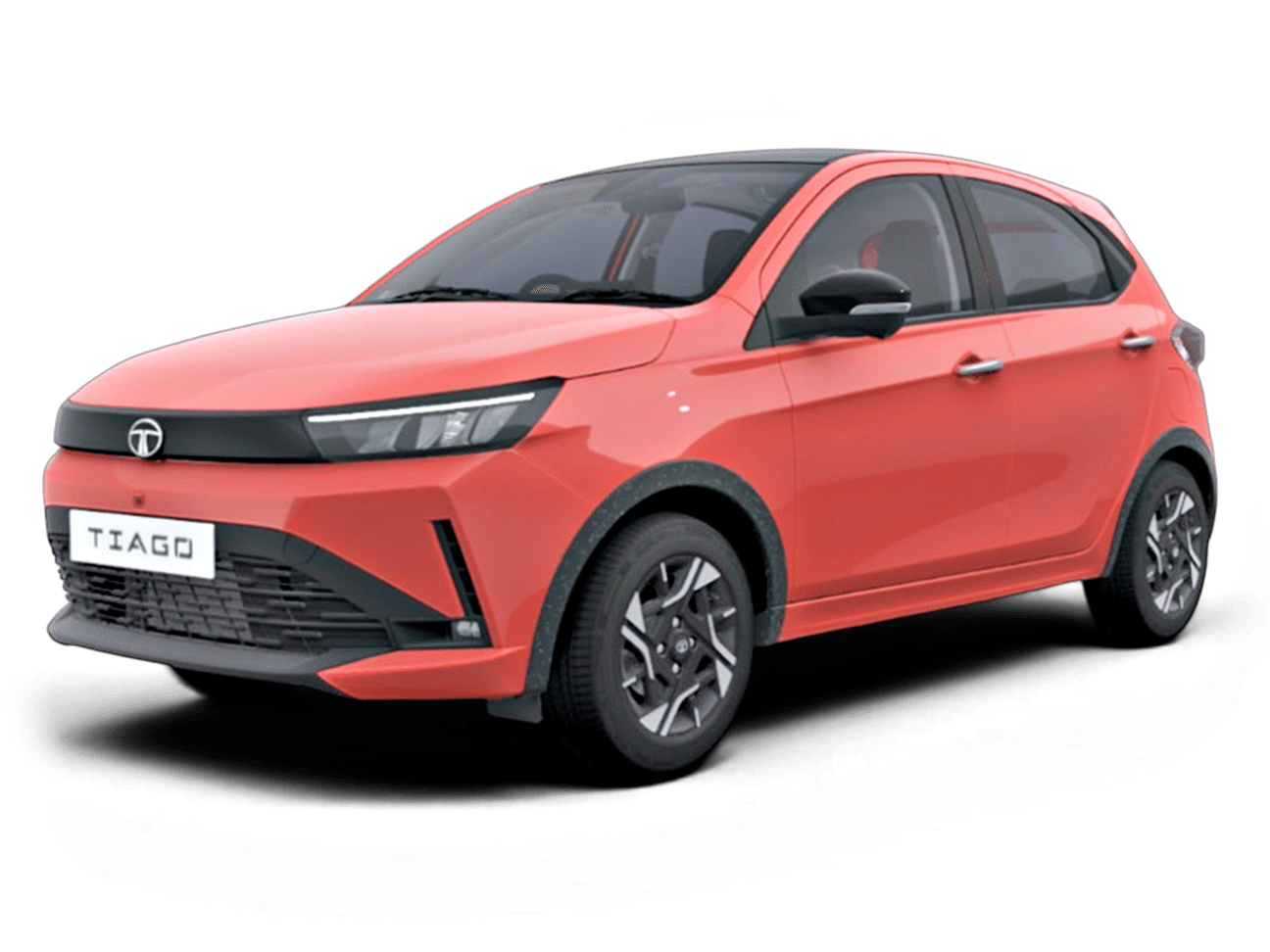
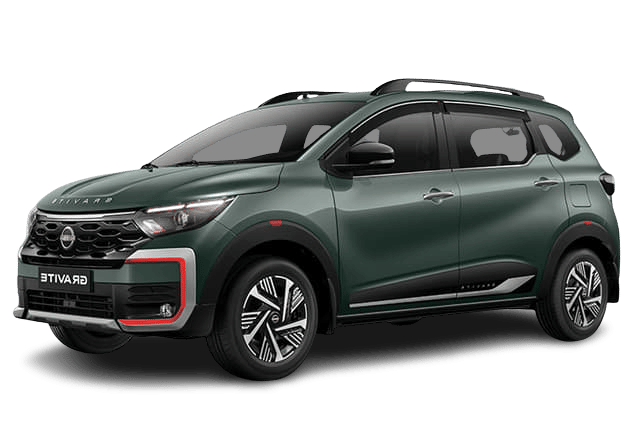













Filter your search
Filter your search
Filter your search
Filter your search
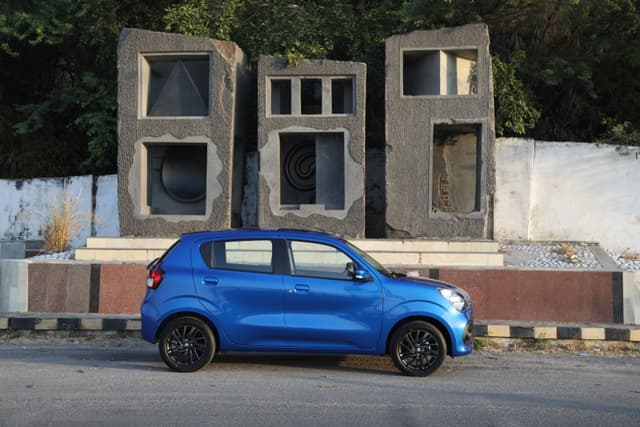
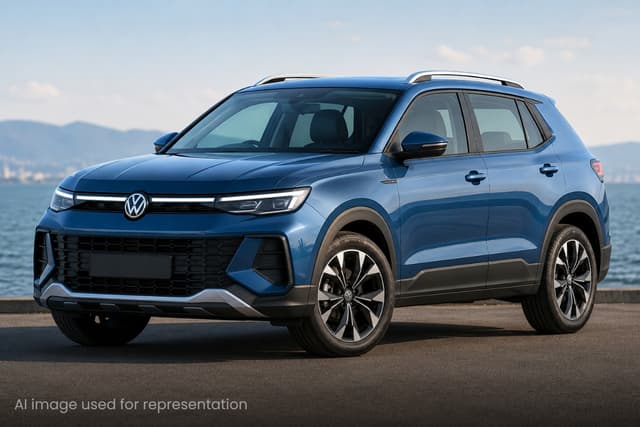
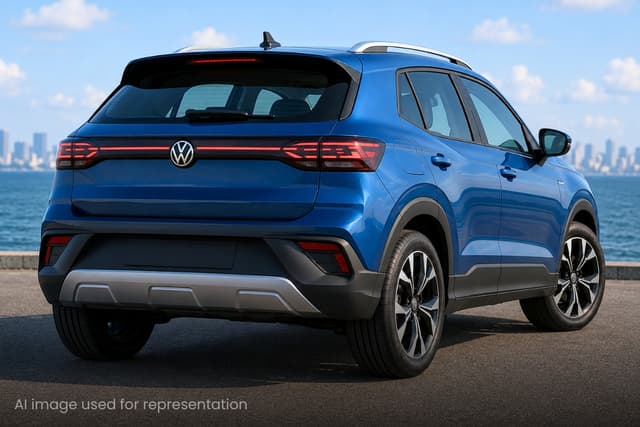
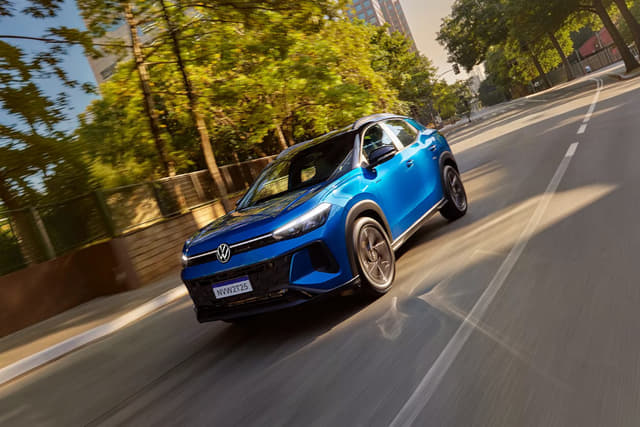
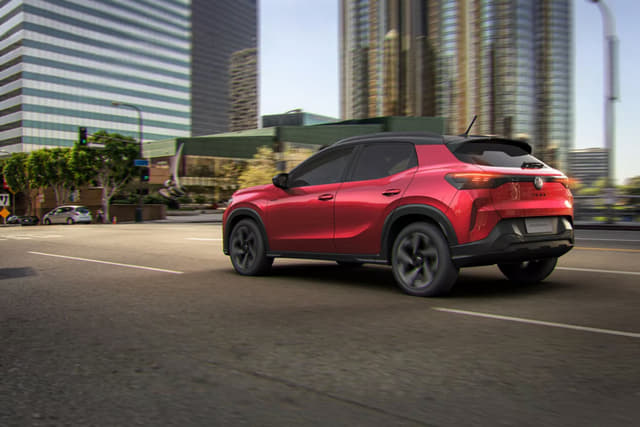
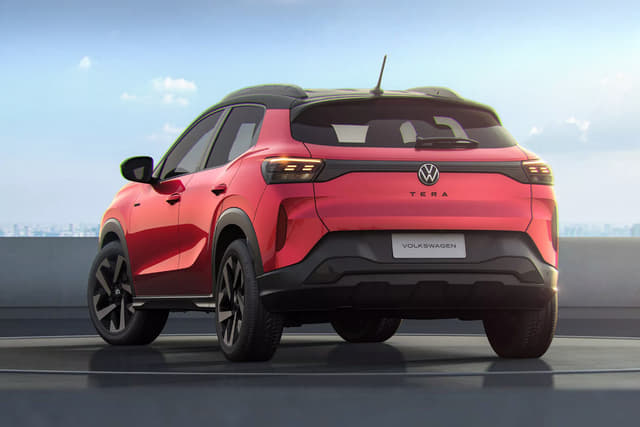
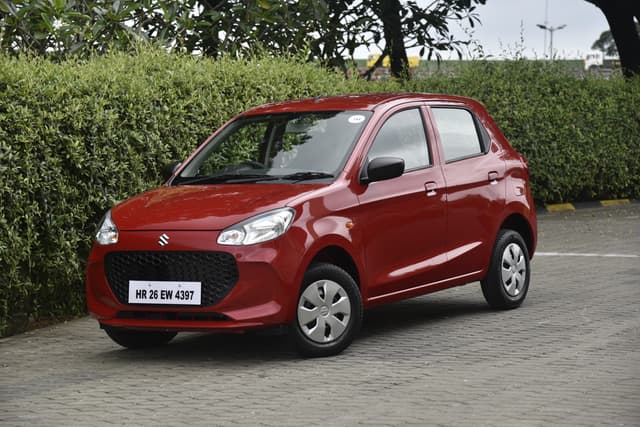
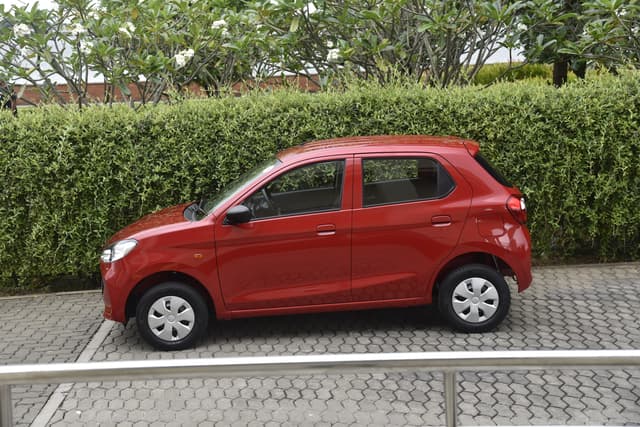
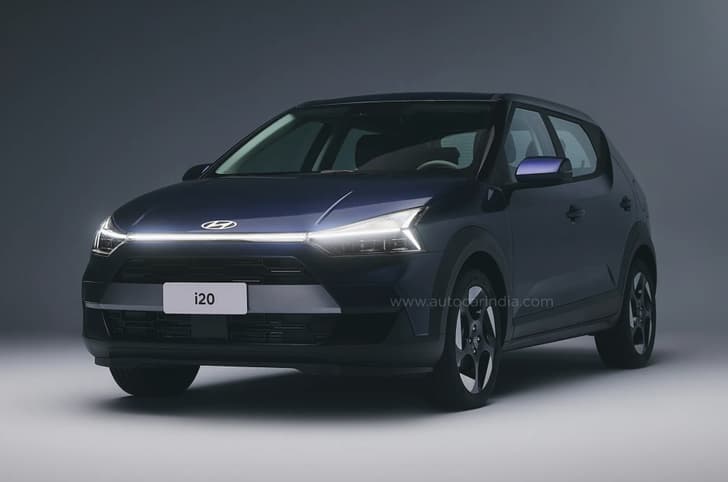
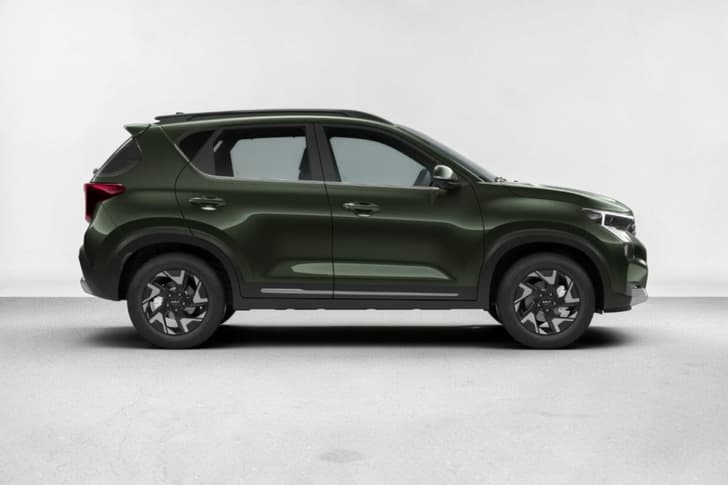
Cars Under ₹10 Lakh Comparisons

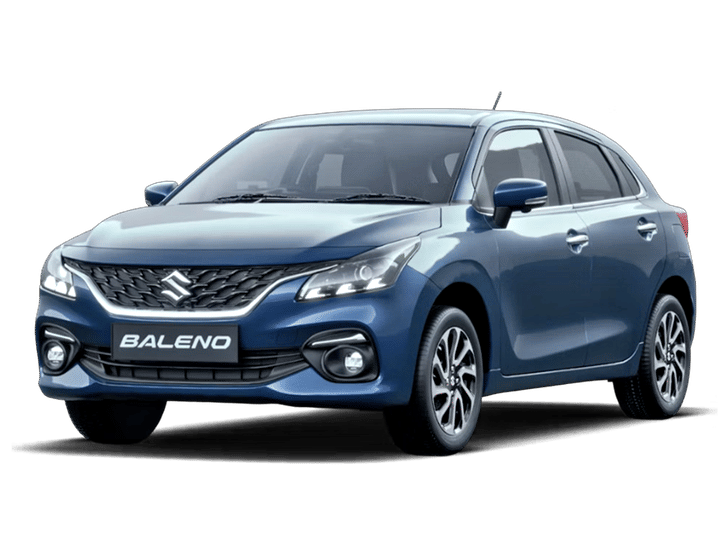

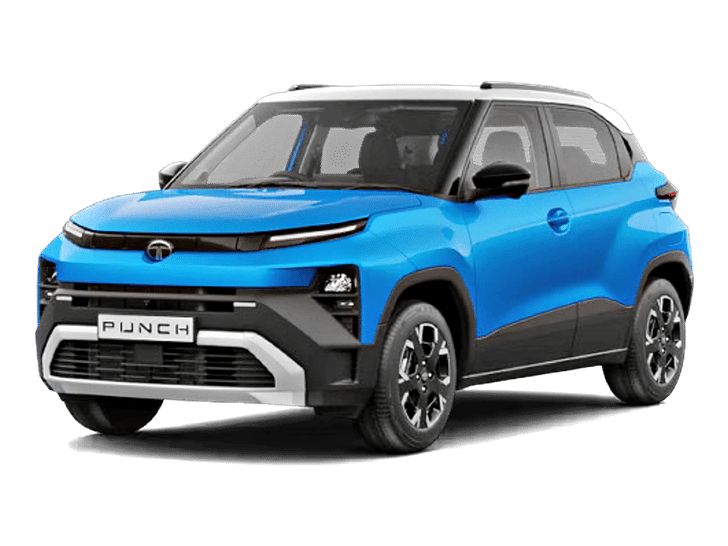
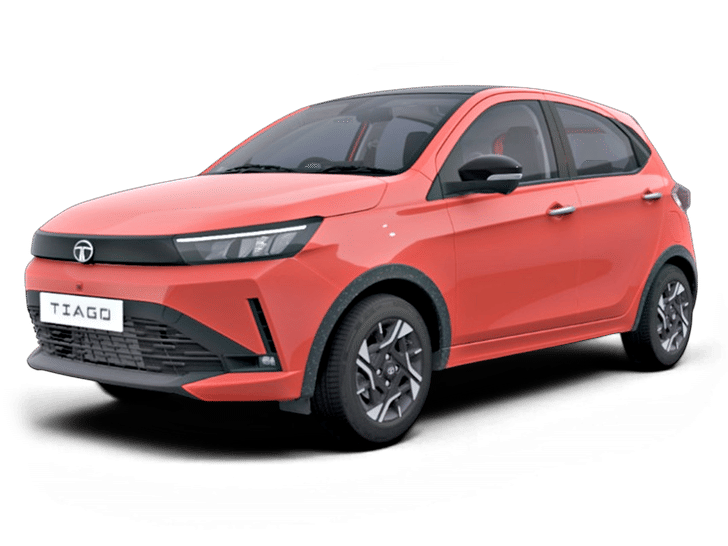
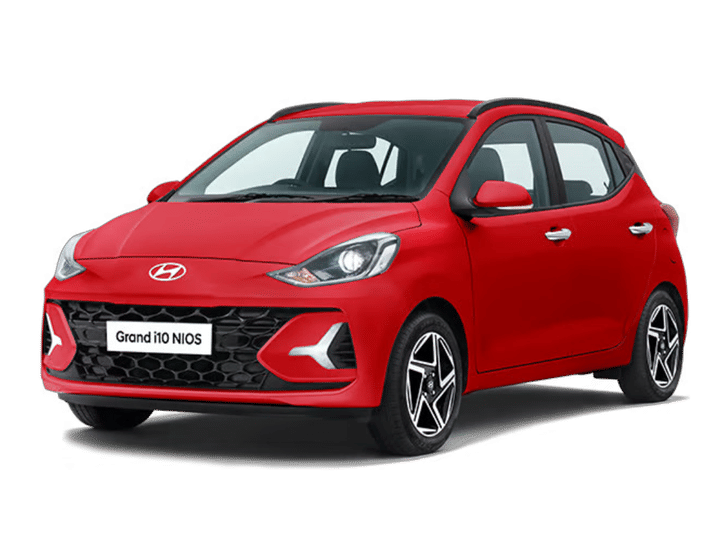
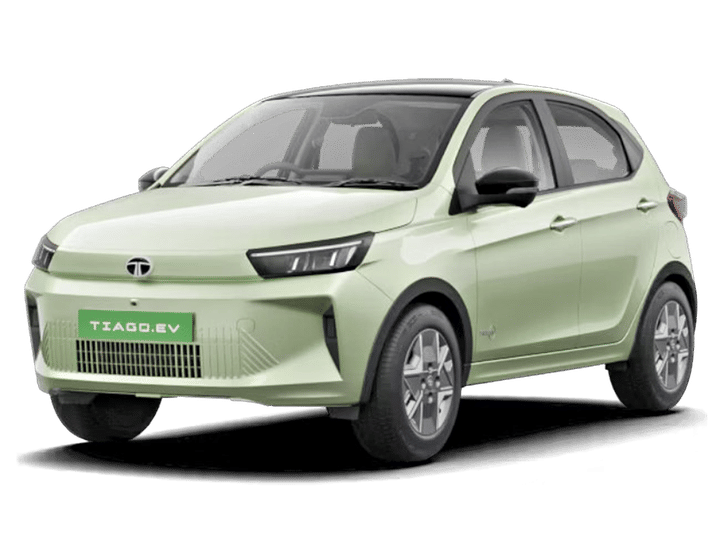


Trending Questions on Cars under ₹10 Lakh - Answered by Autocar Experts
Cars Under ₹10 Lakh User Reviews
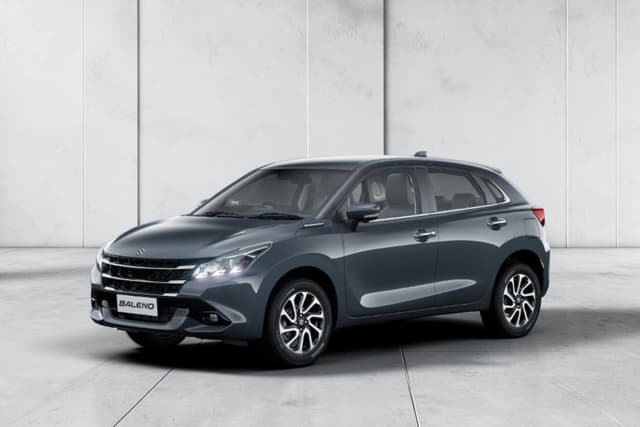
Maruti Suzuki Baleno
Reuben Charles•21 September 2026
I took a test drive of the 9s and it ticked all the boxes in terms of performance and premium appeal. It felt spacious in both rows and was practical with a spacious frunk. I felt like I was driving a big car for the money spent. I have finally booked a 9s pack 3.
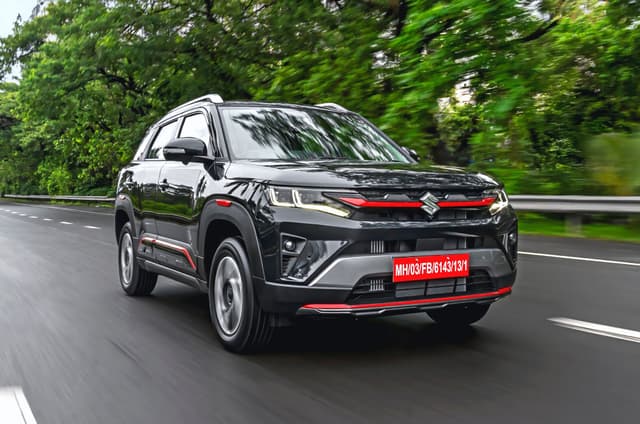
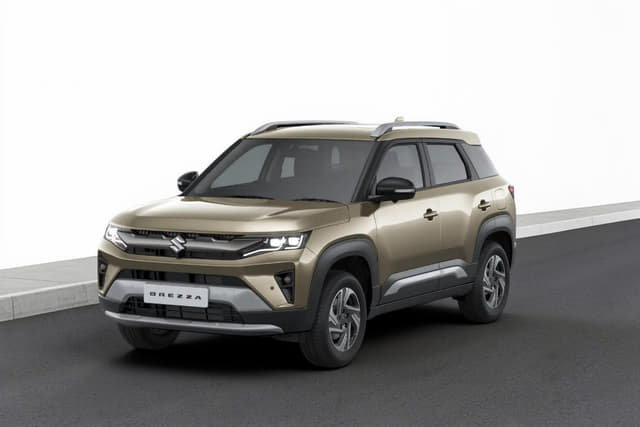
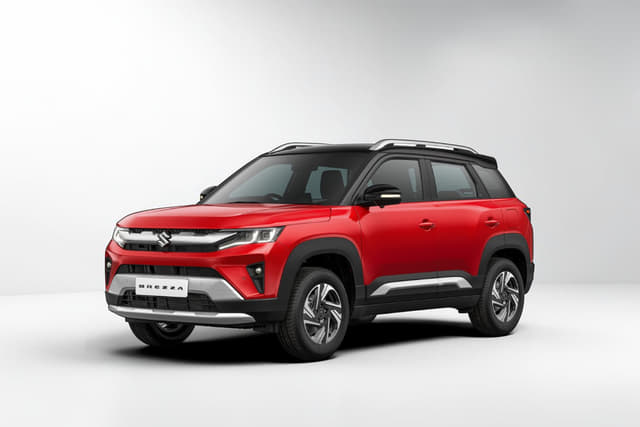
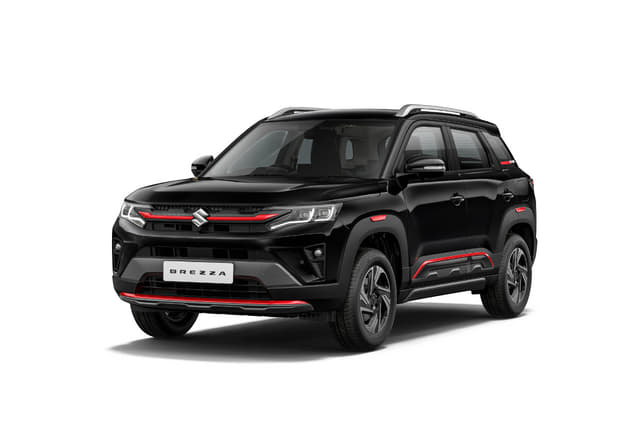
View all Baleno ReviewsMaruti Suzuki Brezza
Ganesh OP•21 September 2026
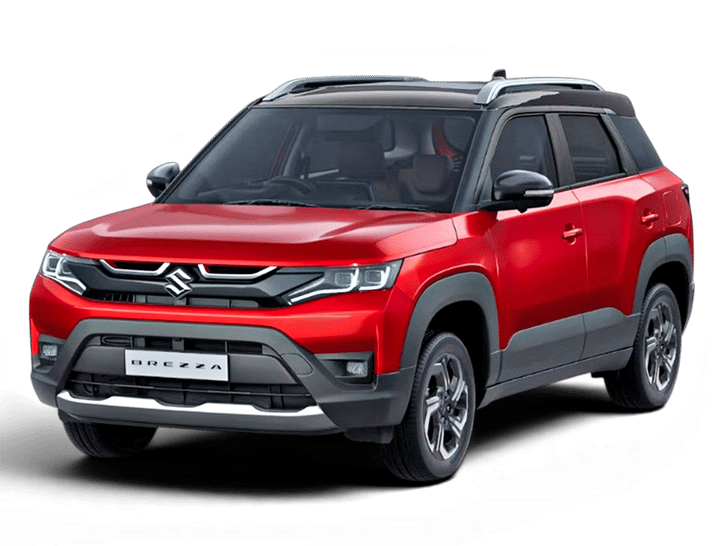
The Ride Quality, Space, Mileage are the best in this segment.
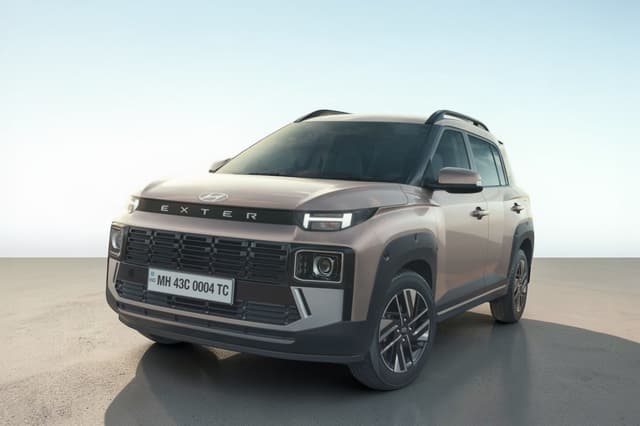
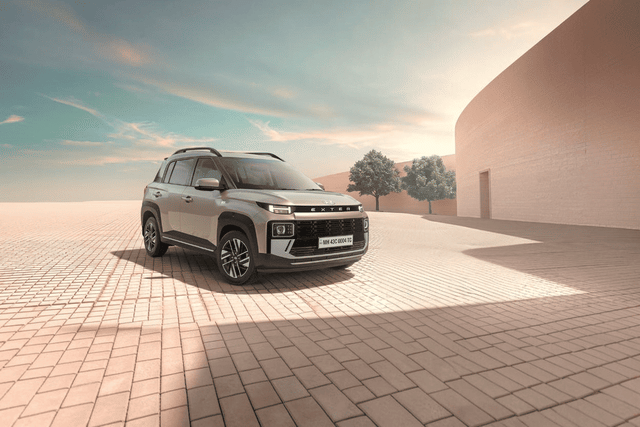
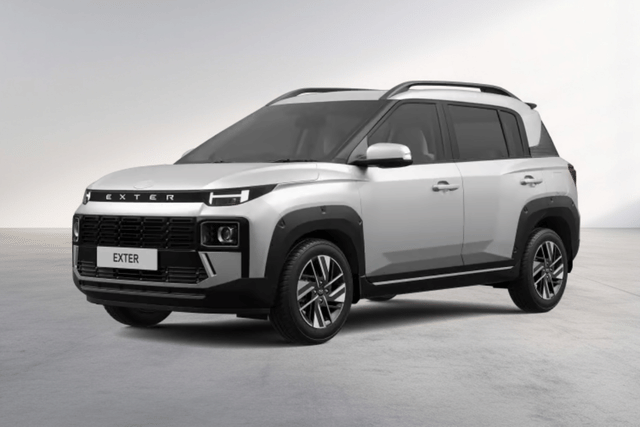
View all Brezza ReviewsHyundai Exter
Ar Amit Dhingra•21 September 2026
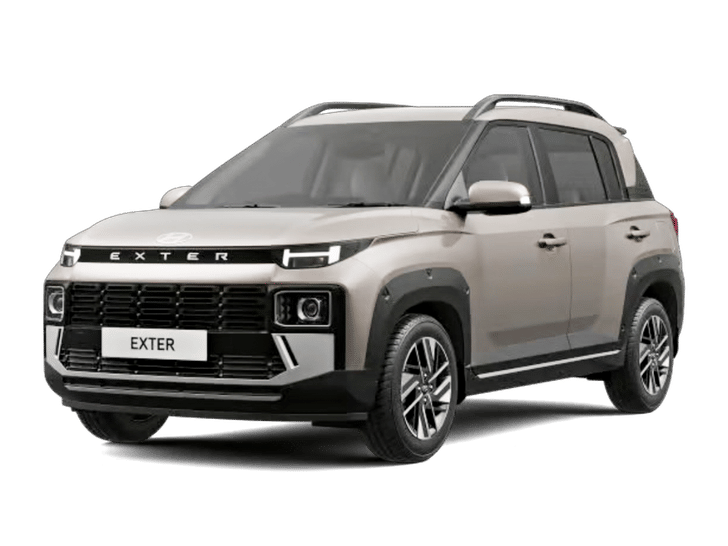
Bought in nov 2023 driven 75000 km. Excellent performance and great milage Most hillaruous thing is that company claims a milage of 27.5 km per kg of cng but I actually get around 30 km per kg Super satisfied
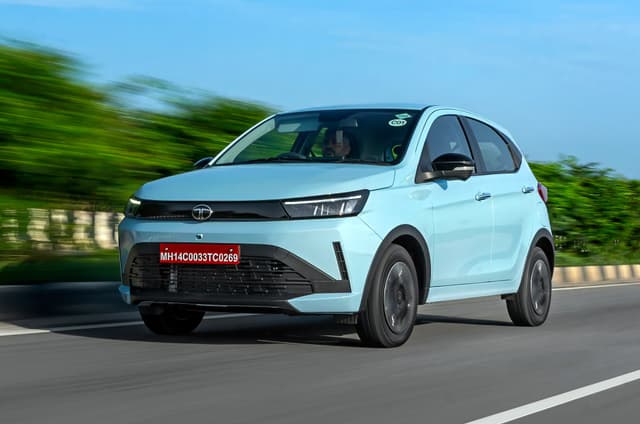
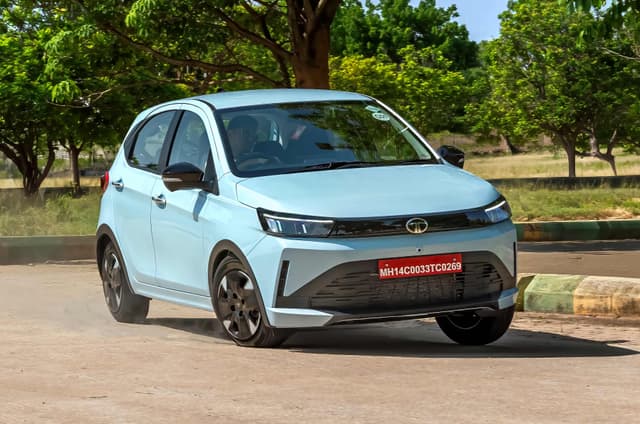
View all Exter ReviewsTata Tiago
Parag Modi•21 September 2026
Overall experience is good. One thing missing is headrest in rear seat. Also you can improve mileage by giving 6 speed amt. Also the mileage in city is 12-15 km per kg and highway is upto 25-30 km per kg. Tyres can be wider for better grip.
View all Tiago ReviewsTata Tiago EV
Rahul•22 September 2026
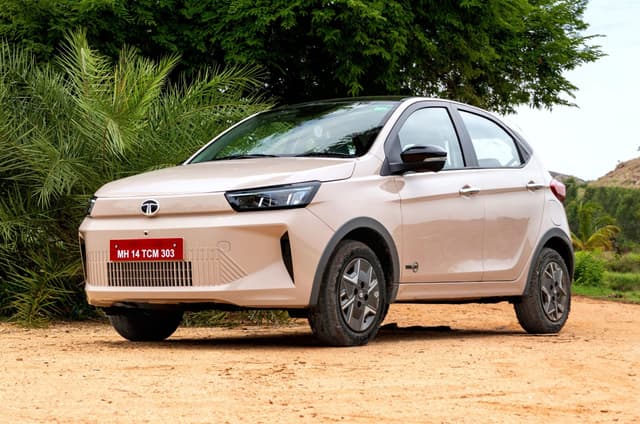
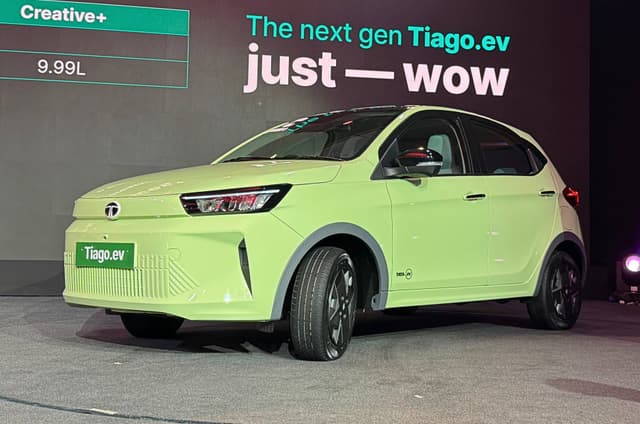
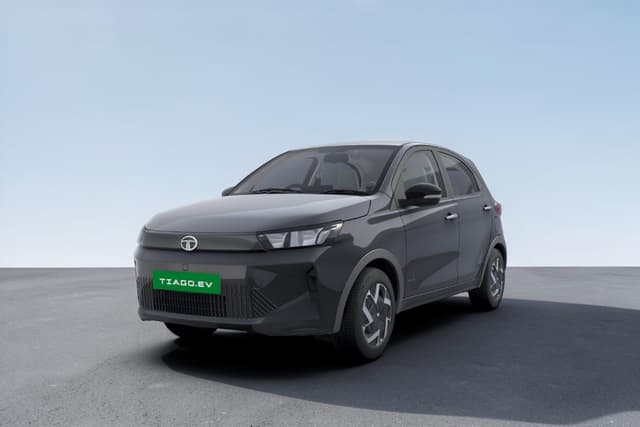
The tata tiago ev face-lift is a good car but its body colour grill doesn't look good at all. But looking at the cars interior it looks amazing especially because tata has used 20% recycle plastic. The dual phone tray does not include wireless charging which is kinda disappointing .The boot spacece is fine for a hatchback like this. PRICING The tata Tiago's faclift (ev) is affordable THANK YOU 😊
View all Tiago EV ReviewsTata Punch
Anand N Shirolkar•21 September 2026
I would love to drive the Punch , very elegant and safe car to drive
View all Punch ReviewsMaruti Suzuki Dzire
Girish•19 September 2026
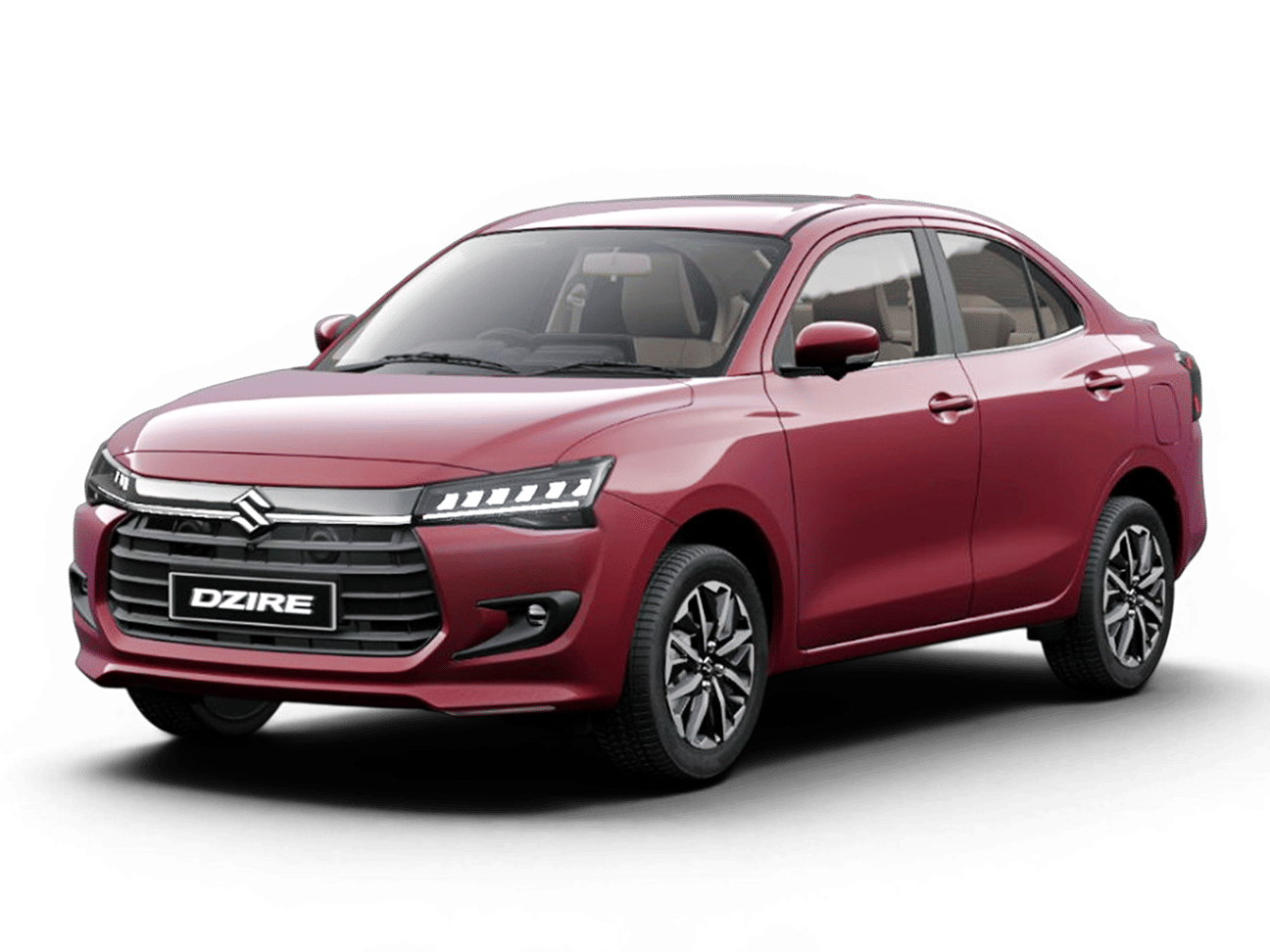
I suggest stretching your budget and going for the Dzire CNG. Ground clearance is not a problem with the Dzire.
View all Dzire ReviewsTata Punch EV
Vishal•18 September 2026
Punch offers good test drive experience, but I am concerned about rusting issues and aftermarket service.
View all Punch EV ReviewsCars Under ₹10 Lakh Expert Reviews
Cars Under ₹10 Lakh Images
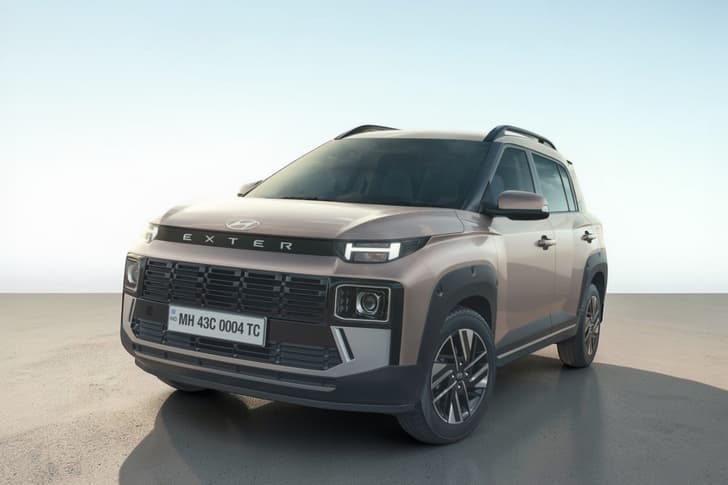
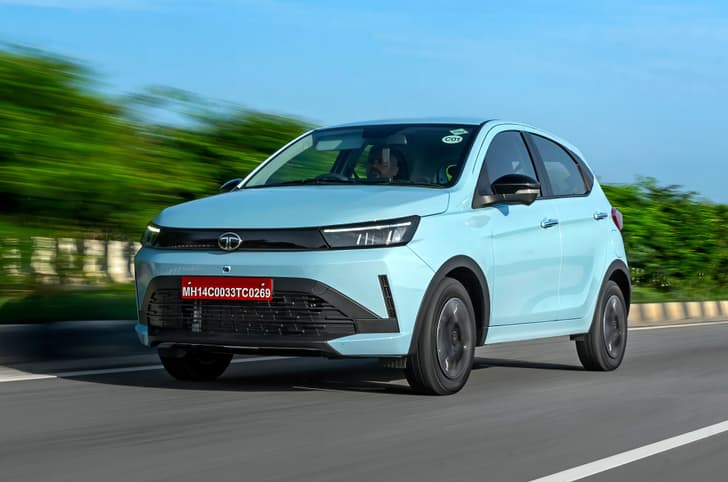
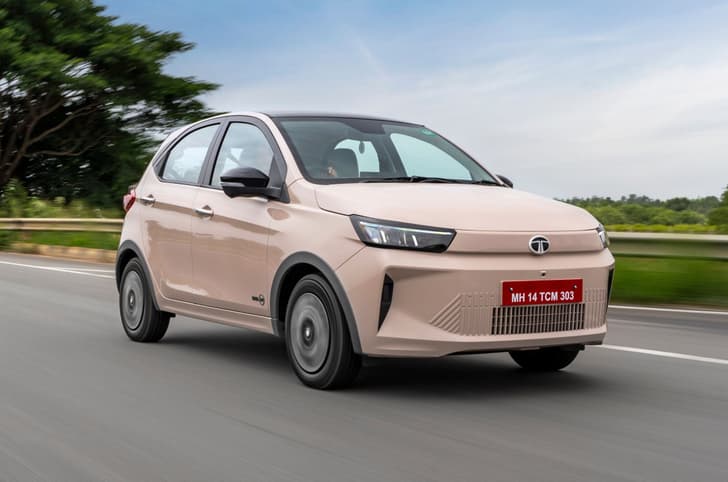
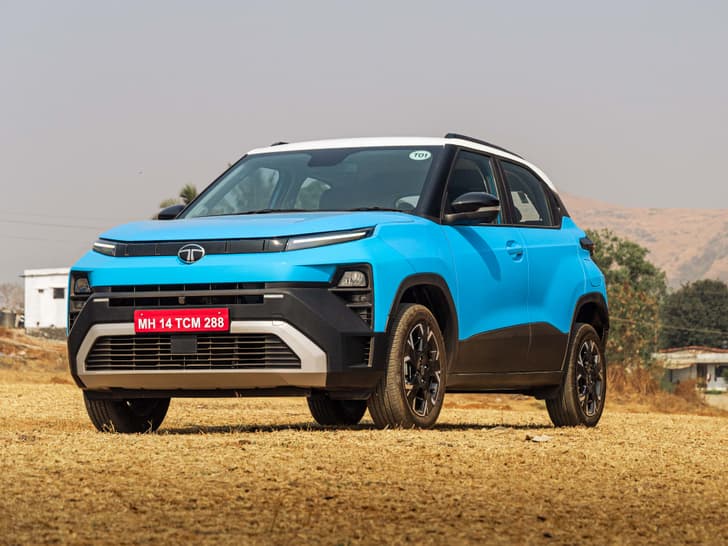
Cars Under ₹10 Lakh Videos
Cars Under ₹10 Lakh - FAQs
The cars under 10 lakhs on road price vary depending on the city, insurance, and registration charges.
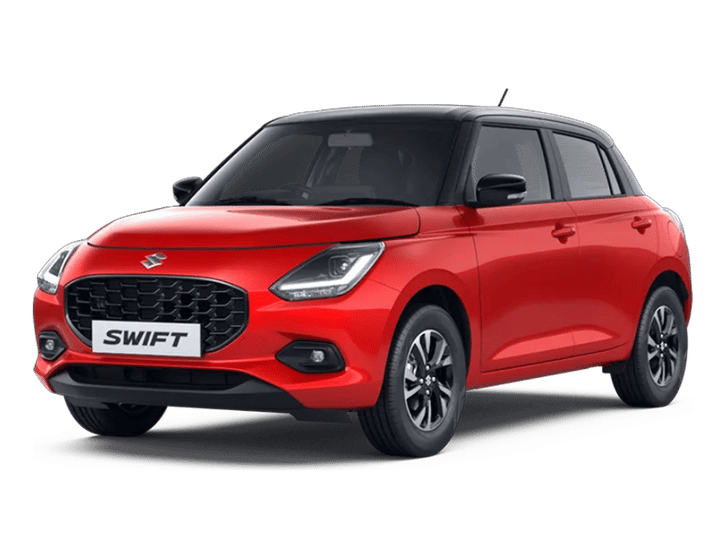
For example, Maruti Swift - ₹6.44 lakh
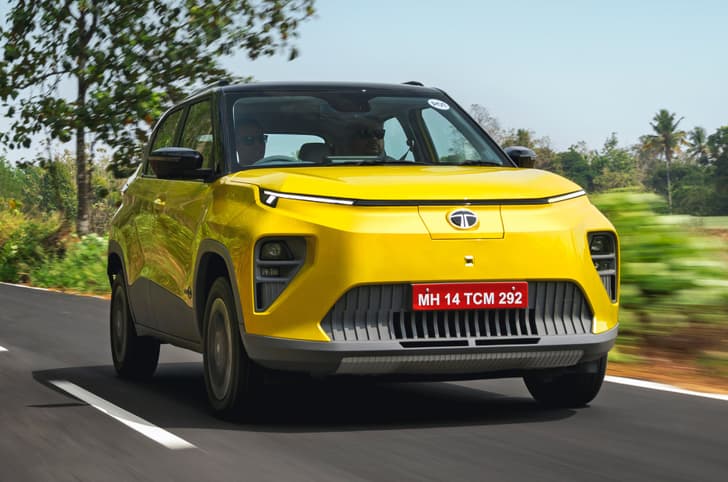
Tata Punch - ₹6.66 lakh
Hyundai i20 - ₹8.10 lakh
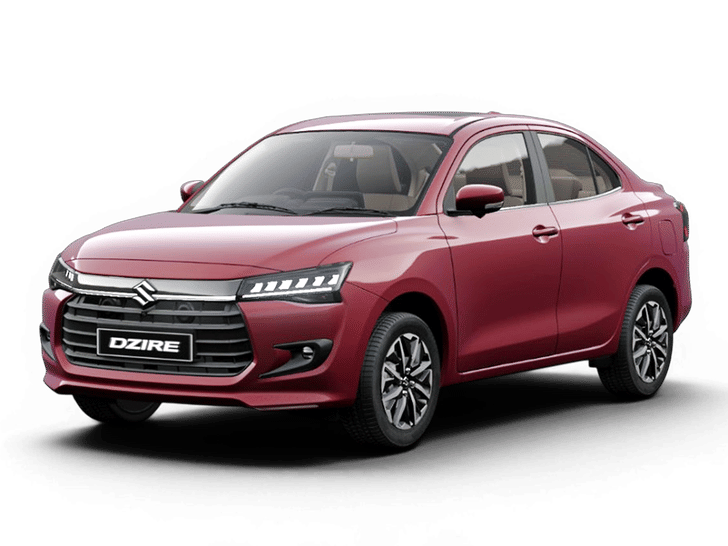
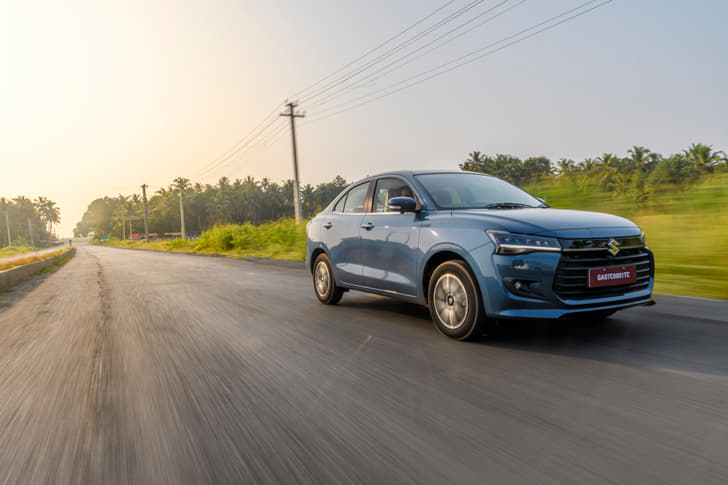
Maruti Dzire - ₹7.13 lakh
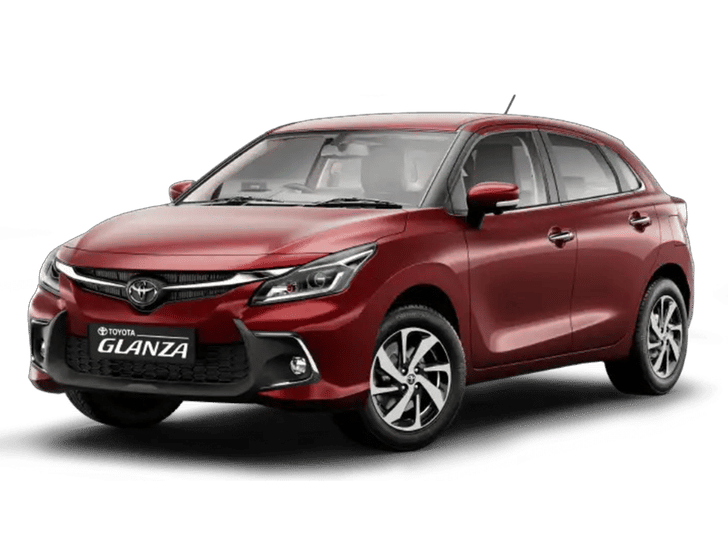
The best car under 10 lakh depends on your needs. For hatchbacks, Maruti Swift, Hyundai i10 and Baleno are top picks; for compact SUVs, Tata Punch and Hyundai Exter; for sedans, Maruti Dzire and Toyota Glanza.
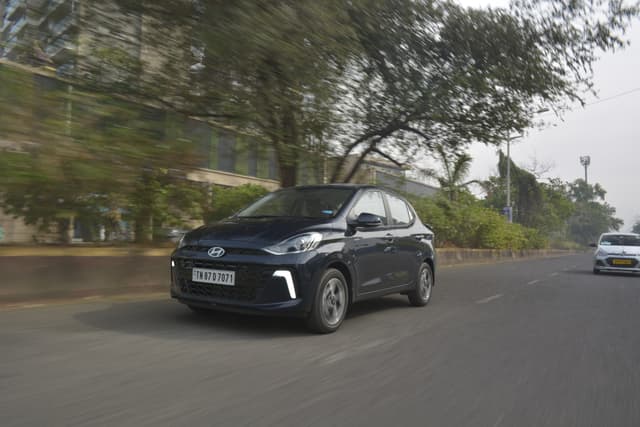
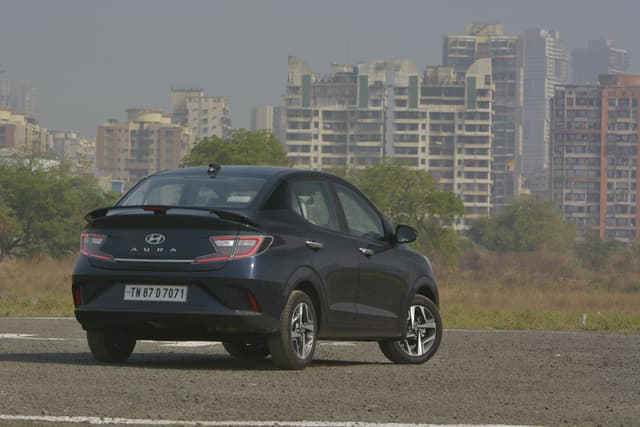
Sedan cars under 10 lakhs include Maruti Suzuki Dzire, Hyundai Aura and Honda Amaze.
SUV cars under 10 lakhs include Tata Punch, Hyundai Exter, Kia Syros, and Maruti Suzuki Fronx.
The top cars under 10 lakhs in India include Maruti Swift, Maruti Baleno, Tata Punch, Tata Tiago, Hyundai i20, Maruti Dzire, Toyota Glanza, Maruti Fronx, Kia Syros, and Maruti Ertiga.
CNG cars under 10 lakhs include Maruti Suzuki Dzire CNG, Maruti Suzuki WagonR CNG, and Maruti Suzuki Alto K10 CNG.
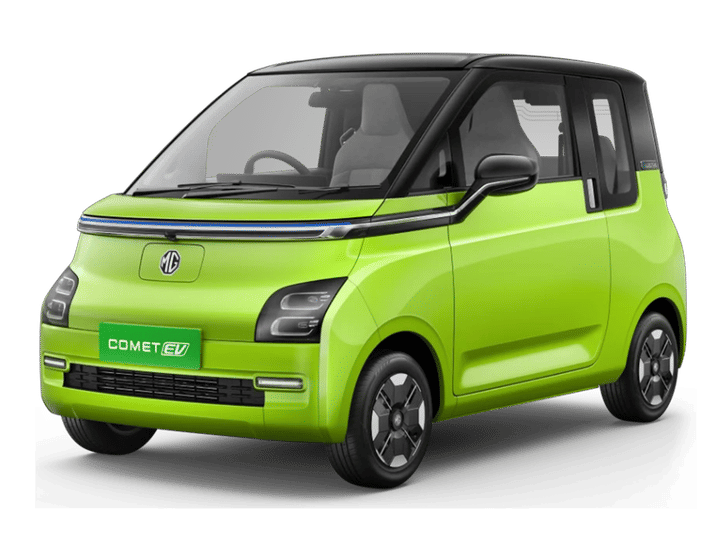
The Tata Tiago EV, MG Comet and Tata Punch EV are the affordable electric cars in India under 10 lakhs.
Recent and upcoming cars under 10 lakhs in India include Maruti Suzuki Brezza facelift, Tata New Nexon and Hyundai Exter Facelift.
Some of the automatic cars under 10 lakhs include the Hyundai i20 DCT, Maruti Suzuki Swift AGS, and Tata Punch AMT.
The Hyundai Grand i10 Nios starts at ₹5.47 lakh, making it one of the cheapest cars under ₹10 lakh.
Maruti Suzuki Dzire delivers mileage of 33.7 kmpl.
Tata Altroz, Maruti Dzire, and Tata Punch EV are among the cars under ₹10 lakh that have received a 5-star safety rating.
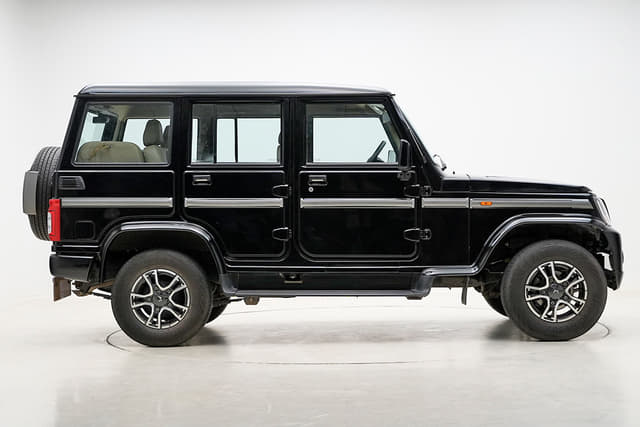
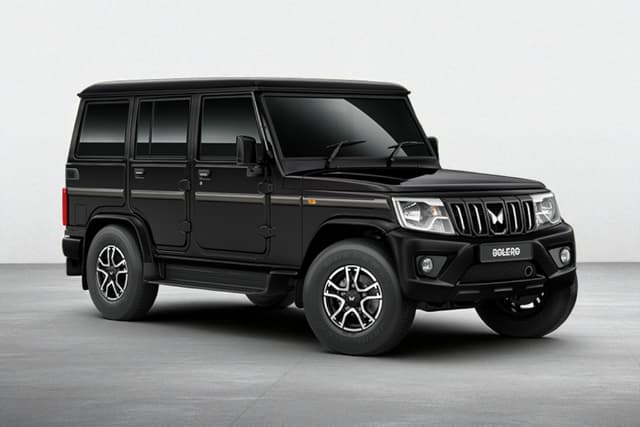
Mahindra Bolero, Bolero Neo, and Mahindra XUV 3XO are available with diesel engines.
Some of the Maruti cars under 10 lakh include Alto, Swift, Dzire, Baleno, Wagon R, Fronx, and Brezza.
Tiago, Altroz, Nexon, Punch, and Tigor are a few cars offered by Tata Motors under 10 lakh in 2026.
Kia Syros, Tata Punch EV and Hyundai Grand i10 Nios are some of the best 5 seater cars under 10 lakh.
Last Updated on: 22 Sept 2026