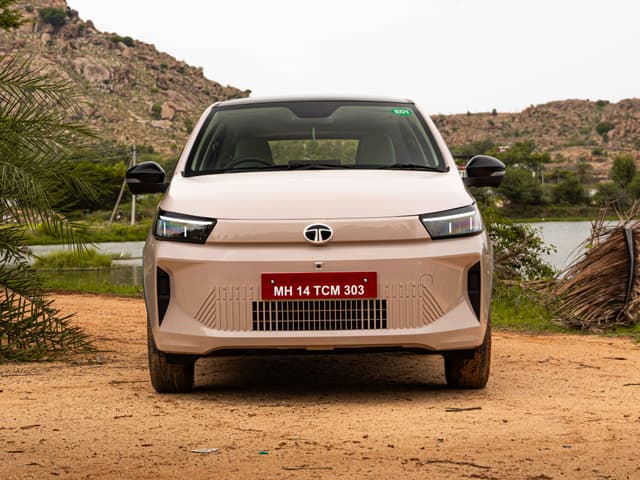
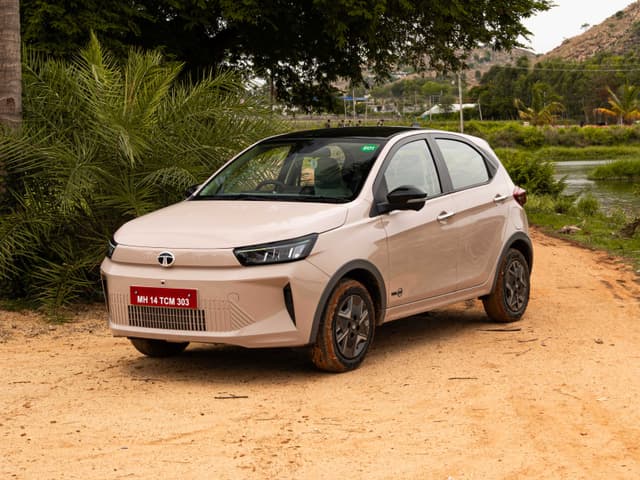
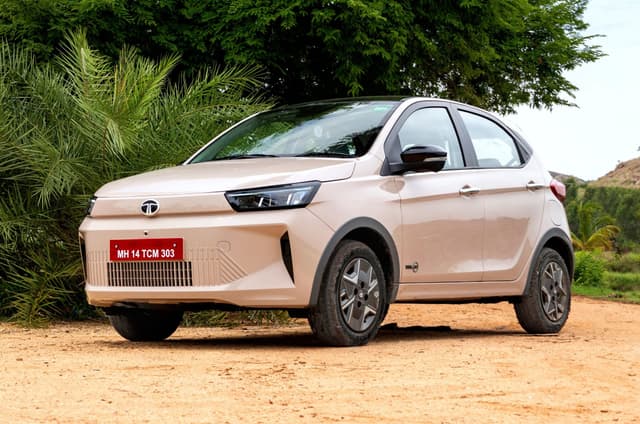
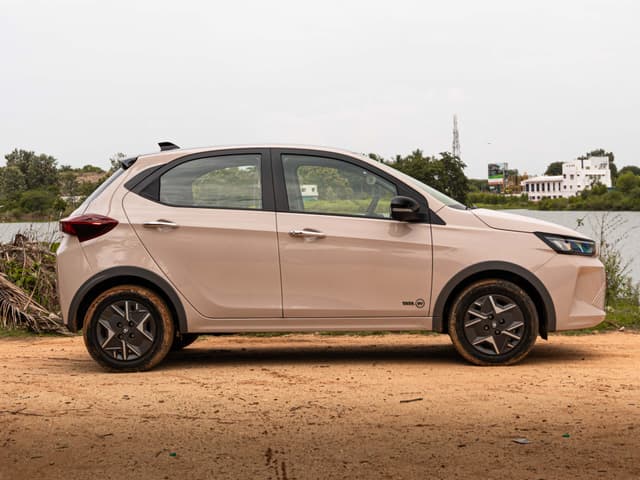
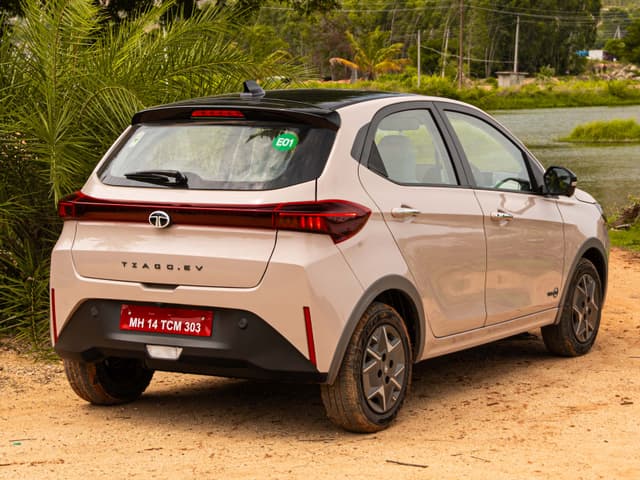
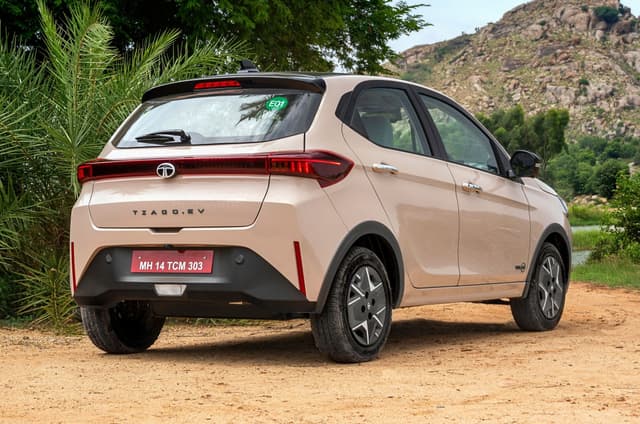
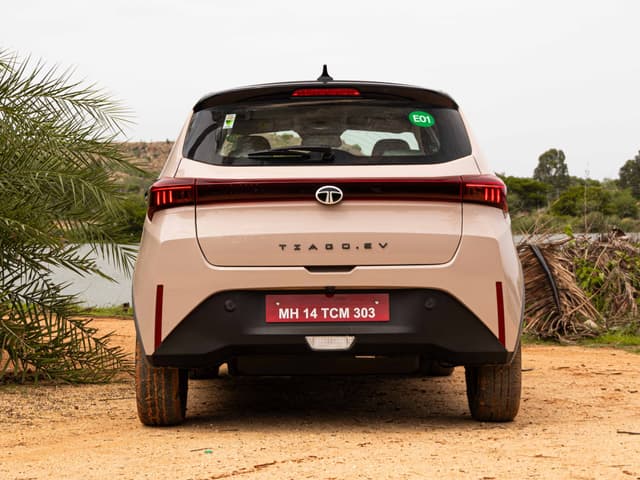
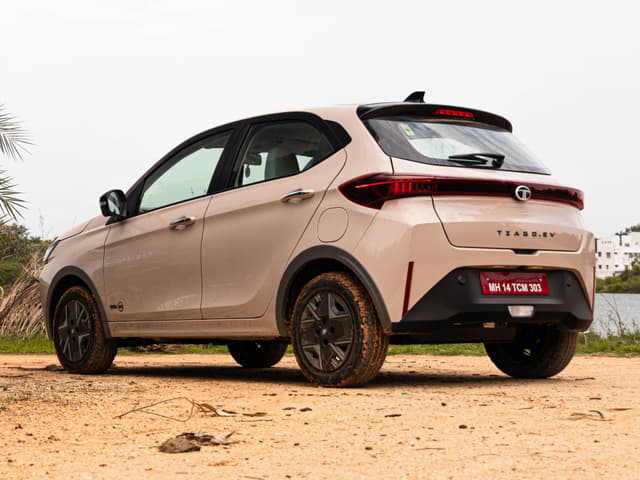
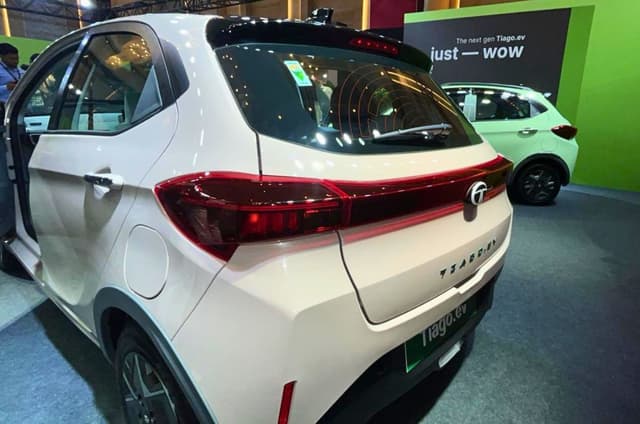
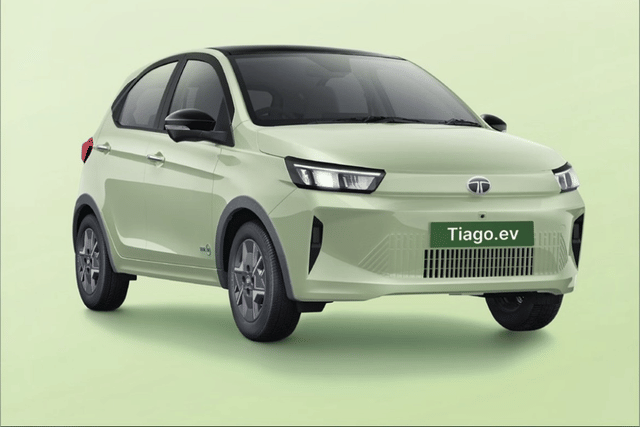
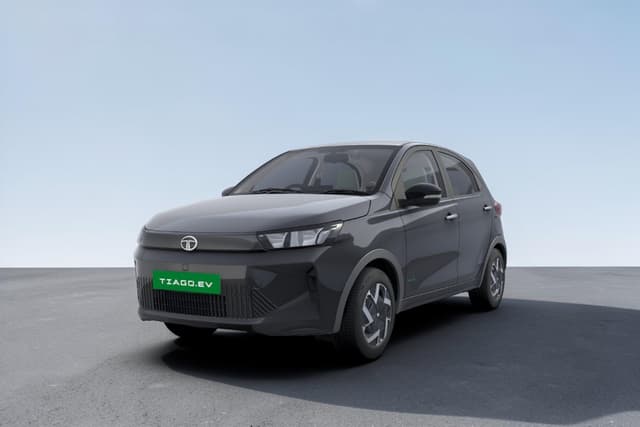
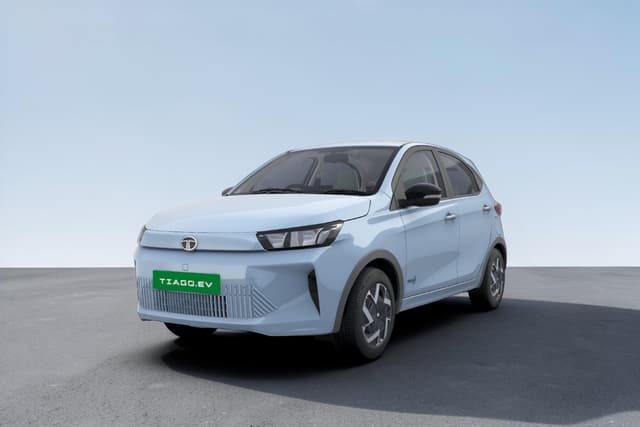

Grand Vitara or Tiago EV?


Last Updated on: 21 Oct 2026
Tell us about your experience
Good car for this price range, perfect for middle-class families. Good points: attractive look, low maintenance, big boot space, comfortable seats, clear sound from the music system, good mileage, strong engine, comfortable for the driver, excellent pickup, and awesome speed. Overall, it's a pocket-friendly car.
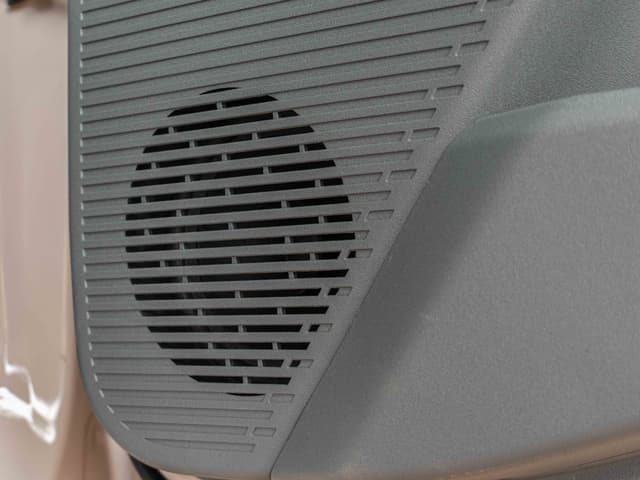
Most affordable car in its price segment, with characteristics like style, looks, safety, and technology that stand out. It's a trusted car and valuable in the second-hand market. Sound quality is better than other cars. Service costs are reasonable, and service centers treat you well.
Having owned the Tata Tiago, I have experienced its performance firsthand.
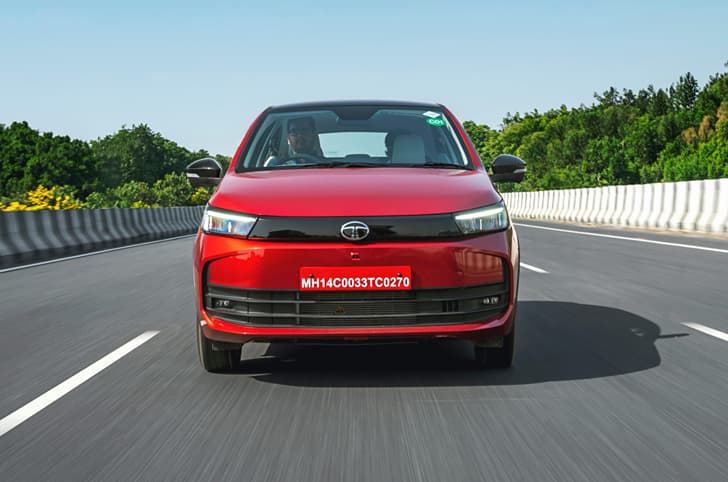
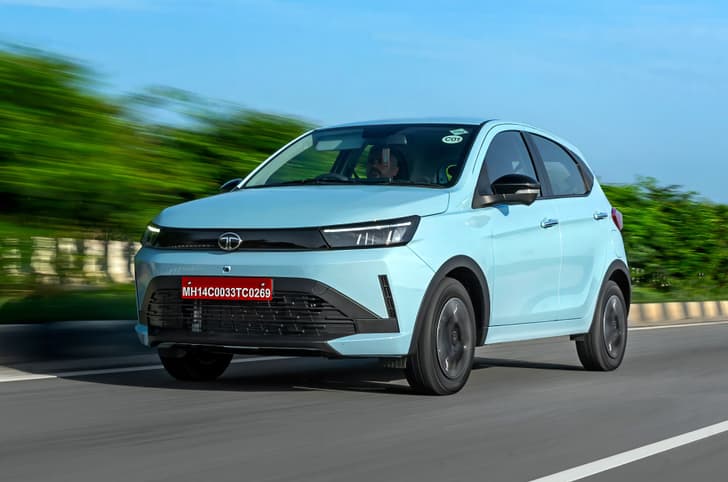
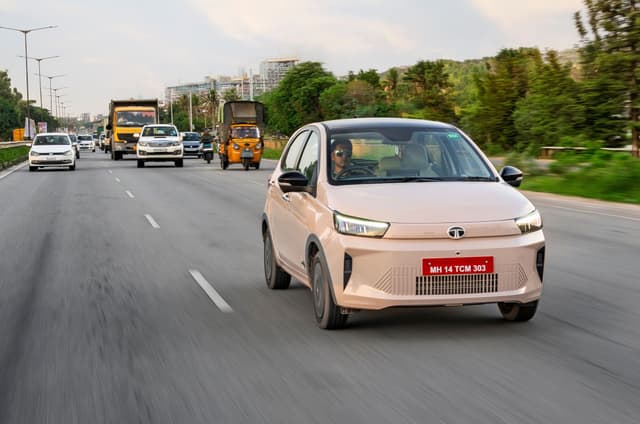
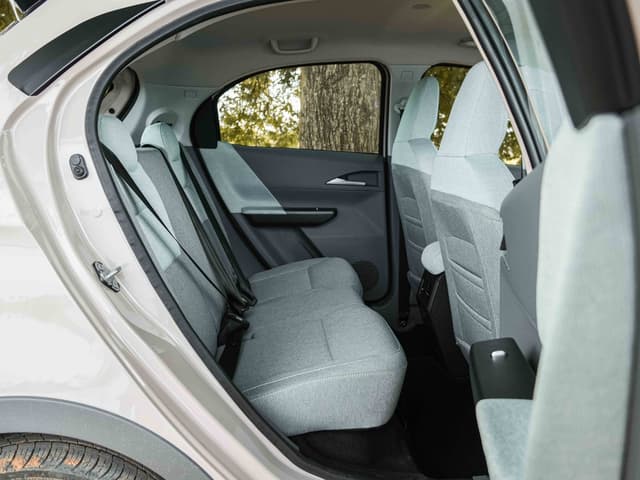
Excellent return on investment! One of the best small cars. Good height for driver visibility. Comfortable in congested city traffic. Great highway economy. It's fun to drive. The EV is more comfortable than larger automatic cars. I think no small EV outside China beats the Tiago EV.
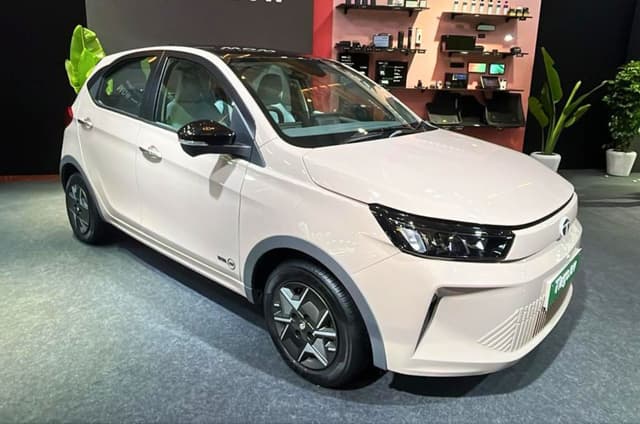
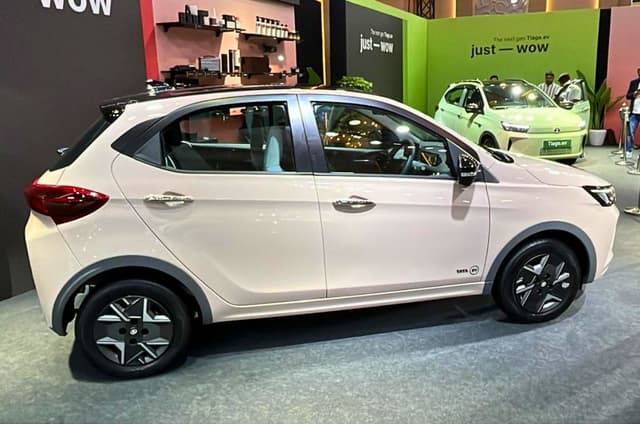
The Tata Tiago is a well-regarded, affordable hatchback known for its safety, solid build quality, and excellent fuel efficiency. It offers great value with a comfortable cabin and modern tech, making it a reliable choice for city driving.
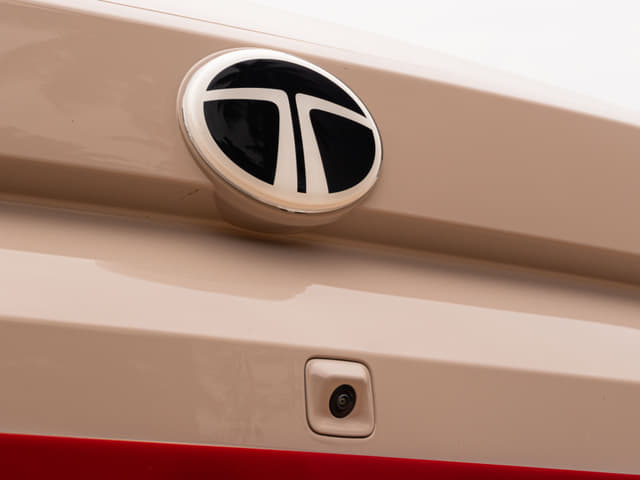
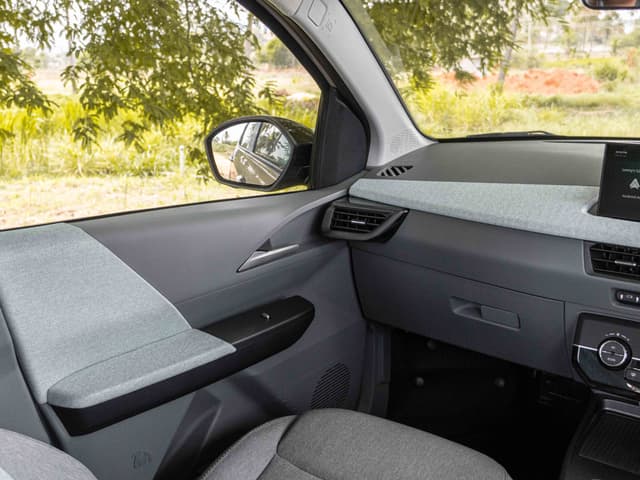
Feels more comfortable than before and is budget-friendly. The logo and interior are better than before. This is the best option under 10 lakh. I bought a new Tata Tiago last month, but I got the CNG/petrol version, which already looked smart, but this one feels even better. I recommend it under 10 lakh.
Nice car! I plan to buy this car next year. An EV is more reliable than petrol or CNG and is better for the environment. Tata is the best brand for safety ratings. I really like everything about this car; it looks awesome and is a good compact family car.
Tata Tiago is easy to drive in Bombay's crazy traffic. It is fuel efficient, easy to maintain, and has a strong build. Very reliable.
This Tata electric vehicle looks good and is reasonably priced. I want to buy it soon, but I'm confused about which model to choose. I've compared it with other electric vehicles, and the price and specifications are really good.
Worst buying experience. In summer, it gives a max of 120 km range. The service center experience is pathetic. Roadside assistance is unreliable. Riding is good, but after 10,000 km, there's a lot of noise from the windows. The dealer seemed uninterested in selling. Sometimes the AC cuts off in the summer.
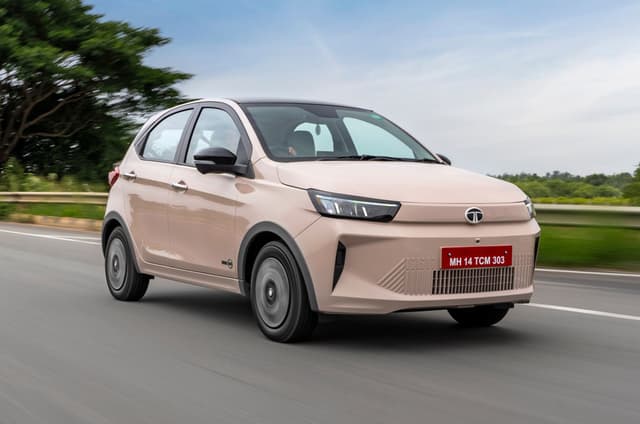
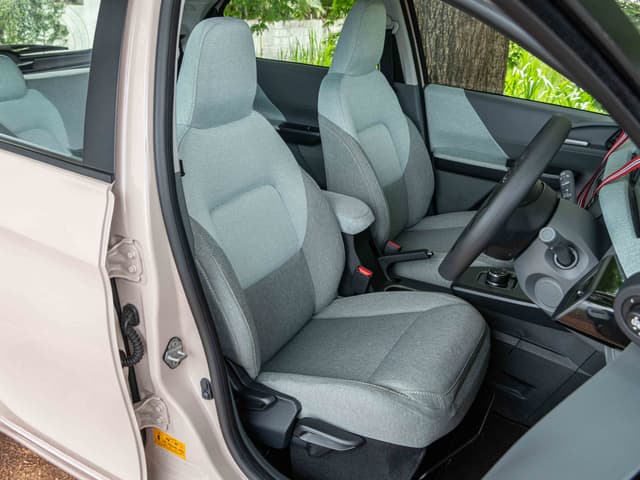
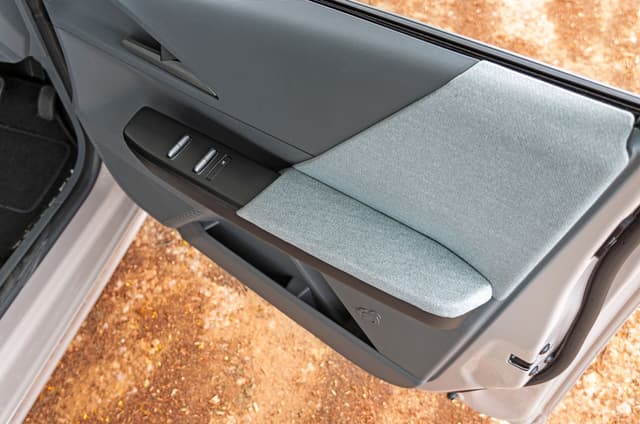
Plush low-speed ride quality
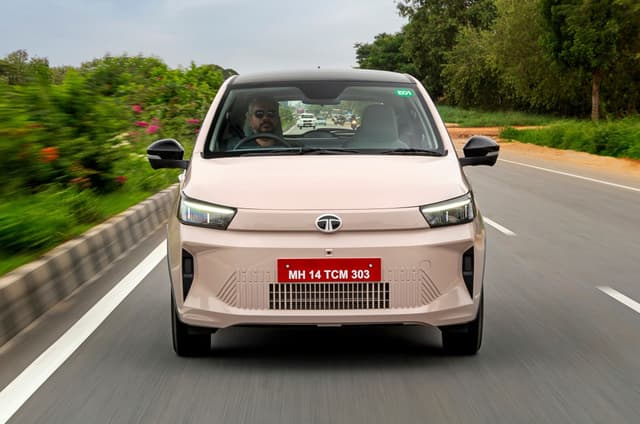
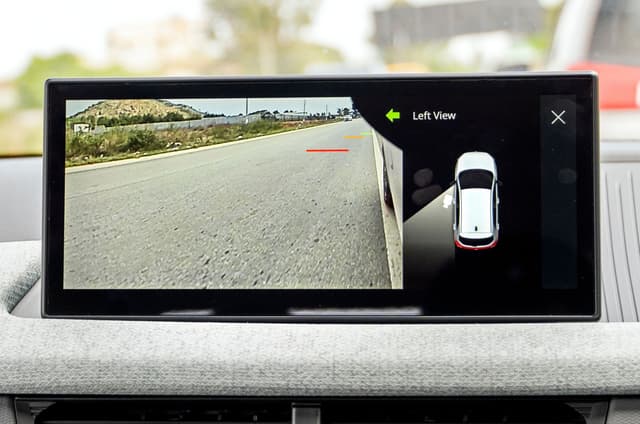
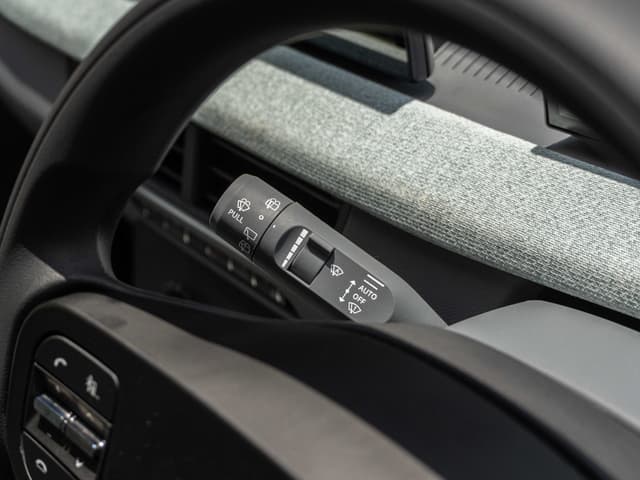
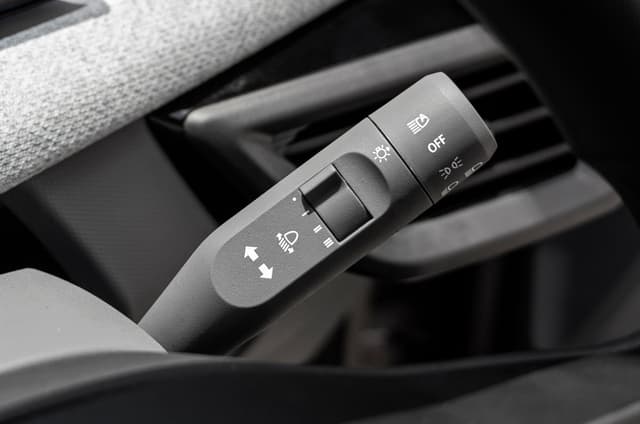
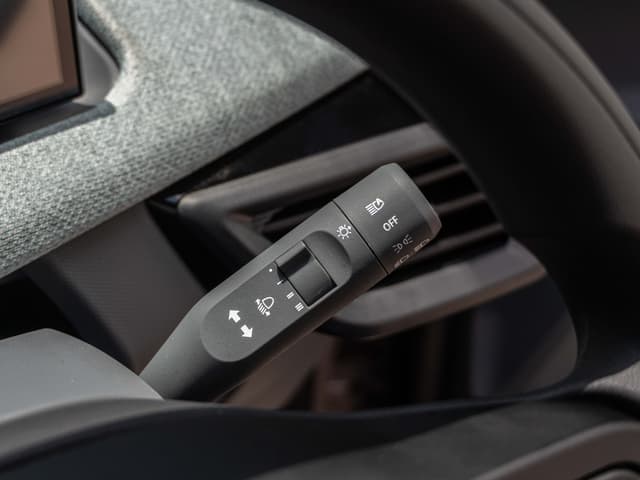
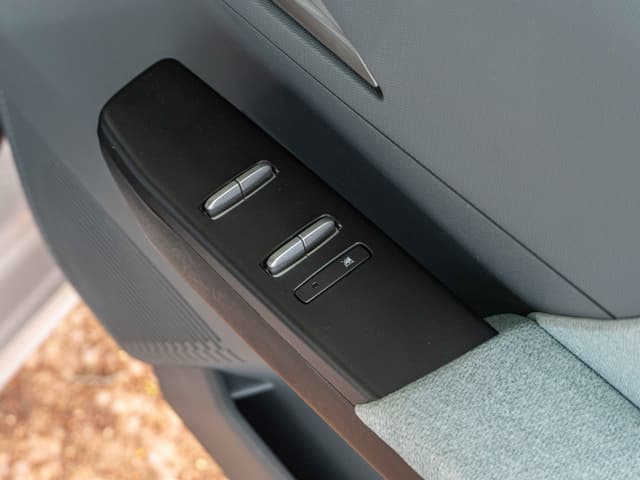
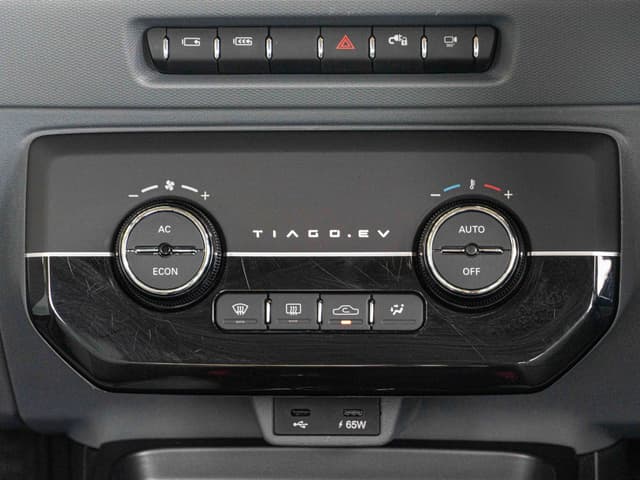
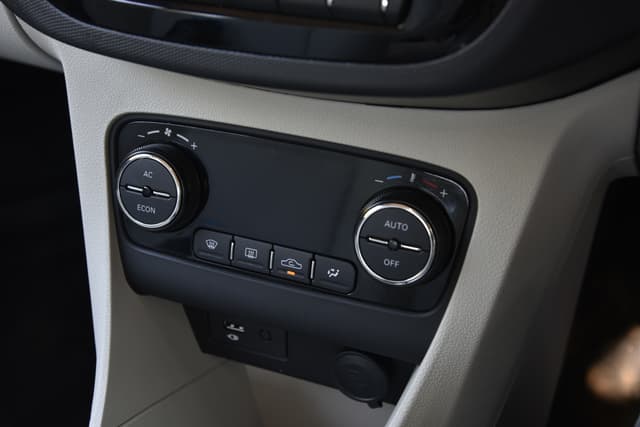
Light controls, good visibility
Top variant is pricier than base 30kWh Punch EV
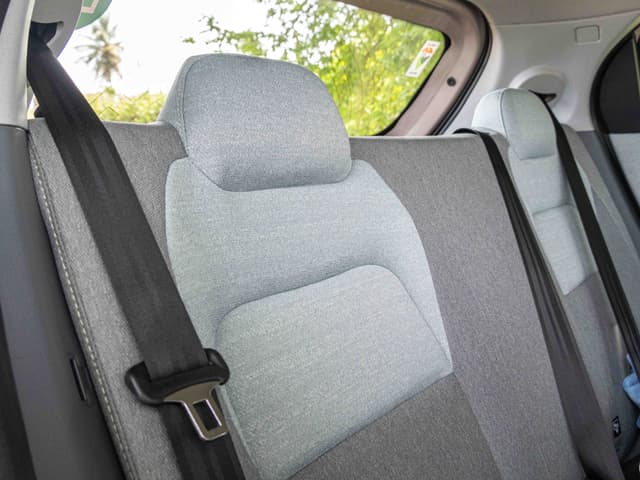
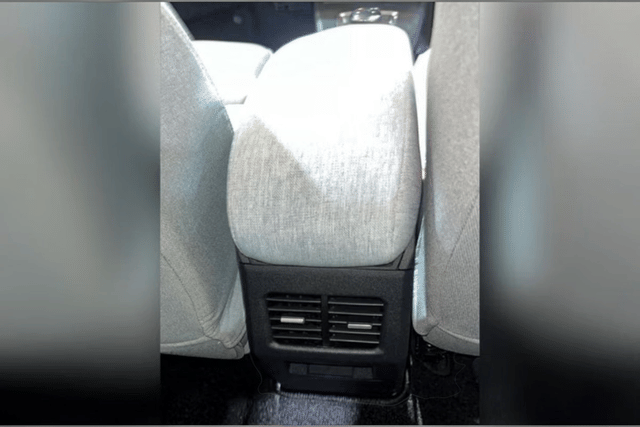
No load-cell sensors for rear seats
Join the Discussions
Hi Autocar Team, I currently own a 2016 Maruti Suzuki Ciaz diesel, which I plan to keep for highway trips, long-distance travel and as a backup vehicle. I am looking to buy a second car purely as a city EV for Chennai, with a budget of around Rs 15 lakh on-road, though I can stretch slightly if justified. My typical usage includes daily city driving, client meetings, airport runs and occasional family outings. I drive around 10,000km per year and usually keep my cars for 7-9 years or until they reach around 1 lakh kilometres. My priorities are: ride comfort and suspension, reliability over 7-9 years, battery warranty and long-term ownership confidence, service network and availability of parts, ease of driving and parking in city traffic, resale value after 7-9 years, and real-world range of at least 300km. I have already test-driven several EVs, including the Mahindra BE 6, Hyundai Creta EV, Kia Carens EV, MG ZS EV, Maruti e Vitara and VinFast VF 6. While I liked the Mahindra and VinFast products, I am now wondering whether a smaller and more affordable EV makes more sense since I already have the Ciaz for highway duties. Which EV would you recommend as the best secondary city car for long-term ownership in India today? Would you choose the Tata Punch EV, Nexon EV, Tiago EV, MG Windsor EV or another option altogether? Looking forward to your advice.

 Tata Nexon EVTata Punch EVTata Tiago EVMG Windsor
I currently have a Tiago XZA 2019 model, but I am the 3rd owner. I am considering buying a Tiago EV 2025 model as it is available at discounted prices. What do you think? Will it be a sound financial decision?
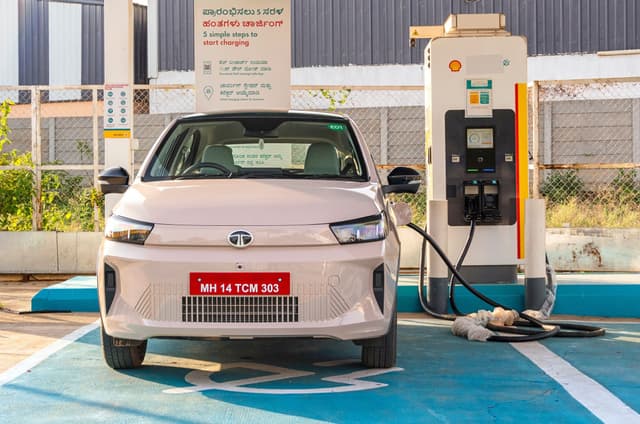
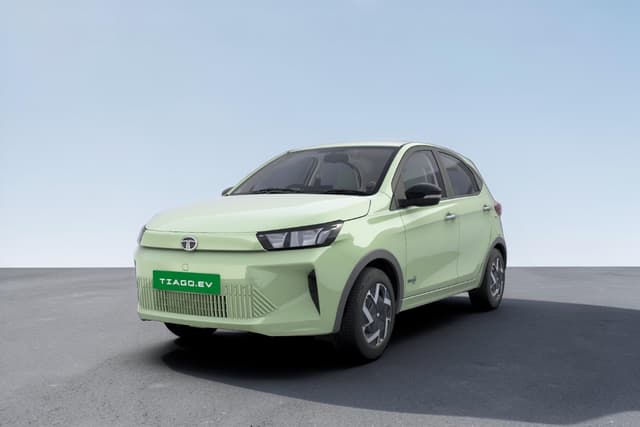
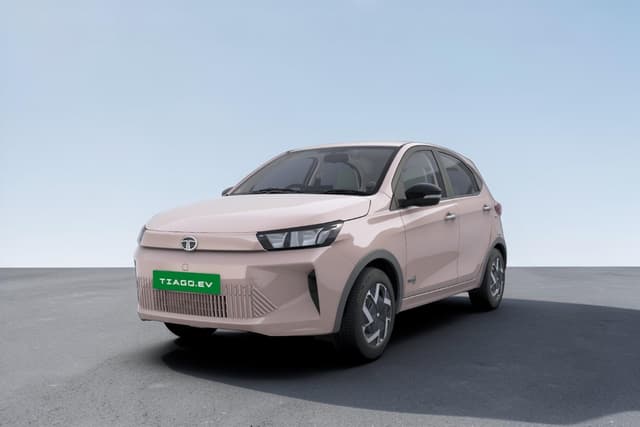
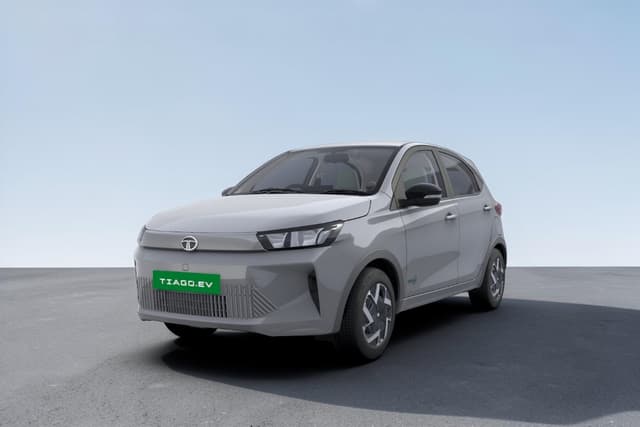
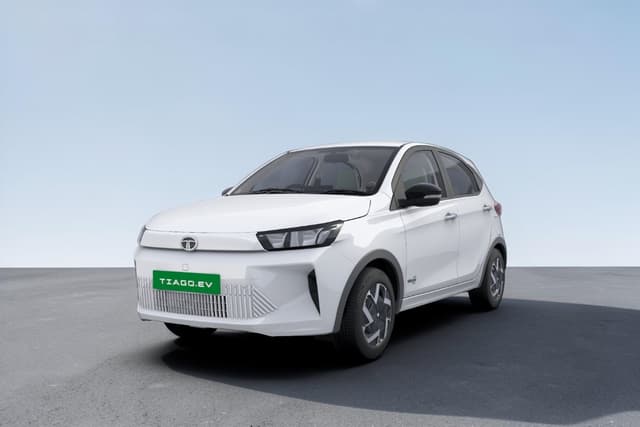
Tata Tiago EVHi Autocar Team, I own a Maruti Suzuki Grand Vitara AT (non-hybrid) and spend around Rs. 12,000-14,000 per month on petrol. Its city mileage has dropped from around 13 kmpl to 10 kmpl. I also have solar panels at home, so EV charging would be almost free or cost a maximum of Rs. 3-4 per unit. I am confused about whether I should replace the Grand Vitara with an EV or keep it and buy a Tata Tiago EV for daily city use. Am I thinking too much about fuel savings? Should I simply keep the Grand Vitara and avoid buying a second car altogether? I would like to hear from people who have been in a similar situation. What makes more financial sense in the long run?
Maruti Suzuki Grand VitaraTata Tiago EVKia Syros EVHyundai Creta ElectricKia Carens Clavis EVMG Hector Tomahawk EVI have a 2023 Grand Vitara AT (non-hybrid) and spend around Rs. 12-14k per month on petrol. City mileage has dropped from around 13 to 10 kmpl. I have solar at home, so EV charging will be almost free or cost a maximum of Rs 3-4 per unit. I'm confused about whether to replace the Grand Vitara with an EV or keep it and buy a Tiago EV for daily city use. Or am I overthinking the fuel savings? Should I just keep the Grand Vitara and avoid buying a second car altogether? Would like to hear from people who have been in a similar situation. What makes more sense financially in the long run?
Tata Tiago EV