Tata Sedan Cars in India (4)

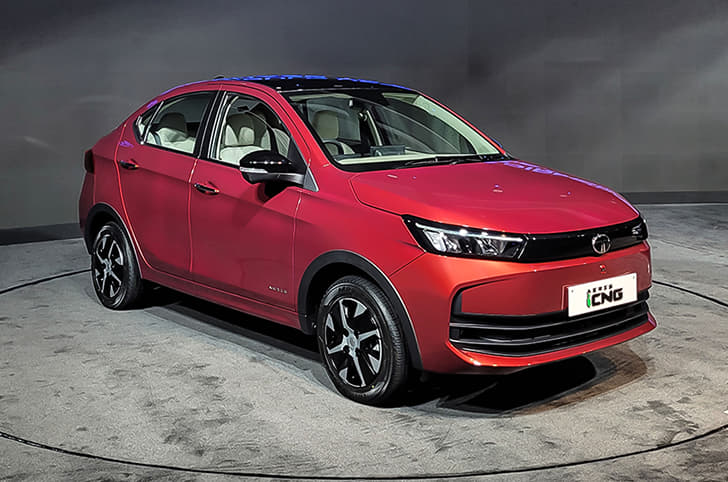
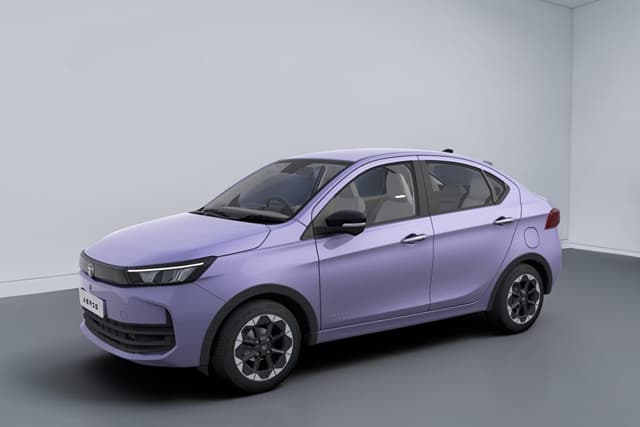
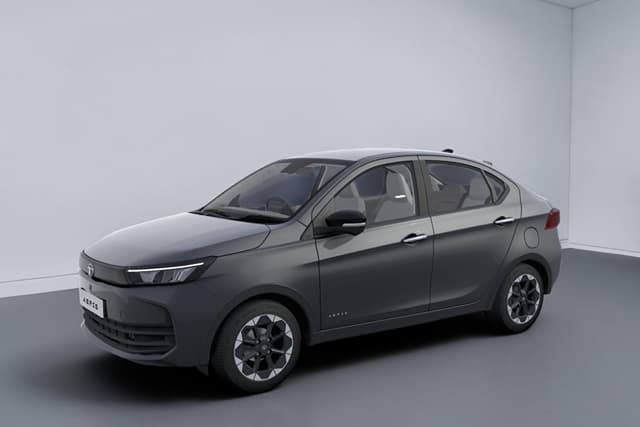
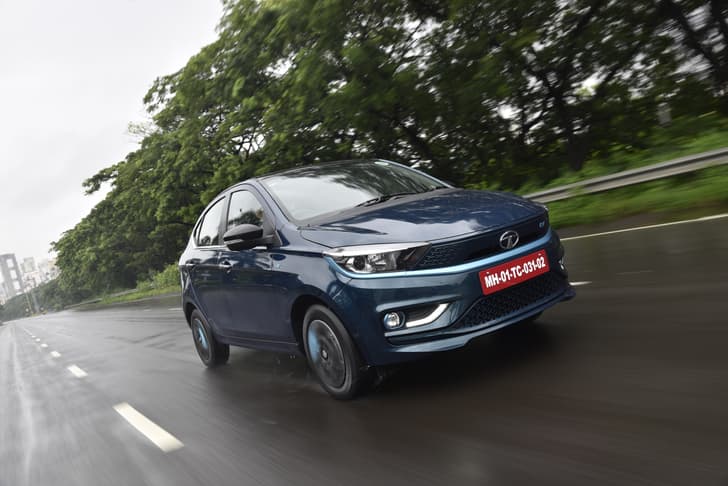
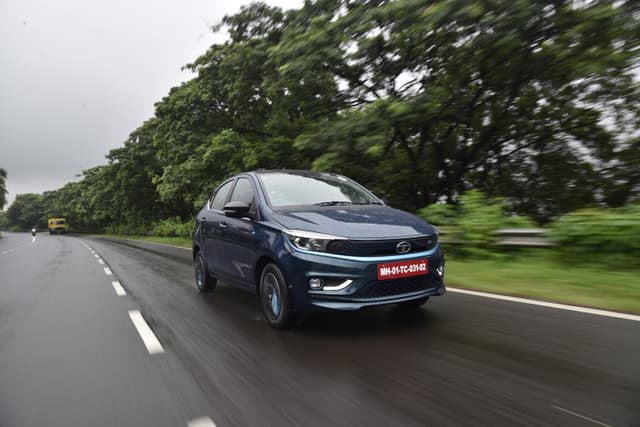
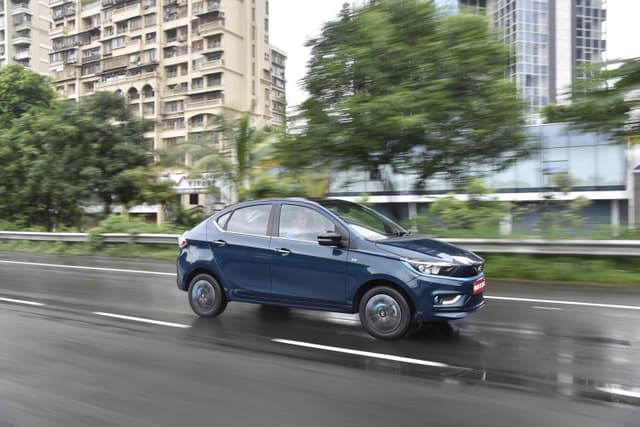
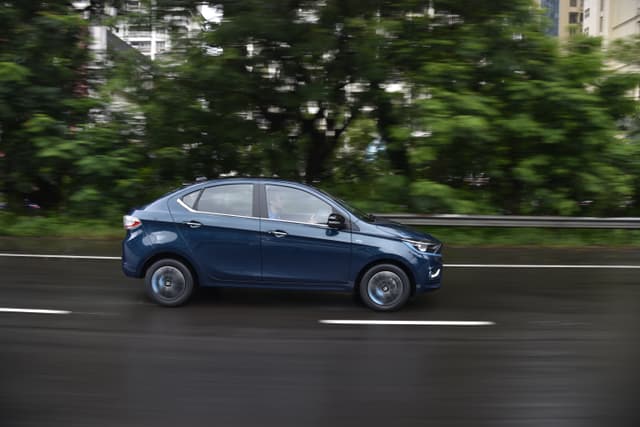
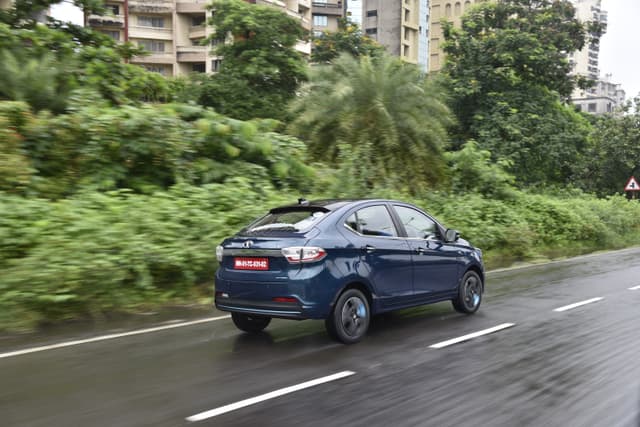
As of August 2026, Tata sedan cars are limited to a single model - the Tigor. It is available in both ICE and electric versions. The Tata sedan car price starts at ₹5.49 lakh for the petrol-powered Tigor, while the Tigor EV is priced from ₹13.75 lakh (ex-showroom).
The Tigor offers multiple powertrain choices, including a 1.2L petrol engine with 5-speed manual and AMT options, along with a 1.2L CNG variant. Tata Tigor EV features a 26 kWh lithium-ion battery pack delivering a claimed range of up to 315 km.
In the competitive compact sedan segment, the Tata Tigor rivals models like the Maruti Suzuki Dzire, Hyundai Aura, and Honda Amaze. Safety remains a strong point, with Tata sedan cars in India offering a 4-star safety rating. Moreover, it offers essential features such as dual airbags, ABS, and central locking, making the Tigor a balanced choice for everyday usability.

Filter your search

Filter your search
Tata Sedan Cars - FAQs
In 2026, Tata sedan cars in India are available in two models - the Tigor ICE and the Tigor EV.
The Tata sedan car price starts from ₹5.49 lakh and goes up to ₹13.75 lakh (ex-showroom).
Among the current Tata sedan cars in India, the Tigor EV is the most expensive model, with a price ranging between ₹12.49 - ₹13.75 lakh.
The lineup of Tata sedan cars includes petrol, CNG, and electric powertrain options across the Tigor and Tigor EV.
The Tata Tigor EV offers a driving range of up to 315 km on a single charge.
The petrol-powered Tata sedan, the Tata Tigor, delivers 19.6 kmpl mileage with the automatic variant and 19.28 kmpl with the manual variant (ARAI certified).
Yes, both Tata sedan cars in India, the Tigor and the Tigor EV, come with 5 seater capacity.
Both Tata sedan cars have received a 4 star safety rating and come equipped with 2 airbags.
Key features in Tata sedan cars in India include ABS system and central locking.
Trending Questions on Tata Cars - Answered by Autocar Experts
Hi everyone, We currently own a Chevrolet Sail Sedan Diesel and are planning to upgrade. I'm having a tough time deciding between buying another diesel SUV or switching to an EV. Our usage pattern is quite different from most buyers. We drive around 50 km per week, almost entirely within the city. Highway trips are very rare, maybe once or twice a year. Because of this, I feel an EV makes more sense, and I absolutely love the smooth and quiet driving experience that electric cars offer. At the moment, I'm considering the Tata Nexon EV, Kia Syros EV (newly launched), and the Hyundai Creta Electric, especially the new BaaS option in the base variant. I'm leaning slightly towards Kia/Hyundai because they seem to have a better reputation for battery management, software, overall reliability, and after-sales service compared to Tata. If I decide to stay with diesel, the base model Kia Seltos Diesel would probably be my choice. However, I'm quite concerned about modern diesel systems, particularly DPF regeneration and DEF/AdBlue-related issues. Since our driving is mostly short city trips with very little highway usage, I'm worried that a diesel may not be the right fit in the long run. Given our usage pattern, what would you recommend: Kia Seltos Diesel, Tata Nexon EV, Kia Syros EV, or Hyundai Creta Electric? I'd especially appreciate feedback from owners who have experience with these cars in predominantly city driving. Thanks in advance!
Between the Nexon EV, Syros EV and Creta Electric, the Nexon EV is the most affordable option. But we'd strongly recommend the Syros EV - it is a very sensible choice. It is priced well, has a good feature set, and cabin space is excellent. Kia's battery management, software and service network inspire more confidence for long-term ownership. Overall, the Syros EV is the more balanced package, and even though the Creta Electric is a good car, the Syros EV comes across as better value for money.
I (a 39-year-old man) am planning to buy a new car for the first time. I don’t know how to drive yet. I work 12 hours a day and won’t need the car for commuting to the office. I will drive an average of 200km per month. Also, I may plan 400 km-long trips every 2-3 months after learning to drive. I want good mileage as well. My budget is Rs 15 lakh on-road, with approximately Rs 5 lakh as a down payment. Should I buy a diesel, petrol, CNG, or EV? Should I opt for a naturally aspirated engine or a turbo one? I plan to keep the car for around 8-10 years. I am looking for recommendations for May 2026. Should I buy a compact SUV, hatchback, or sedan?
Buy a simple petrol automatic hatchback or compact sedan with a naturally aspirated engine. It suits your 200 km a month, occasional 400 km trips, and makes learning easy. Diesel won’t pay back for your usage and can hate short runs. CNG saves only with high km and is a pain on highway trips with long queues and a small boot. Budget electric cars under Rs. 15 lakh can work only if you have home charging and don’t mind planning stops on those 400 km runs.Stick to a naturally aspirated petrol. It’s smoother at low speeds, simpler for 8-10 year ownership, and real-world mileage is steadier than small turbos that tempt you to drive harder and are sensitive to driving style. Get the automatic to reduce stress; you’ll drive more often because it’s easy.Models that fit your plan and budget now and should still be around in 2027 (if that is what you mean): Maruti Suzuki Baleno or Toyota Glanza automatic for top mileage and easy city manners, Honda Amaze automatic if you want a comfy sedan with a big boot for trips, or Tata Punch automatic if you like a higher seat and extra ground clearance. You’ll give up a little mileage with an automatic, but the ease is worth it.
I have a budget of Rs. 12 lakh and am currently driving a Tata Tiago, which I have owned for the past 10 years. I am now looking to upgrade and would appreciate suggestions in both the sedan and SUV segments. My biggest dilemma is deciding whether I should choose a sedan or an SUV. In the sedan category, I am considering the Volkswagen Virtus and Skoda Slavia. In the SUV segment, I am looking at the Tata Nexon. Please suggest if there are any better options than these as well. My driving is evenly split between city and highway usage, and I am a light user with an average monthly running of around 1,000 km. Considering my requirements, which type of vehicle would be the better choice, and which models should I shortlist?
The first thing to note is that with a Rs. 12 lakh budget, the Volkswagen Virtus and Skoda Slavia may be difficult to fit in unless you're looking at entry-level variants or stretching your budget. The Tata Nexon, on the other hand, sits much more comfortably within your range.Between a sedan car and an SUV, we'd lean towards a sedan for your usage pattern. With your driving split evenly between city and highway and a relatively modest monthly running of around 1,000km, a sedan generally offers better ride comfort, superior highway stability and a more engaging driving experience. Coming from a Tata Tiago, a Virtus or Slavia will feel like a substantial upgrade in terms of refinement, space and overall quality.If your budget is firm at Rs 12. lakh, we'd suggest looking at the Skoda Kylaq Automatic or Honda Amaze CVT as well. The Kylaq offers SUV practicality, strong safety credentials and a fun turbo-petrol engine, while the Amaze provides the smoothest automatic experience and excellent long-term ownership appeal.The Tata Nexon remains a good all-rounder with strong safety credentials and a practical cabin, but if your heart is set on a Volkswagen car or Skoda car and you can stretch the budget, they are the more rewarding cars to own and drive. You can expect the Volkswagen Virtus mileage to be around 9 to 12 kmpl in the city and 15 to 18 kmpl on the highway.
I wish to upgrade from the Wagon R VXI to something better. I was advised to go for the Swift Dzire, but its driving seat is low, and I may have trouble getting in and out. Is there a similar car with a higher seating position and easy ingress and egress?
For your requirement, check out the Tata Punch. It sits higher than the Dzire, the doors open wide, and the seat base is set at a nice hip height, so you don’t drop down into it or climb up too much. It also feels tougher over bad roads than your Wagon R, yet is still short and easy to park, which helps in tight city spots. The best part is that the Punch is available in a wide variety of flavours, and since you haven't specified a budget, there's bound to be something for you. There are many variants to choose from, as well as petrol, turbo petrol, CNG, manual gearbox, AMT and even an electric version, in case that suits you.Two things to note: the base petrol engine (or its CNG counterpart) isn’t very quick for fast highway runs, and the automatic can feel a little jerky when moving slowly; the manual is smoother in traffic. If you want the same easy cabin access but a smoother engine and gearbox, look at the Hyundai Exter mid trim. It also has a tall seat and the city-friendly size, but there isn't as much choice or variety as in the Tata car.Overall, for your “high seat, easy entry” need, the Punch fits best without jumping to a much bigger, costlier car.
I’m looking to buy a diesel manual sub-4m car. My monthly run is around 1,500 km, of which 60% is in the city and 40% on highways. My priorities are punchy performance with strong low-end and mid-range, along with good ride and handling, responsive steering feedback, and a comfortable suspension setup. Please help me choose a car.
Go for the Mahindra XUV 3XO diesel manual. It fits your brief best because the 1.5 diesel delivers strong pull from low speeds, making city driving easier without constant downshifts, and it has a solid mid range for quick highway overtakes, while also offering a comfortable ride and well weighted steering with selectable modes to suit your preference. The Tata Altroz diesel is a good alternative if you want something smaller and easier to park with similarly strong low and mid range, and it also has a capable chassis that makes it feel confident and enjoyable to drive, along with a sportier, lower seating position. The only drawback with the Altroz is that its diesel engine is not as strong or as refined as the Mahindra car and it is not as spacious, so overall the XUV 3XO remains the better fit for your needs.
Last Updated on: 31 Jul 2026