Autocar India
6h

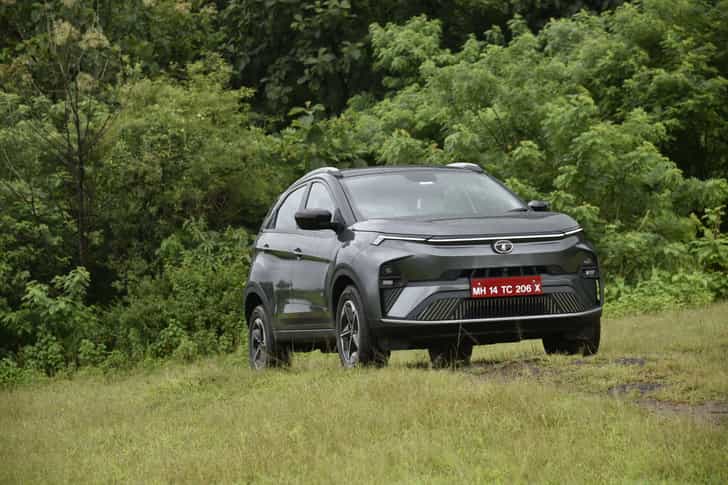
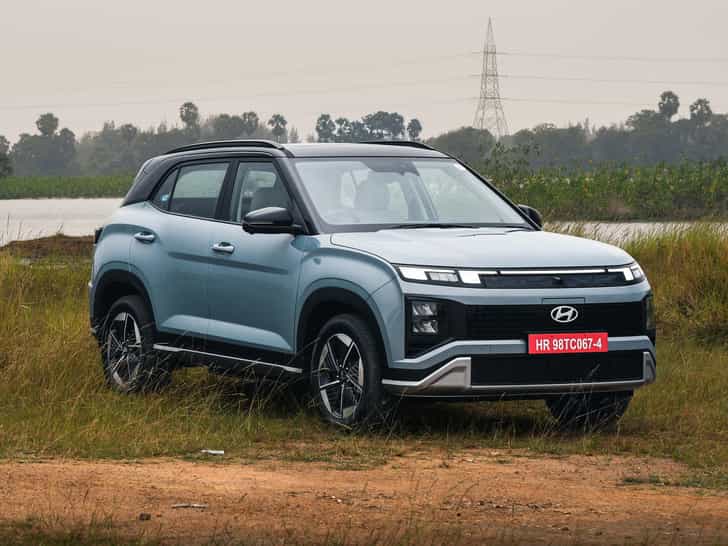
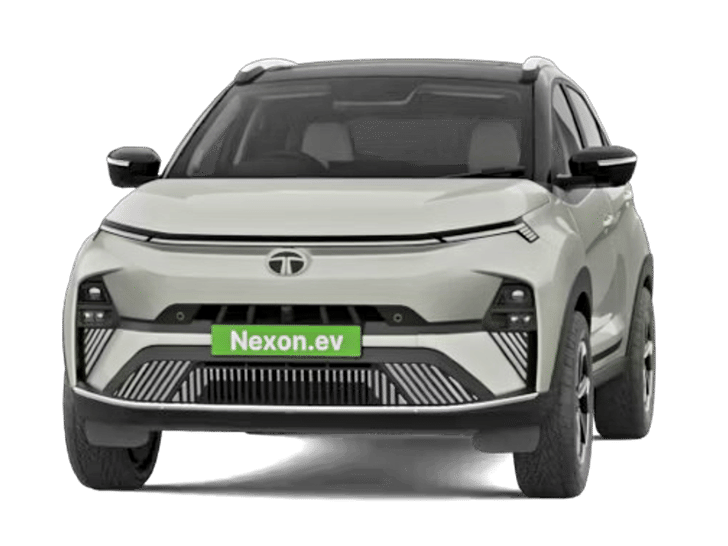
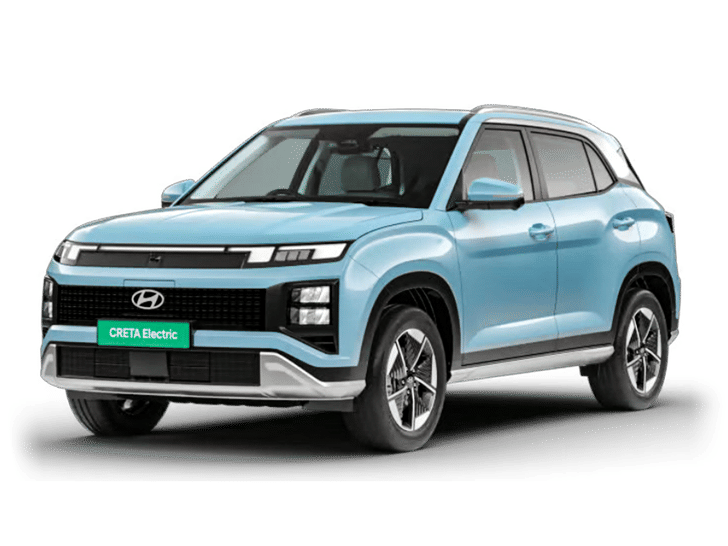
Hi everyone, We currently own a Chevrolet Sail Sedan Diesel and are planning to upgrade. I'm having a tough time deciding between buying another diesel SUV or switching to an EV. Our usage pattern is quite different from most buyers. We drive around 50 km per week, almost entirely within the city. Highway trips are very rare, maybe once or twice a year. Because of this, I feel an EV makes more sense, and I absolutely love the smooth and quiet driving experience that electric cars offer. At the moment, I'm considering the Tata Nexon EV, Kia Syros EV (newly launched), and the Hyundai Creta Electric, especially the new BaaS option in the base variant. I'm leaning slightly towards Kia/Hyundai because they seem to have a better reputation for battery management, software, overall reliability, and after-sales service compared to Tata. If I decide to stay with diesel, the base model Kia Seltos Diesel would probably be my choice. However, I'm quite concerned about modern diesel systems, particularly DPF regeneration and DEF/AdBlue-related issues. Since our driving is mostly short city trips with very little highway usage, I'm worried that a diesel may not be the right fit in the long run. Given our usage pattern, what would you recommend: Kia Seltos Diesel, Tata Nexon EV, Kia Syros EV, or Hyundai Creta Electric? I'd especially appreciate feedback from owners who have experience with these cars in predominantly city driving. Thanks in advance!

Verified
16m

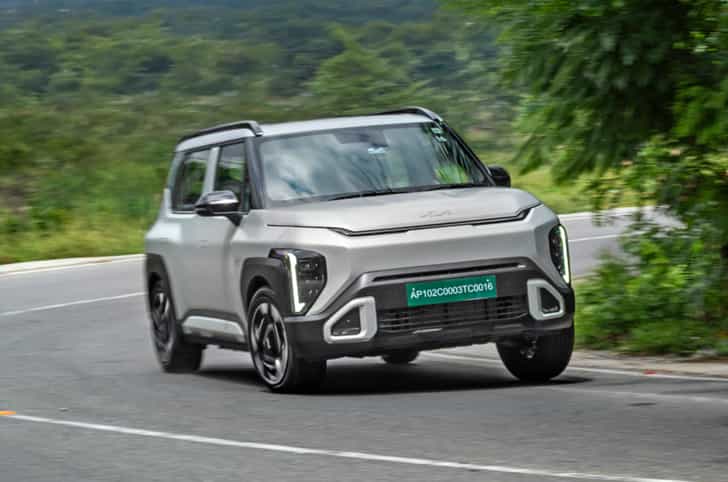
Between the Nexon EV, Syros EV and Creta Electric, the Nexon EV is the most affordable option. But we'd strongly recommend the Syros EV - it is a very sensible choice. It is priced well, has a good feature set, and cabin space is excellent. Kia's battery management, software and service network inspire more confidence for long-term ownership. Overall, the Syros EV is the more balanced package, and even though the Creta Electric is a good car, the Syros EV comes across as better value for money.
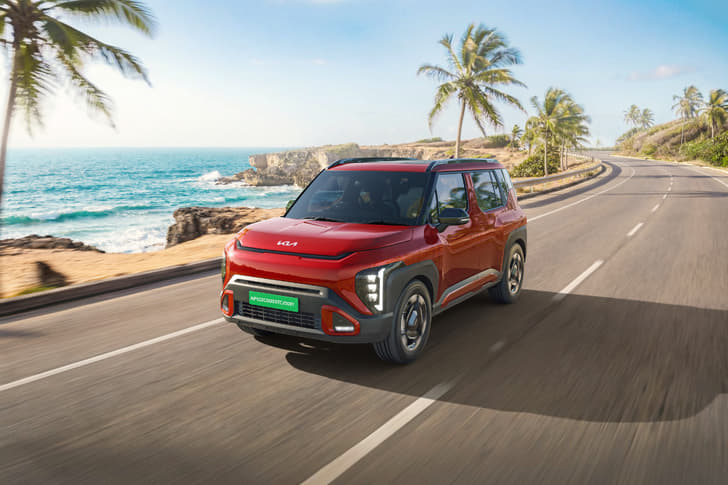
Kia Syros EV

Kia Syros EV

Was this helpful? Ask a follow-up

Want to sell your car?

Sell your car at the right price, without the stress.

More questions on similar cars

5h

I am currently using a 2024 VW Virtus 1.5 GT (electric seats variant) and have completed 16,000 km. My current monthly running is around 1,000 km, mostly in the city. Should I continue with this car or switch to an EV? My Virtus has an online resale value of around Rs. 14 lakh, and I do not want to spend more than Rs. 3-4 lakh over its resale value. Please suggest whether I should buy an EV within this budget or continue with the Virtus.

Verified
2h

If you enjoy driving, we'd recommend you stick with your Volkswagen Virtus 1.5 GT. At 16,000km and a 1,000km/month usage pattern, mostly in the city, the car is still relatively new and well within its prime ownership window. The 1.5 TSI is a strong, efficient engine and the Virtus is a genuinely enjoyable car to drive, especially in urban conditions where its size and performance are well suited. Your budget of Rs 14 lakh resale plus Rs 3-4 lakh extra puts you in the Rs 17-18 lakh range, which limits your electric car options to models like the Tata Nexon EV, Mahindra XUV 3XO EV, MG Windsor and Kia Syros EV. While these are competent cars, they will not feel like a meaningful upgrade over the Virtus in terms of overall ownership experience. The financial case for switching to an EV at this stage is also weak given the depreciation hit you would take on a nearly new car. Unless you have a strong desire to go electric, it makes more sense to continue with the Virtus for a few more years and revisit the EV decision when your usage pattern or the EV market justifies it.

VehicleVolkswagen Virtus
VehicleTata Nexon EV
VehicleMahindra XUV 3XO EV
VehicleMG Windsor
VehicleKia Syros EV

Popular discussions right now

4d

I am looking to upgrade from my Hyundai Creta to a 7-seater SUV. My annual running is only around 6,000 km, and my budget is up to Rs. 25 lakh. Is the Hyundai Alcazar a good option for my usage? I have also considered the Mahindra XUV 7XO and Tata Safari, but I am concerned about their relatively low fuel efficiency. Which 7-seater SUV would you recommend?

Verified
4d

With a yearly running of just 6,000km, petrol is the sensible choice, and the Hyundai Alcazar is a good option. It is a comfortable, easy-to-drive family SUV with a hassle-free ownership experience, and the 1.5 turbo petrol engine paired with the 7-speed dual-clutch automatic is powerful enough and relatively efficient too. Plus, since you're coming from a Creta, you'll be familiar with the Hyundai network and could even ask for a loyalty discount. However, the Alcazar’s third row is not as spacious as some larger cars in the segment, so if you genuinely need a proper 7-seater, it may not be the ideal solution. What's more, if your Creta is the 2020 or newer model, you'll find the Alcazar perhaps a little too familiar on the inside.The Mahindra XUV 7XO, Tata Safari and MG Hector Plus are good options that offer more space. However, as you have noted, they're not fuel efficient at all, and moreover, in your budget, you will only get a low to mid-spec variant, whereas you will get a fully-loaded Alcazar. Another option to consider, though not an SUV, is the Kia Carens Clavis. Its MPV shape is more space-efficient, and you actually get more passenger and luggage room than the Alcazar, with the same efficient engines, for around the same price.

VehicleHyundai Alcazar
VehicleHyundai Creta
VehicleMahindra XUV 7XO
VehicleTata Safari
VehicleMG Windsor
5d

Hi, I am a teacher and a first-time female driver with a budget of Rs. 11.5 lakh. I am looking for an automatic car that I plan to keep for the next 15 years, but I am confused about whether to buy a petrol AMT, CNG AMT, or an EV due to the uncertainty surrounding ethanol blending. My daily commute is 46 km, of which 22 km is on the highway, 18 km is on normal roads, and 6 km is on bumpy village roads in poor condition. Please recommend the most suitable fuel type that will keep my overall cost of ownership low.

Verified
4d

We'd recommend a petrol automatic. With a daily running of around 46km and an ownership period of 15 years, it offers the best balance of low ownership costs, reliability and ease of use for a first-time driver.We wouldn't let E20 fuel influence your decision. Modern E20-compliant petrol cars are designed to run on it, and there is no official roadmap beyond E20. It isn't a reason to avoid buying a petrol car today. A CNG automatic will certainly reduce your fuel bills, but the higher purchase price, reduced boot space and limited automatic options make CNG car less attractive unless fuel savings are your overriding priority. An electric car will have the lowest running costs, but at your budget, you'll have to compromise on size or features, and recovering the higher upfront cost will take time.Given your budget and usage, we'd look at the Maruti Suzuki Brezza facelift automatic which will launch soon if you can stretch slightly, or the Maruti Suzuki Fronx Delta+ AGS if you want to stay within budget. Both are easy to drive, have good ground clearance for the 6km of rough village roads and come backed by Maruti Suzuki's extensive service network. If you prefer a smoother automatic, the Hyundai Exter SX AMT is also worth considering.

VehicleMaruti Suzuki Fronx
VehicleHyundai Exter
VehicleMaruti Suzuki Brezza

Posted on: 28 Jul 2026