Autocar India
•6d

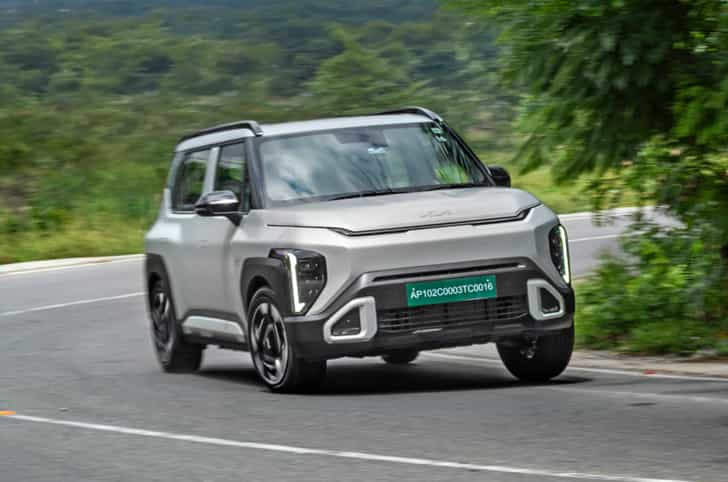
Hi, I am looking to buy an EV for around Rs 20 lakh and am planning to go with the new Kia Syros EV X Line. I love its ride quality, space, features and interiors. However, at Rs 23 lakh, it is a bit pricey. I've now been reading about the imminent launch of the Hyundai H1 EV sometime in early 2027. Is that car worth the hype and the wait, or would buying the Syros EV right away be a better choice?

Verified
•3m
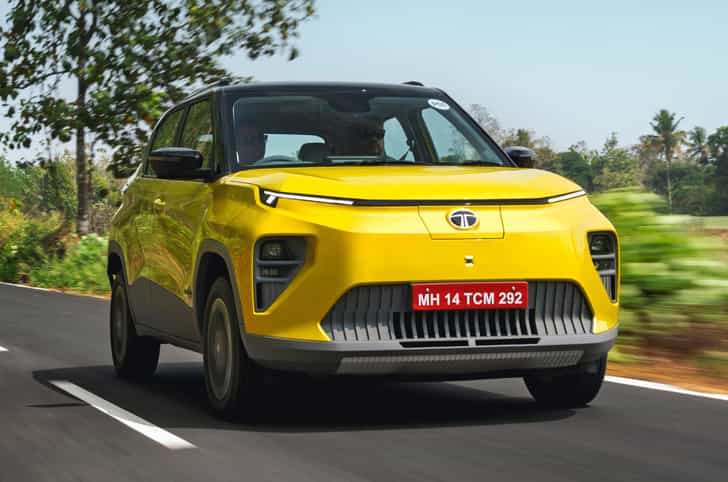
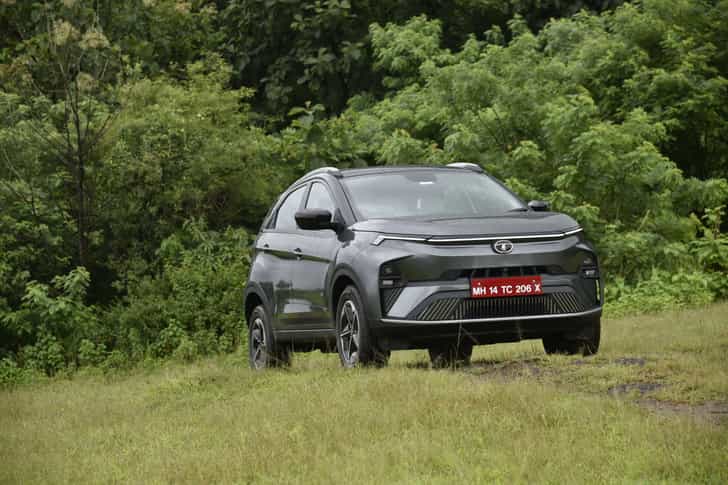
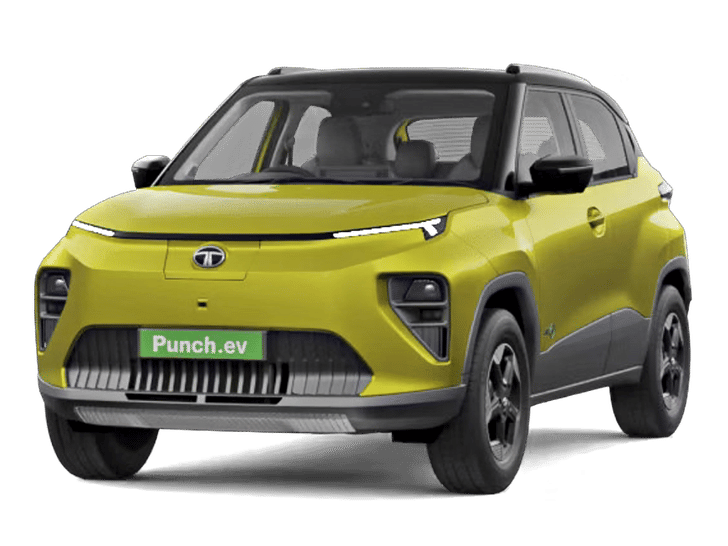
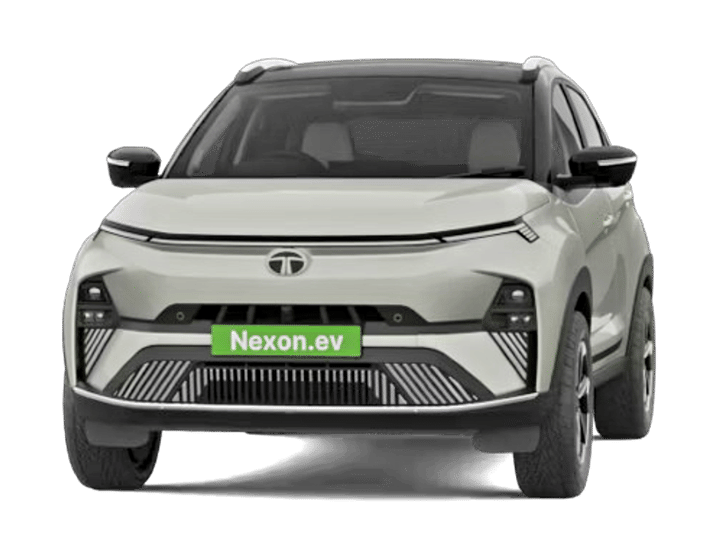
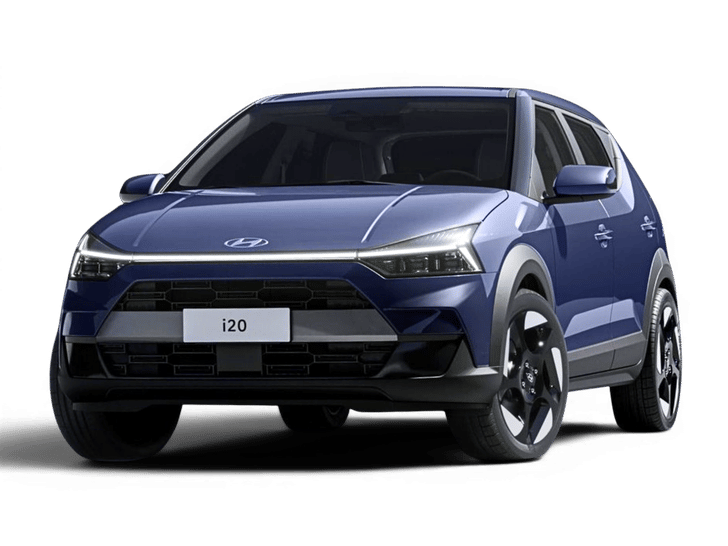
If you have already driven the Kia Syros EV and like its space, ride quality and interiors, there is little reason to wait for Hyundai’s upcoming EV purely on the strength of the hype. The Hyundai is expected to be a smaller, more affordable electric SUV, positioned closer to the Tata Punch EV or Nexon EV rather than as a direct rival to the Syros EV.
That said, Hyundai has confirmed a compact EV for India, expected to debut in early 2027, with standard range and long-range versions. Battery capacities and prices are not confirmed, so it is too early to assume it will be significantly cheaper or have a shorter range.
Since you are stretching your budget for the Syros EV X Line, waiting a few months to see the Hyundai’s pricing and real-world range is sensible. But if the Syros already meets your needs and you are comfortable with the price, there is no compelling reason to delay your purchase for an unlaunched car.
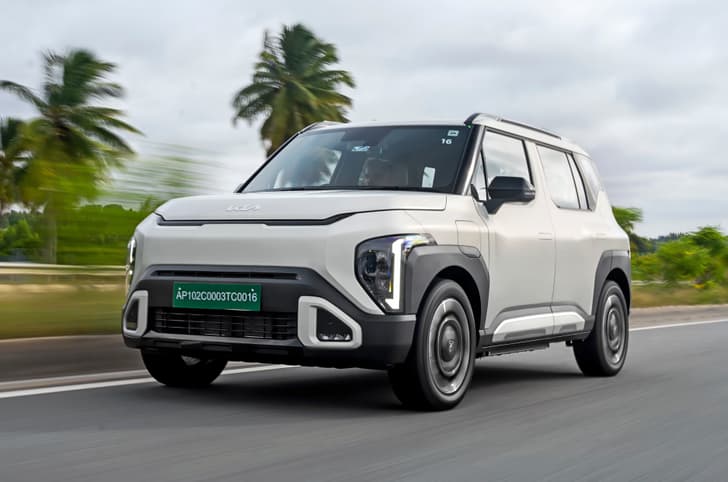
Kia Syros EV

Kia Syros EV

Was this helpful? Ask a follow-up

More posts on similar cars

•2d

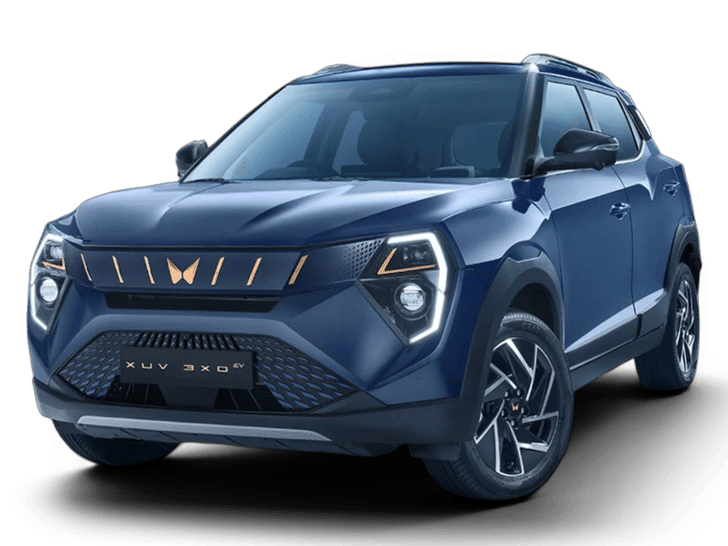
Hi Autocar team, I am planning to buy a new car for daily use, as we already have a Maruti Suzuki Ciaz at home. I drive at least 15,000km a year, and probably closer to 20,000km, so I initially considered diesel options such as the Mahindra XUV 3XO MX2 diesel manual. The Kia Syros EV is also on my shortlist. The on-road price of the 3XO is around Rs 11 lakh, while the Syros EV costs about Rs 15 lakh, a difference of Rs 4 lakh. I estimate annual fuel costs of around Rs 1.09 lakh for the diesel and electricity costs of Rs 30,000 for the EV, with a payback period of roughly 4.5-5 years after accounting for lower servicing costs. I can charge at home daily, rarely travel more than 300km in one trip, and can use the Ciaz for longer journeys. I am also considering installing a home solar system for around Rs 2.25 lakh. Should I buy the Syros EV, stick with the 3XO diesel or wait for the upcoming Hyundai compact EV? What should I consider regarding battery warranty, resale value, real-world range and service experience?

Verified
•1d

Go for the Kia Syros EV. With your running of 20,000 km a year, home charging and a solar plant planned, the maths works in your favour. Your payback calculation of 4.5-5 years is realistic, and with solar, your running costs drop even further. The Syros EV is a well-rounded EV with a comfortable ride, good space and a smooth powertrain. Your usage pattern is ideal for an EV: daily charging at home, predictable running and the Ciaz available for longer trips.The Mahindra XUV 3XO diesel is a strong product and makes sense for high-mileage highway users, but your usage is city-heavy, and the EV will be far cheaper to run. The Hyundai compact EV is worth waiting for only if you are not in a hurry, but the Syros EV is already a very competent product. The only thing to keep in mind is resale value, which is still evolving for electric cars in India. But with your running and ownership period, the savings will more than offset that. Go for the Syros EV and enjoy the savings.

VehicleKia Syros EV
VehicleMahindra XUV 3XO
•1d

Hi Autocar team, I am looking to find a clarification on purchasing a car. I am a 28-year-old man who enjoys driving, especially a sedan. Now, I am confused about choosing which car to buy. My options are Virtus 1.5 DSG Chrome (because of Roomy interior rather full blacked out) vs Facelifted Slavia Prestige 1.5 DSG. In terms of price, the Virtus offers 21.5L, and the Slavia offers 22.80L. I have received feedback such as Slavia's interior is flimsy and creates squeaking noise, and on the highway the suspension feels bouncy, due to which body roll occurs. Whereas in the Virtus, the only complaint is its gonna be outdated soon due to the Virtus facelift. Help me choose!

Verified
•13h

The Virtus and Slavia are nearly identical, so the build quality, driving dynamics and even performance will be largely similar. As a result, the feedback you've received for the Slavia will hold true for the Virtus as well. That said, both the cars feel rock-solid at highway speeds and body roll is well contained too, despite their almost SUV-like 179mm ground clearance. Their 1.5 TSI engine is entertaining, and if you love to drive, both cars will certainly appeal to you.Between the two cars, you're likely to get higher discounts on the VW Virtus GT, as an updated one will be launched in a few weeks. Besides some cosmetic upgrades, the 2026 Virtus GT will get an updated air-con (available in the 2026 Slavia), which will be more effective in cooling the cabin. Hence, if you like the Virtus for its styling, we'll suggest you wait for that instead.However, if you can't wait, we'll suggest you go for the 2026 Skoda Slavia.

VehicleSkoda Slavia
VehicleVolkswagen Virtus

Has E20 fuel affected your mileage?

Is ADAS worth paying extra for in a car?

Popular discussions right now

Upcoming launch buzz

Community discussions on upcoming launches
Posted on: 28 Oct 2026