Hyundai Cars Under 25 Lakh in India (13)
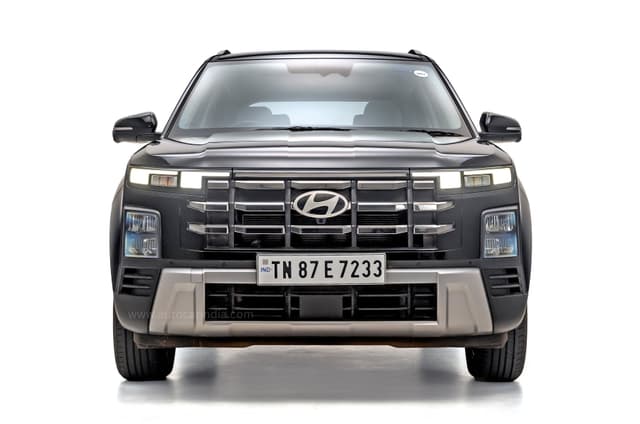
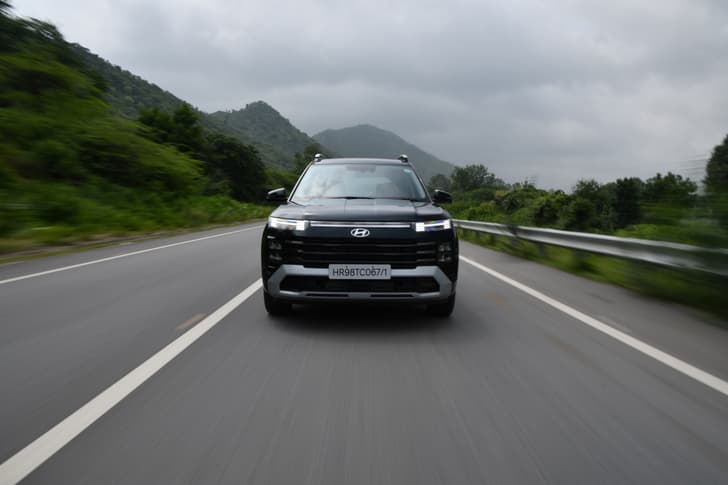
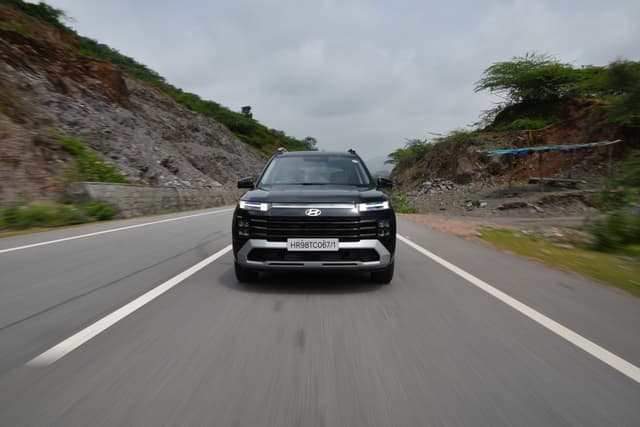
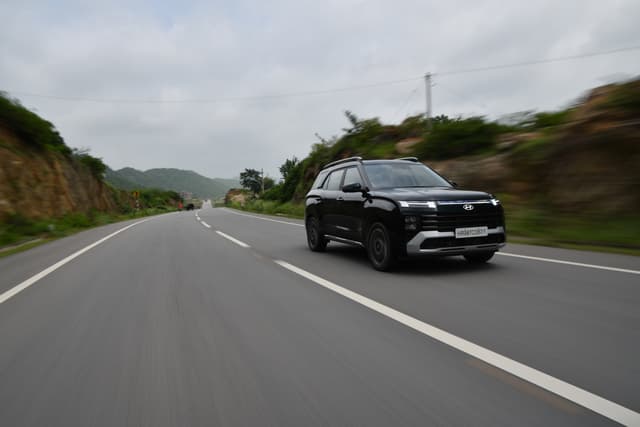
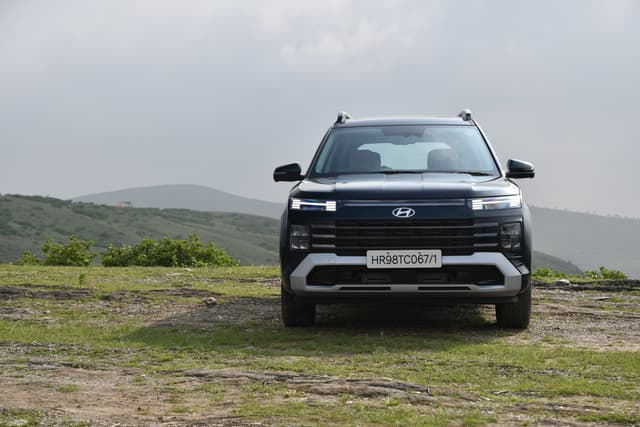
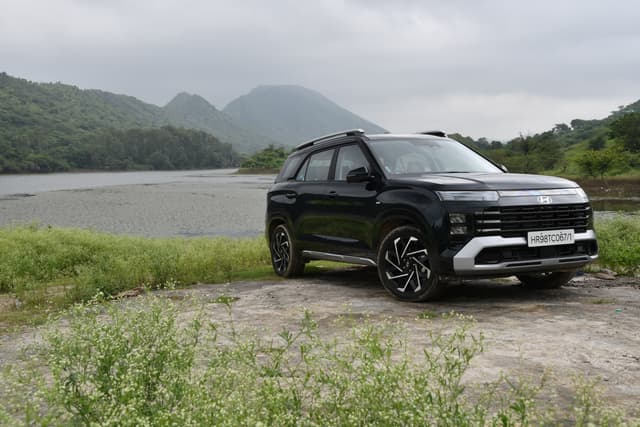
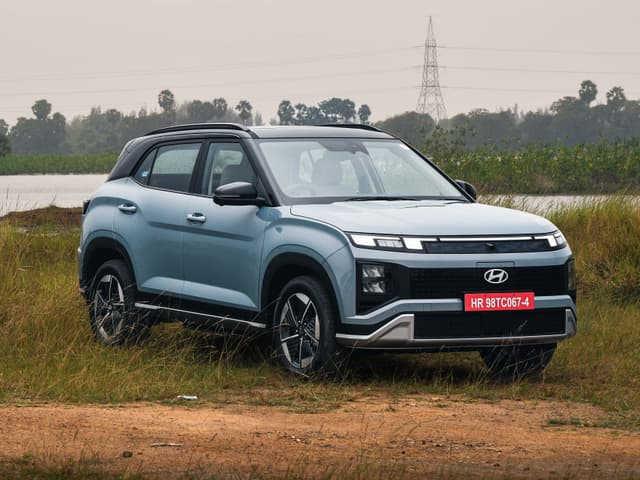
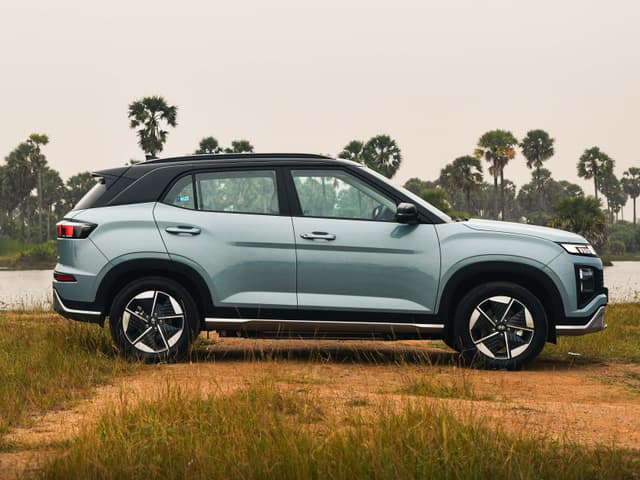
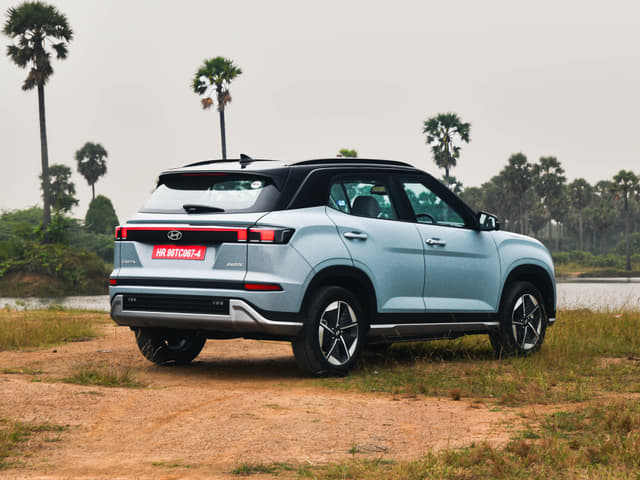
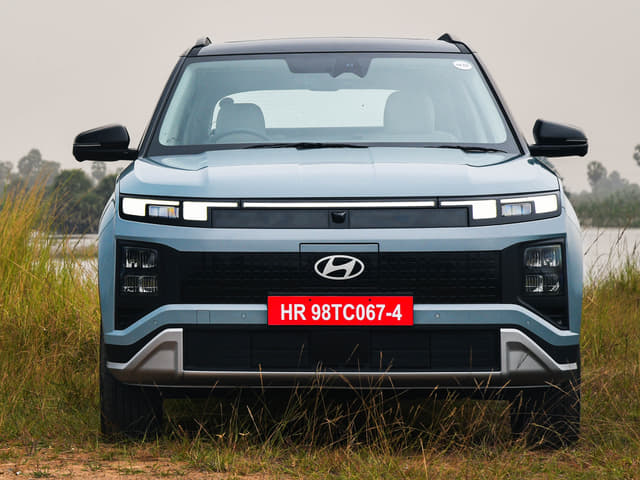
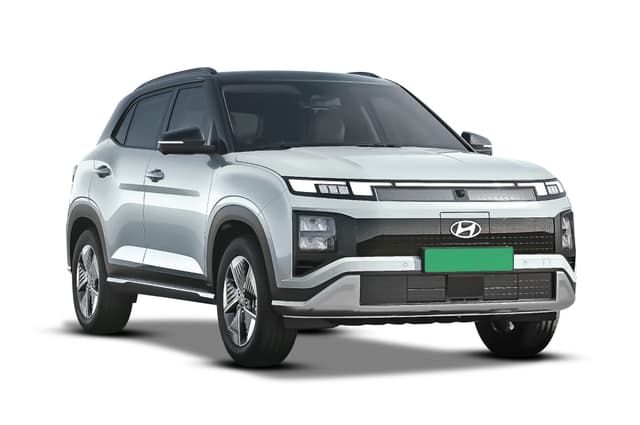
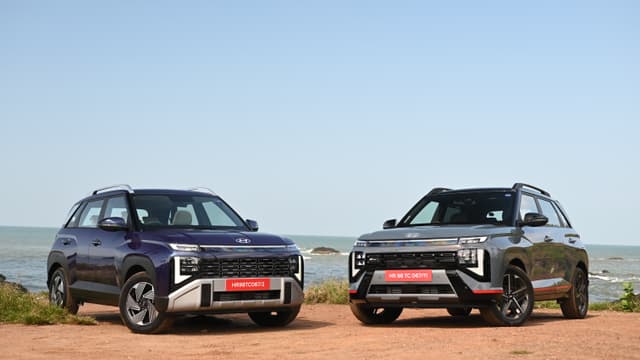
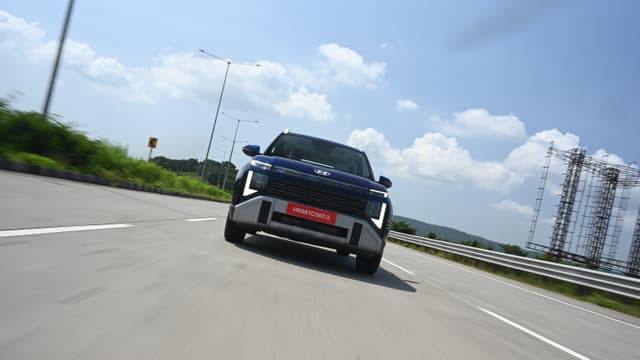
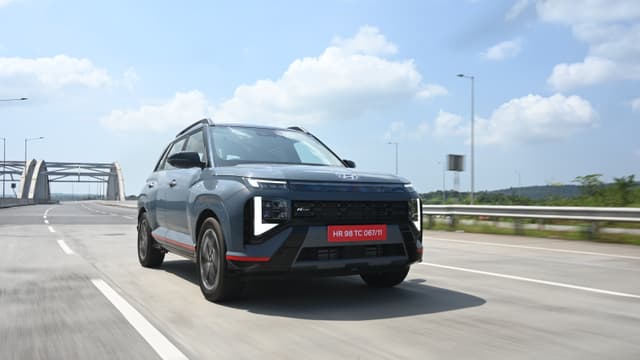
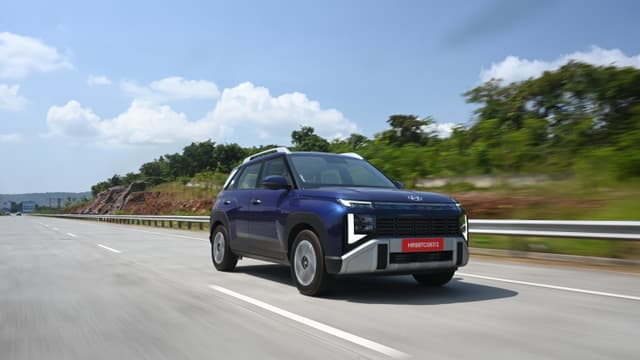
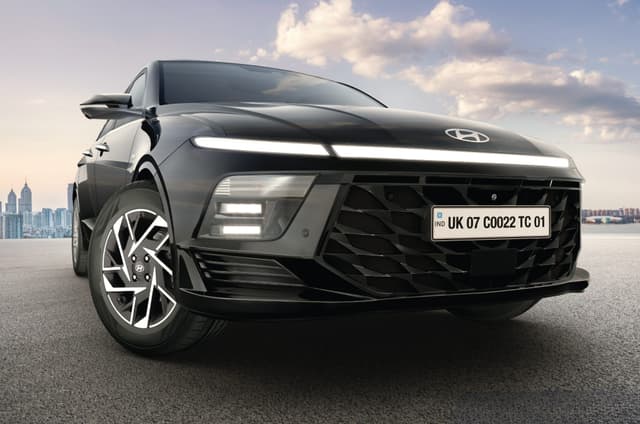
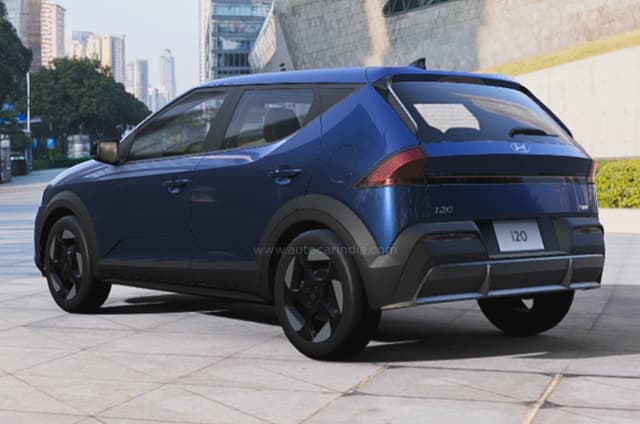
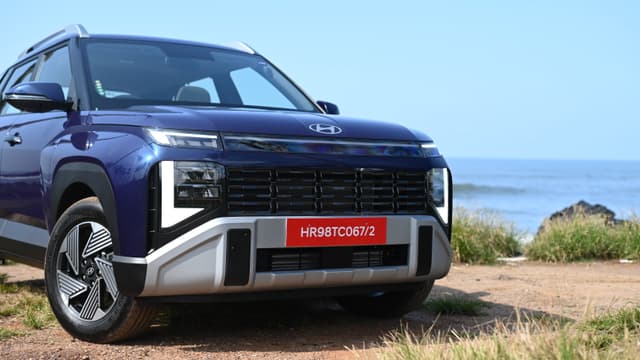
Hyundai Cars Under 25 Lakhs cover almost the entire mainstream Hyundai line-up, including higher-spec versions of its SUVs, the Creta Electric and the top variants of the Creta N Line and Alcazar. The Ioniq 5 sits well above this bracket, with prices starting at around Rs 55.71 lakh.
With the top variants now within reach, the focus shifts from simply finding a suitable Hyundai to deciding how much equipment is worth paying for. Features such as ADAS, premium audio and ventilated seats become available, while the Creta Electric can be had with its larger 51.4 kWh battery. These additions can influence the choice between variants.
The competition also becomes broader at this price point. The Creta goes up against larger SUVs such as the Mahindra XUV 7XO and Tata Safari, which offer more cabin space. Among EVs, the Creta Electric faces the Tata Curvv EV, Maruti Suzuki e Vitara, MG ZS EV and Mahindra BE 6.
For buyers exploring Hyundai Cars Under 25 Lakhs, the choice is therefore less about simply finding a model within budget and more about deciding between different sizes, powertrains and body styles. Almost the entire mainstream Hyundai line-up is within reach, while several competing SUVs and EVs also enter the picture.
Hyundai Cars Under Rs 25 Lakh: Petrol, Diesel, CNG or Electric?
Since Hyundai Cars Under Rs 25 Lakh covers almost every powertrain option Hyundai offers, choosing between petrol, diesel, CNG and electric becomes an important part of the buying decision. The right choice depends on the annual running, typical driving conditions and access to charging or CNG stations. Here is how the four options compare.
Powertrain | Hyundai options under Rs 25 lakh | Best suited to | Why choose it? | What to consider |
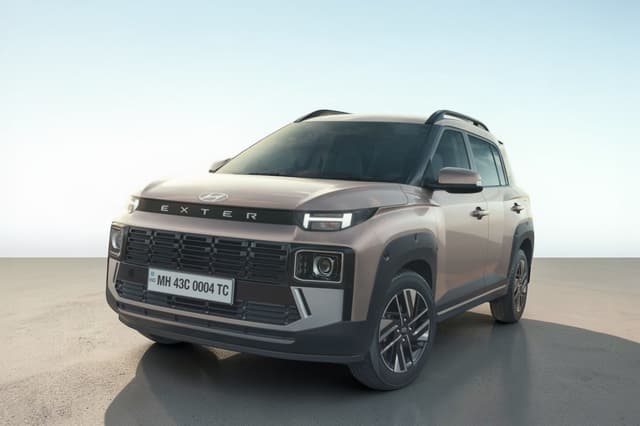
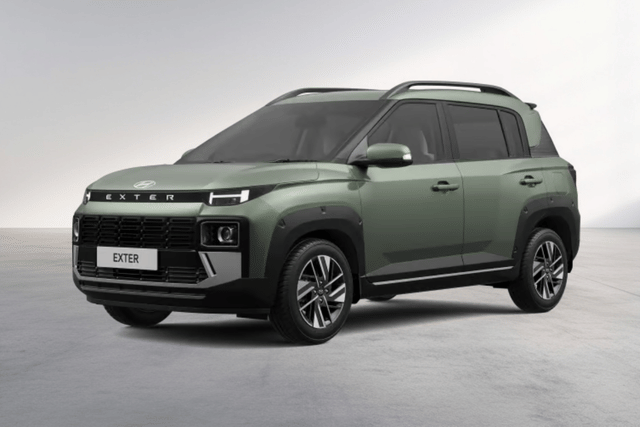
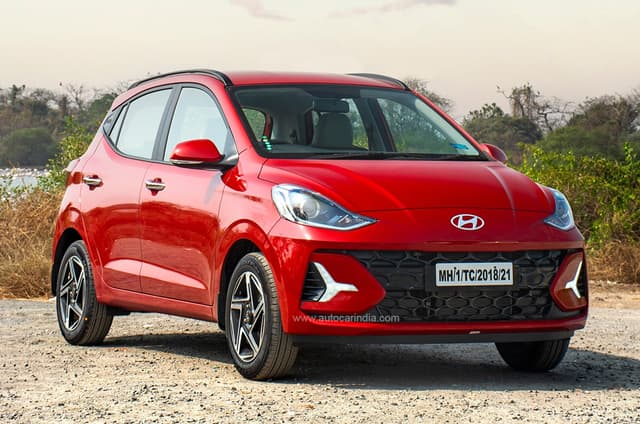
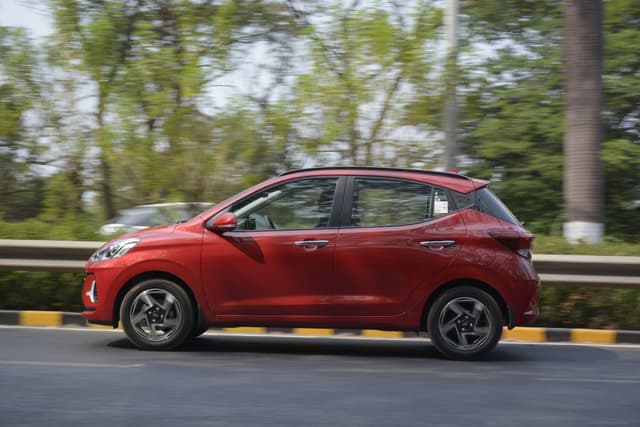
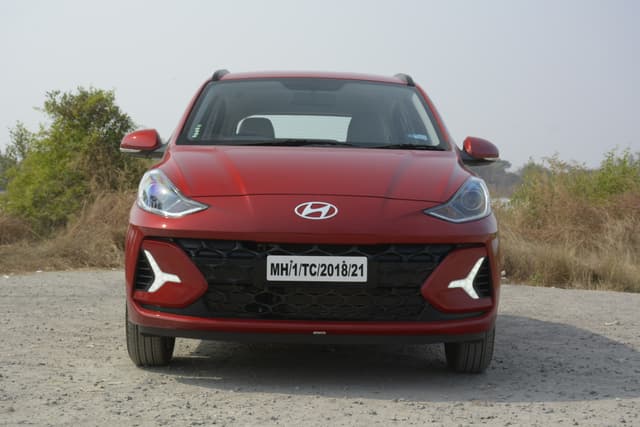
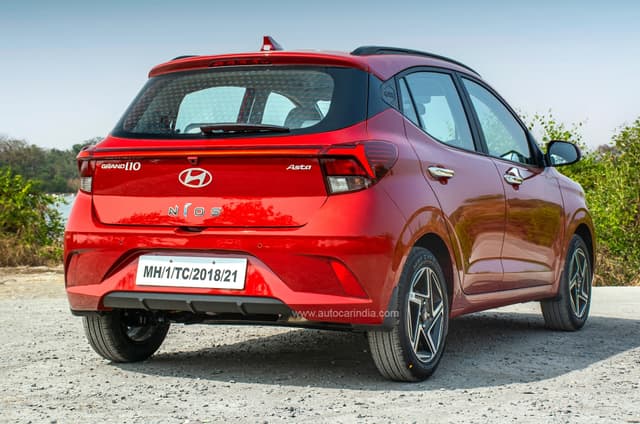
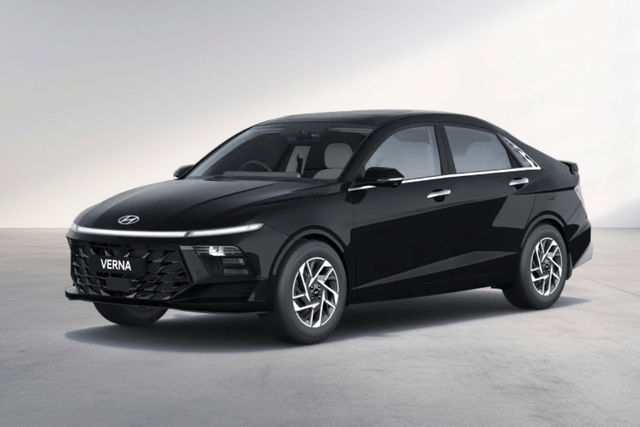
Petrol | Aura, Exter, Grand i10 Nios, Venue, i20, Verna, Creta, Alcazar | Driving is mixed, with moderate annual running and occasional highway trips | Petrol offers the widest choice of Hyundai models and automatic transmissions. Turbo-petrol options in models such as the Venue, Verna, Creta and Creta N Line also cater to buyers who want stronger performance | Fuel costs can add up with high annual running, particularly in larger SUVs |
Diesel | Venue, Creta, Alcazar | Annual running is high, particularly with regular highway use | Diesel engines offer strong torque and are better suited to sustained highway driving and higher annual mileages. The availability of diesel across three SUV sizes also gives buyers more choice | Diesel makes less sense for cars that mainly see short, low-speed city trips |
CNG | Exter, Grand i10 Nios, Aura | Most driving is in the city and keeping running costs low is a priority | CNG can reduce fuel costs for high-frequency urban driving. Hyundai also offers the fuel type across a hatchback, a sedan and a compact SUV, giving buyers some choice of body style | CNG versions are generally paired with manual gearboxes, and the gas cylinder takes up some boot space |
Electric | Creta Electric | Daily driving is predominantly urban and regular charging is available at home or work | The Creta Electric offers a quieter, zero-tailpipe-emission powertrain and eliminates petrol or diesel use for everyday running. | Charging access is essential. Long-distance trips require more planning. |


Filter your search
Filter your search


Filter your search


Hyundai Cars Under 25 Lakh - FAQs
Hyundai’s safety record varies by model. The Venue and Verna have 5-star Bharat NCAP and Global NCAP ratings, respectively, while the Creta’s older Global NCAP test resulted in three stars. The Creta Electric has not yet received an India-specific crash-test rating.
Yes, provided home charging is available, and most regular travel is within its real-world range. The 51.4kWh version has returned around 432km in Autocar’s mixed-use testing, while the latest version has a claimed range of up to 510km. Its 433-litre boot and spacious five-seat cabin also make it suitable for everyday family use.
Choosing a higher Hyundai variant for Advanced Driver Assistance Systems (ADAS) is worth it if you frequently drive on highways or congested expressways. Still, it is less useful if you mainly drive in heavy, slow-moving city traffic where these electronic safety aids rarely activate.
Trending Questions on Hyundai Cars - Answered by Autocar Experts
My budget is Rs 15-18 lakh, and I am currently considering three options: the Kia Seltos HTK(O) IVT, Hyundai Creta S(O) IVT and Tata Sierra Adventure DCT, mainly because it offers a 360-degree camera. I am a relatively new driver, so ease of driving, visibility, parking convenience and overall practicality are important to me. At the same time, I want good real-world mileage because most of my driving will be in the city. I have already test-driven the Creta S(O) IVT and really liked how it drove. However, I have heard that its real-world mileage may not be particularly impressive. Considering my requirements, which of these three would you recommend as the best overall choice? My priorities are: easy and confidence-inspiring for a new driver, good real-world mileage, reliable automatic transmission, 360-degree camera or good parking assistance, comfortable for city driving, and good long-term ownership experience. I am particularly confused between the Creta and Seltos IVT, while the Sierra DCT is tempting mainly because of the 360-degree camera. Which one would you choose in my situation, and why?
Go for the Hyundai Creta S (O) IVT. It is the best fit for your requirements as a new driver. The IVT automatic is smooth, reliable and easy to drive in the city, and the Hyundai Creta offers good visibility, a comfortable driving position and a well-balanced ownership experience.The Kia Seltos HTK (O) IVT is mechanically very similar, but the Creta is the better value package. Moreover, the Creta is slightly smaller and offers better visibility, making it easier to drive and manage for a relatively new driver.The Tata Sierra Adventure DCT is tempting with its 360° camera, but the DCT gearbox is not as well suited to city driving as the IVT, nor is it as efficient. Between the Creta and Seltos, it's quite close, but we'd recommend the Hyundai for its slight advantage in ease of driving.
Hey Experts, I'm planning to buy a car under 18 lakh. I will be using the car on weekends only, with 1-2 highway runs per month. Due to the highway runs, I want level 2 ADAS. Considering the purchase is in Karnataka, where the RTO is absurdly high, only sub-4m cars are fitting my requirements. I have taken the test drive of XUV 3XO and Venue. Which car and variant do you recommend?
Go for the Mahindra XUV 3XO AX7L petrol automatic. It is the best fit for your requirements. The 3XO offers a more spacious cabin than the Venue, a wider rear seat and a comprehensive Level 2 ADAS suite. The turbo petrol engine is punchy and well-suited to your weekend highway runs, while the torque converter automatic gearbox is smooth and easy to live with in the city. The Venue is a good car, but the 3XO simply offers more space and a richer feature list at a similar price point. Given Karnataka's high RTO costs, the 3XO AX7L petrol automatic sits comfortably within your Rs. 18 lakh budget and offers the best overall value.
Hi all, I need some suggestions. I am looking for my first car and am a new driver. I will mainly use it for weekend trips, along with one or two long road trips across India each year. I am looking for a 5-seater SUV with very good suspension, with a maximum budget of Rs 20 lakh. Low running and maintenance costs are important, as I plan to keep the car for 10-15 years. Should I go for a naturally aspirated or turbo-petrol/diesel engine? I am currently considering the Tata Sierra Adventure+ diesel automatic. Should I wait for the Creta 2027? Also, should I consider a hybrid, plug-in hybrid, diesel or petrol? I have heard about high maintenance costs, electronic glitches, rusting and paint issues with Tata cars, although their build quality is said to be very good. What would be the best option for my requirements?
Go for the Tata Sierra Adventure+ diesel automatic. It is the best fit for your requirements. You are a new driver looking for your first car, with weekend trips and occasional long India tours, and you want a 5-seater SUV with very good suspension, low running and maintenance costs, and a long ownership period of 10-15 years. The Tata Sierra diesel automatic is a genuinely comfortable and spacious SUV with a strong diesel engine, and it is well-suited to long-distance touring. The diesel engine will keep running costs in check on highway trips, and the Sierra's ride quality is genuinely impressive, which is exactly what you are looking for.On your other questions: do not wait for the Creta 2027. It is still a few months away, and there is no guarantee it will land exactly in your budget. On the fuel type, diesel makes sense for your usage pattern with long highway trips. Hybrid or plug-in hybrid only makes sense if your running is predominantly city, which is not the case here. On Tata reliability, the Sierra is a new-generation product, and Tata has made genuine improvements, but it is fair to say that Hyundai and Maruti still have a more consistent long-term ownership track record. That said, the Sierra is a genuinely good product and worth considering.If you want the absolute safest long-term ownership experience, the Kia Seltos diesel automatic or the current-generation Hyundai Creta diesel automatic are the alternatives to consider. They are not as spacious as the Sierra, but it is a very reliable, with a proven ownership track record.
I have a family of four and am planning to buy an automatic car next year with a budget of around Rs. 8-8.5 lakh. I have shortlisted the Grand i10 Nios AMT, Baleno AMT, i20 Sportz IVT, and Punch Adventure AMT. My monthly running will be around 300-500 km, with about two long trips per year. I am looking for a reliable car, and mileage is not a major concern. Which car should I go for? Any other recommendations are also welcome.
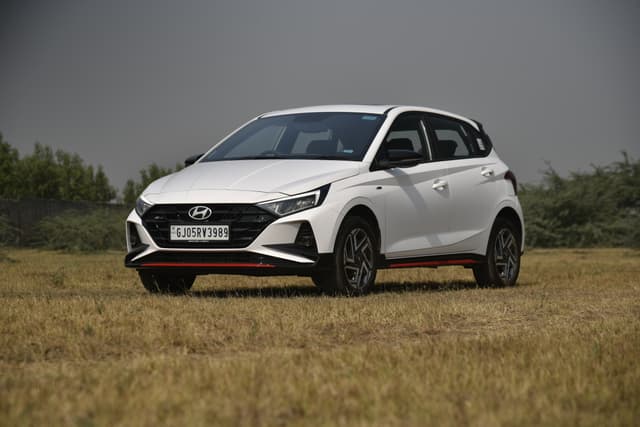
The Hyundai i20 Sportz IVT is the best automatic in this group. The CVT (or IVT in Hyundai's words) is much smoother than any AMT listed. The car is spacious; its interior fit-and-finish is excellent; and the Sportz variant packs all the essentials that you'll want at this price. Overall, the i20 is a premium, sophisticated hatchback.
Currently driving a 4-year-old Baleno Alpha AT (2022 model). My monthly running is around 500-600 km in Mumbai, mostly in bumper-to-bumper traffic, and I have a small family. Roughly 90% of my driving is in the city, with occasional trips outside town. I am considering upgrading to a mid-size SUV in the Rs. 17-20 lakh range. I would appreciate recommendations based on my usage.
With 500- 600 km a month in Mumbai traffic and 90% city driving, your priorities should be ease of driving, comfort and reliability. A petrol automatic is the right choice here, and given your budget, the Kia Seltos IVT is the recommendation. The IVT gearbox is smooth and well suited to stop-start traffic; the car feels premium inside, and the Seltos is one of the most refined and comfortable midsize SUVs on the market. It is also a genuine step up from your Baleno in terms of space, comfort and overall ownership experience.The Hyundai Creta is also a good alternative with a similar mechanical package, but the Seltos feels slightly more premium inside and offers marginally better rear seat space. Overall, the Seltos IVT is the best fit for your usage and budget.
Last Updated on: 4 Sept 2026