
Last Updated on: 20 Jul 2026
Hyundai i20
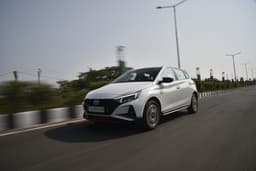
The Hyundai i20 is a family hatchback that is popular among buyers for its modern design and feature loaded cabin. The i20 car price starts from ₹6.00 lakh for the base model (1.2 Petrol Era MT) and goes upto ₹11.59 lakh for the top model (1.0 Turbo Petrol N-Line N8 DCT). Where as the on road price of i20 starts from ₹6.93 lakh and ₹13.68 lakh, varying based on the city or region.
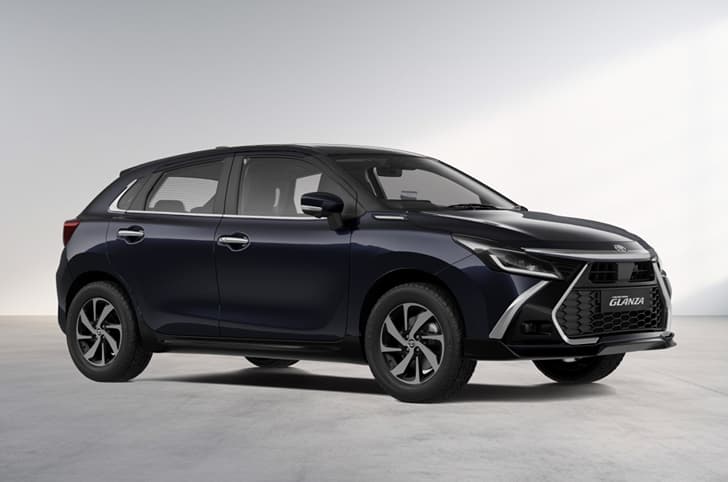
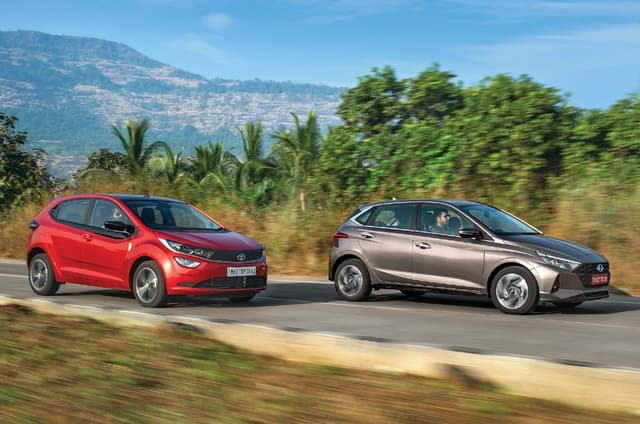
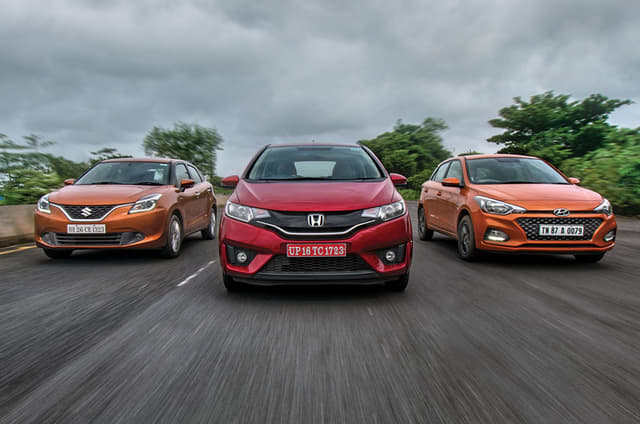
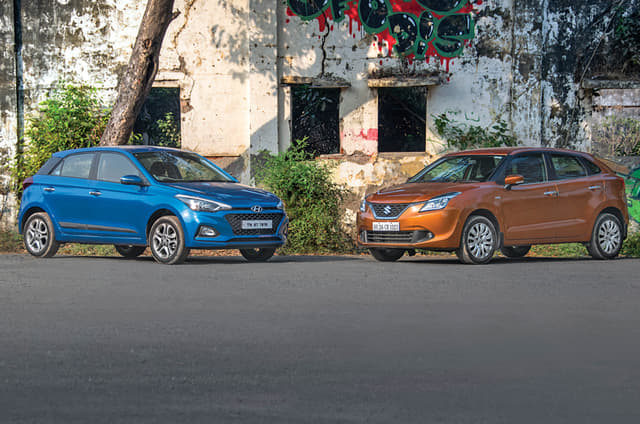
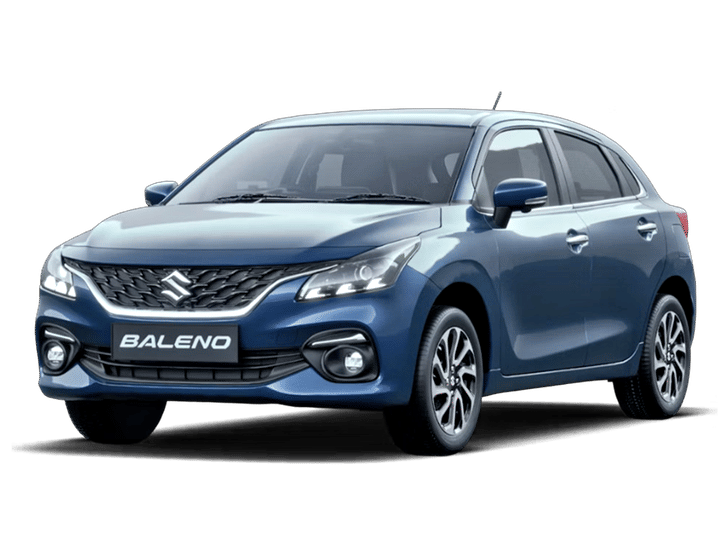
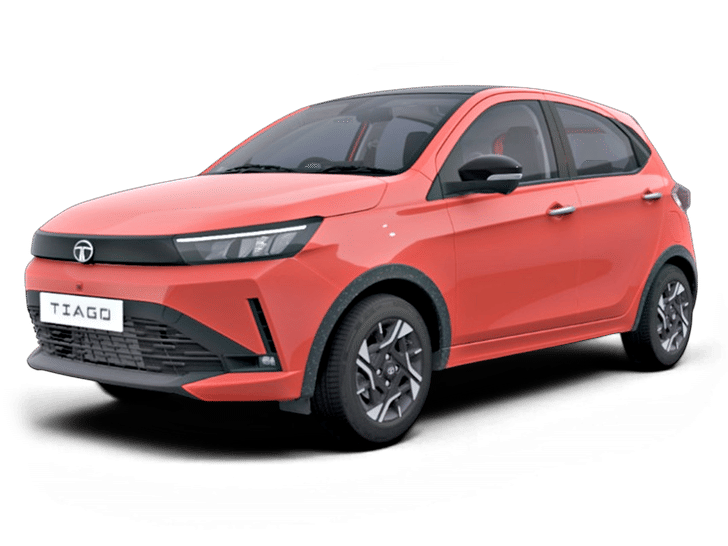
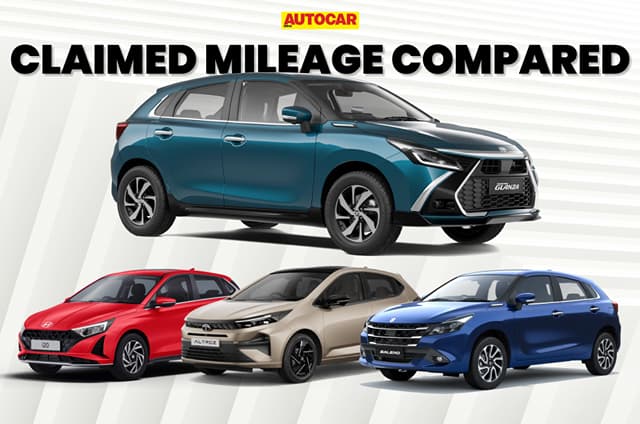
The i20 competes with the likes of the Maruti Suzuki Baleno, Maruti Suzuki Swift, Maruti Suzuki Fronx, Toyota Glanza, Tata Tiago and Tata Altroz.
The i20 car is offered with naturally aspirated petrol and turbo petrol engines. There are up to 15 variants of the i20 to choose from. Buyers get to pick from 9 exterior colours, which include dual tone options as well. The Hyundai i20 mileage is 20 kmpl.
Key Highlights of i20:
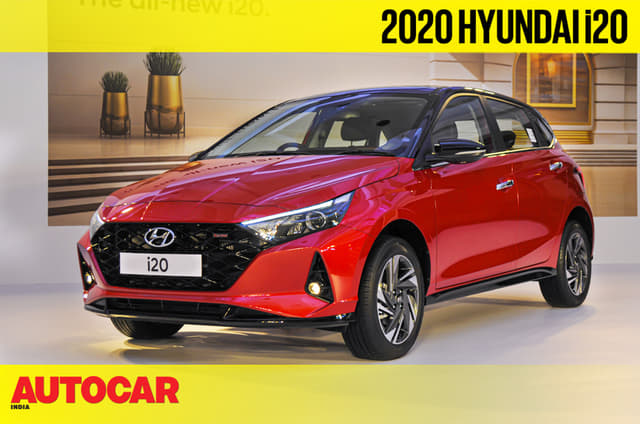
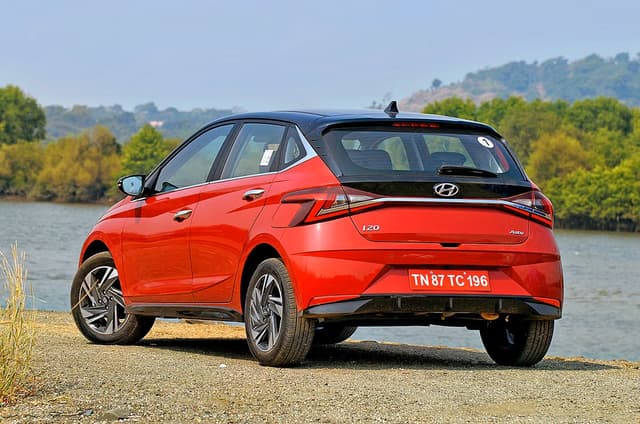
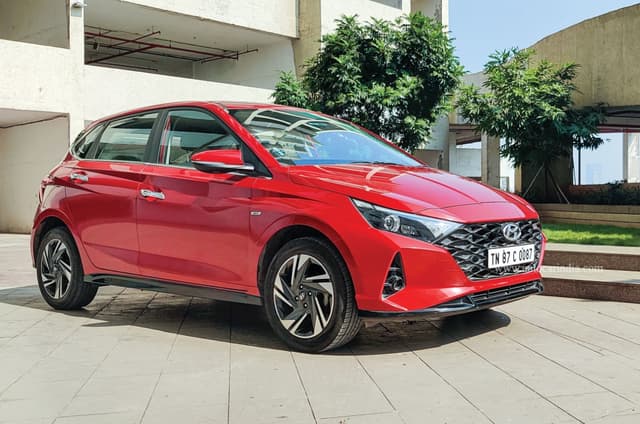
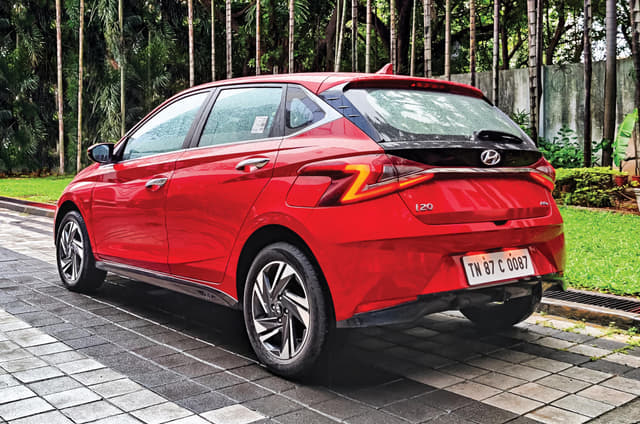
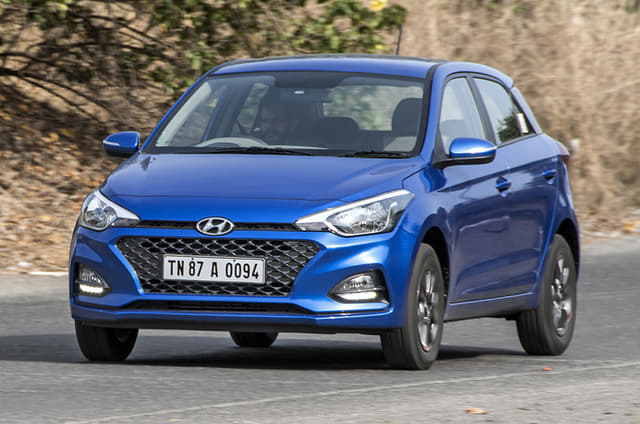
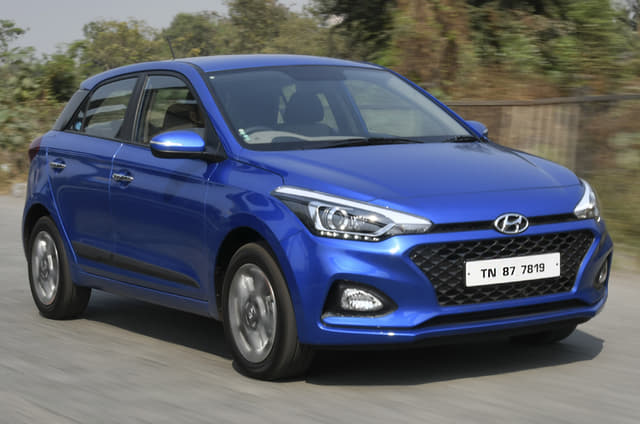
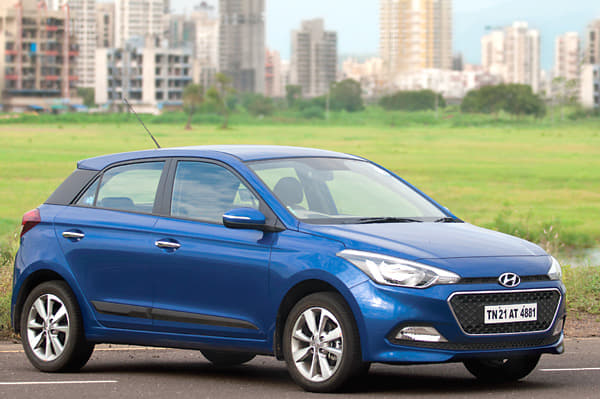
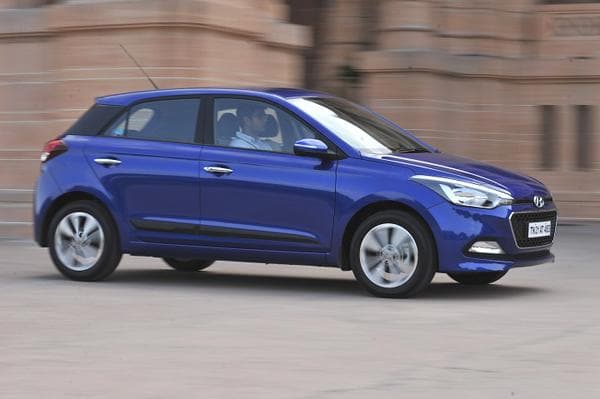
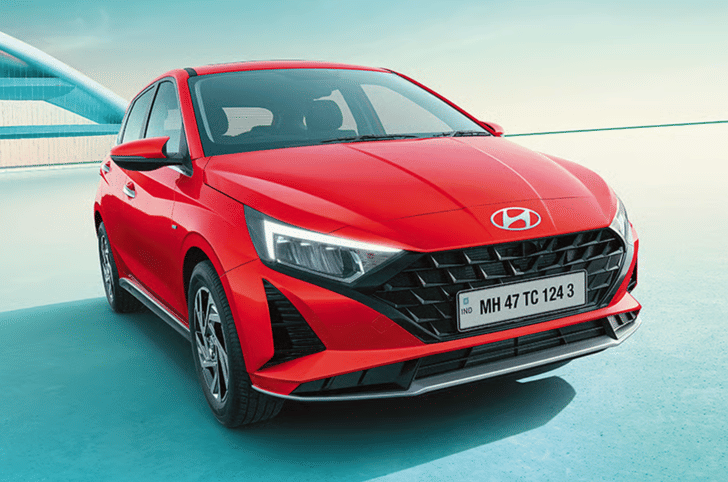
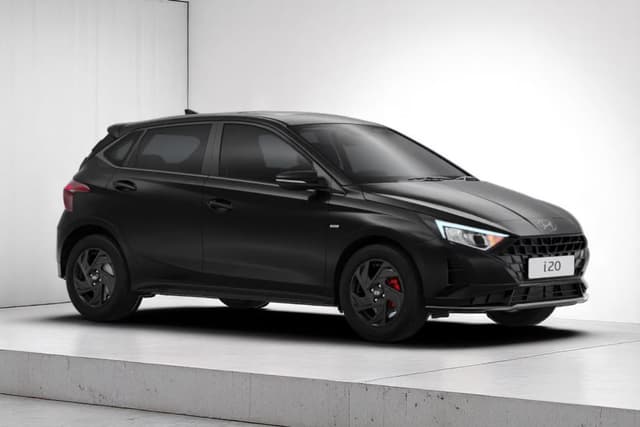
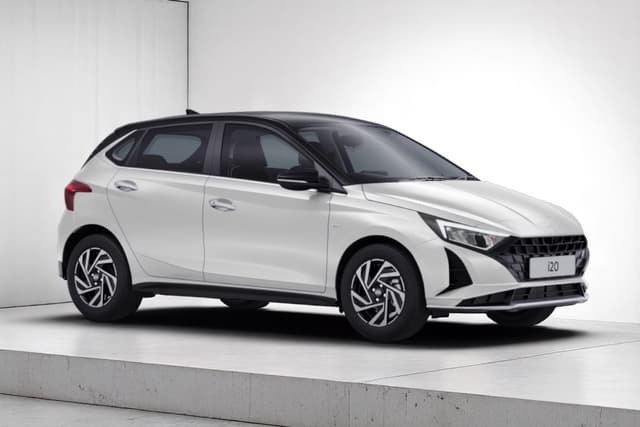
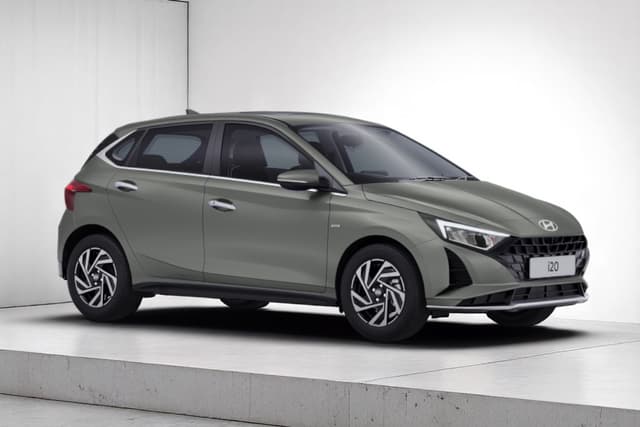
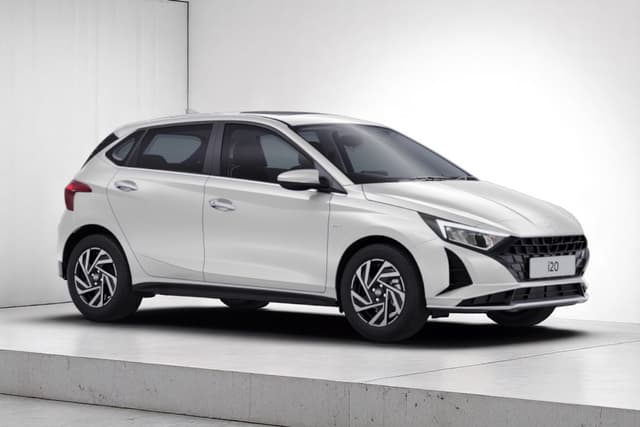
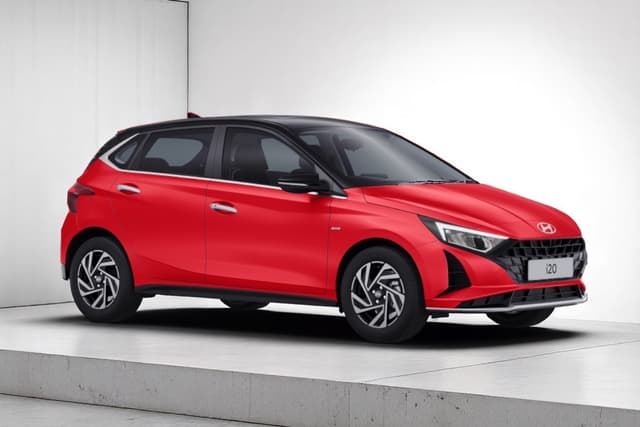
- Hyundai i20 gets sleek and sporty lines combined with a bold front fascia featuring angular headlights and a deep main grille.
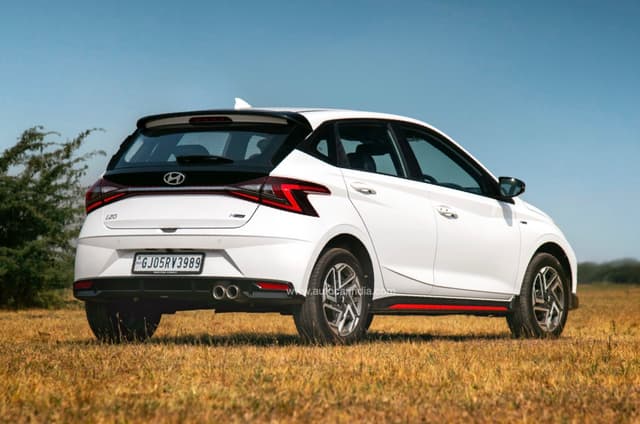
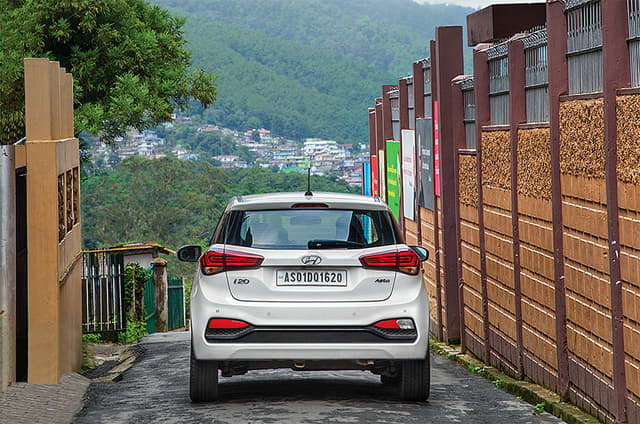
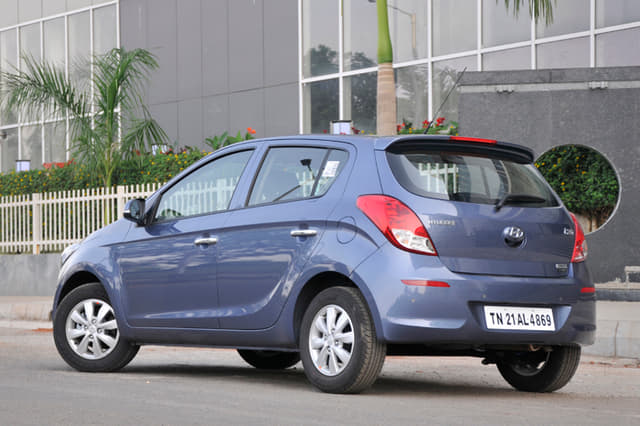
- i20 exterior highlights include sharp LED DRLs, Z shaped taillights, sporty looking front and rear bumpers, a roof spoiler, 16 inch alloys and puddle lamps.
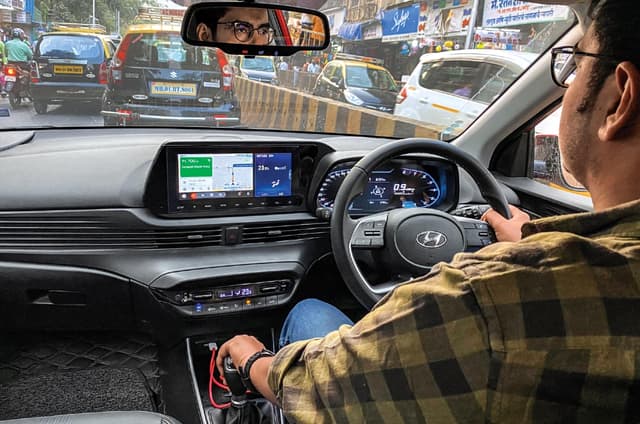
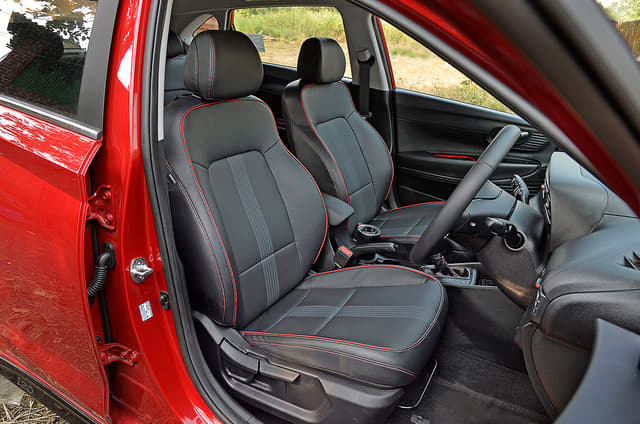
- i20 interior feels roomy in two tone theme and is available with LED ambient lighting, flat bottom steering wheel, partial leatherette upholstery and automatic AC with rear vents.
- i20 features include cruise control, electric sunroof, Bose sound system, wireless charger, dashcam and auto folding ORVMs.
- The Hyundai i20 equipment list adds wireless Apple CarPlay and Android Auto, 10.25 inch infotainment screen and digital instrument cluster.
- i20 gets 6 airbags, electronic stability control, TPMS, hill start assist, vehicle stability control, auto dimming IRVM, ISOFIX anchors and four disc brakes with ABS.
- i20 engine options include Turbocharged and Manual, DCT, CVT gearboxes.
- i20 mileage ranges between 16 kmpl - 20 kmpl.
Hyundai i20 Latest Updates
- June 22, 2026: Hyundai confirms plans underway for new i20 N; upon its arrival, the new-gen i20 N will become the most affordable N model in the brand’s portfolio.
- June 17, 2026: Hyundai sends off i20 N with limited-run Shadow Edition; the special-edition i20 N will be limited to 100 units.
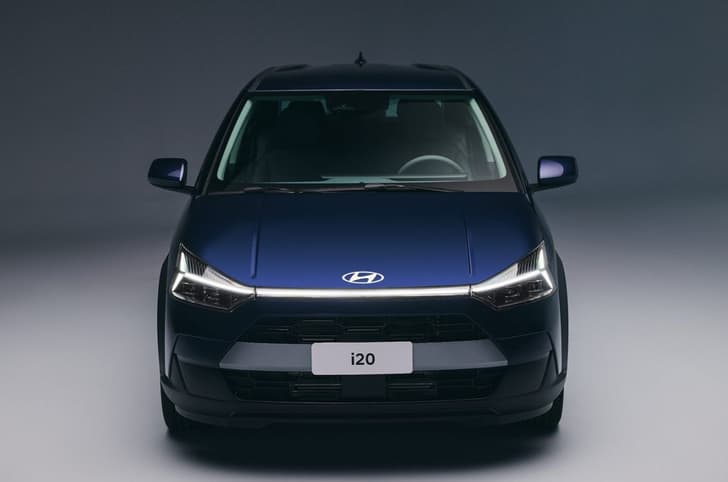
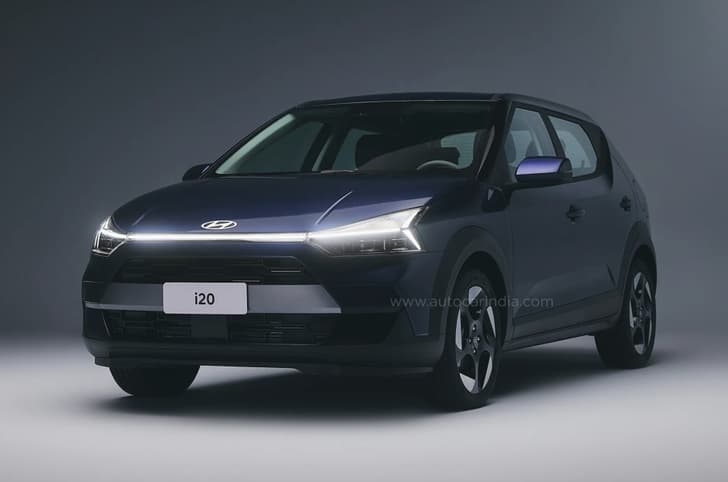
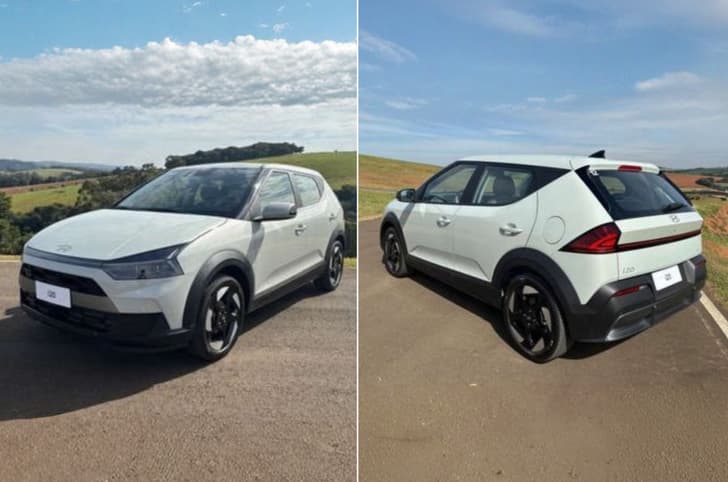
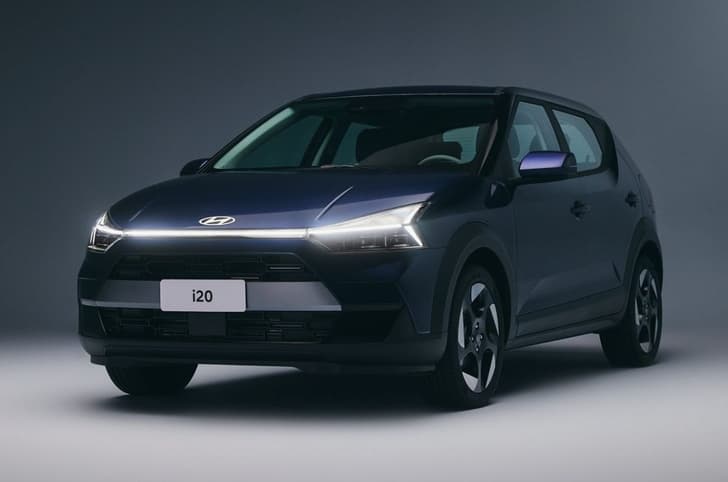
- June 13, 2026: Next-gen Hyundai i20 debuts in Brazil; the Brazil-spec model gets two petrol engines and two transmission options, spread across six variants.
- June 12, 2026: New fourth-gen Hyundai i20 leaked in full
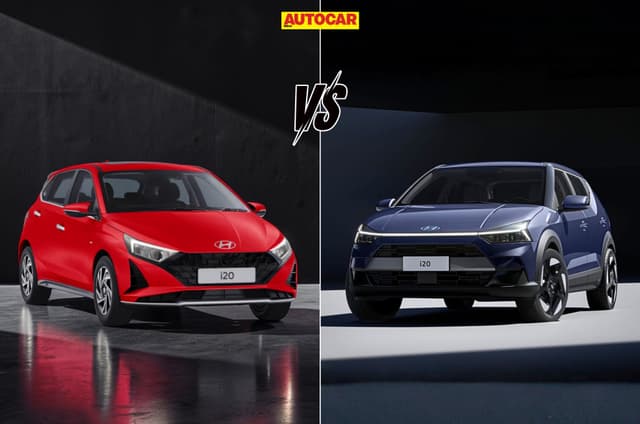
The new i20 adopts a crossover-esque look and gets twin connected screens on the inside.
Hyundai i20 Features and specifications
Our Rating | 8 |
Mileage | 16 kmpl - 20 kmpl |
Engine | 998 cc - 1197 cc |
Fuel Type | Petrol |
Transmission | Manual, DCT, CVT |
Seats | 5 |
Body Style | Hatchback |
Doors | 5 |
Max Power | 120 hp at 6000 rpm |
Max Torque | 172 Nm at 1500 - 4000 rpm |
Warranty Distance | 100000 km |
Warranty Duration | 3 Years |
| Fuel Type/ Propulsion | Petrol |
| Number of Cylinders | 3 |
| Engine Installation | Front |
| Pure Electric Driving Mode | No |
| Fuel Tank Capacity | 37 litres |
| Official Fuel Economy | 20 kmpl |
| Fuel Supply System | Direct Injection |
| Emission Standard | Bharat Stage VI |
| Front Brakes | Discs |
| Rear Brakes | Discs |
| Type of Power Assist | Electric |
| 4 Wheel Steer | No |
| Length | 3995 mm |
| Chassis Type | Monocoque |
| Width | 1775 mm |
| Height | 1505 mm |
| Power Windows | Front and Rear |
| Voice Assisted Sunroof | |
| Trunk Light | |
| Sunglass Holder |
| Airbags | 6 |
| Side Airbag | |
| Seat Belt Warning | |
| Overspeed Warning |
| Body Coloured Bumpers | |
| Headlight Height Adjuster | |
| LED DRLs | |
| Antenna | Shark Fin |
| Speedometer | Digital |
| Tachometer | Digital |
| Trip Meter | |
| Average Fuel Consumption |
| Audio System | |
| Front USB port | Type C |
| Second Row USB port | Type C |
| Branded Music System | Bose |
| Check Vehicle Status via App | |
| Tow Away Alert | |
| Smart Drive Information | |
| Service Reminder Via App |
Hyundai i20 price & variants
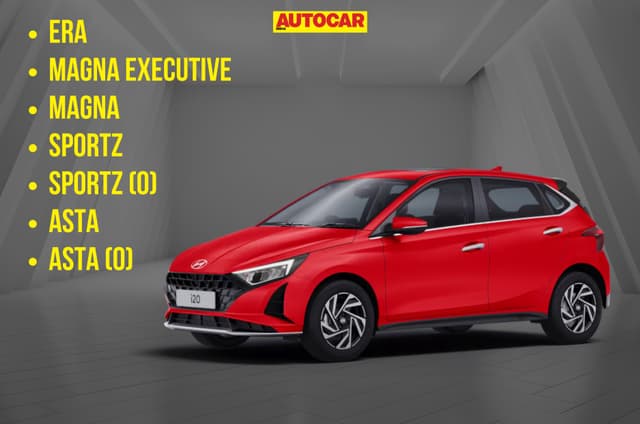
There are 15 variants of the Hyundai i20, while Turbocharged engines and Manual, DCT, CVT gearbox options are available. Some of the popular variants include the 1.2 Petrol Era MT, 1.2 Petrol Magna Executive MT, 1.2 Petrol Magna MT.
i20 car price ranges between ₹6.00 lakh, Whereas, i20 top model price is ₹11.59 lakh (ex-showroom).
Confused among 15 variants?
Let us narrow it down

Hyundai i20 expert review
We like
Space and comfort
Long equipment list, powertrain choices
We don't like
Price
8
The Hyundai i20 set a high benchmark for premium hatchbacks when it launched. Its design blends maturity and style with crisp lines, a bold grille, swept-back headlamps and a clean silhouette that belies its compact footprint. The proportions are balanced and give the i20 a slightly upscale look compared with its peers.
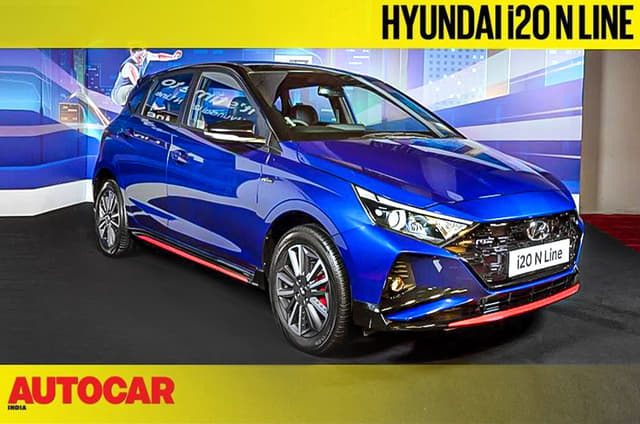
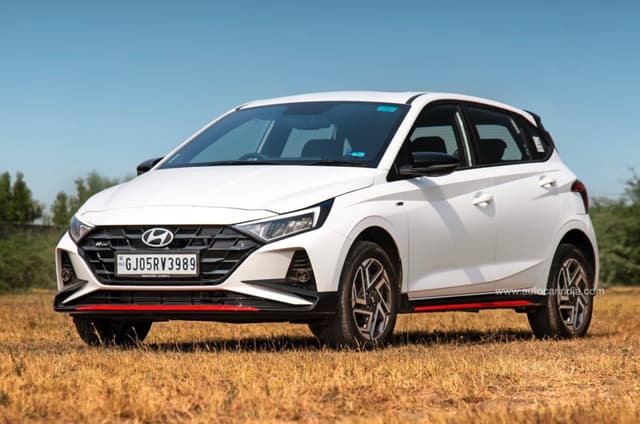
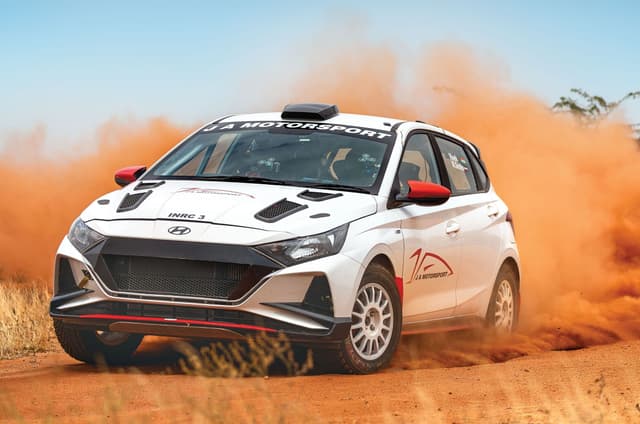
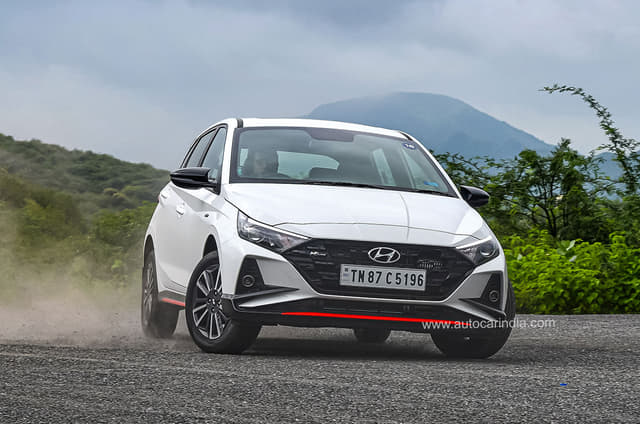
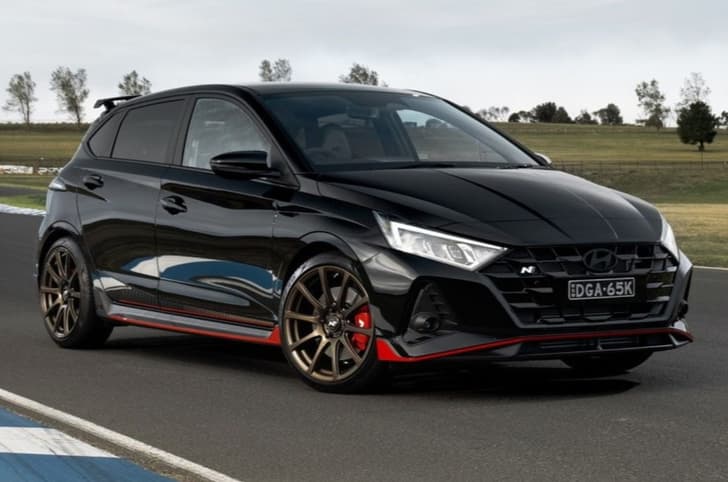
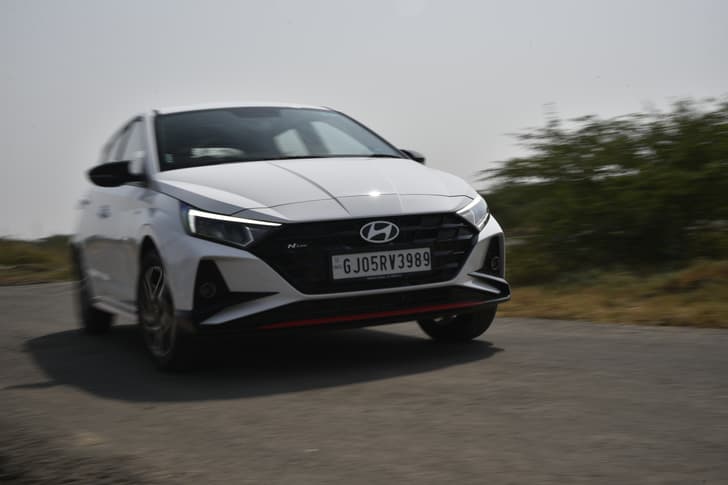
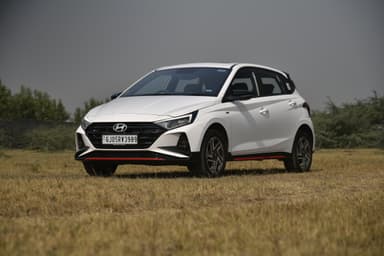
The i20 N Line adds a sportier edge to the same platform. Aggressive bumpers, larger intakes, gloss-black highlights, 17-inch wheels and red accents lift its stance visually. The overall shape remains familiar, but the performance cues make it feel like a hatchback with intent rather than just another top-trim model.
The N Line MT ramps up those cues further with deeper front spoilers, gloss-black treatment and unique decals that underline its performance focus. Engineering fundamentals — MacPherson front struts and torsion beam rear suspension — are unchanged, but the N Line tweaks steering and damping for a sharper feel.
8
Inside, the standard i20’s cabin impresses with fit and finish that punch above its price. The dashboard has a clean layout with quality plastics, a floating touchscreen, digital cluster and soft-touch surfaces in key areas. Seats are supportive, the centre console is logically laid out and rear passengers enjoy reasonable space for a premium hatch, with good headroom and luggage capacity.
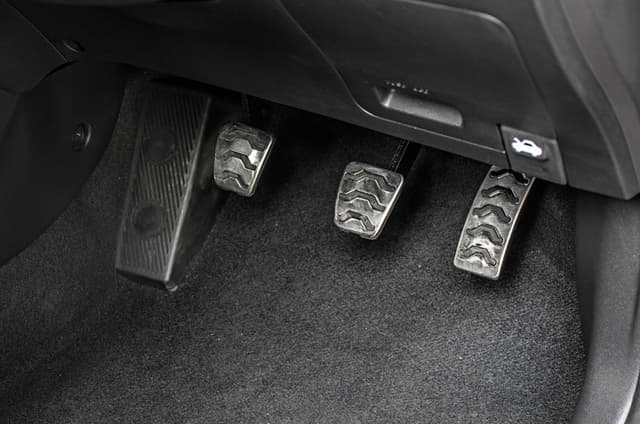
The i20 N Line keeps the same ergonomic strengths but adds sporty touches like red contrast stitching, paddle shifters on the automatic and aluminium pedals. Materials and fitment remain high quality, though the overall space packaging is fundamentally the same as the standard car.
The N Line MT swaps automatic-specific trim accents for a more driver-centric feel with a sporty gear lever and stitched elements that feel purposeful underfoot and at the fingertips. Rear space and comfort remain unchanged across all variants.
8
Across the i20 range, features are generous. Standard kit includes a touchscreen with Android Auto and Apple CarPlay, wireless charging, digital instrument panel, connected car tech and automatic climate control.
The N Line adds performance-themed elements such as unique drive modes, paddle shifters on the automatic, sport seats and N Line badging. Safety kit stays robust with multiple airbags, ABS with EBD, stability control and ISOFIX child mounts across most variants.
6
On the standard i20, fuel efficiency is competitive for the segment. The naturally aspirated petrol returns good real-world figures in city use, while the turbo petrol with DCT is efficient on highways if not aggressively driven.
The N Line variants share similar efficiency traits with the turbo engine. The automatic returns respectable economy for its power output in everyday driving. The manual, while slightly thirstier under spirited use, still delivers acceptable figures when driven sensibly.
7
Ride comfort in the standard i20 is one of its strengths. Suspension absorbs urban potholes and road irregularities with ease while body control stays composed within realistic speed envelopes. Steering is light at city speeds and builds confidence on highways.
The i20 N Line auto introduces a slightly firmer suspension tune and sharper steering calibration that adds confidence through corners. It feels more planted at speed than the regular i20, though the ride retains comfort rather than switching to hard sportiness.
The N Line MT further sharpens the experience. The combination of manual shifts, crisp chassis responses and confident turn-in make it one of the more engaging premium hatchbacks. Handling is predictable and controlled, with a direct steering feel that encourages brisk driving without instability.
8
Across the i20 range, features are generous. Standard kit includes a touchscreen with Android Auto and Apple CarPlay, wireless charging, digital instrument panel, connected car tech and automatic climate control.
The N Line adds performance-themed elements such as unique drive modes, paddle shifters on the automatic, sport seats and N Line badging. Safety kit stays robust with multiple airbags, ABS with EBD, stability control and ISOFIX child mounts across most variants.
8
The Hyundai i20 remains one of the most compelling premium hatchbacks in India with a strong balance of quality, features and everyday usability. It undercuts some European rivals on kit while offering a more refined drive than many peers.
The i20 N Line automatic adds a performance flavour without straying far from affordability in its segment, making it a strong choice if buyers want both refinement and a sporty character.
The N Line MT enhances value for driving enthusiasts who want a manual gearbox and sharper dynamics. It stands out as one of the most engaging premium hatchbacks available, merging performance-oriented fun with the practicality of the regular i20.
Reviewed by: Nikhil Bhatia
Hyundai i20 Official Brochure
Download the complete brochure with specs, features, and variants.
Hyundai i20 User Reviews
If reliability and stress-free ownership are your top priorities, go with Hyundai i20 IVT. It's known for its smooth performance and great build quality. The i20 feels a bit more premium and established.
Read moreThe IVT on the i20 is better than the AMT.
The i20 is recommended due to its reputed engine.
I suggest to avoid i20 CVT. It gives a hatchback feeling with small car perception.
After driving the i20, I felt it is one of the best cars in the hatchback segment. Ride quality is top notch with premium interiors though average is a bit low in city around 11-12 km/l.
Tell us about your experience
Hyundai i20 reviews

Hyundai i20 comparison
Hyundai i20 Mileage
The Hyundai i20 mileage of between 16 kmpl - 20 kmpl makes it fairly well-suited for a mix of city and highway use.
| PowertrainThe combination of engine type, fuel, and transmission that powers your vehicle and determines how it drives and what it runs on. | ARAI MileageMileage certified by the government, tested under controlled lab conditions. Real-world mileage will vary. | User Reported MileageMileage figures are reported by vehicle owners and represent the approximate real-world efficiency you may experience. Actual mileage will vary based on driving conditions, habits, and vehicle condition. |
|---|---|---|
Petrol-Manual 1197 cc | 16 kmpl | 15.59 kmpl |
Petrol-Automatic (CVT) 1197 cc | 20 kmpl | 15.48 kmpl |
Petrol-Manual 998 cc | 16 kmpl | 15.85 kmpl |
Petrol-Automatic (DCT) 998 cc | 20 kmpl | 15.62 kmpl |
Hyundai i20 news
Hyundai i20 Images
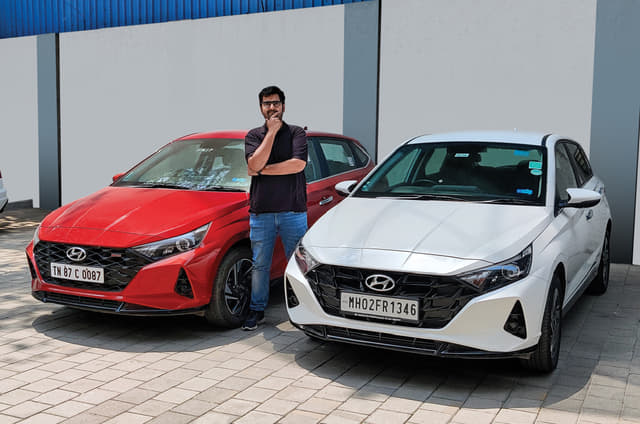
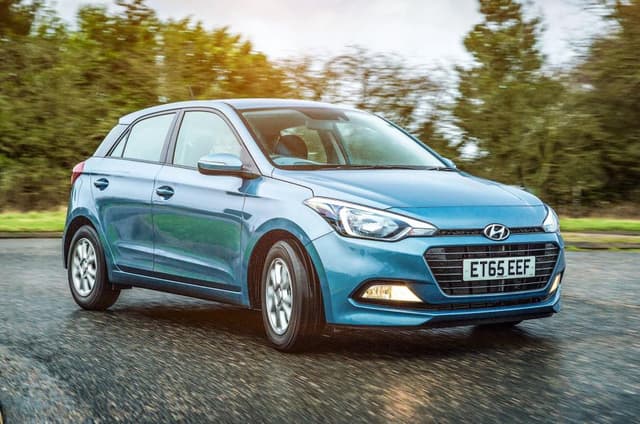
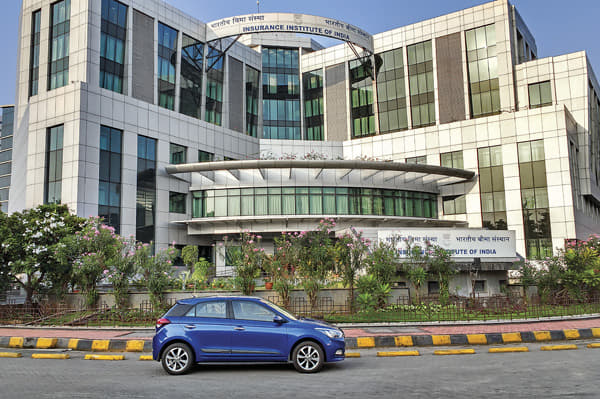
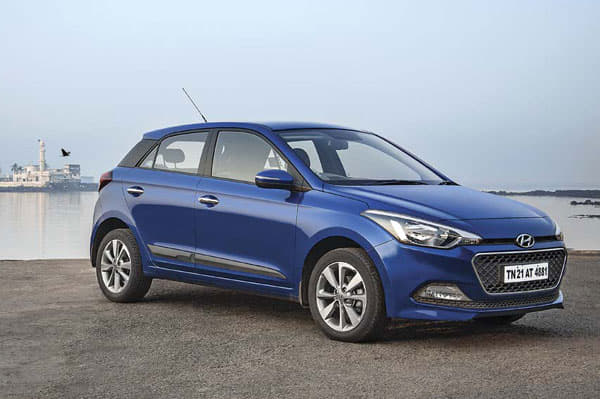
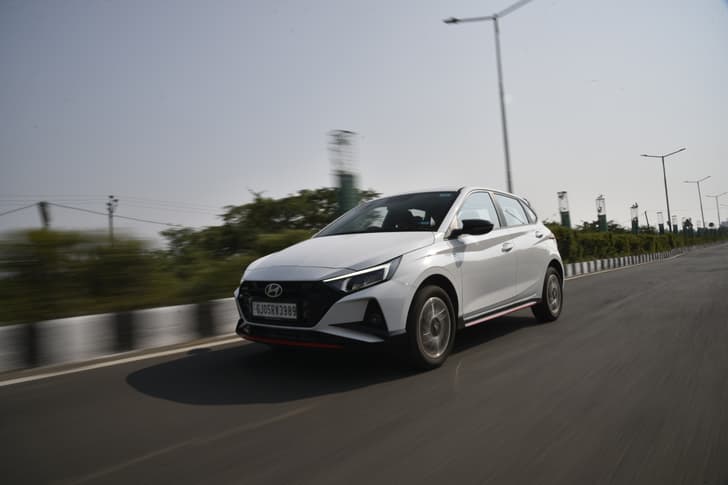
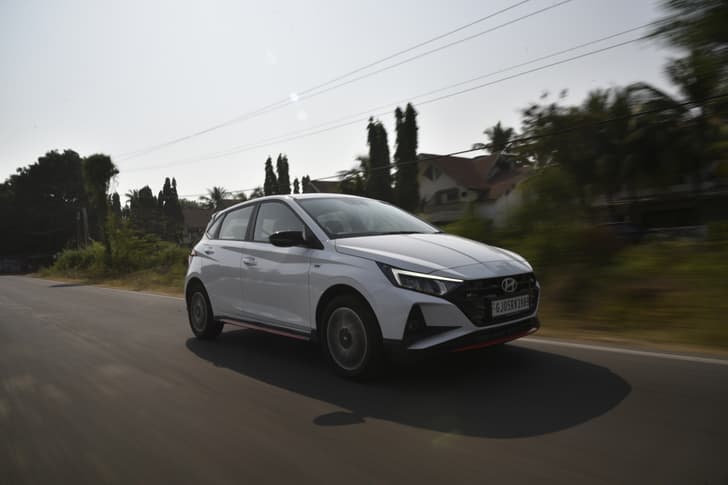
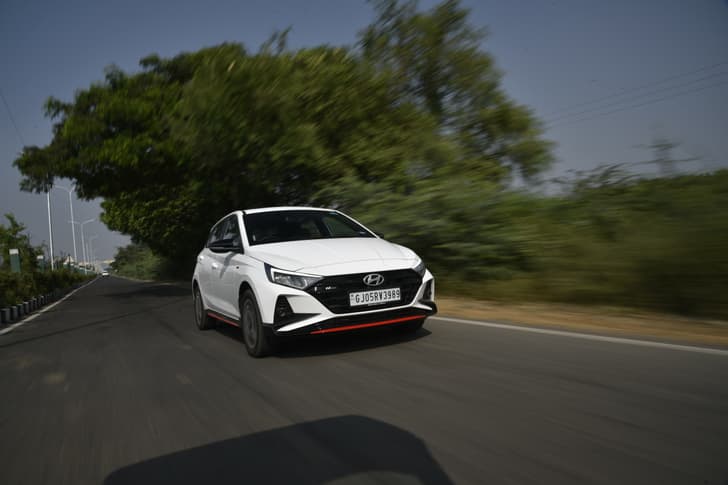
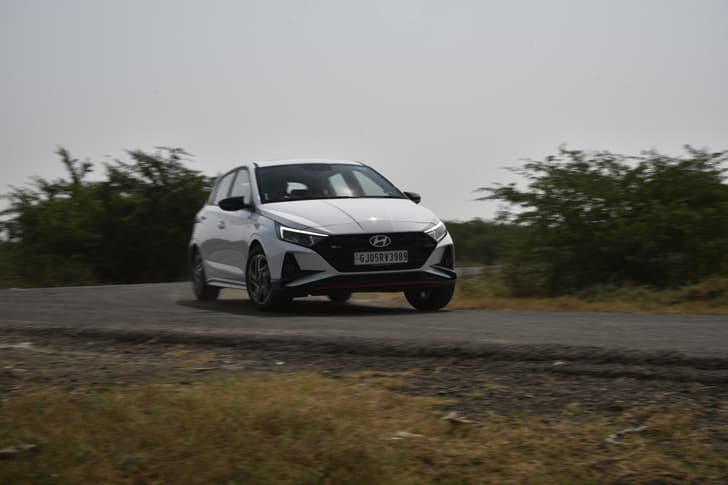
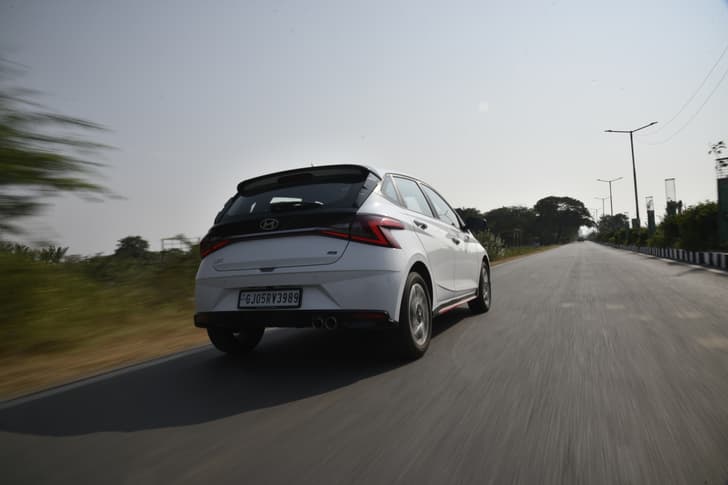
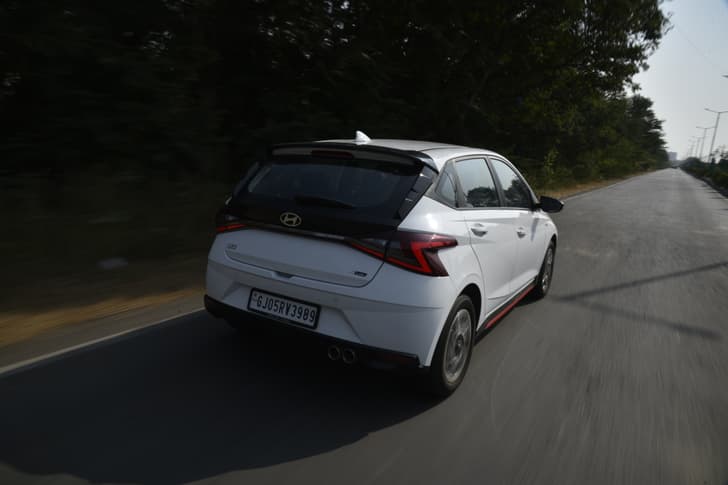
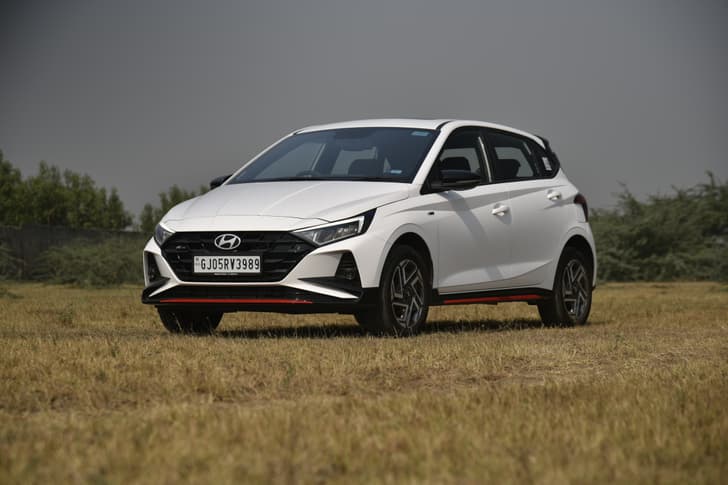
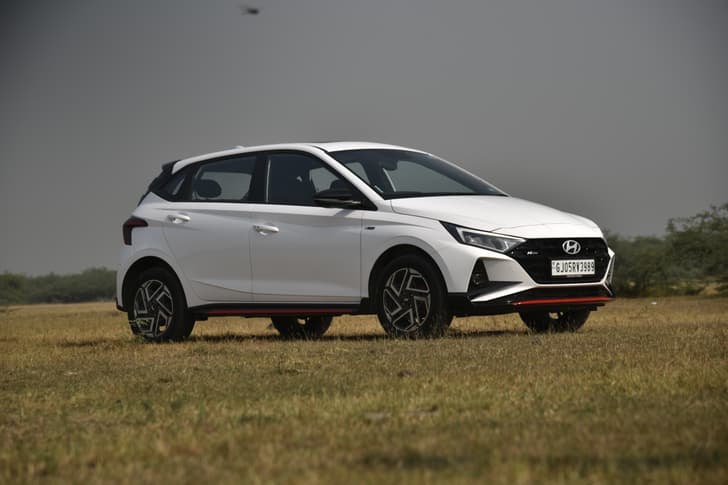
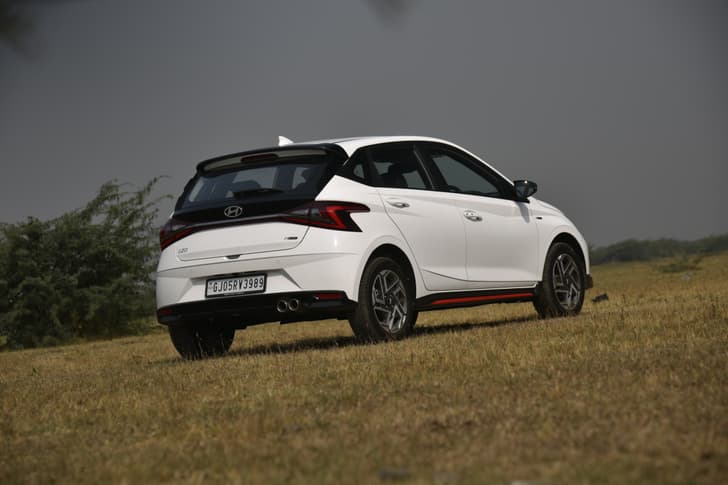
Our Hyundai i20 image gallery contains high-resolution pictures that showcase the hatchback using both tracking and static shots. There are images of both the standard i20 and the sportier i20 N-Line.
Hyundai i20 videos
The Hyundai i20 videos you see below encompass a wide range of topics that include the hatchback’s reviews, comparisons with rivals, exterior walkarounds and an interesting podcast on hot hatchbacks in India.


Hyundai i20 Colours
The Hyundai i20 colour options include up to 9 options. Buyers of the i20 get to pick from colours such as Abyss Black, Abyss Black / Atlas White (dual Tone), Amazon Grey, Atlas White, Black / Fiery Red (dual Tone), Fiery Red, Starry Night, Titan Grey, Typhoon Silver.
Have questions about this car?
Ask owners & Autocar experts.
Hyundai i20 FAQs
The Hyundai i20 is aimed at those looking for a no-compromise premium hatchback that is loaded with features. Both naturally aspirated and turbo-petrol engine options are on offer, which gives more flexibility to buyers.
At 311 litres, the i20's boot can hold enough for the odd airport run. Although, you'll have to haul your luggage in as the loading lip is quite high. The i20 also gives the flexibility to fold the rear backrest down to free up more luggage room.
The i20 rounds off the bumps well and the ride quality is also well judged. Even the suspension is nicely damped, and even up and down movements are well contained.
There is ample kneeroom and headroom for even six footers to sit in comfort at the back, and fitting in a third passenger won't be too much of a squeeze. The seatback is also nicely reclined and what aids comfort is the nicely positioned rear-centre armrest.
Compared to the standard car, the N Line gets 30 percent stiffer damping for the suspension and a retuned steering too. The upgraded suspension enhances the N Line’s sporty character, reduces body roll in the bends and enables it to corner flatter. The steering has a good heft to it and it's feelsome. It takes away the vagueness from the normal i20 and makes it feel sharper around corners, which only enhances the engagement. All of these make the i20 N Line a fun-to-drive hatch.
With the i20's lower trims, Hyundai is offering a 10.1-inch touchscreen infotainment system with wireless Apple CarPlay and Android Auto and a rearview camera for an additional Rs 15,000 as dealer-level fitments. At that price, the upgrade is justified recommended. Make sure to contact your nearest Hyundai showroom for both offer and stock availability.
Questions you may find useful
Hrishi
Hello Autocar. I have been looking for a second car for our family. We currently own a Tata Tiago EV Long Range, which is used for all our city driving and weekend trips to our hometown, around 80 km one way. However, we now feel the need for a dedicated highway car because we miss taking longer family road trips. Our budget is under Rs. 15 lakh. My primary choice was the Honda Elevate VX Manual. I deliberately avoided the CVT because we already have an automatic EV for city use, and I don't think a petrol automatic can match the smoothness and instant response of an EV. However, I've started reconsidering my decision because I feel the Elevate isn't the ideal highway cruiser. While it is spacious and comfortable, it doesn't feel particularly relaxed at highway speeds, and its highway fuel efficiency isn't very impressive. The next option I shortlisted is the Hyundai i20 N Line N6 Manual. I generally prefer spacious hatchbacks over sub-4 metre SUVs, and I never really liked that segment. Choosing the N Line would also save me around Rs. 5 lakh compared to the Elevate, while offering better cruising ability and fuel efficiency, considering this car will be used almost exclusively for highways and long road trips. My main question is whether the i20 N Line would be comfortable enough for a family of four with some luggage. All of us are lean, under 170 cm tall, and below 60 years of age. Everyone in the family likes the idea of the N Line. We have also ruled out diesel cars because my family doesn't like them, and I didn't push that option either due to DPF concerns and the fact that the car won't be used regularly. Please advise whether the i20 N Line N6 Manual would be a good choice for us.

autocar.india
The Hyundai i20 N Line N6 manual is a good highway car. Its tall sixth gear allows it to cruise comfortably at highway speeds while returning respectable fuel efficiency. The engine has a strong mid-range, making overtakes easy, and it feels stable at high speeds. For your use case, performance will feel noticeably dulled with four people on board, and pushing the engine harder will reduce fuel efficiency. It also suffers from a weak bottom end, so performance below 2,000rpm is not particularly strong. A full load can also leave ground clearance marginal over taller speed breakers, and the ride is on the firmer side, which passengers may find uncomfortable. While cabin space is generally good for the segment, the boot may feel tight when carrying luggage for four.The Honda Elevate has a definite advantage when it comes to space. While your family of four, all under 170cm tall, will fit comfortably in the i20, the Elevate gives them more room to stretch out, which matters on longer journeys. Its shorter gearing means performance is actually quite good for a naturally aspirated engine, but as you pointed out, it does not feel particularly relaxed at highway speeds.If you can live with the i20 N Line’s shortcomings, it is a good fit for your needs and significantly cheaper than the Elevate. Before making a decision, take your family on an extended highway test drive to see how they feel in the rear seat. As a family car, though, the Elevate is the better choice.Alternatively, consider the Skoda Kushaq 1.0 TSI manual. It offers better highway performance than the Elevate, more space than the i20, and is one of the best-handling SUVs in its class, which you are likely to enjoy.
Ayush
We are planning to buy a car and are confused between the Hyundai i20 Asta Optional and the Hyundai Venue HX6T 1.2-litre NA petrol. Our budget is up to Rs. 12.5 lakh, and we drive around 8,000km annually, mostly in the city with light to moderate traffic. We occasionally take highway trips. We currently own a 2015 Wagon R VXi. The quoted prices are Rs. 10.44 lakh for the i20 and Rs. 12.7 lakh for the Venue. What makes more sense, a small hatchback or a Venue?

autocar.india
With an annual running of just 8,000km, mostly in the city, the Hyundai i20 simply makes more sense. It offers the same 1.2-litre naturally aspirated petrol engine as the Venue, but being lighter, it should feel a little more responsive and should also be slightly more fuel-efficient. Considering you're comparing the top-spec i20 Asta (O) with a mid-spec Venue HX6, the i20 also offers a more premium cabin, a richer feature list and, at over Rs 2 lakh less, represents significantly better value for money.The Hyundai Venue HX6 is worth considering if you specifically want the higher seating position and SUV styling. However, with the same engine, the extra weight means it is unlikely to offer any performance advantage, and you'll be paying a significant premium primarily for the SUV body style.Coming from a 2015 Wagon R, both cars will feel like a substantial upgrade in terms of refinement, comfort and features. Unless the higher driving position is a non-negotiable requirement, we'd save the money and choose the i20.
Ravi
I have a budget of Rs.10 lakh and want an automatic car. My usage will be around 70-80% in the city and 20% on highways in Bangalore. I have shortlisted Hyundai i20 Asta IVT, Honda Amaze ZX CVT, Tata Nexon AMT Pure Plus and Maruti Suzuki Baleno AMT. I want a decent city fuel efficiency of around 10-12 kmpl. I also want a car that will not feel boring after 5-6 years and has a youthful appeal with a bit of style. Please help me choose the right one.

autocar.india
Pick the Hyundai i20 Asta IVT. For mostly Bangalore city use, it feels light and easy to drive and its clean, sporty look will still feel young in five years. It's very efficient too, though some others might be better. The automatic is the smoothest to drive and the most polished in traffic, but that trim will likely go past your Rs 10 lakh budget; settle for the Sportz (O) instead. A quick word on the rest. The Honda Amaze CVT is smooth, friendly and efficient, but as a compact sedan it might not deliver the style statement or road presence you want. The Baleno will be the most efficient; in real-world traffic you can expect around 11-13kpl if you are judicious with the throttle, and the cabin is airy and comfy for the daily grind. However, the AMT is not as smooth as the i20’s automatic. Tata Nexon AMT gives you SUV stance and presence, but the AMT is clunky in stop-go and city economy is weaker, so your 10-12kpl requirement is a stretch.
Ankit Sagwekar
Does high body roll in a car influence motion sickness? I am planning to buy a new car and have shortlisted Punch, Altroz and i20. As Punch has higher body roll, should I cancel it? Two of my family members have motion sickness. We have around 5-6 trips annually through winding Konkan roads. I would want my car to be comfortable for all throughout the journey.

autocar.india
Pick the Tata Altroz for your trips. It stays flatter through ghats than the Punch and feels steadier than the i20, which helps people who get sick. On winding Konkan roads, side-to-side roll and float at the back are what trigger nausea; the Altroz sits lower and has a firmer, more tied-down tune, so there’s less sway in bends and less bobbing over crests. It is calm at highway speeds, too, so your family won’t be tossed about.A few tips for travel sickness: seat the most sensitive person in front and tell them to keep looking out and at the road and horizon. Motion sickness is caused mainly due to your body receiving differing signals, so if your are reading you eyes and looking down and at something steady, but your body is sensing motion. Thus, for people who feel sick its best to look out of the windows and not at a phone, for example. Also, if required, keep the windows cracked a bit for fresh air, which helps, and take short breaks more often rather than one break after a long drive. Eat a light meal and lime and ginger if you can, as it helps reduce nausea.
Sathwik
I'm a first-time car buyer planning to purchase an automatic petrol car in Q3 2026, mainly for city use and occasional long trips. I want modern features such as a 360° camera, wireless Android Auto/Apple CarPlay, etc. My budget is around Rs. 10-12 lakh, but I can extend it to Rs. 14 lakh if the car is feature-rich and offers good safety, ADAS, etc. Initially, I shortlisted the Hyundai i20 Asta variant, but I have heard that it will receive a facelift soon. I have also heard that Hyundai will be launching the Bayon soon. So, I am a little confused about whether it is a good decision to buy a car that is due for a facelift, wait for the Hyundai Bayon launch, or consider other alternatives such as the Hyundai Venue, Kia Sonet, or Mahindra XUV 3XO. I am avoiding Maruti Suzuki because I have read that the features and safety offered in this price range are not as good as those of the competition. Please advise me. Thanks.

autocar.india
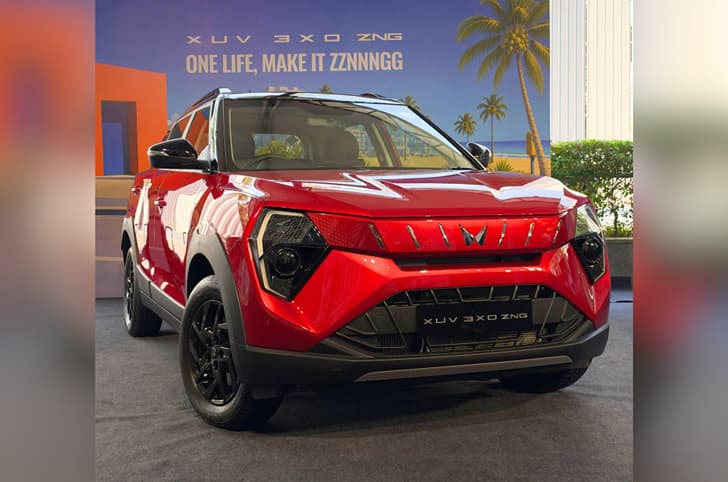
The Mahindra XUV 3XO petrol automatic is a strong fit for your usage. Its smooth 6 speed automatic, light steering and compact footprint make it very easy to live with in the city, especially in traffic and tight parking conditions. Importantly, it already ticks your feature requirements, including a 360° camera, wireless Android Auto and CarPlay, and even ADAS, within your stretched budget of around Rs 14 lakh. It also feels reassuringly solid. The XUV range has built a good safety reputation, and the turbo petrol engine offers strong low end performance, making it well suited to both city driving and occasional highway runs.On the i20, while it remains a well rounded premium hatchback, the current version does miss out on features like a 360° camera and ADAS. There is talk of a facelift, but timelines are not confirmed, and it is unclear whether Hyundai will add these features, so waiting specifically for that may not guarantee what you are looking for.As for the upcoming Bayon, Hyundai is expected to bring it around September, but it will likely be a larger, around 4.3 metre crossover as a Maruti Suzuki Victoris rival and positioned below the Creta. That means it may not be as feature rich in the variants that fall within your budget. It could also end up competing more with mid size SUVs rather than sub 4 metre options.The Venue and Sonet are polished and easy to recommend, but the variants that offer both ADAS and a 360 degree camera tend to stretch well beyond Rs.14 lakh on road.
Sathwik
I'm a first-time car buyer looking for an automatic petrol car mainly for city use and occasional long trips. I want modern features like a 360 camera, wireless Android Auto/Apple CarPlay, etc. My budget is Rs. 10-12 lakh, but I can stretch it to Rs. 14 lakh if the car is worth it. I had shortlisted the Hyundai i20 Asta variant, but I heard there will be a facelift soon, and Hyundai may launch the Bayon as well. Is it a good time to buy the current i20, or should I wait for the facelift or even the Bayon? Are there any good alternatives like the Venue or Sonet? I am avoiding Maruti Suzuki because I feel the features offered and safety ratings are poor compared to the competition at the same price. Please advise.

autocar.india
You can go ahead and buy the Hyundai i20 Asta IVT now. There's no further facelift planned, and the Bayon-based crossover will be positioned much higher and closer to the Hyundai Creta in price. For mostly city use, the i20's smooth, automatic and light controls make traffic a breeze, and it fits your budget better than most compact SUVs would. You still get six airbags, a big screen, a sunroof and all the everyday comforts, and it’s fine for the odd highway run. However, the i20 doesn’t get a 360 camera, and Android Auto/CarPlay aren't wireless unless you buy a special adapter accessory.If a 360 camera is a must and you want the SUV look, the Hyundai Venue SX(O) DCT or Kia Sonet GTX+ have it, but they’ll sit well past Rs 14 lakh on-road in most cities, and their dual-clutch automatics aren’t as smooth as the i20’s CVT in bumper-to-bumper traffic.Another alternative you could consider is the Toyota Urban Cruiser Taisor Turbo Petrol V AT, which gets a punchy but efficient engine, a smooth automatic, and the features you want at around your Rs 14 lakh budget.
Shubham Jain
Hi, Many thanks for your time and effort in answering the question. I want to buy an automatic car between Rs 11-12 lakh. The car should be comfortable for five adults. Running would be 70% in the city (Delhi), with 3-4 occasional intercity vacation trips annually, and my average monthly running is around 500 Kms. I am considering the Hyundai i20 Asta (o) ivtech, Kia Sonet HTK+(O) DCT and Sonet HTX DCT. If you have any better suggestions, then please give them.

autocar.india
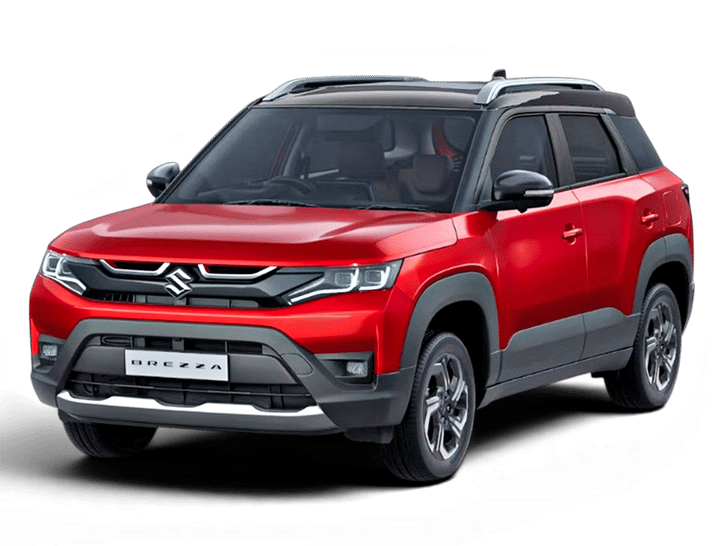
The Hyundai i20 Asta (O) IVT would be the recommendation here. Your priorities are comfort for five adults, predominantly city driving and a smooth automatic gearbox. The i20 delivers very well on all three counts. Its rear seat is among the roomiest in the premium hatchback segment, the IVT automatic is exceptionally smooth in Delhi's stop-start traffic, and the overall driving experience is relaxed and refined. It is also easier to drive and park than an SUV in crowded urban conditions.The Kia Sonet HTK+(O) DCT and HTX DCT offer a more powerful turbo-petrol engine and a higher seating position, but the rear seat isn't as accommodating for three adults, and the DCT transmission isn't as seamless in heavy traffic as Hyundai's IVT.If you want an SUV, the Maruti Suzuki Brezza AT and Mahindra 3XO AT are the alternatives worth considering. Both have wider cabins and are among the best five-seaters in this price bracket. Importantly, both use conventional automatic gearboxes that feel smoother and more natural in everyday city driving than the Sonet's DCT. The Brezza scores well on refinement, efficiency and ease of ownership, while the 3XO offers a more premium cabin and stronger performance.
Aravind
This will be my first car, and my budget is around Rs. 11 lakh. I have two choices. My first preference is the Skoda Kylaq. However, some car buyers are claiming issues related to the clutch and occasional breakdowns. Should I consider the Hyundai i20 N Line or the Maruti Suzuki Fronx instead? Or should I stick with the Skoda Kylaq?

autocar.india
Pick the Maruti Suzuki Fronx. It fits your Rs. 11 lakh budget, has light controls, so it's easy to drive and it gets a smooth automatic gearbox option for city traffic. Since it's your first car, you'll also appreciate the simple ownership experience associated with Maruti, thanks to its big service network and sensible costs. For weekend runs, the 1.0 turbo variant feels lively enough while still giving good efficiency if you drive calmly.Skoda Kylaq is the nicer driver’s car when money is no object, but at your budget you will likely be in a base manual. Upkeep and parts can also cost more, which is not ideal for a first car. Hyundai i20 N Line is fun, but the price climbs quickly for the automatic and the firmer ride is less friendly on bad roads. If you want stress-free first ownership under Rs. 11 lakh, stick with the Fronx.
Shubham Jain
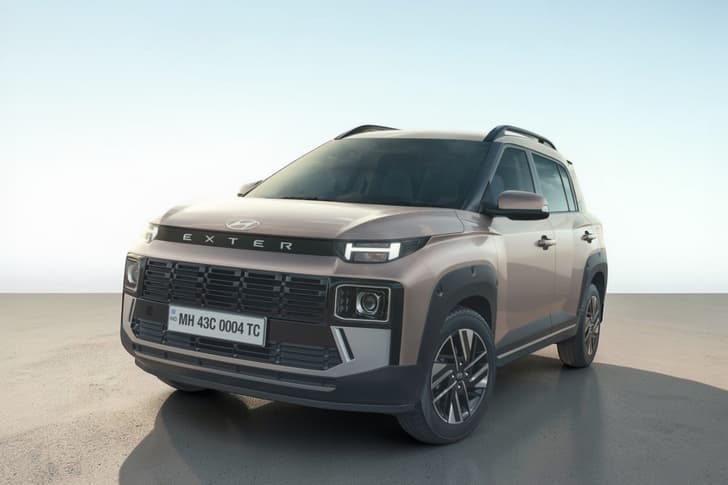
Hi! I want to buy an automatic car between Rs 10-12 lakh. I want a car that is comfortable for five adults. My driving would be 70% in the city (Delhi), with 3-4 occasional intercity vacation trips annually, and my average monthly running would be around 700km. I am considering the Hyundai i20, Hyundai Exter, Toyota Glanza and Skoda Kylaq. Can you recommend which one I should go for, along with the exact variant name? Also, feel free to recommend any other cars besides these. I would like a sunroof, though it is not a deal-breaker.

autocar.india
The Skoda Kylaq Signature AT would be the recommendation here. Among the cars you've shortlisted, it offers the best balance of comfort, performance and long-distance ability. The rear seat is spacious enough for five adults on shorter journeys, the torque-converter automatic is smooth in city traffic, and the turbo-petrol engine feels effortless on highways. It also rides well and feels more substantial than the hatchbacks in your list.If rear-seat space is the absolute priority, then the Hyundai i20 Sportz IVT deserves consideration. It has one of the widest rear benches in the segment, a smooth CVT automatic and a very easy-going nature in Delhi traffic. However, it doesn't feel as robust or versatile as the Kylaq on longer highway drives.The Toyota Glanza V AMT is the efficiency champion and will likely be the cheapest to run, but the AMT gearbox is not as polished as the automatics in the Hyundai or Skoda. The Hyundai Exter SX Tech AMT is a good urban runabout and gets a sunroof, but it feels narrower inside and isn't the most comfortable choice for five adults.
Rohit
Looking to buy my first car, my budget is 8 lakh. Currently, I'm at that stage where I don't know how much my car will be driven every year. I am thinking of i20magna petrol manual as I am getting 7.25lakh with infotainment on road price. So what are the pros and cons of this car? If any other car you would recommend in this budget.

autocar.india
Your i20 Magna deal at Rs. 7.25 lakh on-road is tempting. It is very comfortable, has a smooth light clutch, and the cabin is spacious for family use. Hyundai service reach helps if you are unsure about yearly running. But the Magna is fairly bare-bones and doesn't come with a screen, so what you are referring to is probably a dealer fitment. The 1.2 petrol is refined but can feel a bit lazy for quick highway passes. Expect mid-teen kpl in mixed use, not class-best. Also, check that you are getting recent stock and that the infotainment comes with a warranty. If you want a more fuel-efficient choice, then consider the Maruti Suzuki Swift VXi.
Upcoming Cars


Hyundai Cars


Trending Cars

Latest Cars