Hyundai Cng Cars in India (4)
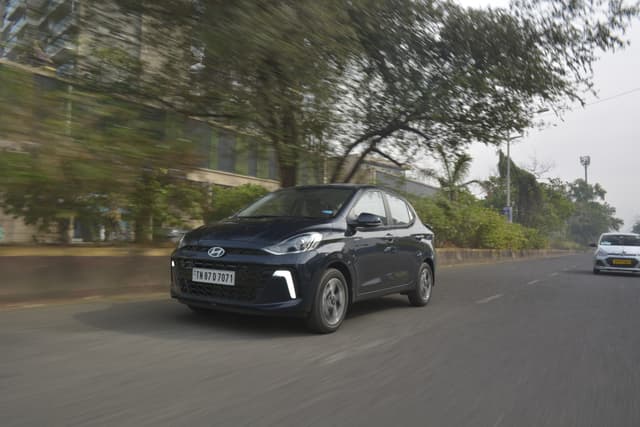
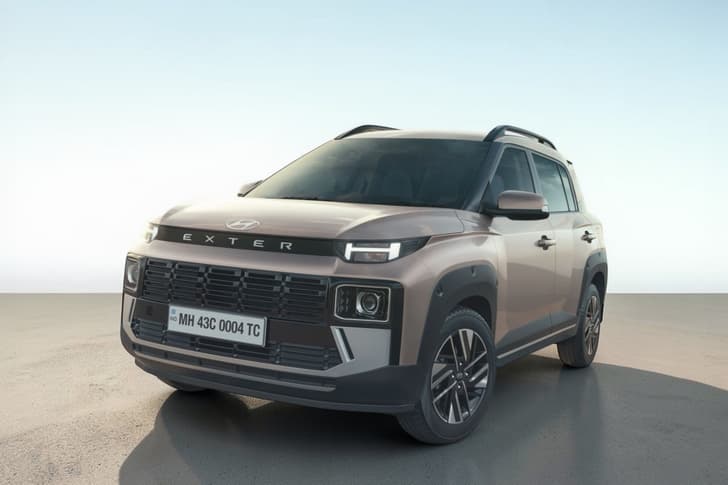
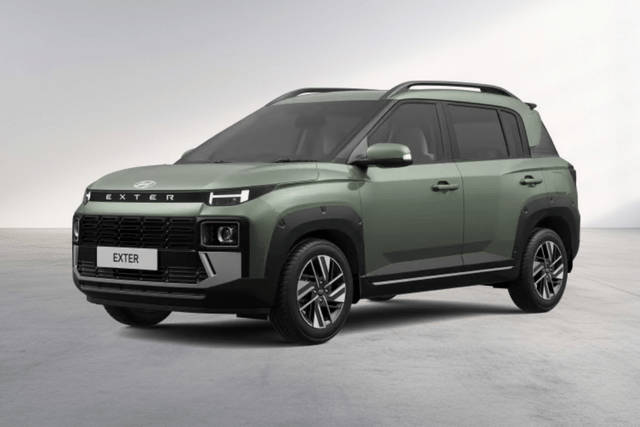
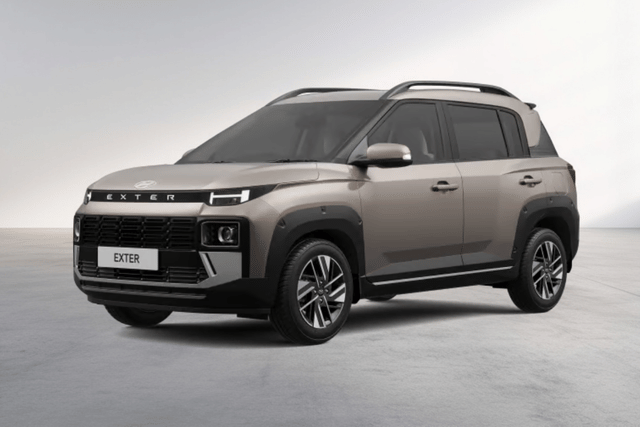
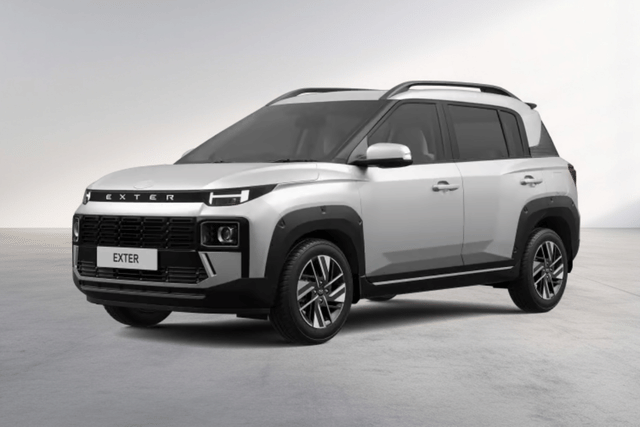
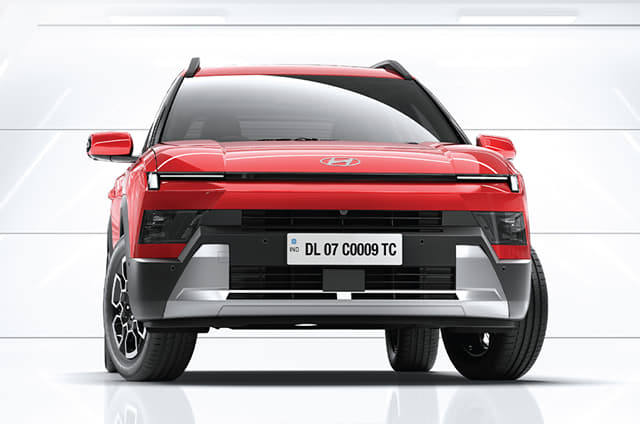
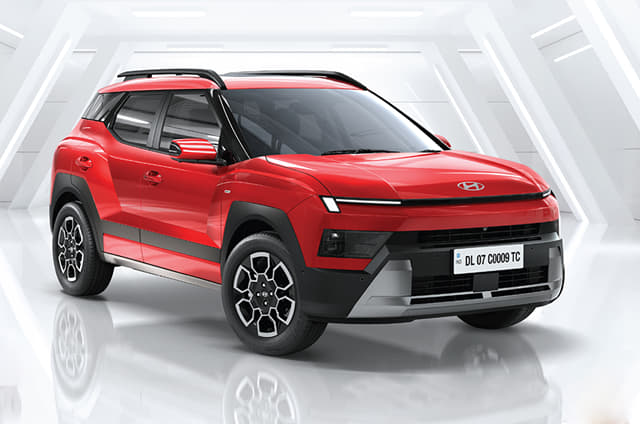
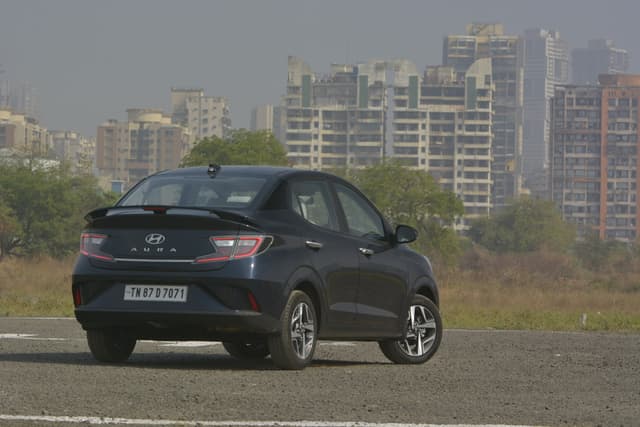
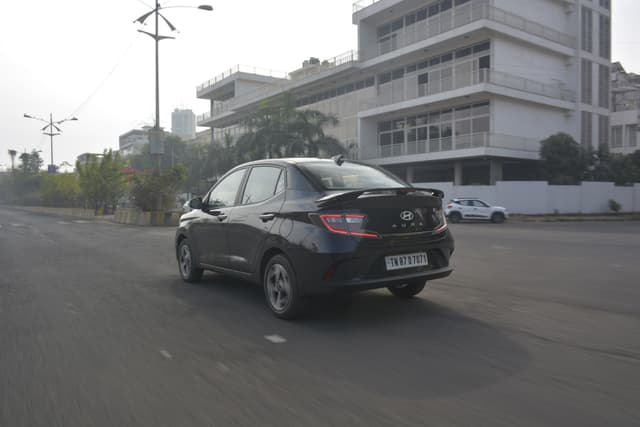
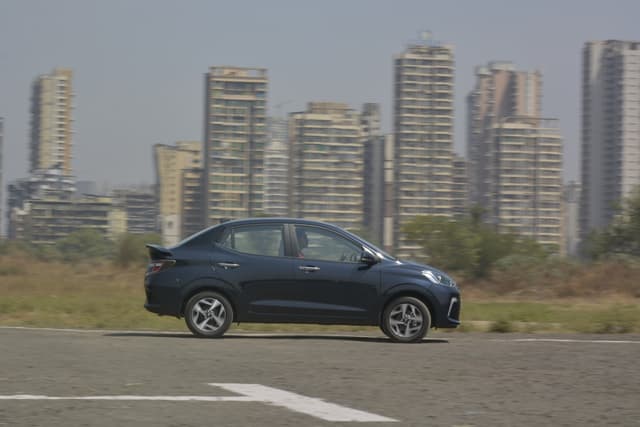
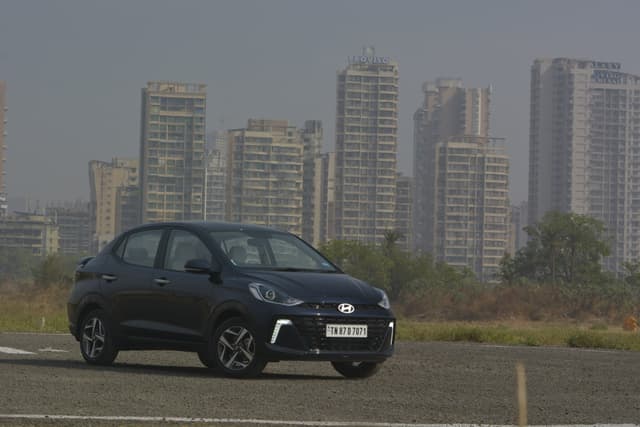
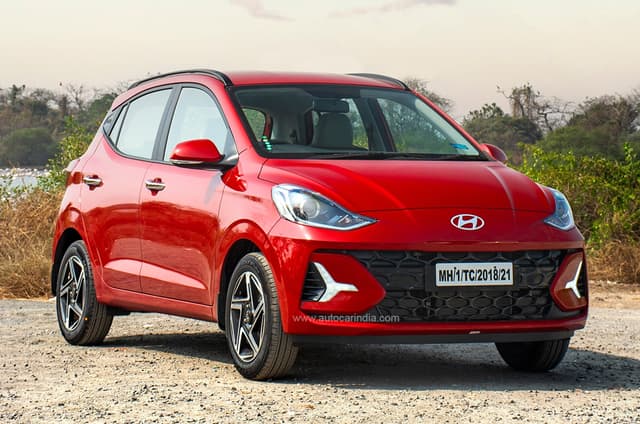
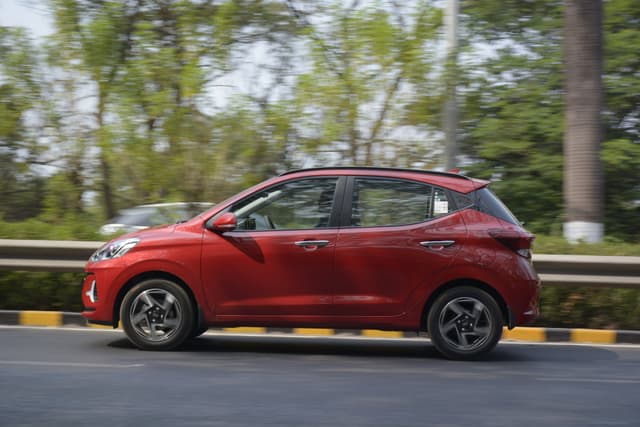
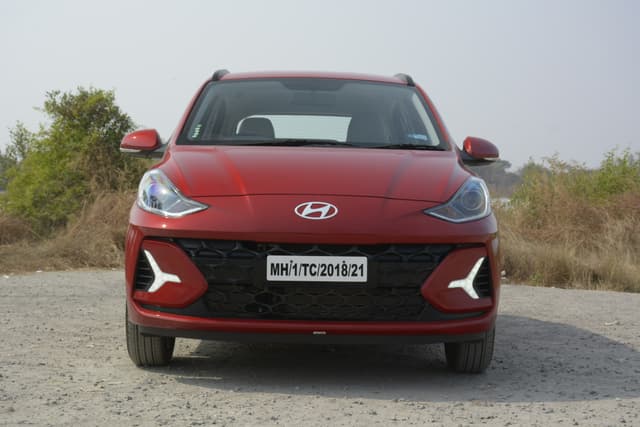
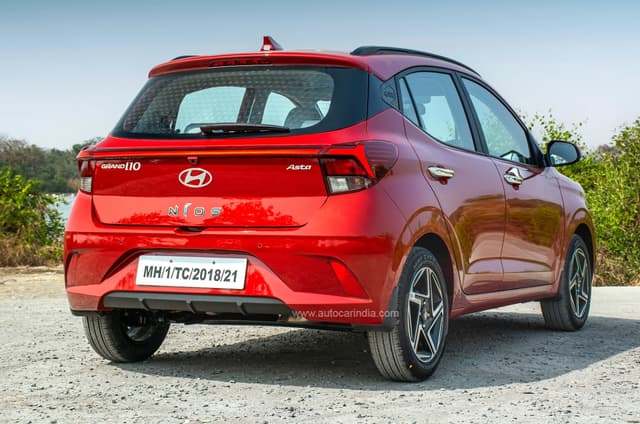
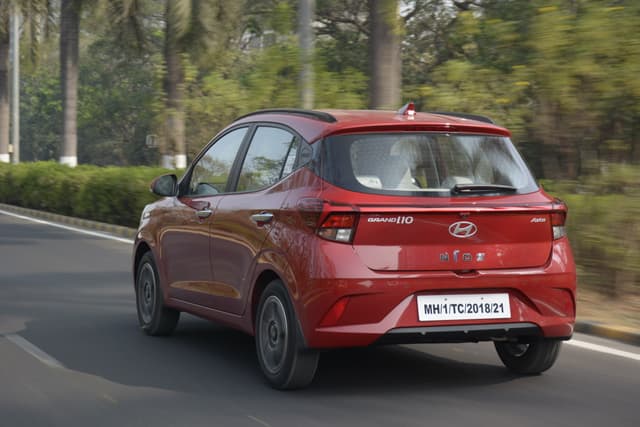
Hyundai CNG cars in November 2026 are suitable for buyers looking for lower running costs without compromising on features. The Hyundai CNG cars in India include the Grand i10 Nios (hatchback), Aura (sedan) and Exter (SUV).
The Hyundai CNG car price starts from ₹5.55 lakh (ex-showroom) for the Grand i10 Nios, making it the cheapest Hyundai CNG car option in the current portfolio. All three models are 5-seaters and come with both manual and automatic transmission choices, along with a front-wheel-drive (FWD) setup.
Hyundai CNG Cars in November 2026 - Key Highlights
In terms of safety, every Hyundai CNG car in 2026 is offered with 6 airbags as standard. Ambient lighting is available only with the Aura and Grand i10 Nios, while the Exter stands out as the only Hyundai CNG SUV to offer a sunroof.
Category | Model |
Cheapest | Hyundai Grand i10 Nios |
Highest Mileage (28.4 kmpl) | Hyundai Aura |
SUV | Hyundai Exter |
Sunroof | Hyundai Exter |


Still have more question?
Get answers from Autocar experts and owners
- 9,000+discussions
- 20,000+users online
- 10,000+members
Hyundai Cng Cars - FAQs
In 2026, Hyundai CNG cars in India include three models: the Grand i10 Nios, Aura, and Exter.
Grand i10 Nios is the only Hyundai CNG car in India currently available for sale.
The Hyundai CNG cars price starts from ₹5.55 lakh for the Grand i10 Nios and ₹9.38 lakh for the Hyundai Exter (ex-showroom).
The cheapest Hyundai CNG cars model is the Hyundai Grand i10 Nios CNG, priced from ₹5.55 lakh (ex-showroom).
Among Hyundai CNG cars in 2026, the Hyundai Aura delivers the highest mileage of 28.4 kmpl.
Yes, the Hyundai Exter is the SUV option in the Hyundai CNG cars lineup.
Yes, Hyundai CNG cars in 2026 are available with both manual and automatic transmission options.
All Hyundai CNG cars come with 6 airbags as standard, along with essential safety equipment for everyday driving.
Trending Questions on Hyundai Cars - Answered by Autocar Experts
I want to buy a car and am considering the Hyundai Venue HX4 1.2 petrol (around Rs.10.4 lakhs) and the Maruti Suzuki Brezza 1.5-litre petrol. The Venue has a great interior, though everyone says it only delivers a mileage of 9 to 12 kmpl. On the other hand, the Brezza offers a CNG option with the VXi CNG variant (Rs.11.8 lakhs). Please suggest which one to choose based on the Venue's mileage so I can make my decision.
The Hyundai Venue 1.2 is a very user-friendly SUV that's smooth and refined. As you rightly mentioned, the interior looks more appealing than the Maruti Suzuki Brezza, and in general, it feels like a more modern offering. If you'll be driving mostly in the city, this Hyundai car is a good option. This Maruti Suzuki car on the other hand is a bit more spacious, and feels comfortable while driving on bad and broken roads. You could consider the 1.0 turbo-petrol version of the Brezza too which is substantially more affordable than the 1.5, and if your usage is mainly free-flowing traffic, it'll be quite efficient too. For highway driving too, the turbo version is the better pick for its effortless performance and tall fuel efficiency.Overall, the Venue 1.2 would be our pick if you drive mainly in the city, and you want respectable fuel efficiency.
Hi, my family and I have been using a Wagon R since 2009, and we recently bought an Innova Crysta in 2022 for highway runs. We are planning to replace the Wagon R, primarily for city runabouts. I particularly like the headroom it offers, as I am 6'2" tall, along with its excellent all-round visibility. Will the upcoming facelift offer a CNG-AMT combination similar to the recently launched Dzire and Baleno? We are looking for a cost-effective city car, as our daily running is over 100km. We also checked the Dzire, but I found it to be a little tight. Would it be worth waiting for the upcoming Hyundai EV? My father is keen on switching to an electric car, and we have dedicated home charging facilities. What price range can we expect it to be positioned in?
The facelift Maruti Suzuki Wagon R has been spotted testing and is expected to get a dual-cylinder CNG tank setup. The 1.0-litre engine will likely be retained, while the larger 1.2-litre K-series engine could be replaced by the Z-series unit, as seen in the Baleno. A CNG-AMT combination is also possible, although this hasn't been confirmed yet.An EV could be the perfect fit for your needs, given your long city commute and the fact that you can charge at home. Even an entry-level electric car offers a much better automatic driving experience than an AMT, which can be slow to shift and hesitant at times.The Hyundai Ioniq P is expected to launch early next year and will compete with the Tata Nexon EV and Kia Syros EV. It is likely to be priced in a similar ballpark, at around Rs. 13-18 lakh. If you can't wait, the Syros EV is also a solid fit for your needs, with one of the roomiest interiors in the segment. If both these options stretch your budget, the Tata Punch EV is an excellent alternative. It offers enough space for your tall frame, while its wide-opening doors make getting in and out very easy.Overall, an EV like the Syros EV or Punch EV would be a great fit for your needs.
My budget is Rs 8-9 lakh. I need an AMT SUV to be driven by a lady, mainly for daily Chennai city commuting of about 80 km. My focus is currently on the Hyundai Exter AMT. Are there any better suggestions, or should we go for a CNG AMT by Tata?
Considering your daily running of around 80km, we would actually suggest opting for a CNG car to keep running costs down. The Hyundai Exter CNG is a good option, but it is available only with a manual gearbox. This is where the Tata Punch CNG AMT makes a lot of sense, as it combines lower running costs with the convenience of an automatic, which should reduce the stress of driving in Chennai traffic. This car also feels solidly built, has a comfortable ride and offers adequate performance. If you are open to a hatchback, the Maruti Suzuki Baleno CNG AMT is another option within a similar budget. This Maruti Suzuki car offers more cabin space and the convenience of a CNG automatic, although you will have to compromise on the SUV stance and the Punch's higher seating position.
We are planning to buy a Hyundai Exter HX8, but we are confused about whether we should buy a petrol automatic or a CNG manual, as our daily running is about 38 to 42 km. And my wife also wants to drive, but she is not confident with a manual car. Also, for the daily commute, we mostly use our scooty, and we mostly use our car in the rainy season and on special occasions.
Your average daily running of 40km and a monthly running of 1200km isn't much to justify the premium you would pay for a Hyundai Exter CNG over the petrol-manual version. On the other hand, the AMT gets you the convenience of an automatic without compromising fuel efficiency significantly (compared to the manual version), so it is certainly worth paying for; even more so, since your wife isn't comfortable driving a manual. If you're open to other options and absolutely want CNG along with the convenience of an automatic, consider the Tata Punch CNG AMT or the Maruti Baleno CNG AMT.
I own a Grand i10 (2019) model and my annual running is 1,42,000 km. My daily running is 88 km. Should I install Lovato CNG kit or replace it with Exter CNG or Swift CNG. The car is in good condition.
With a daily running of 88 km, CNG absolutely makes sense from a running cost perspective. Since your Grand i10 is a 2019 model and in good condition, it might be worth spending and getting a CNG kit installed from a reputed installer. Do keep in mind that you will have to sacrifice boot space completely. However, if you're open to contributing more towards a new car, consider selling the Grand i10 if you're getting a decent price for it, and get the Hyundai Exter CNG. With the Exter CNG, you get the same smooth, efficient powertrain as the Nios, a factory-fitted CNG tank backed by the company warranty, and an added advantage is that its twin-tanks are placed beneath the boot floor, so you won't have to sacrifice luggage space either.
Last Updated on: 17 Nov 2026