
Last Updated on: 10 Aug 2026
Toyota Hilux
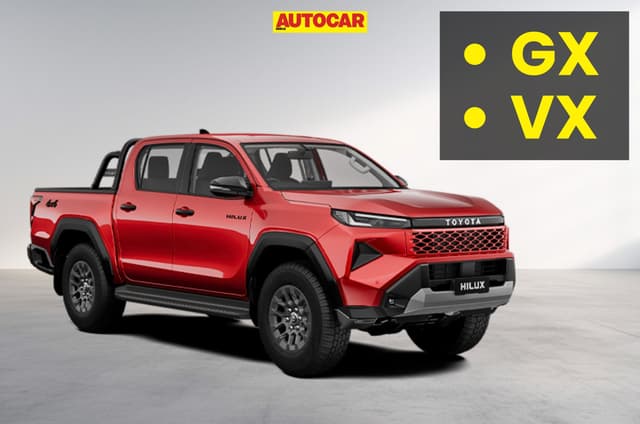
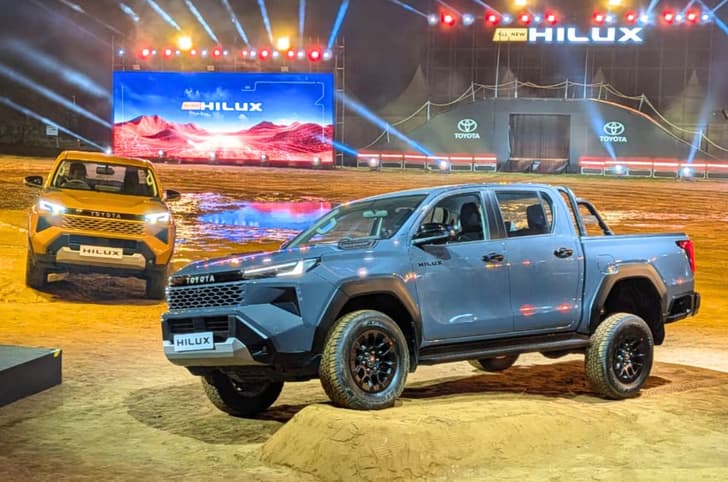
The 2026 Toyota Hilux price in India starts at Rs 31.99 lakh (ex-showroom). The ninth-generation Toyota Hilux was launched in India in July 2026, and introduces major changes over its predecessor. 2026 Toyota Hilux on-road price starts at Rs 38.87 lakh, depending on the city of registration.
The new Hilux continues to be underpinned by the Toyota IMV body-on-frame platform, and is available in 3 variants. Under the bonnet, the new Hilux carries forward its predecessor’s 2.8-litre diesel engine, which makes 204hp and 500Nm. A 6-speed torque converter automatic is the only gearbox available, and depending on the variant, the Hilux can be had with either 4x2 or 4x4.
Key Highlights of New Toyota Hilux
- The 2026 Toyota Hilux price range is Rs 31.99 lakh to Rs 36.69 lakh (ex-showroom).
- New Toyota Hilux is powered by a 204hp 2.8-litre diesel engine with a 6-speed AT.
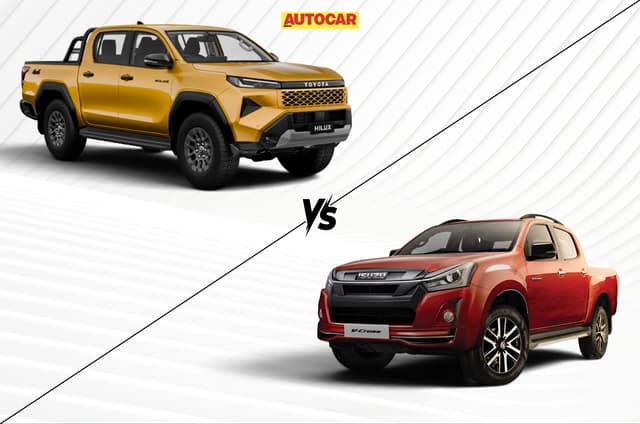
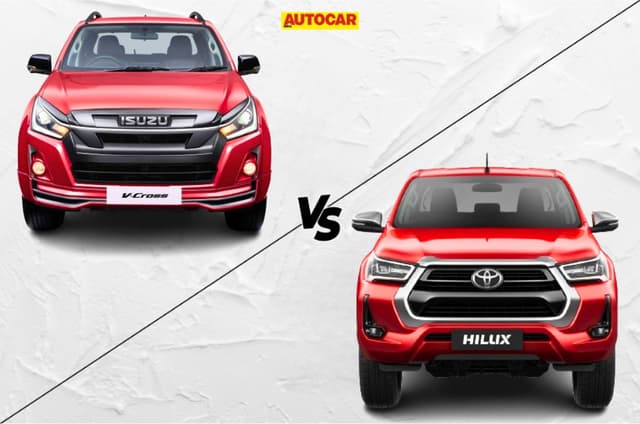
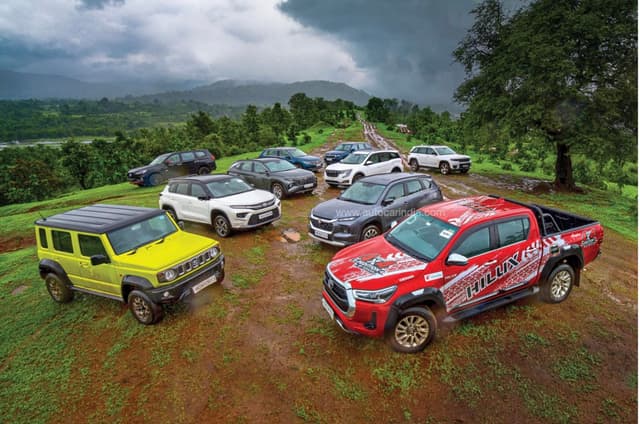
- The new Toyota Hilux continues to rival the Isuzu D-Max V-Cross.
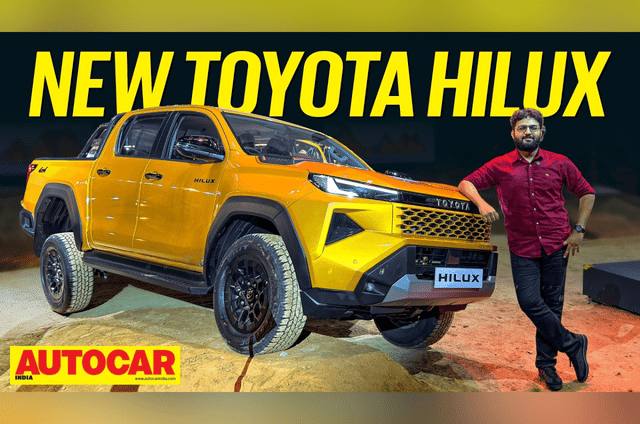
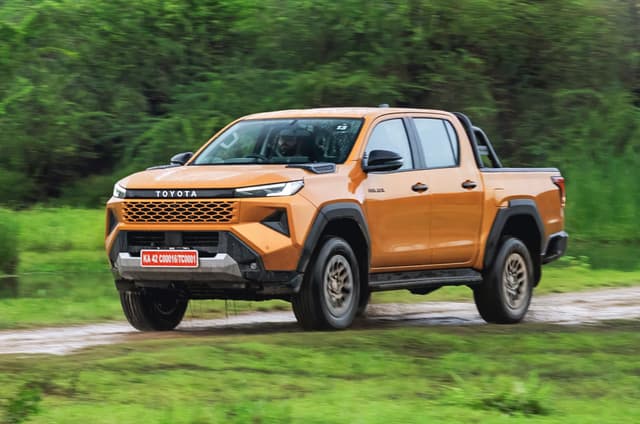
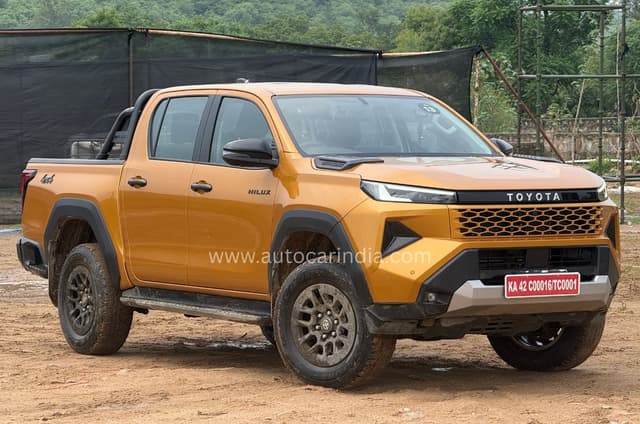
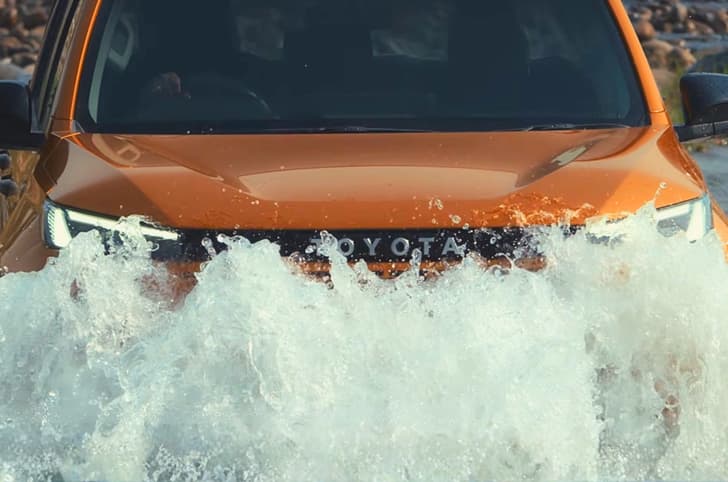
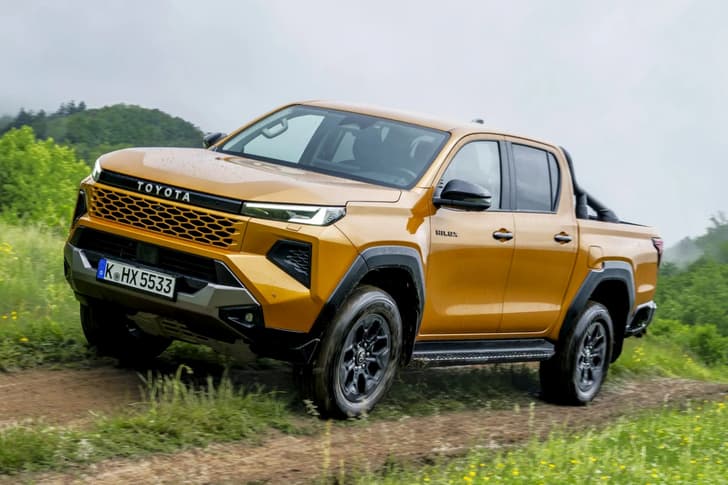
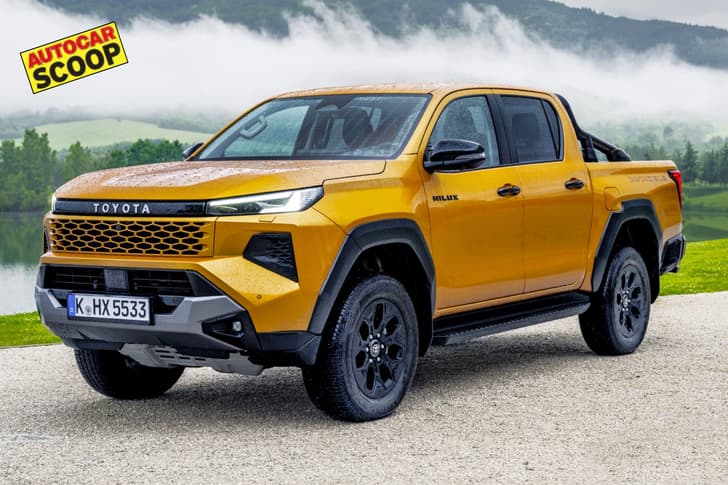
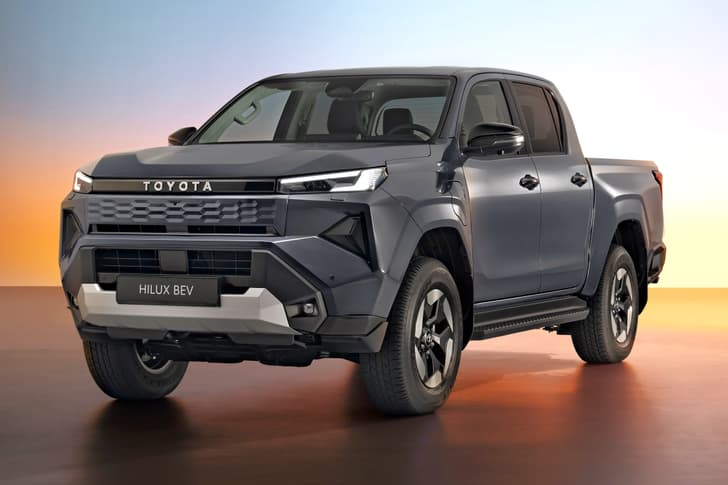
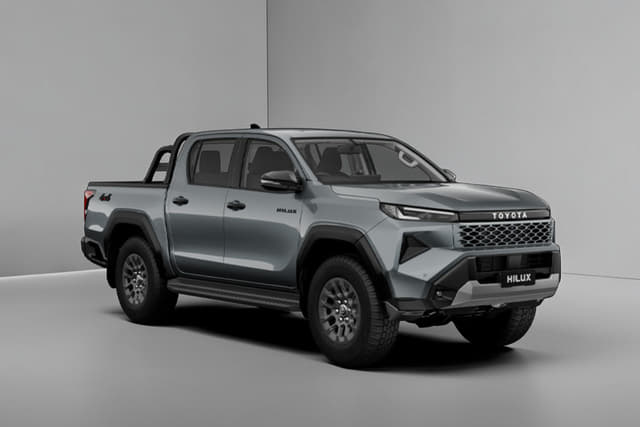
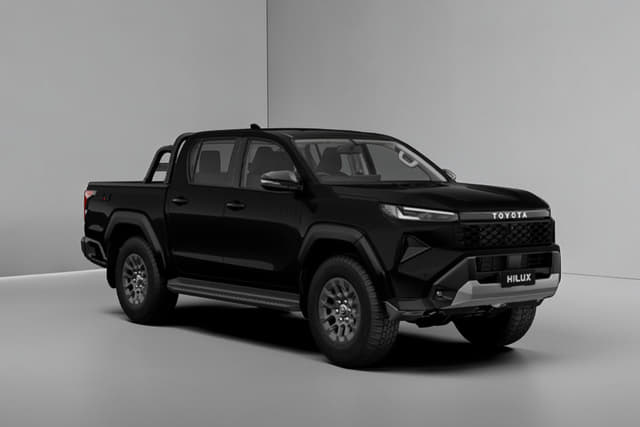
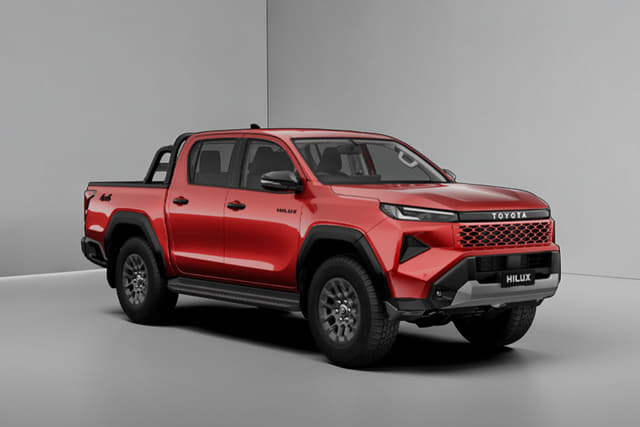
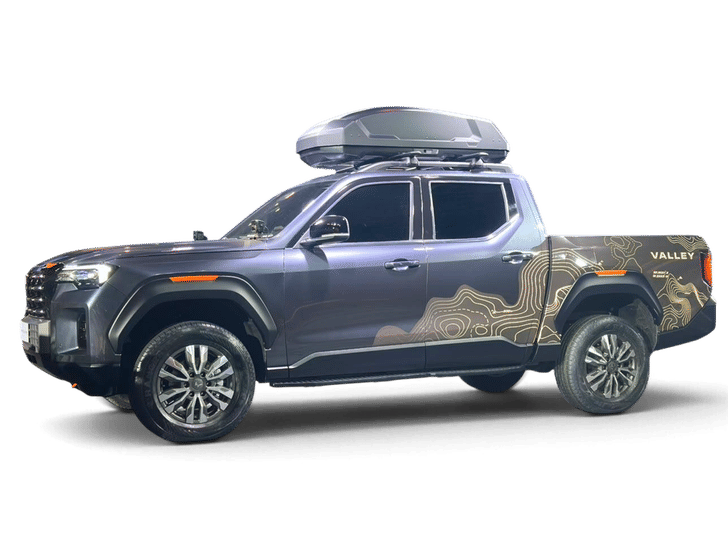
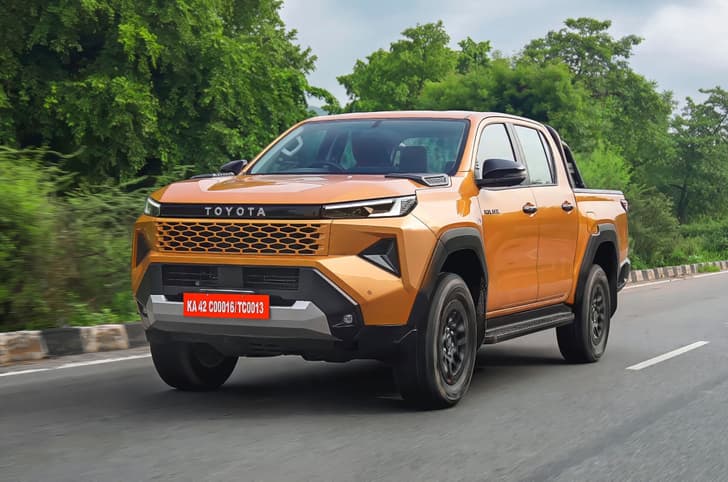
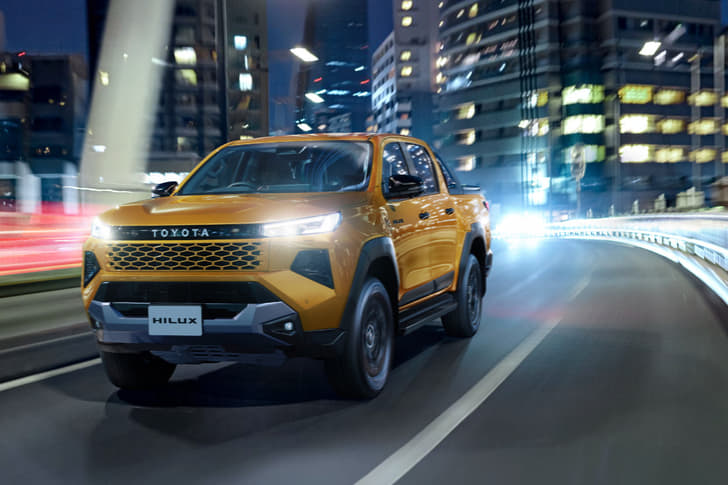
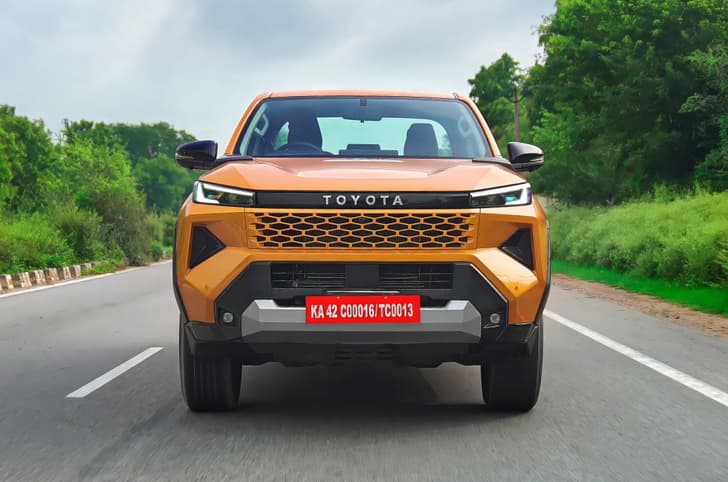
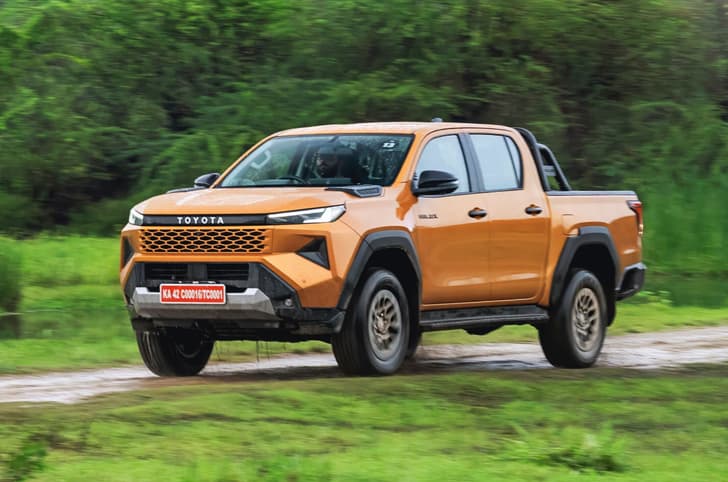
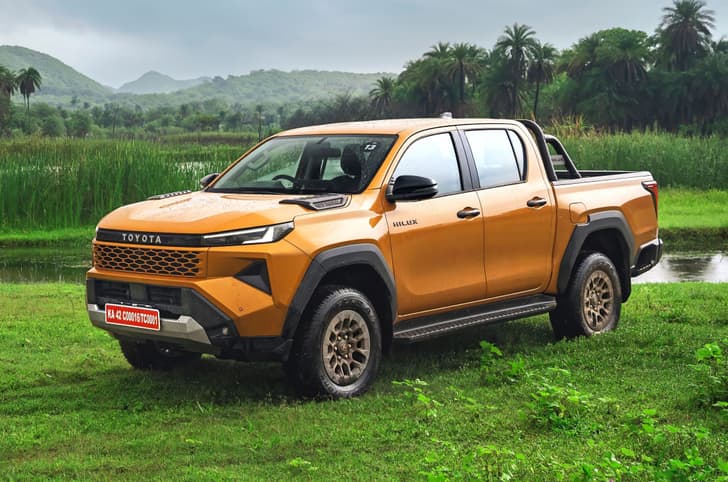
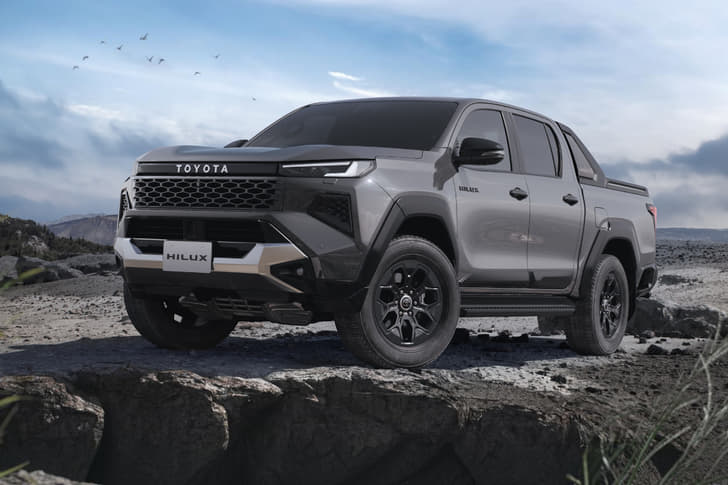
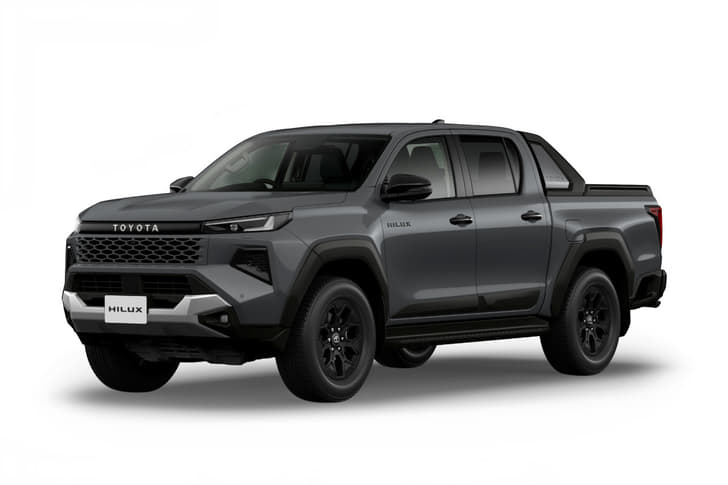
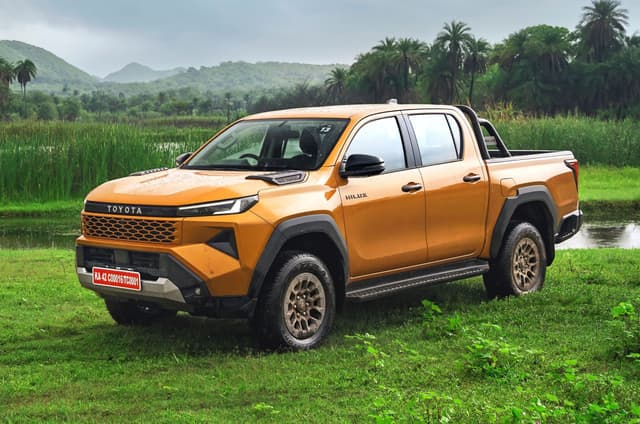
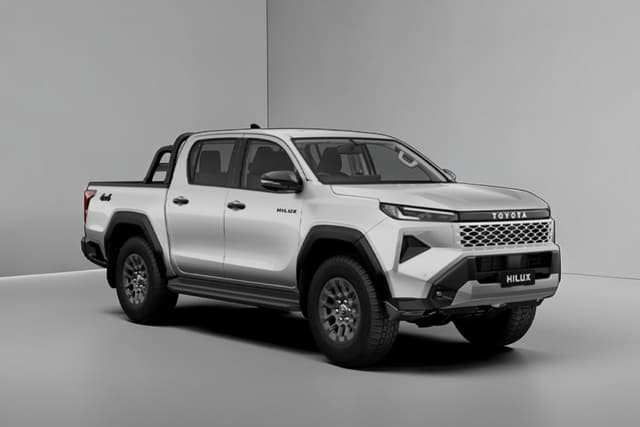
- New Toyota Hilux gets LED headlamps and tail-lamps, 17-inch alloy wheels, muscular bumpers, chunky body cladding, a honeycomb-patterned grille, and more.
- The 2026 Toyota Hilux interior features include a 12.3-inch touchscreen, digital driver’s display, 360-degree camera, cabin air purifier, terrain modes, manual climate control, 7 airbags, wireless charging pad, connected car tech, etc.
Toyota Hilux Latest Updates
28 July 2026: Ninth-gen Toyota Hilux launched in India at Rs 31.99 lakh
29 June 2026: Toyota to launch ninth-gen Hilux in India in July 2026
10 November 2025: Ninth-gen Toyota Hilux unveiled, gets ICE and EV powertrains
Toyota Hilux Features and specifications
Our Rating | 7 |
Engine | 2755 cc |
Fuel Type | Diesel |
Transmission | Torque Converter |
Seats | 5 |
Body Style | Pick-Up |
Doors | 4 |
Max Power | 204 hp at 3000 - 3400 rpm |
Max Torque | 500 Nm at 1600 - 2800 rpm |
| Engine Type | Turbocharged |
| Engine Displacement | 2755 cc |
| Number of Cylinders | 4 |
| Fuel Type/ Propulsion | Diesel |
| Fuel Supply System | Common Rail |
| Emission Standard | Bharat Stage VI |
| Drive Mode Types | Multiple |
| Fuel Tank Capacity | 80 litres |
| Front Suspension Type | Double wishbone |
| Front Springs | Coil Springs |
| Rear Suspension Type | Rigid Axle |
| Rear Springs | Leaf Springs |
| Length | 5320 mm |
| Width | 1855 mm |
| Height | 1815 mm |
| Wheelbase | 3085 mm |
| warranty Distance | 100000 km |
| warranty Duration | 3 Years |
| 12 Volt Port | |
| Accessory Power Outlet | |
| Bluetooth Connectivity | |
| Climate Control | Manual |
| Airbags | 7 |
| Anti Theft Alarm | |
| Anti-Pinch Power Windows | All |
| Curtain Airbag |
| Antenna | Shark Fin |
| Daytime Running Lights | LED |
| Door Handle Finish | Body Coloured |
| Front Fog Lamps |
| Adjustable Front Headrests | |
| Adjustable Rear Headrests | |
| Driver's Seat Height Adjust | |
| Electric Adjust for Driver's Seat |
| Android Auto | Wireless |
| Apple CarPlay | Wireless |
| Audio System | |
| Bluetooth Audio Streaming |
Toyota Hilux price & variants
The 2026 Toyota Hilux price starts at Rs 31.99 lakh (ex-showroom). New Hilux top model price is Rs 36.69 lakh (ex-showroom).
The new Toyota Hilux on road price starts at Rs 38.87 lakh and extends to Rs 44.58 lakh, depending on the city of registration. There are 3 Toyota Hilux variants on offer in India.
- 2026 Toyota Hilux is powered by a 2.8-litre 4-cylinder diesel engine producing 204hp and 500Nm.
- The new Hilux gets a 6-speed automatic transmission only.
- Depending on the variant, the new Toyota Hilux comes with either 4x2 or 4x4.
Toyota Hilux expert review
We like
Excellent refinement with minimal noise and vibrations
Suspension can take a pounding from large imperfections
We don't like
Misses key equipment along with goodies expected at this price
Bouncy ride, especially with the rear unloaded
7.0
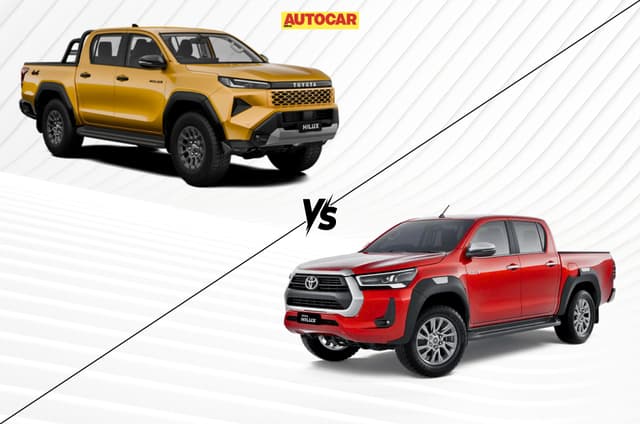
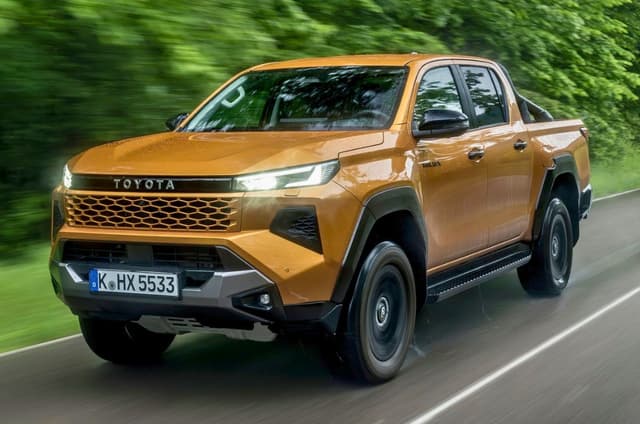
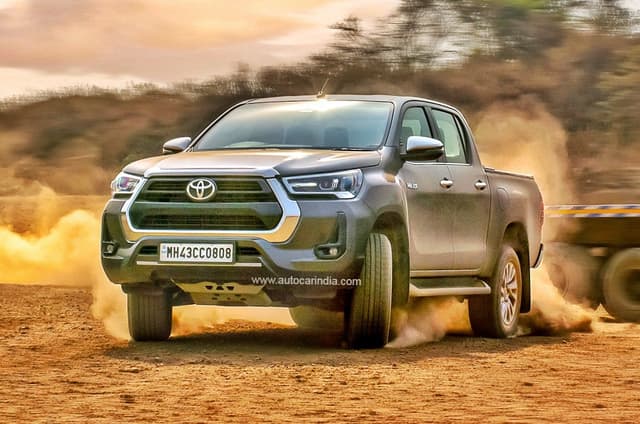
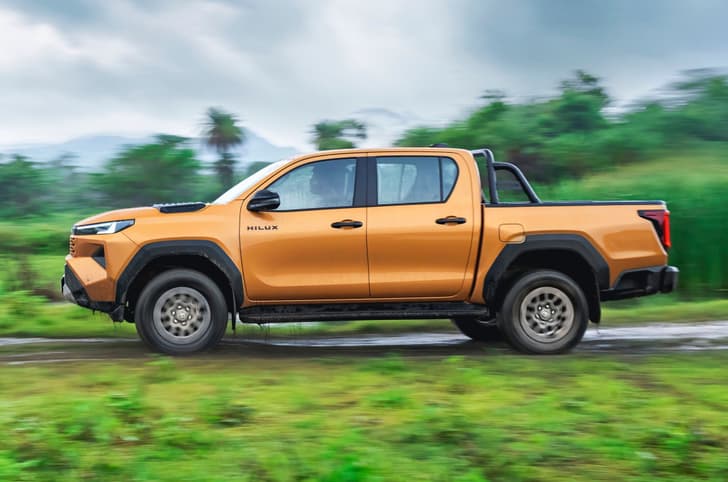
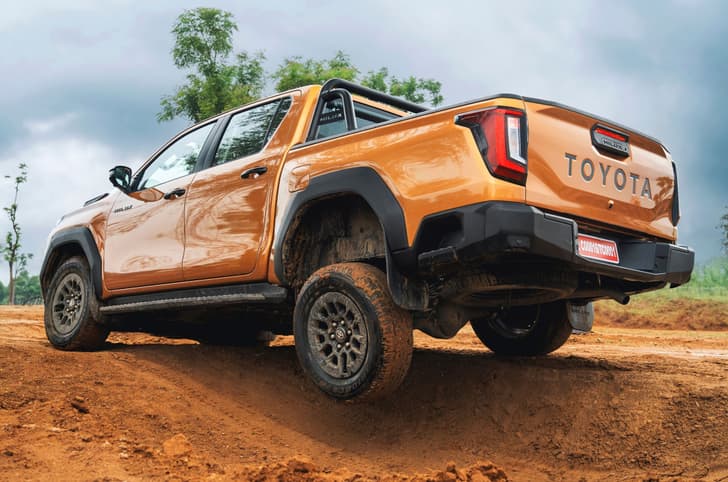
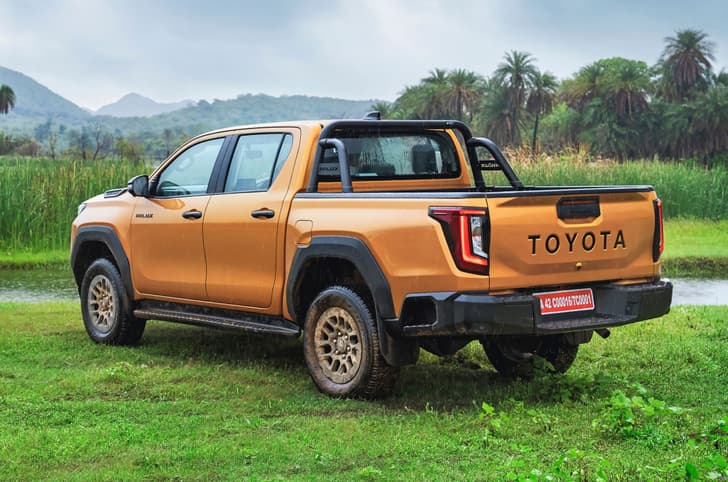
The 2026 Toyota Hilux retains its rugged ladder-frame chassis. With the new Hilux, Toyota improved overall chassis rigidity, with the floor featuring an additional 36 spot welds. Styling is far more modern than before, with Toyota's bold Cyber-Sumo design language giving the Hilux a new design that is inspired by the Japanese sumo wrestlers. The pickup is now more aggressive; the front end is now very edgy with slimmer LED headlights and prominent Toyota lettering. Practical touches such as the integrated rear side steps and damped tailgate make the load bed easier to use, while the familiar proportions preserve its unmistakable Hilux identity.
7.0
The new dashboard has been redesigned significantly and looks very different from the previous version, more like the Land Cruiser Prado, giving the cabin a fresher look without compromising functionality. The air conditioning controls are now more conventional, but Toyota could have executed them better. Passenger space remains decent, with supportive front seats and improved rear seat comfort, although the upright seating position is still more utilitarian than SUV-like. The generous load bed continues to be one of the Hilux's biggest strengths, aided by integrated side steps that make loading cargo more convenient.
7.0
The top-spec Hilux gets a 12.3-inch touchscreen, an 8-inch digital instrument cluster, wireless smartphone connectivity and a 360-degree camera, though the interface feels dated and some expected premium features remain absent. Equipment such as ventilated seats, automatic climate control and powered seat adjustment is still missing. Safety, however, is well covered with seven airbags, ESP and a strong five-star Australasian NCAP crash rating for international spec models.
9.0
The familiar 2.8-litre diesel engine continues with 204 hp and 500 Nm, paired exclusively with a smooth 6-speed torque converter gearbox. Strong low-end torque, effortless performance and excellent off-road capability remain key highlights, while improved insulation and revised engine mounts have noticeably enhanced refinement. The engine becomes vocal at higher revs, but everyday driving remains quiet and vibration levels are impressively low.
8.0
Toyota has not revealed official fuel economy figures, but the carry-over powertrain is expected to deliver efficiency similar to the outgoing Hilux. Expect around 12kpl under standard test conditions, while real-world mileage will largely depend on driving conditions, with highway cruising delivering the best results.
7.0
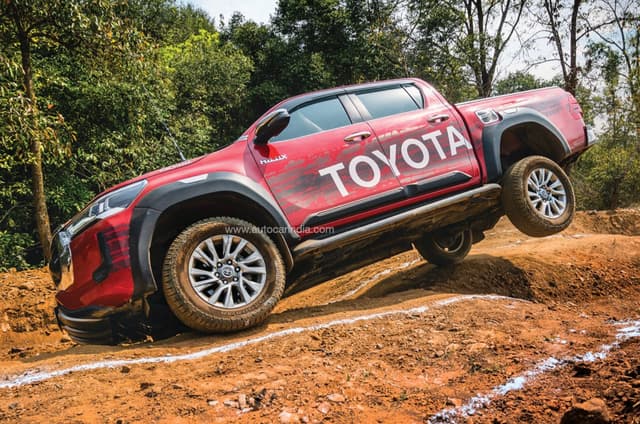
Suspension revisions improve the Hilux's ability to absorb large bumps, potholes and rough trails, and its capable 4WD system inspires confidence off-road. However, the leaf-spring rear suspension still struggles over smaller road imperfections, resulting in a bouncy ride when the load bed is empty. High-speed stability remains reassuring, although the heavy steering and sizeable dimensions mean it never feels particularly agile on the road.
7.0
The new Toyota Hilux remains true to its workhorse roots. While the cabin feels utilitarian and the feature list falls short of similarly priced SUVs, its rugged construction, refined diesel engine, practical load bed and highly capable 4WD system continue to make it one of the most dependable lifestyle pickups on sale. If your priority is comfort and luxury, there are better alternatives, but for buyers seeking a tough, go-anywhere pickup that delivers on durability and capability, the Hilux remains hard to beat.
Reviewed by: Sergius Barretto
Toyota Hilux Official Brochure
Download the complete brochure with specs, features, and variants.
Toyota Hilux reviews

Toyota Hilux comparison
Toyota Hilux news
Toyota Hilux Images
Check out the new Toyota Hilux images in our gallery, which highlight the pickup truck’s rugged exterior, premium interior, and lengthy list of features.
Toyota Hilux videos
Video reviews of Toyota Hilux cover its ride comfort, handling, off-road capability, performance and mileage of the diesel powertrain, refinement and NVH levels, seating capacity, boot space, and safety features.


Toyota Hilux Colours
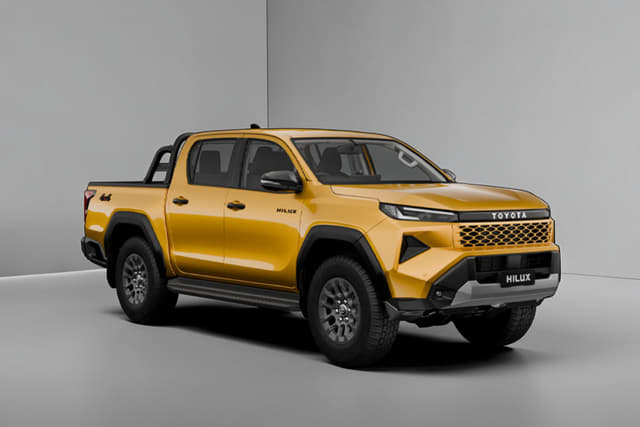
The Toyota Hilux colours span 6 options, including Ash, Attitude Black, Emotional Red, Platinum Pearl White Metallic, Silver Metallic, Sulphur Metallic, Super White. Toyota Hilux interior comes in an all-black finish.
Similar Cars to Explore
Toyota Hilux FAQs
Yes, the Hilux is built on Toyota’s IMV body-on-frame platform, which also underpins the Fortuner.
The Hilux directly rivals the Isuzu V-Cross.
The Hilux measures 5,320mm long, 1,855mm wide, and 1,815mm tall, so it is quite a sizable car.
While you can drive the Hilux in the city, you may face issues with manoeuvrability on tight or crowded roads due to its size.
Questions you may find useful
I’m a 21-year-old college student, and my family already owns a 2020 Fortuner. I’m looking for a second car for college use and outings. Should I go with the Thar, as per my father's choice, or the new-generation 2026 Hilux, which I like? Or is there any other good option? It must be a diesel SUV.
Why not consider the Mahindra Thar Roxx instead? The Thar is a good secondary car, however the absence of rear doors hampers practicality. Also, while the Thar is excellent off-road, it can feel a bit bumpy on the road. You can expect the Mahindra Thar Mileage to be around 9 to 11 kpl in the city and 13 to 15 kpl on the highway. In comparison, the Thar Roxx feels a lot more practical, usable and comfortable for daily use and long drives. The Hilux is simply too large for daily driving, especially in the city. However, if you're looking to get a vehicle purely for butch looks and stand-out road presence, then nothing will come close to the new Hilux. Be prepared to spend a lot more for it (compared to a Mahindra Thar Roxx).
Hi AAA, My name is Richu, and I'm from Kerala. I'm keen on buying a lifestyle pickup truck. I don't really have a practical use case for it. It's purely a passion purchase, and I want something that stands out from ordinary vehicles. It will be my secondary car, mainly used for occasional family trips and some mild off-roading. I recently test-drove both the Isuzu V-Cross and the Toyota Hilux. I loved the Hilux for its strong performance and, the availability of a locking rear differential. However, I wasn't impressed with its ride quality. It felt quite stiff, and there was noticeable pitching from the back. When I drove the V-Cross on the same stretch of road, the ride felt much more comfortable. I also preferred the V-Cross for its looks and overall ride comfort. Now I'm confused about which one to buy. The Hilux is based on Toyota's current-generation platform, whereas the V-Cross is based on a much older platform. Toyota also has a stronger service network than Isuzu. So, it's a classic heart vs mind dilemma, and I'd really appreciate your help in choosing between these two vehicles.
The Isuzu D-Max V-Cross certainly scores with its more comfortable ride and attractive pricing, and among Isuzu cars it remains one of the most appealing lifestyle-oriented options. However, it's built on a platform that now feels dated. The Toyota Hilux, on the other hand, offers a more powerful engine, a more premium cabin, better equipment, and the added confidence of a locking rear differential. It also benefits from an extensive service network of Toyota cars and its well-earned reputation for long-term reliability.That said, if the purchase isn't urgent, it would be worth waiting a little longer. The next-generation Hilux is expected to arrive in India soon, bringing improvements in comfort, interior space, features, and overall refinement. There's also a good chance it will address some of the ride quality concerns you experienced with the current model. So, while the Isuzu car might be the safer bet at the moment, we would advise test-driving the new-gen Toyota Hilux before making your decision.
I am a 22-year-old planning to buy and build an off-road machine. I am stuck between the Toyota Hilux and the Toyota Fortuner, especially considering the stronger road presence of the Hilux. However, the cost of modifications on the Hilux would be higher compared to the Fortuner, though this may be offset by the discounts being offered on it. I am also unsure about its practicality due to its rear seat and compromise on comfort. Additionally, does either of these perform better than the other off-road?
You want to build a serious off-road machine and still live with it day to day. In that case, the Fortuner 4x4 AT is the stronger fit for you. It addresses your concerns about rear seats and comfort much better than the Hilux. The Fortuner’s back seat is more relaxed, the ride is softer for passengers, and the cabin works better for friends and family on long drives. Off the road, its shorter length makes it a touch easier on tight, broken paths and over sharp crests.The Hilux does look cooler and the discounts are real, and we get why that tempts you. But its rear seat is upright and space is tighter, and with the empty cargo bed the ride can feel bouncy in the city. The long body can also touch down on sharp humps or ridges. Stock vs stock, neither is clearly 'better' off road. Both Toyota cars share the same strong diesel, four-wheel drive with low range (an extra-low gear for rough ground), and a locking rear axle. Tyres, ground-clearance add-ons, and driver skill will make the bigger difference.If you want a build-first truck and you rarely carry people in the back, the Hilux High 4x4 (MT or AT) then makes sense. The flat load bed is perfect for a winch, spare wheels, jerry cans, and a canopy, and the discount can fund tyres and protection parts. But for mixed daily use plus trail days, the Fortuner 4x4 AT lines up best with what you described.
Hello, I recently read your article on Toyota’s upcoming models, but I did not see any mention of the new Hilux. Is it safe to assume that Toyota does not plan to introduce the new-generation (N90) Hilux in India, and that the current Hilux may eventually be phased out?
Apologies for missing the new Toyota Hilux in our story on Toyota’s upcoming models. Rest assured, Toyota has no plans to phase out the Hilux. In fact, the 9th-generation model is expected to arrive in India within the next six months, as part of the global rollout that began in Thailand following its world premiere in late 2025.The pickup will continue with the proven 2.8-litre diesel engine, now paired with a 48V mild-hybrid system, essentially the same setup seen in the current Fortuner. This update should bring a small boost in efficiency and refinement while retaining the Hilux’s trademark durability and off-road capability.
I'm torn between the Toyota Hilux and the Fortuner. Most of my driving is within the city or on highways, but the substantial discounts on the Hilux make it an appealing option. My primary concerns with the Hilux are: 1. Uncomfortable rear seats 2. Leaf spring suspension at the rear 3. A turning radius of 5.4 meters 4. High cost of accessories Given these factors, would it be more prudent to opt for the Fortuner, or is the Hilux still a viable choice despite these drawbacks?
Rationally, the Toyota Fortuner is the better choice between the two. This Toyota car has a smaller turning radius, 580 cm versus the Hilux’s 640 cm, and its 4.7-meter length is shorter than the Hilux’s 5.3 meters, making it easier to park and manoeuvre in city conditions. The rear seatbacks are a bit upright and do not recline, and the car seats only five.In contrast, the Hilux’s cargo bed is open, so luggage isn’t protected from the environment or theft if you stop, for example, for a meal. The Toyota Hilux makes sense only if you genuinely need to transport cargo or how much you want to give in to your heart, as it does have a cool and unique image.
Upcoming Cars


Toyota Cars

Trending Cars


Latest Cars