Autocar India
41w

I'm torn between the Toyota Hilux and the Fortuner. Most of my driving is within the city or on highways, but the substantial discounts on the Hilux make it an appealing option. My primary concerns with the Hilux are: 1. Uncomfortable rear seats 2. Leaf spring suspension at the rear 3. A turning radius of 5.4 meters 4. High cost of accessories Given these factors, would it be more prudent to opt for the Fortuner, or is the Hilux still a viable choice despite these drawbacks?

Verified
41w
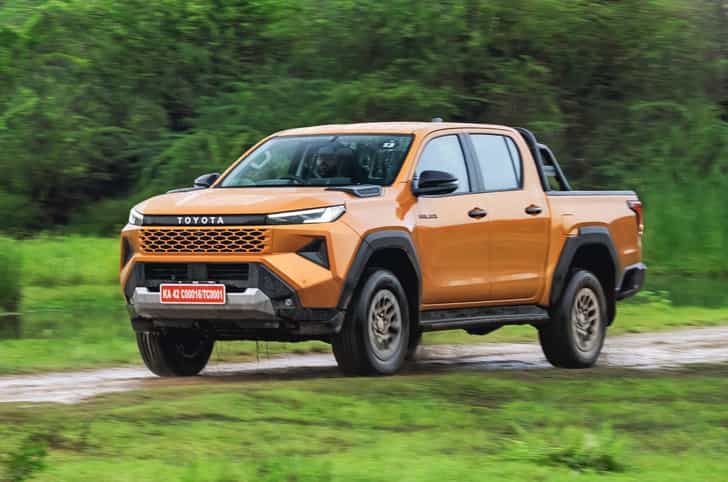
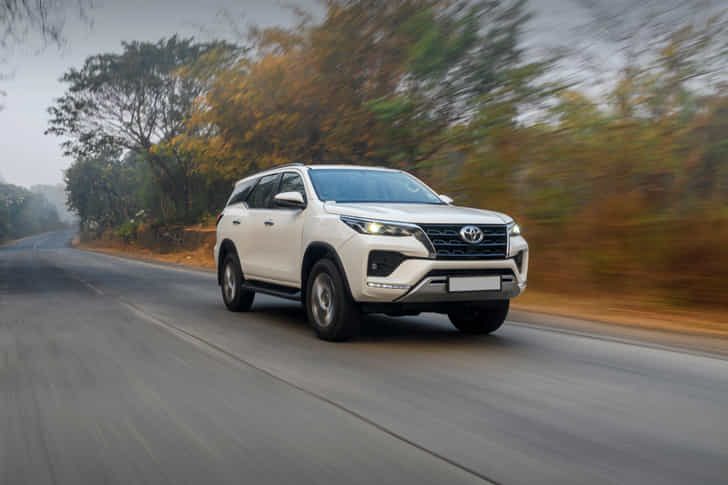
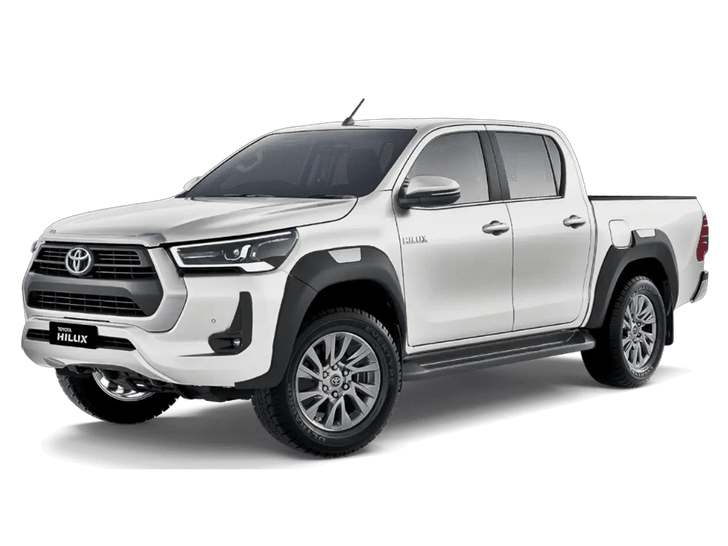
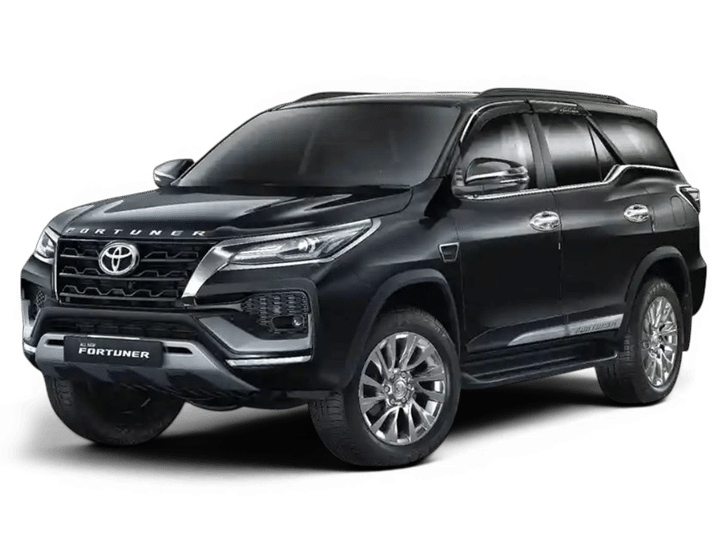
Rationally, the Toyota Fortuner is the better choice between the two. It has a smaller turning radius, 580 cm versus the Hilux’s 640 cm, and its 4.7-meter length is shorter than the Hilux’s 5.3 meters, making it easier to park and manoeuvre in city conditions. The rear seatbacks are a bit upright and do not recline, and the car seats only five.
In contrast, the Hilux’s cargo bed is open, so luggage isn’t protected from the environment or theft if you stop, for example, for a meal. The Toyota Hilux makes sense only if you genuinely need to transport cargo or how much you want to give in to your heart, as it does have a cool and unique image.
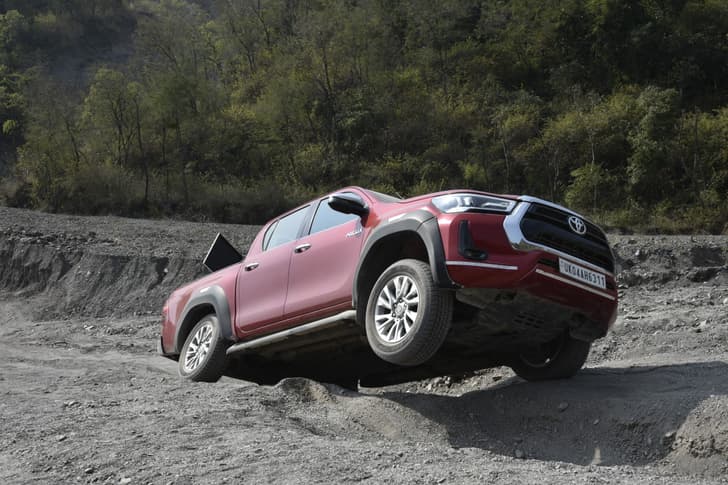
Toyota Hilux

Toyota Hilux

Was this helpful? Ask a follow-up

More questions on similar cars

23h

I have been using a Renault Duster Diesel 2014 model RXL(O) 85 PS since 2015. I sold my car recently, and I regret. I travel 8-9k per year. I am confused about which car to choose now; my budget is 18-21 lakhs. Looking for the MG Hector or the new Renault Duster, but the fuel option is one thing I am still in a dilemma about, as I personally do not like petrol engines and automatic transmissions. Whether to go for a hybrid or EV, or a large vehicle with a 2L diesel engine.

Verified
3h

Given your annual running of 8-9,000 km, a diesel no longer makes financial sense. The payback period is simply too long at this usage level, and modern petrol engines are far more refined and efficient than they were a decade ago. The new Renault Duster petrol is a strong option if you loved your old Duster. It retains the same rugged character and excellent ride quality, and the 1.3 turbo petrol is punchy and enjoyable to drive. The MG Hector is a spacious SUV with a roomy cabin, but it isn't as rewarding to drive as the new Renault Duster.If you are open to hybrids, the Maruti Suzuki Victoris Hybrid is worth considering. It offers excellent fuel efficiency and a very smooth driving experience, especially in city traffic. However, it does not have the same rugged SUV feel as the Duster.The key is to move past the old diesel mindset. Modern turbo petrol engines are genuinely enjoyable to drive, and the new Duster is the closest you will get to the car you loved, just with a more sensible fuel choice for your usage.

VehicleRenault Duster
VehicleMaruti Suzuki Victoris
4d

Hi Autocar India team, I would really appreciate your expert guidance, as I'm confused between three Mahindra options: the XUV 7XO AX5 Diesel Automatic, the XUV 7XO AX5 Petrol Automatic, and the XEV 9S. My driving pattern consists mainly of 30-40 km per day, almost entirely within Chandigarh city. I do take occasional highway trips, but the majority of my driving is in city traffic. My biggest priorities are low running costs over the long term, reliability and hassle-free ownership, good drivability in city traffic, and choosing a vehicle that I can comfortably keep for the next 7-10 years. I have a few questions. First, is a modern diesel automatic a sensible choice for someone who drives only 30-40 km a day in the city? I've heard concerns about DPF regeneration and whether diesel vehicles are suitable for predominantly urban driving. Would my daily usage be enough to avoid such issues? Second, if my driving pattern remains the same, would you recommend the XUV 7XO Diesel Automatic over the Petrol Automatic, or would the petrol variant be the better long-term choice? I've also been reading discussions suggesting that diesel fuel could gradually see higher blends of isobutanol or other biofuels in the future, similar to how ethanol blending has increased in petrol. Is this something buyers should genuinely be concerned about over the next 7-10 years, or is it unlikely to affect the reliability and longevity of modern diesel engines? From this perspective, would you still consider a diesel vehicle a safe long-term investment? I also really like the Mahindra XEV 9S because of its low running costs, smooth driving experience, and the convenience of home charging. My only concern is the availability of charging infrastructure during outstation trips. Although most of my driving is within the city, I do take occasional long-distance journeys and wouldn't want to feel restricted by charging availability. Considering my usage and priorities, which of these three would you recommend: the XUV 7XO AX5 Petrol Automatic, the XUV 7XO AX5 Diesel Automatic, or the Mahindra XEV 9S? If you were buying a vehicle for yourself with the same driving pattern and planned to keep it for the next 7-10 years, which one would you choose, and why? Looking forward to your expert advice. Thank you!

Verified
10h

We'd recommend the Mahindra XEV 9S. With a daily commute of 30-40 km, almost entirely in city traffic, and access to home charging, an EV simply suits your usage better than either a petrol or diesel vehicle. It offers the lowest running costs, the smoothest driving experience in stop-start traffic, and significantly lower maintenance than an ICE SUV. Since you intend to keep the vehicle for 7-10 years, you'll benefit from these lower operating costs over a long ownership period.Between the two XUV 7XO variants, we'd choose the Mahindra XUV 7XO AX5 Petrol Automatic over the XUV 7XO AX5 Diesel Automatic. Although your daily driving distance is enough for the engine to reach its operating temperature, DPF-equipped diesel engines perform best when they are driven on regular highway runs at sustained speeds. With predominantly urban use, the petrol variant is the safer and more hassle-free option. We also wouldn't be concerned about E20 petrol or speculate about future diesel biofuel blends. Modern engines are designed to run on the fuels currently mandated, and there is no official roadmap that should influence your buying decision today.Your concern about charging infrastructure on long trips is valid, but it's becoming less of an issue with each passing year. The charging network on major highways continues to expand rapidly, and for the occasional outstation drive, a little route planning is usually all that's required. Since the vast majority of your driving is within Chandigarh, you'll spend most of your time charging conveniently at home rather than visiting fuel stations.

VehicleMahindra XEV 9S
VehicleMahindra XUV 7XO

Popular discussions right now

3d

Hi, I am a teacher and a first-time female driver with a budget of Rs. 11.5 lakh. I am looking for an automatic car that I plan to keep for the next 15 years, but I am confused about whether to buy a petrol AMT, CNG AMT, or an EV due to the uncertainty surrounding ethanol blending. My daily commute is 46 km, of which 22 km is on the highway, 18 km is on normal roads, and 6 km is on bumpy village roads in poor condition. Please recommend the most suitable fuel type that will keep my overall cost of ownership low.

Verified
3d

We'd recommend a petrol automatic. With a daily running of around 46km and an ownership period of 15 years, it offers the best balance of low ownership costs, reliability and ease of use for a first-time driver.We wouldn't let E20 fuel influence your decision. Modern E20-compliant petrol cars are designed to run on it, and there is no official roadmap beyond E20. It isn't a reason to avoid buying a petrol car today. A CNG automatic will certainly reduce your fuel bills, but the higher purchase price, reduced boot space and limited automatic options make CNG car less attractive unless fuel savings are your overriding priority. An electric car will have the lowest running costs, but at your budget, you'll have to compromise on size or features, and recovering the higher upfront cost will take time.Given your budget and usage, we'd look at the Maruti Suzuki Brezza facelift automatic which will launch soon if you can stretch slightly, or the Maruti Suzuki Fronx Delta+ AGS if you want to stay within budget. Both are easy to drive, have good ground clearance for the 6km of rough village roads and come backed by Maruti Suzuki's extensive service network. If you prefer a smoother automatic, the Hyundai Exter SX AMT is also worth considering.

VehicleMaruti Suzuki Fronx
VehicleHyundai Exter
VehicleMaruti Suzuki Brezza

Posted on: 11 Oct 2025