Autocar India
12w

I am a 22-year-old planning to buy and build an off-road machine. I am stuck between the Toyota Hilux and the Toyota Fortuner, especially considering the stronger road presence of the Hilux. However, the cost of modifications on the Hilux would be higher compared to the Fortuner, though this may be offset by the discounts being offered on it. I am also unsure about its practicality due to its rear seat and compromise on comfort. Additionally, does either of these perform better than the other off-road?

Verified
12w

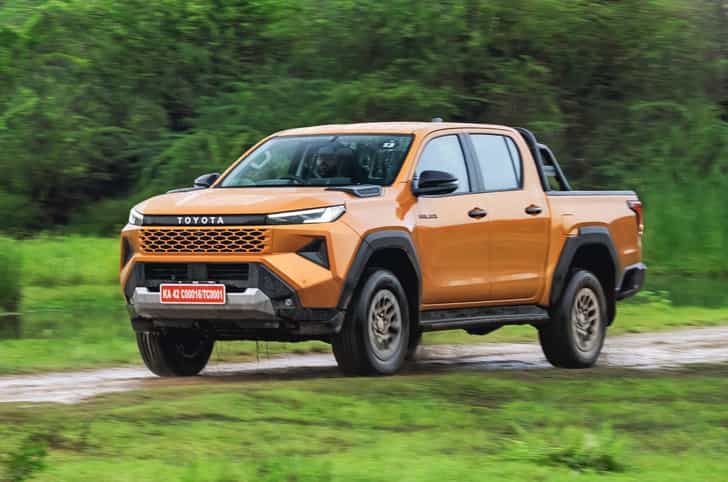
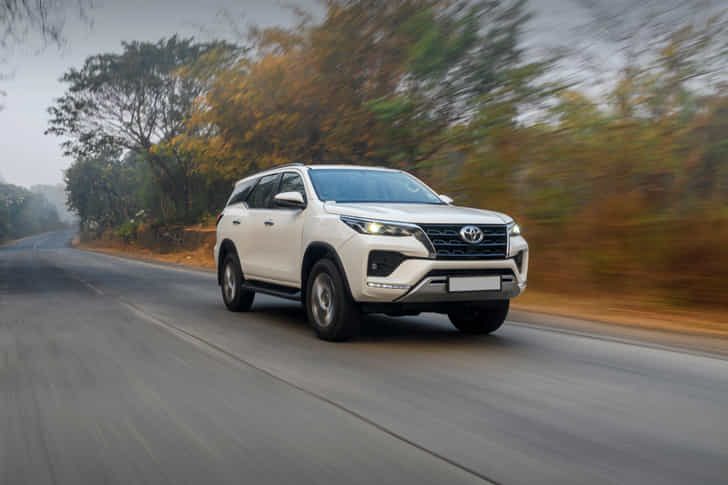
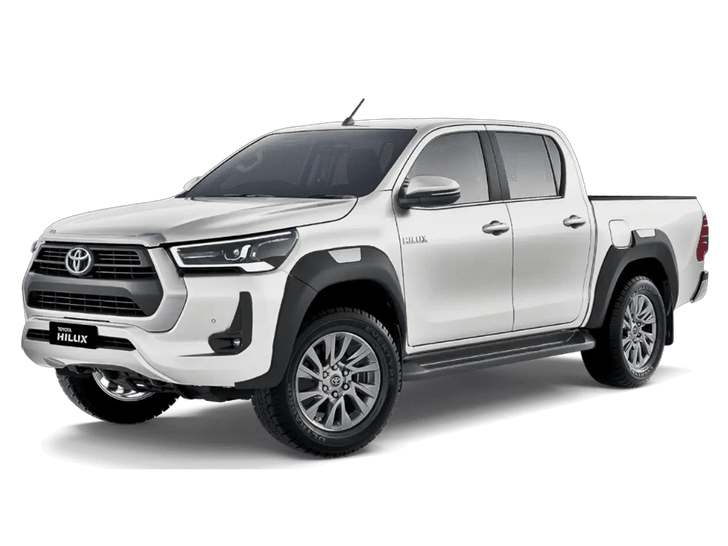
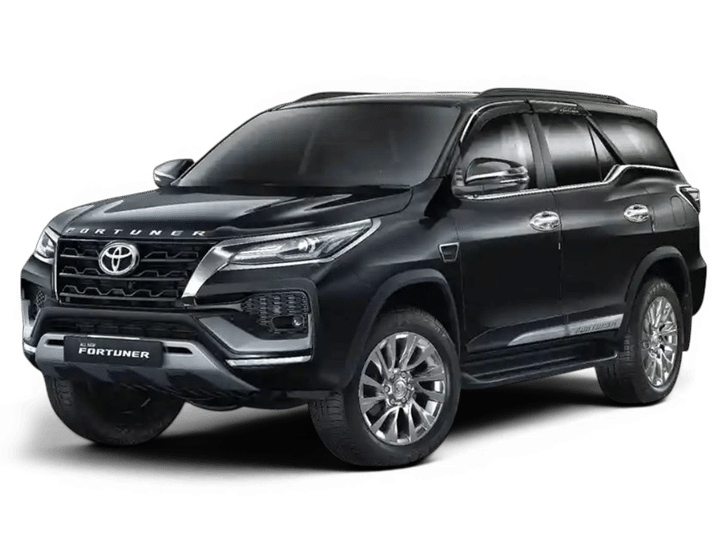
You want to build a serious off-road machine and still live with it day to day. In that case, the Fortuner 4x4 AT is the stronger fit for you. It addresses your concerns about rear seats and comfort much better than the Hilux. The Fortuner’s back seat is more relaxed, the ride is softer for passengers, and the cabin works better for friends and family on long drives. Off the road, its shorter length makes it a touch easier on tight, broken paths and over sharp crests.

The Hilux does look cooler and the discounts are real, and we get why that tempts you. But its rear seat is upright and space is tighter, and with the empty cargo bed the ride can feel bouncy in the city. The long body can also touch down on sharp humps or ridges. Stock vs stock, neither is clearly 'better' off road. Both Toyota cars share the same strong diesel, four-wheel drive with low range (an extra-low gear for rough ground), and a locking rear axle. Tyres, ground-clearance add-ons, and driver skill will make the bigger difference.

If you want a build-first truck and you rarely carry people in the back, the Hilux High 4x4 (MT or AT) then makes sense. The flat load bed is perfect for a winch, spare wheels, jerry cans, and a canopy, and the discount can fund tyres and protection parts. But for mixed daily use plus trail days, the Fortuner 4x4 AT lines up best with what you described.
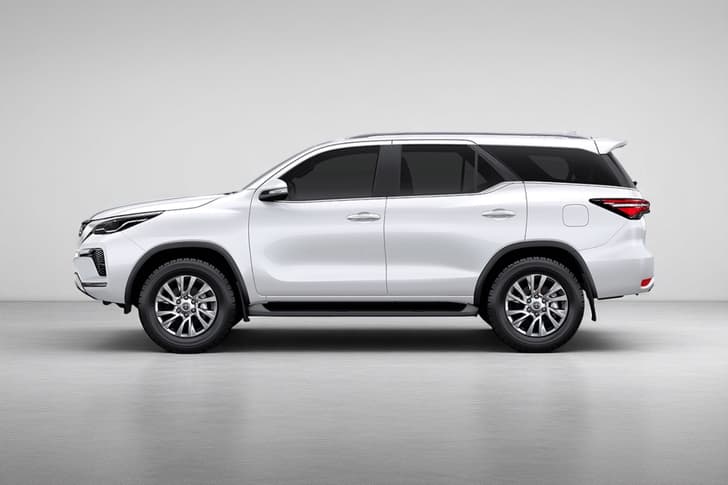
Toyota Fortuner

Toyota Fortuner

More questions on similar cars

17h

Hi, I am planning to buy a 7-seater car, but I am confused between the Mahindra XUV 7XO AX7 Petrol and the Tata Safari Petrol. My annual running will be around 6,000 km, as I live in Dubai and visit India only once every four months for about 15 days. My family stays in our hometown, Nagercoil, and will be using the car most of the time. We were initially planning to book the XUV 7XO AX7 Petrol, but after seeing the Tata Safari Petrol, we became confused. Considering my usage, long-term reliability, after-sales service, and maintenance costs, which one would you recommend?

Verified
13h

Between the two, the Mahindra XUV 7XO is the more complete package. This Mahindra car offers a more refined turbo-petrol engine, better performance, a well-appointed cabin and a more polished driving experience. It is also our preferred choice over the Safari for its overall value, safety and ownership experience. While the Tata Safari Petrol is expected to offer excellent ride comfort and a spacious cabin, the powertrain is still new and doesn't yet have the long-term track record of Mahindra's turbo-petrol engine.Since your hometown is Nagercoil, after-sales support should also influence your decision. Both Mahindra and Tata have a presence there, but Mahindra has built a stronger reputation in recent years for service consistency and parts availability. Given that you'll be overseas for much of the year, it's important that your family has access to dependable service without hassle.Based on your usage and ownership plans, we'd go ahead with the Mahindra XUV 7XO AX7 Petrol. It is the more proven product today and should prove to be the easier and more satisfying SUV to own over the long term.

VehicleTata Safari
VehicleMahindra XUV 7XO
18h

Hi, I am planning to buy an electric vehicle and am considering the Mahindra XUV 3XO EV. Since it offers more cabin space and a taller seating position than the Tata Nexon EV, it seems like a better fit for my needs. What are your thoughts on the XUV 3XO EV? Would you recommend it over the Tata Nexon EV?

Verified
14h

The Mahindra XUV 3XO EV does have a roomier cabin and benefits from the latest 3XO interior, improved ergonomics and a long features list. However, underneath, it is essentially a facelifted XUV400. It carries over the same 39.4kWh battery pack, 150hp motor and front-wheel-drive powertrain, rather than using Mahindra's newer INGLO architecture seen on the BE 6 and XEV 9e. Mahindra itself positions it as the replacement for the XUV400.That means you're buying a car with a much-improved body and cabin, but not an all-new EV platform. The battery size and real-world range also lag behind some newer rivals, so while performance remains strong, the underlying technology doesn't move the segment forward.If your choice is strictly between the XUV 3XO EV and the Tata Nexon EV, we'd still lean towards the Nexon EV. This Tata car benefits from a more modern dedicated EV architecture, offers larger battery options, longer range and has matured into a well-rounded package over successive updates. The XUV 3XO EV's biggest advantage is its more spacious cabin, but that alone isn't enough to outweigh the Nexon's more contemporary electric underpinnings.If you're open to looking beyond these two, the MG Windsor EV remains our top recommendation in this price bracket. It feels like a segment above in terms of cabin space, comfort and overall value, making it the most compelling family electric car unless your requirement is for a more compact SUV.

VehicleMahindra XUV 3XO EV
VehicleMahindra XEV 9e
VehicleTata Nexon EV
VehicleMG Windsor

Popular discussions right now

Posted on: 26 Apr 2026