Autocar India
Introducing Badges

Every helpful action can earn a badge.

•6h

Please advise which car would be the best choice for long-term ownership: the Mahindra Scorpio, Tata Safari, Tata Harrier, Jeep Compass, Volkswagen SUV, or any other suitable option. My priority is reliability, long-term durability, and hassle-free ownership over the next 10 years or more. I would appreciate suggestions based on real-world ownership experience, maintenance costs, spare parts availability, and after-sales support.

Verified
•49m

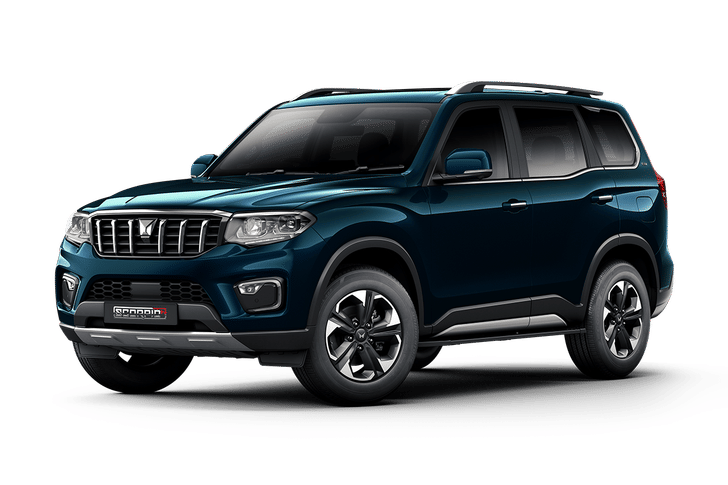
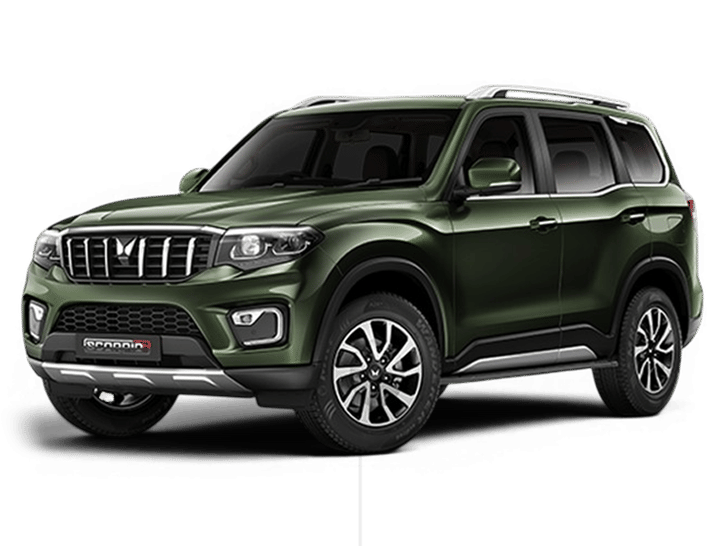
For long-term ownership, the Mahindra Scorpio N is the safest recommendation from your shortlist. It has a proven track record, robust mechanicals and a strong service network, making it a dependable choice for 5-10 years of ownership. 

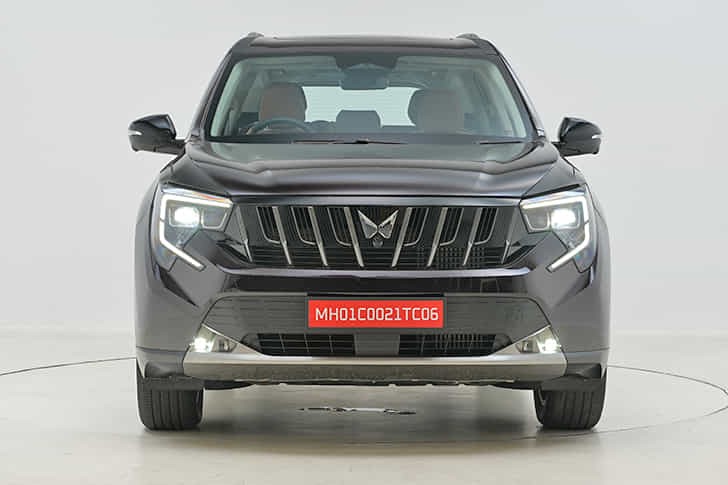
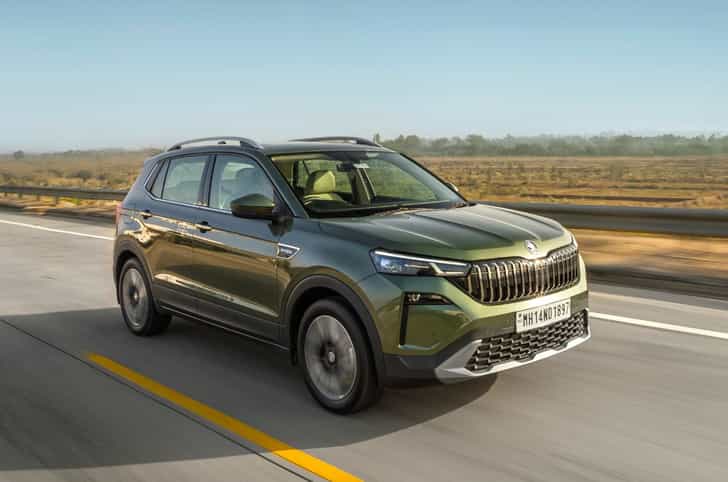
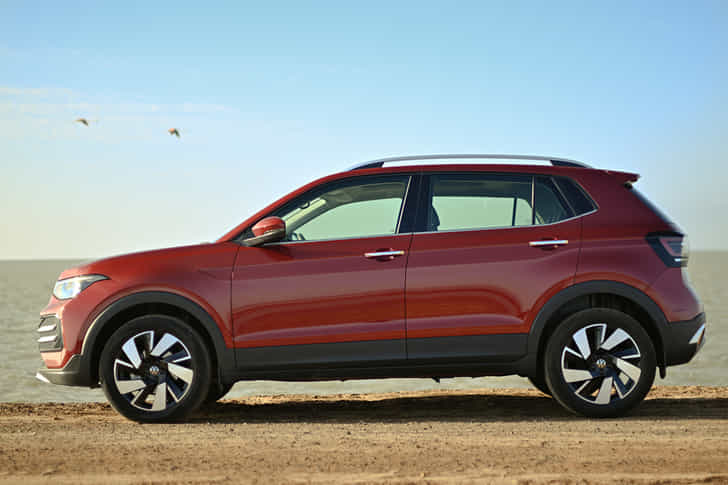
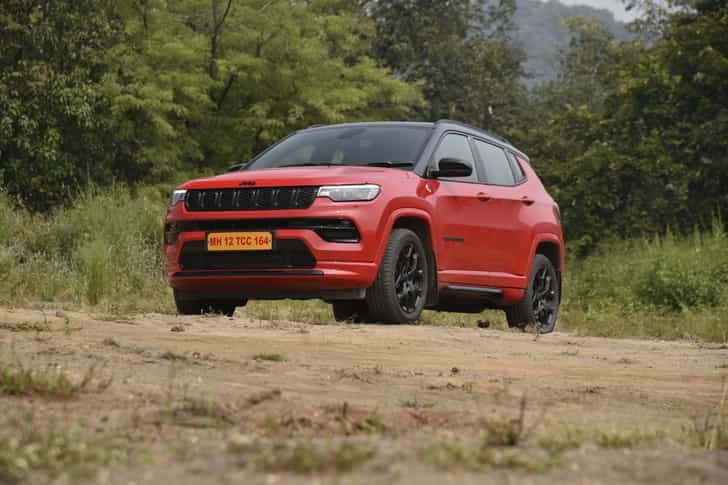
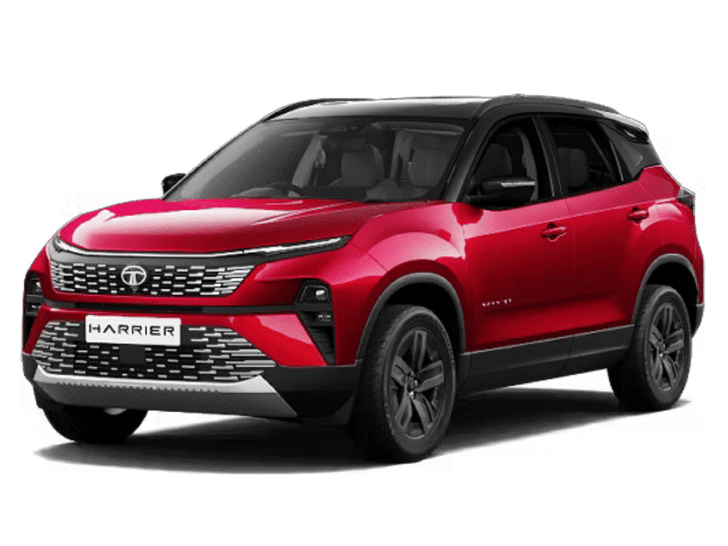
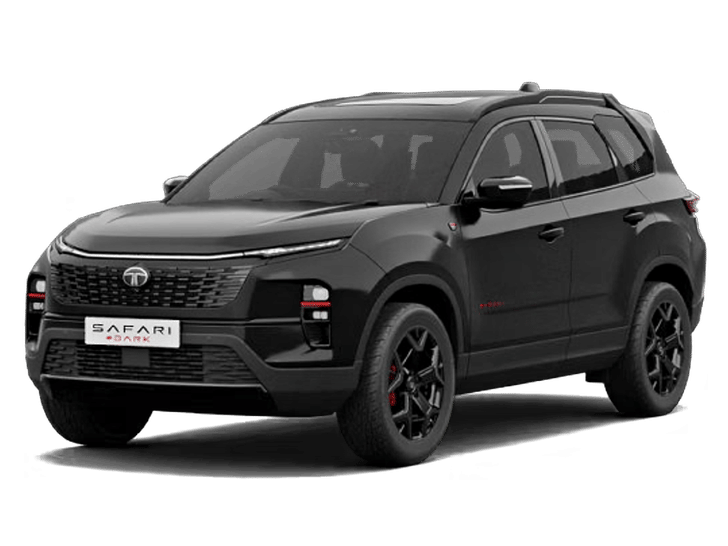
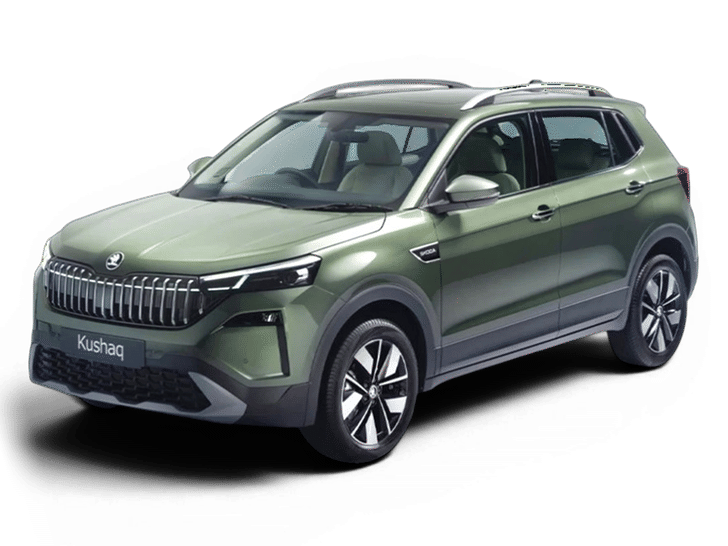
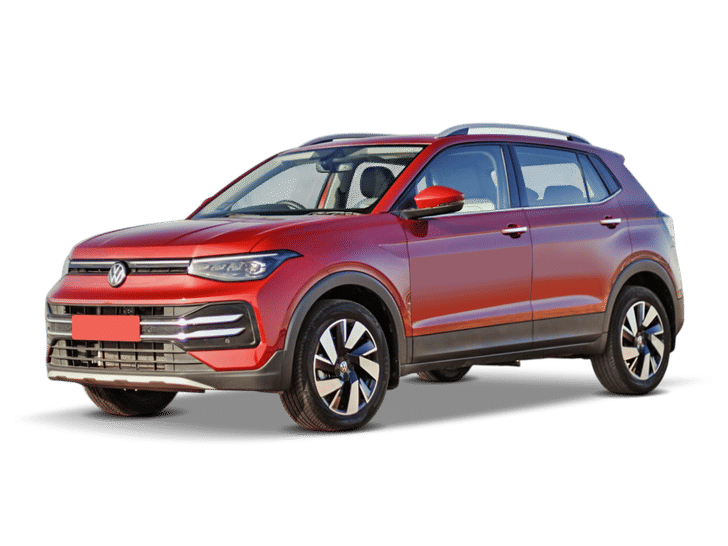
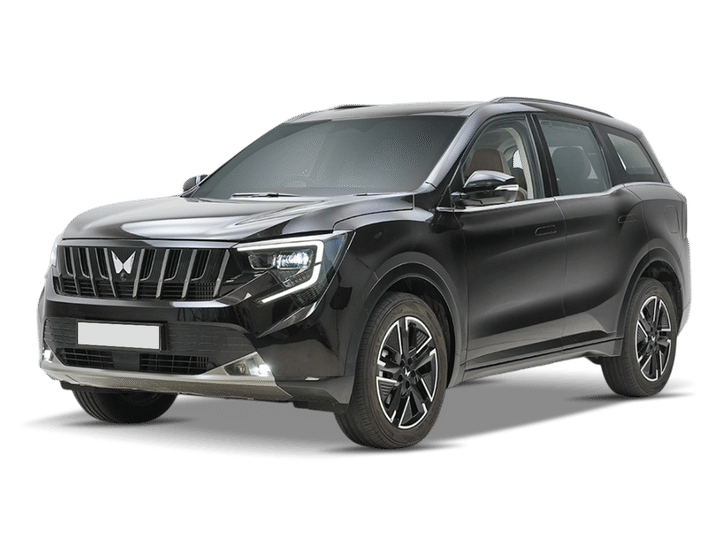
The Tata Harrier and Tata Safari have improved significantly, but the Scorpio N still has the edge on long-term reliability and ownership confidence. The Jeep Compass is a good product, but it is now an ageing model and does not offer the same value proposition as the Scorpio N. If you are open to alternatives, the Mahindra XUV 7XO is worth considering. It is a more modern product with a better balance of comfort, features and refinement, and it is a strong long-term ownership proposition as well. The Volkswagen Taigun and Skoda Kushaq are excellent driver's cars, but they are smaller and do not offer the same level of space or road presence as the Scorpio N or XUV 7XO. 
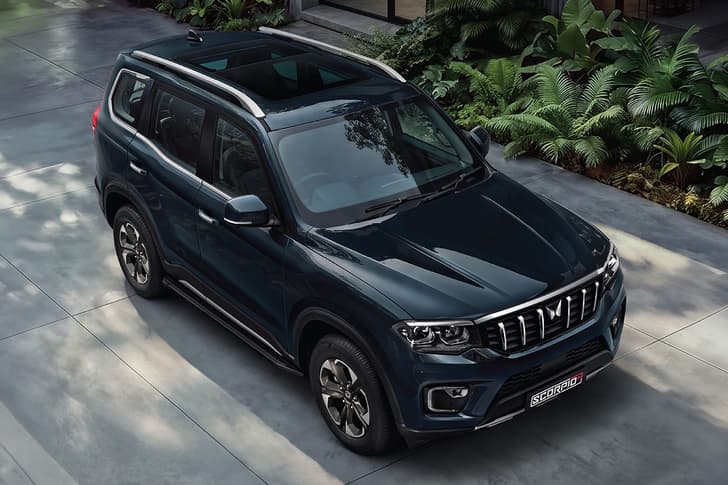
Mahindra Scorpio N

Mahindra Scorpio N

•4m•

It’s got recently facelift also

•5m•

@ashim.1 Go with Mahindra Scorpio N 👍

•41m•

Check the new duster hybrid.. Jeep is nice technically but lacks seating comfort.. Tata harrier is v gud all round but with some glitches but new models are updated pl check. Honda is definitely reliable but dated car ..

More posts on similar cars

•3d

Hello Autocar Team, I’m planning to buy a Tata Sierra diesel and would really value your advice. I’ll be driving mostly in Hyderabad, with city traffic accounting for the majority of my usage and occasional highway trips. Could you please help me with a few questions? 1. Is the Tata Sierra a good buy right now? How is it performing in the market, and has it been a sales success or a flop? 2. What is its real-world diesel mileage in city traffic and on highways, based on your tests? 3. How are its build quality, reliability, and long-term ownership prospects? 4. How good are Tata’s service network, spare parts availability, and running costs, especially in Hyderabad? 5. Given my annual running of around 12,000-15,000km, is the diesel worth the premium, or would the petrol version make more sense? 6. How does it compare with rivals such as the Hyundai Creta, Kia Seltos, and Mahindra XUV700 for my usage? Thank you for your time. I look forward to your guidance.

Verified
•1d

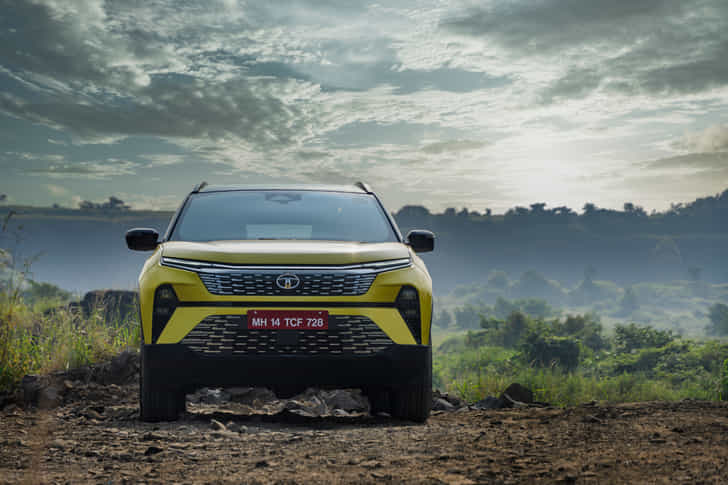
Given your usage of 12,000-15,000 km a year, the Tata Sierra diesel makes sense. It is certainly worth the premium over the turbo-petrol version due to its real-world fuel efficiency advantage. In our tests, the diesel-automatic version returned 11.5kpl in the city and 14.5kpl on the highway, but with smoother-flowing traffic, you could extract even better efficiency; the diesel-manual is likely to deliver even better numbers.To answer the second part of your question, this Tata car is well accepted by the market, and it is Tata's third-best-seller (after Nexon and Punch), even outselling the Tata Tiago hatchback in some months.The Sierra is a solidly built SUV, and Tata has made improvements in reliability over the past few years. That said, owners have report some niggling issues, and Tata's service experience isn't consistent and it can be a hit-or-miss. The engine however seems largely reliable, and mechanically, it seems sound.The Sierra stands out for its impressive road presence, excellent ride comfort, and spacious cabin and large boot, making it a better family car than the Hyundai Creta or Kia Seltos. Its engine refinement isn't as good as its Korean rival, and it still lacks their finesse. The Mahindra XUV 7XO belongs to a segment above - it is larger in size, pricier, and its diesel engine is far more refined, punchier and overall it feels like a more sophisticated SUV. If the Sierra diesel has bowled you over, go for it - it is a good car. But if you can stretch your budget, the Mahindra XUV 7XO is the better buy.

VehicleTata Sierra
VehicleTata Tiago
VehicleHyundai Creta
VehicleKia Seltos
VehicleMahindra XUV 7XO
•2d

Hi Autocar Team, I am planning to buy the Tata Harrier by selling my 2021 Tata Nexon petrol XZ+ (O) Dark Edition, which has covered 30,000 km. I am confused about whether to choose the Harrier petrol or diesel. With the government introducing stricter emission norms, will buying a diesel car be a viable option in the long run? If I choose diesel, should I go for the manual or automatic transmission? Which gearbox is more durable? If I choose petrol, can I expect decent mileage from such a heavy car? Please advise.

Verified
•2d

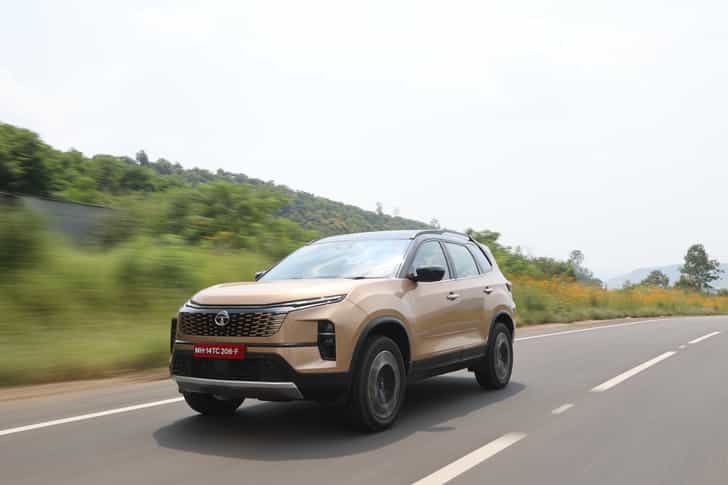
We would recommend the Harrier diesel automatic if you do substantial highway driving or cover over 15,000km annually. If your usage is mainly within the city and your annual running is low, the petrol automatic is worth considering, although its fuel bills will be considerably higher than those of your Nexon petrol.The stricter emission norms coming into effect from April 2027 are fleet average fuel efficiency targets for manufacturers, not a ban on diesel cars. The diesel therefore remains a viable option, particularly if you intend to keep the Harrier for several years and regularly undertake long journeys. Fuel efficiency is the petrol Harrier's biggest drawback. In Autocar India's test, the petrol automatic returned 6.17kpl in the city and 12.49kpl on the highway, against 9.6kpl and 14.4kpl respectively for the diesel automatic.The automatic is more convenient in traffic, while the manual diesel offers slightly better efficiency. Neither gearbox should be chosen on durability assumptions alone.

VehicleTata Harrier

Has E20 fuel affected your mileage?
Is ADAS worth paying extra for in a car?

Popular discussions right now

•1w

I’ve almost finalised the Skoda Kylaq Signature Automatic, and I really like the car. However, I’m a little worried about Skoda’s long-term service and maintenance costs, especially after the warranty period. I’m planning to keep the car for around 7–8 years. Would you recommend taking the Service Maintenance Package (SMP) along with the car? Is it worth the additional cost considering regular servicing and potential maintenance expenses? Also, compared with the Brezza and Nexon, how is the Kylaq Signature Automatic in terms of long-term reliability, service costs and parts replacement? Would really appreciate your advice before I make the final purchase decision.

Verified
•6d

If you like the Skoda Kylaq Signature Automatic, go ahead and buy it. It is a genuinely good car and one of the best driver’s cars in the segment. The 1.0 TSI engine paired with the 6-speed torque converter automatic is a proven combination, and Skoda’s reliability has improved significantly in recent years. The bigger concern is not reliability but long-term maintenance costs, which can be higher than Maruti or Tata once the car is out of warranty.This is where the Service Maintenance Package (SMP) makes sense. It locks in your service costs for the first 4-5 years, covers all scheduled maintenance and gives you peace of mind during the most expensive ownership period. If you are planning to keep the car for 7-8 years, it is worth the additional cost because it protects you from unexpected bills and helps you budget ownership costs more accurately.Compared to the Brezza and Nexon, the Kylaq is the better driver’s car with a more engaging driving experience and a stronger engine. The Brezza is the benchmark for long-term reliability and low maintenance costs, while the Nexon sits somewhere in between. The Kylaq is not unreliable, but parts and service can be more expensive once you are out of warranty.If you are buying the Kylaq, take the SMP and enjoy the car. If long-term ownership costs are your absolute priority, the Brezza is the safer financial choice.

VehicleSkoda Kylaq
VehicleMaruti Suzuki Brezza
VehicleTata Nexon
•1w

I currently own a Jeep Compass and want to get an additional car for my father, with good reliability, unlike the Jeep. My father still drives a 2008 Honda City, and I am torn between a few choices: the Honda City, Skoda Slavia, Nissan Tekton and Toyota Hyryder. Or should I wait for the Virtus facelift or the new-generation Creta? His usage is low, at almost 500 km per month. Please suggest.

Verified
•6d

With just 500km a month, petrol is the clear choice, and reliability and ease of ownership become the most important factors. The Honda City is the safest recommendation here. It is a proven product with a strong reliability record, a comfortable ride and a familiar ownership experience that your father will appreciate, especially coming from a 2008 City. The Skoda Slavia and Volkswagen Virtus are both excellent to drive, but the 1.0 TSI engine can feel a bit laggy at low speeds, and the 1.5 TSI is overkill for this kind of usage. The Nissan Tekton is a good value proposition, but engines are not responsive at low speeds and Nissan's service network is not as strong as Honda's, which matters more for a low-running, long-term ownership scenario. The Toyota Urban Cruiser Hyryder is a solid option if you specifically want an SUV, but the hybrid premium does not make financial sense at this running, and the naturally aspirated petrol is not as refined as the City's engine. The new-generation Hyundai Creta is worth waiting for only if your father specifically wants an SUV; otherwise, the City remains the more sensible choice. Overall, the Honda City is the most reliable, comfortable and hassle-free option for your father's usage.

VehicleHonda City
VehicleSkoda Slavia
VehicleVolkswagen Virtus
VehicleToyota Urban Cruiser Hyryder
VehicleNissan Tekton

Upcoming launch buzz

Community discussions on upcoming launches
Add a photo of your Compass

First sightings, real road conditions, delivery buzz

Posted on: 18 Oct 2026