Autocar India

Diesel cars in India (60)

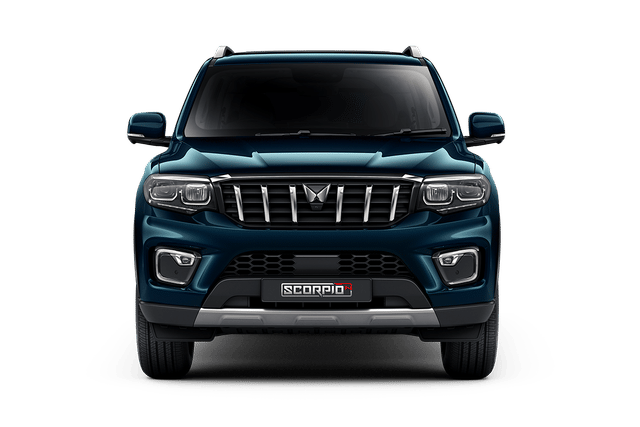
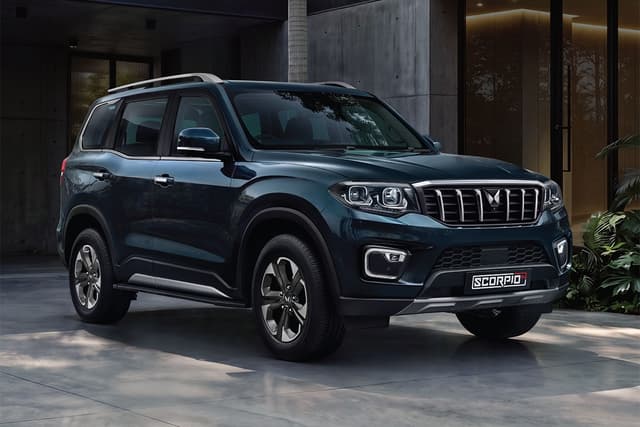
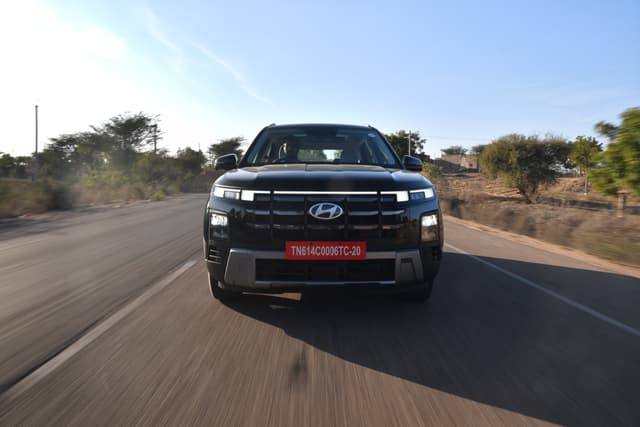
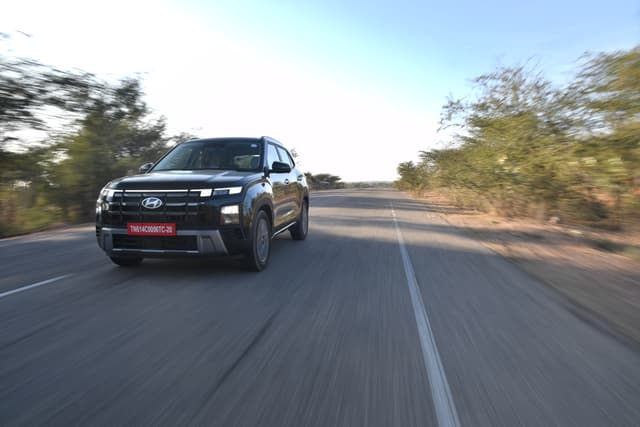
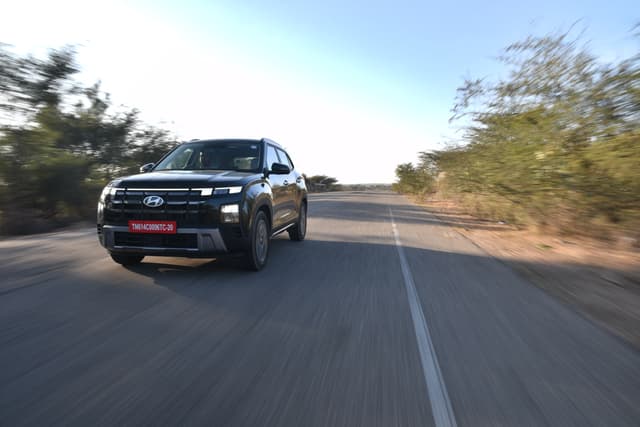
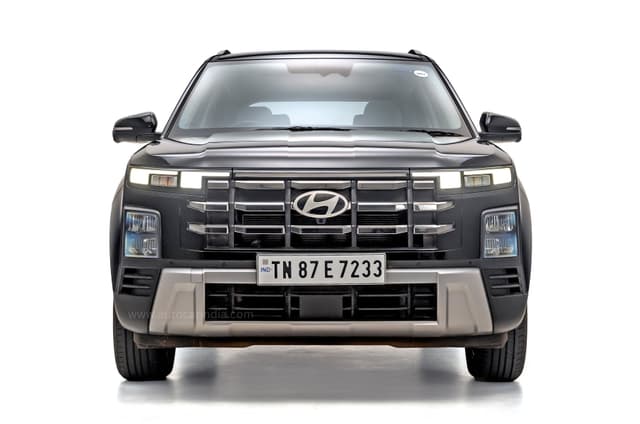
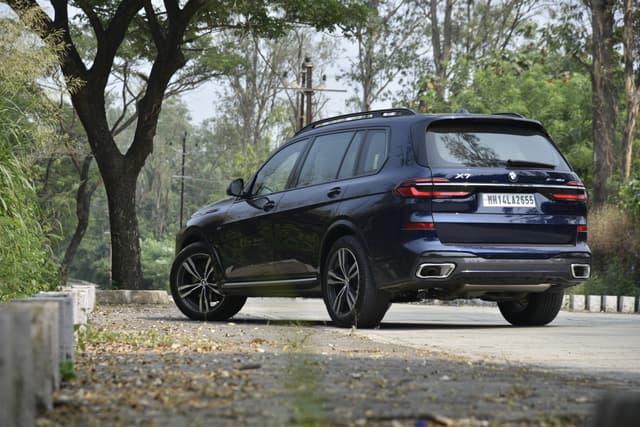
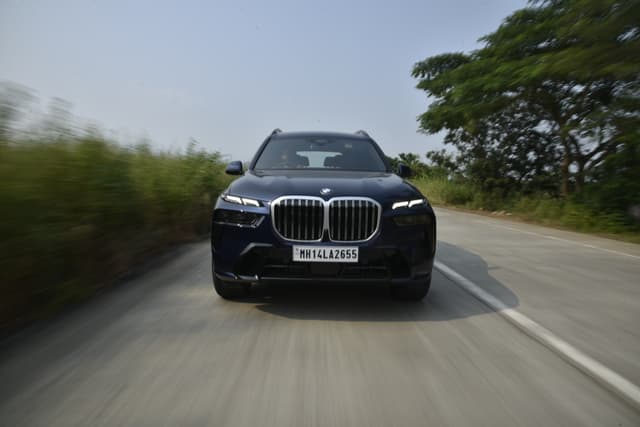
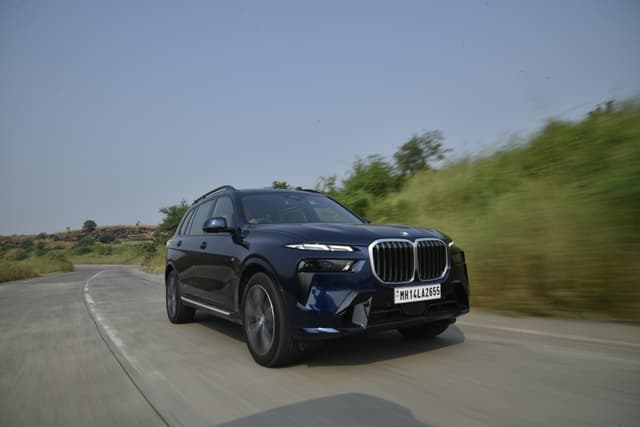
Diesel cars remain a great pick for people who want a mix of performance and fuel efficiency. Brands such as Tata Motors, Mahindra, MG, BMW, Toyota, Mercedes-Benz and Land Rover offer models across different budgets. In the mass-market segment, Tata and Mahindra are popular brands with diesel cars. Some of the most popular diesel cars in India include the Hyundai Creta, Mahindra Scorpio N, Tata Safari, Toyota Fortuner and BMW X7. Due to stricter emission norms, several models have been discontinued in recent years.

Show more
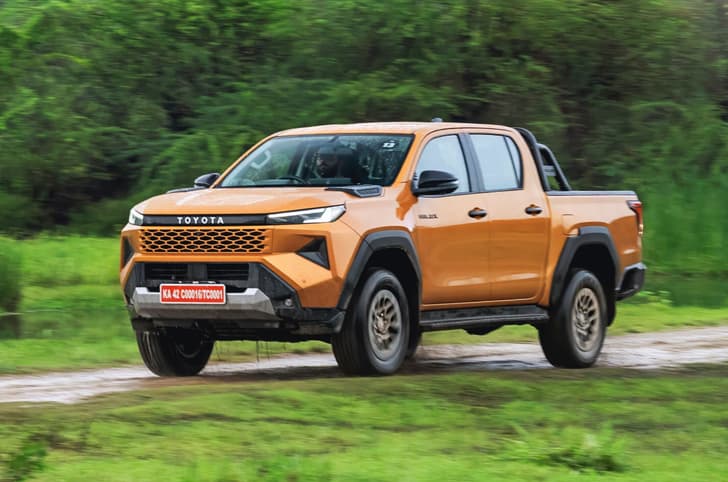
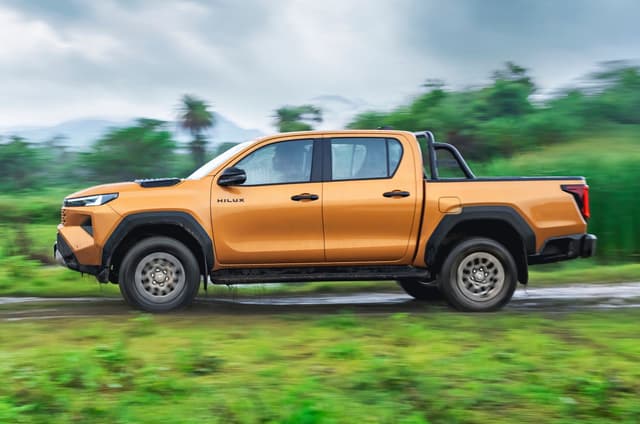
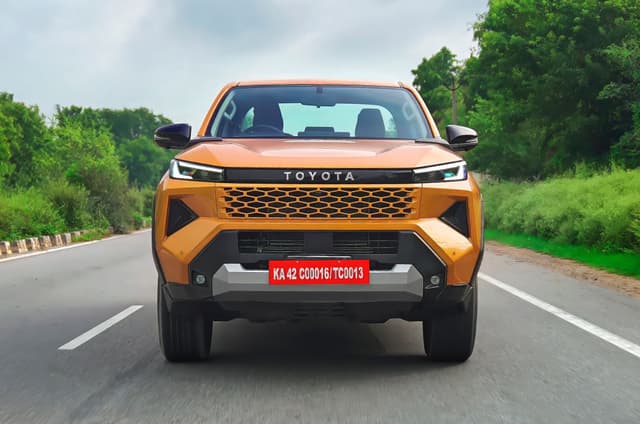
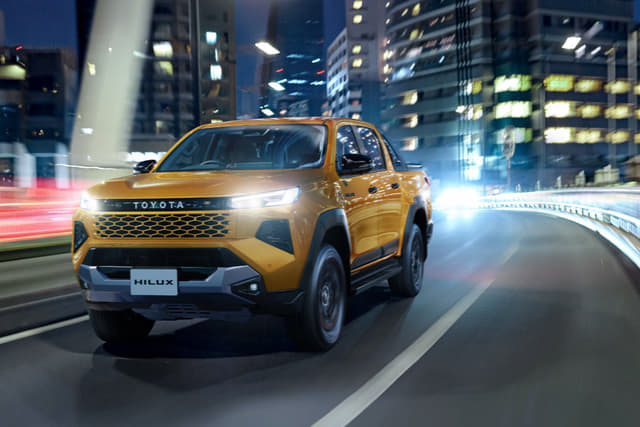
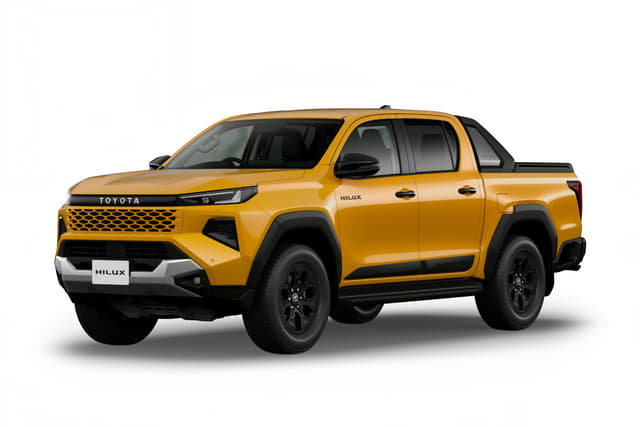
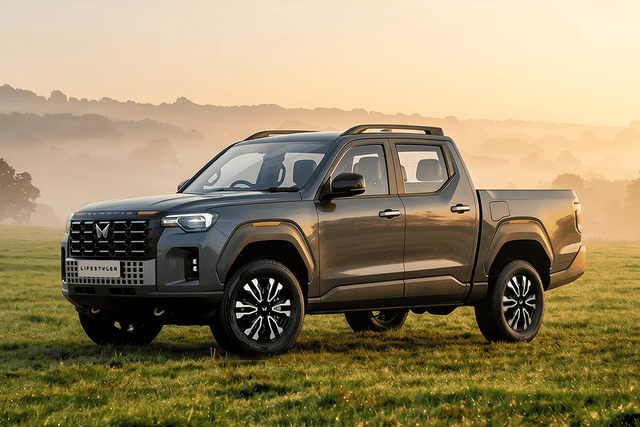
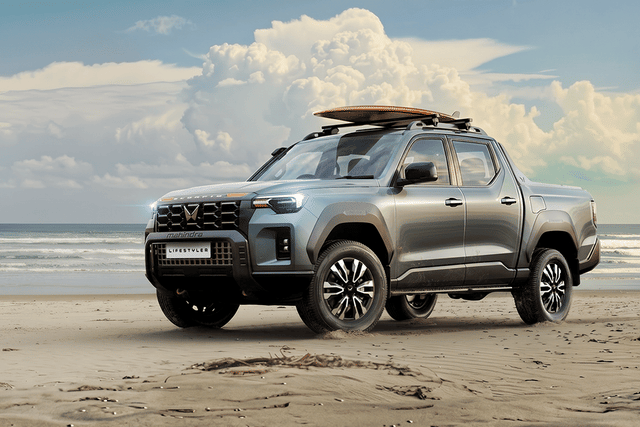
Toyota Hilux
Toyota Hilux
Toyota Hilux
Toyota Hilux
Ash color image
6
Diesel
5 seater
Pick-up
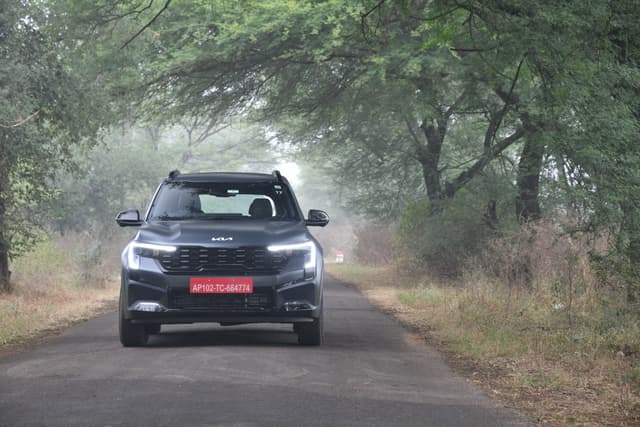
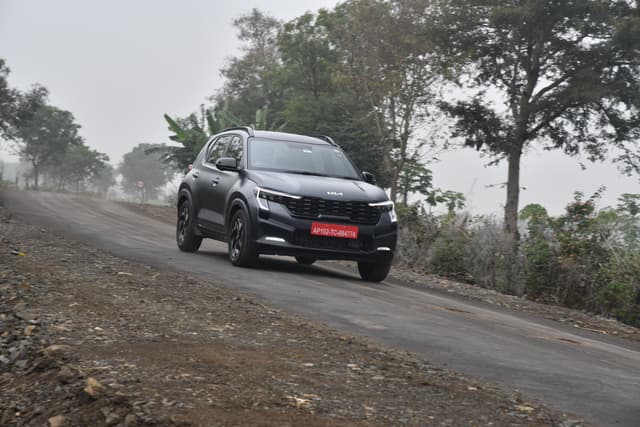
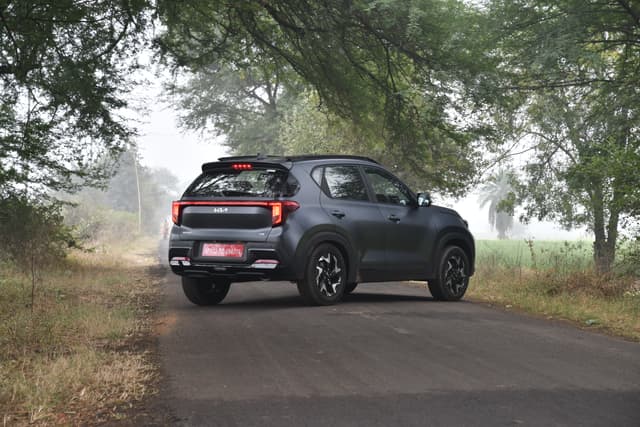
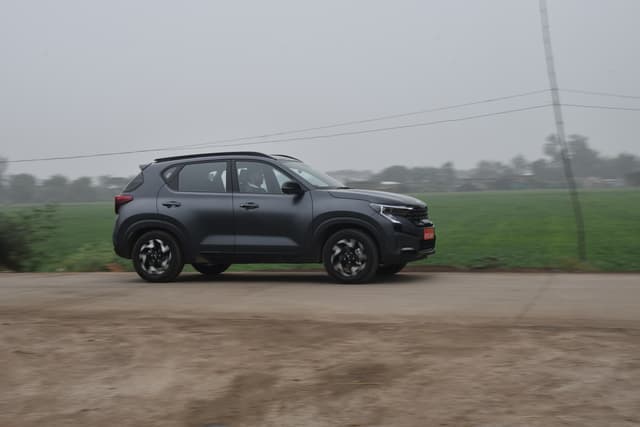
Kia Seltos
Kia Seltos
Kia Seltos
Kia Seltos
Kia Seltos
8
15.6-20.7 kmpl
Petrol, Diesel
5 seater
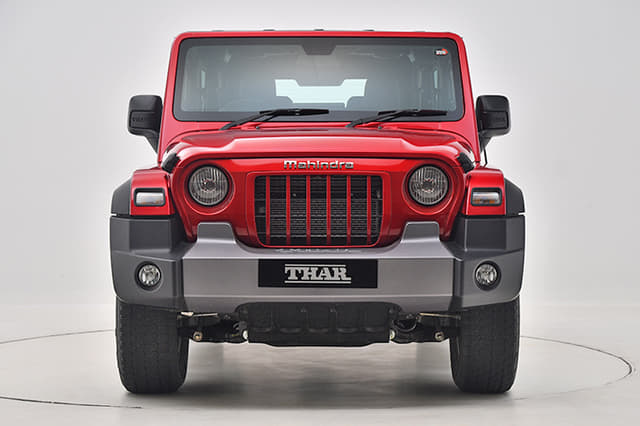
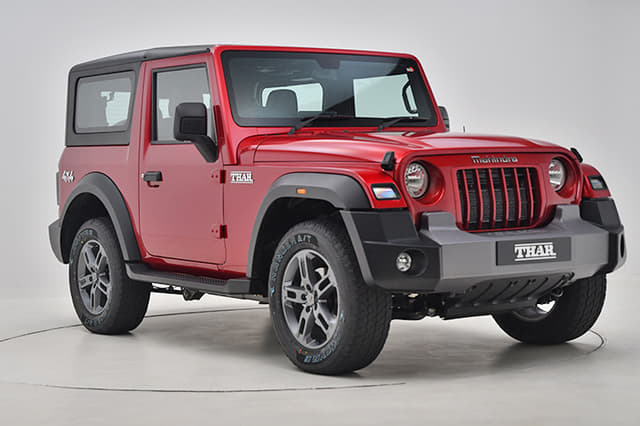
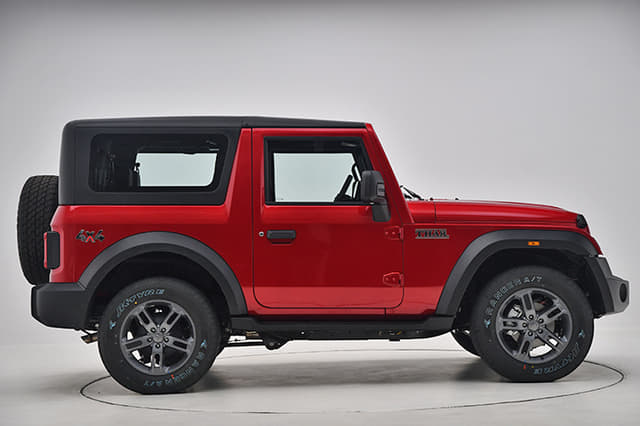
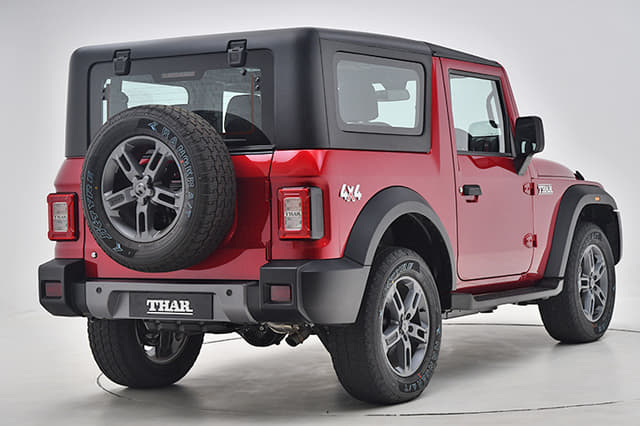
Mahindra Thar
Mahindra Thar
Mahindra Thar
Mahindra Thar
Mahindra Thar
8
15.2 kmpl
Diesel, Petrol
Automatic, Manual
MG Hector Color Gray
Aurora Silver color image
Celadon Blue color image
Glaze Red color image
Pearl White color image
7
12.3-15.6 kmpl
Petrol, Diesel
Automatic, Manual
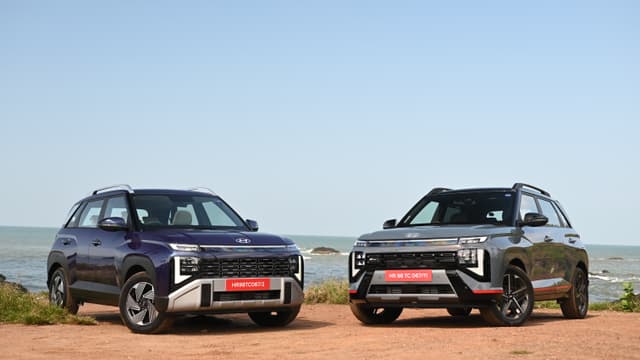
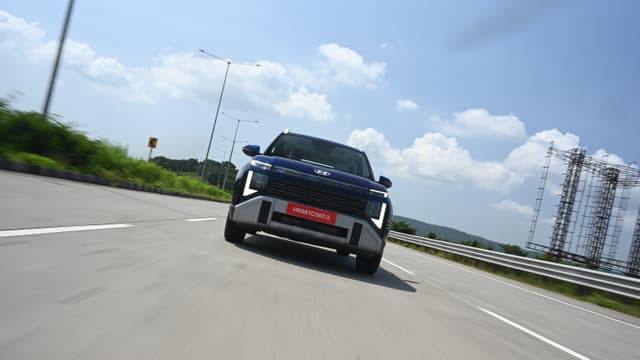
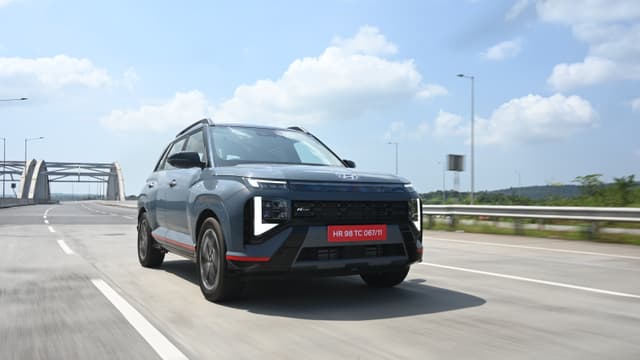
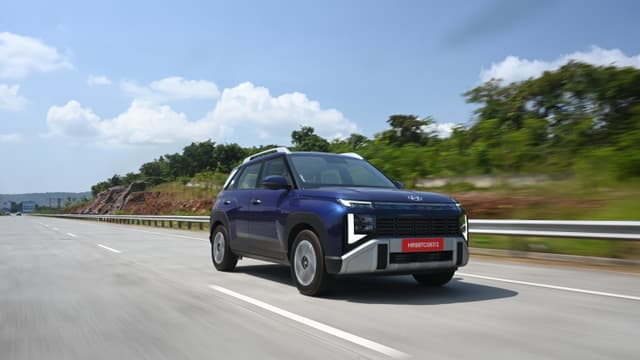
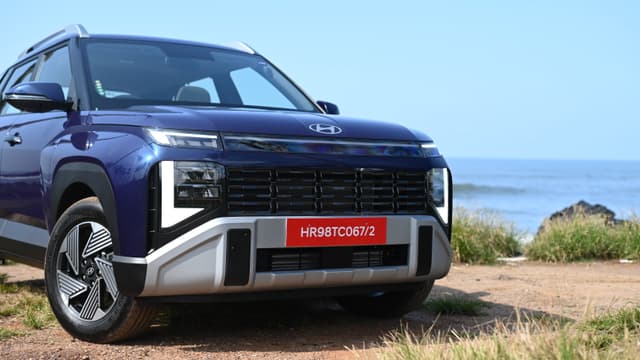
Hyundai Venue
Hyundai Venue
Hyundai Venue
Hyundai Venue
Hyundai Venue
8
17.5-24.2 kmpl
Petrol, Diesel
Manual
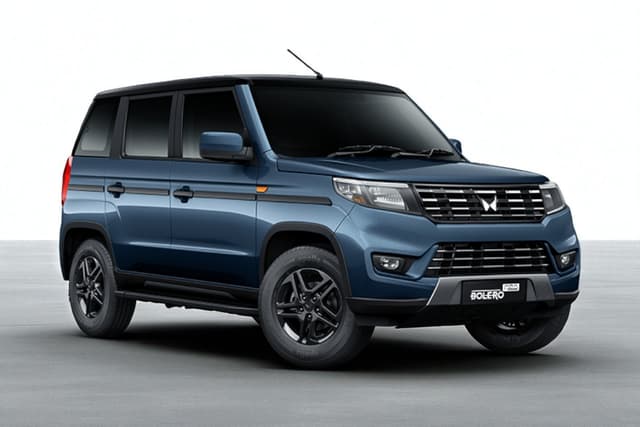
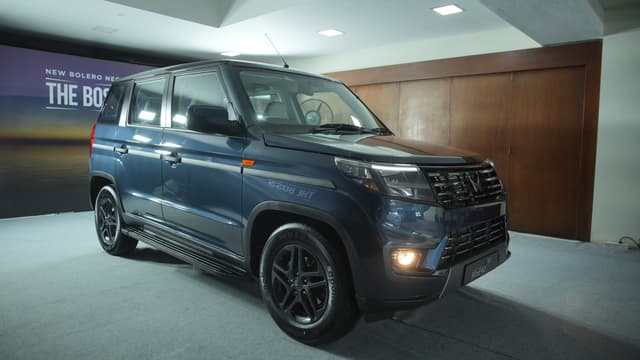
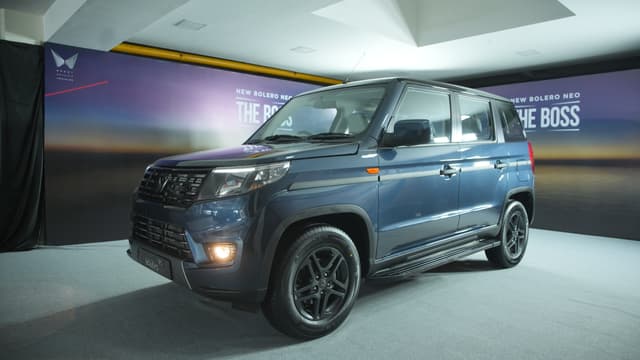
Mahindra Bolero Neo
Mahindra Bolero Neo
Mahindra Bolero Neo
Mahindra Bolero Neo
Mahindra Bolero Neo
6
18.0 kmpl
Diesel
Manual
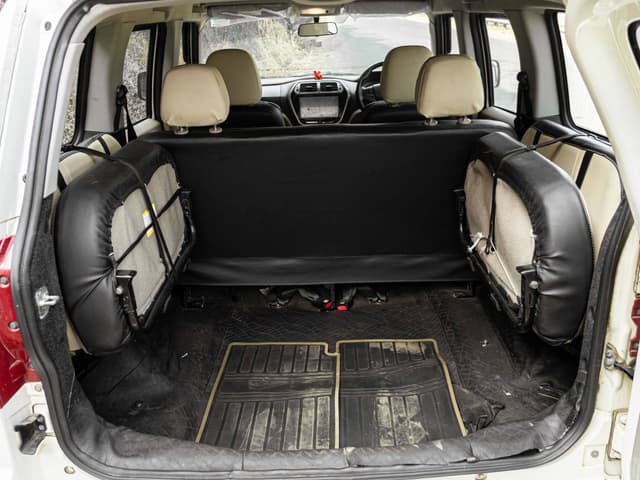
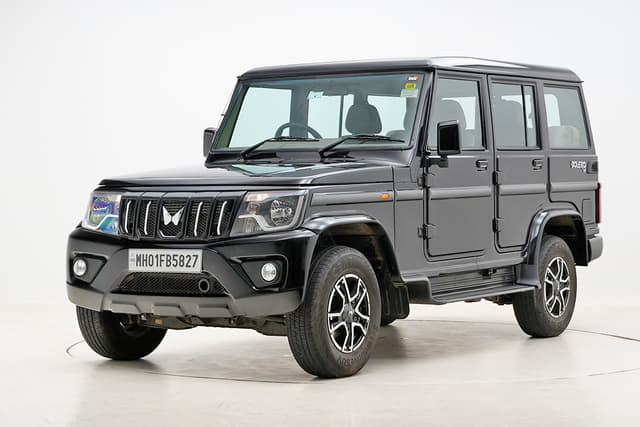
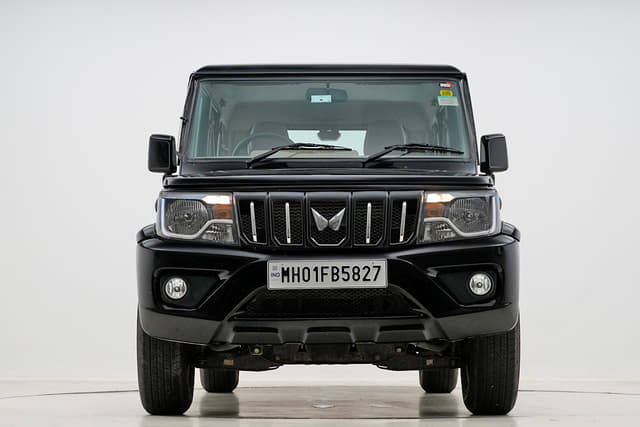
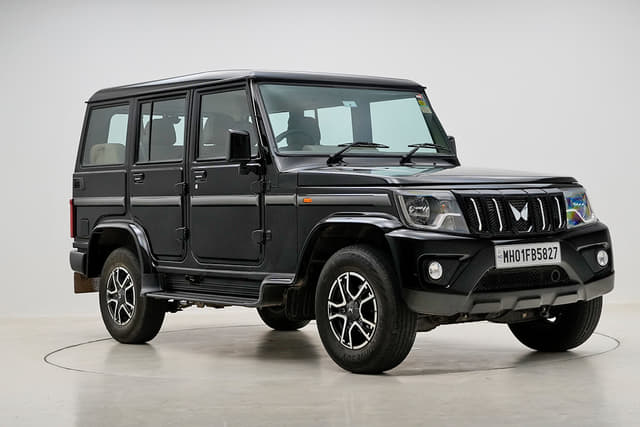
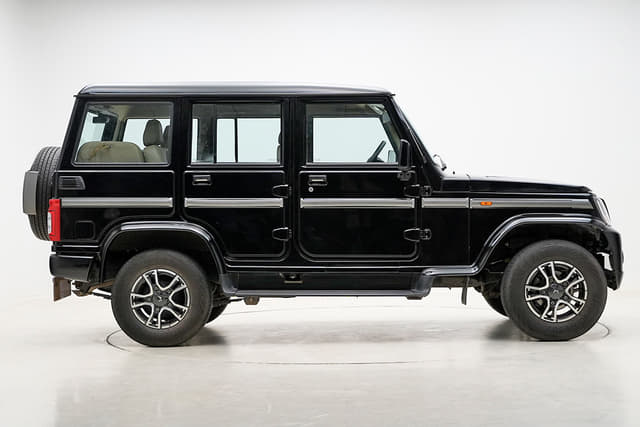
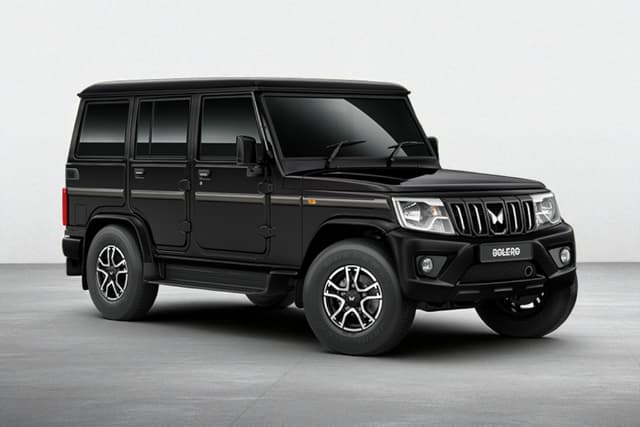
Mahindra Bolero
Mahindra Bolero
Mahindra Bolero
Mahindra Bolero
Mahindra Bolero
6
16.5 kmpl
Diesel
Manual
Borasco Grey color image
Carpathian Grey color image
Fuji White color image
Gondwana Stone color image
Santorini Black color image
9
6.8-11.1 kmpl
Petrol, Diesel
Automatic
New
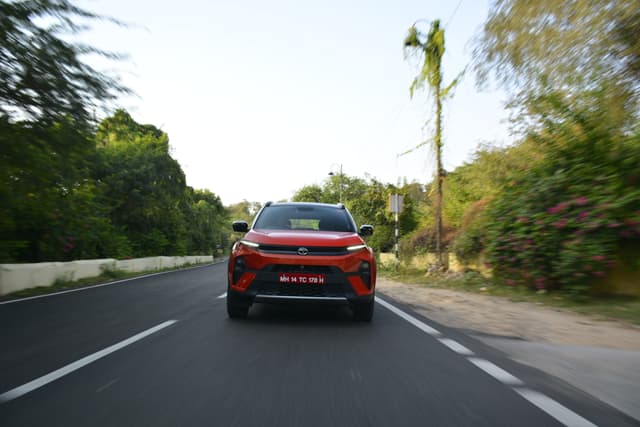
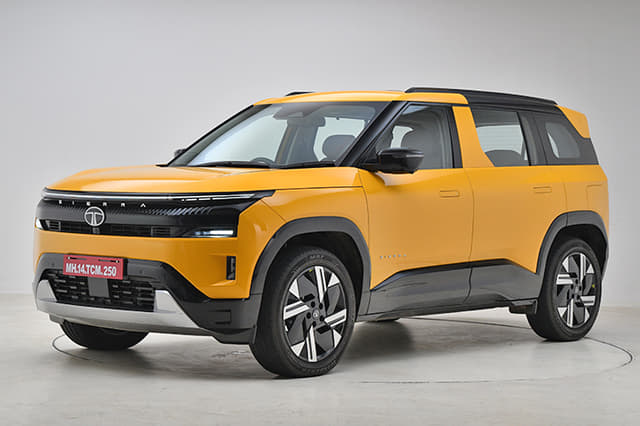
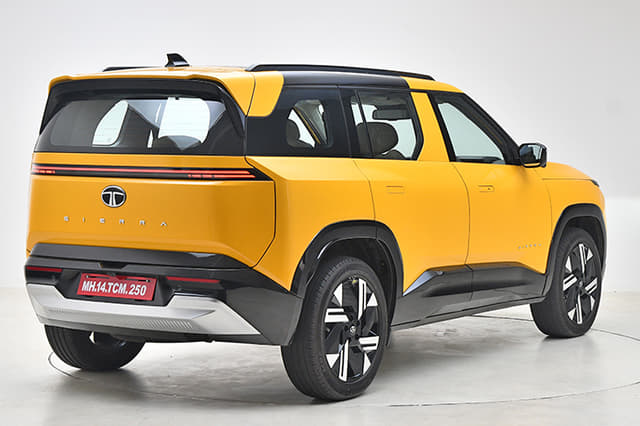
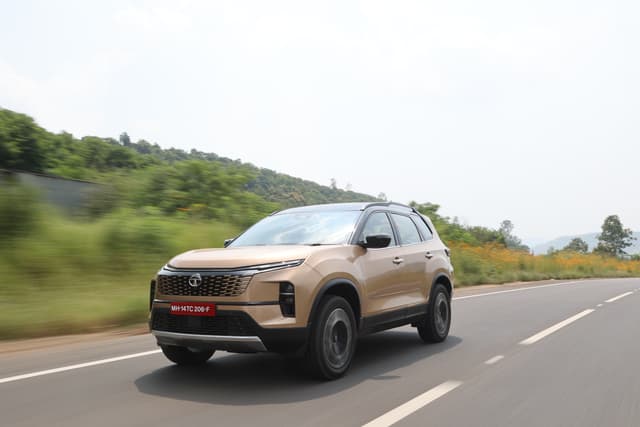
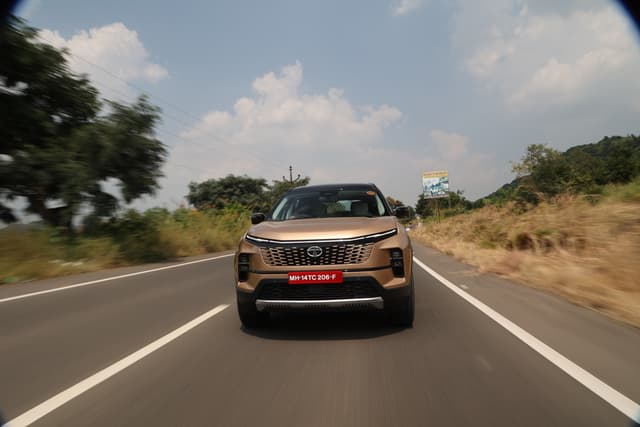
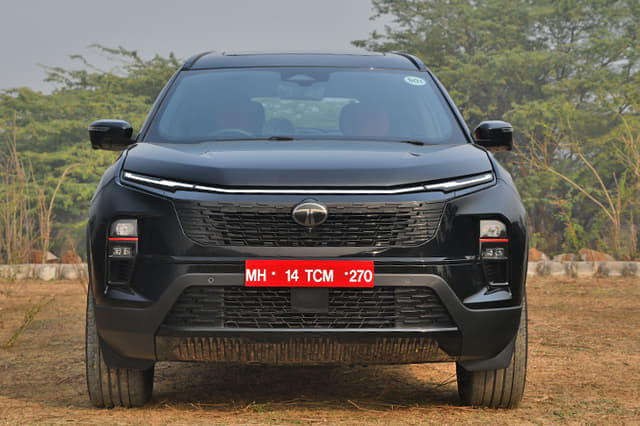
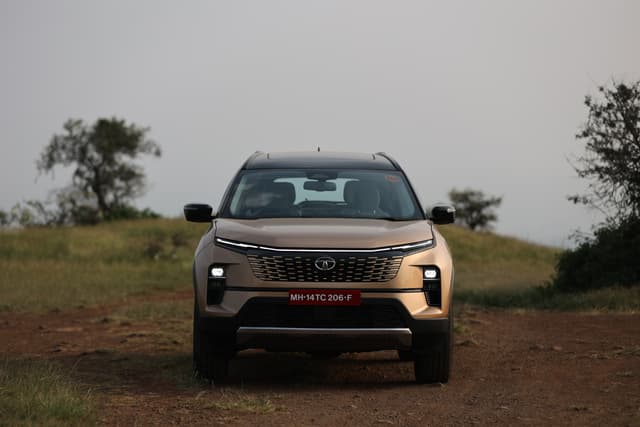
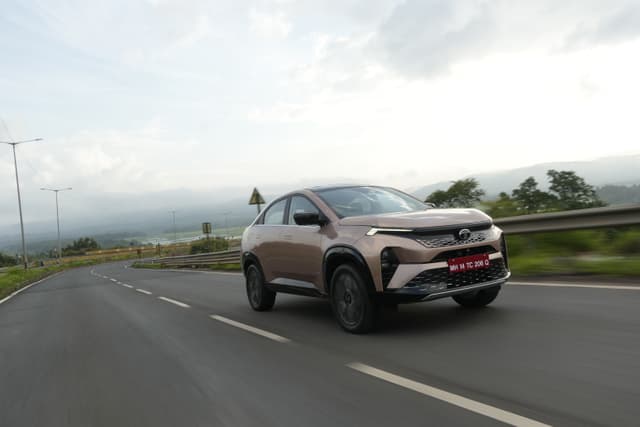
Tata Sierra Front Left View
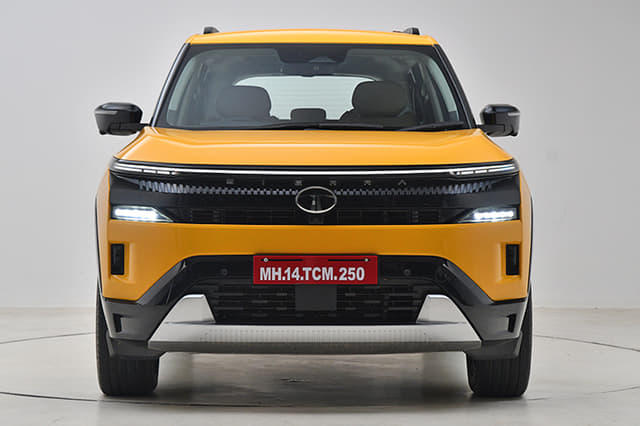
Tata Sierra 2026 Front View
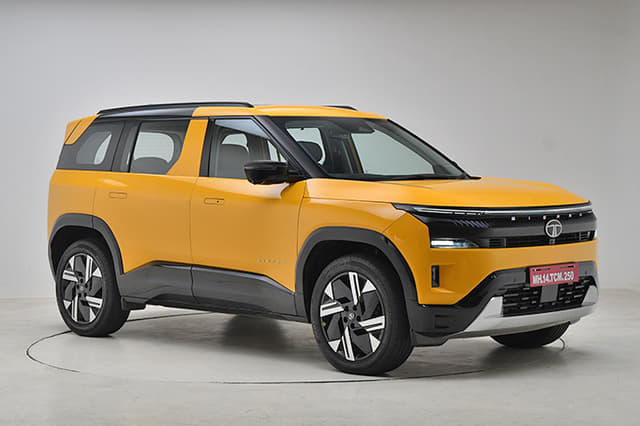
Tata Sierra Front Right View
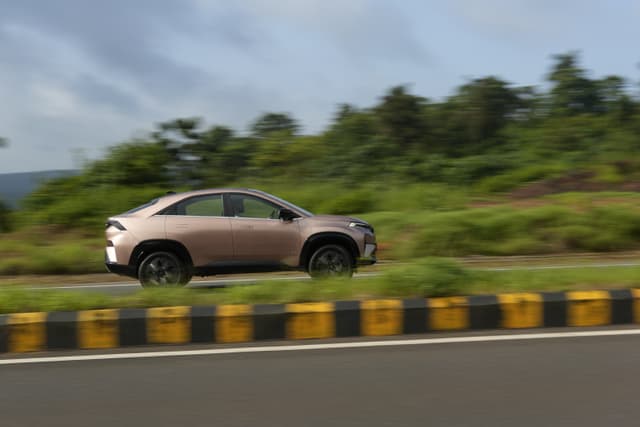
Tata Sierra 2026 Side View
Tata Sierra Rear Right Side View
8
15.3-21.3 kmpl
Petrol, Diesel
Manual
New
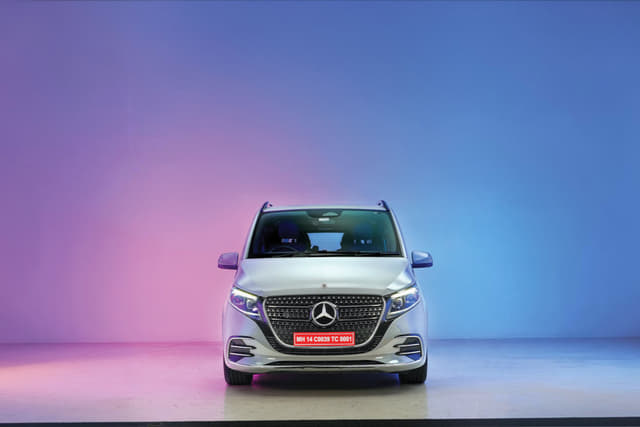
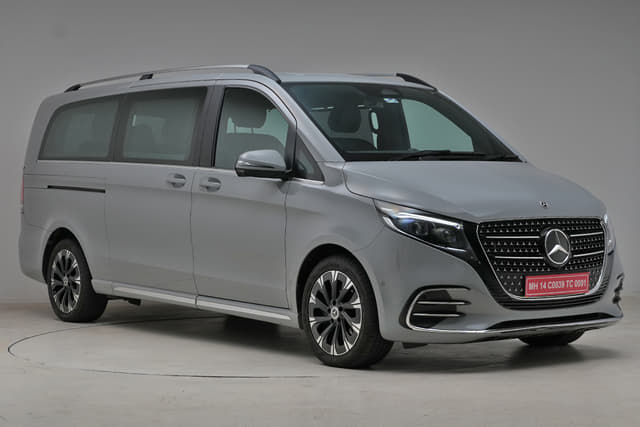
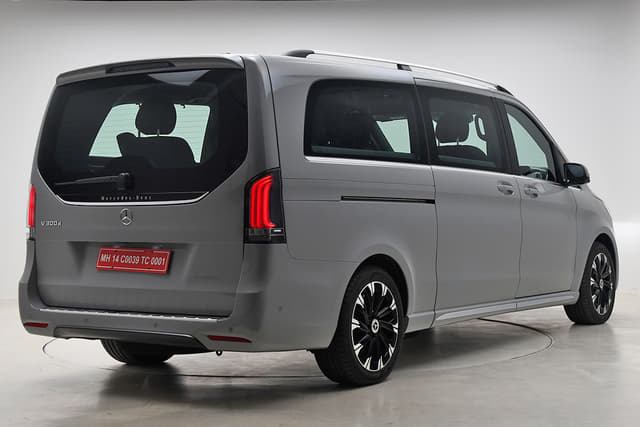
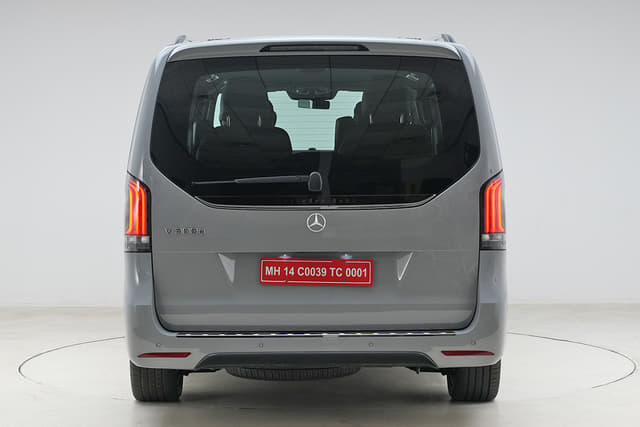
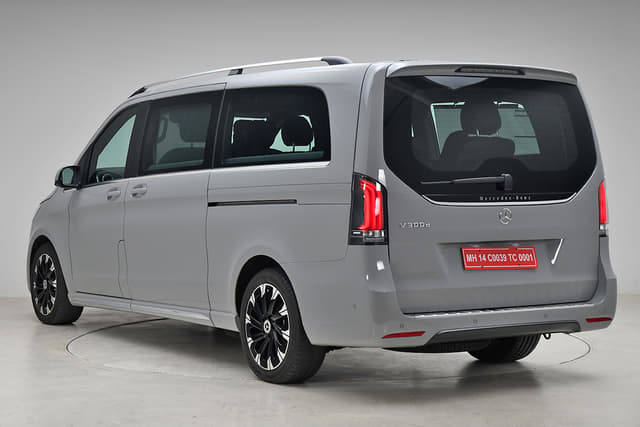
Mercedes-Benz V-Class
Petrol-Mild Hybrid, Diesel
6 seater
MPV
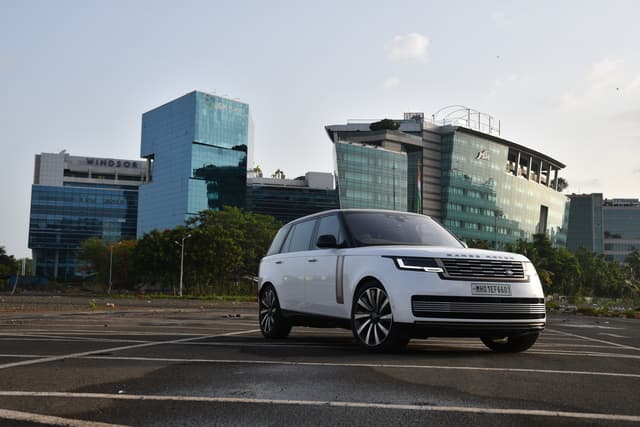
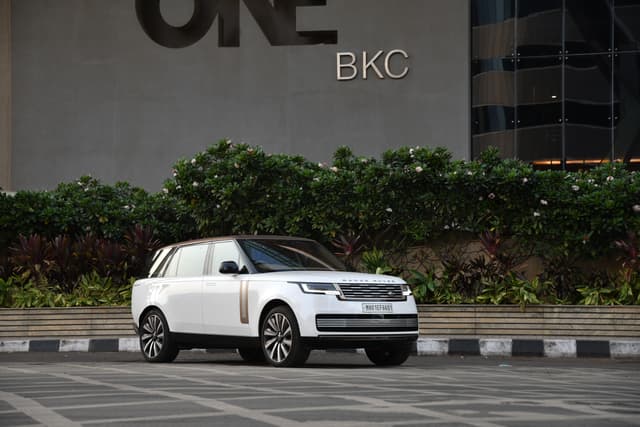
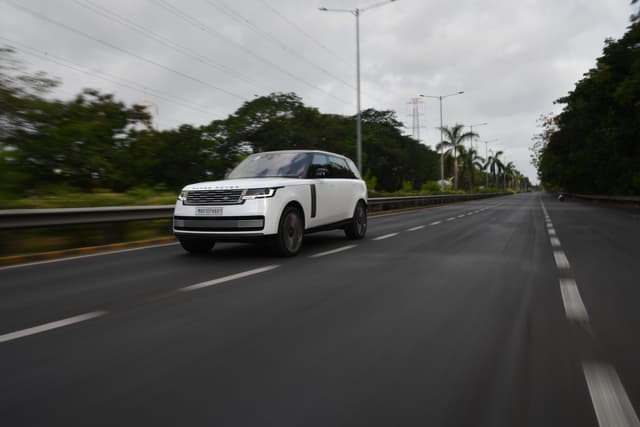
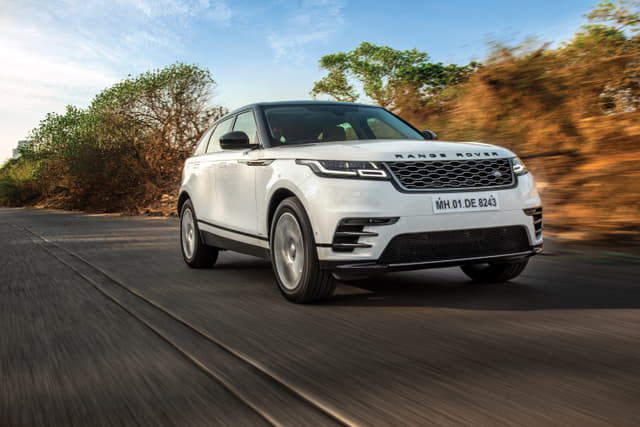
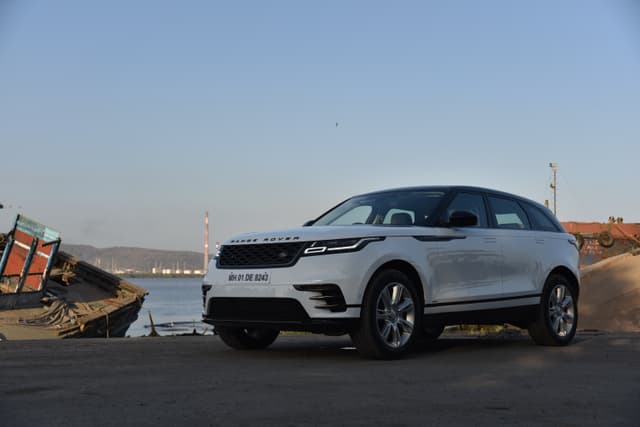
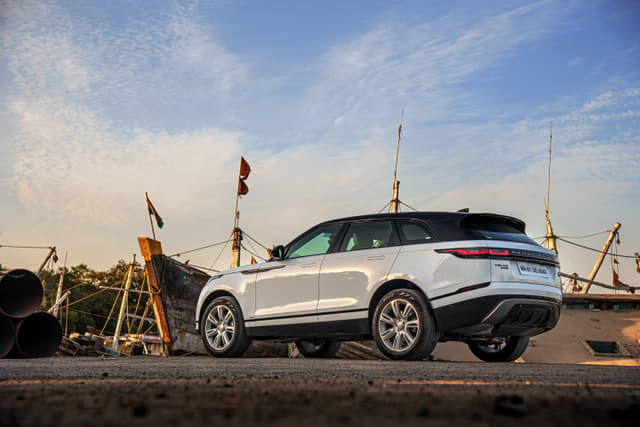
Land Rover Range Rover Front Left Three Quarter
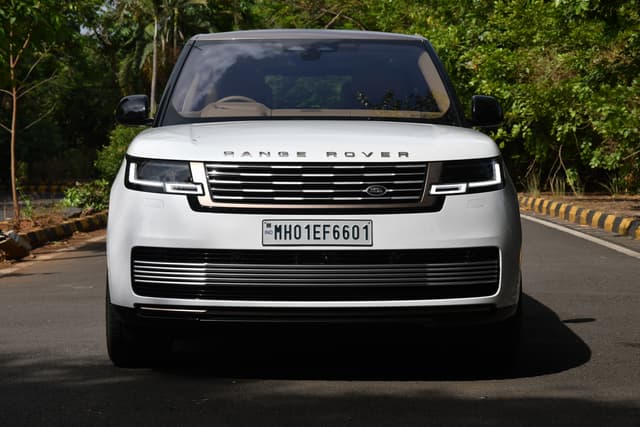
Land Rover Range Rover Front View
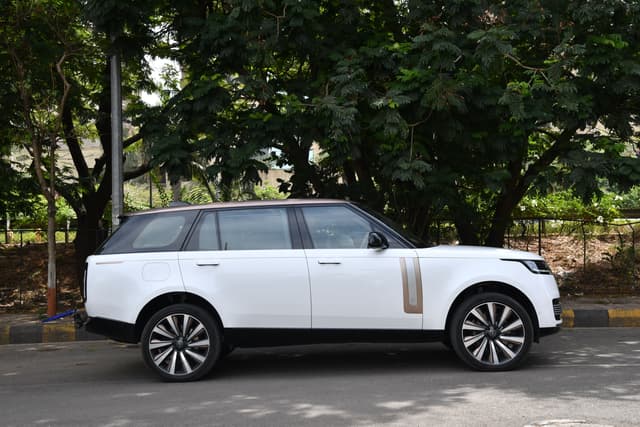
Land Rover Range Rover Front Right Three Quarter
Land Rover Range Rover 2026 Front Left Three Quarter
Land Rover Range Rover Front Left Three Quarter
8
Diesel, Petrol, Hybrid
Automatic
5-7 seater
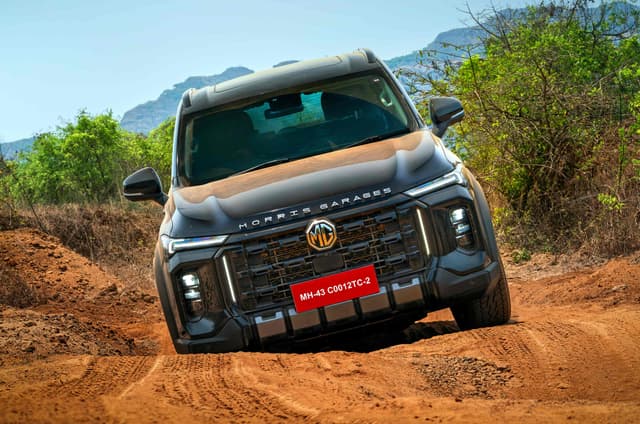
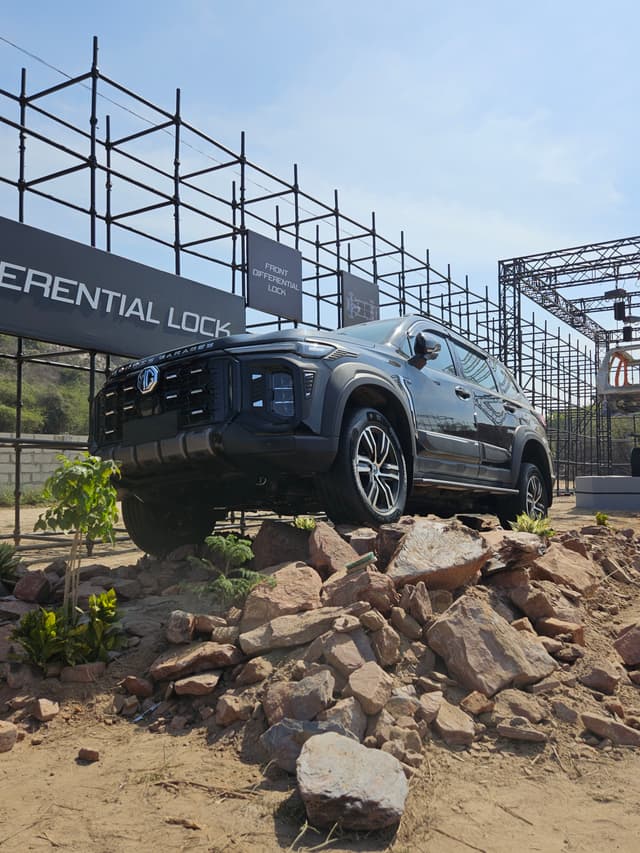
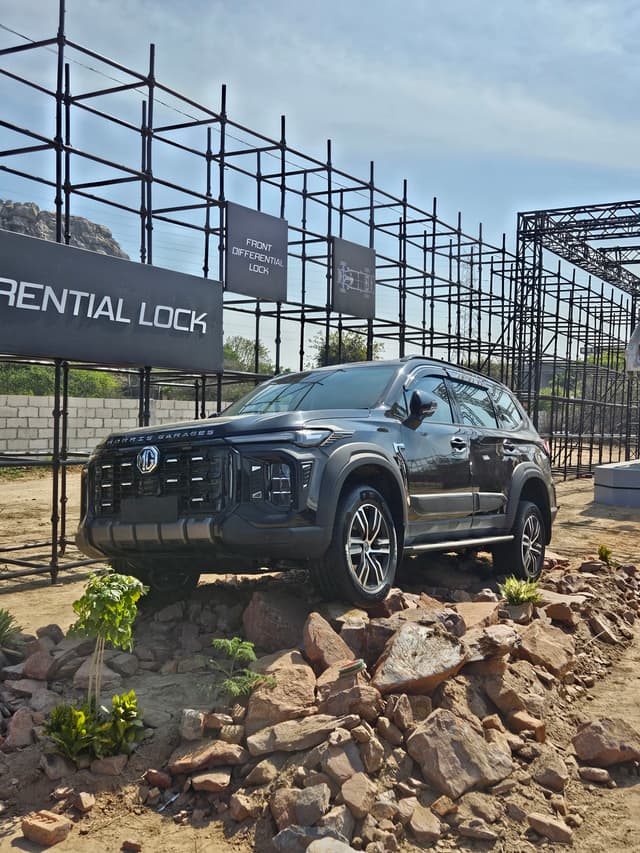
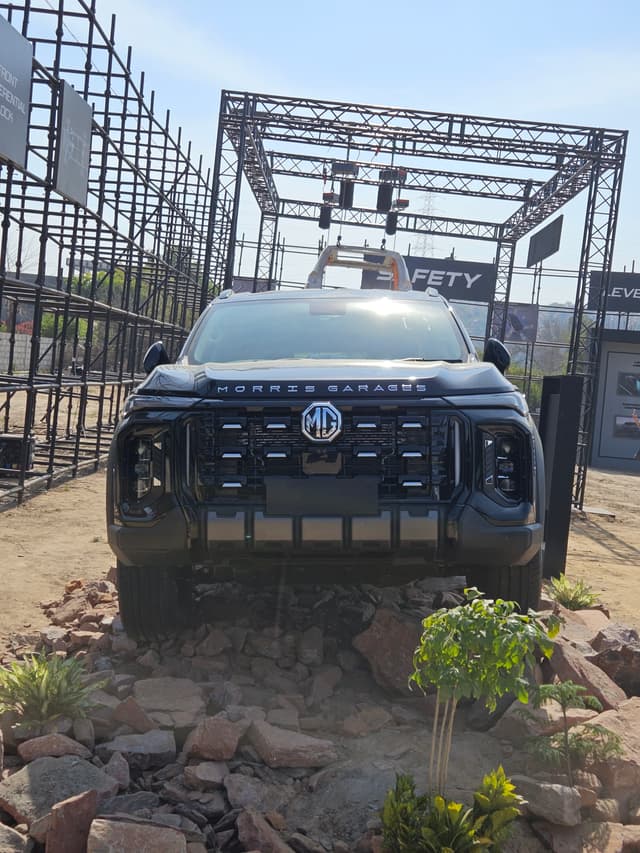
MG Majestor
MG Majestor
MG Majestor
MG Majestor
MG Majestor
8
Diesel
Automatic
6-7 seater

Diesel Cars - FAQs

If you travel long distances often, consider buying a diesel car. These offer a good mix of fuel efficiency and performance. Some options that you can consider are the Kia Sonet, Hyundai Venue and Mahindra XUV 3XO.

To prevent DPF clogging in diesel cars, do a dedicated DPF‑friendly run by holding a steady 60-70kph speed at roughly 1,800-2,500rpm for 20-30 minutes about once every 2-3 weeks. The key is consistency and temperature, so don’t cut such a drive short if you suspect a regen is happening, and avoid lots of very short trips immediately after a cold start, which only accelerate soot build‑up.

The Tata Altroz is the only hatchback to offer a diesel powertrain option.

Maruti Suzuki, Volkswagen, Skoda, Renault, Nissan and Audi are some of the brands that have stopped selling diesel cars in India.

The Hyundai Creta, Tata Sierra, and Kia Seltos are among the most fuel-efficient diesel mid-size SUVs in India. The Creta offers a claimed fuel efficiency of up to 21.80kpl, the Sierra returns up to 21.26kpl, while the Seltos delivers a claimed fuel efficiency of up to 19.40kpl.

Yes, 7 seater diesel cars in India include Kia Carens Clavis, Mahindra XUV 7XO, Toyota Fortuner, BMW X7 and more.

Modern diesel cars come with a lot of tech onboard to drastically reduce tailpipe emissions. Diesel cars are usually known to be more fuel efficient than petrol cars, and thus, they still make sense for those who do long distance travel. However, those residing in areas such as Delhi-NCR, the 10-year rule for diesel cars could be an issue.

Diesel engines are known to offer high torque outputs, making them suitable for SUVs and rugged pickup trucks.

Need an expert opinion on your car related queries?

Trending Questions on Cars - Answered by Autocar Experts

9h

I am planning to buy the Mahindra XUV 7XO AX7 Automatic, but I am confused between the petrol and diesel variants. My annual running is around 10,000 - 12,000 km, with an even 50:50 split between city and highway driving. Most of my city drives are short trips of around 3 km one way in light traffic, such as commuting to the office or grocery shopping. Evening city drives are usually 6-8 km one way. These trips happen about three times a week. I live in a Tier 2 city, so traffic is generally not very heavy. My highway trips are usually 100-200 km one way, although they are not very frequent. Around twice a year, I undertake longer trips of about 600 km one way. I also tend to keep the engine idling occasionally while parked to use the air conditioning. I prefer the diesel because of mileage, but I am concerned about DPF-related issues. On the other hand, I am worried that E20 petrol has already reduced fuel efficiency, and E25 could lower it even further. My questions are: 1. Is diesel the right choice for my usage? Am I likely to face DPF issues frequently, and if so, how can I avoid or manage them? 2. What is the real-world fuel efficiency of the petrol automatic in city and highway conditions? Based on YouTube videos, I have seen figures of around 6-7 km/l in the city and 11-12 km/l on the highway. Are these realistic?

Verified
3h

Go for the diesel. Your usage pattern is actually quite well suited to a modern diesel, and the Mahindra XUV 7XO diesel is a strong engine with good efficiency and refinement. The DPF concern is understandable, but your usage does not fall into the high-risk category. You are doing 10-12,000 km a year with a 50-50 city-highway split, and your city driving is in a tier 2 city with light traffic and regular 6-8 km runs. That is enough to keep the DPF healthy, especially if you occasionally take the car on a longer run. The Mahindra car diesel also has a DPF regeneration indicator, so you will know when the car needs a longer drive.The petrol automatic is a good engine, but it is not particularly efficient in a car of this size and weight. Real-world city mileage of 6-7 km/l and highway figures of 11-12 km/l are realistic. The diesel will be significantly more efficient, especially on the highway, and that will make a meaningful difference over time.E20 is not a major concern. Modern engines are designed for it, and the impact is mostly a small drop in fuel economy. There is no official roadmap for E25, and premium petrol is not required.The only reason to choose petrol would be if your usage was almost entirely short city runs in heavy traffic. In your case, the diesel makes more sense.

VehicleMahindra XUV 7XO
12h

Hi, we are confused between two cars: the Tata Sierra Pure Plus Diesel, which costs us around Rs. 19 lakh on-road, and the Nissan Teckton N-Connecta 1.3 or 1.0. We haven't decided on the Nissan variant yet. Our driving is mostly on highways, but not on a daily basis. We usually go on long trips once every three months. Overall, you can consider our driving pattern to be 60% highway and 40% city. Please tell us which would be the better option.

Verified
9h

Go for the Tata Sierra Pure Plus diesel. With your usage pattern of 60 percent highway and long trips every few months, the Sierra diesel is the more sensible choice. The diesel engine will deliver better fuel efficiency on highways, and the Sierra’s strong torque makes long-distance cruising effortless. It is also a spacious and comfortable SUV, which is important for family road trips. The Nissan Tekton is a good car, but the 1.3 turbo petrol is not as efficient on highways, and the 1.0 turbo petrol is not as refined or relaxed for long-distance driving. The Sierra diesel strikes the right balance between efficiency.

VehicleTata Sierra
VehicleNissan Tekton
1d

I (55M) need a family car for long-term ownership of 10+ years. My current monthly running is 1,500-2,000km. We are a family of four with two dogs, but we will rarely travel together. My budget is Rs 10-13 lakh on-road. My priorities are low running costs and comfort. I was mostly looking at the new Brezza CNG and Nexon CNG, but I am open to diesel as well.

Verified
13h

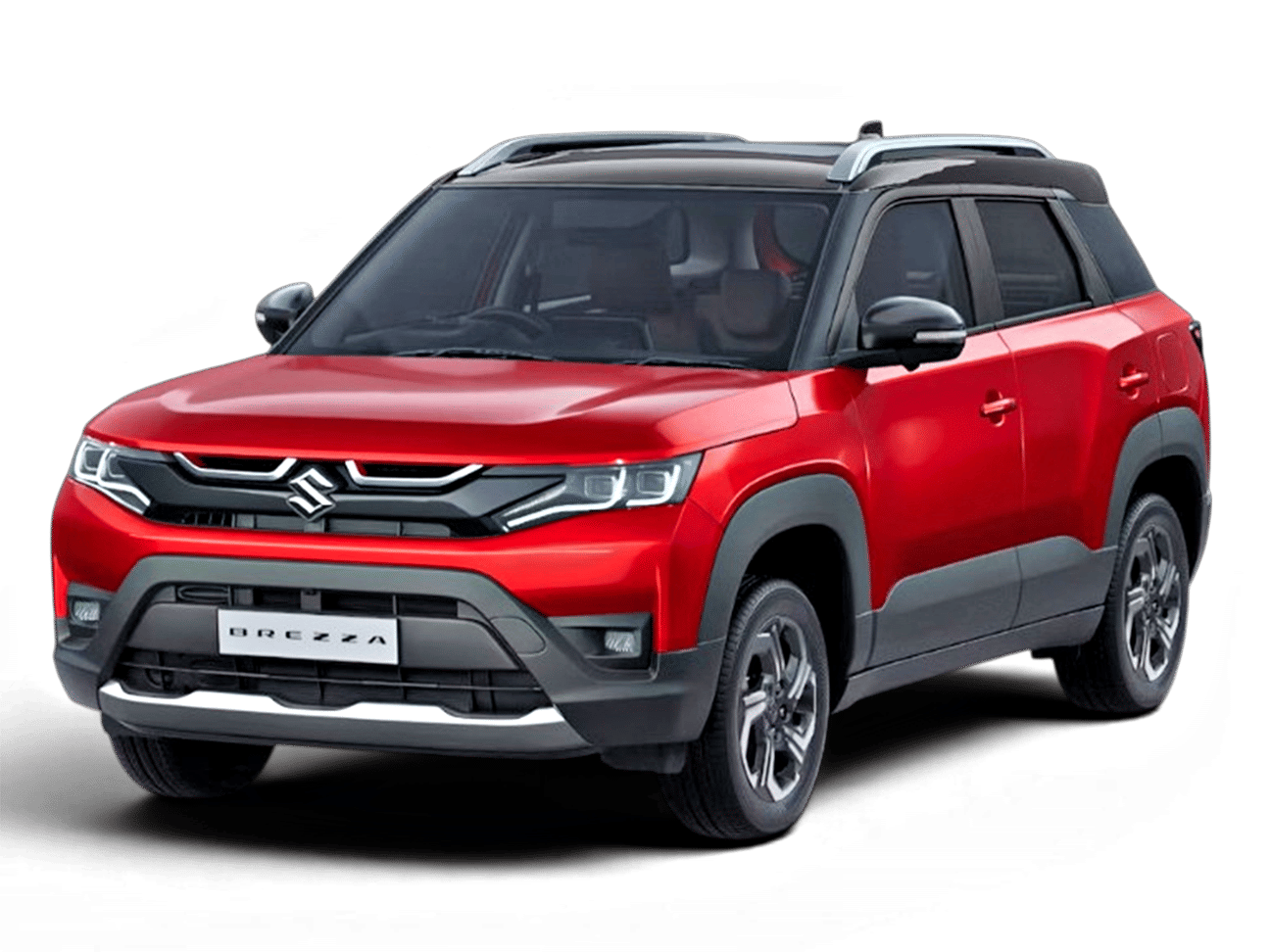
With a monthly running of 1,500-2,000km and a 10+ year ownership horizon, diesel might sound like a good idea, but at your budget, there aren't many options. What you will get will only be base model cars with few creature comforts. In that respect, CNG is a better VFM option as you can get mid- to high-spec variants of cars. Plus, diesel requires the added maintenance of a DPF and the cost of AdBlue top-ups, as well as more maintenance costs over time. That said, there are also compromises of CNG ownership, such as lower power and torque, and the inconvenience of refuelling.The Maruti Brezza CNG ZXi would be the best choice, as it has an efficient yet powerful enough engine, a CNG tank located under the floor, and plenty of features within your budget. The Nexon CNG would be the next best bet, offering more power and similar underfloor CNG tanks, but it is not as efficient and is more expensive, spec-for-spec.
VehicleMaruti Suzuki Brezza
VehicleTata Nexon
3d

I currently own a Skoda Kushaq Petrol AT. Everything is fine except the mileage. I am getting only around 10-13kpl with E20 petrol. My daily running is around 100 km. Should I buy a diesel car or an electric car?

Verified
2d

With a daily running of around 100 km, fuel efficiency becomes a major factor in ownership costs. The Skoda Kushaq petrol automatic is a good car, but the 10-13kpl you are seeing is typical for a turbo petrol automatic, especially with E20 petrol. At this usage, a diesel or a strong hybrid makes far more sense.If you do regular highway runs, a diesel is still the most practical and cost-effective solution. The Mahindra XUV 7XO diesel automatic would be the recommendation here. It is a strong highway car, comfortable, spacious and the diesel engine will deliver significantly better fuel efficiency than your Kushaq. Diesel running costs will be far lower over your kind of mileage. If that is out of your budget, something smaller like a Kia Seltos diesel, while not as powerful, is even more efficient.If your usage is mostly city a strong hybrid could be a better solution. The Maruti Suzuki Victoris is the most practical and cost-effective option. It is well priced, has a proven track record and will dramatically reduce your running costs. The strong hybrid is better suited to the city, where it is more likely to run on its electric motor than use the engine and deliver the better mileage.

VehicleSkoda Kushaq
VehicleKia Seltos
VehicleMahindra XUV 7XO
VehicleMaruti Suzuki Victoris
3d

I am currently using a 2018 Baleno Petrol Alpha. My usage is 4,000km monthly, with 85%-90% highway travel. The car is usually driven with a driver and two rear-seat passengers. I am looking for a new car with excellent mileage, 5-star safety, and good rear-seat comfort. I also have a 2019 i20 Asta for city commute and a 2017 XUV500 for family outings. I have no issues with buying a diesel or strong hybrid within a Rs 15 lakh budget.

Verified
1d

Unfortunately, there are no strong-hybrids available within Rs 15 lakhs. Since you're usage is significant, and you're chauffeur-driven usually, we'll recommend you consider the entry-level diesel-manual variants of the Kia Seltos and Tata Sierra. Both of which will deliver impressive fuel efficiency, have comfy back seats and have secured a 5-star BNCAP crash safety rating. The entry-level variants of both these cars are equipped with ample safety kit, as well as the basics that you'd expect in a car of this price.If you want something a bit smaller, you can consider the Kia Syros diesel-manual too, which is surprisingly spacious for its size, and being a segment lower, you'll get more equipment too. What's more, the Syros' rear seats can recline to a very comfortable angle, and even slide back to free up more legroom. Even the Syros has scored 5 stars for its crash safety.

VehicleKia Seltos
VehicleTata Sierra
VehicleKia Syros

Last Updated on: 31 Jul 2026