Renault cars in India (7)
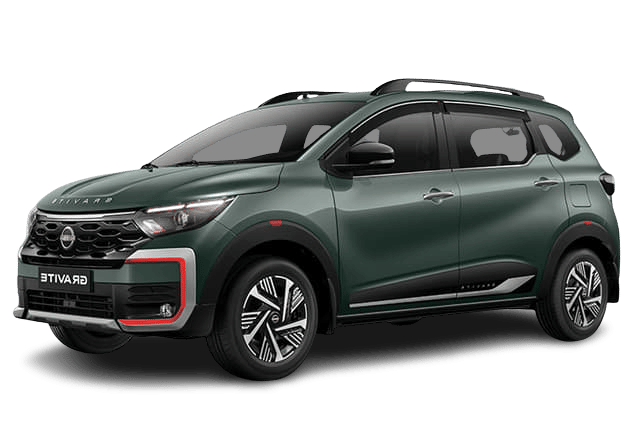
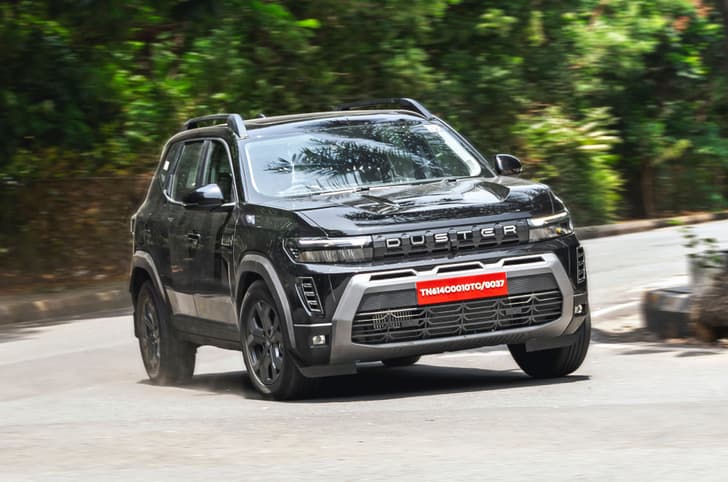
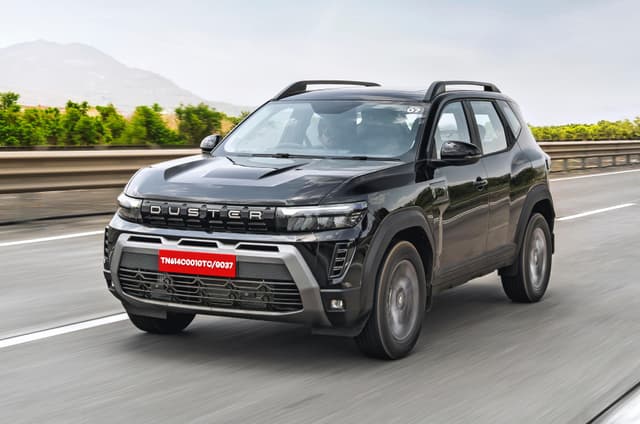
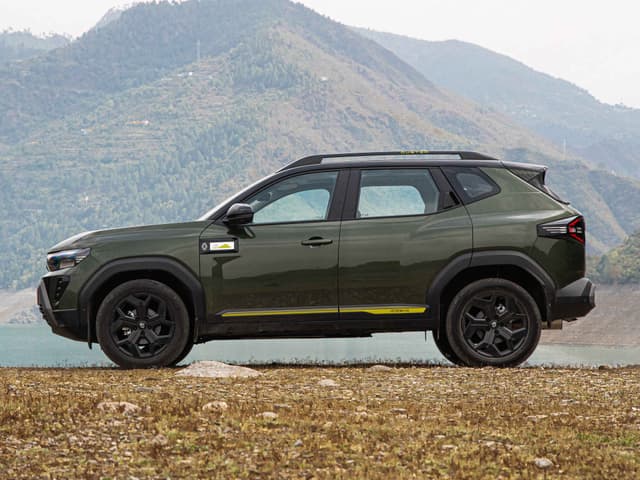
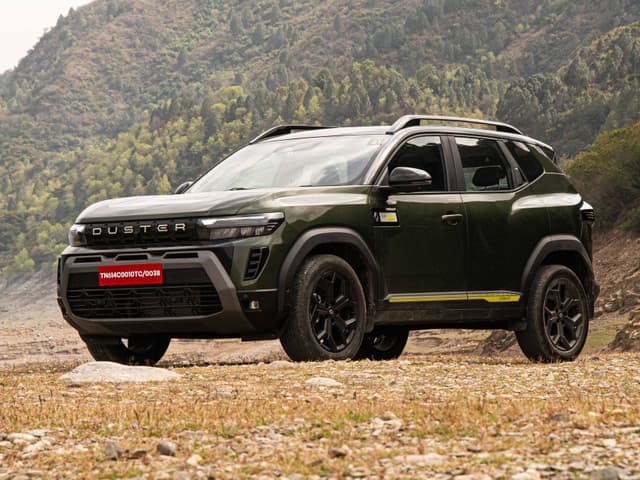
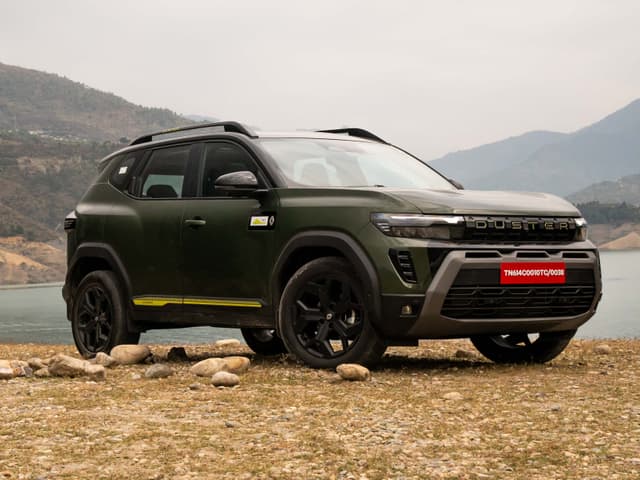
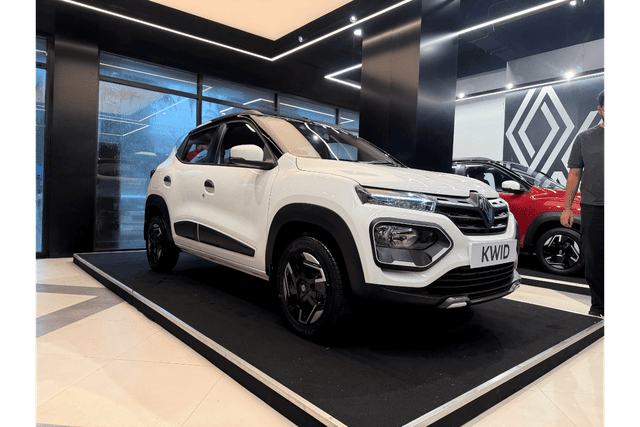
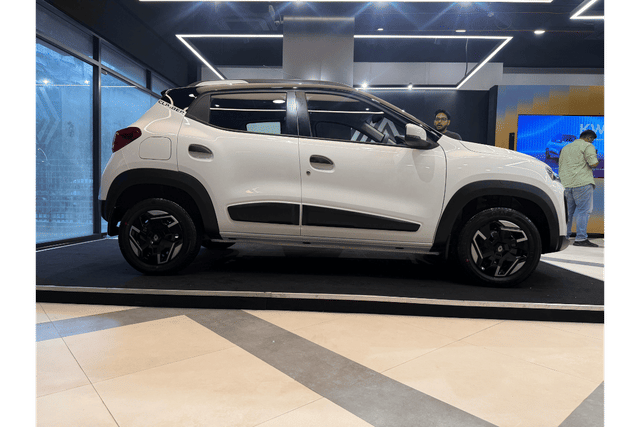
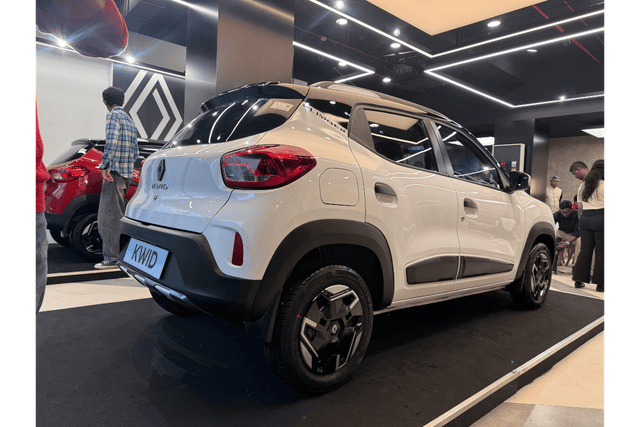
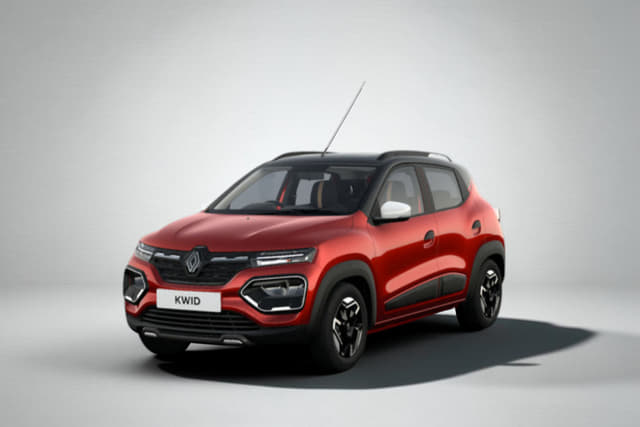
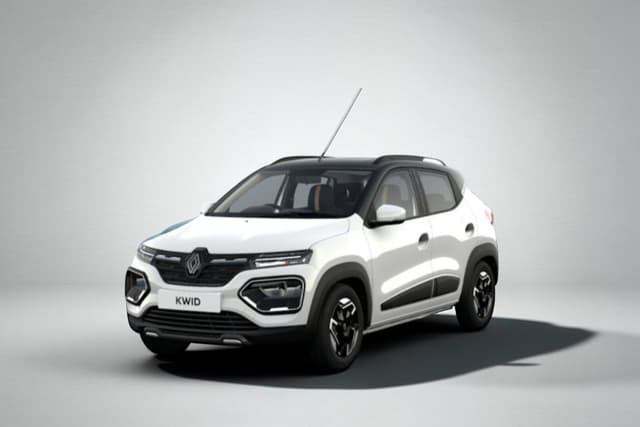
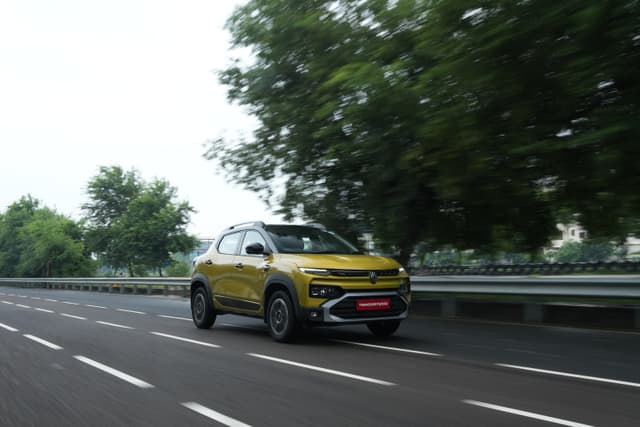
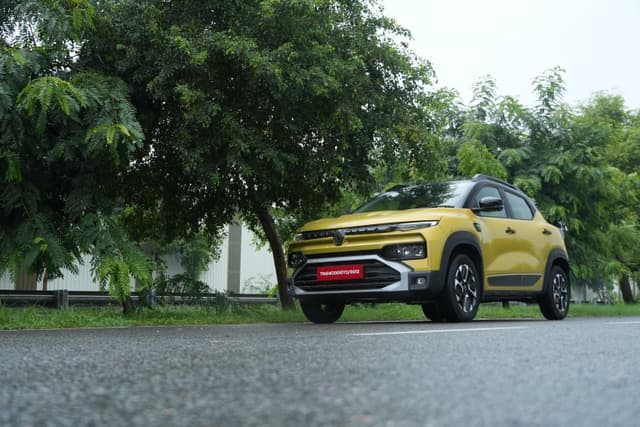
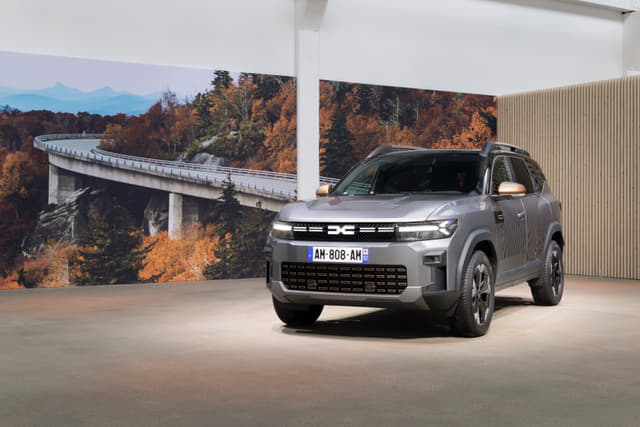
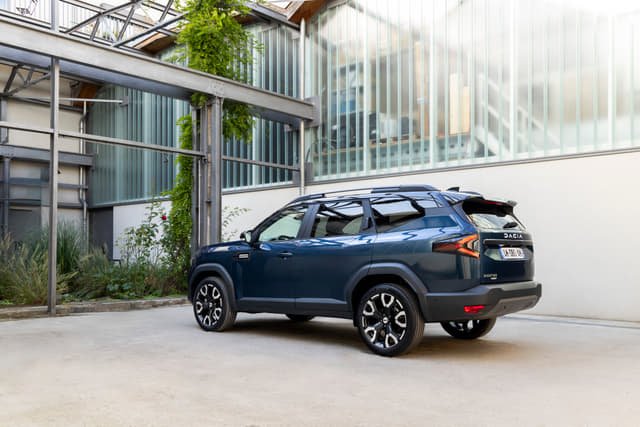
As of now, there are 7 Renault cars available in India, out of which 4 are available for sale and 3 are upcoming. The Renault car price starts at ₹4.30 lakh and goes up to ₹18.49 lakh. As of June 2026, the most affordable Renault car is the Kwid, while the Duster is the costliest.
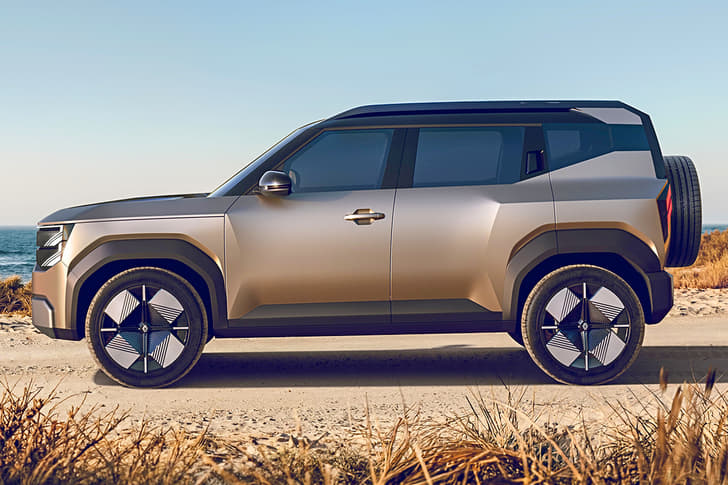
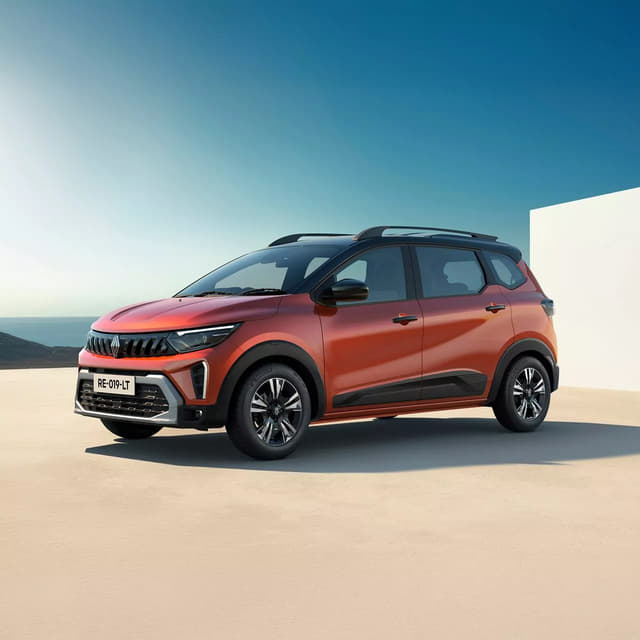
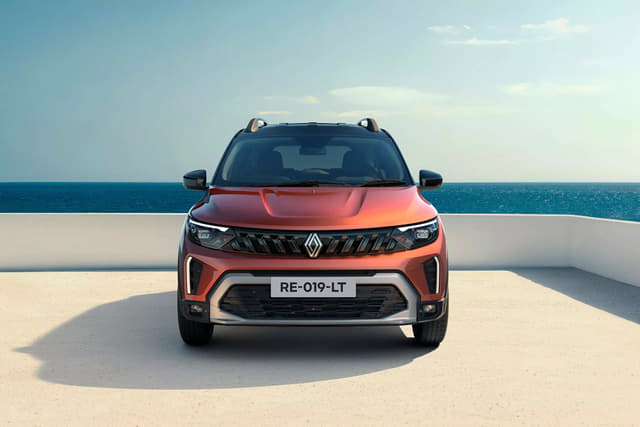
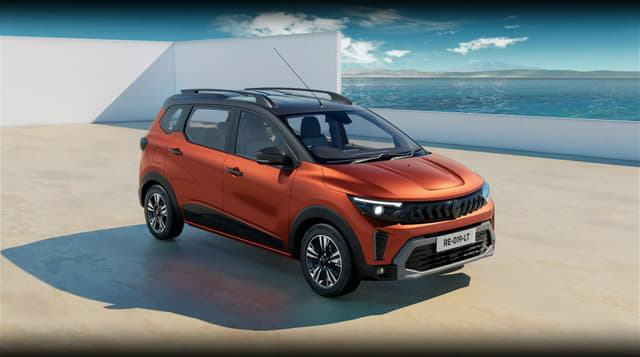
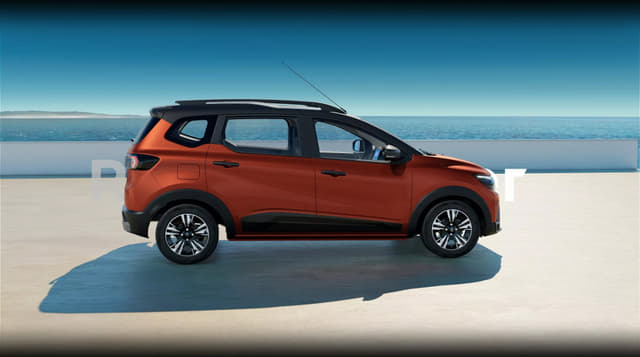
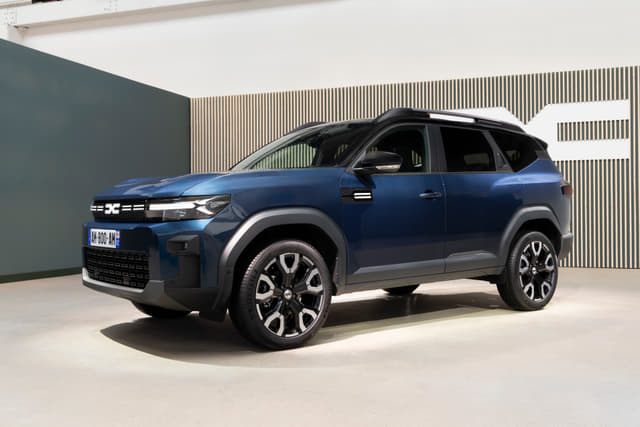
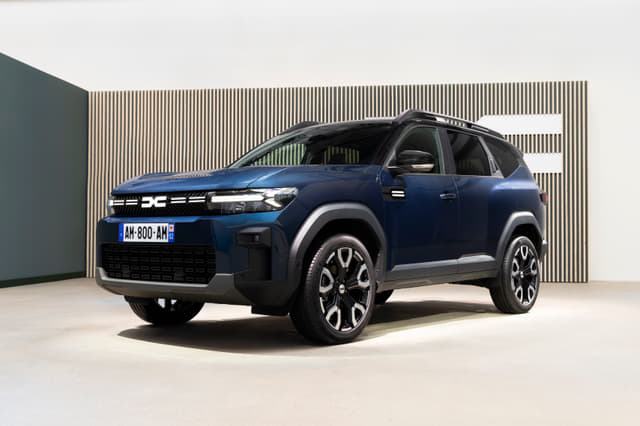
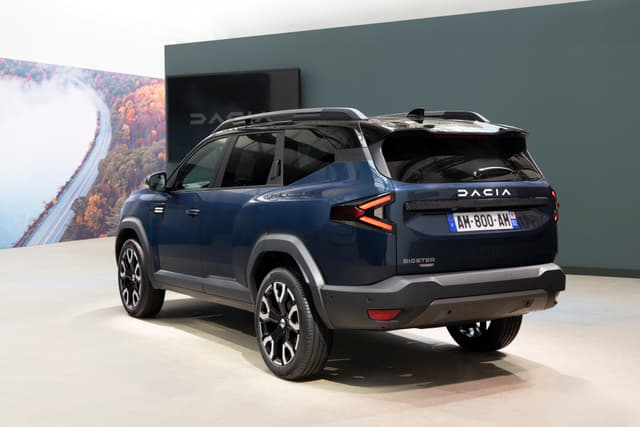
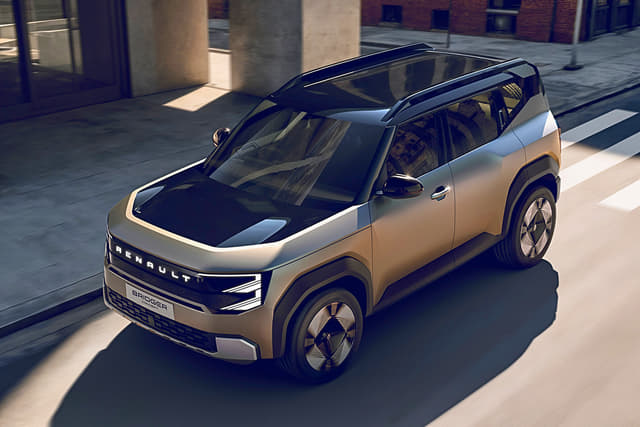
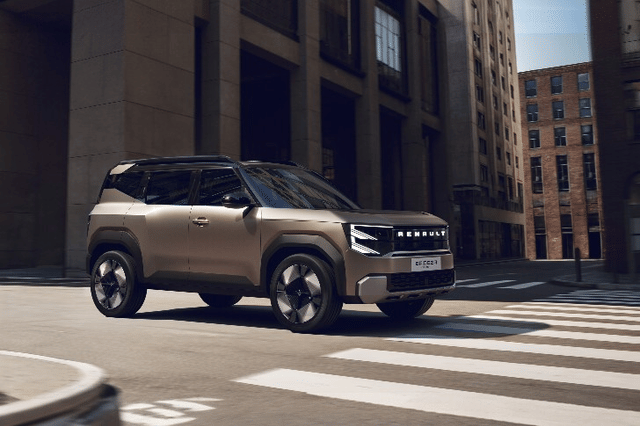
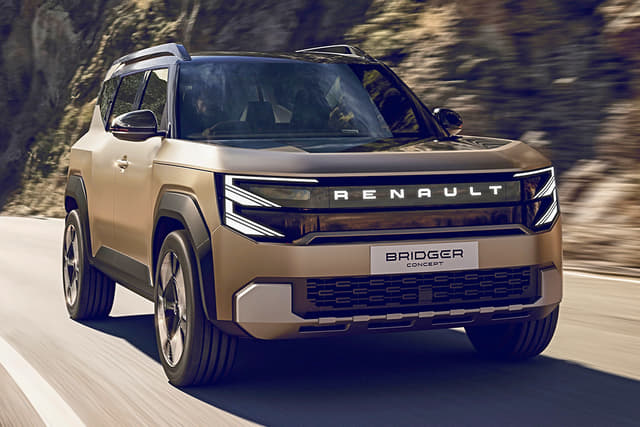
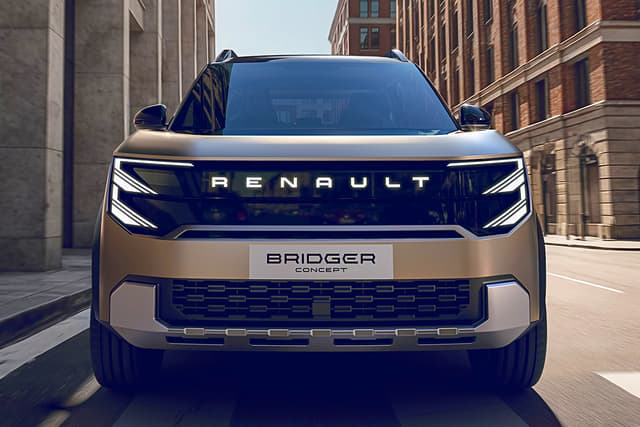
Renault cars currently available for sale in India are: Kwid, Kiger, Triber, and the recently launched new Duster. The current lineup includes: 5 SUVs, 1 hatchback, and 1 MPV. The Kiger and Duster are the only Renault SUVs on sale in India. The Renault new car launch includes the Bigster, which is expected to launch in 2026, and Bridger and Bridger Electric, expected to launch in 2027.
Renault Cars Price (June 2026)
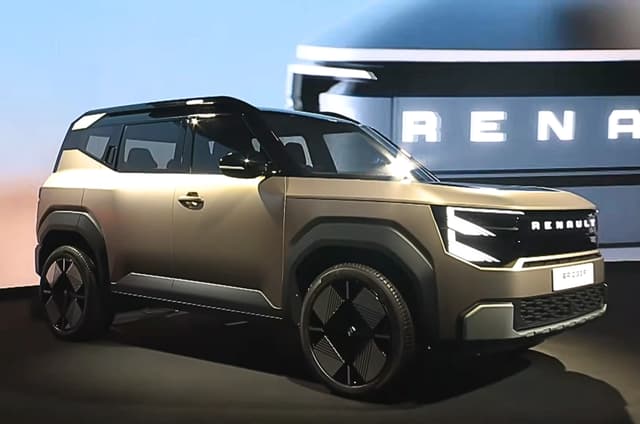
Renault car price in India start at ₹4.30 lakh for the Kwid and goes up to ₹18.49 lakh for the Duster. View the latest and complete price list of all Renault cars available for sale in the table below:
Renault Car | Price (Ex-showroom) |
Renault Kwid | ₹4.30 lakh - ₹5.88 lakh |
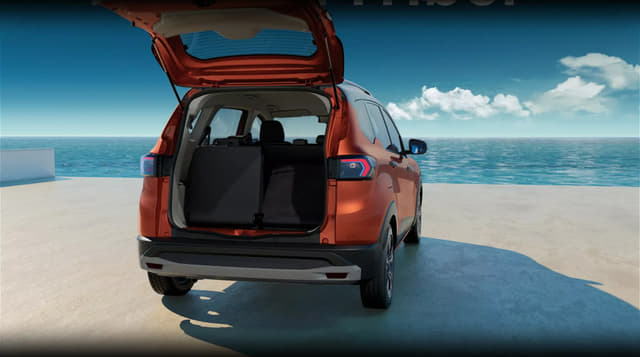
Renault Triber | ₹5.76 lakh - ₹8.39 lakh |
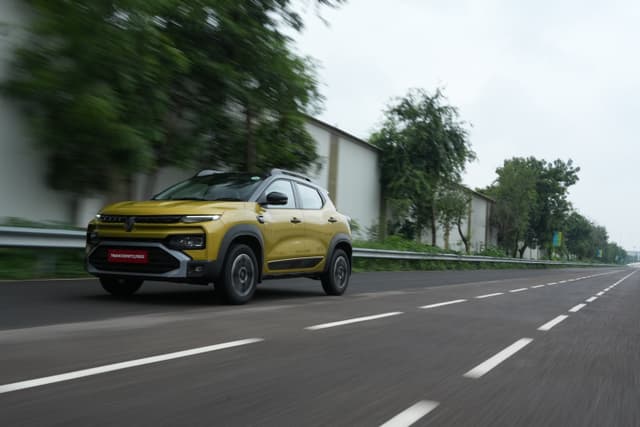
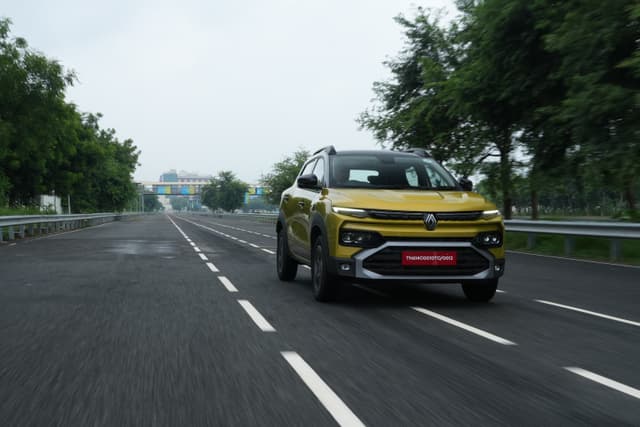
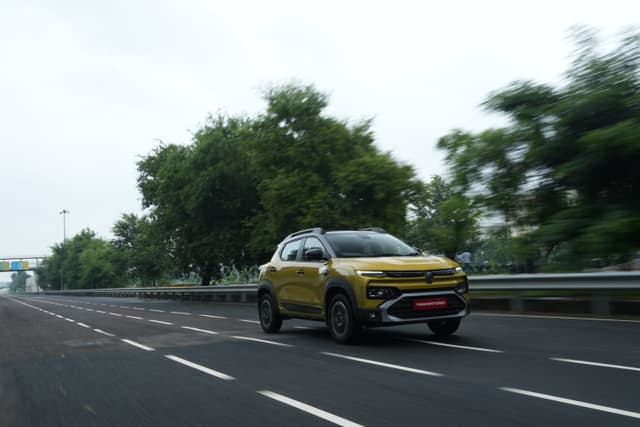
Renault Kiger | ₹5.81 lakh - ₹10.34 lakh |
Renault Duster | ₹10.49 lakh - ₹18.49 lakh |
Renault New Cars
Only one Renault car is expected to launch in 2026, while two more are slated for launch by 2027.
- Estimated price: ₹14.00 lakh - ₹18.00 lakh
- Expected Launch Date: 2026
- Fuel Type: Petrol
- Body Type: SUV
- Estimated price: ₹7.00 lakh - ₹11.00 lakh
- Expected Launch Date: Late 2027
- Fuel Type: Petrol
- Body Type: SUV
- Estimated Bigster price: ₹13.25 lakh - ₹16.75 lakh
- Expected Launch Date: Late 2027
- Fuel Type: Electric
- Body Type: SUV
Renault Latest Updates (June 2026)
- March 17, 2026: Renault launched the new Duster at ₹10.29 lakh.
- September 22, 2025: Renault launches Kwid 10th Anniversary Edition at ₹5.15 lakh.
- August 31, 2025: Renault Kwid will get minor updates as sales drop in the small car segment.
- August 25, 2025: Renault Kiger facelift launched at ₹6.30 lakh with the same four trims, now renamed.
- July 23, 2025: Renault Triber facelift will start at ₹6.3 lakh, six years after its 2019 launch.
- July 11, 2025: New Renault Boreal SUV unveiled.
About Renault
- Start of operations in India: Renault is a French multinational automobile manufacturer. The brand entered the Indian market in 2005 in partnership with Nissan, and has a production facility in Oragadam, near Chennai.
- Competitors: In India, Renault rivals brands like: Maruti Suzuki, Toyota, Kia, MG, Skoda, Hyundai, Mahindra, etc.
- Renault models in India: Presently, 3 Renault models are on sale: Kwid, Triber, Kiger, and Duster.
- Renault electric car plans: Currently, Renault does not yet offer an electric car in India, but the brand has plans to launch Bridger Electric by 2027.
FAQs
The Renault car price in India starts at ₹4.30 lakh for the Kwid and goes up to ₹18.49 lakh for the Duster.
Currently in 2026, 4 Renault car models are on sale in India: Kwid, Triber, Kiger, and Duster.
The Renault SUVs that are currently on sale in India are the Kiger and Duster.
Yes. The Renault new cars list includes the New Duster and the Bigster (Boreal). These modes are expected to launch in 2026, respectively.
Yes. The only Renault 7 seater car that is currently available for sale in India is the Triber, priced between ₹5.76 lakh and ₹8.39 lakh.
Renault automatic cars that are available for sale in India are the Kwid, Triber, and Kiger.
Presently, Renault does not yet have an electric car in India. However, electric versions of the Bridger is expected by 2027.
No. Renault does not have a Renault 7 seater SUV in India. The only 7 seater available is the Triber, which is an MUV.
The Renault SUV price starts at ₹5.76 lakh and goes up to ₹18.49 lakh (ex-showroom). As of now, the only Renault SUVs available are the Kiger and Duster.
Renault vehicles are known for stylish design, fuel efficiency, practical interiors, and competitive pricing.
Trending Questions on Renault Cars - Answered by Autocar Experts
I currently own a Hyundai Verna (2019, manual transmission). My wife would prefer an automatic vehicle, and it will be her first car. I am also planning to upgrade to a luxury vehicle in the future. However, instead of purchasing two vehicles immediately, I am considering buying one car for my wife first, allowing her to get comfortable with it for about a year, and then purchasing another vehicle later. My plan is to sell the Verna, buy a new car for her, and share the same vehicle for some time. I am considering Volkswagen Taigun, Toyota Urban Cruiser Hyryder, Renault Duster, Kia Seltos and Kia Sonet. Among these, I am looking at the automatic variants. My budget is up to Rs. 20 lakh, although I can stretch it to Rs. 25 lakh if the car is particularly compelling. The primary use case will be daily office commutes of around 8-15 km, including dropping off my son on the way, so ISOFIX child-seat mounts are essential. We also take occasional highway trips, typically once every three months. Considering these requirements, which option would you recommend?
The Kia Seltos 1.5 Petrol IVT would be the recommendation here. Since this will be your wife's first automatic car and you'll both be sharing it for some time, ease of driving should be a key consideration. The Seltos' naturally aspirated petrol engine and IVT automatic combination is exceptionally smooth in city traffic, making it very beginner-friendly. It is also spacious, comfortable on long drives, comes with ISOFIX mounts and feels premium enough that you won't feel the need to upgrade immediately.The Toyota Urban Cruiser Hyryder Mild Hybrid Automatic is another strong option. Its naturally aspirated petrol engine and torque-converter automatic are smooth and dependable, while Toyota's ownership experience is among the best in the business. However, it doesn't feel quite as premium or feature-rich as the Seltos.The Renault Duster Turbo DCT is appealing if you enjoy driving. It offers strong performance, a solid feel and excellent road manners. However, the DCT transmission is not as smooth in stop-start city traffic as the Seltos' IVT, which is an important consideration for a first-time automatic driver. It is also likely to be less fuel efficient than the Seltos in everyday use.The Volkswagen Taigun remains a great driver's car, but for your specific use case, the Seltos is the more rounded family package. The Sonet is a good SUV, but it feels a size smaller than the others on your shortlist.
I am a first-time car buyer. My regular commute will be around 20 days a month, primarily on highways, with a round-trip distance of approximately 130 km per day. I have shortlisted the Renault Duster Techno 1.3 Turbo and would like to know whether it would be a good choice for my requirements. I am also open to other recommendations. Additionally, could you please suggest some good diesel cars within a similar budget?
The Renault Duster 1.3 Turbo is a good choice, especially if you enjoy driving. The turbo-petrol engine offers strong performance, effortless overtaking ability and makes long highway commutes far more enjoyable than most naturally aspirated rivals.However, your usage pattern is quite demanding. A daily round trip of around 130km for 20 days a month works out to nearly 3,000km every month. In our real-world fuel efficiency tests, the Duster 1.3 Turbo DCT returned 7.47kpl in the city and 13.47kpl on the highway. While those figures are acceptable for a performance-oriented turbo-petrol SUV, your monthly fuel bills will be fairly substantial given the distances you cover.For that reason, it may be worth waiting for the Duster Hybrid, which should offer significantly lower running costs while retaining much of the Duster's practicality and appeal.You should also consider the Toyota Urban Cruiser Hyryder Hybrid and Maruti Suzuki Grand Vitara Hybrid. They may not be as engaging to drive as the Duster, but they are exceptionally efficient and are likely to save you a considerable amount in fuel costs over the years.If you'd prefer a diesel, the Kia Seltos Diesel Automatic and upcoming Tata Sierra Diesel Automatic are worth looking at. Both should be considerably more fuel efficient than the Duster petrol and are well suited to high-mileage highway use.
Hi, I am looking to buy the Renault Kiger mid-spec AMT. Is it a good choice, or can you please recommend any other car within a budget of Rs. 8.5 lakh?
The Renault Kiger AMT is a decent choice, but the naturally aspirated 1.0-litre engine paired with the AMT gearbox can feel a bit lethargic, especially when carrying passengers or during highway overtakes. It gets the job done, but it isn't the most refined or responsive package in the segment.At your budget, the Maruti Suzuki Baleno Delta AMT is worth serious consideration. Its four-cylinder petrol engine is smoother, more powerful and more refined than the Kiger's three-cylinder unit. The AMT gearbox is also better calibrated, making the overall driving experience more pleasant in daily use.If you prefer the higher seating position and crossover-like stance of the Kiger, then the Hyundai Exter AMT is another strong alternative. It also gets a smooth four-cylinder engine paired with a well-sorted AMT, and it feels more refined in city driving.
I have been driving a Ford EcoSport diesel since 2014. I am looking to upgrade in a price bracket of 20 lakh. I drive around 1200-1400 km per month (50%-50% in the city and on the highway). The new car should have excellent build and interior quality. Open to ICE as well as EV.
The Duster 1.3 Turbo Petrol DCT would be the recommendation here. Coming from a Ford EcoSport diesel, the Renault Duster is one of the few SUVs that should give you a similar sense of solidity and driving involvement. The 1.3-litre turbo-petrol engine is punchy, the DCT gearbox is quick and responsive, and the overall package feels robust and confidence-inspiring on both city roads and highways. The new-generation model also brings a significant improvement in interior quality and cabin ambience over the outgoing car.The main drawback is fuel efficiency, which is on the lower side, especially in the city.Given that roughly half your driving is on highways and your monthly running is in the 1,200-1,400km range, the Tata Sierra Diesel Automatic is also worth considering. It should deliver better fuel efficiency and long-distance touring ability, although it is unlikely to feel as refined or as engaging to drive as the Duster's turbo-petrol powertrain.If you're open to an electric car, it may be worth waiting for the Tata Sierra EV. It is expected to fall within your budget and promises a spacious cabin, strong feature set and a more premium EV experience than most options currently available at this price point.
I’m looking for a compact SUV for India. My main consideration is great driving dynamics and power. I’m looking for a petrol variant and an automatic transmission. I’ll be using it mainly on long road trips and broken road explorations. Our dream is to do all India / global trips. In about 2 years, there’s a chance we’ll travel with four people (including me) more regularly, so I don’t want the car to struggle then. I don’t need features like ADAS, and I’ll want to upgrade the sound system and camera after purchase. While I’m leaning towards Renault, Skoda, and Volkswagen, could you give me 4-5 options and the best variant? My budget on road is 23-24 lakhs max.
Pick the Skoda Kushaq 1.5 TSI DSG, in either Prestige or Monte Carlo. It’s the most fun-to-drive in your budget, with strong mid‑range power for four-up highway climbs, and a suspension that rides well on broken roads without feeling floaty. It stays stable at speed, and the steering feels natural on long drives. One honest caveat: the 7‑speed dual‑clutch can feel a bit jerky in stop‑go traffic, but your use is mostly highways, so it suits you fine.Close second is the Volkswagen Taigun 1.5 TSI DSG. Same punchy engine and gearbox, and equally enjoyable on twisty hill roads. Between the two, buy the one that gets you the better deal or closer service centres in your city.From Renault, the new Duster turbo‑petrol DCT is a solid choice too. It’s also great on rough roads and enjoyable in the twisties with enough performance for quick highways. Its DCT uses a wet clutch compared to the dry clutch from VW/Skoda, which means shifts are smoother in the city. Wet clutch transmissions are also generally more robust than dry clutch units.Alternatively, consider the Kia Seltos 1.5 turbo-petrol DCT. It has a roomier cabin, which will be important when you are travelling four up. It isn't quite as sharp as the above competitors, but it is enjoyable with plenty of performance.If you are going to be travelling to remote locations, service availability can be scarce. If that is a concern, then include the Maruti Victoris or the Grand Vitara 1.5 petrol. They can also be had with AWD, which can be very useful on rough roads and in icy conditions.
Previously, I was using a Maruti Wagon R (2009 model). Now I am exploring available compact SUVs. I am interested in the Maruti Suzuki Brezza VXi, considering an on-road budget below Rs 11 lakh. Should I wait for the facelift model or consider any other options?
It's a safe bet to buy the Maruti Suzuki Brezza now, but do note that your budget will restrict you to the lower LXi or VXi variants. Coming from a Wagon R, you’ll like the upright seating, great visibility and light controls, and the simple 1.5 petrol feels easy in traffic with the same fuss-free ownership Maruti is known for. The Brezza also rides more comfortably than a hatch and has usable rear space and boot for family runs. A facelift is unlikely to change the basics - especially in the lower variants - and will most likely see a bump in prices.Keep in mind, though, the LXi is quite basic, and the VXi only adds a few more features. Also, the engine, while powerful enough, isn't very exciting or strong out on fast highways.If features matter more than badge, look at the Nissan Magnite or Renault Kiger mid-trims, which land under Rs 11 lakh on-road and offer better equipment, representing stronger value for money. However, they feel a size smaller, and their dealer network is smaller than Maruti’s.
Hi experts, I own a Baleno RS and am looking to upgrade to an SUV. My daily usage is around 20km, and I take a highway trip once every three months. On average, I drive around 8,000km a year. I recently tested the Duster and enjoyed the drive, but the rear-seat space was not up to the mark. I am also thinking of checking out the Sierra. With the current trend of rising petrol prices, I am confused about whether shifting to an EV is worthwhile or if a petrol vehicle would still be ideal for my usage.
Pick the Tata Sierra petrol. Your daily 20 km and rare highway runs do not justify the extra price and charging fuss of an electric car, and you already flagged rear space as a concern. The Sierra feels roomier and comfier in the back than the Renault Duster you tried.You enjoyed the Duster’s drive, and rightly so, as it feels more eager and easier to throw around. But for quarterly highway trips and family comfort, the Sierra’s wider cabin and more relaxed ride suit your upgrade better. With 8,000 km a year, the fuel savings from an EV will take a long time to catch up; unless you have easy home charging and plan to keep it for many years, petrol is the simpler, lower‑risk choice.One trade-off is that the Sierra will cost more and won’t feel as engaging to drive as the Duster. If you mostly drive with just one passenger and love that driving feel, the Duster still tempts, but for space and ease, the Sierra wins.
Hi, I am looking to buy an automatic car with an on-road budget of 11-12 lakh in Bangalore. I am considering the Tata Altroz Creative S AMT, Tata Altroz DCA, Hyundai i20 Sportz iVT, and Renault Kiger Techno CVT. I have heard that AMT gearboxes have improved significantly and are no longer as jerky as they used to be. My usage will include regular city driving, along with one or two highway trips every month.
The Hyundai i20 iVT Sportz is the best fit here. Its smooth automatic gearbox, refined cabin and proven ownership experience make it particularly well-suited to Bangalore's traffic while remaining comfortable on highway trips. It may not be the most powerful car in the segment, but it delivers the most polished overall experience.The Renault Kiger CVT would be the second choice. The CVT is smooth in city driving, the higher seating position is appreciated in urban conditions, and the turbo petrol engine feels more energetic than the naturally aspirated units in the Altroz and i20. While cabin quality and refinement are not quite at Hyundai levels, it offers good value and a more SUV-like experience.The Tata Altroz DCA takes third place. The gearbox is far superior to an AMT, and the car feels solid and planted on the road. However, the naturally aspirated petrol engine lacks the punch of the Kiger Turbo, and the overall ownership experience is not as polished as the Hyundai.
I'm planning to buy a new car in the approximate 18 lakh range. I'm confused between the Creta SX Premium Summer Edition and the Seltos HTX(A) variant. While the Seltos has more features, its petrol NA engine felt underpowered, and the turbo version is above 20 lakh. I generally drive in the city and on highways, but I also visit hilly areas often. Can you suggest any other options in this range?
Pick the Hyundai Creta diesel manual. Your hill drives will benefit from the effortless pull of a diesel at low speeds, and this engine gives that without making you work the gearbox. It also does better mileage than the petrol in all conditions, and the Creta’s ride is a touch softer, so your city commutes and long highway runs will be comfier. The only catch is you may give up a few of the Seltos’ showy features at this price, and the new-gen Kia Seltos is a bit more spacious than the Creta.If you’re fixed on petrol and want more pull than the Creta or Seltos' 1.5 NA petrol, look at the Skoda Kushaq 1.0 TSI or Volkswagen Taigun 1.0 TSI. Their turbo engines have strong mid‑range for hills and overtakes, and you can find good manual or automatic variants within your budget. They’re a size smaller inside than Creta/Seltos, and service reach isn’t as wide in smaller towns, but they drive superbly. Alternatively, check out the new Renault Duster, which offers both turbo-petrol engines across a wide price range.
Hi everyone, I am considering buying either the Renault Duster Techno Plus Turbo Petrol or the Kia Seltos HTX CVT Automatic. My usage will be around 60% city and 40% highway driving. My main priorities are reliability, low maintenance, good after-sales service, comfort, and overall ownership experience. Which one would you recommend and why? Owners' feedback on long-term reliability, service quality, and maintenance costs would be greatly appreciated.
For your priorities, we would lean towards the Kia Seltos HTX CVT. The new Renault Duster is an impressive product. It rides exceptionally well, the turbo petrol engine is strong, and it has a more rugged SUV character than the Seltos. If driving feel and ride comfort are your top priorities, the Duster makes a very strong case.However, when you specifically mention reliability, low maintenance, after-sales service and overall ownership experience, the Seltos comes out ahead. Kia's service network is larger, ownership costs are more predictable, and the brand has built a strong reputation for customer satisfaction. The naturally aspirated petrol paired with the CVT is also a relatively stress-free powertrain for long-term ownership.The Seltos is also likely to feel more premium on a daily basis. Interior fit and finish, feature count and overall refinement are all areas where it has an edge. The rear seat is also more accommodating than the Duster's.
Last Updated on: 17 Jun 2026