

Cars with Ventilated Seats in India (26)
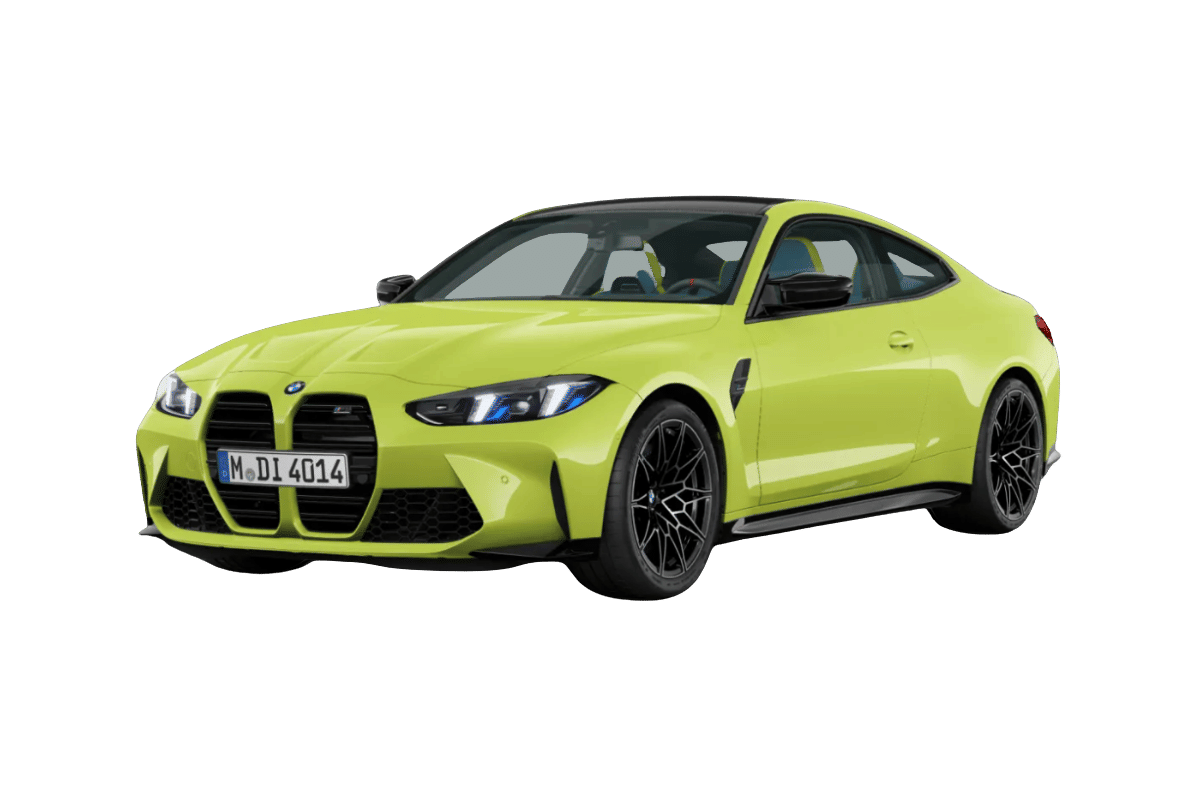
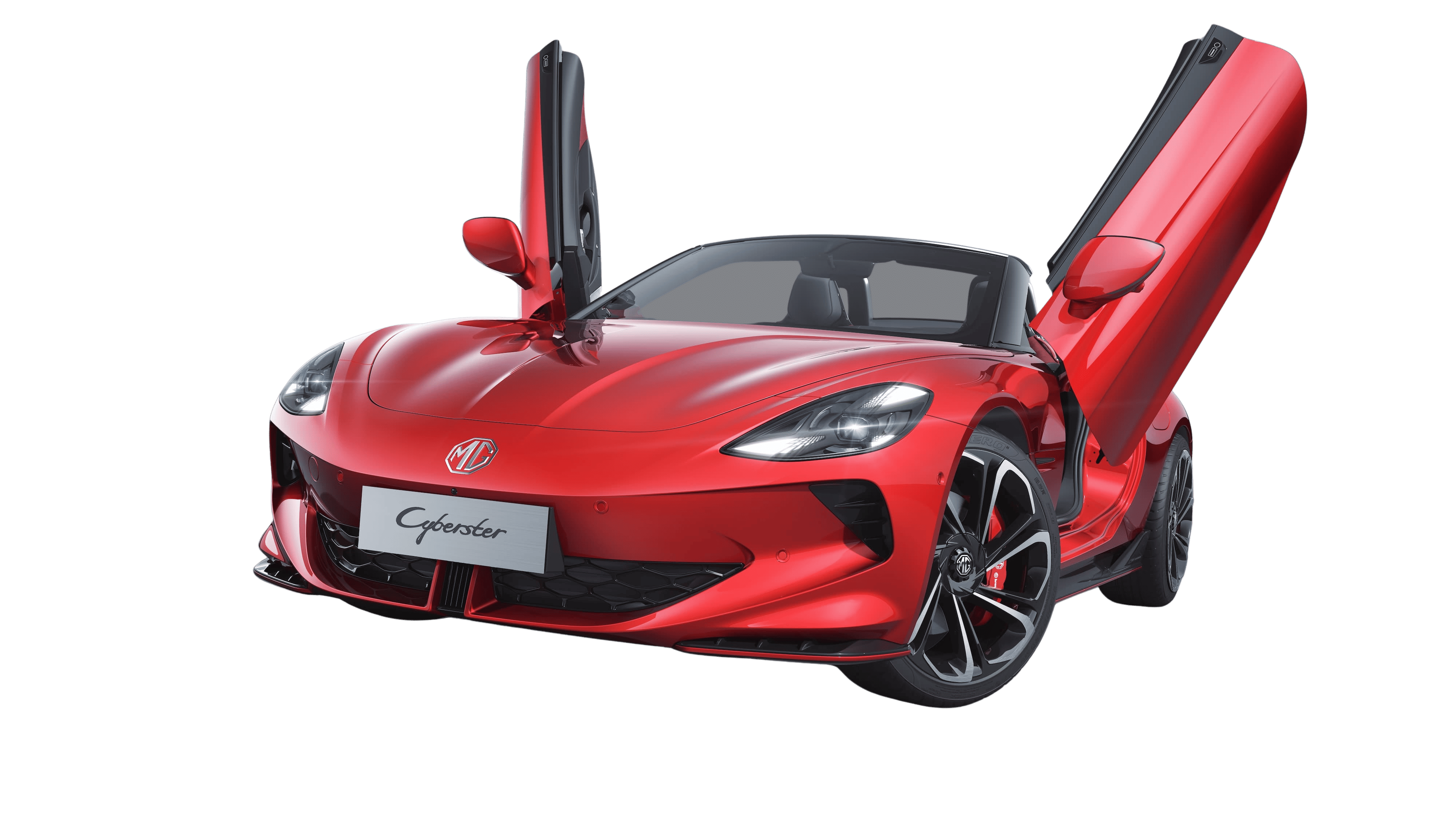









Find cars by budget
Find cars by budget


Find cars by fuel type


Find cars by transmission
Find cars by transmission
Trending Questions on Cars - Answered by Autocar Experts
I am 34 years old and I currently own a Honda Amaze. I am planning to get a new car. My annual running is around 7000 km and 85% of the running is out of Mumbai. I wanted a sedan but that is not mandatory. I want to buy a car that I plan to keep for the next 10 years. I need a safe automatic car that has front ventilated seats with good after sales support. I like Hyundai Verna and Creta but I do not want to go for a Maruti or Tata car. My budget is 15 lakh that can be extended up to 19 lakh if the car is value for money. Which car do you suggest?

 Hyundai VernaHonda AmazeHyundai Creta
Liked the feature edition especially the ventilated seats at the front and rear. Didn't like what they pasted on top of the grill, made a classy look loose its charm. Was looking forward to its hybridisation and more work on controlling its NVH levels. Which disappointedly didt happend. Though still feels that it is now closer to the competition than ever before.
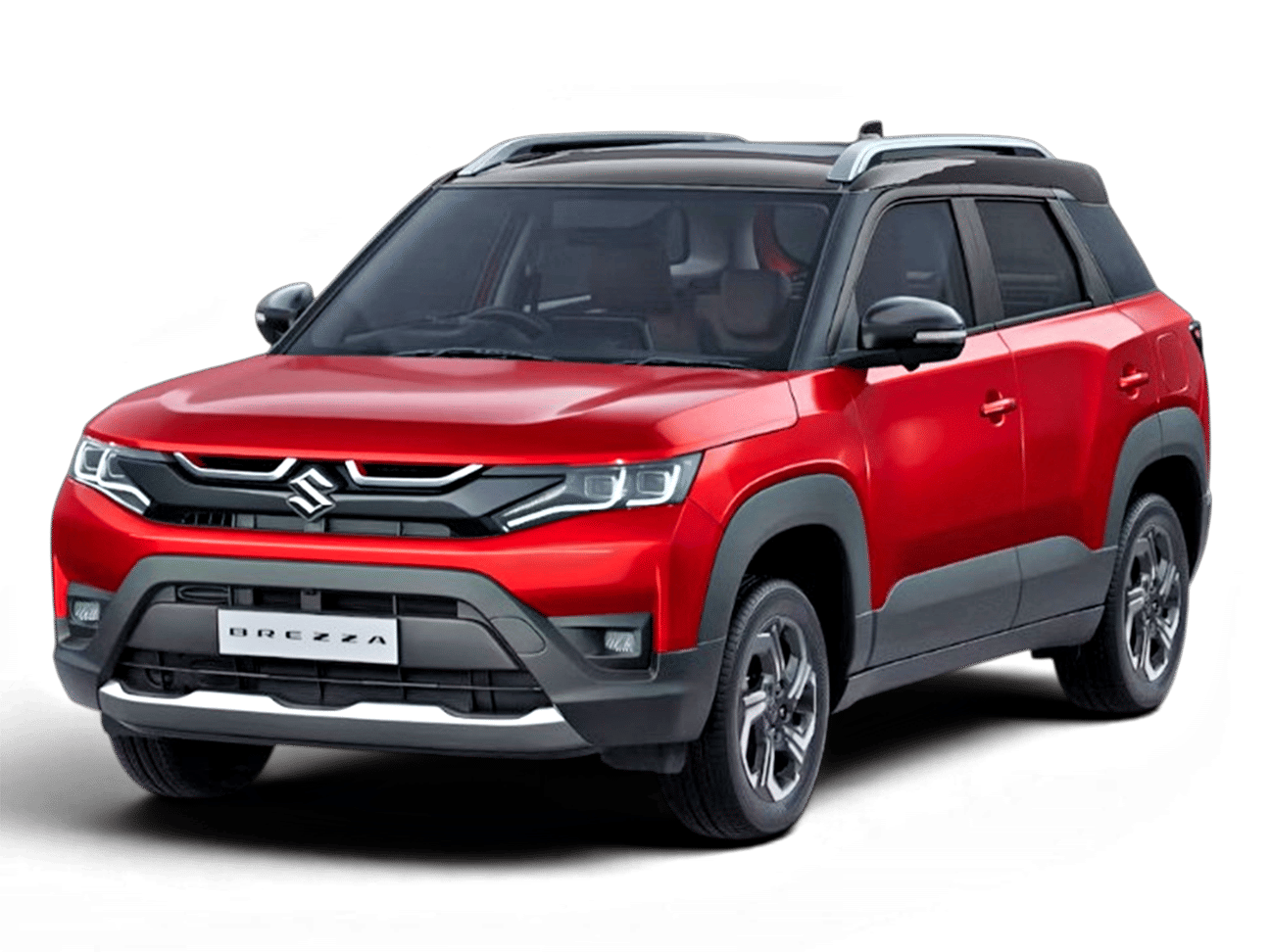
I currently drive a Hyundai i10 CNG, with daily running of around 6 km in Gurgaon city traffic and a monthly highway drive of around 200 km. I am now planning to upgrade my car, with an on-road budget of Rs. 12 lakh for a petrol sub-4-metre SUV, up to Rs. 14 lakh for a petrol midsize SUV, and Rs. 15 lakh for an EV. I live in a rented apartment on the second floor, so I am apprehensive about getting an EV. I prefer an EV, but installing a charger could be complicated due to the sanctioned load. My running could increase to nearly 800 km per month in the future. My key priorities are: - Good suspension and ride comfort, as I have a back problem - Decent fuel efficiency in heavy city traffic - Low to medium maintenance costs - Auto hold and ventilated seats would be good to have I sometimes consider buying a manual, but I mostly prefer an automatic. I am currently considering the Maruti Brezza, Baleno AMT, Fronx AMT/AT, Sonet iMT, Exter AMT, and even the upcoming Inster, VF3, and Bayon. I am open to other suggestions as well. Note: I had a bad driving experience with the Punch AMT, as it caused back fatigue.
Maruti Suzuki BrezzaKia SonetMaruti Suzuki BalenoHyundai ExterHyundai BayonI’m 65 and am considering the Mahindra BE 6, Tata Sierra EV, Maruti Suzuki e-Vitara and Toyota Urban Cruiser Ebella. I particularly want ventilated front seats and a 360-degree camera. I am not very concerned about performance or technical aspects and instead want an EV that is comfortable and easy for me to drive. My usage will include both city driving and long-distance trips. Which one would be suitable for my requirements?
Maruti Suzuki e VitaraMahindra BE 6 SporteqToyota Urban Cruiser EbellaTata Sierra EVLast Updated on: 13 Oct 2026