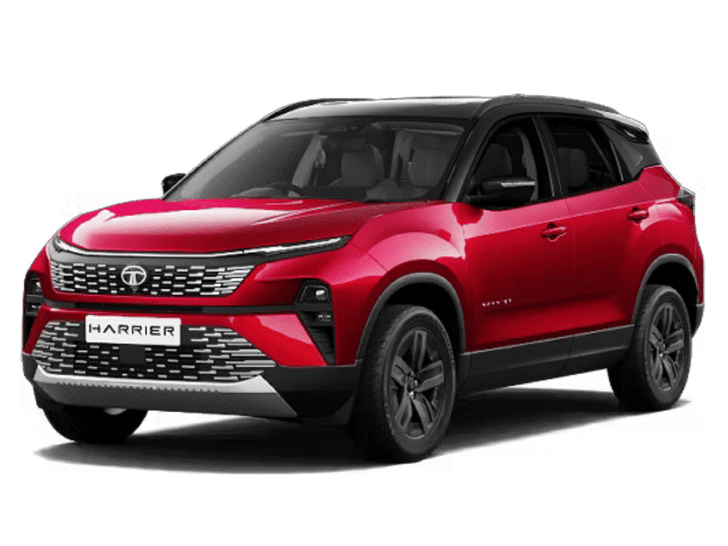
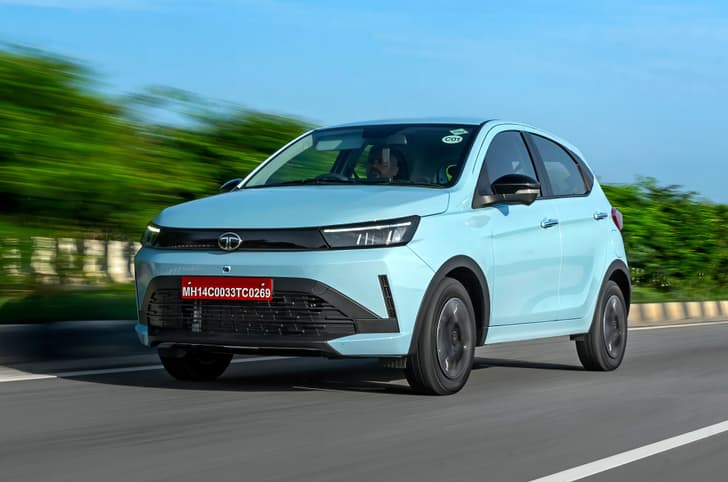
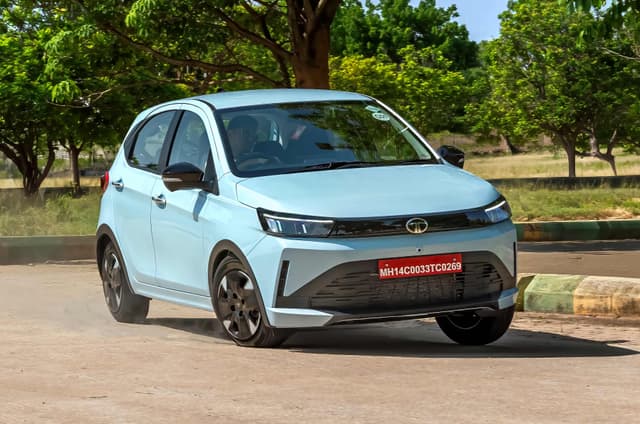
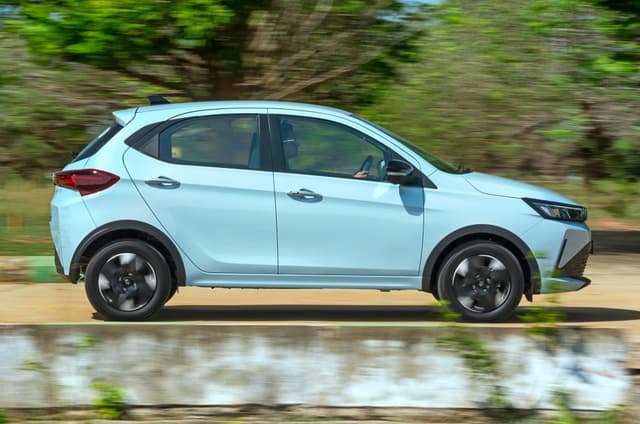
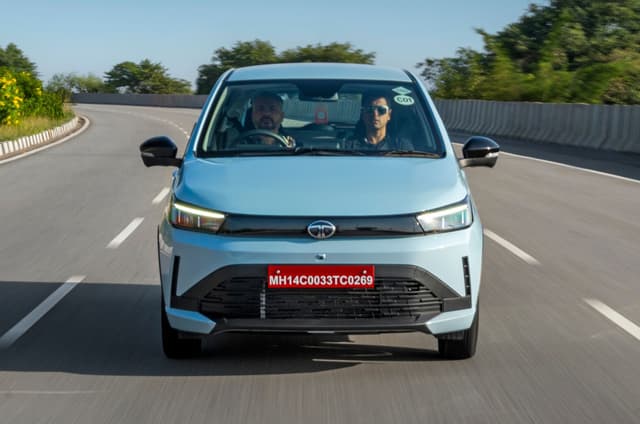
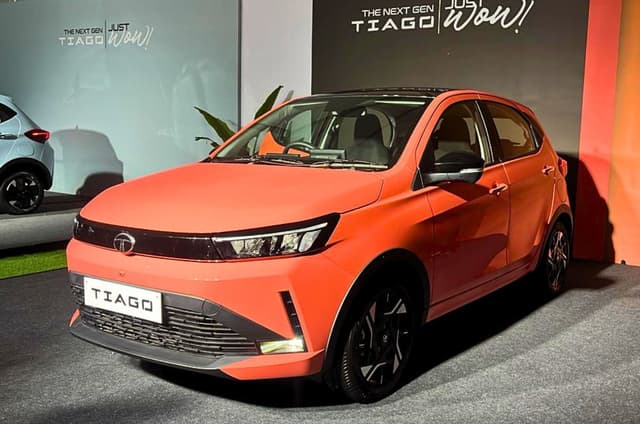
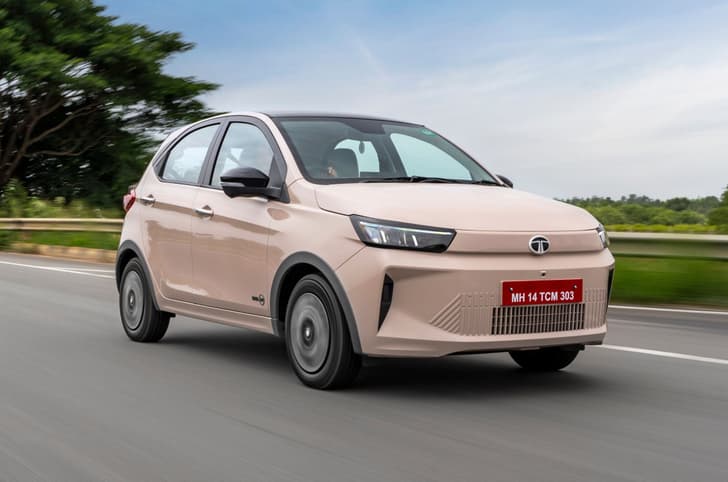
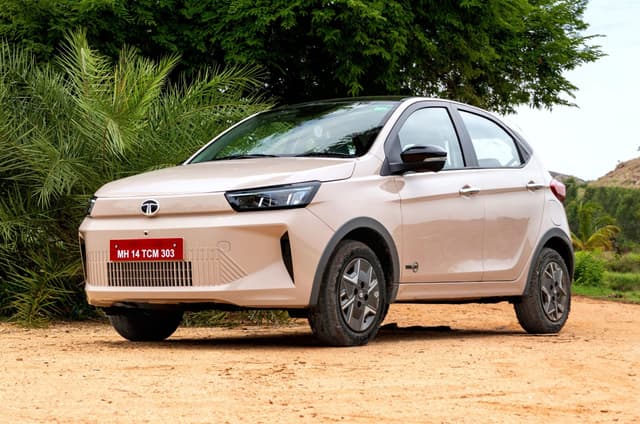
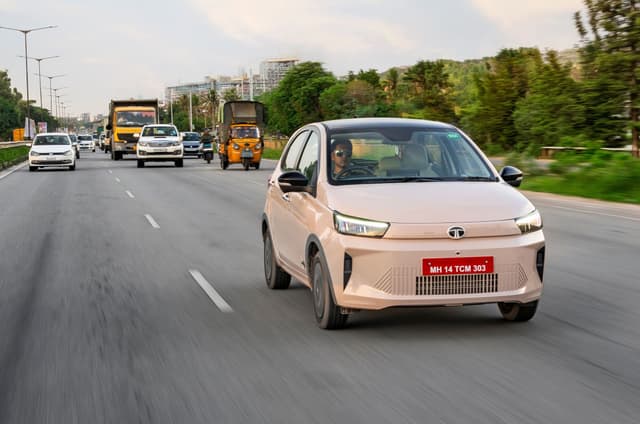
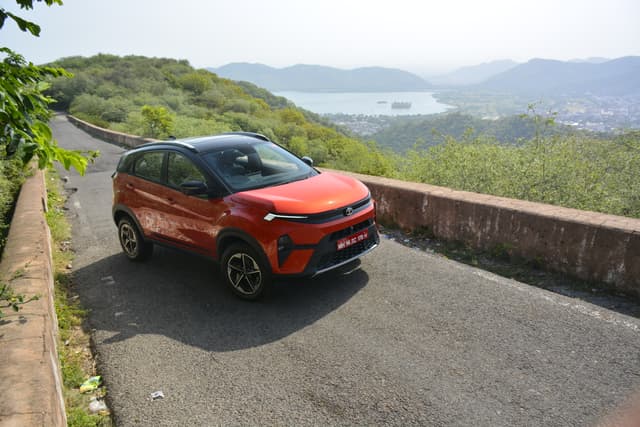
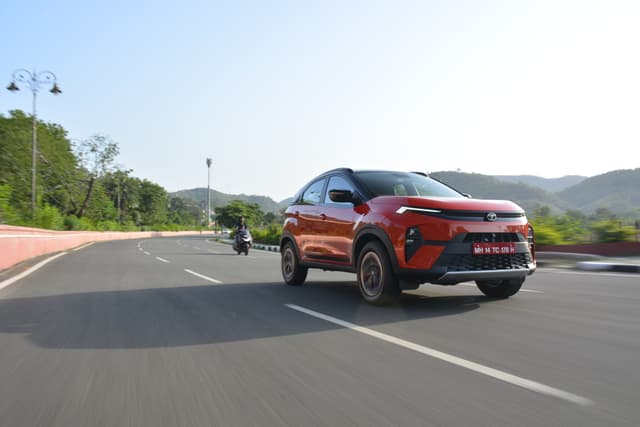
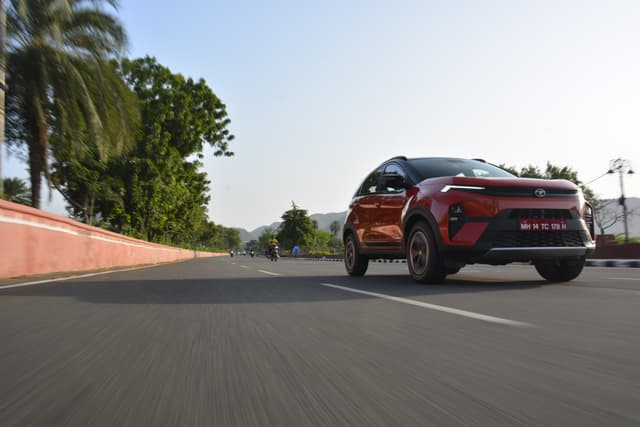
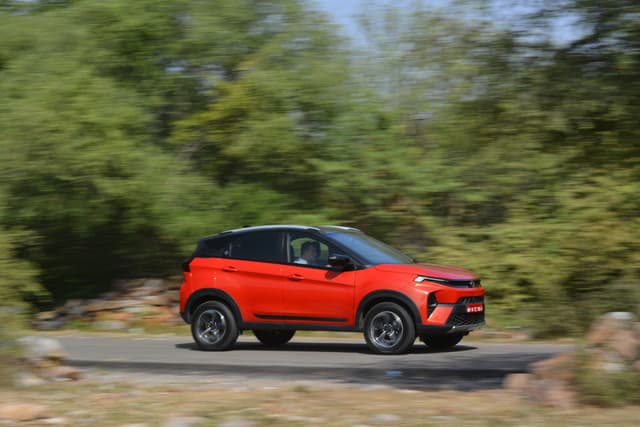
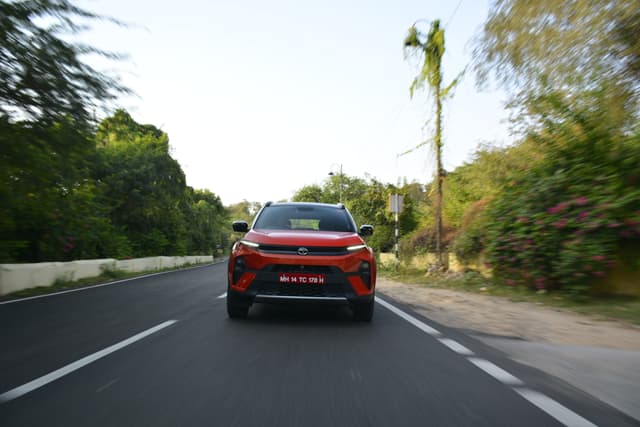
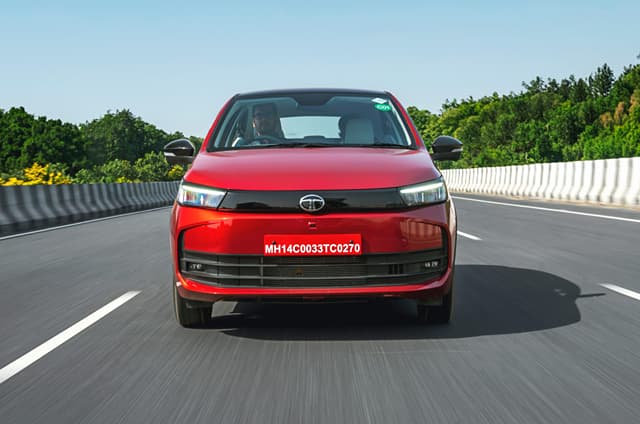
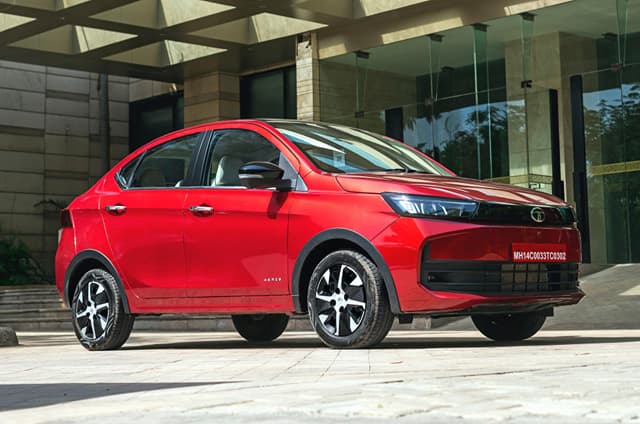
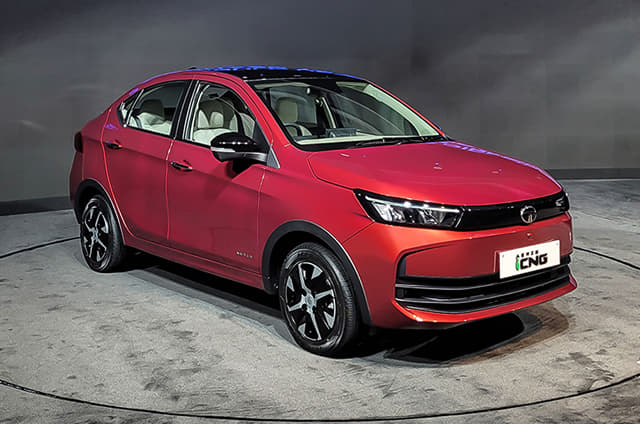
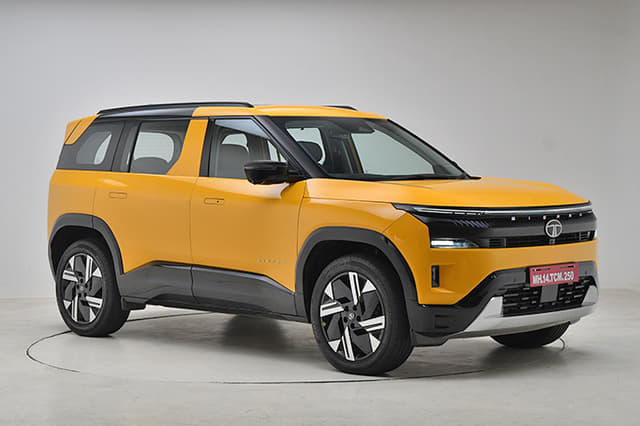
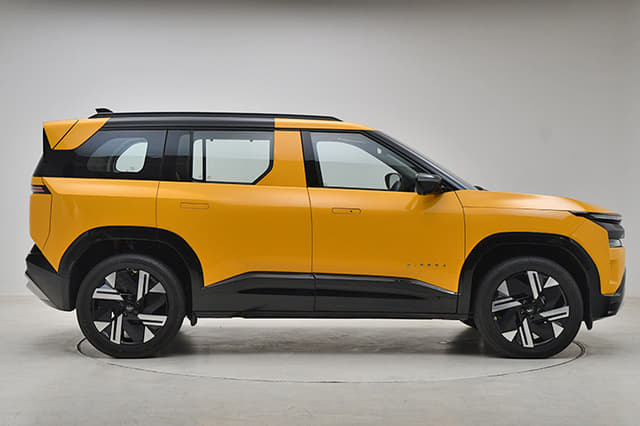
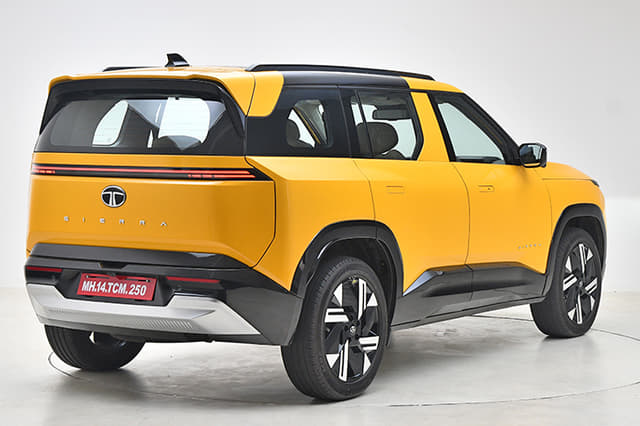
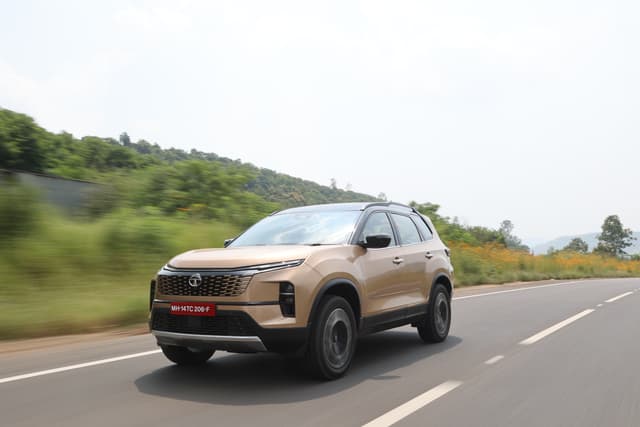
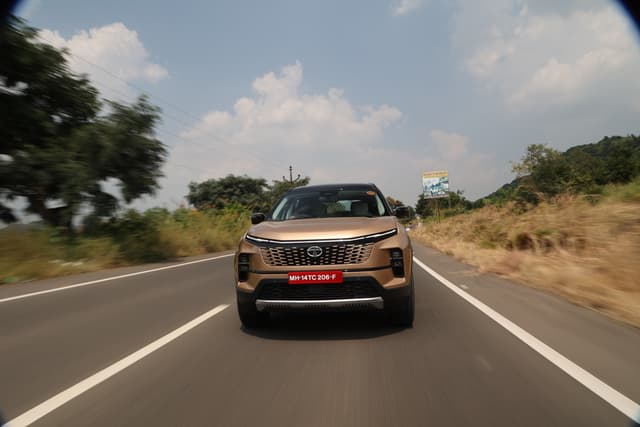
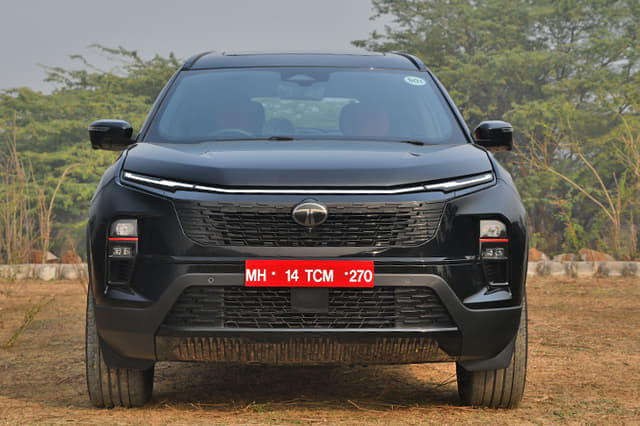
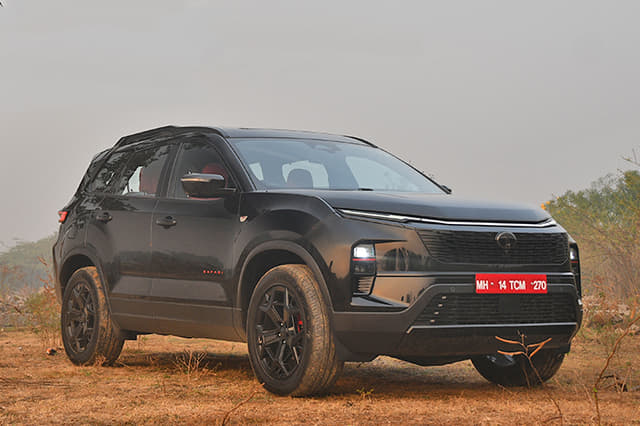
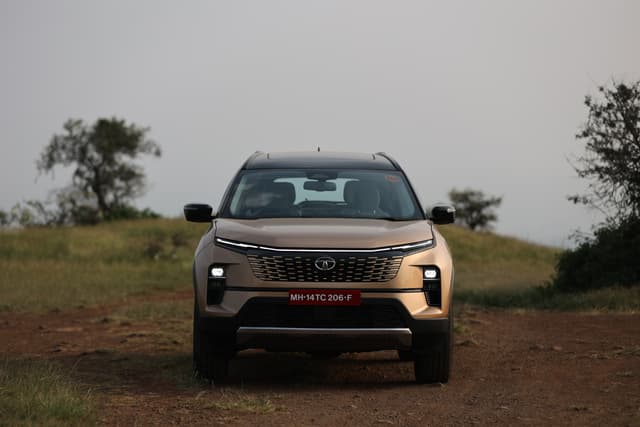
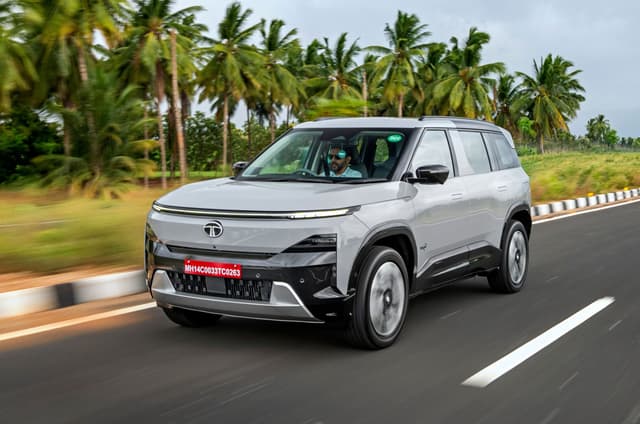
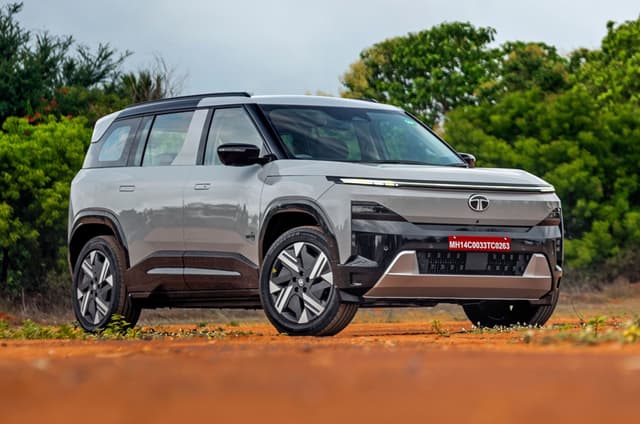
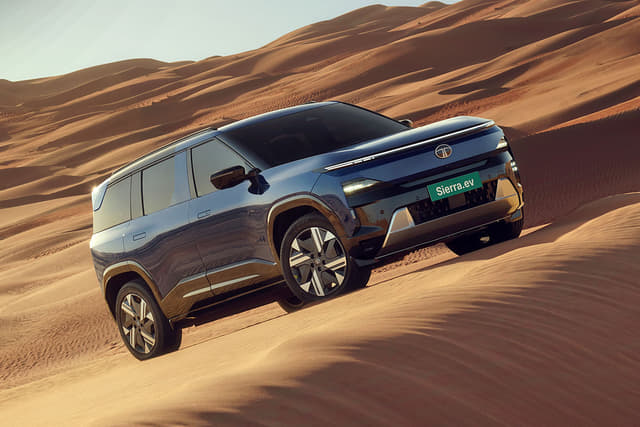
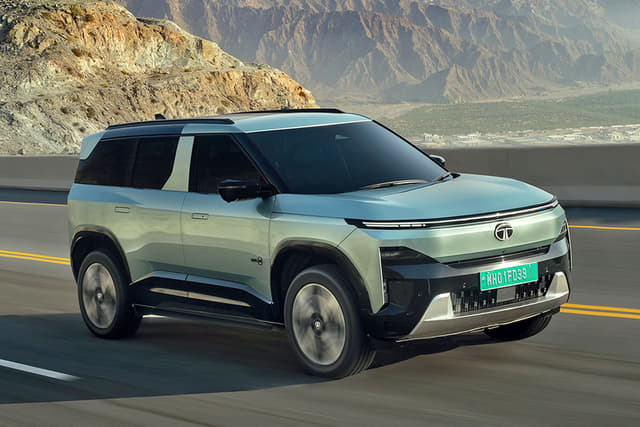
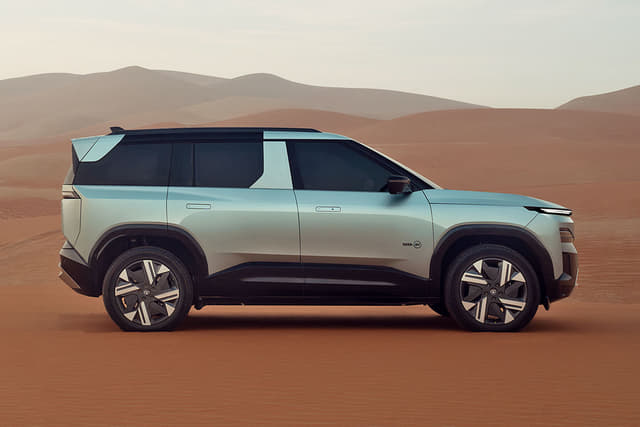
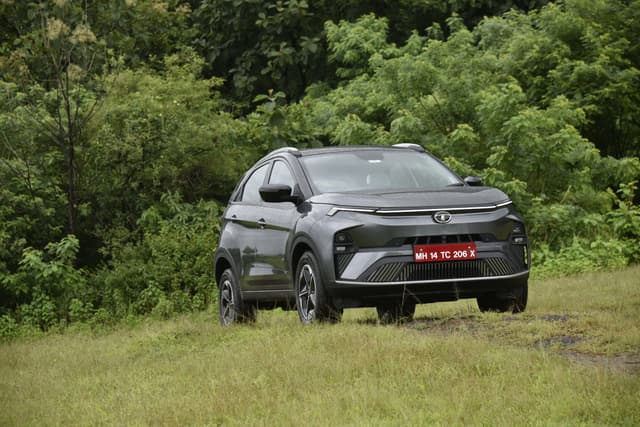
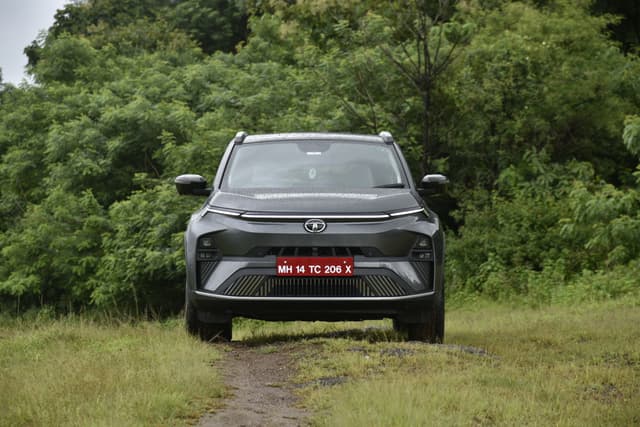
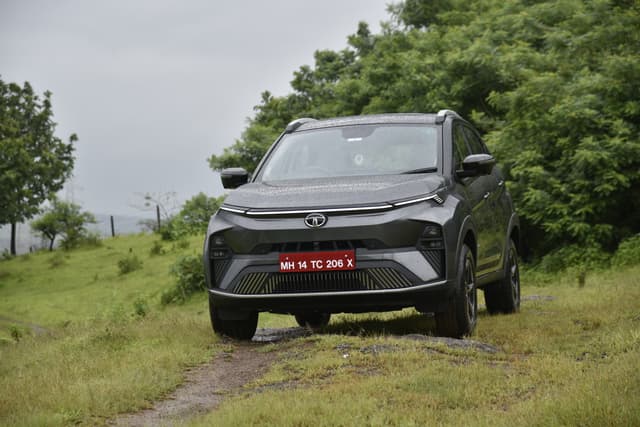
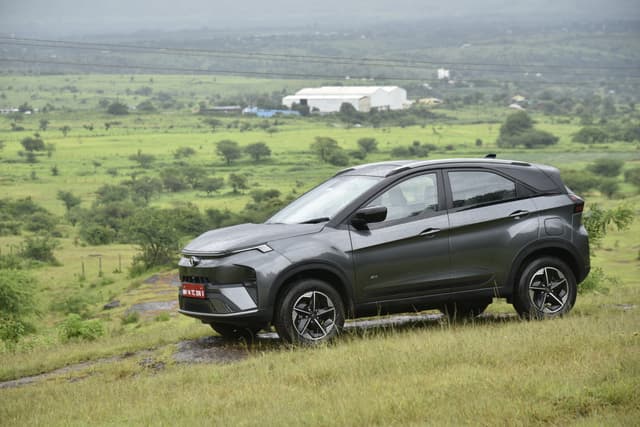
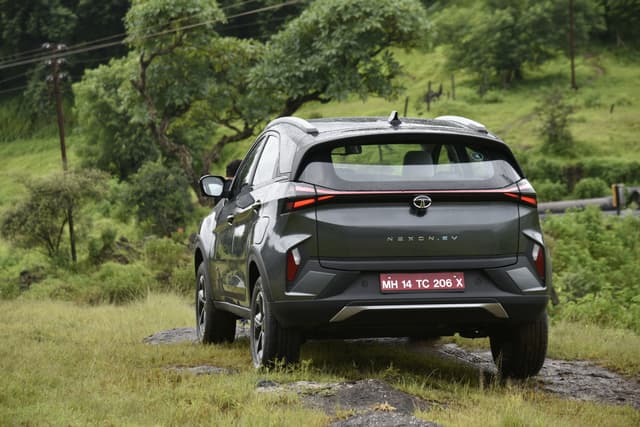
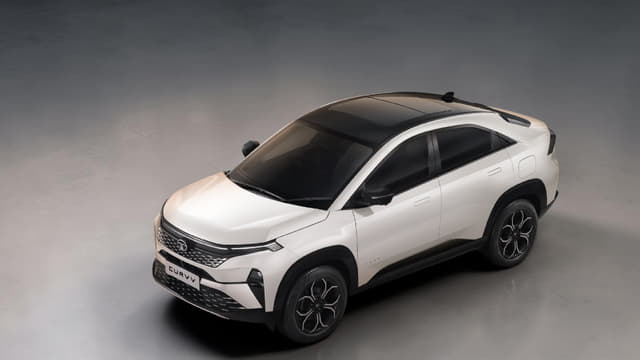
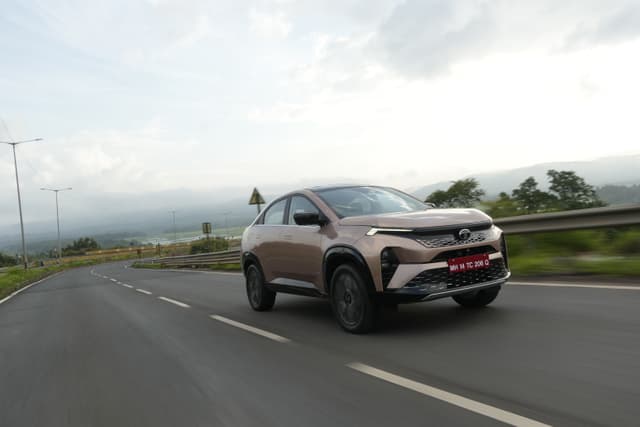
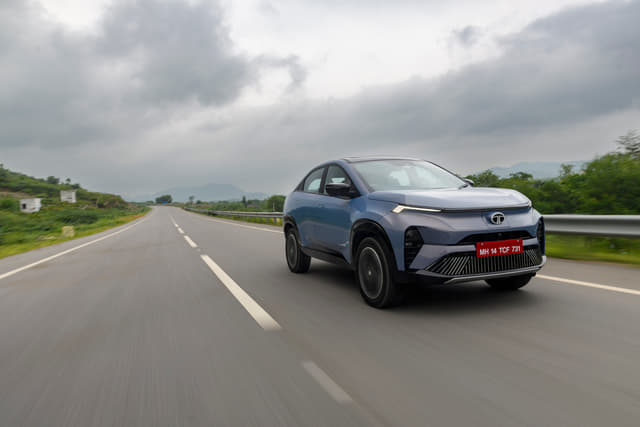
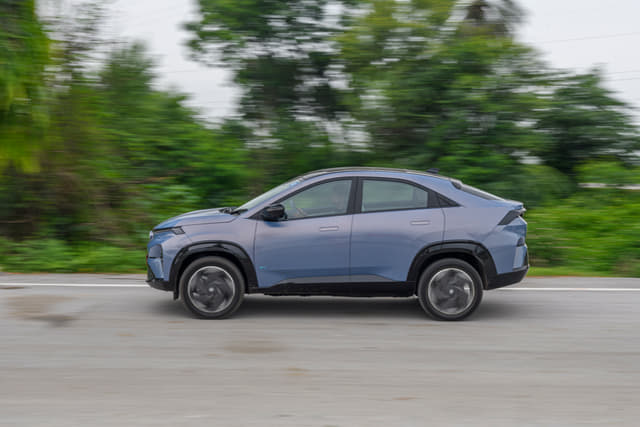
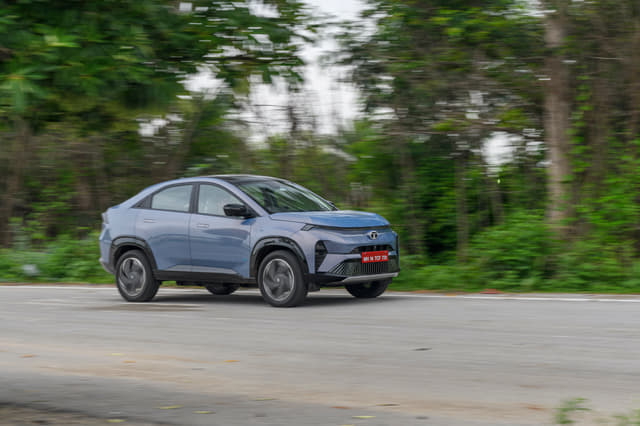
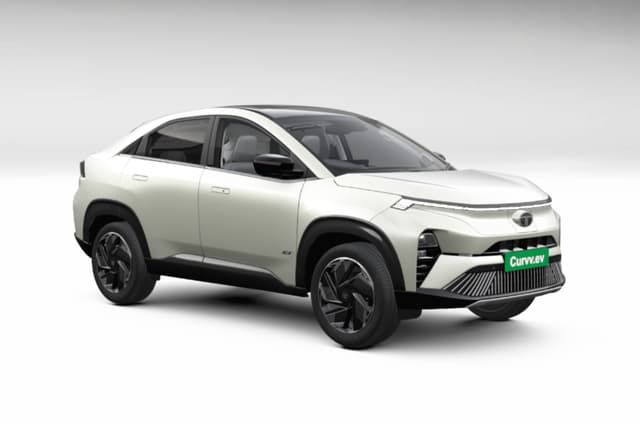
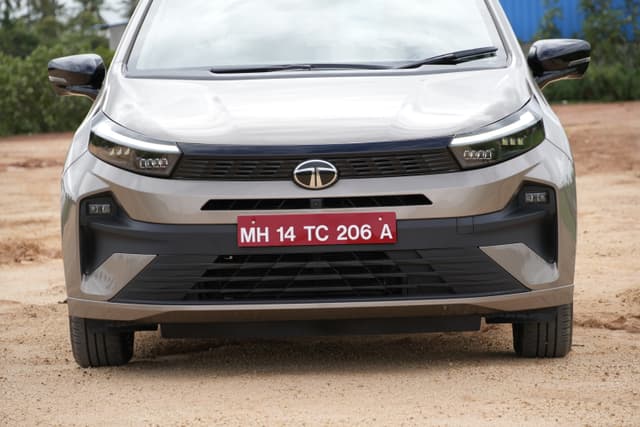
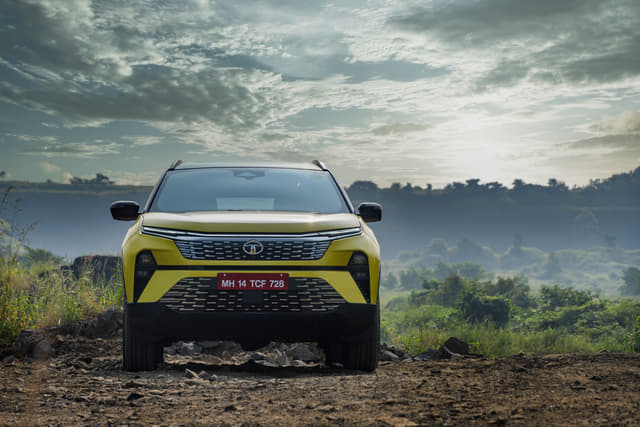
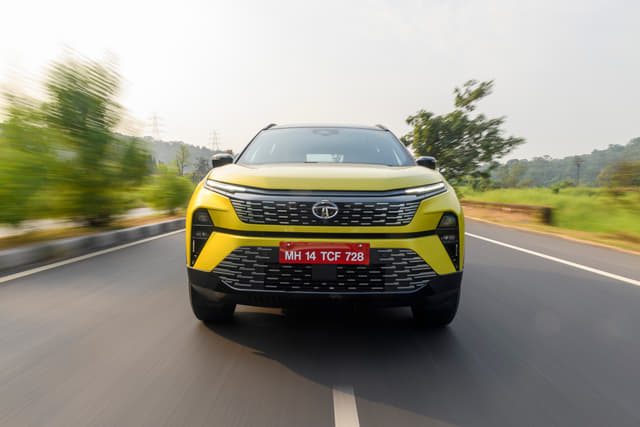
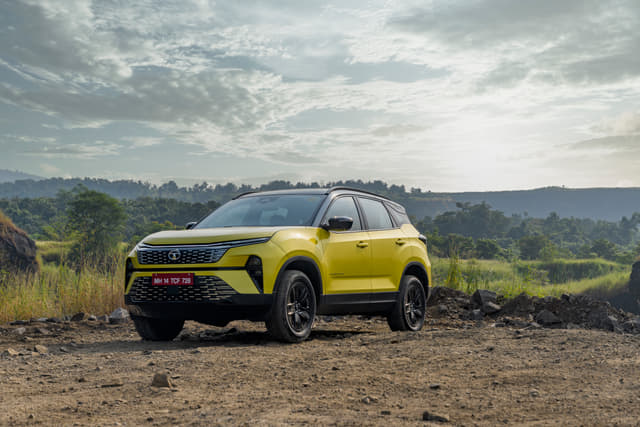
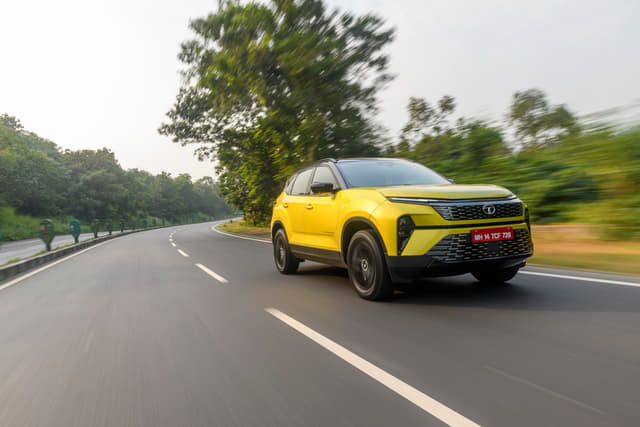
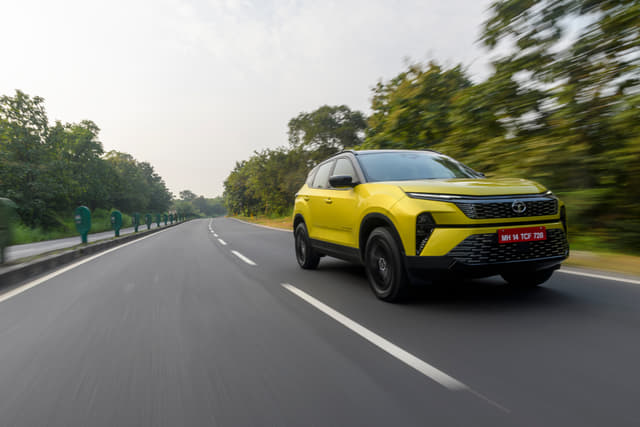
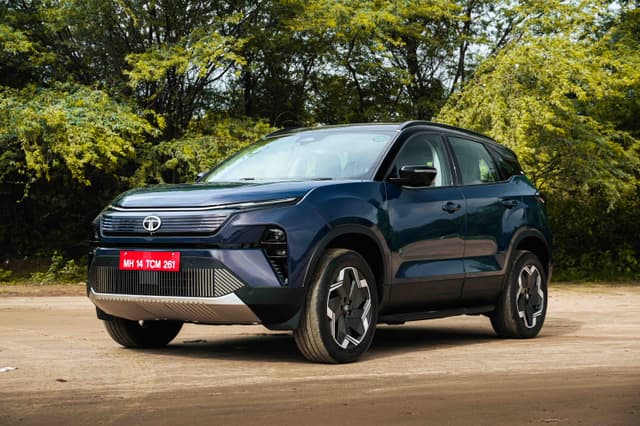
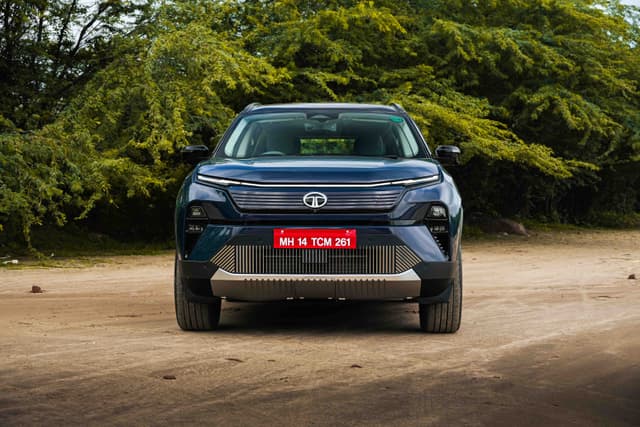
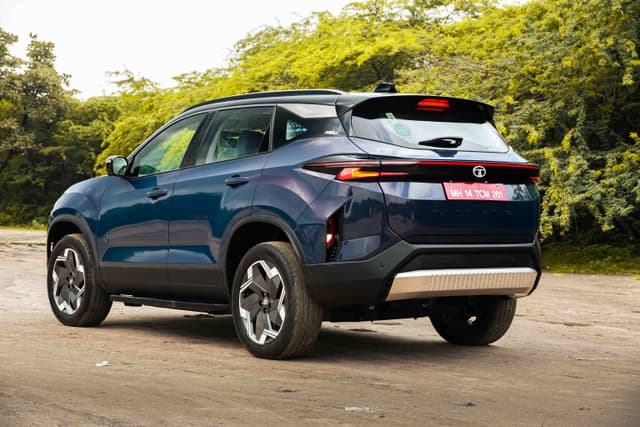
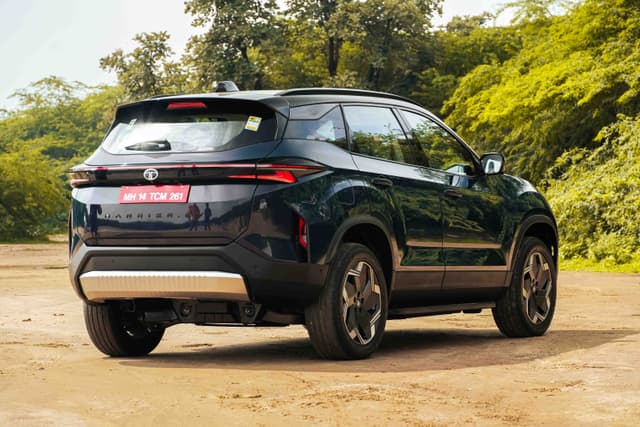
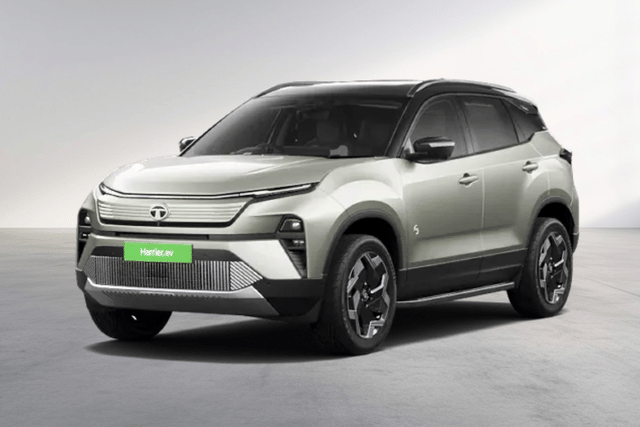
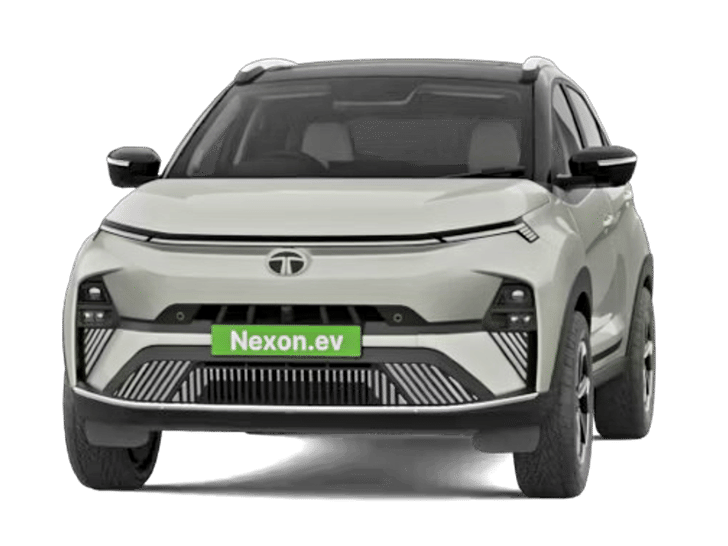
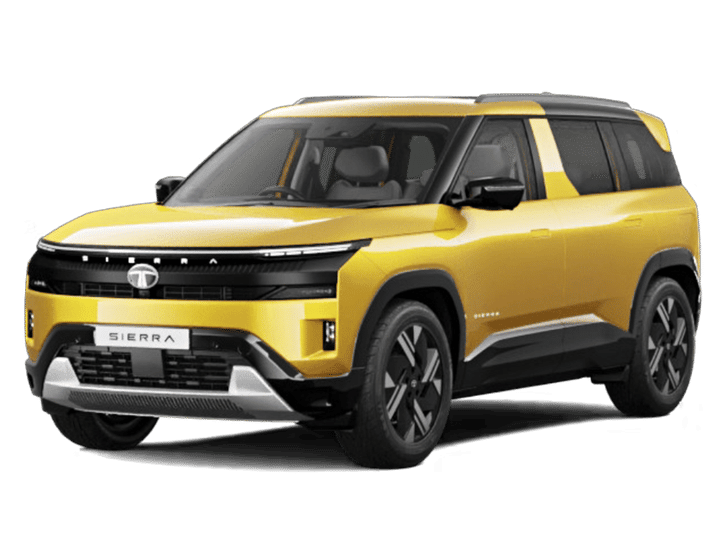
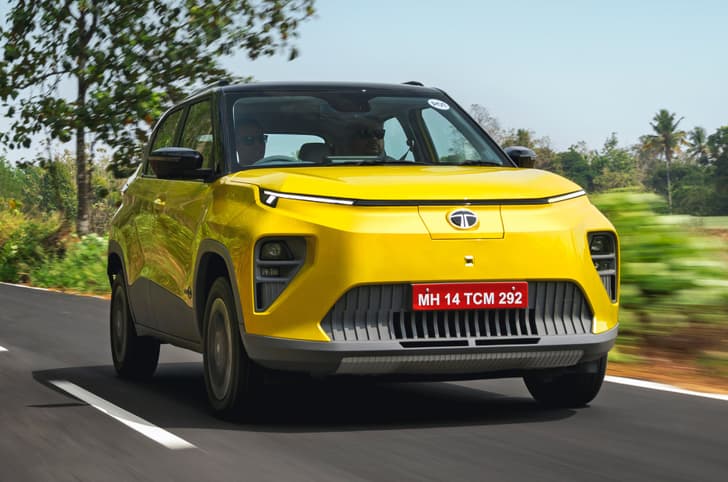
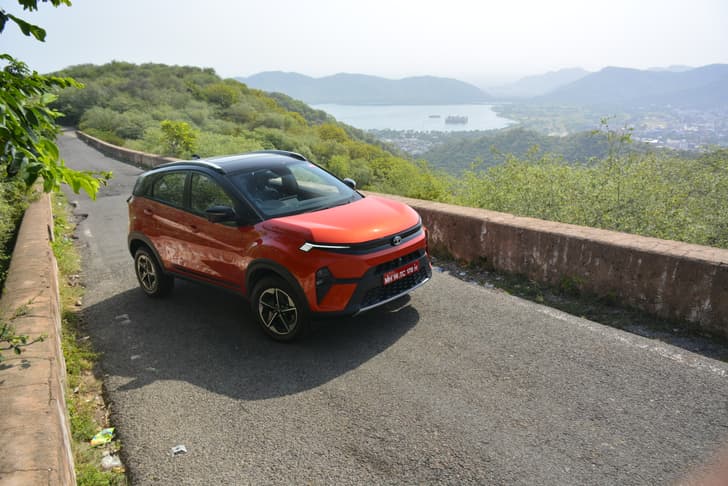
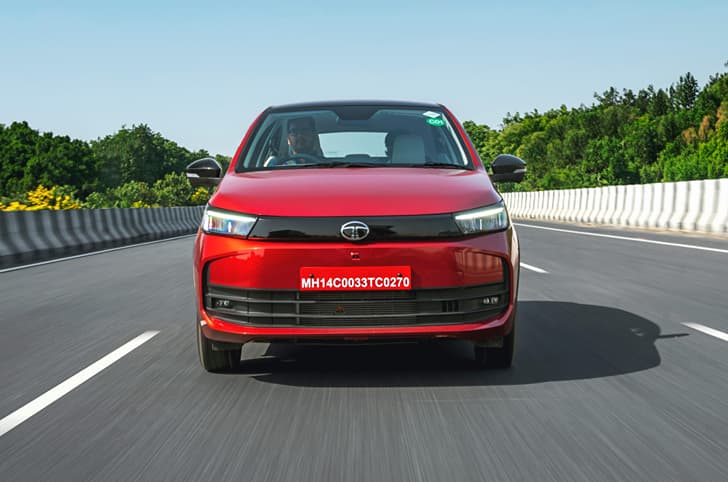
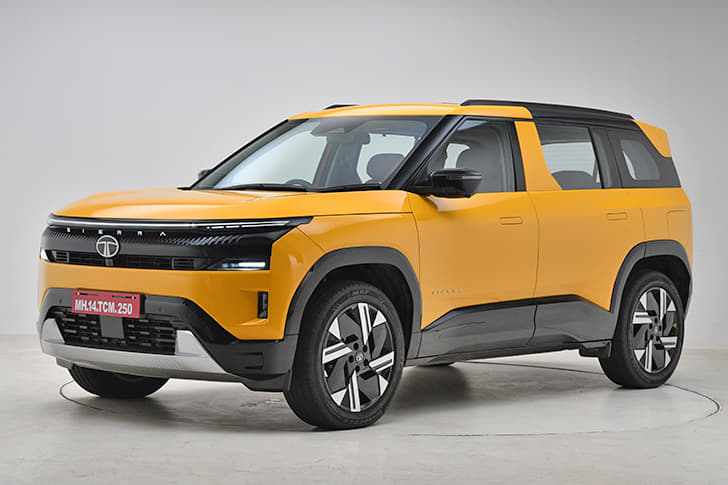
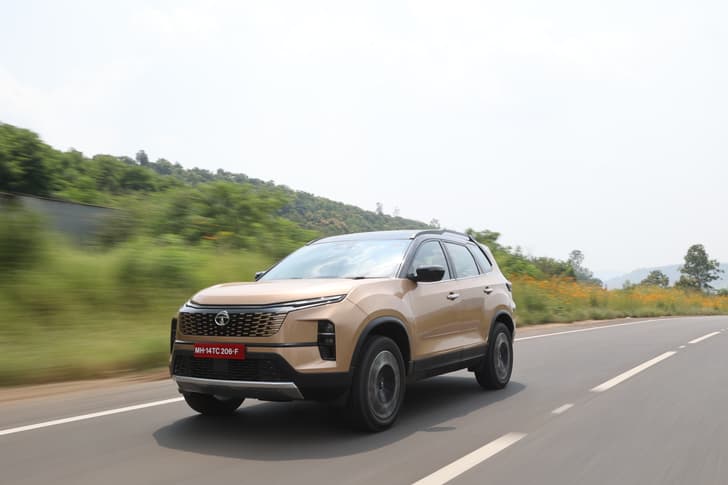
Tata Motors is one of the oldest car manufacturers in India. The company launched its first passenger vehicle, the Sierra, back in 1991 and has since introduced brand-defining nameplates such as the Indica, Sumo, Safari and Nano. Over the past few years, Tata has further improved its reputation because of their practical engineering: high-strength steel structures, thicker body panels than many rivals at the same price, and a habit of putting six airbags on trims where competitors still charge extra for them. Multiple Tata models, including the Nexon, Harrier, Safari, Curvv and Sierra, have earned five-star crash safety ratings from Bharat NCAP or Global NCAP. Tata car price in India starts at Rs 4.77 lakh (Tiago) and goes up to Rs 29.29 lakh (Harrier EV).
We, at Autocar India, feel one of the reasons for Tata’s success in India is its focus on developing cars with Indian conditions in mind from the outset. Its cars are engineered to suit Indian roads, buyers and running costs, rather than adapting an existing global platform to the Indian market at a later stage.
What Body Types Do Tata Cars Come In?
As of now, there are 21 Tata cars in India, out of which 16 are available for sale, and 5 are upcoming. Those 16 Tata models that are available fall into three body types: SUV, sedan and hatchback, with SUVs having the largest share.
Type
Tata Models
Best suited For
Tata Hatchback
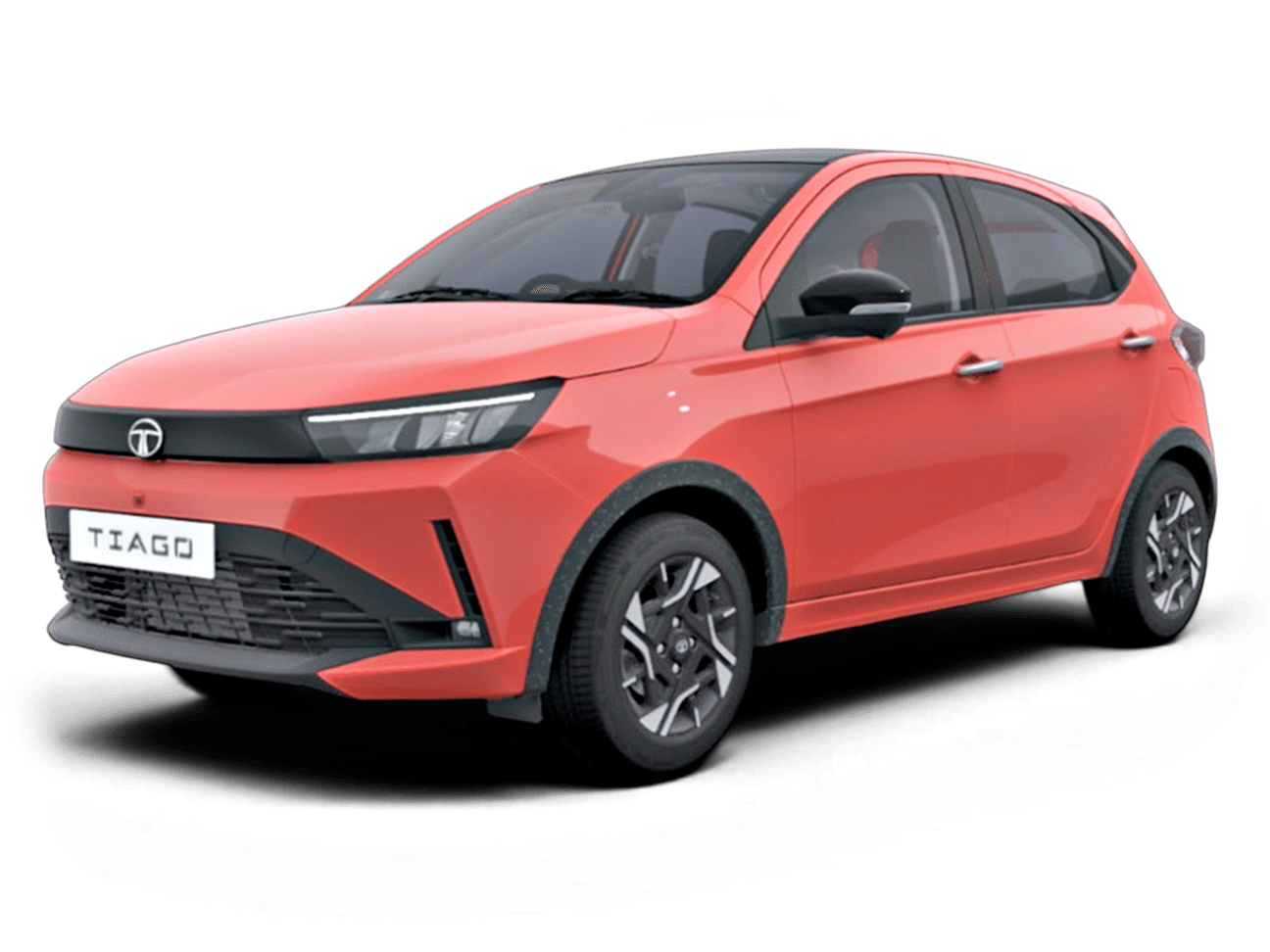
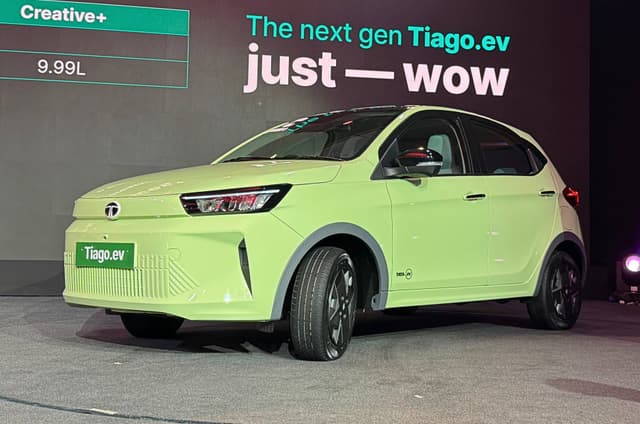
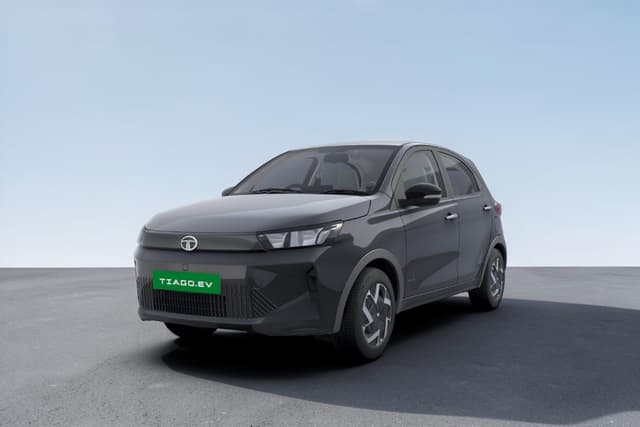
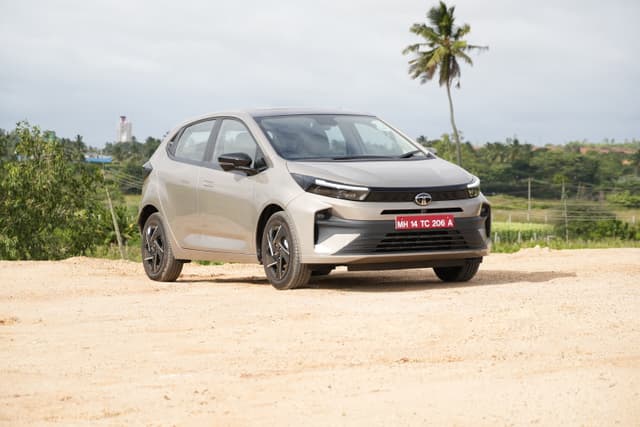
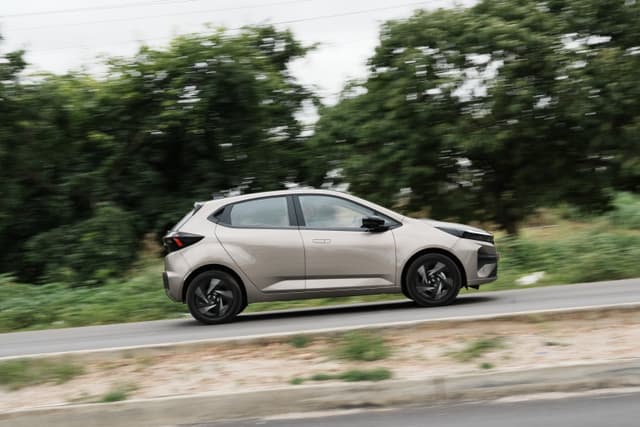
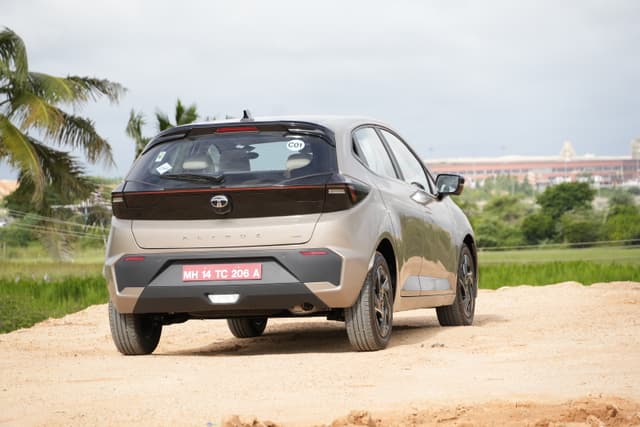
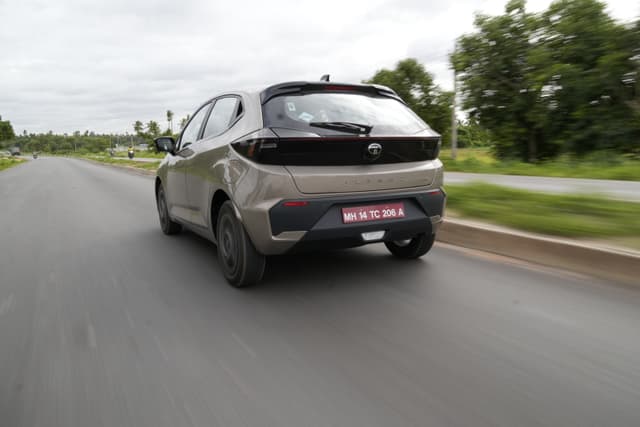
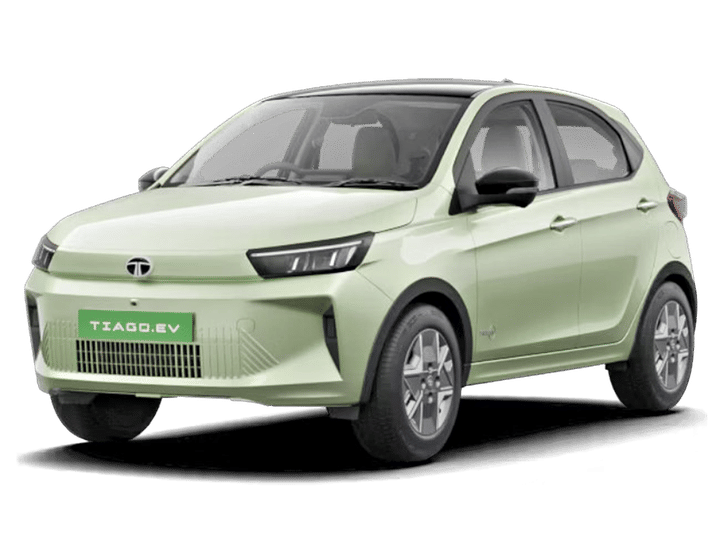
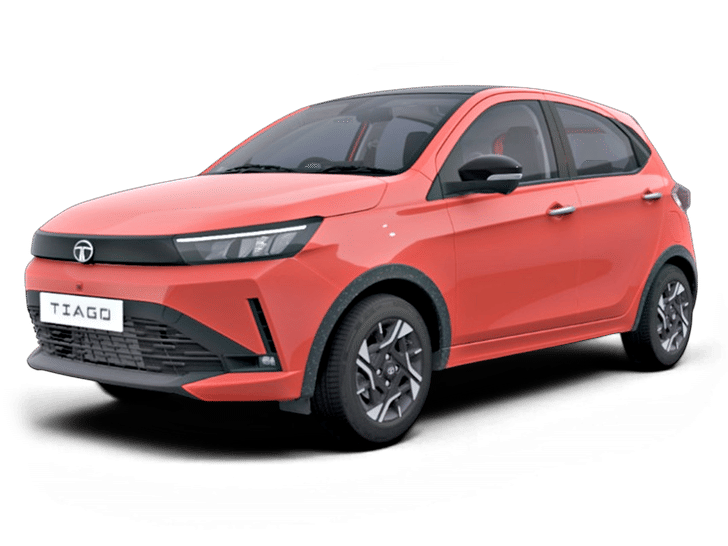
Tiago, Tiago EV, Altroz
Buyers who want the lowest running costs, easy parking and a car that is simple to manoeuvre through dense city traffic.
Tata Sedan
Tigor, Tigor EV
Buyers who want a proper boot for long trips, a lower driving position than an SUV, and a comfortable car for city and highway use .
Buyers who want a higher seating position, better visibility in traffic, more ground clearance for uneven roads, along with more space for family and luggage.
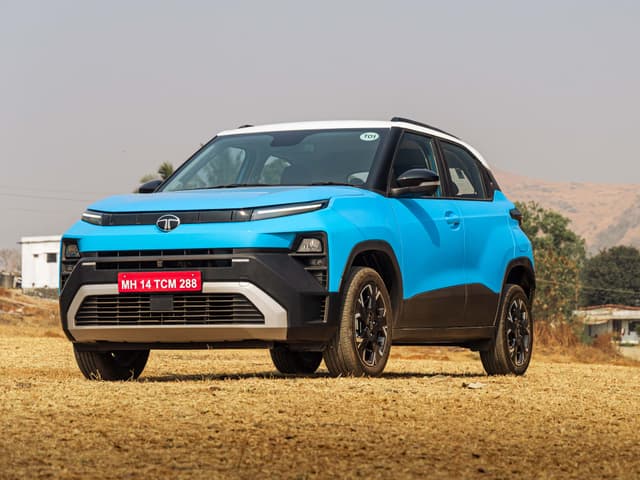
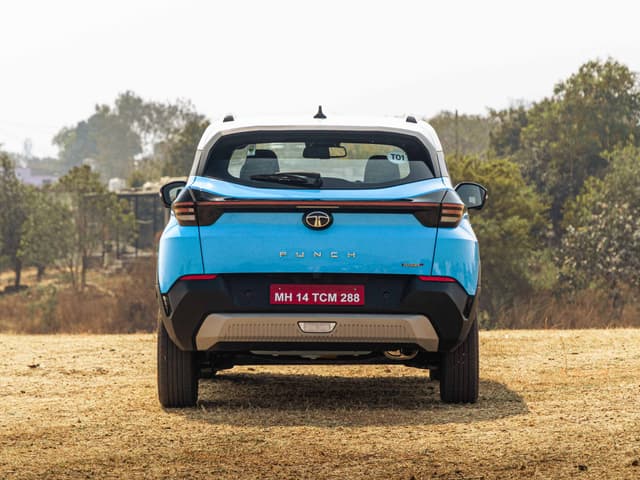
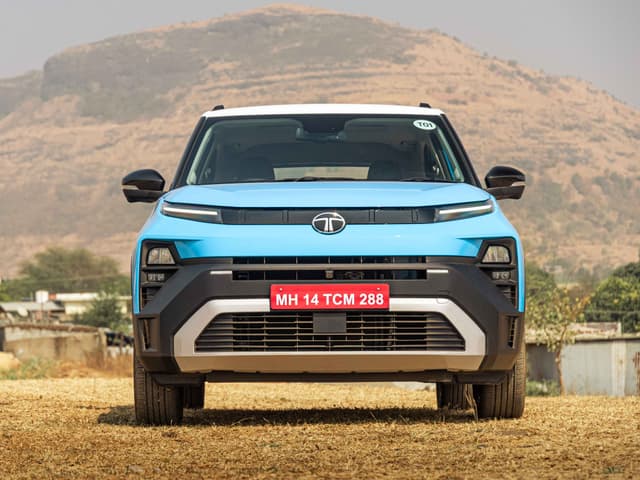
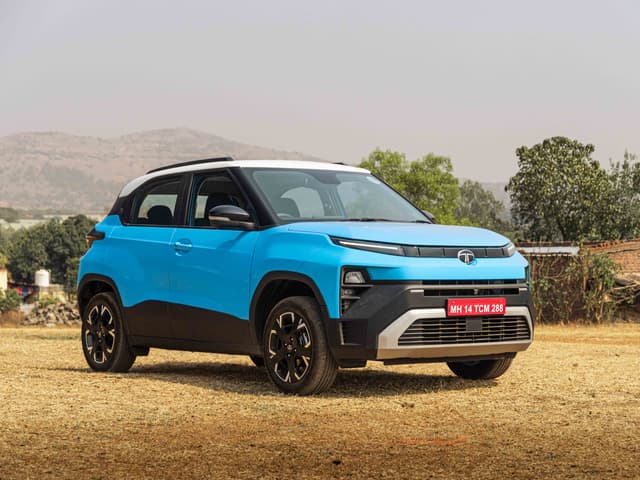
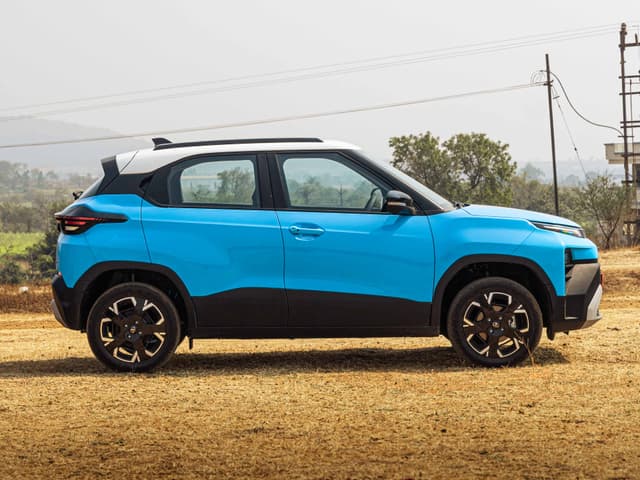
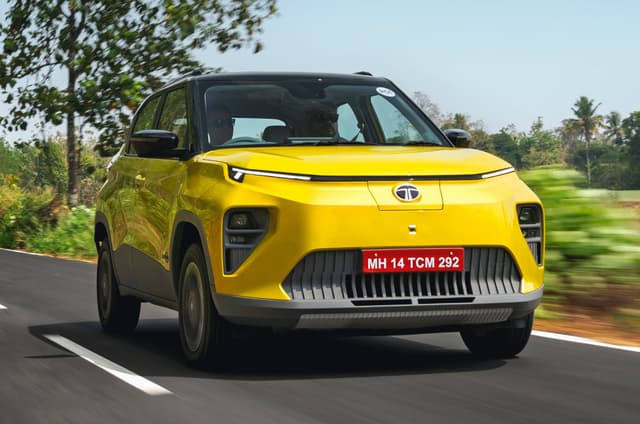
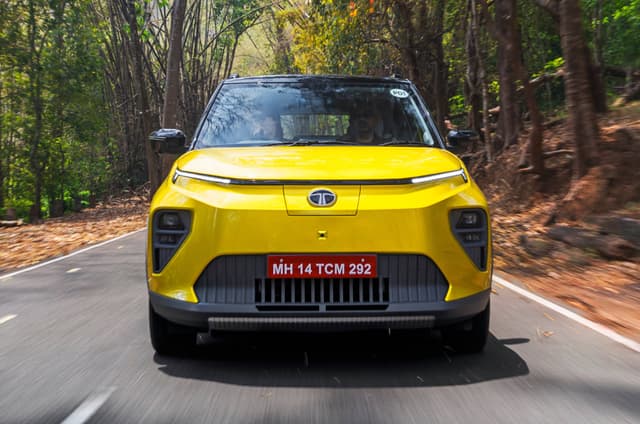
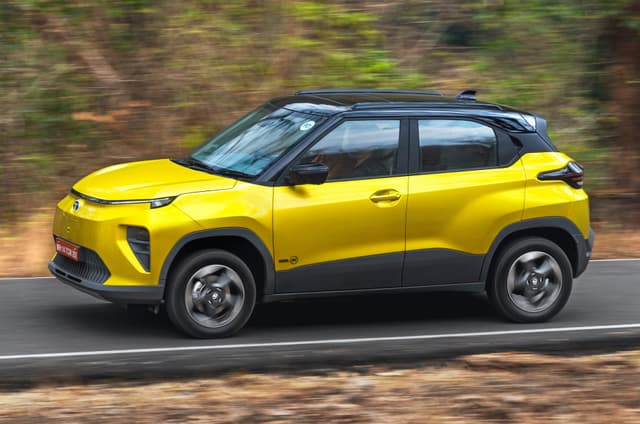
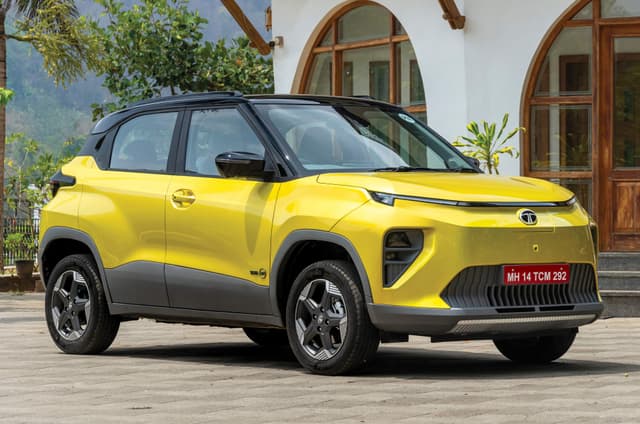
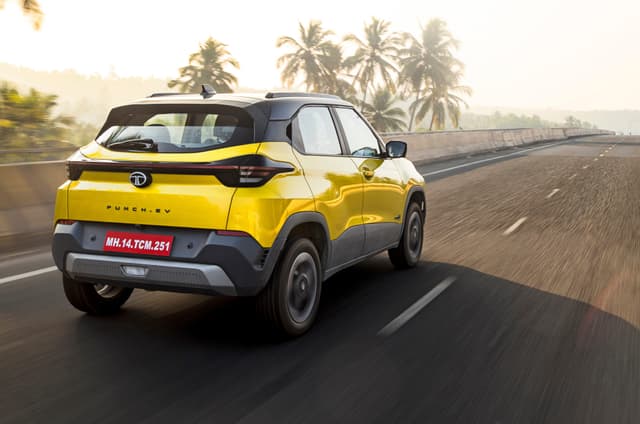
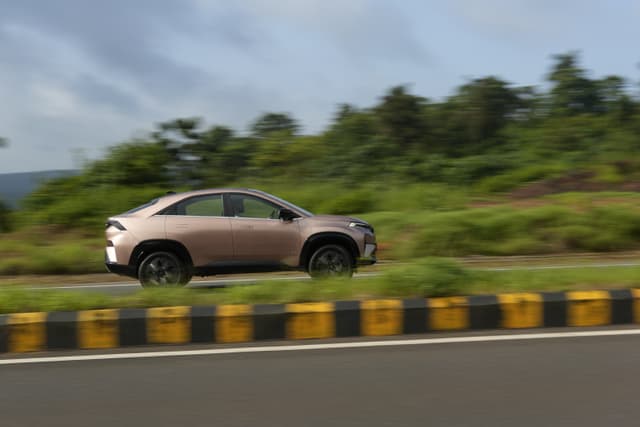
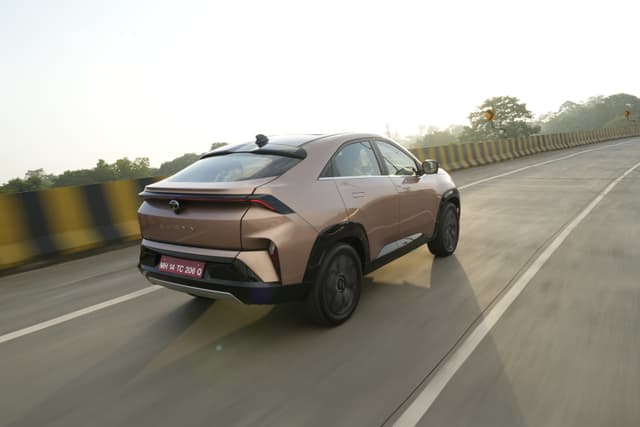
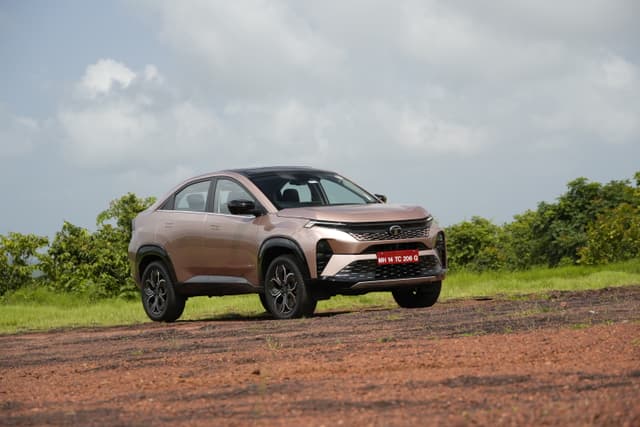
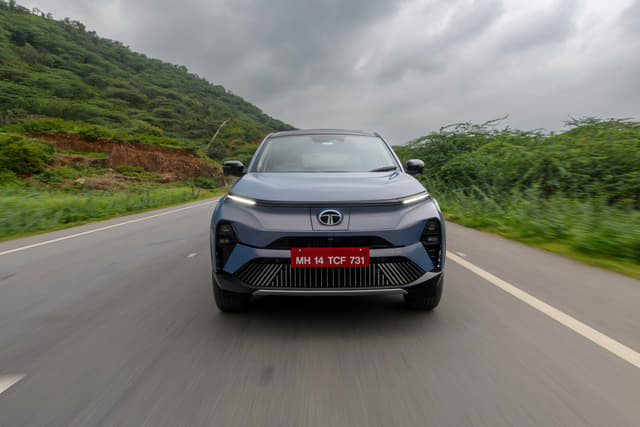
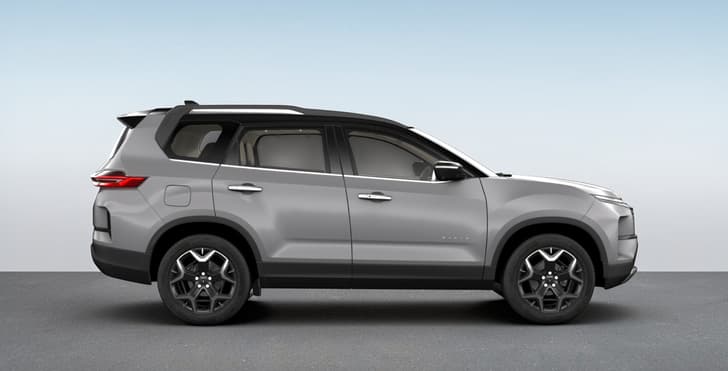
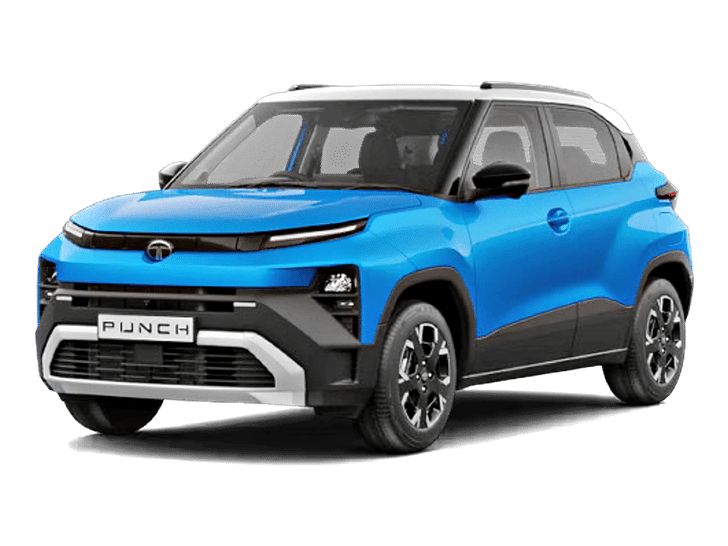
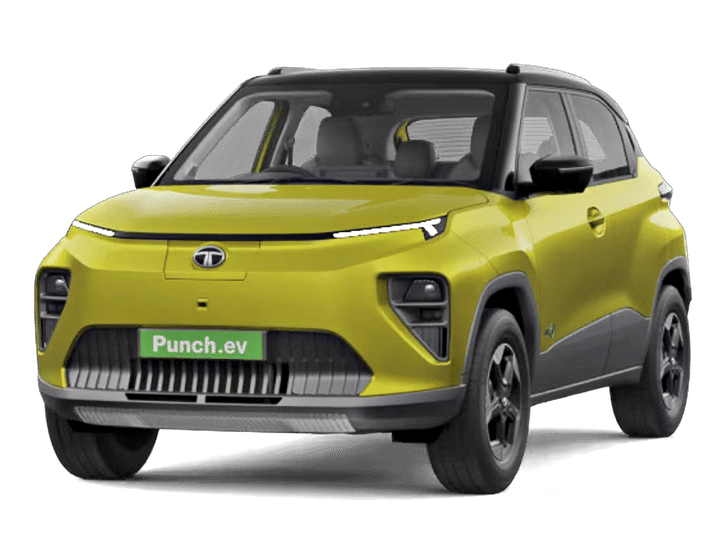
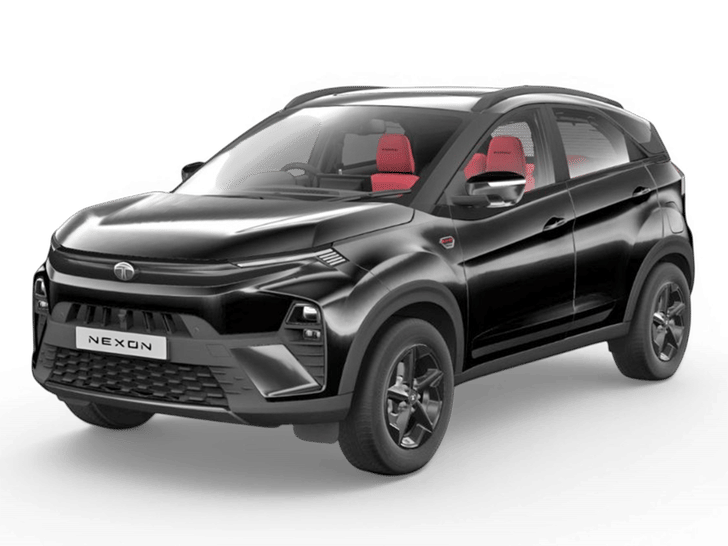
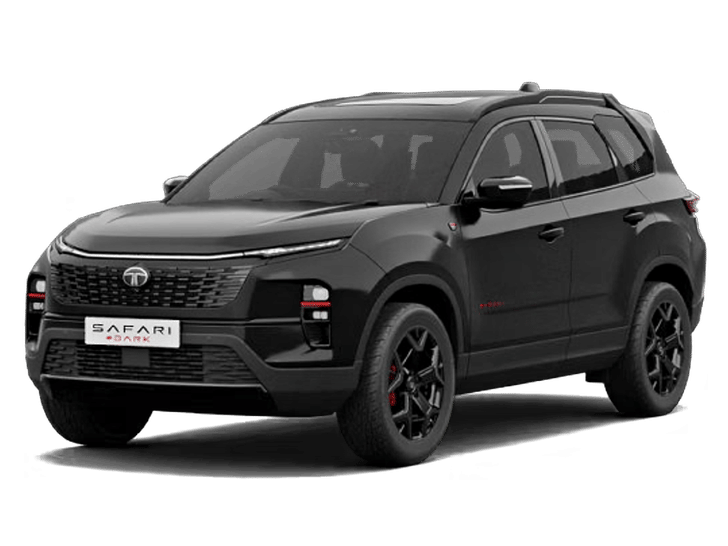
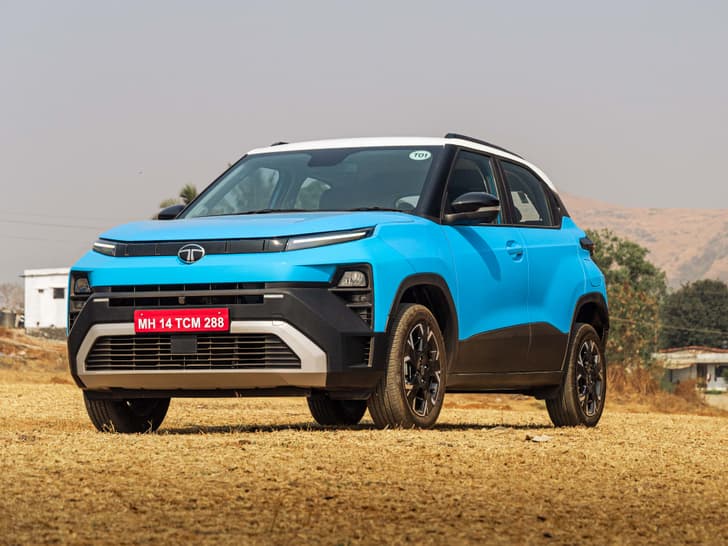
Note: There is a further split in the SUV category itself. The Punch and Punch EV are sub-4-meter SUVs, a size that has benefited from lower taxes in India and helped the brand to keep its prices competitive. The Nexon, Nexon EV, Curvv, Curvv EV and Sierra sit a step above as mid-size SUVs, while the Harrier, Harrier EV and Safari are Tata's largest SUVs, with the Safari being the only 7 seater Tata car currently on sale.
We at Autocar India believe the right body type depends much more on how a car will actually be used daily than on which one looks the most appealing in a showroom. A tall SUV that aids on rough roads or when hauling large objects might simply be extra weight and expense for someone who only drives alone in urban traffic.
Which Transmission Option Should You Pick For Your Tata Car?
Before you pick one, we at Autocar India would suggest you consider factors like: your budget, how much city traffic you deal with on a regular basis, and how much you value driving smoothness over price. Here are the transmission options available:
Manual: This is the standard option across almost every Tata car. It is ideal for you if you are comfortable with a clutch pedal and want to keep the purchase price down.
Tata's automatic options span 4 different gearbox types:
AMT: It is Tata's entry-level automatic that’s offered in Tiago, Tigor, Punch, Altroz and the diesel Nexon. If you want an automatic without spending extra on a torque converter, opt for this one. Though it works well in city traffic, as per us (Autocar India), the shifts are noticeably less smooth than a proper automatic during hard acceleration.
DCT: It is a more refined automatic that’s available on models like the turbo-petrol Nexon, the Curvv and one of the Sierra's petrol engines. This transmission would suit you if you want the automatic convenience with a sportier and more immediate throttle response than an AMT.
TC: Tata's smoothest and most premium automatic. It is standard on the Harrier and Safari, and is also offered on the Sierra's diesel and higher-output petrol engine. Go for it if you want the most seamless gear change experience, especially while driving on highways.
Which Fuel Type Suits Your Tata Car in India?
Tata currently sells its cars in four fuel types: petrol, diesel, CNG and electric.
Ideal for you if you want the lowest upfront price, the widest service and fuel availability across India, and don't cover very high monthly mileage.
Tata Diesel Cars
Models available: Nexon, Sierra, Safari, Curvv, Harrier, and Altroz.
Ideal for you if you regularly cover long distances or highway-heavy routes.
Tata Electric Cars
Models available: Tiago EV, Punch EV, Sierra EV, Nexon EV, Curvv EV, Harrier EV, and Tigor EV.
Ideal for you if you have reliable home or workplace charging access, drive mostly in the city, and want the lowest running cost per kilometer. As per us (Autocar India), EV infrastructure is still developing in India, so if you frequently travel long distances, plan your journey accordingly as you might have to first search for a working charger or wait in long queues.
Tata CNG Cars
Models available: Tiago, Punch, Nexon, Tigor, and Altroz
Ideal for you if your travel is mostly in the city and you want the lowest running cost per kilometer without paying a premium for an EV.
How is Tata’s After-Sales Service Experience?
Based on questions we (Autocar India) receive from real customers through our advice section, Tata’s after-sales service is a mixed experience rather than being consistently good or bad. It depends largely on the dealership and city. Some owners report smooth and reasonably priced routine servicing, while others have faced problems getting recurring issues fixed.
Common complaints include:
Long turnaround times for repairs, with some taking weeks to resolve.
Returning to the service center multiple times because the prior issue wasn’t actually resolved or fixed.
Inconsistent dealership quality, with the diagnosis of a problem sometimes depending on which service center you visit
In some serious cases, buyers only got a resolution after escalating repeatedly.
That said, this isn't the experience of every Tata car owner. Plenty of reader questions also show real confidence in specific models and dealerships. The honest takeaway is that service quality depends more on your specific dealership than on the Tata brand as a whole. Therefore, we at Autocar India would recommend checking reviews for your local service center before you buy.
Trending Questions on Tata Cars - Answered by Autocar Experts
•1d
I am planning to upgrade from my Hyundai i10. My daily commute is around 40 km in Chennai city, and I drive approximately 600 km on the highway once a month. I am considering the Tata Altroz diesel, with a budget of around Rs. 11 lakh. I am looking for a reliable diesel car with good mileage and low maintenance costs. I prefer a practical car without unnecessary fancy features.
Please suggest the best options for my usage.
9
•12h
I have a budget of around Rs 14-15 lakh and am considering the Kia Syros EV with a 42kWh battery and the Tata Nexon EV Creative with a 45kWh battery. Which is the better choice? I am particularly concerned about the NMC battery chemistry in the Syros EV.
178
•1d
Hi Autocar team, I currently own a 2023 Tata Harrier and a 2011 Maruti Suzuki Alto. I use the Alto for my daily commute and the Harrier for long highway trips. I now want to replace the Alto with an EV for everyday use. I like the comfort and pricing of the MG Windsor Essence, but I am confused between the Windsor and the Tata Curvv EV. Which would you recommend?
117
•1d
Dear Autocar team, I am planning to buy a petrol automatic SUV priced under Rs 20 lakh. I have been considering the Tata Sierra petrol automatic but am concerned about Tata's after-sales service. My key requirements are comfortable seating for four to five adults, a spacious midsize SUV rather than a compact SUV, strong safety standards and build quality, and modern features such as a 360-degree camera. Which options should I consider?
487
•1d
Hi Autocar,
My name is Vikky. I'm in Mumbai, and I have driven my Tata Nexon EV XZ+ 30kwh for 4 years & 40k km and have absolutely loved the experience, but the depreciation is super high on the Nexon EV:
The invoice price was INR 16 lacs in 2022, and now the dealers are offering me only INR 4 lacs for a trade-in, thus depreciating my car by 75% in 4 years.
What would be your advice for other EV owners or me? Why are Tata and Mahindra not offering buyback programs for their EVs like VinFast is doing? If they have so much confidence in their product, they should offer a buyback scheme.
Vikky, Mumbai
Sabhi companies mein is segment ka best car hai, Tata Tiago middle-order class ke liye ek real car hai. Yeh India mein best selling car banne wali hai, Tata motors ka no 1 car brand hai.
Good car for this price range, perfect for middle-class families. Good points: attractive look, low maintenance, big boot space, comfortable seats, clear sound from the music system, good mileage, strong engine, comfortable for the driver, excellent pickup, and awesome speed. Overall, it's a pocket-friendly car.
Best deal, best price and best service. Its mileage is quite good, and it has a 5-star safety rating. The seats are very comfortable. You can take it to the hills and drive it through mud. The engine is also great.
Very bad experience with my Tata nexon 2020.. After 37k oil cooler issues, car stopped in between, coolant mixed with engine oil. Replaced all parts in 2025, again same issues recently. Complained to Tata, they don't have any remedy for this. So car is not roadworthy and safe to travel... Very poor quality and service
The drive was amazing; the seat height makes you feel like you're sitting on a throne, great bonnet view, no jerks felt during shifting, as it is smooth!! Also, the overall interior feels calming, with lighter shades.
The Tata Safari uses a tried and tested Fiat engine, and its 3rd row can accommodate adults for medium distances. The steering is better calibrated for driving pleasure.
The Tata Punch and Nexon are among the best-selling Tata cars in India.
Tata cars like the Nexon, Altroz, Punch, Harrier, Safari, Punch EV, Nexon EV, Harrier EV, Curvv EV, and Curvv come with a sunroof.
The only 7-seater Tata car in the Indian market is the Safari.
In recent years, Tata Motors has gained a reputation for prioritising safety in its cars, many of which have earned a full five-star crash safety rating from the Bharat NCAP.
Several owners have reported fit-and-finish and quality issues with their Tata cars. Some have even highlighted poor service experience.
Need an expert opinion on your car related queries?