Tata Suv Cars in India (14)
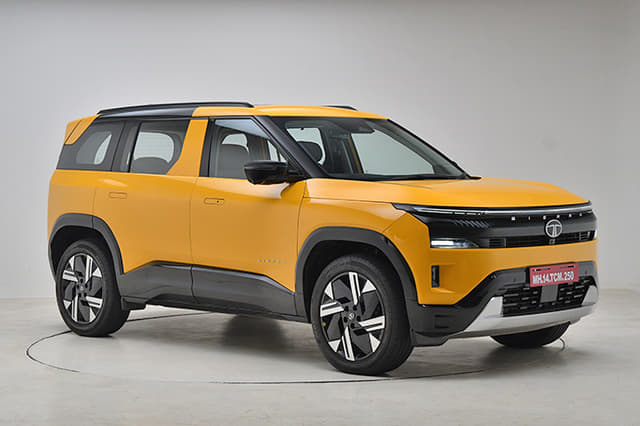
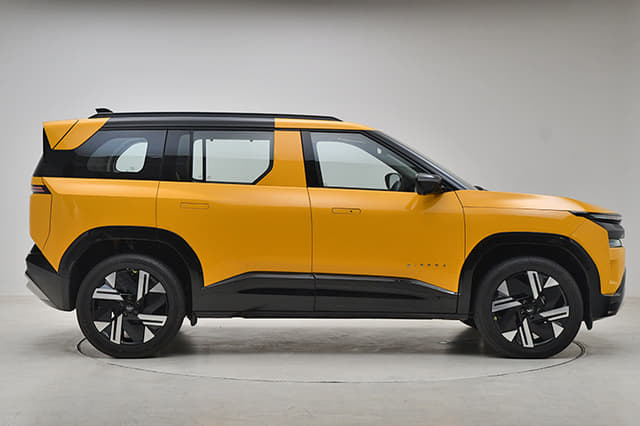
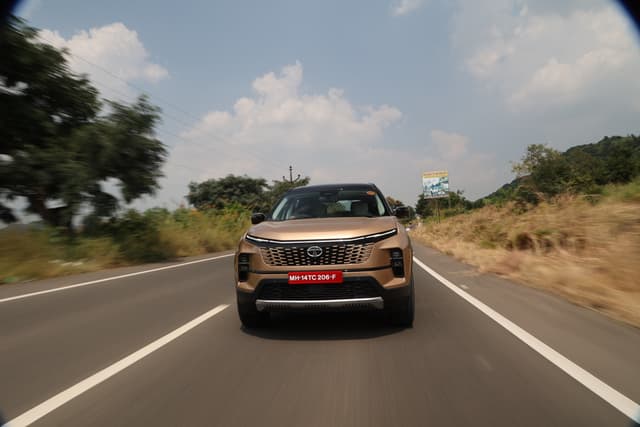
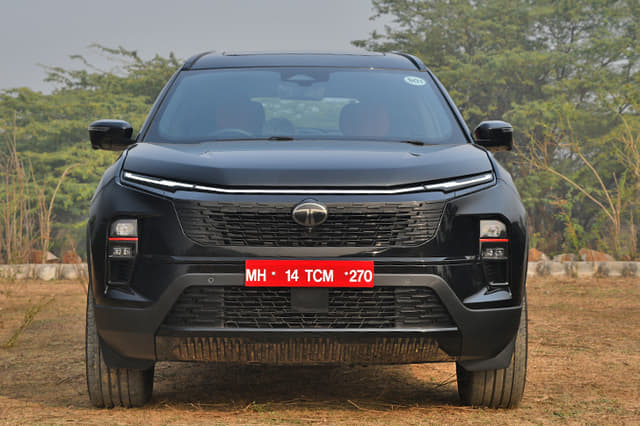
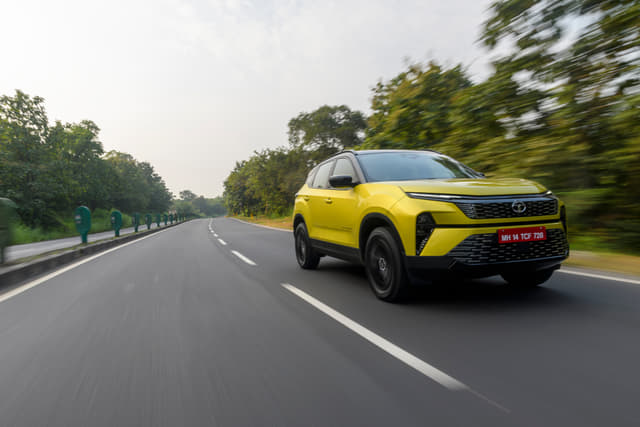
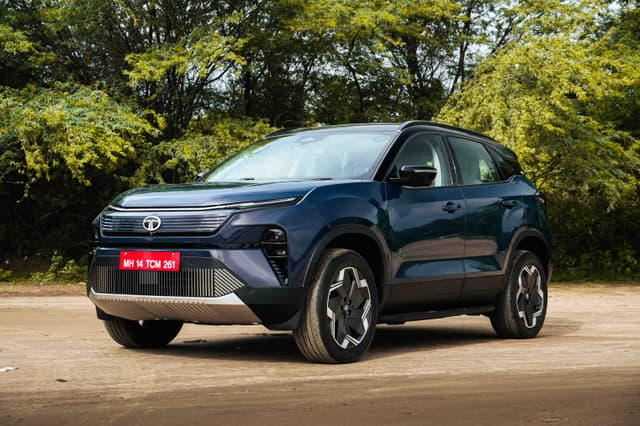
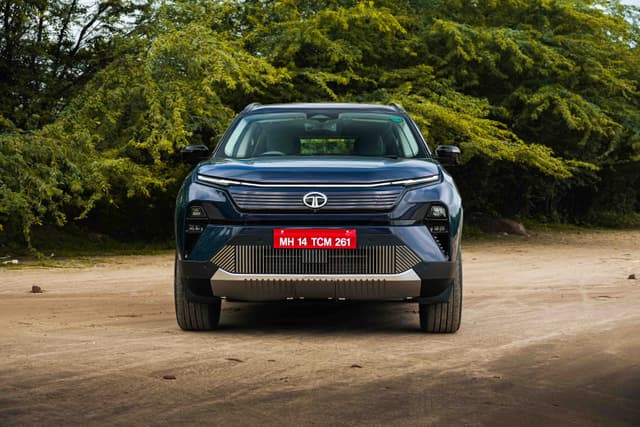
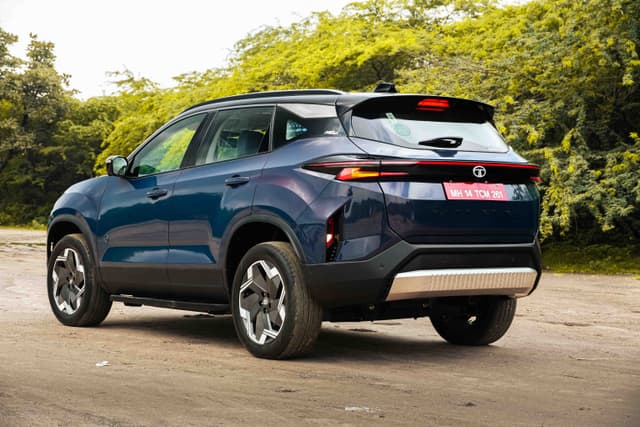
Tata’s SUV line-up covers a wide range of sizes and price points, from the compact Punch to the three-row Safari. Several models are also available with both ICE and electric powertrains, giving more choice within the same segment.
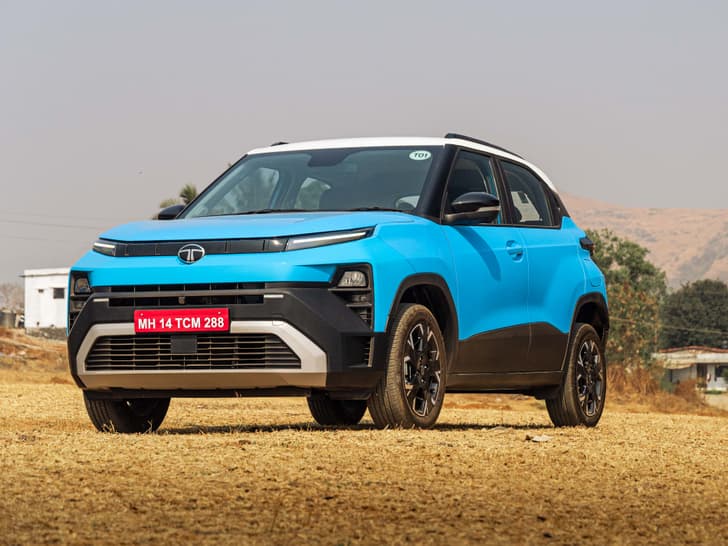
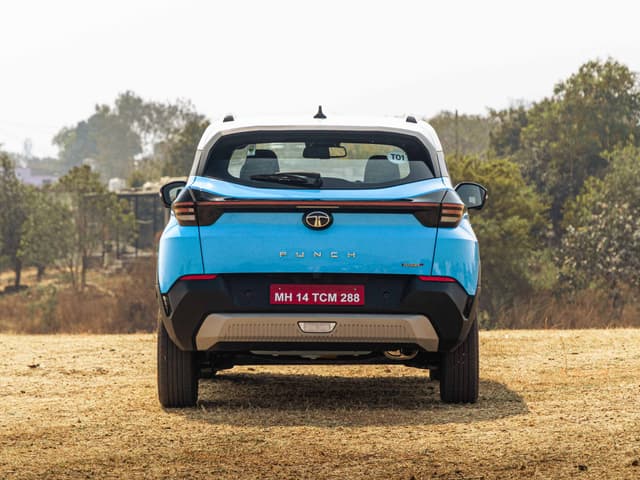
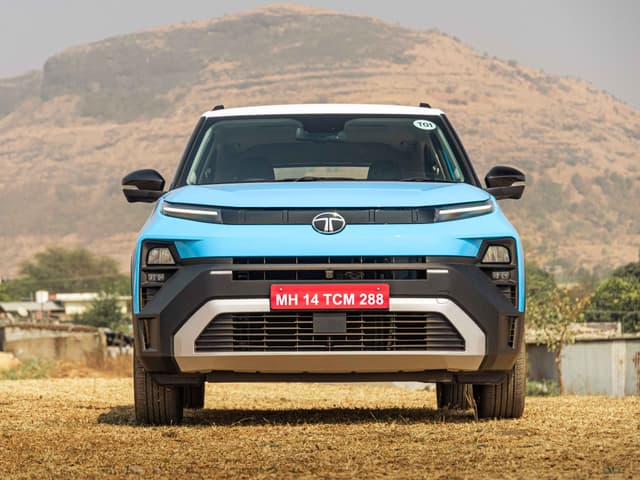
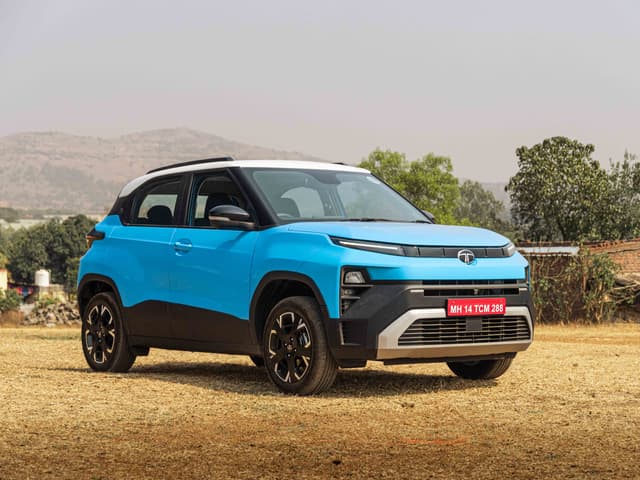
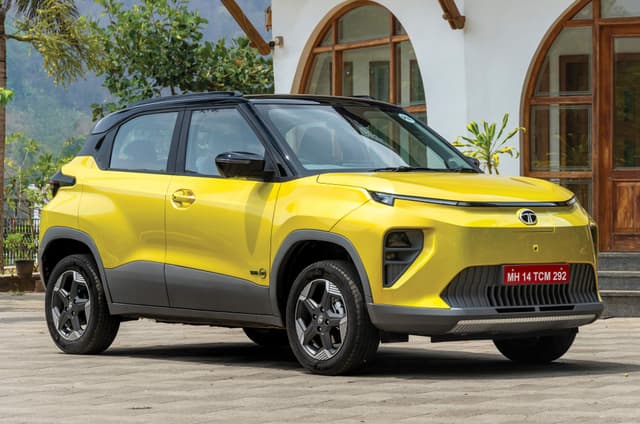
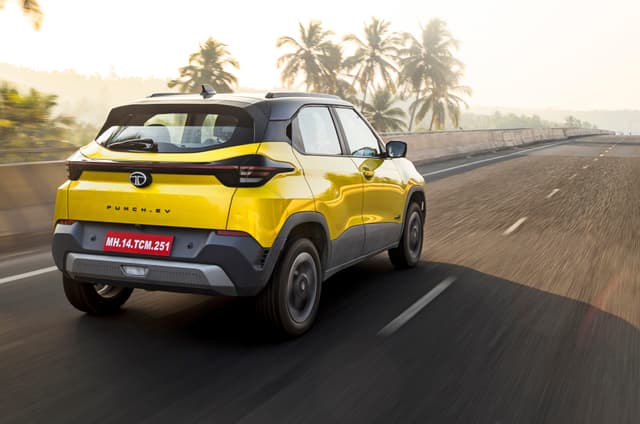
Tata Punch and Punch EV
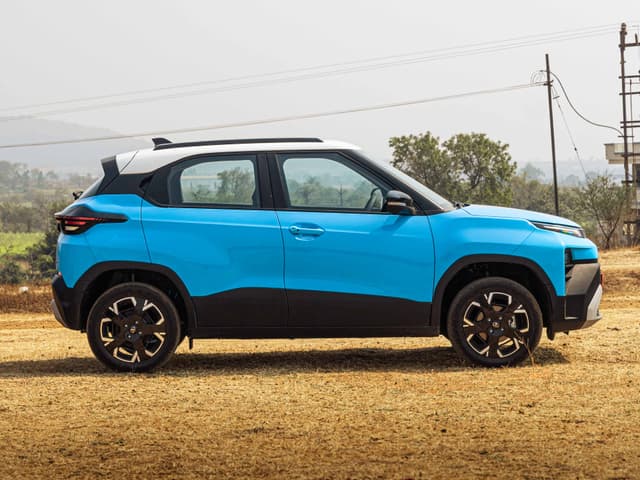
The Punch is Tata’s smallest SUV, but its tall stance, 193mm ground clearance and well-judged suspension give it a more substantial feel than its dimensions suggest. The new turbo-petrol addresses one of the earlier Punch’s biggest shortcomings, although the naturally aspirated petrol remains more suited to relaxed driving.
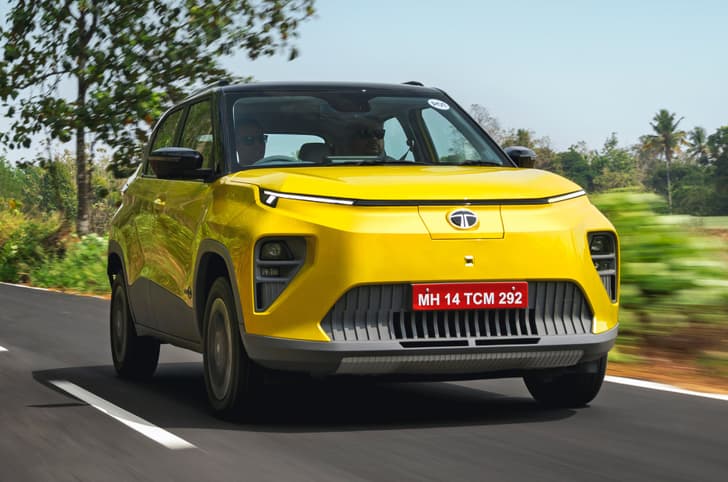
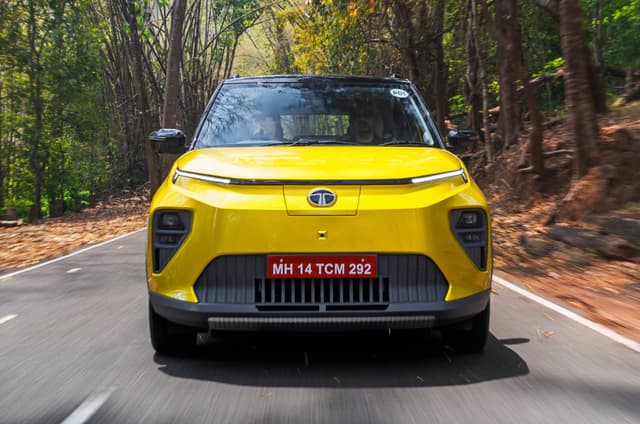
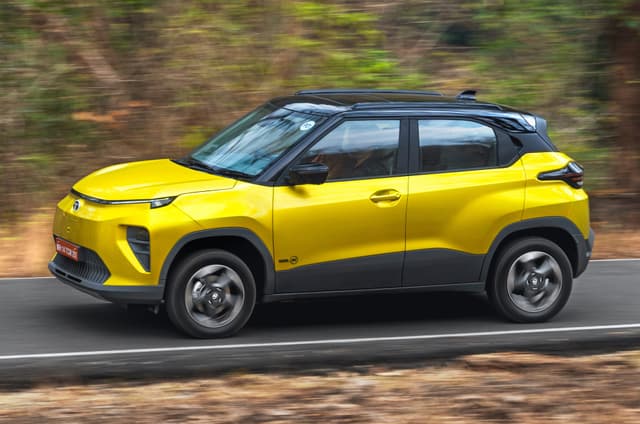
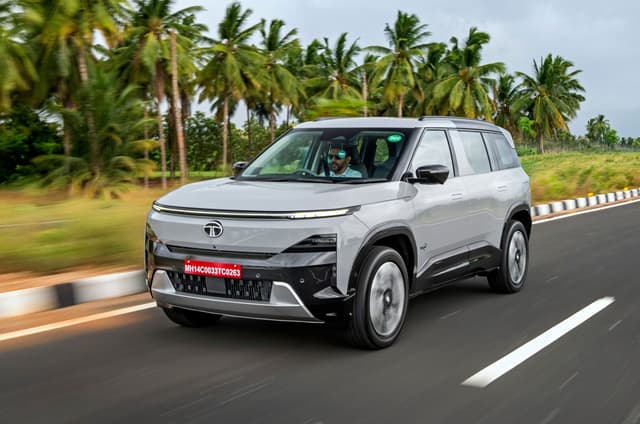
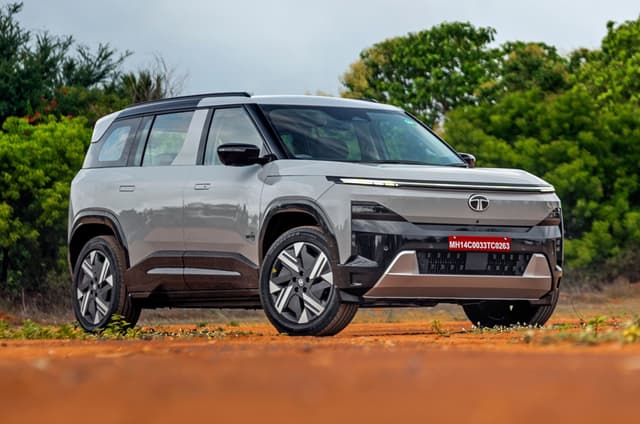
The Punch EV retains the compact dimensions but gets a more modern cabin, strong acceleration and a particularly comfortable ride. Its rear seat remains relatively narrow, so it works better as a city-focused family SUV than a spacious five-seater.
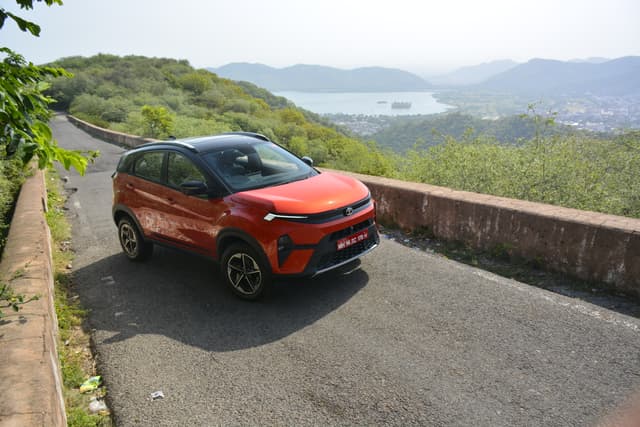
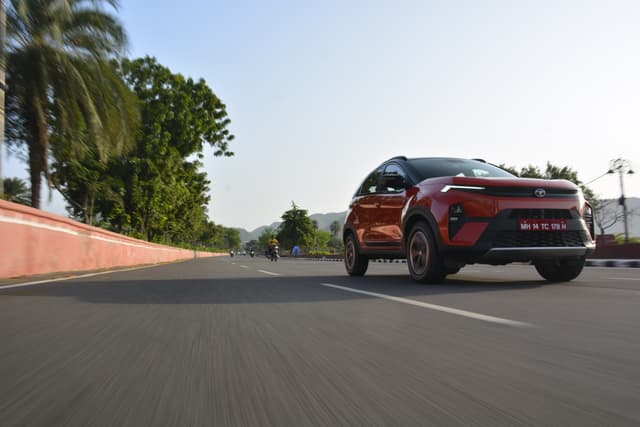
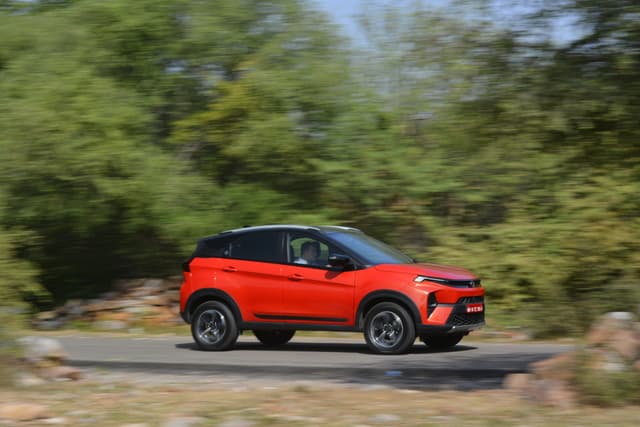
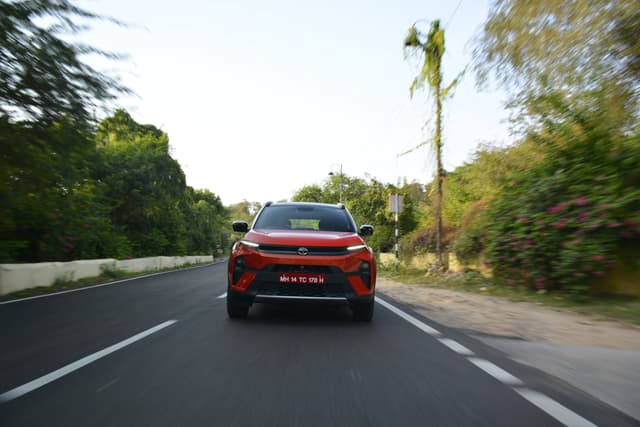
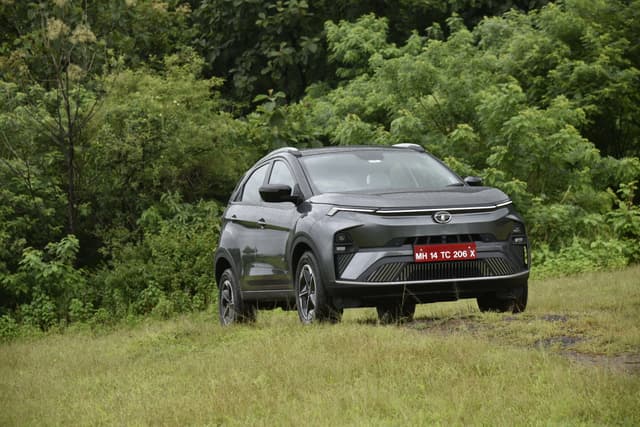
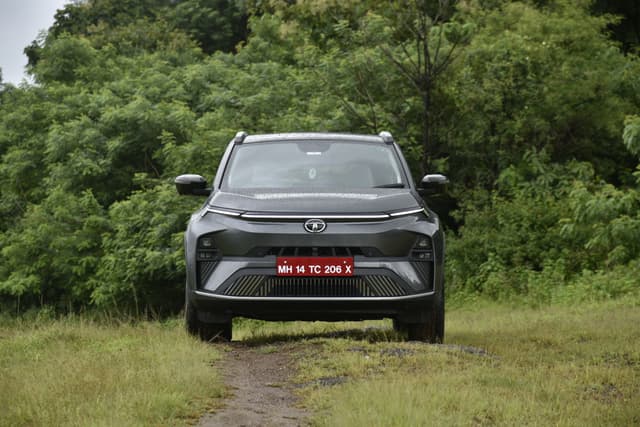
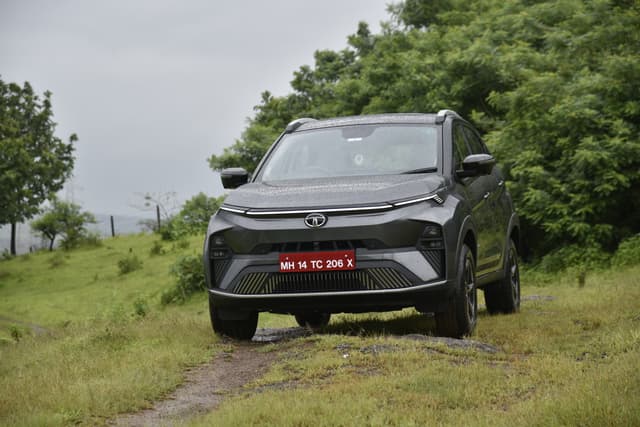
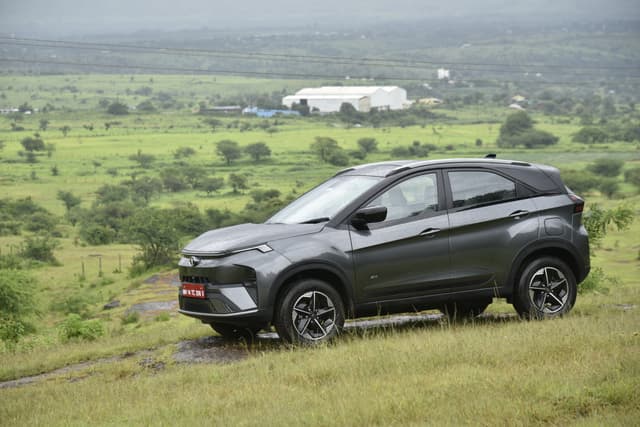
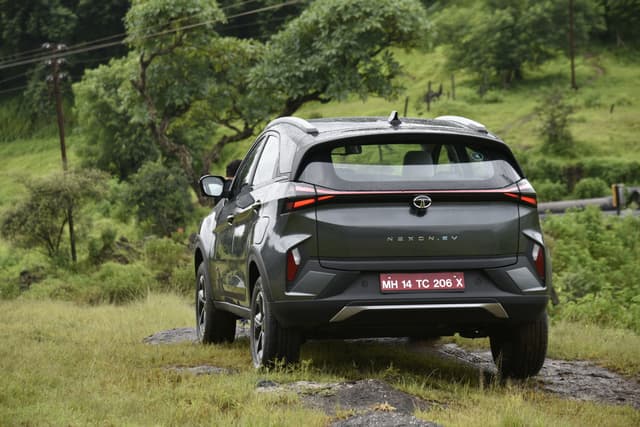
Tata Nexon and Nexon EV
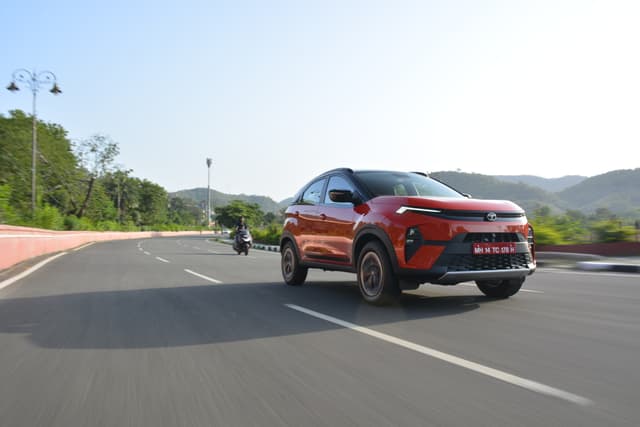
The Nexon builds on the Punch with more space, a wider choice of engines and a significantly richer cabin. Its 208mm ground clearance and suspension tuning make it particularly well suited to Indian roads, while features such as the twin 10.25-inch screens and 360-degree camera give the cabin a more sophisticated feel. Safety is another strong point, with six airbags and ESP standard across the range.
The Nexon EV follows the same compact-SUV formula with smooth performance and a comfortable ride. It also offers a usable 350-litre boot, making it a practical electric option for someone who primarily drives in the city but still wants a relatively conventional SUV experience.
Tata Curvv and Curvv EV
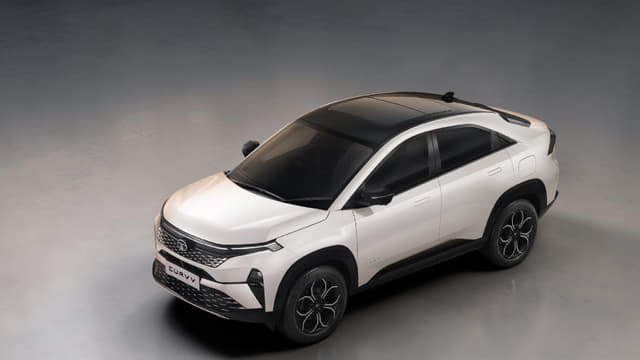
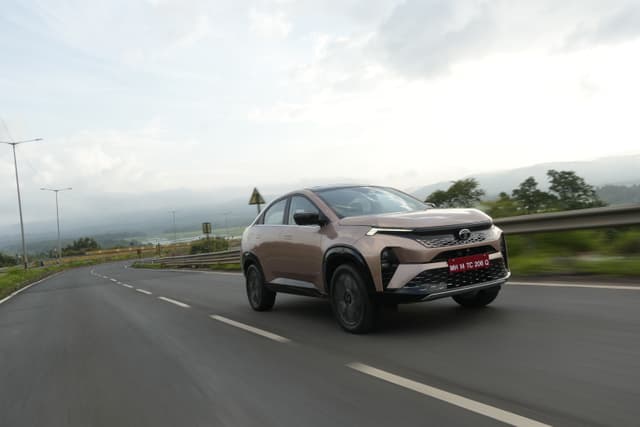
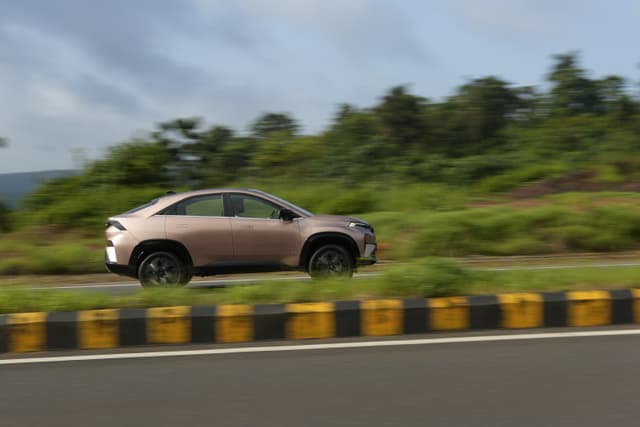
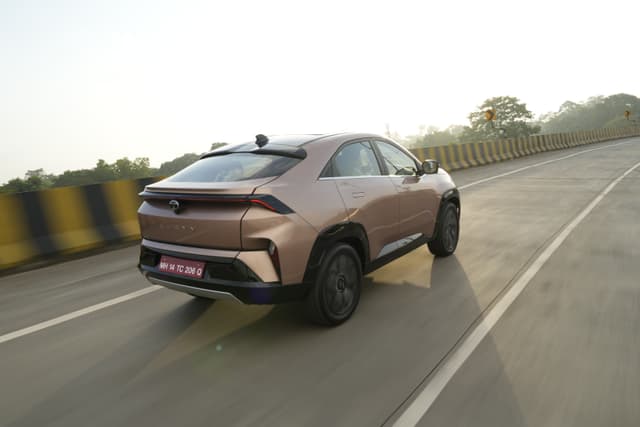
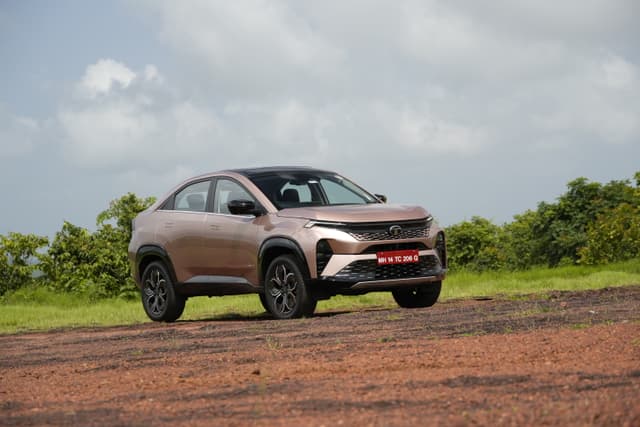
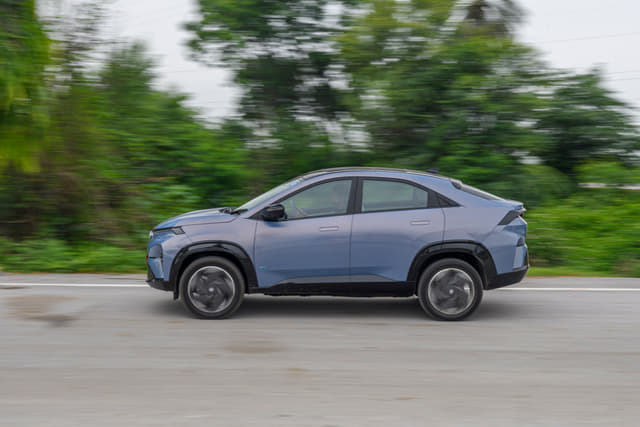
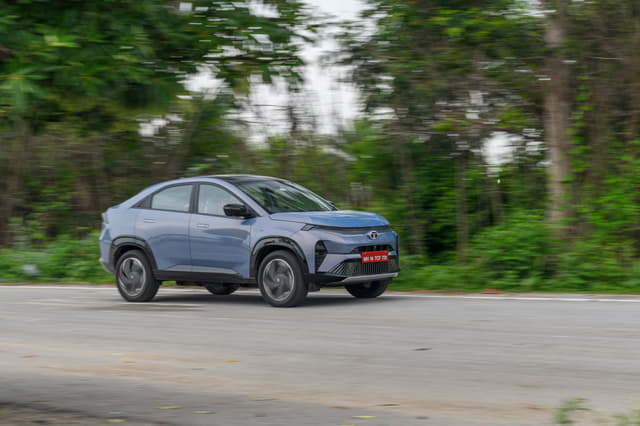
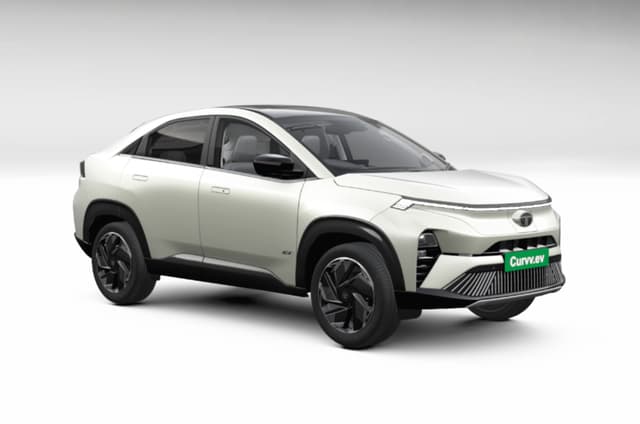
The Curvv is the more style-focused option in Tata’s midsize SUV line-up. Its sloping roof and coupe-SUV profile set it apart from conventional rivals, while the 500-litre boot gives it useful luggage space. On the road, the Curvv has a comfortable, composed ride and comes with a long list of features, although rear-seat space and some ergonomic details are not its strongest points.
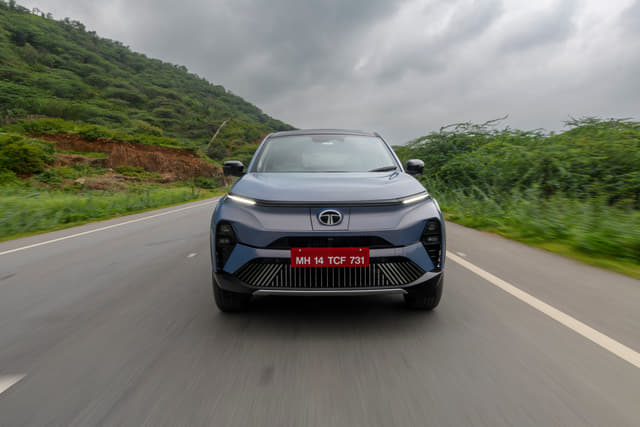
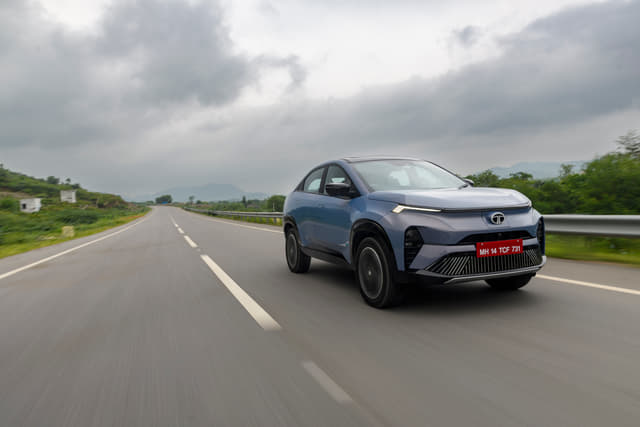
The Curvv EV carries over the same distinctive shape and adds strong performance, a comfortable ride and good real-world range. The sloping roof does, however, compromise rear-seat comfort for taller passengers.
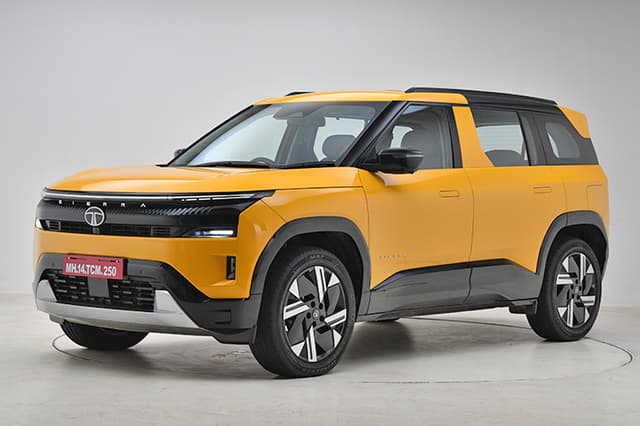
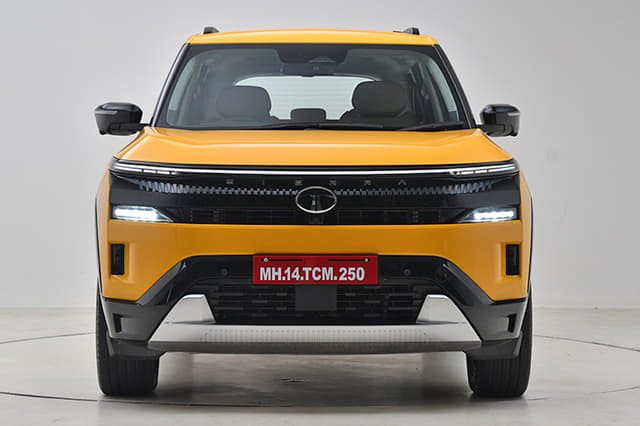
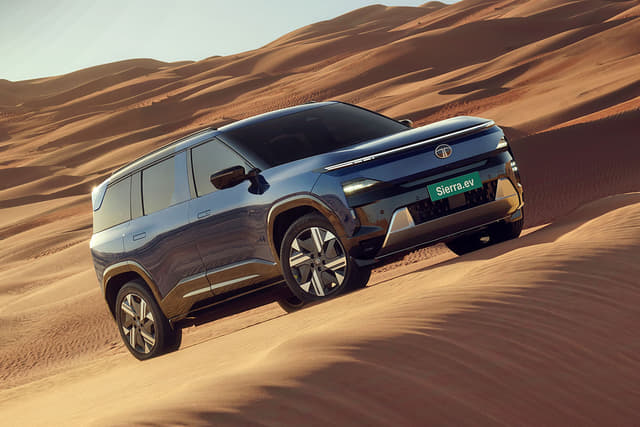
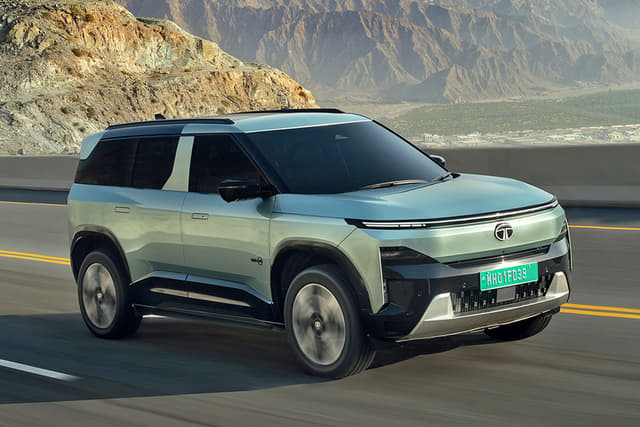
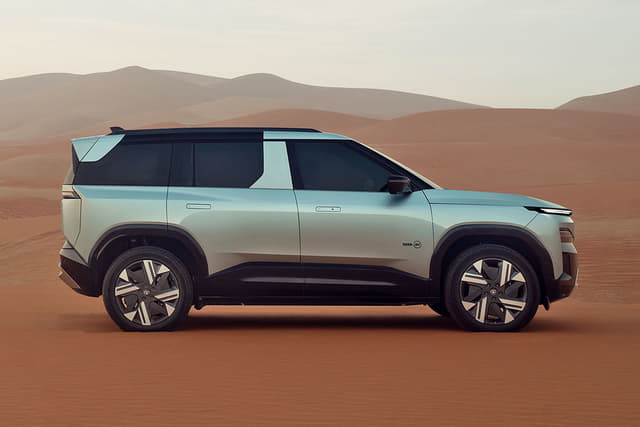
Tata Sierra
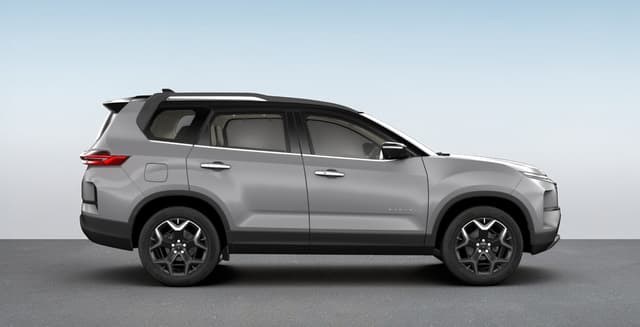
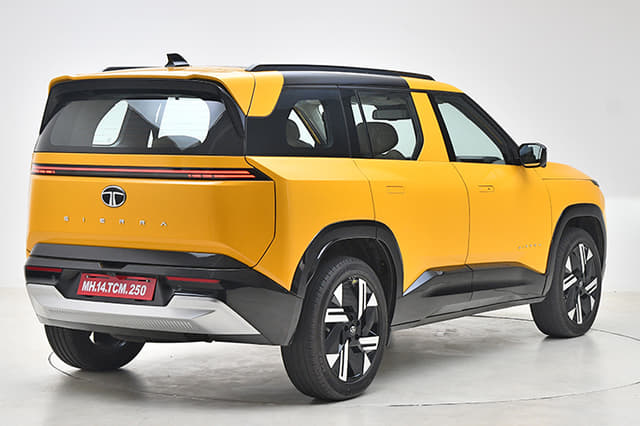
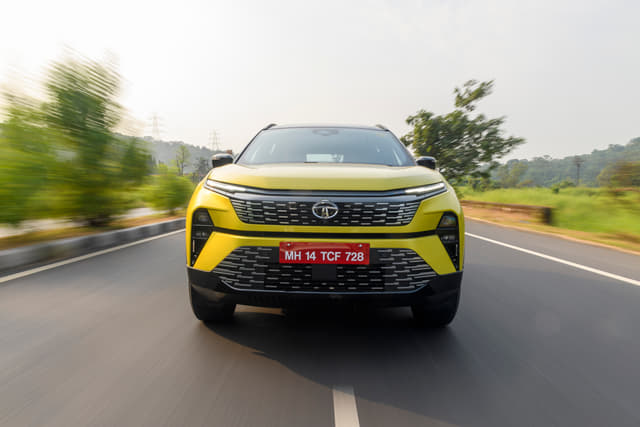
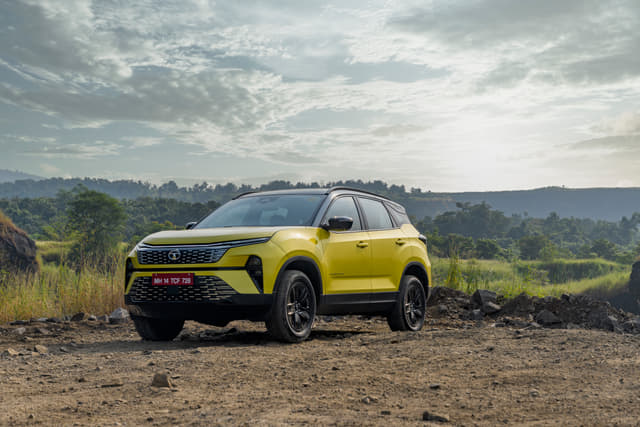
The Sierra sits between the Curvv and Harrier and gives Tata a more traditional midsize SUV with a distinctive design. Its upright, boxy shape pays homage to the original Sierra, while the modern cabin gets a three-screen dashboard and a long equipment list. More importantly, the turbo-petrol stands out for its refinement and strong performance, while the diesel is better suited to relaxed highway driving but is noticeably noisier. With its spacious cabin, 205mm ground clearance and strong road presence, the Sierra sits between the more style-led Curvv and the larger Harrier.
Tata Harrier and Harrier EV
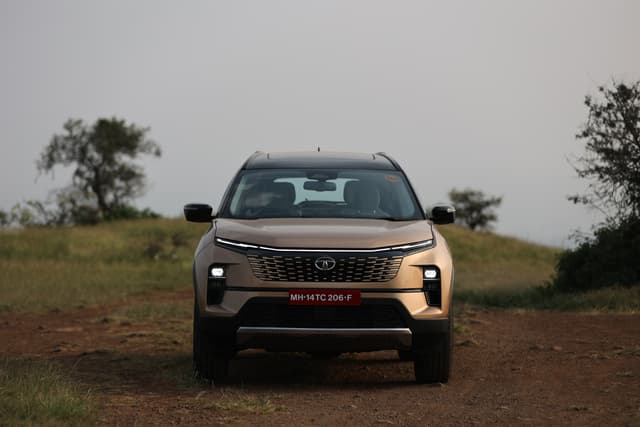
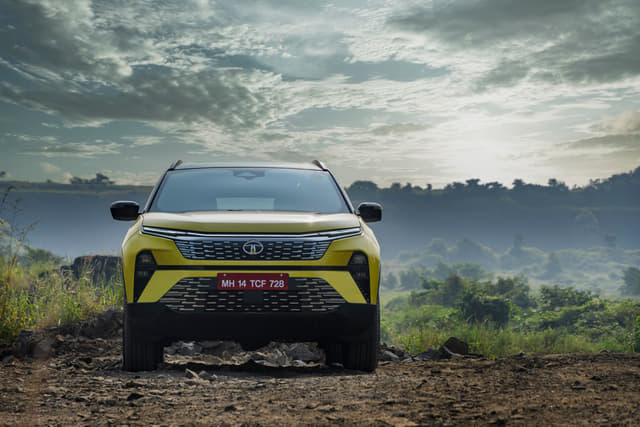
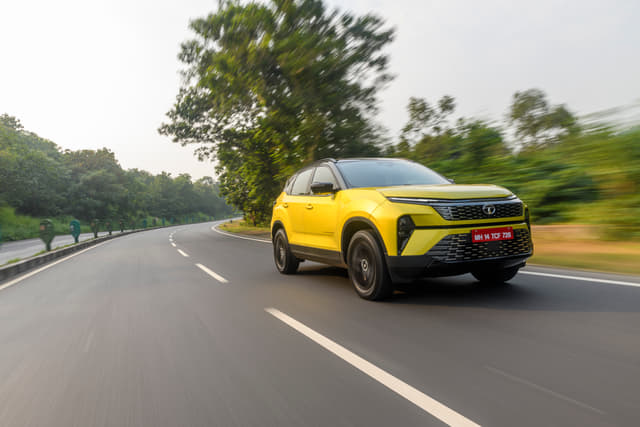
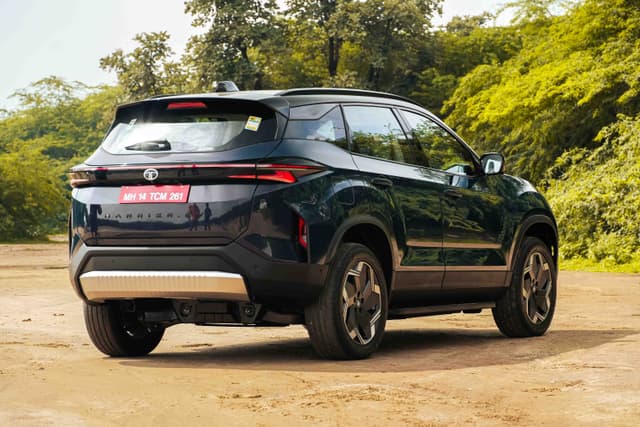
The Harrier is Tata’s five-seat flagship and places greater emphasis on space, comfort and highway ability. Its suspension is one of its strengths, soaking up poor roads while maintaining a stable, well-controlled feel at higher speeds. The newer turbo-petrol engine also brings more refinement to the range, while the diesel continues to offer strong mid-range performance.
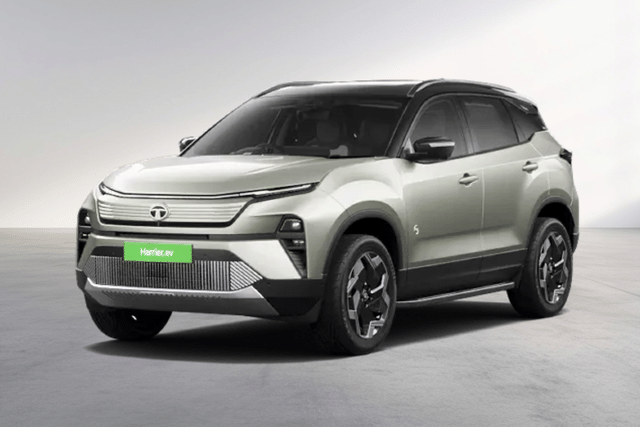
The Harrier EV takes the same broad formula into the electric space, with a spacious cabin, strong road presence and a comfortable ride. The EV also adds all-wheel drive to the Harrier line-up, although its considerable weight and some software and brake calibration issues remain points to consider.
Tata Safari
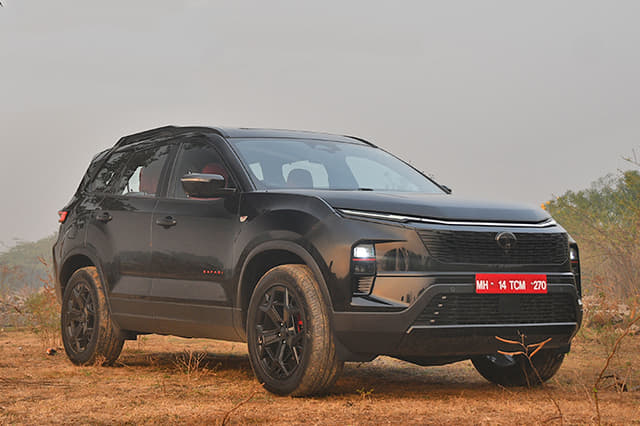
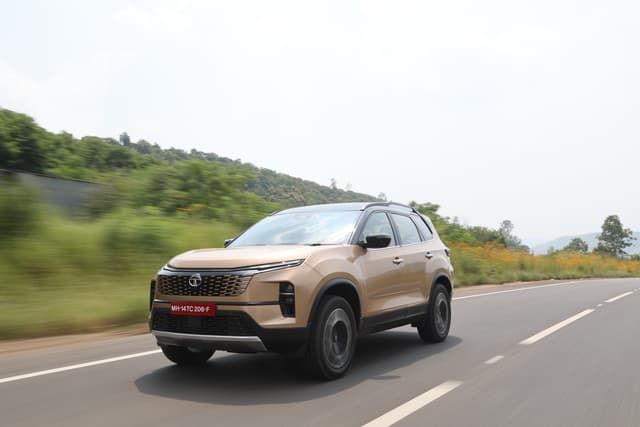
The Safari is Tata’s largest SUV and the most practical choice with three rows. Its cabin is spacious, the third row is usable and the suspension does a good job of dealing with poor roads. On the highway, it feels stable and well controlled, making it particularly suited to long-distance family travel.
The petrol engine adds another dimension to the Safari, offering smoother and quieter performance than the diesel, while the latter remains better suited to persons who regularly cover long distances. You can also choose between six- and seven-seat layouts, with the former offering captain's chairs in the second row. Overall, the Safari focuses more on space, comfort and highway manners than outright off-road ability.
Tata SUVs and Safety
Safety is a strong focus across Tata’s SUV range, with several models receiving five-star Bharat NCAP ratings for adult and child occupant protection. The currently crash-tested SUVs include the Punch, Nexon EV, Harrier, Safari, Sierra and Harrier EV.
Tata SUV | Bharat NCAP rating | Adult occupant protection | Child occupant protection |
Tata Punch | 5 stars | 30.58/32 | 45/49 |
Tata Punch EV | 5 stars | 31.09/32 | 45/49 |
Tata Nexon EV | 5 stars | 29.86/32 | 44.95/49 |
Tata Sierra | 5 stars | 31.14/32 | 44.73/49 |
Tata Harrier | 5 stars | 30.08/32 | 44.54/49 |
Tata Harrier EV | 5 stars | 32/32 | 45/49 |
Tata Safari | 5 stars | 30.08/32 | 44.54/49 |
The Harrier EV is notable for scoring the maximum 32 points in adult occupant protection, while the Sierra, Punch and Punch EV have also recorded strong scores in both adult and child protection.
Upcoming Tata SUVs
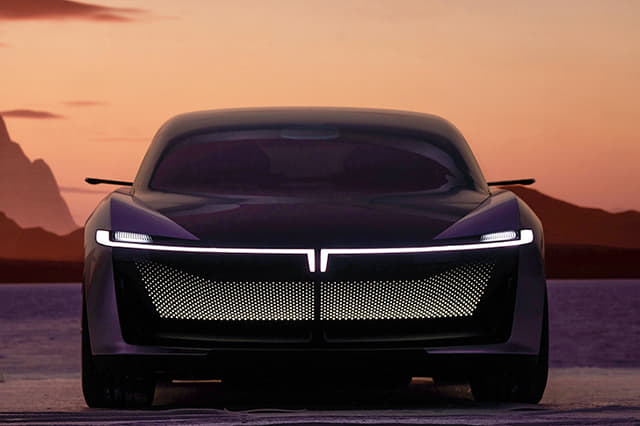
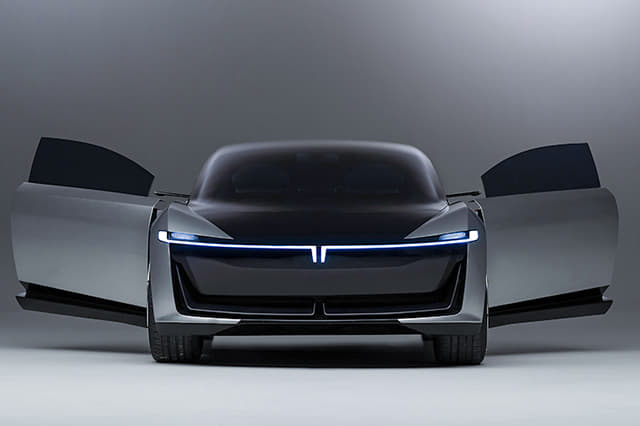
Tata is set to expand its SUV range with the Safari EV, expected in 2026 with an estimated price of Rs 22.50-30 lakh, followed by the next-generation Nexon and Avinya in 2027. The new Nexon is expected to get a new platform and updated styling, while the Avinya will sit higher in Tata’s electric SUV line-up with an estimated price of Rs 35-40 lakh.


Filter your search
Filter your search


Find cars by fuel type


Find cars by fuel type


Tata Suv Cars - FAQs
In {{current_month}} {{current_year}}, Tata SUV Cars in India include 13 models in total, out of which 10 are currently on sale, and 3 are upcoming.
The Tata SUV Cars price range in 2026 starts from ₹5.59 lakh for the Punch and goes up to ₹40.00 lakh (expected) for the upcoming Avinya.
For buyers searching for Tata SUV Cars under 10 lakh, options include the Punch, Punch EV and select variants of the Nexon and Curvv.
The upcoming lineup includes the Tata Sierra EV (expected mid-2026), Tata New Nexon and Tata Avinya (expected in 2027).
Tata offers SUVs in petrol, diesel, CNG and electric powertrains, making Tata SUV Cars in 2026 suitable for a wide range of buyers.
The Safari is currently the only 7-seater SUV in the Tata lineup.
Among ICE models, the Tata Punch delivers the highest mileage, ranging between 18.8-27 kmpl.
The Tata Harrier EV offers the highest claimed electric range of 538-627 km among SUV Cars in 2026.
Yes, the Punch and Nexon offer CNG options within the Tata SUV portfolio.
Yes, out of 10 Tata SUV Cars which are available for sale, 7 models, including the Harrier and Nexon, have received 5-star safety ratings from BNCAP.
Trending Questions on Tata Cars - Answered by Autocar Experts
Dear Autocar team, I am planning to buy a petrol automatic SUV priced under Rs 20 lakh. I have been considering the Tata Sierra petrol automatic but am concerned about Tata's after-sales service. My key requirements are comfortable seating for four to five adults, a spacious midsize SUV rather than a compact SUV, strong safety standards and build quality, and modern features such as a 360-degree camera. Which options should I consider?
Based on your requirements, the Tata Sierra turbo-petrol automatic is a good fit. It is a genuinely spacious midsize SUV with a wide cabin that comfortably accommodates five adults. Plus, it offers a premium interior with a good feature set, including a 360-degree camera. Safety and build quality are also among its key strengths.Your concern about Tata's after-sales service is understandable, and the experience continues to vary depending on the dealership.If you are looking for alternatives, the Kia Seltos petrol IVT is an excellent option. The petrol engine isn't as powerful, but Kia's ownership experience is generally more consistent compared to Tata's. The Hyundai Creta is due for a full generation change in 2027, so it is not the best time to buy one.Overall, the Sierra turbo-petrol automatic remains the best fit for your requirements. If you are still concerned about after-sales, the Seltos is the safer ownership choice, but you will be compromising on cabin and boot space.
We are a family of 4 and our usage is limited to 10-12,000 km annually which involves 60:40 city-highway usage. Our trips always have a couple of more members joining us. I like the XUV 7XO (diesel) automatic but I am not too sure about its longevity since I would like to own this car for 8-10 years. I considered the Alcazar but I felt the 2nd row is slightly narrow compared to the 7XO. Also, as a car that costs as much as the 7XO isn't nearly as powerful either. Are these my only options? I know my usage may not need a diesel but I would like to own one while these are still available, so I don't mind the delta in price. Also, with the E20 petrol, the performance and efficiency of my current S-Cross has seen drastic difference. I would like the car to be engaging to drive and also reliable with a fuss free ownership. Could you guide me on this please? Thank you.
Go for the Mahindra XUV 7XO diesel automatic. Your usage of 10-12,000 km a year with a 60-40 city-highway split does not strictly demand a diesel, but your preference for owning one while they are still available is valid, and the XUV 7XO diesel is one of the best diesel powertrains in the segment. It is strong, refined and well suited to highway touring, which aligns with your occasional long trips with additional family members.The XUV 7XO is also one of the most engaging 7-seater SUVs to drive, with good performance and a well-sorted chassis. The second row is genuinely spacious, and the third row is usable for occasional passengers, which is important given your family of four plus two additional members on trips. On longevity, Mahindra has made significant improvements in reliability and ownership experience over the past few years, and the XUV 7XO is a mature product. As long as you maintain it well, there is no reason it cannot be a reliable 8-10 year ownership proposition.If you are open to alternatives, the Tata Sierra is worth a look. It is spacious, comfortable and feels premium inside, but the diesel engine is not as strong nor as refined as the Mahindra's. Overall, the XUV 7XO diesel automatic is the best fit for your requirements. It offers the right balance of space, performance, driving engagement and long-term ownership potential.
I am a first-time car buyer. Please suggest an SUV that is easy to drive for a new driver who is not very confident behind the wheel. I am looking for a car with very light steering for heavy traffic and parking, good ground clearance, a 360-degree camera, and a CVT transmission, as I feel CVTs are easier to drive in traffic. What about the Honda Elevate CVT? It offers good hood visibility and ground clearance, but I am not sure about its steering. I also feel it is a bit long, and it does not have a 360-degree camera. Could you suggest other options that would suit my needs? Are Hyundai and Kia IVTs better than CVTs? What about the Nissan Magnite CVT and Renault Kiger CVT? Would an EV be a better option? Overall, please suggest an automatic car that is easy to drive for someone who is not very confident behind the wheel. I would prefer a car that meets my requirements, but I am open to better suggestions as well.
For a first-time driver who is not very confident, the Nissan Magnite CVT and Renault Kiger CVT are the most natural fits, while the Honda Elevate CVT remains a good choice if the extra size is manageable. The Magnite and Kiger are compact, have light steering, good all-round visibility, around 205mm ground clearance and 360-degree cameras, making them particularly easy to place in tight traffic and parking spaces. The CVTs are also smooth and predictable, which is useful for a new driver. The Kia Seltos 1.5 IVT is another good option, and its IVT is essentially a CVT in operation, but the Seltos is larger and therefore not quite as unintimidating as the Magnite or Kiger. The Honda Elevate CVT has several advantages for a new driver, particularly its good bonnet visibility, upright driving position, 220mm ground clearance, light and predictable CVT and 5.2m turning circle. Its 4.3m length, however, will make tight parking slightly more challenging than in the Magnite or Kiger. The current Elevate's lack of a factory 360-degree camera is also a drawback, although the upcoming Elevate facelift is expected to get a 360-degree camera, which would make it a considerably better match for this requirement. An EV can be even easier in traffic because there is no gear changing and the response is very smooth, so the Punch EV is worth considering if home charging is available.
Hi Autocar Team, I’m looking to replace my current Tata Punch Accomplished Dazzle Sunroof AMT. I’m not very happy with the AMT gearbox and specifically want to move to a smoother automatic for Hyderabad traffic. My hard on-road budget is Rs 15 lakh. The car will mainly be used by my wife and me, along with our kid, so I’m looking for something that offers good safety, comfort, an automatic transmission, and a sunroof. My biggest priority is long-term ownership and reliability. I plan to keep the car for at least 6-8 years, so it should be reasonably easy and affordable to maintain, with good parts availability and decent resale value. Could you please suggest which car and variant you would personally recommend within a Rs 15 lakh on-road budget in Hyderabad? I’m currently considering cars such as the Maruti Brezza, Kia Sonet, Škoda Kylaq, and other compact/mid-size SUVs, but I’m open to better options. If you had Rs 15 lakh as a hard maximum budget and were replacing a Punch AMT, which car would you shortlist and why?
Go for the Maruti Suzuki Brezza ZXi AT. It is the most sensible upgrade from the Tata Punch AMT and fits your priorities perfectly. The Brezza uses a 6-speed torque converter automatic, which is significantly smoother and more refined than the AMT in the Punch, especially in stop-start Hyderabad traffic. It is also one of the most reliable and easy-to-maintain cars in the segment, with excellent parts availability and a strong service network, which is important for a 6-8 year ownership plan.The ZXi variant sits in the sweet spot of the range, offering good safety equipment, a comfortable cabin and the features you are looking for, including a sunroof, without stretching your budget. You could stretch for the ZXi+, which costs about Rs 2 lakh more, but that pushes it outside your Rs 15 lakh budget and we feel the additions aren't worth the extra outlay. This Maruti Suzuki car is also a genuinely comfortable 5-seater with a well-sorted ride and a proven ownership track record.The Skoda Kylaq is a good driver's car, but fuel efficiency can take a huge nosedive if you're not careful; the Kia Sonet is feature-rich, but cramped on space and with a firm ride. The Brezza is not the most exciting car in the segment, but it is the one you are most likely to be happy with after 6-8 years of ownership.
I am planning to buy a sub-4-metre SUV with a budget of around Rs. 11-14 lakh. The car will mainly be used for weekend driving within the city, along with around 2-4 trips to my hometown each month, with each round trip being approximately 280 km. I also have the option of installing a home charging facility if I decide to go for an EV. I am confused about which powertrain would be most suitable for my usage-petrol, CNG, hybrid, or EV. I would like your valuable suggestion
With 2-4 trips to your hometown every month, your usage is actually high enough to make an EV worth considering, especially since you can install a home charger. A Tata Punch EV 40kWh would fit the budget and is the powertrain that makes the most sense for this usage. It has a claimed range of 468km, although real-world range will naturally be lower, and it supports DC fast charging, which is useful for your 280km round trips.If you prefer to stay with an ICE car, the Maruti Fronx 1.0 turbo petrol AT would be the pick. It gives you better highway performance than the naturally aspirated alternatives, while remaining compact and easy to drive in the city.CNG is worth considering only if keeping running costs as low as possible is the priority. A factory CNG Brezza or Punch will deliver excellent fuel economy, but CNG brings more frequent refuelling and less outright performance, which matters when you are doing regular 280km highway trips. A hybrid is not really a consideration in this sub 4 metre segment at your budget.The key question with the EV is charging on your hometown trips. If you can comfortably charge at home at both ends, the Punch EV becomes particularly attractive. If charging at the destination is uncertain, the Fronx turbo petrol is the safer choice.
Last Updated on: 21 Oct 2026