CNG cars in India (30)
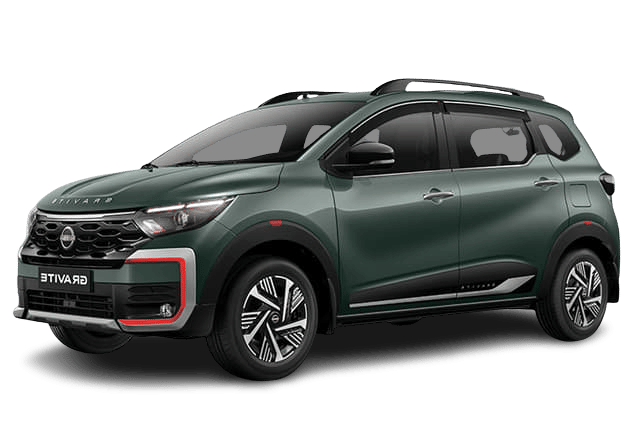
Petrol prices have been going up for a while now in India, and with E20 petrol being sold at every pump in the country, a large number of car owners have reported a significant drop in mileage. As per the government, the drop should have been between 2%-5%, but real-world complaints convey a different story. These days, mileage has become a genuine talking point among car owners rather than a fringe concern because petrol isn’t just costlier per litre, but also stretches less far than it used to.
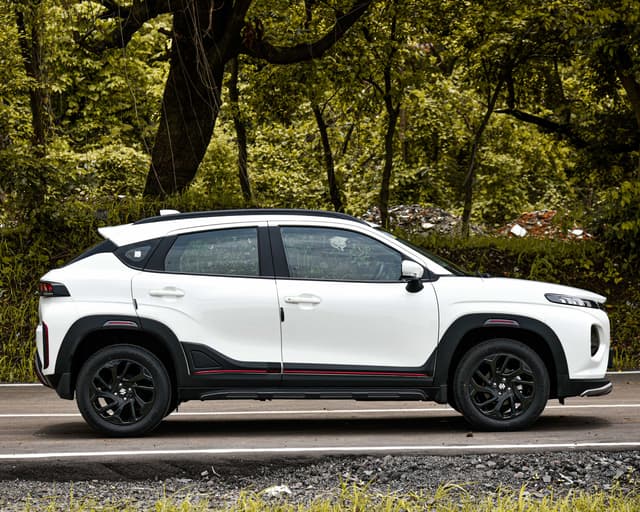
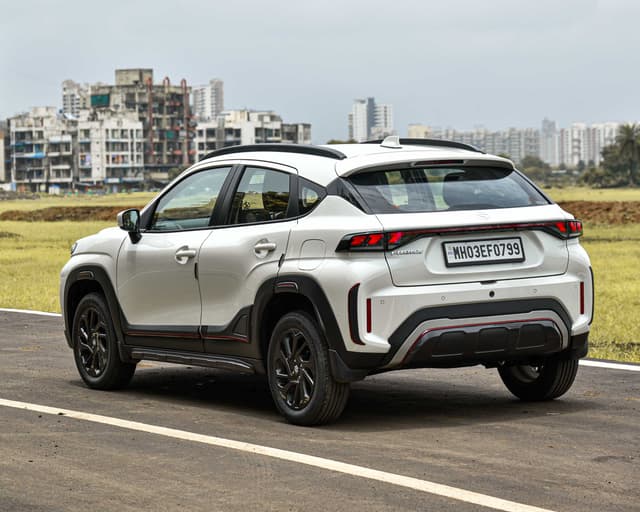
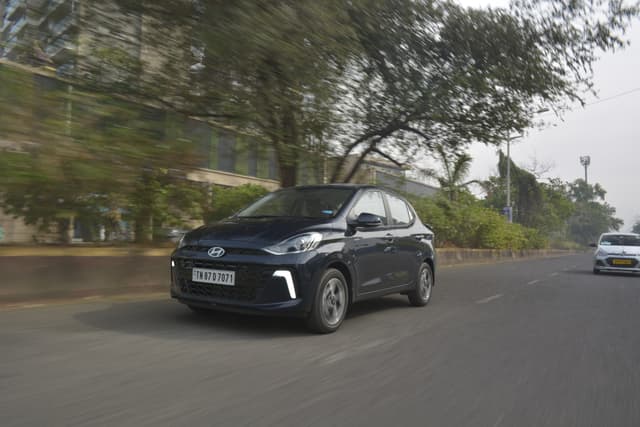
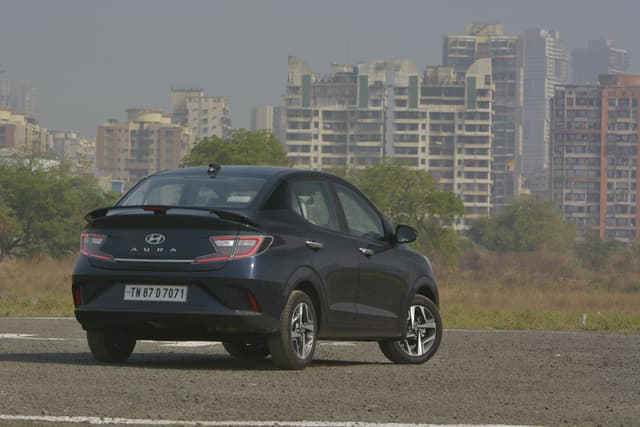
So, what's the way out? The answer: CNG cars. Why? First, CNG is not affected by the ethanol-blending program, so its running costs remain more predictable. Second, unlike E85, it also does not require a special car or a rare pump. Third, you have a decent number of CNG cars to choose from as there are 28 CNG cars available in India, with prices starting at Rs 3.50 lakh and going up to Rs 20 lakh.
If not petrol, are EVs a better option than CNG cars?
It depends, as an EV can be a better option for people who mostly drive within the city and have easy access to a home or office charger. But for those, who frequently travel on highways, cover long distances, it could be a hassle. For them, a CNG car will be a more practical choice.
Apart from this, here are some other reasons:
- Cost: EVs are more expensive than CNG cars. A CNG hatchback starts at just Rs 3.50 lakh, but an electric hatchback starts at Rs 6.99 lakh (ex-showroom).
- Availability: CNG stations are present almost everywhere, but EV charging infrastructure is still developing in India.
- Refuel time: A CNG car takes just a few minutes to refill. Meanwhile, EVs need longer time, usually hours, to recharge.
- Resale value: CNG cars have years of resale history behind them, while EVs simply haven't been around long enough to know.
Note: At Autocar India, we believe that, as of now, EVs do not hold residual values as well as their ICE and CNG counterparts. This holds true across segments and brands, although the picture could change as the EV market matures.
Which CNG cars in India are available for sale?
Segment | Models |
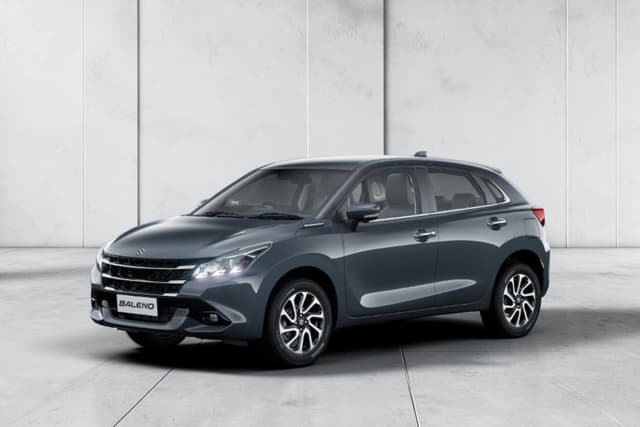
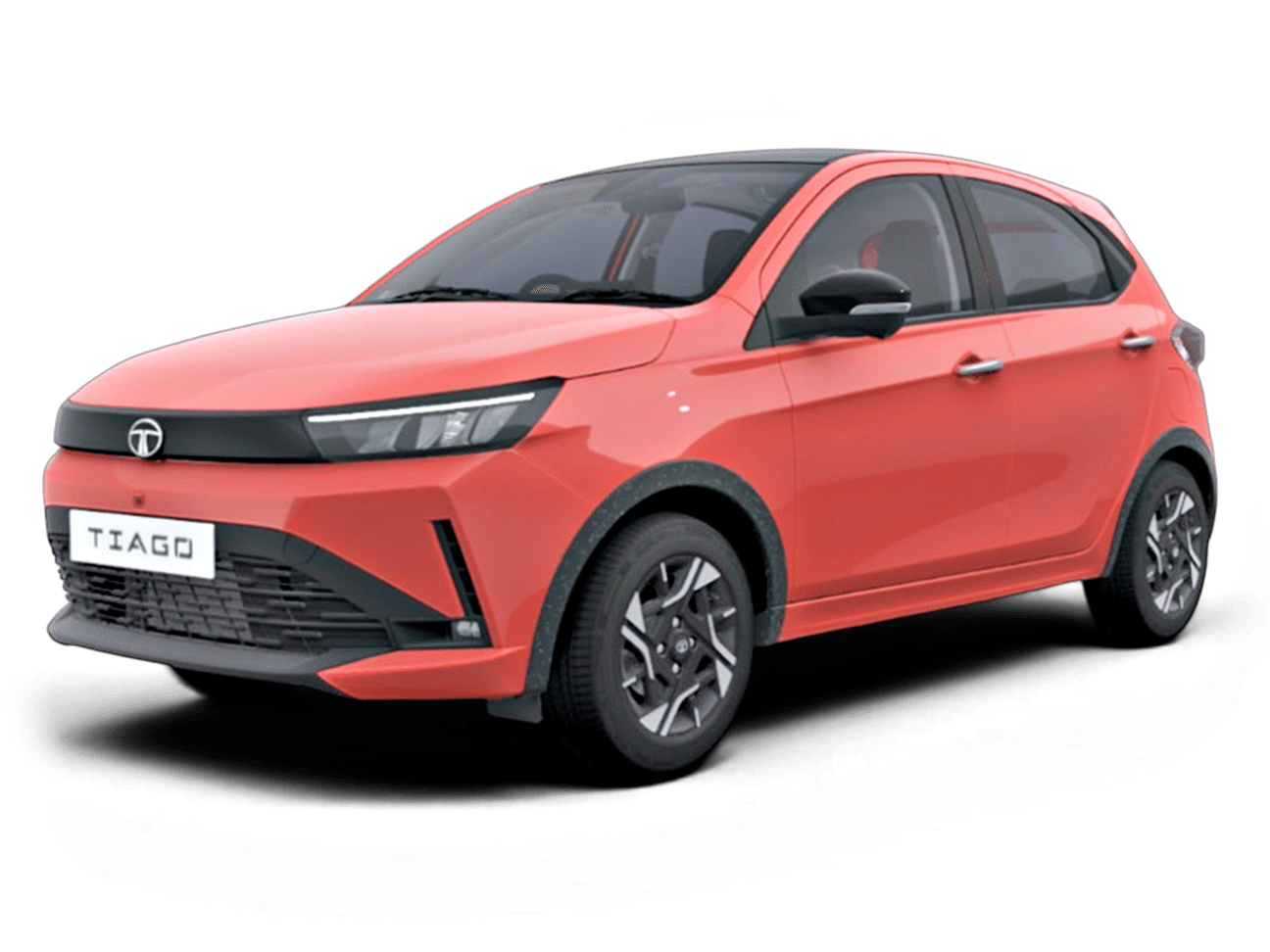
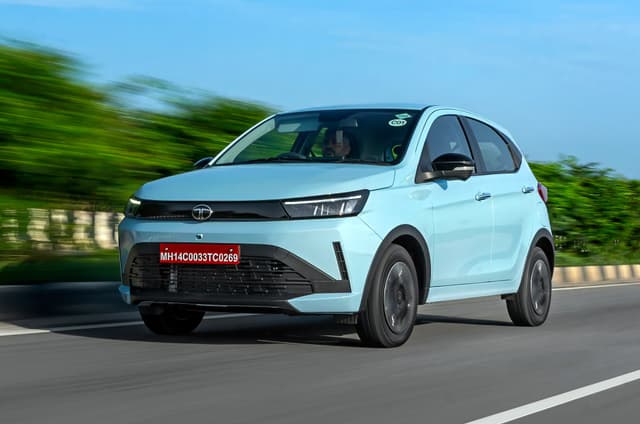
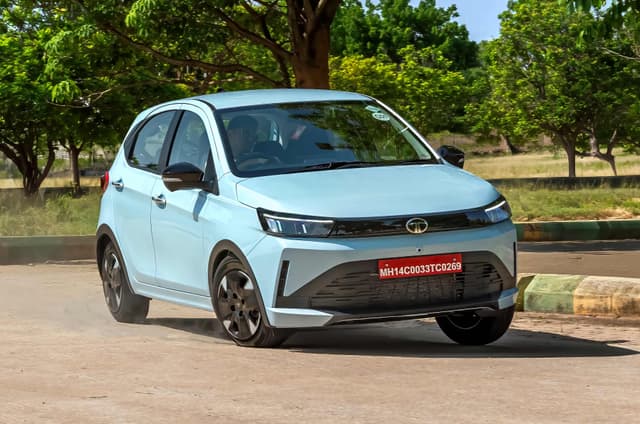
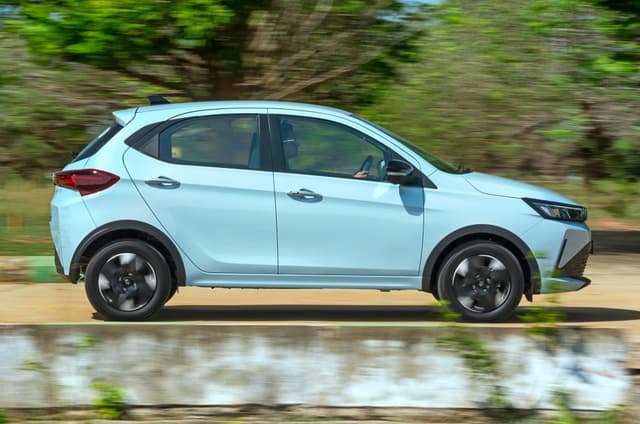
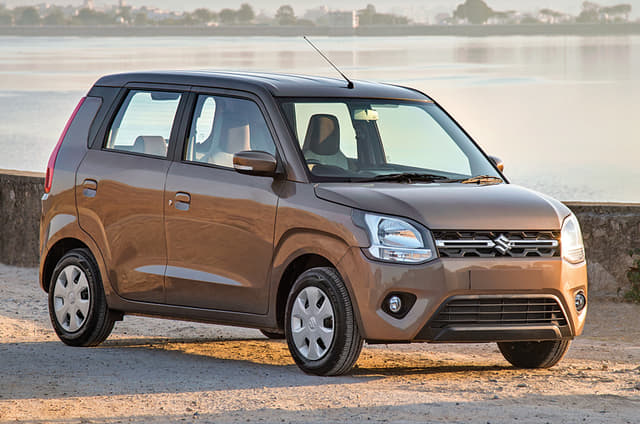
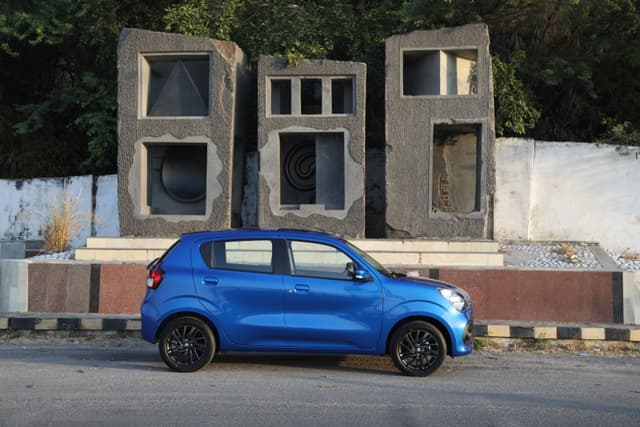
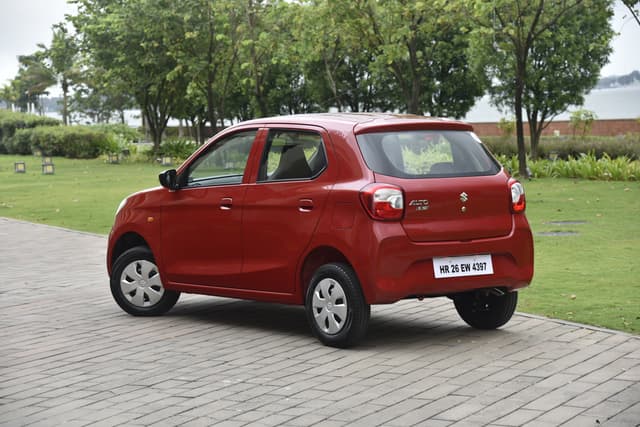
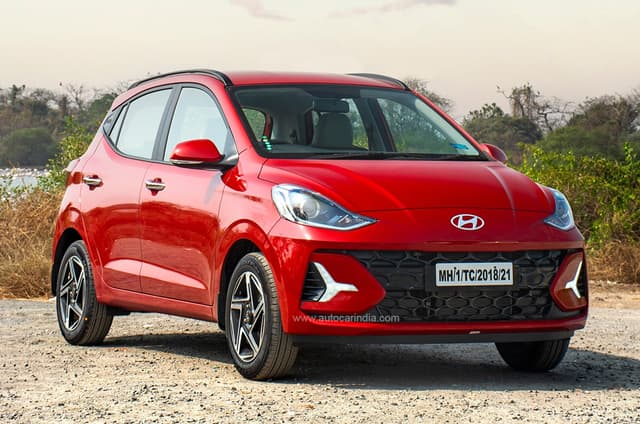
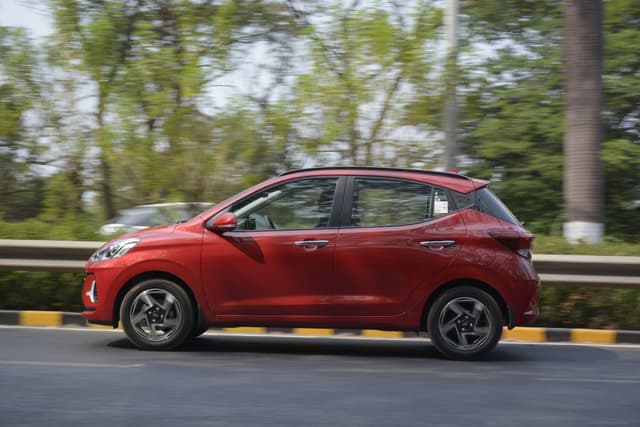
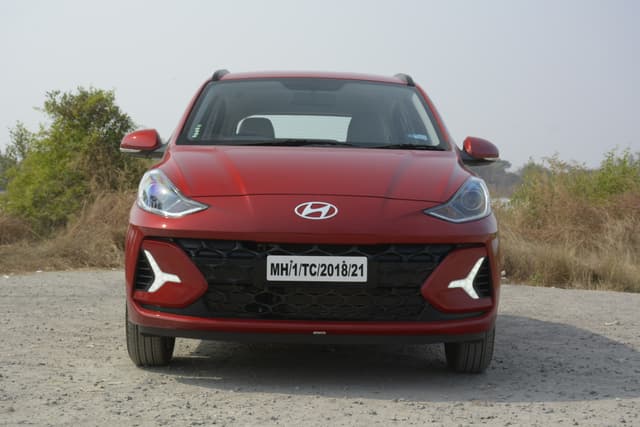
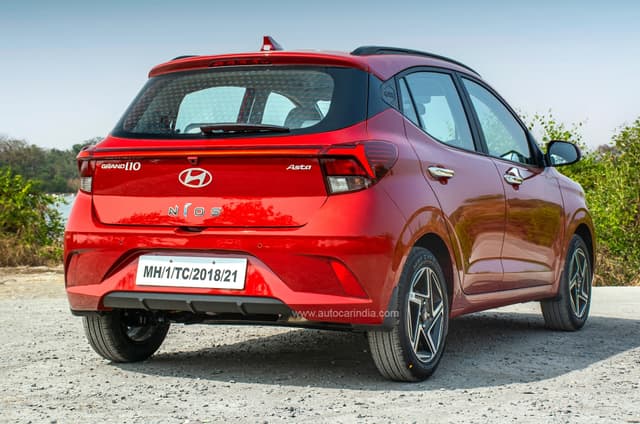
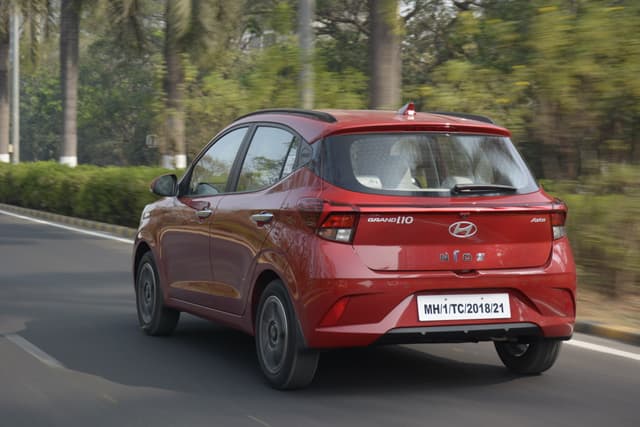
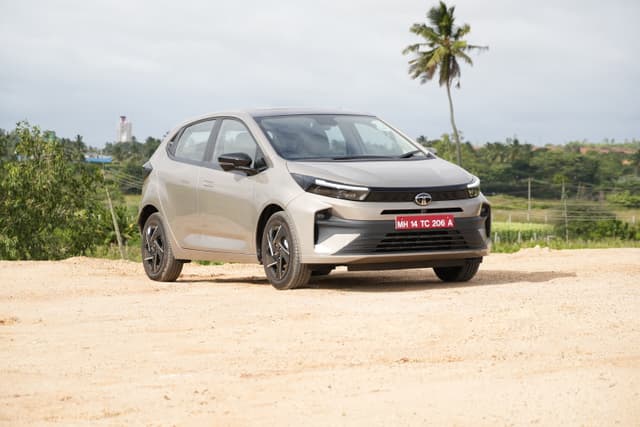
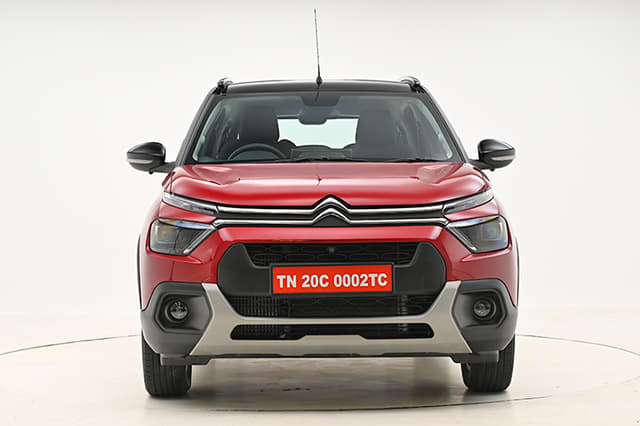
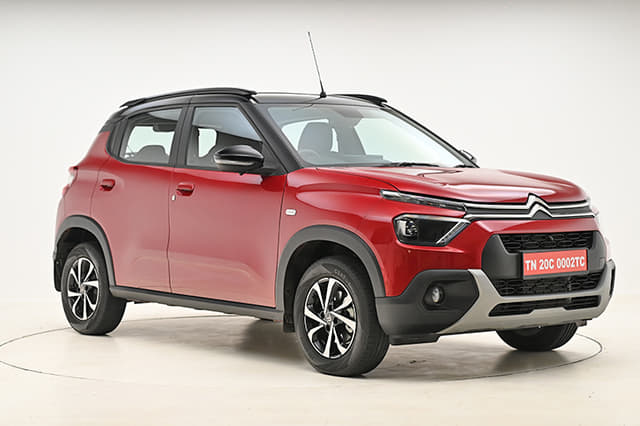
Hatchbacks | Alto K10, S-Presso, Celerio, Wagon R, Swift, Baleno, Tiago, Altroz, Grand i10 Nios, Glanza, and C3 |
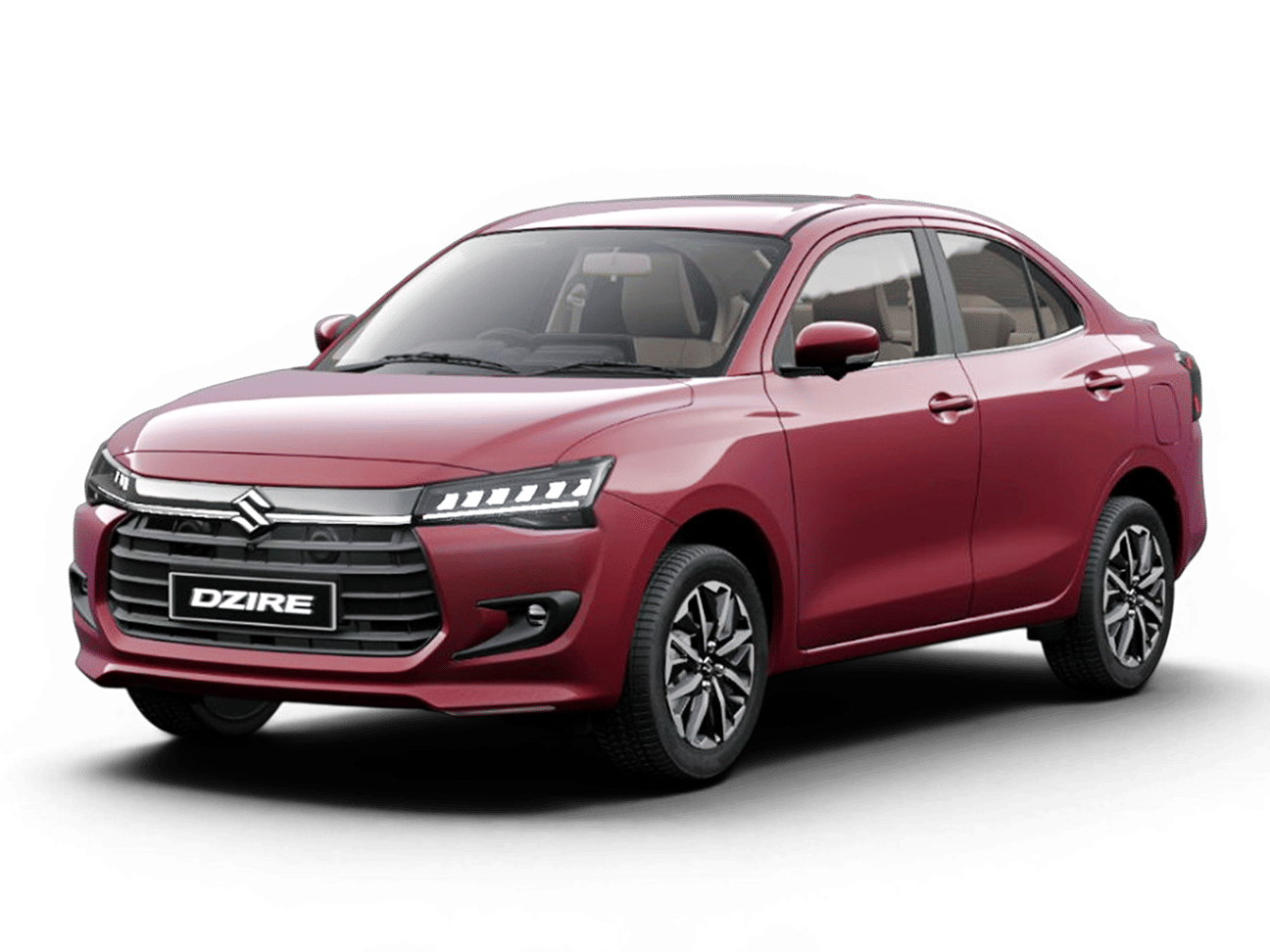
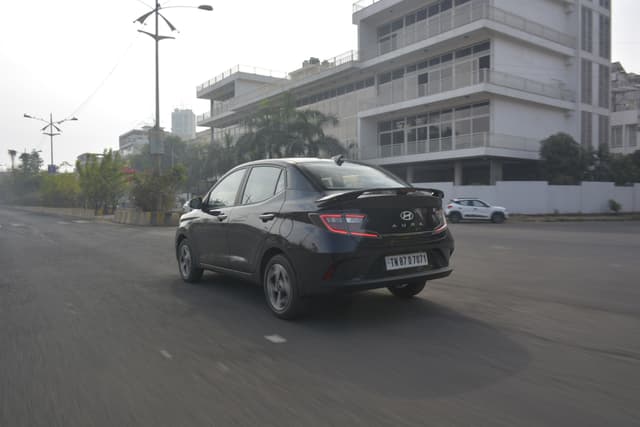
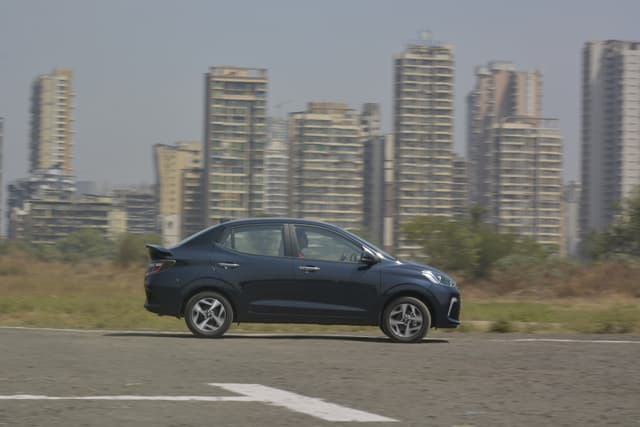
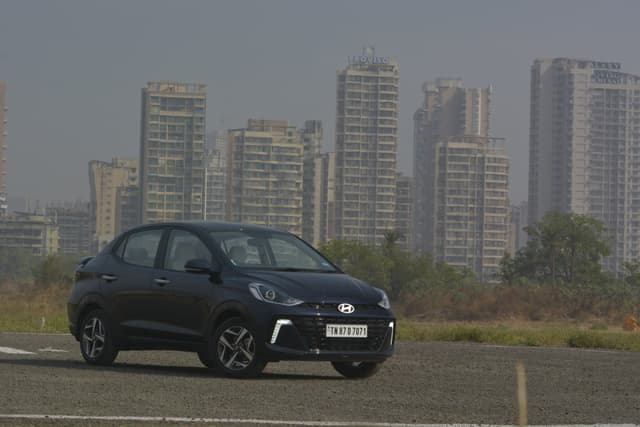
Sedans | Dzire, Aura, and Tigor |
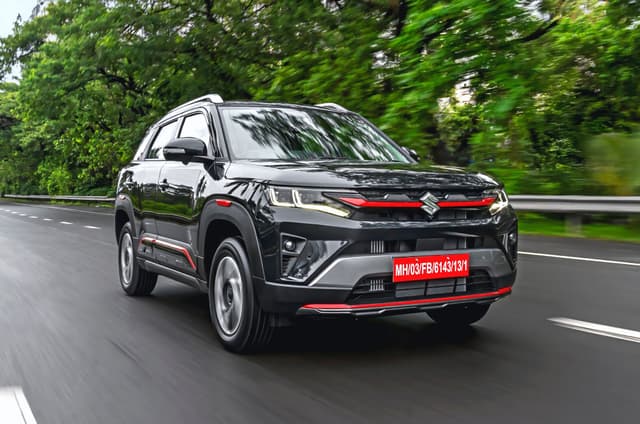
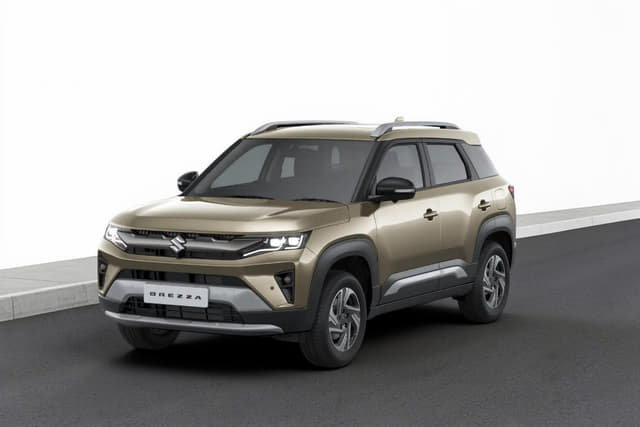
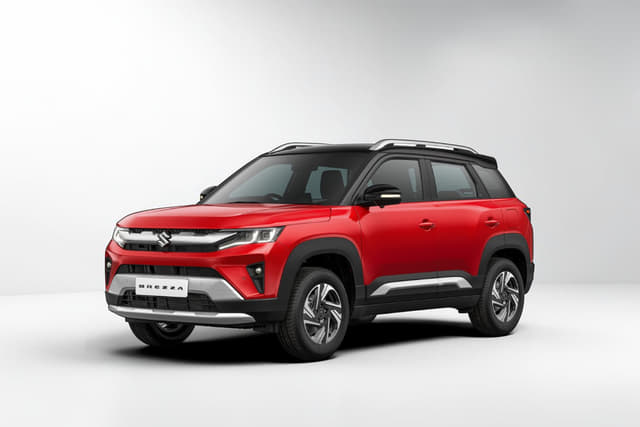
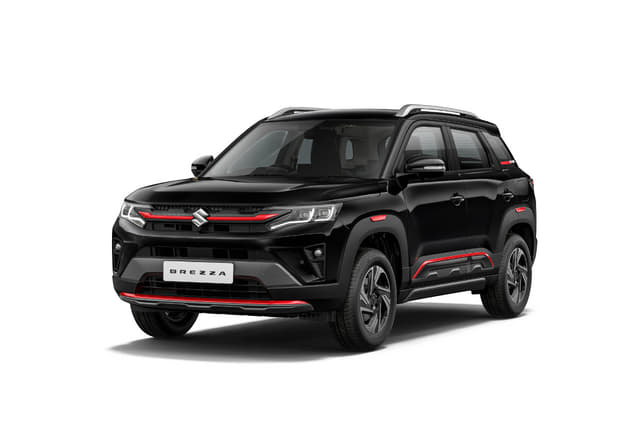
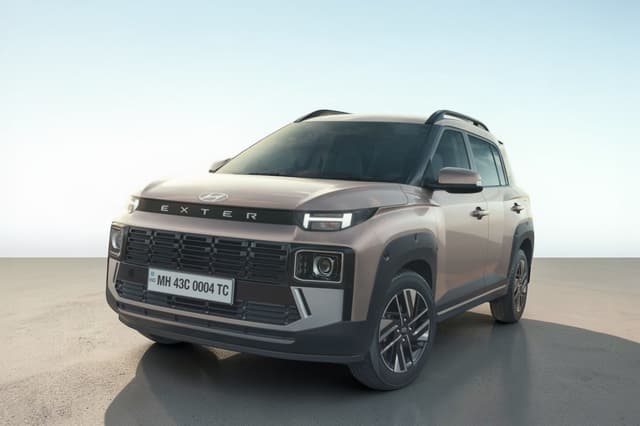
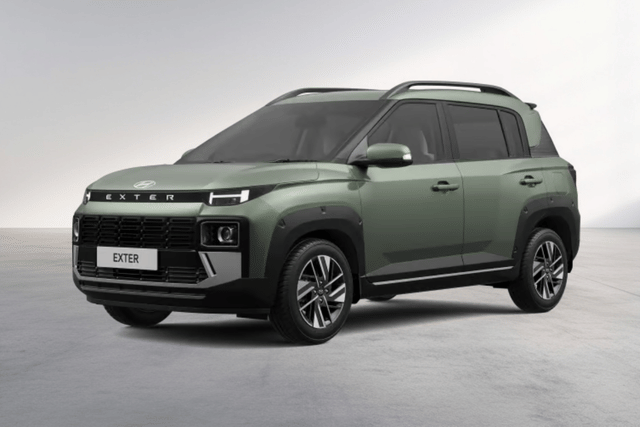
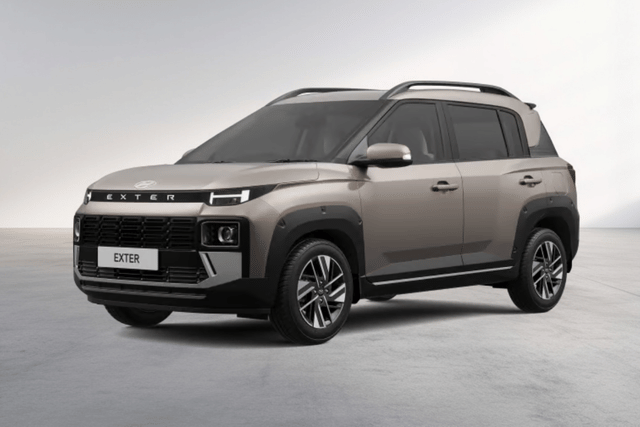
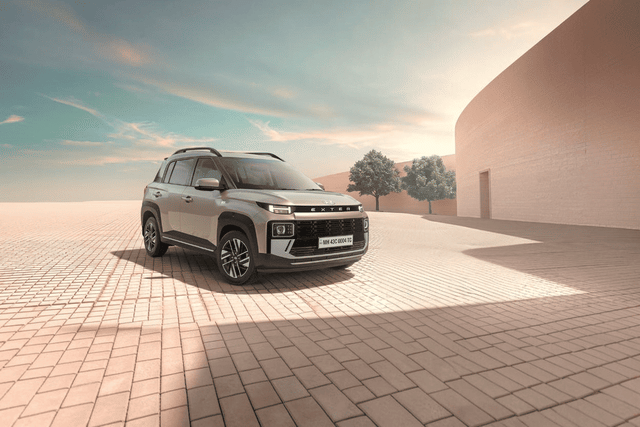
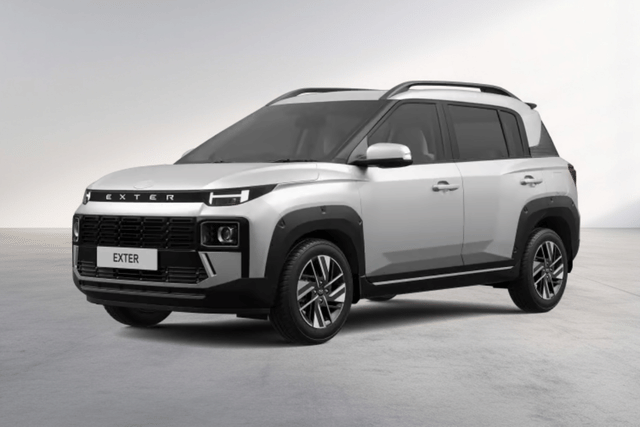
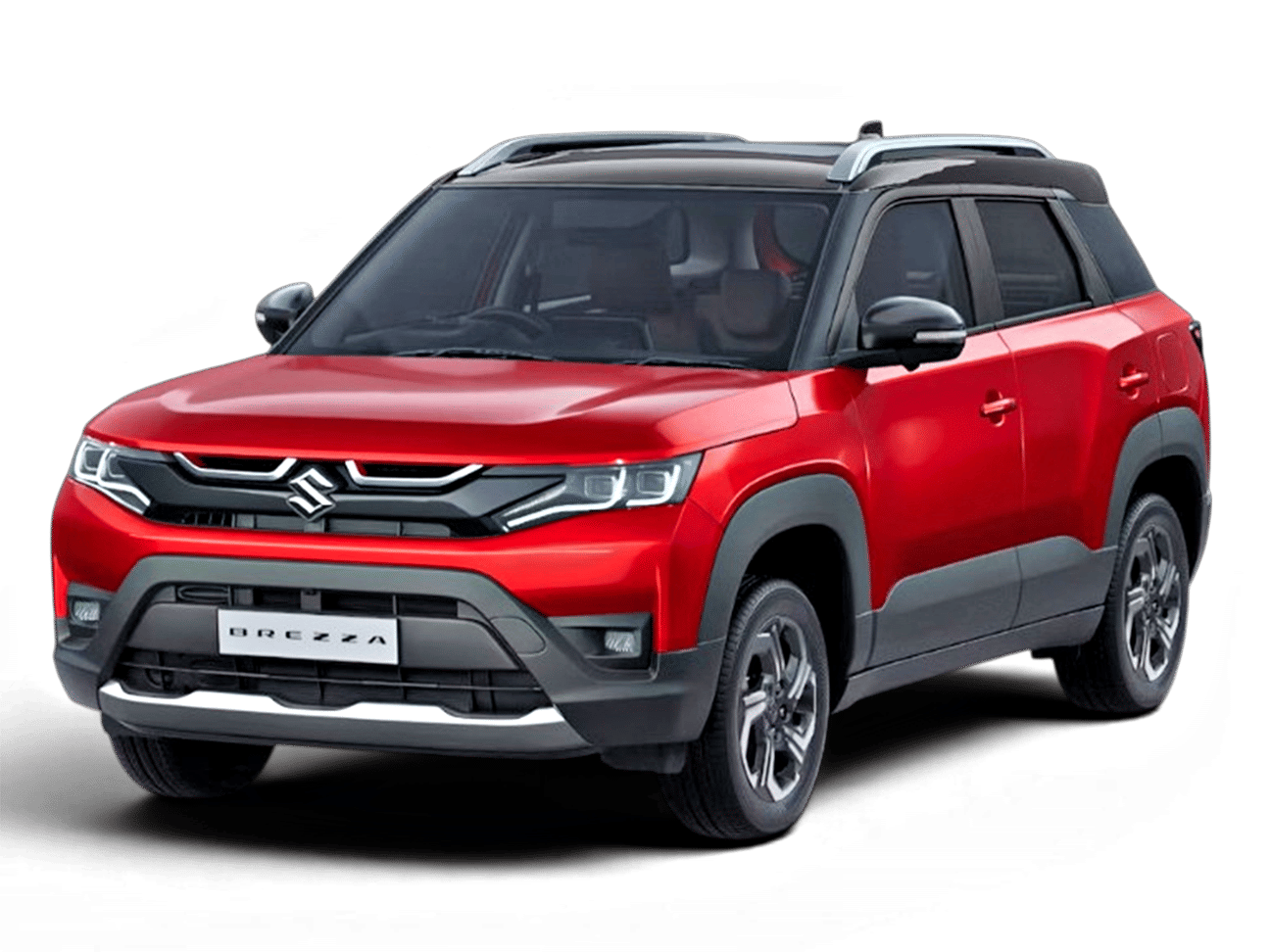
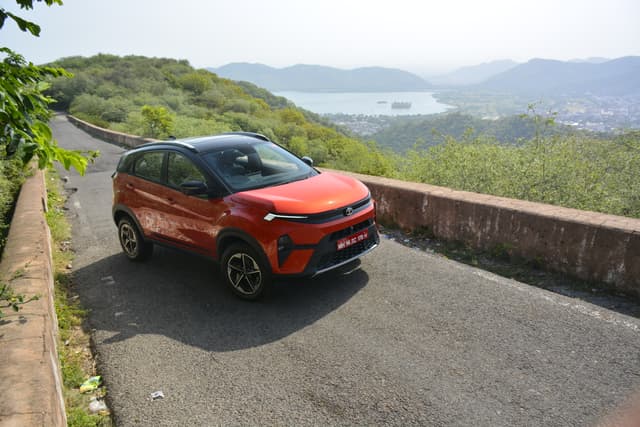
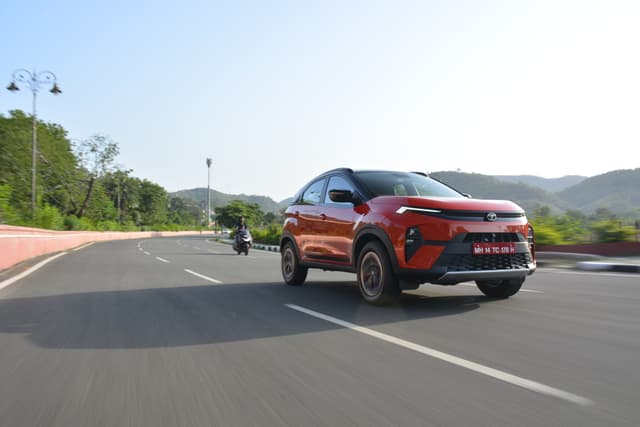
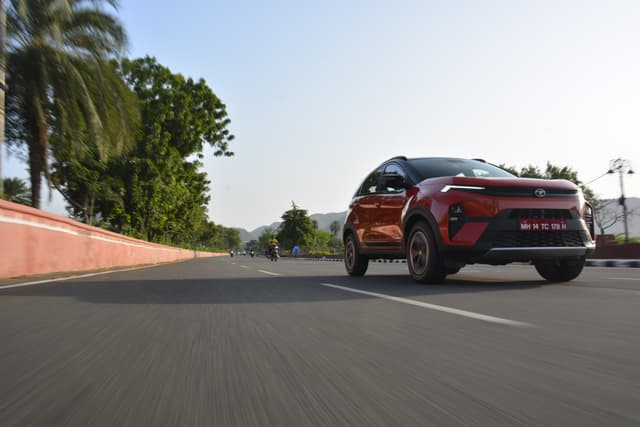
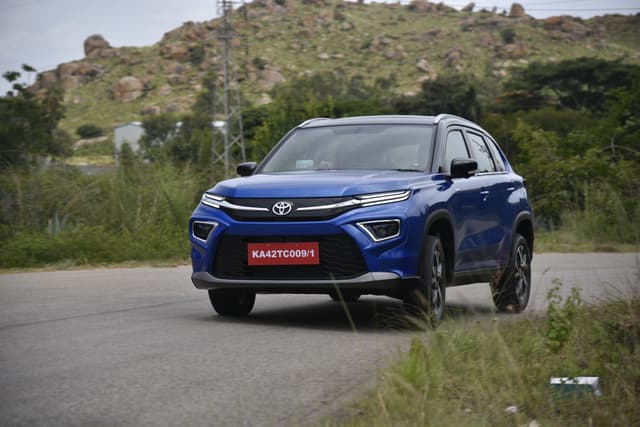
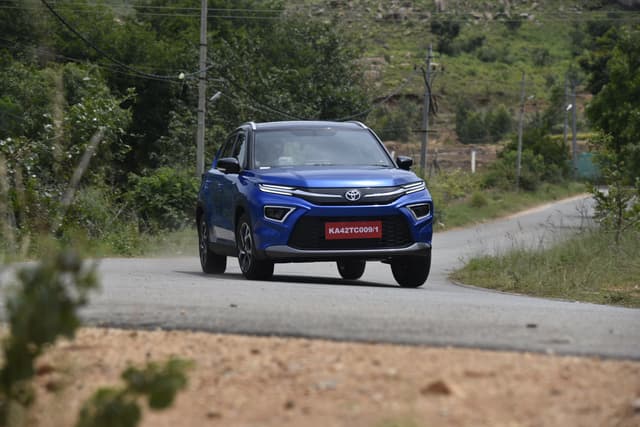
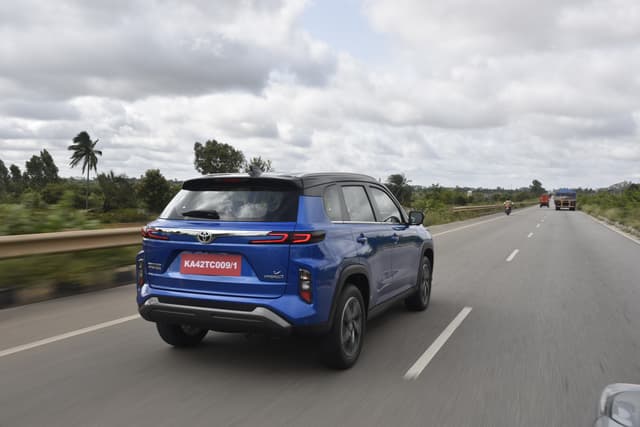
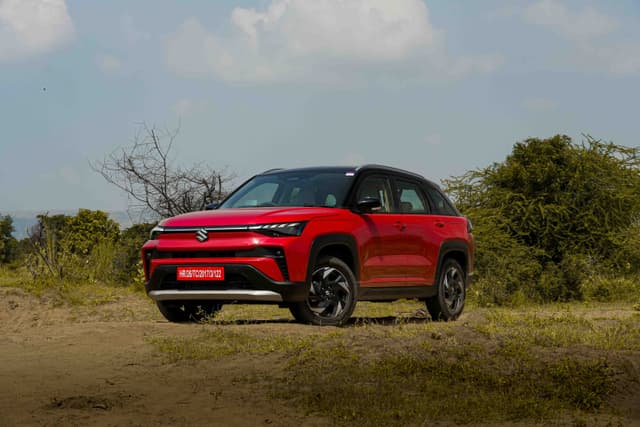
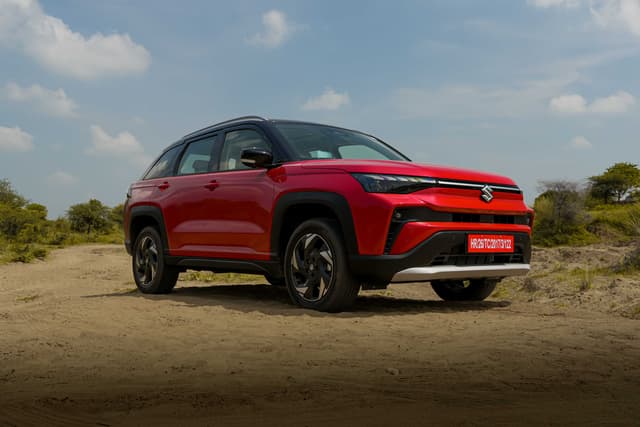
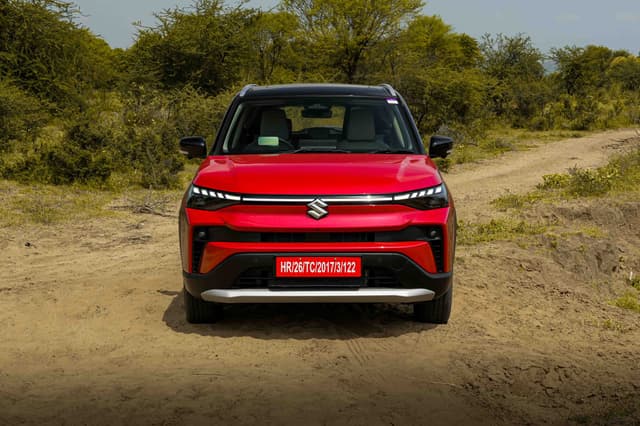
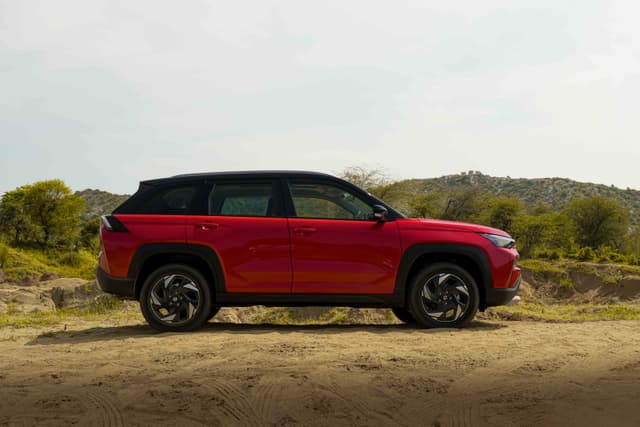
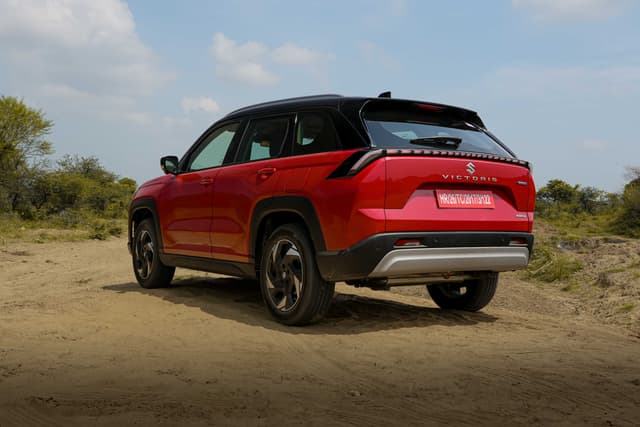
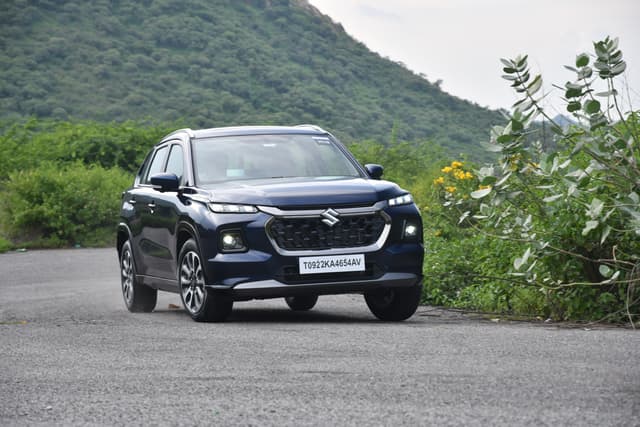
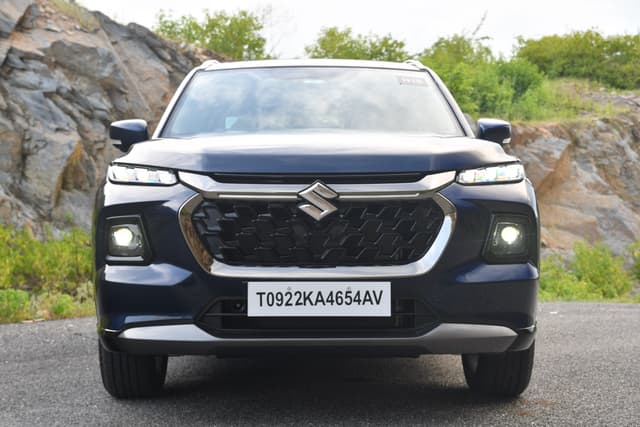
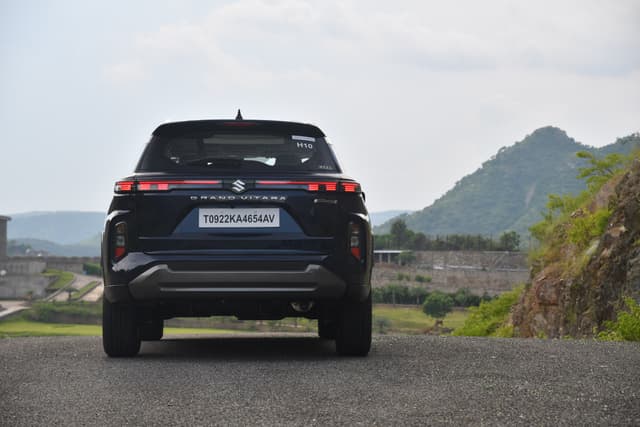
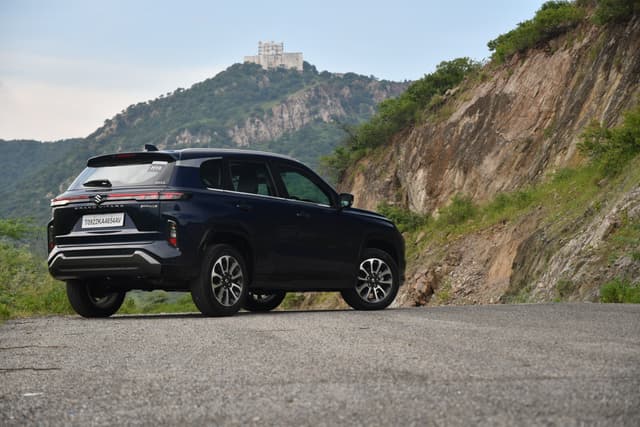
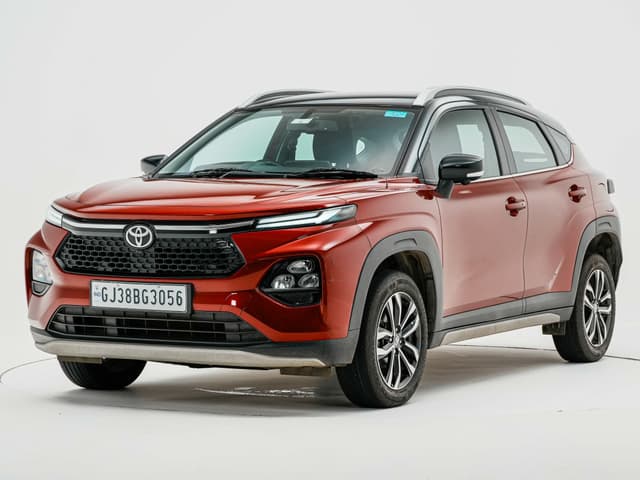
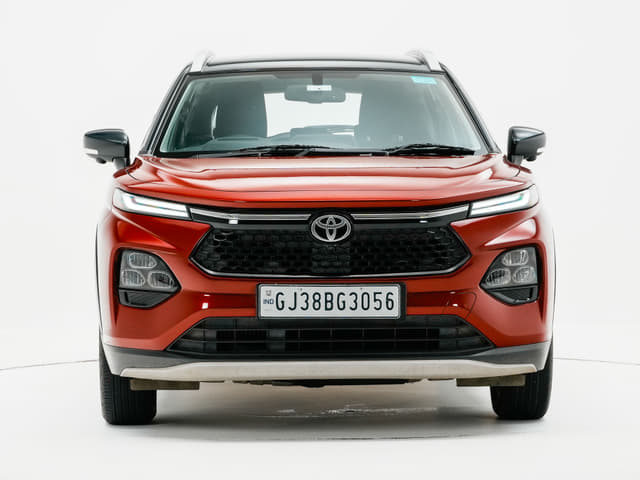
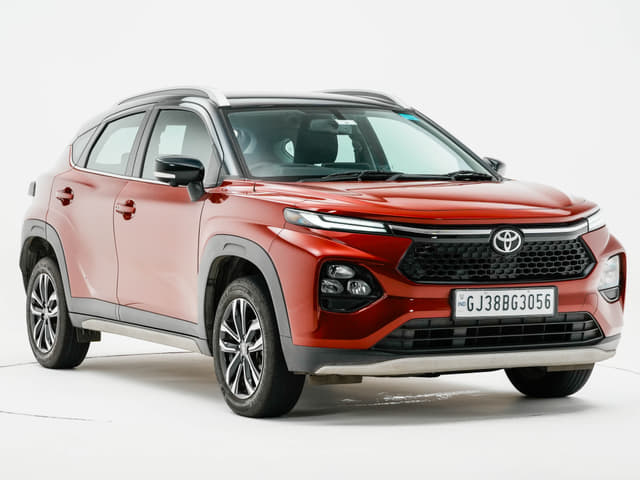
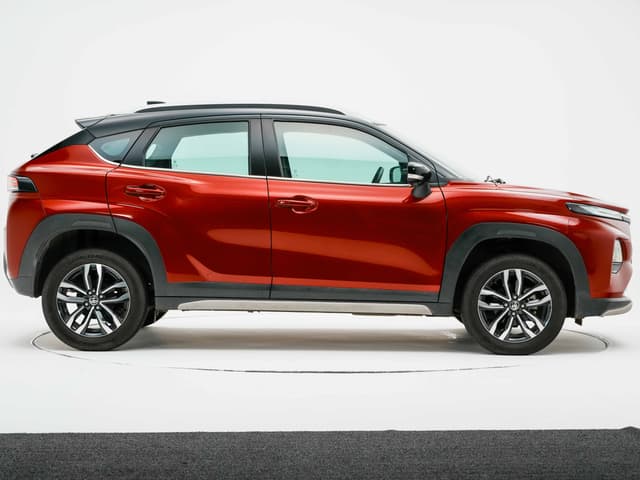
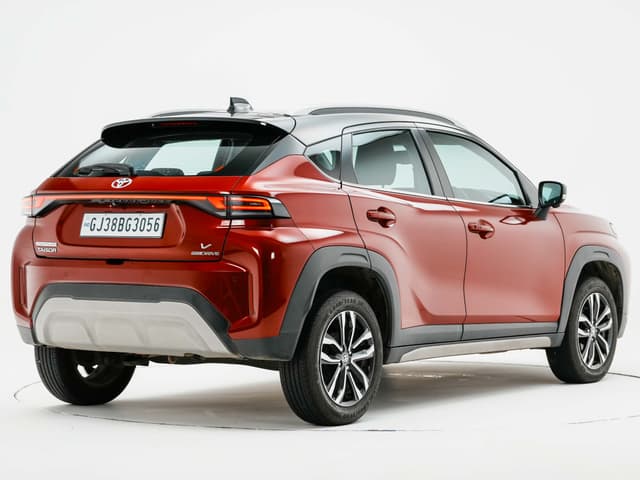
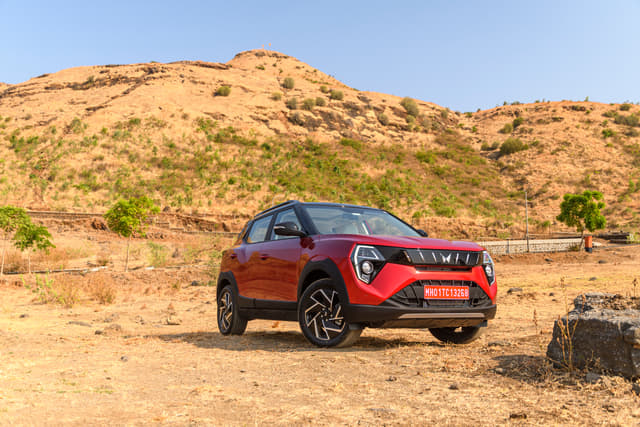
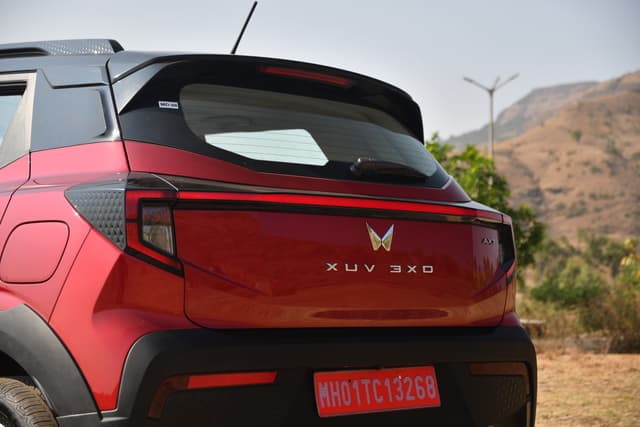
SUVs | Brezza, Exter, Punch, Fronx, Nexon, XUV 3XO, Taisor, Grand Vitara, Hyryder, AND Victoris |
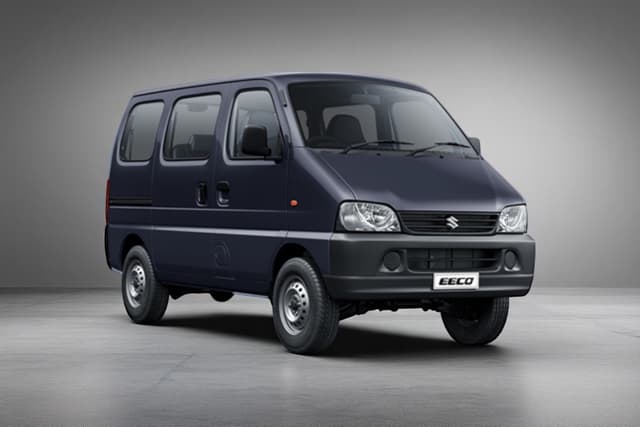
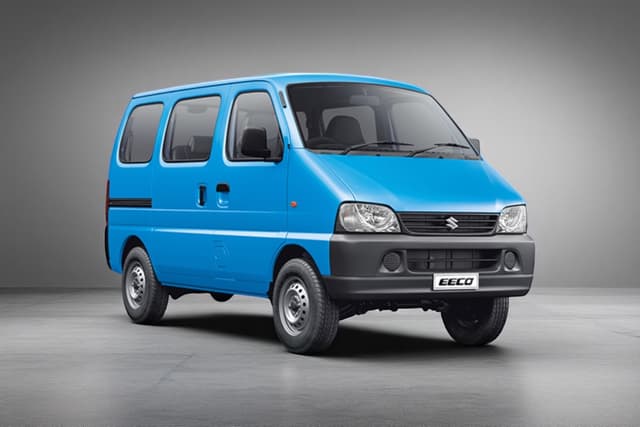
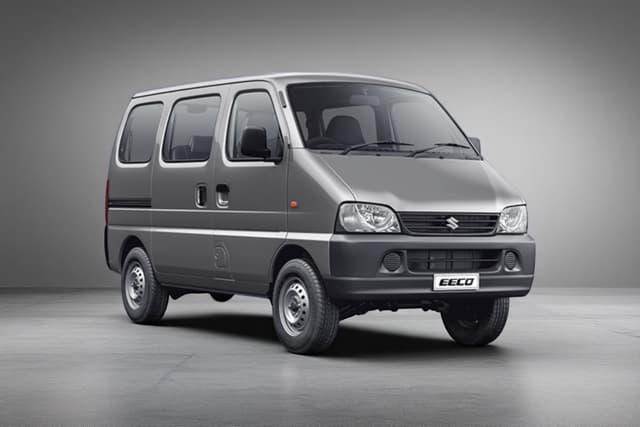
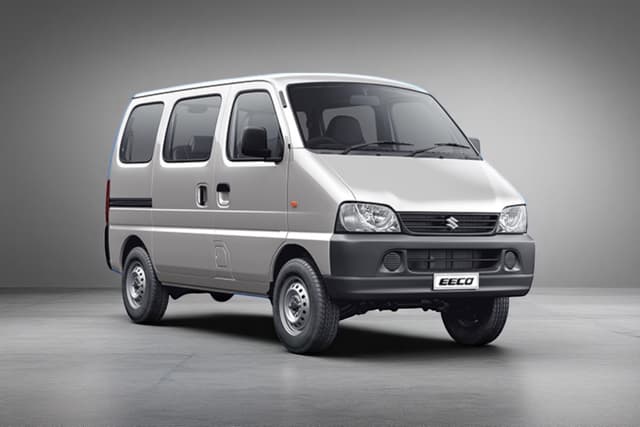
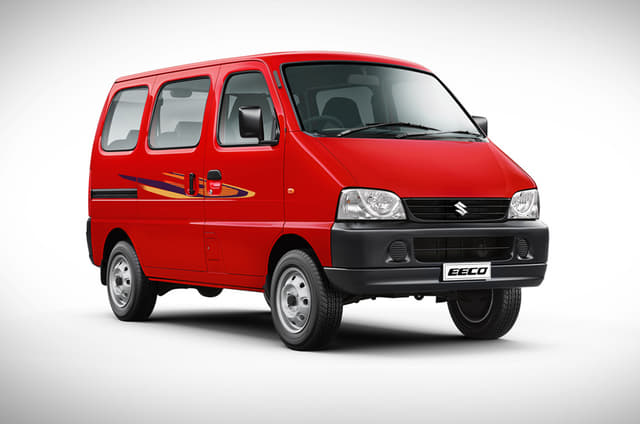
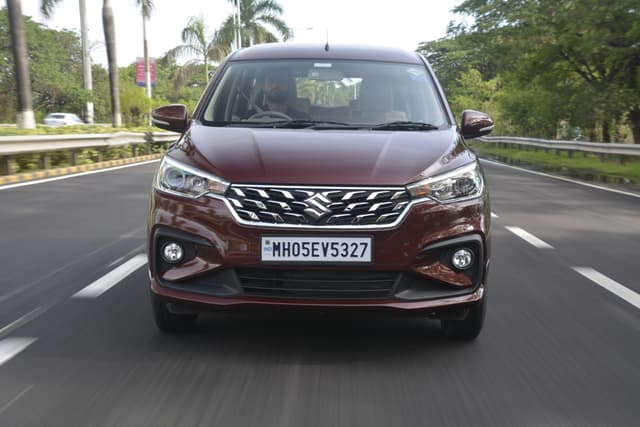
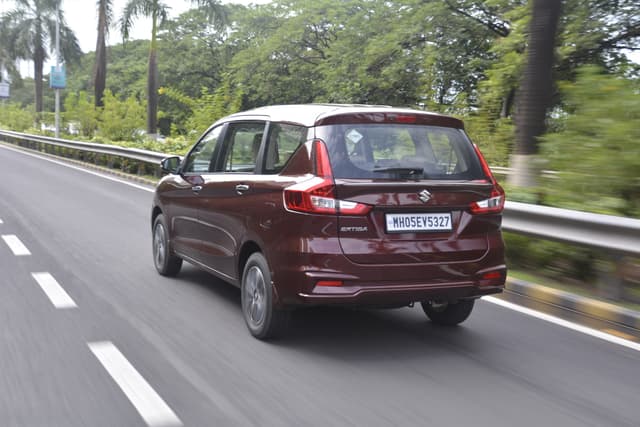
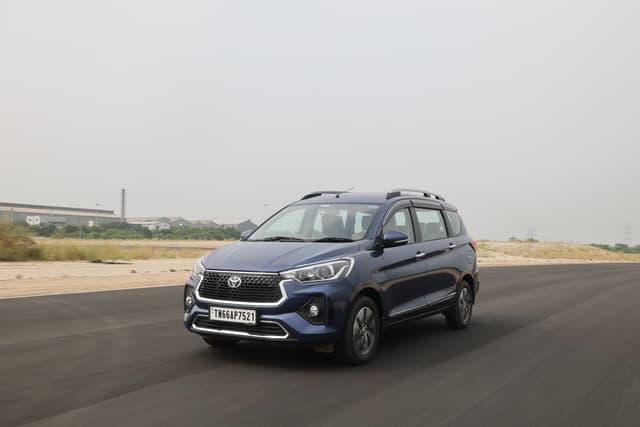
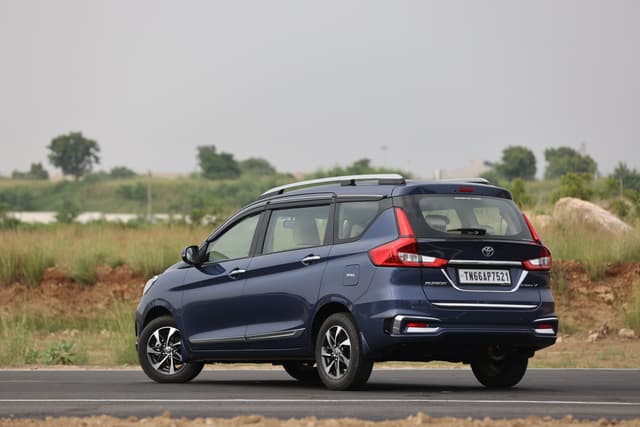
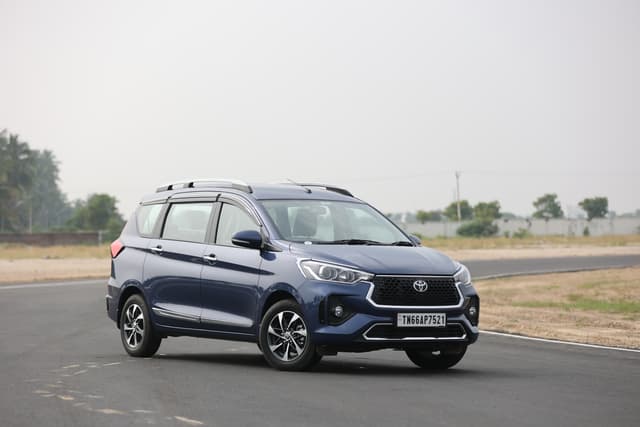
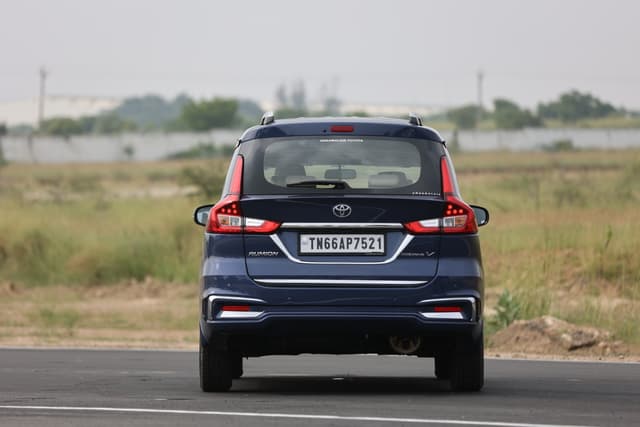
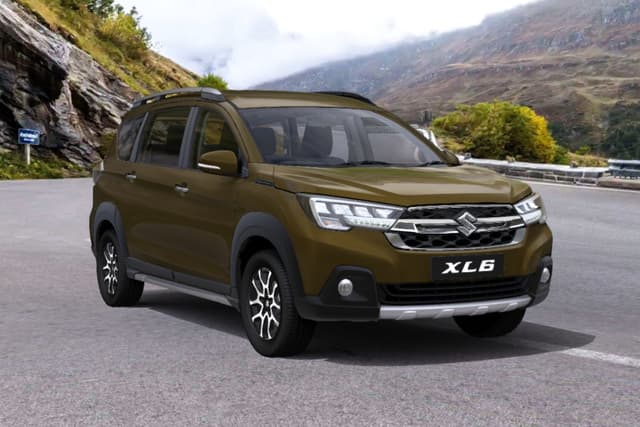
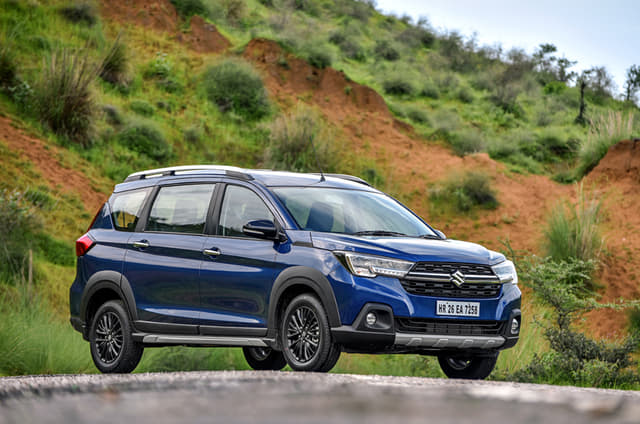
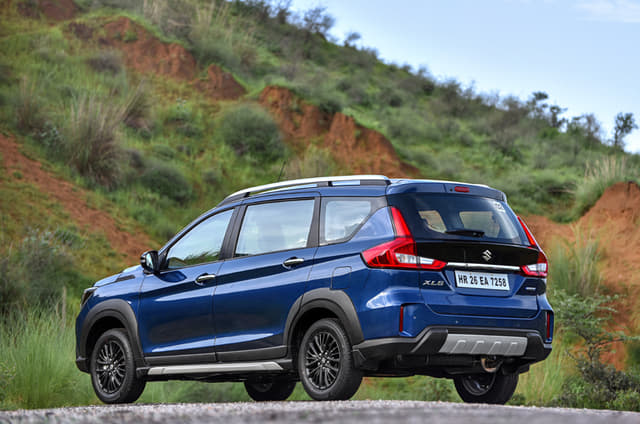
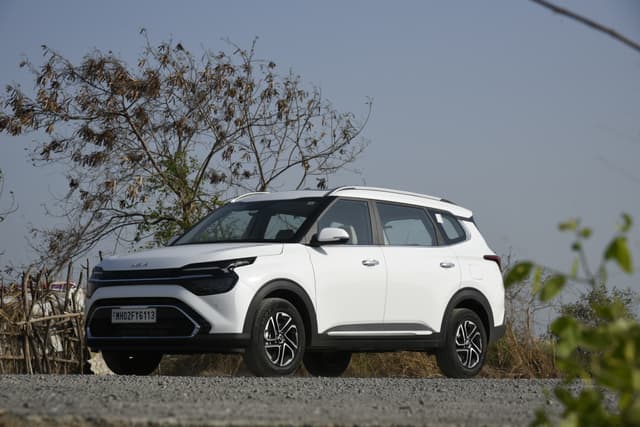
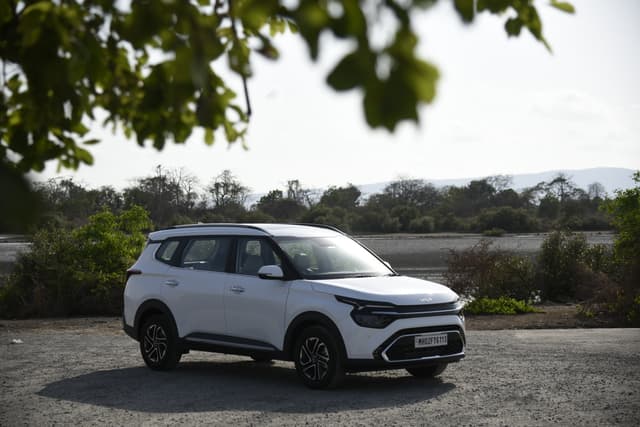
MPVs | Eeco, Ertiga, XL6, and Rumion |
Which CNG car fits within your budget?
Budget | CNG cars in this range | What you get |
Under Rs 6 lakh | Alto K10, S-Presso, Celerio, Wagon R, Eeco, and Tiago | Affordable hatchbacks and a van-based MPV. |
Rs 6-10 lakh | Swift, Baleno, Dzire, Aura, Tigor, Grand i10 Nios, Exter, Punch, Glanza, Altroz, Nexon (entry), Brezza (entry), Fronx (entry), Taisor (entry), and C3 | Premium hatchbacks, sedans and your first sub-4-metre SUVs. |
Rs 10-15 lakh | Ertiga, Rumion, XL6, Nexon (top), Brezza (top), Fronx (top), Taisor (top), and XUV 3XO (top) | 6/7-seat MPVs and fully loaded sub-4-metre SUVs. |

Rs 15-20 lakh | Hyryder, Grand Vitara, and Victoris | Mid-size SUVs enter the CNG conversation for the first time. |
Factors to consider before you buy a CNG car in India
- In most of these cars, the CNG cylinder is placed in the boot. Therefore, if you often travel with family or carry a good amount of luggage, test-sit the boot before purchasing.
- Most factory-fitted CNG cars are tuned for running costs, not outright performance. Hence, overtaking on highways might not feel so confidence-inspiring.
- Most CNG variants are manual-only. Only a handful of these 28 models offer CNG with an AMT or an automatic transmission.
- The Indian Biogas Association has recently pitched the Delhi government on blending up to 20% compressed biogas (CBG) into CNG, up from the roughly 2%-3% used today. It's still just a recommendation awaiting government action, and Delhi's current CBG capacity is nowhere close to what a 20% blend would actually require.
Note: At Autocar India, we strongly recommend sticking to factory-fitted CNG variants over aftermarket retrofit kits. A retrofit kit can void your car's existing warranty, and the fitment quality varies a lot depending on who installs it. The extra spend on a factory-fit option is worth the peace of mind.
Which CNG car is the right pick for you?
At Autocar India, we would recommend that you choose based on how you plan to use the car.
Requirement | Cars that suit it |
Daily commuting with easy parking and light controls | Alto K10, S-Presso, Celerio, Wagon R |
A family car that also handles occasional highway trips | Dzire, Swift, Baleno, Tiago, Altroz |
A family that regularly carries six or seven people | Ertiga, Rumion, XL6, Eeco |
Higher seating position and better visibility in traffic | Punch, Exter, Brezza, Fronx, Nexon, Taisor, XUV 3XO |
A larger cabin with SUV proportions for long-distance family travel | Hyryder, Grand Vitara, Victoris |


Find cars by transmission


Find cars by transmission


Find cars by transmission


CNG Cars - FAQs
CNG models come with separate fuel lines, fuel injectors and an upgraded engine control unit over regular petrol-only systems. They also need heavy-duty tanks specially designed to store the gas, plus various built-in measures like cut-off valves and leak sensors to enhance overall safety. All of these add to the cost, making CNG cars more expensive.
Compressed natural gas burns cleaner and more completely than regular petrol or diesel, making it more environmentally friendly. Cars running on CNG emit less carbon dioxide, hydrocarbons and particulate matter into the atmosphere. And because CNG's higher hydrogen-to-carbon ratio allow it to combust more thoroughly, there's less fuel wastage as well.
As long as your CNG car has been approved by governing agencies and the manufacturers of the vehicle and fuel system, there are no serious safety risks. However, since CNG is a flammable gas, avoid being near sources of flame during refuelling or if there's a suspected leak.
If the setup call for a single large tank or smaller dual tanks in the boot, then you'll have to deal with lower cargo capacity. On the other hand, some CNG cars have their tanks mounted under the boot floor, which leaves more room to store luggage. While this setup is more practical, it usually leaves no room to store a spare tyre.
Trending Questions on Cars - Answered by Autocar Experts
Automatic CNG options are starting to become more common now, and honestly this makes more sense for city use than a manual CNG. Would you actually pick an automatic CNG over petrol if your daily running is high?
Help me choose the right car for my usage. Please be practical and challenge my assumptions. My situation: I am 31 and work as a software developer. I currently work from home in Balsane, Dhule, but I am moving to Mumbai around March. My wife and I are expecting a baby in February. My parents live in a village where local transport is poor. My Mumbai office is near Powai, but parking is difficult. I prefer a manual car. Usage: My current running is around 10,000 km per year, but it may increase. I travel between Mumbai and Balsane, which is around 400 km one way, around 5-7 times a year, along with Dhule/Sakri and local trips. I also drive around Mumbai on weekends. The AC is usually on, and on long trips, the car will have my wife, baby, and luggage. Budget: Rs. 6-9 lakh on-road. I am willing to spend more only if it is genuinely worth it. Shortlist: - Tiago XE Petrol - Punch Pure+/Smart Petrol - Punch Pure+/Smart CNG - Brezza LXi turbo-petrol Please tell me: 1. Which one should I buy and why? 2. Petrol vs CNG for my usage? The CNG premium is around Rs. 1 lakh, and the nearby village pump may open around Diwali, but this is not guaranteed. 3. What real-world mileage can I expect with the AC on? 4. Please consider loan interest, fuel costs, maintenance, depreciation, and resale value. 5. Is the Brezza worth the extra money? 6. Give me one final choice and tell me what I should avoid.
The Brezza LXI Turbo is far superior to the Punch and Tiago as far as smoothness, performance, and cabin space are concerned. It is also backed by Maruti's widespread support network, and the ownership experience is likely to be fuss-free. The on-road cost of the Brezza LXI will fall within your Rs 9 lakh budget, and even though you might miss a few features, it still feels worth opting for. Alternatively, you could also consider the Maruti Dzire VXI MT for its large boot, comfy ride and strong fuel efficiency.
I am thinking of buying a new seven-seater car, and my running will be around 2,500-2,700 km per month, mostly on highways. I am considering CNG options such as the Maruti Suzuki Ertiga VXi CNG and Kia Carens Clavis HTE CNG. EVs are currently out of my radar due to depreciation concerns and the infrastructure changes required. However, I want to keep my running costs reasonably low, which is why I am considering CNG. I would also like to upgrade the car later with aftermarket accessories, as long as they do not affect the manufacturer's warranty. Kindly suggest which of the Ertiga VXi CNG and Carens Clavis HTE CNG would be the better choice considering running costs, initial investment and resale value. Thank you.
Go for the Maruti Ertiga VXi CNG. With your running of 2,500-2,700 km a month, a CNG car makes sense, and the Ertiga is the safer long-term bet. Maruti’s CNG system is well-proven, the car is reliable, and service reach is excellent. The Ertiga also has a strong resale value, which matters given your high usage and eventual upgrade plans.The Kia Carens Clavis HTE CNG is a good product with a higher-quality cabin and a few more features, but the Ertiga is much better priced. On accessories, stick to Maruti-approved upgrades to avoid warranty issues. The Ertiga’s running costs are low, and it is a practical, comfortable 7-seater for highway use. Overall, it is the more sensible choice for your usage pattern.
We are family of 5 and living in a tier-3 city. We are planning to buy a car but are confused between Tata Altroz and Punch. I am also confused between petrol and CNG because of ethonol blending issues amidst news related e25 and e30 fuel. Our monthly running is a maximum of 500 km. Share your suggestions.
Go for the Tata Punch petrol. With a family of five and a maximum monthly running of 500 km, CNG simply does not make financial sense. The savings are too small to justify the compromises in boot space and convenience. The Punch is the better choice over the Altroz because it offers a higher seating position, better ground clearance and a more robust suspension setup, which is particularly useful in a tier 3 city where road conditions can be unpredictable. It is also easier to get in and out of, which matters for family use. The Altroz is a good hatchback, but the Punch is the more practical and versatile option for your needs. As for ethanol, modern engines are engineered with tolerance for higher ethanol blends, and there is no official roadmap beyond E20. The impact is mainly a slight reduction in fuel economy, not a reliability concern.
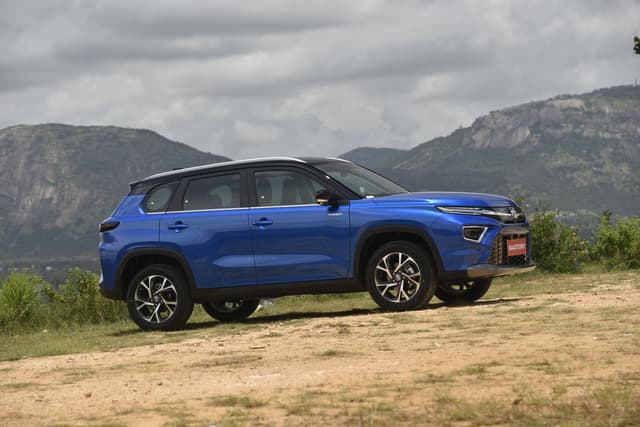
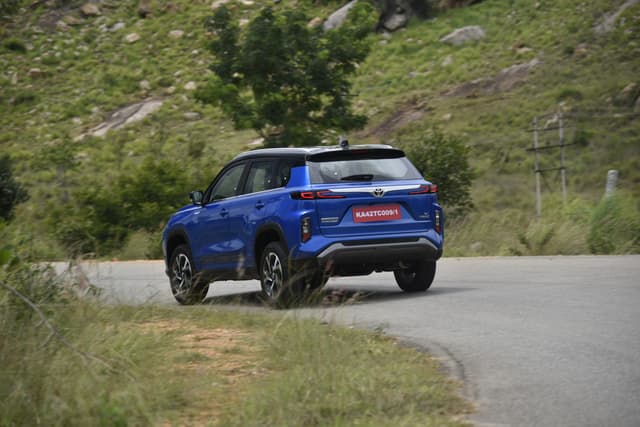
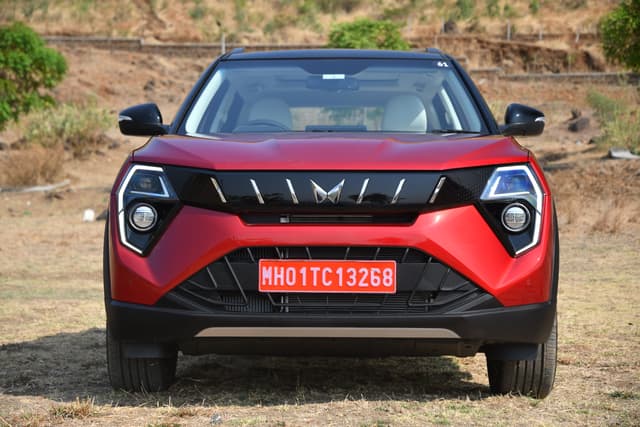
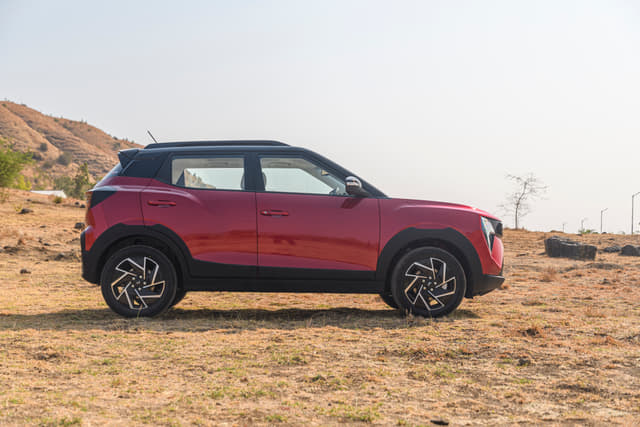
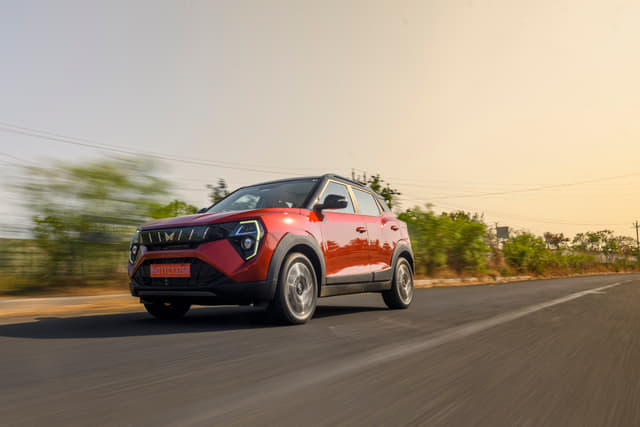
I am looking to buy a car for my family of 5 and live in a Tier-3 city. My usage is quite low, at a maximum of around 500 km per month. I am currently confused between the Tata Punch and Tata Altroz. I am also unsure whether to choose petrol or CNG, especially with the ongoing discussions around ethanol blending and the possibility of E25 and E30 petrol in the future. Given my low usage, which car and fuel option would you recommend for long-term ownership? Also, should I go ahead with the purchase now or wait for further developments regarding ethanol-blended petrol? Please consider comfort, practicality for a family of five, reliability, running costs, maintenance, and long-term ownership while suggesting the best option.
Between the Tata Punch and Tata Altroz, the Altroz petrol is the better fit for your needs. With a family of five and very low monthly running, a petrol car is the right choice - CNG cars only make sense when running is high to justify the extra cost. The Altroz is the better family car here: it offers a more comfortable ride, a wider rear seat and a more spacious cabin than the Punch, which matters on longer journeys with three at the back. On ethanol blending, there is no need to worry. Modern petrol cars are engineered to handle E20, and there is no official roadmap for E25 or E30 in the near future. Go ahead with the Altroz petrol.
Last Updated on: 22 Sept 2026