Manual cars in India (67)
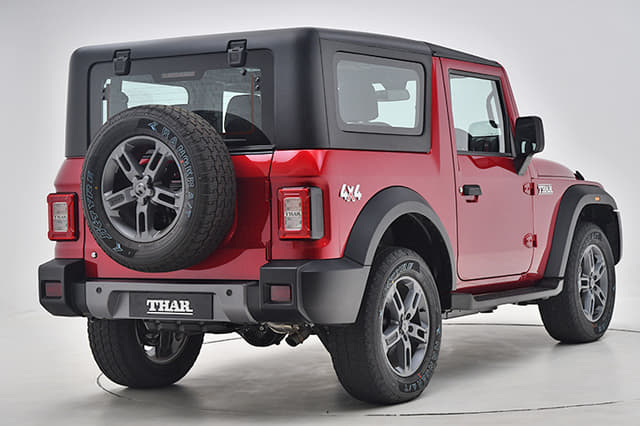
Some of the biggest advantages of a manual transmission (MT) in mass-market cars is its lower upfront and long-term maintenance costs when compared to comparable automatic transmissions. A manual gearbox is typically operated along with a foot-operated pedal, which engages or disengages the clutch. Manual transmissions have multiple forward gears for optimal performance and efficiency, plus a single ratio dedicated for reversing the car.


Manual Cars - FAQs
If the gearbox and clutch are well-designed, driving a manual car can be a rewarding experience. Being able to manually select the right gear for the right occasion offers a sense of freedom and controllability that automatic transmission types can't match. Factors that can dampen this include a springy clutch, long pedal travel, unpredictable clutch engagement (also called the 'bite point'), notchy gear shifts, or long gear throws.
The answer to this question depends on several factors, least of which includes the tuning of the gearbox, plus the number of forward gears, gearing setup, and your driving style. For example, all other factors being identical, a 6-speed gearbox will offer better fuel economy and even a higher top speed when compared to a 5-speed unit. This is because higher gears have taller ratios that allow the engine to spin at a more leisurely speed, improving efficiency. If the manufacturer tunes the transmission with shorter ratios throughout, this will improve performance at the cost of poor mileage. Understandably, redlining the engine in lower gears will not help fuel efficiency either.
Clutchless manual transmissions are found in quite a few mass-market cars. As the name suggests, this setup does not come with a foot-operated clutch pedal but retains the gear lever. While there still is a clutch, it's now operated by hydraulic servos that take their signal to engage or disengage the clutch from electronic control modules and sensors, based on factors such as movement of the gear lever, plus the speed of the vehicle and engine RPM to ensure a smooth operation.
Trending Questions on Cars - Answered by Autocar Experts
I am planning to buy my first family car strictly under 6.5 lakh - 7 lakh (on-road) in Karnataka. My usage will be mainly local commute of 15-18 km daily and highway trips of approximately 300 km to hometown. I'm looking for a practical, reliable and low-maintenance vehicle, and therefore, I am leaning towards petrol with manual transmission. Features that I'm looking for include decent AC, all-4 power windows and central locking along with sufficient rear seat space for 2 adults and a boot big enough to accomodate 2-3 trolley bags. I have shortlisted Maruti Wagon R VXi 1.0 and Maruti Swift LXi. We have excluded Baleno as it wouldn't fit our parking space. I'm also excluding Renault and Citroen as these brands do not have a presence near where I live. I do not wish to consider Tata due to on-going bad experience with service that my friends are facing. Please share your opinion about these two models or any other reliable car that I might be missing out on.
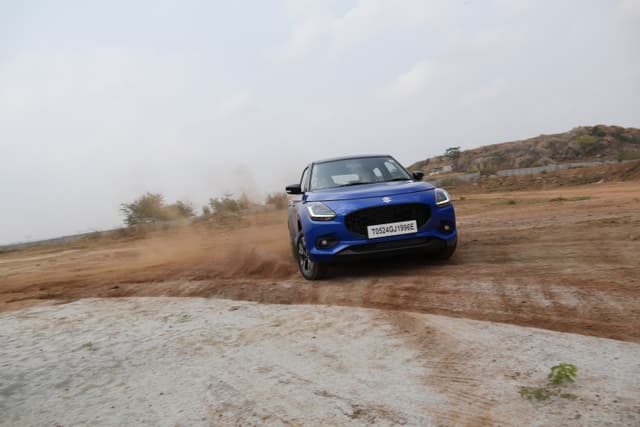
Go for the Maruti Suzuki Swift LXi. Your usage pattern is a mix of daily city commuting and occasional 300km highway runs, and the Swift is the better all-rounder for this. It offers a more comfortable ride, better highway stability and a more refined driving experience compared to the Wagon R. The rear seat has enough space for two adults, and the boot is big enough to suit your requirement of carrying 2-3 trolley bags. The Wagon R is a very practical city car with a tall-boy design and good headroom, but it is not as comfortable or as confidence-inspiring on the highway. Both cars are equally reliable and low-maintenance, but the Swift feels like a more complete car overall.
Hello Autocar, I am planning to buy the Volkswagen Virtus by the end of this month or within the next month. Should I wait for the upcoming Virtus facelift? I am considering the Virtus 1.0 GT Line Manual variant. Should I buy the current model, or would it be better to wait for the updated Virtus? I have heard that the facelift will feature a major update to the A/C compressor and other electronic components to improve overall reliability. How true is this, and would it be worth waiting?
If you are planning to buy the Volkswagen Virtus 1.0 GT Line Manual, it is worth waiting for the upcoming Virtus facelift. The current Virtus is already a strong product, but the facelift is expected to bring meaningful updates, particularly improvements to the air conditioning system, which is likely to enhance the overall ownership experience.If you are not in an urgent hurry, waiting a few weeks for the updated version makes sense. If you need the car immediately, the current Virtus is still a solid choice, which will possibly be available at a discounted price, but given the timing, waiting is the more sensible option.
I'm planning to buy a new 7-seater manual with a budget of around Rs 18 lakh. My current preference order is: Tata Safari Petrol, Mahindra XUV 7XO, Mahindra Scorpio N, and Kia Carens Clavis. My annual running will be around 12,000km, mostly on highways, but the car may remain parked for 3-6 months at a time. I plan to keep it for at least 7-8 years. My biggest dilemma is petrol vs diesel. Petrol is my first preference because of my relatively low running and the long periods when the car will be parked, but I'm concerned about E20 ethanol-blended fuel. On the other hand, these are large and heavy vehicles, so fuel efficiency is also important. I'm considering diesel for its better mileage, but I'm worried about the long-term reliability of the DPF and DEF systems if the car remains unused for several months. What would you recommend?
Although your annual running of around 12,000km sits on the fence between petrol and diesel, your usage pattern is predominantly highway, which plays to a diesel's strengths. The concern about DPF is understandable, but it's often overstated. DPF issues are far more common in vehicles used almost exclusively for short city trips. Since your driving is mainly on highways, the system will get the opportunity to regenerate properly. As for the car remaining parked for 3-6 months, that's not ideal for either fuel type. Diesel cars require some precautions, such as keeping the tank full and using fresh DEF when the car is put back into regular use. Still, long periods of inactivity are not a reason to avoid diesel altogether.We wouldn't let E20 fuel influence your decision either. Modern E20-compliant engines are designed to run on it, and there is no official roadmap beyond E20. While ethanol can marginally reduce fuel efficiency, it is not a reason to avoid buying a petrol car today.Among your shortlist, we'd place the Mahindra XUV 7XO ahead of the others. It is the most rounded package, offering excellent space, comfort, safety and highway ability.
Which is the best family car under Rs 9-10 lakh? My priorities are good fuel efficiency, low maintenance costs, and a manual gearbox.
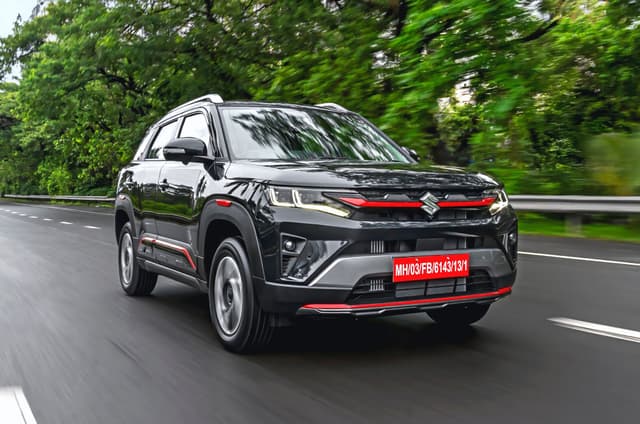
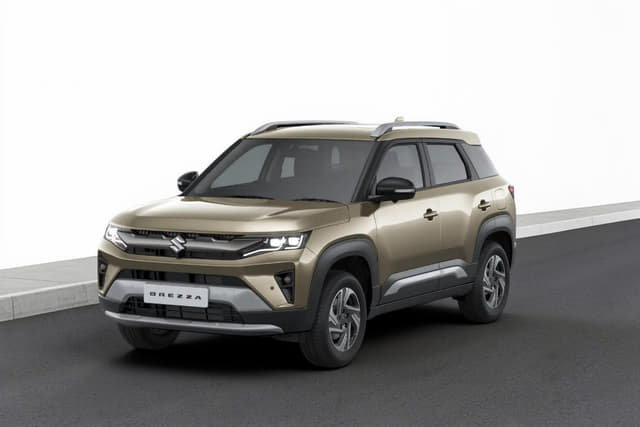
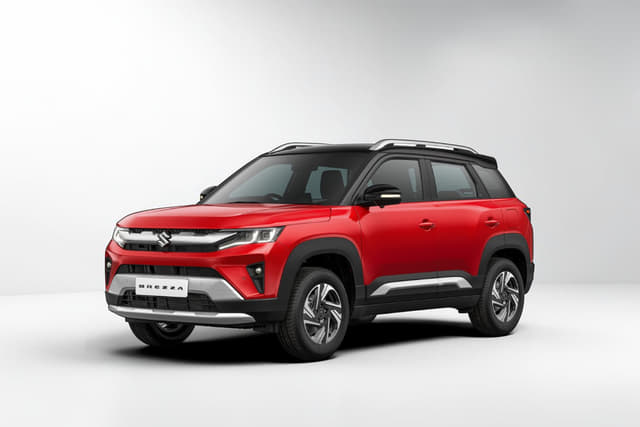
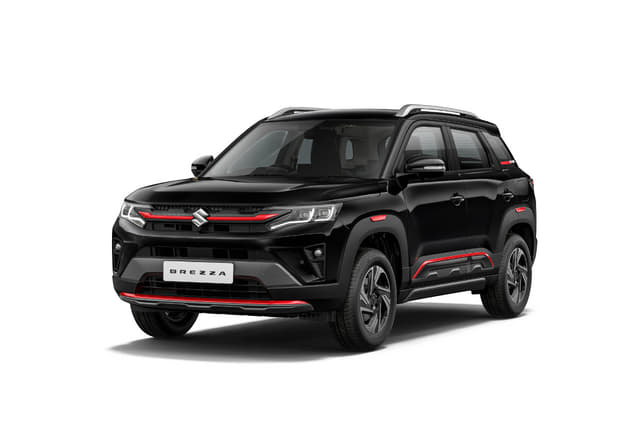
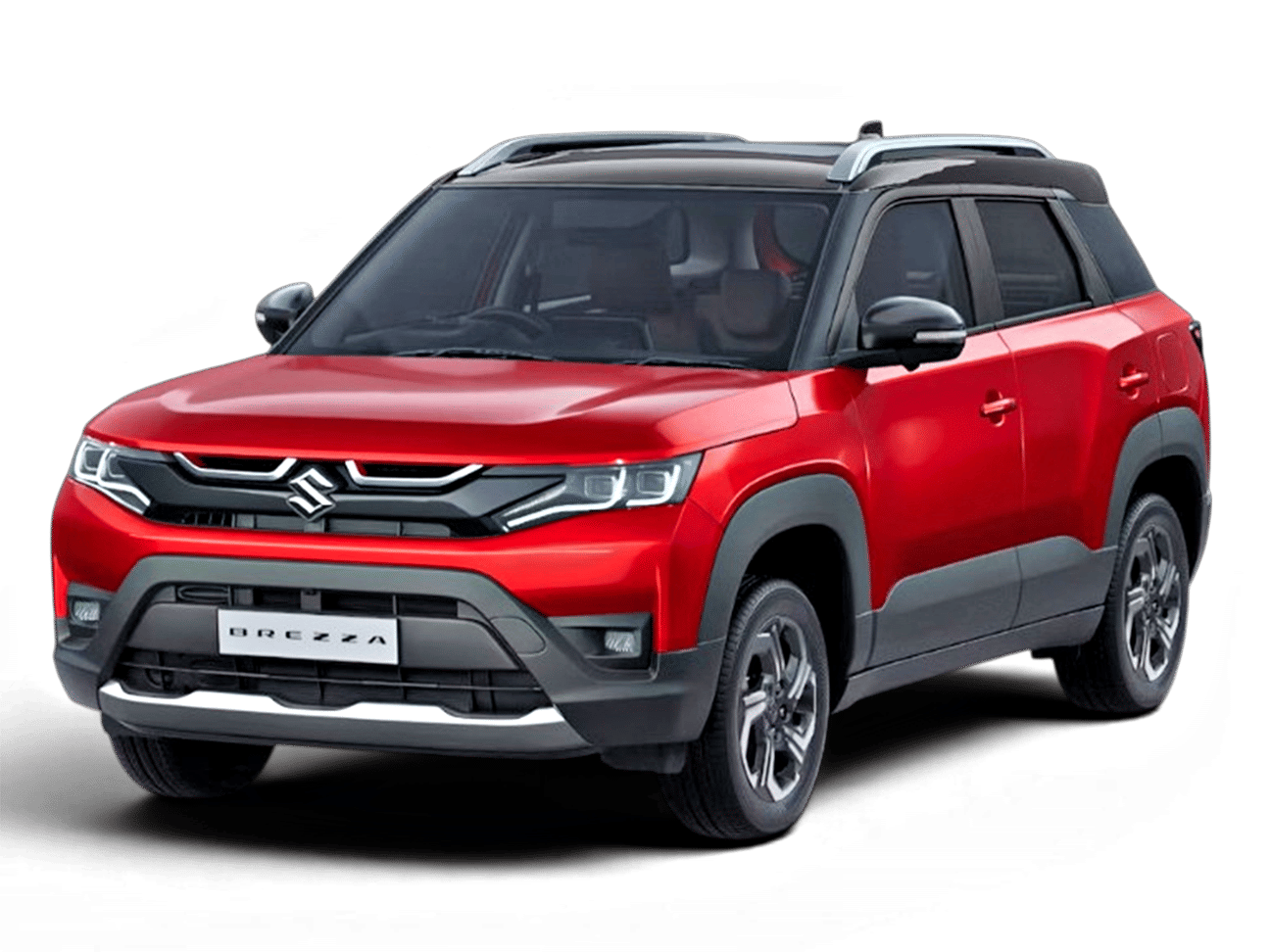
For a family car under Rs 9-10 lakh with good mileage and low maintenance, wait for the upcoming Maruti Suzuki Brezza facelift, which seems like the best fit. It is a simple, reliable and practical SUV with a proven naturally aspirated petrol engine, low running costs and Maruti's widespread service network. The Brezza also offers a spacious cabin, a comfortable ride and easy-to-drive manners, making it well suited for family use. The manual gearbox is easy to use, and the update is likely to feel more modern and feature-rich.You could also consider a Hyundai Venue 1.2 petrol, and even though its engine is smaller and less powerful than the above-mentioned Maruti car, it feels adequate for city use and is likely to deliver decent mileage and low maintenance costs.
Last Updated on: 31 Jul 2026