Petrol powers almost every car type in India, from hatchbacks and sedans to MPVs and SUVs, and it remains the country's most popular fuel type by far. In June 2026, petrol cars accounted for 43.63% of retail sales, ahead of CNG (24.33%), diesel (16.02%), hybrid (8.27%) and EVs (7.75%), according to FADA data.
Petrol cars fall into two main types: those powered by naturally aspirated engines and those powered by turbocharged engines. Petrol cars sold after April 2025 are E20 compliant, while those sold prior were E5 or E10 compliant. Compared with similar diesel cars, petrol cars are generally more refined and smoother to drive, while also producing more horsepower with the same cubic capacity. Here are other factors that help keep petrol cars in demand and at the top:
Lower upfront cost: A petrol car costs less than an equivalent EV and does not depend on access to a charger.
Model choice: Petrol cars are offered across every body style, whether hatchback, sedan, SUV, MPV, convertible, etc. But that’s not the case with CNG or EV.
Availability: Petrol pumps are available in nearly every part of the country. But that's not the case with CNG pumps (and even where they are available, you might have to wait in long queues) or EV charging stations.
Fewer diesel-specific issues: A petrol car does not come with the extra upkeep that diesel engines need, such as periodic DPF cleaning or turbo-related servicing.
Compatibility tested: Maruti Suzuki's data from 2.84 crore serviced vehicles found no E20-related corrosion, including in cars that were not originally certified for E20.
Future-proofing: Locally made ethanol conversion kits, expected to cost around Rs 15,000 according to ISMA, could allow existing petrol cars to run on higher ethanol blends without an ECU change.
Petrol Cars in India: Quick Highlights
Benchmark
Car
Detail
Cheapest petrol car
Maruti Suzuki S-Presso
Starts at Rs 3.50 lakh - (ex-showroom)
Most expensive petrol car
Rolls-Royce Phantom
Starts at Rs 12.87 crore (ex-showroom)
Most fuel-efficient petrol car
Maruti Suzuki Celerio
26.68 kpl (ARAI, petrol automatic)
Best-selling petrol model as of Aug 2026 in India
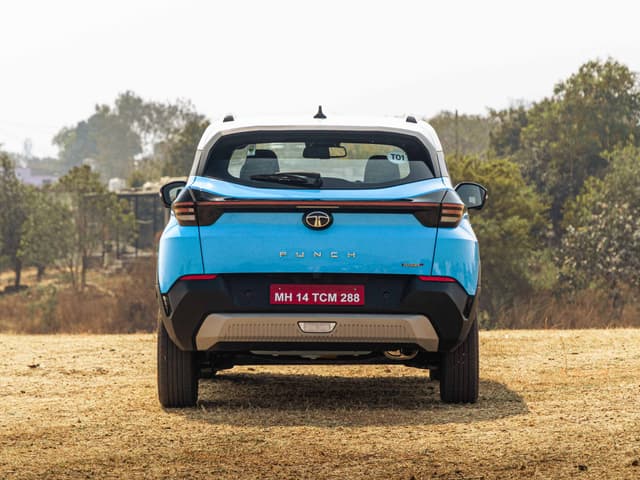
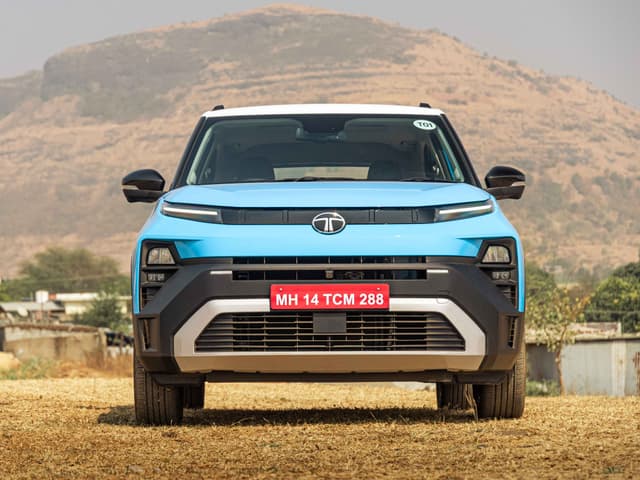
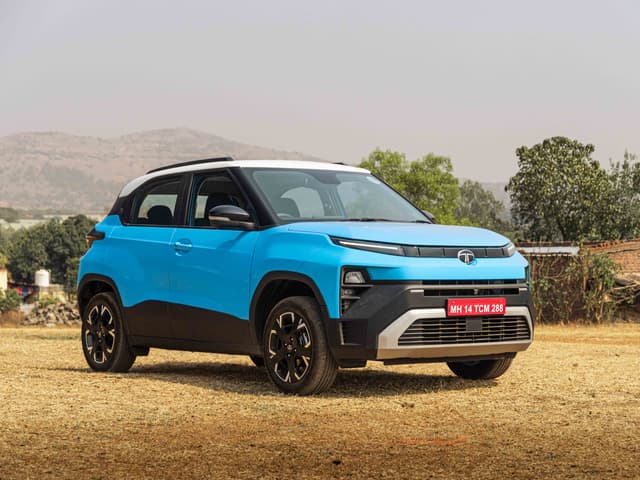
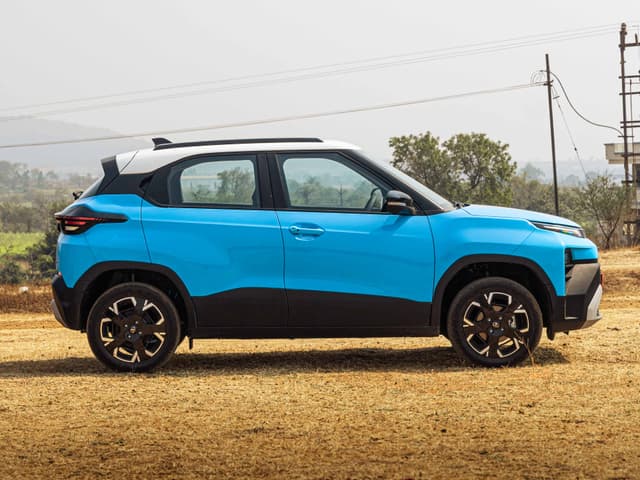
Tata Punch
Topped the monthly sales chart
Upcoming petrol cars in India
Tata Tigor facelift, Renault Bigster, Audi New Q3, Hyundai Bayon, etc.
29 models
New Petrol Cars Launched in 2026
If you are looking for new petrol cars in 2026, here are some of the most awaited models launched this year:
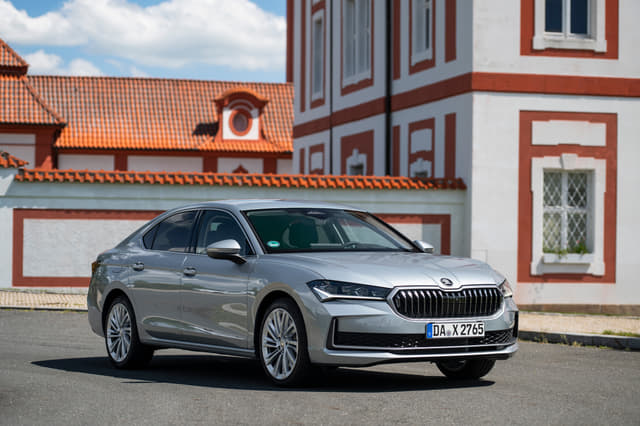
Skoda Octavia RS: A second, 100-unit batch went on sale in September 2026 at Rs 56.69 lakh ex-showroom. Petrol-only, with a 2.0-litre turbo (265hp, 370Nm) and 7-speed DCT, 0-100 kph in 6.4 seconds. Won Performance Car of the Year at the Autocar India Awards 2026.
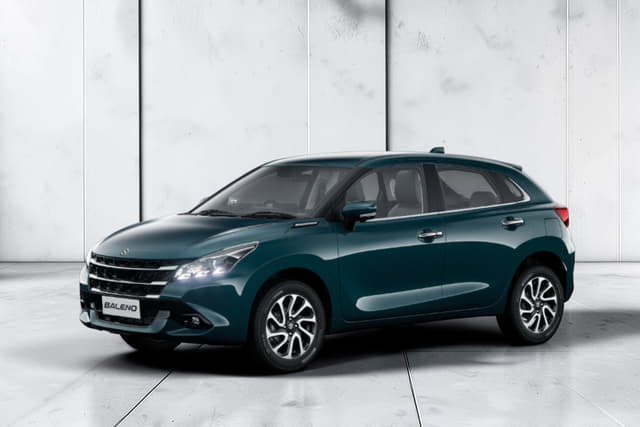
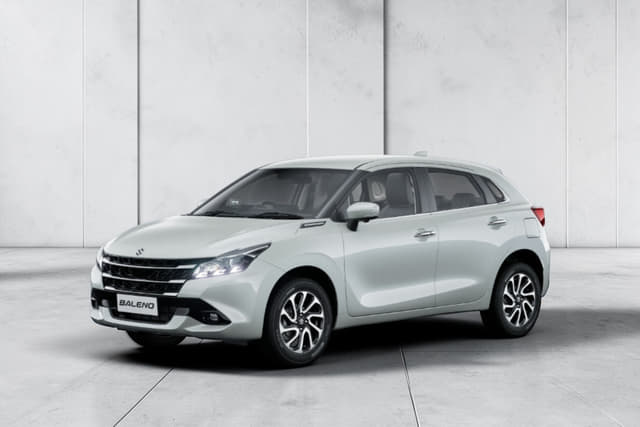
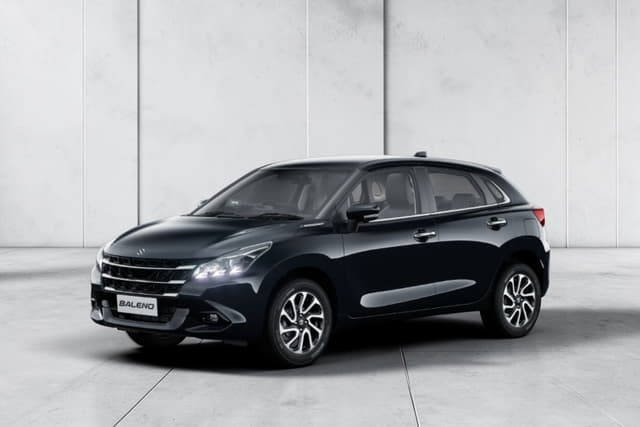
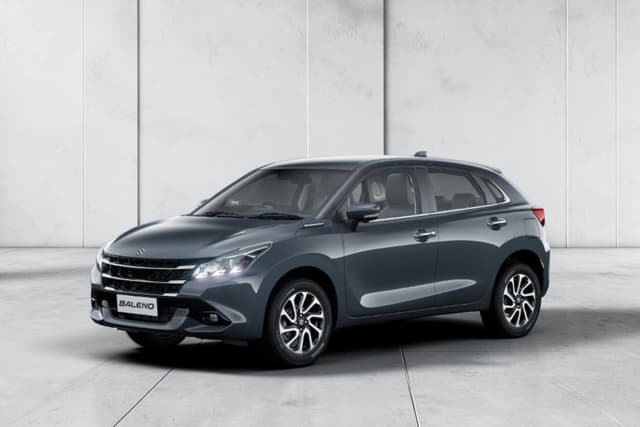
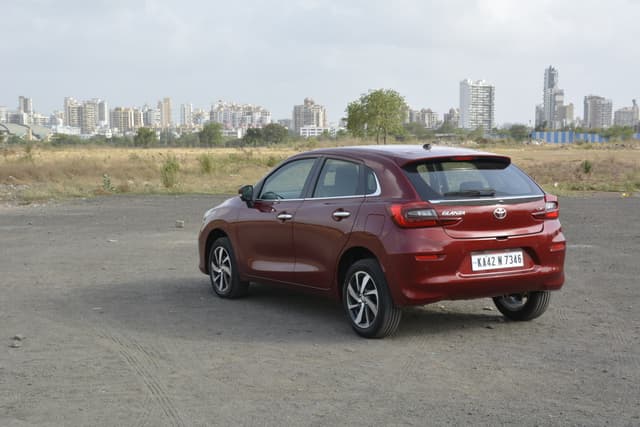
Maruti Suzuki Baleno facelift: Launched September 5, 2026, from Rs 6.10 lakh. New grille and front bumper, and the old four-cylinder K-series engine is replaced by a 1.2-litre three-cylinder Z-series petrol (83hp, 112Nm). Adds Level 2 ADAS, ventilated seats and a 360-degree camera.
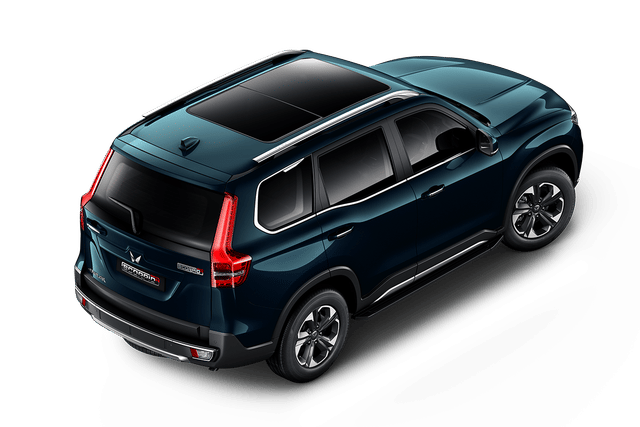
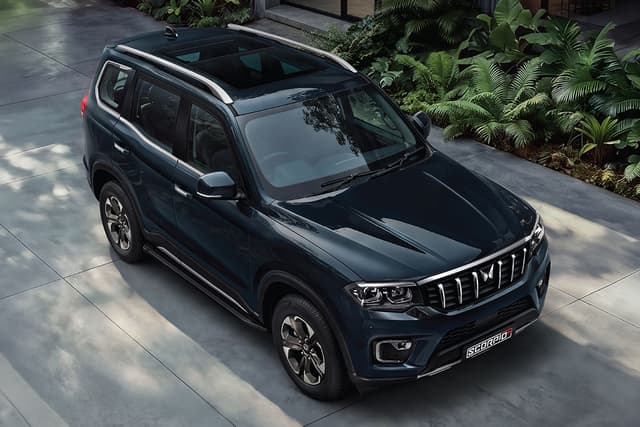
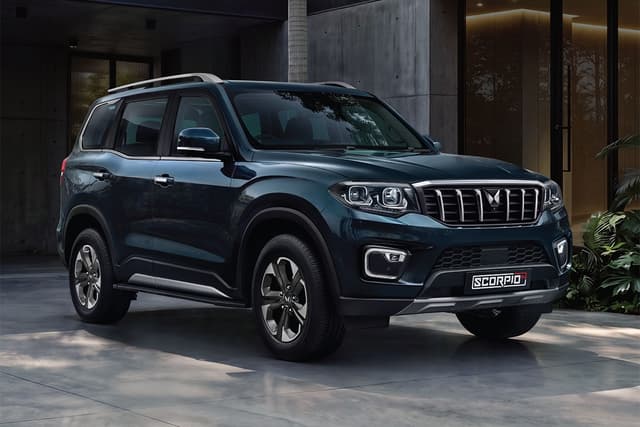
Mahindra Scorpio N facelift: Launched August 5, 2026, from Rs 13.69 lakh. Gets a panoramic sunroof, a 540-degree camera setup and a Thar Roxx-style cabin, but carries over the existing 2.0-litre turbo-petrol engine unchanged.
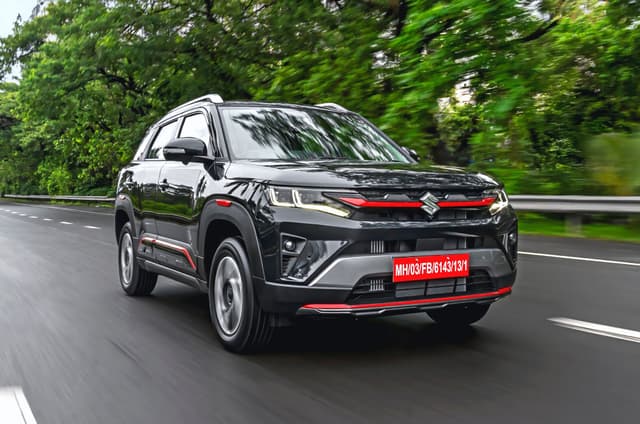
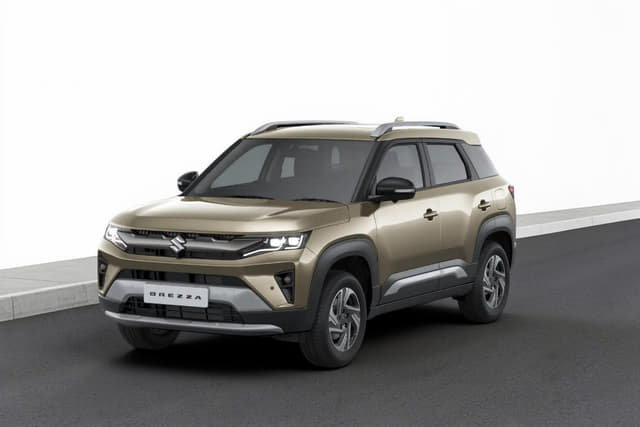
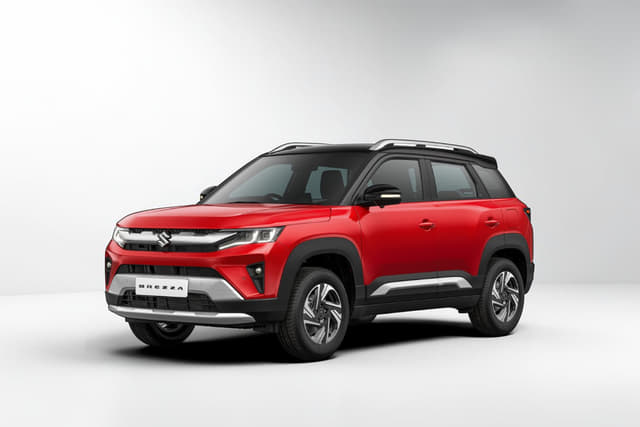
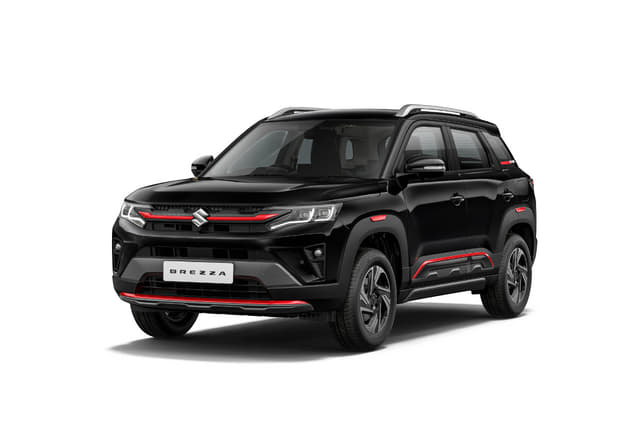
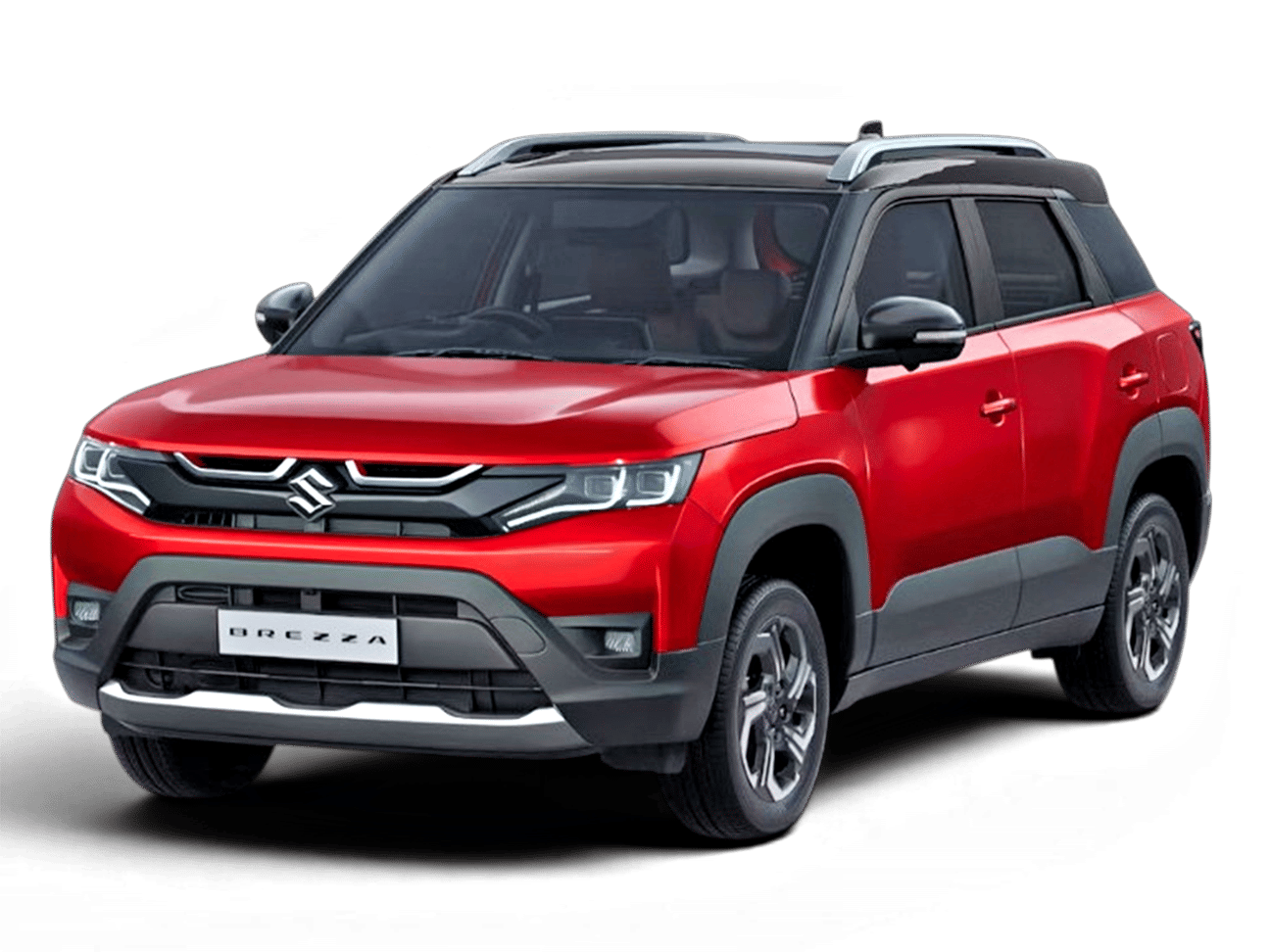
Maruti Suzuki Brezza facelift: Launched July 24, 2026, from Rs 7.40 lakh. Adds a new 1.0-litre Boosterjet turbo-petrol (110hp, 170Nm) alongside the existing 1.5-litre petrol and CNG options; over 40% of bookings have gone to the new turbo.
New-generation Renault Duster: Launched March 17, 2026, from Rs 10.49 lakh. A full redesign with Google built-in infotainment and Level 2 ADAS; diesel has been dropped, leaving two turbo-petrol engines (1.0-litre and 1.3-litre), with a strong-hybrid version expected by Diwali 2026.
Which Petrol Car in India Suit Your Usage?
Requirement
Autocar India Recommendation
Why
First car, tight budget
Maruti Suzuki Celerio
At Rs 4.70 lakh ex-showroom, it's the lowest-priced petrol car on sale, ideal for a first-time buyer's budget.
Daily city commute, lowest running cost
Maruti Suzuki Celerio
Celerio’s AMT returns 26.68 kpl (ARAI), the highest of any petrol car in India, ideal for stop-start traffic.
Family car on a budget
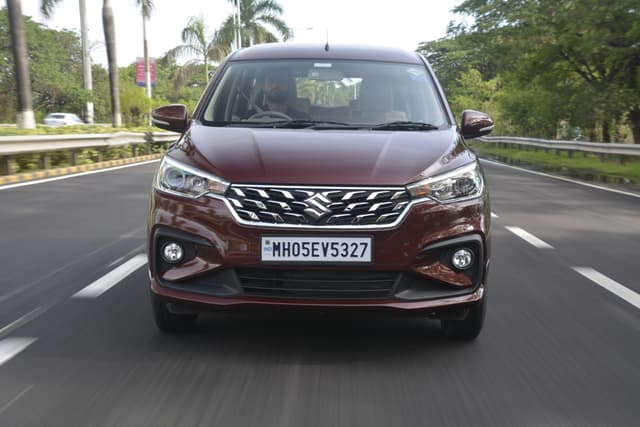
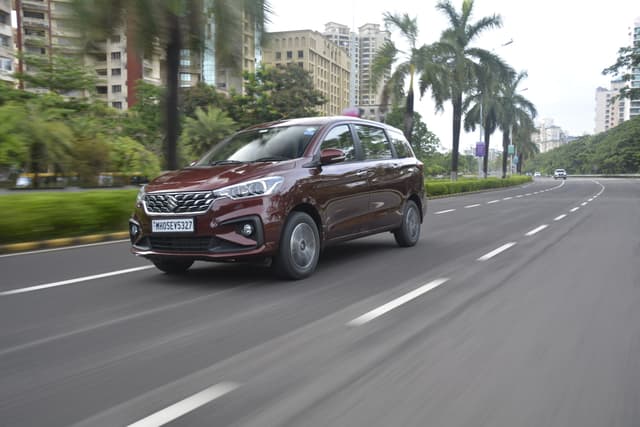
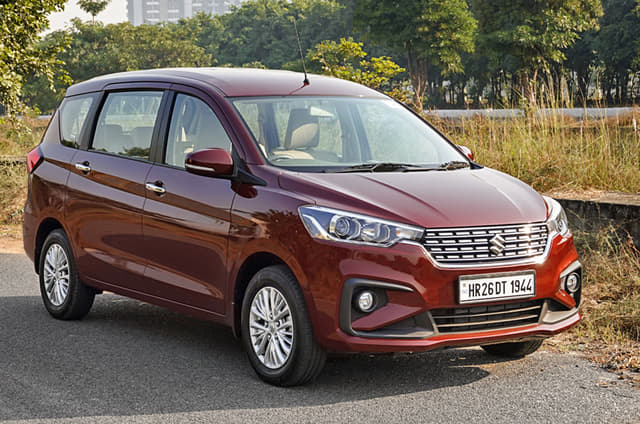
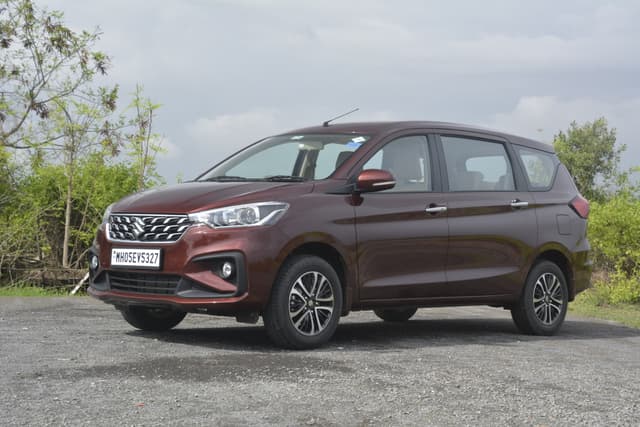
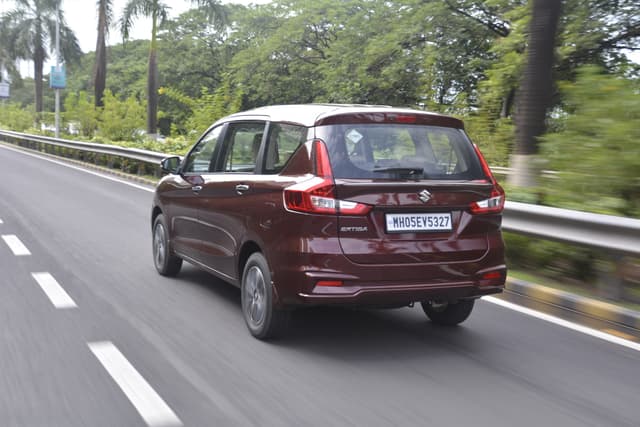
Maruti Suzuki Ertiga
Seats seven, with a sliding, reclining middle row that trades legroom for boot space as needed. The price starts at Rs 9.93 lakh on-road, Delhi.
Family car with maximum space
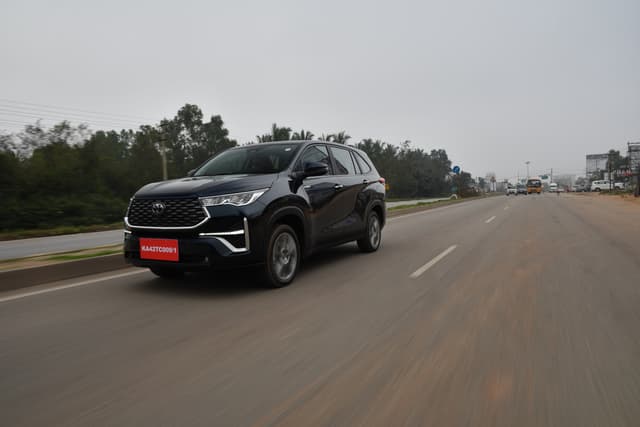
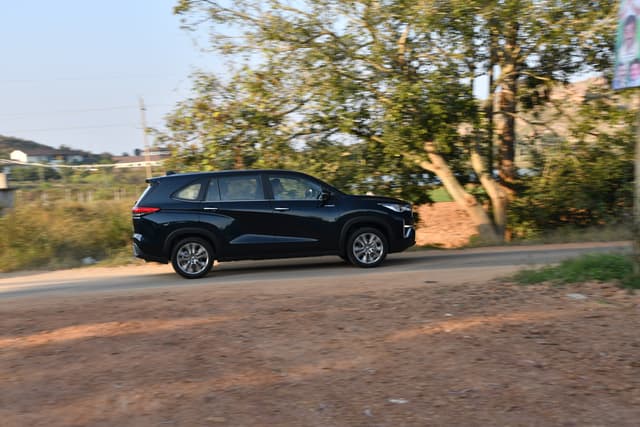
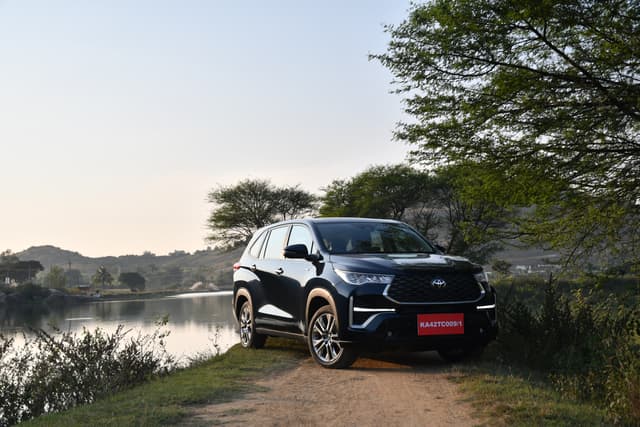
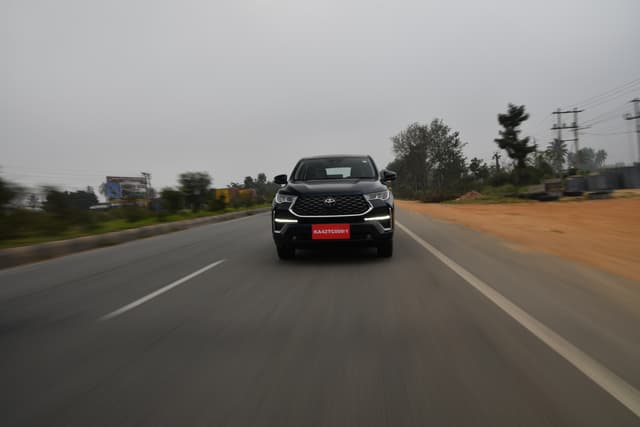
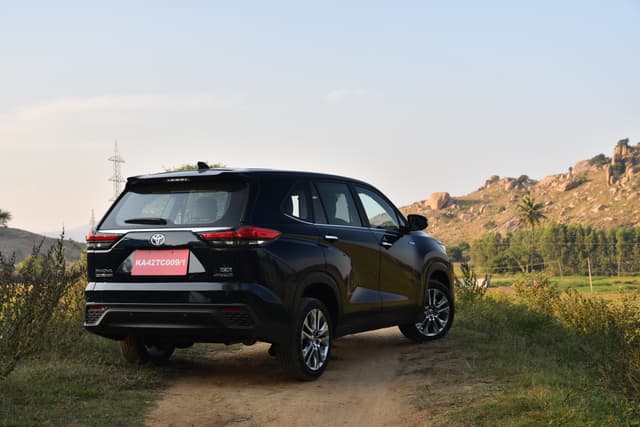
Toyota Innova HyCross
At 4,755mm long, it's larger than the Ertiga, seats up to 8, and turns cavernous once the third row folds flat.
Frequent highway driving
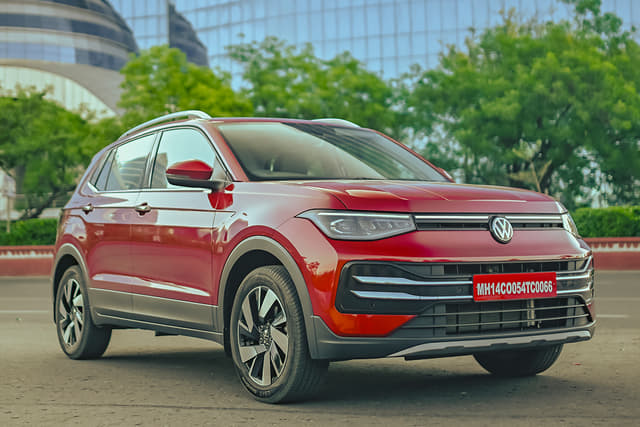
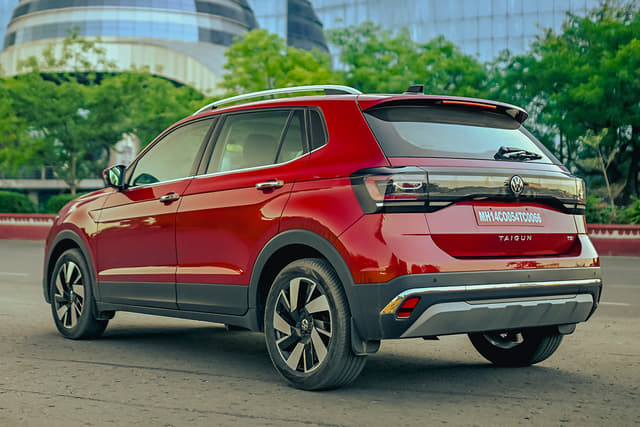
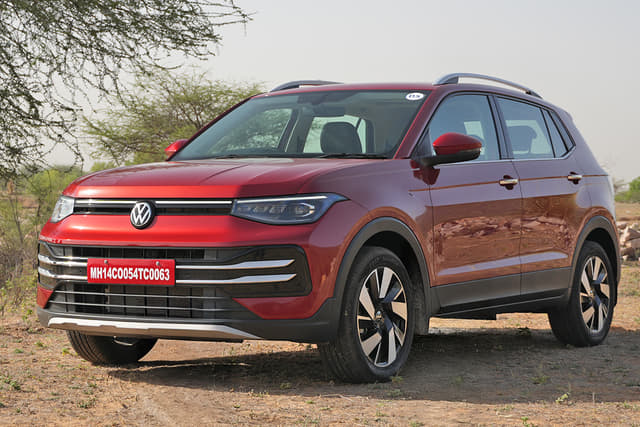
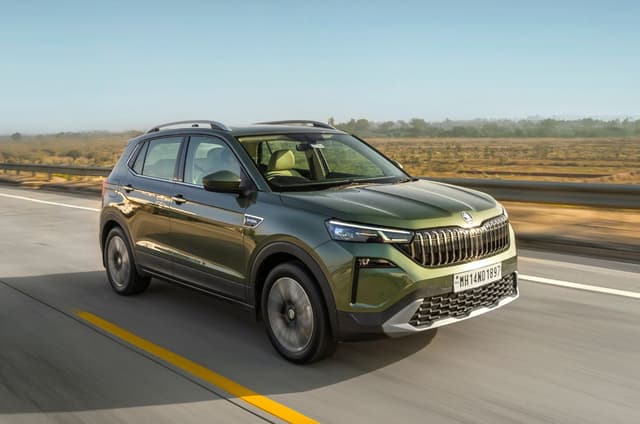
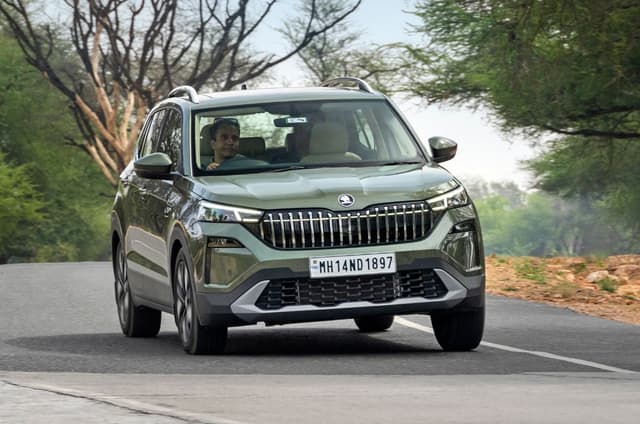
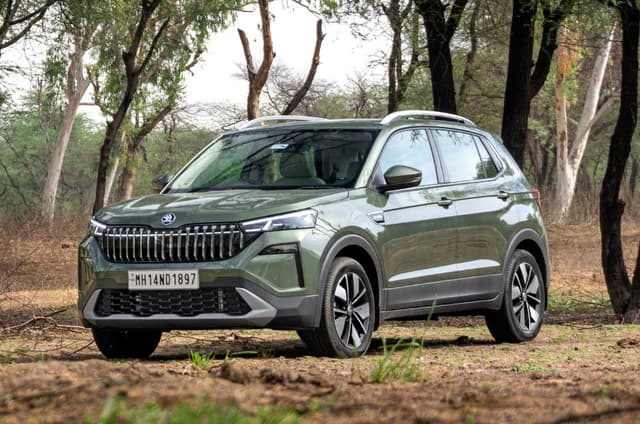
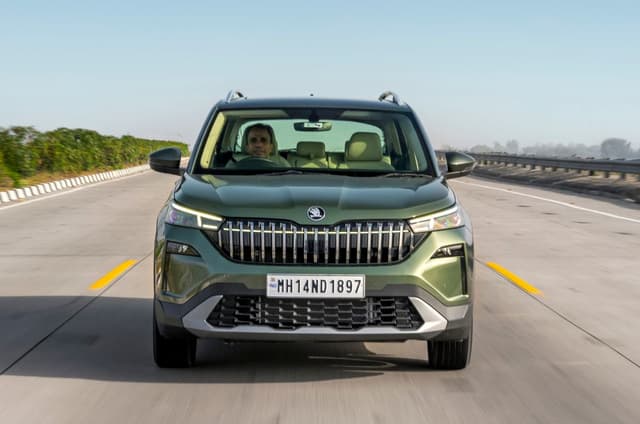
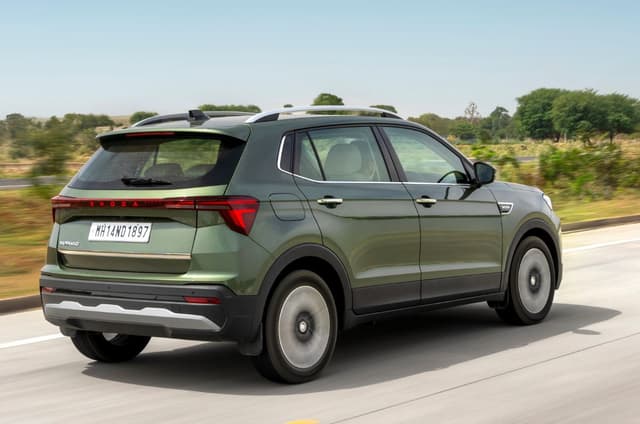
Volkswagen Taigun / Skoda Kushaq
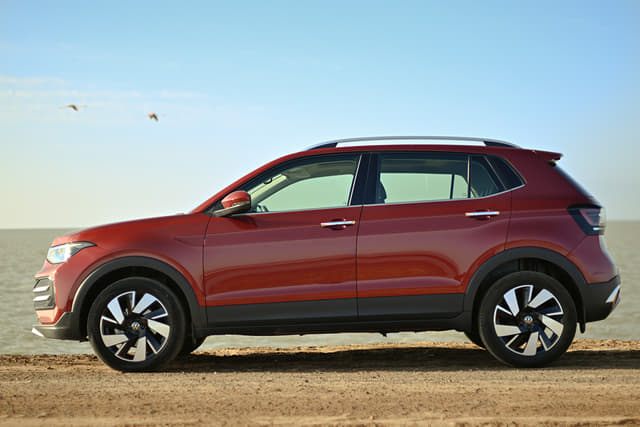
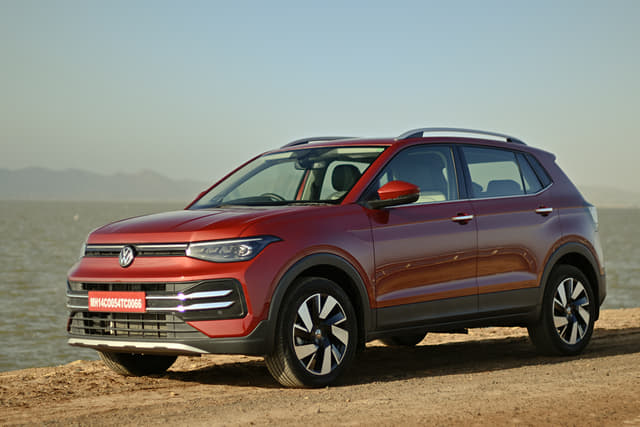
The 1.0 TSI turbo-petrol engine doesn't feel underpowered on the highway, while still topping the mileage charts among turbo-petrol midsize SUVs.
Off roading or rugged use
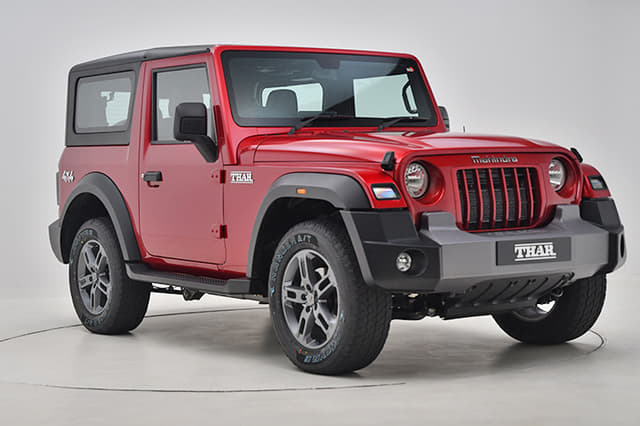
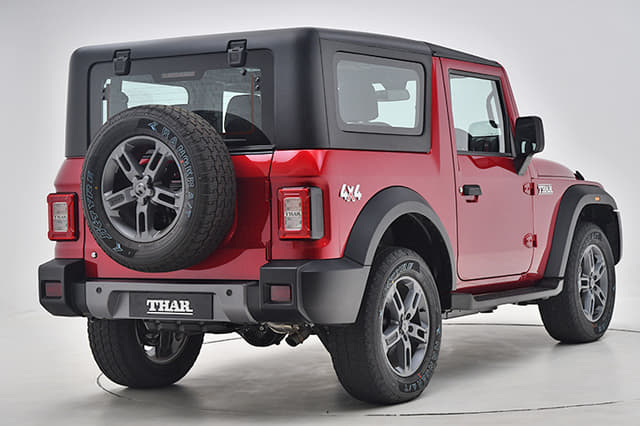
Maruti Jimny/Mahindra Thar
Both offer genuine 4WD hardware in petrol form. The Jimny gets a low-range transfer case and a brake-limited-slip differential as standard, with 36°/47° approach/departure angles, while the Thar's 2.0-litre turbo-petrol is available with proper 4x4, not just rear-wheel drive.
Sporty petrol-powered car for daily use
Skoda Slavia 1.5 TSI
We find the 150hp turbo-petrol agile and confidence-inspiring through corners, with a taut, composed chassis, and a proper DCT automatic that keeps it easy to drive daily.
Outright performance
Ferrari 12Cilindri, McLaren 750S, Aston Martin Vanquish
All three pack 750-835hp V8/V12 petrol engines, sub-3-second 0-100kmph times, and top speeds past 330kmph, the closest thing to unfiltered performance sold in India.
Ultimate luxury petrol car
Rolls-Royce Phantom, Cullinan, Ghost
All three share a 6.75-litre twin-turbo V12 and bespoke, near-limitlessly personalised interiors.
Diesel engines are costly to manufacture as they have to endure the extremely high compression pressures that are required to combust the fuel. A catalytic converter aside, petrol cars usually don't need any additional hardware to keep tailpipe emissions in check, further reducing costs.
Petrol engines in high-performance cars use high-precision direct injectors to spray fuel as and when required, combining variable valve technology and modern turbochargers to extract as much power as possible throughout the combustion sequence and engine RPM.
Almost all modern diesel engines in passenger cars feature a turbocharger to optimise performance and reduce emissions. Similarly, many modern petrol cars are offered with turbocharged engines with either direct injection or multi-point fuel injection. While the latter is cheaper, direct-injection technology often delivers more power and superior fuel economy when comparing similarly sized petrol engines. It also allows a more precise quantity of fuel to be introduced into the engine at the exact moment it is needed for optimal combustion, preventing fuel wastage and boosting efficiency. However, since diesel engines rely on compression ignition, a similarly sized diesel engine will usually deliver higher fuel efficiency.
Need an expert opinion on your car related queries?
Trending Questions on Cars - Answered by Autocar Experts
•5h
Good Morning, I am planning to buy Toyota Innova Hycross petrol automatic. I am worried about its mileage. Is there any way to improve mileage?
•18m
The Innova HyCross petrol automatic is a very good choice if you are looking for a reliable, comfortable and spacious family MPV. The naturally aspirated petrol engine paired with the CVT is smooth, refined and well suited to city driving, but it is not the most fuel-efficient powertrain in a car of this size.There are a few things you can do to improve fuel efficiency: drive with a light right foot, avoid sudden acceleration and braking, use Eco mode, maintain steady speeds on the highway, keep tires properly inflated and avoid unnecessary idling. However, the gains from these measures will be incremental rather than transformative.
Toyota Innova HyCross
•4h
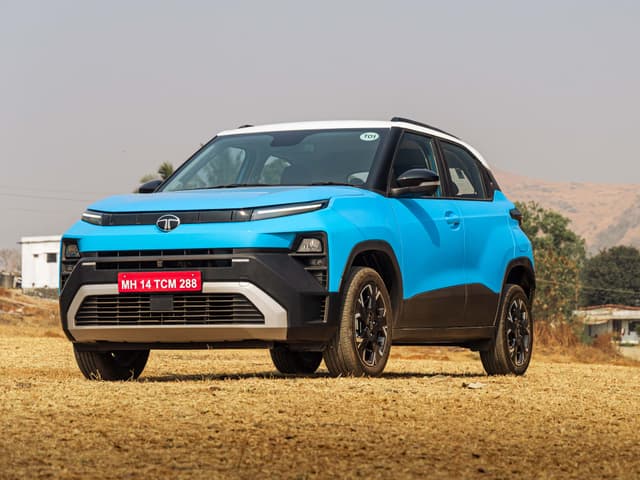
In this tight city, with bulky SUVs everywhere and the E20 era, I’m considering the Punch AMT and Altroz DCA petrol for a beginner with a 70:30 city-highway usage split. The Altroz has the advantage of a better automatic transmission and great looks, but I’m not sure how beginner-friendly it would be in city traffic. The Punch offers better visibility and ground clearance, but I’m concerned about the AMT being jerky, as many reviews mention. I’m also unsure about the real-world fuel efficiency of both.
•48m
Go for the Tata Altroz DCA petrol. The DCA is a proper dual-clutch automatic and is far smoother and more responsive than the Punch’s AMT, which feels jerky at low speeds. The Altroz is also a more refined car overall, with a better driving experience on highways and a more premium feel inside.What's more, the Altroz' cabin is more spacious, and even though you're seated lower than in the Punch, visibility is good, and it is still very user-friendly. In real-world conditions, both cars will return similar fuel efficiency figures, with the Altroz having a slight edge on the highway thanks to its more efficient gearbox.
Tata Altroz
Tata Punch
•1d
Hi Team Autocar, I currently drive a Ford EcoSport 1.0 EcoBoost and am looking to upgrade to a petrol automatic, either a sedan or SUV, with a budget of Rs 20 lakh on-road. Since I am coming from a punchy turbo-petrol, performance and driving engagement are my top priorities. I plan to keep the car for at least eight years, so long-term reliability and a strong manufacturer commitment to India are also important. My driving split is roughly 70% city and 30% highway. Given my priorities, which car would offer the best blend of performance, strong build quality and long-term peace of mind?
•5h
Go for the Skoda Kushaq 1.5 TSI DCT Sportline. Coming from the EcoSport 1.0 EcoBoost, you are used to a punchy turbo petrol, and the Kushaq 1.5 TSI will feel like a proper step up. It is one of the most engaging SUVs to drive in this price range, with strong mid-range performance and a well-sorted chassis that makes it enjoyable on both city roads and highways. The DSG gearbox is quick and responsive, adding to the overall driving experience.Alternatively, you could consider a Renault Duster 1.3 Turbo DCT or Nissan Tekton 1.3 Turbo DCT. These are genuinely fun to drive, with an excellent ride-handling balance. Do keep in mind that turbo lag is a bit more pronounced in these, and fuel efficiency will be a bit lower than in the Kushaq 1.5 DSG.
Skoda Kushaq
Nissan Tekton
Renault Duster
•22h
For someone planning to keep the car for a really long time, does a hybrid actually make more sense than a regular petrol? Not talking about just mileage, but curious about maintenance, battery life and resale as well.
•1d
Automatic CNG options are starting to become more common now, and honestly this makes more sense for city use than a manual CNG. Would you actually pick an automatic CNG over petrol if your daily running is high?


































 Toyota Innova HyCross