Tata Motors offers three hatchbacks in India: Tiago, Tiago EV, and Altroz, covering different needs from an economical city hatchback to a premium family hatchback and an electric urban car. As compared to its competitors, Tata hatchback cars provide wider powertrain choices like petrol, CNG, diesel, and electric. This makes Tata one of the few brands with such a broad mix of fuel choices in the hatchback segment.
Where the Tiago is available with petrol and CNG, the Tiago EV is offered with 2 battery options, and the Altroz comes with petrol, CNG, and diesel depending on the variant. The Altroz also comes with multiple transmissions, with manual, AMT, and DCT options depending on the powertrain and variant.
Tata Tiago
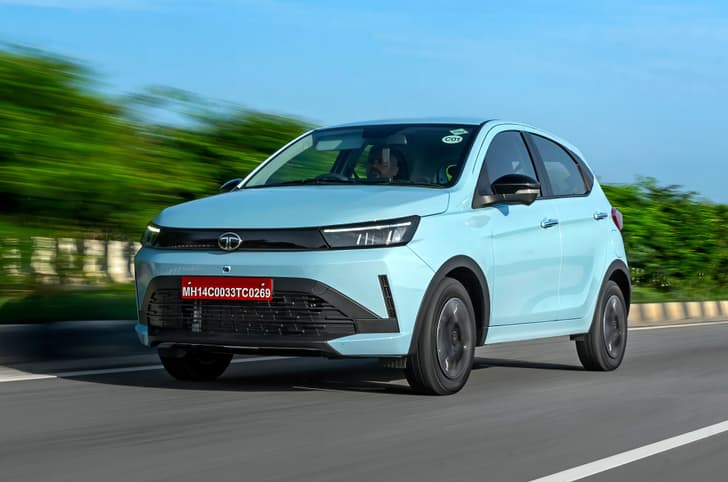
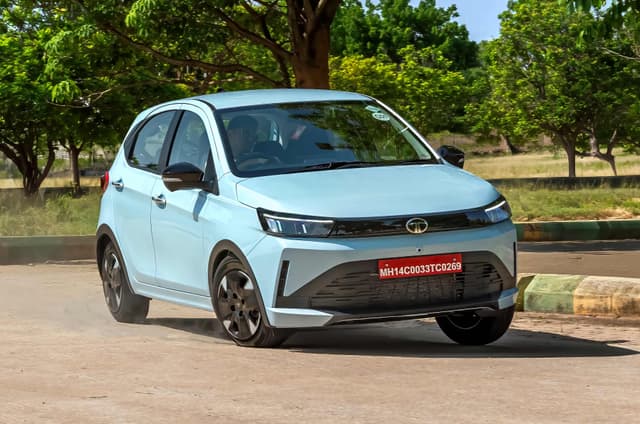
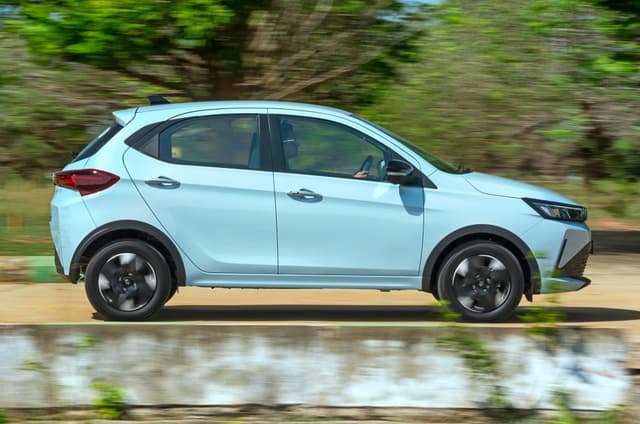
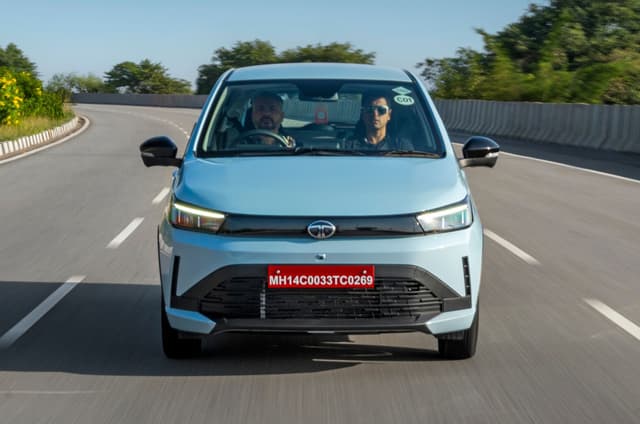
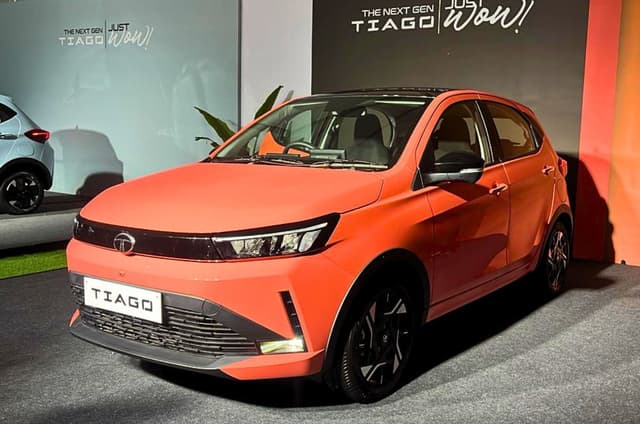
The Tiago is Tata's entry-level, economical hatchback, aimed primarily at buyers looking for a compact car for everyday city use. Its 2026 update brings refreshed styling, a redesigned cabin, a floating 10.25-inch touchscreen and a broader feature list.
It is available with petrol and CNG powertrains, with manual and AMT options, while the CNG-AMT combination gives buyers the option of an automatic hatchback with lower running costs. Higher variants get features such as a 360-degree camera, blind-spot monitoring, cruise control and wireless charging.
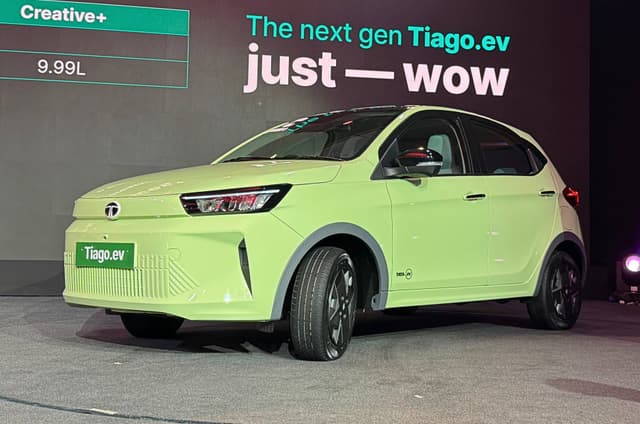
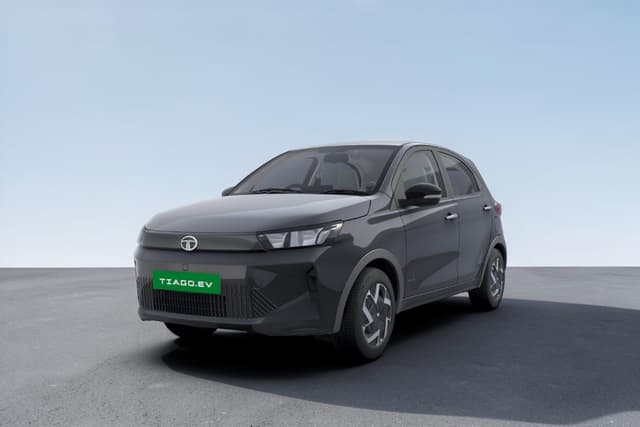
Tata Tiago EV
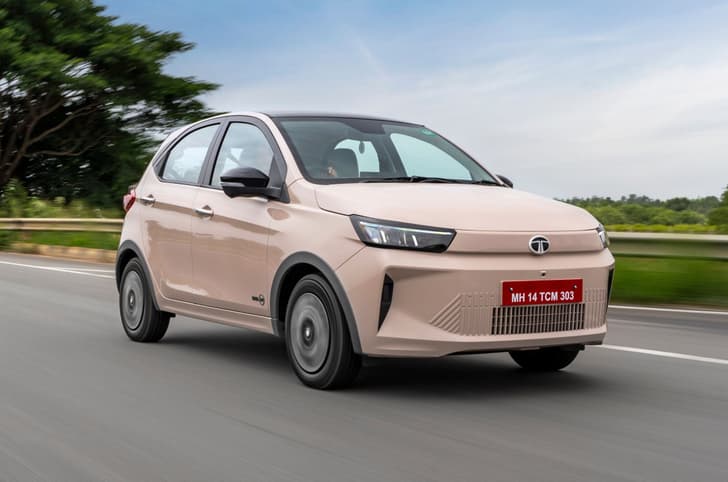
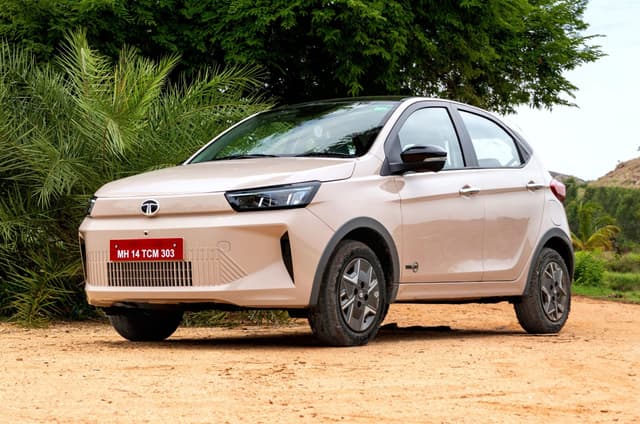
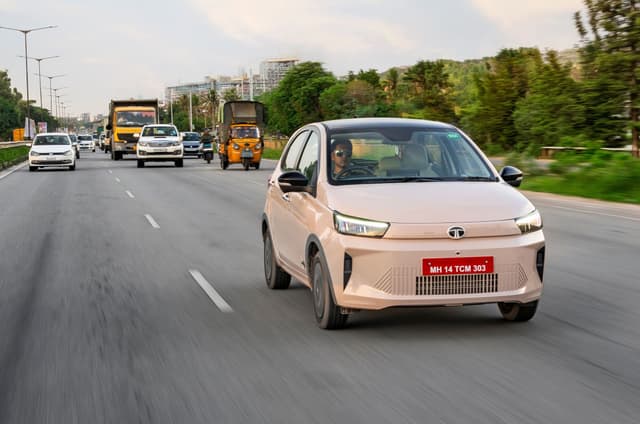
The Tiago EV is Tata's entry-level electric hatchback and a “city slicker” in the true sense. Its 2026 update brings a refreshed exterior and cabin, faster charging and features such as a 360-degree camera and blind-spot monitoring.
It is offered with 19.2kWh and 24kWh LFP battery packs, with the larger battery offering a claimed range of 285km. Its compact dimensions, light steering and plush low-speed ride make it well suited to urban driving, while Tata's Battery-as-a-Service option can lower the upfront purchase price.
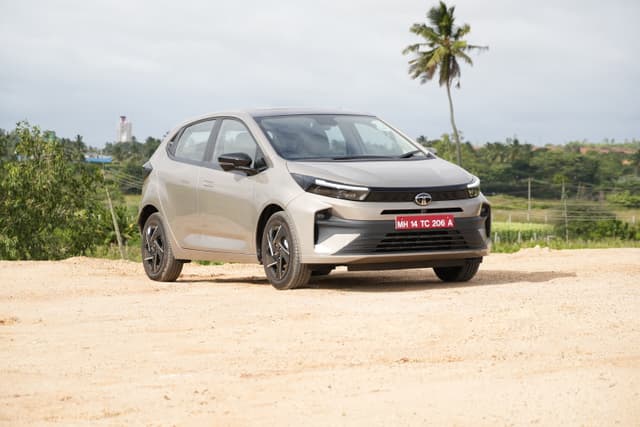
Tata Altroz
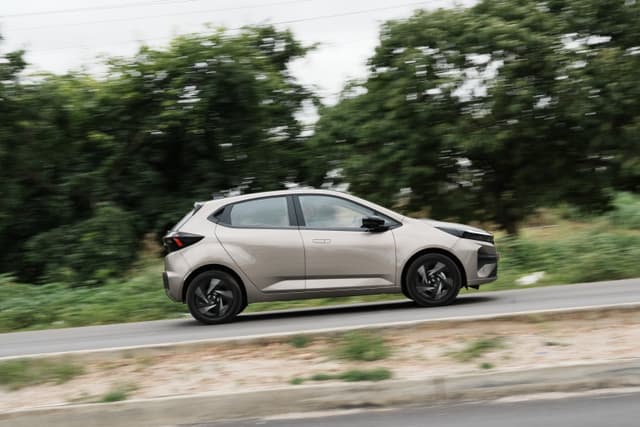
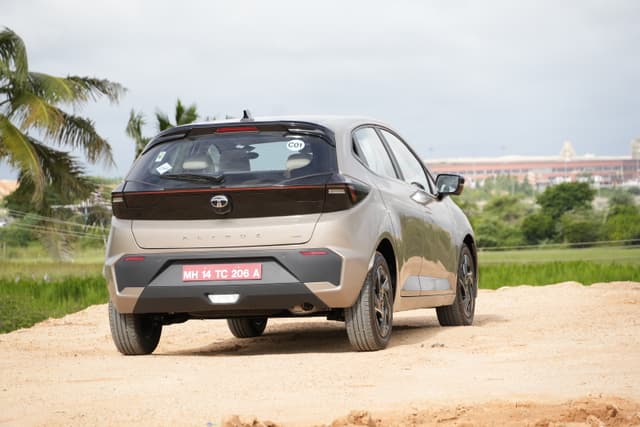
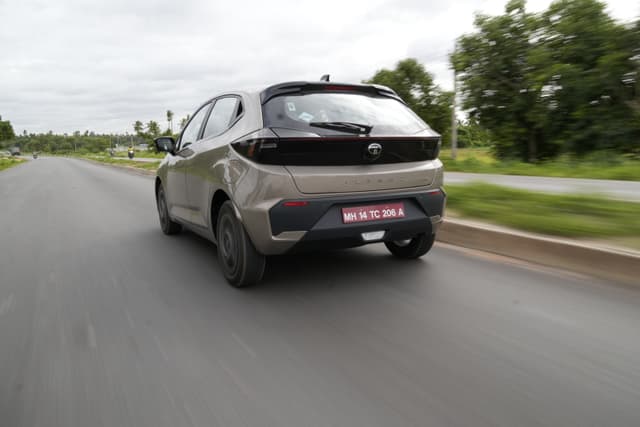
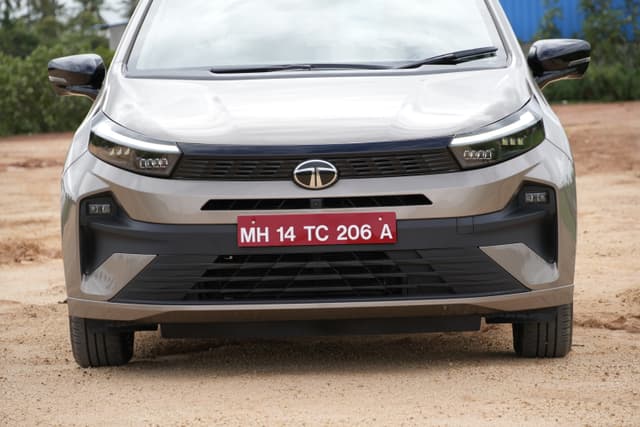
The Altroz is Tata's premium hatchback, positioned above the Tiago with a larger cabin, bigger boot and a wider choice of powertrains. Based on Tata's ALFA architecture, it gets a significantly upgraded cabin with a 10.25-inch touchscreen, digital instruments, ambient lighting and a 360-degree camera on higher variants.
The Altroz is available with petrol, CNG and diesel engines, with manual, AMT and DCA options depending on the variant. Its balanced ride and handling, six airbags and three-point seat belts on all seats further strengthen its appeal as a family hatchback.
Why should you buy a Tata hatchback?
Tata hatchbacks make sense for buyers who want more choice in powertrains without moving to a larger body style. The Tiago works as a compact city hatchback, the Tiago EV provides an affordable electric alternative, and the Altroz offers a larger cabin, bigger boot and a much wider choice of engines.
Why consider a Tata hatchback?
What Tata hatchbacks offer
Multiple powertrain choices
The Tiago is available with petrol and CNG, the Tiago EV with two battery options, and the Altroz with petrol, CNG and diesel.
Safety-focused package
The Altroz has a five-star Bharat NCAP rating and gets six airbags as standard.
Comfortable on Indian roads
The Tiago and Altroz offer a comfortable, well-controlled ride, making them suitable for daily city use and uneven roads.
Choice of automatic gearboxes
The Tiago gets an AMT, while the Altroz is available with AMT and DCT options depending on the variant and engine.
Electric option in a hatchback
The Tiago EV gives buyers an electric hatchback option without moving to a larger SUV or crossover.
Practical boot space
The Altroz gets a 345-litre boot, offering useful luggage space for family use and longer journeys.
Diesel hatchback option
The Altroz is currently the only hatchback in India with a diesel engine, making it an option for buyers who specifically want a diesel hatchback.
Tata hatchbacks vs Competitors
Tata hatchbacks compete with Maruti Suzuki, Hyundai, Citroen, MG and Toyota across the compact, electric and premium hatchback segments. The Tiago rivals the Swift, Grand i10 Nios and C3, the Tiago EV competes with the Comet EV and eC3, while the Altroz takes on the Baleno, i20 and Glanza.
Here’s how they compare on key areas such as powertrain choices, automatic gearboxes, dimensions, and boot space.
Tata hatchback
Key competitors
What Tata offers
How it compares
Tata Tiago
Hyundai Grand i10 Nios, Maruti Suzuki Swift, Citroen C3
Petrol and CNG engines, 5-speed manual and AMT options
The Tiago is the only CNG hatchback in this comparison available with an AMT. It also has the lowest starting price for both petrol and CNG among these models.
Tata Tiago EV
MG Comet EV, Citroen eC3
19.2kWh and 24kWh battery options, with claimed range of 226km–285km
The Tiago EV sits between the tiny Comet EV and larger eC3 in terms of size, while its 2026 pricing makes it one of the most accessible EVs in the market.
Tata Altroz
Maruti Suzuki Baleno, Hyundai i20, Toyota Glanza
Petrol, CNG and diesel engines; AMT and DCT automatic options
The Altroz offers the widest powertrain choice in this premium hatchback group and has the largest boot at 345 litres.
Trending Questions on Tata Cars - Answered by Autocar Experts
•4w
Hello Autocar India Team,
I live in Noida, UP, and I am a first-time car buyer. My budget is around Rs. 5-9 lakh, and I am also a new driver. I am looking for an AMT hatchback that is fuel-efficient, offers good space and comfort for occasional trips, is easy to drive, and has low maintenance costs. I have shortlisted the following cars within my budget:
- Maruti Suzuki Wagon R AMT
- Renault Kwid AMT
- Maruti Suzuki Celerio AMT
- Tata Tiago AMT
Which car would be the best for my requirements? Also, will E20 fuel really damage the engine or reduce the mileage of new cars? Please explain.
•4w
Go for the Maruti Suzuki Wagon R 1.2 AMT. As a first-time buyer in Noida with a Rs 5-9 lakh budget, the Wagon R is the most sensible choice. This Maruti Suzuki car is extremely easy to drive, has a tall-boy design that gives you excellent visibility and a comfortable seating position, and offers genuinely good space for a small family. The AMT is smooth enough for city use, and Maruti’s service network and low maintenance costs make ownership hassle-free. It is also one of the most fuel-efficient cars in the segment, which keeps running costs low.The Tata Tiago AMT is the better car to drive, with a more solid feel and better ride quality, but it does not match the Wagon R for ease of ownership, service reach or fuel efficiency. The Celerio AMT is also a good option, but the Wagon R’s taller cabin, more powerful 1.2-litre engine option and better rear seat space make it the more practical choice. On E20, there is no need to worry. All new cars are engineered to handle E20 fuel, and while you may see a slight drop in fuel efficiency, it will not ruin the engine. The impact is minor and not a reason to avoid buying a new car.
Maruti Suzuki Wagon R
Tata Tiago
Maruti Suzuki Celerio
•5w
Hello, Autocar India Team. I am a first-time car buyer with a budget of Rs 6-12 lakh. I am looking for a petrol automatic hatchback or micro SUV. I am a new driver, so I want something that is easy to drive and fuel-efficient. I have shortlisted the Tata Altroz DCA/AMT, Tata Punch AMT, Tata Tiago AMT, Maruti Suzuki Swift AMT, Maruti Suzuki Baleno AMT, Toyota Urban Cruiser Taisor AMT and Hyundai Grand i10 Nios AMT. I am confused between these options. Which one would you recommend for my requirements?
•4w
Go for the Maruti Suzuki Baleno AMT. As a first-time buyer, your priorities are ease of driving, fuel efficiency and a stress-free ownership experience, and the Baleno delivers on all three. It is one of the easiest cars to drive in the city thanks to its light controls and smooth AMT, and it is also one of the most fuel-efficient cars in this segment. This Maruti Suzuki car also offers a spacious cabin and a comfortable ride, making it a car you can grow into as your needs evolve. Maruti's service network and low maintenance costs further add to the ownership peace of mind.The Tata Altroz DCA is the better automatic gearbox, but the Baleno's AMT is smooth enough for city driving, and the overall ownership experience is stronger.The Tata Punch and Tiago are good value, but the Baleno feels more premium and spacious. The Swift is fun to drive but not as spacious as the Baleno and costs nearly as much.The Toyota Urban Cruiser Taisor is essentially the same car as the Baleno underneath, and if you need the additional ground clearance or prefer its looks, it is a solid choice too. The Hyundai Grand i10 Nios is a strong alternative with a smooth AMT, but the Baleno offers a more spacious cabin.Overall, the Baleno AMT is the most balanced choice for a first-time buyer looking for ease of driving, fuel efficiency and long-term peace of mind.
Maruti Suzuki Baleno
Maruti Suzuki Swift
Tata Altroz
Tata Punch
Tata Tiago
Toyota Urban Cruiser Taisor
Hyundai Grand i10 Nios
•5w
Hi, I’m looking to buy a hatchback as a first-time buyer. I liked the new Tata Tiago AMT petrol, as my initial running will be under 500km a month. I shortlisted it over the Maruti Suzuki Wagon R and Celerio mainly because of its safety features. Speed and performance are not major concerns, as both my wife and I are new to driving. Is the Tiago AMT the right choice for our needs? Please advise, particularly in terms of maintenance costs and overall cost of ownership.
•5w
Yes, the Tata Tiago AMT petrol is a sensible choice for a first-time buyer with low running. With under 500 km a month, petrol is the right fuel, and the Tiago offers a good balance of safety features, a solid build and a comfortable driving experience. The Tiago also feels stable and confidence-inspiring, which is important for new drivers.That said, it is worth being aware that Tata's service experience can be inconsistent depending on the city and dealership, and long-term reliability is not quite at the level of Maruti. The Maruti Suzuki Wagon R and Celerio are both more proven from a maintenance and ownership cost perspective, with Maruti's service network and parts availability being a clear advantage.However, the Tiago feels like a more substantial car and offers better safety credentials, which is why you have gravitated towards it. If you have a reliable Tata service centre nearby, it is a perfectly reasonable choice.
Tata Tiago
Maruti Suzuki Celerio
•6w
I have an 80km daily commute and am looking to buy an EV hatchback. Is the Tiago EV 24kWh sufficient, or should I wait and extend my budget to get the Punch EV 40kWh?
•6w
For an 80km daily commute, the Tata Tiago EV 24kWh is a sensible choice. It offers a real-world range of around 200km, which gives you enough buffer for your daily usage plus some margin for unexpected detours or battery degradation over time. This Tata car is also affordable, easy to park and cheap to run, making it a very practical city electric car.But if you can extend your budget, the Tata Punch EV 40kWh is the better car overall. It offers a significantly higher real-world range of around 300km, a slightly more spacious cabin and a more premium feel. The key question is whether you need that extra range. If your usage is mostly city-based and you have reliable home charging, the Tiago EV 24kWh is sufficient. If you regularly do longer trips or want maximum range buffer, then the Punch EV 40kWh is worth considering.
Tata Tiago EV
Tata Punch EV
•7w
Hello all, I am looking to buy a new car with Rs. 10-12 lakh budget. I am confused between i20 IVT hatchback and mini SUV like the Kia Sonet DCA or Tata Nexon AMT. Most of my driving is 3000 to 4000km per month on the highway. I am in Bangalore.
•7w
Given your high running of 3,000-4,000km a month on the highway, the priority should be a car that is comfortable, stable at speed and easy to live with over long distances. The Hyundai i20 IVT is a good hatchback, but at that kind of running, a compact SUV makes more sense because of the higher seating position, better ground clearance and generally more comfortable ride over broken patches. Between the Kia Sonet DCT and Tata Nexon AMT, the Sonet DCT is the better fit for your usage. The DCT is a proper automatic gearbox, which is smoother and quicker to respond than an AMT, especially on highways where quick gear changes matter during overtakes. The Sonet also feels more refined, more premium and better put together overall. The Nexon is a solid car, but the AMT gearbox is not as smooth or as enjoyable on long highway runs. The only caveat with the Sonet DCT is that dual-clutch gearboxes can get a bit jerky in heavy stop-start traffic, but on highways, they are in their element. Overall, the Sonet DCT is the best fit for your usage and budget.




 Maruti Suzuki Wagon R