Tata Cars Under 25 Lakh in India (20)
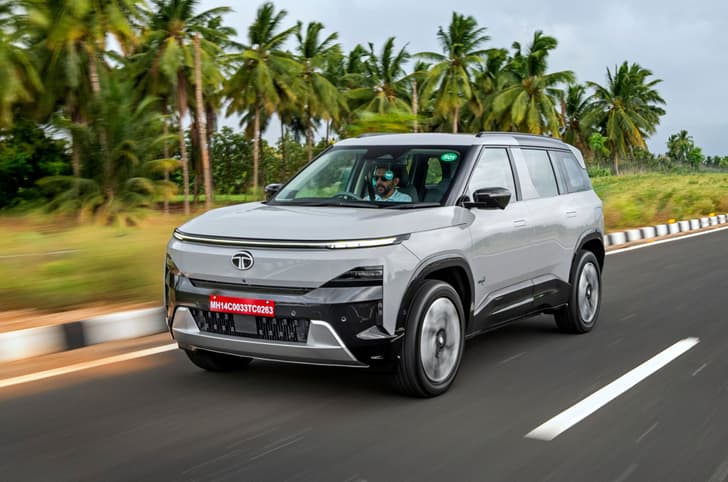
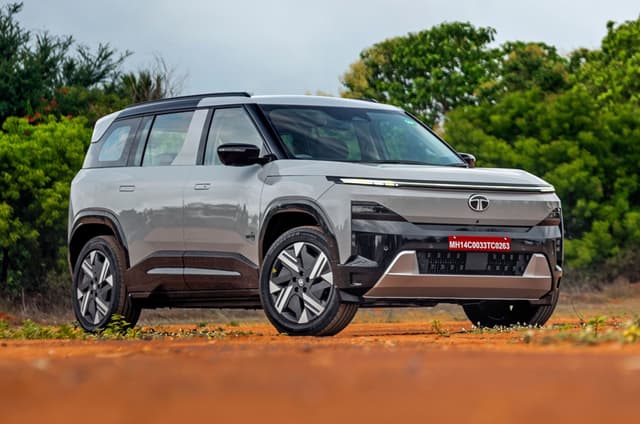
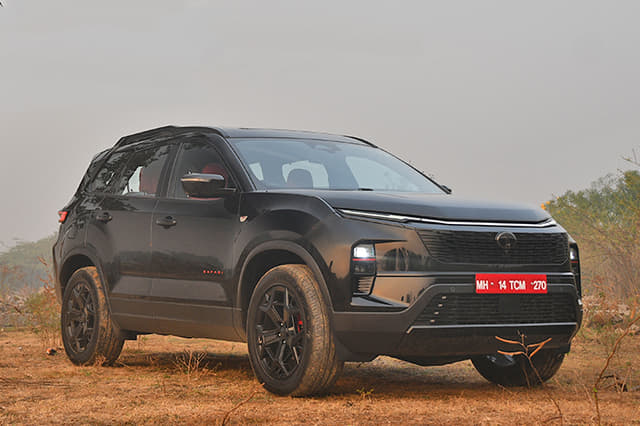
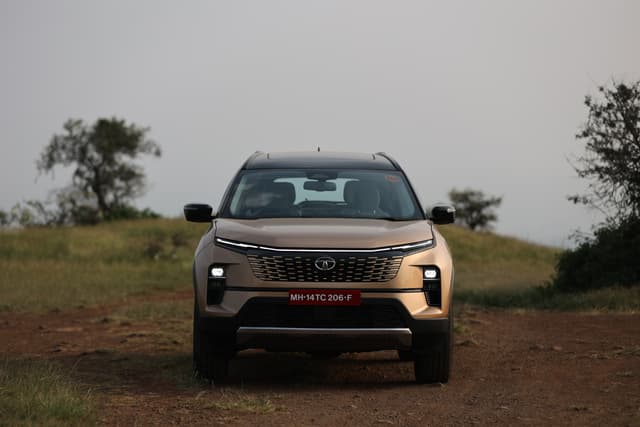
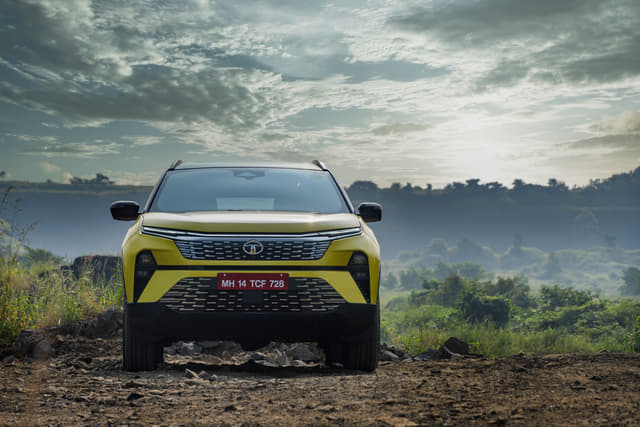
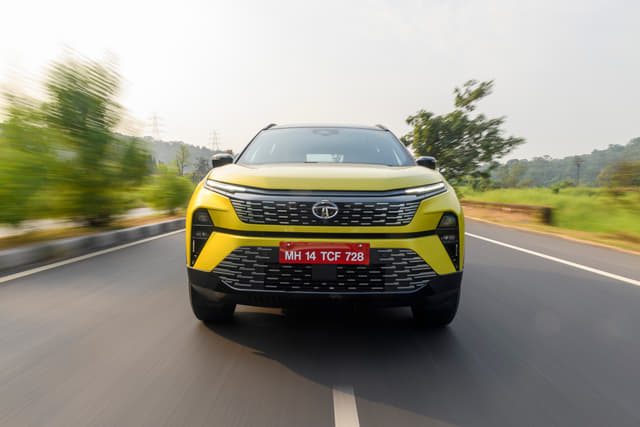
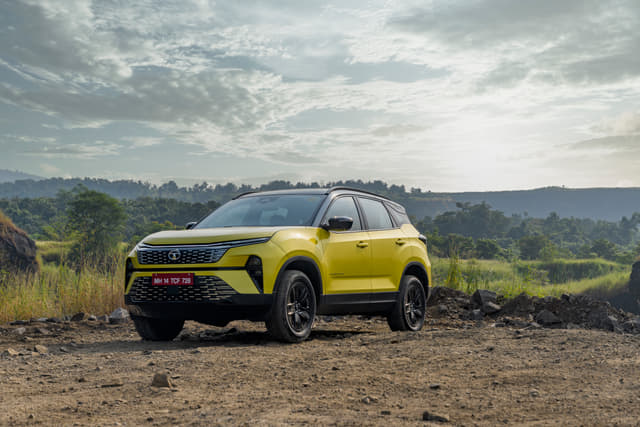
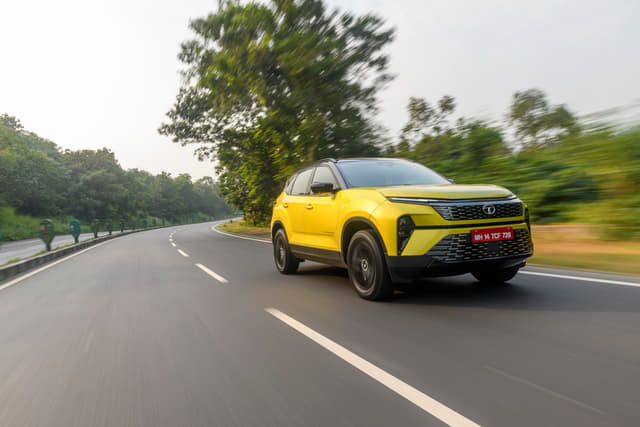
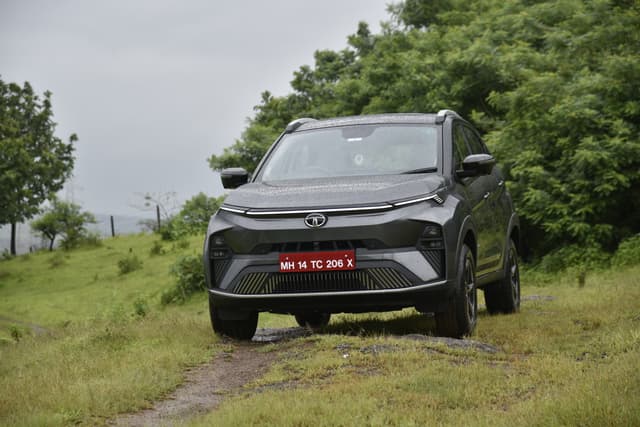
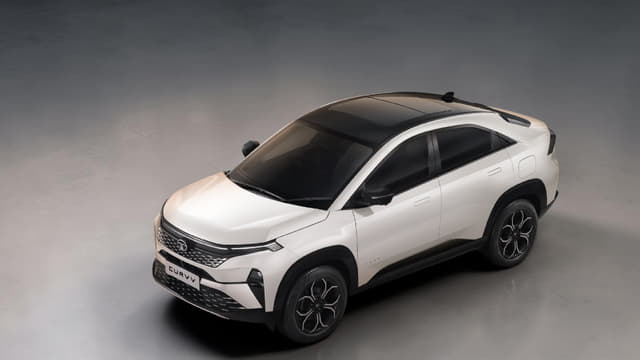
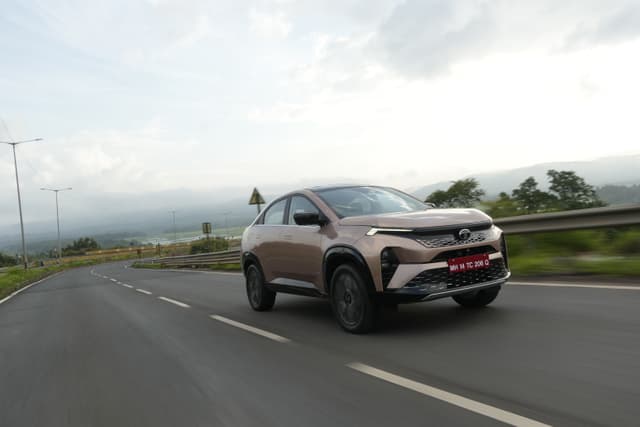
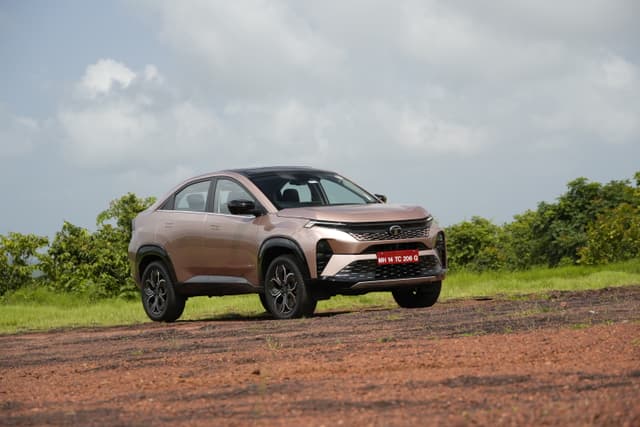
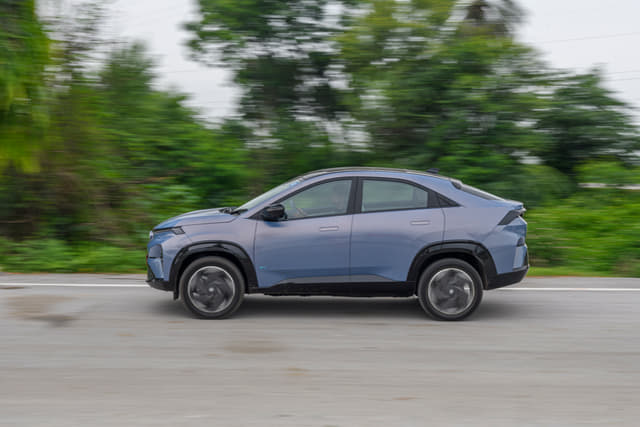
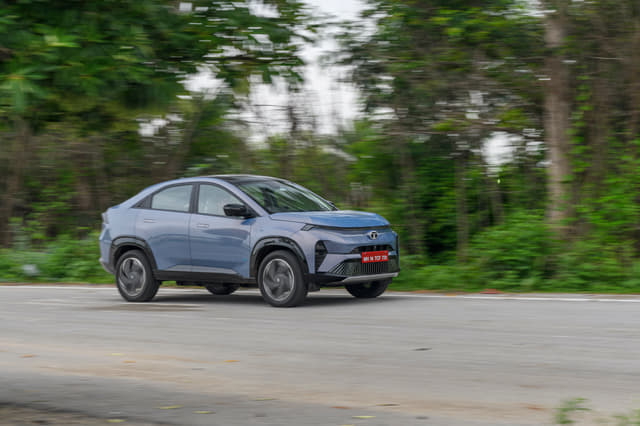
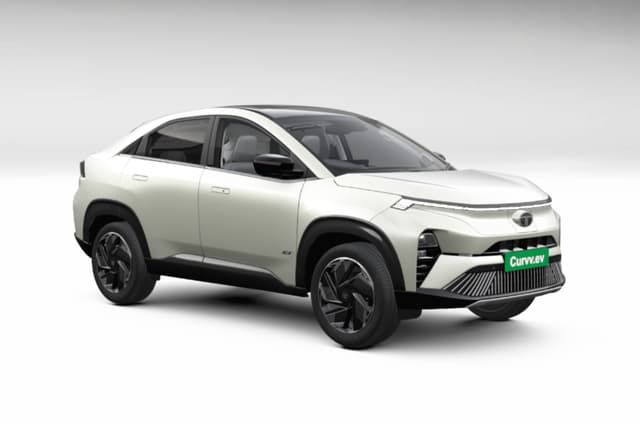
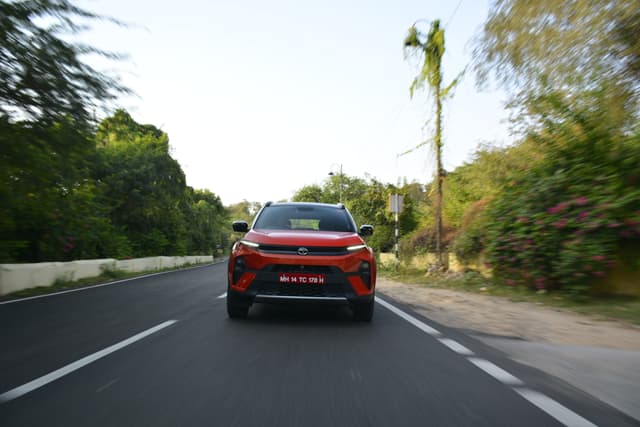
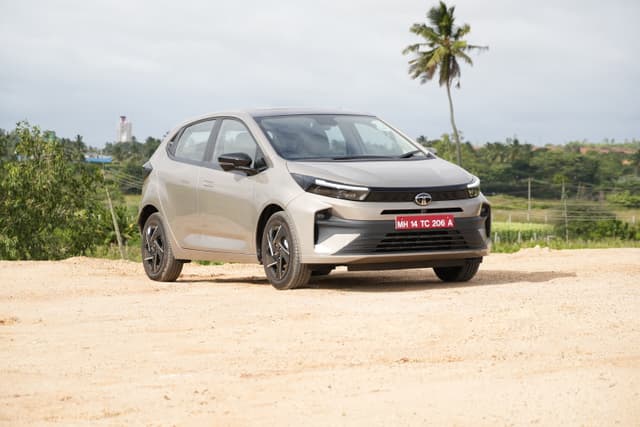
What’s new with Tata cars under Rs 25 lakh? The key upgrade is access to Tata’s more complete SUV portfolio. Buyers looking for a feature-rich mid-size SUV or a coupe-styled, city-friendly option get more premium choices. The range also offers petrol, diesel and electric powertrains, giving buyers greater flexibility.
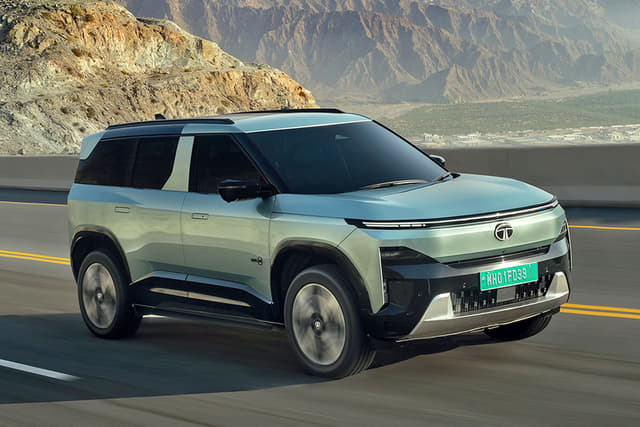
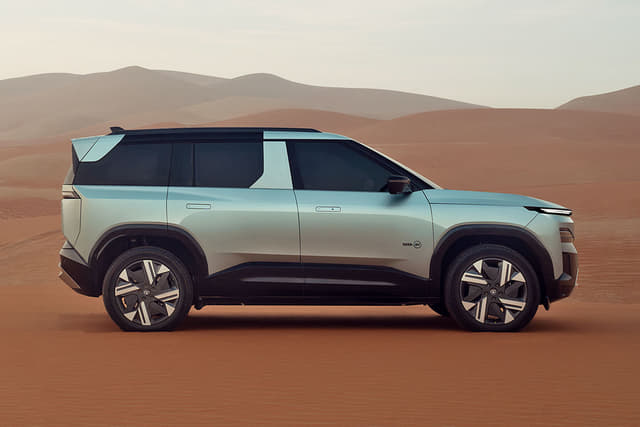
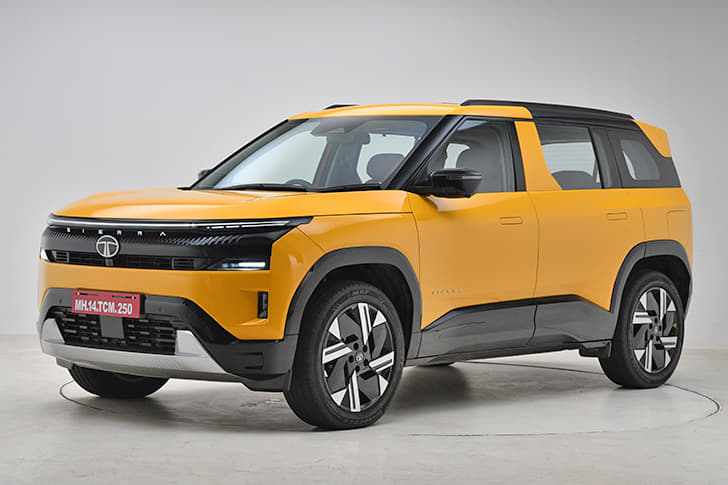
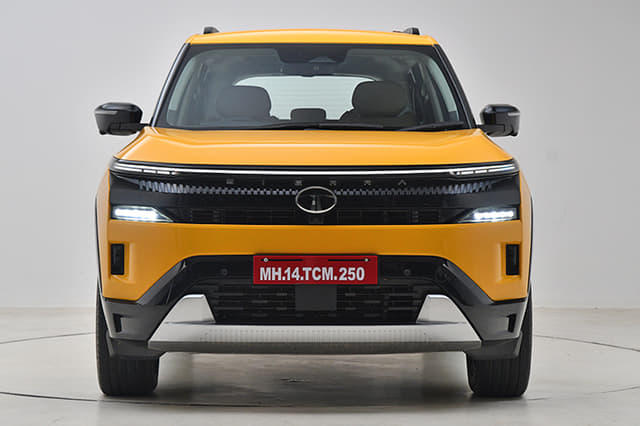
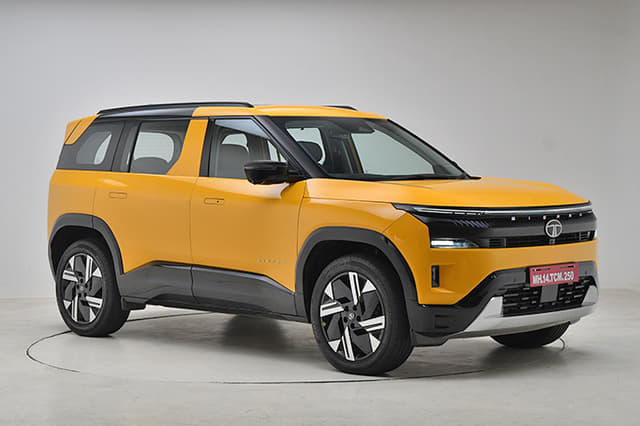
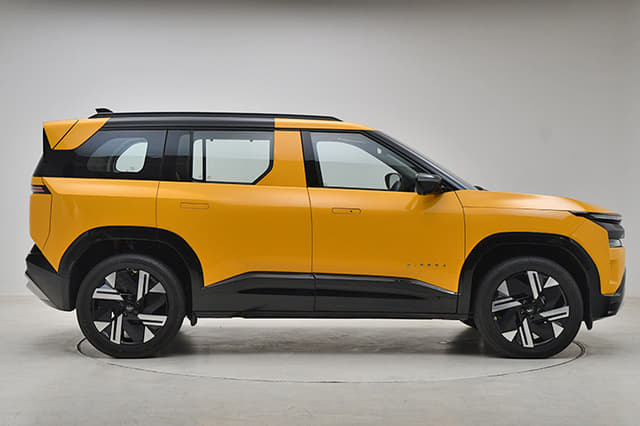
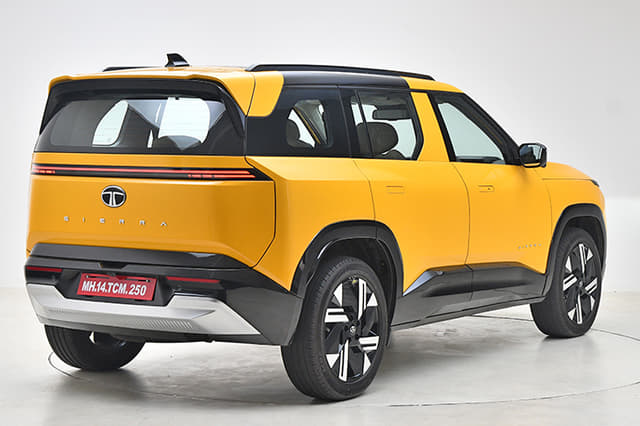
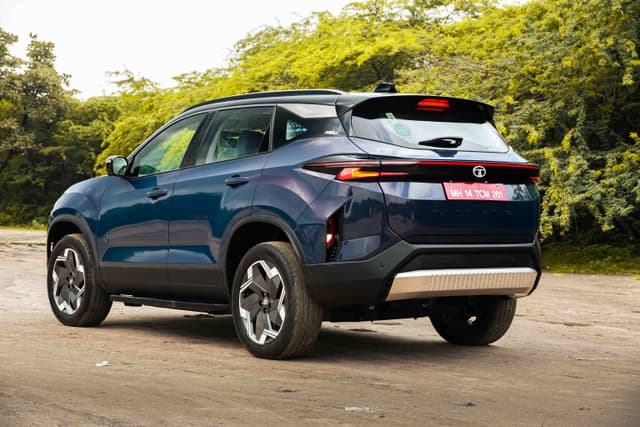
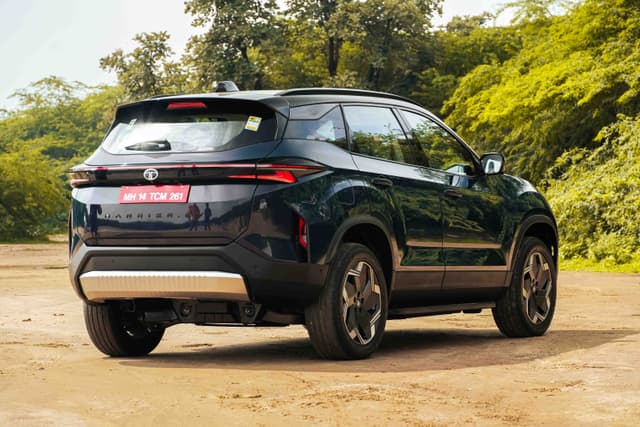
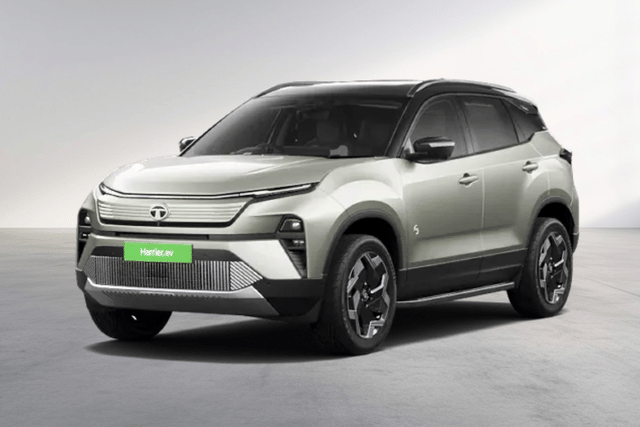
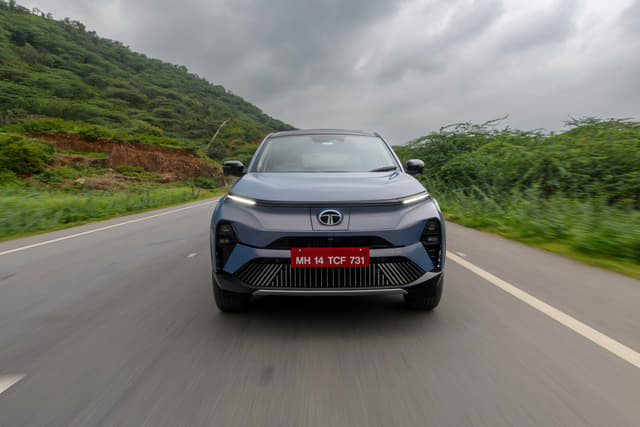
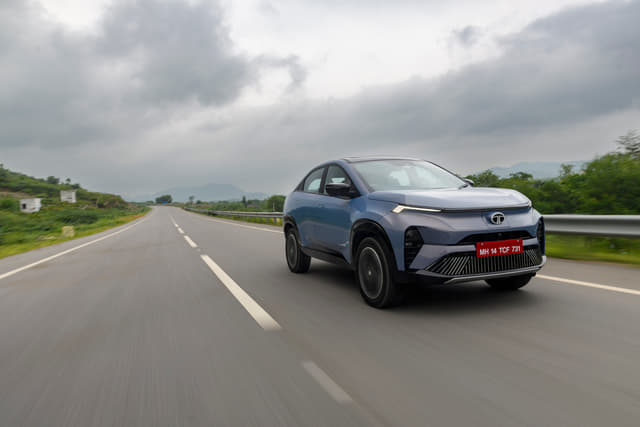
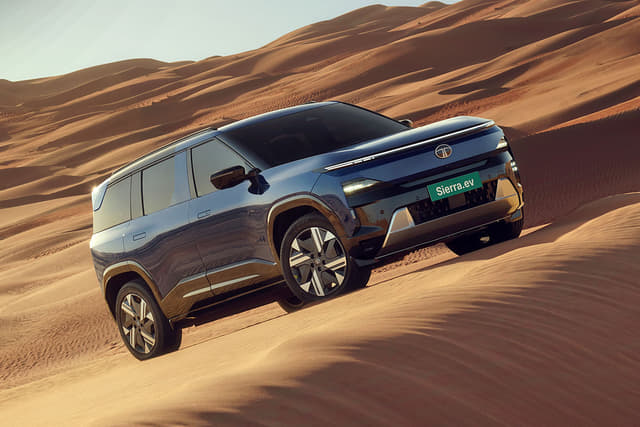
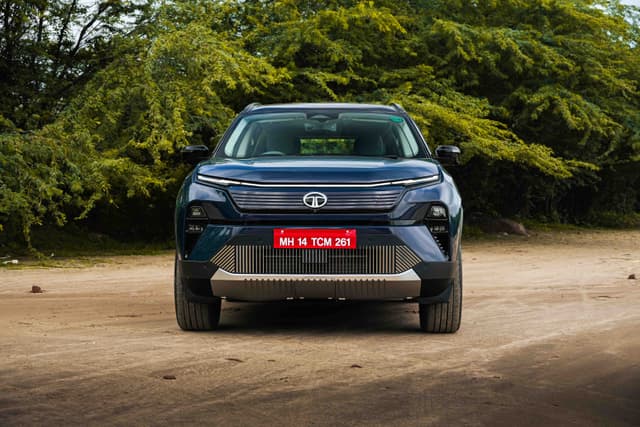
This price bracket adds the full Tata Sierra range, from the base Smart+ to the top-spec Accomplished+ variant. It also brings more premium electric SUV options, with the Harrier EV joining the Curvv EV. The Harrier EV adds a stronger road presence, an all-wheel-drive electric powertrain, a 14.5-inch touchscreen and a battery pack of up to 75kWh, making it the more premium electric SUV option in this range.
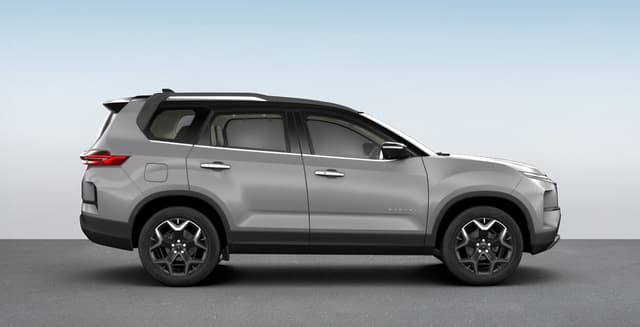
The upcoming Safari EV is another key addition. Tata is expected to launch it as its first three-row electric SUV, with prices likely to start at around Rs 22.5 lakh. Once launched, it will fit within the Rs 25 lakh bracket and could become Tata’s most accessible three-row electric SUV.
What Extra Features Do You Get by Stretching to Rs 25 Lakh?
Moving from a budget of Rs 20 lakh to Rs 25 lakh provides access to higher variants. It also opens up Tata’s more premium SUVs and electric models. You get advanced driver assistance, more powerful EV options and better comfort features.
What you get | What becomes available by Rs 25 lakh | Why it matters |
More premium SUV choices | Full Tata Sierra range, higher Harrier/Safari variants and the Harrier EV | You can move from compact SUVs to larger, more premium and electric SUVs. |
Advanced driver assistance | Level 2 ADAS on higher Sierra, Curvv EV and Harrier EV variants | Adds features such as adaptive cruise control, lane-keeping assistance and autonomous emergency braking. |
More sophisticated cabin tech | Sierra's triple-screen setup and Harrier EV's 14.5-inch touchscreen | Gives the cabin a more premium, technology-focused feel. The Sierra gets three 12.3-inch displays on its top variants. |
Premium sunroofs | Large panoramic sunroofs on Sierra, Curvv EV and higher Tata SUVs | Adds a more upmarket cabin experience, especially in top variants. |
Better seat comfort | Ventilated front seats and powered/memory seat functions on higher variants | Useful for long-distance driving and improves everyday comfort. |
More advanced parking technology | 360-degree/540-degree camera systems and auto-park functions on select models | Makes larger SUVs easier to manoeuvre in tight spaces. The Harrier EV gets a 540-degree camera and auto-park assist. |
AWD electric performance | Harrier EV with dual-motor AWD on select variants | Gives the larger EV stronger traction and significantly higher performance than the RWD versions. |
Long-range EV option | Harrier EV with a 75kWh battery and up to 622km claimed range | Makes a large electric SUV more practical for longer-distance use. |
Better audio experience | JBL premium audio on higher Curvv EV variants | The Curvv EV Empowered X gets a 9-speaker JBL system with a subwoofer. |
Three-row flexibility | More Safari variants with 6- and 7-seat layouts | Buyers can choose between captain chairs or a conventional three-seat second row depending on their needs. |


Filter your search


Filter your search


Filter your search


Tata Cars Under 25 Lakh - FAQs
Getting a Tata EV under 25 lakh without dedicated home charging is generally impractical due to high public DC fast-charging costs and inconvenience. Relying solely on public charging, which generally requires 30-60 minutes per session to charge, diminishes the financial advantages of owning an EV.
Yes. The Tata Sierra EV offers better value than the Harrier EV under 25 lakh. It costs around 3 lakh less while offering more boot space, a higher claimed range and features such as a co-driver screen and a larger speaker setup. The Harrier EV is larger and adds a few features, but the Sierra EV is the more value-focused choice.
The Tata Sierra is worth considering if you prioritize premium and unique features, such as the dedicated passenger screen and 12-speaker audio system. However, the Creta, Seltos and Hector offer better value for money at lower prices.
Trending Questions on Tata Cars - Answered by Autocar Experts
Hi, I have Rs. 20 lakh in hand and want to buy an EV. However, my height is a concern, as I am 6'1" tall, so I want a car that is comfortable for my height. I drive roughly 180 km per week and around 1,000 km every month on long road trips.
At 6ft 1in, the Sierra EV is worth considering first because the cabin is genuinely spacious and the driving position should comfortably accommodate a taller driver. It also gives you the SUV stance and substantial cabin that you are looking for, while the large boot makes it better suited to your regular long trips.Your running also makes an EV a sensible choice. Around 180km a week is easily covered through home charging, while the longer 1,000km trips will require some planning around fast charging. The Sierra EV's ride is another advantage for your usage, particularly if those long journeys include uneven roads.The Kia Carens Clavis EV is the other car worth considering. It offers a very spacious cabin and greater seating flexibility, so it makes more sense if carrying family members regularly is important. For a primarily five-seat requirement, however, the Sierra's SUV packaging is likely to appeal more.
I am planning to buy a sub-4-metre SUV with a budget of around Rs. 11-14 lakh. The car will mainly be used for weekend driving within the city, along with around 2-4 trips to my hometown each month, with each round trip being approximately 280 km. I also have the option of installing a home charging facility if I decide to go for an EV. I am confused about which powertrain would be most suitable for my usage-petrol, CNG, hybrid, or EV. I would like your valuable suggestion
With 2-4 trips to your hometown every month, your usage is actually high enough to make an EV worth considering, especially since you can install a home charger. A Tata Punch EV 40kWh would fit the budget and is the powertrain that makes the most sense for this usage. It has a claimed range of 468km, although real-world range will naturally be lower, and it supports DC fast charging, which is useful for your 280km round trips.If you prefer to stay with an ICE car, the Maruti Fronx 1.0 turbo petrol AT would be the pick. It gives you better highway performance than the naturally aspirated alternatives, while remaining compact and easy to drive in the city.CNG is worth considering only if keeping running costs as low as possible is the priority. A factory CNG Brezza or Punch will deliver excellent fuel economy, but CNG brings more frequent refuelling and less outright performance, which matters when you are doing regular 280km highway trips. A hybrid is not really a consideration in this sub 4 metre segment at your budget.The key question with the EV is charging on your hometown trips. If you can comfortably charge at home at both ends, the Punch EV becomes particularly attractive. If charging at the destination is uncertain, the Fronx turbo petrol is the safer choice.
Iam looking for a new car. I drive about 500km a month in Bengaluru, with occasional trips to Mysuru. My budget is 10L.
With a monthly usage of around 500km in Bengaluru and occasional trips to Mysuru, your running is relatively low, so a petrol car makes the most sense. Your budget of Rs 10 lakh puts you in the premium hatchback or entry-level compact SUV segment. In this price range, the Maruti Suzuki Baleno is a very strong option. It is spacious, comfortable, fuel-efficient and easy to drive in the city, while also being reliable and inexpensive to maintain.If you prefer the higher seating position and better ground clearance of an SUV, the Tata Punch is worth considering. It is well-suited to Bengaluru's roads and offers a more commanding driving position, though it is not as spacious as the Baleno. Overall, the Baleno is the most well-rounded choice for your usage and budget.
I currently own a 2016 Hyundai i20 Elite Sportz and am planning to upgrade to an SUV, but I am a bit confused. My budget is Rs. 20 lakh. I am looking for a reliable engine, low maintenance costs, and decent mileage. Since my family consists of six members, I am particularly interested in a 7-seater. Would the Tata Safari be a good option, or should I consider other alternatives?
With a family of six and a Rs 20 lakh budget, the Carens Clavis is worth considering before the Safari. It offers genuinely usable space across all three rows, a comfortable ride and a proven 1.5-litre naturally aspirated petrol engine. For a buyer prioritising reliability, low maintenance and reasonable running costs, it is a more natural fit.The Safari is the more SUV-like choice, with a spacious cabin, good ride comfort and strong highway manners. Although the Safari itself has not been tested, the Harrier uses the same 1.5-litre turbo petrol engine and returned just 6.17kpl in the city and 12.49kpl on the highway in our testing. The Safari is heavier, so expectations of fuel economy should be realistic. The diesel is more efficient than the petrol, but it is not particularly frugal either, especially in city use.The Clavis therefore makes more sense if mileage and running costs are important. The Safari becomes more attractive if you specifically want the larger SUV experience, higher seating position and stronger highway character.
I purchased a Kia Sonet 1.0 iMT in 2024 after owning Maruti Suzuki Dzire for around 11 years. I was so bored of driving it for more than a decade that I rushed to change. I wanted a compact SUV as an upgrade but settled for a sub-compact SUV due to budget constrain or may be due to lack guidance and understanding. Soon after buying it, I realized that this is not the car that I want to drive. I want a vehicle that looks and feels rugged but at the same time, is usable for daily commute with 80 - 90% city drive. I want to feel the same way I feel when I drive my Royal Enfield (strong and rugged). In less than 3 years, I am looking for a change again but this is time I don't want to make the same mistake. I have a few cars in mind but I am not sure which one should I go for. I have shortlisted Renault Duster Hybrid (upcoming), Tata Harrier AT (diesel), Thar Roxx AT (diesel), Toyota Hyryder Hybrid and Hyundai Creta AT (Diesel or Petrol). I drive around 1000 to 1200 km per month, mostly in the city but when I plan for long drives to mountains in Himachal, Uttarakhand or even Leh, I shouldn't have to worry about it. My budget is between 17 to 19 lakh (ex-Showroom). Please advise.
Go for the Renault Duster Hybrid when it launches. It is the best fit for what you are looking for. You want a car that feels rugged and strong like your Royal Enfield, but is still usable for daily city driving. The Duster has always been known for its tough, no-nonsense character and excellent ride quality, and the new generation continues that tradition. The hybrid powertrain will make it much more suitable for your 80-90% city driving, while still being capable enough for long drives to the mountains without you having to worry about fuel efficiency or reliability.The Tata Harrier diesel is a good car, but it is a much larger vehicle and not as easy to live with in the city. The Thar Roxx/OG is a great lifestyle vehicle, but it is not practical as a daily driver. The Toyota Hyryder Hybrid is a sensible choice, but it does not have the same rugged character you are looking for. The Hyundai Creta diesel is a good all-rounder, but it does not feel as tough or as special as the Duster. With your running, you could consider the 1.3 turbo petrol Duster with the DCT as well. It is not the most efficient engine and gearbox combination, but given your limited running, the fuel economy penalty should not be significant.
Last Updated on: 26 Sept 2026