Tata Cars Under 30 Lakh in India (21)
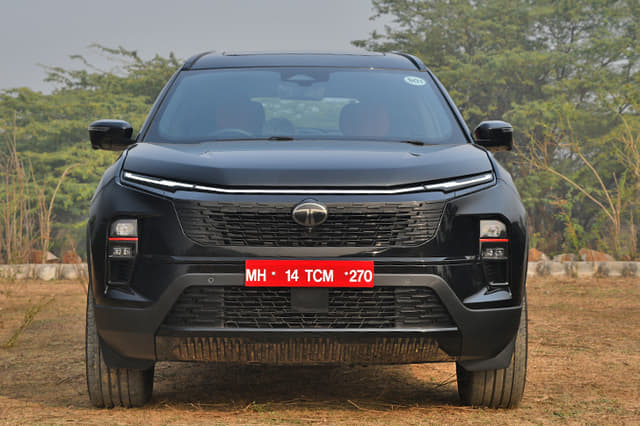
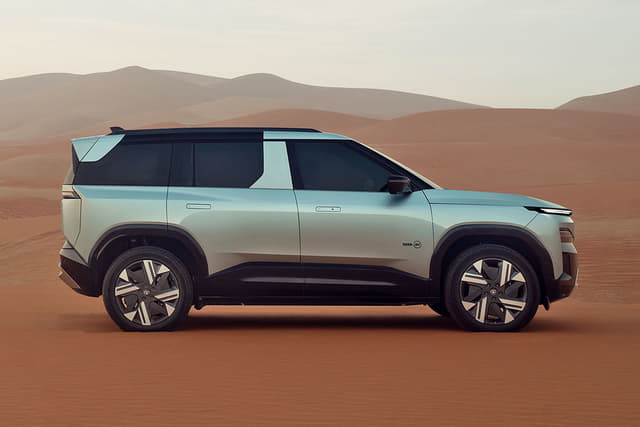
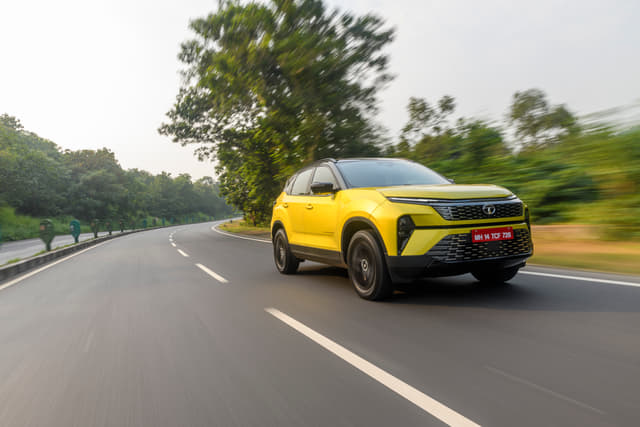
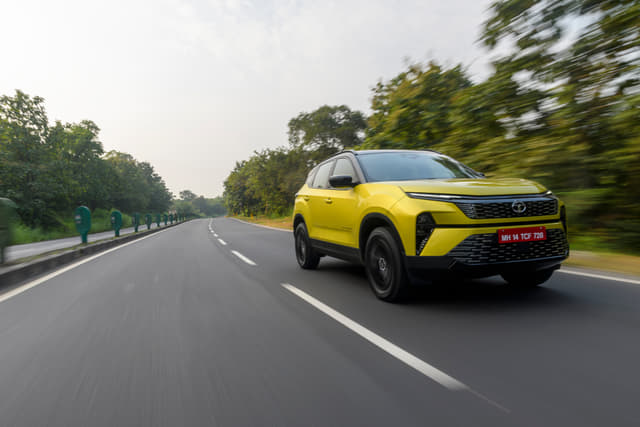
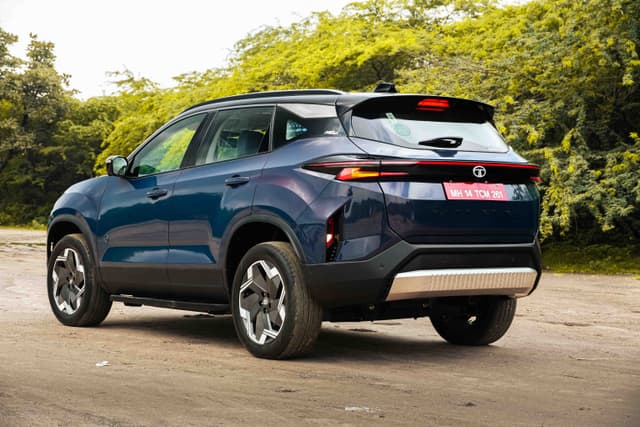
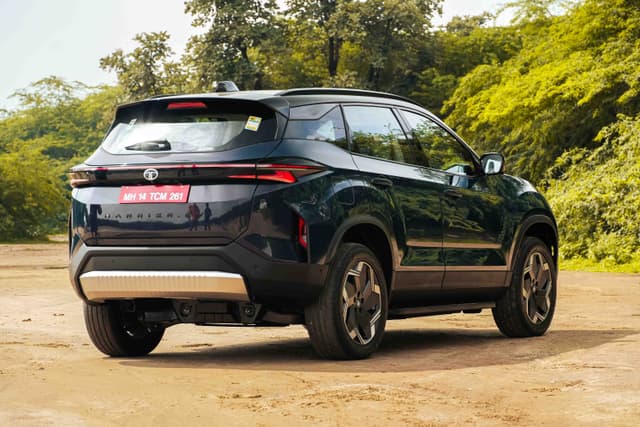
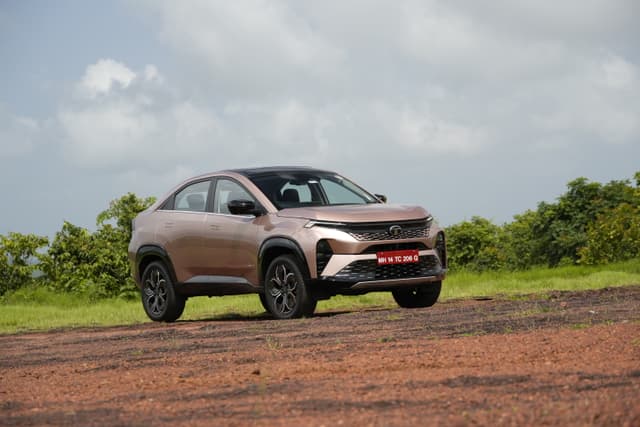
The Rs 30 lakh budget gives buyers access to Tata's complete premium SUV range. Compared with the Rs 25 lakh bracket, it adds all variants of the Harrier and Safari, along with the complete Sierra EV and Harrier EV range. Tata is launching the Safari EV, its first three-row electric SUV, which is expected to be priced between roughly Rs 22-30 lakh when it arrives.
Under this bracket, the choice becomes less about body style and more about powertrain. Tata’s premium SUVs, including the Harrier, Safari and Sierra, are now available with petrol, diesel and electric powertrains, each with its own trade-offs in range, performance and running costs.
What’s new in Tata cars under Rs 30 lakh?
The jump to Rs 30 lakh is not simply about getting a higher variant of an existing car. It brings more of Tata’s premium SUV portfolio within reach.
Tata model | What changes under Rs 30 lakh | Battery / Powertrain | Key features available |
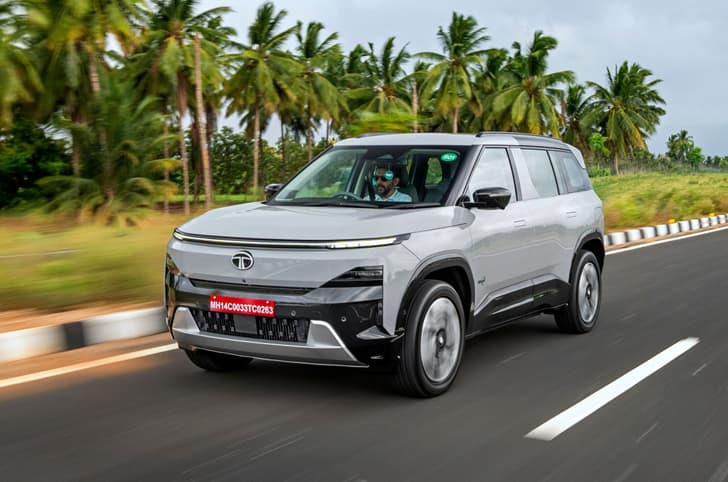
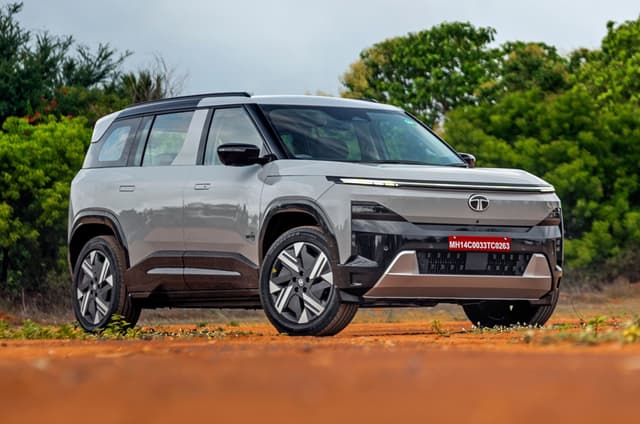
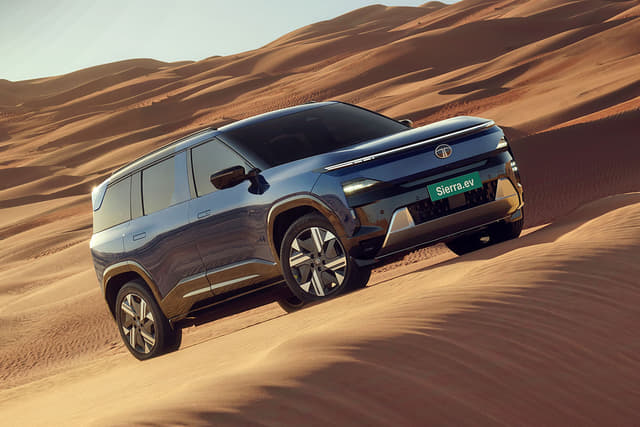
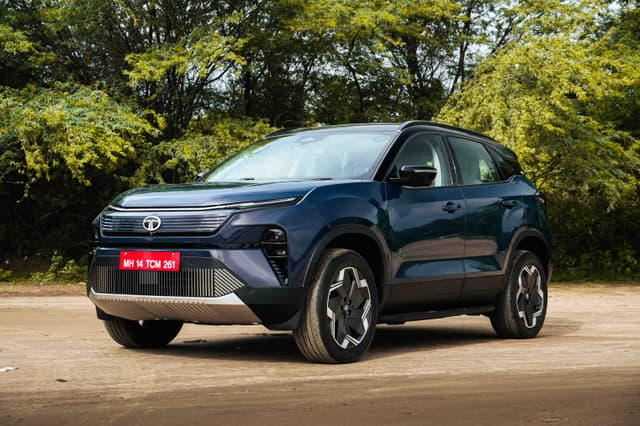
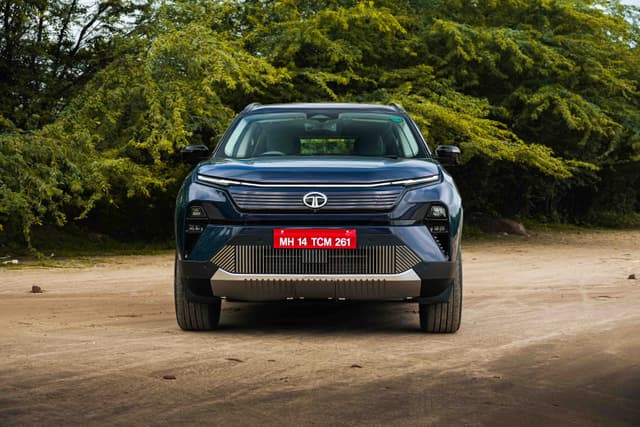
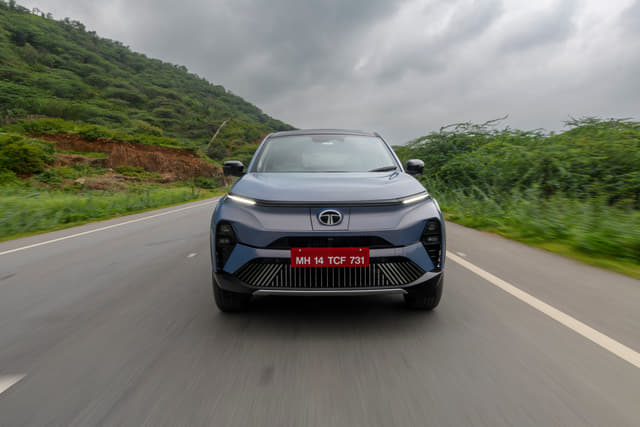
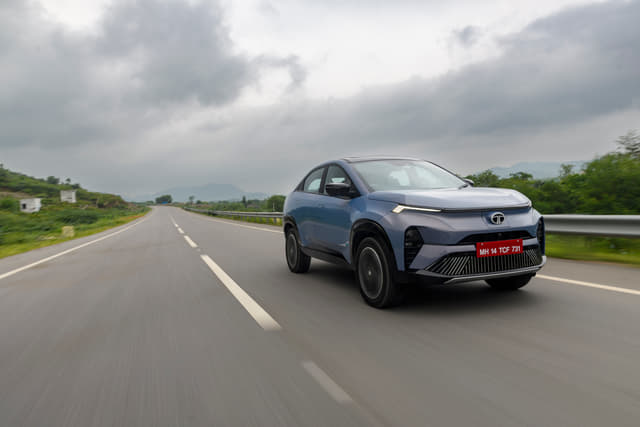
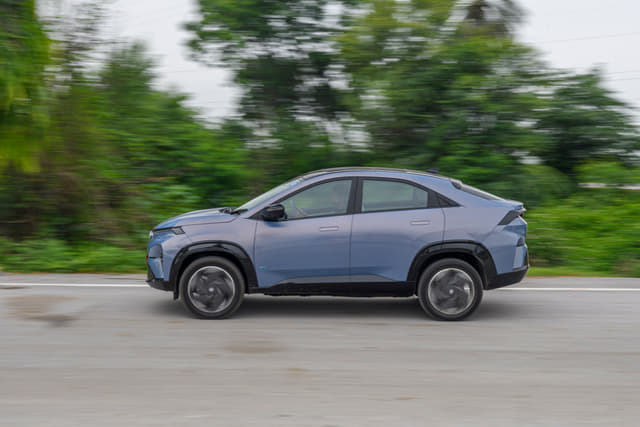
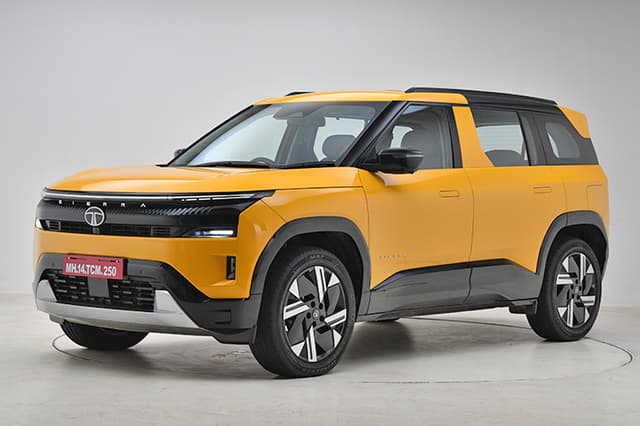
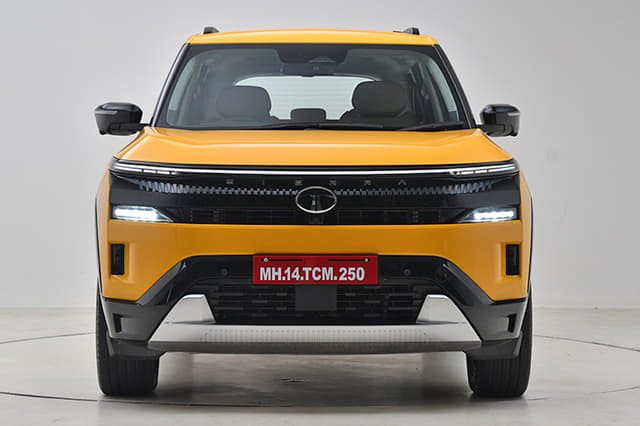
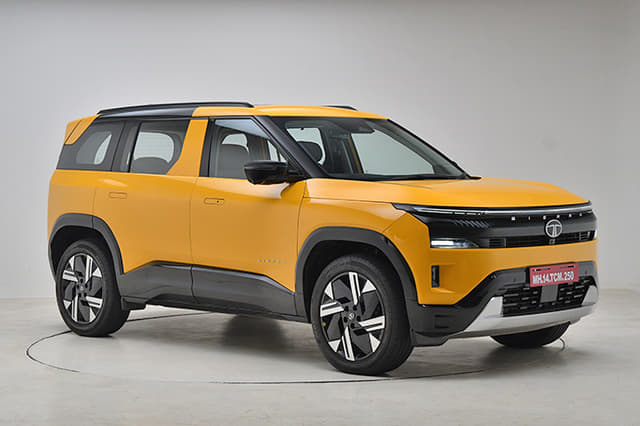
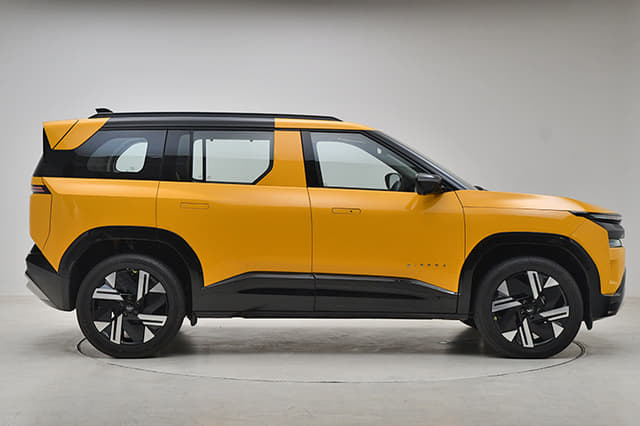
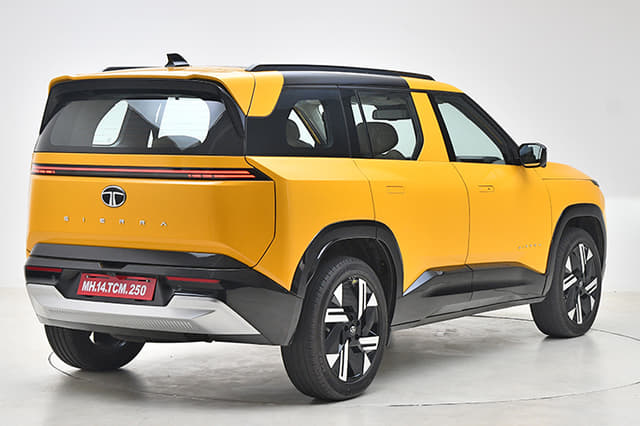
Sierra EV | Gets its full variant range, from Pure to Empowered | 63kWh and 75kWh batteries; higher variants get dual-motor AWD | Triple-screen cabin, JBL-Harman audio with Dolby Atmos and a more premium technology package |
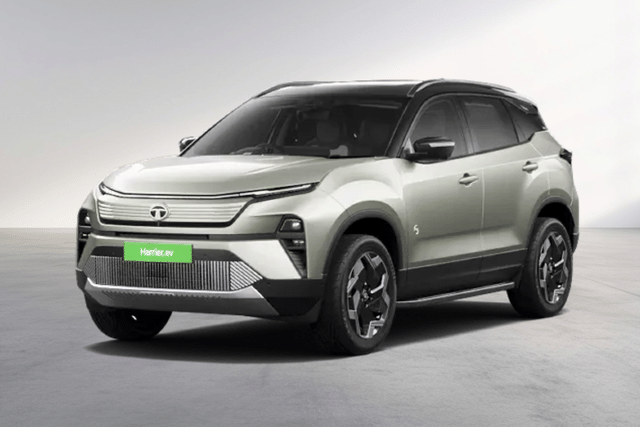
Harrier EV | More premium variants are now accessible, from Adventure 65 to Empowered 75 | 65kWh and 75kWh batteries; RWD and AWD options | 540-degree camera, auto-park assist, summon mode and OTA updates |
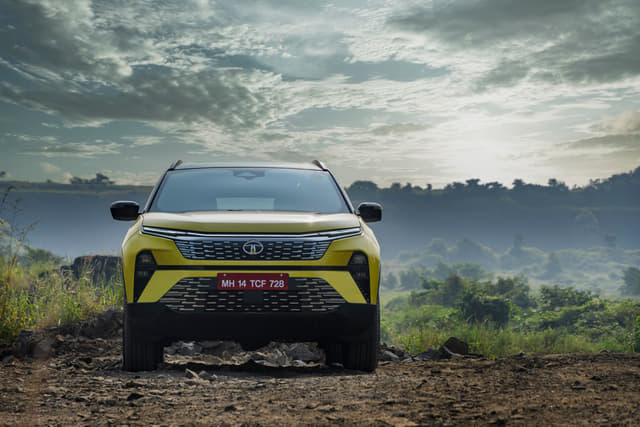
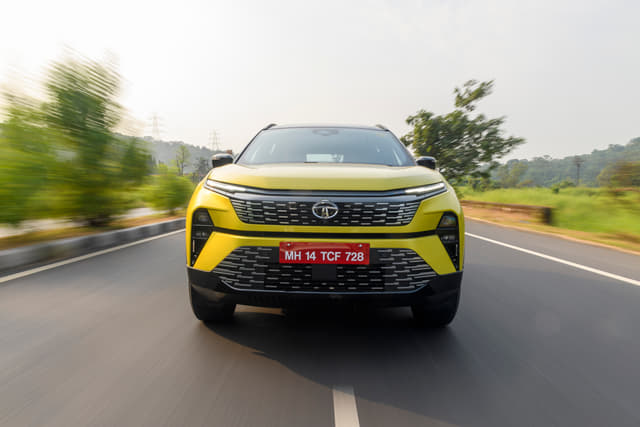
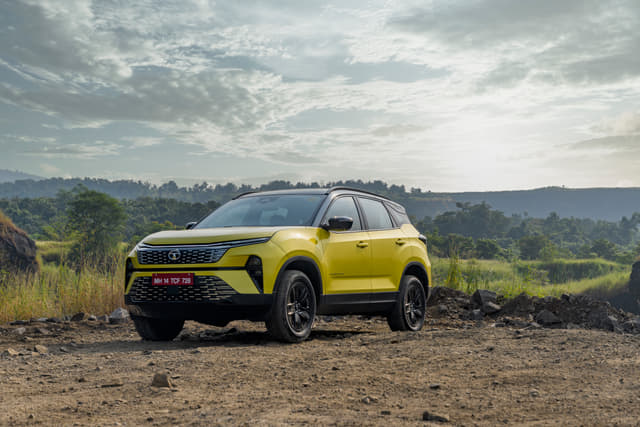
Harrier | Buyers can access the higher-spec variants, from Smart to Fearless Ultra Red Dark | Petrol and diesel options | Powered tailgate, on-board satellite navigation, front-seat armrest, adaptive cruise control and panoramic sunroof |
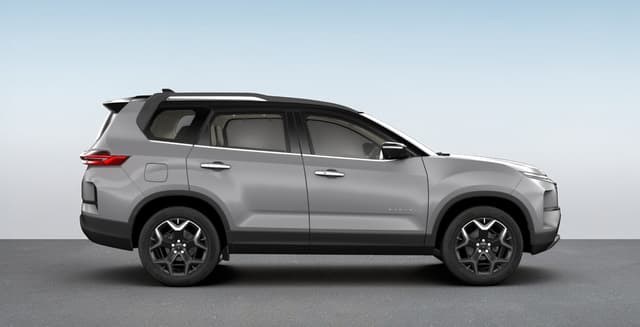
Safari | The complete range falls within the budget, from Smart to Accomplished Ultra Red Dark | Petrol and diesel options | AEB, powered tailgate, satellite navigation, remote engine start/stop and soft-touch dashboard |
Safari EV | Expected to add a three-row electric SUV to Tata’s lineup | Expected 65kWh and 75kWh batteries; RWD and AWD options | Expected to share its battery and drivetrain options with the Harrier EV |


Filter your search


Filter your search
Filter your search

Filter your search


Filter your search


Filter your search
Still have more question?
Get answers from Autocar experts and owners
- 9,000+discussions
- 20,000+users online
- 10,000+members
Tata Cars Under 30 Lakh - FAQs
Yes. AWD is useful if you regularly drive on hills, rough roads, or slippery surfaces. It improves traction, stability and confidence, while also adding stronger performance. Both the Harrier EV and Sierra EV offer AWD with dual motors and 504Nm of torque. However, for mostly city driving, AWD may not be necessary, so the RWD versions can offer better value.
The Tata cars have only one car that provides 7 seats: the Tata Safari, which is the best Tata SUV under Rs 30 lakh. It offers a spacious cabin, flexible seating, and premium features such as a panoramic sunroof, ADAS, and a 360-degree camera.
The Tata Sierra EV offers the longest claimed range among Tata EVs under Rs 30 lakh. Its 75kWh version has a claimed 665km MIDC range, while the 63kWh version claims up to 535km.
Trending Questions on Tata Cars - Answered by Autocar Experts
Please suggest an automatic car for 80% city use and 20% highway driving for an average monthly running between 1200 to 1500 km. I am looking for a car that delivers good performance, decent mileage and is safety under an approximate budget of Rs. 12 lakh. Also, are EV safe? Do EVs have any electromagnetic fields that can cause headaches during long drives. Please advise.
The Kylaq AT would be our first recommendation if you prefer a petrol automatic. Its 1.0-litre turbo-petrol engine produces 115hp and 178Nm, offering good performance for both city driving and occasional highway trips. The six-speed torque converter automatic is smooth and well suited to stop-start traffic. It also has a 5-star Bharat NCAP rating. The drawback is that fuel efficiency in heavy traffic is not particularly impressive.If you are open to an EV, consider the Tata Punch EV 40kWh. It is quick, easy to drive in traffic and significantly cheaper to run. It is also worth addressing your concern about electromagnetic fields. EVs do generate electromagnetic fields from their motors, batteries and power electronics, but measurements inside EV cabins have generally been well below international public exposure limits. There is currently no established scientific evidence that these fields cause headaches or other health problems. The World Health Organization also states that evidence linking low-level EMF exposure to headaches is weak. So, there is no specific health reason to avoid the Punch EV on this account. The Punch EV also offers a comfortable city driving experience and low running costs. However, you should ideally have home charging, and occasional highway journeys will require some charging-stop planning.
Dear Sir, please suggest whether I should buy an electric car or an ICE car, and which make and model I should consider. I am a 62-year-old man and currently drive a 2012 Maruti Dzire Diesel VDi with a manual transmission. It has covered around 50,000km and still delivers over 23kpl on the highway and 19kpl in the city. Its suspension and overall condition are also good. However, I now want to replace it or buy a second car for my personal use. I will be the primary driver. My requirements are a small car with an automatic gearbox and a 360-degree camera. My annual running is up to 5,000km, comprising around 3,000km in the city and 2,000km on the highway. My budget is up to Rs 15 lakh. Thank you.
If you are going to buy an electric car, make sure you have charging at home, as relying only on public chargers is really not very feasible. As for the choice of car, we would suggest the Kia Syros EV, which is very comfortable to get in and out of, to sit inside and on the move. It is well equipped too, and the electric drivetrain and electronic systems are well designed and robust.At your budget, you would not get the variant with a 360-degree camera, but the car would have a reverse camera setup, which should help. If you must have this feature, consider the Tata Punch EV, which is also a good buy with a good ride and easy ingress / egress and a nice high driving position.
I am a new rider and need an automatic car with 5-star safety rating under a maximum budget of Rs. 12 lakh (on-road). I require the car for driving mostly in city. I drive once or twice on highway and expressway in a month. I take one or two long trip in a year. My preference is safety, decent mileage, good service and cheap parts for family use. Please suggest.
For your needs, the Maruti Suzuki Dzire and Tata Punch are both good fits. Both cars have a 5-star Bharat NCAP safety rating and come with a comprehensive suite of safety features as standard.The Dzire is the more fuel-efficient of the two, with its 1.2-litre Z-series engine delivering an average of just over 15kpl in our real-world testing. It also has the more refined powertrain, while Maruti has a strong reputation for after-sales service.The Tata Punch offers a more SUV-like stance. You sit higher up, with a better view over the bonnet, which can help build confidence as a new driver. It also rides superbly for a small car, while the higher ground clearance is an advantage on bad roads. Service and parts costs are likely to be similar to those of the Maruti. However, Tata's after-sales service is known to be somewhat inconsistent, so we'd recommend checking your local dealer's reputation before committing.Overall, both cars are good choices for a new driver. Test drive both to see which one suits your needs better.
Hello everyone, this is my first post here. I am currently in the market to buy a new car, with mileage and performance being my highest priorities. I am open to buying an EV, as I already own a 2021 Kia Seltos GT Line petrol. My budget is roughly Rs 23 lakh on-road, and I am confused between the Tata Sierra EV and any of its internal combustion engine (ICE) variants. I cannot purchase a Mahindra SUV because models like the XUV700 or Scorpio are too large for my community parking space. The Mahindra BE 6e is out because of its sloping roofline, which leaves very limited headroom for my 6-foot frame in the back seat. I am also ruled out from buying the Renault Duster Hybrid, as rear-seat comfort feels compromised in what is primarily a driver-focused car. Additionally, I have heard that the Maruti Suzuki e Vitara has a bumpy ride quality. However, I remain skeptical about Tata's after-sales service quality. Please suggest the right car for my requirements. Any guidance would be greatly appreciated!
If you like the Tata Sierra EV, go for it. It is a spacious and tough SUV that delivers strong performance. If you have home charging, it is worth going for - your running costs will be very low. The turbo-petrol is an impressive performer too, however fuel efficiency will be a bit low, so this might not meet your requirement of mileage. Yes, Tata's sales and service experience isn't consistent, and this is one aspect which the company is working hard to address. As a product though, this Tata car is excellent, and if you like it, go for it.
I am planning to purchase an electric vehicle for a daily commute of approximately 80 km in Hyderabad, with a budget of up to Rs. 20 lakh. My key priorities are spacious interiors, strong safety features, good build quality, and overall reliability. Considering my daily usage, would opting for a Battery-as-a-Service (BaaS) model be a financially beneficial choice?
Our recommendation would be to prioritise the MG Windsor EV and Tata Nexon EV. Each has a different strength, but both satisfy the need for cabin space, safety and build quality. Between the two, we would rank the MG Windsor on top. The 52.9kWh battery and claimed 449km range make it particularly appealing for your commute. This MG car also offers excellent passenger space. The Exclusive Pro's estimated Hyderabad on-road price is around Rs. 19.1 lakh, putting it within budgetOn the BaaS question, the initial recommendation is to buy the battery outright rather than opt for BaaS, particularly if you intend to keep the car for five years or longer. Considering you drive only 22 days a month, the break-even period increases to approximately 5.3–5.6 years. The best way to do it would be to buy the Windsor without BaaS.
Last Updated on: 16 Nov 2026