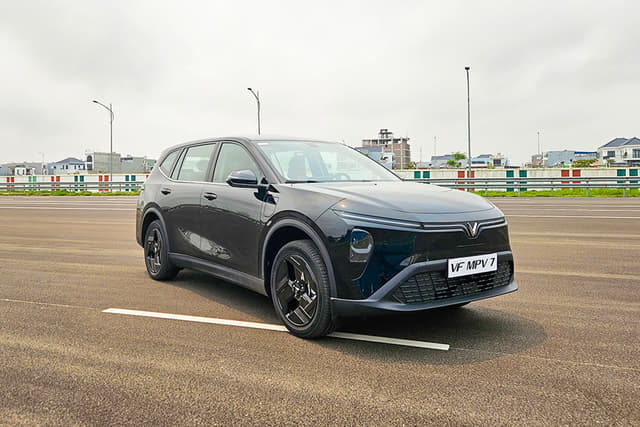
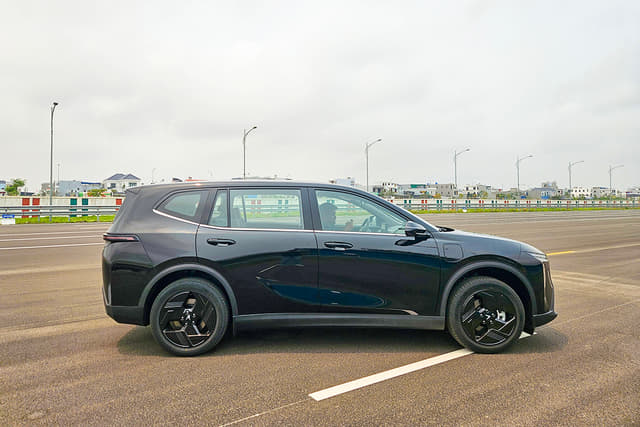
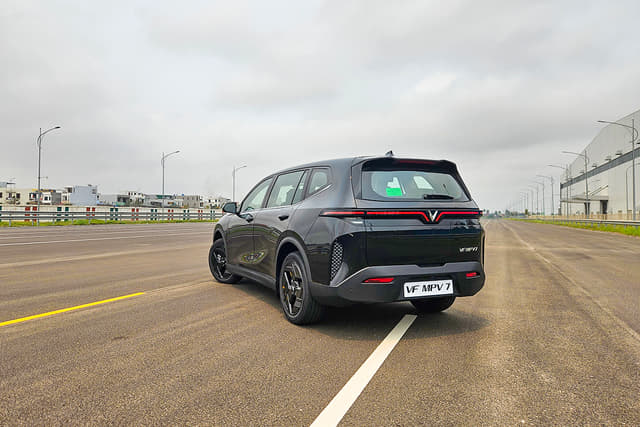
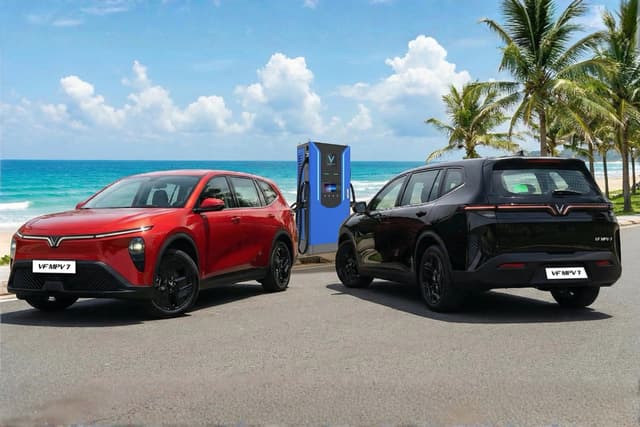
Mpv Cars Under 30 Lakh in India (15)
Discover the best Mpv Cars Under 30 Lakh. Our comprehensive guide covers detailed specifications, expert reviews, pricing information, and buying advice for Mpv Cars Under 30 Lakh. Find the perfect cars that matches your requirements and budget.


Filter your search


Filter your search
Filter your search


Trending Questions on Cars - Answered by Autocar Experts
I need an automatic 7-seater, and my budget is a strict 17 Lakhs on-road price. I have no interest in Ertiga or XL6. I am worried about buying the Citroen Aircross due to its low brand value in India. Is there any news about the launch of the Hyundai Star Gazer in India? I can wait up to Dec 2026.

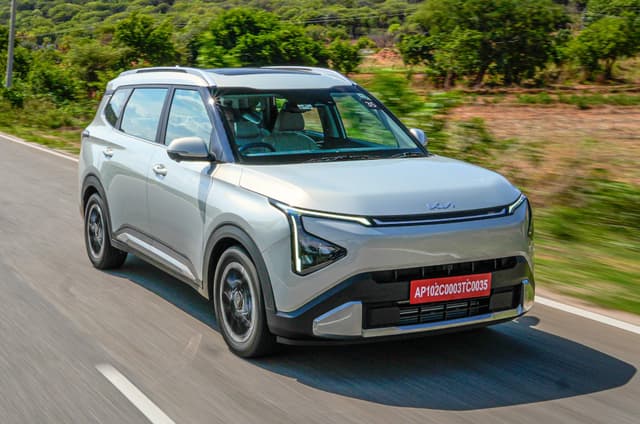
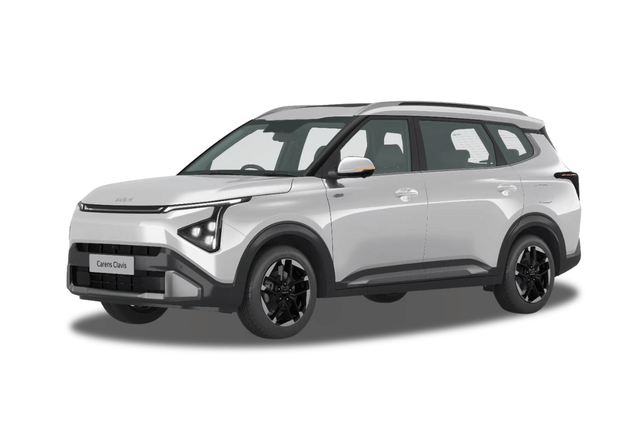
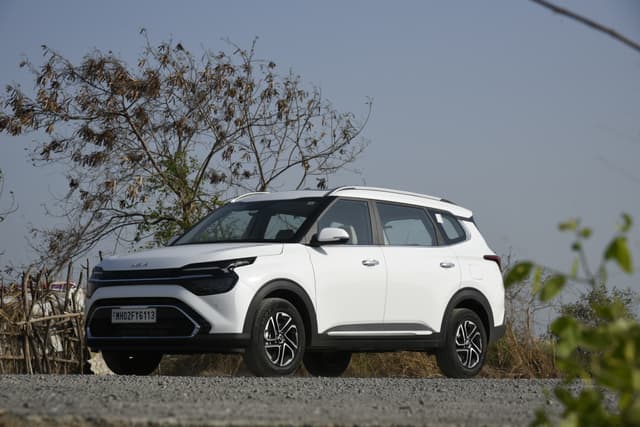
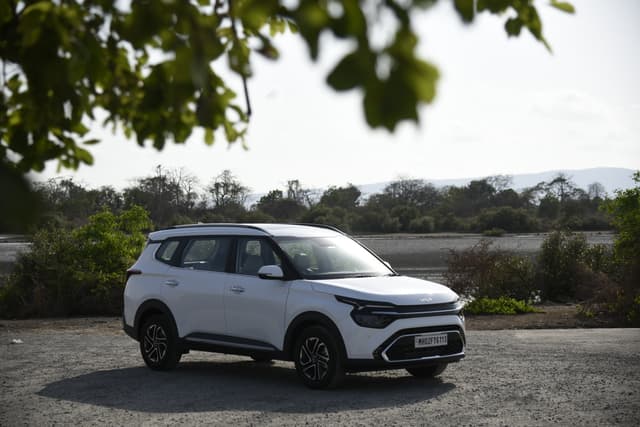
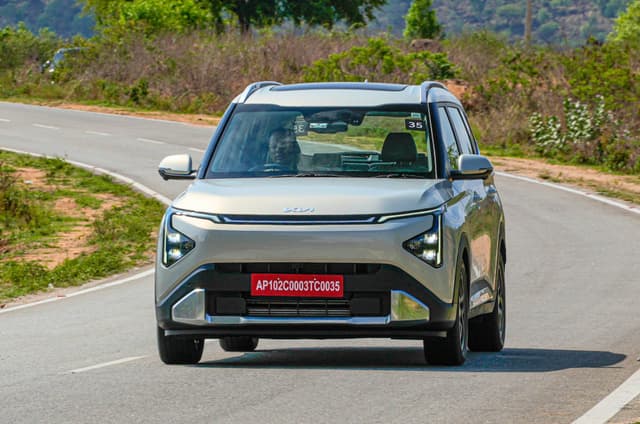
Go for the Kia Carens Clavis - your budget will get you a mid-spec HTE EX, which is well equipped with all the essentials, seats 7, and has a genuinely usable third row. About the Hyundai Stargazer, there is no official India launch confirmation, so we wouldn't advise waiting for it. In fact, the Stargazer shares its K2 platform and 1.5 NA powertrain with the Clavis, so you're not really missing out.One thing to note about the Clavis: while the 1.5 NA is a refined and efficient engine, it may feel underpowered when the vehicle is fully loaded. If you are frequently travelling on highways with a full load, the 1.5 turbo will make overtaking a lot easier. The turbo-petrol also brings with it the option of a DCT, should you want one.If you were eyeing the Citroen Aircross automatic for more space and power, it does give you that and usually still fits within your budget. However, Citroen's dealer network is thin, and resale values are weak, so only pick it if you have a strong nearby dealer and plan to keep the car for a long time.
I'm currently using a used Maruti Ritz and want to upgrade to either a 5-seater or a 7-seater with a naturally aspirated petrol engine and a torque-converter automatic transmission. My preference is for long-distance comfort for my elderly parents, reasonable maintenance costs, reliability, and an automatic transmission because I've heard it is the best (please suggest if any other). My usage is usually office commuting, which will be shared between my bike and this car, at around 25km per day, along with weekend drives within the city, probably one trip outside Mumbai every month, and travel to my hometown once every three months (500km one way, including ghat roads). So, I want something that is good for city driving as well as a capable tourer. Additionally, it should be able to carry heavy luggage for our trips. My budget is less than Rs 15 lakh on-road.
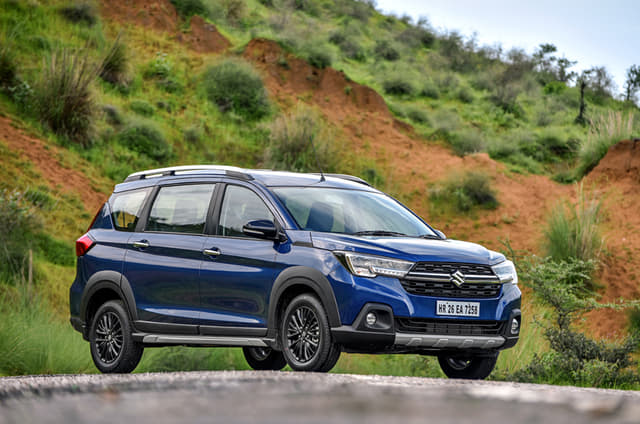
Go for the Maruti Suzuki Ertiga 1.5 petrol automatic. It meets your NA and torque-converter ask, is easy for Mumbai traffic, and offers the most comfort and luggage space under Rs. 15 lakh. Your parents will like the easy step-in, supportive second row that slides and reclines, and the soft ride on bad roads. For tours, fold the third row, and you get a huge, flat boot that swallows heavy bags without drama.The 6-speed torque-converter is smooth on ghats and in stop-go, and Maruti’s 1.5 is proven, simple, and inexpensive to run. Real-world fuel economy is decent if you keep speeds steady. VXi AT should fit your budget in Mumbai, but do check local on-road quotes.One downside is that with a full load on steep climbs, you will need to plan for overtaking. It’s not quick, just calm. If you don’t need seven seats, the Maruti Suzuki Brezza 1.5 AT is tighter to drive and is easier to park, but its boot is smaller, and the AT variants can stretch your budget. Wait for the update due later this year, though. The torque converter suits your use best. No need to chase other types.
I own a 2021 Kia Sonet and want to upgrade to a bigger car. Family has 2, 60+ adults, 2, 40-year-old adults and 2 children around 10 years old. I need an automatic 7-seater car with enough power, as the car will be self-driven. I plan to keep the vehicle for around 10 years or so. My monthly running is around 600 km, and a bimonthly 1000km trip on the highway. I need a spacious car for my needs, which is easy to get in/get out(parents) and usable 3rd seat (children will become taller in the coming 3-5 years). My budget is around 22-23 lacs on road.
Pick the Kia Carens Clavis diesel automatic – it gives you the most space and the easiest access for your parents while staying in budget. The low step-in and wide doors help 60+ adults, and the third row is genuinely usable for growing kids, with better legroom than most “SUV-looking” options at this price.Your highway runs with six on board need easy torque, and the diesel pulls cleanly without strain, cruises calmly, and won’t punish you at the pump. The automatic is smooth in the city too, so day-to-day driving stays relaxed. Over 10 years, the Carens’ cabin flexibility, decent ride comfort, and practical boot with a usable load floor make family trips simpler.One catch: if you live in Delhi-NCR, diesel registration is capped at 10 years, so go for the 1.5 turbo-petrol automatic instead. It is quicker too, but thirstier as well.If you want an alternative in the same price band, the Hyundai Alcazar automatic is nicer inside, but its third row is tighter. For your family size and elderly access, the Carens Clavis suits you better.
I have been using a Ford Figo for the past 15 years, and now I want to upgrade to a 7-seater. My budget is under Rs. 20 lakh. Also, please suggest which type of vehicle would be the best choice considering the current fuel scenario.
Get the Kia Carens Clavis, because it is the most comfortable, family-friendly 7-seater you can buy under Rs. 20 lakh and it represents a clear step up from your old Figo, especially in terms of cabin space and quality. The third row can fit in adults, the ride quality is good over broken roads, and you get the choice of smooth petrols or a frugal diesel, so it works for both city commutes and long highway drives.About fuel choice, it should depend on your usage pattern. If most of your use is in city and your monthly running is below roughly 1,200 km, go for one of the 1.5 petrols - the naturally aspirated engine is smooth and relatively efficient while the turbo engine is punchy and more fun to drive. If you drive a lot, do frequent highway trips, or your monthly running is above roughly 1,500 km, the diesel makes a stronger case with it's efficiency. Top trims can sneak past Rs. 20 lakh on-road in some cities, so pick a mid variant to stay within your budget.
I’m currently driving a 2017 Maruti Baleno and looking to upgrade to an MPV for more space and comfort. The XL6 Automatic is on top of my list because of Maruti’s low running costs, reliability, and servicing. Which variant is suited for Bangalore usage at a reasonable price? I want the best balance of features vs value. What are other options - I’m specifically looking for an AT MPV/7-seater with low maintenance, good cabin quality, and strong after-sales. Does anything beat Maruti here, or is XL6 still the best bet? What is your opinion on second-hand? My budget is 15 lakhs. What is also your take on a second hand?
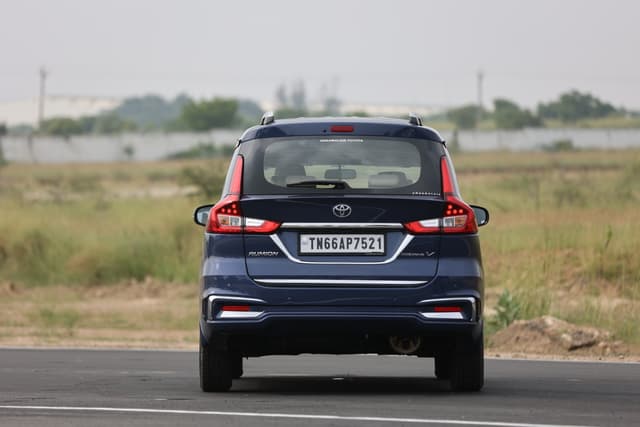
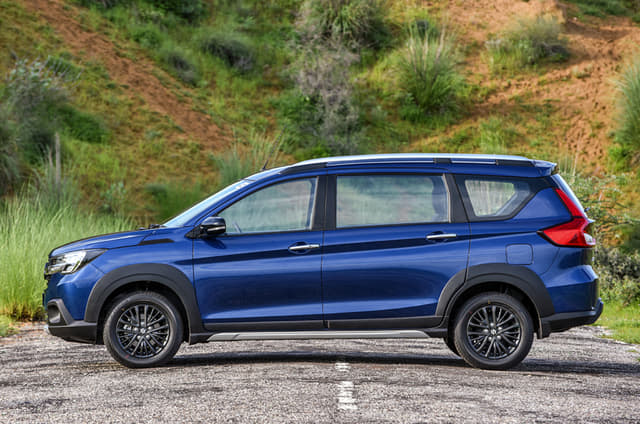
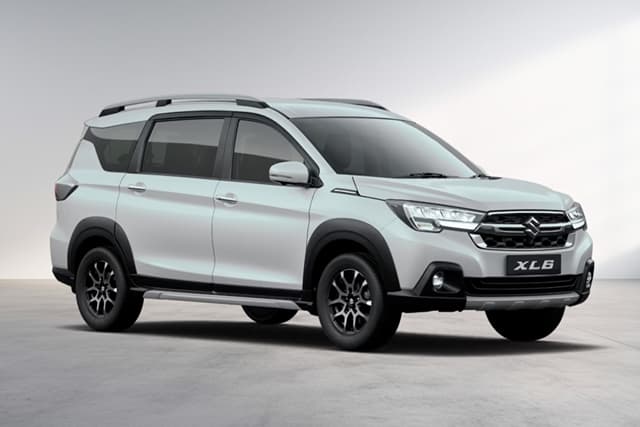
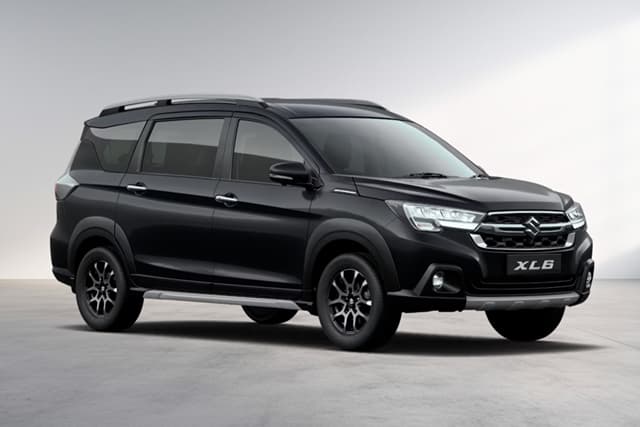
Go for a lightly used 2022-on Maruti XL6 Zeta Automatic, and you’ll get the best mix of comfort, features and Maruti peace-of-mind while staying near your Rs. 15 lakh cap in Bengaluru. The 6-speed auto is smooth in traffic, captain seats make second-row comfort a big step up from your Baleno, and running costs stay friendly. New-for-new, the Zeta is the value pick; the Alpha mainly adds nice-to-haves. The catch is that the XL6 is a 6-seater, and with all rows up, the boot is small. Also, with a full load it feels just okay on highways, not brisk.If you want seven seats, look at the Maruti Ertiga Automatic or Toyota Rumion Automatic. Same proven hardware, low upkeep, wide service network, and better third-row access. Cabin quality is simpler than XL6, but perfectly usable. In Bengaluru, both autos usually creep over Rs. 15 lakh on-road, so used makes sense here too.If you must buy a new car under Rs. 15 lakh, the Renault Triber automatic is the only realistic seven-seater, but it feels a size smaller, and the engine feels weak with seven onboard. After-sales is also patchy and not as strong as Maruti-Toyota.So yes, XL6 still fits your brief best. Buy a good used, low km, 2022-on Zeta AT, and you’re sorted.
I am looking for a 7-seater family car in the budget of Rs. 25-27 lakh. I am already aware of the popular options in this segment including XUV 7XO, Safari, Scorpio-N, Kia Carens Clavis, etc. The challenge is that I keep getting tempted towards the top-end variants. Features like ADAS, panoramic sunroof, 360° camera, premium audio, ventilated seats, and all the latest tech make me question if I am getting everything after spending this much amount. At the same time, I am also struggling to differentiate what I genuinely need and what are nice-to-have features. I am in my late 20s and am a car enthusiast. I love driving and road trips. The car that I am looking for will be primarily used for family travel, city driving, and highway runs. My plan is to keep the car for around 5-7 years. I would like to know a few things from those who have owned or upgraded cars in this segment. Which features are genuinely useful in day-to-day ownership and which features feel exciting initially but, were rarely used later? Also, is it worth stretching my budget for top-end variants, or is the sweet spot usually the mid/high variant? If you were in my place and had the same budget today, which 7-seater would you buy and why? I am trying to make a rational decision rather than buying a car for features that I will rarely use.
In terms of price to features ratio, the sweet spot is almost always the mid variant rather than top variants. You’ll miss out on only a little but save a chunk as high-end features tend to be priced more based on their perceived value rather than their actual value. However, since you are enthusiastic about cars, choose a variant as high end as you can afford and enjoy the experience. Features that you will appreciate regularly are, all‑row AC vents, auto climate control, LED headlamps, TPMS, auto‑dimming inside mirror, wireless phone integration and plenty of USB‑C ports. In a big SUV, a 360° camera and front sensors are gold in tight city spots. Ventilated seats matter a whole lot in our summers. Adaptive cruise is handy on long expressways, but other ADAS nudges can feel fussy and many owners turn off parts of it in the city. However, what amazes at delivery but fades later, are things like panoramic sunroof that stays shut most of the time during the year and also adds heat. Another one is the connected app feature which most people typically use for a month and then forgot about it. Third such feature is the 'passenger' screen, which is also all the rage these days, but after a while, most owners do not use it. Watching a movie or playing games on the go aren't something you do often and not even pleasant over rough city roads while your are hunched forward in your seat. In your Rs. 25-27 lakh budget, we would suggest Tata Safari or the Mahindra XUV 7XO as they are great for highway comfort. The Mahindra car has an edge on performance but the Safari has the better third row. The Kia Carens Clavis is another good car if you are comfortable with its MPV image as it is the more sensible buy.
I need a 7-seater family car with a budget of around Rs 25-27 lakh.
The best 7-seater for your budget is the Mahindra XUV 7XO, and you can comfortably get a mid variant (AX5) with an automatic within Rs 25-27 lakh on-road in most cities. The 7XO diesel is the pick of the range, offering strong performance, good refinement and sensible economy, and it probably has the best blend of performance, ride, handling and overall comfort in this segment. Its main weakness is the third row, which isn’t very spacious or comfortable for adults on long journeys, so it works better as an occasional-use or kids’ third row.If the third row is critical for you and will be used regularly by adults, the Tata Safari is worth considering, because its third row is more genuinely usable and comfortable. The Safari’s 2.0 diesel is quite outdated, but the newer 1.5 turbo petrol is smooth, refined and reasonably efficient for a petrol in this class.If you’d prefer something smaller and more city-friendly, the Kia Carens Clavis is also a good option, with a more compact footprint and easy manners in traffic, while still giving you three rows of seats for family use. It won’t match the 7XO for highway presence or outright performance, but for urban-heavy usage, it makes a lot of sense.
I am using a 2020 BS6 Ciaz Delta manual petrol, and the odometer currently reads 83,000km. We are a family of three and are looking to upgrade to a spacious 7-seater. While my sedan is in excellent condition with no major breakdowns or accidents, I am concerned about the build quality. We plan to travel more frequently by road, so a good automatic 7-seater with a strong crash-test rating and decent fuel efficiency would help. My budget is Rs 15 lakh. Please suggest.
At Rs. 15 lakh on-road, your options are limited for a safe, automatic, 7-seater. The Kia Carens Clavis is a solid choice for your needs. Although it does not have an official crash-test rating yet, the previous Carens received a 3-star safety rating, while the Clavis comes with a comprehensive safety package that includes six airbags as standard. To fit your budget, you could opt for the HTE (O) turbo-petrol manual, but if you want an automatic, you will need to stretch to the HTK Plus DCT, which will be close to Rs. 20 lakh on-road.The Clavis is spacious, with a third row that can accommodate adults. The turbo-petrol engine has plenty of punch for highway driving, and the vehicle is not so large that it becomes cumbersome in the city.If Rs. 15 lakh is a hard cap, go for the manual. If not, the automatic will make everyday driving that much easier.
For a family of five, including a senior citizen, with monthly highway trips and a regular city commute of around 50km per day, which 6- or 7-seater would you recommend? A panoramic sunroof and decent boot space are also required. My budget is below Rs 25 lakh.
Get the Kia Carens Clavis diesel automatic. It fits your family size, is easy for a senior to get in and out of, and stays well under Rs. 25 lakh. For your 50 km daily city run, the diesel engine is refined, the torque converter automatic is smooth, and it is very easy to drive. On your monthly highway trips, it cruises calmly, feels secure at speed, and you get a genuinely usable third row and decent boot space. The Carens Clavis can be had as a 7-seater or a 6-seater, with individual captain's chairs in the middle.Cabin comfort is a strong point. The second row is spacious, the ride is comfortable enough over bad roads, and the panoramic roof in the higher variants makes the cabin feel airy. It is also a bit smaller outside than the big SUVs, so parking and driving in traffic is less stressful.One catch is that with all three rows up, the boot is tight, so you'll have to plan your way around it.
I want to buy a petrol 7-seater, preferably an automatic vehicle, mostly for city commutes with one or two long trips per year. My running is very low, around 200-300km per month. What options do I have within a budget of Rs 25 lakh? Low maintenance and value for money are my priorities.
Consider the Kia Carens Clavis 1.5 turbo-petrol DCT. It is not so large as to become cumbersome in the city, yet it comfortably seats seven and has a genuinely usable third row. The 1.5-litre turbo-petrol engine has enough power when fully loaded, and highway performance is strong too. Your budget will get you one of the mid or upper trims, which are very well equipped and offer good value for money. Kia’s after-sales service also has a good reputation in India.One catch is that the DCT can hesitate at times, but overall, it is quite smooth.If you want a more SUV-like presence, the Hyundai Alcazar is a solid choice too. It uses the same powertrain as the Clavis, so the driving experience is broadly similar. However, the Alcazar’s third row is not quite as comfortable for adults as the Clavis’s.Overall, the Kia Carens Clavis is a good fit for your needs.
Last Updated on: 14 Jul 2026