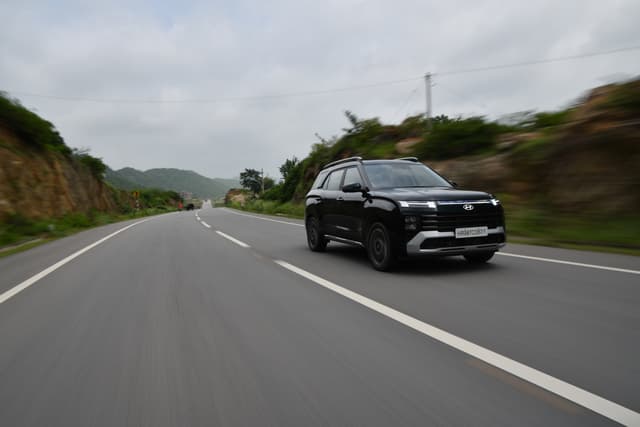
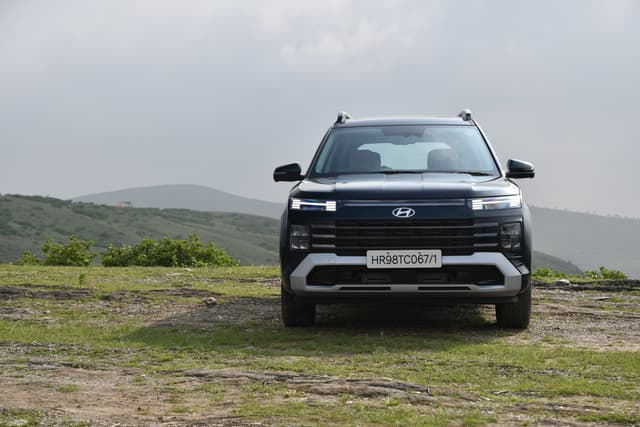
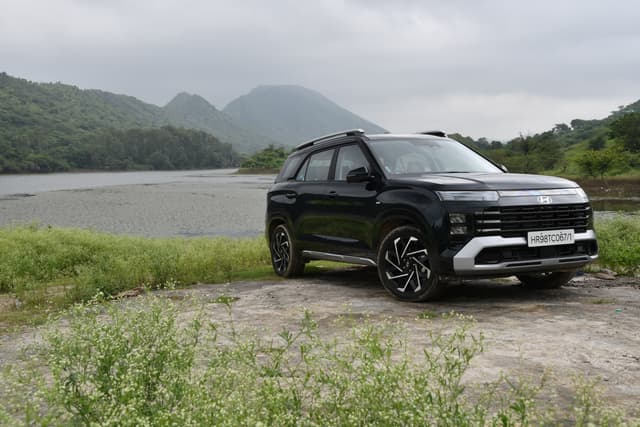
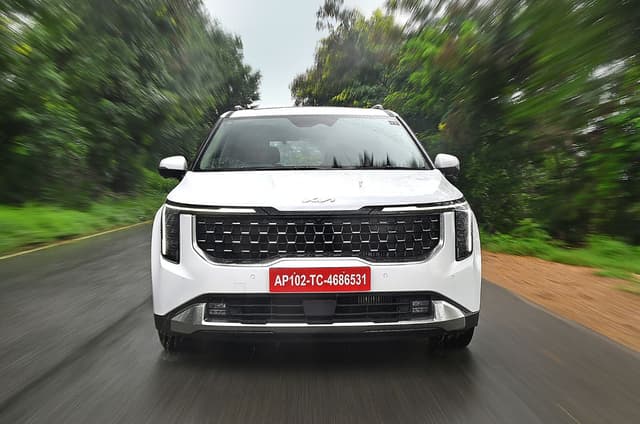
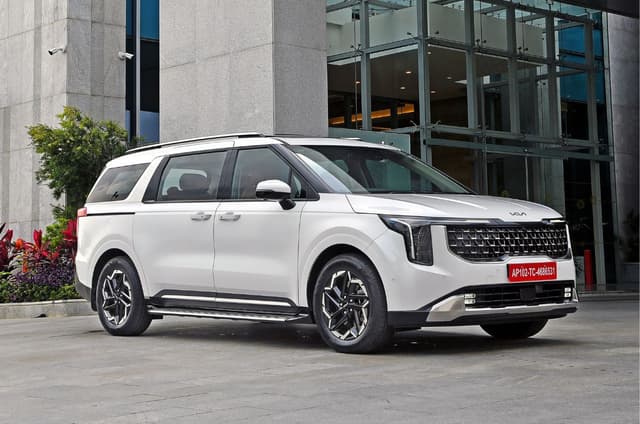
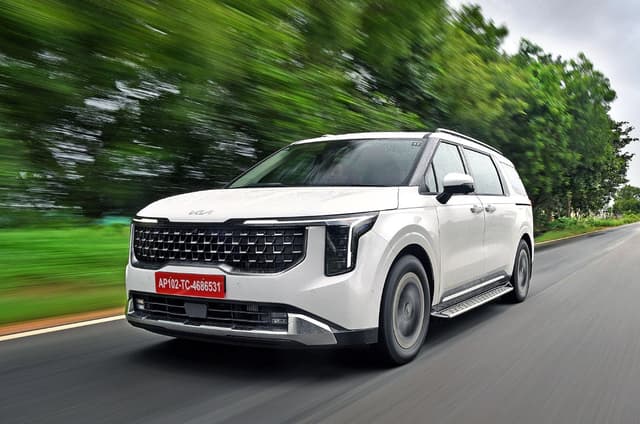
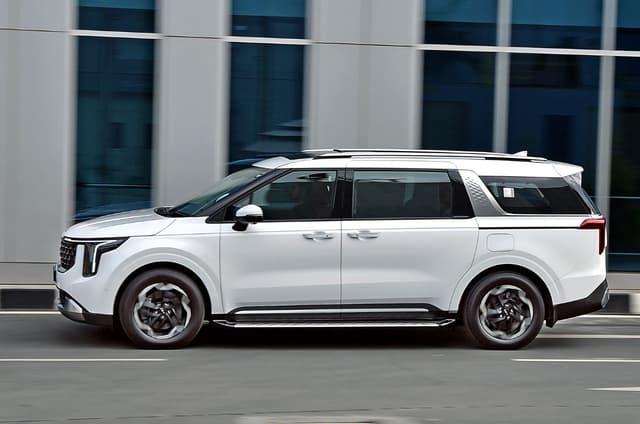
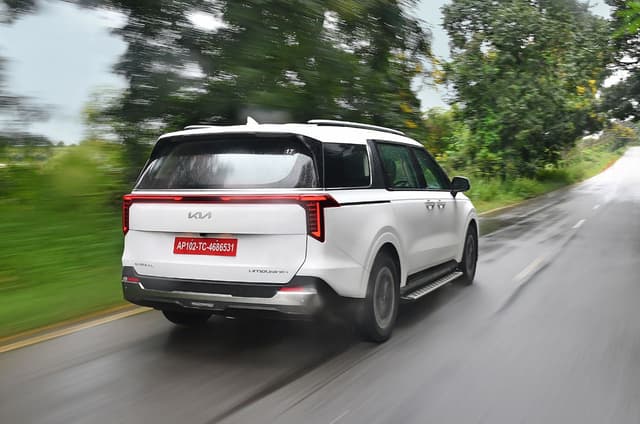
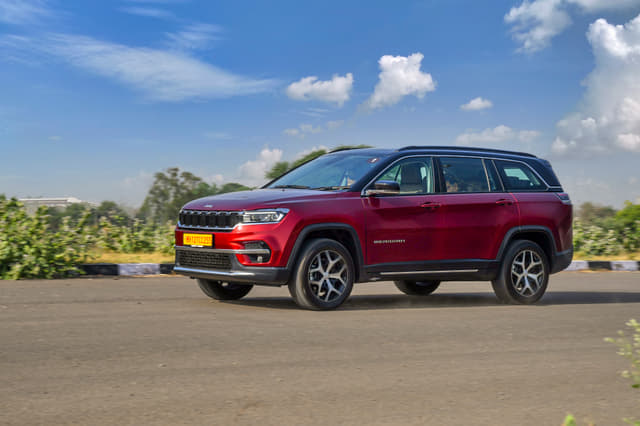
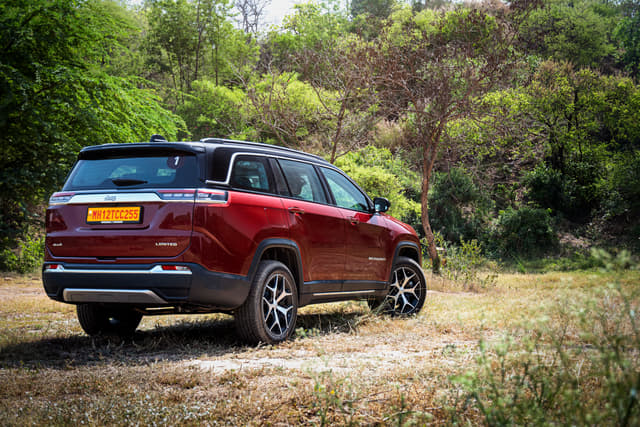
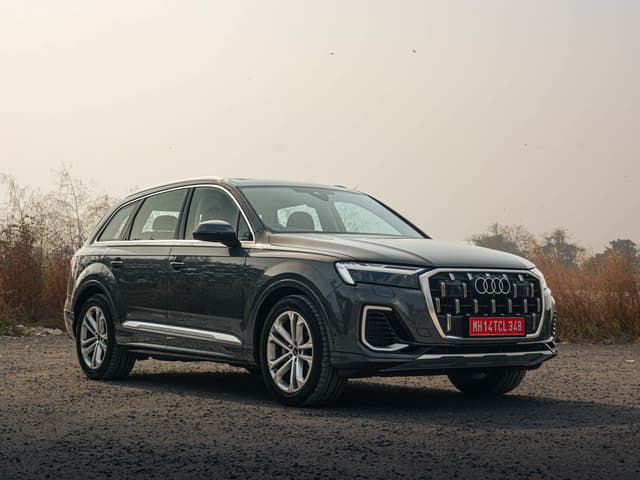
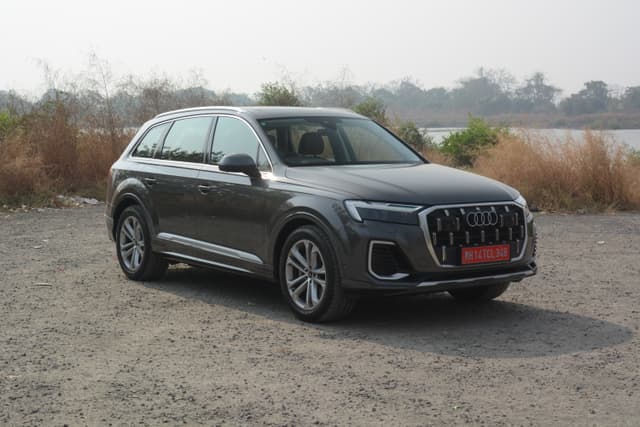
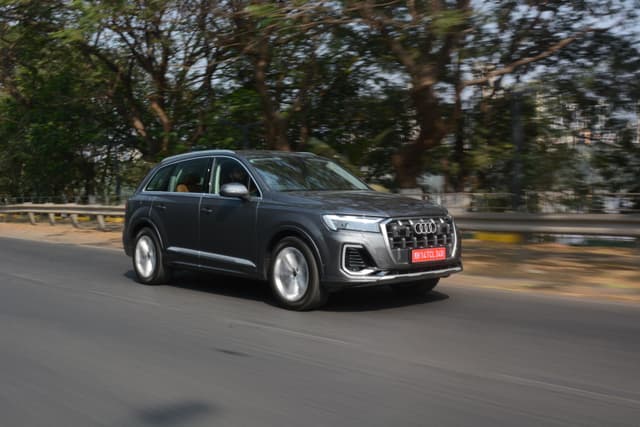
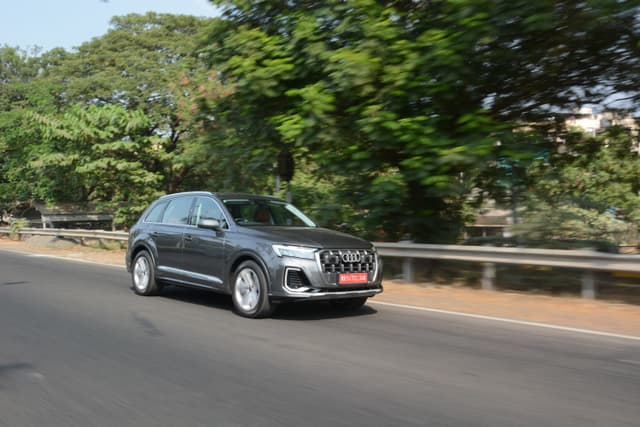
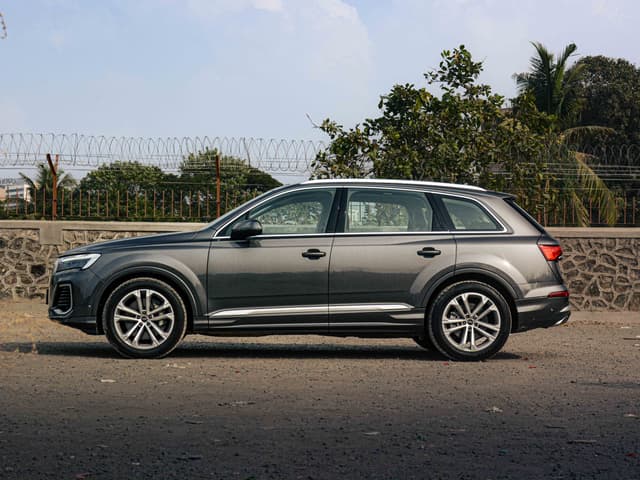
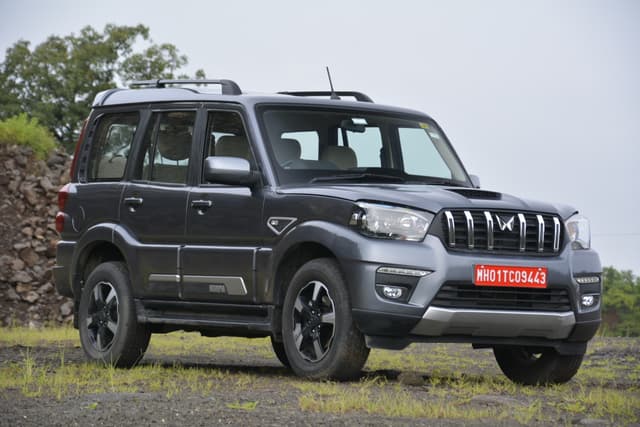
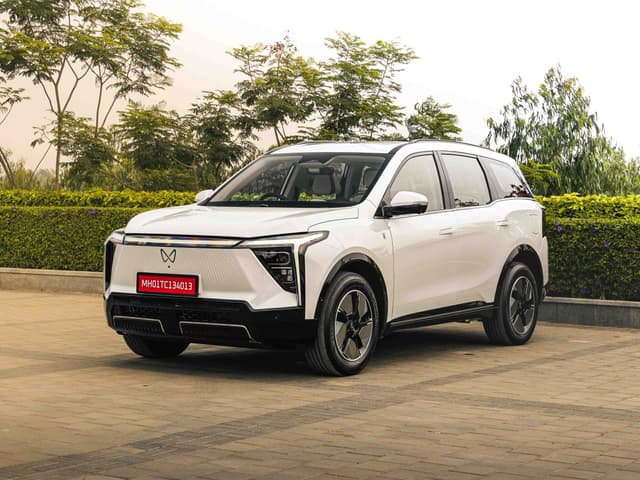
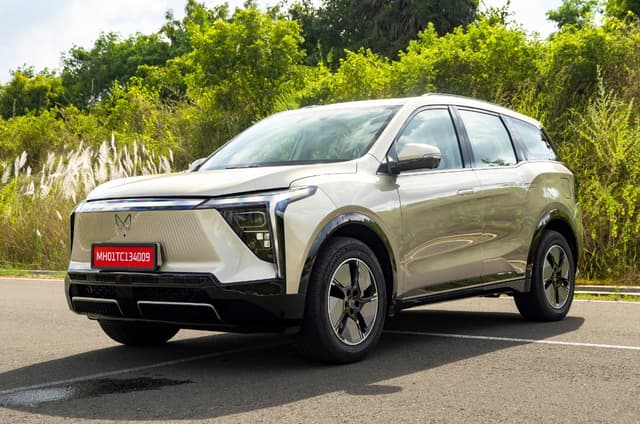
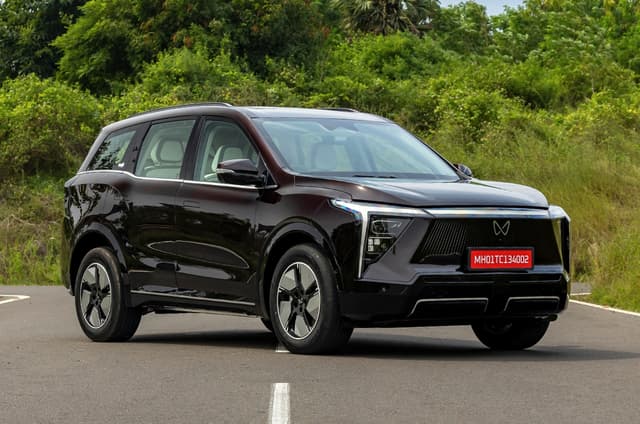
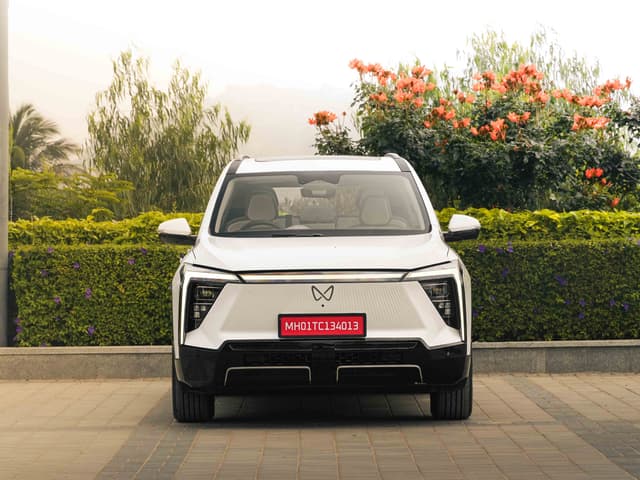
7 Seater Cars in India (43)
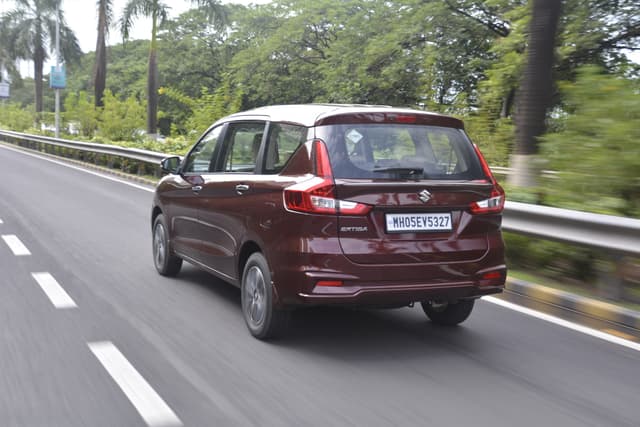
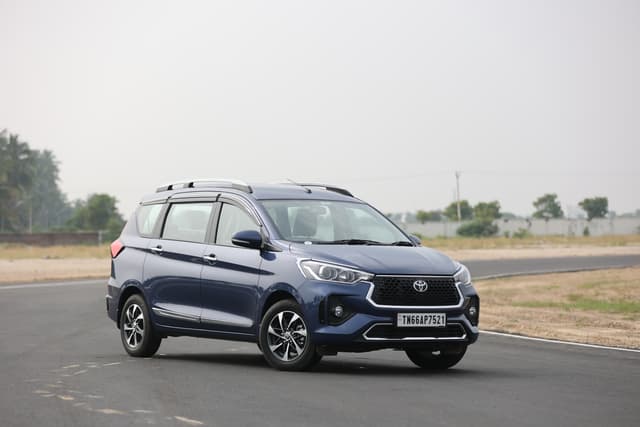
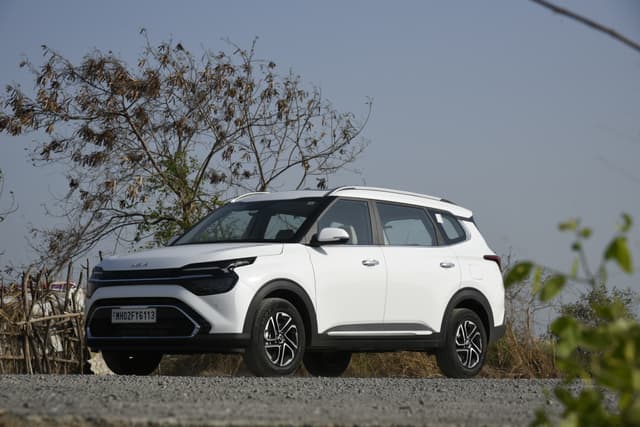
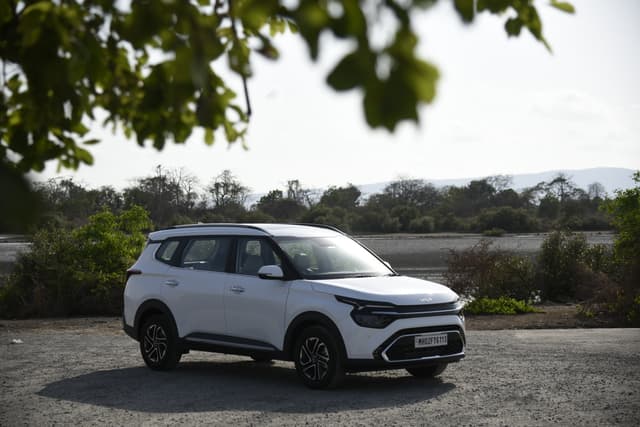
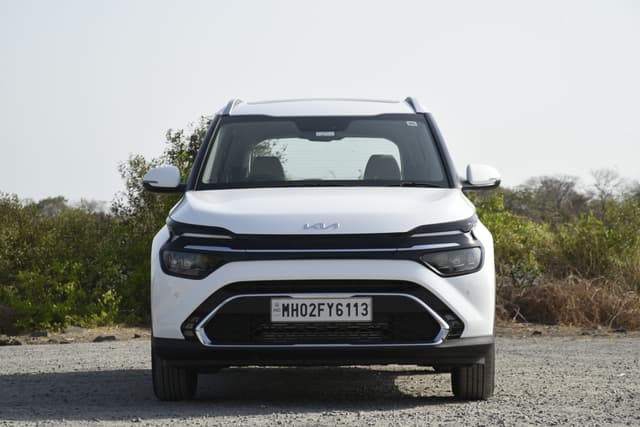
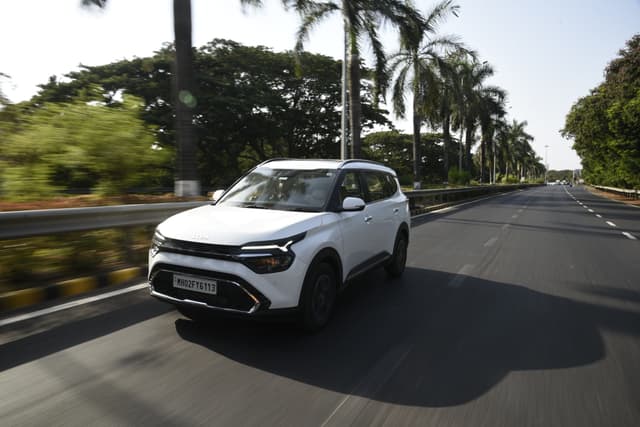
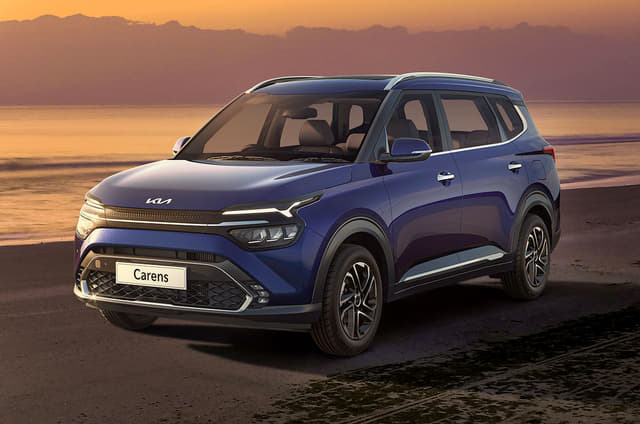
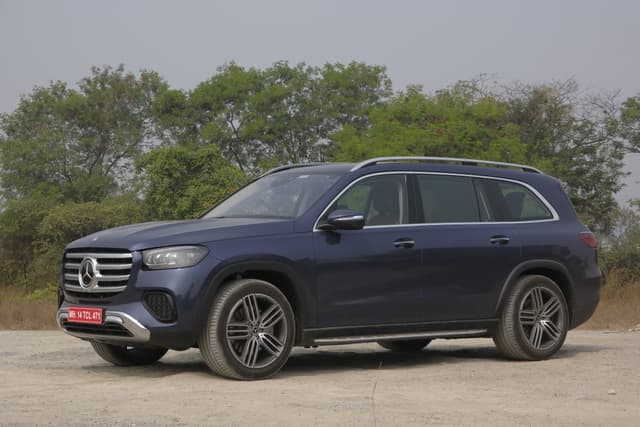
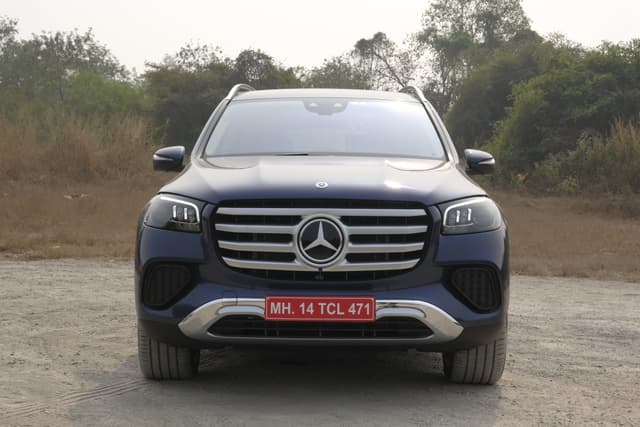
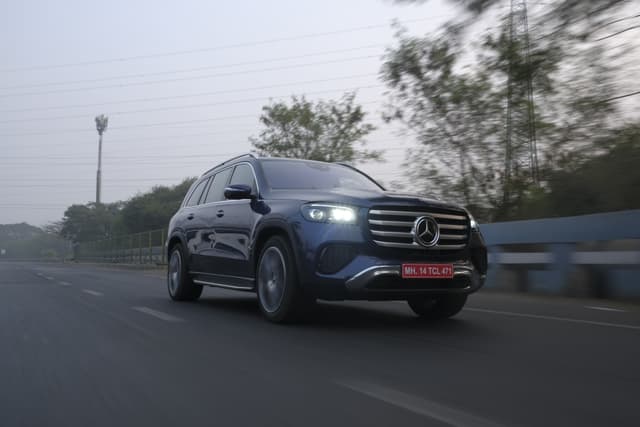
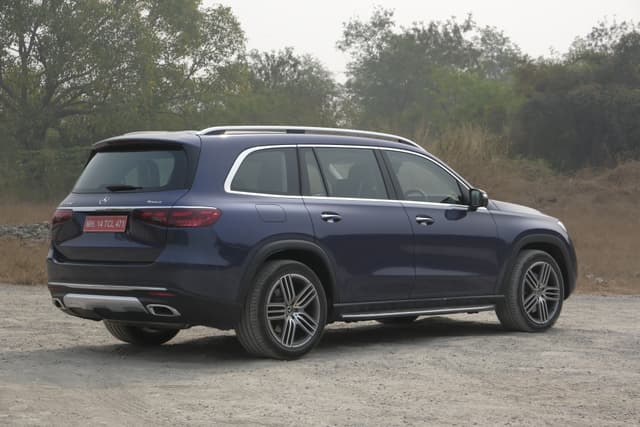
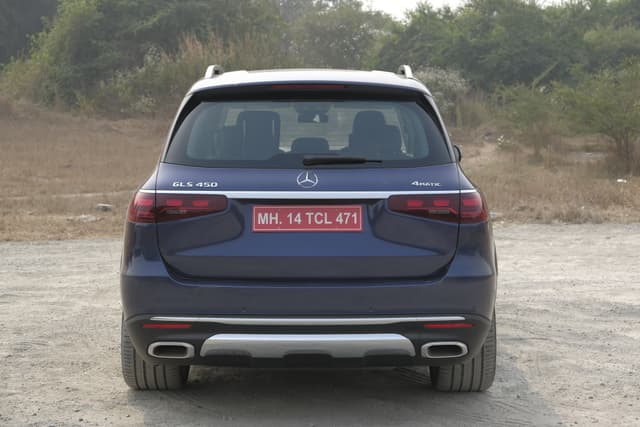
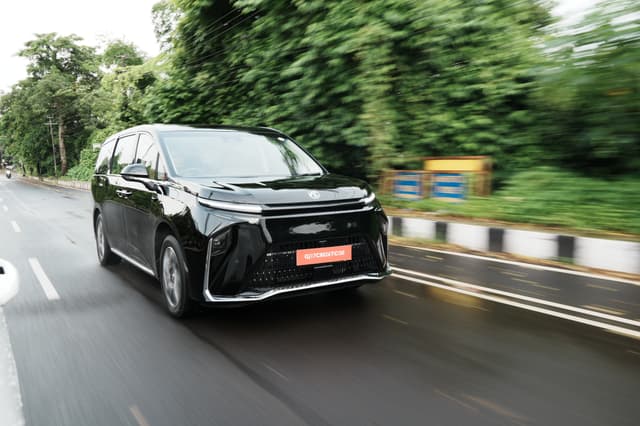
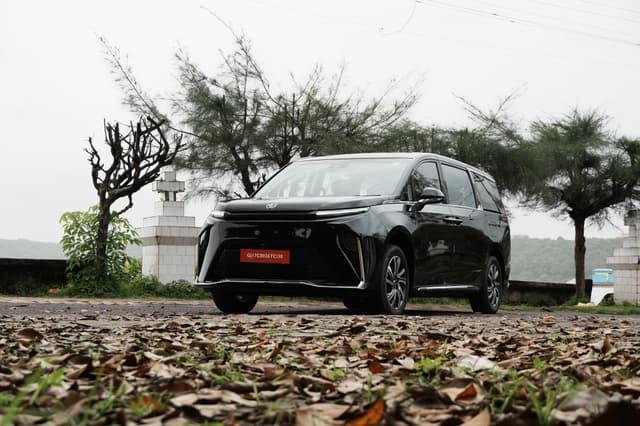
Many buyers choose 7 seater cars due to their spacious interiors, making them suitable for large families and trips. Currently, approximately 41 options are available in the category of 7 seater cars in India.
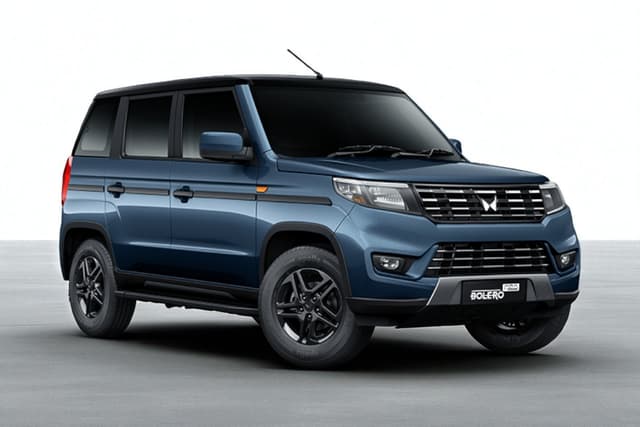
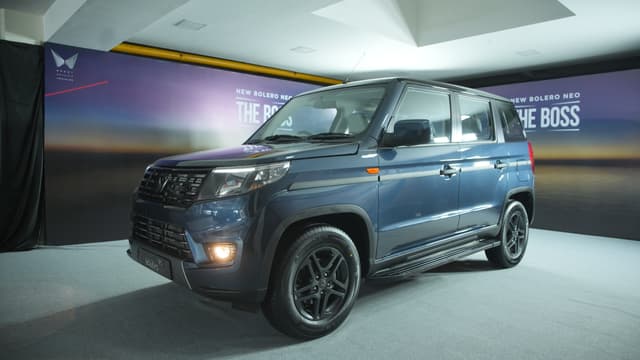
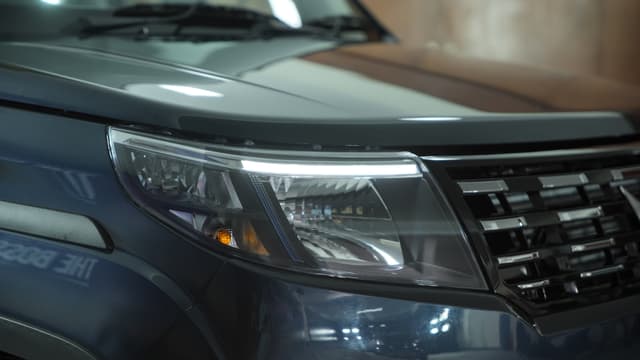
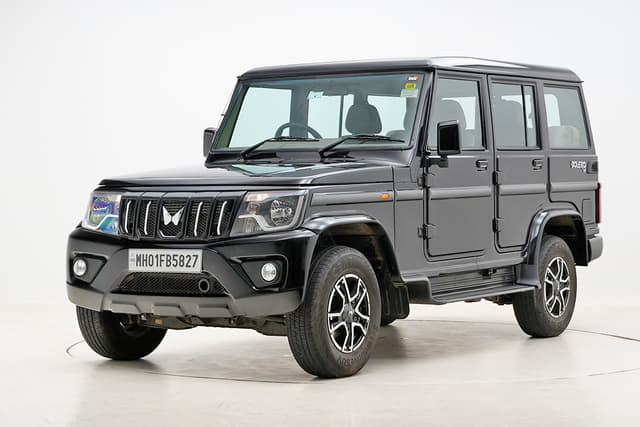
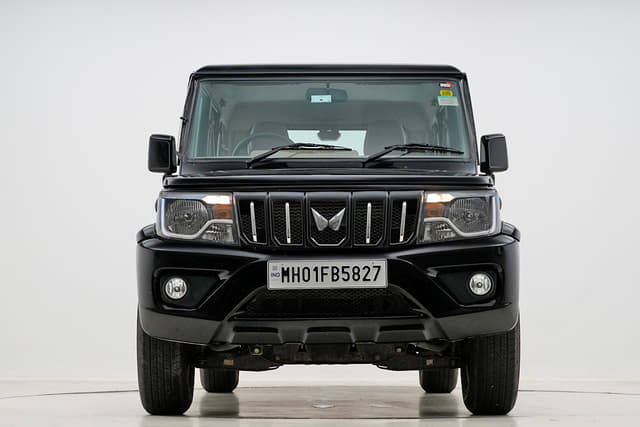
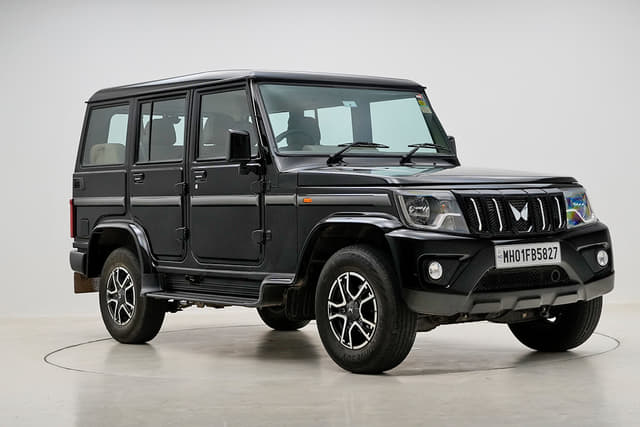
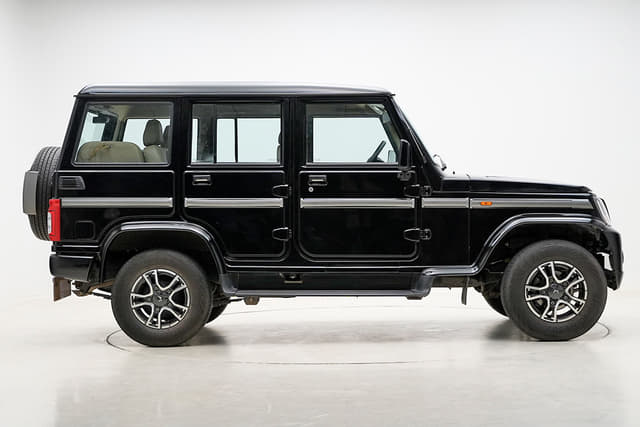
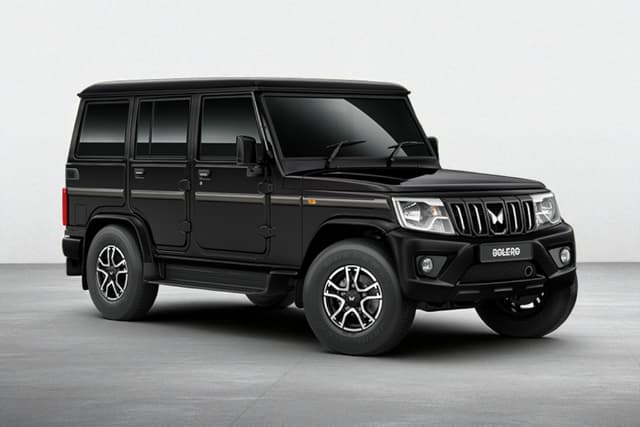
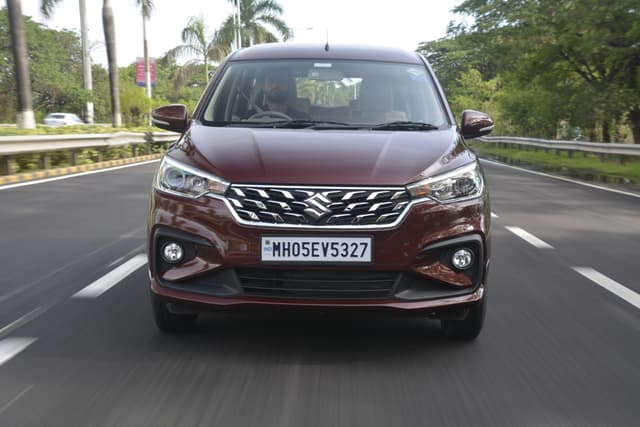
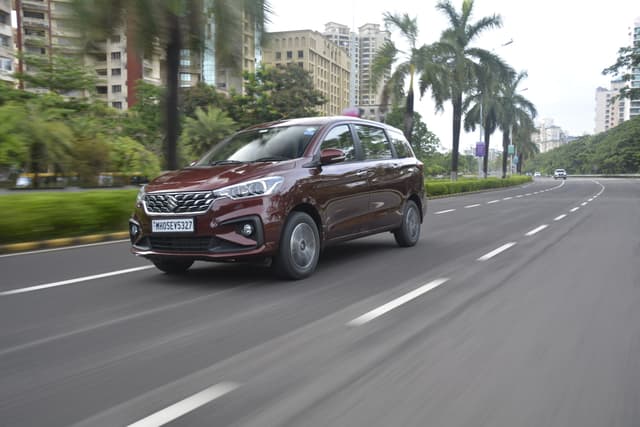
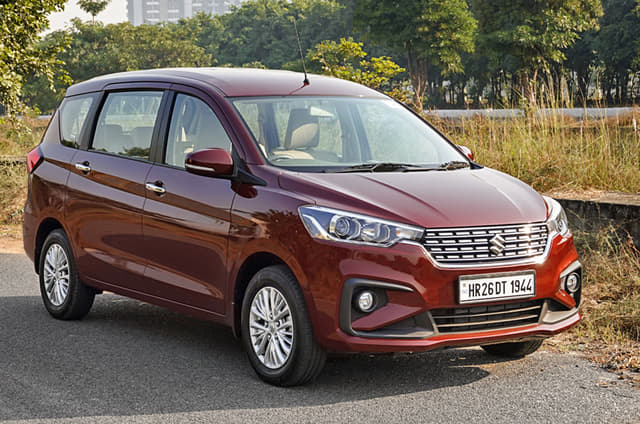
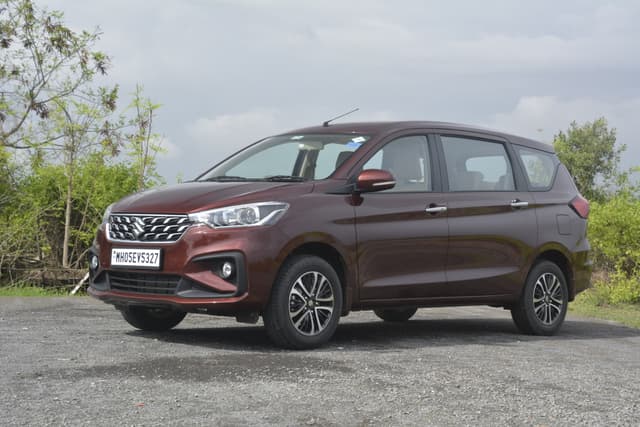
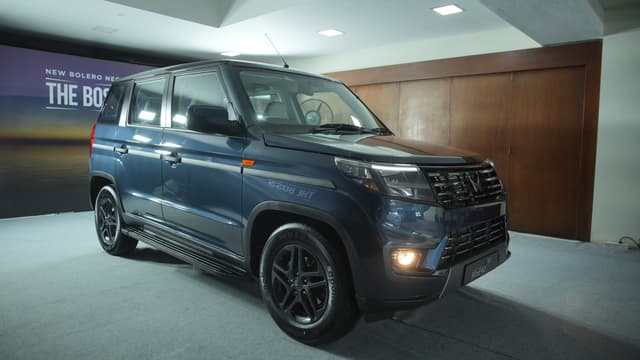
If you are searching for a budget-friendly 7 seater car under 10 lakh, then Maruti Suzuki Ertiga, Mahindra Bolero, and Mahindra Bolero Neo are popular choices. These cars provide enough seating space and features such as flexible seating arrangements and sufficient boot space.
7 Seater Cars - Key Highlights
Benchmark | Detail |
Most Expensive | Lexus LM (₹2.10 - ₹2.62 Cr) |

Cheapest 7 Seater | Renault Triber (₹5.76 - ₹8.39 Lakh) |
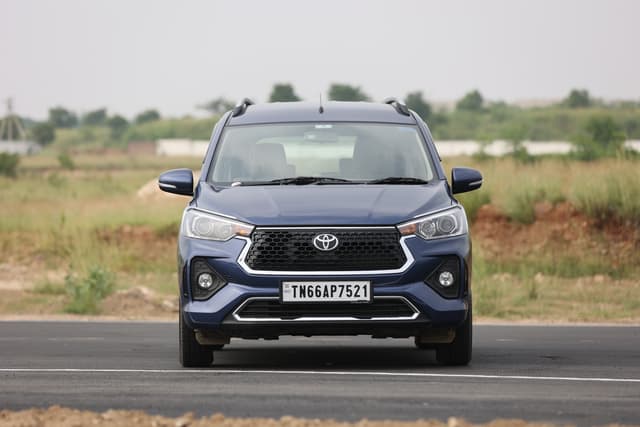
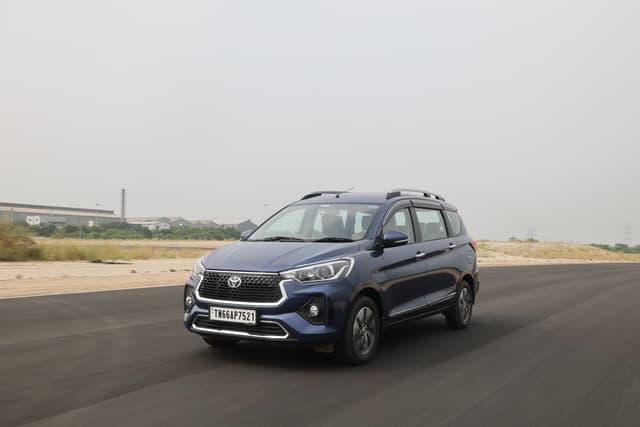
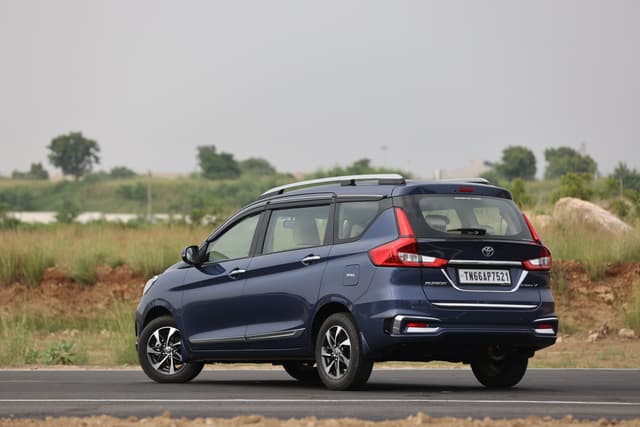
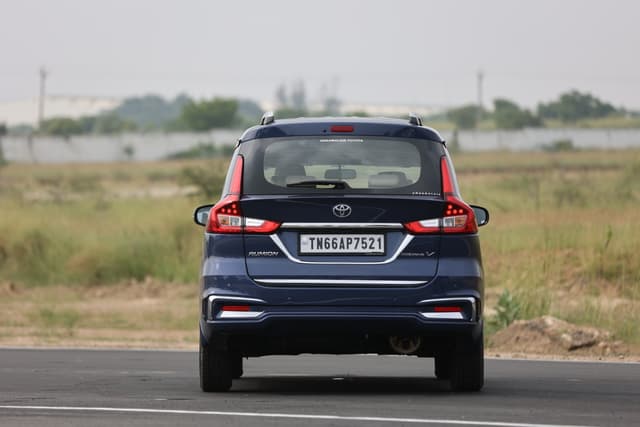
Highest Mileage | Maruti Suzuki Ertiga, Toyota Rumion (up to 26.1) |
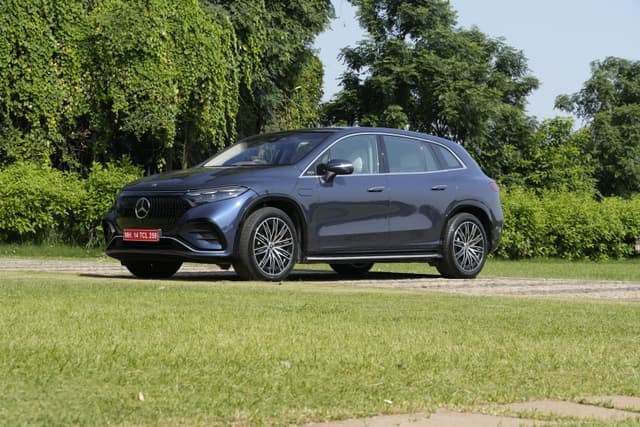
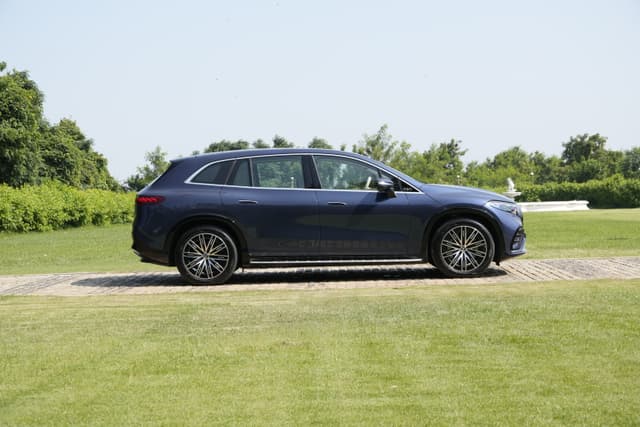
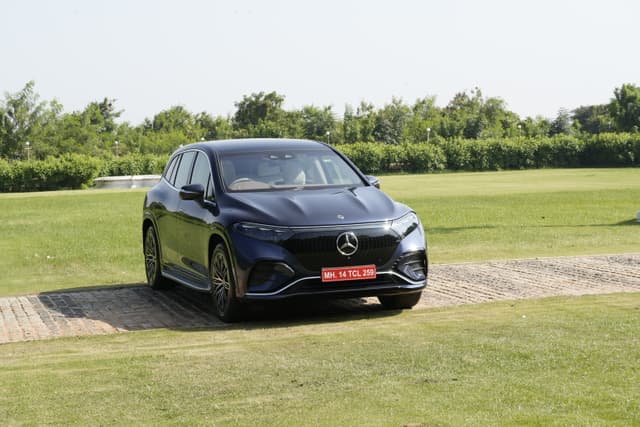
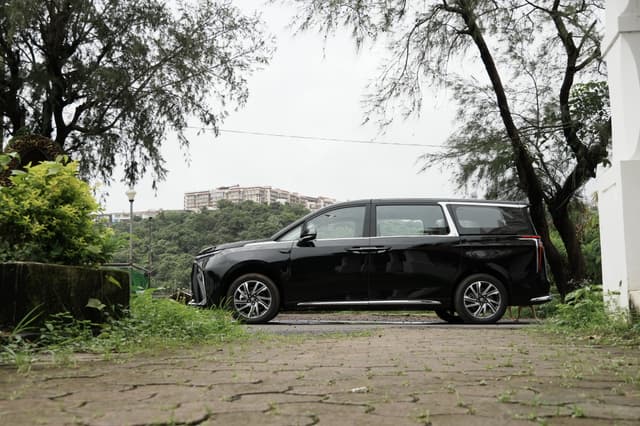
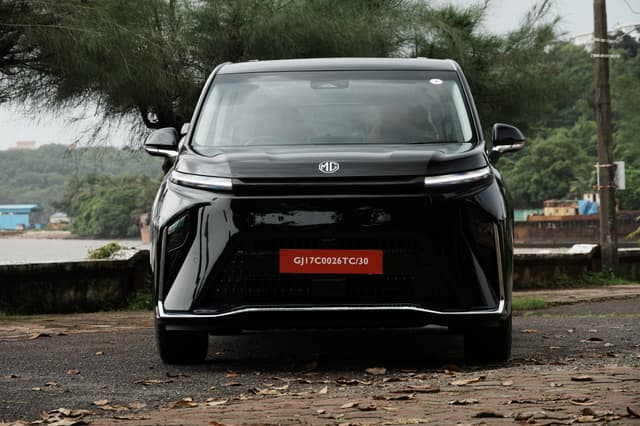
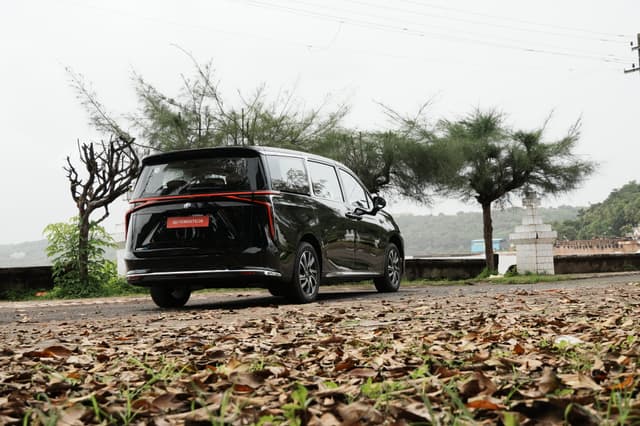
Electric | Kia Carens Clavis EV, Mercedes-Benz EQS SUV, MG M9 |
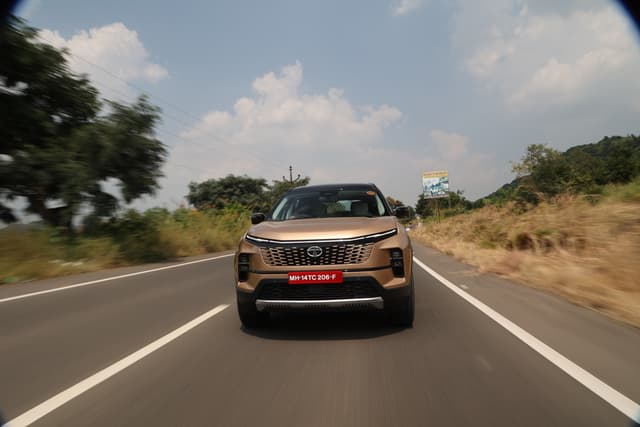
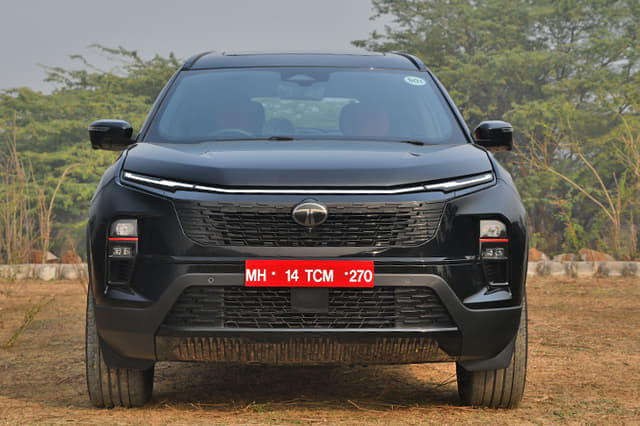
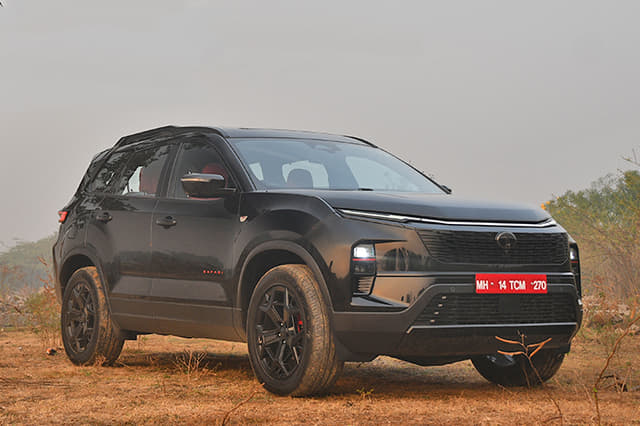
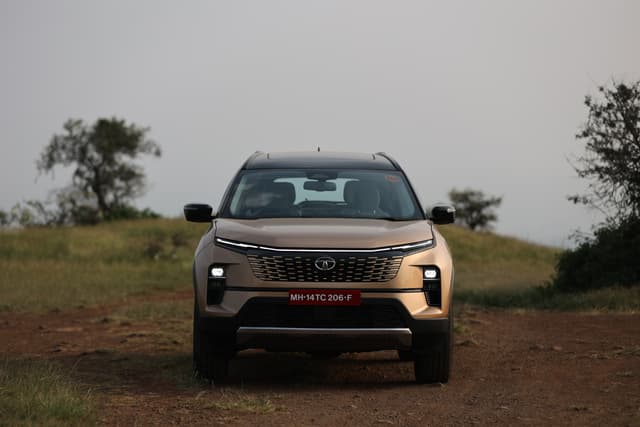
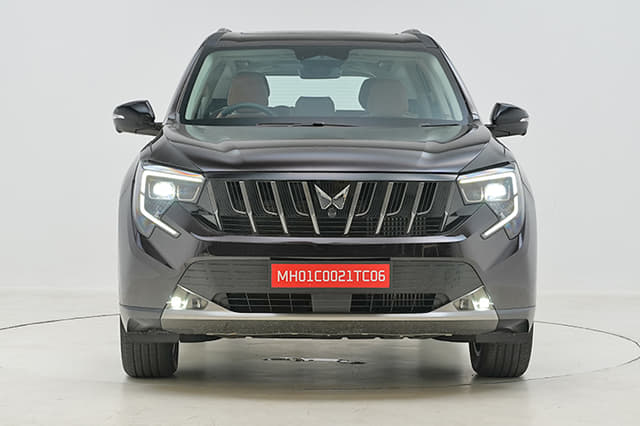
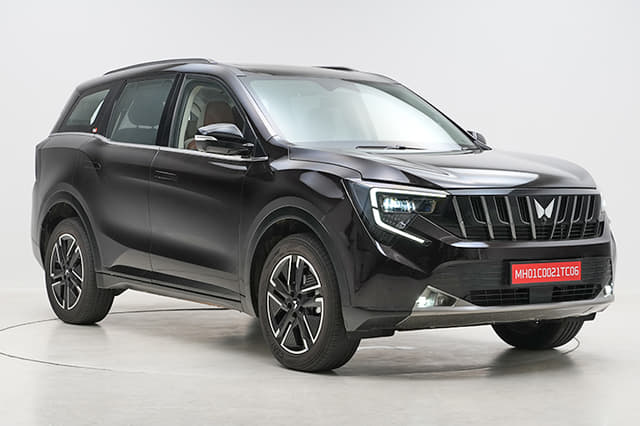
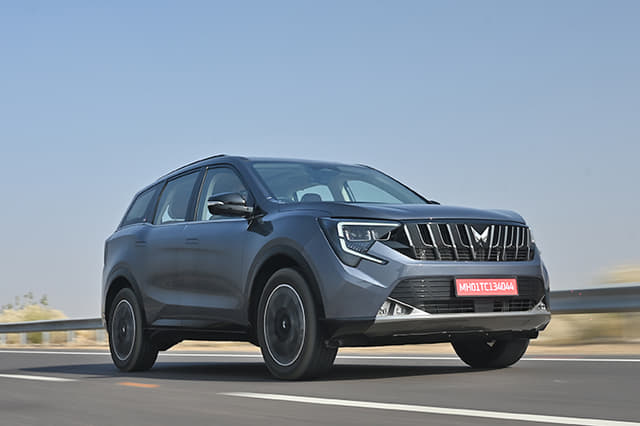
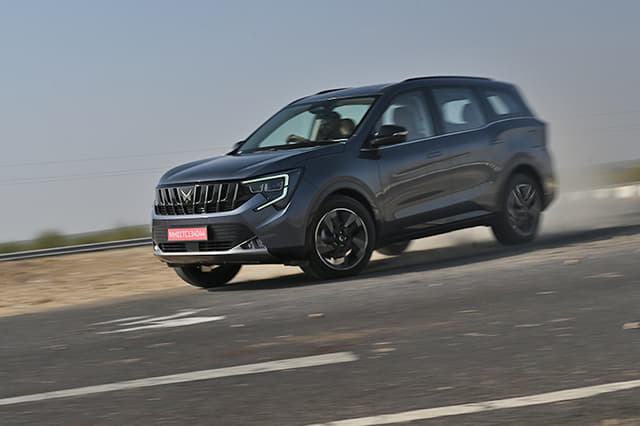
5-star Safety Rating | Mahindra XUV700, Tata Safari, Mahindra Scorpio N |


Find cars by body type


7 Seater Cars - FAQs
Currently, there are around 37 options available in the 7 seater cars segment.
Some of the best 7 seater cars for families in India include Maruti Suzuki Ertiga, Toyota Rumion, Mahindra XUV700, Tata Safari, and Hyundai Alcazar.
Affordable 7 seater cars under 10 lakh include Mahindra Bolero, Maruti Suzuki Ertiga, and Renault Triber.
The best 7 seater cars under 15 lakh include options such as the Toyota Rumion, Kia Carens, and Mahindra Scorpio Classic.
Popular 7 seater cars under 20 lakhs include Kia Carens Clavis EV, Mahindra XUV700, and Tata Safari.
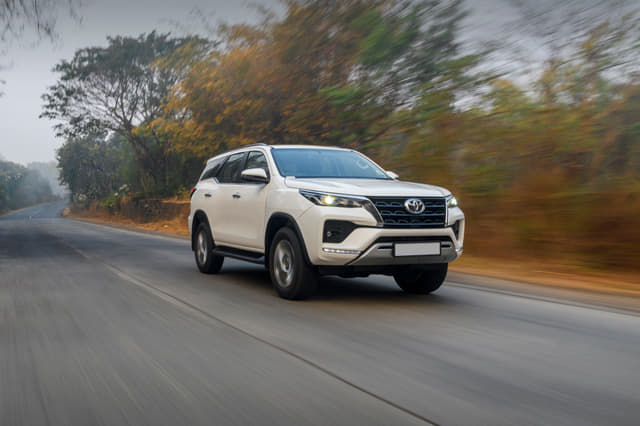
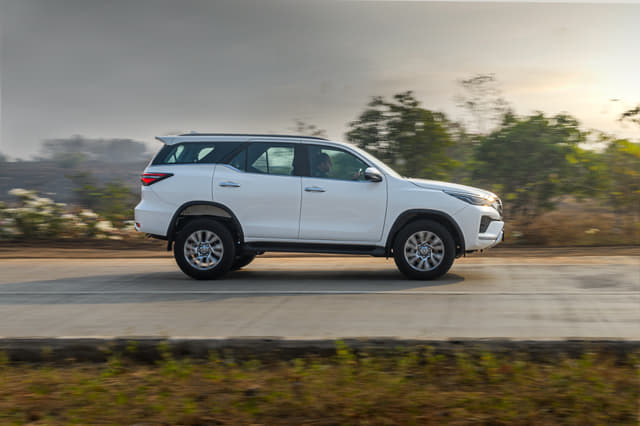
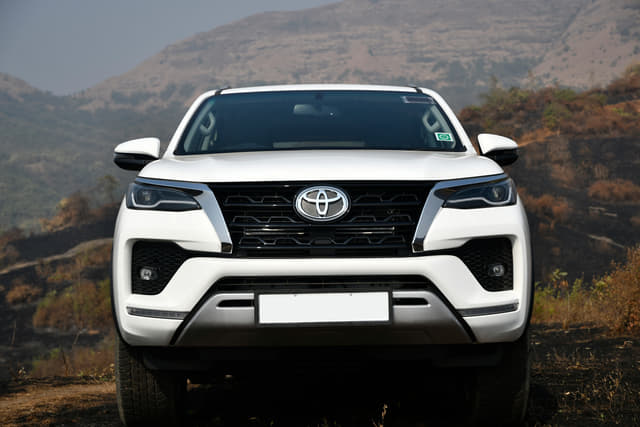
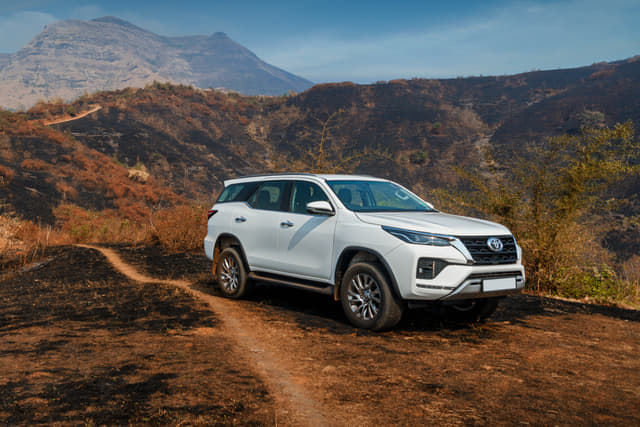
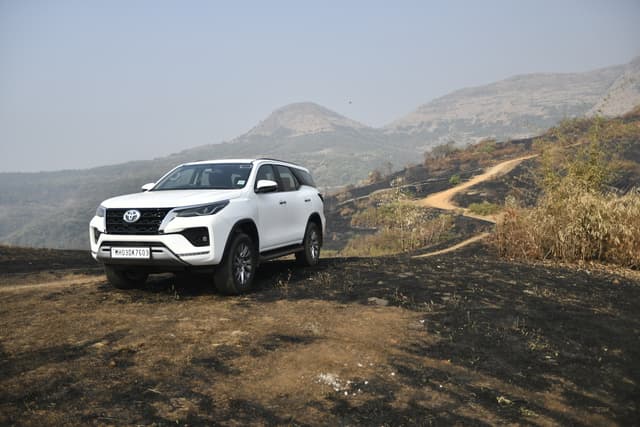
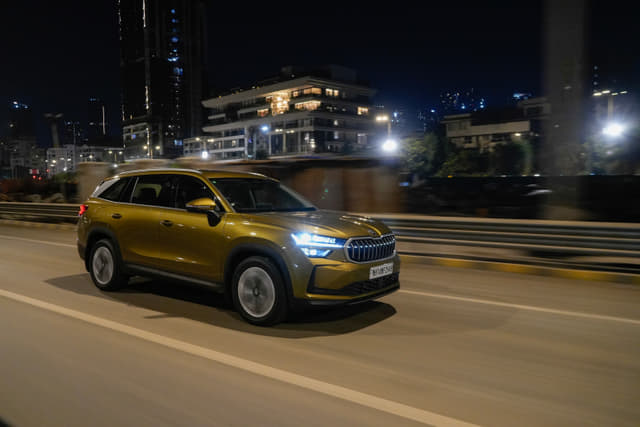
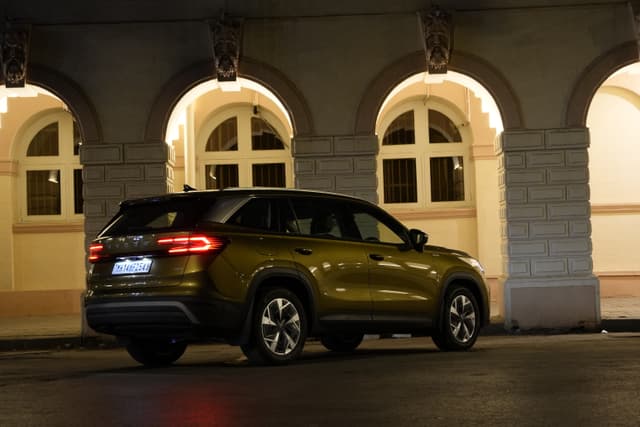
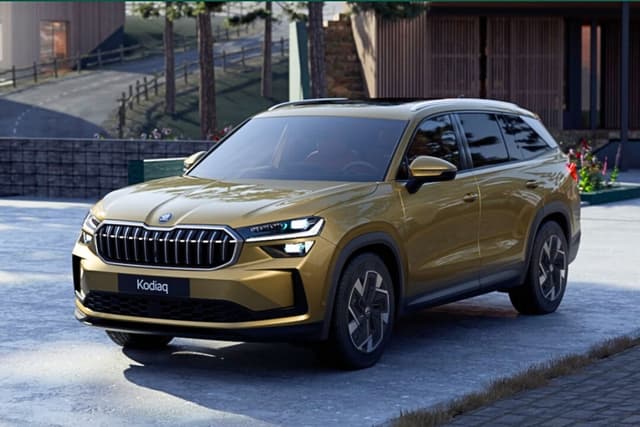
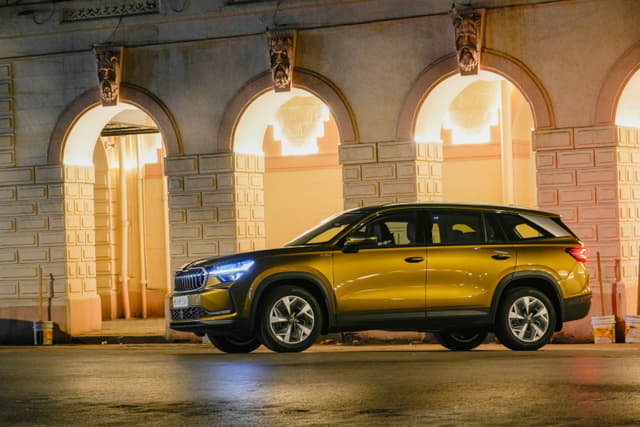
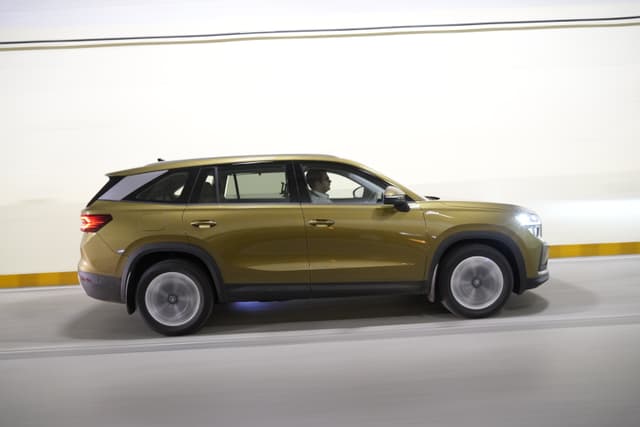
Tata Safari, Skoda Kodiaq, and Toyota Fortuner are some of the top seven seater SUVs cars in India.
Yes, Maruti Suzuki Ertiga and Toyota Rumion are 7 seater CNG cars in India.
Popular 7 seater electric cars include BYD eMax 7, Mercedes-Benz EQB, and Kia Carens Clavis EV.
Cheapest 7 seater cars includes options such as Renault Triber (₹5.76 - ₹8.39 Lakh) and Mahindra Bolero (₹7.99 - ₹9.69 Lakh).
Maruti Suzuki Ertiga and Toyota Rumion offer the highest mileage, up to 26.1 km/l.
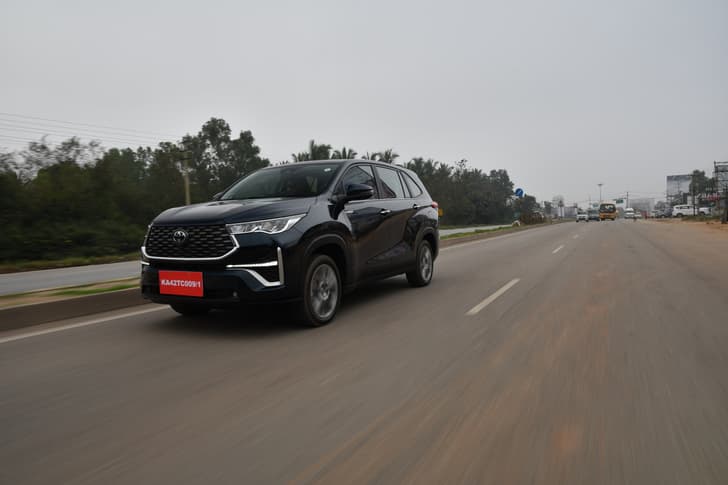
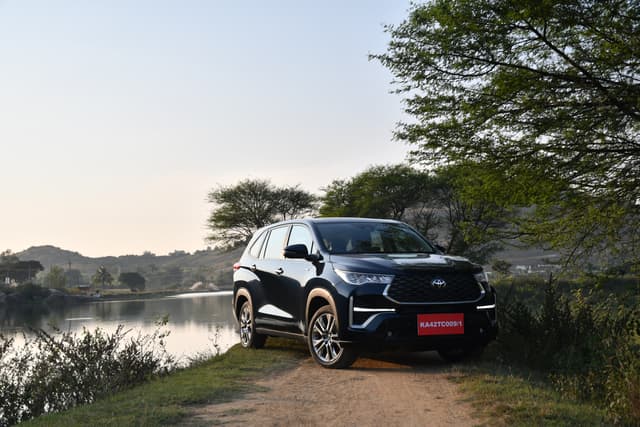
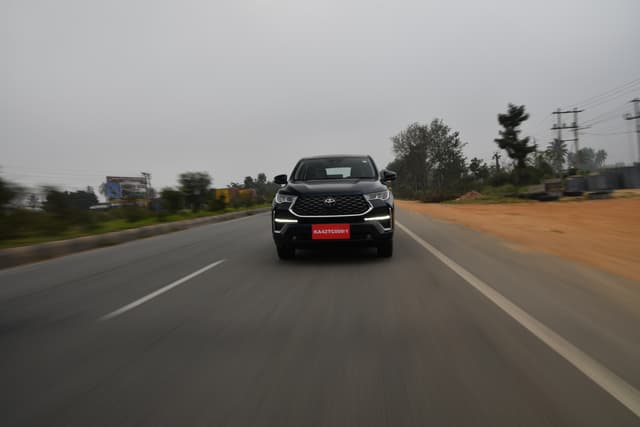
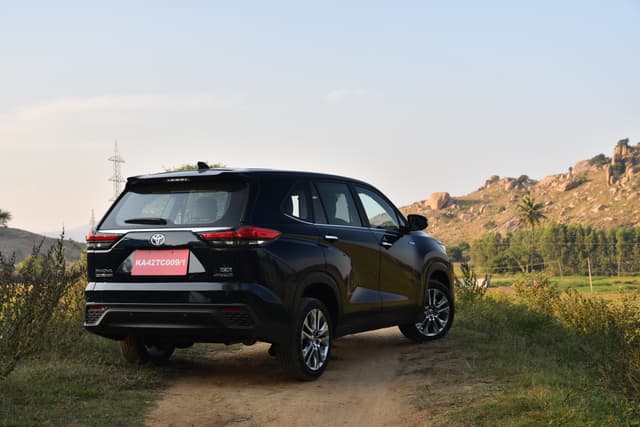
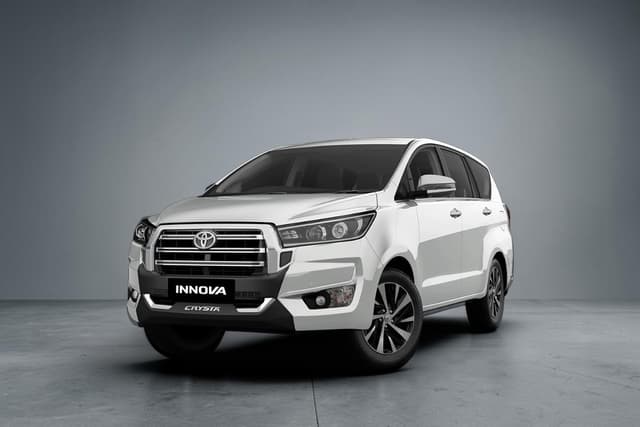
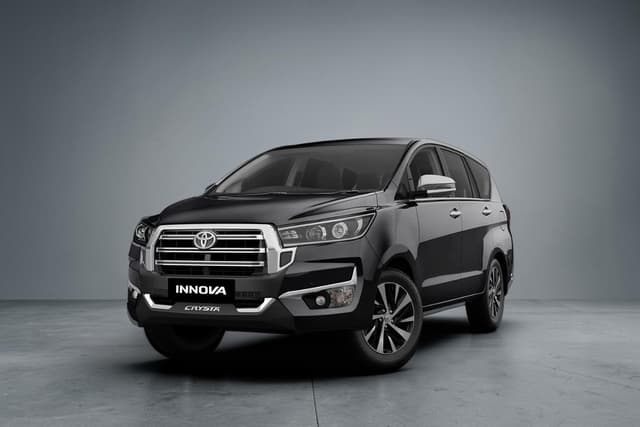
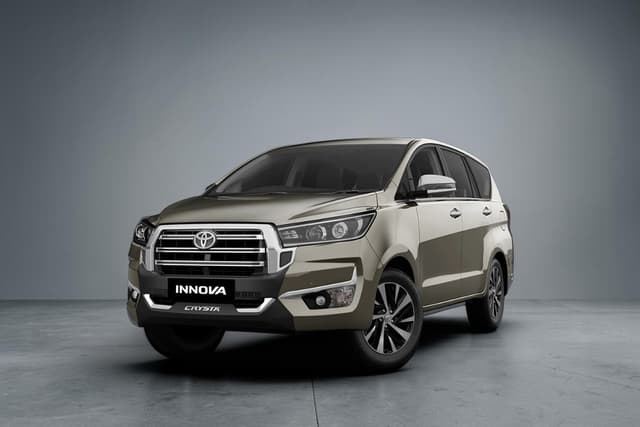
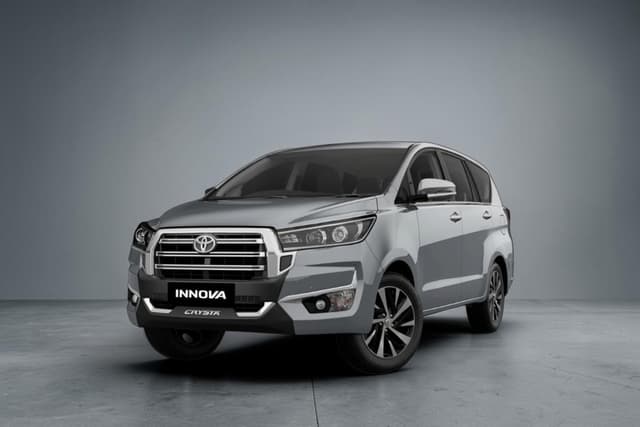
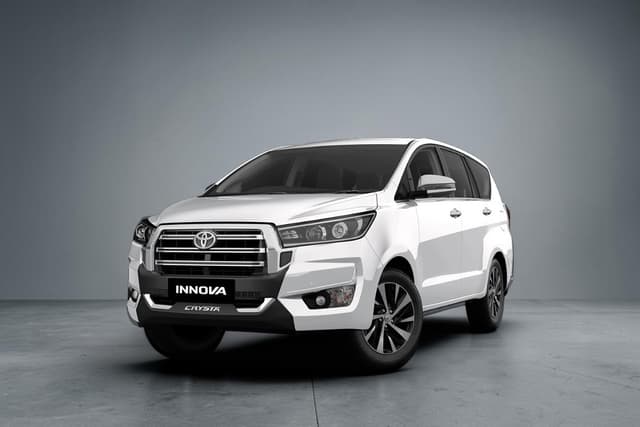
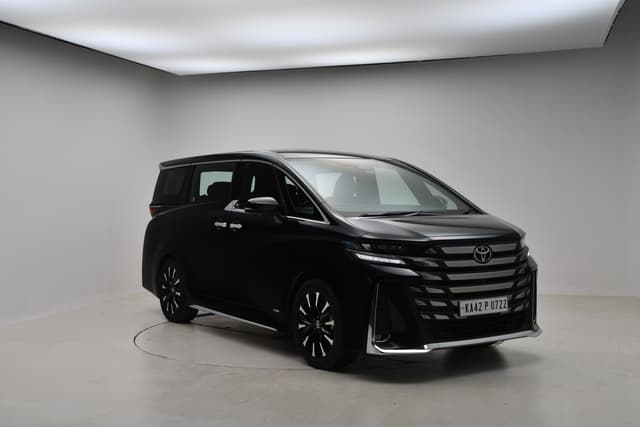
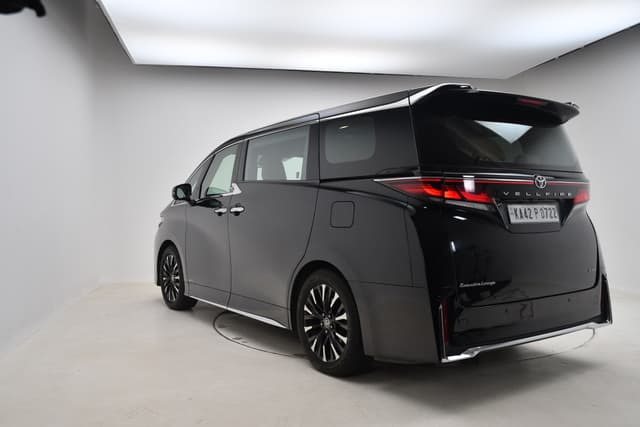
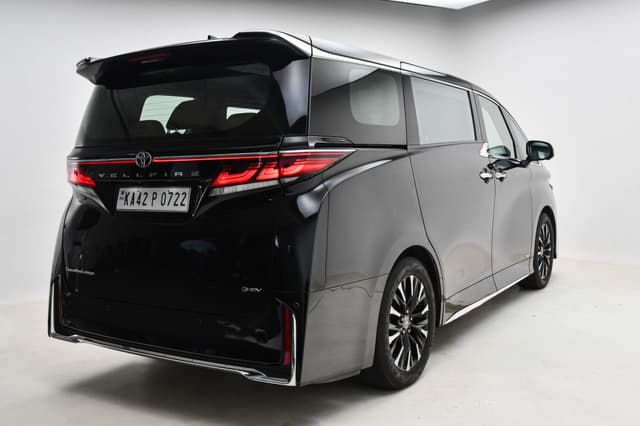
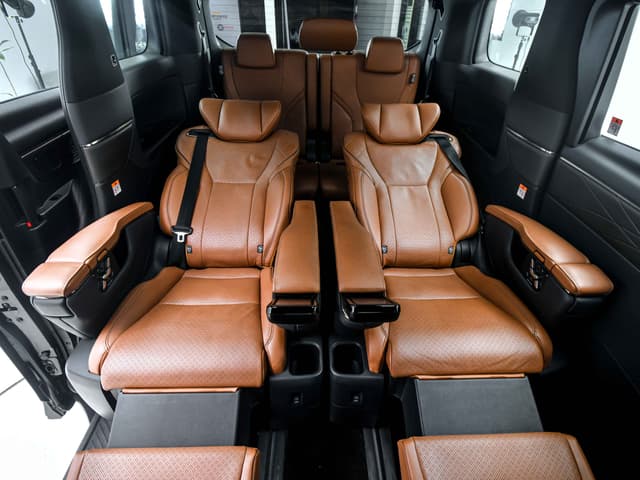
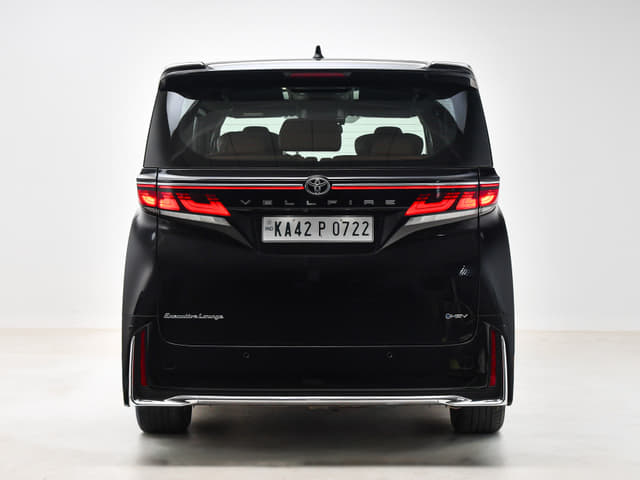
Innova HyCross, Innova Crysta, Rumion, Vellfire and Fortuner are 7 seater cars offered by Toyota in 2025.
Mahindra XUV700, Tata Safari, and Mahindra Scorpio N are some of the 7 seater cars which have received a 5-star safety rating.
The best family seven seater cars include options as Maruti Suzuki Ertiga, Toyota Innova HyCross, and Hyundai Alcazar.
The Lexus LM is the most expensive seven seater car, priced between ₹2.10 - ₹2.62 Cr (ex-showroom).
The price of 7 seater cars in India ranges from ₹5.76 Lakh for Renault Triber to ₹2.62 Cr for the Lexus LM.
Mahindra Bolero is the cheapest 7 seater SUV car priced between ₹7.99 - ₹9.69 Lakhs (ex-showroom).
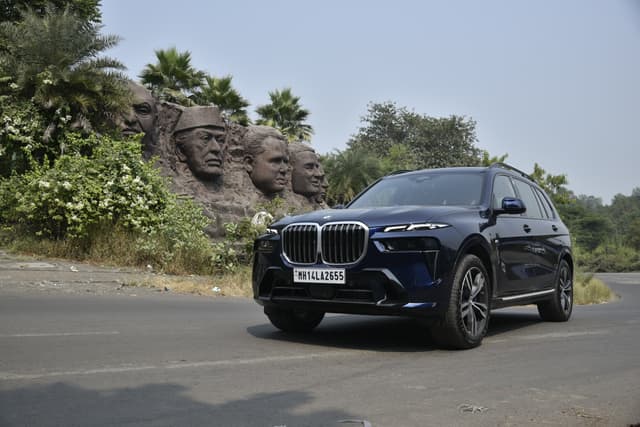
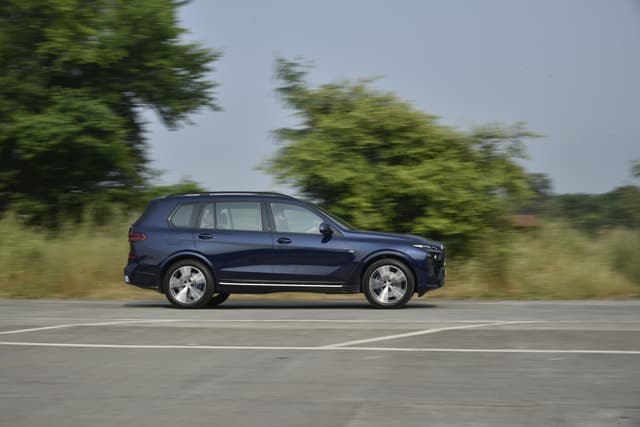
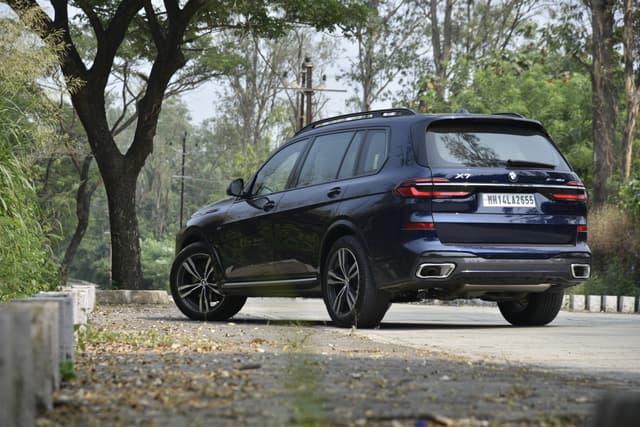
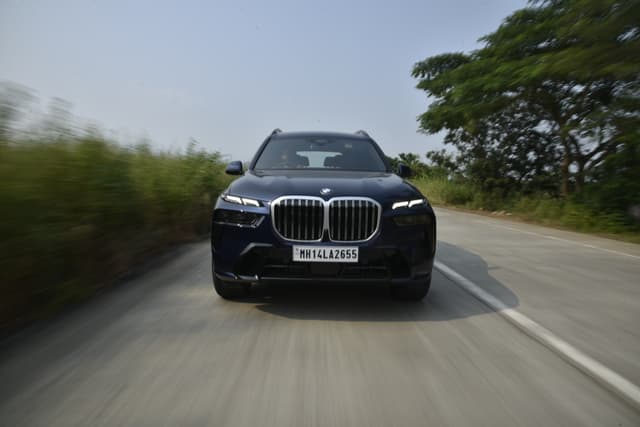
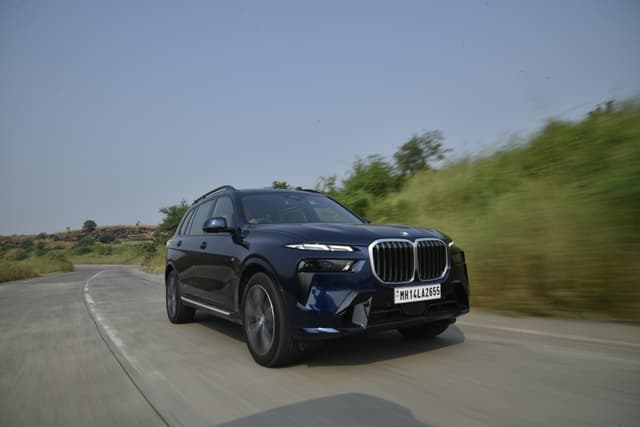
Luxury 7 seater cars include models like BMW X7 (₹1.25 - ₹1.29 Cr) and Mercedes-Benz EQS SUV (₹1.33 - ₹2.40 Cr).
Trending Questions on Cars - Answered by Autocar Experts
My requirement is a 6-7 seater vehicle. For low maintenance cost, I can go with either CNG or diesel car as my monthly running is 1000 km and occasionally it can be as high as 2000-3000 km monthly. I am from Pune and my frequent outstation routes will be Mumbai, Kolhapur, Latur and Kokan area (ghat sections). Also, since I can rent it out as self driving car and I will own upto 7-10 years. I have owned Alto, Wagon R, SX4, EON and i20 active disel. I have mentioned vehicles so that you can understand my driving and owning experience.
Given your requirements, the Maruti Suzuki Ertiga CNG is the most sensible recommendation. Your monthly running of around 1,000 km, with occasional spikes, does not justify a diesel, especially with the higher purchase cost and maintenance associated with modern diesel engines. The Ertiga CNG strikes the right balance between low running costs, reliability and practicality. It is a proven 7-seater with a comfortable ride, good service network and low maintenance costs, which is important given your plan to keep the car for 7-10 years. The CNG system is factory-fitted and well-integrated, making it a far better option than any aftermarket CNG installation. The only drawback is the reduced boot space with the CNG tank, but for your usage pattern and occasional rental plans, the overall cost savings outweigh this limitation. If you need more space and comfort, the Maruti Suzuki XL6 CNG is a good alternative, offering a more premium cabin and captain seats in the middle row making it a strict 6-seater, but the Ertiga remains the more value-driven choice. Alternatively, there is also the Toyota Rumion, which is Toyota's version of the Ertiga so if there is a lower waiting time, you can check out the Rumion too.
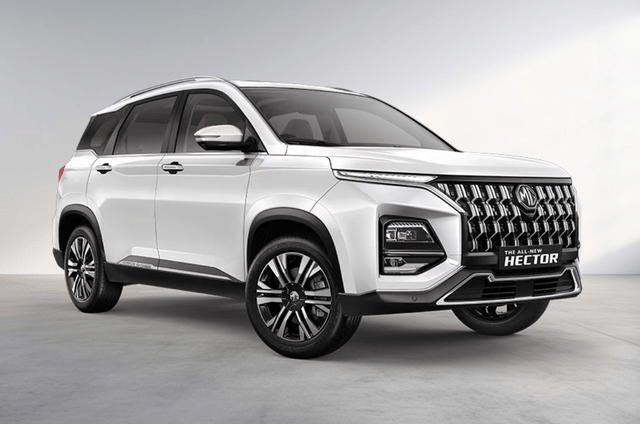
I'm looking for your expert opinion to help me finalise my next used family car. I'm currently considering the MG Hector Plus Sharp Pro 1.5 Turbo Petrol MT (2024), Hyundai Alcazar 2.0 MPI Petrol, Kia Carens 1.5 Naturally Aspirated Petrol, and Maruti XL6 Alpha Plus Petrol. My usage is around 500 km per month (approximately 6,000 km per year), with most of my driving being in the city. My family consists of four members, and while I rarely need the third row, having a 6- or 7-seater is a bonus for occasional family trips. I plan to keep the car for at least 7 to 10 years. Fuel economy is not a priority; instead, I value comfort, features, reliability, and good performance. Long-term dependability, ease of maintenance, and a hassle-free ownership experience are far more important to me than mileage. One of my biggest concerns is the increasing use of ethanol-blended petrol, with E20 already in use and the possibility of higher blends such as E30 in the future. I'm unsure whether I should avoid turbo-petrol engines for long-term ownership or whether modern turbocharged engines are reliable enough. Based on my usage, which of these four cars would you recommend? Would you choose a naturally aspirated engine, such as those in the Alcazar, Carens, or XL6, over the MG Hector's 1.5-litre turbo-petrol for someone planning to keep the vehicle for 7 to 10 years? How concerned should I be about E20 or future E30 fuel and its long-term impact on these engines? Is the MG Hector's 1.5 Turbo Petrol engine dependable enough for long-term ownership, or would you prefer the Hyundai 2.0 MPI or the other naturally aspirated options? Is the Kia Carens 1.5 NA petrol sufficiently powerful for occasional trips with six or seven passengers, or is it likely to feel underpowered? Similarly, is the Maruti XL6 Alpha Plus adequately powered for highway driving with a full load, or does its 1.5-litre mild-hybrid engine struggle in such conditions? Finally, how would you rank these four cars in terms of long-term reliability, performance (especially when fully loaded), build quality and safety, maintenance costs, service network, feature list, and overall ownership experience? If this were your own long-term family car purchase, which one would you choose and why? I'd really appreciate an unbiased recommendation based on my specific requirements rather than general market popularity. Thank you!
Based on your usage and priorities, the Hyundai Alcazar 2.0 naturally aspirated petrol would be our recommendation. Your monthly running is low, the third row will only be used occasionally, and you're looking for a comfortable, feature-rich family car that can be kept for 7 to 10 years. The Alcazar strikes the right balance. Its 2.0-litre naturally aspirated petrol engine is a simple, proven unit that should be easy to own over the long term, while also offering better performance than the Kia Caren's 1.5-litre naturally aspirated petrol engine. Hyundai cars also have a strong reputation for reliability and aftersales support, which becomes even more important for long-term ownership.As for the E20/E30 question, there's little reason to worry. The Alcazar's 2.0 engine is likely E10 compliant but will run on E20 just fine, and while higher ethanol blends can lead to a slight reduction in fuel efficiency, they are unlikely to have a significant impact on long-term reliability.The MG Hector 1.5 turbo petrol is a good engine, but it is a heavier car and the turbo petrol will not offer any real advantage in your running. The Carens is the more practical and better packaged family car, but since you aren't frequently using the third row, the Alcazar is the better pick.
I am looking to buy a 6/7-seater electric car. I am currently inclined towards the Mahindra XEV 9e, but I am unsure about its ride quality and suspension comfort. I have also considered the Kia Clavis EV, but its smaller battery pack and overall design are not very appealing to me. I can also wait for the Tata Safari EV if it is likely to be a better option. Which EV would you recommend?
Go for the Mahindra XEV 9S. It is the best fit for your requirement of a 6/7-seater EV. The Mahindra car has a large battery pack, strong performance and a well-sorted suspension setup. Mahindra has tuned the suspension to handle Indian roads well, and it feels stable and comfortable even with a full load of passengers.The Kia Carens Clavis EV is a good family EV, and is more suited only if you have adults in the third row more often. Interestingly, the Kia's third-row is more spacious and comfier than the XEV's. However, the Kia's smaller battery limits its range and long-distance usability. The Tata Safari EV is still some time away and is worth waiting for only if you are specifically looking for a larger, spacious three-row EV.
Dear Autocar, I’m looking for some advice on a dilemma that I haven’t been able to resolve. I’m replacing my 2015 Audi Q3 Diesel, which has been an excellent long-distance tourer for us. I haven’t test-driven the Alcazar yet, but I plan to do so shortly. My annual running is relatively low, so this isn’t a petrol vs diesel question from a fuel-cost perspective. Our typical usage is very long road trips (Mumbai-Goa and similar), often 8-10 hours at a stretch, with two adults (my wife and me), our Beagle, and lots of luggage. We also drive through highways, ghats, villages and city traffic, so the car needs to feel effortless and confidence-inspiring in every situation, especially while climbing steep ghats with a full load. I’m considering the Hyundai Alcazar, but I’m confused between: 1. 1.5 Turbo Petrol DCT 2. 1.5 Diesel AT (Torque Converter) If the petrol had a conventional torque-converter automatic, I would probably choose it without a second thought. My dilemma exists only because the petrol comes with a DCT, whereas the diesel gets a torque-converter automatic, which is generally considered smoother and more refined at low speeds. My priorities are, in order: - Overall refinement and cabin quietness - Smoothness of the transmission in city traffic - Effortless performance while climbing ghats with a full load - Long-distance comfort and relaxed cruising - Long-term ownership experience and reliability I am not looking for maximum fuel economy or the lowest running costs. I also have another dilemma regarding the seating configuration. Should I choose the 6-seater with captain seats or the 7-seater with the bench seat? My wife almost always travels in the second row during our road trips. She normally likes sitting in the middle seat because she enjoys the forward view. However, from the videos I’ve watched, the captain seats in the 6-seater appear significantly more comfortable and supportive for long journeys. Based on my usage, which powertrain and seating configuration would you recommend, and why? Thank you.
Between the 1.5 turbo petrol and 1.5 diesel Hyundai Alcazar, the diesel is the better fit for your usage. It offers strong low-end torque and a more relaxed, effortless character on long drives. Just as importantly, the 6-speed torque converter automatic is smoother and more intuitive in city traffic. In contrast, Hyundai-Kia DCTs tend to have a sharper engagement, which can feel slightly jerky at low speeds and in stop-go conditions.Do note that while the 1.5 diesel pulls well from low revs, its top-end performance is not particularly strong. With a full load, highway overtakes will require a bit more planning compared to the turbo petrol. That said, for your kind of driving, which prioritises ease, consistency and long-distance comfort, the diesel’s overall delivery and gearbox pairing work better.On seating, the 6-seater with captain seats is the more comfortable choice. The individual seats are better contoured, offer superior support, and the addition of armrests makes a noticeable difference on long journeys. Your wife will likely appreciate the enhanced comfort over extended hours on the road. The trade-off, of course, is the loss of the exact central seating position she prefers, but in the Alcazar, the front seats are not overly bulky, so forward visibility remains reasonably good.One alternative worth considering is the Mahindra XUV 7X0 diesel. It offers stronger performance, better refinement, and feels more effortless on highways, especially when fully loaded. The ride quality is also well suited to mixed road conditions. However, it is a larger vehicle than the Alcazar and can feel more cumbersome in tight urban environments.Overall, for your priorities, the Alcazar diesel with captain seats strikes the best balance of comfort, smoothness and ease of driving
I want to buy a seven-seater car for my family. It will be used by my uncle and me, and my budget is Rs. 25 lakh. I am looking for an automatic transmission, a panoramic sunroof, and good fuel efficiency.
Go for the Kia Carens Clavis diesel automatic. It is the most sensible and well-rounded choice for your requirements. The Carens is a genuinely spacious seven-seater with a comfortable third row, which is important when the car will be shared between families. The diesel automatic is the right powertrain for strong fuel efficiency and effortless performance, especially on highways and with a full load. The Carens also comes well equipped with features like a panoramic sunroof, and Kia’s service network and ownership experience are among the best in the segment. The only real drawback is that the Carens does not have the same SUV-like road presence as some rivals, but as a practical family car it is hard to fault. If you want something with a more rugged SUV feel, the Mahindra XUV 7XO diesel automatic is worth considering, but mileage would be lower. The Carens is the better all-round family car.
Last Updated on: 7 Aug 2026