Cars with Parking Sensors in India (85)
Parking sensors are a necessary safety feature. It helps drivers avoid blind spots, park confidently in tight spots, and minimise minor accidents. In July 2026, 224 cars with parking sensors in India are available for sale. Some of the best cars with parking sensors include models such as Maruti Suzuki Swift, Toyota Innova HyCross and Hyundai Exter. Newly launched Kia Seltos, Hyundai Venue and facelifted Tata Punch are some of the recent cars with parking sensors feature. Explore top cars with parking sensors features across various body types and price ranges.
Best Cars with Parking Sensors
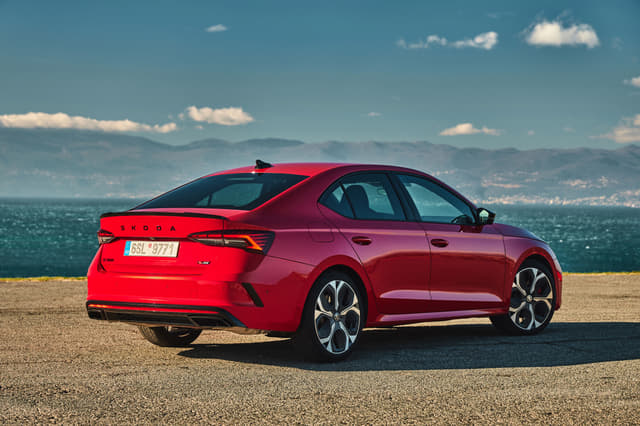
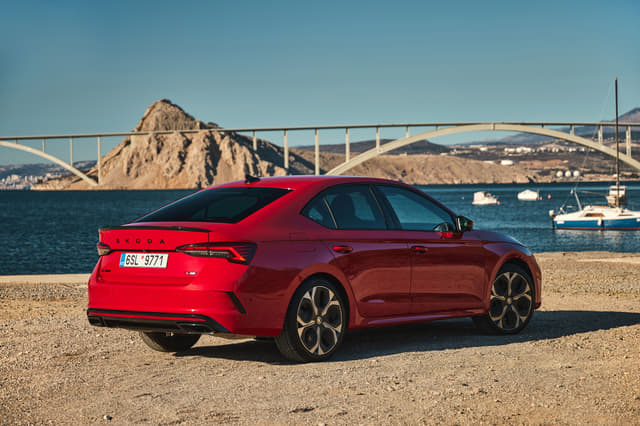
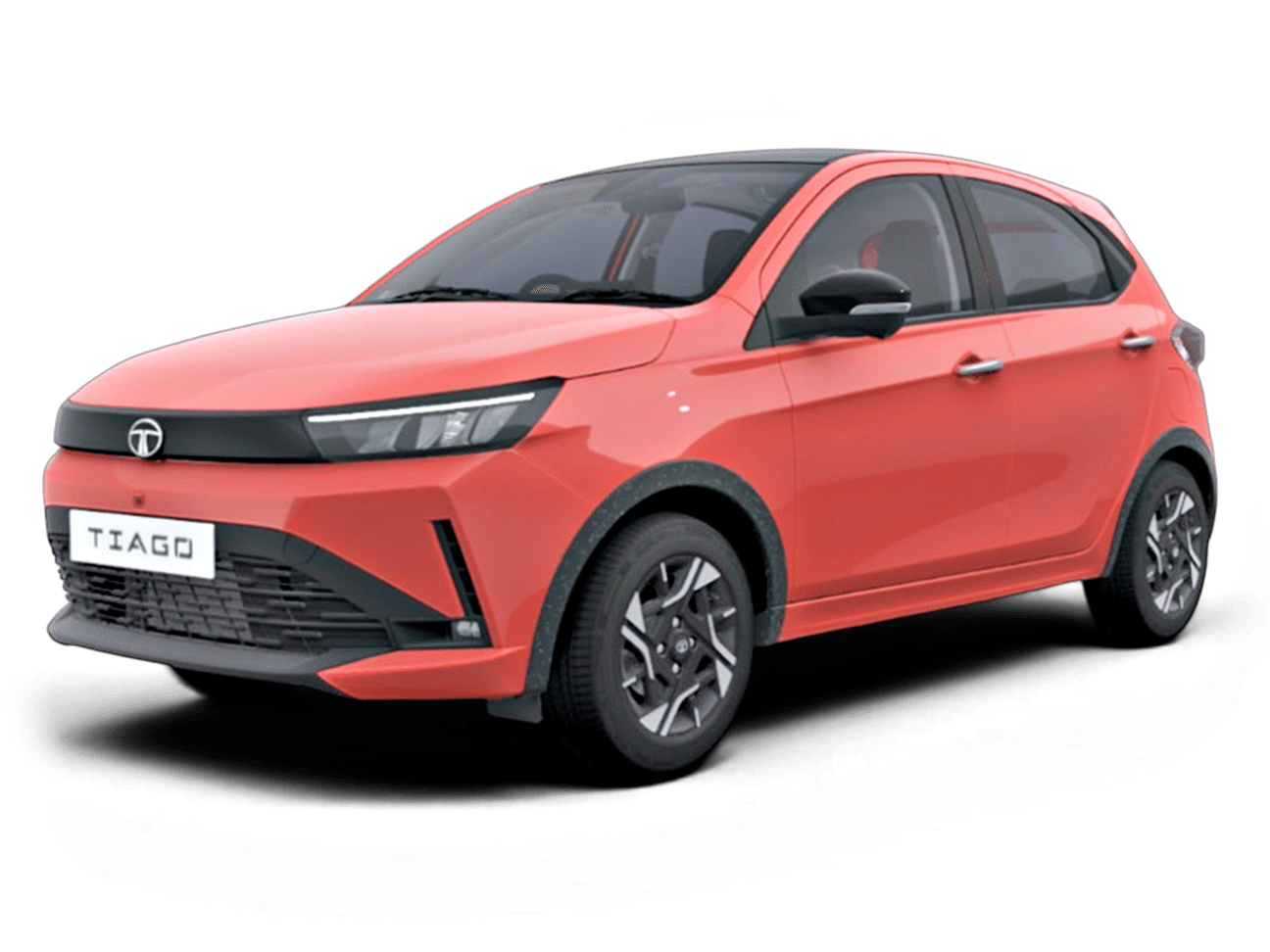
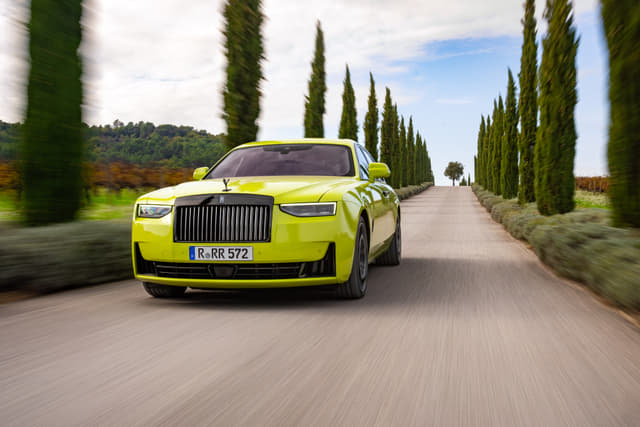
Cars with parking sensors price range from ₹3.70 lakh for the Maruti Suzuki Alto K10 to ₹5.15 Cr for the Aston Martin DB12. Cars under 5 lakh with parking sensors have various options to choose from, such as Maruti Suzuki Wagon R, Citroen C3 and Tata Tiago. If you’re looking for sedan cars with parking sensors, you can select from 37 options such as the Hyundai Verna, Volkswagen Virtus, and Skoda Slavia.
Model | Price (Ex-showroom) | Body Type |
Hyundai Creta | ₹10.73 - ₹20.19 Lakh | Mid-size SUV |
Mahindra Thar | ₹9.99 - ₹16.99 Lakh | Lifestyle SUV |
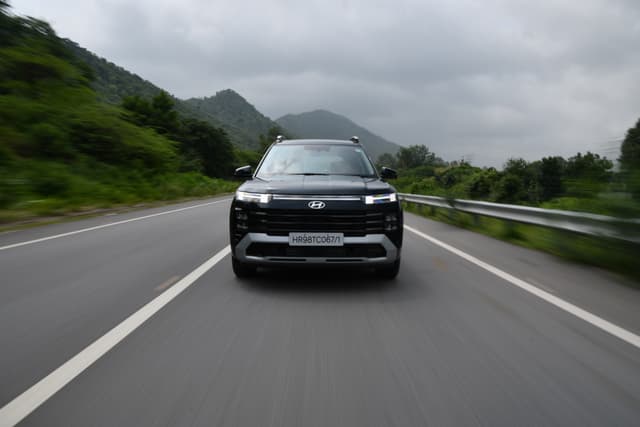
Hyundai Venue | ₹7.90 - ₹15.51 Lakh | Compact SUV |
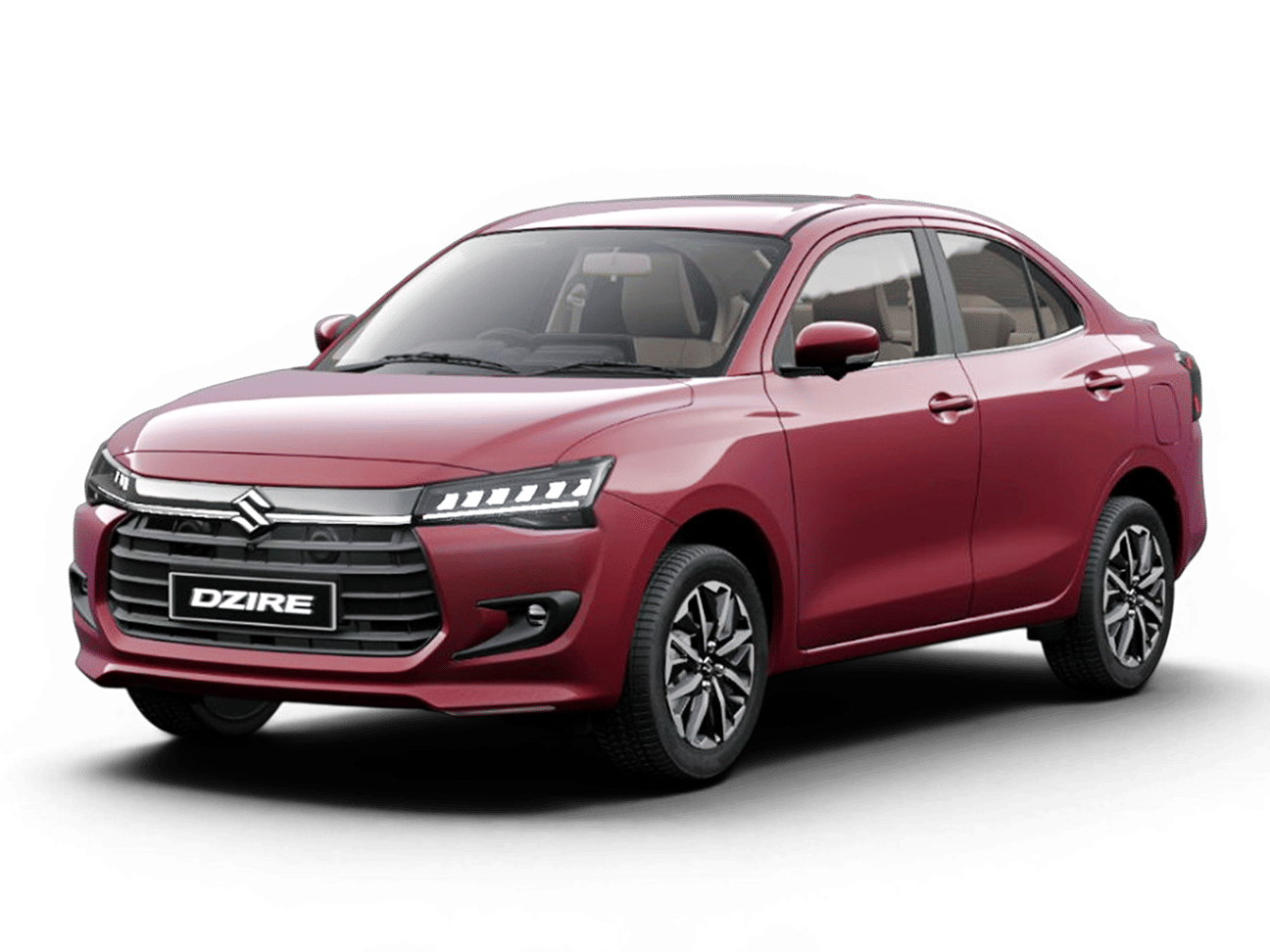
Maruti Suzuki Dzire | ₹6.26 - ₹9.31 Lakh | Sedan |
Toyota Glanza | ₹6.39 - ₹9.15 Lakh | Hatchback |
Kia Syros | ₹8.67 - ₹15.94 Lakh | Compact SUV |
Maruti Suzuki Baleno | ₹5.99 - ₹9.10 Lakh | Hatchback |
Mahindra BE 6e | ₹18.90 - ₹26.90 Lakh | Electric SUV |
Hyundai Exter | ₹5.49 - ₹9.33 Lakh | Micro SUV |
Tata Nexon | ₹8.00 - ₹14.30 Lakh | Compact SUV |
Cars with Parking Sensors- Key Highlights
Category | Car Model / Details |
Most Expensive | Aston Martin DB12 (₹5.15 Cr) |
Most Affordable | Hyundai Grand i10 Nios (₹5.47 - ₹7.92 Lakhs) |
Sedan cars | Hyundai Verna, Volkswagen Virtus and Skoda Slavia |
Cars under 10 Lakh | New Hyundai Venue, Maruti Suzuki Ertiga, and Toyota Urban Cruiser Taisor |
7 seater cars | Toyota Innova HyCross, Jeep Meridian and Mahindra XUV700 |


Cars With Parking Sensors - FAQs
Some of the popular cars with parking sensors in India include the Hyundai Creta, Mahindra Thar, Hyundai Venue, and Tata Nexon.
The Maruti Suzuki S-Presso is the most affordable car offering parking sensors, priced between ₹3.50 - ₹5.25 Lakhs (ex-showroom).
Some of the cars under ₹10 lakh offering parking sensors include the Hyundai Venue, Maruti Suzuki Ertiga, and Toyota Urban Cruiser Taisor.
The Aston Martin DB12 is the most expensive model with parking sensors, priced at ₹5.15 Cr (ex-showroom).
Among sedan cars, options like the Hyundai Verna, Volkswagen Virtus, and Skoda Slavia come equipped with parking sensors.
For those looking for 7-seater cars, options like the Toyota Innova HyCross, Jeep Meridian, and Mahindra XUV700 come equipped with parking sensors.
Trending Questions on Cars - Answered by Autocar Experts
Hi, I’m planning to buy my first car with a budget of around 13-14 lakh. My usage will be minimal, mostly occasional office travel and a few long drives each year (like Ladakh or Spiti). Based on this, I’ve decided to opt for a petrol manual, naturally aspirated engine, as I prefer a simpler and more reliable setup (also a bit concerned about future fuel changes, like E85). Initially, I shortlisted the Kia Sonet because of its looks, but I’ve seen reviews mentioning it lacks power on highways and in hilly terrains, especially during overtakes. I also considered Honda Elevate, Toyota Hyryder, and Hyundai Creta. However, after comparing base variants, I found the Kia Seltos (2026) to be the most value-for-money option. It offers key features, like a display, all-disc brakes, steering-mounted controls, cruise control, TPMS, Rear view camera, parking sensor, speakers, etc., which are missing in the base variants of the other cars. I’m also not interested in a sunroof. Given my usage and priorities, would you recommend going ahead with the Seltos, or should I reconsider any of the other options?
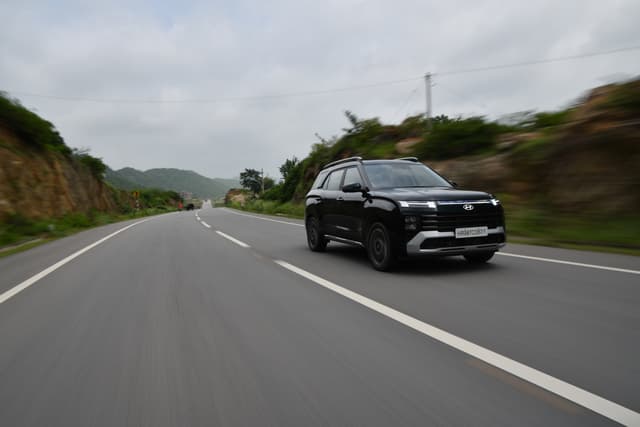
Light daily use with a few tough hill trips in a Rs. 13-14 lakh cap points you straight to the Kia Seltos HTE 1.5 petrol base manual. From your list, it fits your brief best because the 1.5-litre naturally aspirated motor feels adequate on highways and hills compared to smaller engines, and the base trim still gives you the useful everyday features you care about without paying for a sunroof or extra frills.Why does it suit you? First, power and gearing. Versus the Sonet’s smaller petrol, the Seltos feels stronger when you need a quick overtake or a climb with luggage, so you will shift less and feel more relaxed on the highway. Second, you’ve called out features like a touchscreen, steering controls, cruise control, rear camera and TPMS. The Seltos base packs most of these, so you don’t need to step up to a variant just to avoid living with a bare cabin. Third, your choice of a simple petrol manual lines up well with the Seltos 1.5, which is a proven, easy-to-own engine.A couple of trade-offs to note. On broken roads at low speeds, the Honda Elevate and Hyundai Creta ride softer over bad patches, but their base trims miss many of the features you want. Also, like any non-turbo petrol at high altitude, you will need to use lower gears on steep climbs.Given your priorities, go ahead with the Seltos 1.5 petrol base manual. It lines up with your needs and budget the best.
Looking for a 7-seater with good third-row space, although most of the time the third row will remain folded and be used for my labrador and, occasionally, luggage. I need a car that must have good space across all three rows, front and rear parking sensors, 360-degree camera, at least low double-digit fuel efficiency and it should not feel underpowered with a full load. My usage will be occassionally highway drives of 300-500 km trips, along with moderate city usage of a maximum of 400 km per month. My current car has covered 35,000 km in 2.5 years, most of which are highway runs. I am considering Kia Clavis HTK+ as it is feature-loaded and comfortable, but the Petrol Turbo AT is quite thirsty, and I have concerns about the DCT in bumper-to-bumper traffic, along with safety concerns. Another car that I am considering is Tata Safari Petrol AT but there are customer complaints regarding quality issues and the new engine. I have also shortlisted XUV7X0 as it is powerful and good to drive, but the third row feels impractical and the fuel efficiency is quite poor. Now I am considering trying the Toyota Hycross non-hybrid as well. Please let me know your thoughts.
Your use is mostly long highway runs with the third row folded for your Labrador, plus a clear need for space in all three rows, parking aids and a 360 camera, and you don’t want it to feel weak when fully loaded. In that situation, the Toyota Innova Hycross 2.0 petrol automatic (non-hybrid) 8-seater is the one from your list that fits best overall. Its third row is the roomiest here, and when you fold it, you get a long, flat floor that is easy for a big dog and luggage. The CVT automatic, makes city work easy, but on the highway it has to work a bit hard to build up speed. Keep speeds steady, and you should see double-digit fuel efficiency on the highway, which matches your requirement.A couple of watch‑outs. The non‑hybrid Hycross does not get a factory 360 camera, and front sensors are limited to higher trims, so you may need a dealer‑fit 360 setup to meet that must‑have. Also, performance with a full load is just about adequate but not as strong as big‑turbo rivals if you push hard.If you must have a factory 360 camera, from your list, the Kia Clavis in a higher trim with the 1.5 turbo DCT gives you that and has a usable third row. Although your concern on DCT in heavy traffic is fair. Given your light city use, that risk is low. If you’re open to diesel, the Safari diesel AT also ticks power, highway comfort and 360 camera, but its third row is not as roomy as the Hycross. Overall, for your highway‑led use and dog‑friendly space, the Hycross non‑hybrid lines up best if you’re okay with adding a 360-camera via the dealer.
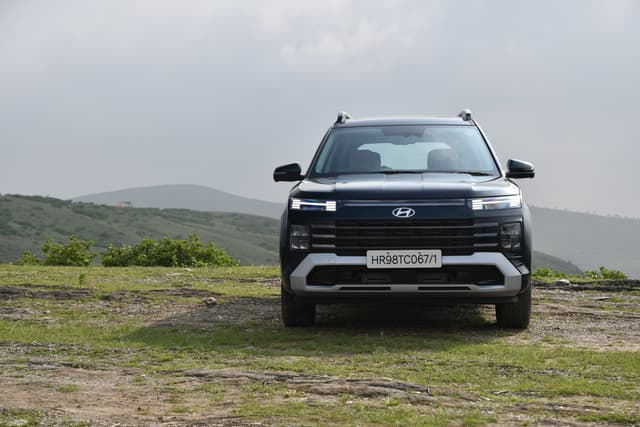
Looking for a 7-seater with a good third-row space. Mostly, the third row will be folded and used for my Labrador and occasionally luggage. Must-haves: good space across all three rows, front and rear parking sensors, and a 360-degree camera. At least lower double-digit fuel efficiency. It should not feel underpowered with a full load. Usage: mostly highway drives, occasionally in the range of 300 to 500 km, and moderate city usage of up to 400 km per month. My current car has 35k on the odometer in 2.5 years, most of which are highway runs. Cars considered: Clavis HTK+ (feature-loaded and comfortable. Petrol AT turbo is thirsty, with DCT concerns in bumper-to-bumper traffic and some safety concerns), Safari Petrol AT (customer complaints on quality and concerns about the new engine), XUV 7XO (powerful and good to drive, but impractical third row and very poor fuel efficiency). Now I am thinking about trying the HyCross non-hybrid. Let me know your thoughts.
While we don't know your exact budget, we'd recommend the Toyota Innova HyCross for your needs. However, we would suggest skipping the petrol version and opting for the strong hybrid, simply because the fuel economy of the petrol version will likely be in single digits, especially with your fully loaded, highway-focused usage.Your points about the other vehicles are accurate. The only other one you could consider is the Kia Carens Clavis diesel AT, which is much smoother than the petrol DCT, although its performance when fully loaded will not feel particularly strong.Back to the HyCross hybrid, the good news is that it meets all your requirements. It's spacious and comfortable, particularly in the second and third rows, with a relatively low loading lip, which should make access easy for your dog. All hybrid variants get front and rear parking sensors as well as a 360-degree camera system.All Innovas are excellent highway performers, and this one is no different. The naturally aspirated petrol engine doesn't feel quite as effortless as a turbocharged engine, but with electric assistance from the hybrid system, power is more than sufficient. And, of course, fuel economy is excellent.
I am planning to buy the Kia Seltos 2026 diesel manual. I am confused between the HTK and HTX variants. I do not want the HTK(O). Is the ₹3 lakh difference in cost worth the upgrade? Or can I get the necessary aftermarket upgrades? I am not a fan of the sunroof and would prefer to avoid it. I would want front parking sensors, fog lamps, leather seats, and a good sound system.
It is always recommended to buy any vehicle with factory-fit features. In your case, the Kia Seltos HTX is worth the extra spend as it packs in all that you want (front parking sensors, fog lamps, leatherette upholstery and a Bose sound system) and more. Additional goodies on the HTX that will add greatly to your experience include auto climate control, front seat ventilation, an auto-dimming mirror and a larger 12.3-inch touchscreen.Sure, you could get some upgrades as accessories, but these could impact the warranty. Improper fitment can also create electrical hazards. It is best to stick to accessories offered and fitted by the Kia dealer with a clear understanding on impact on warranty.

Last Updated on: 31 Jul 2026