
Autocar India
Fallback ad for desktopHero

Last Updated on: 19 Jul 2026

Volkswagen Virtus

Autocar score
8
₹12.64 - ₹22.66 Lakh
On road price, Mumbai
Mumbai
Starting₹18,342 /month
EMI calculator

The Volkswagen Virtus is Volkswagen’s contender for the mid-size sedan segment. The Virtus price ranges between Rs 10.71 lakh to Rs 19.20 lakh (ex-showroom). 
 

The Volkswagen Virtus variants include 11 variants across six trims. The Virtus is available in two versions: Virtus Chrome and Virtus Sport. The Virtus Chrome comes in the Comfortline, Highline, Highline Plus, Topline and GT Plus trims, while the Virtus Sport comes with the GT Line and GT Plus Sport trims.

Key Highlights of Volkswagen Virtus

  • The Virtus is powered by two turbo-petrol powertrains
  • The 1.0-litre turbo-petrol produces 115hp and 178Nm of torque, while the 1.5-litre turbo petrol engine produces 150hp and 250Nm of torque. While both engines come with manual and automatic transmissions, the turbo petrol gets a DSG automatic.
  • To aid in fuel efficiency, the 1.5-litre turbo petrol engine comes with cylinder deactivation tech, which operates only two cylinders out of the total four.
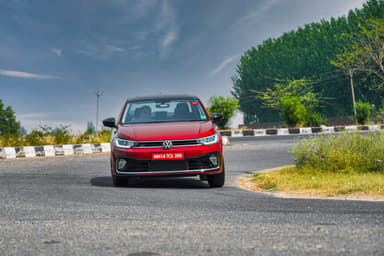
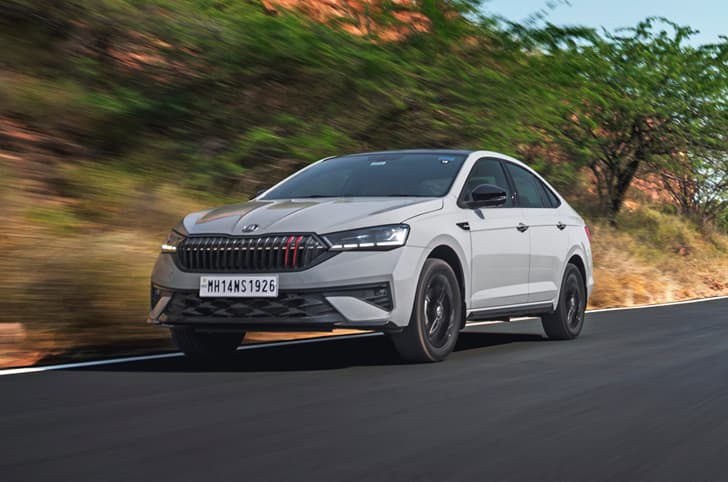
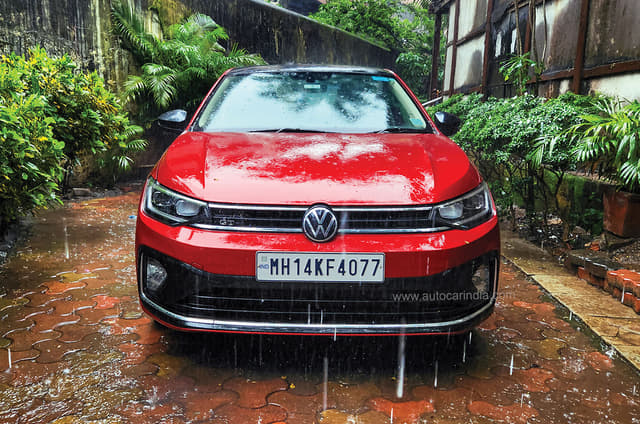
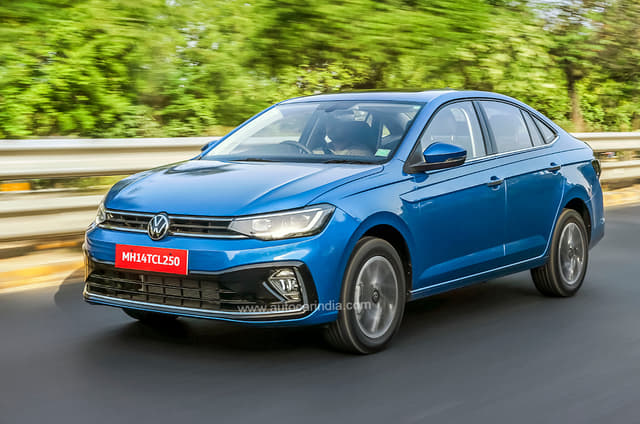
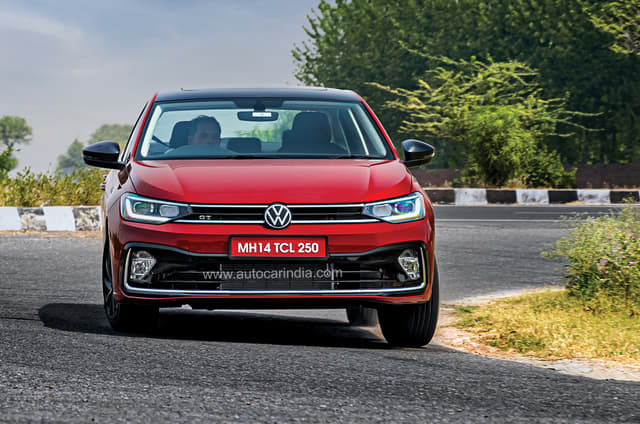
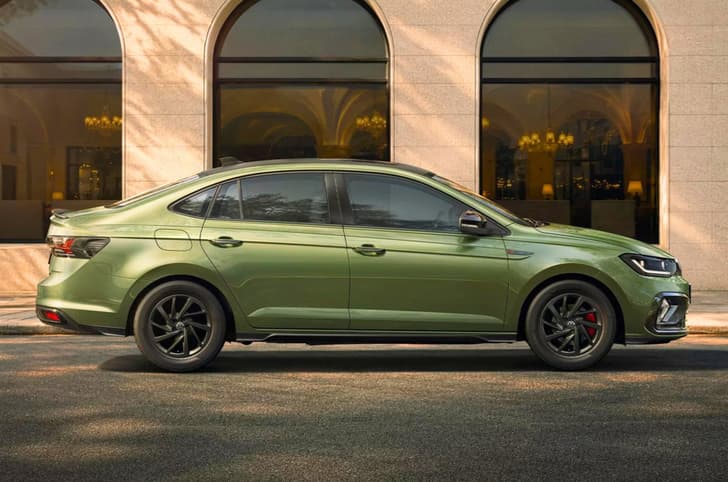
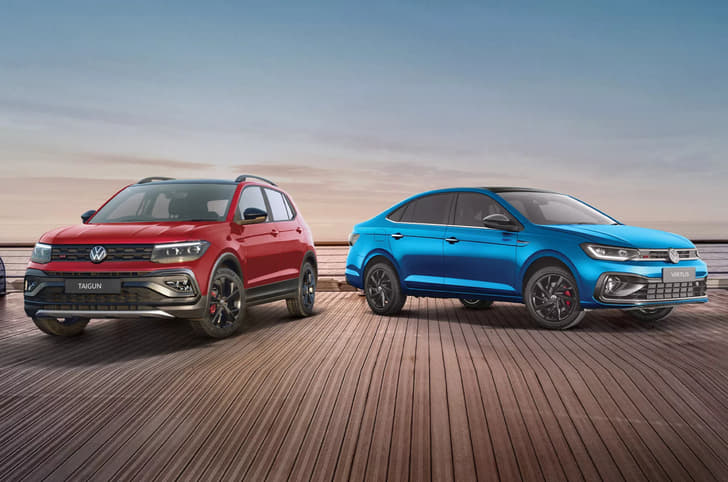
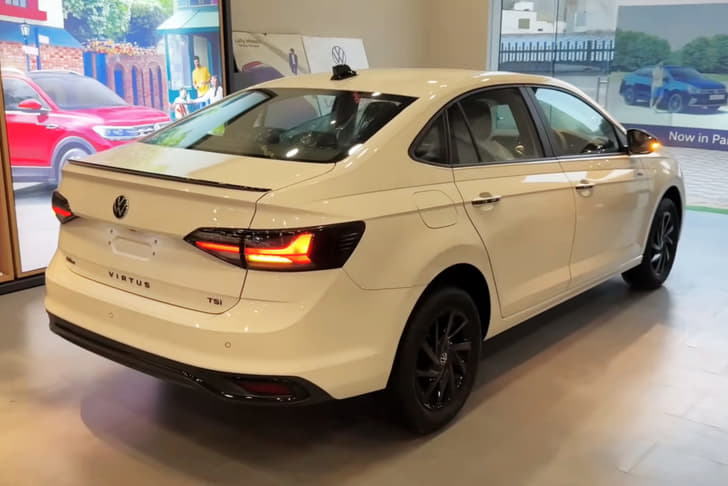
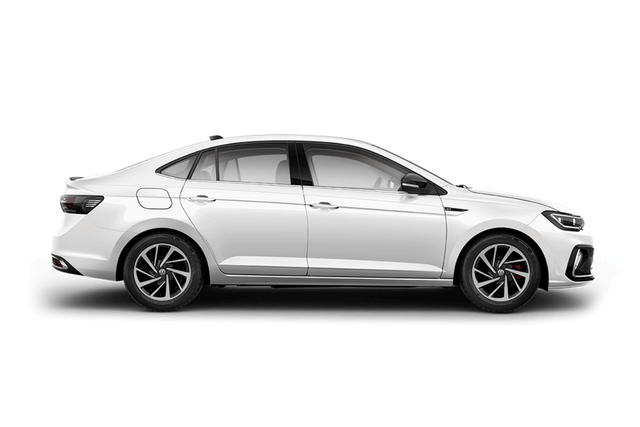
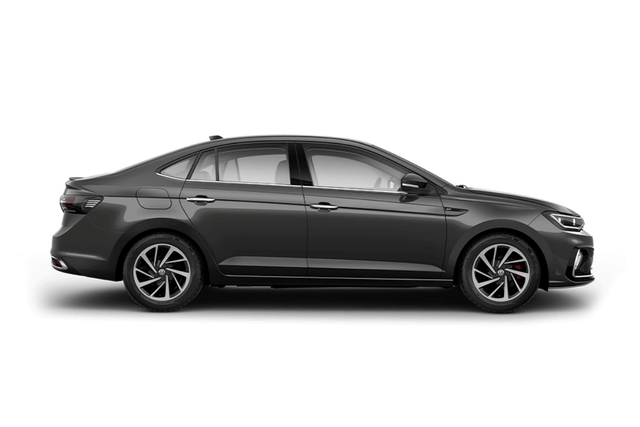
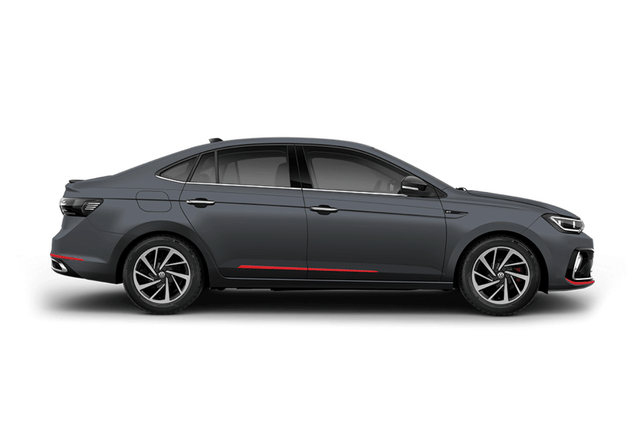
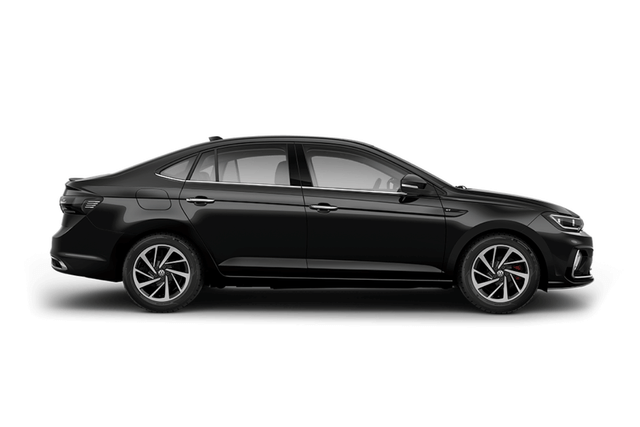
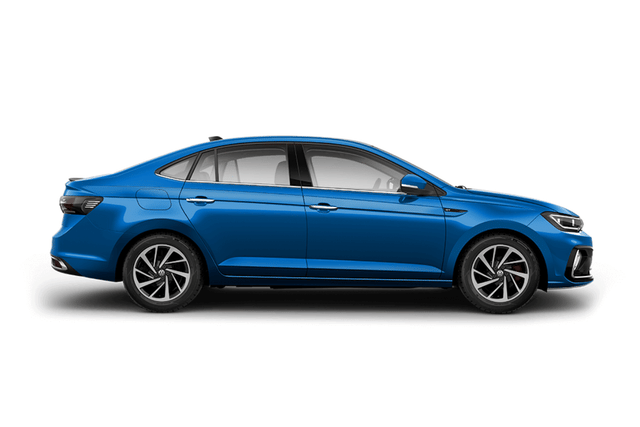
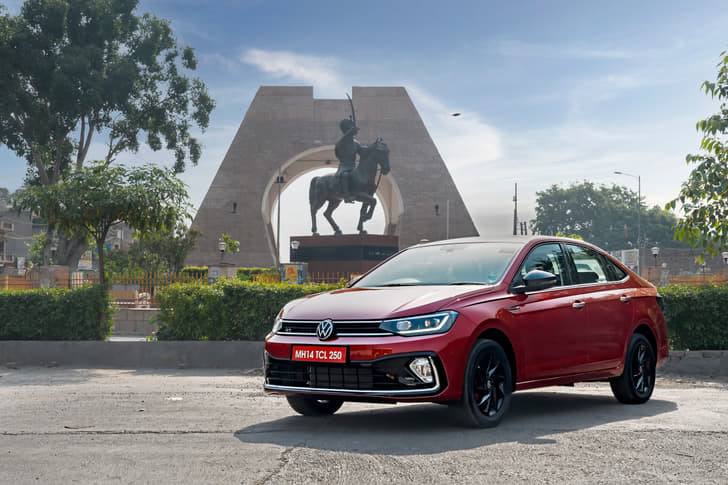
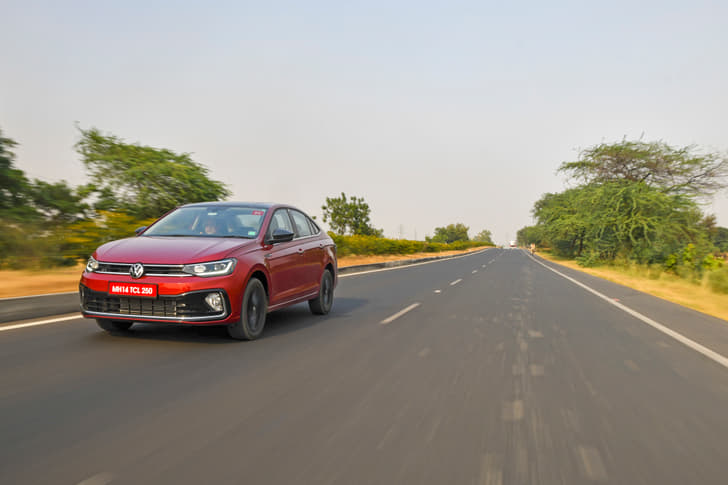
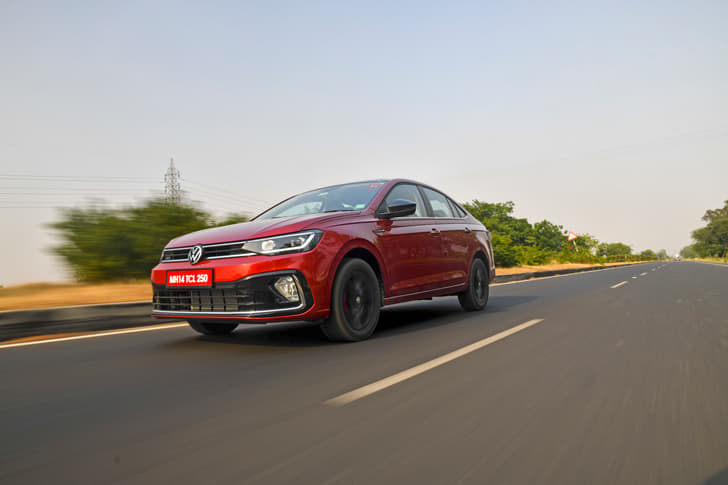
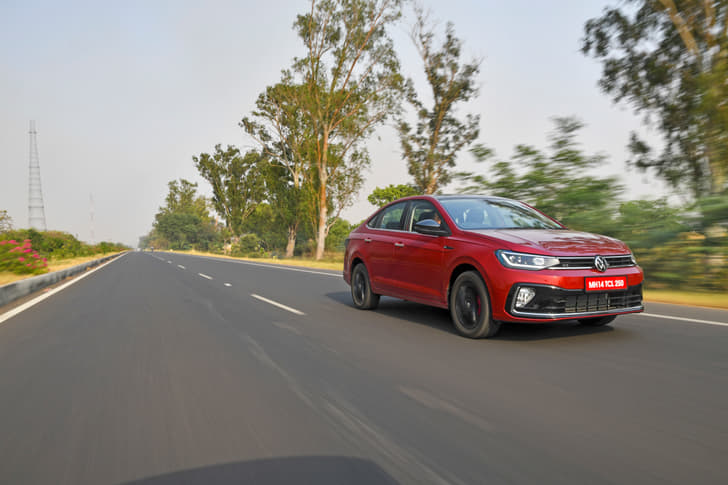
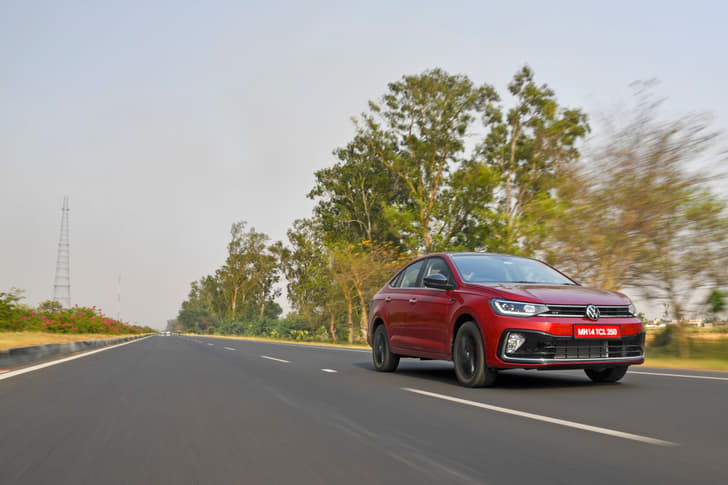
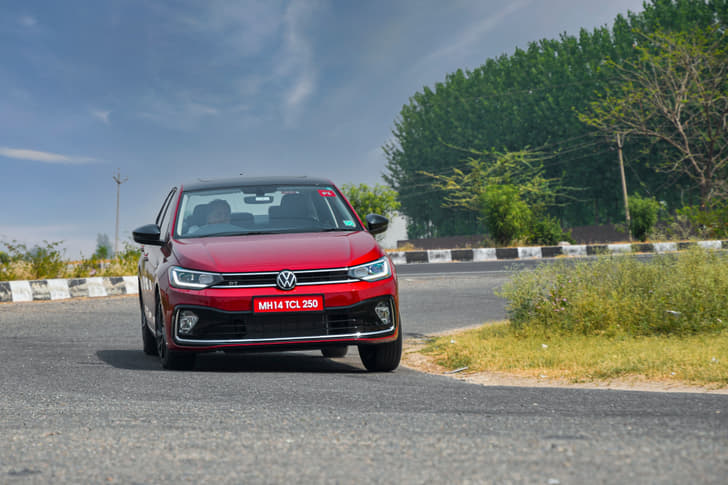
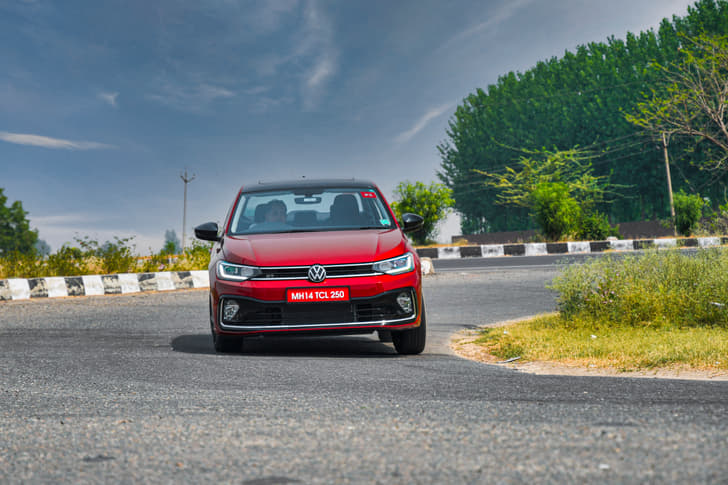
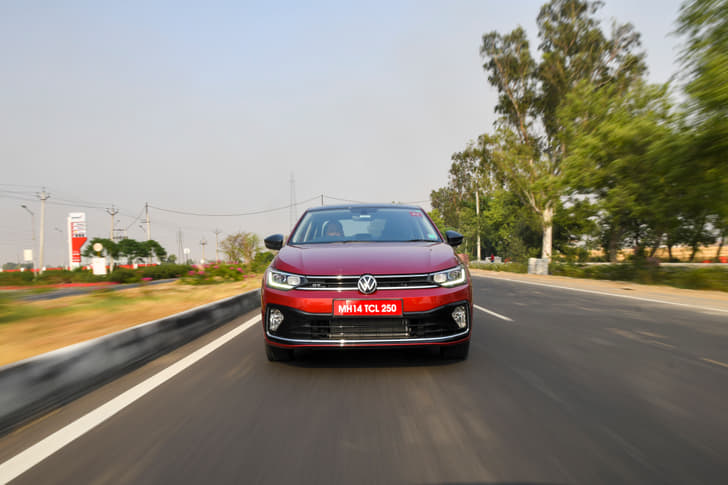
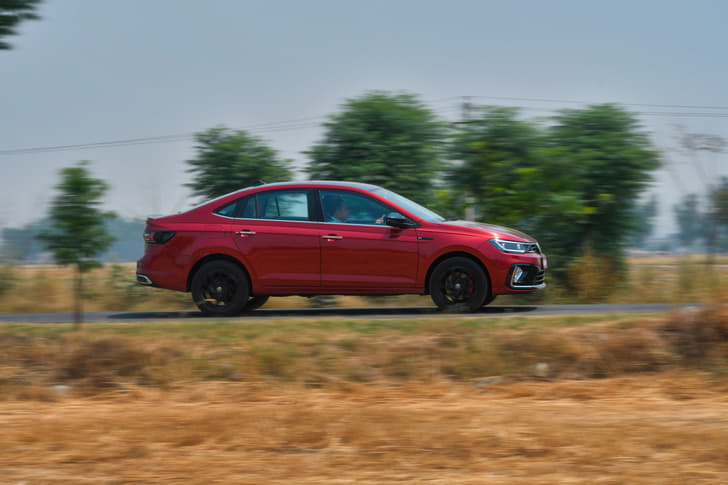
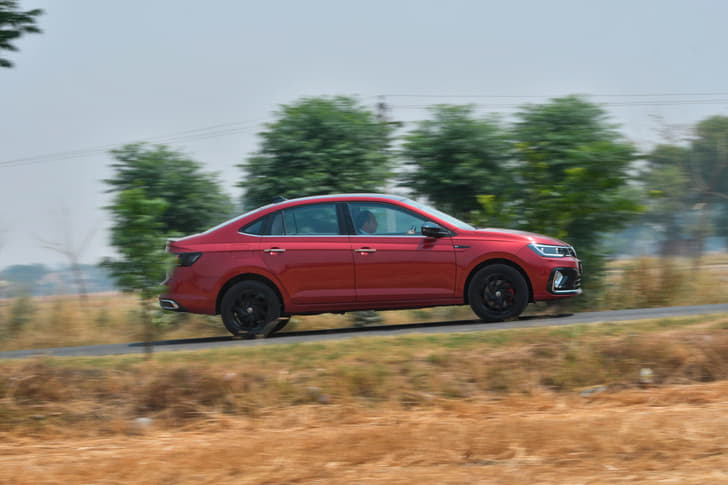
  • The Virtus gets a sleek and sharp design with an aggressive-looking front decked with LED headlamps, and a chrome finish on the grille, along with strong lines on the sides and sporty tail lamps with a smoke effect.
  • The interiors come in a dual-tone theme with body coloured accents and a decent set of features. 
  • The Virtus Chrome comes with Chrome bits on the grille and bumpers, while the Virtus Sport gets blacked-out bits on the exterior to differentiate itself. 
  • The Virtus has achieved a 5-star rating from the Global NCAP and comes with safety features like six airbags, ABS and EBD, ESC, TPMS, hill assist, brake assist, rear parking sensors and a reversing camera.
  • The Virtus also gets a high 179mm of ground clearance, which is well-suited for Indian road conditions.
Show more

Volkswagen Virtus Latest Updates

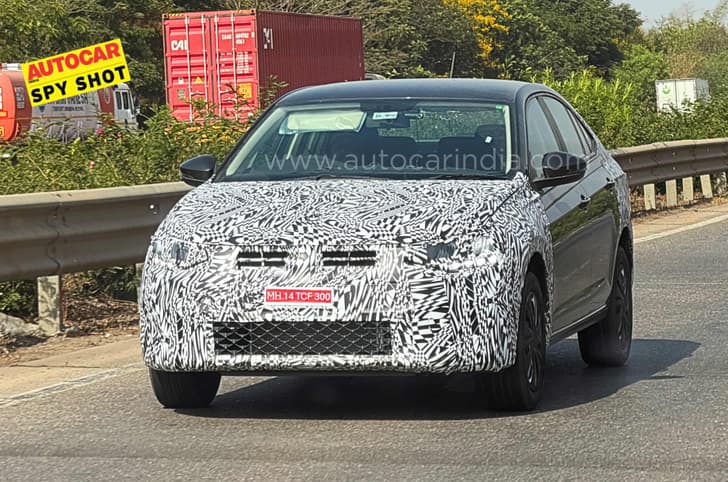
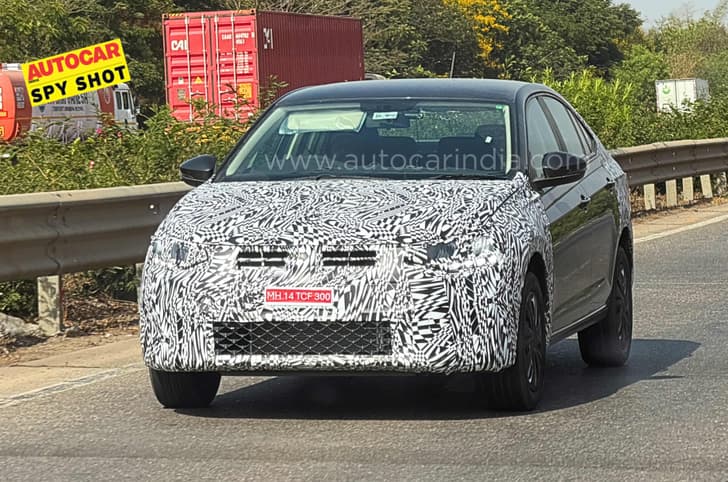
  • 7 April 2026: 2026 Volkswagen Virtus facelift spotted testing for the first time.

Volkswagen Virtus Features and specifications

Our Rating
8
Mileage
18.7 kmpl - 20.19 kmpl
Engine
999 cc - 1498 cc
Fuel Type
Petrol
Transmission
Manual, Torque Converter, DCT
Seats
5
Body Style
Sedan
Doors
4
Max Power
150hp at 5000-6000 rpm
Max Torque
250Nm at 1600-3500 rpm
Warranty Distance
100000 km
Warranty Duration
4 Years
View all specifications

Volkswagen Virtus price & variants

The Volkswagen Virtus price starts from Rs 10.71 lakh (ex-showroom). On road price of Volkswagen Virtus starts from Rs 12.64 lakh to Rs 22.66 lakh, depending on the city and variant.

Show more
VariantsOn road price
Value for money
Volkswagen Virtus Comfortline MT
999 cc | Petrol | Manual
₹12.64 Lakh
Electronic Stability Control
Part Digital / Part Analogue Digital Instrument Cluster
Wired Android Auto
Fabric Seat Material
LED headlamps
Volkswagen Virtus Highline MT
999 cc | Petrol | Manual
₹15.95 Lakh
1-zone Climate Control
Wireless Android Auto
60:40 Rear Seat Backrest Split
Cornering Headlights
Wireless Apple CarPlay
Volkswagen Virtus Highline Plus MT
999 cc | Petrol | Manual
₹16.42 Lakh
Automatic Headlamps
Push Button Start
Cornering Headlights
Wireless Android Auto
1-zone Climate Control
Volkswagen Virtus GT Line MT
999 cc | Petrol | Manual
₹16.94 Lakh
Single Pane Sunroof
Electric Adjust for Driver's Seat
Cornering Headlights
Wireless Android Auto
Electric Adjust for Front Passenger's Seat
Volkswagen Virtus Highline AT
999 cc | Petrol | Torque Converter
₹17.36 Lakh
Hill Start Assist
Cornering Headlights
Wireless Android Auto
1-zone Climate Control
60:40 Rear Seat Backrest Split
Volkswagen Virtus Highline Plus AT
999 cc | Petrol | Torque Converter
₹17.70 Lakh
Automatic Headlamps
Push Button Start
Cornering Headlights
Wireless Android Auto
1-zone Climate Control
Volkswagen Virtus Topline MT
999 cc | Petrol | Manual
₹17.89 Lakh
Automatic Day Night Interior Mirror
Single Pane Sunroof
Over the air (OTA) updates
Front Only Ventilated Seats
Follow Me Home Headlamps
Volkswagen Virtus GT Line AT
999 cc | Petrol | Torque Converter
₹18.00 Lakh
Manual Day Night Interior Mirror
Part Digital / Part Analogue Digital Instrument Cluster
Fabric Seat Material
Single Pane Sunroof
Cornering Headlights
Volkswagen Virtus Topline AT
999 cc | Petrol | Torque Converter
₹19.30 Lakh
Automatic Day Night Interior Mirror
Fully Digital Digital Instrument Cluster
Over the air (OTA) updates
Front Only Ventilated Seats
Follow Me Home Headlamps
Autocar's pick
Volkswagen Virtus GT Plus AT
1498 cc | Petrol | DCT
₹22.25 Lakh
Automatic Day Night Interior Mirror
Fully Digital Digital Instrument Cluster
Over the air (OTA) updates
Front Only Ventilated Seats
Follow Me Home Headlamps

Volkswagen Virtus expert review

Autocar score
8

We like

  • Tough build

  • Ride and handling

We don't like

  • Some poor interior bits

  • No diesel or hybrid option

Exterior Design And Engineering

8.0

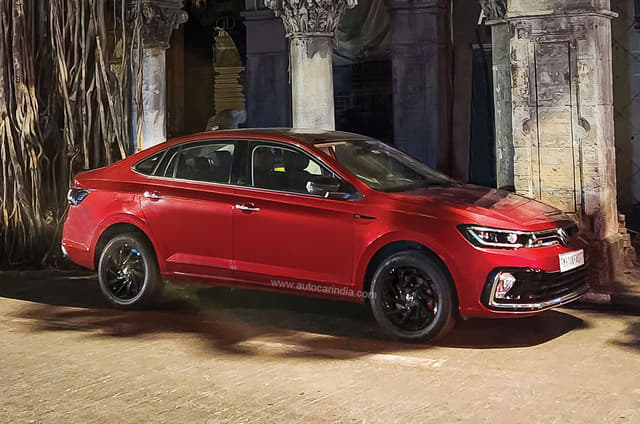
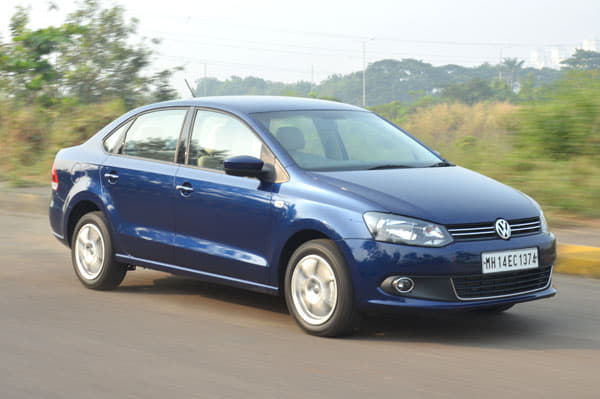
The Volkswagen Virtus replaces the long-serving Vento and immediately feels like a much more substantial sedan. Built on the MQB A0 IN platform, the Virtus is larger in every measurable way and has proportions that make it look almost like a downsized Jetta.
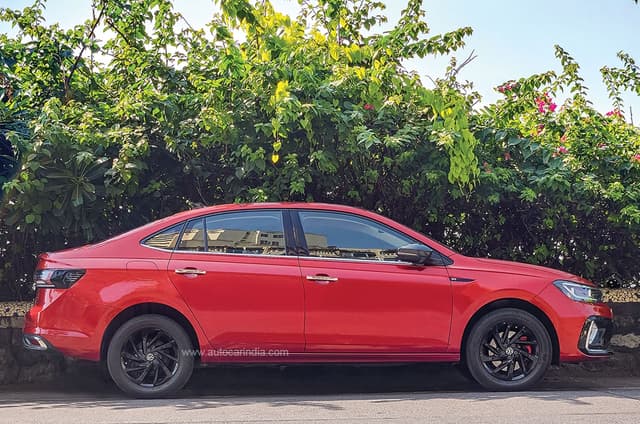
Volkswagen has gone for a mature and elegant design rather than a flashy one. The squared nose, clean body surfaces and restrained use of chrome give it a premium feel. Details such as the L-shaped LED DRLs and blacked-out tail-lamps add sophistication, while GT variants get black alloy wheels and subtle sporty touches.

Read More
Interior Space And Comfort

8.0

Inside, the Virtus feels distinctly premium for the segment. The dashboard design is clean and well integrated, with a touchscreen and digital instrument cluster giving it a modern appearance. Material quality is generally impressive, especially on the upper dashboard and steering wheel, though some lower plastics feel basic.
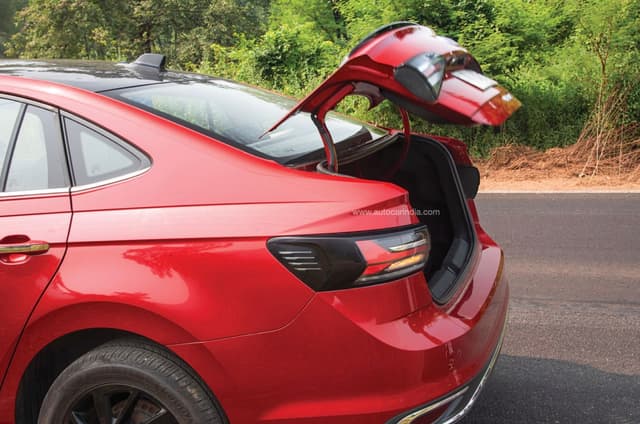
Front seats are large, supportive and comfortable, while visibility is excellent despite the sedan body style. The wide sunroof helps make the cabin feel airy. Rear-seat comfort is another highlight, with generous legroom and good under-thigh support. While three adults abreast can feel tight, the cabin still feels spacious overall. Practicality is strong too, thanks to a massive 521-litre boot.

Read More
Performance And Refinement

8.0

The Virtus offers two turbo-petrol engines. The 1.0-litre TSI produces 115hp and 178Nm, while the more powerful 1.5-litre TSI delivers 150hp and 250Nm. 
The 1.0 TSI impresses with its eagerness and responsiveness. Paired with the torque-converter automatic, it feels lively in city driving and performs better than expected for its size. There is some three-cylinder grumble at low speeds, but overall refinement remains good. 
The 1.5 TSI DSG is the enthusiast’s choice. Power builds strongly and linearly, and performance feels genuinely quick. The gearbox occasionally pauses to protect the clutches, but once moving, acceleration is searing. Cylinder deactivation technology also helps improve efficiency without affecting refinement.

Read More
Mileage / Range And Efficiency

7.0

Volkswagen claims efficiency figures between 18.7kmpl and 20.1kmpl, depending on the engine and gearbox combination. The 1.5 TSI benefits from cylinder deactivation technology, helping improve fuel economy during relaxed cruising.

Read More
Ride Comfort And Handling

8.0

Ride and handling are where the Virtus truly shines. The suspension absorbs poor roads confidently while maintaining excellent body control. Even over sharp-edged potholes, the car remains composed. 
The 1.0 TSI feels lighter and slightly keener into corners, while the 1.5 TSI trades some agility for outright pace. Despite its 179mm ground clearance, the Virtus feels stable and confidence inspiring at high speeds.

Read More
Features And Safety

8.0

The Virtus comes equipped with features such as a touchscreen infotainment system, wireless Android Auto and Apple CarPlay, ventilated front seats, wireless charging and a digital instrument cluster.
Safety equipment includes ESC, multiple airbags, TPMS and a strong structural package. The solid build quality further enhances the sense of safety and robustness.

Read More
Value For Money

7.0

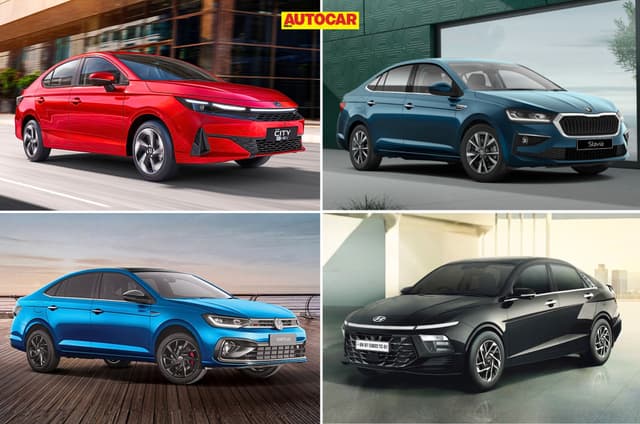
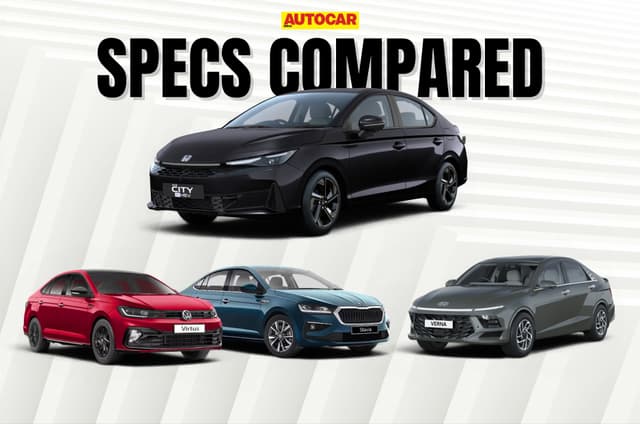
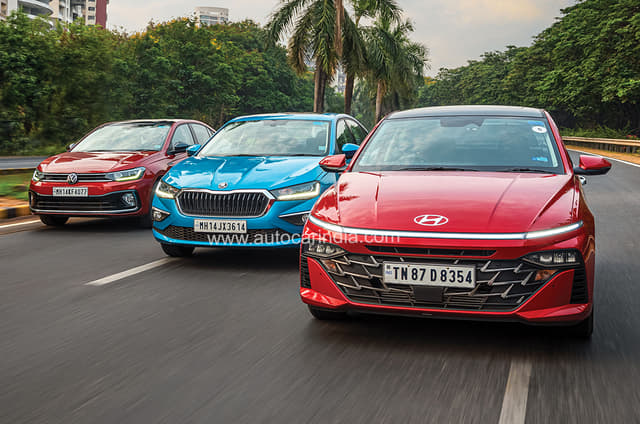
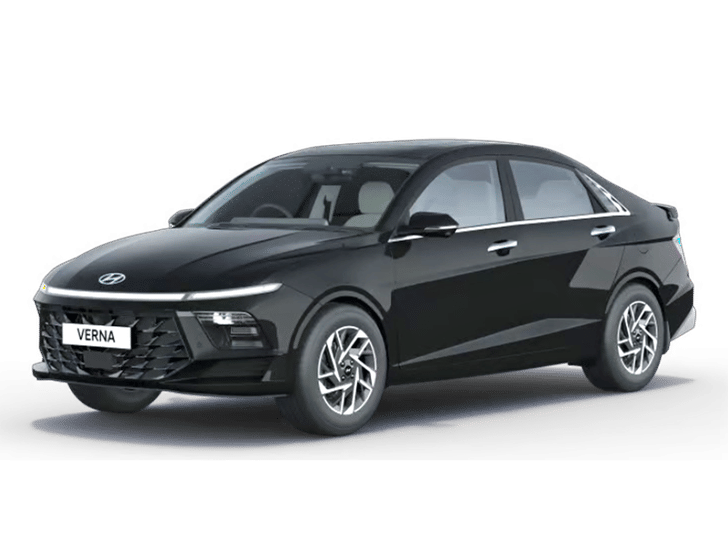
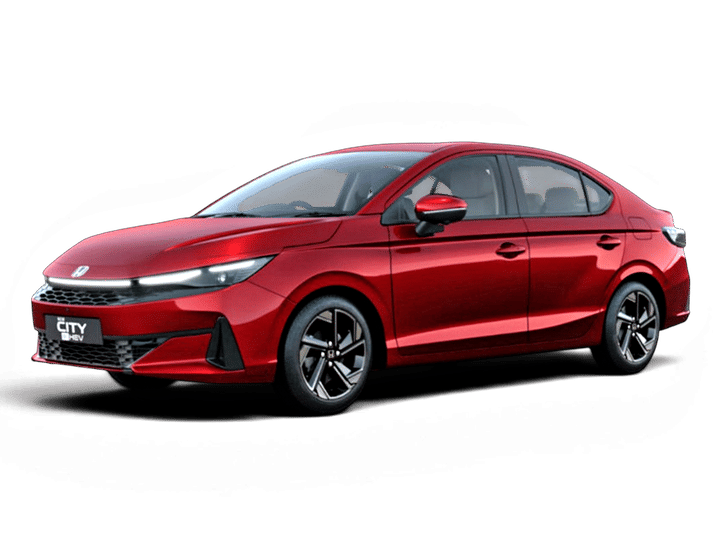
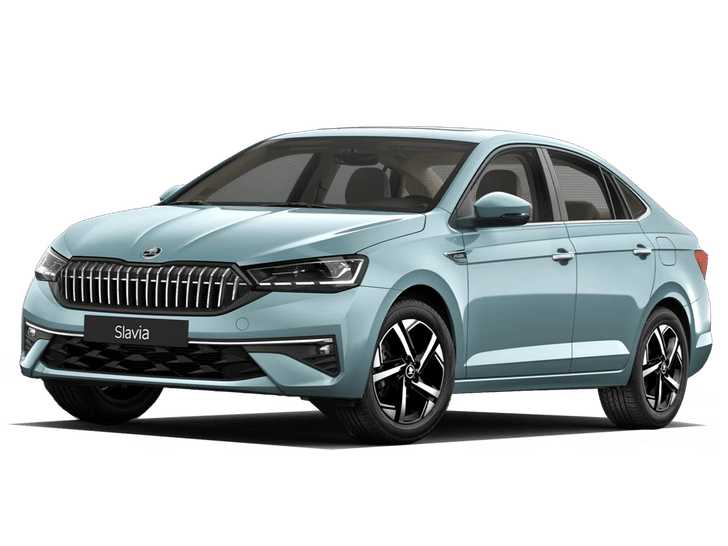
Priced between Rs 10.49 lakh and Rs 19 lakh (ex-showroom), the Virtus competes with the Honda City, Hyundai Verna and Skoda Slavia. 
The lack of diesel or hybrid options may limit its appeal for some buyers, but the Virtus compensates with strong performance, excellent ride and handling, solid build quality and a genuinely premium feel.

Read More

Reviewed by: Shapur Kotwal

Volkswagen Virtus Official Brochure

Download the complete brochure with specs, features, and variants.

Volkswagen Virtus User Reviews

3.8/5(13)

Tell us about your experience

Volkswagen Virtus comparison

Volkswagen Virtus
Volkswagen Virtus
₹10.71 - ₹19.20 Lakhs
8
Transmission
Manual, Torque Converter, DCT
Engine
999 cc - 1498 cc
Fuel type
Petrol
Mileage
18.7 kmpl - 20.19 kmpl
Compare
Skoda Slavia
Skoda Slavia
₹10.00 - ₹18.19 Lakhs
8
Transmission
Manual, Torque Converter, DCT
Engine
999 cc - 1498 cc
Fuel type
Petrol
Mileage
18.73 kmpl - 20.32 kmpl
Hyundai Verna
Hyundai Verna
₹10.99 - ₹18.26 Lakhs
8
Transmission
CVT, DCT, Manual
Engine
1482 cc - 1497 cc
Fuel type
Petrol
Mileage
-

Volkswagen Virtus Mileage

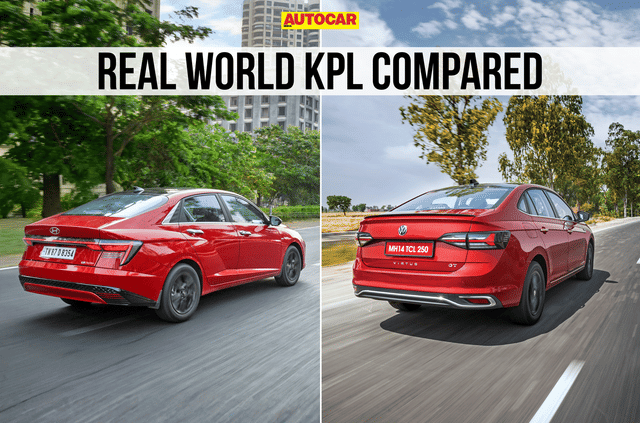
Volkswagen Virtus mileage is 18.4kpl for the 1.0 TSI manual and 19.62kpl for the 1.5 TSI automatic according to ARAI. 

PowertrainThe combination of engine type, fuel, and transmission that powers your vehicle and determines how it drives and what it runs on.ARAI MileageMileage certified by the government, tested under controlled lab conditions. Real-world mileage will vary.User Reported MileageMileage figures are reported by vehicle owners and represent the approximate real-world efficiency you may experience. Actual mileage will vary based on driving conditions, habits, and vehicle condition.
Petrol-Manual
999 cc
20.19 kmpl17.04 kmpl
Petrol-Automatic (Torque Converter)
999 cc
18.7 kmpl17.94 kmpl
Petrol-Automatic (DCT)
1498 cc
19.62 kmpl17.56 kmpl

Volkswagen Virtus Images

Check out the Volkswagen Virtus images in the gallery, which showcase its sharp exteriors, sporty interiors and multiple colour choices

Show more
Front Left Three Quarter Image - 4923
Front Left Three Quarter

Volkswagen Virtus videos

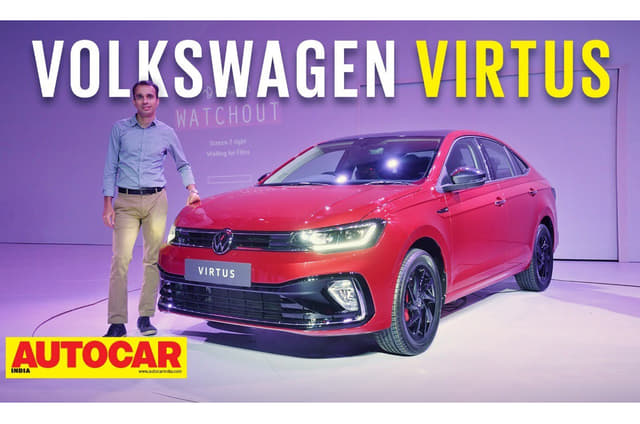
The Virtus video highlights its fun-to-drive character in a mass market sedan form, and ride characteristics, along with its features 

Show more

Volkswagen Virtus Colours

The Volkswagen Virtus colour options include Lava Blue, Deep Black Pearl, Carbon Steel Grey, Candy White, Rising Blue Metallic, Reflex Silver, Wild Cherry Red, and Carbon Steel Grey Matte. These are available across all Virtus variants without restriction.

The Virtus GT Line and GT Plus Sport variants come with black alloy wheels as standard, while all other variants get dual-tone alloy wheels.

Show more

Volkswagen Virtus FAQs

The Volkswagen Virtus is mid size sedan that is high on safety and comes with a lot of features and powerful TSI engines.
 

The Virtus' USPs include elegant looks, sporty engines, and premium interiors.

The Virtus caters to those who want a sporty and elegant sedan with great driving characteristics. Thanks to its substantial 179mm ground clearance, the Virtus also handles Indian roads with little fuss.

The Virtus' suspension is tuned on the firmer side, so it does well to cushion occupants from bumps at city speeds. On the highway, meanwhile, the Virtus feels rock-solid and composed.

Yes, the Virtus is fun-to-drive thanks to its engaging handling characteristics, responsive steering, smooth gearboxes, and enthusiastic turbo-petrol engine options. In this regard, the Virtus 1.5 TSI DSG is our pick of the range.

Space is a highlight in the Virtus' cabin. Front occupants get a wide area and supportive seats, while rear occupants get good legroom and headroom.

Yes, the Virtus has a 179mm ground clearance, which should be able to tackle speedbreakers of any size.

Yes, Volkswagen is working on a Virtus facelift. It's expected to debut in Q4 2026.

Need an expert opinion on your car related queries?

Questions you may find useful

3w

I currently have a Hyundai Eon and I am planning to upgrade to the Virtus GT. How good is the Virtus over bad roads in the city? Does it make passengers uncomfortable? If yes, should I consider Slavia?

Verified
2w

As far as your query regarding the Virtus GT or Slavia goes, both cars are mechanically identical, and the difference between their ride quality, if any, is negligible. Pick the one that appeals to you more. For bad city roads, these cars ride better than you’d expect, with enough ground clearance and suspension travel to clear tall speed breakers and swallow most potholes. Also, stability is rock-solid, which inspires great confidence at highway speeds.Volkswagen will be launching the updated Virtus towards the end of this year. It is likely to get some cosmetic enhancements, new features, and, more importantly, an upgraded air-con unit for more effective cooling. If you can, do wait for that.

VehicleVolkswagen Virtus
VehicleSkoda Slavia
3w

My daily running is around 50 km, and I am looking for a 1.5-litre petrol manual sedan. Which would be the better choice among the Honda City SV, Volkswagen Virtus, and Hyundai Verna? Considering my usage pattern, which of these offers the best balance of performance, comfort, fuel efficiency, and long-term ownership experience?

Verified
3w

Honda City SV manual suits your 50 km daily run best. Its 1.5 petrol is the smoothest here and the clutch and steering are light, so long city commutes will feel easier. In real traffic you will usually see better economy than the other two, and the rear seat space and ride comfort are still the class benchmark for family use.Volkswagen Virtus 1.5 TSI is no longer available with a manual so your choices are either the 1.5 TSI DSG or the 1.0 TSI manual. They are the fun pick if you love strong mid‑range and highway performance. For daily stop‑go, though, the turbo’s appetite will make it a bit costlier to run.Hyundai Verna 1.5 manual is very smooth and well equipped, but the Honda City still remains the better car to drive and be driven in.

VehicleHonda City
VehicleVolkswagen Virtus
VehicleHyundai Verna
3w

I have a budget of Rs. 12 lakh and am currently driving a Tata Tiago, which I have owned for the past 10 years. I am now looking to upgrade and would appreciate suggestions in both the sedan and SUV segments. My biggest dilemma is deciding whether I should choose a sedan or an SUV. In the sedan category, I am considering the Volkswagen Virtus and Skoda Slavia. In the SUV segment, I am looking at the Tata Nexon. Please suggest if there are any better options than these as well. My driving is evenly split between city and highway usage, and I am a light user with an average monthly running of around 1,000 km. Considering my requirements, which type of vehicle would be the better choice, and which models should I shortlist?

Verified
3w

The first thing to note is that with a Rs. 12 lakh budget, the Volkswagen Virtus and Skoda Slavia may be difficult to fit in unless you're looking at entry-level variants or stretching your budget. The Tata Nexon, on the other hand, sits much more comfortably within your range.Between a sedan and an SUV, we'd lean towards a sedan for your usage pattern. With your driving split evenly between city and highway and a relatively modest monthly running of around 1,000km, a sedan generally offers better ride comfort, superior highway stability and a more engaging driving experience. Coming from a Tata Tiago, a Virtus or Slavia will feel like a substantial upgrade in terms of refinement, space and overall quality.If your budget is firm at Rs 12. lakh, we'd suggest looking at the Skoda Kylaq Automatic or Honda Amaze CVT as well. The Kylaq offers SUV practicality, strong safety credentials and a fun turbo-petrol engine, while the Amaze provides the smoothest automatic experience and excellent long-term ownership appeal.The Tata Nexon remains a good all-rounder with strong safety credentials and a practical cabin, but if your heart is set on a Virtus or Slavia and you can stretch the budget, they are the more rewarding cars to own and drive.

VehicleVolkswagen Virtus
VehicleSkoda Slavia
VehicleTata Nexon
VehicleTata Tiago
VehicleSkoda Kylaq
VehicleHonda Amaze
4w

I am planning to buy a new car for my wife with a budget of Rs 11-13 lakh and an occasional daily run of 20-30km. I have already booked the Hyundai Venue HX5 DCT, but I have come across mixed reviews regarding its fuel efficiency and high-speed stability. I own a Virtus GT as my primary car. Another option I am considering is the MG Windsor EV, although it would require an additional Rs 3 lakh. Please suggest which one I should buy.

Verified
3w

Go ahead with the Hyundai Venue DCT you’ve booked. For a 20-30km daily run and as the second car alongside your Virtus GT, it fits your Rs. 11-13 lakh budget, is compact and easy to park, and the automatic makes city driving simple for your wife.About those reviews: at typical highway speeds, the Venue feels settled enough. It will not match your Virtus’ rock-solid high-speed stability, but for the occasional fast run, it is perfectly fine. The one gripe is that the steering does not weigh up enough at highway speeds. Being a turbo-petrol, it is also quite sensitive to driving style, so expect city fuel efficiency to be in the 10-12kpl range.If you are looking for an alternative, consider the Skoda Kylaq. It feels more planted than the Venue on the highway, and its torque-converter automatic shifts more smoothly. However, the rear seat is not as spacious.Overall, for your usage, the Venue DCT remains a sensible choice.

VehicleHyundai Venue
VehicleVolkswagen Virtus
VehicleSkoda Kylaq
5w

I want to buy a car, and my budget is 22 lakhs on road. I personally prefer a sedan, but I am open to buying an SUV as well. I need something which is powerful, fun to drive and is feature-loaded (ADAS, 360 camera, ventilated seats etc). I have shortlisted the following: Verna, Seltos, Slavia and Virtus. Which one should I go for? I am planning to buy it in the next 3-4 months.

Verified
4w

Considering the features you've listed, namely ADAS, a 360-degree camera and ventilated seats, the shortlist effectively narrows down to the Hyundai Verna and Kia Seltos.In fact, the car that would normally be recommended to an enthusiast is the Volkswagen Virtus 1.5 TSI DSG. It remains one of the most rewarding cars to drive in this segment, and there are attractive discounts available at the moment as a facelift is expected in the near future. However, it misses out on some of the features that are clearly important to you.Between the Verna and Seltos, the nod goes to the Seltos. It is the newer product, feels more premium inside, offers greater practicality and has a more spacious cabin. It also benefits from the same excellent 1.5-litre turbo-petrol and dual-clutch automatic combination as the Verna, so you are not sacrificing performance. Over the long term, it is also likely to hold its value better.

VehicleHyundai Verna
VehicleKia Seltos
VehicleVolkswagen Virtus
7w

I am planning to buy a sedan, despite most people today preferring SUVs. I am considering the Hyundai Verna HX10 IVT and the Volkswagen Virtus 1.5 DSG. Since I would be spending around Rs 20 lakh on either of these cars, I wanted to know whether sedans still make sense given Indian road conditions. Are roads improving enough to justify buying a sedan again, or should one still stick to SUVs? I also noticed that a similarly equipped SUV as the Creta costs around Rs 3-4 lakh more. Is this premium justified, or is it better to save the money and buy a sedan instead?

Verified
6w

Sedans absolutely make sense. Road quality in most cities has improved enough that a modern sedan’s clearance handles regular bumps and broken patches fine. You'd buy an SUV mainly for the road presence and higher seating position, and these days, very few offer AWD or specialised off-road hardware. If your daily commute has absolutely broken roads, steep speed breakers or is prone to flooding, that extra 10-20mm of ground clearance will help. Or if you have elderly passengers for whom getting into and out of a sedan is difficult. If not, you are paying Rs 3-4 lakh more for the feel-good factor rather than any tangible benefit.Pick the Hyundai Verna IVT. For your mostly urban Indian driving and on a Rs 20 lakh budget, it is smoother to drive, easier to live with, and cheaper to run. The automatic is smooth in traffic, the ride is comfortable, and there is no long-term worry around heat-and-traffic wear that the Volkswagen Virtus 1.5 with its quick but complex gearbox can throw up. The Virtus is the driver’s car here - stronger on highways and more fun in corners - but it can stretch past your budget on-road, and repairs aren’t cheap if things go wrong.

VehicleHyundai Verna
VehicleVolkswagen Virtus
7w

I currently drive an 11-year-old Maruti Suzuki Dzire and am planning to upgrade. My yearly running is quite low, around 7,000 km, which is why I am specifically interested in the Volkswagen Virtus 1.0 TSI Topline variant. There is no urgent need to replace my current car, although my wife is strongly encouraging an upgrade now. My main confusion is whether I should take advantage of the attractive discounts and exchange offers currently available on the existing Virtus, or wait for the upcoming facelift, especially since reports suggest that the updated 1.0 TSI version may get a new 8-speed automatic gearbox.

Verified
7w

Since you are not in a rush to replace your Maruti Suzuki Dzire, it's worth your while to wait for the updated Volkswagen Virtus. The model will get styling tweaks, a few more features, as well as the new 8-speed auto gearbox, which makes the car better suited to low-speed city driving. However, the bigger upgrade comes in terms of the new air conditioner, which addresses one of the big weaknesses of the current Virtus. Do note that new launches are usually accompanied by a price hike, so the deal might not be as sweet as the one you are getting now. If AC performance and gearbox characteristics aren't deal breakers for you, there is merit in opting for the current Virtus Topline for a discount. You’ll feel a big step up from your 11‑year Dzire in cabin quality, safety feel and features right away, without paying the higher launch price a facelift will bring.One thing to keep in mind. VW service costs can be higher than Maruti, though your low running will keep bills spaced out.

VehicleVolkswagen Virtus
8w

I am planning to buy the Honda City facelift that was launched yesterday. How does it compare with the Volkswagen Virtus? I am also assuming that the government will continue supporting E20 fuel even if E85 is introduced in the future. So, is it still safe to buy a petrol vehicle in Delhi/NCR?

Verified
8w

The new City facelift does make a stronger case now because Honda has added genuinely useful features like a larger infotainment screen and ventilated front seats, while pricing has remained fairly sensible. But fundamentally, the character of the car has not changed.Against the VW Virtus, the choice still comes down to personality. The Virtus is the more fun to drive option, especially with the turbo petrol engines, because it feels stronger, more eager and more engaging from behind the wheel. The City, on the other hand, is the more balanced sedan. The 1.5 naturally aspirated petrol is smooth, refined and easy to live with, but if outright performance is your priority, it will not feel as quick as the turbo Virtus. The City hybrid changes that equation because it is genuinely quick and can match the 1.5 TSI for straight line pace, but it is still not what you would call an enthusiast’s car.On the fuel front, yes, it is safe to buy a petrol car in Delhi NCR. Current mainstream petrol cars are already E20 compatible, and even if India eventually pushes toward higher ethanol blends, that transition will be gradual rather than an overnight switch. Beyond a certain point, if the country were to move meaningfully toward very high blends like E85, manufacturers would need proper flex fuel engines engineered for that fuel, and the government would also need to continue offering lower blend fuel options during any transition.

VehicleVolkswagen Virtus
VehicleHonda City
8w

Hi everyone, I need some advice on which car to buy in the Rs. 20 lakh budget range. My driving will be around 40% city and 60% highway. The usage will not be very high with mostly regular city drives and occasional long highway trips. I am currently confused between Honda Elevate and Volkswagen Virtus 1.5 GT Sports DSG. I am looking for something comfortable, reliable, fun to drive, and suitable for long-term ownership. Should I go with one of these two, or are there any other good options in this price range? I would really appreciate your suggestions and ownership experiences.

Verified
8w

With a Rs. 20 lakh budget and your usage pattern, the Volkswagen Virtus GT 1.5 DSG automatic suits you better. The strong 1.5 turbo engine pulls cleanly for quick overtakes which makes highway drives fun. It stays steady at speed, and the comfy front seats as well as spacious boot work well for long trips. In the city, the automatic gearbox helps make driving in traffic easy and the car does not feel big to place or park either.Two things to note. The dual‑clutch automatic doesn't feel as smooth in slow speed traffic as a torque‑converter or a CVT. Also, the rear seat is not as spacious as the Elevate, so the Virtus is best for four adults.If long-term peace of mind is your priority over fun-to-drive, the Honda Elevate automatic is the safer pick. It is easy to drive in town, rides well on bad roads, and Honda ownership is simple, but the engine feels more sedate in comparison.

VehicleHonda Elevate
VehicleVolkswagen Virtus
8w

Hi, I am planning to buy a new car, as my monthly running is around 3,000 km, with approximately 80% highway driving and 20% city/rural road usage. I am currently considering the following options: Volkswagen Virtus 1.0 Topline Manual Mahindra XUV 7XO AX7 Diesel Kia Seltos HTK(O) Diesel Manual Could you please suggest which of these would be the best option?

Verified
8w

Given 3,000 km a month with 80% highway and some rough rural stretches, the Mahindra XUV 7XO AX7T diesel fits your use best. It feels steady at speed and soaks up broken patches well, which helps on long runs and village roads. The diesel has a strong pull, so overtaking needs less effort even with family and luggage. You also get more space and a higher driving position than either of the other cars, which makes it more practical and easier to drive.Two things to note: it is big in traffic and tight parking, and in the city it will use a more fuel than the smaller Kia. If you want something easier to manage daily, the Kia Seltos HTK(O) diesel MT is the smarter second choice. It’s lighter to drive and still stable on the highway, but you will feel bumps more than in the Mahindra, and rear space is smaller.The Volkswagen Virtus 1.0 Topline MT is nice to drive, but for this much highway running, the petrol will cost more to run and needs more gear changes for quick passes. Overall, pick the XUV 7XO diesel for your usage.

VehicleMahindra XUV 7XO
VehicleKia Seltos
VehicleVolkswagen Virtus

Volkswagen Virtus On Road Price in India

CitiesOn road price
Chennai
₹13.29 - ₹23.81 Lakh
Gurgaon
₹12.21 - ₹21.89 Lakh
Hyderabad
₹13.18 - ₹23.62 Lakh
Kolkata
₹12.43 - ₹22.28 Lakh
Mumbai
₹12.64 - ₹22.66 Lakh

Upcoming Cars

Renault Bridger Electric

₹12.50 - ₹17.50 Lakhs

Volkswagen Virtus facelift

₹10.80 - ₹19.70 Lakhs

MG New Astor
MG New Astor

₹12.00 - ₹17.00 Lakhs

Hyundai New Creta
Hyundai New Creta

₹11.30 - ₹20.50 Lakhs

Honda Elevate facelift

₹11.00 - ₹17.00 Lakhs

Trending Cars

Hyundai Exter
Hyundai Exter

₹6.71 - ₹10.93 Lakhs

Kia Syros EV
Kia Syros EV

₹15.00 - ₹18.00 Lakhs