Volkswagen Cars Under 15 Lakh in India (4)
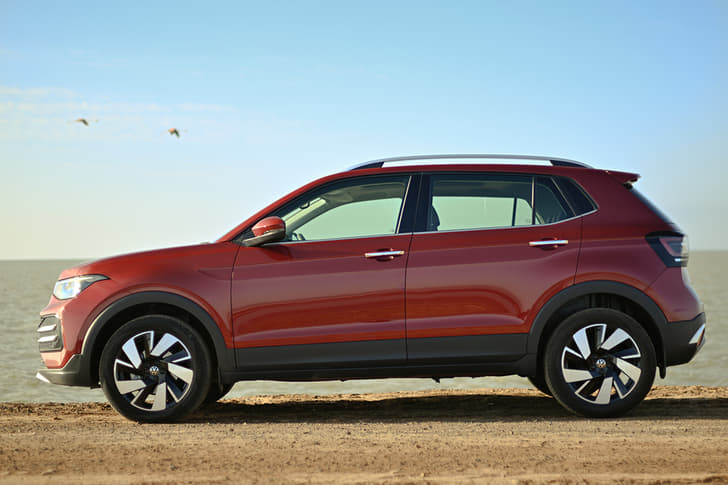
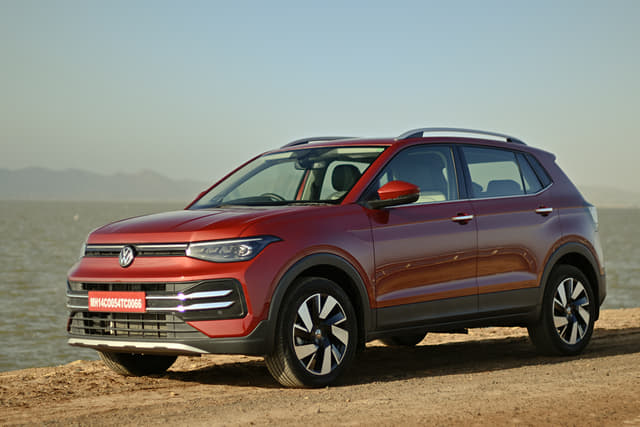
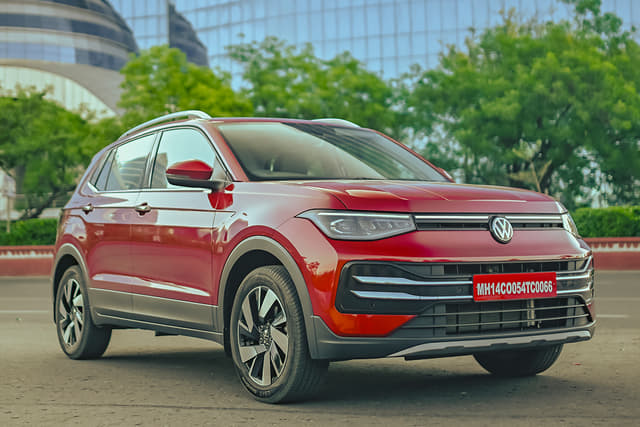
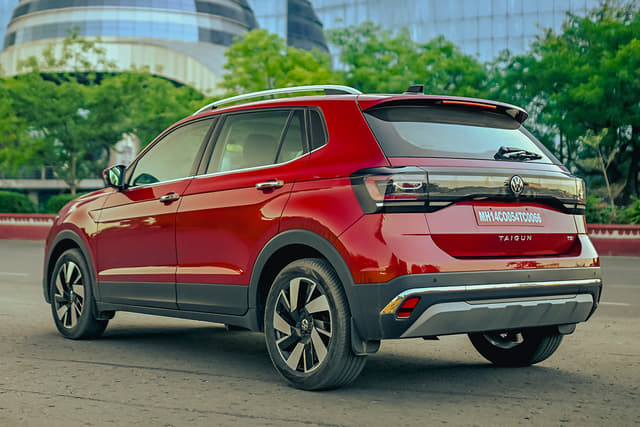
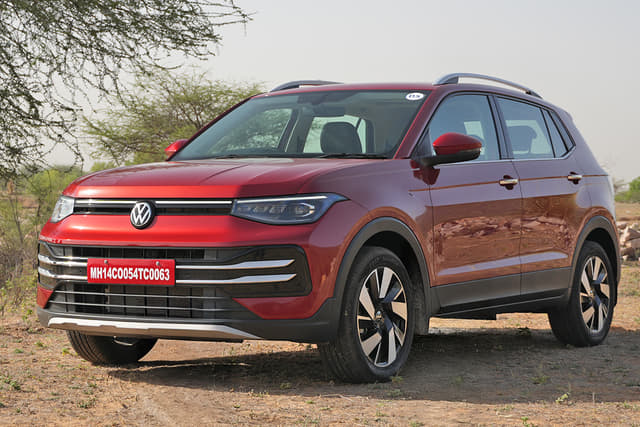
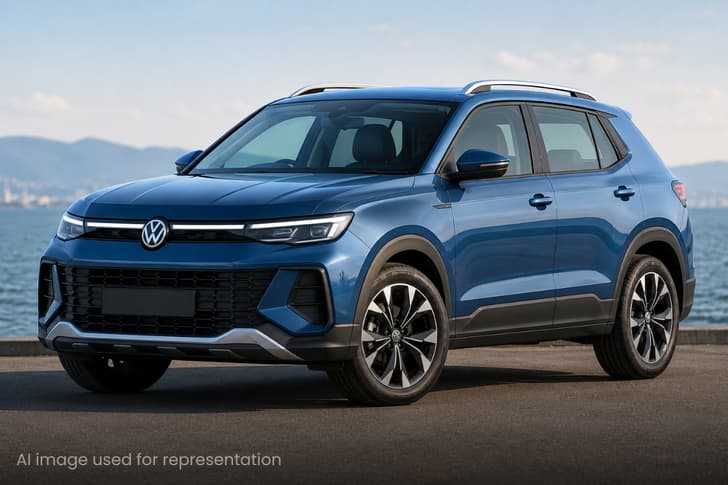
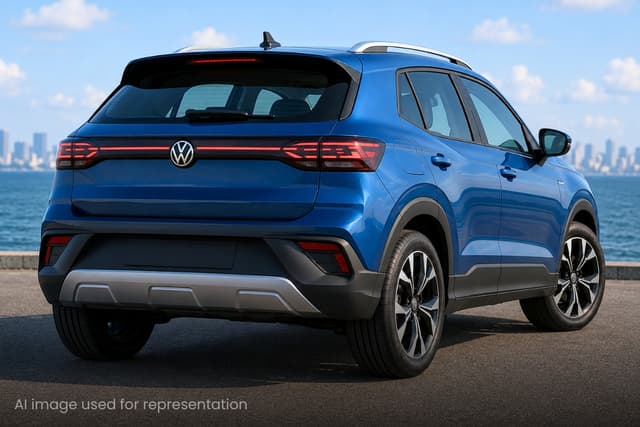
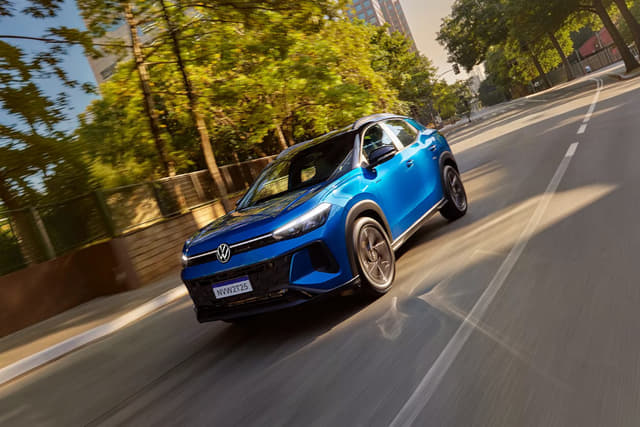
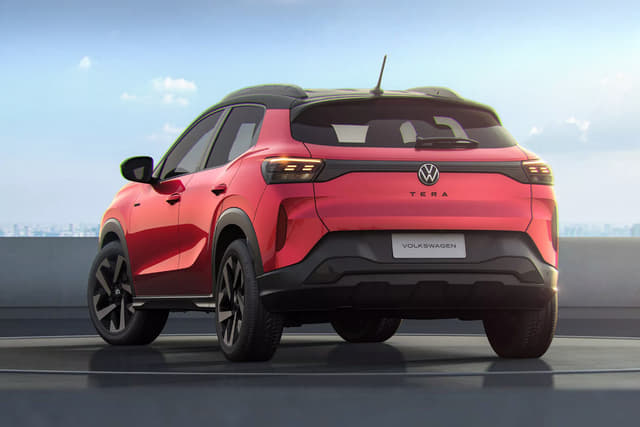
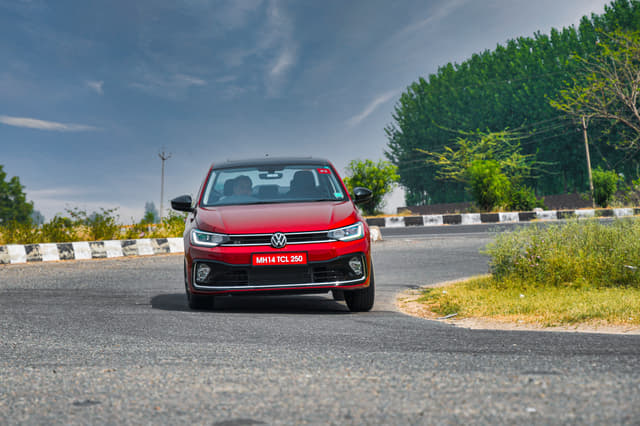
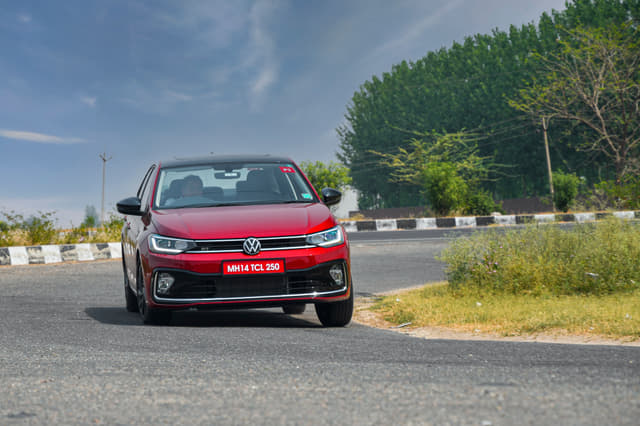
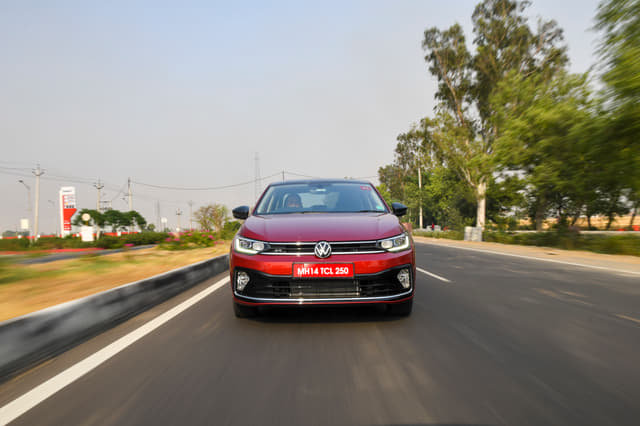
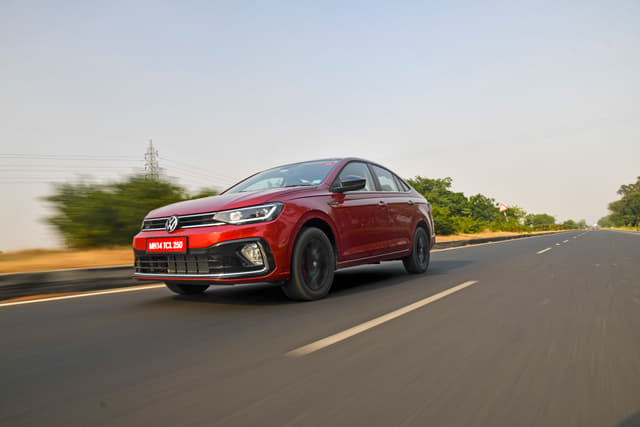
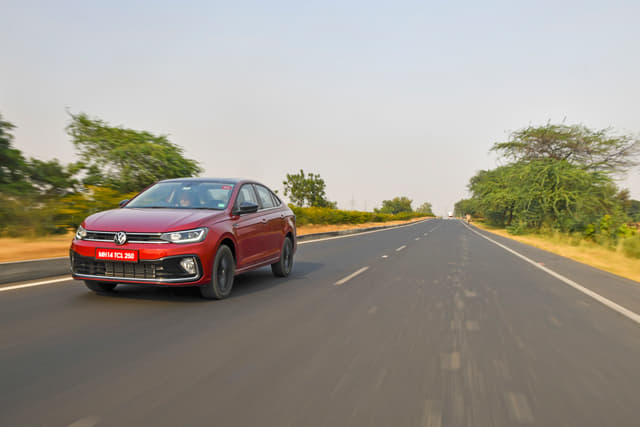
Volkswagen offers two models under Rs 15 lakh ex-showroom: The Virtus sedan and Taigun SUV. Both are five-seaters powered by turbo-petrol engines, but their different body styles give them distinct strengths. The Virtus offers a spacious cabin, large boot and a planted driving experience, while the Taigun brings a higher seating position and the practicality of an SUV.
Volkswagen Cars Under Rs 15 Lakh: Available Models
The Rs 15 lakh budget covers several variants of both models, including automatic options on the Virtus. The range extends up to the Highline Plus 1.0 TSI AT in the Virtus and the GT Line 1.0 TSI MT in the Taigun.
- Virtus: The variants within Rs 15 lakh offer features such as automatic headlamps, push-button start, cornering headlights, wireless Android Auto and 1-zone climate control. Both six-speed manual and automatic versions of the 1.0-litre TSI are available.
- Taigun: The variants within the budget include features such as a panoramic sunroof, leatherette seat material, connected LED tail-lamps, a fully digital instrument cluster and wireless Android Auto. The 1.0-litre TSI is available with a six-speed manual within the range.
Volkswagen Virtus vs Taigun: Which One Suits Which Buyer?
The Virtus is the better fit for buyers who prioritise a comfortable sedan, a large boot and engaging driving manners. The Taigun offers a higher seating position and SUV practicality, while retaining Volkswagen’s focus on handling. Its firmer low-speed ride is the main compromise.
| What matters | Virtus | Taigun |
|---|---|---|
| Driving feel | Enjoyable to drive, with responsive steering and good body control | Agile and engaging, with predictable handling and strong grip |
| Ride quality | Absorbs broken roads well while maintaining good body control | Firmly sprung and can feel jarring over sharp bumps at low speeds |
| Highway behaviour | Feels planted and composed at higher speeds | Excellent high-speed stability inspires confidence on highways |
| Cabin experience | Spacious cabin with good room for rear passengers and a straightforward layout | Well-finished cabin with supportive seats, although rear space is better suited to two adults |
| Practicality | Large boot makes it well suited to carrying luggage | SUV body style and 385-litre boot make it a versatile everyday option |
| Overall character | A comfortable sedan with a strong focus on driving dynamics | A practical SUV that prioritises handling and highway stability |


Filter your search

Filter your search
Volkswagen Cars Under 15 Lakh - FAQs
Both the Volkswagen Virtus and the Volkswagen Taigun are equally safe because both earned a top five-star safety rating from Global NCAP. They come with 6 airbags, electronic stability control, and rear parking sensors as standard.
Not all Volkswagen Virtus and Taigun variants are available under Rs 15 lakh ex-showroom. Only selected lower and mid variants fall within this price bracket, while higher trims and 1.5-litre versions are priced above Rs 15 lakh.
Yes. Volkswagen offers automatic variants under Rs 15 lakh ex-showroom, both using the 1.0-litre turbo petrol engine with a six-speed torque converter automatic:
- Virtus Highline AT: Rs 14.66 lakh ex-showroom
- Taigun Highline AT: Rs 13.80 lakh ex-showroom
Trending Questions on Volkswagen Cars - Answered by Autocar Experts
Hi everyone, I have a budget around 13 lakh and my annual running is around 8,000 km. I'm confused between buying a sedan or compact SUV like Kia Seltos etc. as I have sold my Tata Punch last month that I owned almost for 4.5 years but now I want to purchase good and elegant looking car that can last for 7 to 9 year without any hassle. Me and my wife have shortlisted cars like New Honda City SV variant, New Skoda Slavia Base one, or Upcoming Virtus in sedan segment. In suv segment, I have shortlisted cars like Seltos, Grand Vitara, etc. My wife wants to shortlist sedan. Please suggest me which one should I go for as it's the matter of investing my hard earned money. Also, which car will have good resale value in future.
Go for the Honda City SV petrol manual. With your annual running of 8,000km, petrol is the right choice, and the City is one of the most reliable and hassle-free cars you can buy. It is also a car that is known to last well beyond 7-9 years with proper maintenance, which fits your ownership plan. The SV variant gives you the essentials within your budget, and the City’s strong resale value and Honda's wide service network make it a sensible long-term investment.The Skoda Slavia and Volkswagen Virtus are both excellent to drive, but the City is the safer long-term bet. Skoda and Volkswagen have improved their ownership experience, but Honda still has the edge when it comes to reliability and peace of mind over a long ownership period. On the SUV side, the Seltos and Grand Vitara are both good cars, but at your budget you will be looking at base variants, and neither will have as much resale as the City.Since your wife prefers a sedan and you are looking for a car that will last without hassle, the Honda City SV is the best option.
I’m planning to buy my first car and would appreciate some suggestions. My budget is around Rs. 13-15 lakh ex-showroom, and I’m planning to register the car under the BH series. Safety is my top priority, so I strongly prefer a car with a 5-star safety rating, preferably from Global NCAP. An automatic transmission is a must. The car will mainly be used for weekend family trips and highway drives rather than daily commuting. Since it will be a family car, I’d prefer something that looks classy and elegant while offering good comfort. A premium-looking interior would be a plus, and features such as leather/leatherette upholstery and ventilated seats would be nice to have, but they aren't deal-breakers. At the same time, I don’t want a car that is purely comfort-oriented. I enjoy driving, so I’d like something with a good engine, enjoyable handling, and a fun-to-drive character. Good rear-seat comfort and reasonable luggage space for family trips would also be appreciated.
Based on your requirements, the Skoda Kushaq 1.0 TSI automatic is the recommendation. It strikes the right balance between safety, driving enjoyment and family usability. The 1.0 TSI engine is strong, the handling is engaging, and the car feels solid and confidence-inspiring on the highway. The interior feels premium, and while it may not be the largest in its segment, overall comfort is quite good. If you prefer the look of the VW Taigun, it offers largely the same experience as the Kushaq. The Renault Duster 1.3 DCT is also a strong alternative, offering excellent driving dynamics and a larger cabin. Overall, though, the Kushaq 1.0 TSI automatic is the car that best aligns with your requirements.
I am using a Volkswagen Virtus GT 1.5 TSI Turbo, purchased in August 2024. It has completed around 16,000 km and my current monthly usage is approximately 1,000 km. Should I continue with the same car, or would it make sense to switch to an EV within the amount I could get by selling the Virtus? The estimated resale value is around Rs 14 lakh, based on online valuation. Kindly suggest.
With a monthly running of around 1,000 km, the financial case for switching to an EV isn't particularly strong. The Volkswagen Virtus GT 1.5 TSI is an engaging car to drive, and with just 16,000 km covered so far, it is still relatively new. Selling it now would mean absorbing a significant depreciation loss, and the approximately Rs 14 lakh you receive is unlikely to buy an EV that offers a noticeable upgrade in terms of performance, space, or overall ownership experience.Electric cars make the most sense for buyers with very high monthly running or a usage pattern where lower running costs can quickly offset the purchase price. At your current usage, the savings are unlikely to be substantial enough to justify replacing a car that is already serving its purpose well. The Virtus GT is also a car that rewards long-term ownership.Our advice is to keep this Volkswagen car and continue enjoying it for the next few years. At this stage, neither the financials nor the practical benefits strongly support making the switch to an EV.
I am currently using a 2024 VW Virtus 1.5 GT (electric seats variant) and have completed 16,000 km. My current monthly running is around 1,000 km, mostly in the city. Should I continue with this car or switch to an EV? My Virtus has an online resale value of around Rs. 14 lakh, and I do not want to spend more than Rs. 3-4 lakh over its resale value. Please suggest whether I should buy an EV within this budget or continue with the Virtus.
If you enjoy driving, we'd recommend you stick with your Volkswagen Virtus 1.5 GT. At 16,000km and a 1,000km/month usage pattern, mostly in the city, the car is still relatively new and well within its prime ownership window. The 1.5 TSI is a strong, efficient engine and the Virtus is a genuinely enjoyable car to drive, especially in urban conditions where its size and performance are well suited. Your budget of Rs 14 lakh resale plus Rs 3-4 lakh extra puts you in the Rs 17-18 lakh range, which limits your electric car options to models like the Tata Nexon EV, Mahindra XUV 3XO EV, MG Windsor and Kia Syros EV. While these are competent cars, they will not feel like a meaningful upgrade over the Virtus in terms of overall ownership experience. The financial case for switching to an EV at this stage is also weak given the depreciation hit you would take on a nearly new car. Unless you have a strong desire to go electric, it makes more sense to continue with the Virtus for a few more years and revisit the EV decision when your usage pattern or the EV market justifies it.
I have a budget of Rs. 12 lakh and am currently driving a Tata Tiago, which I have owned for the past 10 years. I am now looking to upgrade and would appreciate suggestions in both the sedan and SUV segments. My biggest dilemma is deciding whether I should choose a sedan or an SUV. In the sedan category, I am considering the Volkswagen Virtus and Skoda Slavia. In the SUV segment, I am looking at the Tata Nexon. Please suggest if there are any better options than these as well. My driving is evenly split between city and highway usage, and I am a light user with an average monthly running of around 1,000 km. Considering my requirements, which type of vehicle would be the better choice, and which models should I shortlist?
The first thing to note is that with a Rs. 12 lakh budget, the Volkswagen Virtus and Skoda Slavia may be difficult to fit in unless you're looking at entry-level variants or stretching your budget. The Tata Nexon, on the other hand, sits much more comfortably within your range.Between a sedan car and an SUV, we'd lean towards a sedan for your usage pattern. With your driving split evenly between city and highway and a relatively modest monthly running of around 1,000km, a sedan generally offers better ride comfort, superior highway stability and a more engaging driving experience. Coming from a Tata Tiago, a Virtus or Slavia will feel like a substantial upgrade in terms of refinement, space and overall quality.If your budget is firm at Rs 12. lakh, we'd suggest looking at the Skoda Kylaq Automatic or Honda Amaze CVT as well. The Kylaq offers SUV practicality, strong safety credentials and a fun turbo-petrol engine, while the Amaze provides the smoothest automatic experience and excellent long-term ownership appeal.The Tata Nexon remains a good all-rounder with strong safety credentials and a practical cabin, but if your heart is set on a Volkswagen car or Skoda car and you can stretch the budget, they are the more rewarding cars to own and drive. You can expect the Volkswagen Virtus mileage to be around 9 to 12 kpl in the city and 15 to 18 kpl on the highway.
Last Updated on: 3 Sept 2026