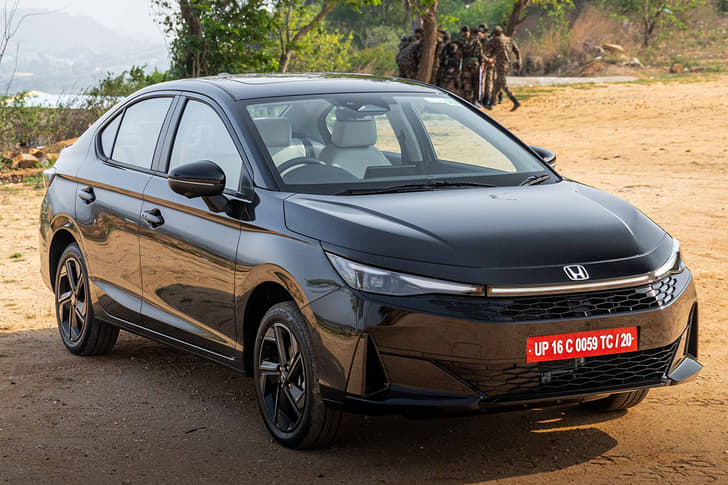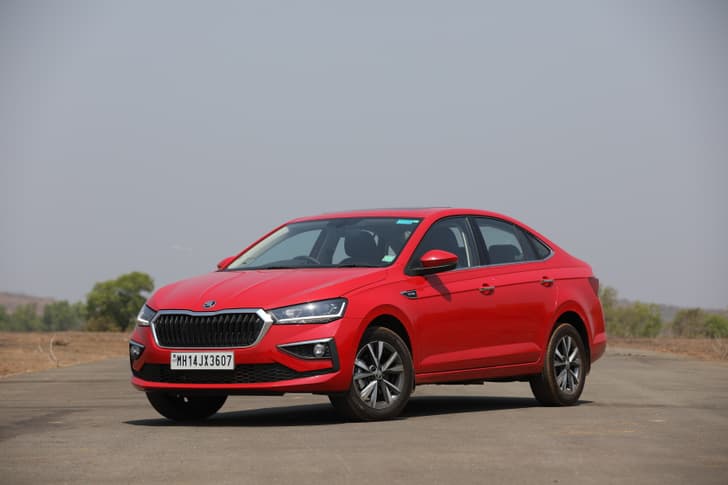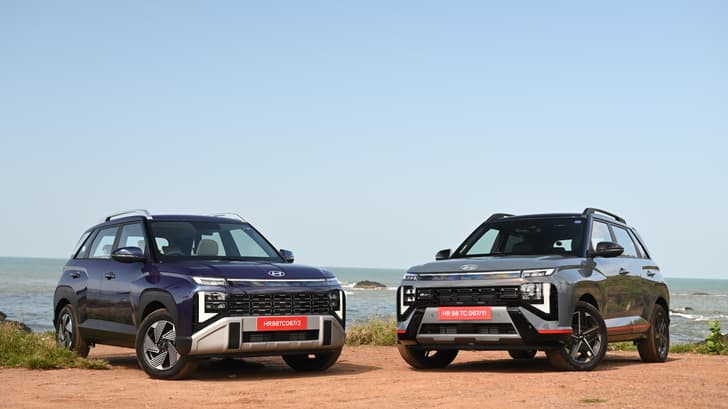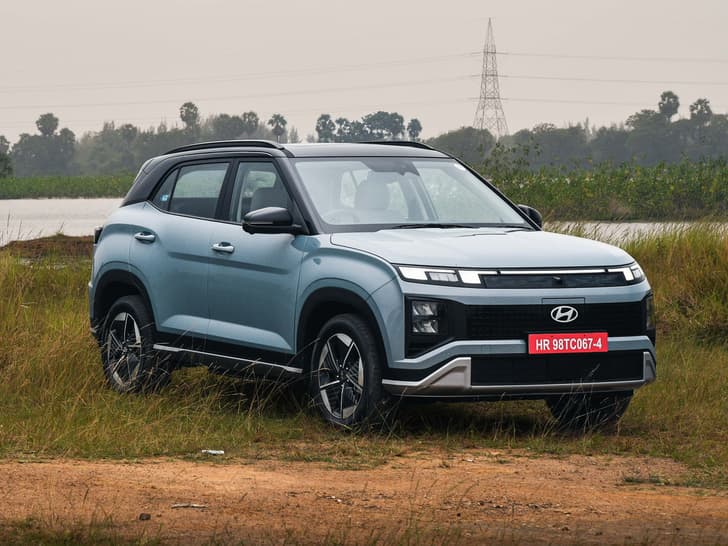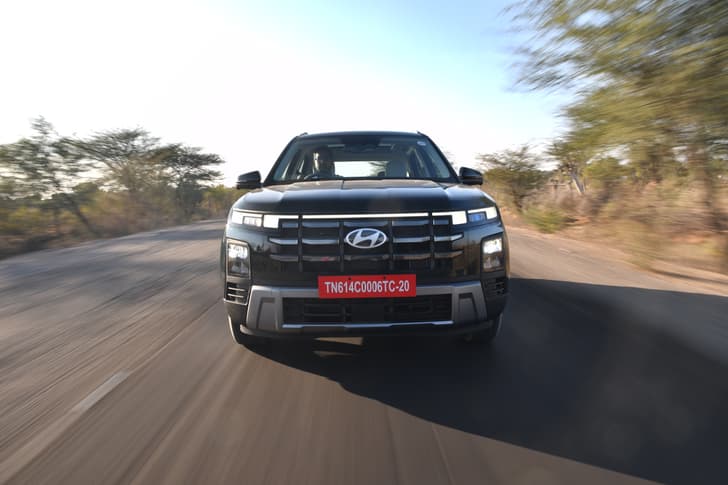

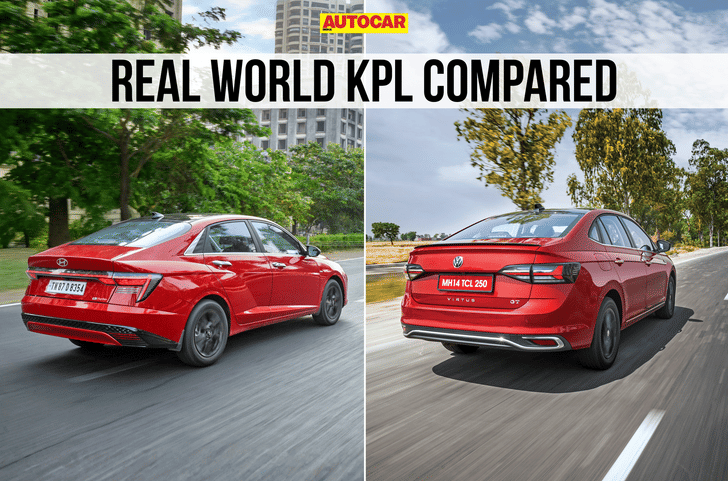
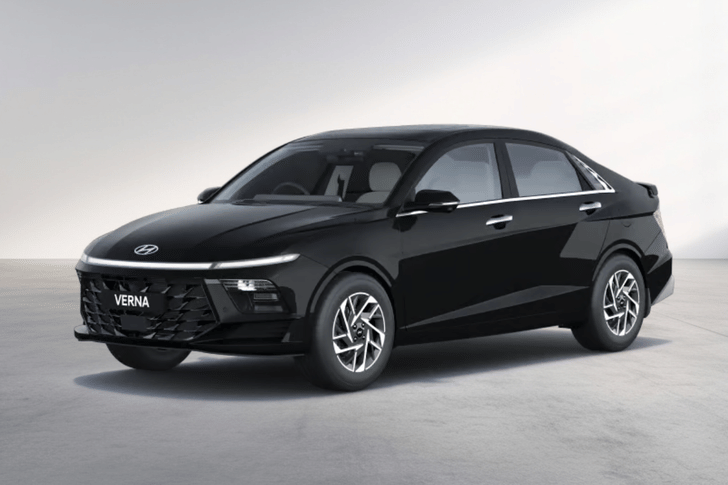
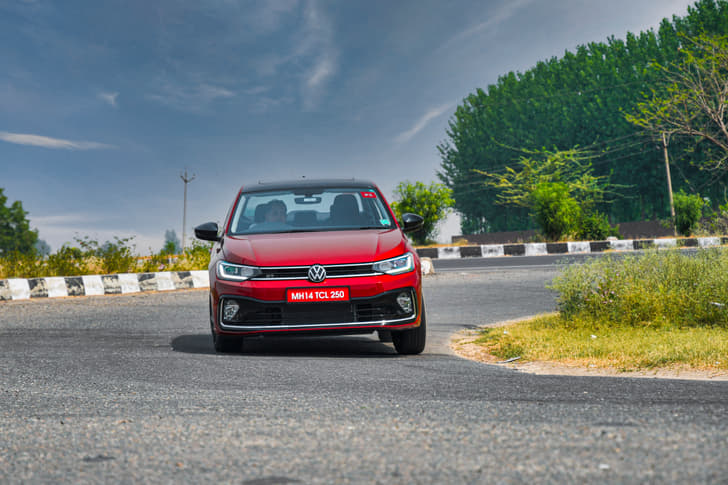
The Hyundai Verna and Volkswagen Virtus are among the most compelling options in the dwindling midsize sedan segment. Both are available with sporty turbocharged engines and snappy dual-clutch automatics, offering more than adequate performance to enthusiasts.
However, for those who intend to use these sedans on a daily basis, fuel efficiency is a major point worth considering. To do that, we put the Verna and Virtus through our exhaustive real-world mileage tests, and here are the results.
Explore full specs, features, and a price breakdown in our Verna vs Virtus comparison.
Hyundai Verna Turbo vs Volkswagen Virtus GT price and specifications
Both get 1.5-litre turbo-petrol engines, but Verna is lighter and more powerful.
On paper at least, there isn’t much that differentiates the Verna Turbo and Virtus GT; both sedans are powered by 1.5-litre, 4-cylinder direct-injection turbo-petrol engines mated to 7-speed dual-clutch automatics. However, the Verna’s 160hp and 253Nm output beats the Virtus GT's by 10hp and 3Nm, and the Hyundai sedan is lighter by 21kg as well, which can benefit fuel efficiency.
Virtus GT features cylinder deactivation.
On the other hand, the Virtus GT’s 1.5 TSI Evo engine has cylinder deactivation tech that can shut off two cylinders at cruising speeds to save fuel. It also has a variable geometry turbo as opposed to the Verna’s fixed geometry turbo, which means the Virtus GT can vary its boost levels across the RPM band to optimise for performance and fuel efficiency, although this depends on Volkswagen’s calibration.
It’s worth noting, though, that the Verna Turbo DCT has three drive modes – Eco, Normal and Sport – whereas the Virtus GT DSG comes with a Sport mode only. Though we’ve tested both sedans in their default modes, Verna owners may be able to eke out even better mileage in certain conditions by using the Eco setting.
Verna Turbo DCT is far more affordable than Virtus GT DSG.
Pricing is an undisputed victory for the Verna. Hyundai offers the 1.5 Turbo DCT powertrain from the mid-spec Verna S(O) trim onwards, whereas the Virtus GT Plus DSG is positioned as the top-spec variant of the Volkswagen sedan’s line-up.
This makes the Verna Turbo DCT cheaper than the Virtus GT DSG by up to Rs 3.75 lakh, and if you compare just the range-topping variants, the Hyundai still costs Rs 1.51 lakh less.
Hyundai Verna Turbo vs Volkswagen Virtus GT real world mileage compared
Verna is more fuel-efficient across the board.
In city conditions, the Verna Turbo DCT outperforms the Virtus GT DSG in the mileage department, travelling 0.6km more for every litre of petrol. Surprisingly, despite the Virtus’ cylinder deactivation tech, the Verna still proves to be more frugal on the highway, though the delta here is a smaller 0.4kpl.
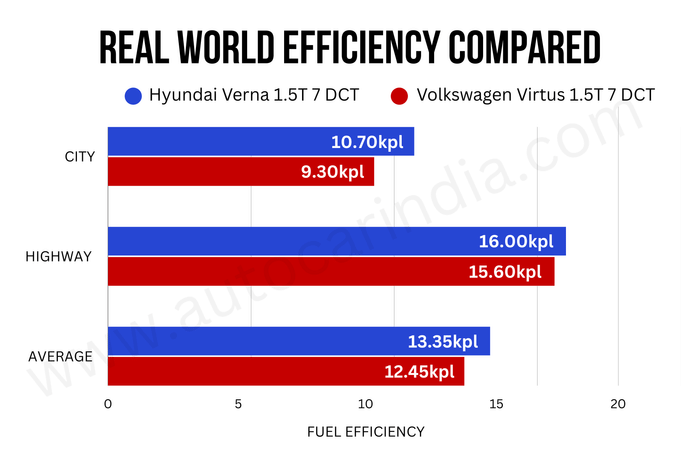
Overall, the Verna’s average fuel efficiency is higher than the Virtus' by 0.9kpl. This is very close to the 0.98kpl difference in their claimed mileage figures too. Extrapolating this to real-world driving ranges, the Verna can cover 41km more than the Virtus, cementing the Hyundai sedan as the fuel efficiency champion.
Autocar India’s fuel efficiency testing
Before our real-world fuel efficiency tests, we fill our test cars’ tanks to the brim and maintain tyre pressures based on the manufacturer’s recommendations. These cars are driven in fixed city and highway loops in and around Navi Mumbai, and we maintain certain average speeds.
Throughout the tests, there is only one person in each car, running the aircon and other electricals, such as the audio system, indicators and wipers, when required, just like a regular user would. Periodic driver swaps further neutralise variations in driver patterns. At the end of each cycle, we calculate efficiency by filling the tanks to full again.
All prices are ex-showroom, India.

 Uday Singh

 Glenn Noronha
 Dipan Sur