Autocar India
•14w

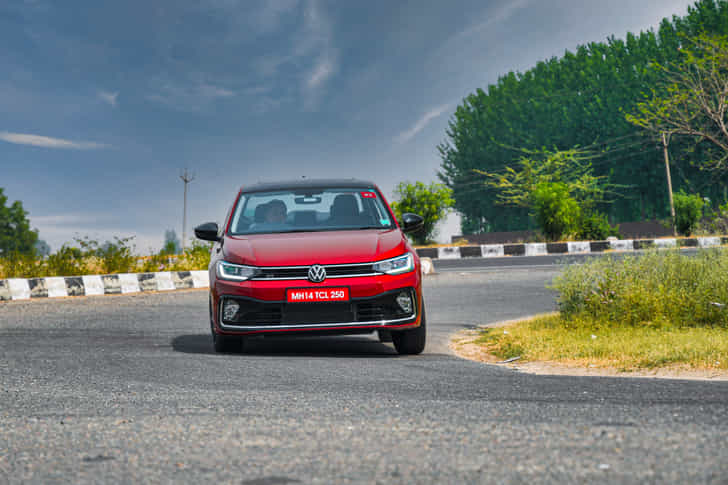
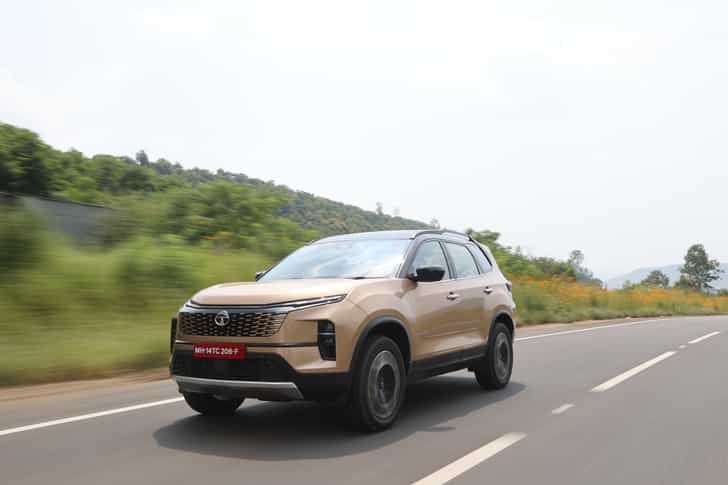
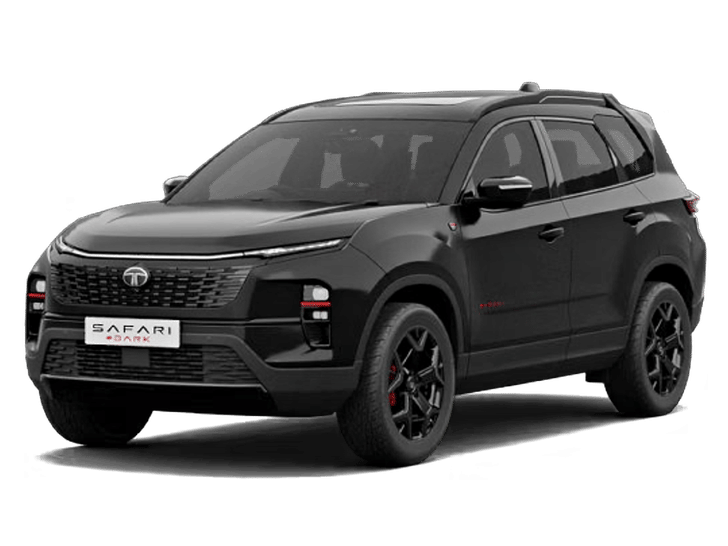
Comparing VW Virtus Highline Plus 1.0 TSI Automatic with the Tata Safari Pure X turbo petrol manual. I understand segments are different. I am not confused about which car to buy. I need advice about "Should I push for the Tata Safari as I'll get a big SUV with just 2 lakhs extra" User case: I have a Tata Tiago, which I'm going to keep as 2nd car. Daily running is 15km with moderate traffic (Manual is not a problem) and monthly 1 highway trip of 200-300 kms. Family of 4 adults and a kid. Looking for best value proposition, longterm ownership, Family comfort with driving pleasure.

Verified
•13w

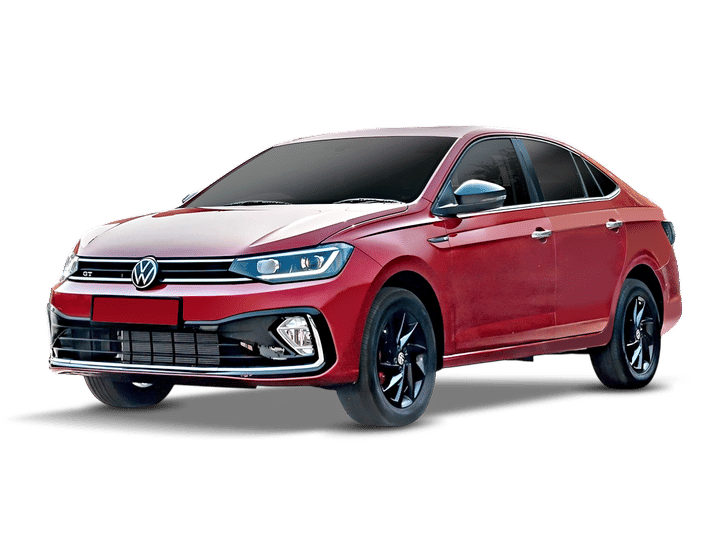
Given your usage and priorities, the Volkswagen Virtus Highline Plus 1.0 TSI automatic is the better fit. Your daily running is low, and the occasional highway trips do not justify the additional size and complexity of the Tata Safari. The Virtus offers a more refined driving experience, better fuel efficiency and a more manageable ownership proposition over the long term. It is also a more comfortable car for a family of four plus a child, with a spacious rear seat and a large boot. 

The Safari Pure X turbo petrol manual is a good value proposition for those who need the extra space and road presence, but it is not the best choice for your usage pattern. The manual gearbox will become tiresome in traffic, and the larger size will make it less convenient to live with on a daily basis. The Virtus is the more sensible and enjoyable choice for your needs. You can expect the Volkswagen Virtus mileage to be around 9 to 12 kpl in the city and 15 to 18 kpl on the highway.
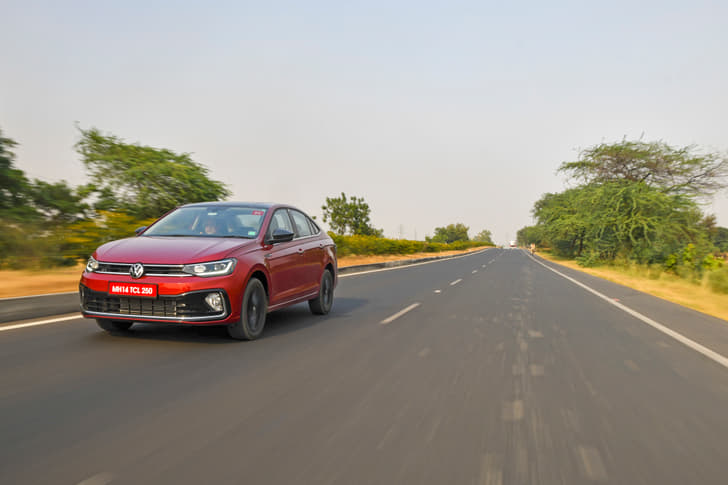
Volkswagen Virtus

Volkswagen Virtus

•13w•

@autocar.india Thank you for your valuable advise. Cheers

More posts on similar cars

•1d

I’m planning to buy a car with an on-road budget of around Rs 16 lakh. It will be on a corporate lease, so good fuel efficiency would help financially. We’ll drive 600-800 km a month. Would a diesel automatic Kia Sonet or Hyundai Venue be a good choice, or would a petrol suit my usage better? I’ve noticed that most petrol automatics in this range use a DCT. Is a DCT good for Bengaluru traffic, or is a torque converter better suited to stop-go driving? I’m really confused by the options in this budget, so please help. I currently drive a Ford Figo diesel manual.

Verified
•22h

With your monthly running of just 600- 800 km, we would recommend a petrol automatic over a diesel. The additional cost of buying a diesel is unlikely to be recovered through fuel savings at this level of usage. Also, with predominantly urban driving, a modern diesel's DPF can become a concern if the car does not regularly get sufficiently long runs to complete regeneration. Coming from your Ford Figo diesel, you may find the petrol's running costs higher, but the lower usage makes it the more sensible choice.For Bengaluru traffic, a torque converter automatic would be preferable to a DCT. DCTs are perfectly usable, but repeated crawling in heavy stop-start traffic can make them feel jerky at low speeds and less smooth than a torque converter.We would shortlist the Mahindra XUV 3XO petrol AT and Skoda Kylaq AT. Both get six-speed torque converter automatics. The 3XO has a stronger 1.2-litre turbo-petrol engine with 200Nm, a spacious cabin and a comfortable ride. The Kylaq is more compact, feels engaging to drive and is easier to manoeuvre and park in tight spaces.

VehicleMahindra XUV 3XO
VehicleSkoda Kylaq

Has E20 fuel affected your mileage?

Is ADAS worth paying extra for in a car?

Popular discussions right now

•1w

improve the grammar and write it in a paragraph - Hi Autocar, Iam looking to book a car this week. I have narrowed it down to one of 3 cars. Petrol Automatic IVTs. My running is mostly going to be 95% city (office to work in Mumbai traffic). Daily commute is around 15km, so I don't want a turbo in traffic. That's roughly 5k annual running. I am 6ft tall so wouldn't want something that is cramped 1. New Seltos HTK(O) 2. New elevate VX 3. Bayon HX 8 All of these are close to the 16L ex showroom price. I've driven the Seltos and Elevate. I really liked both of them. The Seltos feels more premium from the inside and I feel like that is something worth having in a daily car. The elevate is brilliant, but it seems cheap on the inside. No pani sunroof too, although I would maybe use it 1 day in year, it's priced the same as the Seltos, so that felt a miss. I know Honda engines are top, but at my running and limited enthusiast journey, I'm not sure if that does justice to need. Now comes the bayon. I have not done a test drive yet as its not available, but the bayon pricing at Hx6 and hx8 seems very close to the Creta currently.. I am tempted to go for the hx8 as it as a 360 camera,( I think that might be usefull for parking etc as I am coming from a hatchback ) but I am getting a "lesser car" vs the Seltos here I wonder.. Which one would you recommend? I am keen on booking before diwali, will see if there are any discounts on the Seltos (unlikey though)

Verified
•1w

All things considered, the Kia Seltos is the better fit for your needs. Since you are on the taller side, you will appreciate the extra room it has to offer compared to the Hyundai Bayon. Opting for the Bayon does get you a higher variant with a 360-degree camera, which can be helpful in tight spots. However, once you get used to the size of the vehicle, you might find yourself using the camera less often.As for the Honda Elevate, as you rightly mentioned, the Seltos feels more premium inside and costs about the same. The Elevate does offer a bit more performance from its 1.5L naturally aspirated engine, but since 95% of your driving is in slow-moving Mumbai traffic, the added performance won't really make much of a difference.Overall, the Seltos is the right fit for your needs.

VehicleKia Seltos
VehicleHyundai Bayon
VehicleHonda Elevate

Upcoming launch buzz

Community discussions on upcoming launches
Want to sell your car?

Sell your car at the right price, without the stress.

Add a photo of your Safari

First sightings, real road conditions, delivery buzz

Posted on: 9 Aug 2026