Last Updated on: 01 Jun 2026
Volkswagen Virtus Expert Review
Take a closer look at the Volkswagen Virtus through our expert inspection. Get insights into its driving experience, comfort, safety features, and overall performance.
Volkswagen Virtus pros and cons
We like
Tough build
Ride and handling
We don't like
Some poor interior bits
No diesel or hybrid option
Volkswagen Virtus expert review
8.0
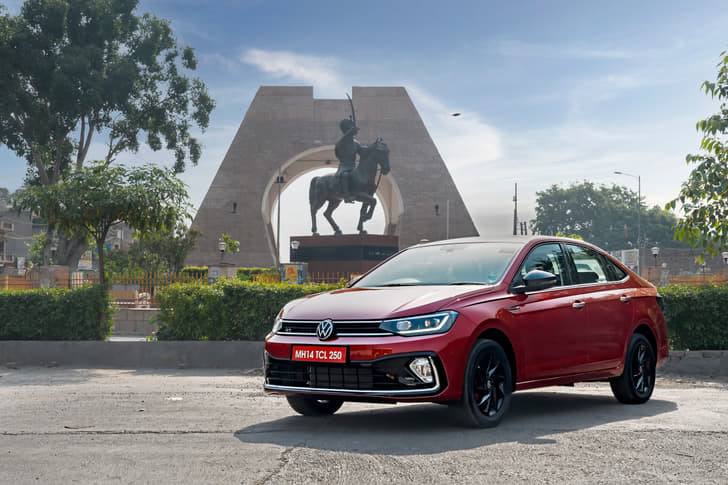
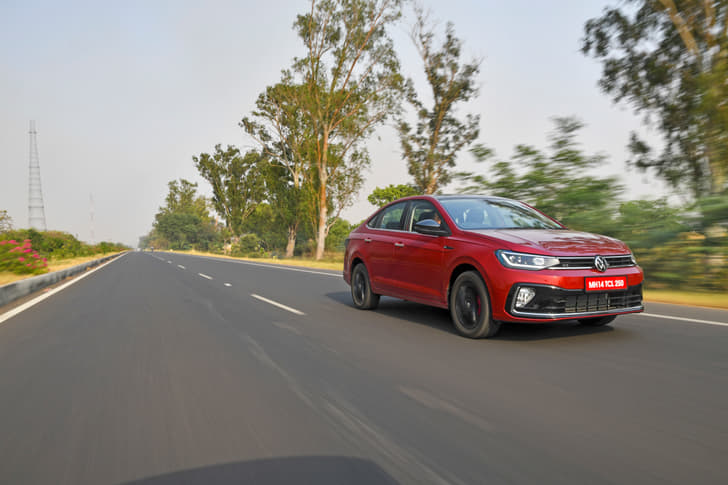
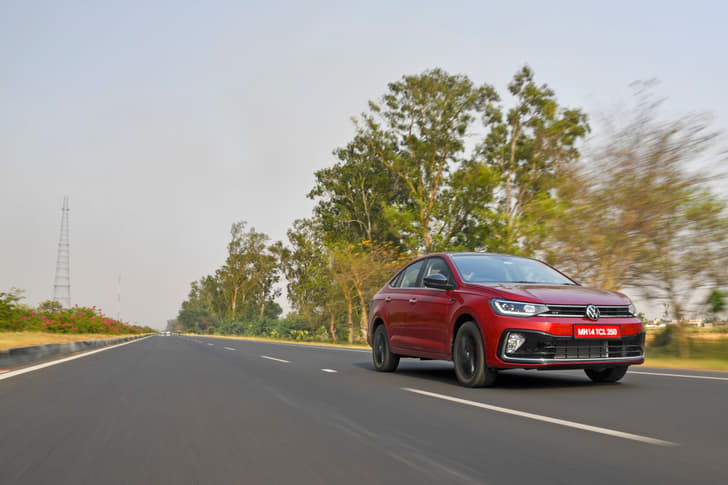
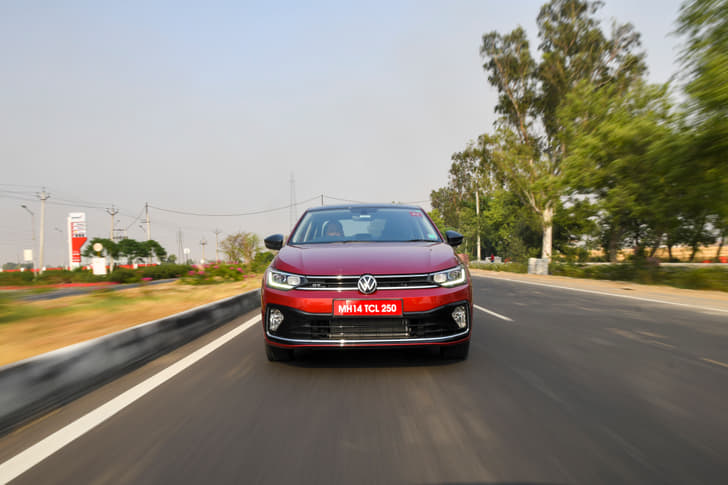
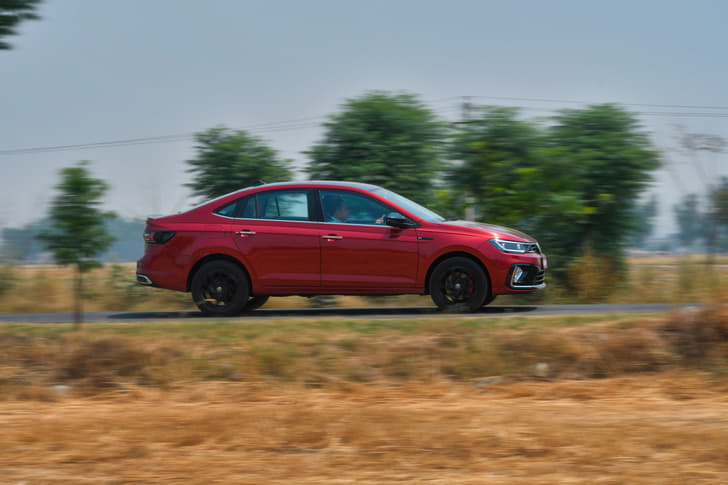
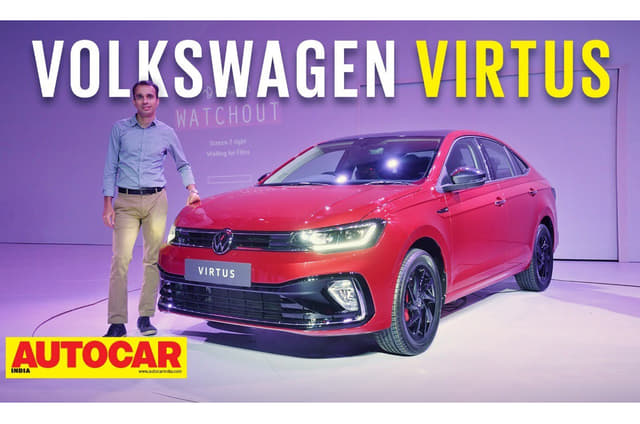
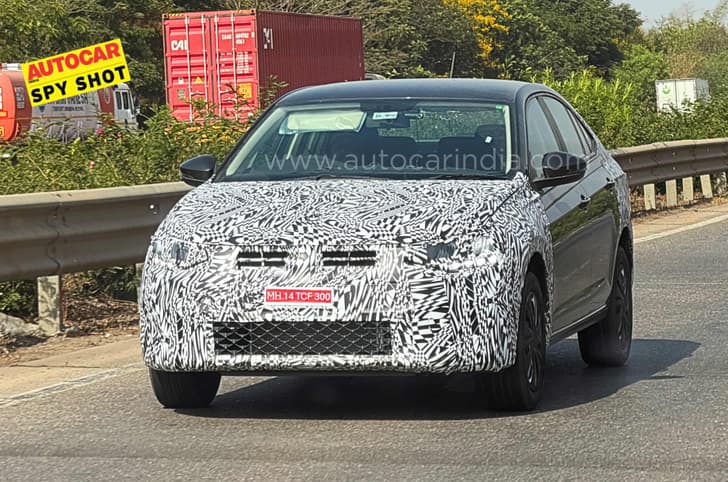
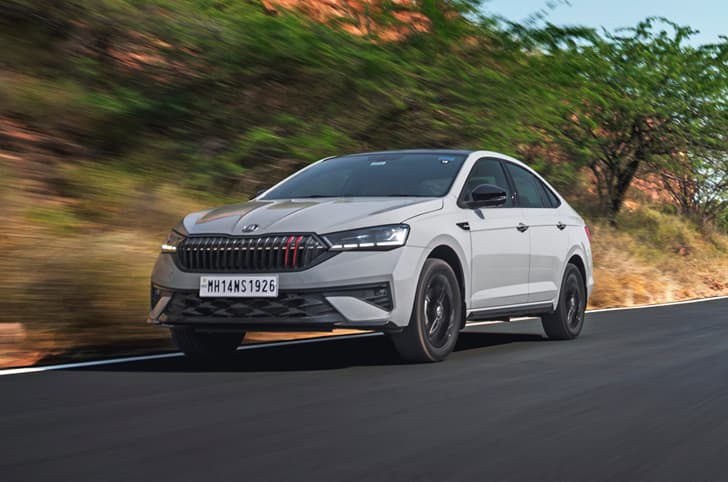
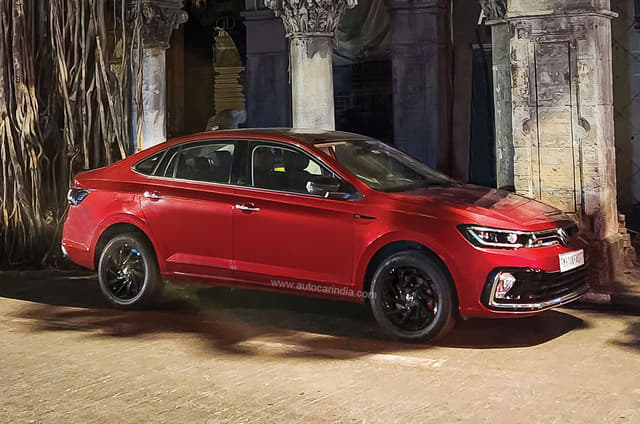
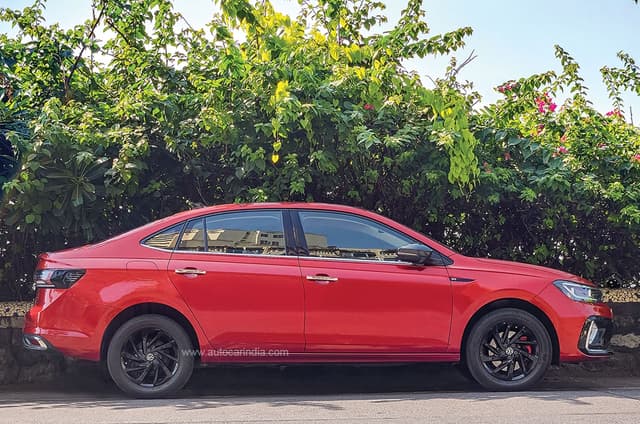
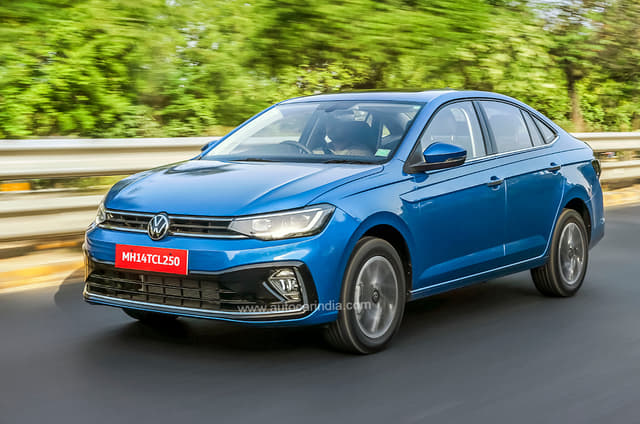
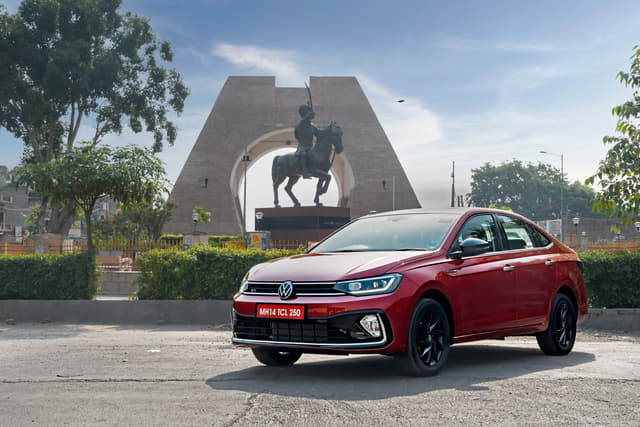
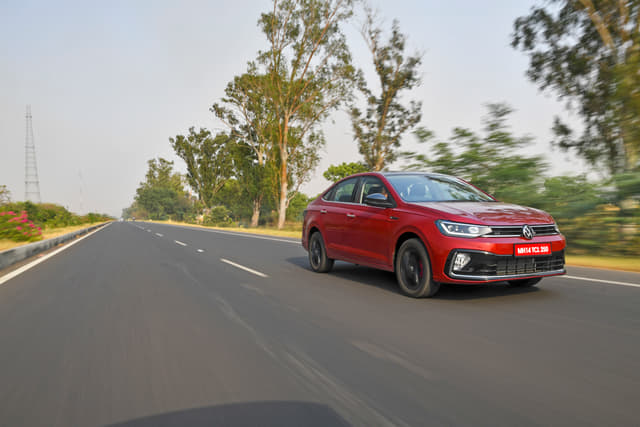
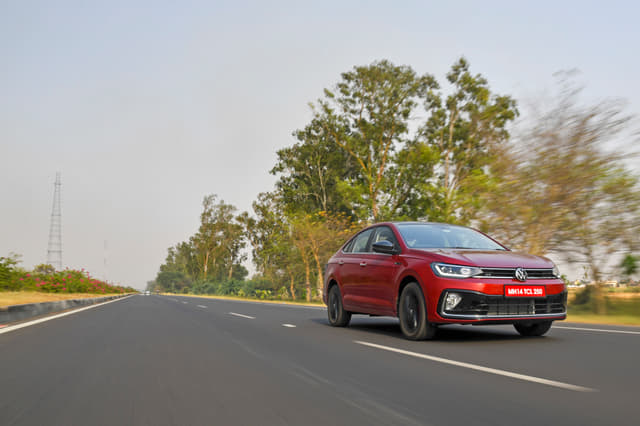
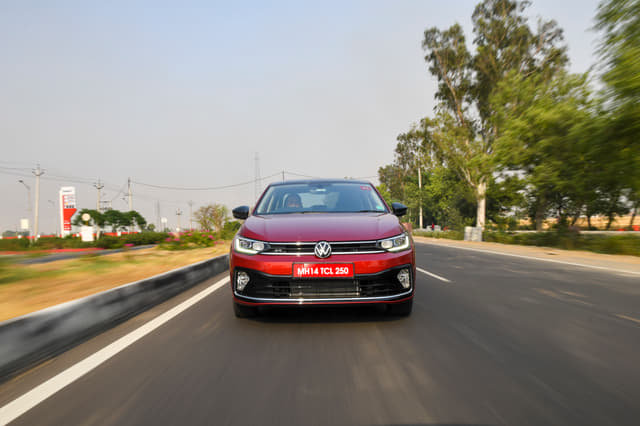
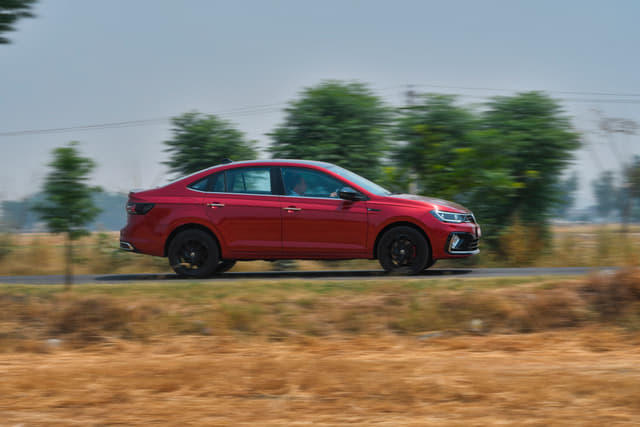
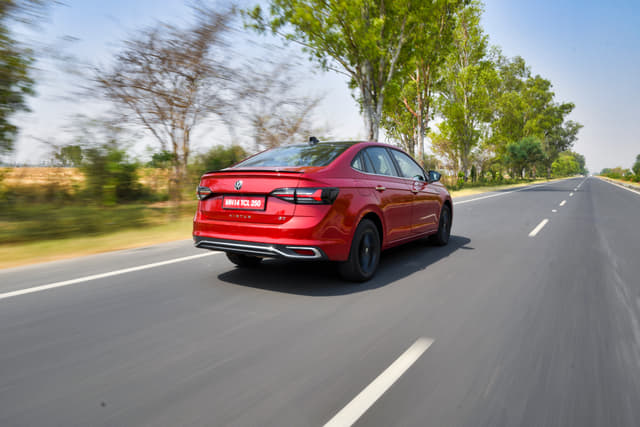
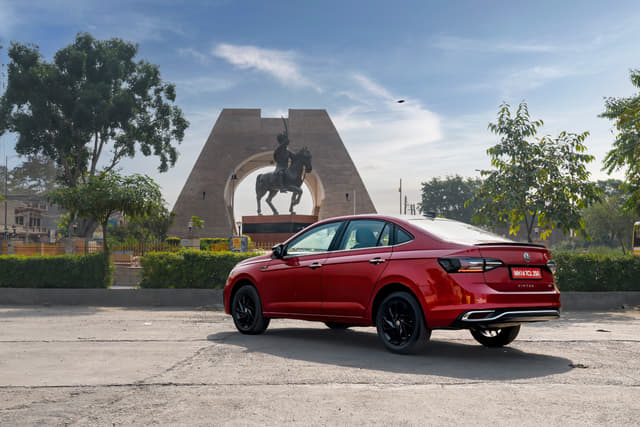
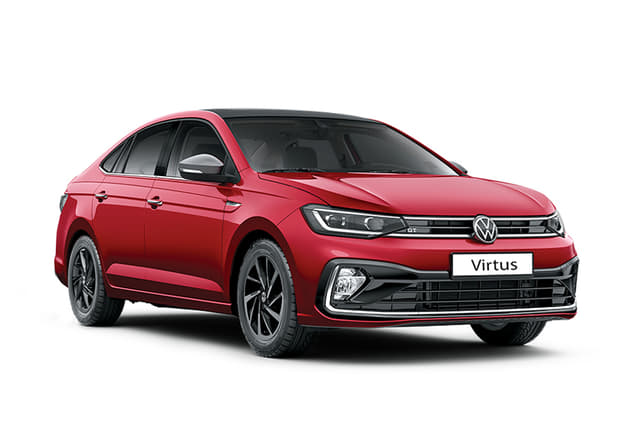
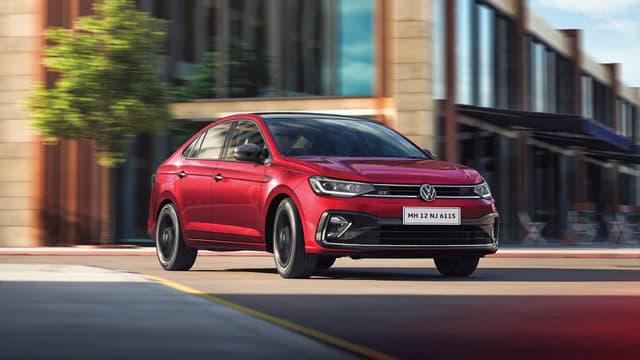
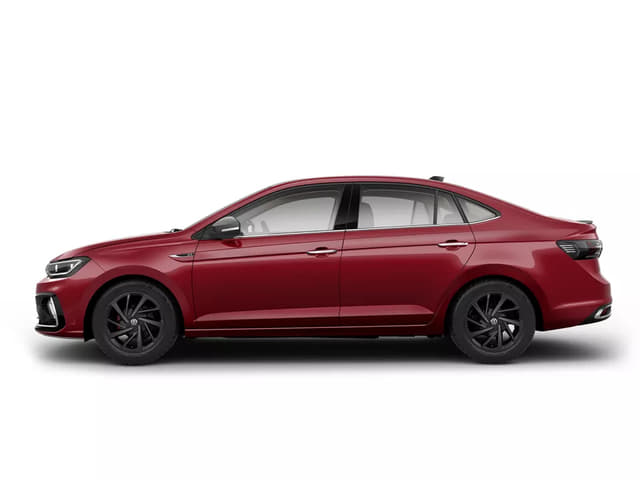
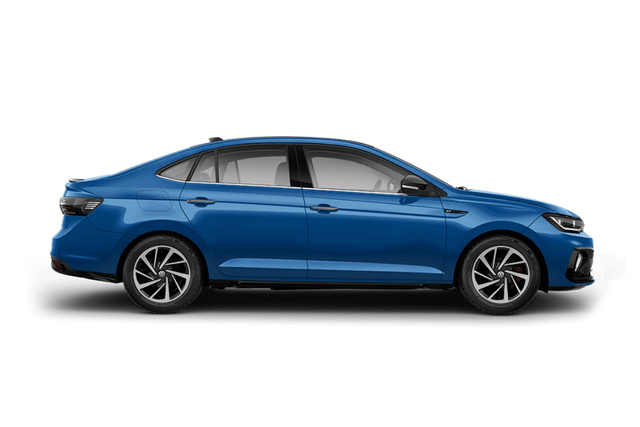
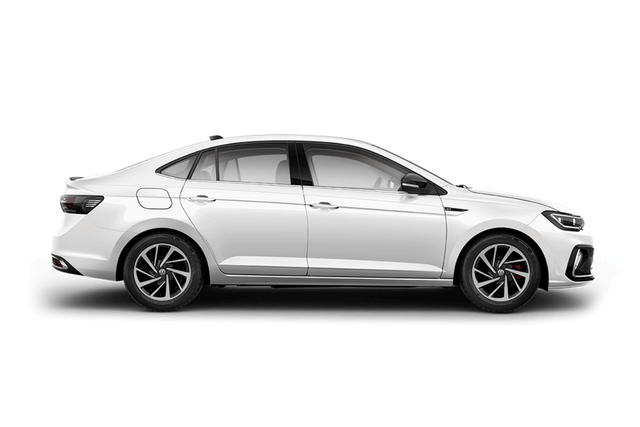
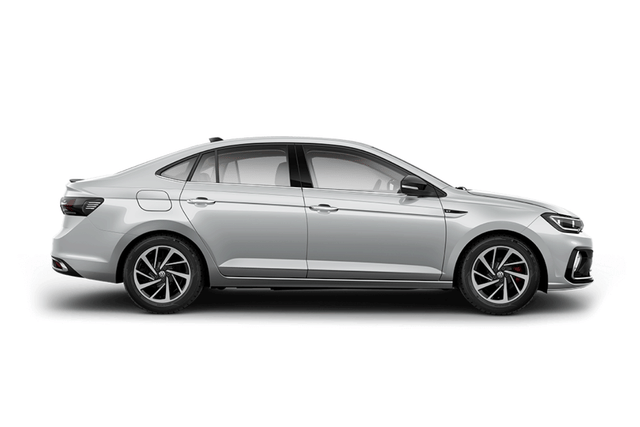
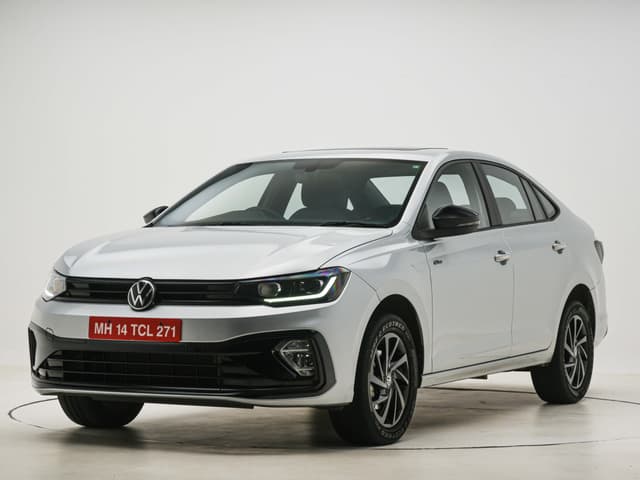
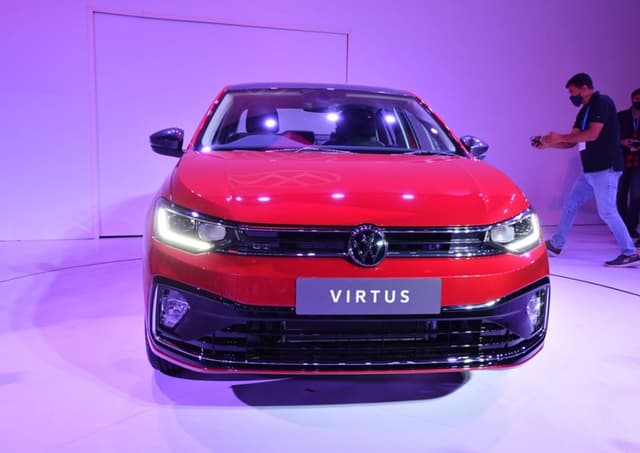
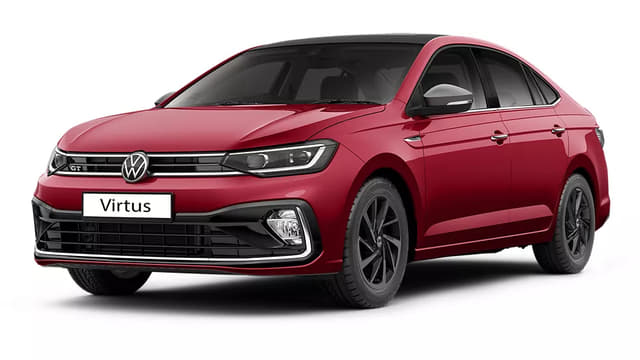
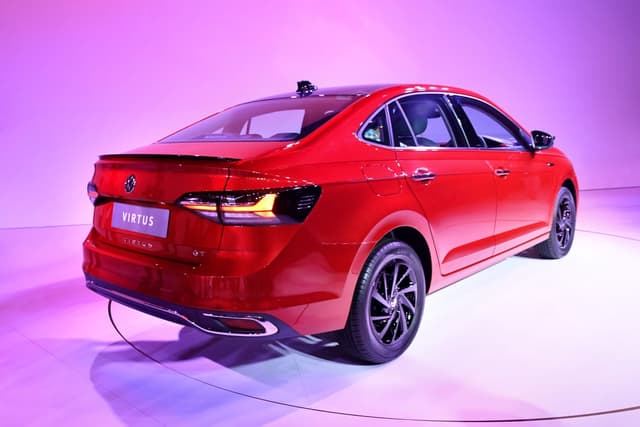
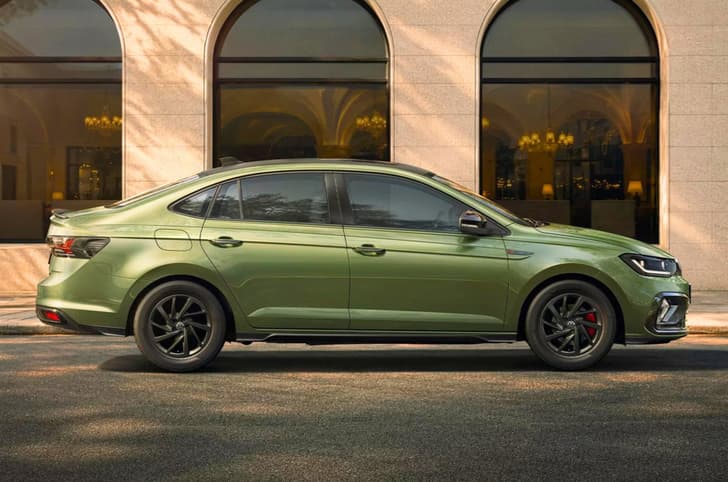
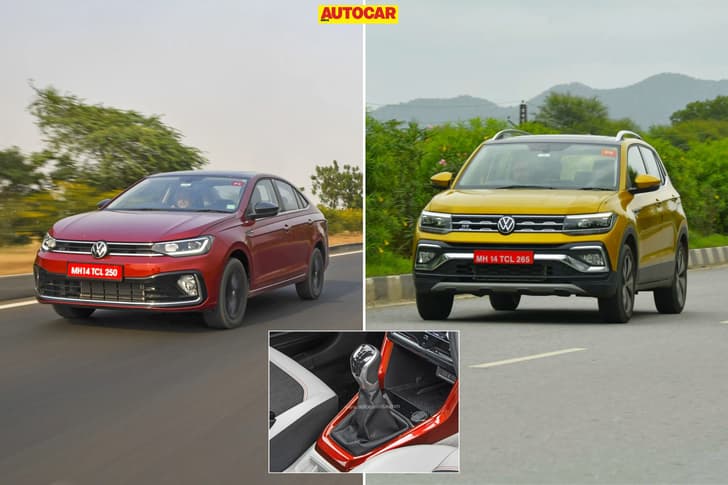
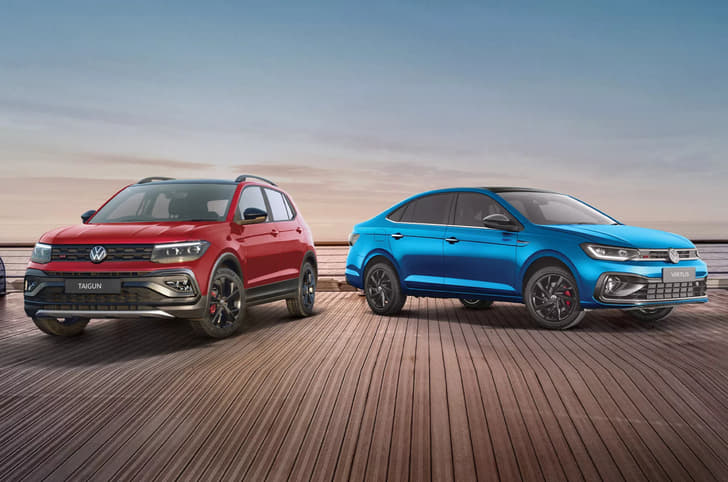
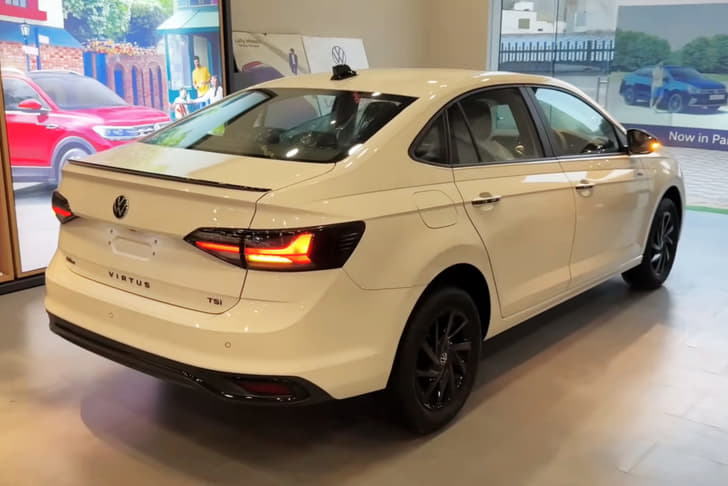
The Volkswagen Virtus replaces the long-serving Vento and immediately feels like a much more substantial sedan. Built on the MQB A0 IN platform, the Virtus is larger in every measurable way and has proportions that make it look almost like a downsized Jetta.
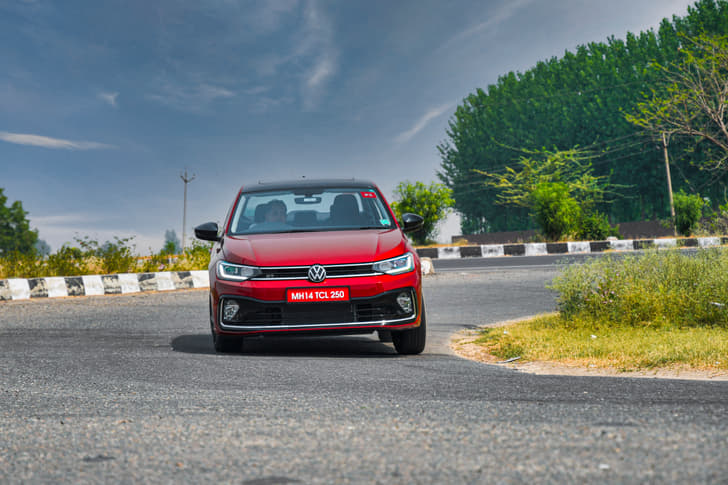
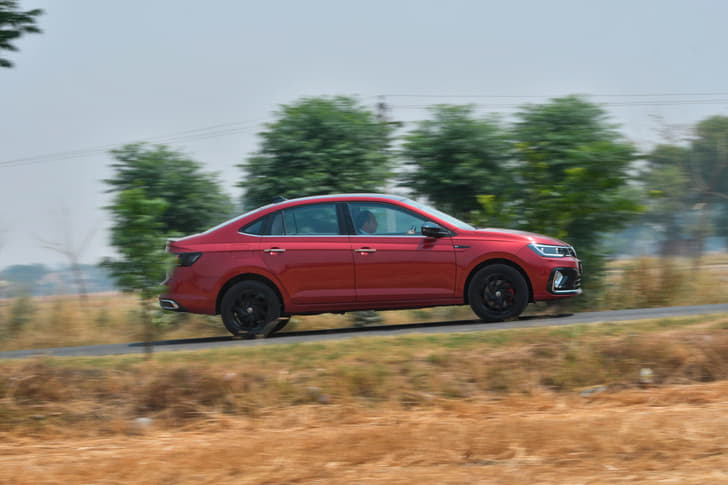
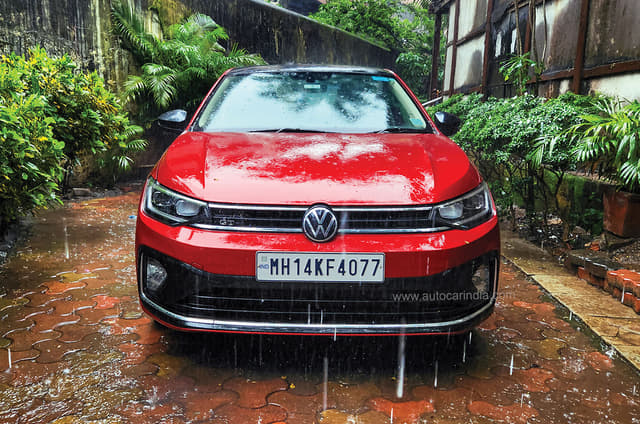
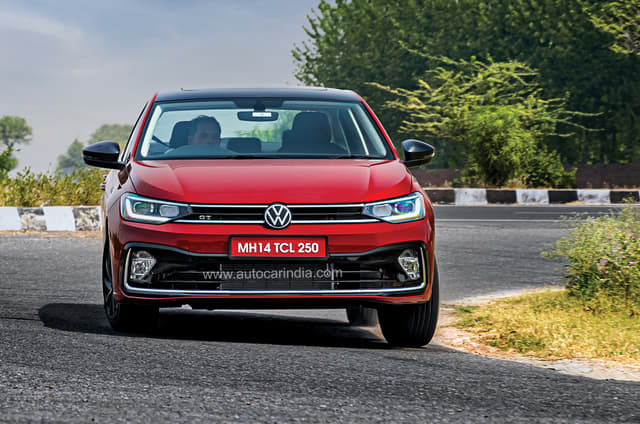
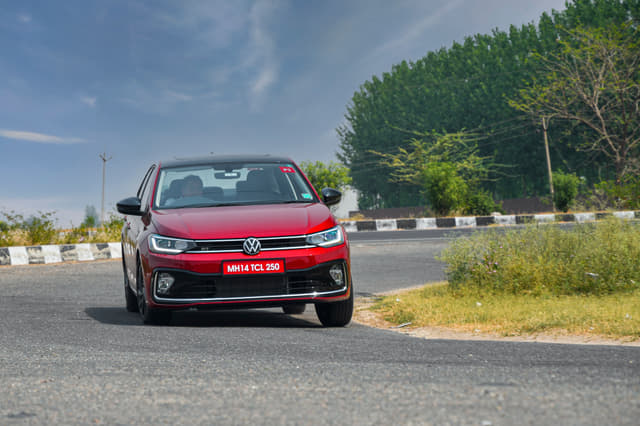
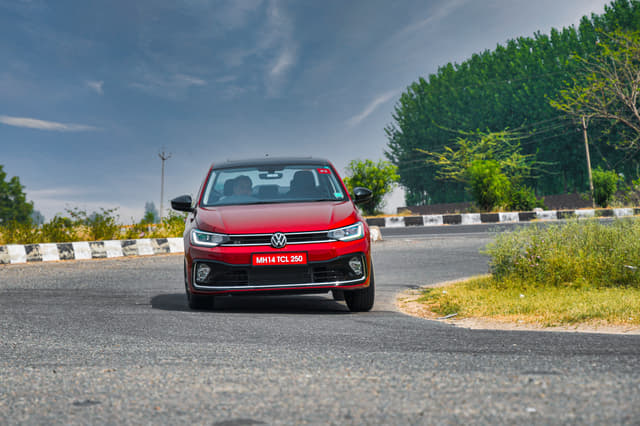
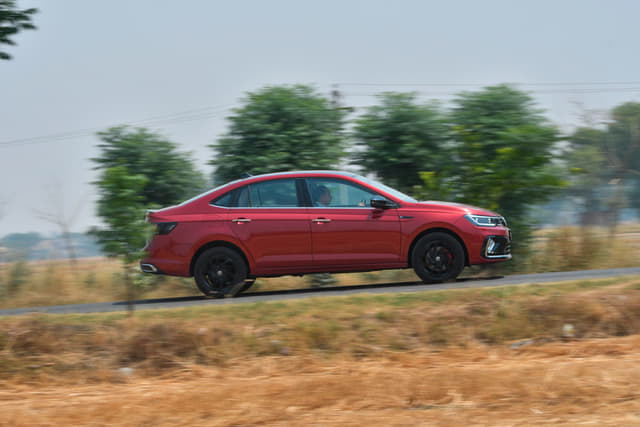
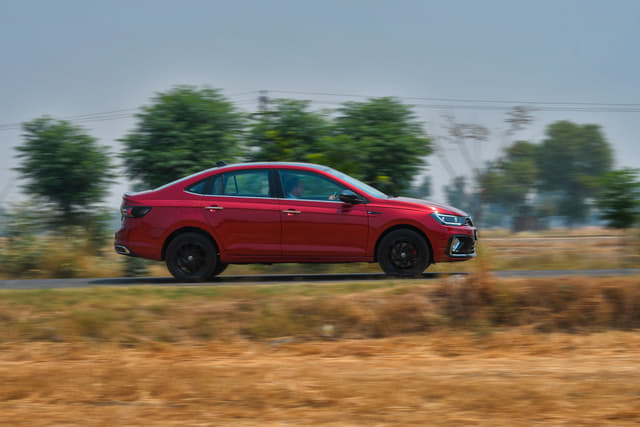
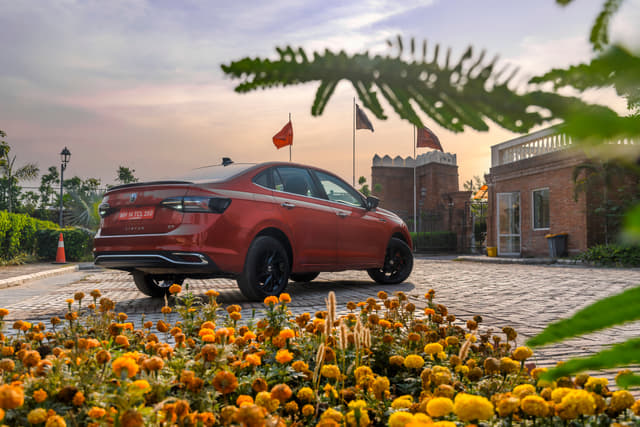
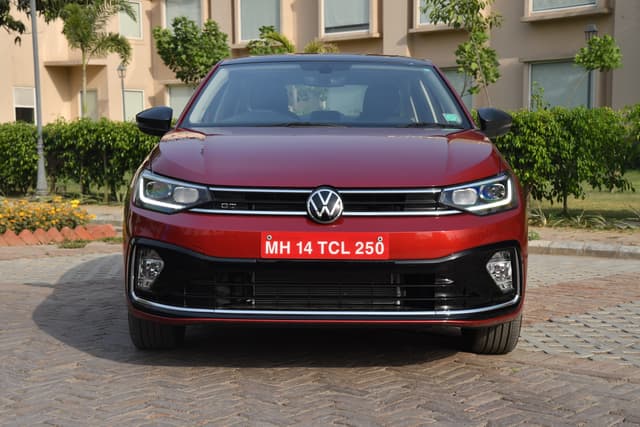
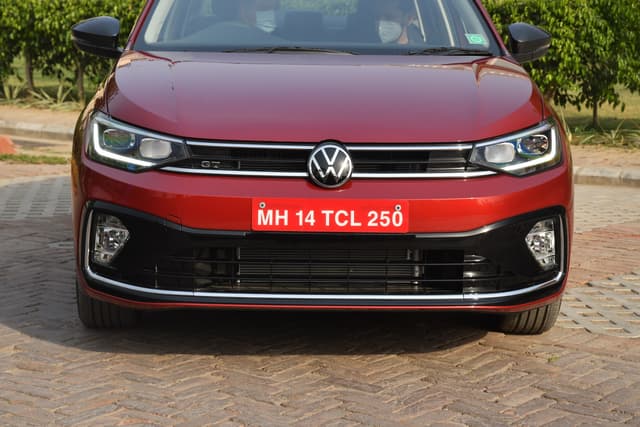
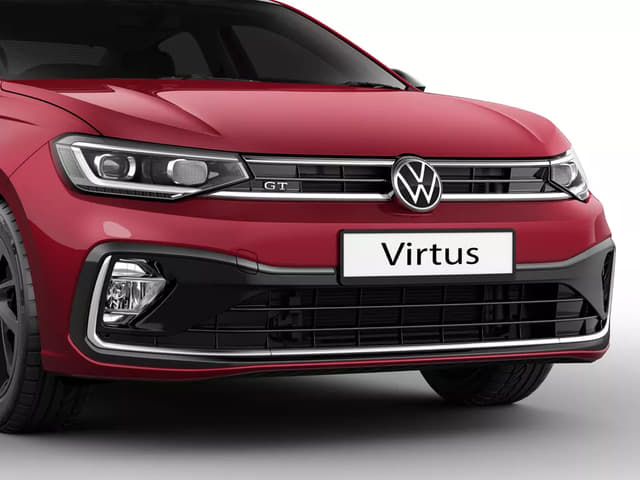
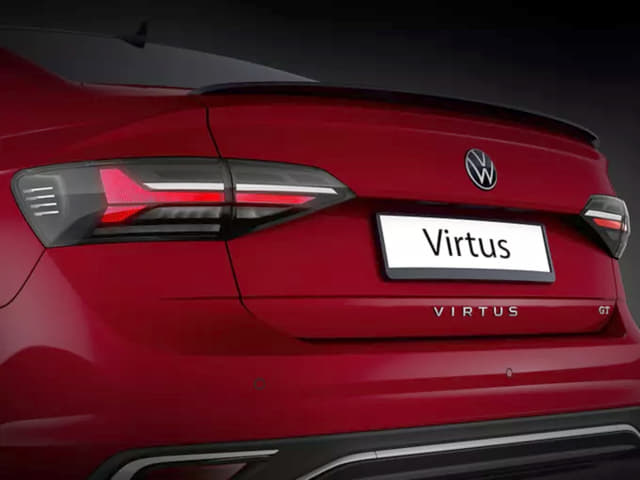
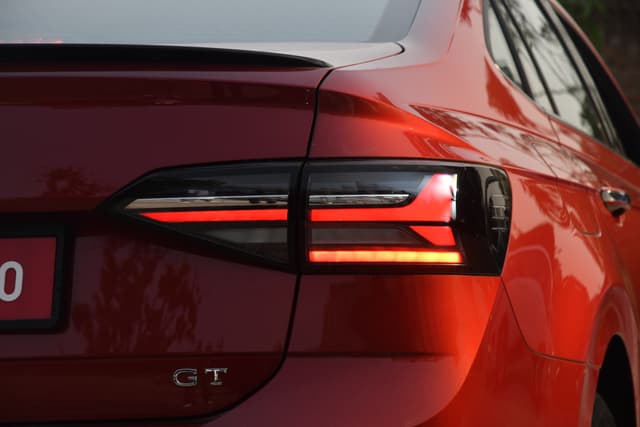
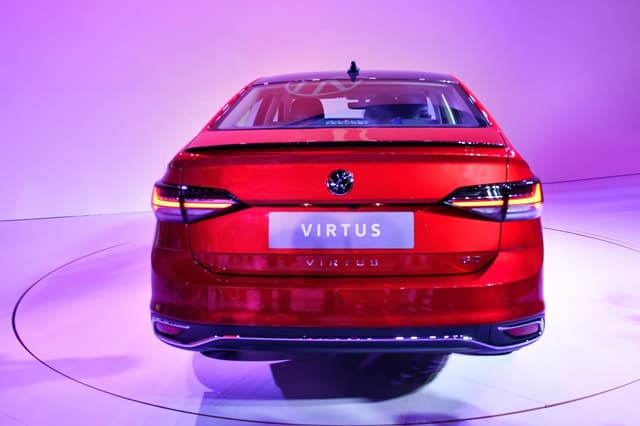
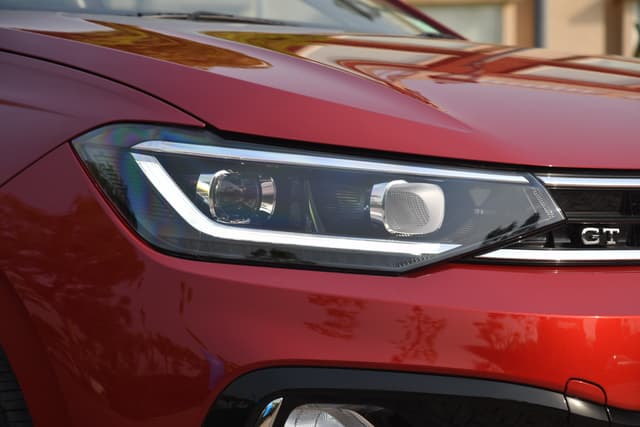
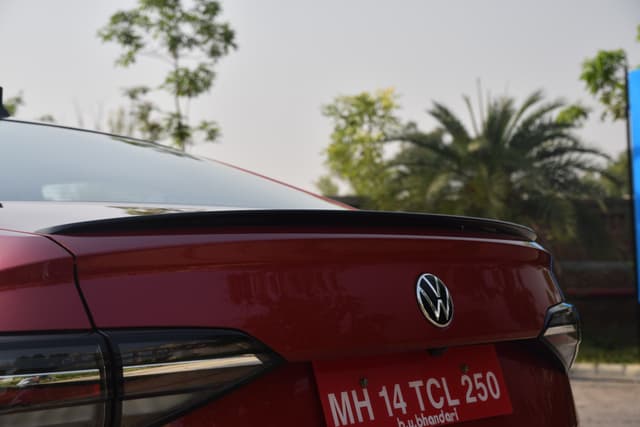
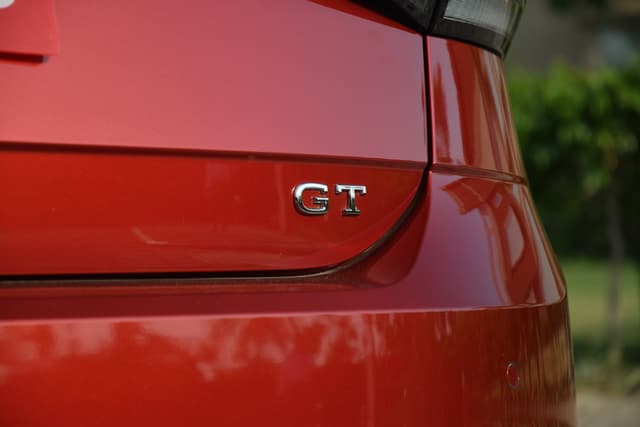
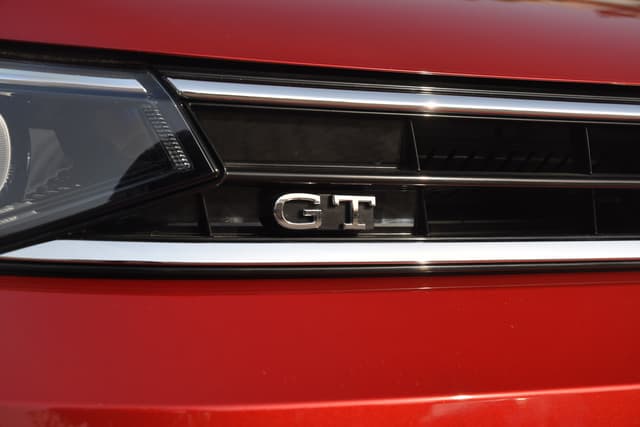
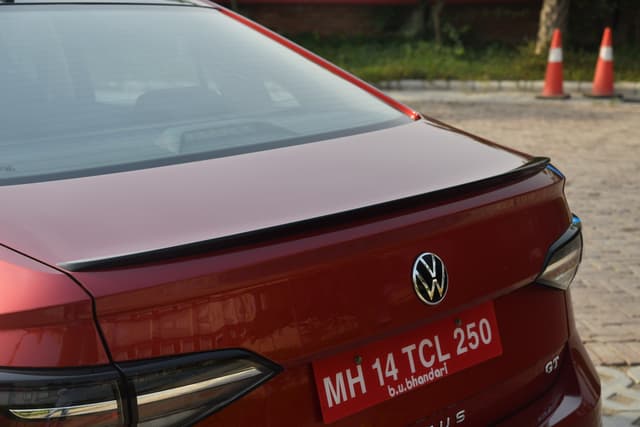
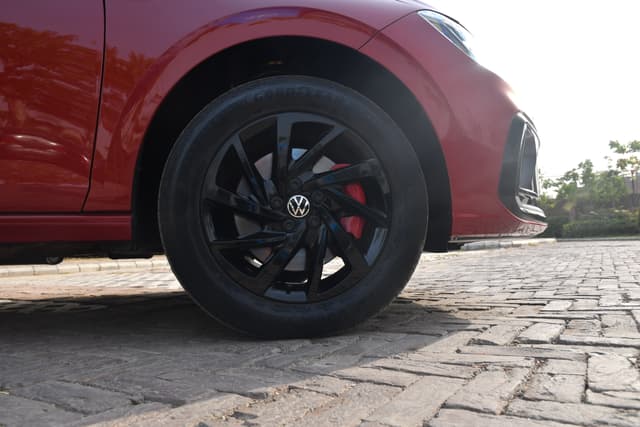
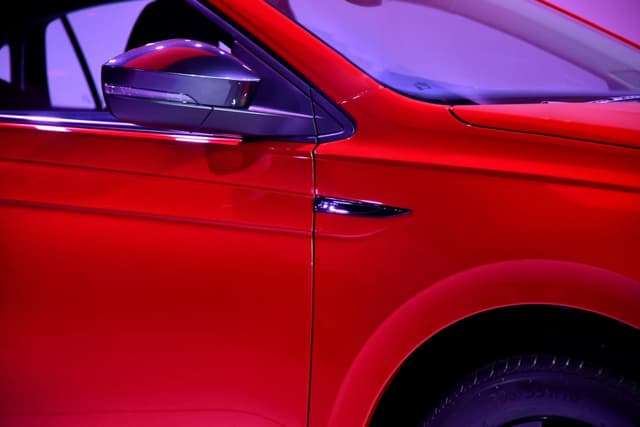
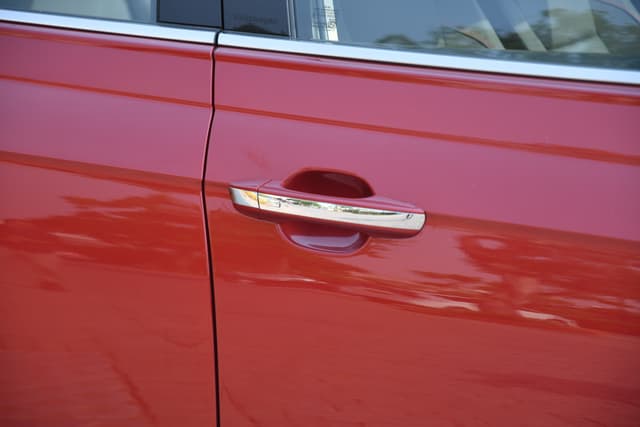
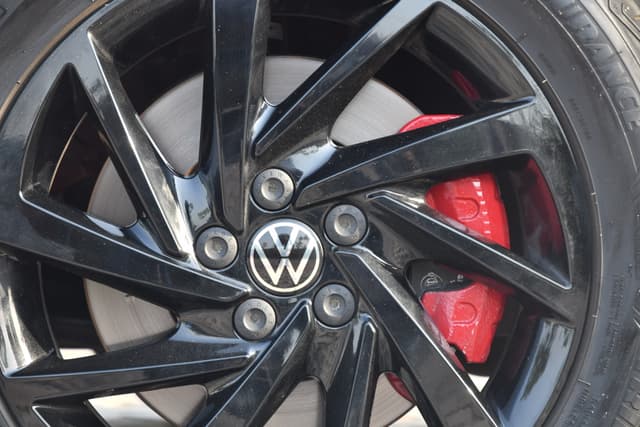
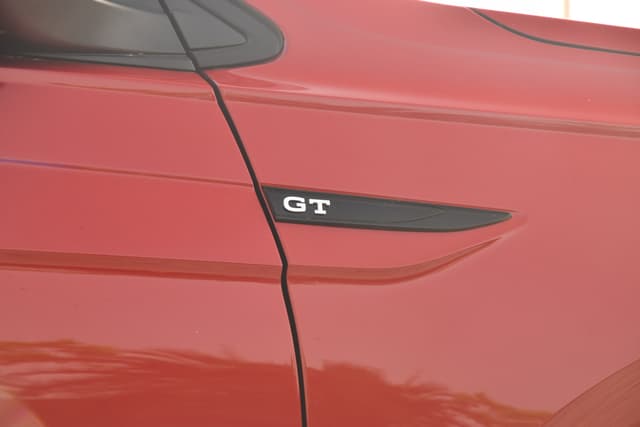
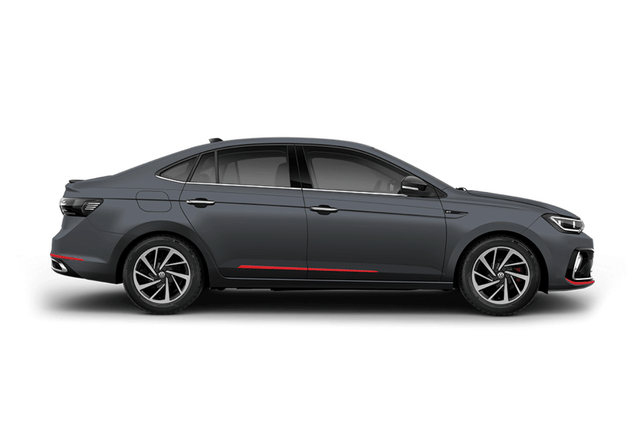
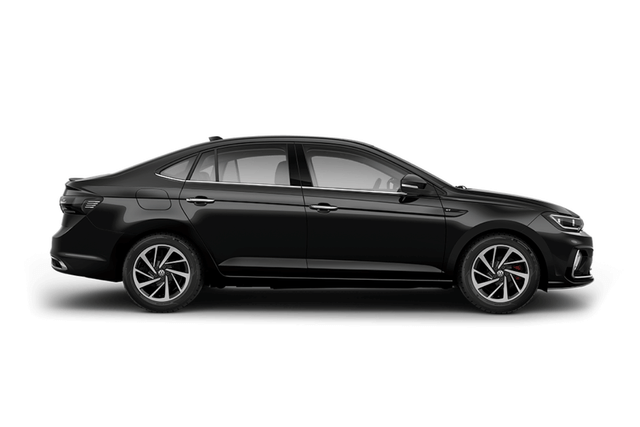
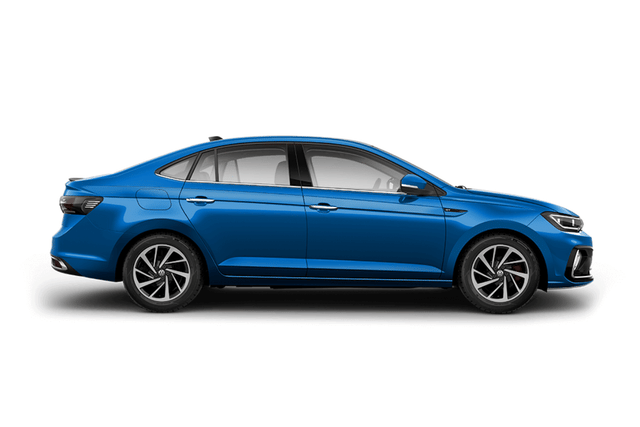
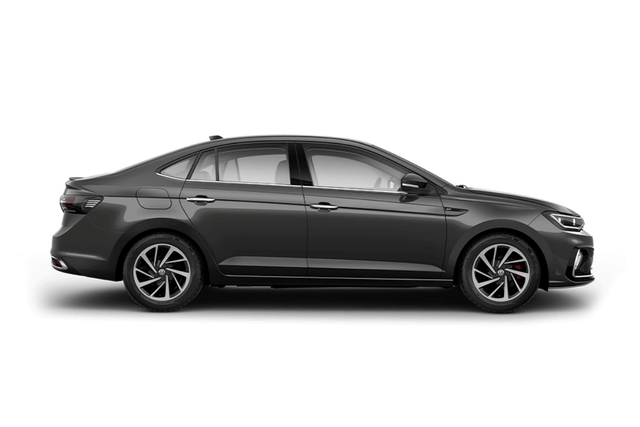
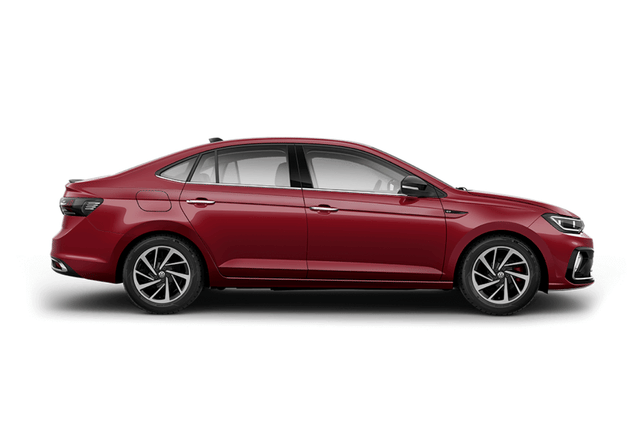
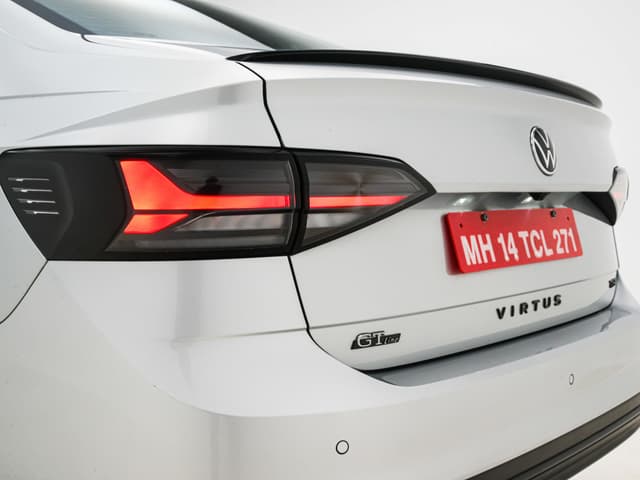
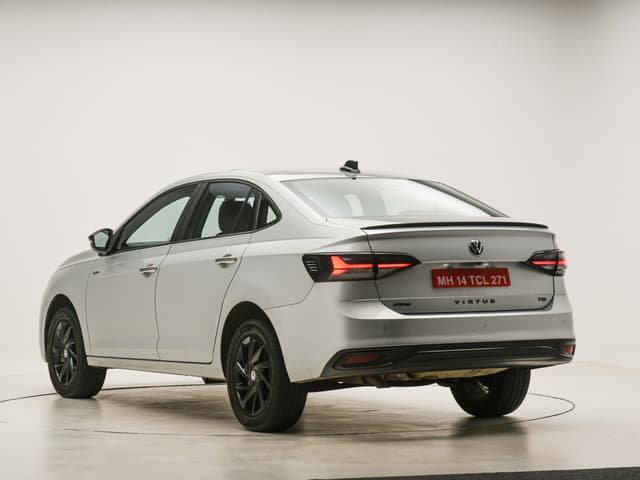
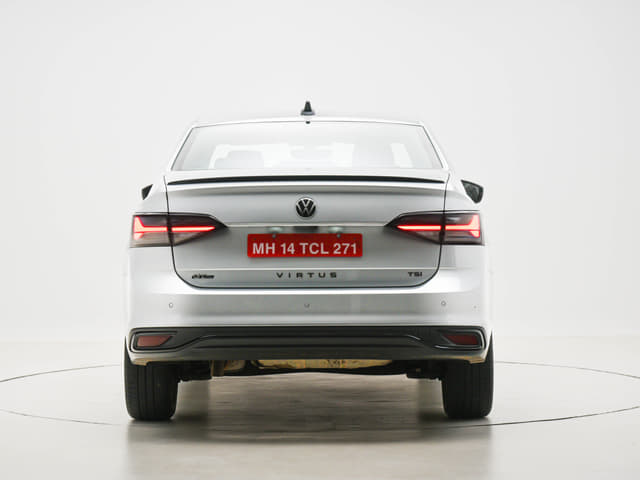
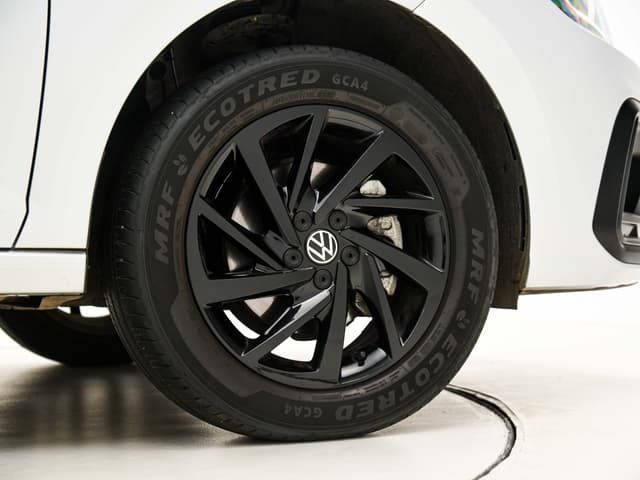
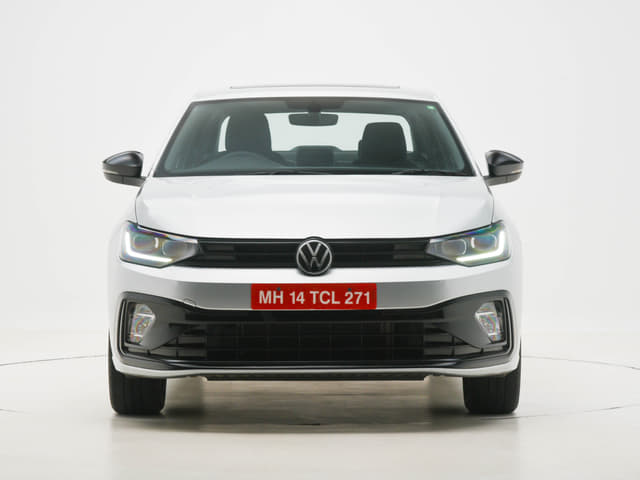
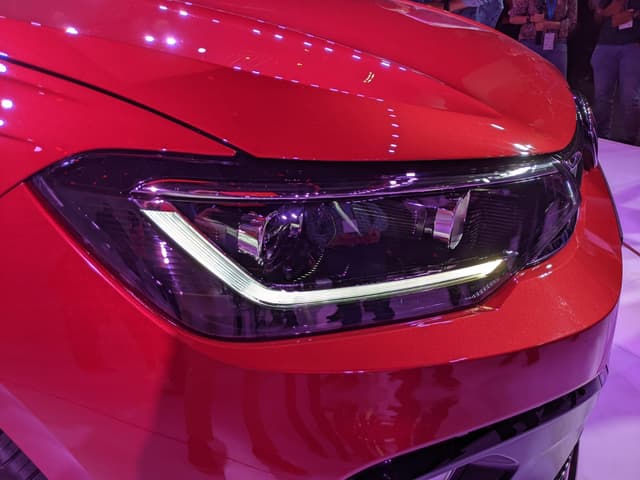
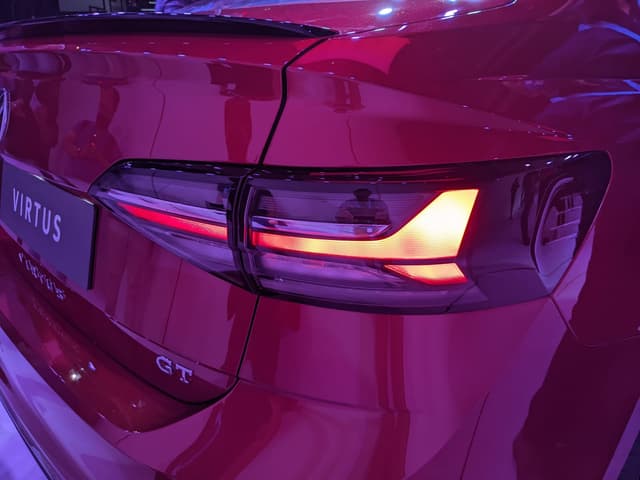
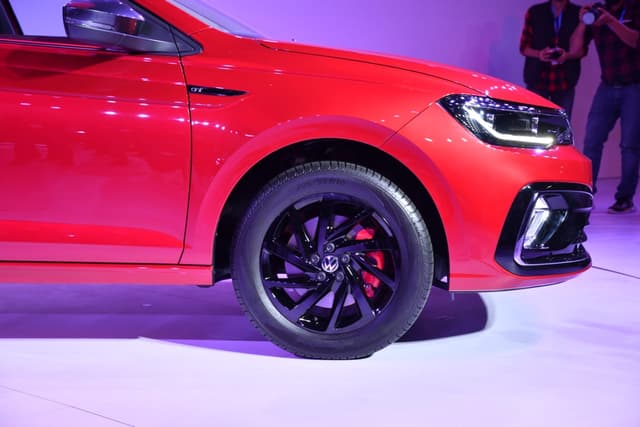
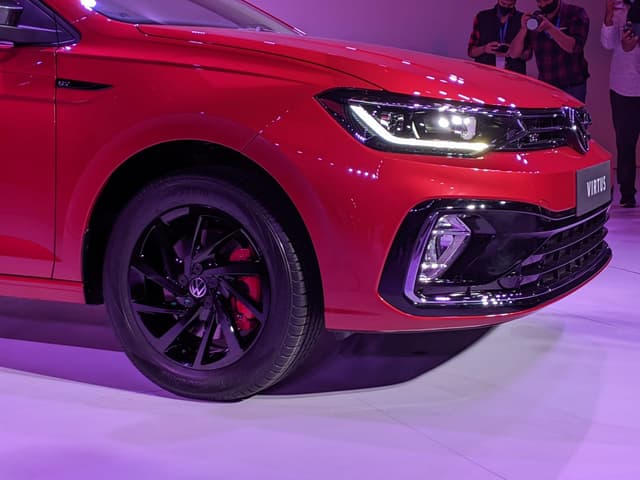
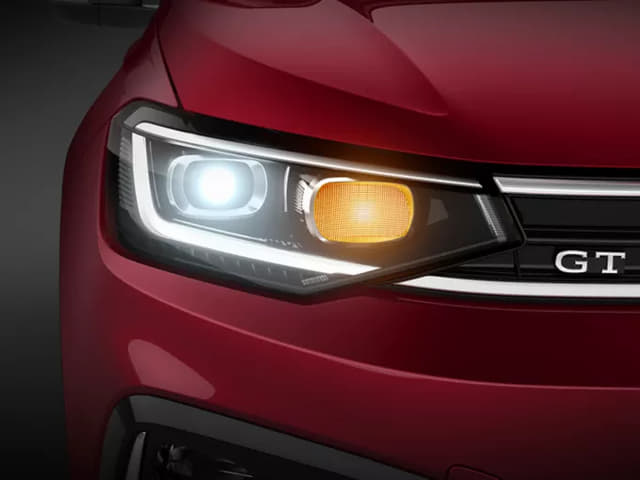
Volkswagen has gone for a mature and elegant design rather than a flashy one. The squared nose, clean body surfaces and restrained use of chrome give it a premium feel. Details such as the L-shaped LED DRLs and blacked-out tail-lamps add sophistication, while GT variants get black alloy wheels and subtle sporty touches.
8.0
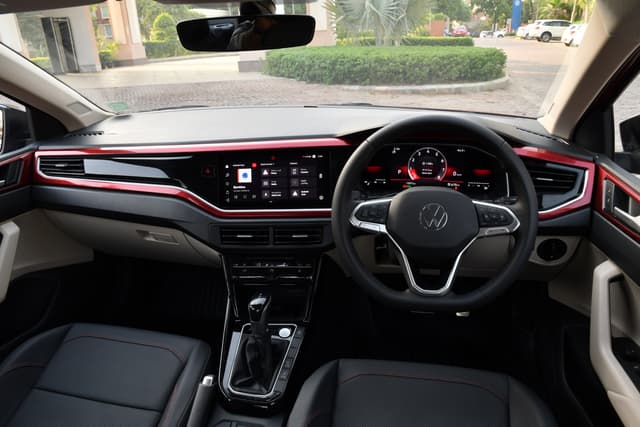
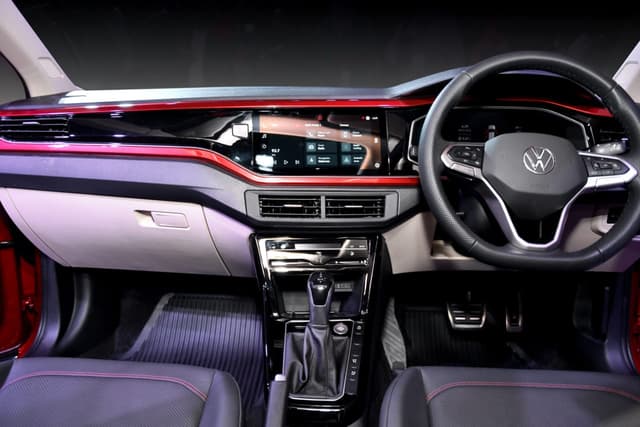
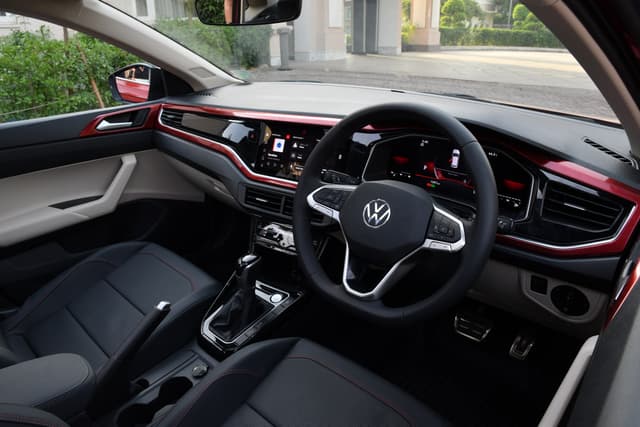
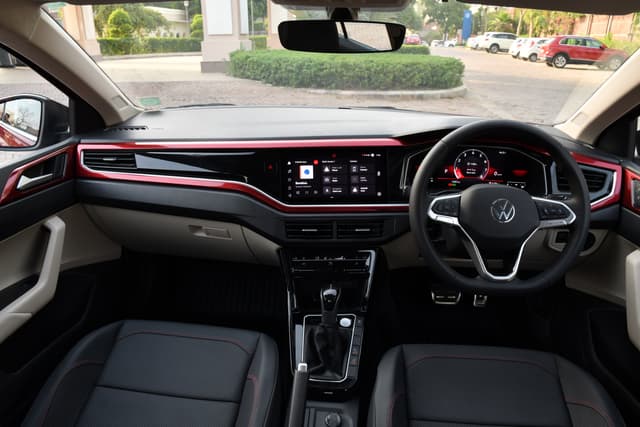
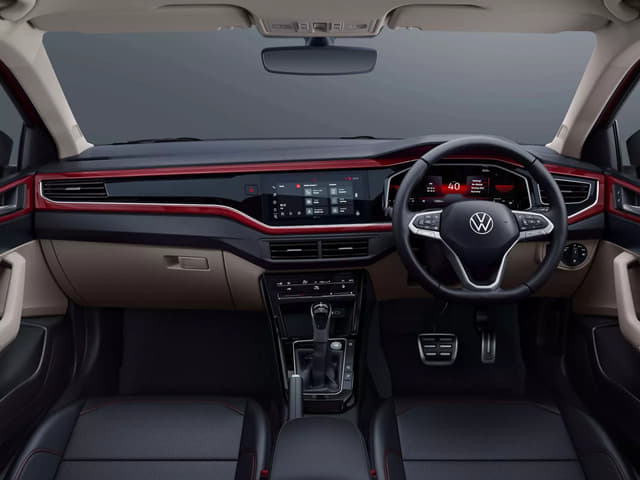
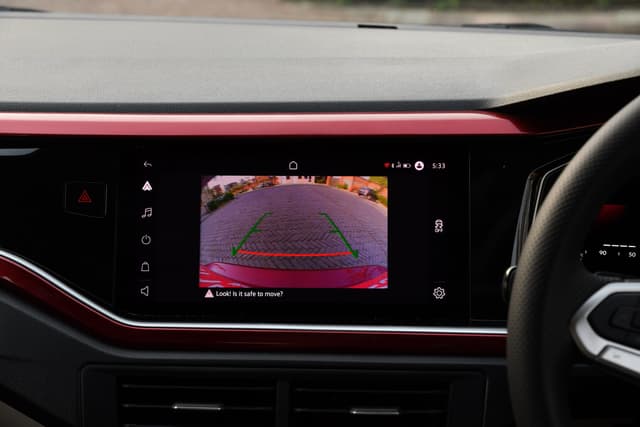
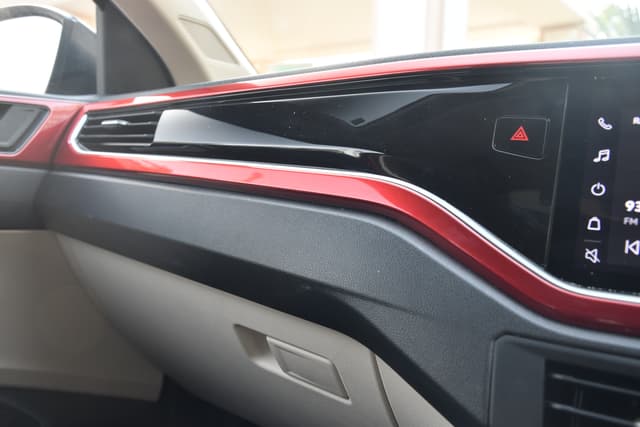
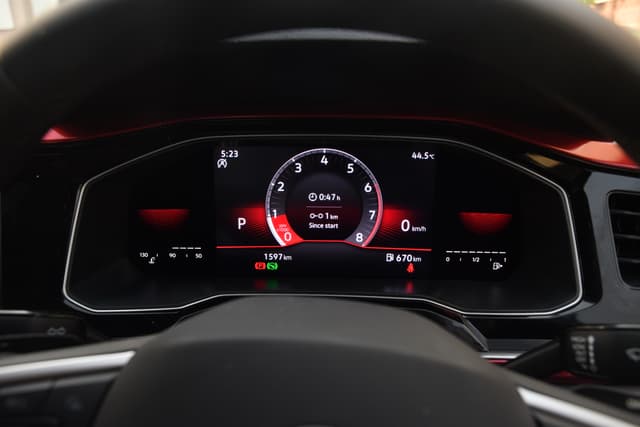
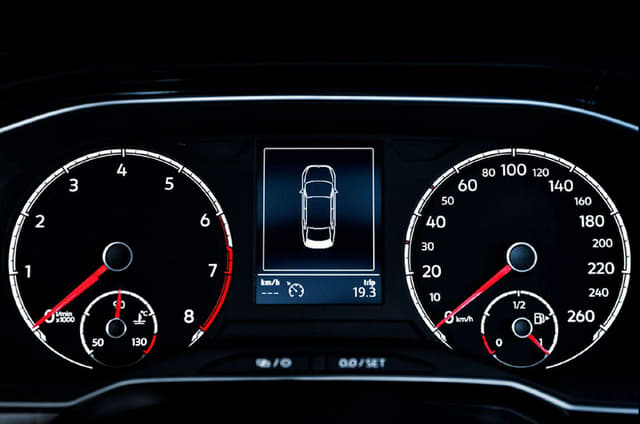
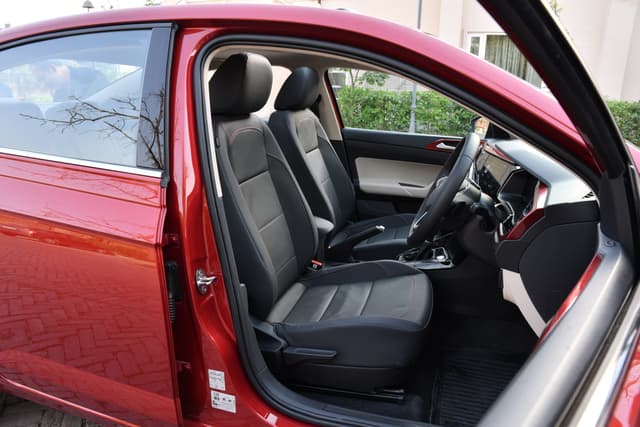
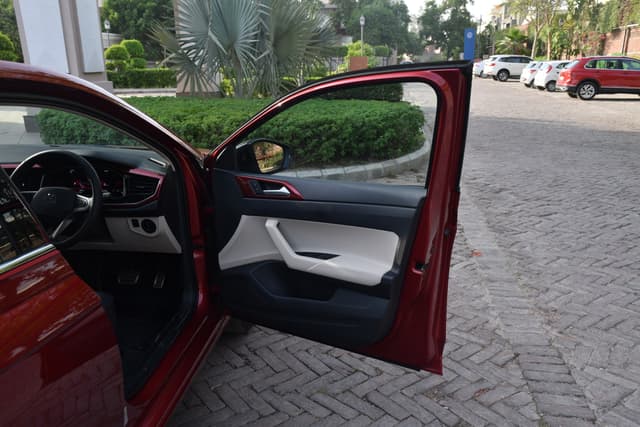
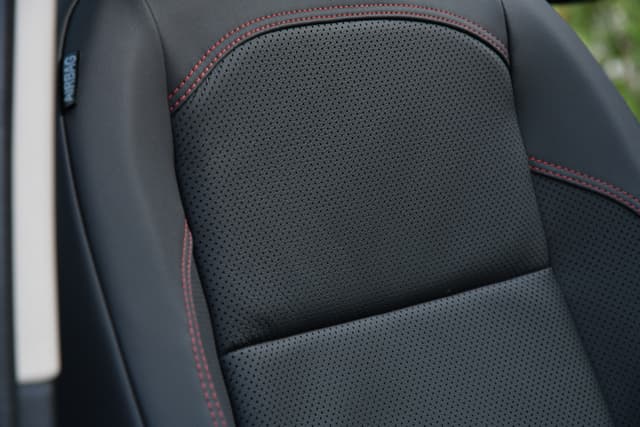
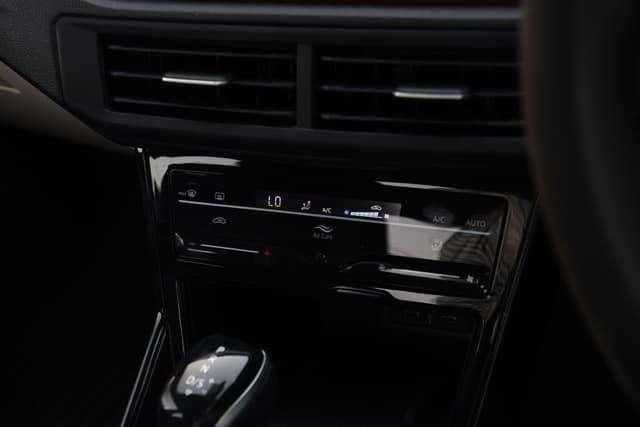
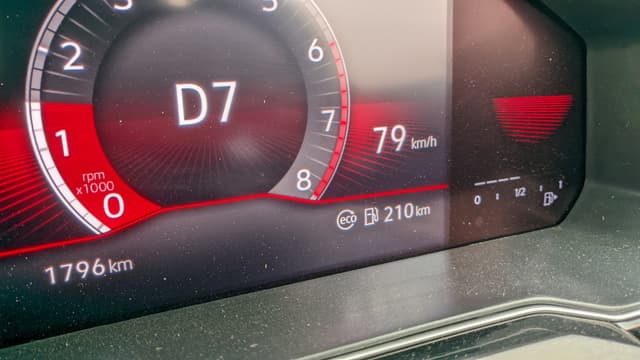
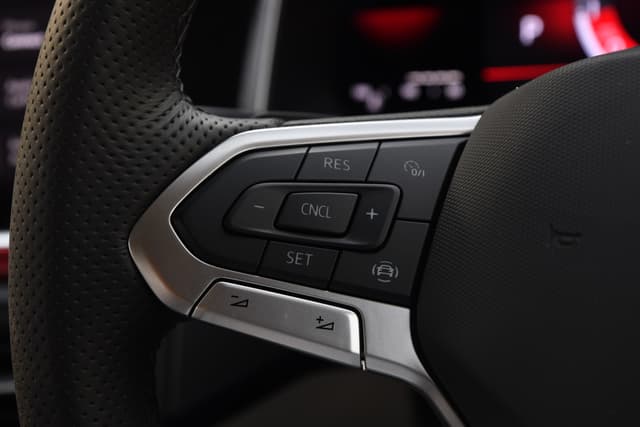
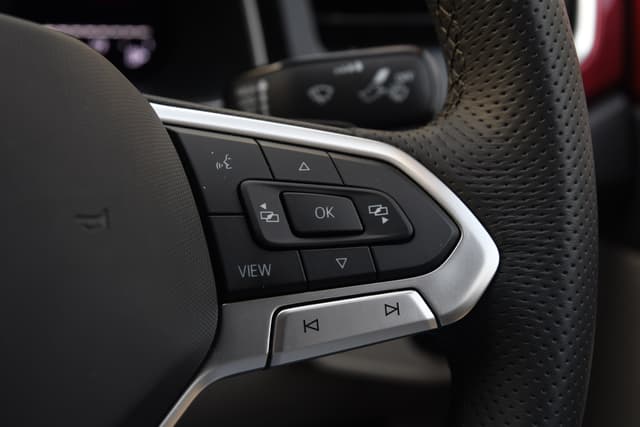
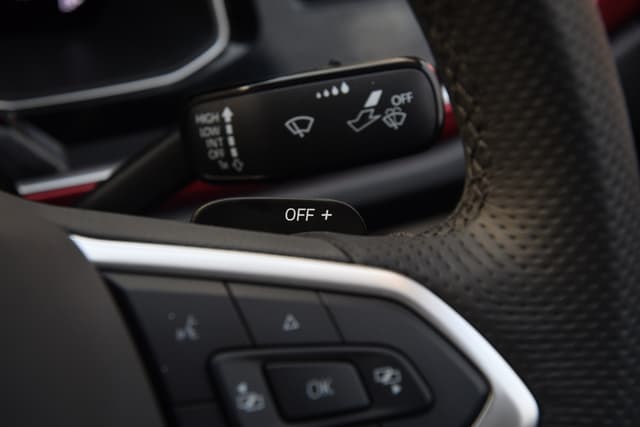
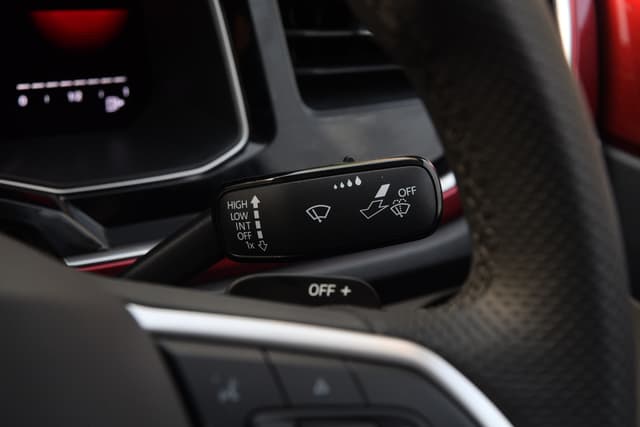
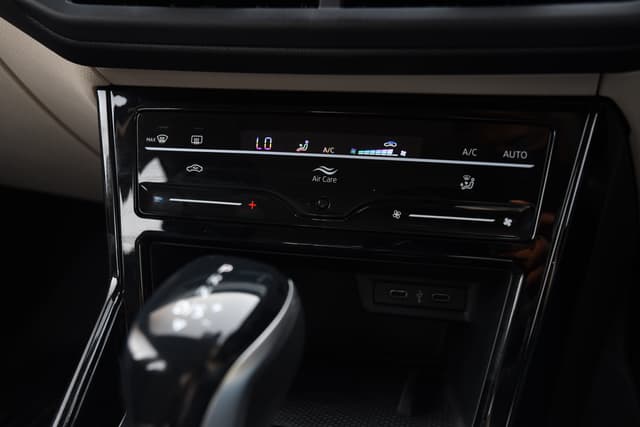
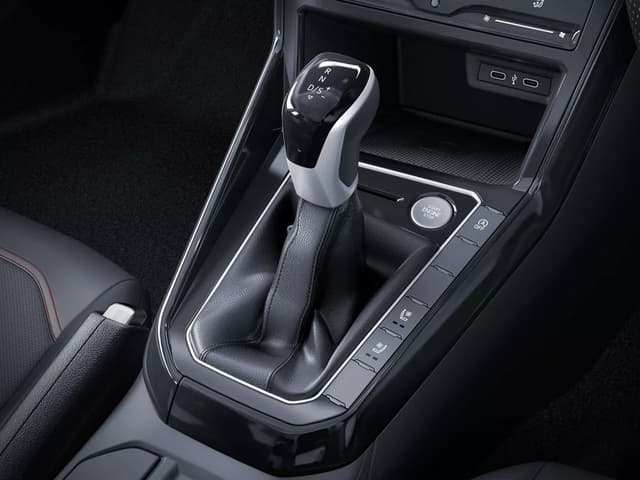
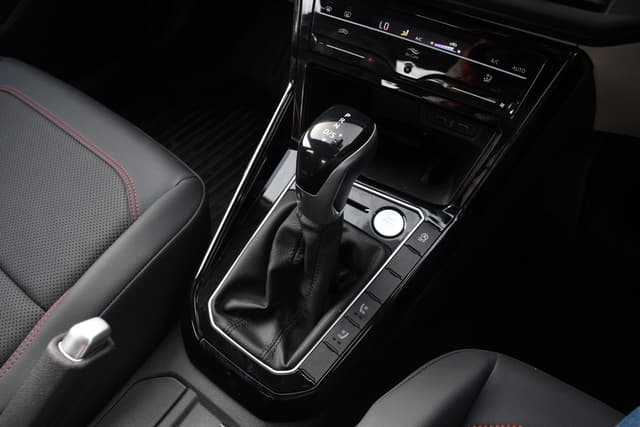
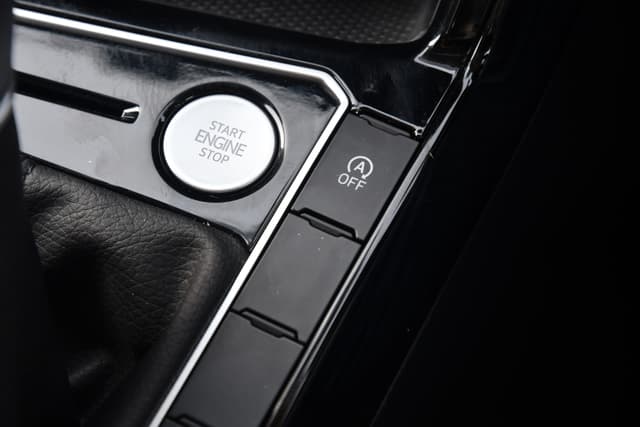
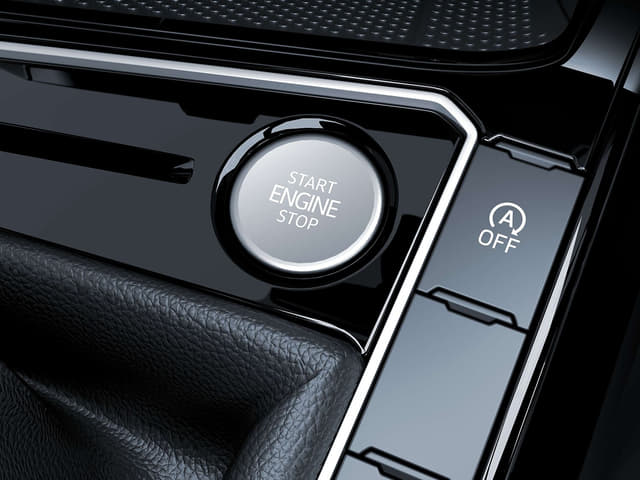
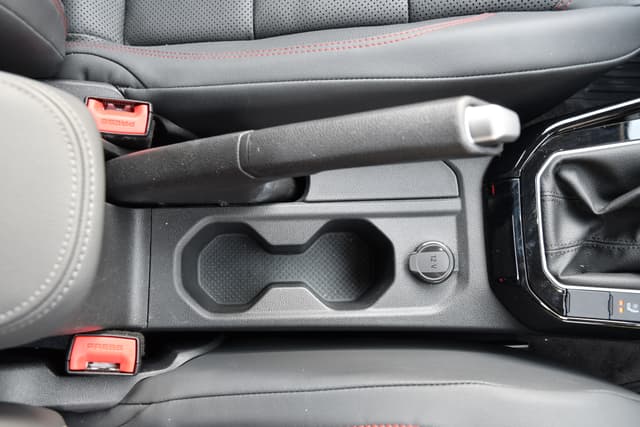
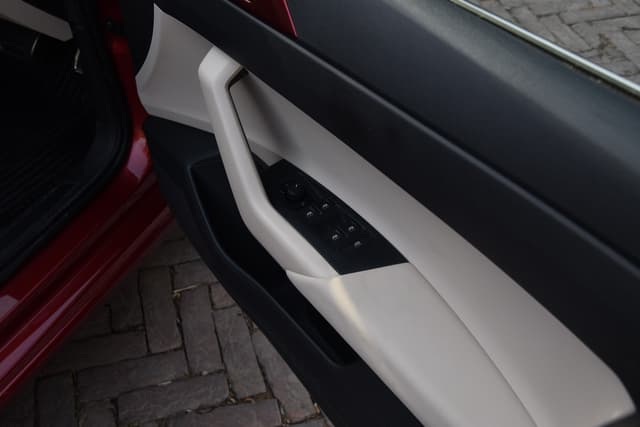
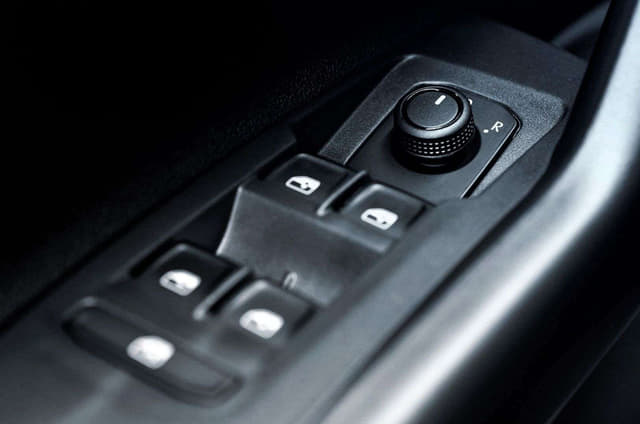
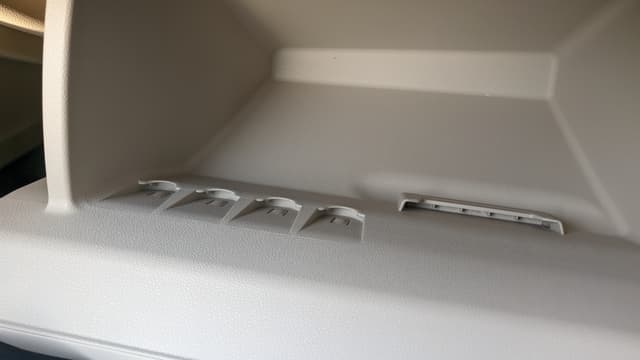
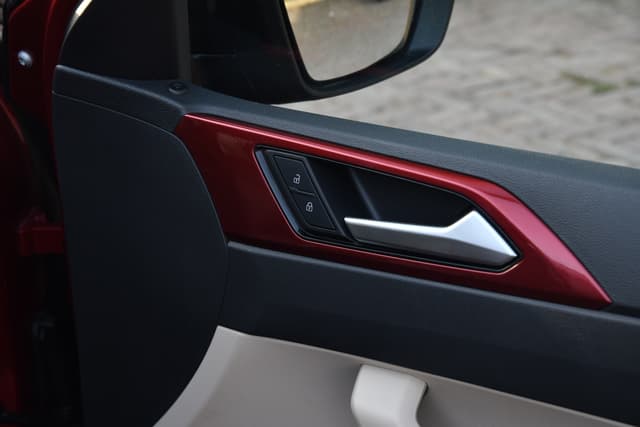
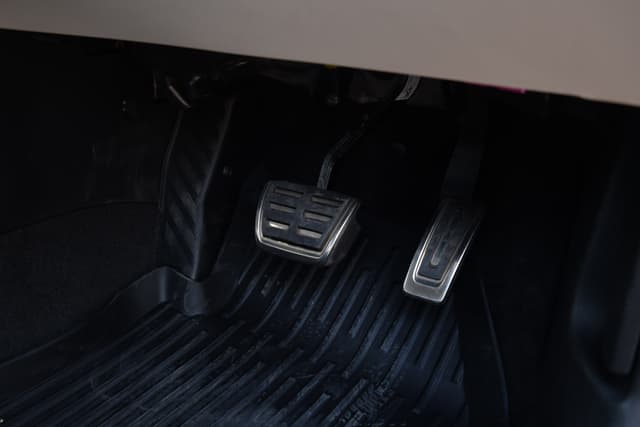
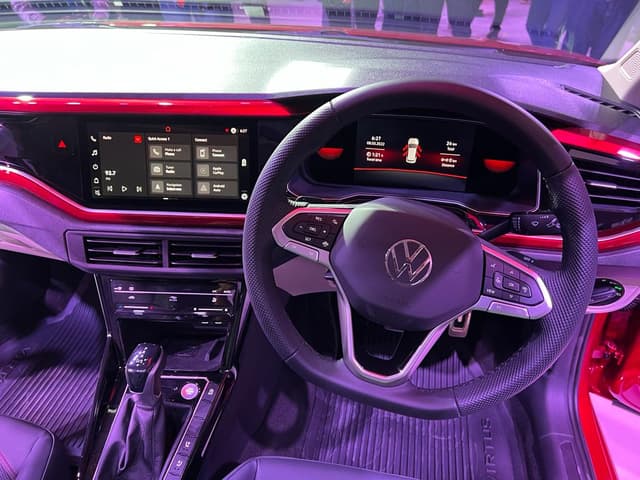
Inside, the Virtus feels distinctly premium for the segment. The dashboard design is clean and well integrated, with a touchscreen and digital instrument cluster giving it a modern appearance. Material quality is generally impressive, especially on the upper dashboard and steering wheel, though some lower plastics feel basic.
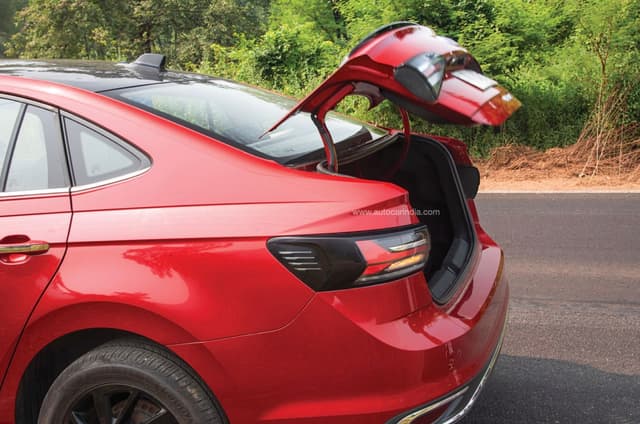
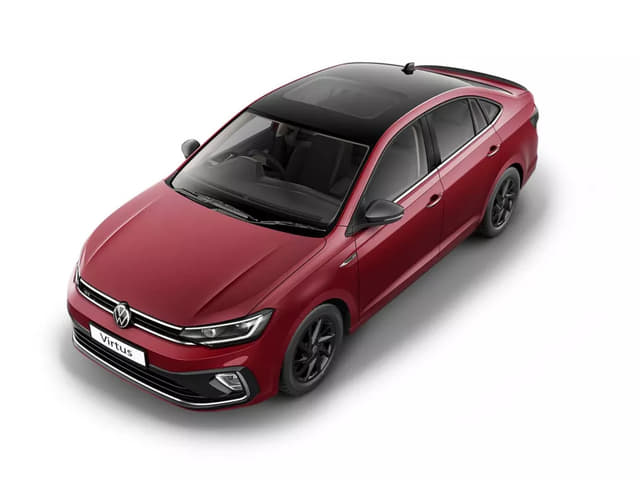
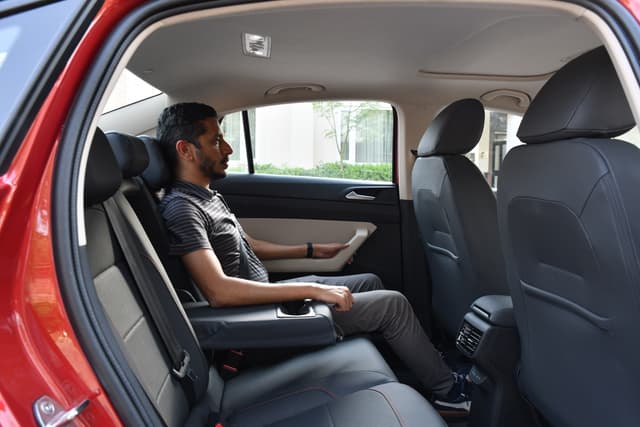
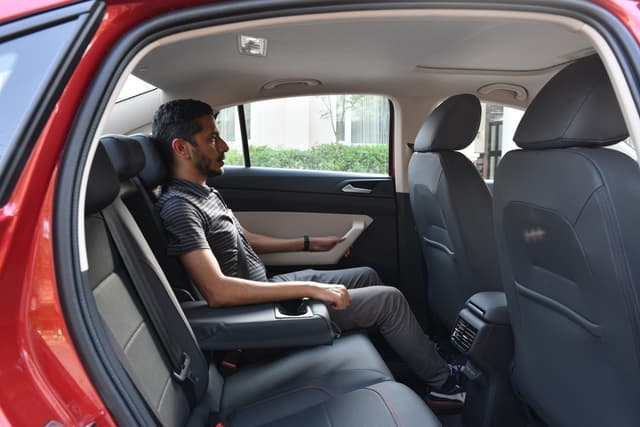
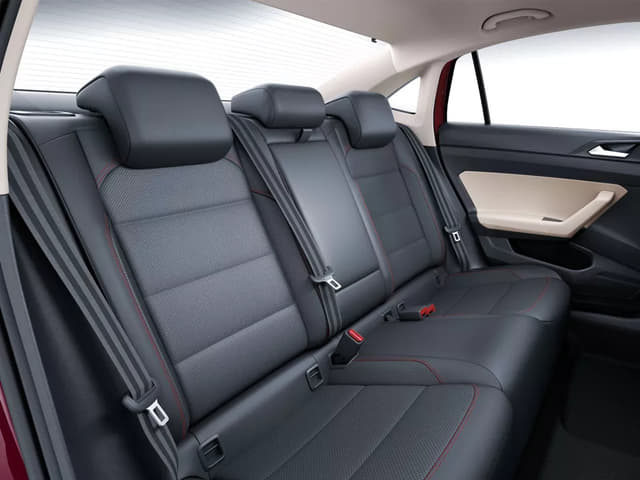
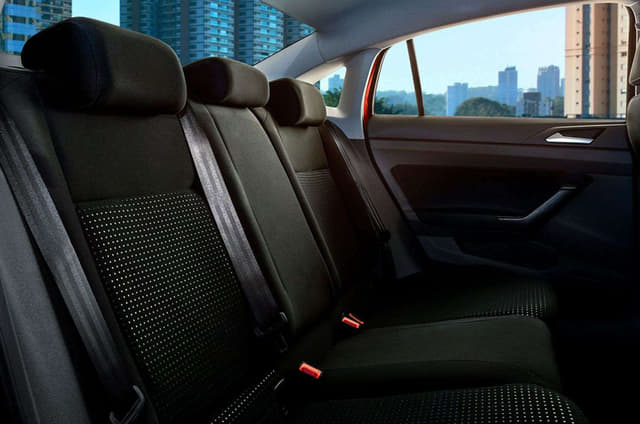
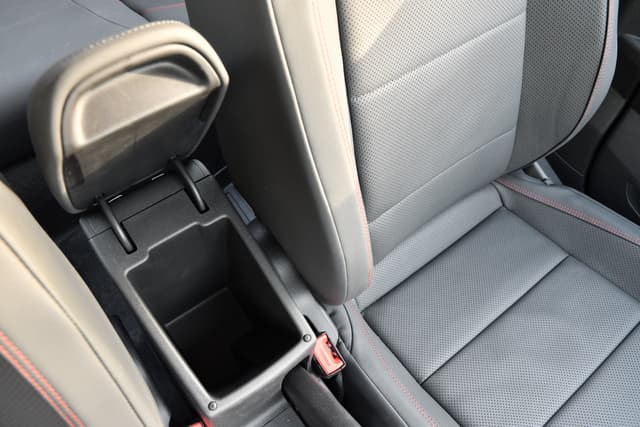
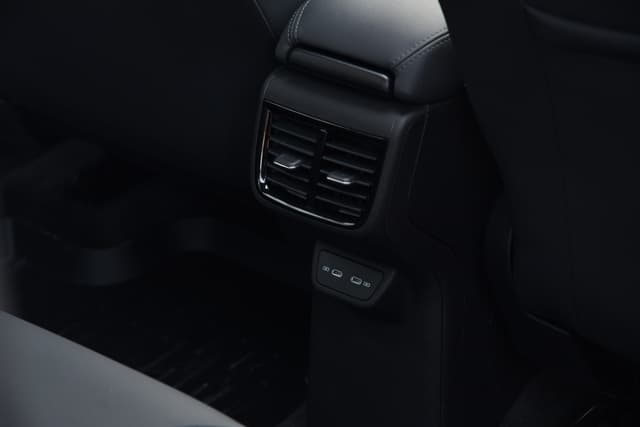
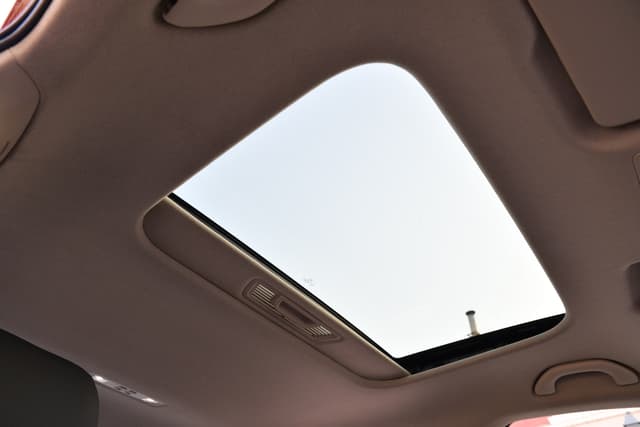
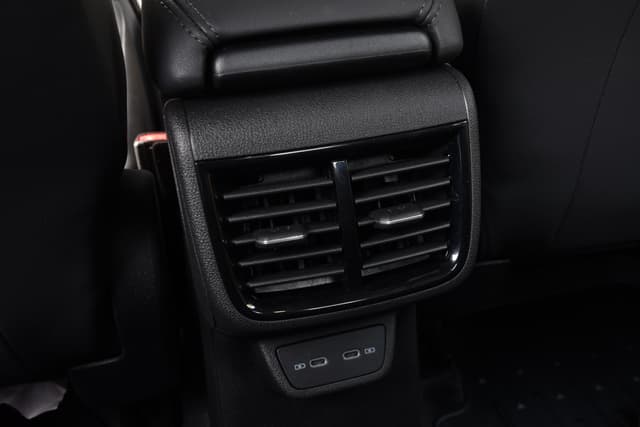
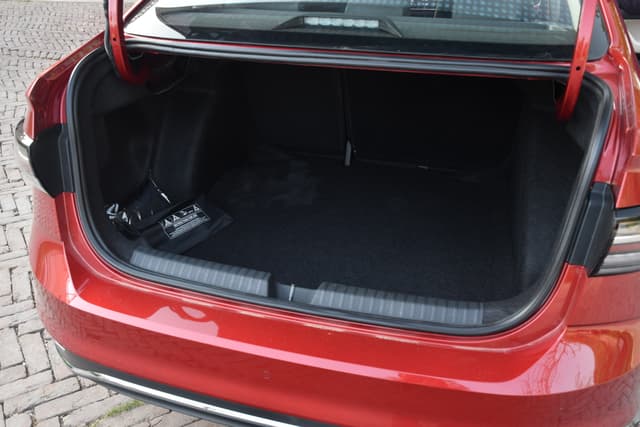
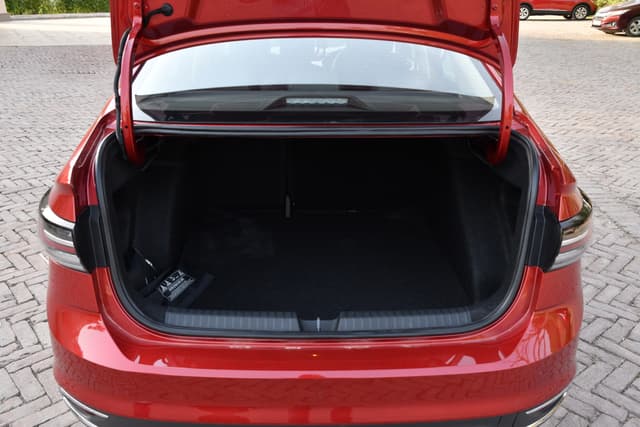
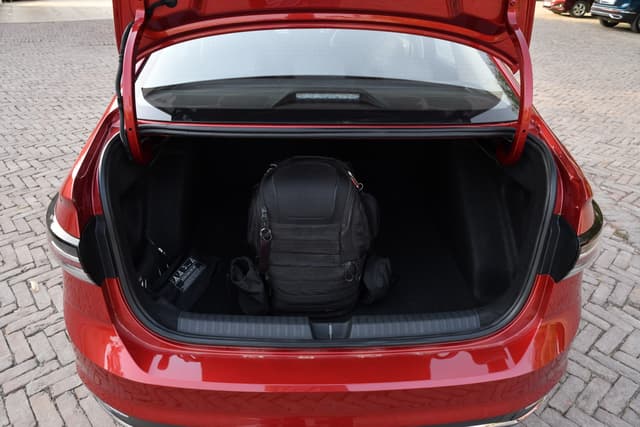
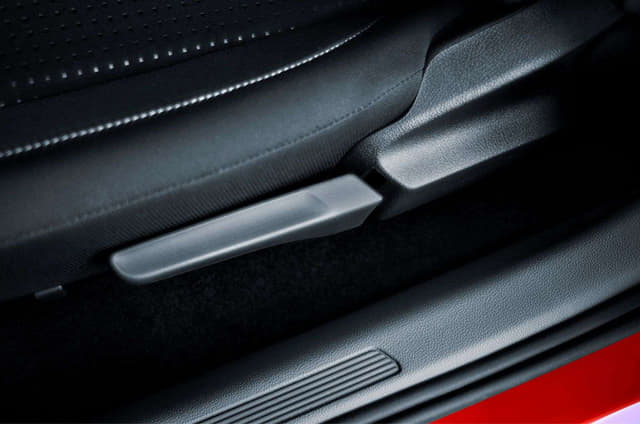
Front seats are large, supportive and comfortable, while visibility is excellent despite the sedan body style. The wide sunroof helps make the cabin feel airy. Rear-seat comfort is another highlight, with generous legroom and good under-thigh support. While three adults abreast can feel tight, the cabin still feels spacious overall. Practicality is strong too, thanks to a massive 521-litre boot.

8.0
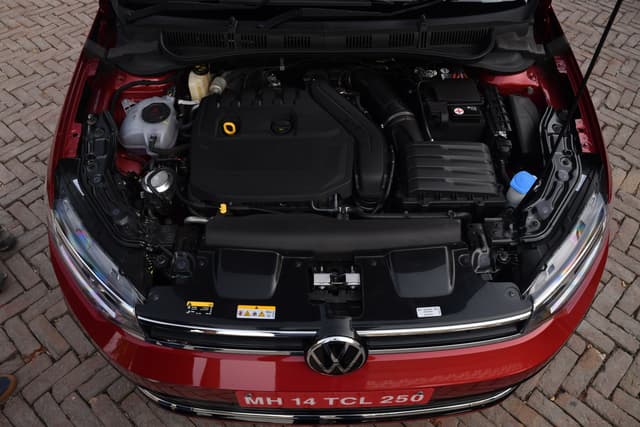
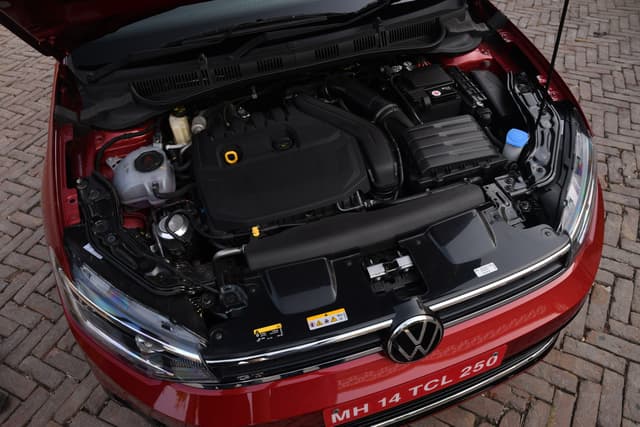
The Virtus offers two turbo-petrol engines. The 1.0-litre TSI produces 115hp and 178Nm, while the more powerful 1.5-litre TSI delivers 150hp and 250Nm.
The 1.0 TSI impresses with its eagerness and responsiveness. Paired with the torque-converter automatic, it feels lively in city driving and performs better than expected for its size. There is some three-cylinder grumble at low speeds, but overall refinement remains good.
The 1.5 TSI DSG is the enthusiast’s choice. Power builds strongly and linearly, and performance feels genuinely quick. The gearbox occasionally pauses to protect the clutches, but once moving, acceleration is searing. Cylinder deactivation technology also helps improve efficiency without affecting refinement.
7.0
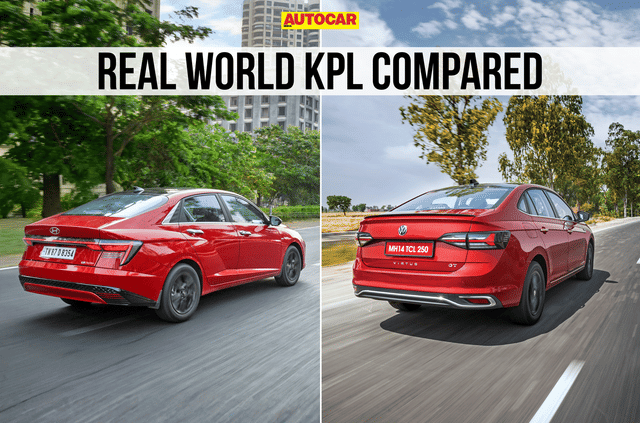
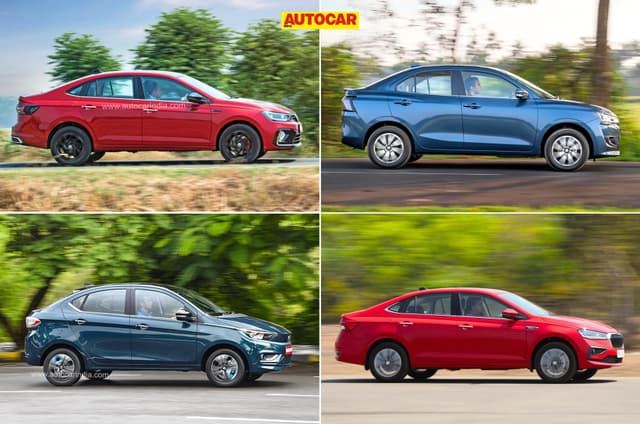
Volkswagen claims efficiency figures between 18.7kmpl and 20.1kmpl, depending on the engine and gearbox combination. The 1.5 TSI benefits from cylinder deactivation technology, helping improve fuel economy during relaxed cruising.
8.0
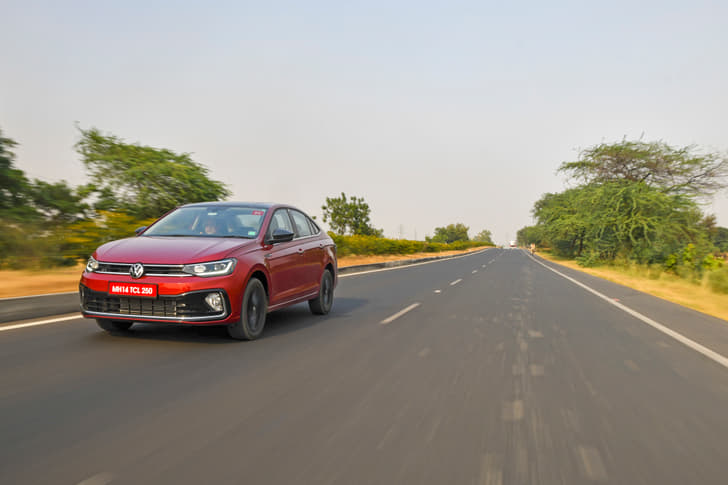
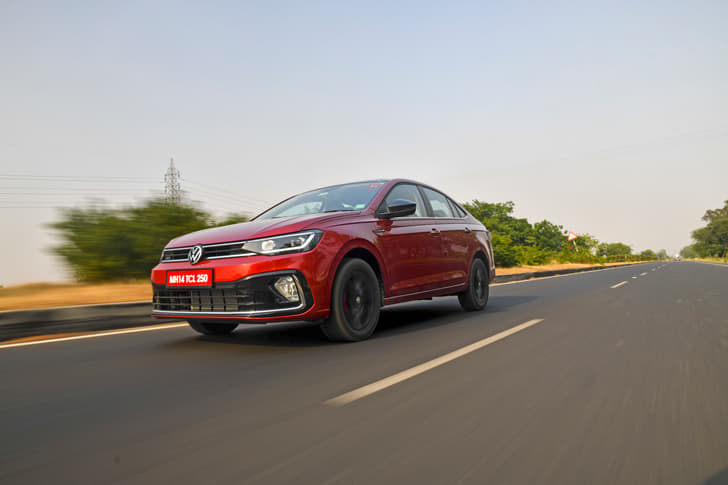
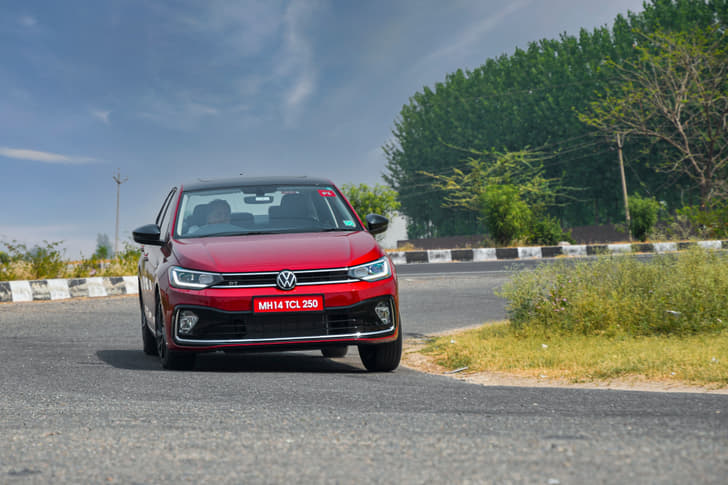
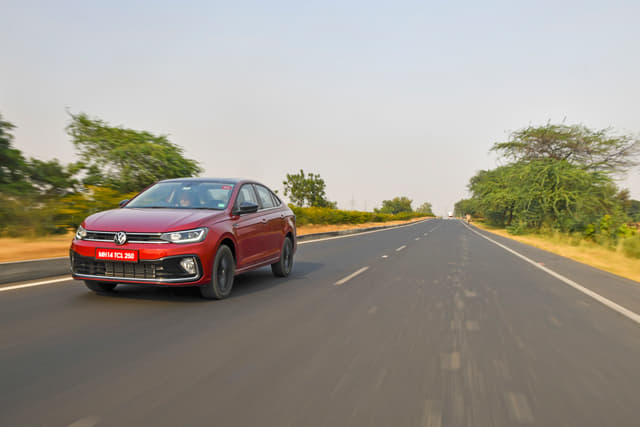
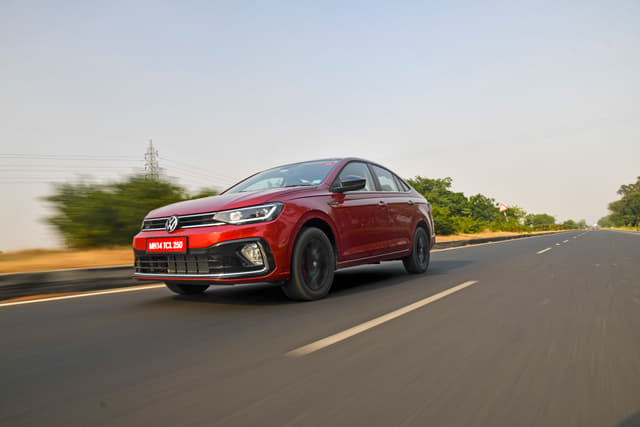
Ride and handling are where the Virtus truly shines. The suspension absorbs poor roads confidently while maintaining excellent body control. Even over sharp-edged potholes, the car remains composed.
The 1.0 TSI feels lighter and slightly keener into corners, while the 1.5 TSI trades some agility for outright pace. Despite its 179mm ground clearance, the Virtus feels stable and confidence inspiring at high speeds.
8.0
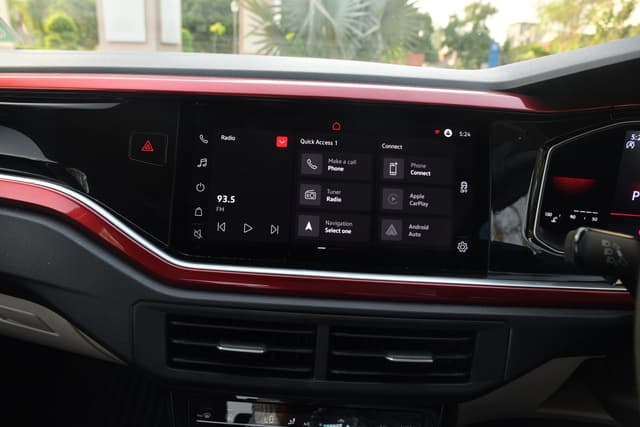
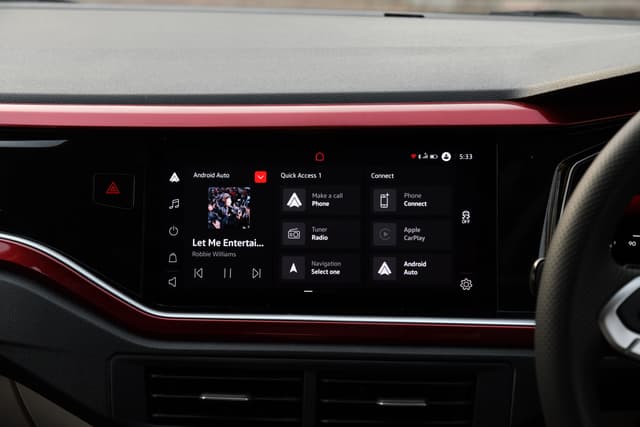
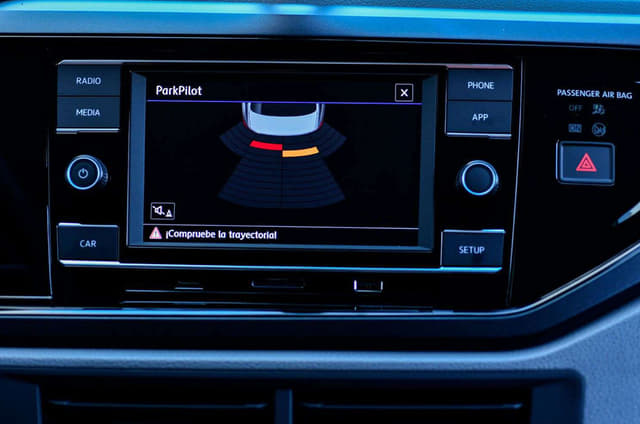
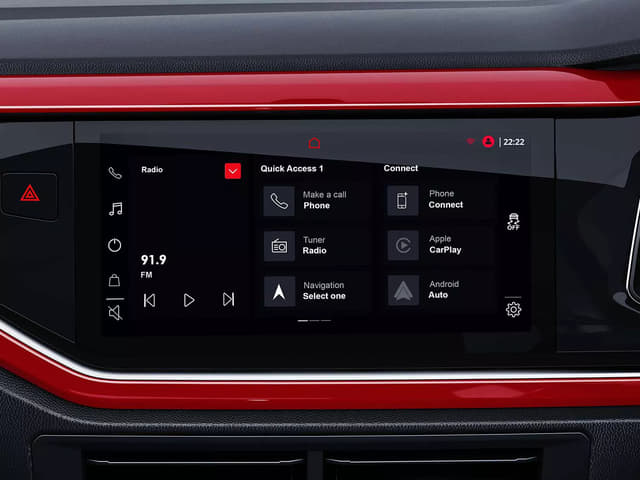
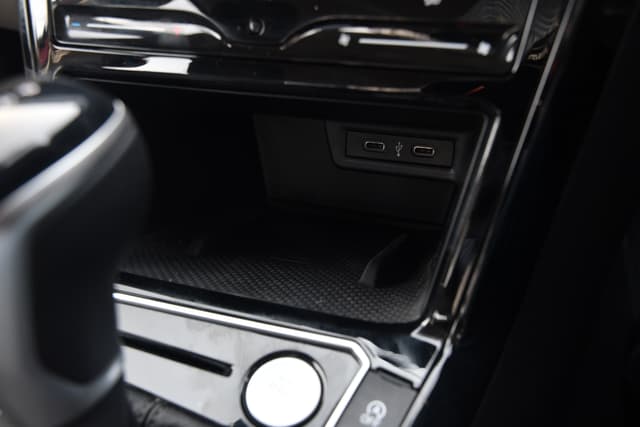
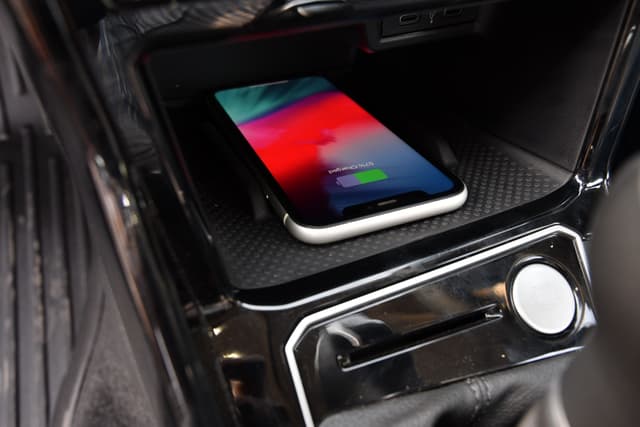
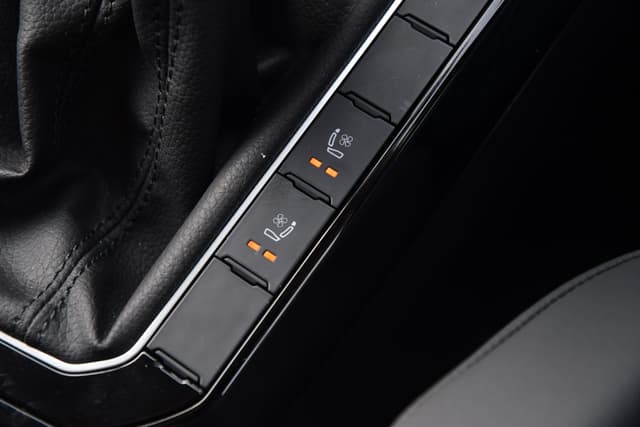
The Virtus comes equipped with features such as a touchscreen infotainment system, wireless Android Auto and Apple CarPlay, ventilated front seats, wireless charging and a digital instrument cluster.
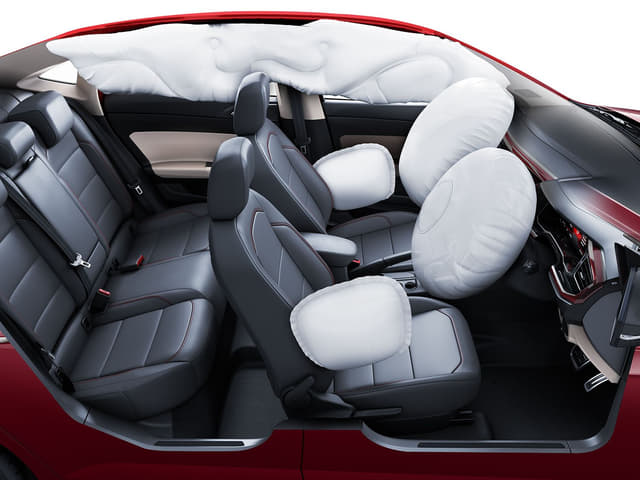
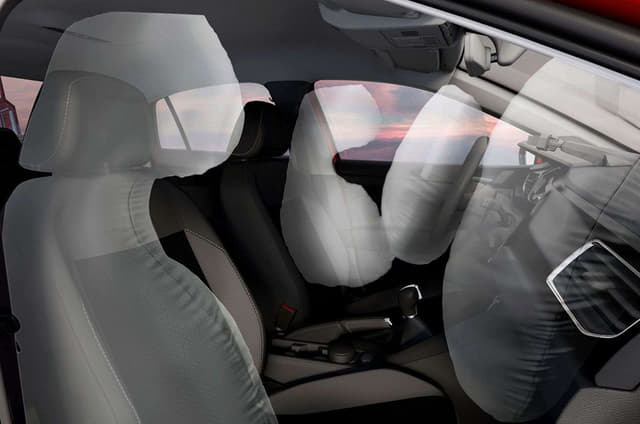
Safety equipment includes ESC, multiple airbags, TPMS and a strong structural package. The solid build quality further enhances the sense of safety and robustness.
7.0
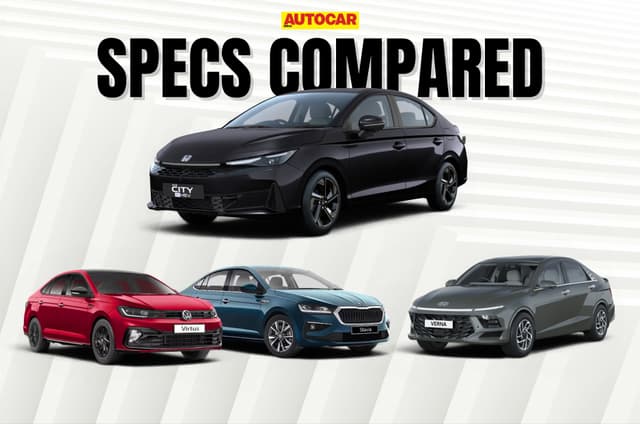
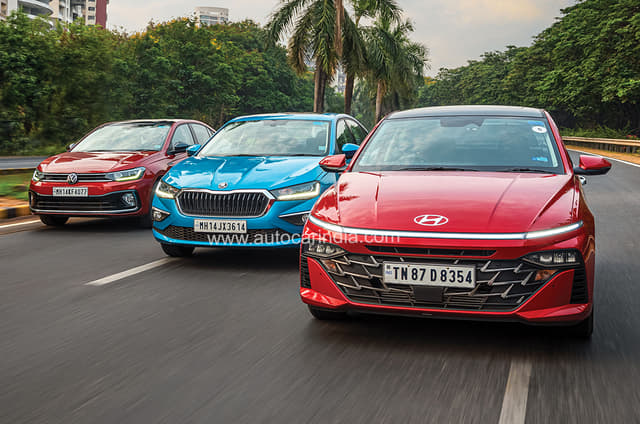
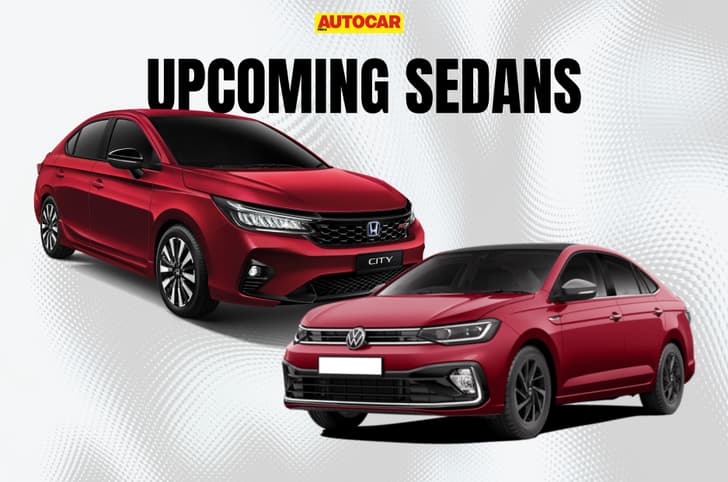
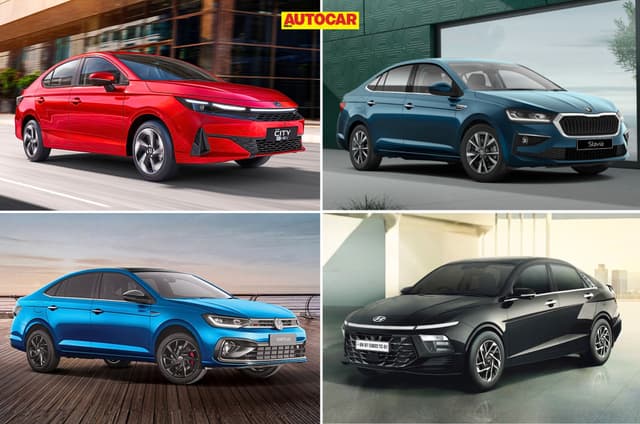
Priced between Rs 10.49 lakh and Rs 19 lakh (ex-showroom), the Virtus competes with the Honda City, Hyundai Verna and Skoda Slavia.
The lack of diesel or hybrid options may limit its appeal for some buyers, but the Virtus compensates with strong performance, excellent ride and handling, solid build quality and a genuinely premium feel.
Reviewed by: Shapur Kotwal
Volkswagen Virtus reviews

Volkswagen Virtus Images
Volkswagen Virtus videos


.jpg?w=640&q=75)
.jpg?w=640&q=75)