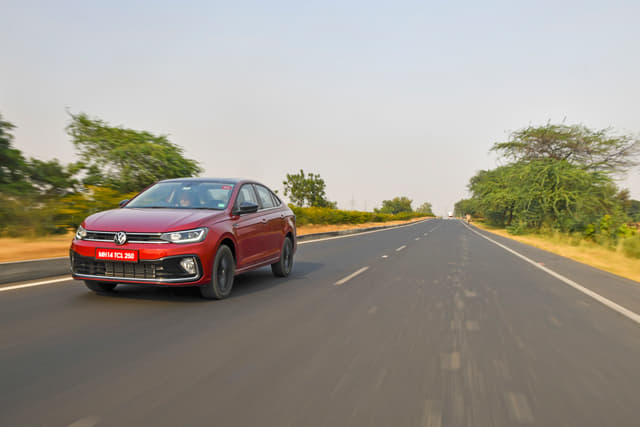
Volkswagen Sedan Cars in India (2)
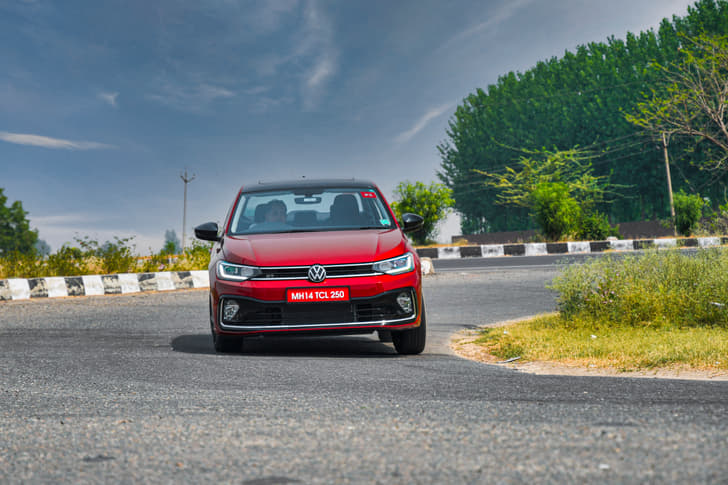
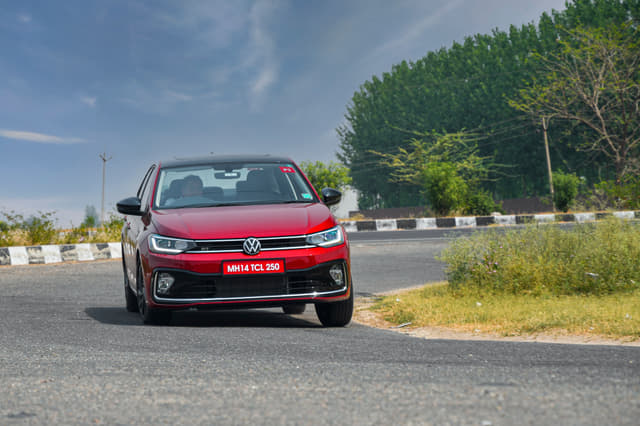
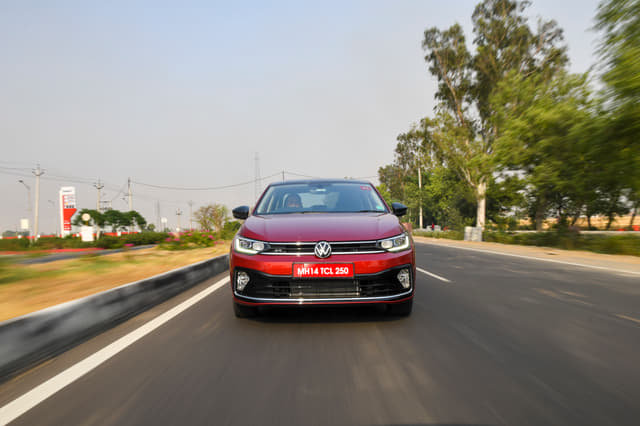
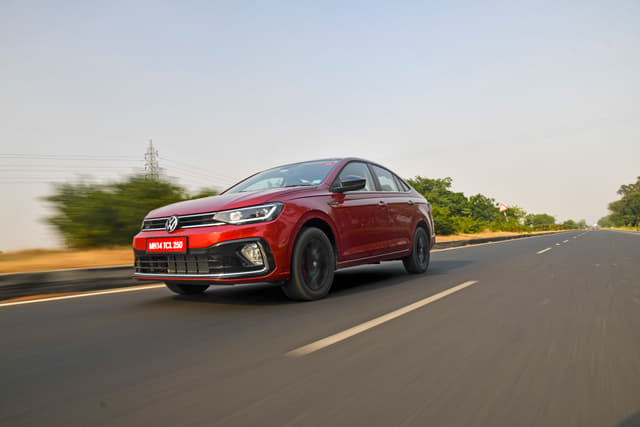
As of August 2026, Volkswagen sedan cars include a single model - the Virtus. The Volkswagen sedan car price ranges between ₹10.50 lakh and ₹19.00 lakh (ex-showroom). The Virtus is offered in 11 variants spread across six trims, catering to a wide range of buyers in the mid-size sedan segment.
The Volkswagen Virtus is powered by a petrol engine and is available with both manual and automatic transmission options. In terms of efficiency, Volkswagen sedan cars in India deliver a mileage ranging between 18.7 kmpl and 20.2 kmpl.
Safety remains a strong highlight of Volkswagen sedan cars, with the Virtus securing a 5-star rating from Global NCAP. It comes equipped with comprehensive safety features such as six airbags, ABS with EBD, hill assist, brake assist, rear parking sensors, and a reversing camera.
The Volkswagen sedan car lineup is well-equipped, offering premium elements like ambient lighting, alloy wheels, cruise control, and a sunroof. Additionally, it includes modern conveniences such as wireless phone charging, Android Auto and Apple CarPlay, ventilated seats, central locking, and parking sensors.
The Volkswagen Virtus rivals include models such as the Skoda Slavia, Hyundai Verna, and Honda City.

Volkswagen Sedan Cars - FAQs
In 2026, Volkswagen sedan cars in India include only one model currently on sale, the Virtus.
The Volkswagen sedan car price ranges between ₹10.50 lakh and ₹19.00 lakh (ex-showroom) for the Virtus.
Currently, the Volkswagen sedan car lineup consists solely of the Virtus.
Among the current Volkswagen sedan cars in India, the Virtus is offered with a petrol engine and is available with both manual and automatic transmission options.
The Volkswagen Virtus in the sedan car lineup delivers a mileage between 18.7 kmpl and 20.2 kmpl, depending on the variant.
Yes, the Volkswagen sedan cars in India currently include the Virtus, which has received a 5-star safety rating.
The Virtus among Volkswagen sedan cars comes equipped with 6 airbags for occupant safety.
The Volkswagen sedan cars in India feature a list that includes ambient lighting, alloy wheels, cruise control, ABS system, and a sunroof, depending on the variant.
Yes, the Virtus among Volkswagen sedan cars comes with Android Auto and Apple CarPlay support.
Yes, the Volkswagen sedan car lineup offers features such as parking sensors, central locking, wireless phone charging, ventilated seats, and a reverse camera in the Virtus.
Trending Questions on Volkswagen Cars - Answered by Autocar Experts
Looking for a sedan that fulfils the following criteria, in order of preference: Smooth, non-bumpy ride that doesn’t wobble over potholes and speed breakers Good mileage Relatively low maintenance costs Comfortable rear seats with good legroom, as the car will be chauffeur-driven Budget: Rs. 12–16 lakh Usage: 95% in city traffic Please suggest suitable sedans based on the above criteria, ranked from highest to lowest preference. Brands such as Honda, Hyundai, Skoda and Volkswagen are preferred. I am currently using a Kia Sonet, which is absolutely disappointing in all the above respects. Thanks, Dr Chinwalla
For your requirements, the Honda City is what we would recommend. It offers the most comfortable rear seat in the segment, with excellent legroom and a well-cushioned bench that makes this Honda car ideal for chauffeur-driven city use. The ride quality is also very well judged, with the suspension absorbing potholes and speed breakers without the car feeling bouncy or unsettled. Honda’s reputation for reliability and relatively low maintenance costs further strengthens its case, and the City’s petrol engine is efficient enough for your predominantly city driving.The Hyundai Verna 1.5 MPI would be the second choice. It offers a comfortable ride and a premium cabin experience, but the rear seat is not as spacious or as comfortable as the City’s, which is a key consideration for your usage. And while the mileage is good, it's not quite as good as the City's. The Skoda Slavia and Volkswagen Virtus are both good cars, but their ride quality is firmer, and they are not as well suited to chauffeur-driven city use.Overall, the Honda City is the best fit for your requirements and budget. It delivers the right balance of comfort, ride quality, efficiency and ownership experience for a predominantly city-driven sedan.
I currently drive a 2018 Polo GT TSI. Now, I am looking for a new primary car; the Polo will continue as a secondary city car. The purpose of the primary car is a more comfortable back seat for my elderly parents, and I will have a weekly, once- or twice-a-week intercity expressway commute of about 300 km a day. So, comfort on the highway is also very important. Should I go with an EV? If so, which one? Or should I opt for the Virtus GT, as I enjoy my Polo a lot, or consider any other sedan? Budget: Up to Rs. 30 lakh OTR in Karnataka.
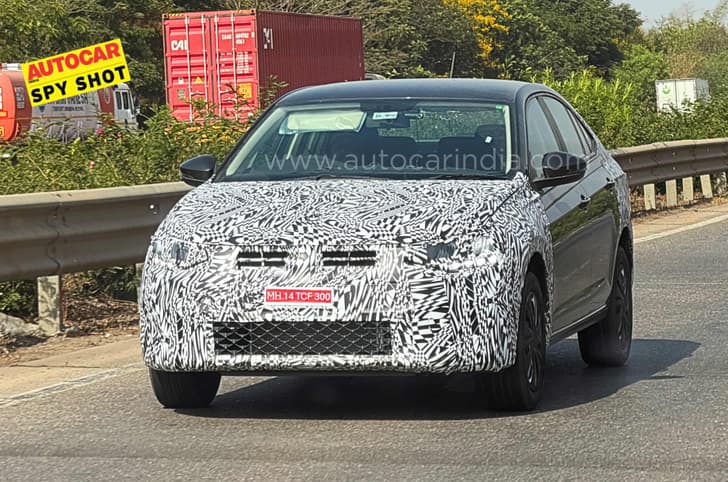
Given your requirements, the Volkswagen Virtus GT is the most sensible choice. You already enjoy your Polo GT TSI, and the Virtus GT builds on that formula with a more powerful 1.5 TSI engine, a larger and more comfortable cabin, and a genuinely enjoyable driving experience. It is one of the best driver's cars in the segment, and it is also well suited to long expressway runs.The back seat is a significant step up from the Polo, with good legroom and a comfortable seating position for your parents. The ride is on the firmer side, but it is well controlled at highway speeds, and the car feels stable and confidence-inspiring on long journeys.On the EV question, a 300km round trip once or twice a week is right on the edge of what most mainstream EVs can comfortably manage without charging stops in the real world. While cars like the Tata Harrier EV and XEV 9S can technically do it, you would be running the battery down to low levels, and charging infrastructure is still not consistent enough to make this a stress-free experience. The Virtus GT, on the other hand, is completely hassle-free on long highway runs.Overall, the Virtus GT strikes the best balance between driving enjoyment, rear seat comfort and long-distance usability. It is the car you are most likely to still enjoy owning after five years. If you can wait a few months, however, Volkswagen is launching a facelifted version that should get a few more features.
Comparing VW Virtus Highline Plus 1.0 TSI Automatic with the Tata Safari Pure X turbo petrol manual. I understand segments are different. I am not confused about which car to buy. I need advice about "Should I push for the Tata Safari as I'll get a big SUV with just 2 lakhs extra" User case: I have a Tata Tiago, which I'm going to keep as 2nd car. Daily running is 15km with moderate traffic (Manual is not a problem) and monthly 1 highway trip of 200-300 kms. Family of 4 adults and a kid. Looking for best value proposition, longterm ownership, Family comfort with driving pleasure.
Given your usage and priorities, the Volkswagen Virtus Highline Plus 1.0 TSI automatic is the better fit. Your daily running is low, and the occasional highway trips do not justify the additional size and complexity of the Tata Safari. The Virtus offers a more refined driving experience, better fuel efficiency and a more manageable ownership proposition over the long term. It is also a more comfortable car for a family of four plus a child, with a spacious rear seat and a large boot. The Safari Pure X turbo petrol manual is a good value proposition for those who need the extra space and road presence, but it is not the best choice for your usage pattern. The manual gearbox will become tiresome in traffic, and the larger size will make it less convenient to live with on a daily basis. The Virtus is the more sensible and enjoyable choice for your needs. You can expect the Volkswagen Virtus mileage to be around 9 to 12 kpl in the city and 15 to 18 kpl on the highway.
Hello, I currently drive a 2015 Honda City Petrol Manual (Stage 1 Tune) and am planning to upgrade to the Volkswagen Virtus 1.5 GT DSG. My daily commute is around 40-50 km, and I also do monthly highway drives of 400-500 km. Being a sedan enthusiast and with very limited options in the Rs. 20-25 lakh price range, would the Virtus 1.5 GT DSG be a good choice for my requirements? Thank you.
Yes, the Volkswagen Virtus 1.5 GT DSG is a very good upgrade from your 2015 Honda City petrol manual, especially given your usage pattern and preferences. Your daily commute of 40- 50 km combined with regular highway runs of 400- 500 km a month makes the Virtus 1.5 GT a strong fit. The 1.5 TSI engine of this sedan car is genuinely punchy, and the DSG gearbox delivers quick, crisp shifts, making both city driving and highway overtakes effortless. You can expect the Volkswagen Virtus mileage to be around 9 to 12 kpl in the city and 15 to 18 kpl on the highway.The Virtus also has a well-sorted chassis, a comfortable ride and a spacious cabin, which will make your daily commute and long drives more enjoyable.You could also consider the updated Skoda Slavia that's likely to be launched in a few weeks, or wait for the updated Virtus that'll launch towards the end of the year. These cars will have an upgraded air-con unit (like the Skoda Kushaq and VW Taigun) that you will surely appreciate.
Hello Autocar, I am planning to buy the Volkswagen Virtus by the end of this month or within the next month. Should I wait for the upcoming Virtus facelift? I am considering the Virtus 1.0 GT Line Manual variant. Should I buy the current model, or would it be better to wait for the updated Virtus? I have heard that the facelift will feature a major update to the A/C compressor and other electronic components to improve overall reliability. How true is this, and would it be worth waiting?
If you are planning to buy the Volkswagen Virtus 1.0 GT Line Manual, it is worth waiting for the upcoming Virtus facelift. The current Virtus is already a strong product, but the facelift is expected to bring meaningful updates, particularly improvements to the air conditioning system, which is likely to enhance the overall ownership experience.If you are not in an urgent hurry, waiting a few weeks for the updated version makes sense. If you need the car immediately, the current Virtus is still a solid choice, which will possibly be available at a discounted price, but given the timing, waiting is the more sensible option. You can expect the Volkswagen Virtus mileage to be around 9 to 12 kpl in the city and 15 to 18 kpl on the highway.
Last Updated on: 16 Aug 2026